






 LEARN DETAILS
 Downloads
 Video Center
 Report Fault for Repair
 FAQS
FAQS Service Network
 Privacy Policy
 Contact Us
 Monitoring

The European Residential Solar Market is Entering a New Phase: From Storage to Smart Energy Ecosystems
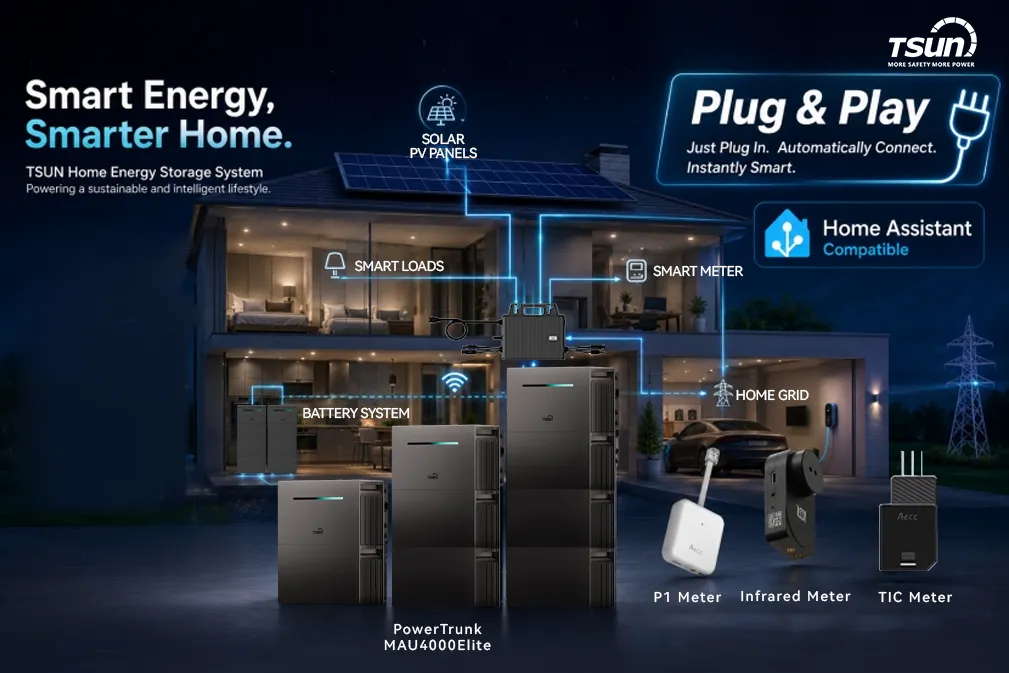
The European residential solar market is moving into a new phase. For years, the market was mainly driven by adding basic battery storage to rooftop PV to increase household electricity savings. Now, the focus is expanding from simply “storing solar” to building more complete, interconnected home energy systems.
This shift brings a clear message to the industry: The next opportunity in Europe will not belong to standalone batteries. It will belong to solutions that combine robust power, strict safety, localized meter integration, and smart home flexibility.
1. Safety and Power Are Essential Baseline Requirements
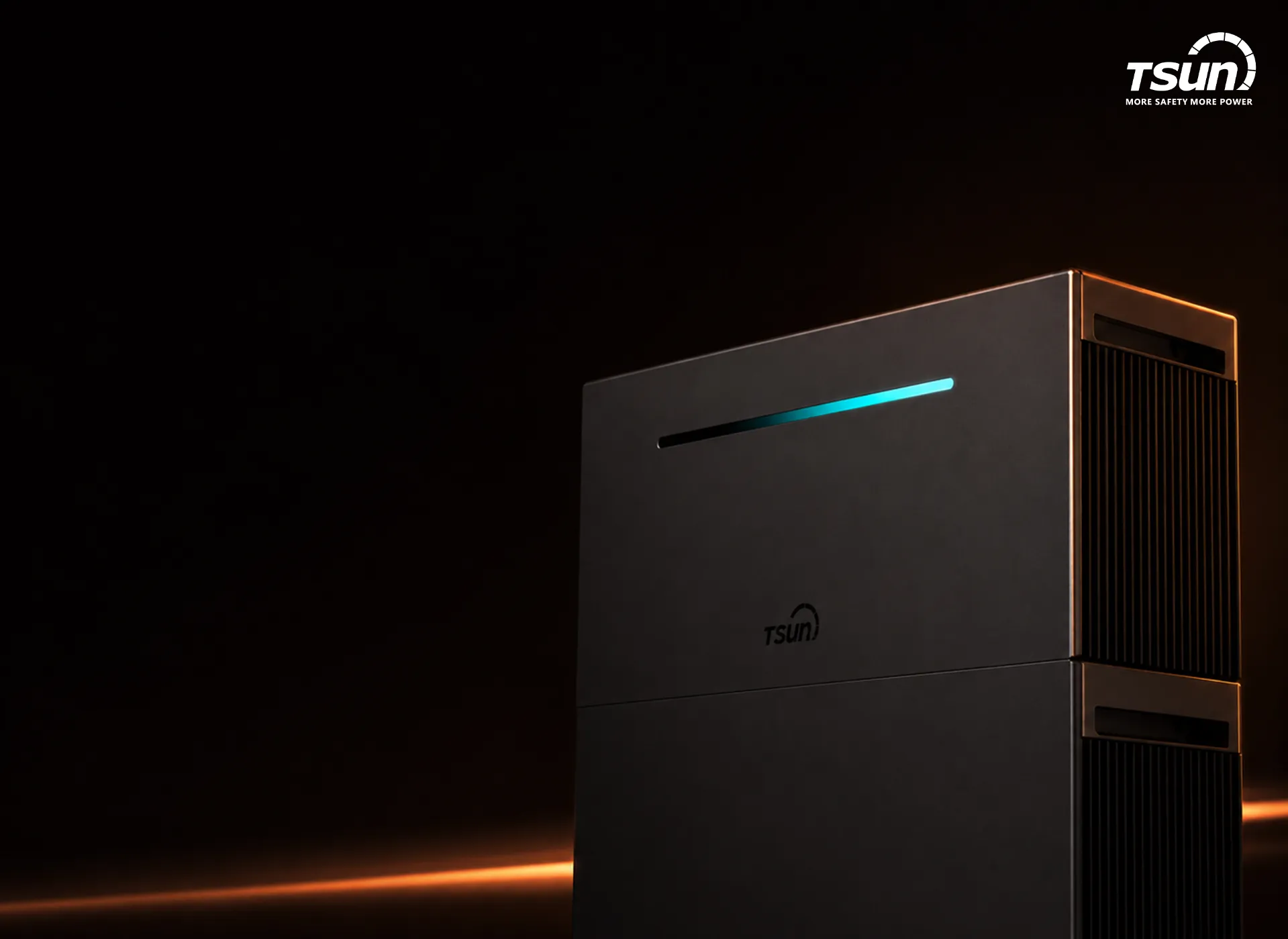
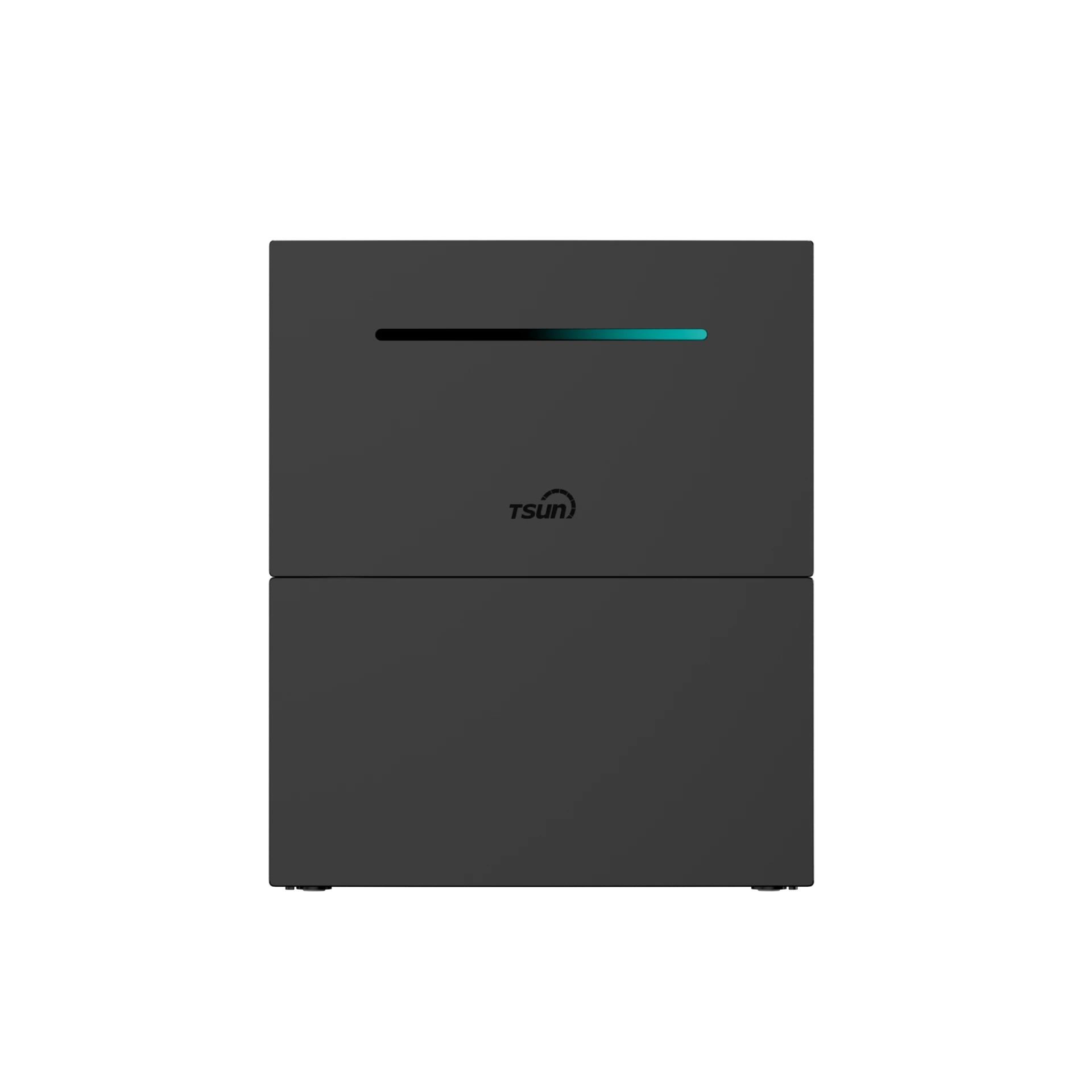
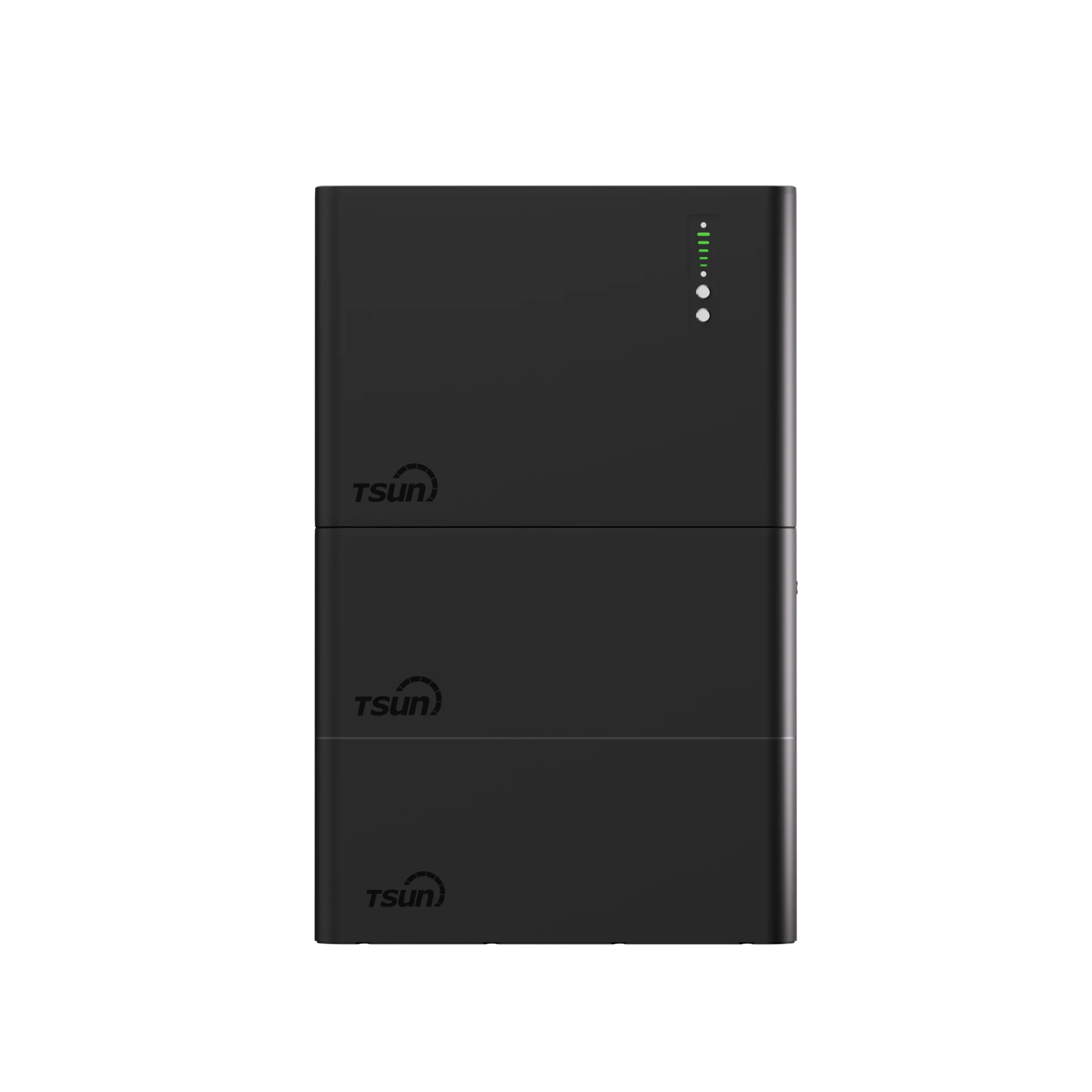
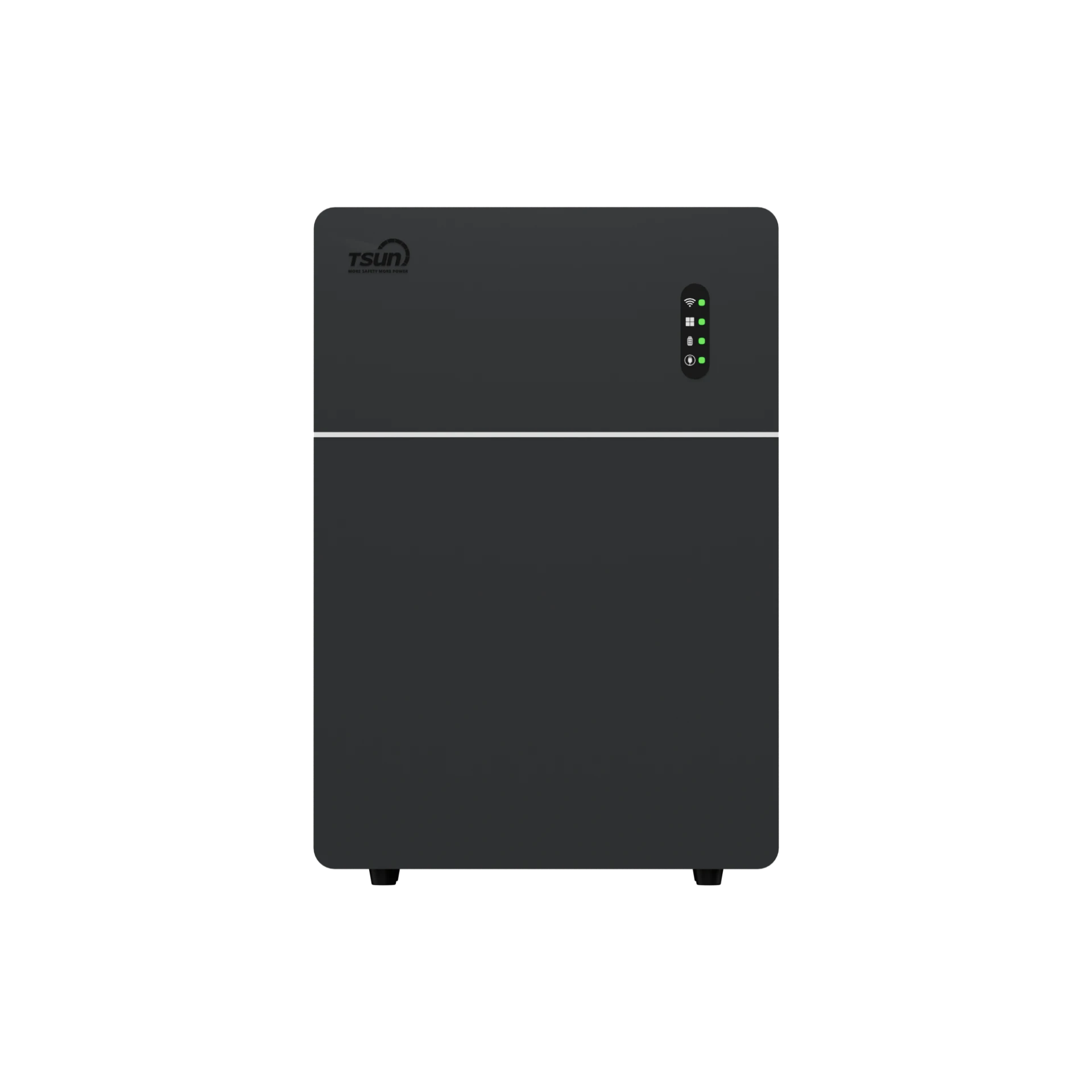
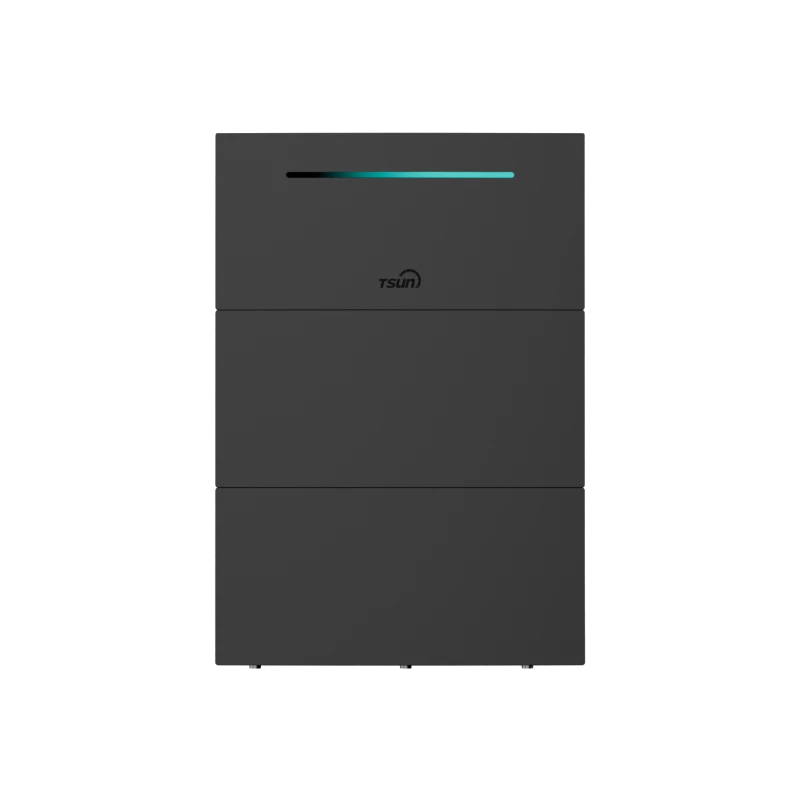
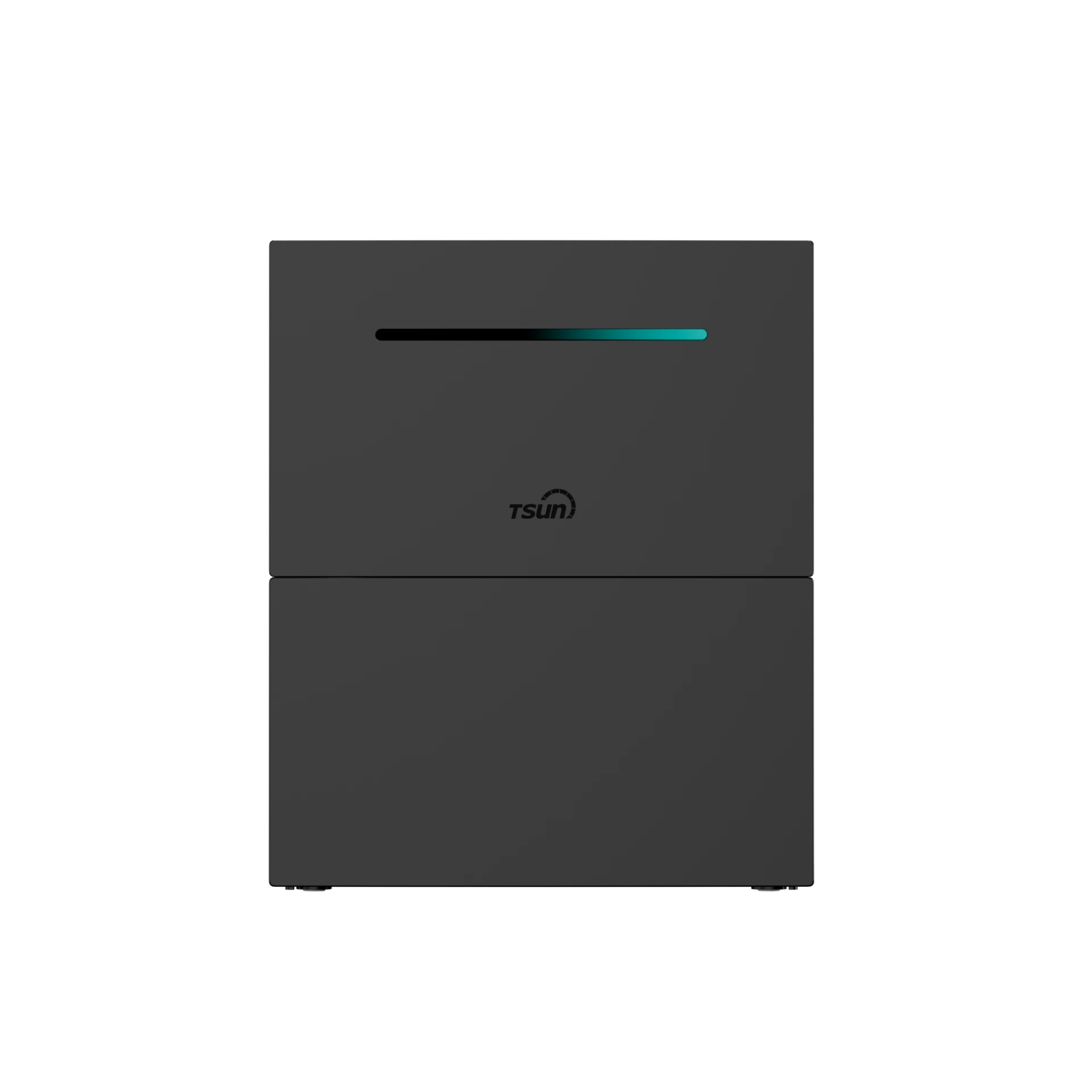
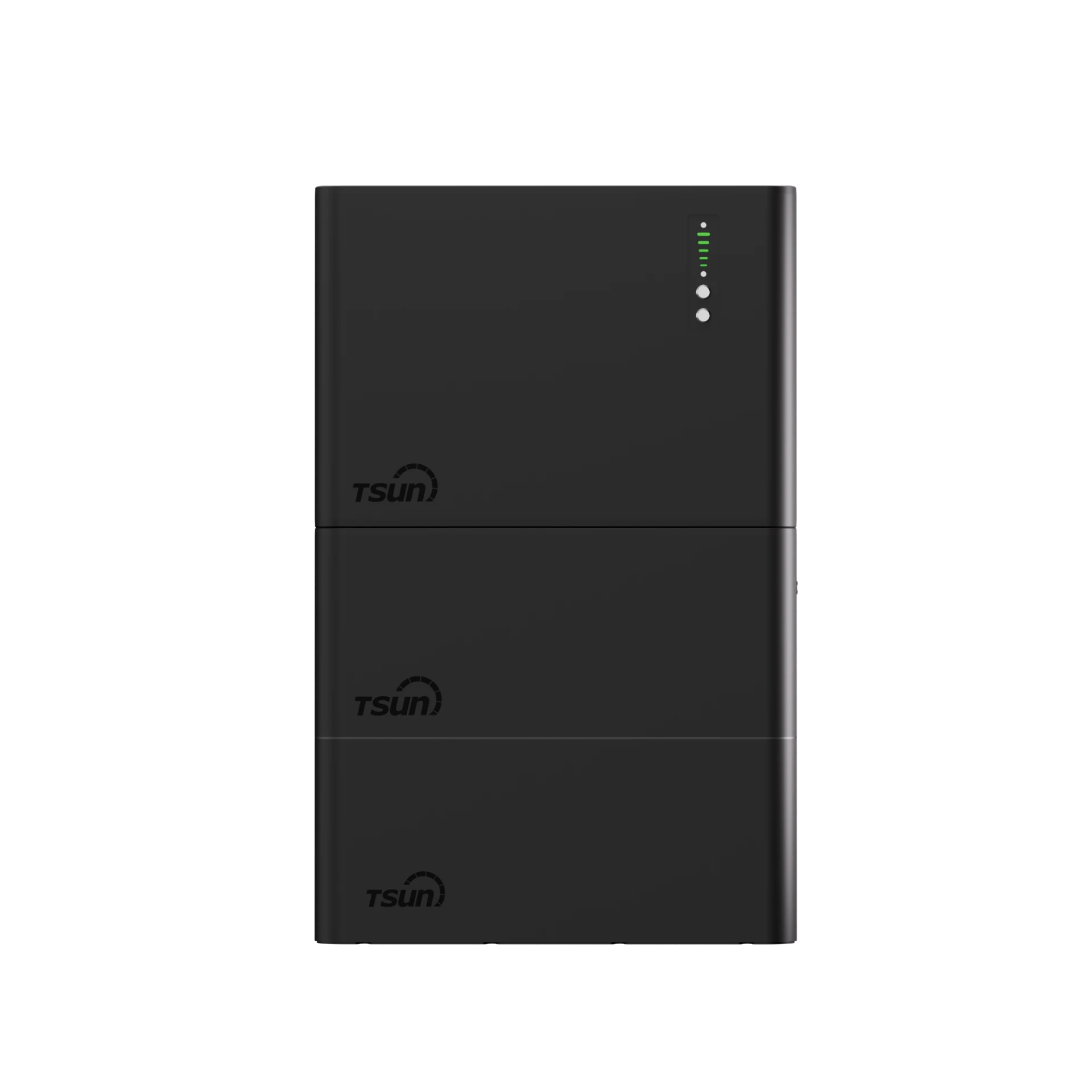
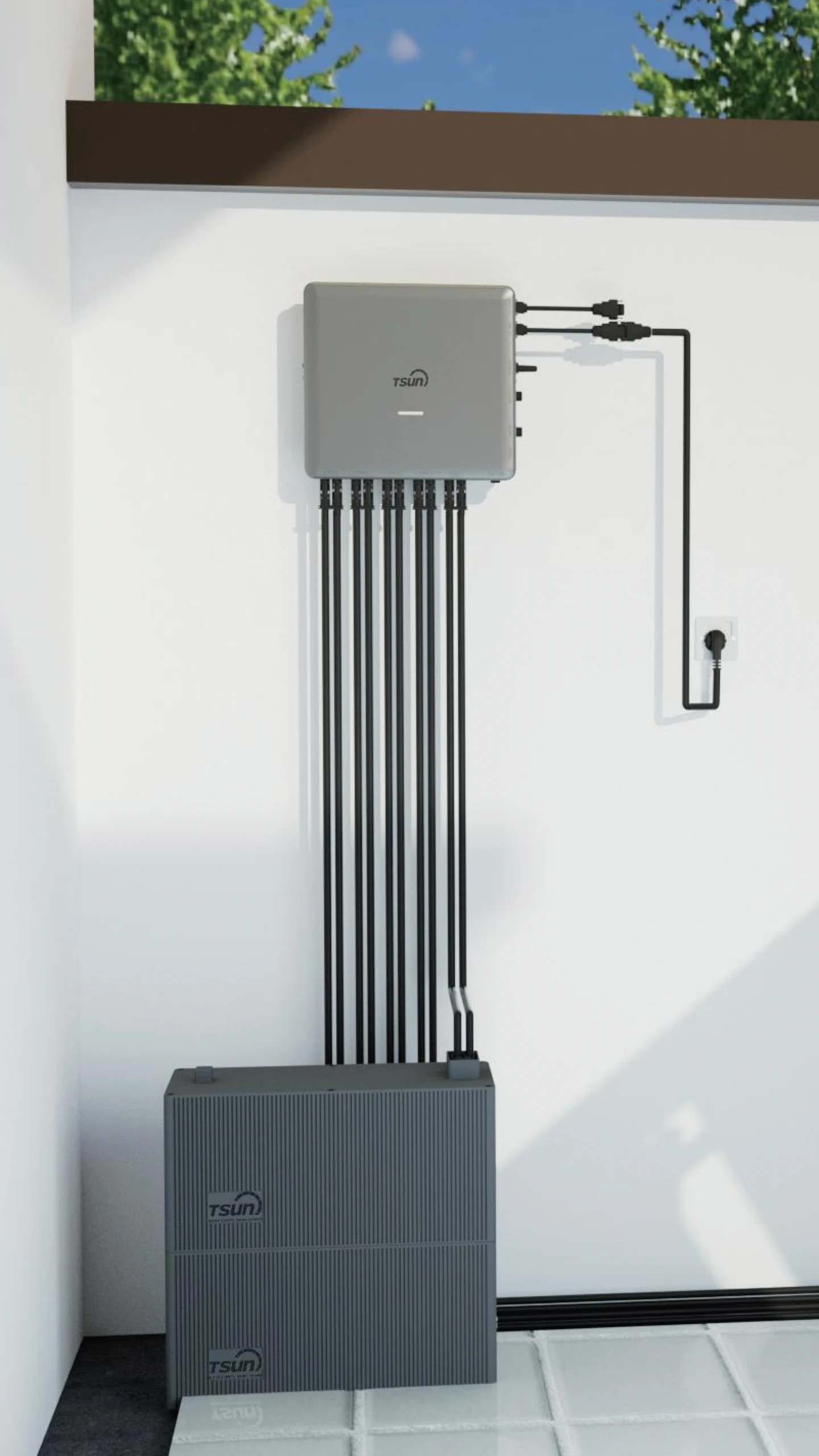
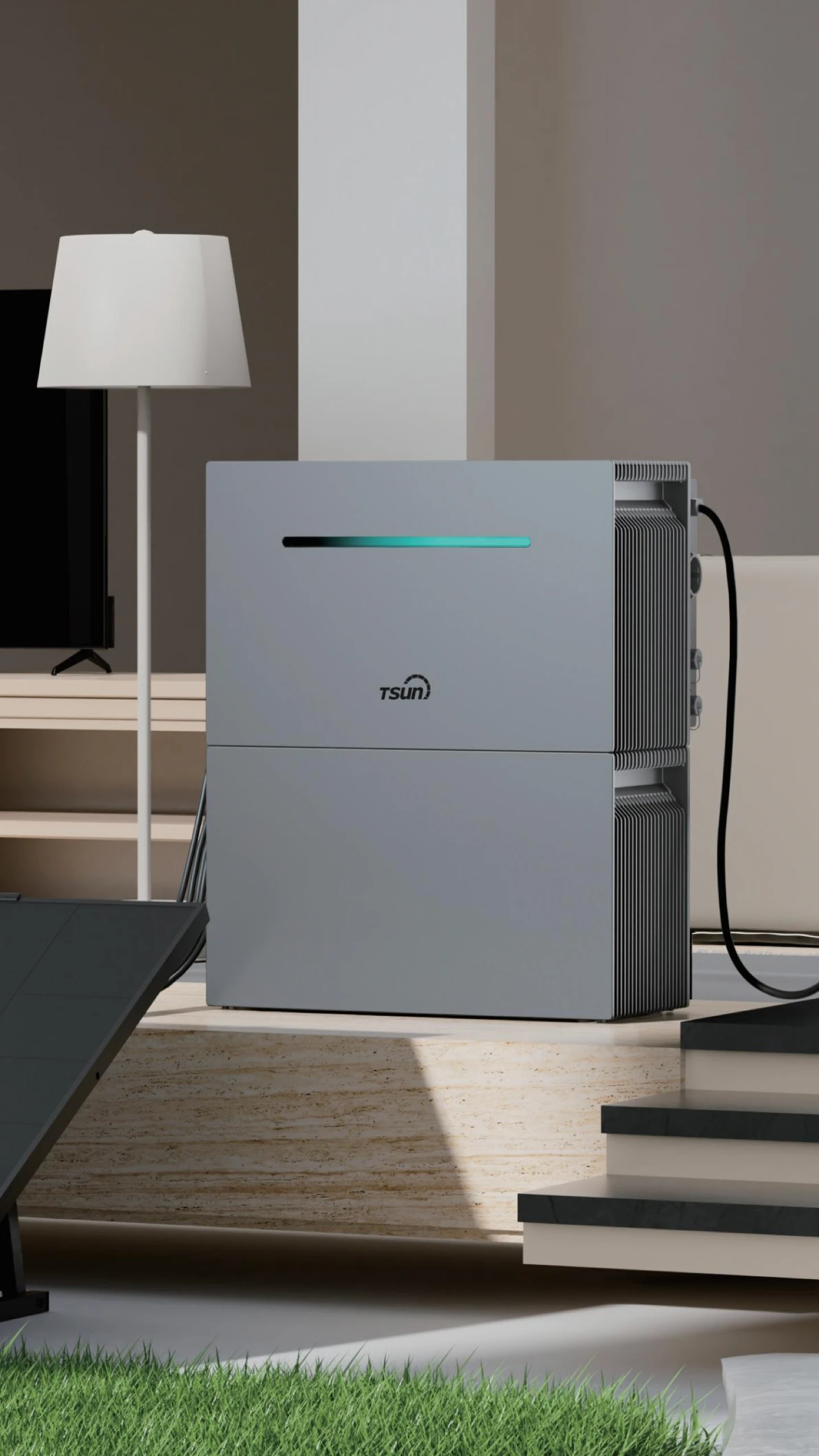
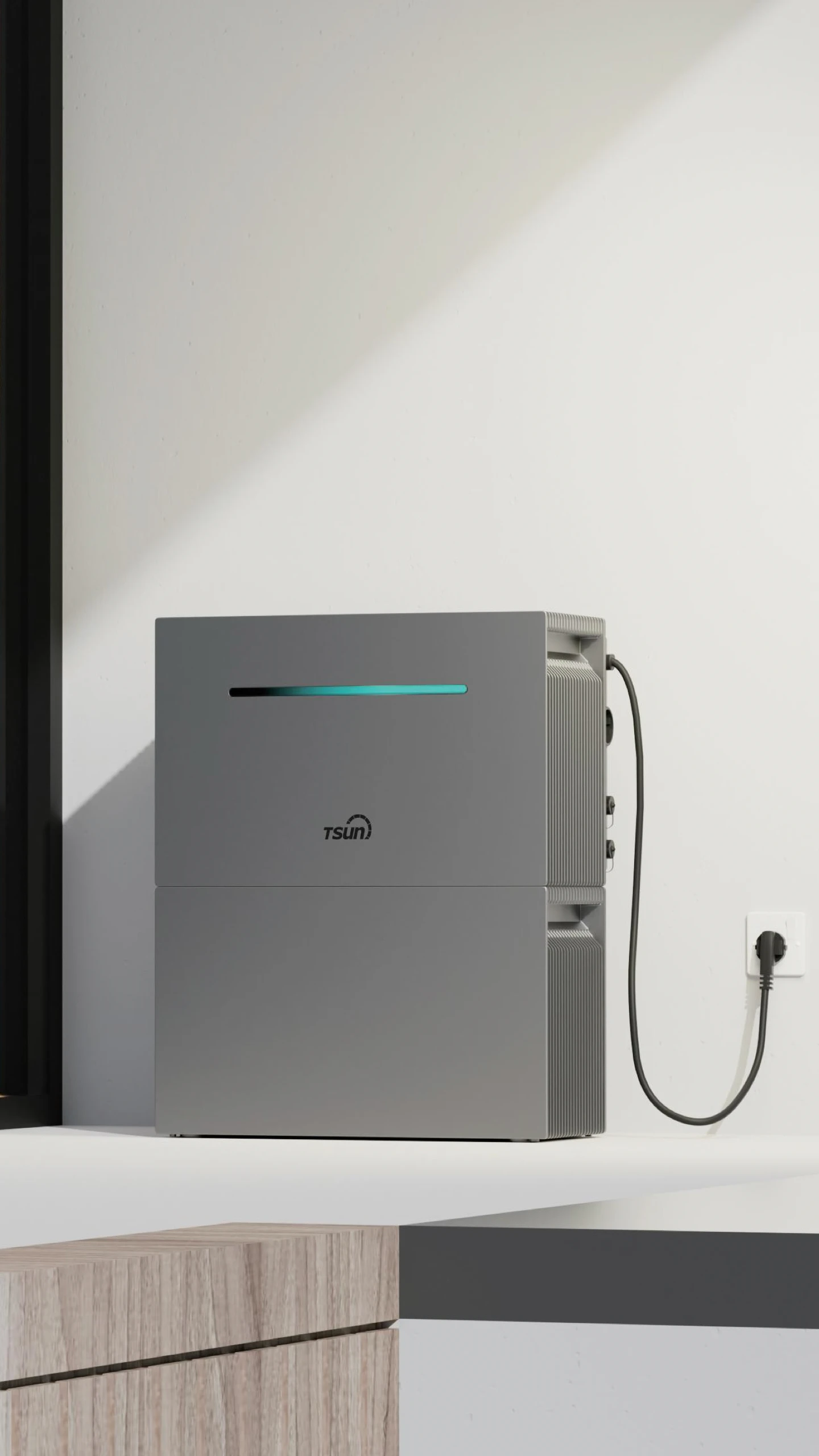
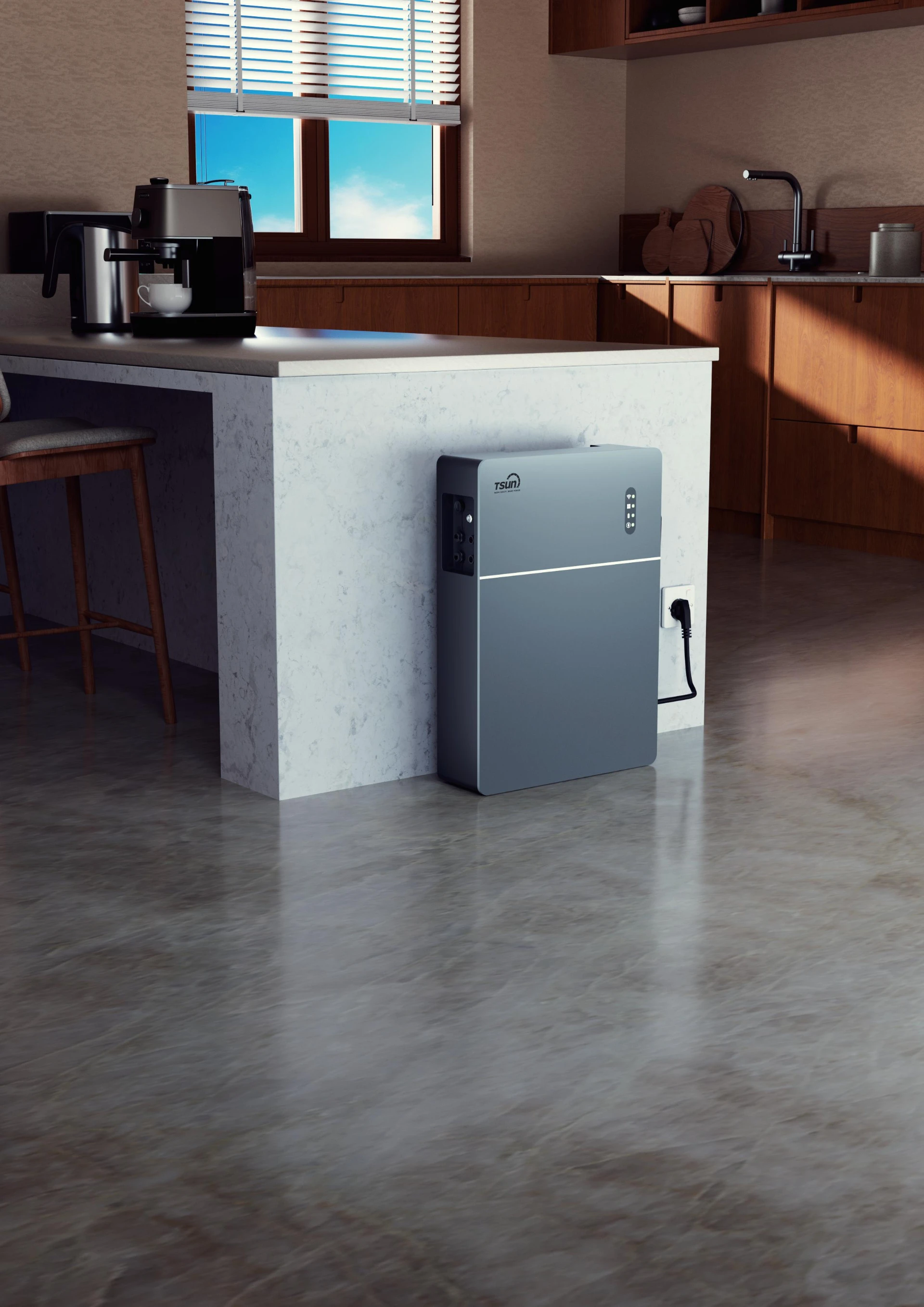
As households rely more on self-generated electricity, the expectations for residential storage systems are rising. Systems must support heavy household loads while maintaining strict safety standards. TSUN addresses these fundamental needs through its next-generation Energy Storage Systems (ESS):
- More Power: High-capacity discharge rates designed to support heavy appliances, ensuring homes remain fully operational during peak demand.
- More Safety: Multi-layered thermal management and redundant fail-safe protocols ensure energy is stored securely.
2. Meter Compatibility Is Becoming a Market Filter
In Europe, connecting to the local grid’s data infrastructure is more than a technical procedure—it is a critical factor in whether a product can be deployed efficiently. Many companies struggle with the complexities of localized grid protocols, limiting their market reach.
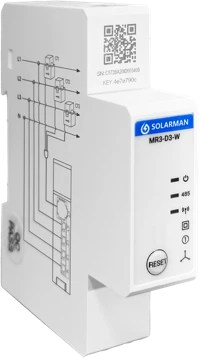
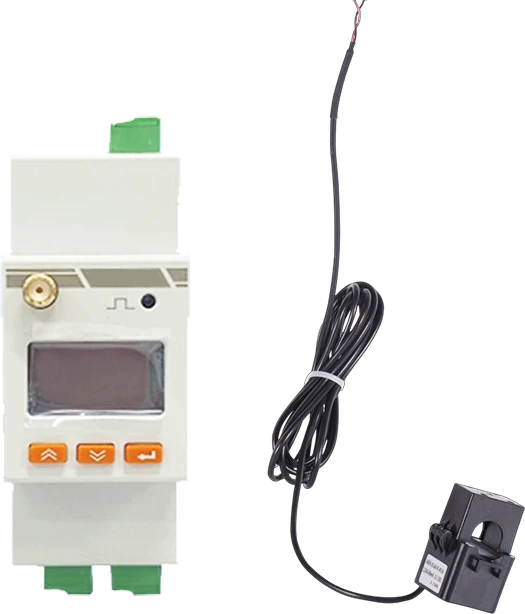
To solve this, TSUN’s full suite of storage solutions (excluding the DCU series) is now deeply integrated with AECC Smart Meter Reading terminals, simplifying grid compatibility for installers and end-users.
3. Three Regional Scenarios Require Localized Solutions
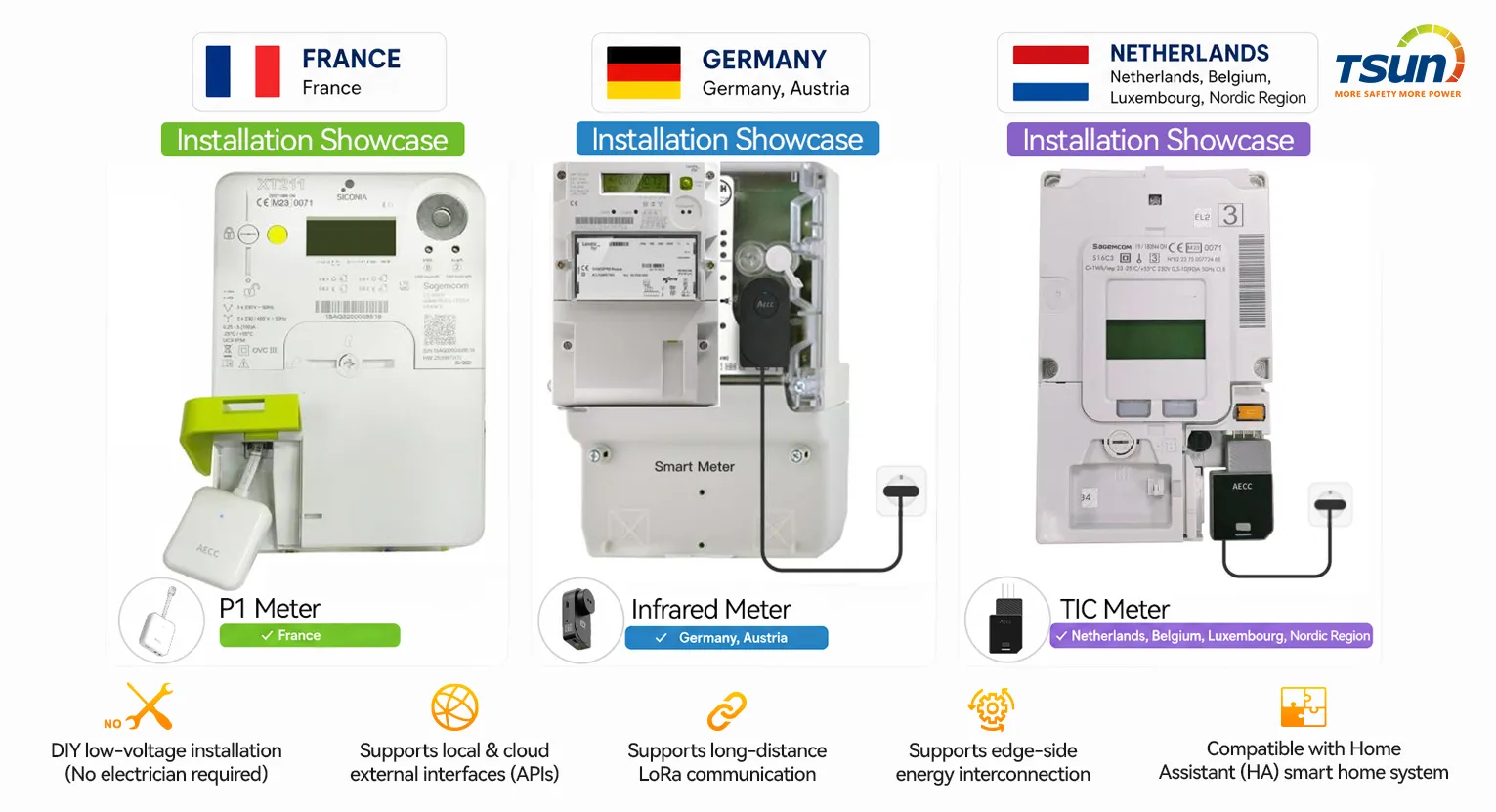
The European grid landscape is opening opportunities across different residential scenarios, requiring specific solutions for regional meter standards:
- France (Linky TIC): The SMeter-RS09 provides native, plug-and-play TIC data capture, ensuring total synchronization with French national standards.
- DACH Region (D0 Infrared): The SMeter-RS02 offers high-precision infrared reading for German and Austrian grids.
- Benelux & Nordics (P1 Interface): The SMeter-RS06 provides an immediate, cable-based link to household P1 ports.
4. The Next Stage Is About Load Linkage
The European market is asking for more than passive monitoring. It is asking for active, intelligent load management.
The future of TSUN is not limited to the battery; it resides in the entire home. TSUN is actively expanding the AECC ecosystem to incorporate global smart home leaders such as Xiaomi, Haier, and Midea.
The future residential system will not only store electricity. It will communicate directly with HVAC and smart appliances to automatically shift heavy loads to periods of high solar generation or low dynamic pricing. This 'Energy-Load Linkage' is becoming an essential part of smart living.
Conclusion: How TSUN Fits This Transition
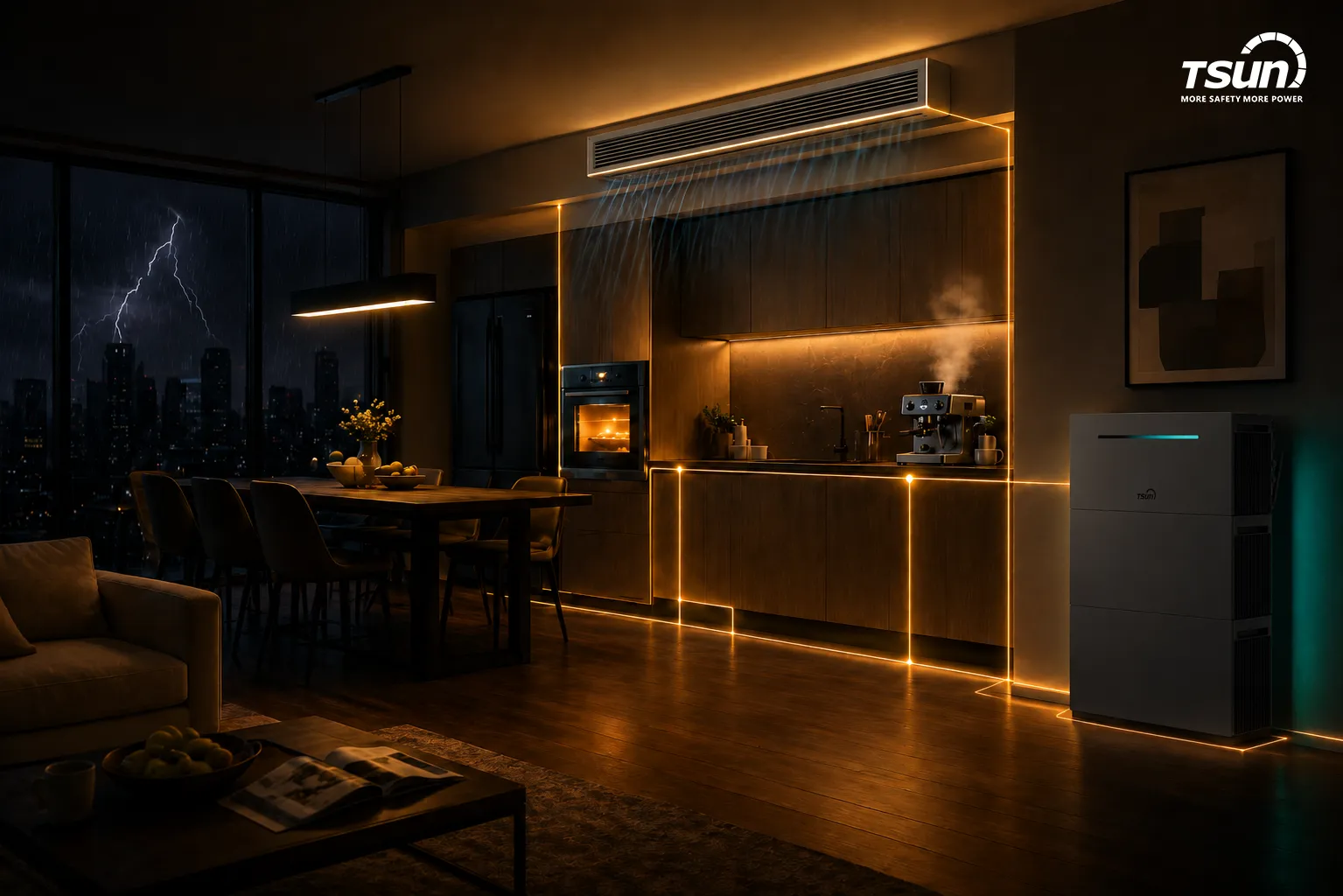
The European market is asking for systems that are ready for real deployment. Ready for localized grid compliance. Ready for smart home integration. Ready for practical load management.
That is where TSUN sees the opportunity: supporting partners with practical, scalable solutions that match both technical requirements and emerging smart living trends. As the residential energy market evolves, the winners will be those who can deliver localized, compliant, and smart home-ready ecosystems.

 LEARN MORE