





 LEARN DETAILS
 Downloads
 Video Center
 Report Fault for Repair
 FAQS
 Service Network
 Privacy Policy
 Contact Us
 Monitoring

Balcony solar systems represent a shift toward decentralized urban energy, allowing apartment dwellers to generate power without extensive roof access. The adoption of china vertical easy balcony solar panel kits addresses the specific spatial constraints of city living by utilizing vertical railings and walls. These kits are designed to minimize installation complexity while maximizing the limited surface area available in residential balconies.
For most urban users, the primary challenge is not just the solar panel itself, but the integration of power conversion and secure mounting. Vertical systems must manage different light angles compared to traditional rooftop arrays, requiring specialized microinverters that can handle fluctuating voltages. This shift toward DIY-friendly, plug-and-play energy solutions reduces the reliance on professional electrical contractors for small-scale residential deployments.
This guide analyzes the technical components necessary for a successful vertical balcony installation, from the structural integrity of brackets to the efficiency of AC-coupled microinverters. Readers will learn how to evaluate technical specifications, ensure electrical safety in high-density housing, and choose a system that balances power output with ease of maintenance over a long lifecycle.
Practicality of Vertical Balcony Solar Integration
Vertical solar integration transforms passive balcony space into an active energy asset. Unlike traditional tilted arrays, vertical kits are optimized for winter sunlight—when the sun is lower in the sky—and provide a natural privacy screen for the resident. The engineering focus here is on "Ready to Use" (DIY) configurations, which integrate the PV module, a specialized microinverter, and a secure mounting bracket into a single package. This approach removes the traditional barriers of B2B solar procurement, bringing industrial-grade power electronics into the consumer residential space. By utilizing a micro-inverter architecture, each panel operates independently, preventing a single shaded area from compromising the entire system's output, which is critical in urban environments where neighboring buildings often cast irregular shadows.
Technical Evaluation and Selection Guide
Selecting a balcony solar kit requires a deep dive into the power electronics and structural specifications to ensure long-term reliability and safety. The following analysis breaks down the key technical dimensions that determine system performance.
Vertical Mounting Engineering
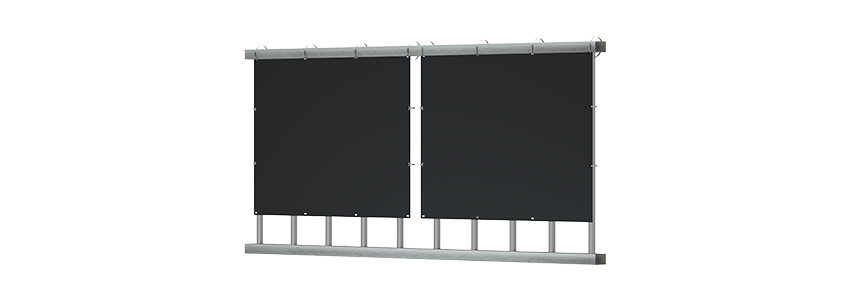
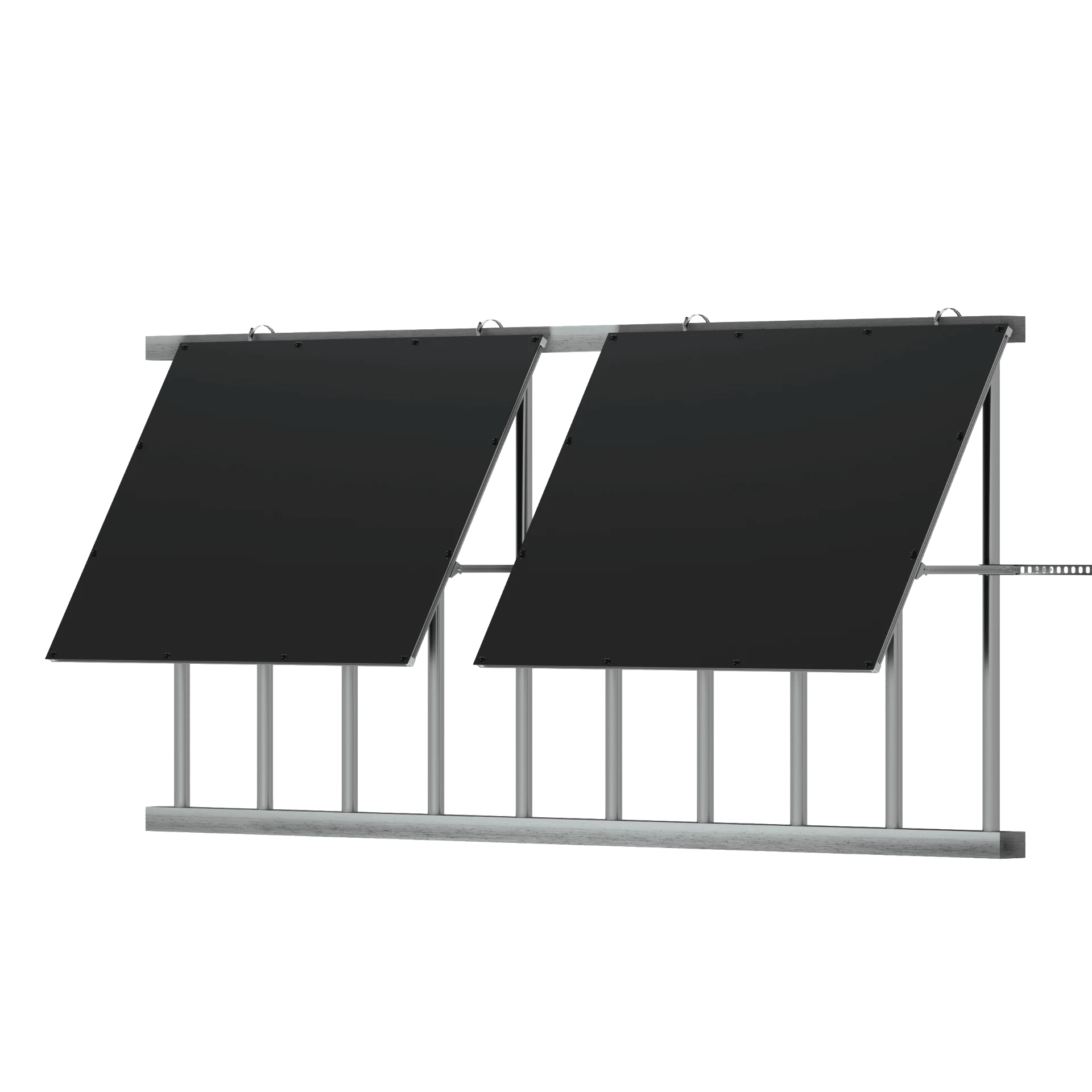
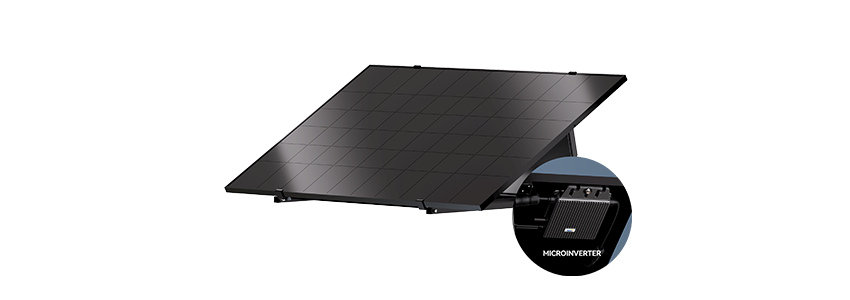
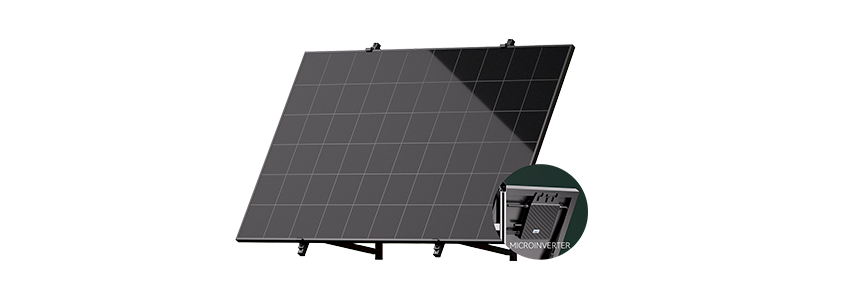
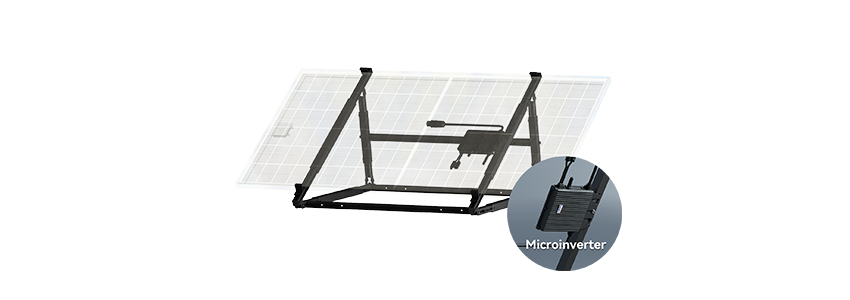
Mounting systems for vertical arrays must prioritize wind load resistance and ease of attachment. Specialized brackets, such as the ESK Balcony Vertical series, allow for secure hanging on railings without permanent structural modification. The focus is on modularity and material strength to prevent vibration and ensure the panels remain perpendicular to the wall, optimizing the capture of low-angle sunlight.
| Mounting Type | Primary Benefit | Key Requirement | Ideal Scenario |
|---|---|---|---|
| Air Vertical | Lightweight / Easy Hang | Railing Stability | Standard Balconies |
| Angled Bracket | Better Summer Yield | Available Depth | Deep Balconies |
| Fixed Wall | Maximum Security | Wall Drilling | Private Courtyards |
| Pop-Up Ground | No Installation | Flat Surface | Garden/Terraces |
| Universal DIY | High Flexibility | Custom Fasteners | Mixed Railings |
| Trunk Cable Rail | Clean Wiring | Cable Management | Multi-panel Arrays |
Microinverter Efficiency and MPPT
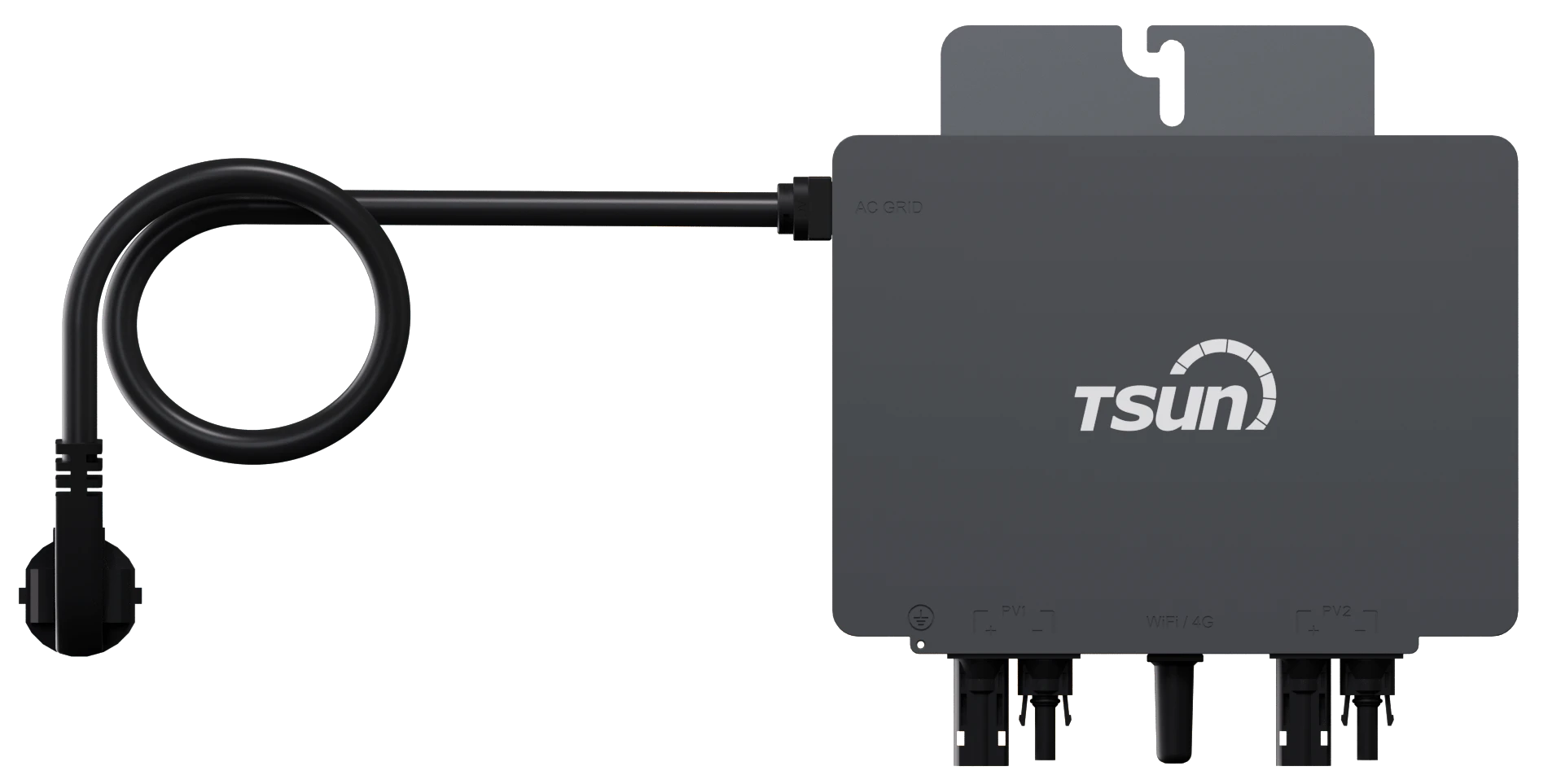
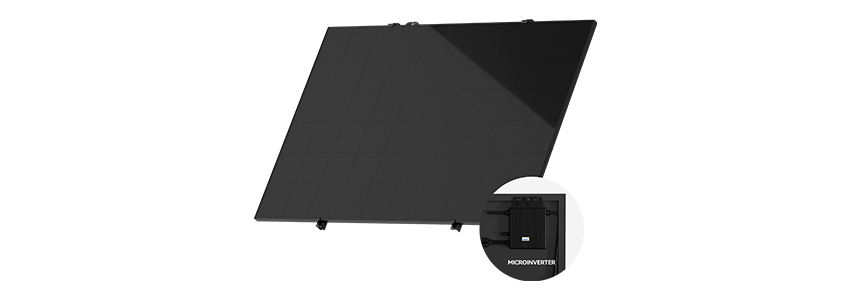
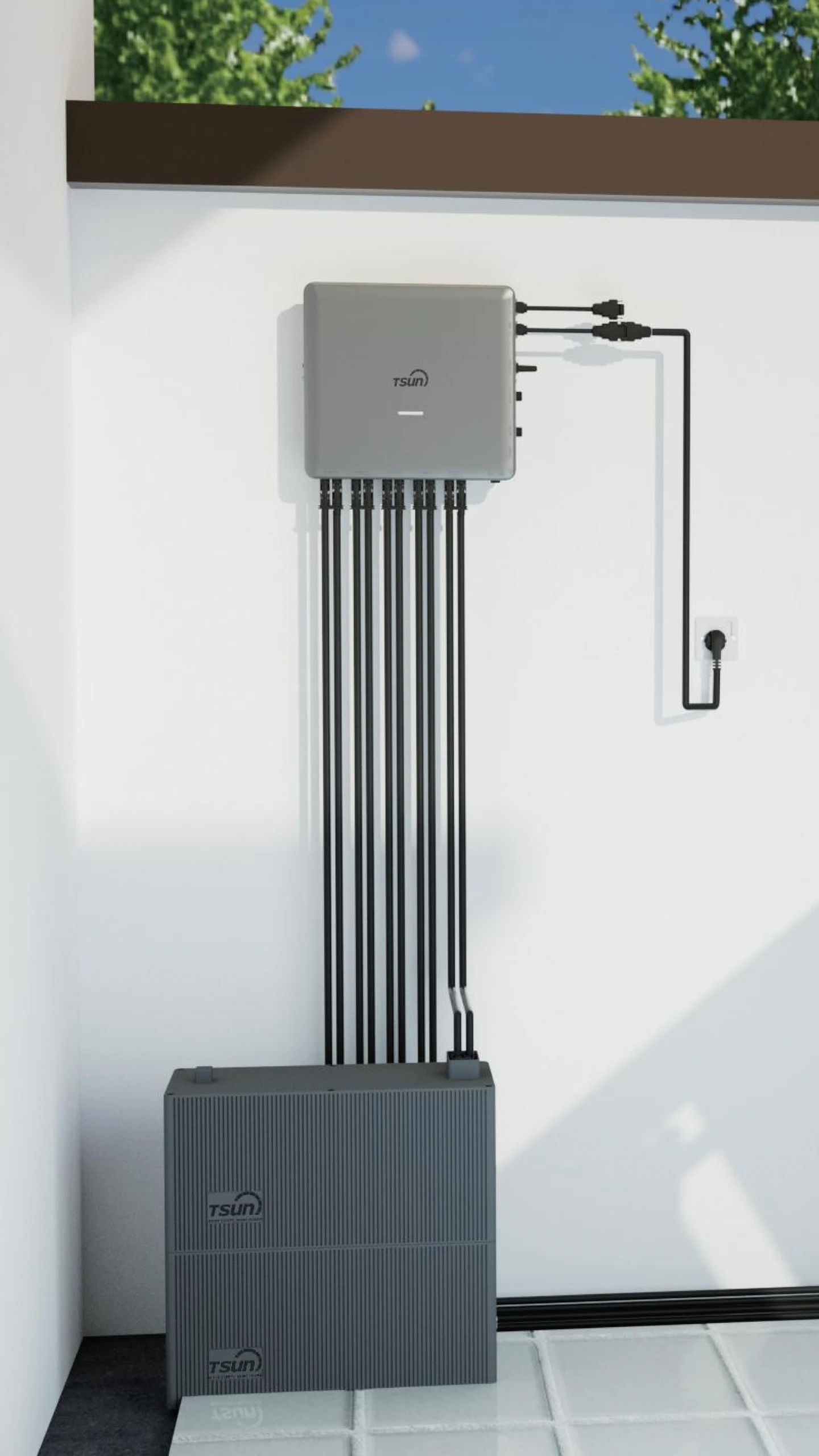
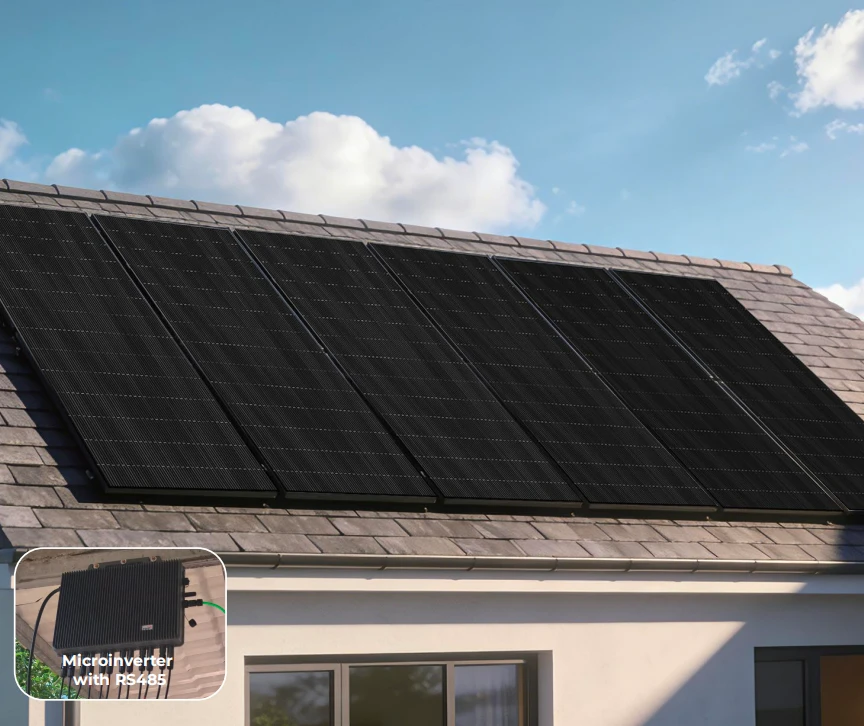
The heart of any high-performance kit is the microinverter. Advanced units, like the 4-in-1 Microinverter, utilize Maximum Power Point Tracking (MPPT) to optimize energy harvest. A critical specification is the MPPT minimum voltage; for instance, a 16V minimum allows the system to continue producing power even in low-light conditions or partial shading, ensuring the 2250W maximum output is reached whenever sunlight permits.
Safety Standards and Isolation
Safety is paramount in residential settings. High-frequency isolation design is essential to prevent electrical leakage. Systems operating at a safe 60V DC input eliminate the need for complex components like AFCI (Arc Fault Circuit Interrupters) or RSD (Rapid Shutdown Devices). This low-voltage DC architecture simplifies installation and significantly reduces the risk of electrical fires in dense urban housing.
Plug-and-Play Connectivity
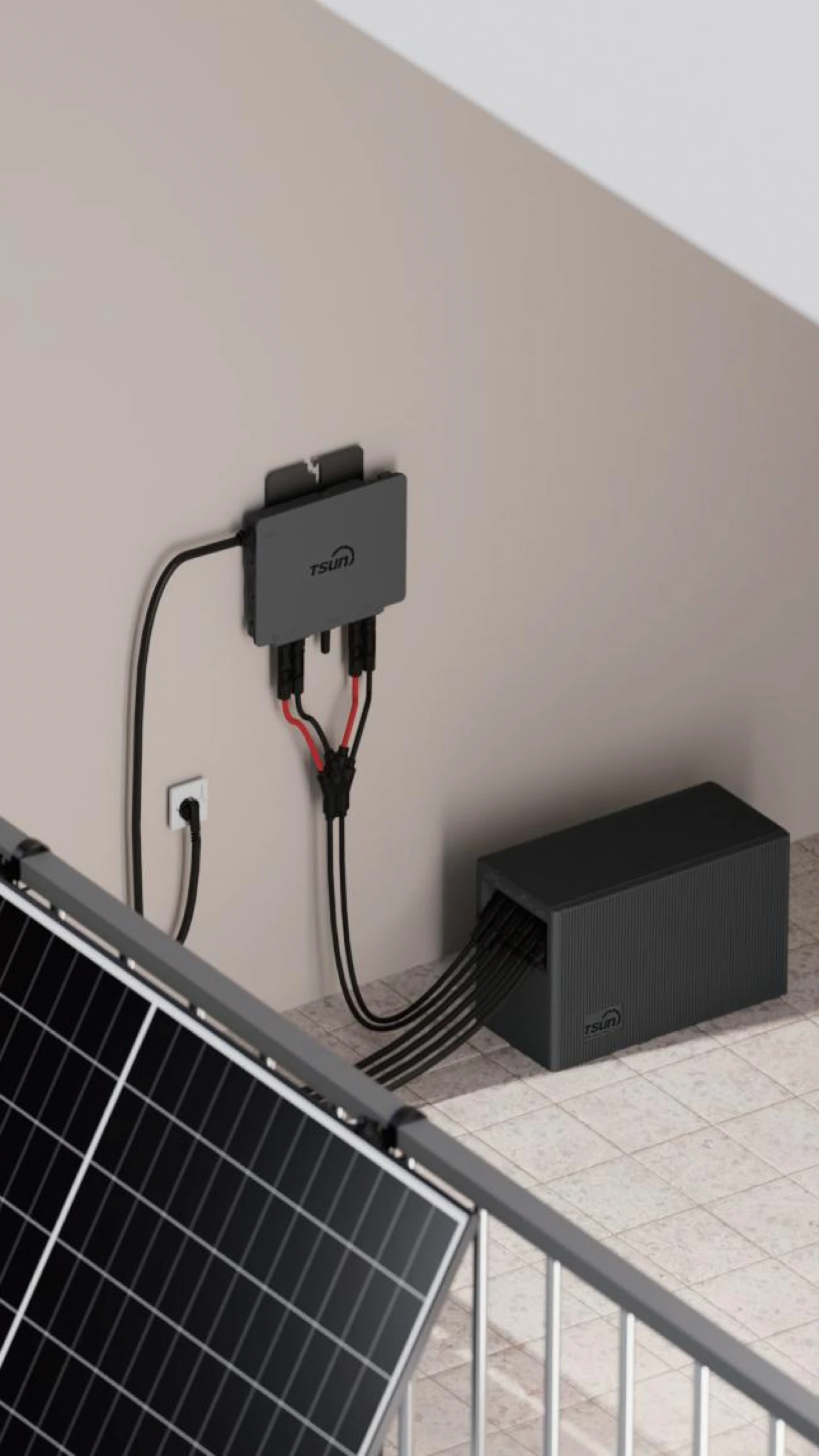
To achieve true DIY status, the connectivity must be seamless. The use of integrated AC output cables (such as the 1.45m daisy-chain cables) allows users to connect multiple inverters without needing extra wiring. This "plug-and-play" approach reduces installation time and minimizes the potential for wiring errors, making the transition from 500W to 9000W systems a scalable process.
Environmental Durability (IP67)
Outdoor equipment must withstand extreme temperature swings and moisture. An IP67 protection rating ensures the microinverter is dust-tight and protected against immersion in water. Full aluminum die-casting is employed not only for structural rigidity but also for superior heat dissipation, which is vital for maintaining efficiency when the unit is mounted in direct sunlight on a balcony.
Monitoring and Communication
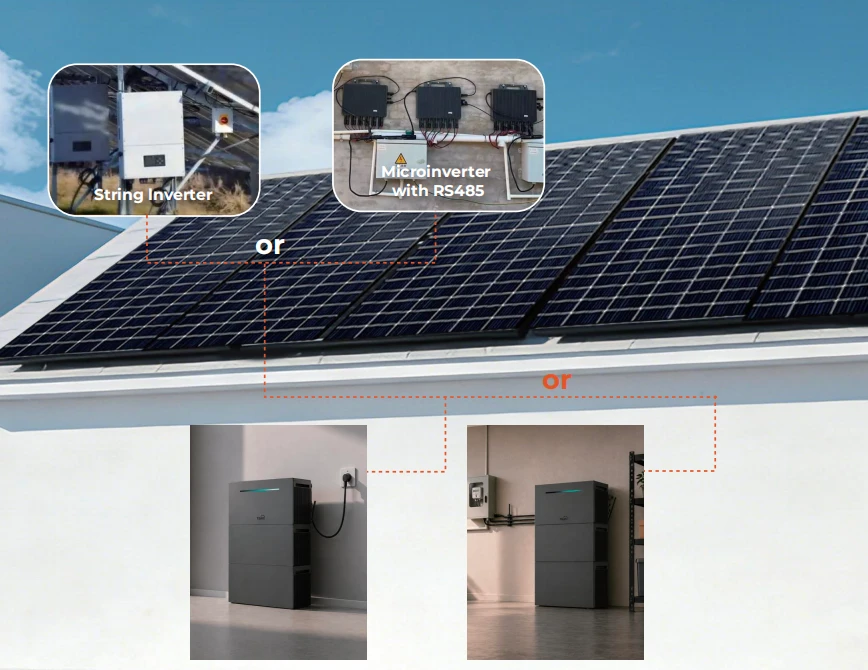
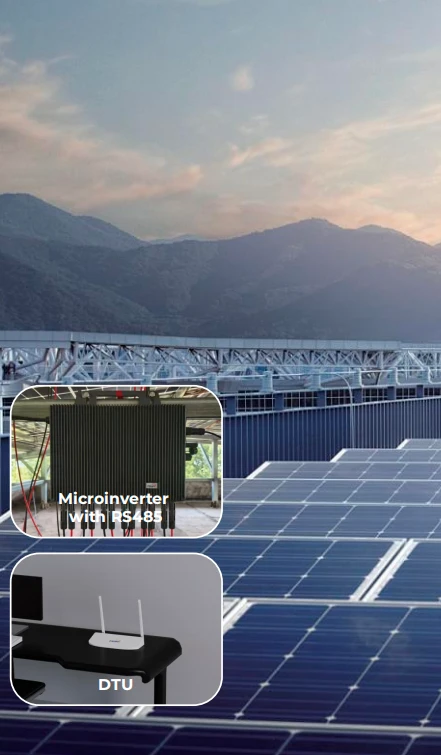
Real-time data is key to evaluating ROI. Modern kits offer multiple communication paths: Wi-Fi for easy home integration, RS485 for professional anti-reverse flow setups, and Bluetooth for local monitoring without a network. This allows users to track their energy production via smart meters and adjust panel placement based on actual performance data.
Scalability via Daisy-Chain
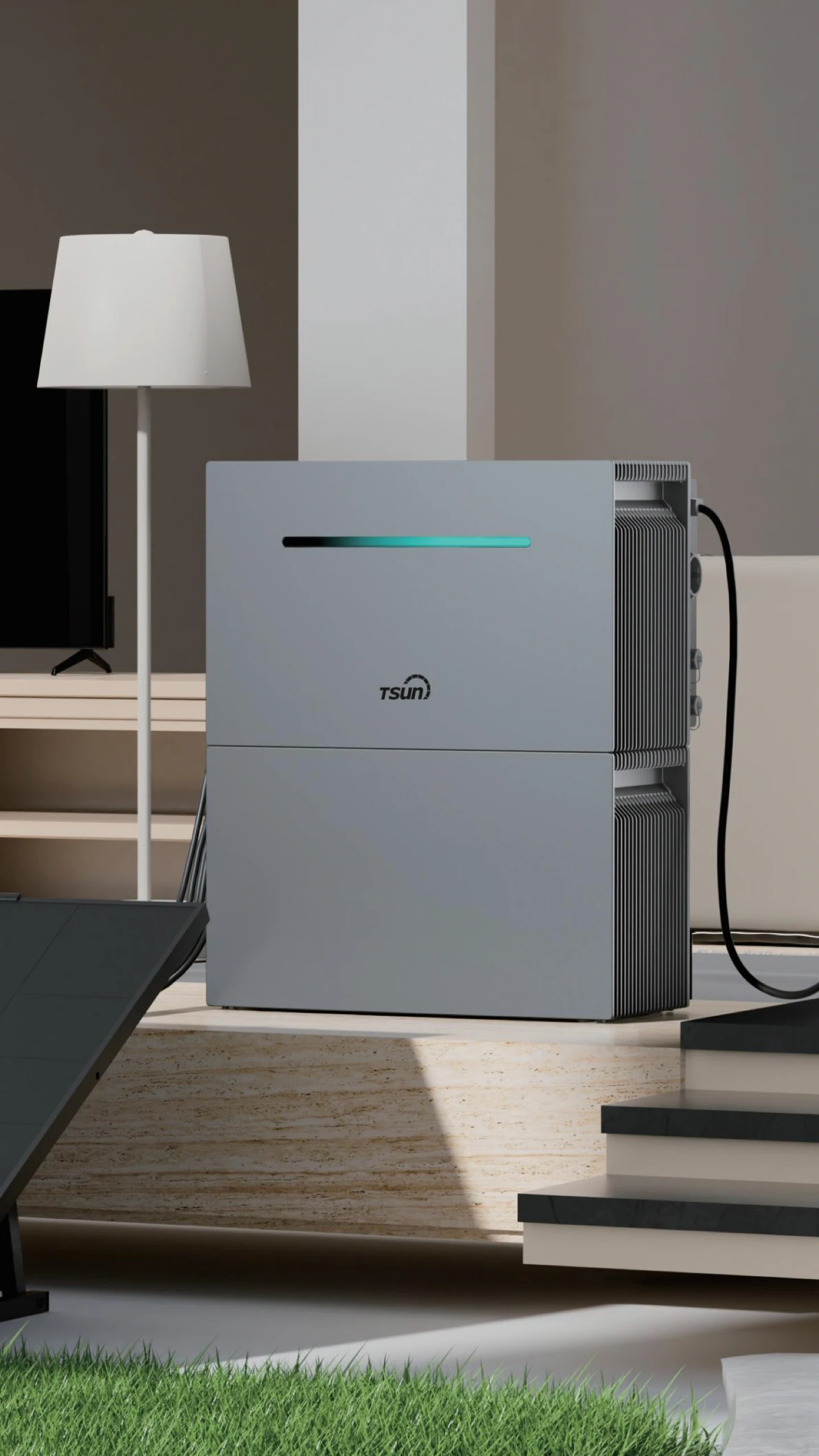
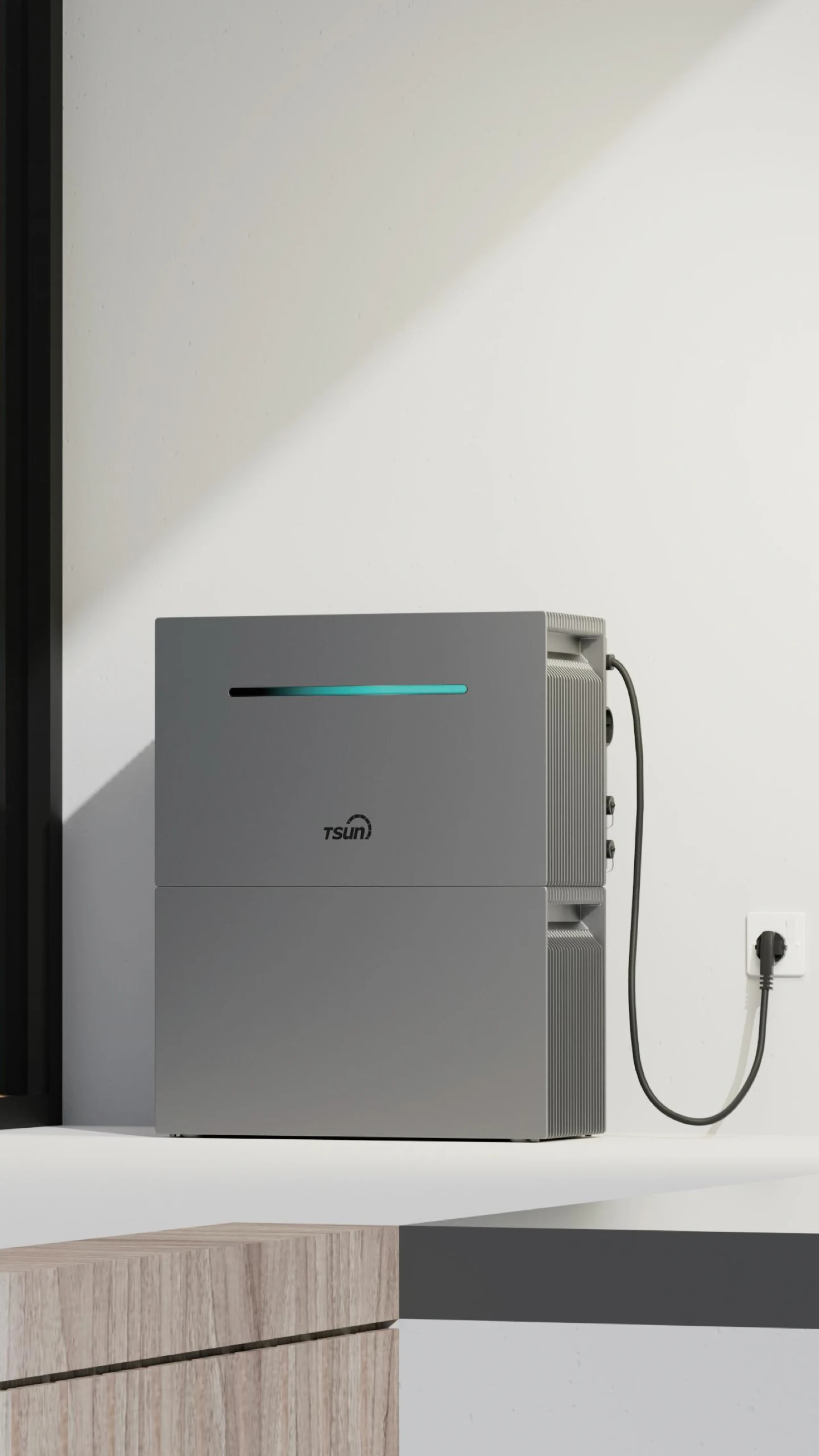
The ability to expand a system is a core commercial requirement. Daisy-chaining allows for the addition of more panels and inverters as the user's energy needs grow. This modularity ensures that the initial investment is protected, as users can start with a small kit and expand to a larger residential storage system, incorporating AC-coupled units for energy backup.
FAQ
What are the main benefits of a vertical balcony solar kit over a roof system?
Vertical kits are specifically designed for urban dwellers who lack roof access. They utilize balcony railings to capture low-angle winter sun, provide privacy, and offer a DIY installation process that doesn't require permanent structural changes to the building, making them ideal for renters and apartment owners.
Is a microinverter necessary for balcony solar panels?
Yes, microinverters are critical for balcony systems because they allow each panel to operate independently. In an urban environment, partial shading from other buildings is common; a microinverter ensures that if one panel is shaded, the others continue to produce power at maximum efficiency.
How do I ensure the installation is safe and compliant?
Look for systems with high-frequency isolation and low DC input voltages (around 60V), which reduce the risk of electrical arcs. Ensure the mounting brackets are rated for the wind loads of your specific floor height and use IP67-rated electronics to prevent moisture ingress.
Can I expand my balcony system later?
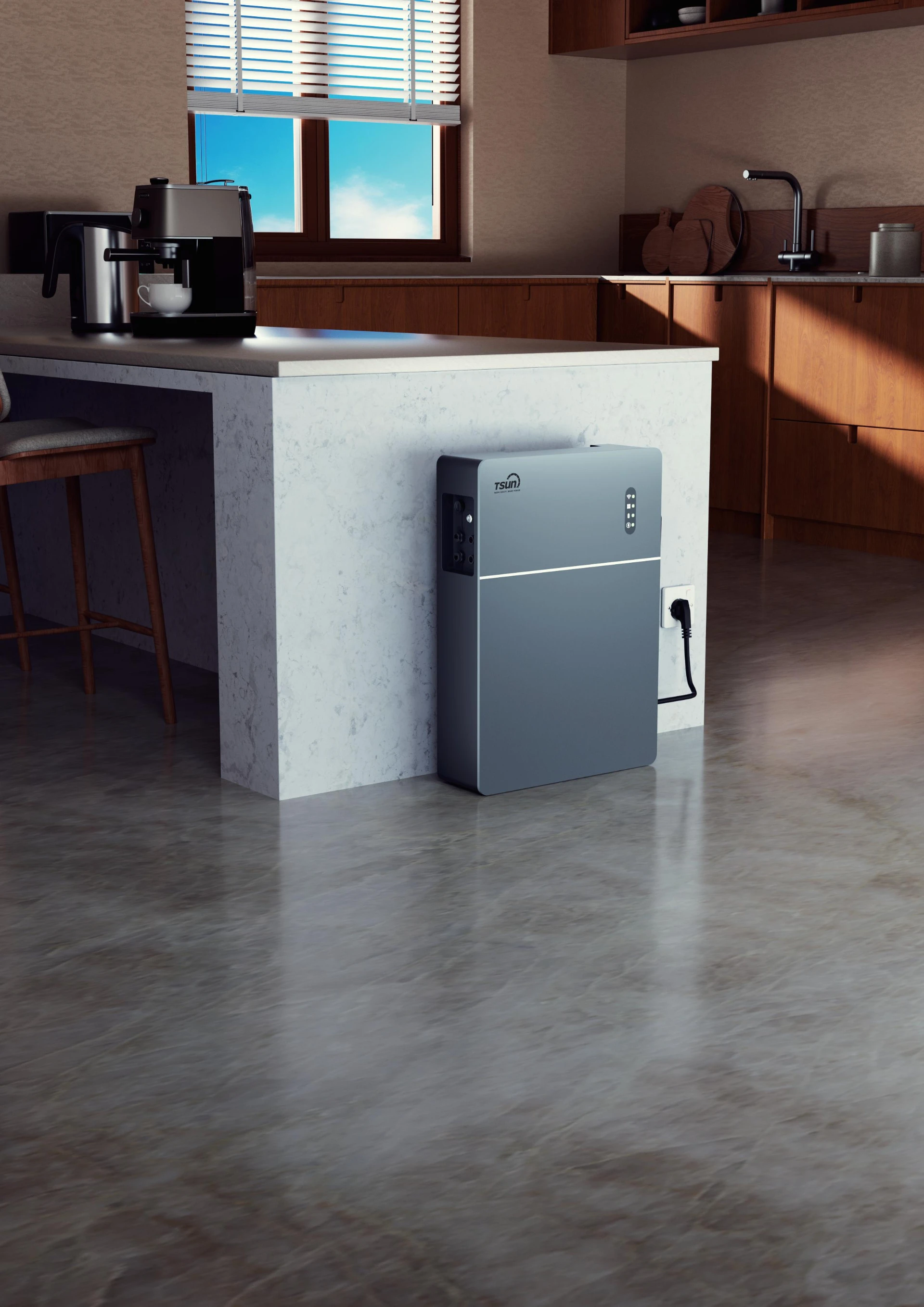
Yes, if the system supports daisy-chaining. This allows you to connect additional microinverters and panels to your existing setup. You can also integrate a micro-energy storage solution, such as an AC-coupled storage unit, to save excess energy for nighttime use.
What is the typical lifespan of these components?
Industrial-grade microinverters, such as those with full aluminum die-casting and modular builds, are engineered for long-term endurance. Many are designed to provide stable performance for up to 25 years, provided they are installed according to the manufacturer's guidelines.
How does vertical orientation affect energy yield?
Vertical panels are less efficient during the peak of summer when the sun is directly overhead but are significantly more effective during winter months. They also perform better in areas with high diffuse light (cloudy weather) and help prevent the accumulation of snow or debris on the panel surface.
References and further reading
- International Electrotechnical Commission (IEC) Standards for Photovoltaic Microinverters.
- Guidelines for Residential Plug-and-Play Solar Systems in Urban Environments.
- Technical analysis of MPPT efficiency in partially shaded urban arrays.