




 LEARN DETAILS
 Downloads
 Video Center
 Report Fault for Repair
 FAQS
 Service Network
 Privacy Policy
 Contact Us
 Monitoring

Balcony solar power has transitioned from a niche hobby to a viable energy solution for urban residents. By utilizing limited outdoor spaces, homeowners can now generate a significant portion of their electricity needs without requiring a traditional roof. This article explores the technical requirements and selection criteria for durable vertical easy balcony solar panel kits, focusing on how to maximize energy yield in constrained environments.
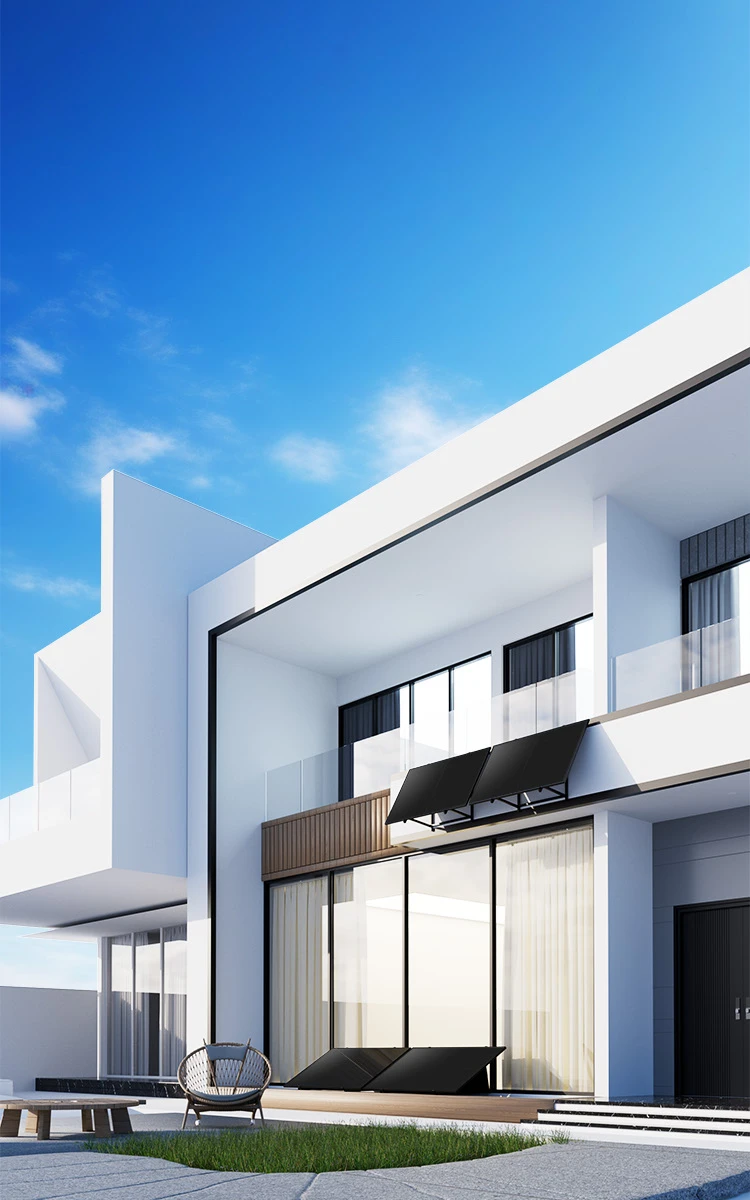
For many city dwellers, the primary challenge is the orientation of the balcony, which often lacks the ideal south-facing angle. Vertical installations solve this by allowing panels to be mounted directly to railings or walls, capturing sunlight more effectively during early morning or late afternoon. Integrating these systems with modern micro-inverters and storage units ensures that the energy produced is used efficiently, reducing reliance on the grid and lowering monthly utility bills.
Readers will discover the critical differences between standard and specialized balcony kits, the importance of mounting stability, and how to evaluate the long-term reliability of solar components. By analyzing the synergy between PV modules and hybrid storage units like the SolarTrunk, this guide provides a professional roadmap for transitioning to a sustainable, plug-and-play urban energy ecosystem.
The Evolution of Urban Solar Integration
Urban energy generation has shifted toward "micro-solar" systems that prioritize ease of installation and minimal spatial impact. Unlike large-scale residential arrays, balcony systems must contend with high wind loads, varying shading from neighboring buildings, and strict residential safety codes. The development of the durable vertical easy balcony solar panel kits has addressed these issues by combining high-efficiency monocrystalline cells with ruggedized mounting hardware. These systems are no longer just about producing a few watts; they are now designed to integrate with the broader smart home energy network. The shift toward bidirectional charge and discharge capabilities allows users to not only power their devices but also store excess energy for use during peak tariff hours, effectively turning a small balcony into a personal power plant.
Selecting High-Efficiency Balcony Solar Systems
Choosing the right kit requires a balance between technical specifications and environmental constraints. A successful deployment depends on the interplay between the solar module's efficiency, the inverter's conversion rate, and the structural integrity of the mounting system.
Vertical Mounting Mechanics
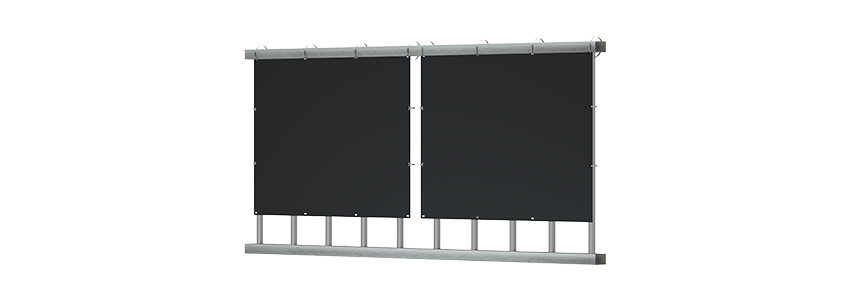
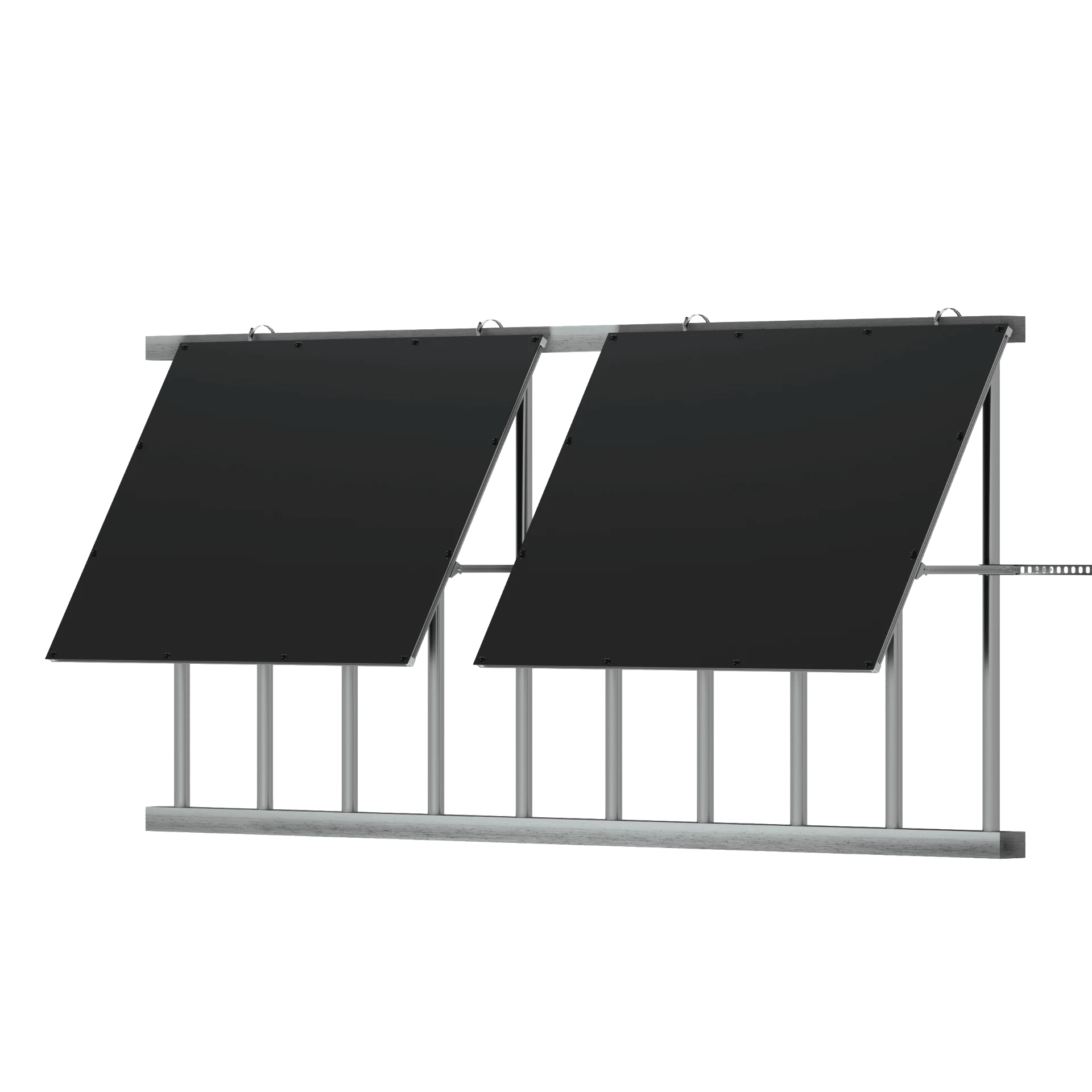
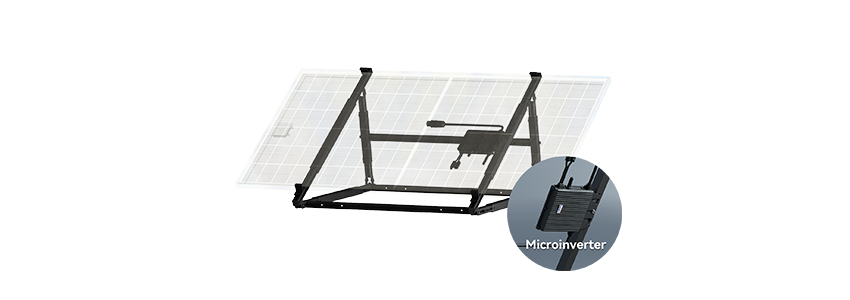
Vertical alignment is essential for balconies where floor space is limited or the roof is inaccessible. Proper vertical kits use specialized brackets that ensure the panel remains secure against wind gusts while maintaining a slight tilt if possible to shed water and debris. The stability of the frame prevents vibration, which can otherwise lead to micro-cracks in the solar cells over time.
| Mounting Type | Primary Advantage | Key Risk | Evaluation Metric |
|---|---|---|---|
| Railing-Clamp | Fast installation | Slippage on smooth rails | Clamp torque capacity |
| Wall-Mounted | Maximum stability | Permanent wall drilling | Bracket load-bearing |
| Free-Standing Vertical | Flexible positioning | Wind tipping risk | Base weight/anchor |
| Angled Vertical | Better winter harvest | Increased wind profile | Aerodynamic drag |
| Adjustable Tilt | Seasonal optimization | Mechanical wear | Locking mechanism durability |
| Integrated Frame | Plug-and-play speed | Fixed angle limitations | Material corrosion rate |
Weather Resistance and Durability
Outdoor balcony equipment is exposed to extreme temperature swings and humidity. High-quality kits utilize anodized aluminum frames and tempered glass to resist corrosion and impact. For systems operating in polar or desert climates, integrated battery heating and thermal management are critical. For instance, the SolarTrunk system is engineered to function from –20°C to +55°C, ensuring that energy production does not cease during extreme winter freezes or summer heatwaves.
Installation and DIY Accessibility
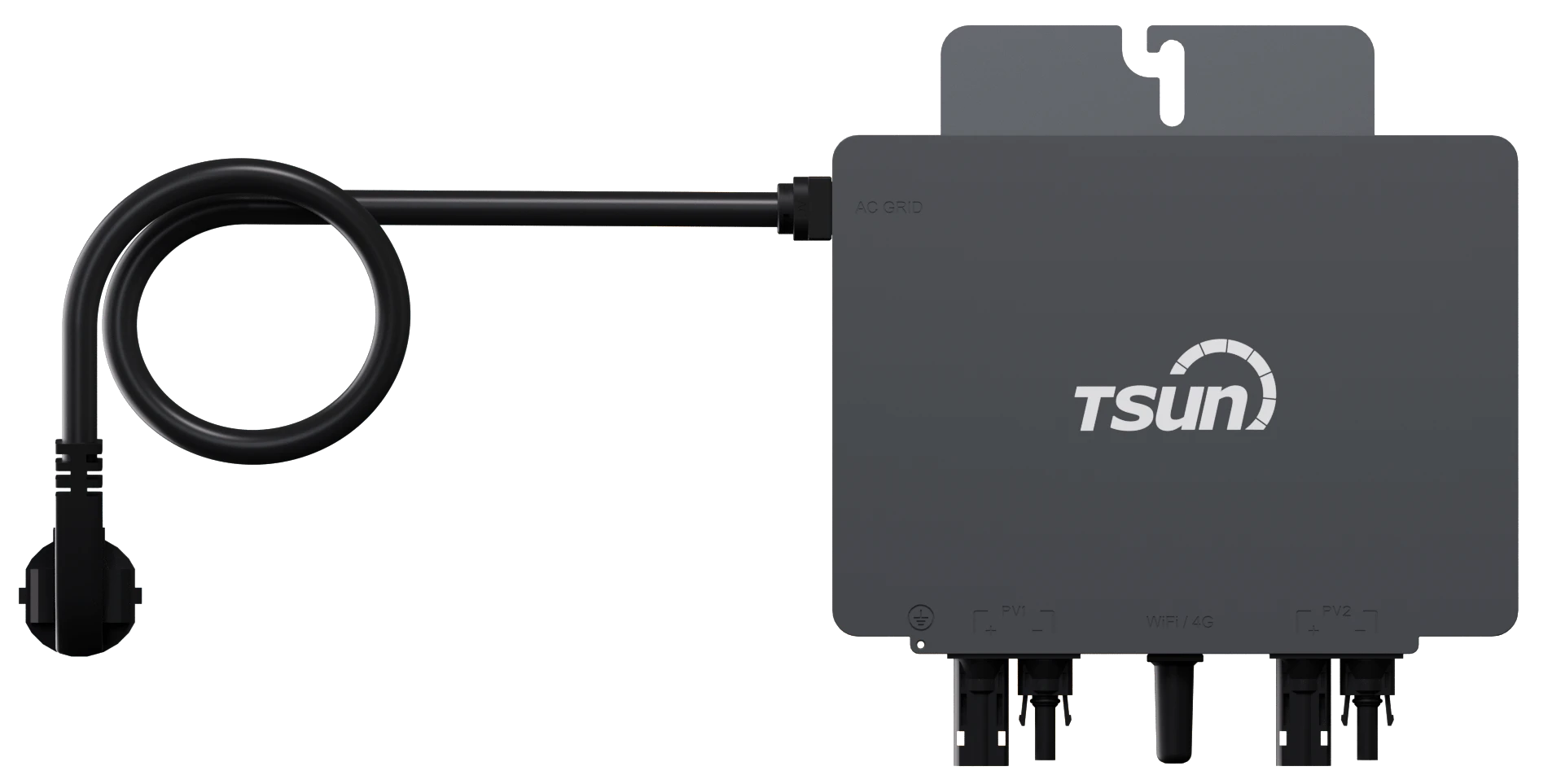
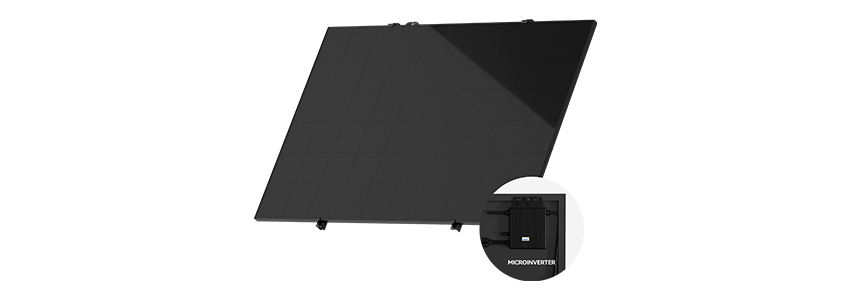
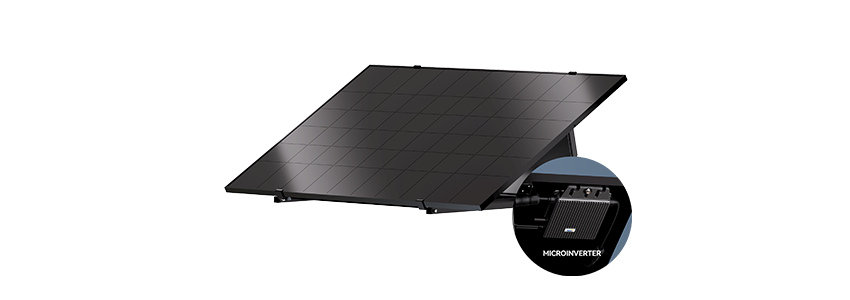
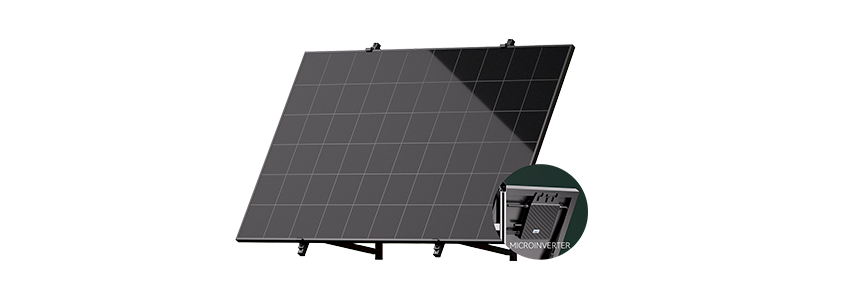
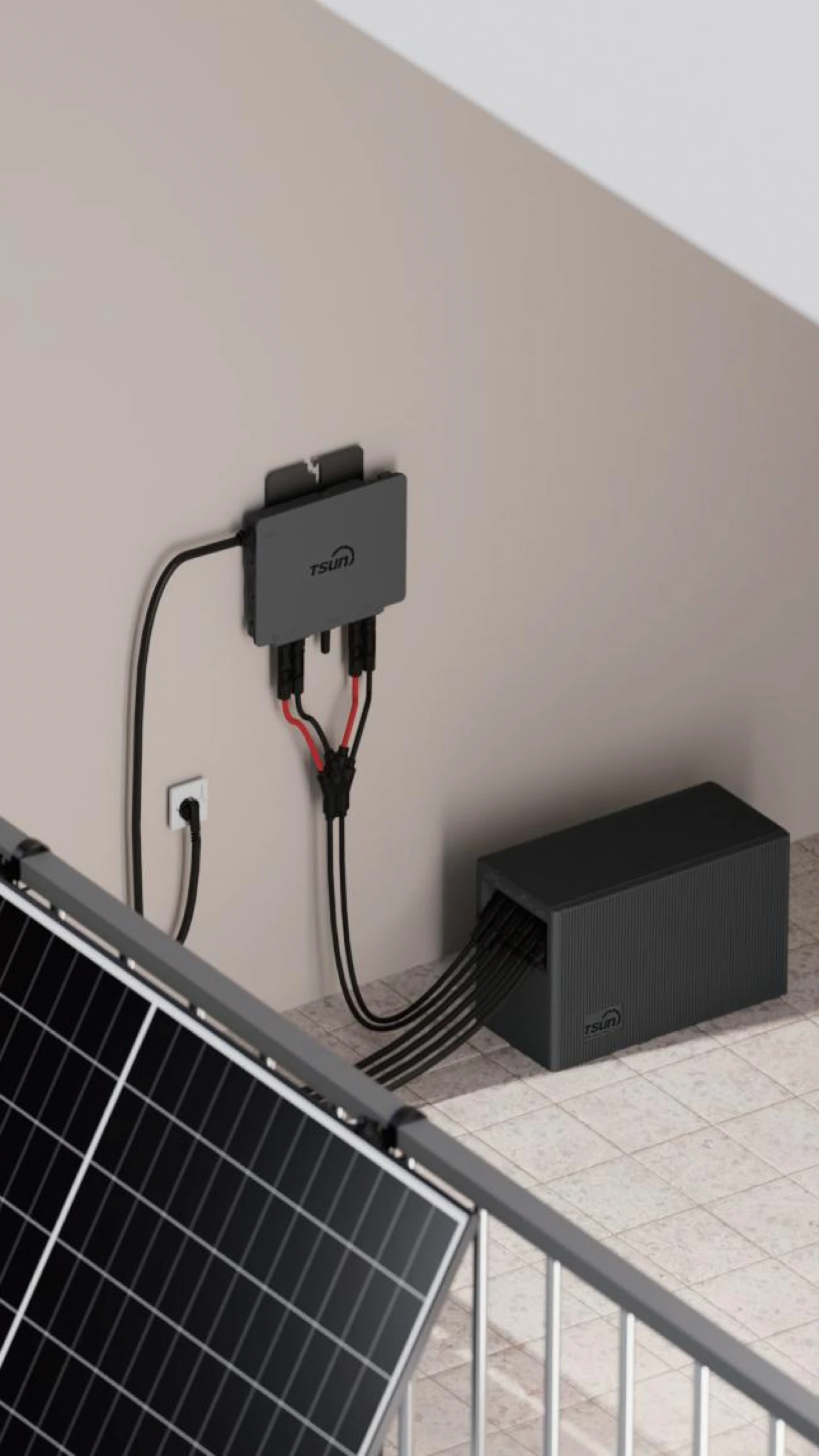
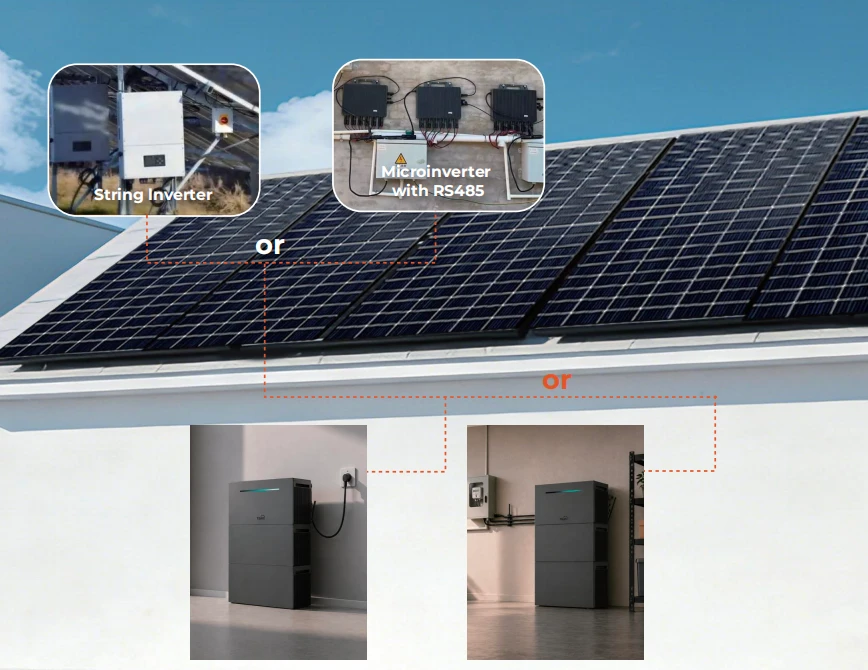
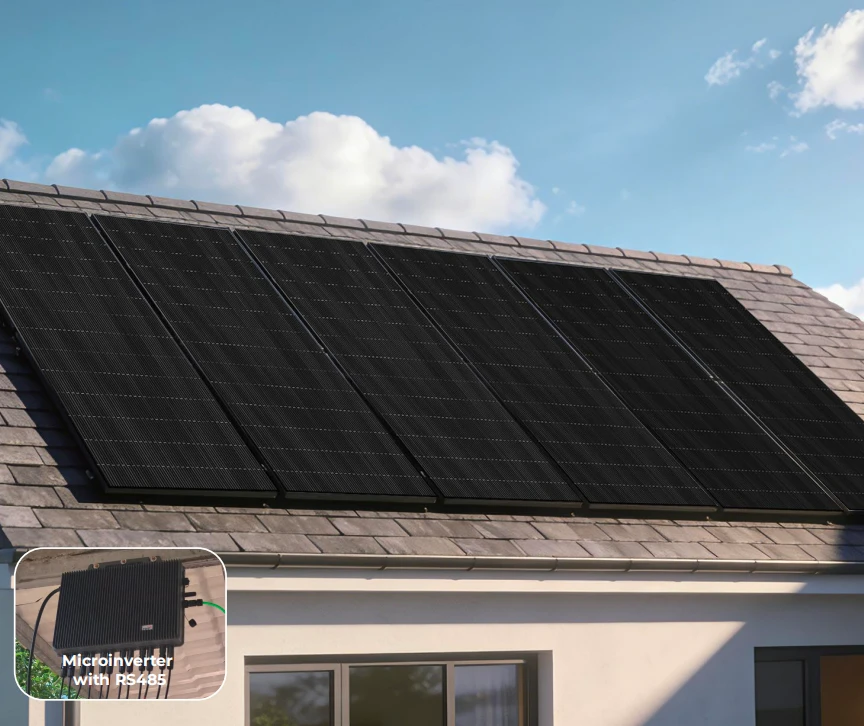
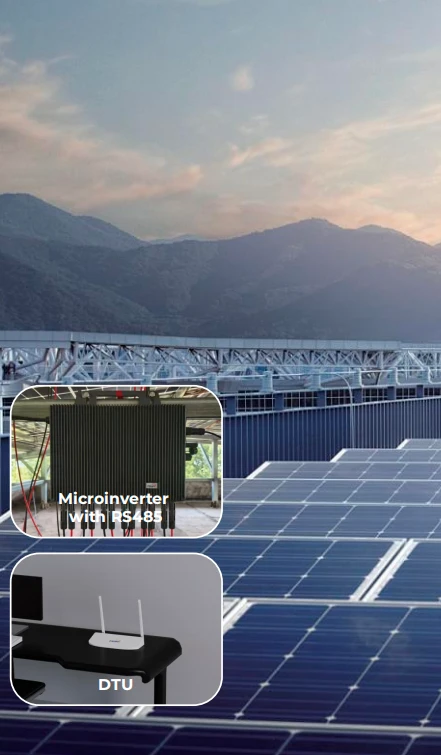
The "easy" aspect of modern kits refers to the reduction of professional electrical labor. Plug-and-play designs incorporate pre-installed MC4 connectors and compatible micro-inverters that convert DC to AC immediately at the panel. This minimizes voltage drop and simplifies the connection to the home's electrical circuit. A user-friendly system should allow for setup in minutes, requiring only basic tools for bracket securing.
Energy Storage Synergy
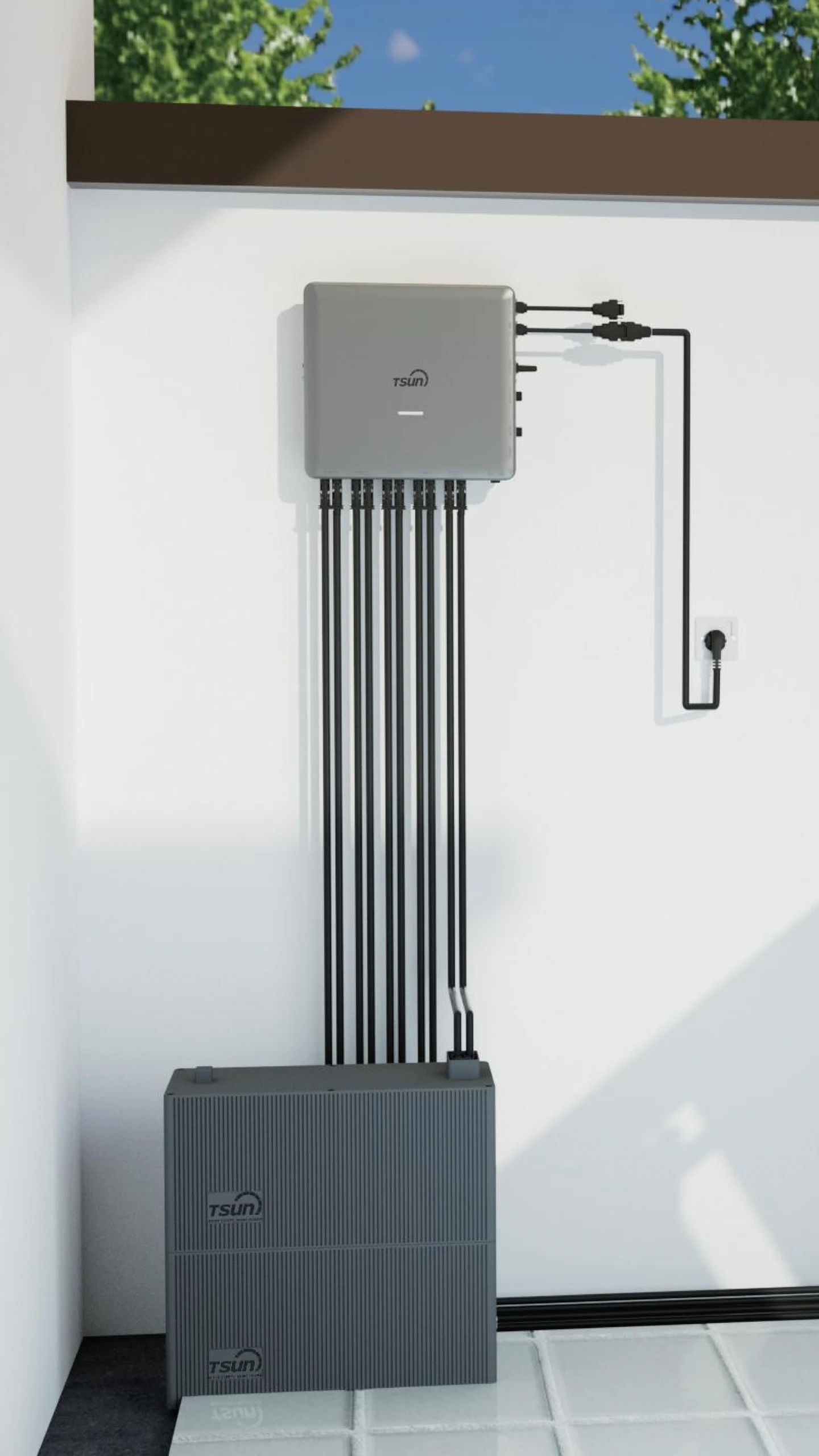
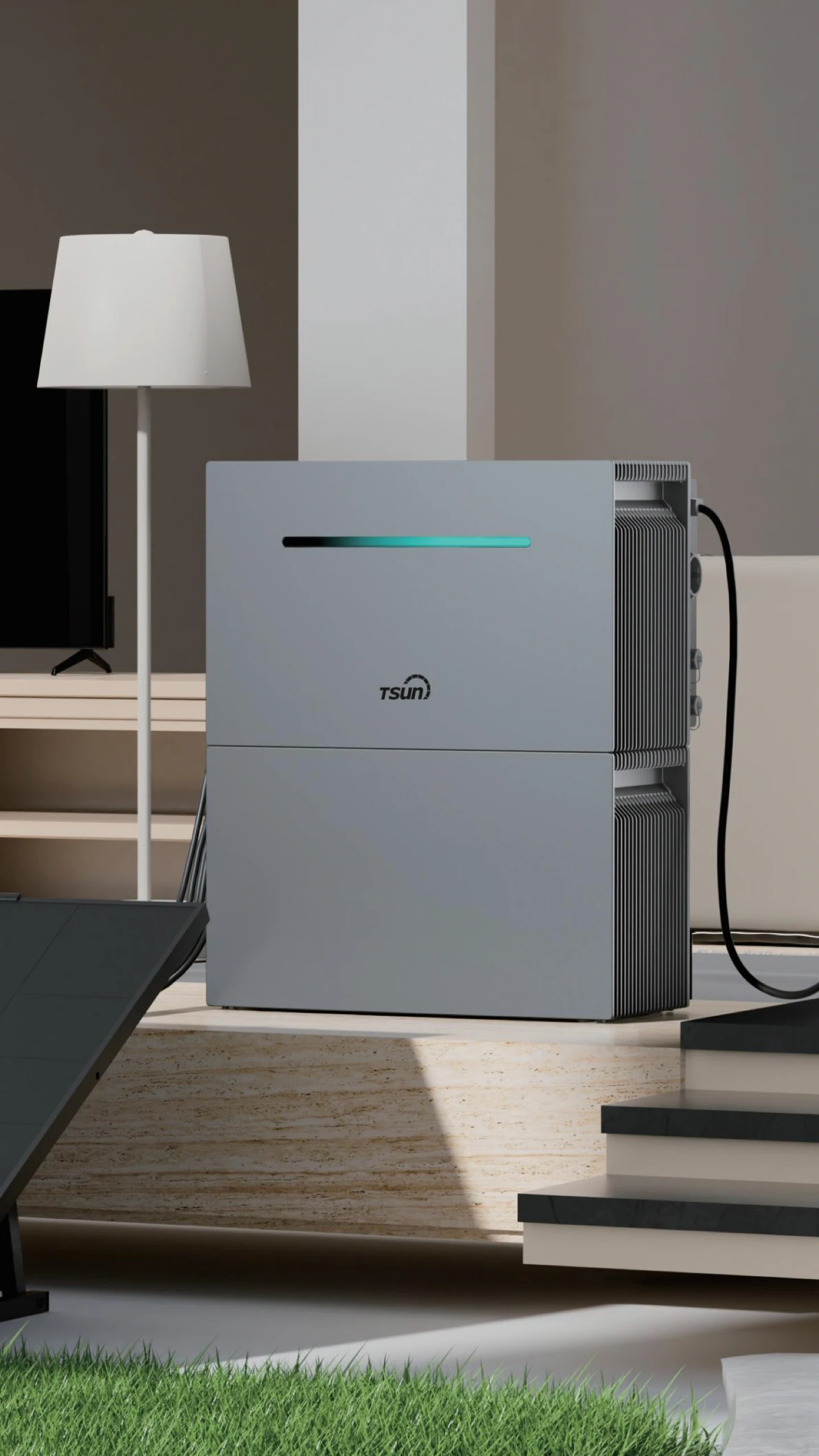
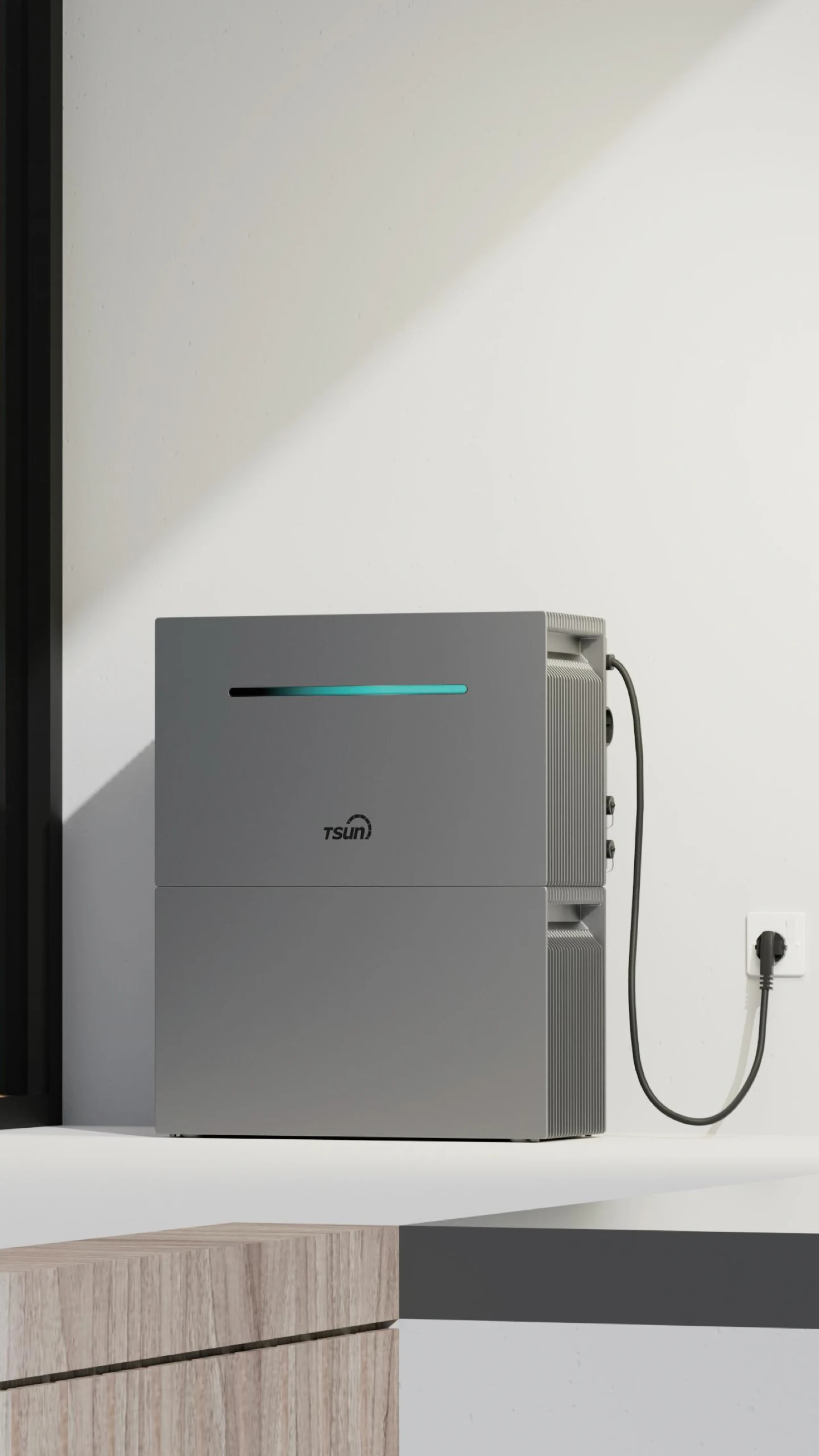
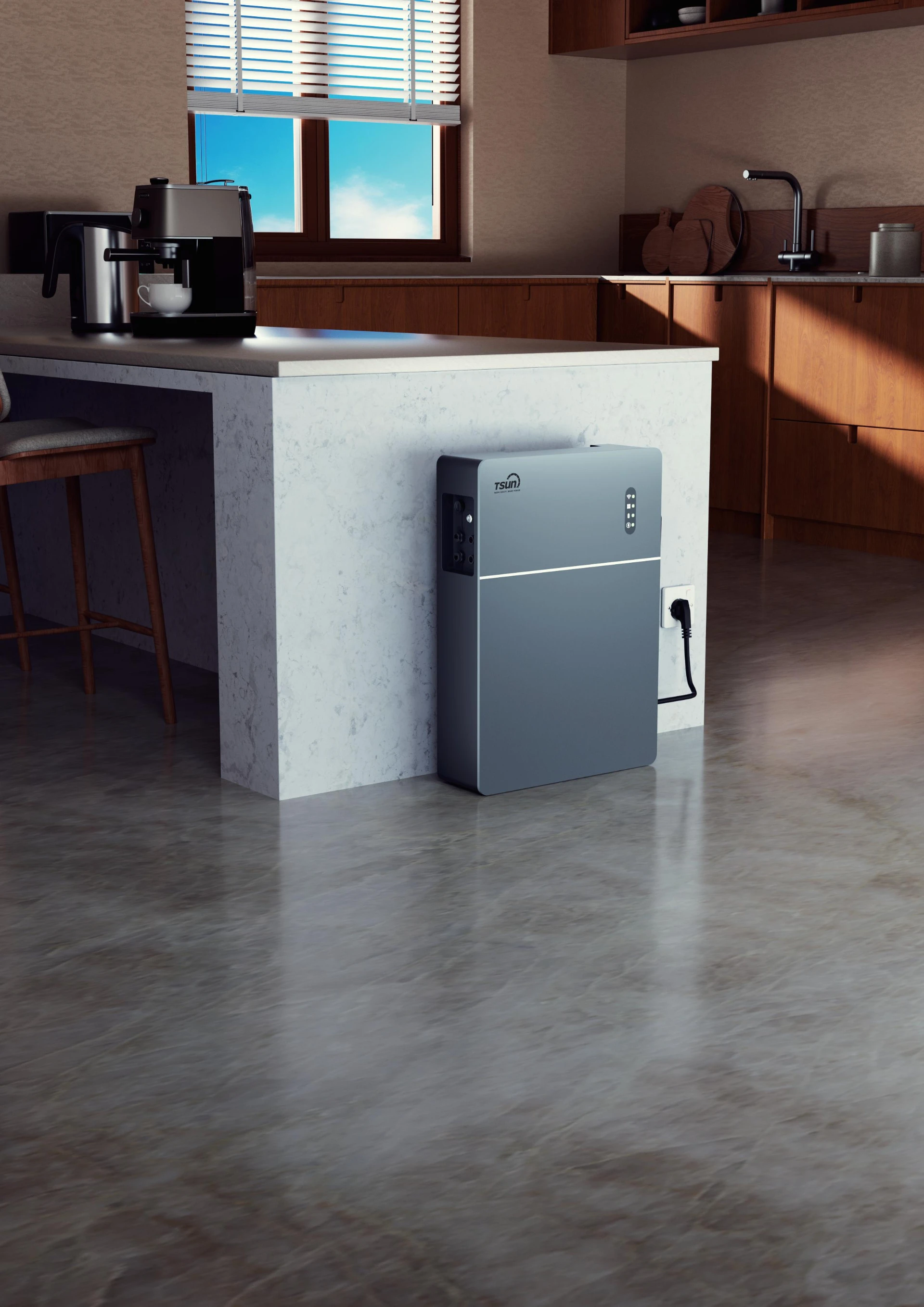
Solar generation is intermittent, but energy demand is constant. Combining panels with a micro hybrid storage unit allows for "zero feed-in" configurations, where all generated power is consumed or stored locally. Systems like the SolarTrunk provide a compact enclosure for both the inverter and battery, eliminating messy cabling and providing a reliable backup mode (up to 2000W) during grid outages.
Operational Safety Standards
Safety is paramount in residential settings. Quality kits employ micro-inverters to keep high-voltage DC currents limited to the panel area, reducing the risk of electrical arcs. Furthermore, the use of smart meters allows for dynamic tariff optimization and ensures that the system does not push energy back into the grid if local regulations prohibit it, preventing unexpected utility charges.
Optimizing Solar Harvest in Shade
Partial shading from railings or adjacent buildings can significantly drop the output of traditional string inverters. Micro-inverters solve this by treating each panel as an independent power source. If one panel is shaded, the others continue to produce at maximum capacity. This independence is critical for vertical balcony setups where shadows shift rapidly throughout the day.
Long-Term Lifecycle Value
A solar investment is judged by its longevity. While standard batteries may degrade quickly, professional-grade units offering 6,000 full-depth cycles provide over 16 years of daily utility. When combined with a 10-year warranty on the storage unit, the total cost of ownership drops significantly, as the system avoids the need for frequent component replacements.
FAQ
What makes a balcony solar kit "vertical" and why is it beneficial?
A vertical kit is designed to be mounted upright against a wall or railing rather than flat on a roof. This is beneficial for urban dwellers who have no roof access but have available balcony space. Vertical mounting captures sunlight effectively during the morning and evening and prevents the panels from taking up valuable floor space on the balcony.
Can I install these kits myself without an electrician?
Many modern kits are designed as DIY "plug-and-play" systems. They integrate the PV module and micro-inverter, allowing the user to connect the system directly to a standard outlet. However, it is always recommended to check local electrical codes and regulations regarding balcony installations to ensure compliance and safety.
How does energy storage improve a balcony solar setup?
Since solar panels only produce power during daylight, storage units like the SolarTrunk allow you to save excess energy for nighttime use. This increases your self-sufficiency and allows you to use a "Zero Feed-In" strategy, ensuring no energy is wasted or sent back to the grid, which is often required by apartment complexes.
Will wind affect the stability of vertical panels?
Yes, vertical panels act like sails. To mitigate this, professional kits use high-strength aluminum alloys and reinforced mounting brackets. When evaluating a kit, ensure the mounting hardware is rated for the typical wind speeds of your region and that the panels are securely anchored to a structural element of the balcony.
What is the typical lifespan of a balcony solar system?
Solar panels typically last 25 years. The limiting factor is often the battery and inverter. High-end storage solutions with LFP (Lithium Iron Phosphate) chemistry can offer up to 6,000 cycles, potentially lasting over 15 years. Choosing components with a 10-year warranty is a strong indicator of long-term reliability.
How do I monitor the energy production of my kit?
Most modern systems include WiFi or Bluetooth connectivity. Using a dedicated application, such as the TSUN Smart App, users can monitor real-time energy generation, battery charge levels, and total consumption from their smartphone, allowing for precise optimization of energy use.
References and further reading
- International Electrotechnical Commission (IEC) standards for residential PV micro-inverters.
- Urban Energy Planning Guide: Integration of Balcony Solar in High-Density Housing.
- Technical Specifications for Lithium Iron Phosphate (LiFePO4) Cycle Life in Hybrid Storage.