Best easy balcony air angled solar panel kits price and guide
For urban residents looking to reduce electricity bills without extensive roof modifications, integrating a plug-and-play energy system is the most efficient path forward. Many homeowners face the challenge of limited space and suboptimal sunlight angles on balconies, making the selection of an appropriately tilted mounting system critical for energy yield. By combining high-efficiency PV modules with a smart storage unit like the SolarCan, users can capture solar energy during peak hours and deploy it during high-tariff periods.
This approach transforms a simple balcony into a micro-power plant. The synergy between angled brackets and DC-coupled storage ensures that even in varying weather conditions, the system maintains a stable energy flow. Understanding the relationship between mounting angles, microinverter efficiency, and battery capacity is key to maximizing the return on investment for small-scale residential solar setups.

Optimizing Energy Capture Through Precise Angled Mounting Systems
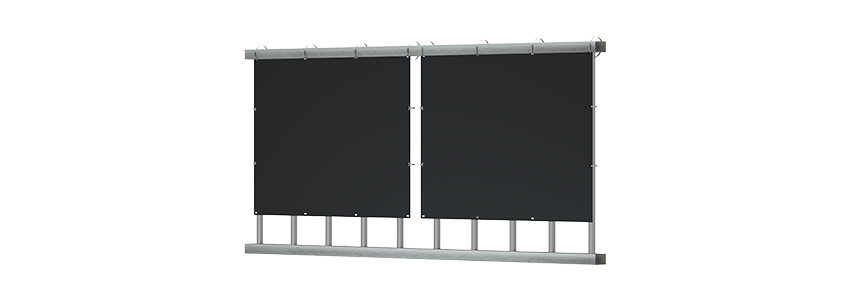
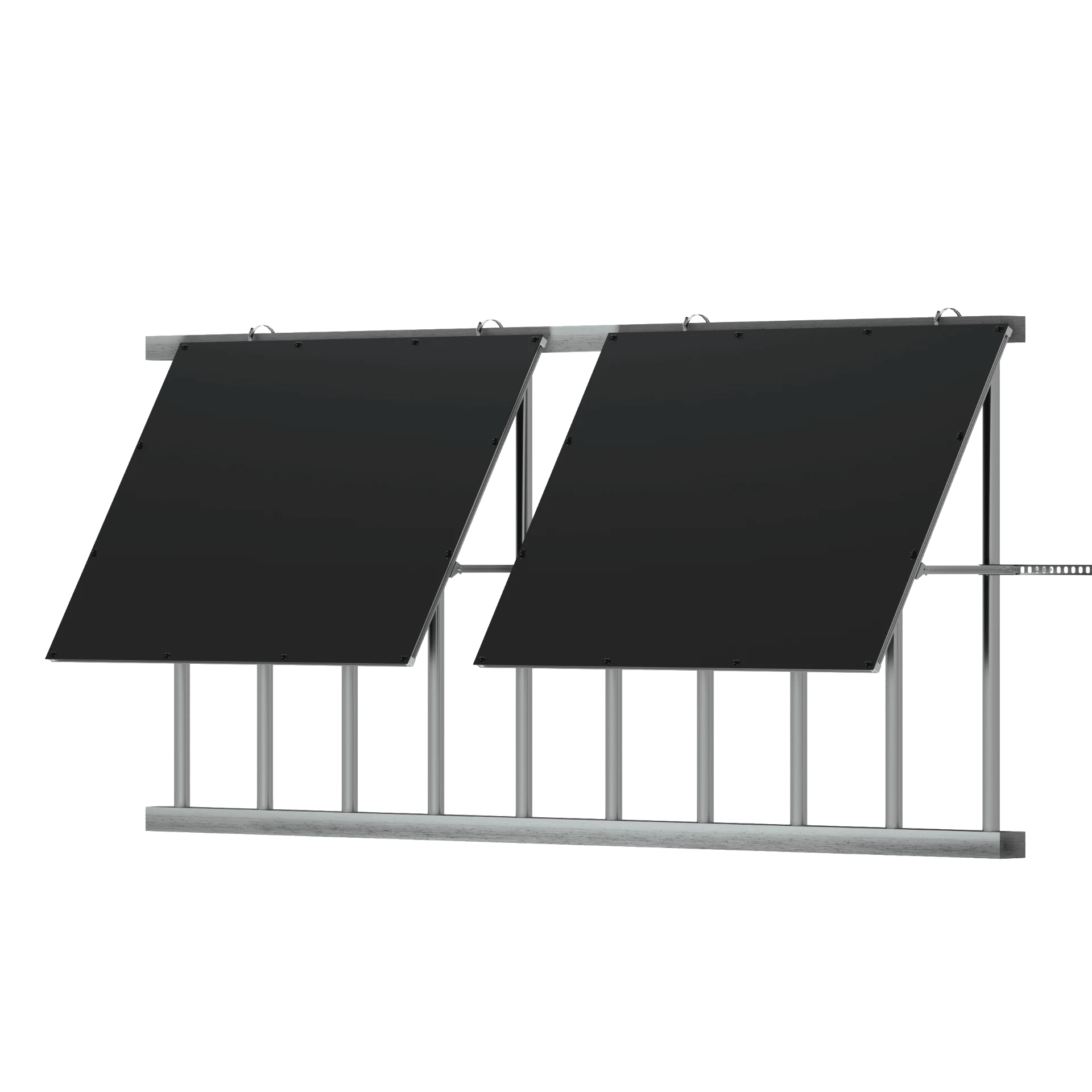
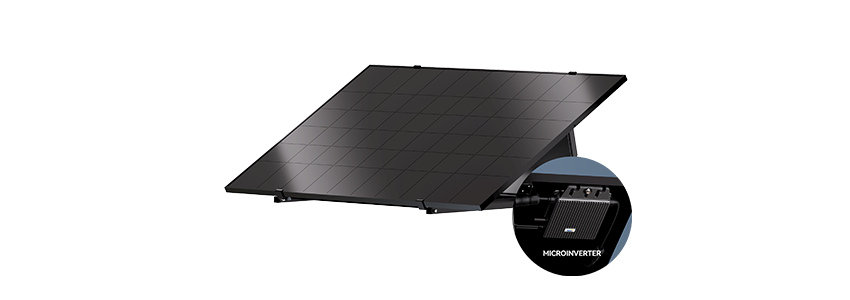
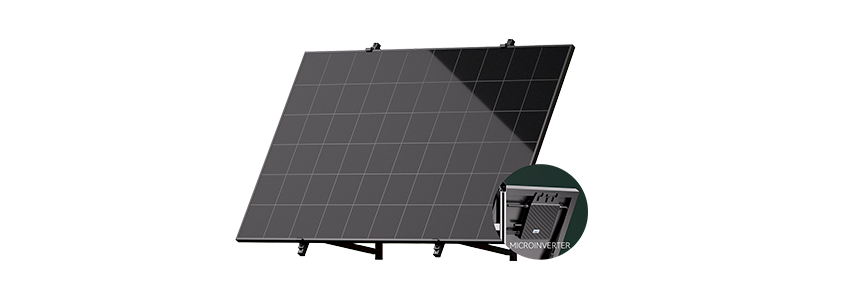
The efficiency of any balcony solar installation depends heavily on the angle of incidence. Unlike rooftop arrays, balcony systems are often constrained by railing heights and shading from adjacent buildings. Angled kits allow the solar modules to be positioned optimally relative to the sun's path, significantly increasing the total kWh produced per day compared to flat or purely vertical installations.
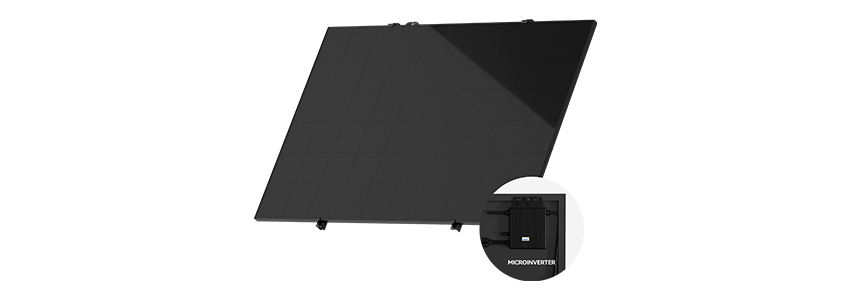
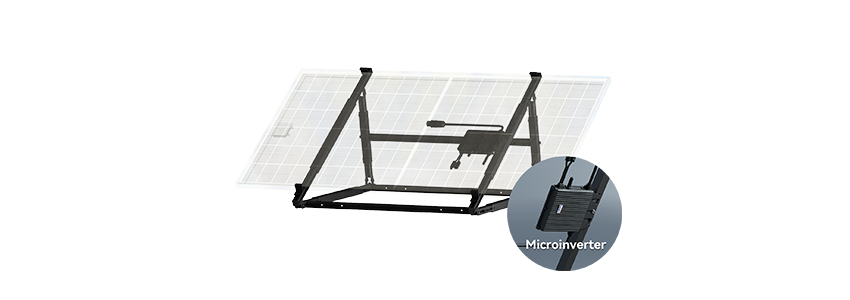
Our DIY-friendly brackets are engineered for rapid deployment, ensuring that the panels are securely fixed while maintaining the ideal tilt. This geometric optimization is especially vital in northern latitudes where the winter sun remains low on the horizon. By reducing the reflection loss on the glass surface, these kits ensure that more photons reach the silicon cells, directly improving the performance of the connected microinverters.
- Reduced Shading: Angled positions can help bypass certain low-level obstructions.
- Self-Cleaning Effect: A proper tilt encourages rainwater to wash away dust and debris, maintaining transparency.
- Structural Stability: Heavy-duty aluminum alloy components prevent vibration and wind-load deformation.

Integrating SolarCan for Intelligent Energy Management
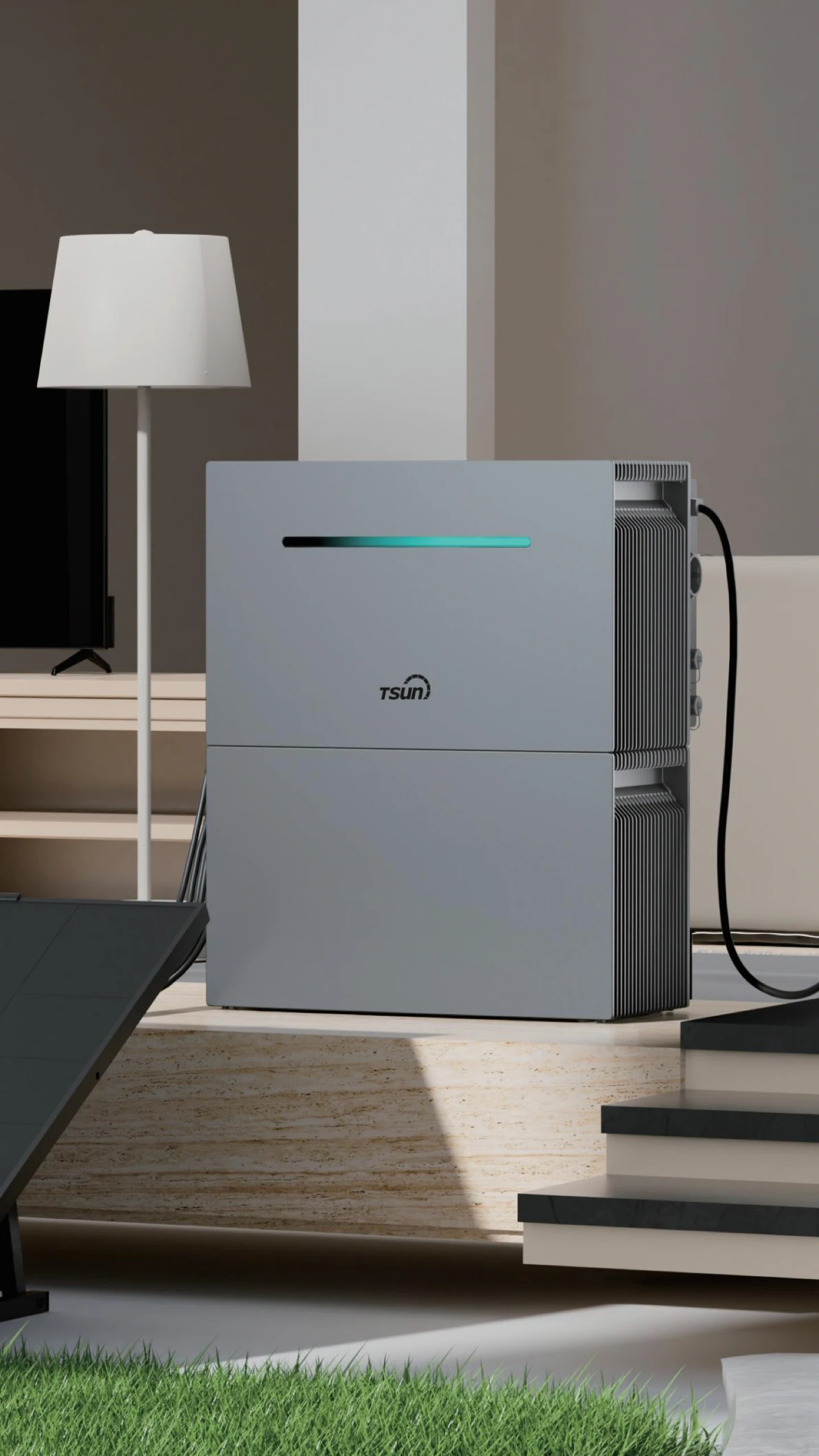
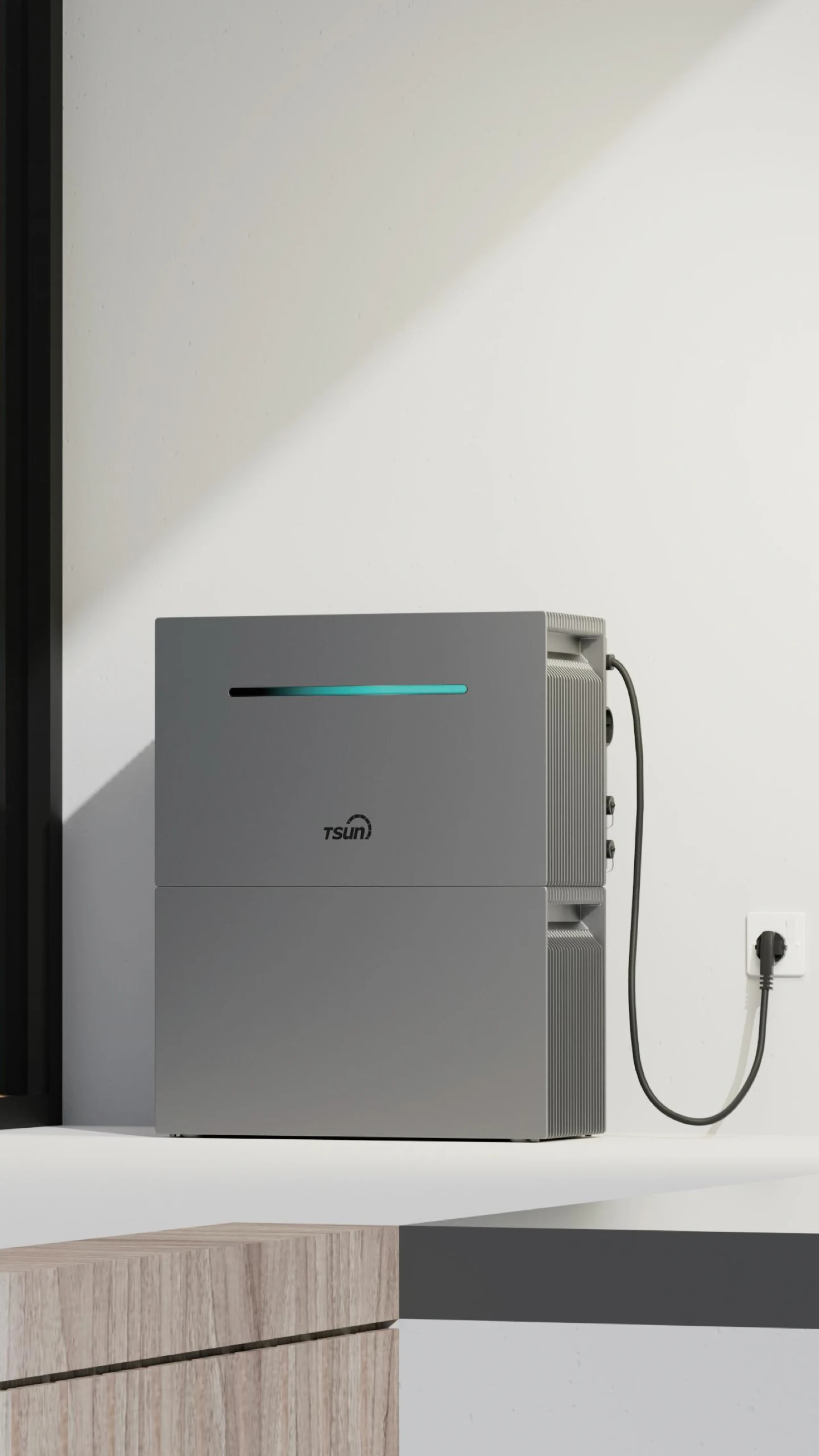
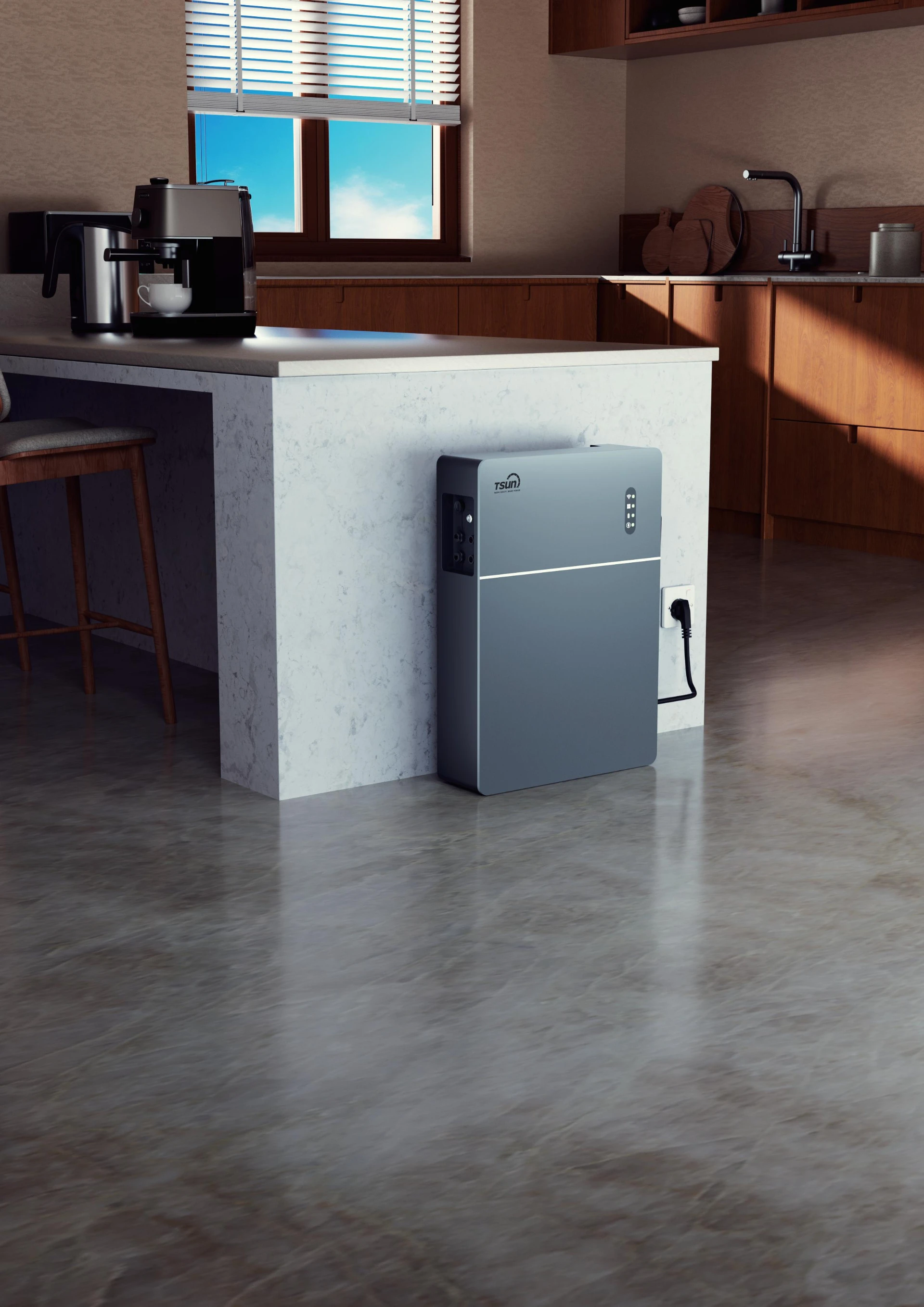
Capturing energy is only half the battle; storing it effectively is where true value is created. The SolarCan DC Coupled Unit is designed specifically for these micro-scenarios. Utilizing LiFePO4 battery technology, it offers a stable chemical structure and high-temperature performance, ensuring over 6,000 cycles of reliable use. Its soft-switching LLC and SiC chips push DC-DC efficiency up to 95%, minimizing energy loss during the charging phase.
The modular design is a standout feature, allowing users to start with a 2 kWh capacity and expand up to 10 kWh as their energy needs grow. This scalability prevents the need for expensive batch replacements. Furthermore, the independent DC/DC control for each battery pack ensures 100% utilization of the capacity, eliminating the "dead zones" often found in lower-end energy storage systems.
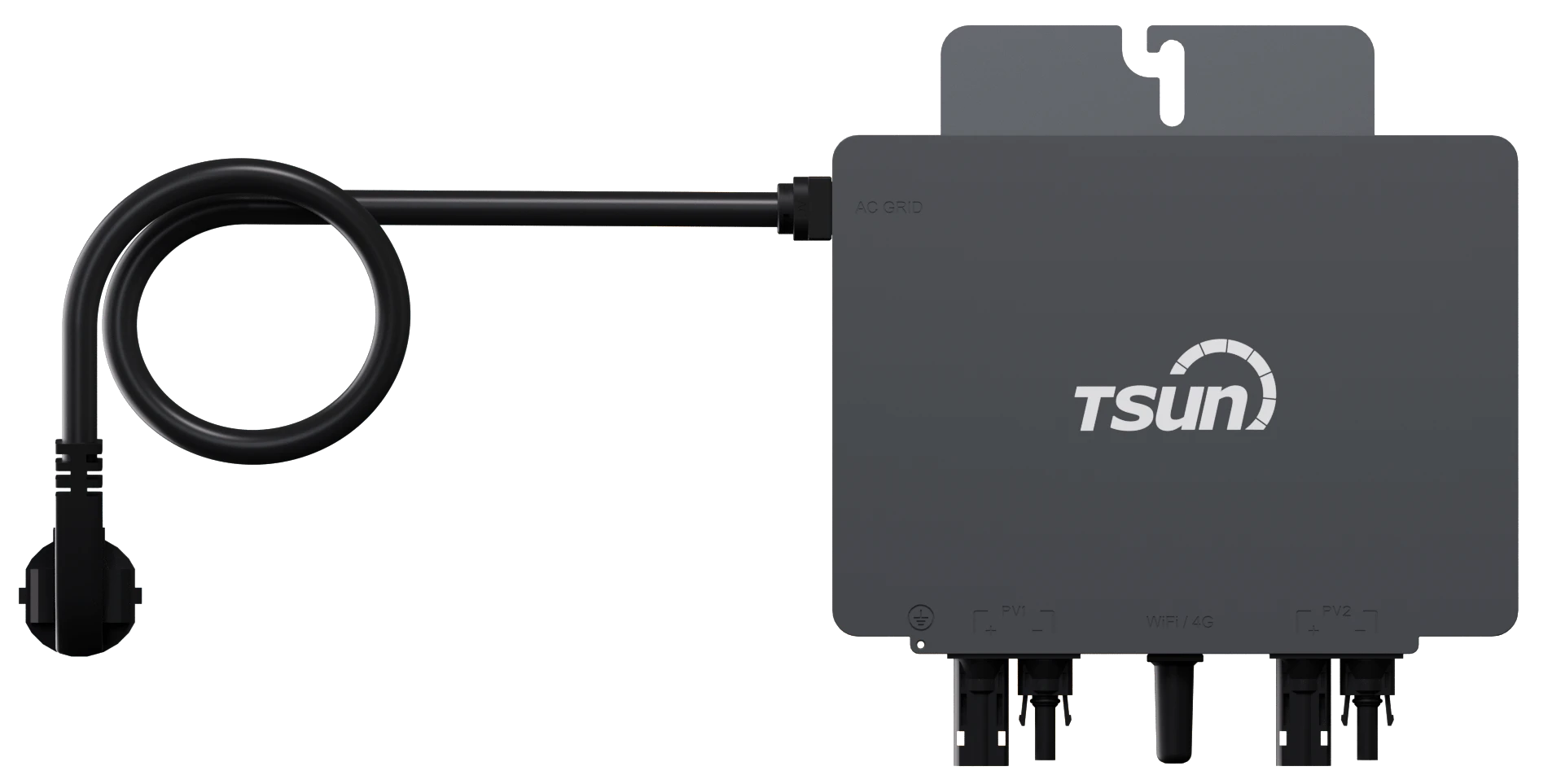
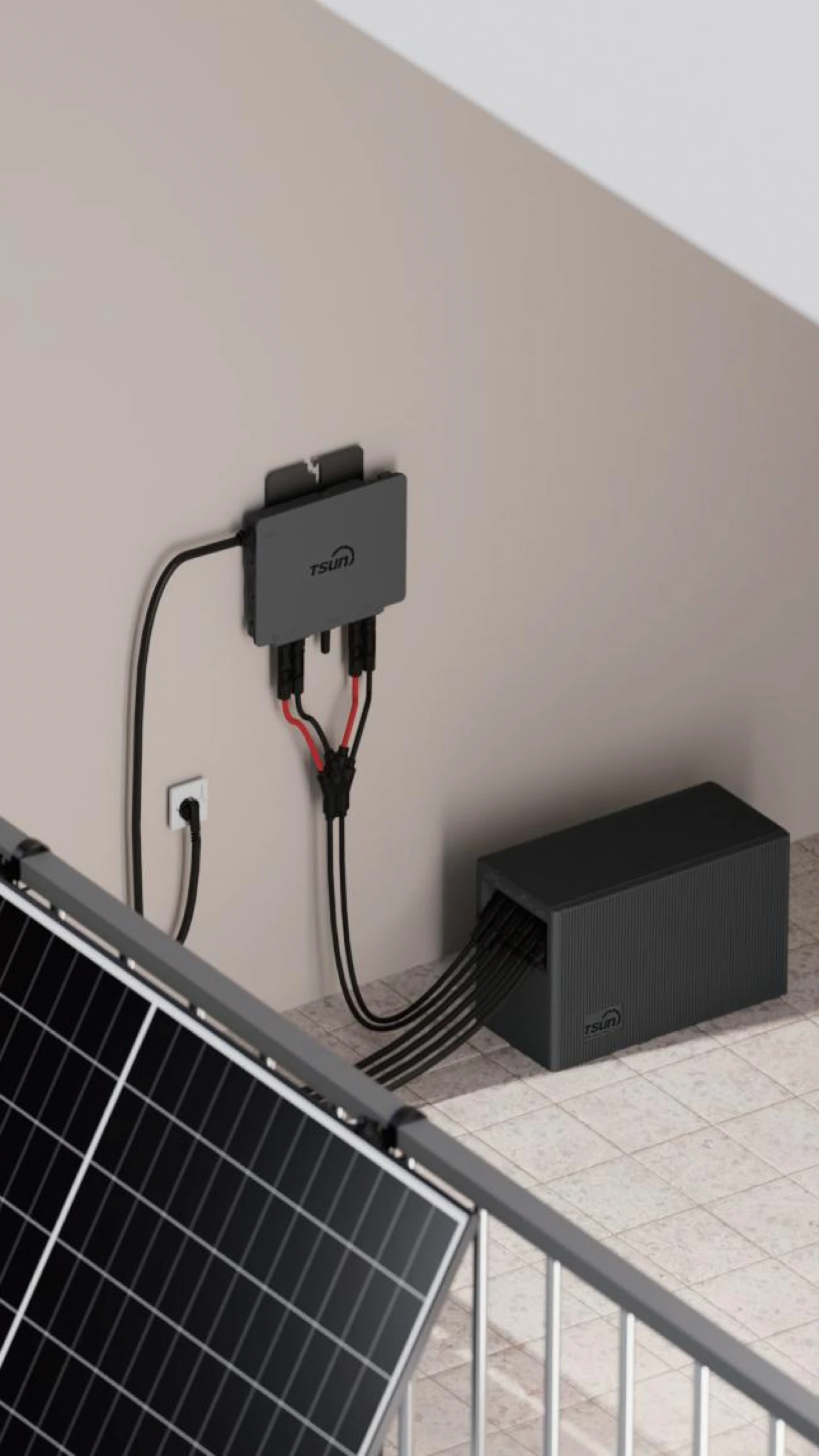
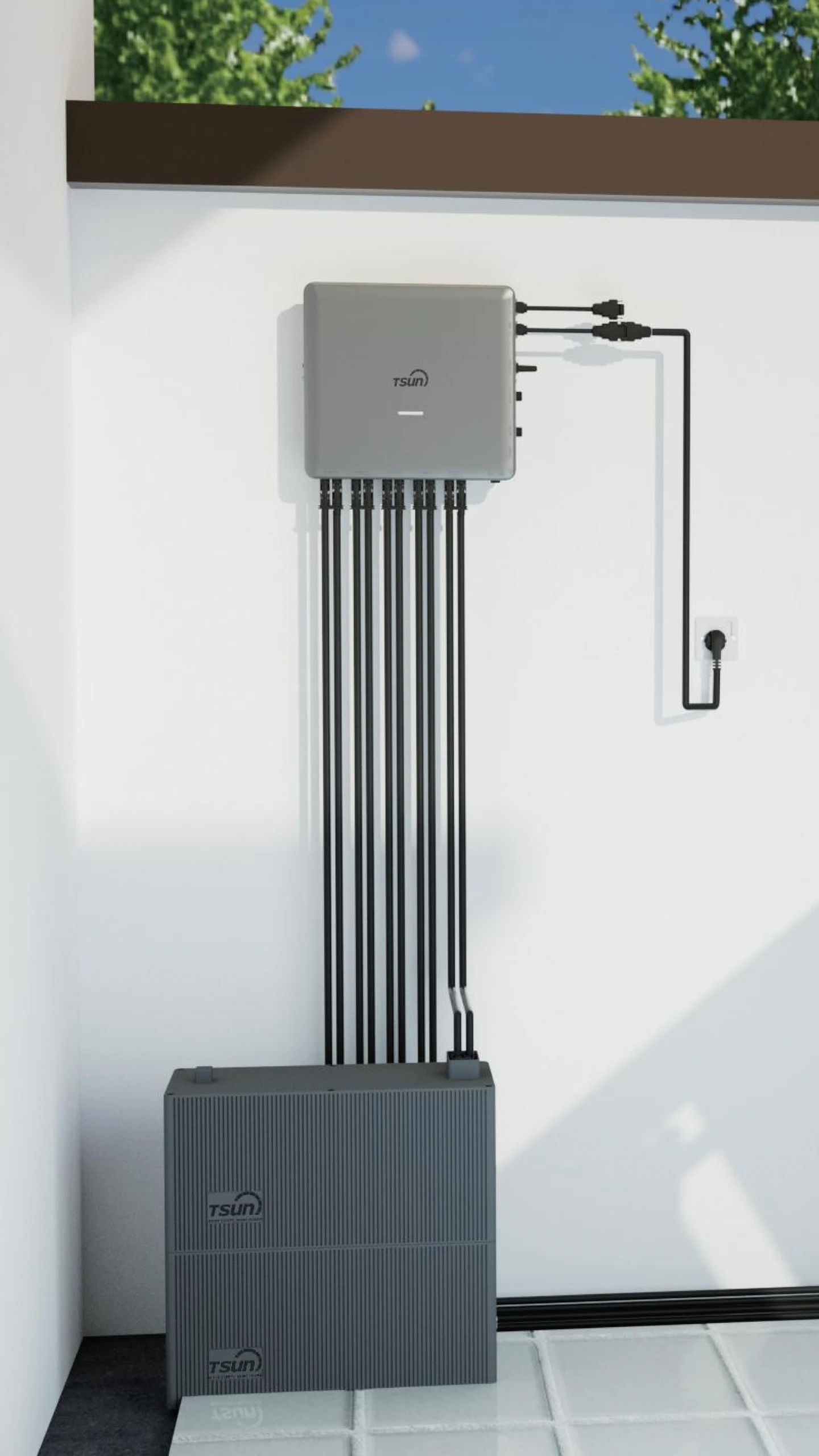
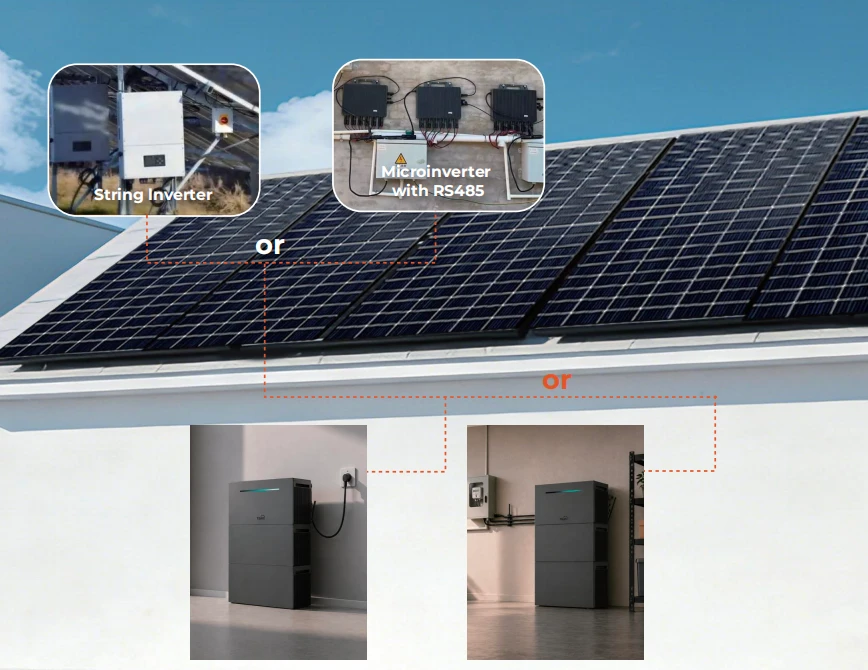
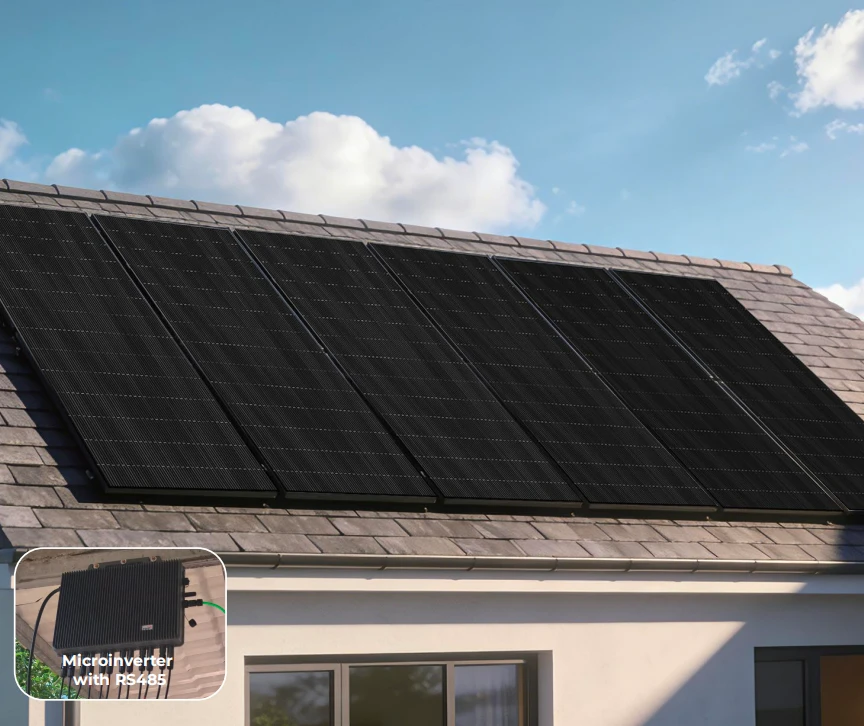
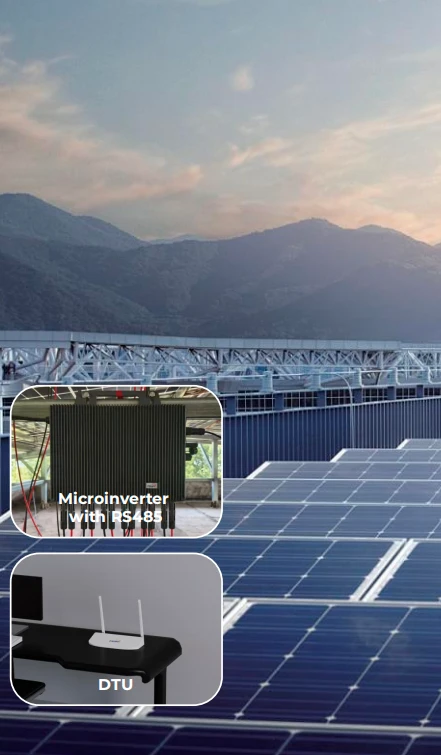
For those already utilizing TSUN MX800Lite microinverters, the SolarCan integrates seamlessly without additional setup costs. This plug-and-play architecture allows the entire storage system to be operational in minutes, providing a robust buffer against grid fluctuations and reducing reliance on external power providers.
Practical Application Scenarios for Urban Micro-Solar
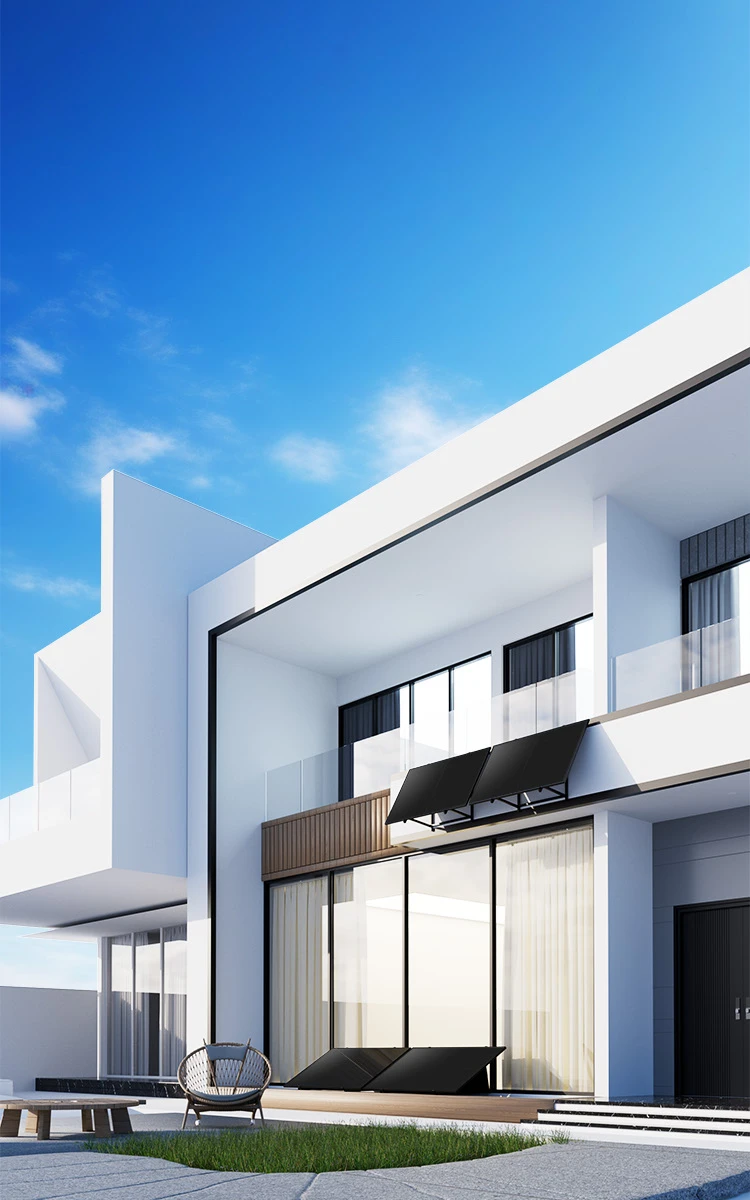
Balcony solar systems are no longer just experimental; they are practical solutions for various urban dwellings. In apartment complexes where roof access is prohibited, the "Hang on Balcony" DIY approach provides an autonomous energy source. Whether it is powering a home office, running smart appliances, or managing lighting, the combination of angled panels and a DCU (DC Coupled Unit) creates a sustainable loop.
In a typical residential scenario, the system captures energy throughout the day. If the household is empty during the day, the SolarCan stores the surplus. In the evening, the stored energy is discharged to power devices, effectively shifting the load away from expensive peak hours. The addition of a Smart Meter enables "Zero Export," ensuring that energy does not flow back into the grid if local regulations prohibit it, while maintaining precise metering of consumption.
Beyond aesthetics, the use of 7500T aluminum alloy monolithic extrusion for the shell of the storage units ensures that the equipment can withstand outdoor conditions. With an IP65 rating and a self-heating design, these systems operate reliably from -20 ℃ to 55 ℃, making them suitable for both freezing winters and scorching summers.
Technical Comparison of Balcony Solar Configurations
| Configuration Type |
Typical Energy Yield |
Installation Complexity |
Storage Compatibility |
| Vertical Mounting |
Moderate |
Very Low |
Fully Compatible |
| Angled Mounting |
High |
Low (DIY) |
Fully Compatible |
| Ground Pop-Up |
Very High |
Moderate |
Fully Compatible |
| Hybrid Microinverter |
Variable |
Moderate |
Integrated Battery |
| DC Coupled (SolarCan) |
Optimized |
Low |
Modular Expansion |
Evaluating the Total Cost of Ownership and Value
When researching the easy balcony air angled solar panel kits price, buyers must look beyond the initial sticker price. The true value lies in the "Levelized Cost of Energy" (LCOE). A cheaper kit with poor mounting stability or low-efficiency inverters will result in lower energy yields and a longer payback period. Investing in high-grade materials like 7500T aluminum and LiFePO4 batteries ensures a 10-year lifespan, drastically reducing the long-term cost per kWh.
Procurement managers and homeowners should evaluate the system based on three primary pillars: efficiency, durability, and expandability. A system that cannot grow with the user's needs becomes obsolete quickly. The ability to add battery modules without replacing the entire inverter is a significant commercial advantage, protecting the initial investment while allowing for gradual upgrades.
Furthermore, the integration of smart monitoring via Bluetooth and Wi-Fi apps allows users to track their savings in real-time. This data-driven approach helps in optimizing device usage patterns, further increasing the financial benefit of the installation. When comparing suppliers, verify the warranty terms—our 10-year warranty on LiFePO4 cells reflects a commitment to industrial-grade reliability.
Future Trends in Plug-and-Play Residential Energy
The trend in urban energy is moving toward "Energy Independence in Small Spaces." We are seeing a shift from simple on-grid systems to sophisticated hybrid micro-storage. The next generation of balcony kits will likely feature even higher integration, where the mounting bracket, PV module, and micro-storage are delivered as a single, unified entity that requires zero electrical expertise to install.
Artificial Intelligence is also beginning to play a role in energy orchestration. Smart meters will soon automatically communicate with the battery storage to charge during the lowest tariff windows and discharge during the highest, all without user intervention. This "smart-shifting" will maximize the economic utility of every single watt captured by the angled panels.
As urban density increases, the demand for IP65-rated, compact, and aesthetically pleasing energy solutions will grow. The move toward SiC (Silicon Carbide) chips in DC-DC converters will further reduce heat dissipation and increase efficiency, allowing for smaller form factors without sacrificing power output. The goal is a seamless transition where every balcony becomes a contributing node to a decentralized urban energy grid.
Frequently Asked Questions About Balcony Solar Kits
What is the main advantage of an angled kit over a vertical one?
Angled kits allow the solar panels to face the sun more directly, which significantly increases the energy harvest per square meter. Vertical panels are easier to install but suffer from lower efficiency, especially during the peak summer months when the sun is higher in the sky.
Can the SolarCan be expanded later?
Yes, the SolarCan features a modular design. You can start with a basic 2 kWh unit and expand the total system capacity up to 10 kWh by adding battery modules as your needs increase, without needing to replace the main unit.
Is a professional electrician required for installation?
These kits are designed as "Plug & Play" systems. With integrated microinverters and DIY brackets, most users can complete the setup in a few simple steps. However, always check local electrical codes and regulations regarding balcony installations.
How does the "Zero Export" feature work?
By using a Smart Meter, the system monitors the energy flow in your home. If the solar production exceeds your current consumption and the battery is full, the system automatically limits output to prevent energy from flowing back into the public grid.
What is the lifespan of the batteries used in the storage unit?
The SolarCan uses LiFePO4 batteries, which are known for their stability and longevity. They are rated for over 6,000 cycles and are backed by a 10-year warranty, making them far more durable than standard lithium-ion alternatives.
Will the system work in very cold or hot climates?
Yes, the units are IP65 rated and designed to operate in temperatures ranging from -20 ℃ to 55 ℃. The system also includes a self-heating design to ensure stable performance and charging efficiency during winter months.
Technical Resources and Industry Standards
Choosing a balcony solar solution is a balance of spatial constraints and energy goals. By prioritizing high-efficiency angled mounting and scalable DC-coupled storage, urban homeowners can achieve meaningful energy independence and long-term financial savings.
Owen Thompson
Owen Thompson is a dedicated Systems Integration Engineer. He focuses on the compatibility and optimal performance of our Micro Storage Systems, including the DCU and Hybrid Microinverter solutions. Owen’s expertise lies in ensuring our systems integrate seamlessly with existing home energy infrastructure, and in developing innovative monitoring solutions like our Smart Meter. He holds a Bachelor's degree in Computer Science and frequently works on optimizing the software interfaces for our monitoring platforms, giving users real-time insights into their energy usage and savings. He's excited about the potential for smart home integration.





 LEARN DETAILS
 Downloads
 Video Center
 Report Fault for Repair
 FAQS
 Service Network
 Privacy Policy
 Contact Us
 Monitoring