




 LEARN DETAILS
 Downloads
 Video Center
 Report Fault for Repair
 FAQS
 Service Network
 Privacy Policy
 Contact Us
 Monitoring

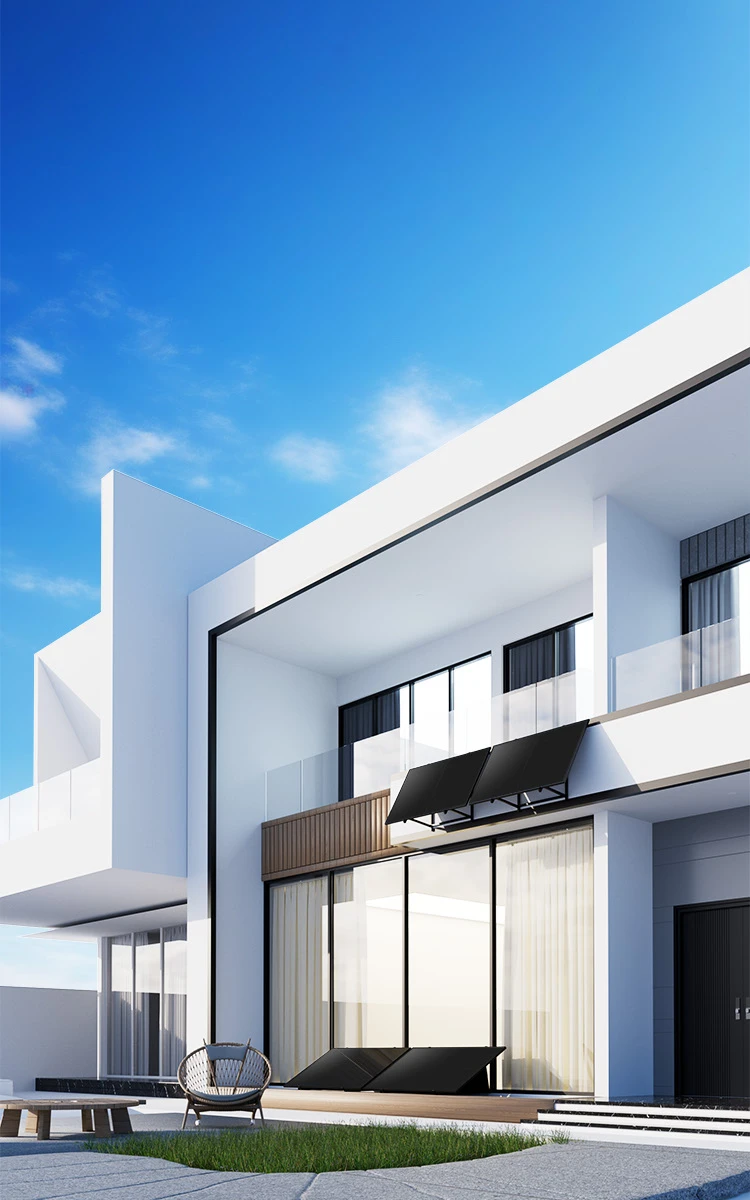
Residential energy autonomy is increasingly shifting toward modular, plug-and-play systems designed for urban environments. Vertical balcony solar arrays represent a pragmatic approach for apartment dwellers who lack roof access but wish to offset electricity costs. This guide explores the technical requirements and implementation strategies for deploying low price vertical easy balcony solar panel kits in high-density residential settings.
The primary challenge in urban solar adoption is the limitation of space and the angle of incidence. Unlike traditional rooftop installations, balcony systems must contend with shading from adjacent buildings and the structural constraints of railings. Integrating micro-inverters and specialized vertical brackets allows these systems to convert DC energy into usable AC power with minimal electrical infrastructure, making them an accessible entry point for renewable energy.
Readers will gain a comprehensive understanding of how to select vertical hardware, the role of hybrid storage in maximizing self-consumption, and the specific performance trade-offs associated with vertical orientation. By analyzing the intersection of hardware efficiency and installation simplicity, this article provides a decision-making framework for optimizing urban energy yields.
Balcony Solar Integration Fundamentals
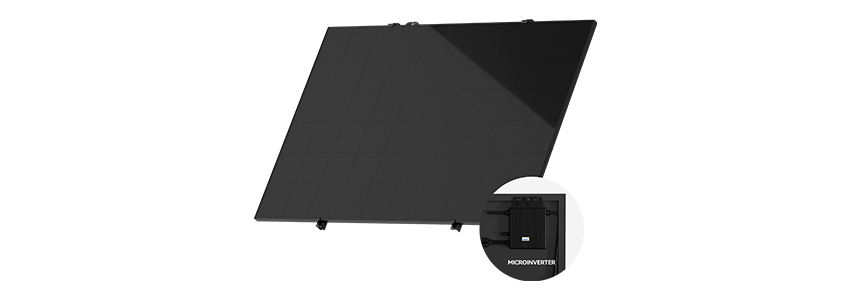
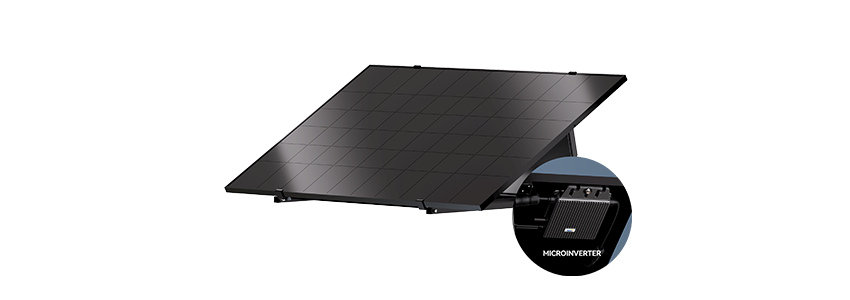
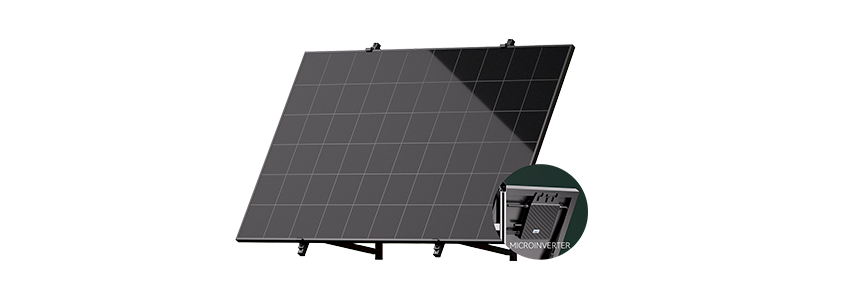
Urban solar energy relies on the principle of "micro-generation," where small-scale PV modules are deployed at the point of consumption. In a balcony context, the system typically consists of a photovoltaic module, a micro-inverter, and a mounting structure. The micro-inverter is critical because it converts electricity immediately at the panel, reducing transmission losses and eliminating the need for a centralized string inverter. For vertical setups, the focus shifts from maximum peak sunlight to "diffuse light capture." While a horizontal panel maximizes noon-time production, vertical panels can be more efficient during winter months when the sun is lower on the horizon. The integration of "Easy Solar Kits" simplifies this process by combining these components into a single, pre-configured package that minimizes the need for professional electrical engineering, provided local grid codes are followed.
Evaluating Vertical Balcony Solar Solutions
Selecting a vertical solar system requires a balance between structural stability, electrical efficiency, and budget. The following analysis breaks down the critical technical dimensions that determine the long-term viability of a balcony-mounted array.
Vertical Mounting Mechanics
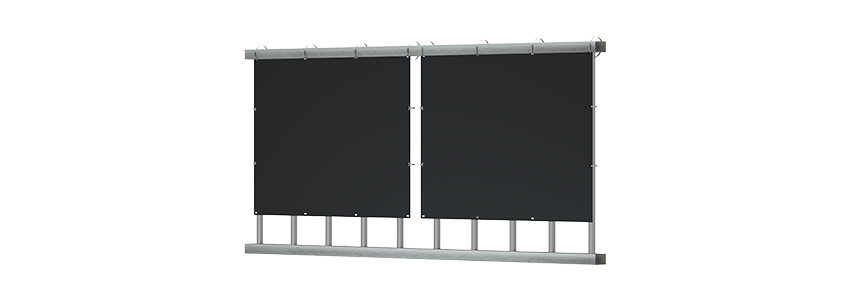
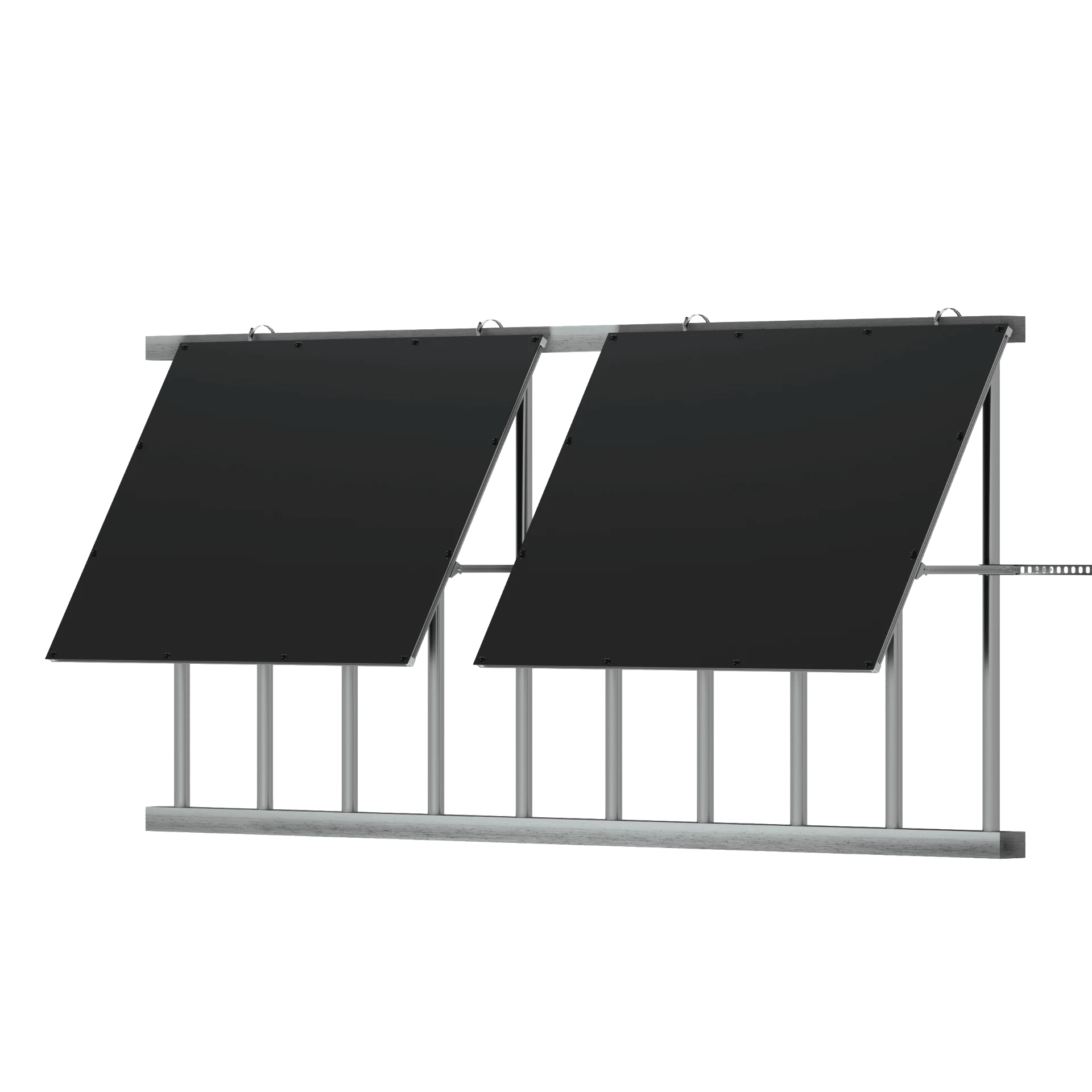
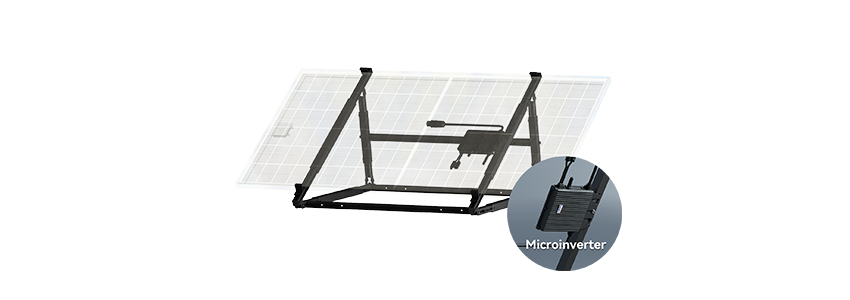
Mounting systems must ensure stability against wind loads, especially on higher floors. Vertical brackets generally use a "hang-on" or "clamp" mechanism to secure panels to balcony railings without permanent drilling. The angle of the vertical mount determines the seasonal yield; a purely 90-degree mount is ideal for winter, while a slight tilt may improve spring and autumn performance.
| Mounting Type | Wind Resistance | Installation Effort | Primary Risk |
|---|---|---|---|
| Hang-on Railing | Moderate | Low | Slippage if not clamped |
| Wall-Fixed Vertical | High | Moderate | Permanent facade damage |
| Adjustable Angled | Moderate | Moderate | Mechanical wear at joints |
| Freestanding Base | Low | Low | Tipping in high gusts |
| Clamp-to-Glass | Moderate | Low | Pressure points on glass |
| Integrated Frame | High | High | Heavy structural load |
Microinverter Efficiency
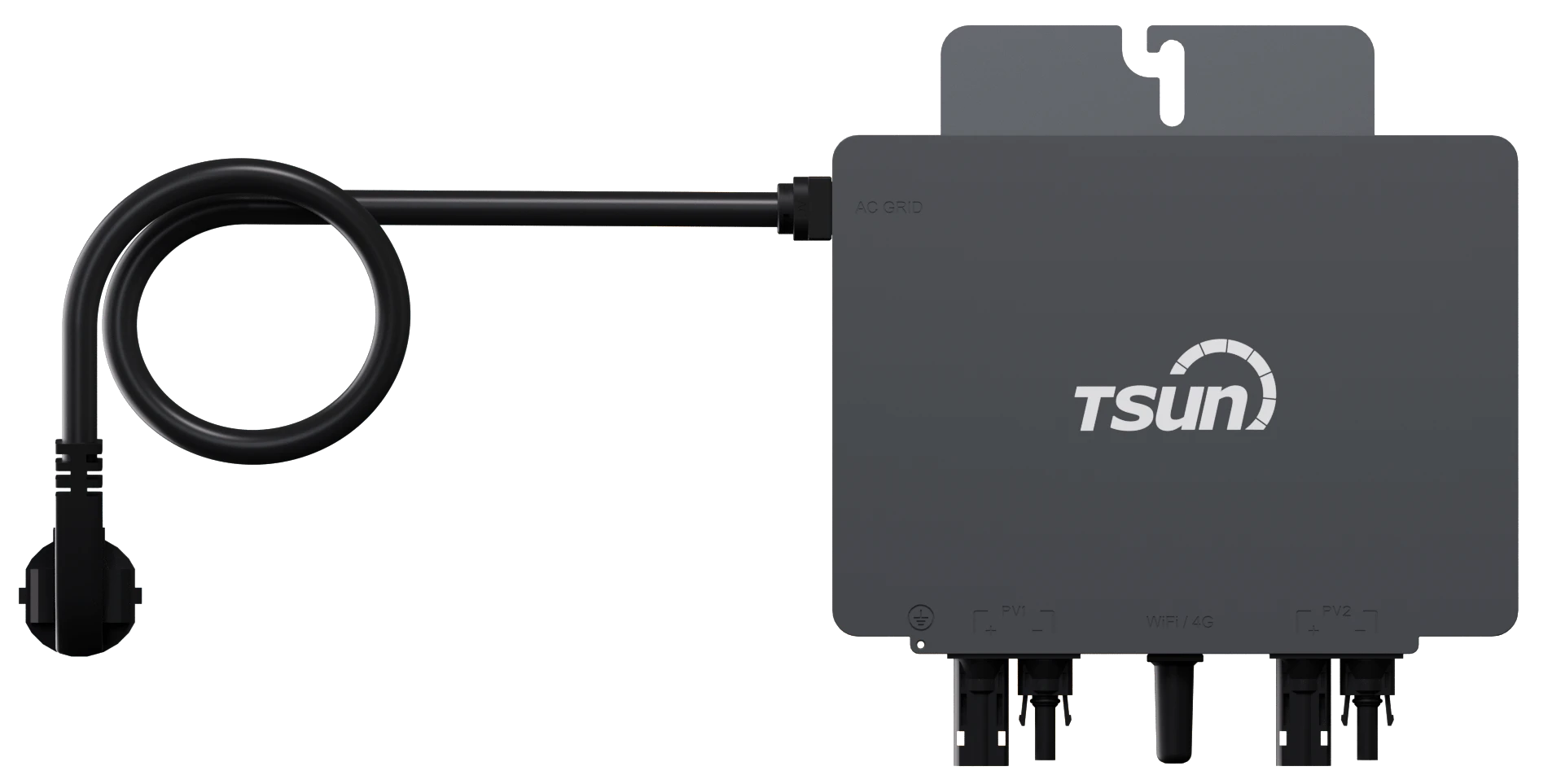
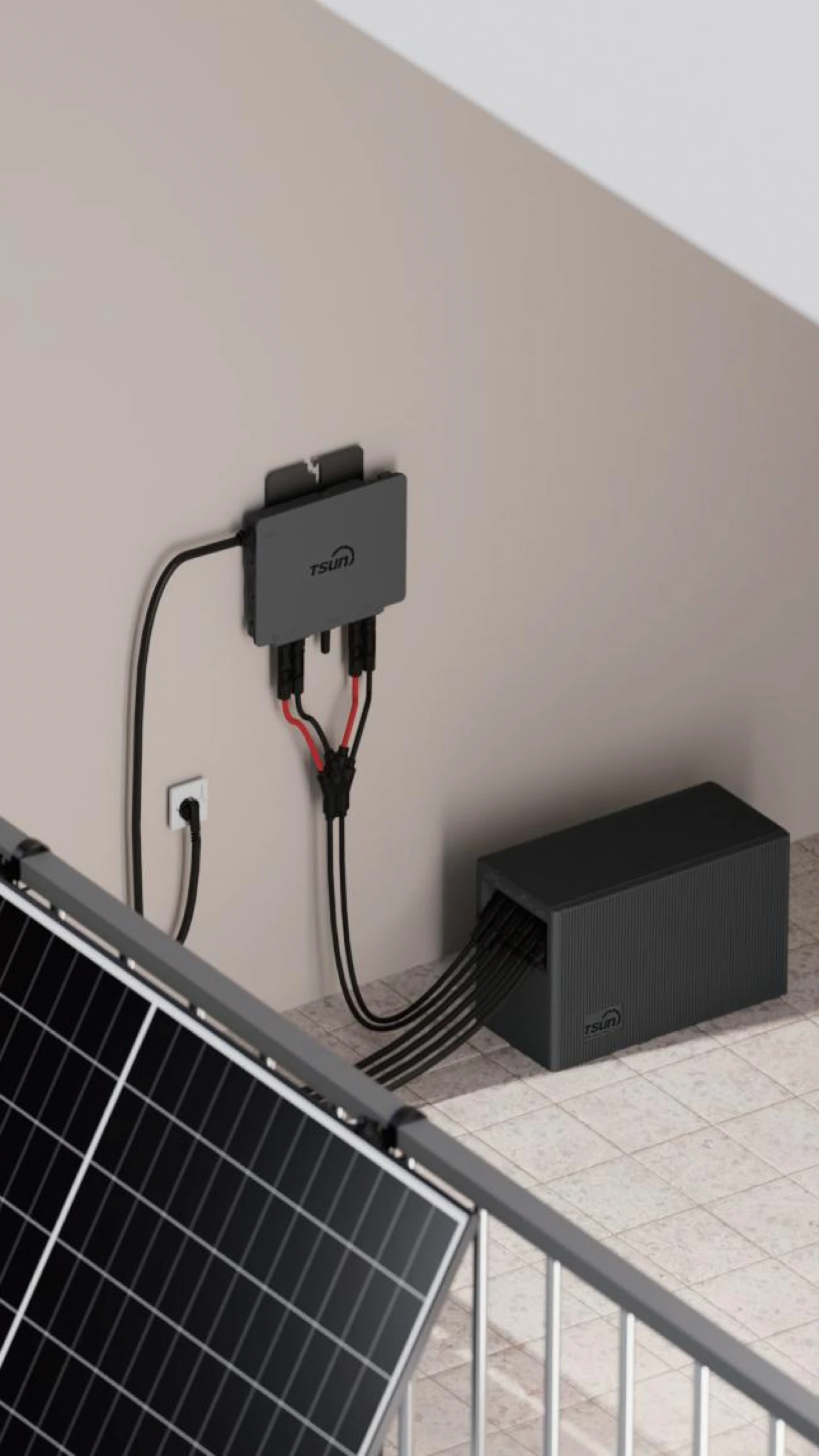
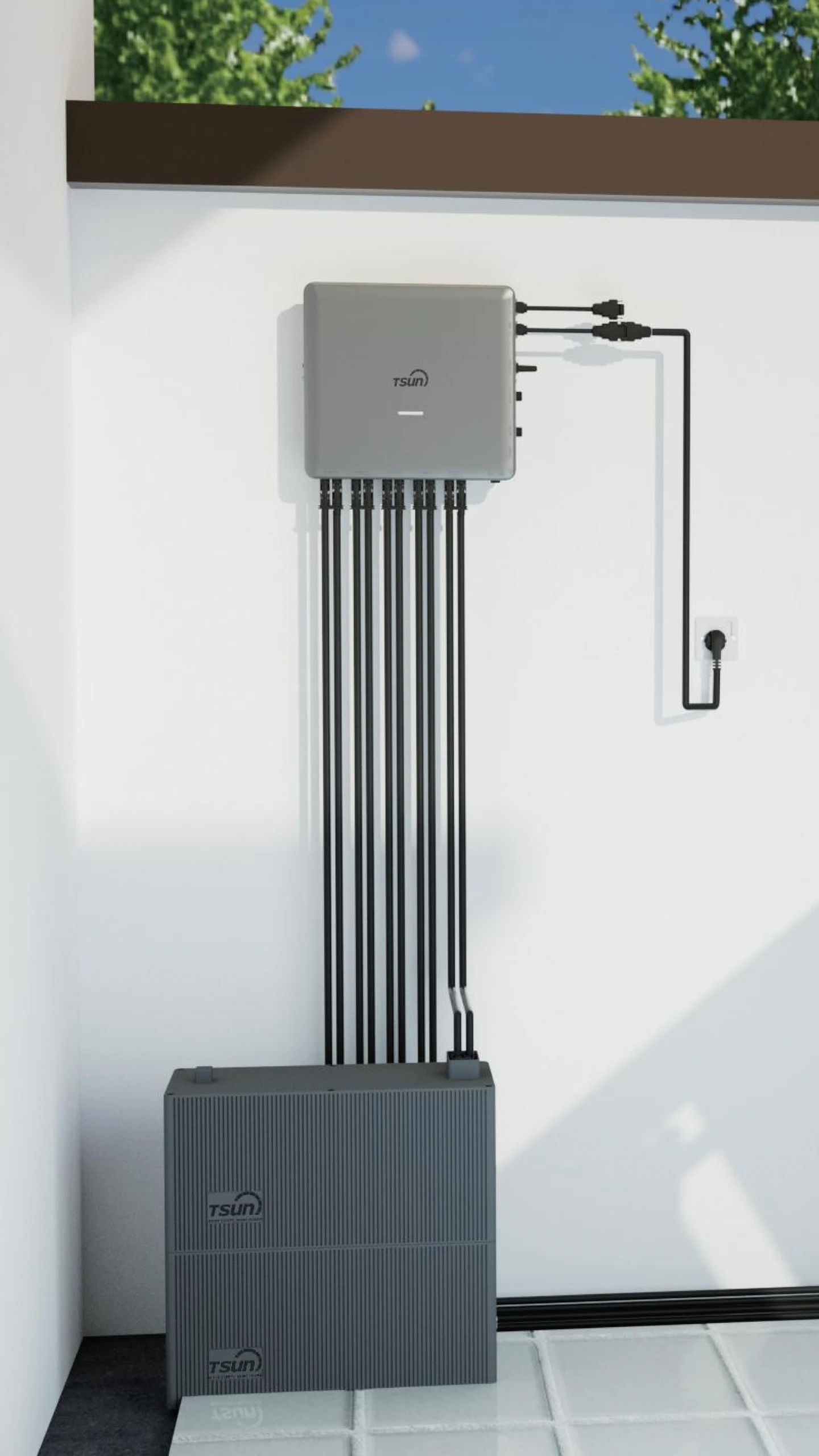
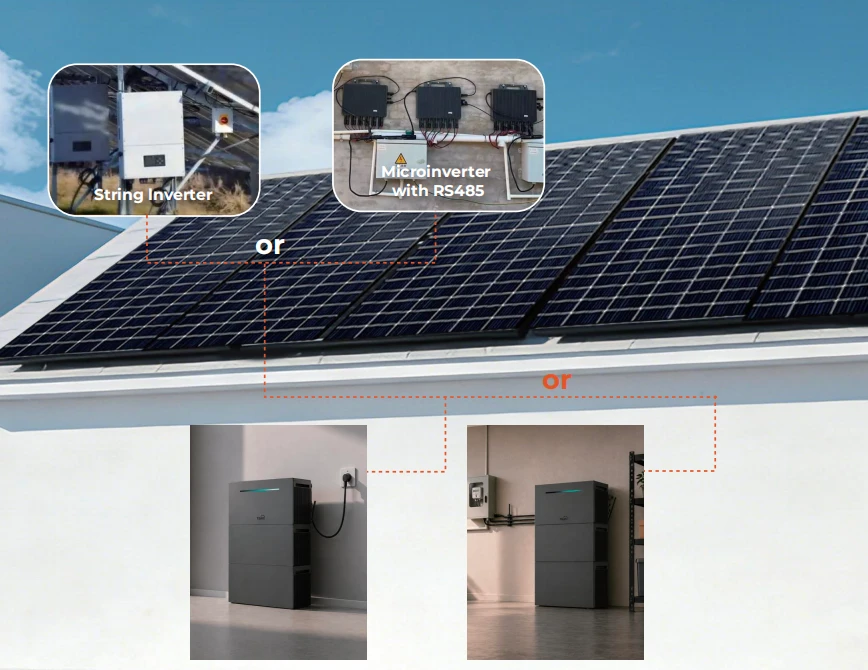
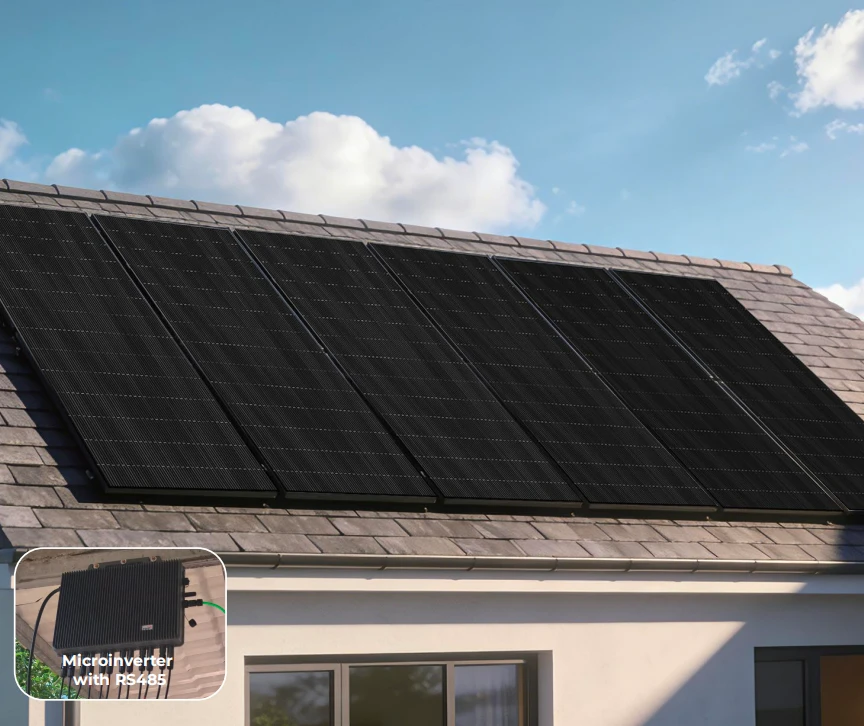
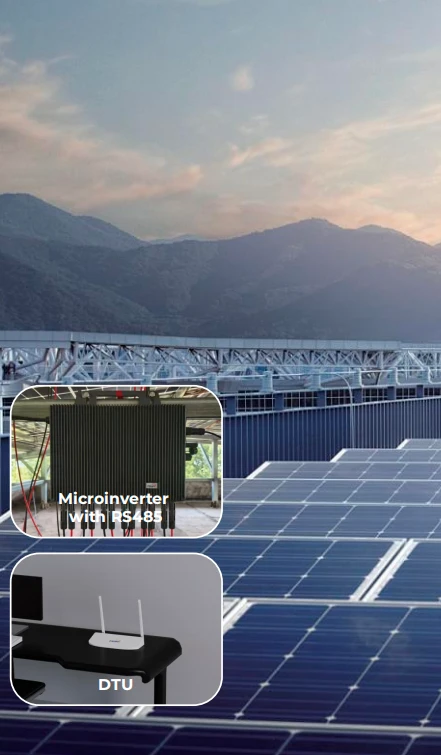
The micro-inverter is the heart of the balcony kit. By utilizing individual inverters for each panel (or pairs), the system avoids the "Christmas light effect" where one shaded cell drops the output of the entire string. Advanced units, such as the GEN3 or TITAN series, provide high conversion efficiency and integrated monitoring, allowing users to track real-time power production via mobile applications.
DIY Installation Safety
DIY systems are designed for simplicity, but safety remains paramount. Users must ensure that cables are UV-resistant and securely routed to avoid tripping hazards or weather degradation. The use of plug-and-play connectors reduces wiring errors, but checking the voltage compatibility with the home's AC circuit (e.g., 230V AC) is essential before energizing the system.
Energy Storage Synergy
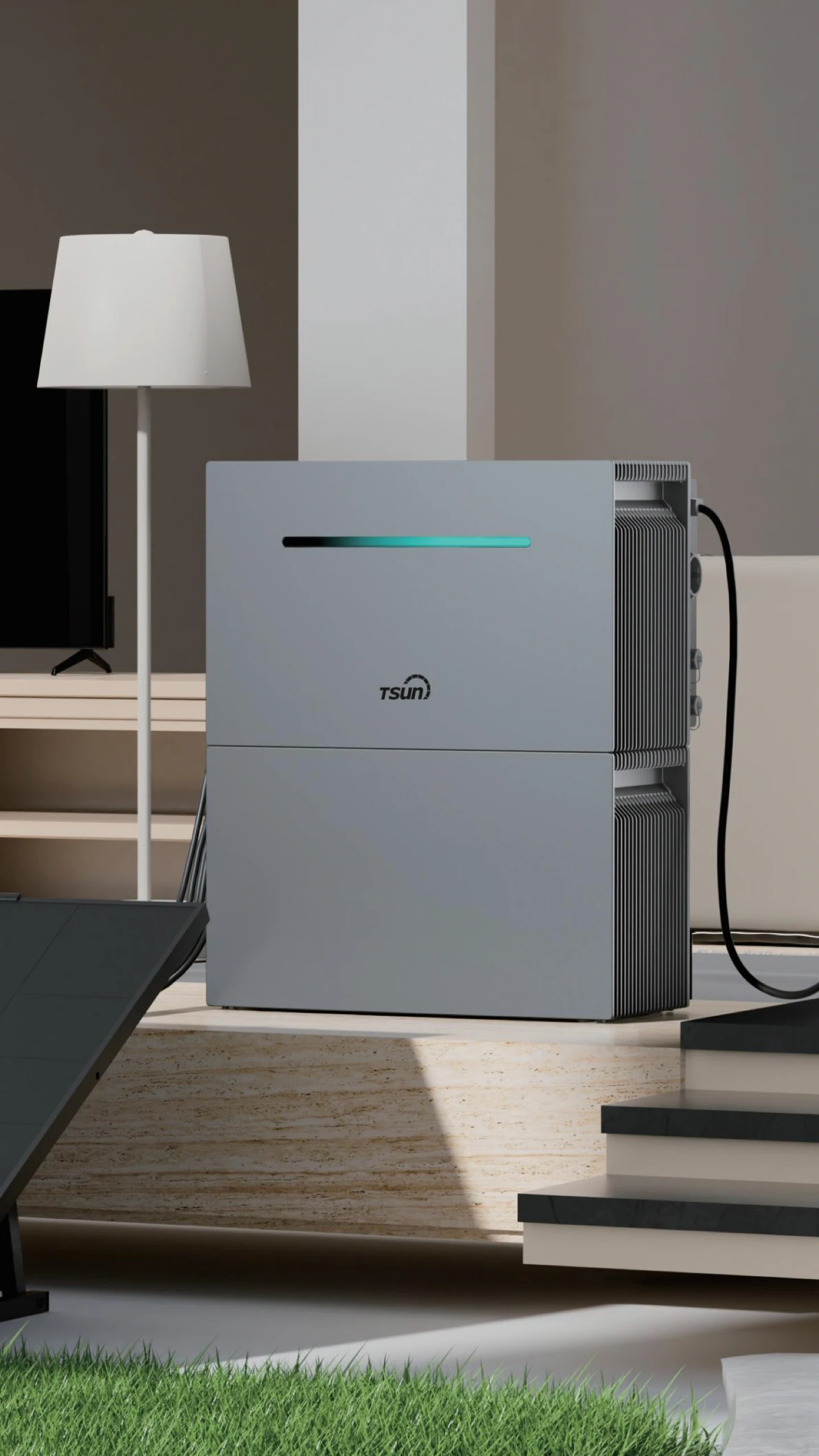
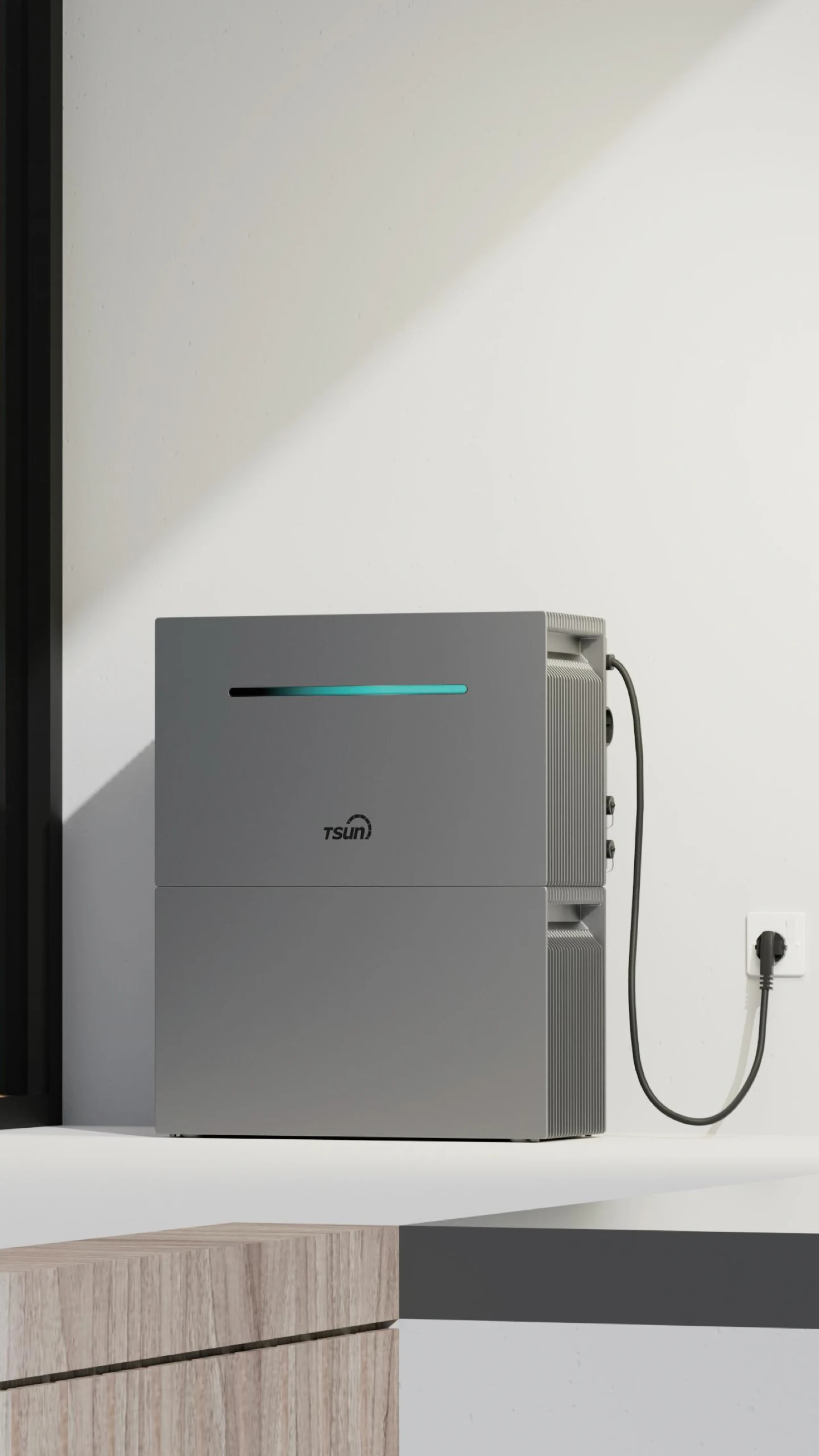
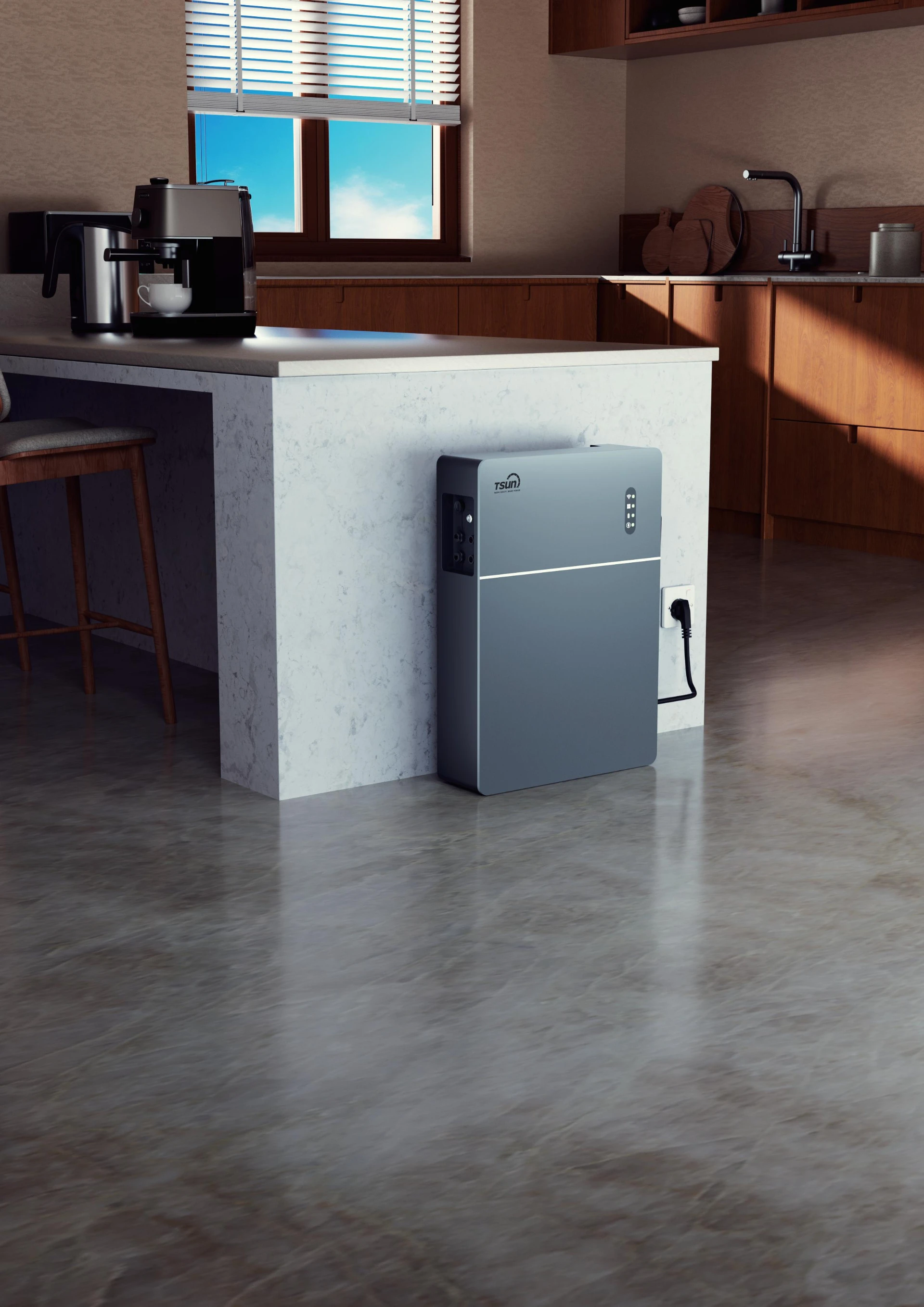
Since balcony solar production often peaks when the resident is away, adding micro-storage transforms the system from a simple offset tool to a resilient energy source. Units like the SolarCan or PowerTrunk enable the storage of surplus energy in battery packs, which can then be discharged during peak evening hours, significantly increasing the self-sufficiency ratio.
Urban Regulatory Compliance
Installation of vertical panels often falls under local building codes or homeowner association (HOA) rules. Key considerations include the "visual impact" on the building's facade and safety certifications for the electrical components. Ensuring the micro-inverter has a built-in anti-backflow or zero-export function may be required by some utility providers to prevent energy from flowing back into the public grid.
Performance Degradation Factors
Urban environments present unique challenges such as particulate accumulation (soot and dust) and partial shading from neighboring architecture. Vertical panels are less prone to snow accumulation but can suffer from "soiling" as dust settles on the lower edges. Regular cleaning and the use of high-efficiency monocrystalline cells help mitigate these losses.
Cost-to-Yield Analysis
The financial viability of these kits depends on the local cost of electricity and the average daily solar irradiation. While vertical panels produce less peak energy than rooftop arrays, the lower initial investment and lack of professional installation costs often result in a faster ROI for urban renters who cannot invest in permanent infrastructure.
FAQ
How much energy can a vertical balcony solar kit actually produce?
Production varies based on panel wattage and sun exposure. A typical kit with 400W-800W panels in a vertical orientation may produce 60-80% of the energy of a perfectly tilted roof system. However, they perform exceptionally well in winter and during diffuse light conditions, effectively offsetting base loads like refrigerators or routers.
Is a vertical installation safer than a tilted one for balconies?
Vertical installations generally have a lower profile and are less likely to act as "sails" during high winds compared to large tilted arrays. However, the safety depends entirely on the mounting hardware. Using certified brackets that clamp securely to the railing without compromising the structural integrity of the balcony is the most critical safety factor.
Do I need a professional electrician to install these kits?
Many modern balcony kits are designed as "plug-and-play" systems using micro-inverters that connect directly to a standard household socket. While the physical installation is DIY-friendly, it is highly recommended to check local electrical codes. In some regions, a certified electrician must sign off on the connection to the home grid for insurance and safety reasons.
What is the benefit of adding a smart meter to my balcony system?
A smart meter allows you to monitor the total household load and the exact amount of solar energy being consumed versus exported. More importantly, it enables the "zero-export" function, which tells the micro-inverter to adjust its output to match your current house load, preventing energy from flowing back into the grid if your utility provider prohibits it.
Can I use these kits in rainy or cloudy climates?
Yes. While peak production requires direct sunlight, modern monocrystalline panels can still generate electricity from diffuse light on cloudy days. Vertical orientation is particularly beneficial in northern latitudes where the sun remains low, allowing the panels to capture more available light during the winter months than a flat rooftop would.
How do I choose between a simple kit and one with storage?
Choose a simple kit if your goal is to lower your daytime electricity bill (e.g., running a home office). Choose a system with storage, such as a hybrid micro-inverter and battery pack, if you want to use your solar energy at night or provide a small backup for critical devices during power outages.
References and further reading
- International Electrotechnical Commission (IEC) Standards for Residential PV Systems.
- Urban Solar Energy Harvesting: Analysis of Diffuse Light Capture in Vertical Arrays.
- Residential Micro-grid Regulations and Grid-Tie Inverter Compliance Guidelines.