Buy Durable China Easy Balcony Angled Solar Panel Kits Online
Transitioning to sustainable energy no longer requires extensive roof modifications or professional construction crews. For urban dwellers and homeowners with limited space, the adoption of modular, plug-and-play photovoltaic systems has revolutionized how residential electricity is generated. By utilizing specialized mounting hardware and high-efficiency microinverters, it is now possible to convert a standard balcony into a functional power plant. These systems focus on accessibility, allowing users to capture solar energy without the complexity of traditional installations.
The integration of angled mounting kits ensures that solar modules are positioned for maximum irradiance, significantly increasing the energy yield compared to flat placements. When paired with AC-coupled storage solutions like the PowerTrunk MAU5000, these balcony setups evolve from simple daytime energy offsets into comprehensive home energy management systems. This approach not only reduces monthly utility bills but also provides a critical layer of energy security for modern apartments and small households.

Optimizing Urban Energy Capture Through Precision Angled Mounting
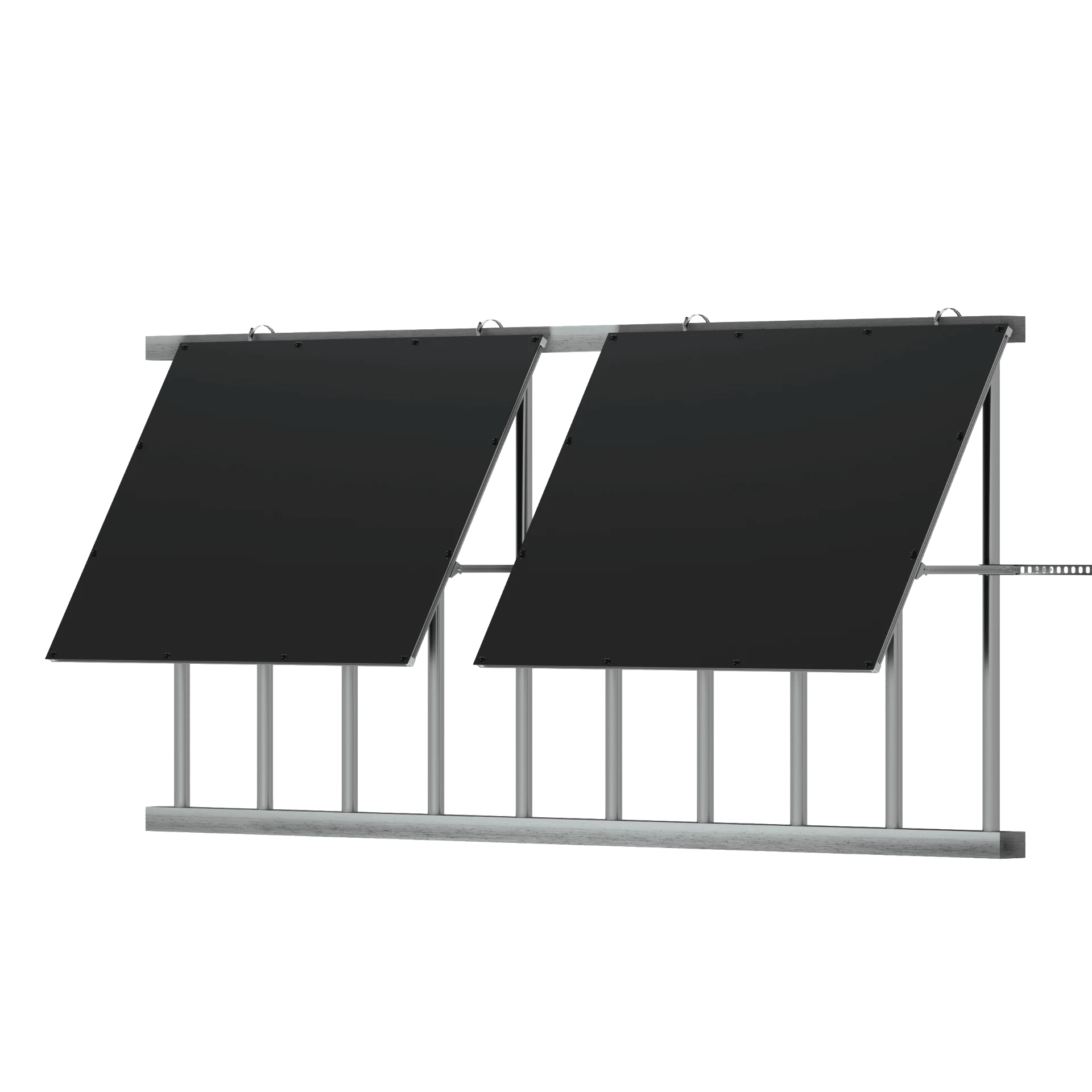
The primary challenge of urban solar generation is the limited surface area and the variable angle of sunlight hitting balcony railings. Standard flat-mount systems often suffer from suboptimal efficiency due to the angle of incidence. Precision angled kits solve this by tilting the PV modules to better align with the sun's trajectory, which is essential for maximizing kilowatt-hour production throughout the day and across different seasons.
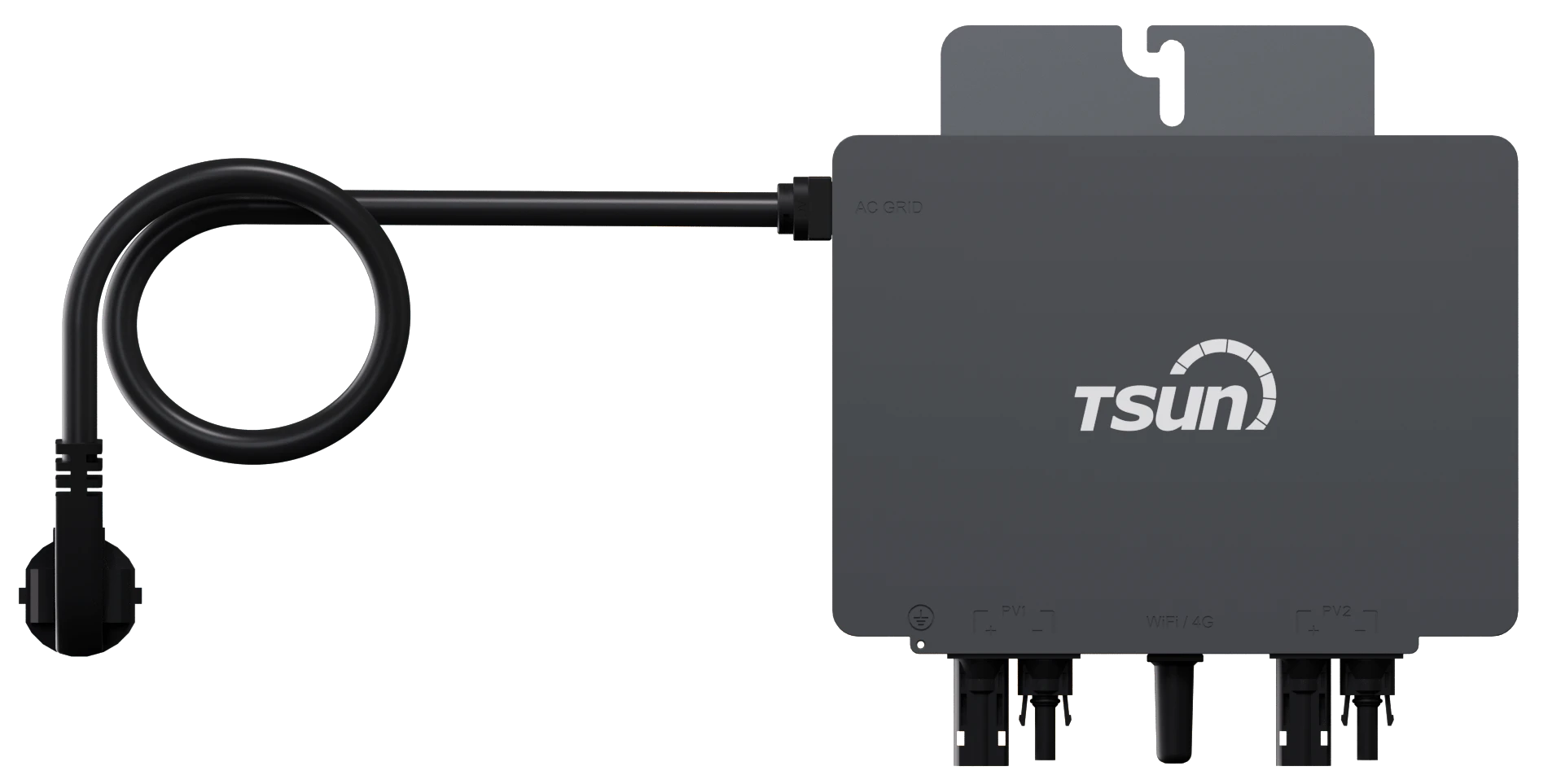
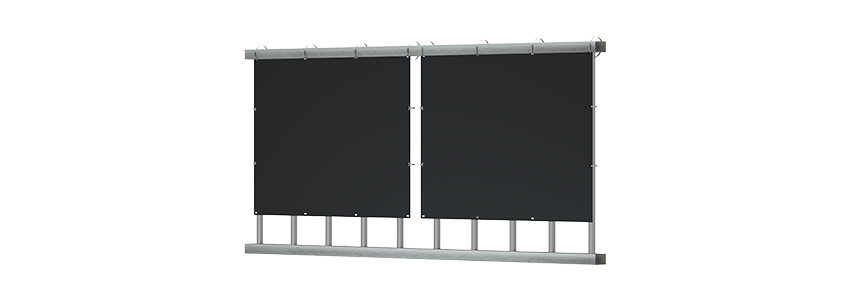
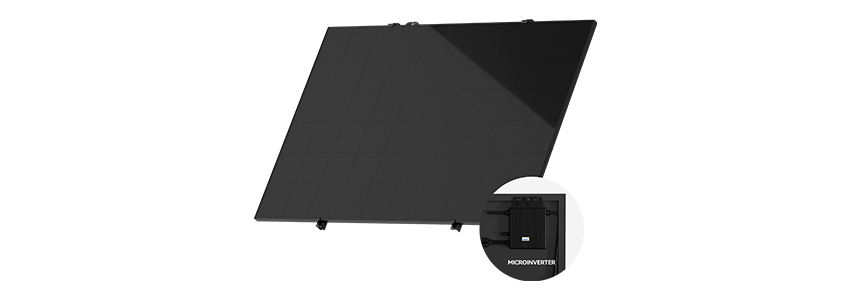
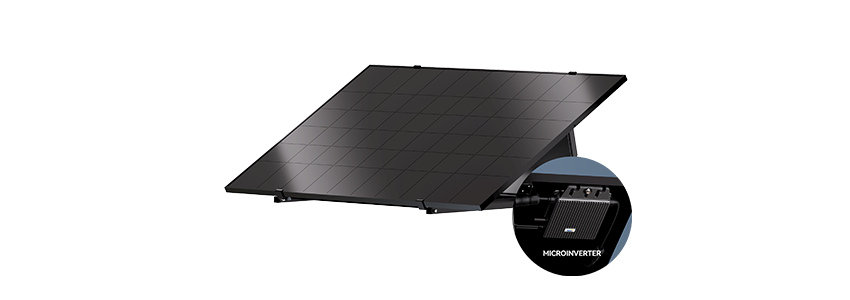
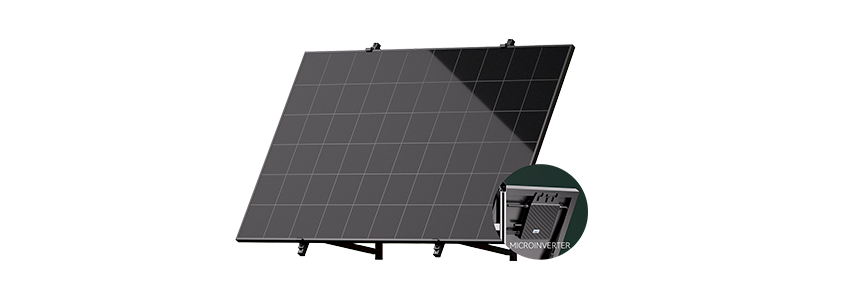
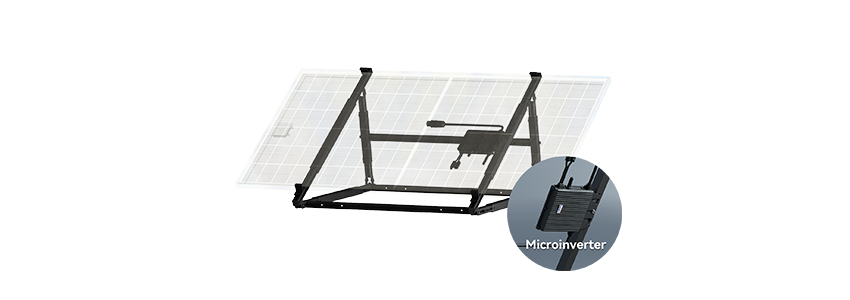
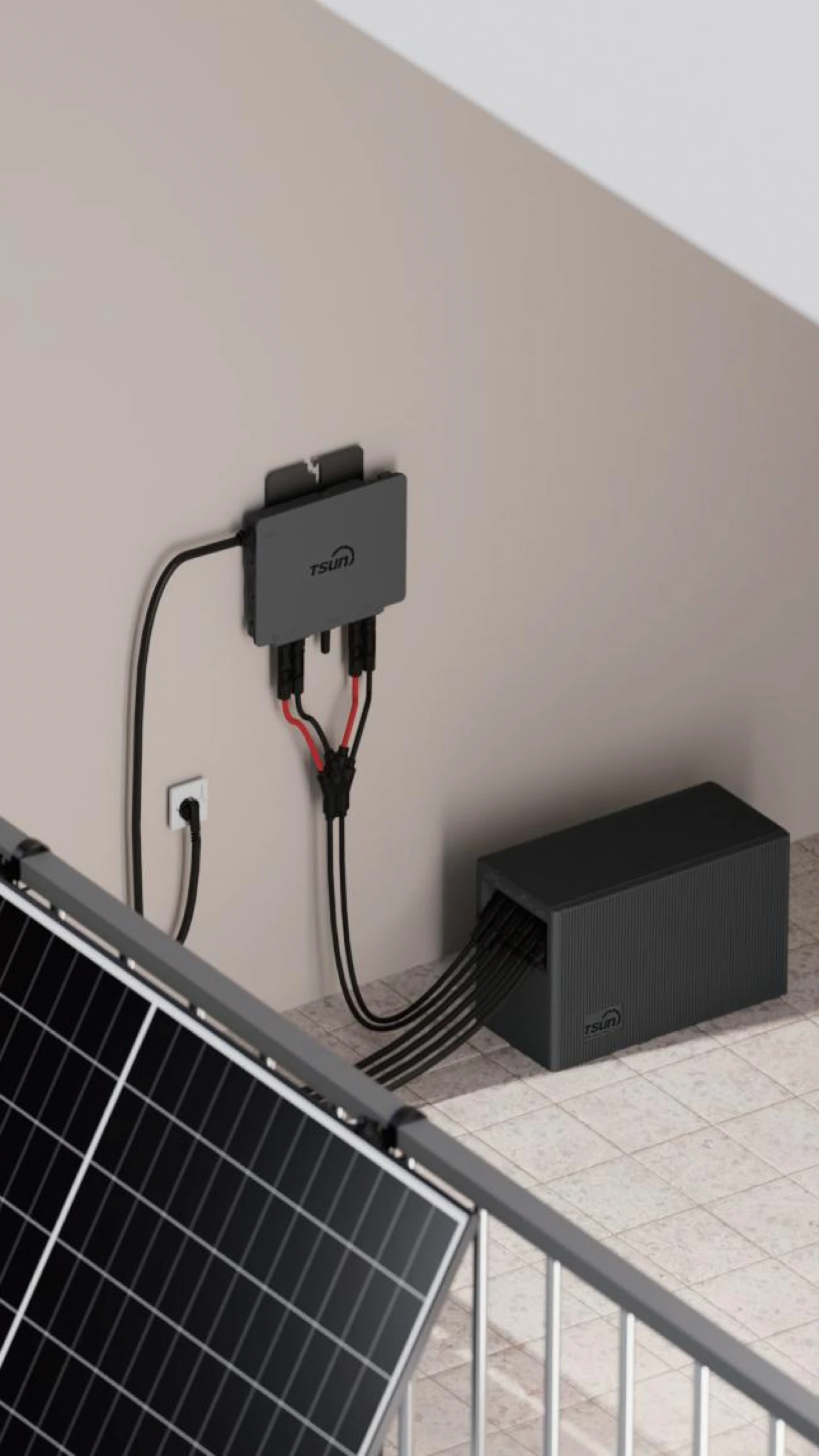
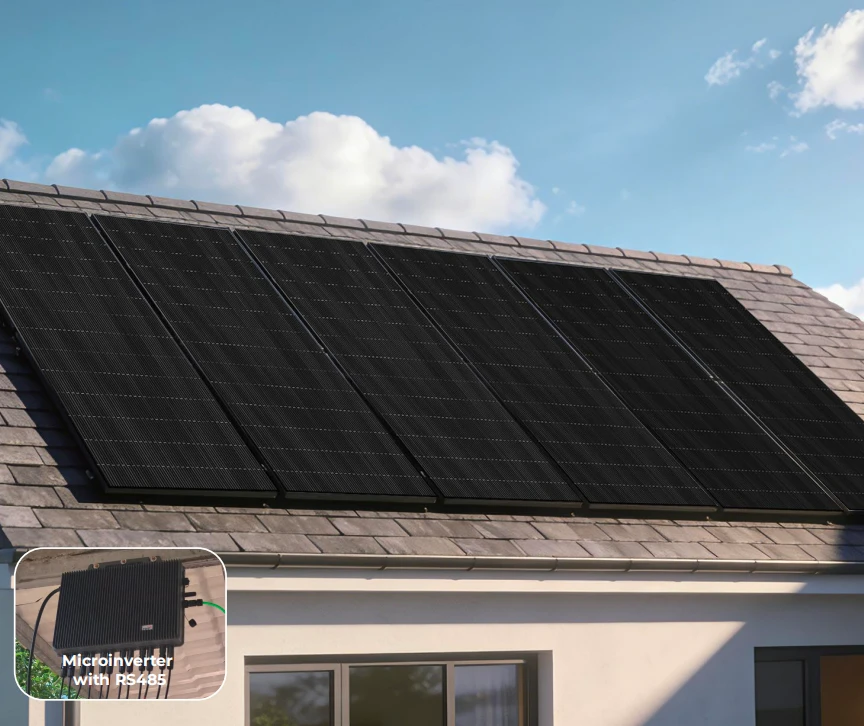
These DIY-friendly kits are engineered for versatility. Whether the installation is a vertical hang or a tilted stand, the structural integrity is maintained through robust brackets and specialized cables. By integrating these kits with 2-in-1 microinverters specifically designed for balcony use, users can achieve a seamless "plug-and-play" experience, feeding electricity directly into the home grid without requiring complex rewiring of the main electrical panel.
- Enhanced Irradiance: Angled positioning reduces reflection and increases photon absorption.
- Rapid Deployment: DIY bracket designs allow for installation in minutes without professional tools.
- Spatial Efficiency: Optimized for small footprints, utilizing vertical and angled space effectively.

Scaling Energy Independence with the PowerTrunk AC-Coupled Ecosystem
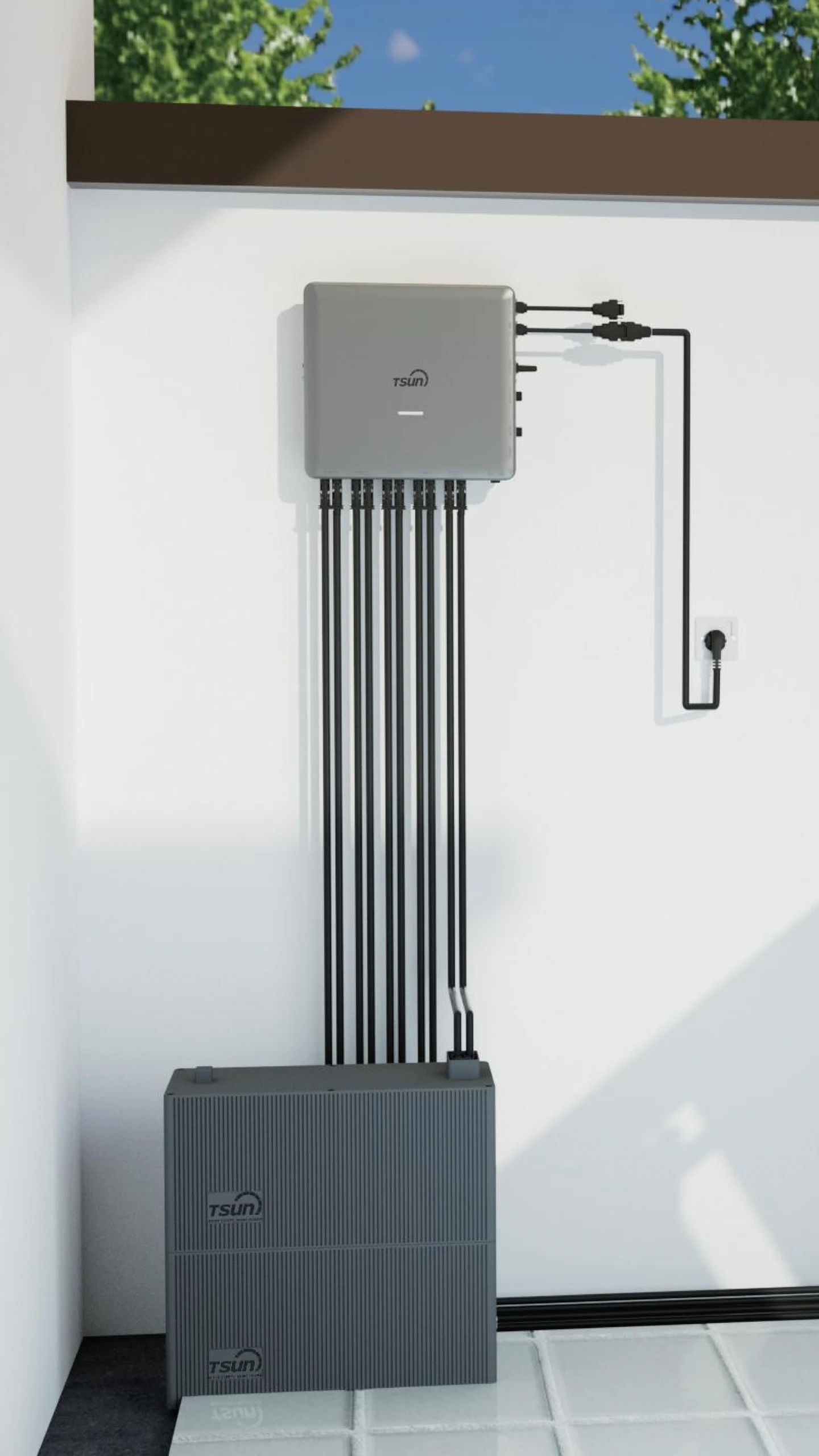
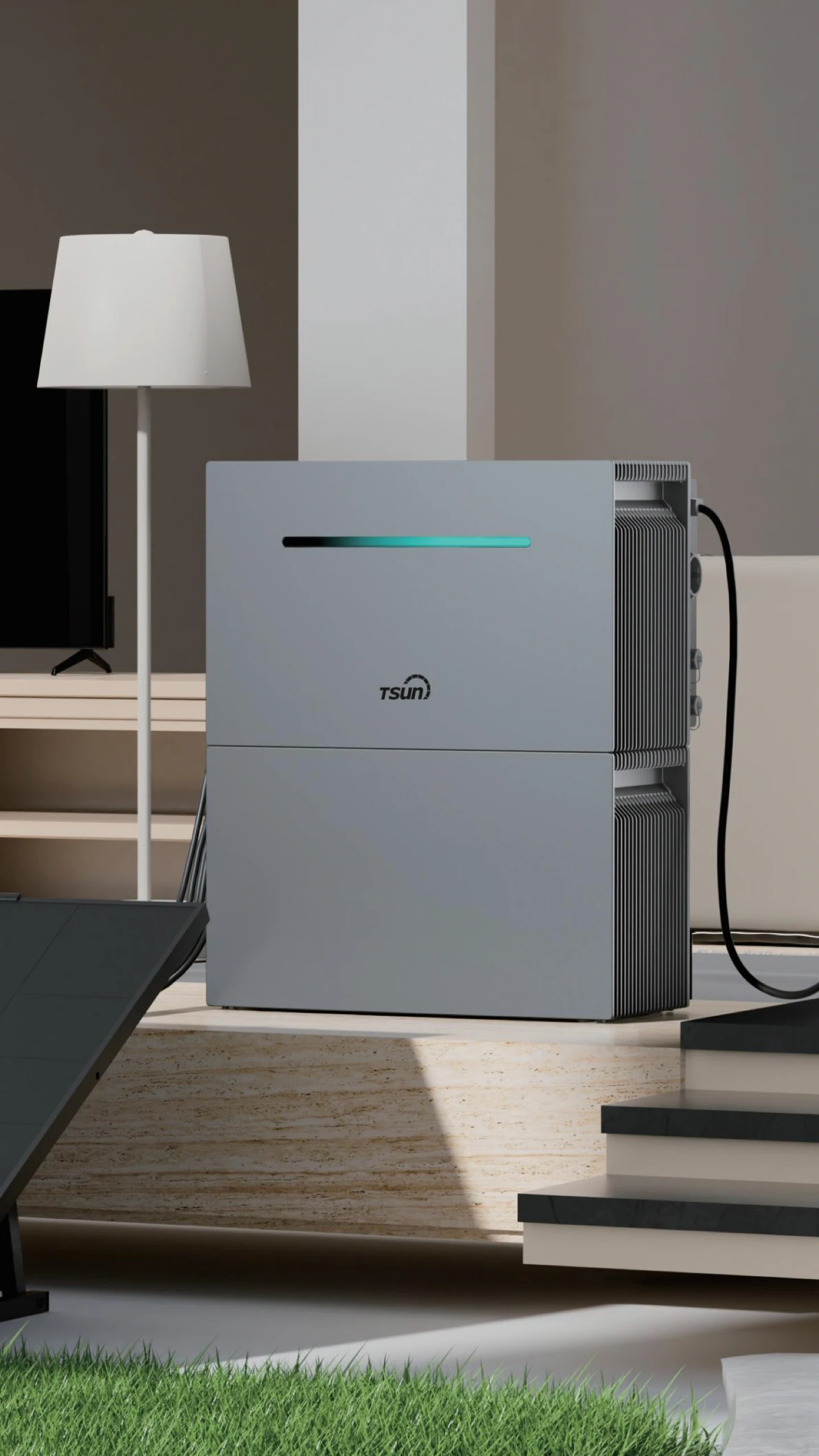
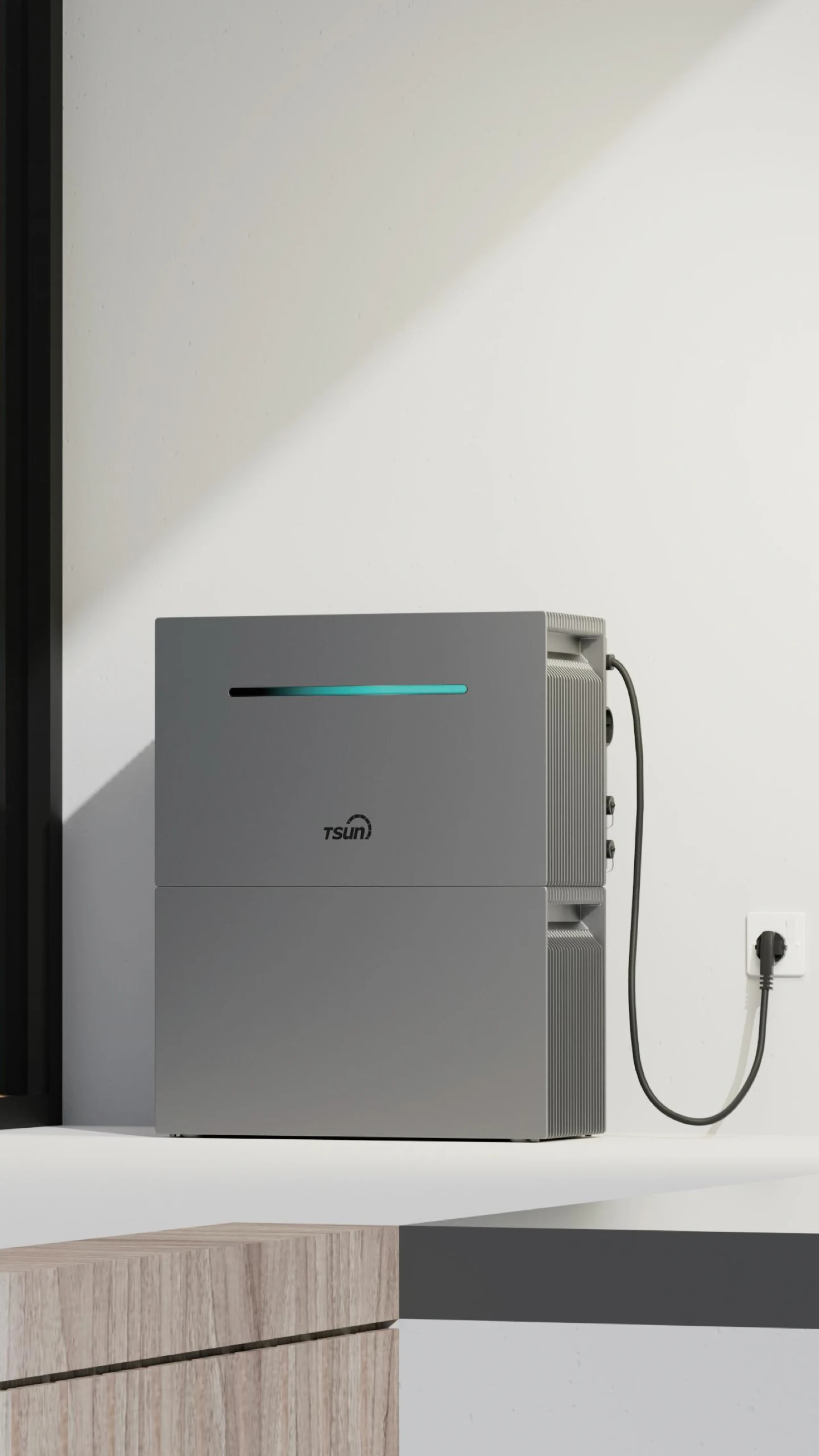
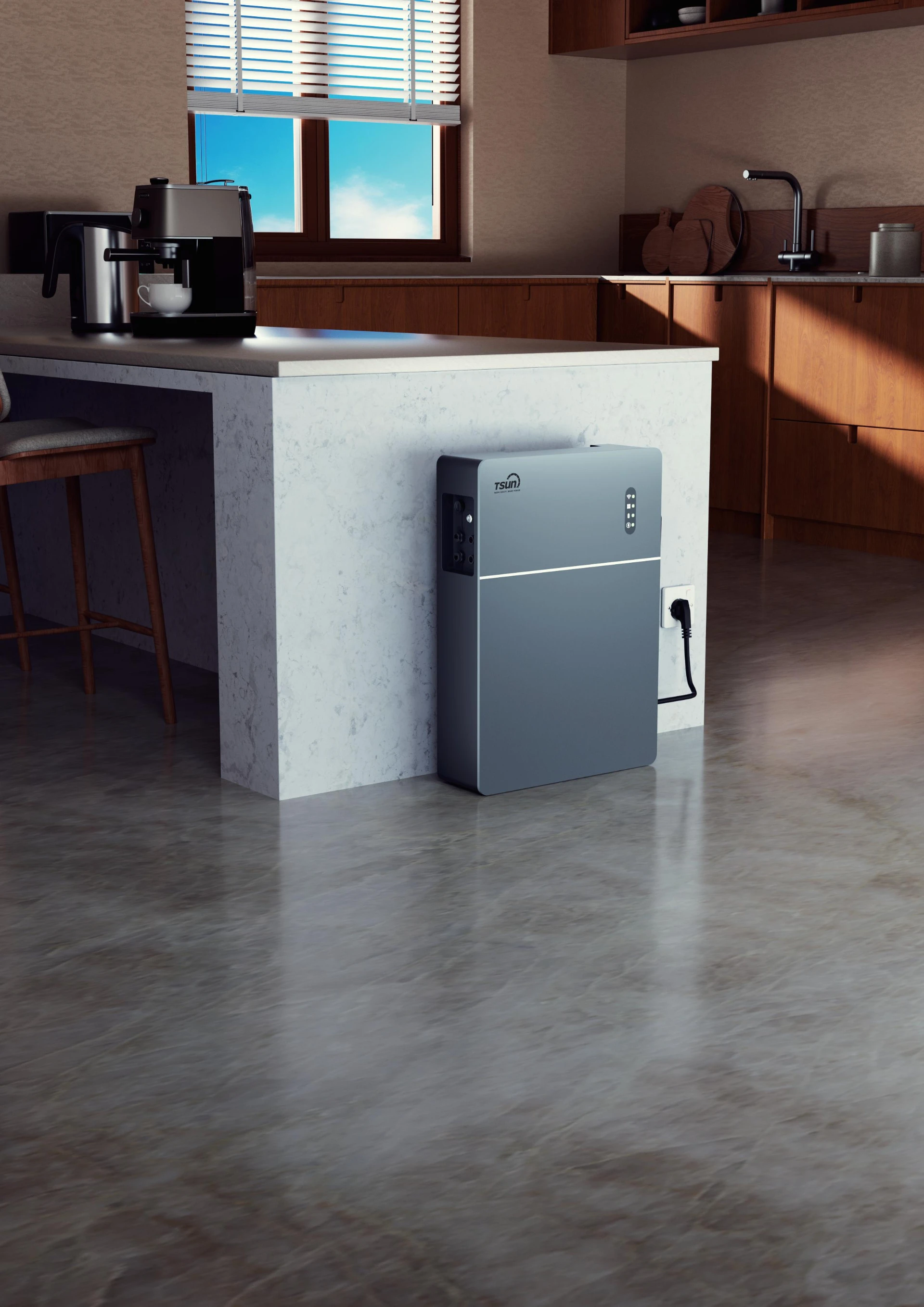
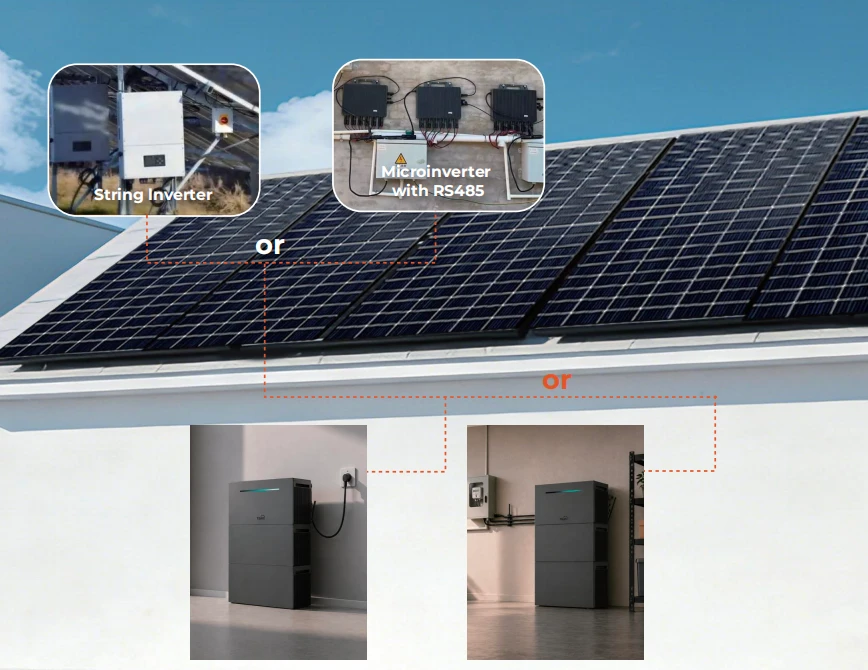
While balcony solar kits provide immediate energy, the inherent intermittency of sunlight requires an intelligent storage mechanism. The PowerTrunk TSOL-MAU5000 serves as the bridge between daytime generation and nighttime consumption. As an elite AC-coupled solution, it allows users to store surplus energy generated by their balcony microinverters into a high-capacity 5.12kWh LFP battery, ensuring that clean energy is available 24/7.
The technical advantage of the MAU5000 lies in its UPS-level switching speed of ≤ 10 ms, which prevents household electronics from shutting down during a grid failure. This transforms a simple solar setup into a robust backup system. Furthermore, the unit is designed for scalability; users can parallel up to 4 units for single-phase systems or 6 units for three-phase configurations, allowing the energy reservoir to grow alongside the user's needs.
Durability is central to the design, featuring an IP65 weatherproof die-cast enclosure. This ensures that whether the storage unit is kept in a living room or installed in a rugged outdoor environment, it remains protected against moisture, salt mist, and extreme temperature fluctuations, maintaining a cycle life of up to 6000 cycles.
Practical Implementation Scenarios for Residential Solar Integration
Implementing china easy balcony angled solar panel kits requires a clear understanding of the available space and the desired energy outcome. For instance, in a standard apartment setting, a "Hang on Balcony" DIY approach is most effective. By combining the ESK Balcony Air Angled brackets with a 2-in-1 microinverter, the user creates a low-profile system that does not obstruct views while providing a steady stream of power for small appliances.
For those seeking total autonomy, the integration of smart meters—such as Shelly or PowerFox—is recommended. This allows for "Zero Feed-In" control, ensuring that no electricity is wasted by exporting it back to the grid if the local utility does not offer compensation. Instead, the AI-driven algorithms charge the MAU5000 during periods of peak production and discharge it during expensive peak-tariff hours, maximizing the financial return on the investment.
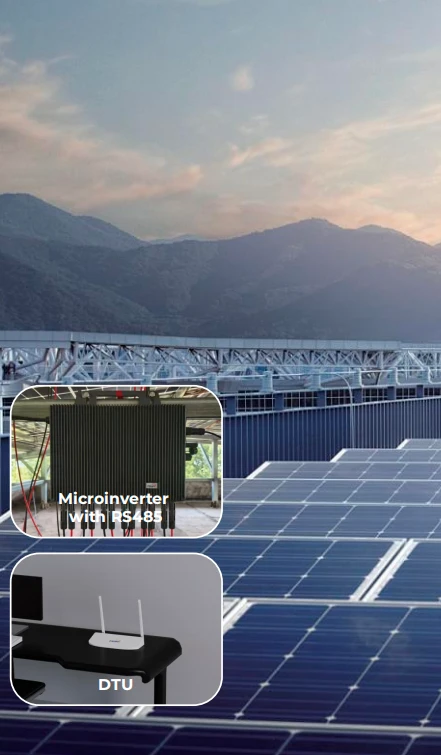
Beyond the balcony, these modular components are adaptable for gardens, flat roofs, or carports. The "Universal" and "Pop-Up" configurations allow the same microinverter technology to be deployed in diverse scenarios, making the transition to solar a scalable journey rather than a one-time, rigid installation.
Technical Evaluation: Balcony Solar and Storage Configurations
| Configuration Type |
Installation Complexity |
Energy Storage Capacity |
Best Use Case |
| Basic Balcony Kit |
Very Low (DIY) |
None (On-Grid) |
Daytime Offset |
| Angled Kit + Microinverter |
Low |
None (On-Grid) |
Maximized Irradiance |
| Balcony Kit + MAU5000 |
Medium |
5.12 kWh - 20 kWh |
Nighttime Independence |
| Hybrid Microinverter System |
Medium |
Application-Dependent |
Residential Backup |
| Scalable AC-Coupled Array |
Professional |
Up to 30 kWh+ |
Off-Grid Capability |
Strategic Procurement: Evaluating Quality in Modular Solar Components
When sourcing solar hardware, buyers must look beyond the initial price point and evaluate the long-term reliability of the electronic components. The microinverter is the heart of the system; a high-quality unit should offer seamless integration with existing grids and robust protection against over-voltage and overheating. For balcony applications, a 2-in-1 or 4-in-1 microinverter provides the best balance between power density and installation simplicity.
Battery chemistry is another critical factor. Lithium Iron Phosphate (LiFePO4) is the industry standard for residential storage due to its superior thermal stability and longer cycle life compared to traditional NMC batteries. A system that guarantees 6000 cycles ensures a decade of reliable service, significantly reducing the total cost of ownership.
Furthermore, the quality of the mounting brackets cannot be overlooked. In urban environments, wind loads on balconies can be significant. Die-cast aluminum or reinforced steel brackets with secure fastening mechanisms are essential to prevent equipment displacement and ensure the safety of both the installation and the residents below.
The Future of Decentralized Urban Energy Management
The trend toward "Micro-Grids" is accelerating as energy costs rise and grid stability becomes a concern. The shift from large, centralized solar farms to distributed residential arrays—like those enabled by china easy balcony angled solar panel kits—democratizes energy production. We are moving toward a future where every balcony and window ledge contributes to the city's energy pool.
Future developments will likely focus on deeper AI integration. We anticipate systems that can predict weather patterns and adjust battery charging cycles automatically, coordinating with smart home appliances to run high-load tasks only when solar production is at its peak. This level of automation will make energy independence an effortless part of urban living.
As regulatory environments evolve to support plug-and-play systems, the barrier to entry will continue to drop. The combination of high-efficiency PV modules, smart microinverters, and scalable storage like the PowerTrunk series creates a flexible roadmap for any homeowner to move from a passive consumer to an active "prosumer" of clean energy.
Common Questions Regarding Balcony Solar and Storage
Is a professional electrician required for balcony solar installation?
Many modern kits are designed as DIY "Plug & Play" systems. However, local regulations vary. While the mechanical installation of brackets and panels is simple, connecting the system to your home grid should always comply with local electrical codes to ensure safety and legality.
How does an angled kit improve energy production over a flat one?
Solar panels are most efficient when the sun's rays hit the surface perpendicularly. Angled kits tilt the panels to match the latitude and seasonal position of the sun, reducing the reflection of light and increasing the total energy captured per square meter.
Can I add a battery to my existing balcony solar setup?
Yes, if you use an AC-coupled storage solution like the PowerTrunk MAU5000. These units are designed to work with existing microinverters, allowing you to store the surplus AC power generated during the day for use at night without needing to replace your current panels.
What is the typical lifespan of the LFP batteries used in these systems?
LiFePO4 (LFP) batteries are known for their longevity. High-quality units, such as those in the PowerTrunk series, typically offer around 6000 charge-discharge cycles, which can translate to over 10-15 years of use depending on the depth of discharge and environmental conditions.
How do I prevent energy from flowing back into the grid?
This is achieved through "Zero Feed-In" control. By installing a compatible smart meter (e.g., Shelly or IOmeter), the system can monitor real-time grid flow and signal the inverter to limit production or divert surplus energy into a battery storage unit.
Are these systems safe to install outdoors in rainy or coastal areas?
Yes, provided the equipment is rated for outdoor use. The PowerTrunk MAU5000, for example, features an IP65-rated enclosure, which protects the internal electronics against heavy rain and salt mist, making it suitable for various outdoor environments.
Technical References and Industry Standards
Embracing modular solar technology is a strategic step toward reducing carbon footprints and achieving financial independence from volatile energy markets. By combining precision mounting with intelligent storage, urban residents can now harness the power of the sun with unprecedented ease and efficiency.
Owen Thompson
Owen Thompson is a dedicated Systems Integration Engineer. He focuses on the compatibility and optimal performance of our Micro Storage Systems, including the DCU and Hybrid Microinverter solutions. Owen’s expertise lies in ensuring our systems integrate seamlessly with existing home energy infrastructure, and in developing innovative monitoring solutions like our Smart Meter. He holds a Bachelor's degree in Computer Science and frequently works on optimizing the software interfaces for our monitoring platforms, giving users real-time insights into their energy usage and savings. He's excited about the potential for smart home integration.






 LEARN DETAILS
 Downloads
 Video Center
 Report Fault for Repair
 FAQS
 Service Network
 Privacy Policy
 Contact Us
 Monitoring