




 LEARN DETAILS
 Downloads
 Video Center
 Report Fault for Repair
 FAQS
 Service Network
 Privacy Policy
 Contact Us
 Monitoring

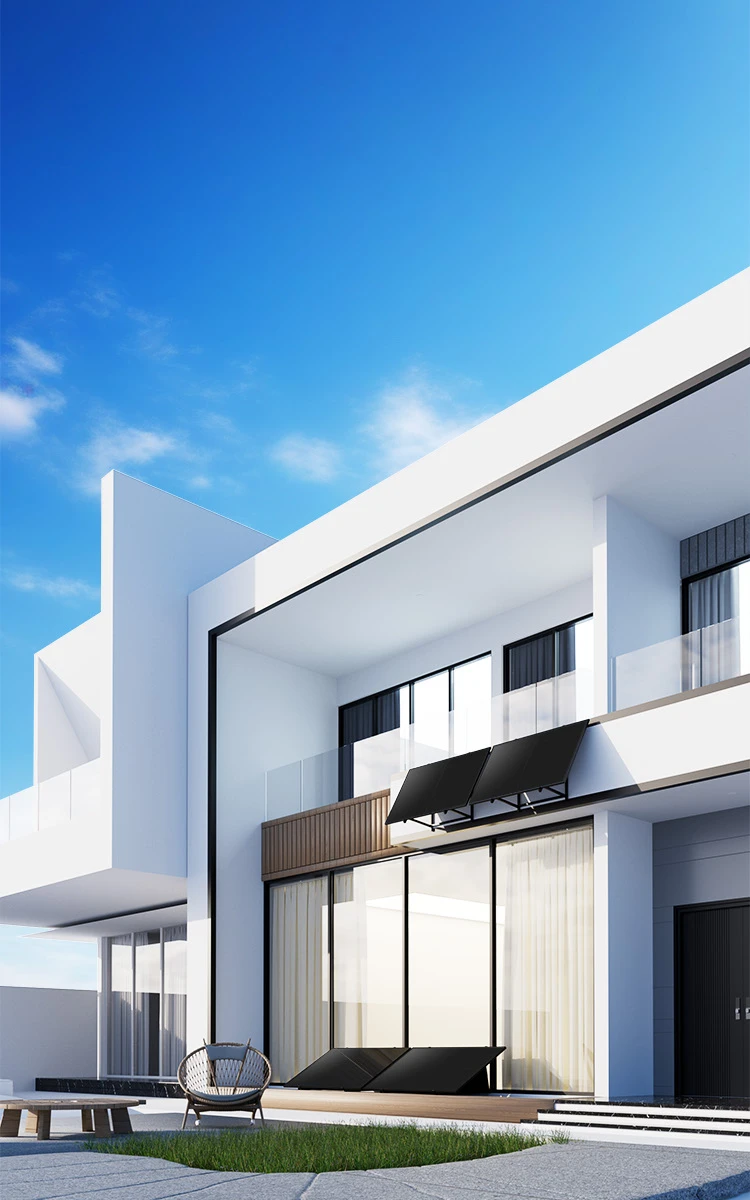
Urban energy independence is shifting toward modular, small-scale installations that utilize existing residential architecture. Specifically, durable easy balcony air angled solar panel kits provide a strategic way for apartment dwellers to generate electricity without requiring extensive roof access or professional structural modifications. This article explores the technical synergy between angled mounting and micro-generation in residential settings.
For many urban residents, the primary challenge is the limited surface area and the variable angle of sunlight hitting balcony railings. Standard vertical panels often suffer from efficiency drops during peak sun hours. By employing angled kits, users can better align photovoltaic modules with the solar azimuth, significantly increasing the daily kilowatt-hour yield while maintaining a compact footprint that does not obstruct living space.
Readers will discover the critical technical specifications required for safe balcony deployment, the role of hybrid microinverters in managing energy flow, and how to evaluate the durability of mounting hardware. We will analyze the transition from simple DIY setups to integrated energy storage solutions, providing a clear framework for selecting equipment that balances ease of installation with long-term electrical performance.
The Evolution of Balcony Solar Integration
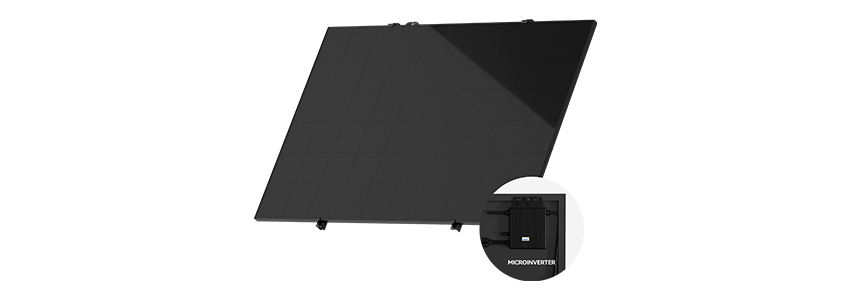
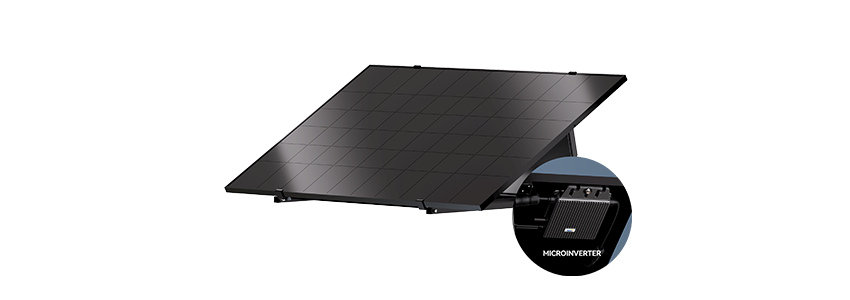
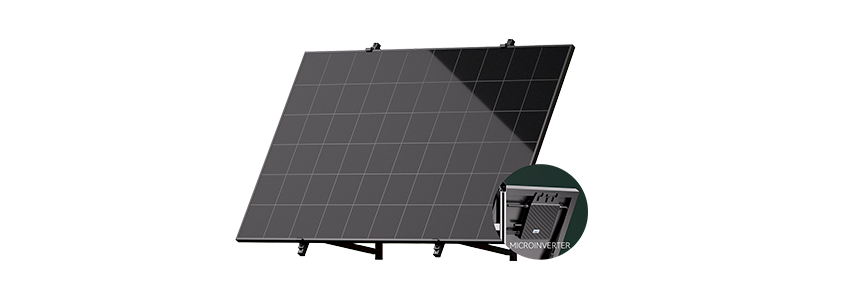
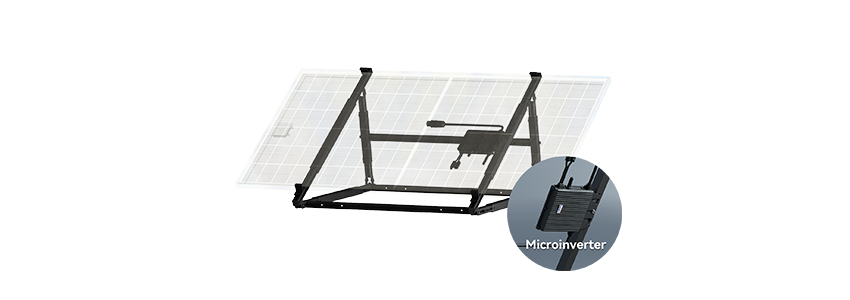
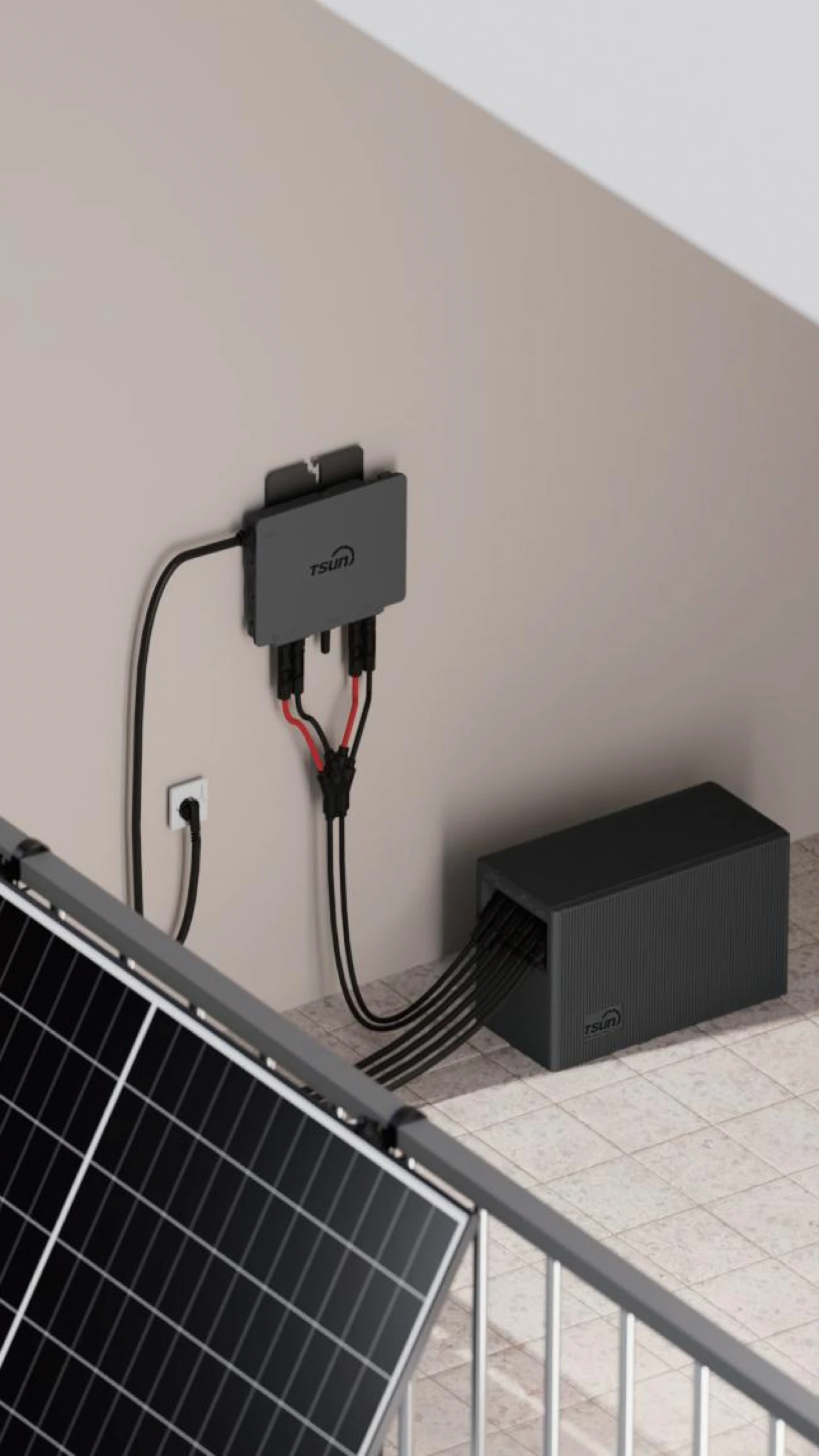
The transition toward "balcony solar" represents a democratization of renewable energy. Historically, solar power was reserved for homeowners with large, south-facing roofs. However, the development of the Easy Solar Kit (ESK) series has shifted the focus to "plug-and-play" systems. These systems integrate the PV module, a microinverter, and specialized brackets into a single unit. The primary objective is to minimize the barrier to entry for renters and apartment owners by removing the need for complex wiring and high-voltage electrical permits. In an industrial context, this involves the miniaturization of power electronics, allowing devices like the 2-in-1 microinverters to operate efficiently in constrained spaces. The integration of angled supports allows these systems to overcome the inherent limitations of vertical balcony railings, transforming a passive architectural element into an active energy producer.
Technical Analysis of Angled Balcony Systems
Achieving maximum efficiency in a balcony environment requires a precise balance between the angle of incidence and the physical constraints of the balcony. The following analysis breaks down the core components that ensure these systems remain both productive and safe under diverse environmental conditions.
Angle Optimization and Energy Yield
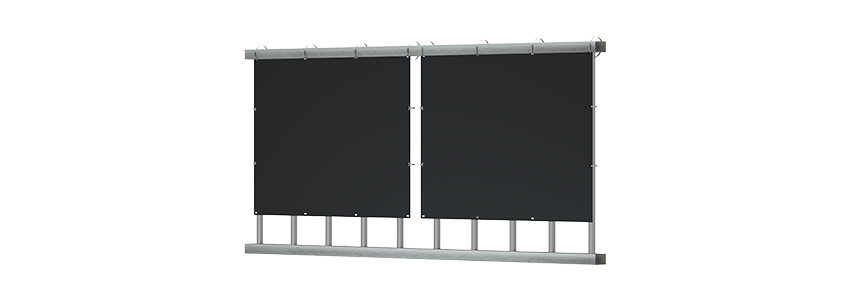
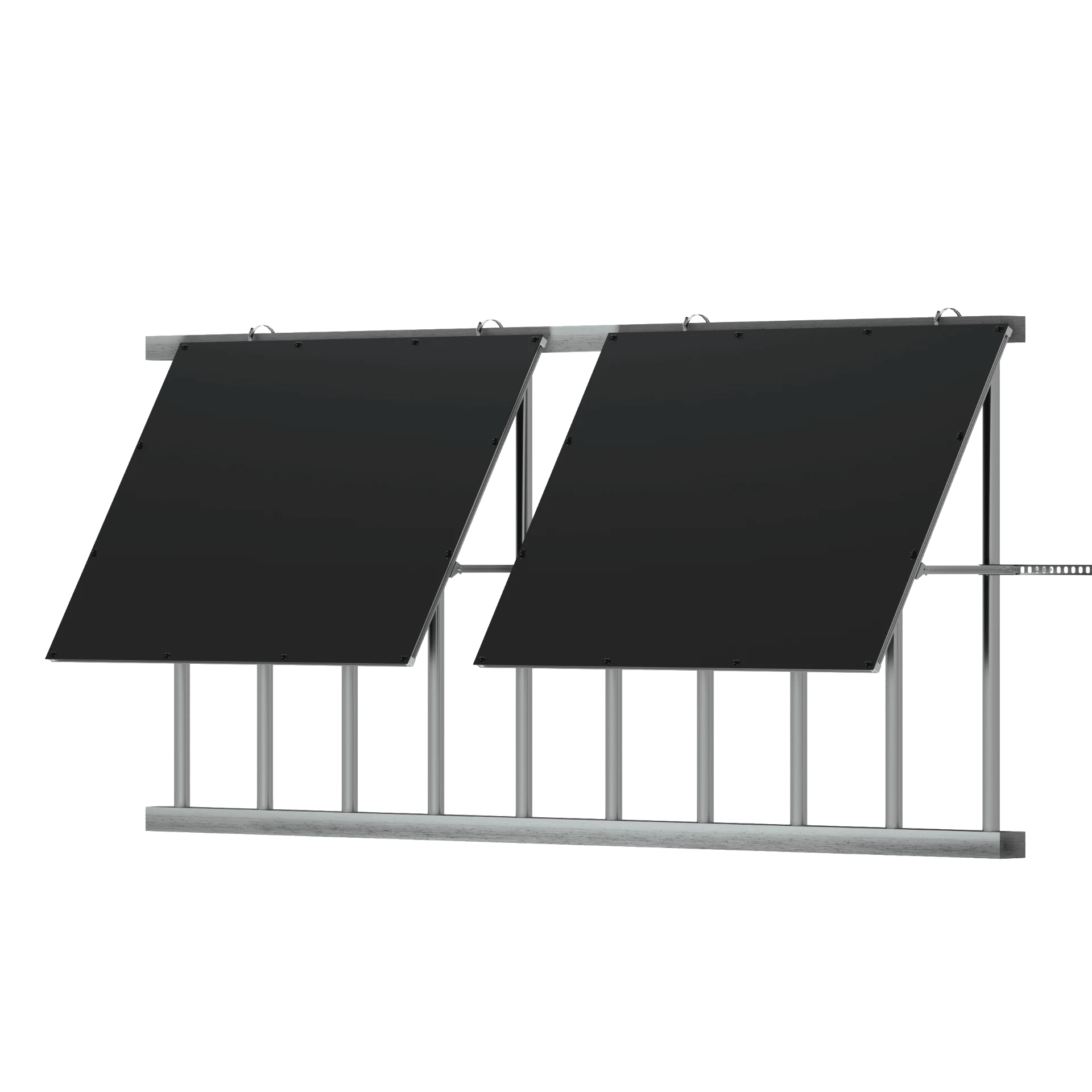
The angle of a solar panel determines how much solar radiation is captured. While vertical panels are easier to mount, they lose significant efficiency during midday. Angled kits allow the user to tilt the panel, typically between 15 to 45 degrees, depending on the latitude. This reduces reflection and increases the photon absorption rate. When combined with high-efficiency monocrystalline cells, this tilt can increase annual energy production by 10% to 25% compared to strictly vertical installations.
| Mounting Type | Light Capture Efficiency | Wind Load Risk | Best Use Case |
|---|---|---|---|
| Vertical | Moderate (Winter Peak) | Low | North-facing balconies |
| Fixed Angled | High (Annual Avg) | Moderate | South-facing railings |
| Adjustable Angled | Maximum (Seasonal) | High | Low-wind urban areas |
| Air-Ventilated Angled | High (Thermal Mgmt) | Moderate | High-temperature regions |
| Flat/Roof | Maximum (Summer) | Low | Flat terrace roofs |
| Integrated Hybrid | Variable/Optimized | Moderate | Energy storage users |
Structural Integrity and Weather Resistance
Because balcony kits are exposed to the elements, the material choice for brackets is paramount. Anodized aluminum and stainless steel are standard for preventing corrosion. The "durable" aspect of these kits refers to their ability to withstand wind uplift—a critical risk for angled panels which can act like sails. Engineering these kits involves creating secure fastening points that distribute the load across the balcony railing, ensuring that neither the panel nor the railing is compromised during storm events.
Plug-and-Play Connectivity
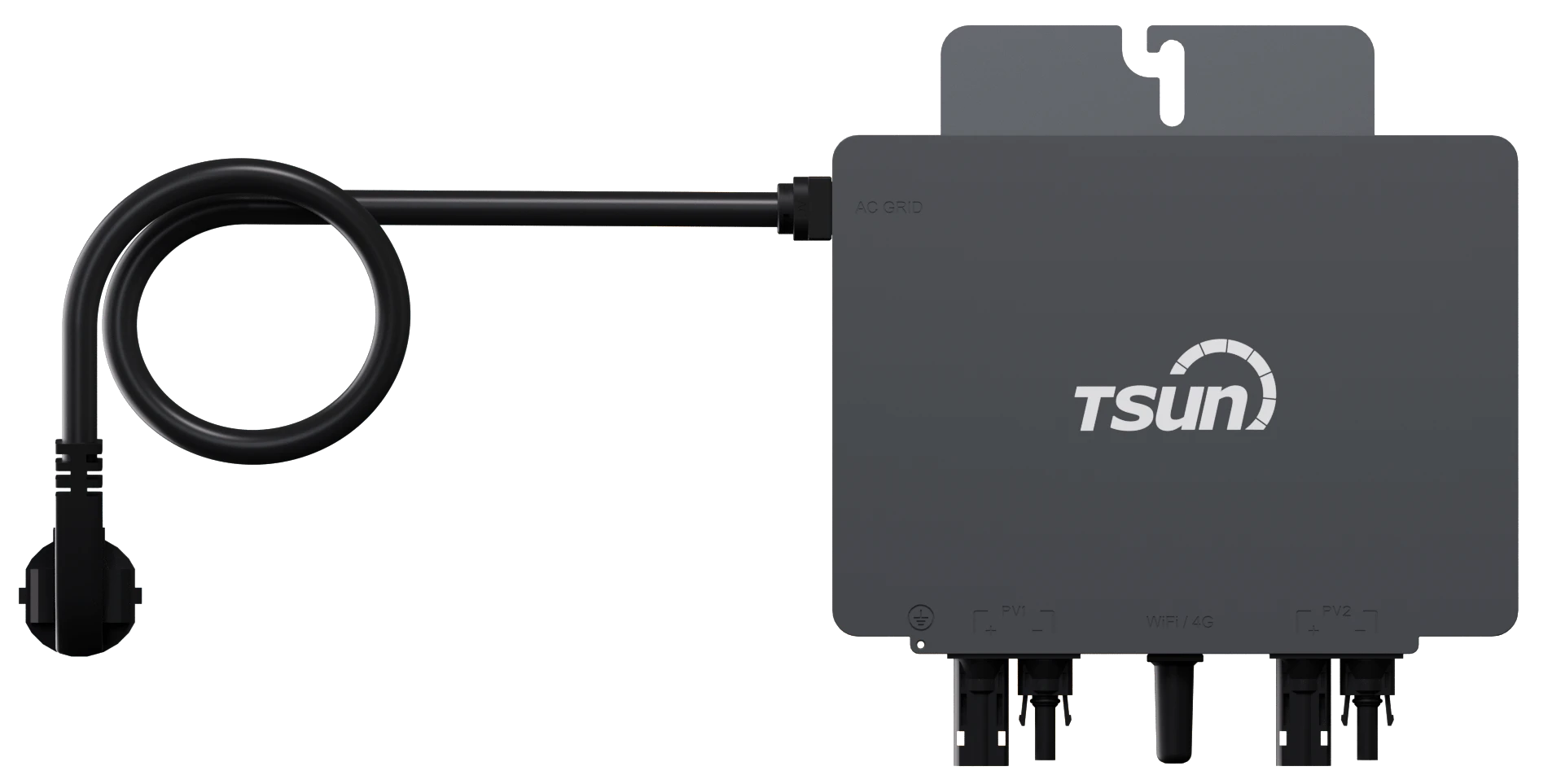
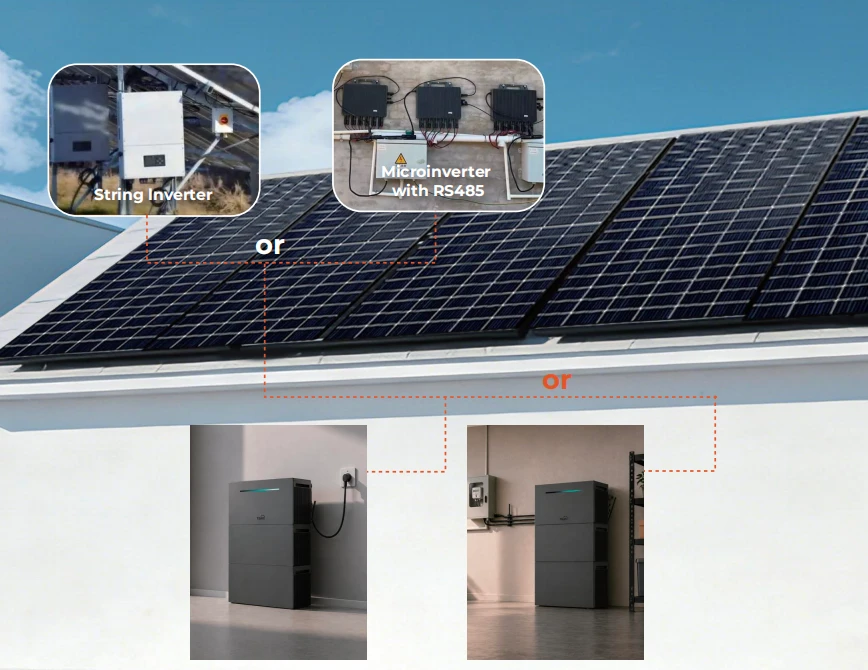
The commercial viability of balcony solar relies on the "DIY" nature of the installation. Modern kits use standardized MC4 connectors and AC plug-in interfaces. This eliminates the need for a central string inverter. By converting DC to AC at the panel level via a microinverter, the system avoids the energy losses associated with long DC cable runs and allows for immediate synchronization with the home's electrical grid through a standard wall socket.
Microinverter Synchronization
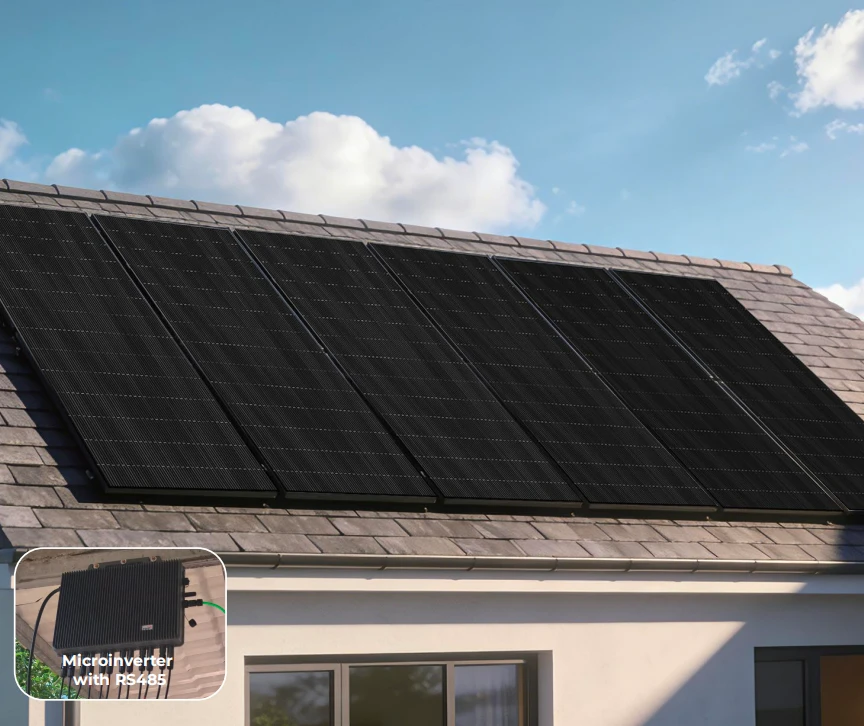
Microinverters, such as the 2-in-1 models specifically designed for balconies, manage the Maximum Power Point Tracking (MPPT). This is essential for angled kits because shading from nearby buildings can vary across the panel surface. MPPT ensures that the inverter extracts the maximum possible power regardless of partial shading or fluctuations in sunlight intensity, providing a stable AC output to the residential load.
Installation Safety Requirements
Safety in balcony solar involves both electrical and physical safeguards. Electrically, the use of certified microinverters ensures that the system automatically disconnects from the grid during a power outage (anti-islanding). Physically, the angled kits must be installed with locking mechanisms that prevent the panels from sliding or tipping. It is recommended to verify the weight capacity of the balcony railing before deploying larger 400W+ modules.
Maintenance and Lifespan
Compared to roof-mounted systems, balcony kits are easier to maintain. The primary requirement is periodic cleaning of the panel surface to remove urban dust and pollen, which can obstruct light. Because the components are modular, a failing microinverter can be replaced without dismantling the entire array. Most high-quality aluminum frames and PV modules are designed for a 20-to-25-year operational lifespan.
Evaluating Total Value of Ownership
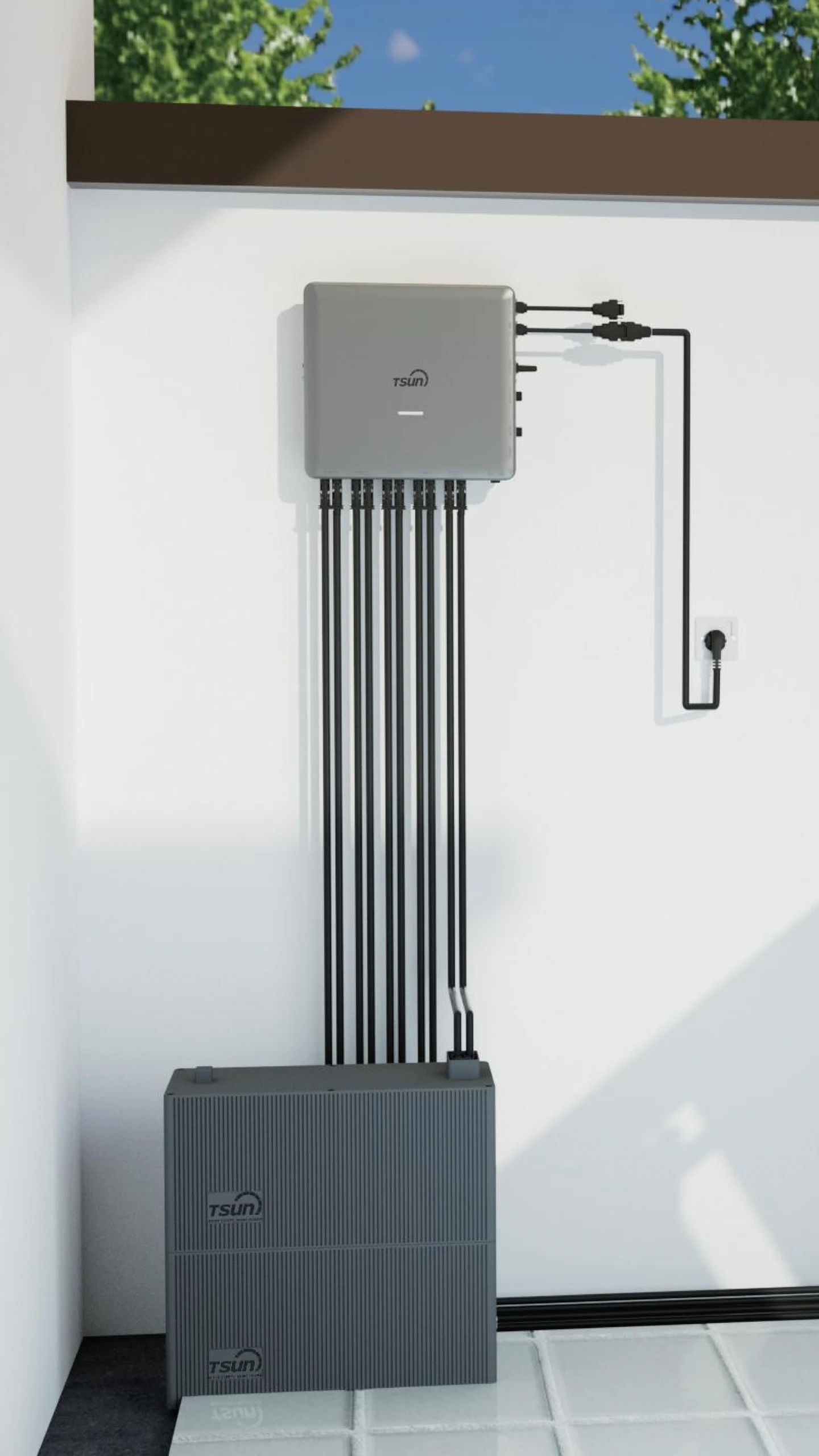
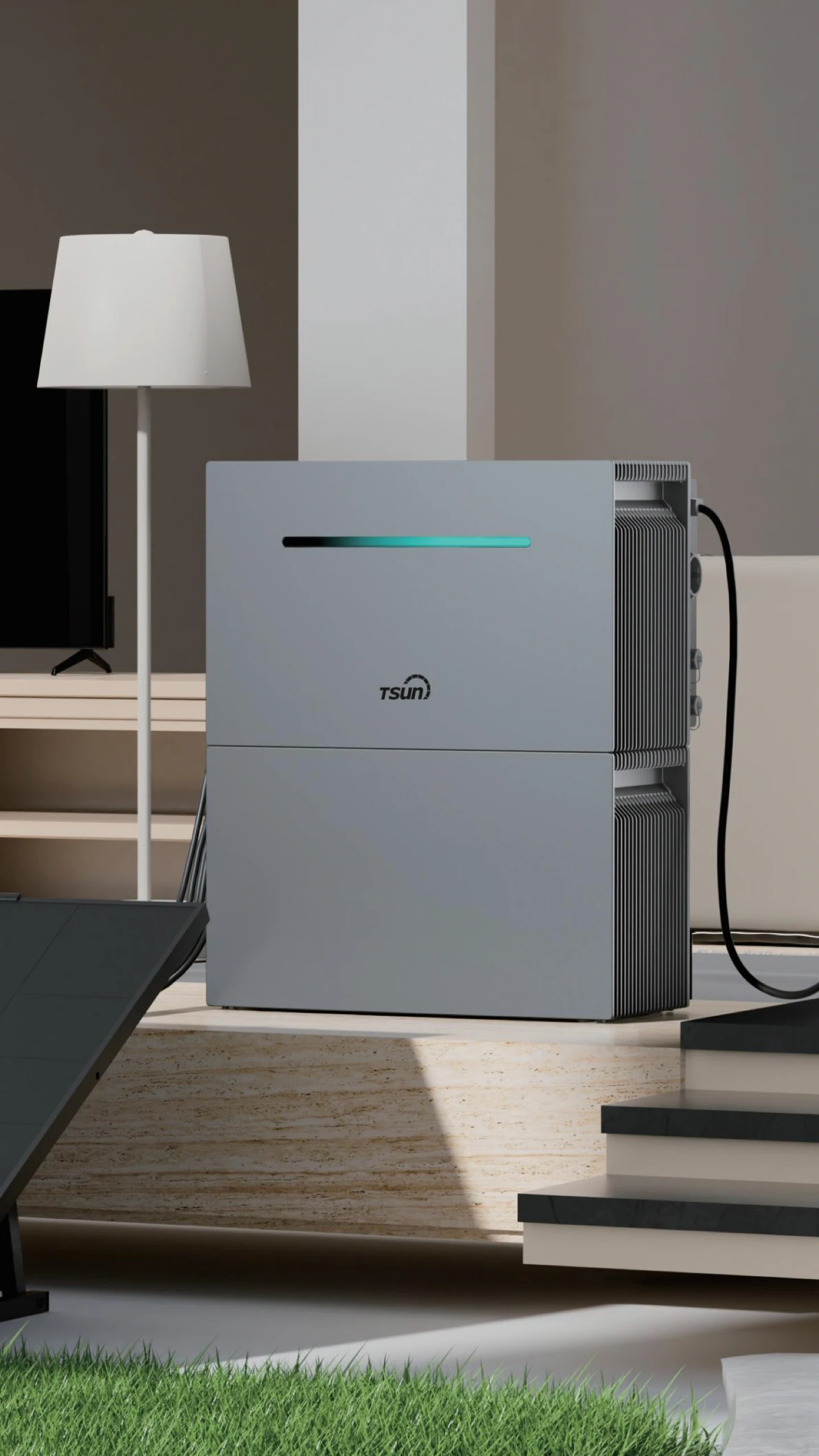
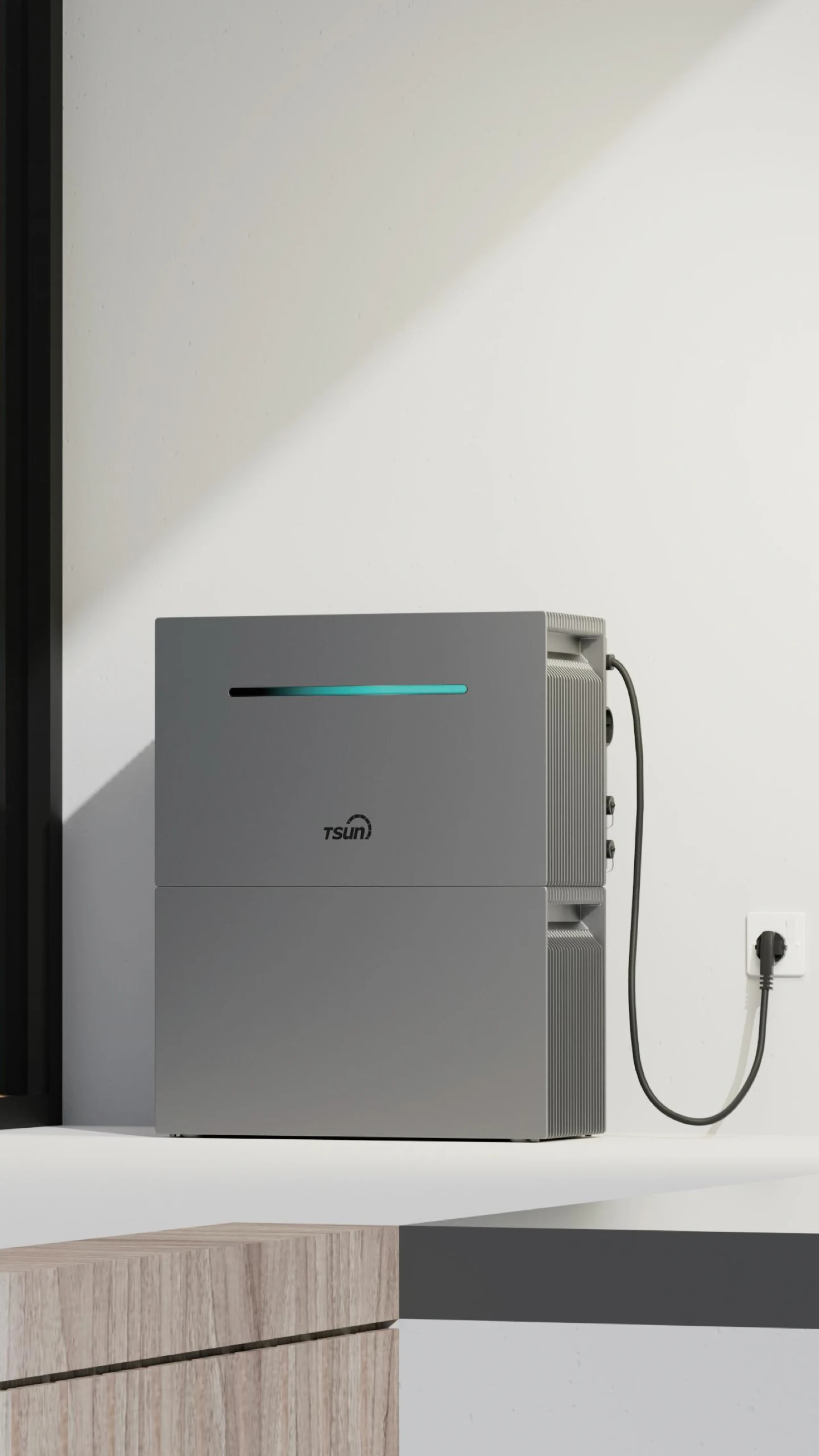
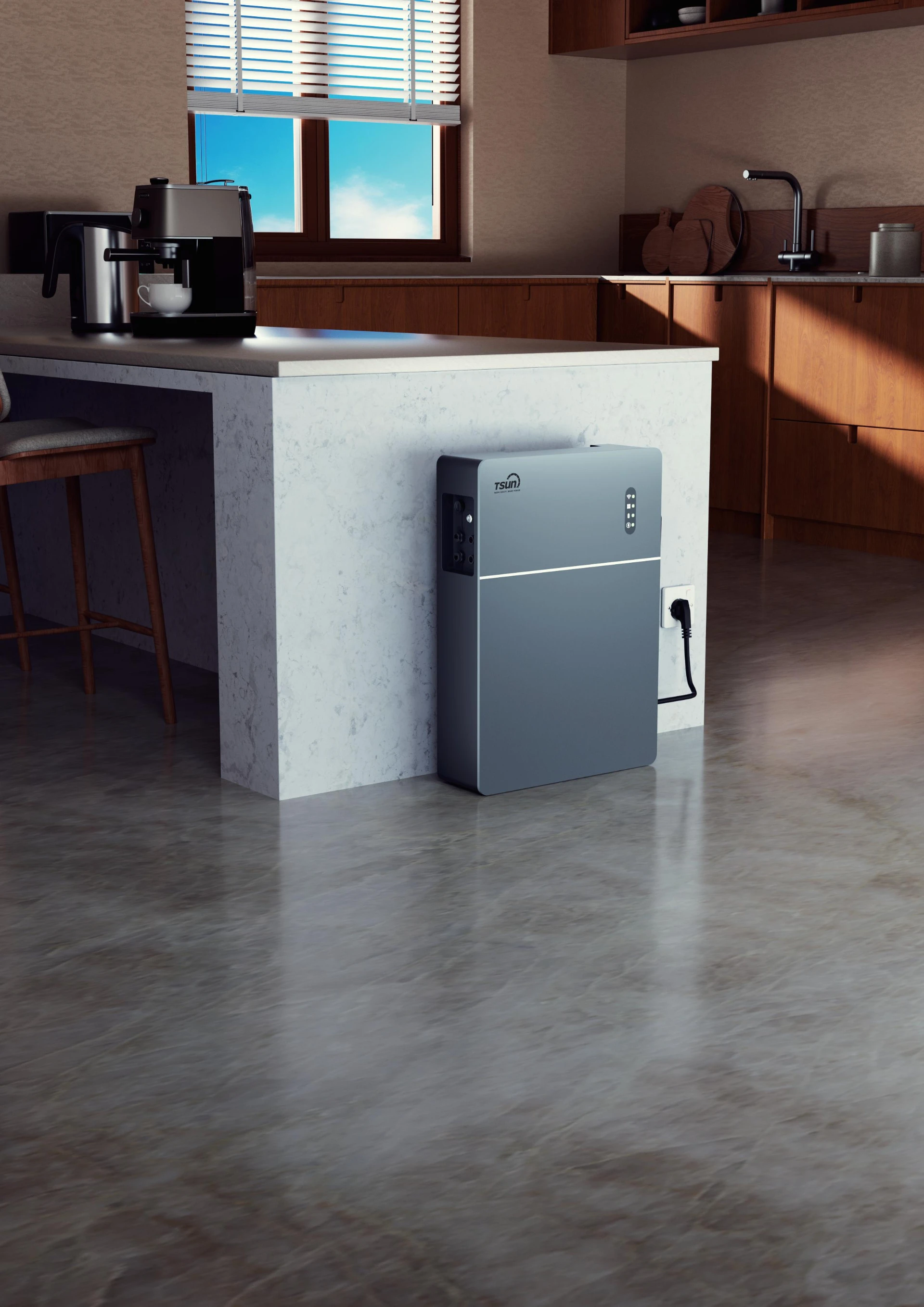
The financial logic of these kits is based on reducing the "base load" of the home. By powering standby devices, routers, and refrigerators during the day, users reduce their reliance on grid power. For those seeking higher independence, integrating the system with storage units like the HSU5.0K allows for the capture of surplus daytime energy for use at night, effectively shifting the consumption curve and maximizing the ROI of the initial hardware investment.
FAQ
What is the primary advantage of an angled kit over a vertical one for balconies?
The primary advantage is the optimization of the angle of incidence. Angled kits allow the solar panels to be tilted toward the sun, which significantly increases the energy capture efficiency during peak daylight hours compared to vertical panels, which are only most efficient when the sun is very low on the horizon.
Are these kits safe to install without a professional electrician?
Yes, provided the kit is a certified "plug-and-play" system using microinverters. These systems convert DC to AC locally and connect via standard household plugs. However, users should always check local building codes and electrical regulations regarding grid-tie installations to ensure compliance.
How do I determine the best angle for my balcony panels?
Generally, the ideal angle is roughly equal to your latitude. For example, if you live at 40°N, a 40-degree tilt is often optimal for annual production. However, for balcony use, a compromise between maximum yield and safety (wind resistance) is usually made, often resulting in tilts between 15 and 30 degrees.
Can I add battery storage to a balcony solar kit?
Yes, by using a hybrid energy storage solution. Products like the TSUN Hybrid Storage Unit (HSU5.0K) can be integrated to store excess energy generated by your balcony panels during the day, which can then be used during the evening or during power outages.
What materials make a balcony solar kit durable?
Durability is achieved through the use of anodized aluminum for the mounting frames and brackets, which prevents rust. Additionally, the use of tempered glass for the modules ensures impact resistance against hail or debris, and IP65-rated microinverters ensure the electronics are protected from rain and dust.
Will an angled solar panel block too much light from my apartment?
While any panel will block some light, angled kits are typically designed to be slim. Because they are tilted, they often occupy less vertical space than a full-height vertical panel, and the gap created by the tilt can actually allow some diffused light to pass underneath the module.
References and further reading
- International Electrotechnical Commission (IEC) Standards for Residential Photovoltaic Systems.
- Urban Energy Planning: Impact of Tilt Angles on Micro-Solar Generation in Dense Cities.
- Guide to Plug-and-Play Solar Regulations for European Urban Housing.