Buy Durable Easy Balcony Angled Solar Panel Kits for Urban Home
Transitioning to renewable energy no longer requires extensive roof space or complex industrial installations. For urban dwellers and homeowners with limited area, the adoption of balcony-integrated PV systems offers a practical entry point into solar independence. By leveraging optimized tilt angles and plug-and-play components, these systems capture maximum solar irradiance even in constrained environments.
Our approach focuses on the synergy between durable mounting hardware and efficient power conversion. By integrating high-performance microinverters with robust angled brackets, users can significantly reduce their reliance on the grid. Whether you are looking to power small household appliances or integrate a portable station like the P1000 for off-grid backup, understanding the technical balance between panel orientation and inverter capacity is key to maximizing your energy harvest.
The Engineering Logic Behind Angled Balcony Solar Mounting Systems
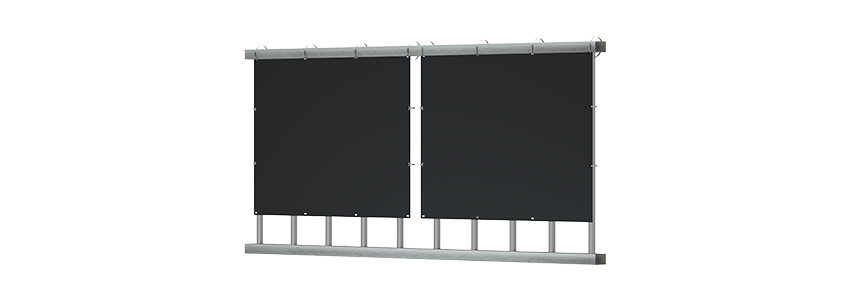
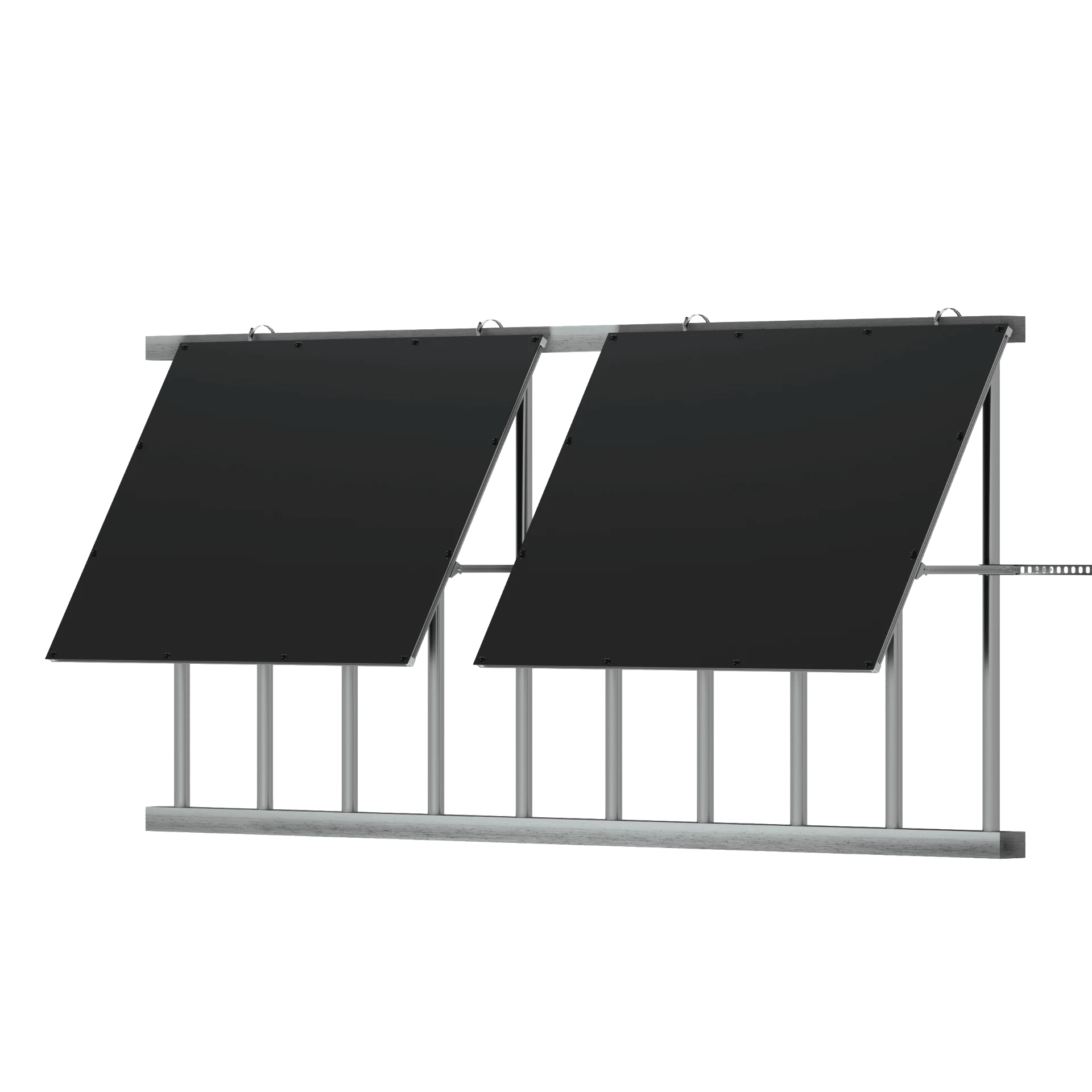
The efficiency of any photovoltaic installation is primarily governed by the angle of incidence. In urban settings, balconies often face challenges such as shading from adjacent buildings or suboptimal orientations. Angled mounting systems are engineered to mitigate these issues by tilting the modules to a position that more closely aligns with the sun's trajectory, thereby increasing the total kilowatt-hours generated per square meter.
From a structural perspective, durability is paramount. Balcony systems are exposed to constant wind loads and varying weather conditions. High-grade aluminum alloys and corrosion-resistant fasteners are utilized to ensure that the frames remain secure without compromising the integrity of the balcony railing. This structural stability is what allows the system to remain operational for decades with minimal maintenance.
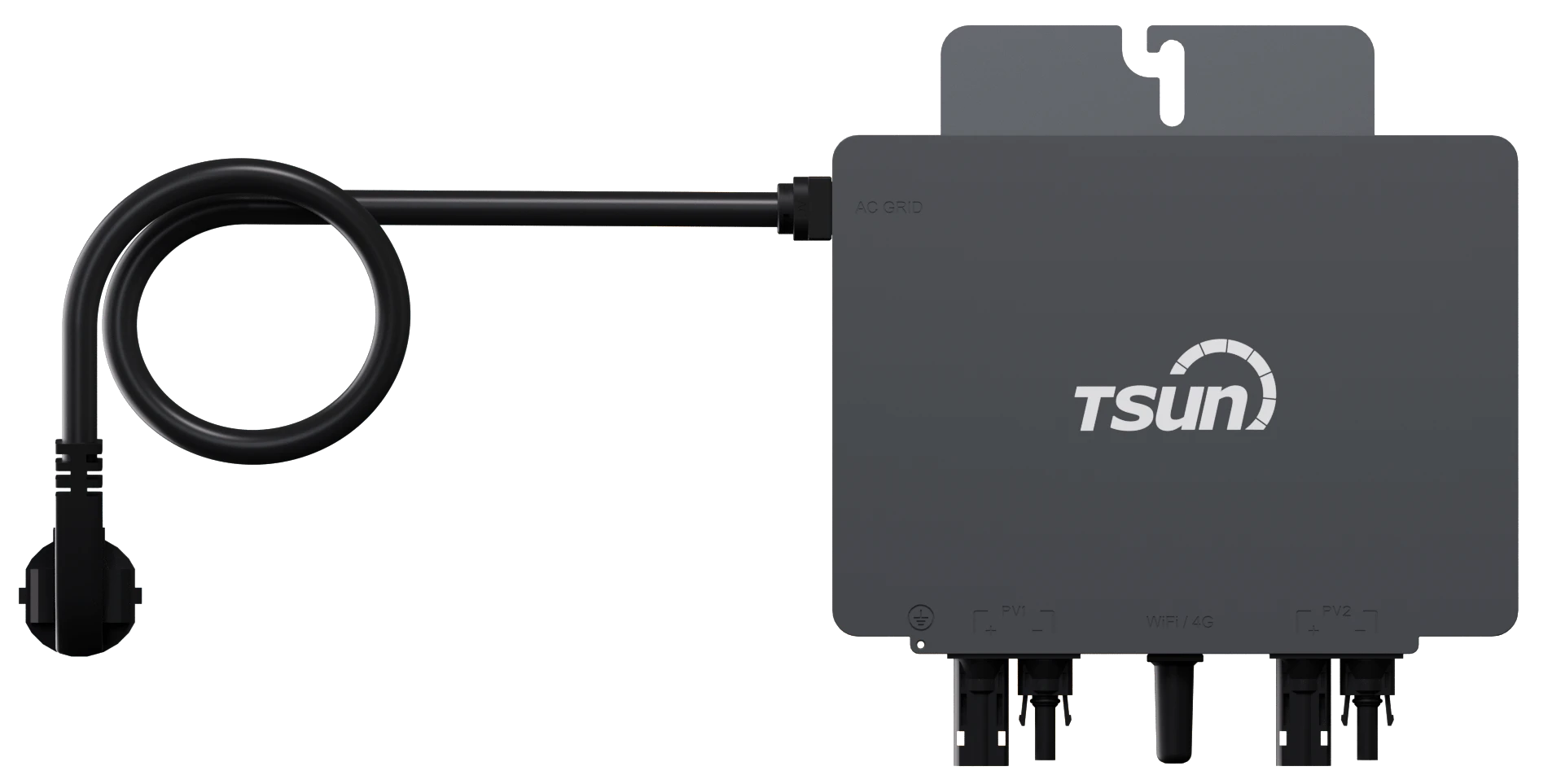
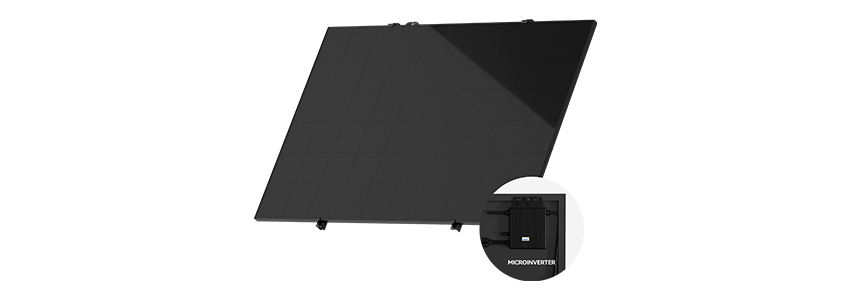
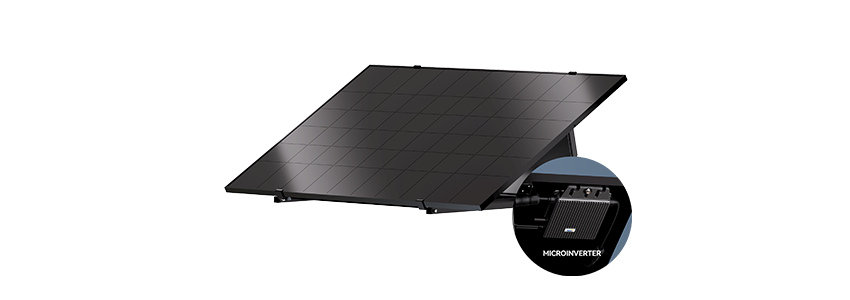
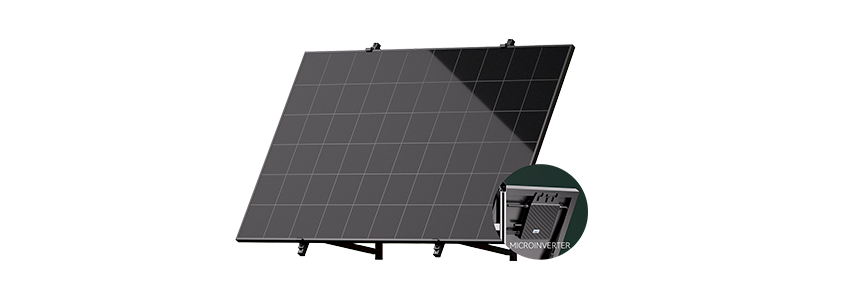
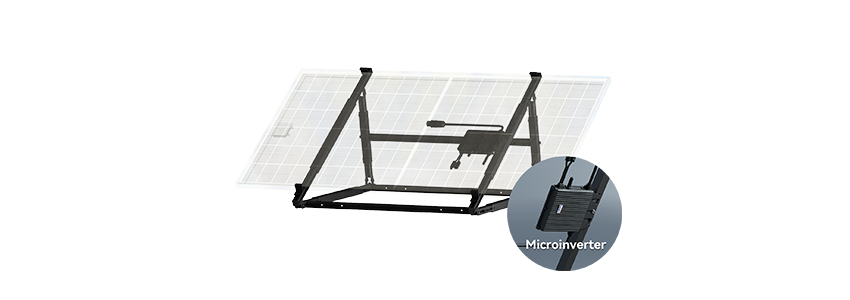
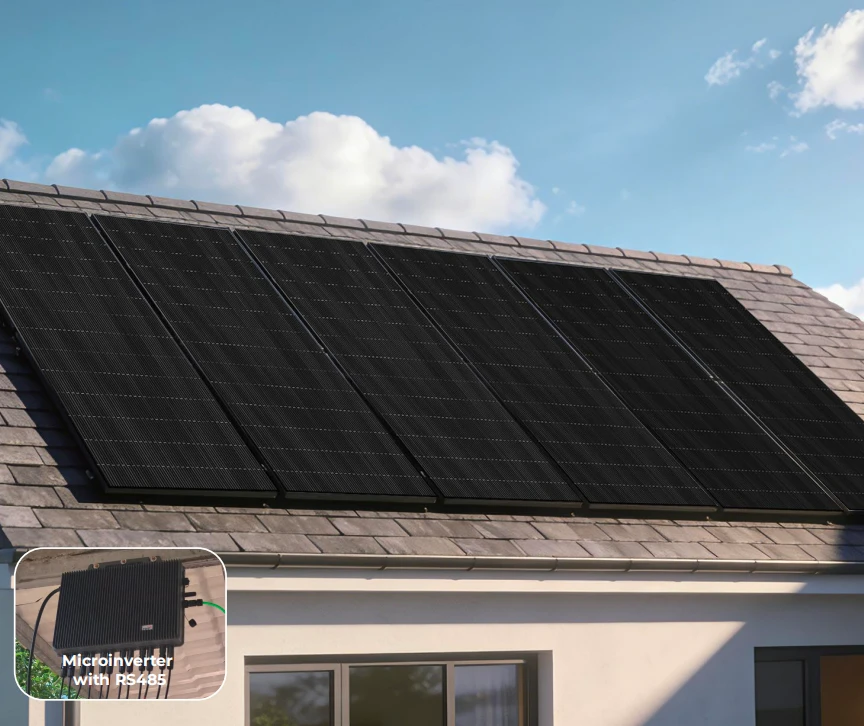
Furthermore, the integration of microinverters—such as our specialized 2-in-1 units for balcony use—ensures that each panel operates independently. This prevents the "Christmas light effect," where one shaded cell reduces the output of the entire string, making angled kits far more effective in unpredictable urban light environments.

Optimizing Power Conversion with the P1000 Portable Station and Microinverters
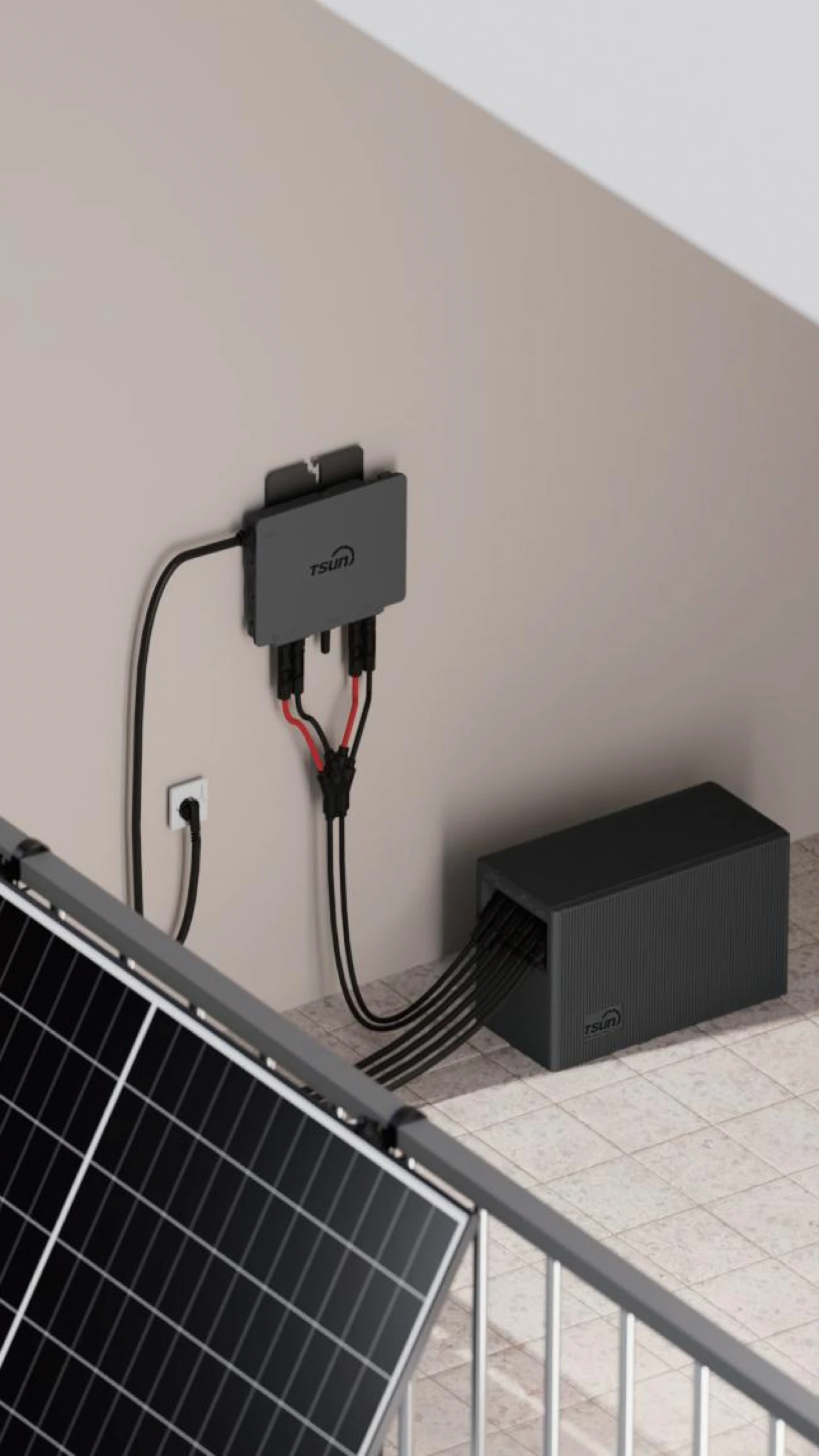
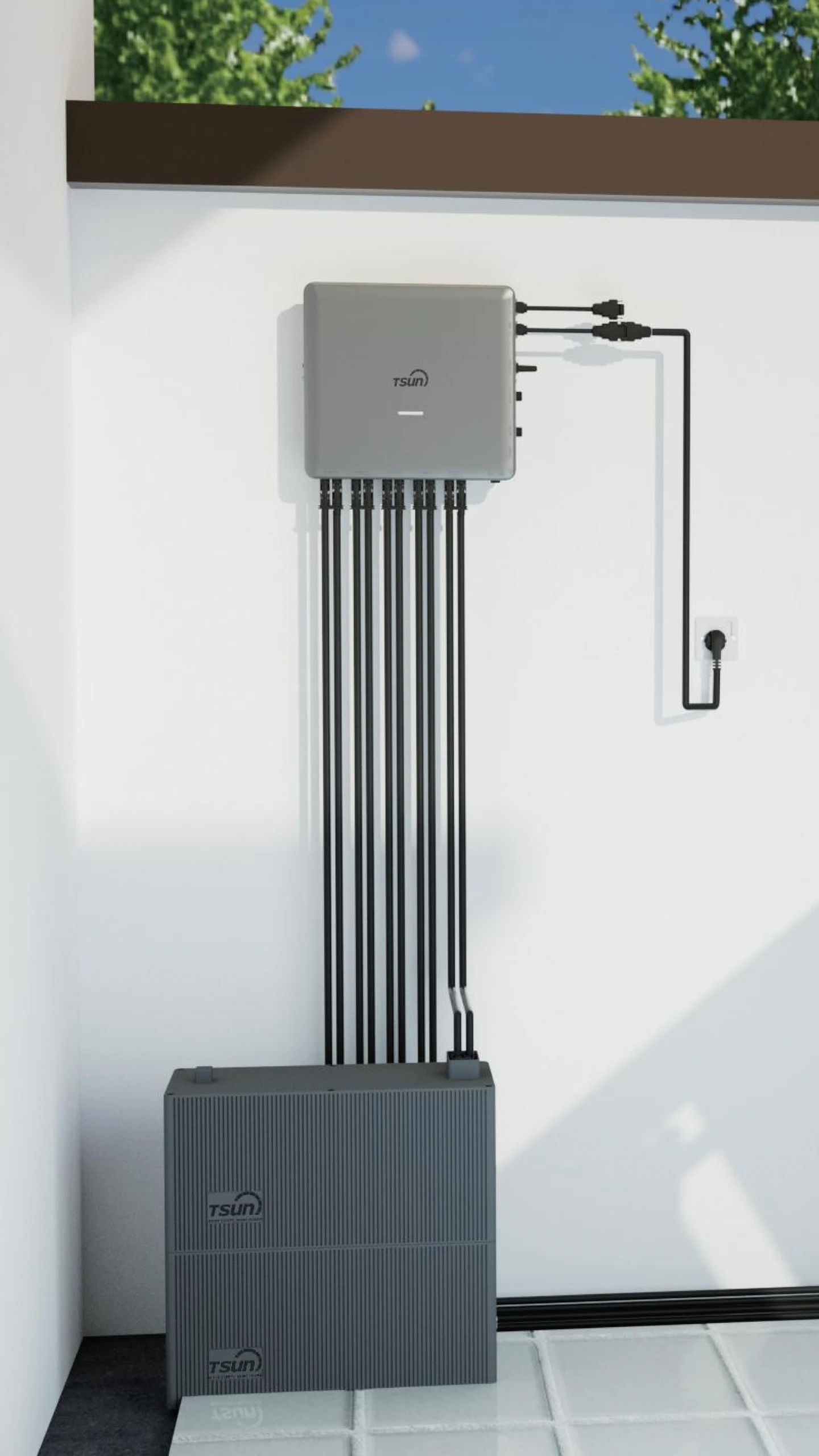
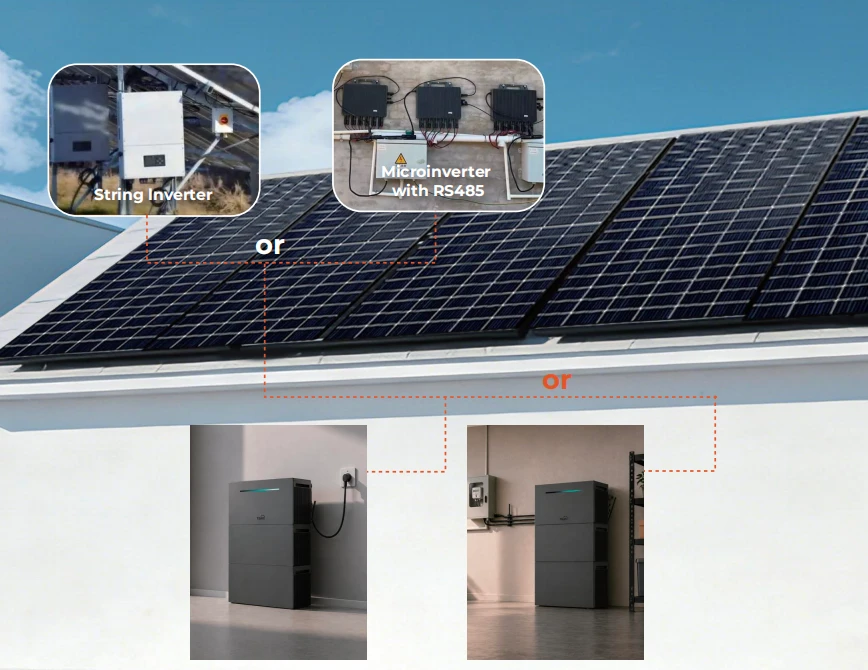
To turn raw sunlight into usable electricity, a sophisticated conversion chain is required. For those utilizing durable easy balcony angled solar panel kits, the choice of inverter determines the system's overall versatility. Microinverters convert DC power to AC directly at the panel, reducing energy loss during transmission and improving safety by eliminating high-voltage DC lines running through the home.
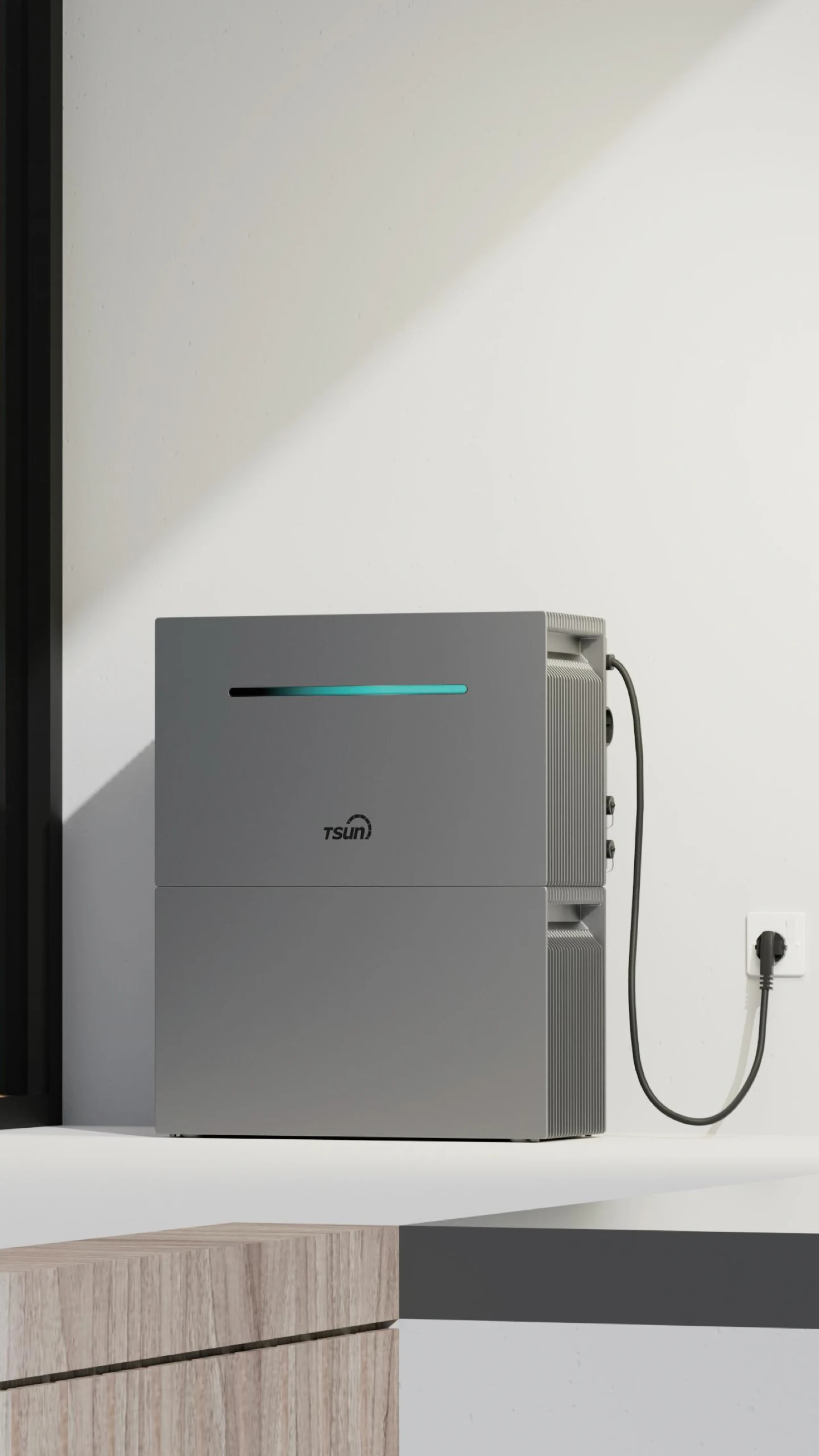
For users requiring mobile energy or off-grid capabilities, the P1000 Portable Station serves as an ideal energy reservoir. With a rated AC output of 1000W and a compact footprint (33021060 mm), it bridges the gap between stationary balcony generation and portable usage. The P1000 features a DC input port (XT60) capable of accepting 600W of PV input, allowing users to charge the station directly from their balcony array.
Key technical specifications of the P1000 include:
- Input Voltage: 42-58V (Rated 48V), optimized for standard PV modules.
- AC Output: 220-240V, supporting three AC outlets and two USB ports for diverse device charging.
- Acoustic Performance: Low noise levels (≤55 dB), making it suitable for indoor or balcony placement.
- Weight: 2.5kg, ensuring high portability for camping or emergency backup.
Application Scenarios: From Urban Apartments to Remote Outdoor Use
The versatility of micro-solar solutions allows them to be deployed across various residential and commercial settings. In a typical urban apartment, an angled balcony kit can power a home office or lighting system, reducing monthly utility bills. The DIY nature of these kits means that installation is straightforward, requiring no permanent modifications to the building structure, which is often a requirement for rental properties.
Beyond the city, the combination of foldable panels and the P1000 station creates a robust off-grid power plant. For hiking, camping, or remote field work, the ability to recharge a 1000W output station via solar energy provides a sustainable alternative to fuel-based generators. The plug-and-play functionality ensures that even non-technical users can deploy power in minutes.
In emergency scenarios, these systems provide critical resilience. When the main grid fails, a pre-charged P1000 station combined with a balcony array can maintain communication devices and essential medical equipment, proving that small-scale solar is not just about cost-saving, but about energy security.
Technical Comparison of Balcony Solar Configurations
| Configuration Type |
Primary Use Case |
Installation Effort |
Energy Flexibility |
| Vertical Mount |
Small Balconies/Walls |
Low (Plug & Play) |
Moderate |
| Angled Mount |
Max Yield/Seasonal |
Medium (DIY Bracket) |
High |
| Hybrid Storage |
Night-time Usage |
High (Battery + Inv) |
Very High |
| Portable Station |
Mobile/Off-grid |
None (Ready-to-use) |
Extreme |
| Ground Pop-Up |
Gardens/Courtyards |
Low (Easy Setup) |
High |
Evaluating Supplier Capabilities for Micro-Solar Procurement
When sourcing balcony solar solutions, procurement managers and distributors should look beyond the price per watt. The real value lies in the integration of the ecosystem. A supplier that provides the full chain—from the PV module and the DIY angled bracket to the microinverter and smart monitoring tools—reduces compatibility risks and simplifies the after-sales process.
Quality assurance in micro-solar is often overlooked. Buyers should verify the durability of the mounting materials against oxidation and the efficiency of the microinverters under thermal stress. A comprehensive product line, such as the one featuring the SolarTrunk and PowerTrunk series, indicates a manufacturer with deep expertise in both AC-coupled and DC-coupled storage technologies.
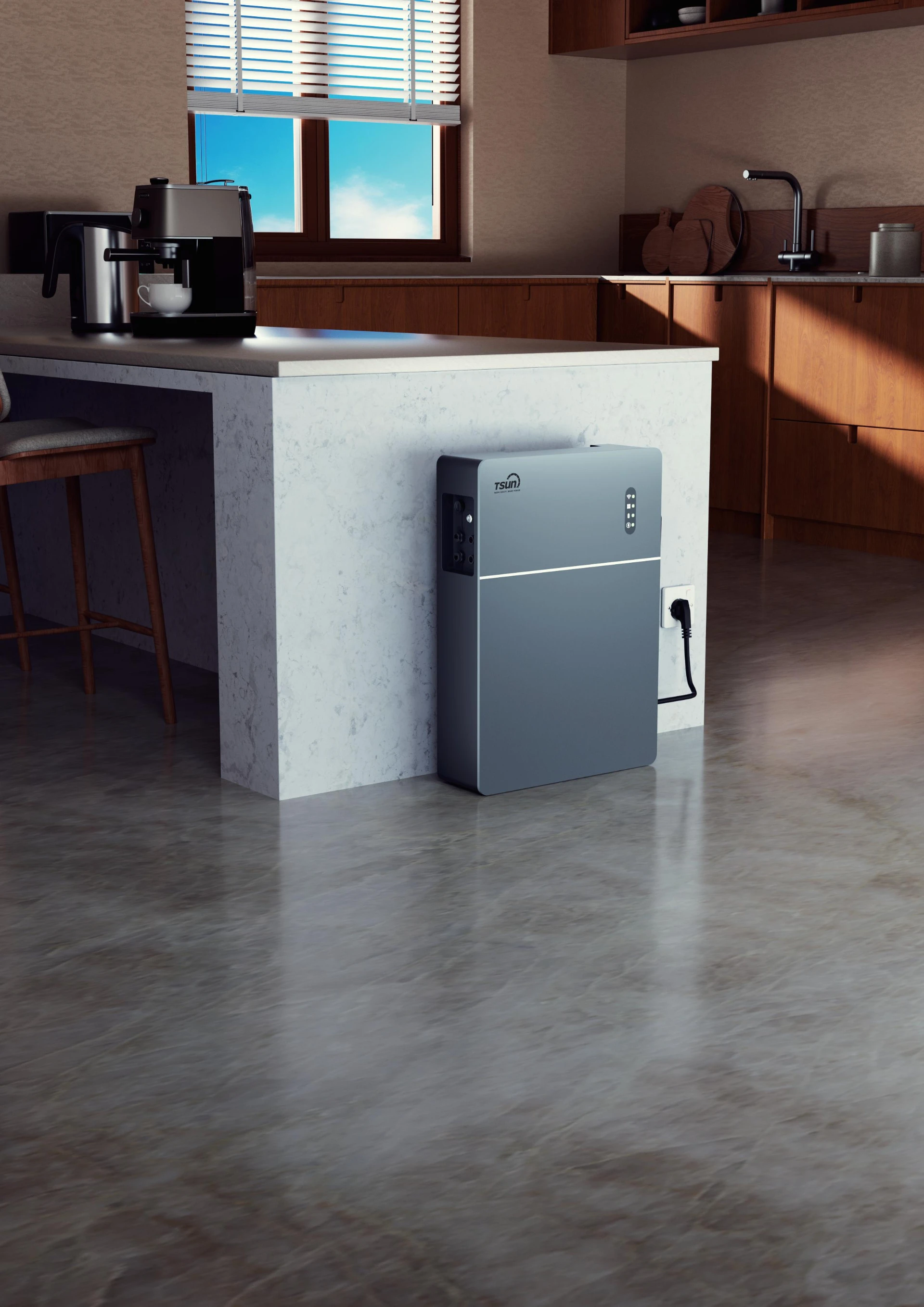
Furthermore, the ability to scale is crucial. A professional supplier should offer a pathway from a simple balcony kit to a full residential storage system, integrating stackable battery packs and hybrid microinverters. This scalability ensures that the initial investment in a balcony system can eventually evolve into a comprehensive home energy management solution.
Future Trends in Urban Energy Harvesting and Micro-Grids
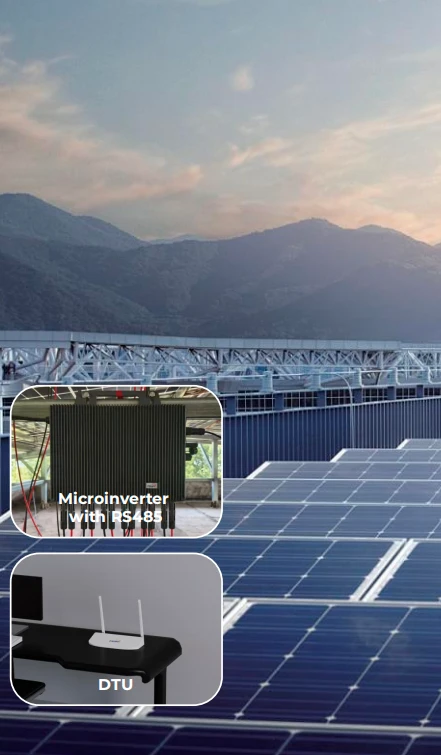
The trajectory of urban solar is moving toward "energy autonomy." We are seeing a shift from simple on-grid feeding to sophisticated micro-storage solutions. The integration of AI-driven smart meters and DTUs (Data Transfer Units) allows homeowners to monitor their energy production in real-time, optimizing their consumption patterns to match peak production hours.
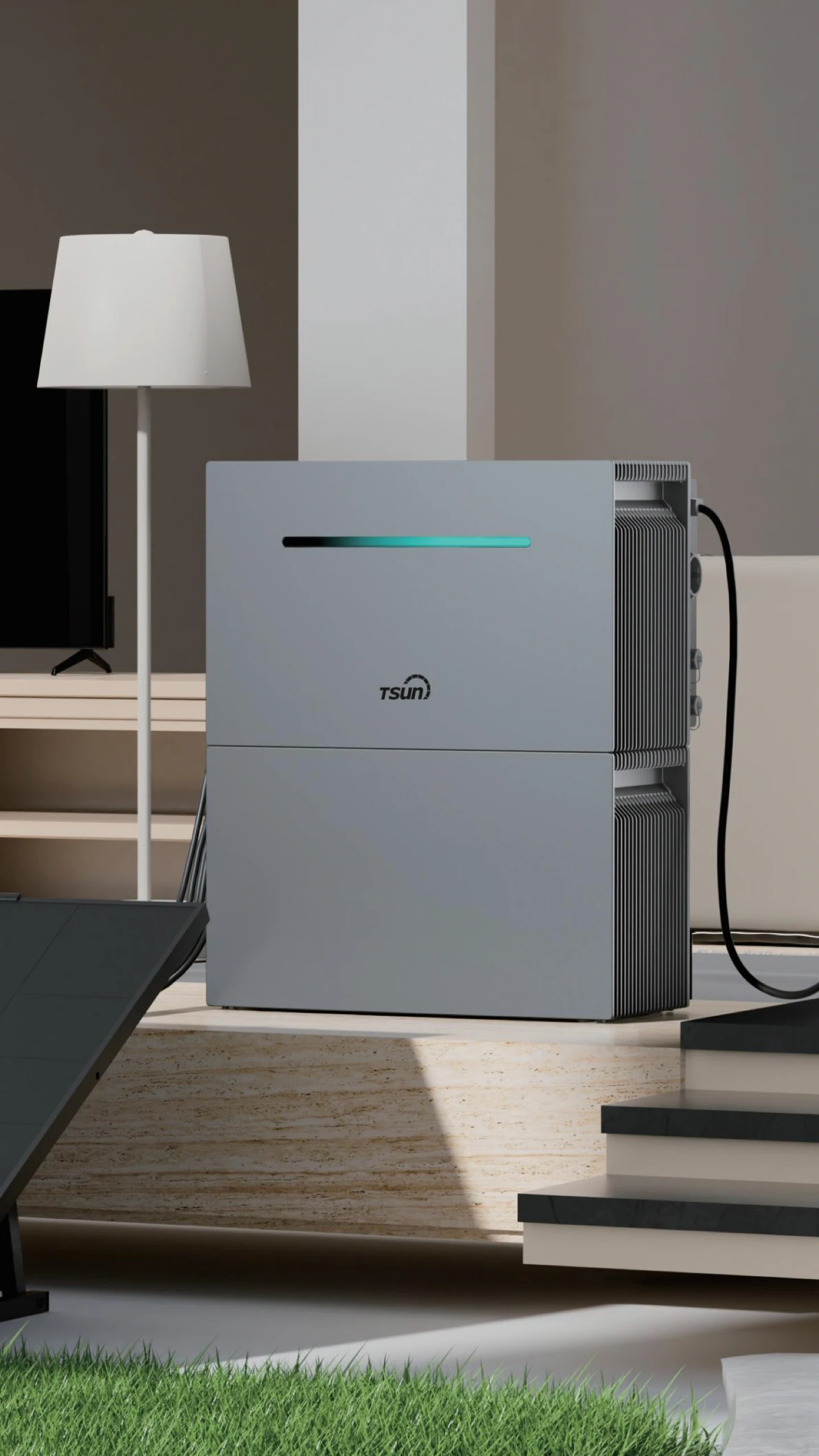
As battery technology evolves, the footprint of storage units is shrinking. The development of units like the SolarCan and the Micro Hybrid Storage Unit demonstrates a trend toward denser, more efficient energy cells that can fit into small balconies or courtyards. This makes the "balcony power plant" a viable reality for millions of urban residents globally.
Ultimately, the convergence of durable mounting hardware and intelligent power electronics will democratize energy production. By removing the barriers of ownership and installation complexity, these systems are transforming passive consumers into active "prosumers," contributing to a more resilient and decentralized energy grid.
Common Technical Questions Regarding Balcony Solar Kits
How does the P1000 provide power when off-grid?
The P1000 offers multiple AC outlets, allowing you to charge devices when off-grid. It's designed for outdoor use, providing reliable power for camping, hiking, or emergencies without access to the main grid.
How can I charge the P1000 using solar panels?
The P1000 includes a DC input port that connects to solar panels, allowing you to recharge it directly from solar energy. This makes it an eco-friendly option for outdoor enthusiasts or remote areas with no electrical access.
Is the P1000 portable and easy to use for outdoor activities?
Yes, the P1000 is compact and portable, making it ideal for outdoor adventures. It’s user-friendly, with simple plug-and-play functionality, so you can easily power devices or recharge the unit using solar panels.
Why is the angle of the solar panel important for balcony installations?
The angle determines how much sunlight hits the cells perpendicularly. Angled kits allow users to adjust the panels to the optimal tilt for their specific latitude and balcony orientation, significantly increasing energy yield compared to flat or purely vertical mounts.
What is the advantage of using a microinverter over a string inverter for a balcony?
Microinverters are safer (lower voltage) and more efficient in shaded conditions. Since each panel has its own inverter, a shadow cast by a railing or a nearby building on one panel won't stop the others from producing full power.
Can these DIY kits be installed without professional help?
Yes, the Easy Solar Kit (ESK) series is designed for DIY installation. It integrates the PV module, microinverter, and brackets into a single package that can be secured to a balcony or wall using basic tools.
Technical References and Industry Standards
Selecting the right energy solution requires a balance of technical specifications and application needs. Whether you are optimizing an urban balcony or preparing for a remote expedition, our integrated solar and storage systems provide the reliability and efficiency needed for a sustainable energy future.
Ethan Reynolds
Ethan Reynolds is our Lead Product Specialist, focused on the Power Trunk and Solar Trunk product lines. He boasts a strong background in power electronics and battery storage technologies. Ethan's role involves rigorous testing, quality assurance, and close collaboration with the engineering team to refine our storage system solutions. He's instrumental in ensuring our products meet the highest safety and performance standards, and is particularly proud of the advancements made in the MAU5000 and MSU series. Ethan is a firm believer in the benefits of microgrid technology and the role our solutions play in building a more resilient energy future. He has a Masters degree in Electrical Engineering.






 LEARN DETAILS
 Downloads
 Video Center
 Report Fault for Repair
 FAQS
 Service Network
 Privacy Policy
 Contact Us
 Monitoring