Buy Low Price Easy Spider Vertical Solar Panel Kits Online
Optimizing residential energy production often requires overcoming space constraints, particularly in urban environments where traditional roof installations are impractical. The integration of vertical solar panel kits paired with high-efficiency microinverters provides a streamlined path to energy independence. For those seeking low price easy spider vertical solar panel kits, the technical challenge lies in balancing installation simplicity with power density and long-term reliability.
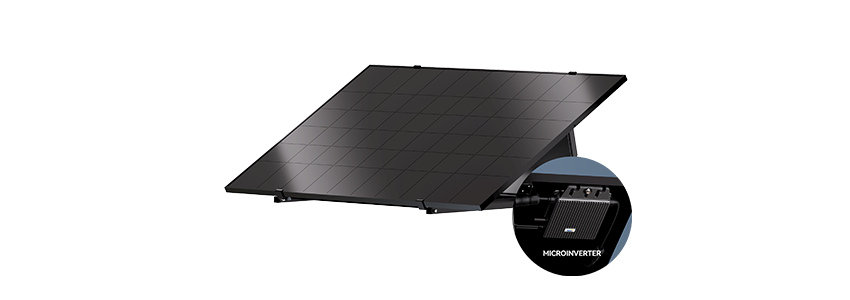
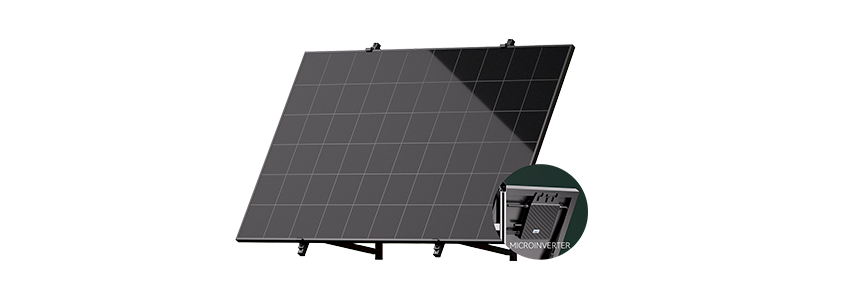
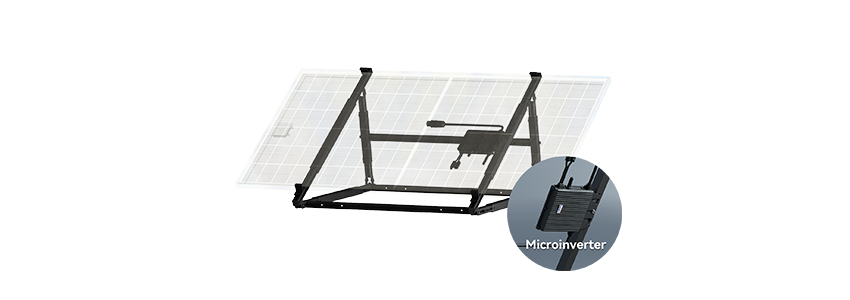
By utilizing a 4-in-1 microinverter architecture, users can maximize the yield from limited vertical surfaces—such as balconies or garden walls—without the complexity of centralized string inverters. This approach allows for independent MPPT tracking for each module, ensuring that partial shading common in vertical layouts does not compromise the entire system's output. This technical synergy transforms underutilized vertical spaces into active power plants, making sustainable energy accessible for a wider range of residential layouts.

Advanced Daisy Chain Architecture for Scalable Vertical Energy Systems
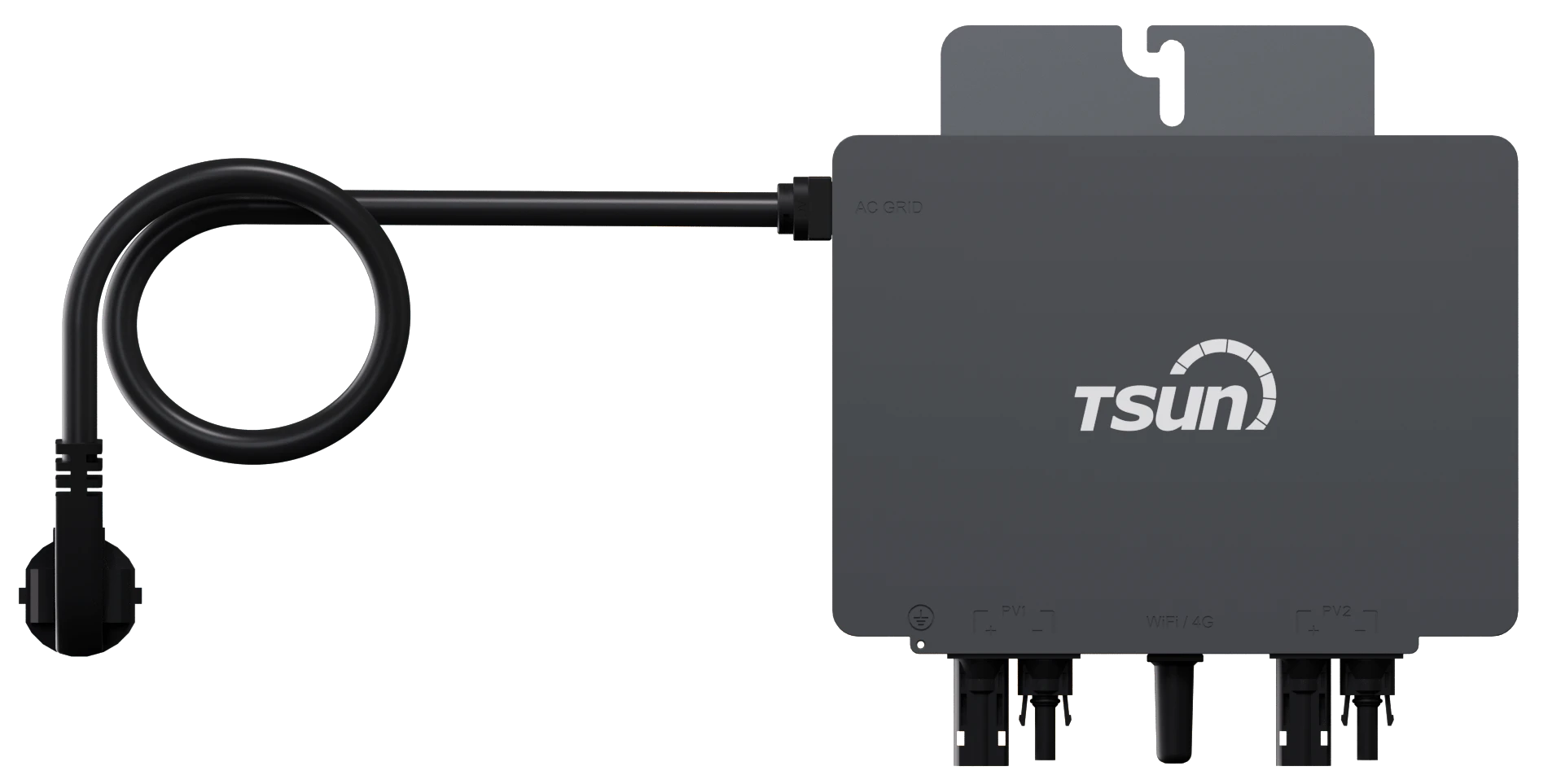
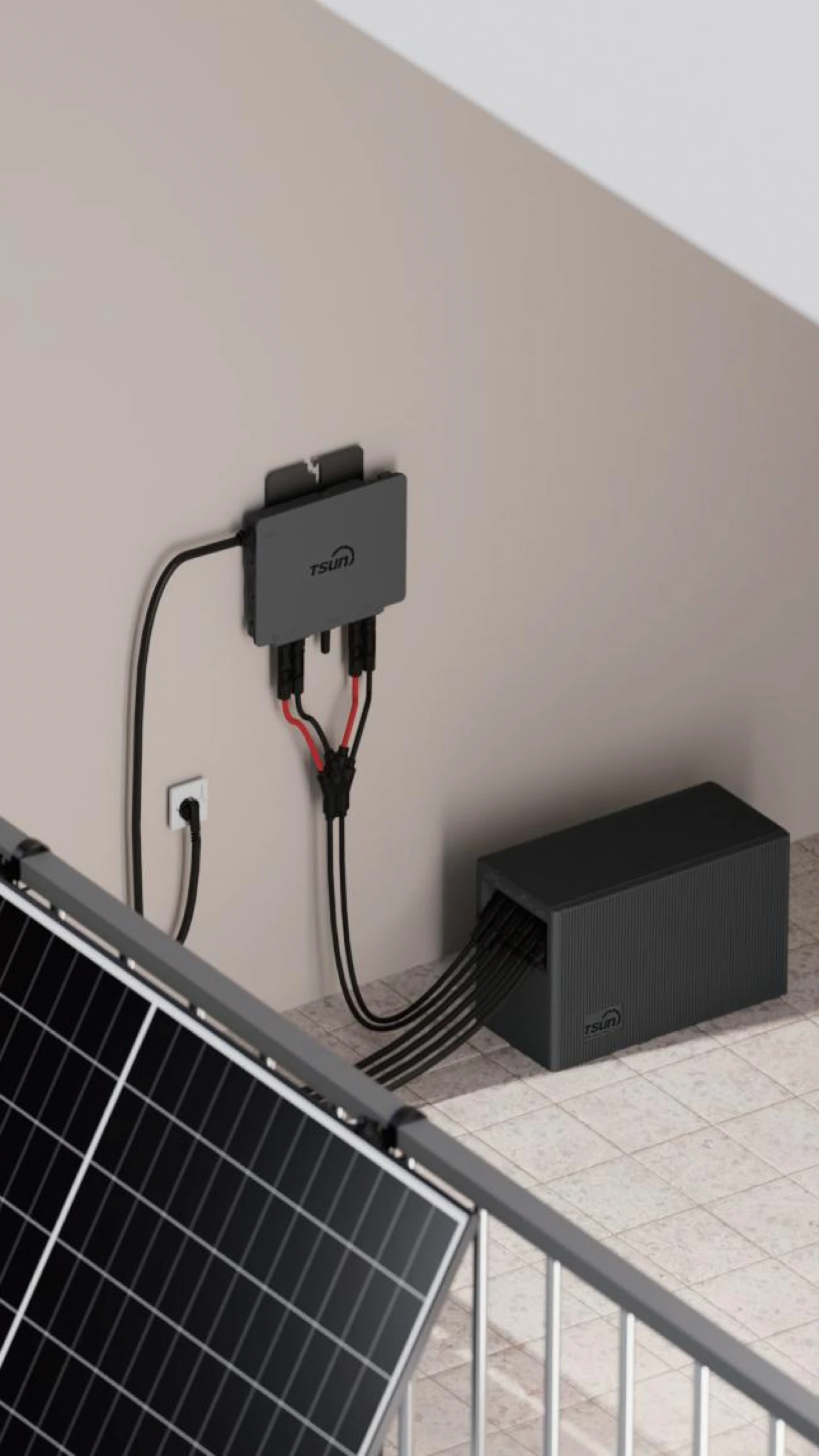
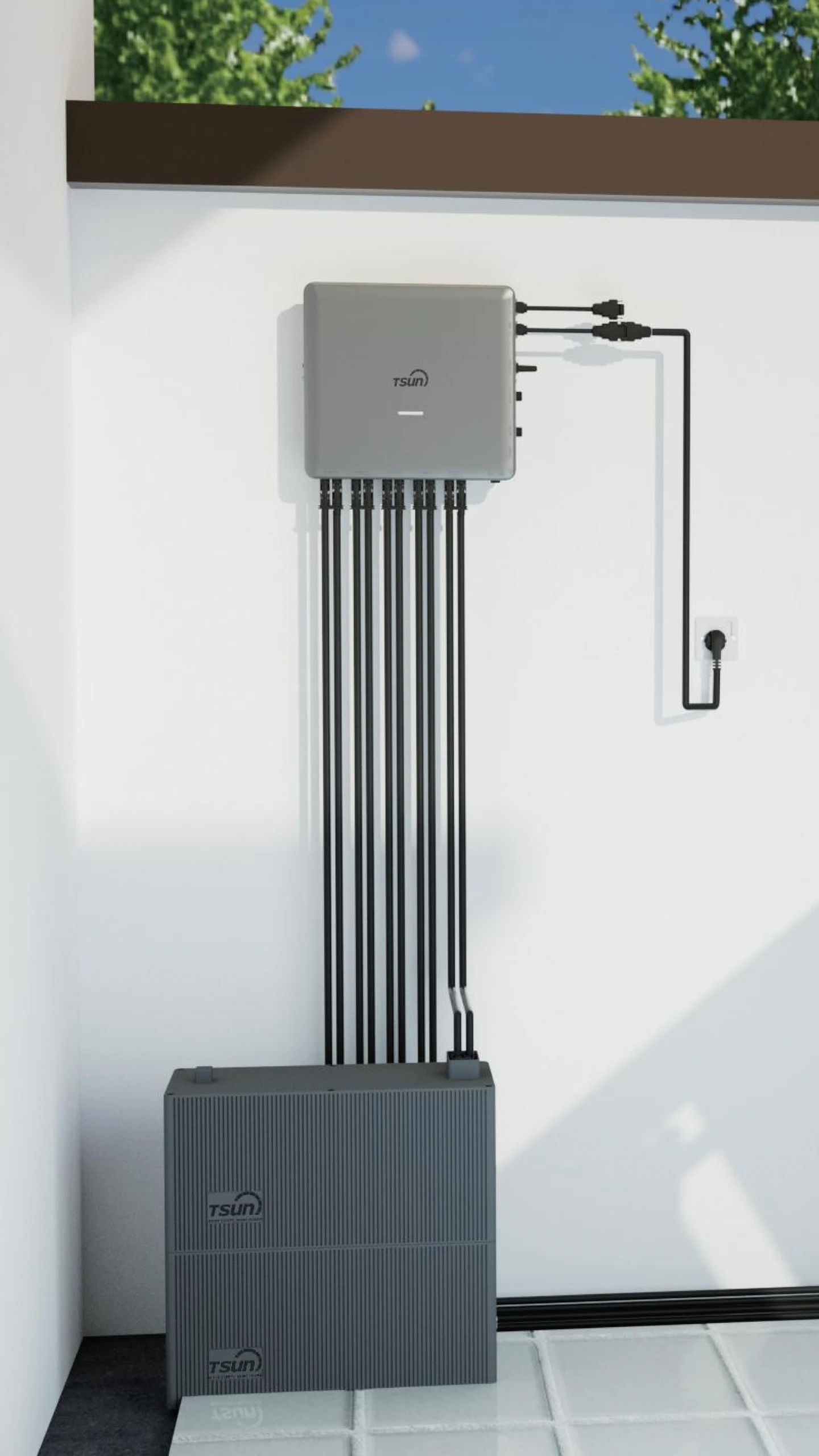
The core of a modern vertical solar deployment is the power conversion stage. The TSUN 4-in-1 Microinverter is engineered specifically to handle the requirements of multi-panel arrays through a sophisticated Daisy Chain connection method. This architecture allows multiple inverters to be linked in series, significantly reducing the volume of cabling required to reach the main electrical panel and simplifying the overall installation footprint.
Unlike traditional systems, the 4-in-1 design manages the power output of four separate panels independently. This is critical for vertical installations where sunlight angles vary throughout the day and shifting shadows from neighboring buildings are frequent. By isolating the power management of each panel, the system ensures that a single shaded module does not drag down the performance of the other three, thereby maximizing the energy harvest per square meter of vertical space.
For users expanding their capacity, this modularity means the system can grow alongside their energy needs. The plug-and-play nature of the hardware eliminates the need for specialized electrical engineering for every addition, allowing for a phased investment approach that lowers the initial barrier to entry for residential solar adoption.

Technical Performance and Power Management Specifications
Performance in vertical solar arrays is dictated by the inverter's ability to handle varying voltage ranges and maintain high conversion efficiency. The 4-in-1 series supports a wide MPPT voltage range of 16-60V, making it compatible with a vast array of 300W to 700W+ solar modules. This flexibility is essential when integrating different panel brands or updating hardware over time.
With a nominal continuous output power reaching up to 2000W (TSOL-MS2000), the system provides an industry-leading power density for small-scale microinverters. This high output capacity ensures that the energy produced by the four connected panels is converted to AC power with minimal loss. Furthermore, the integrated self-checking and diagnostic functions provide real-time data via a monitoring platform, allowing users to verify the health of each panel individually.
Durability is another key engineering focus. Vertical installations are often more exposed to wind loads and varying weather conditions. These microinverters utilize advanced heat dissipation technology and robust materials to ensure stable operation under extreme temperatures, ensuring that the internal electronics remain within optimal operating parameters regardless of the external climate.
Application Scenarios for Plug-and-Play Vertical Solar Solutions
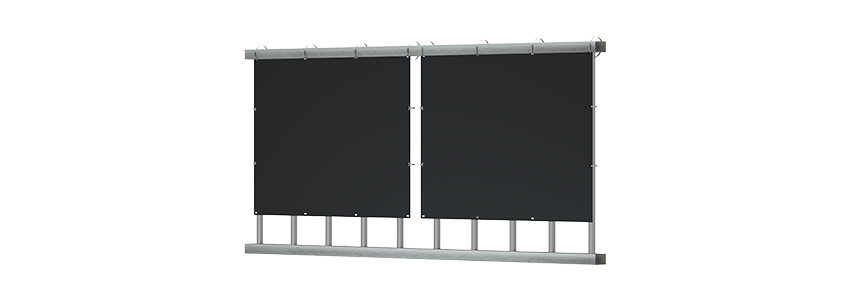
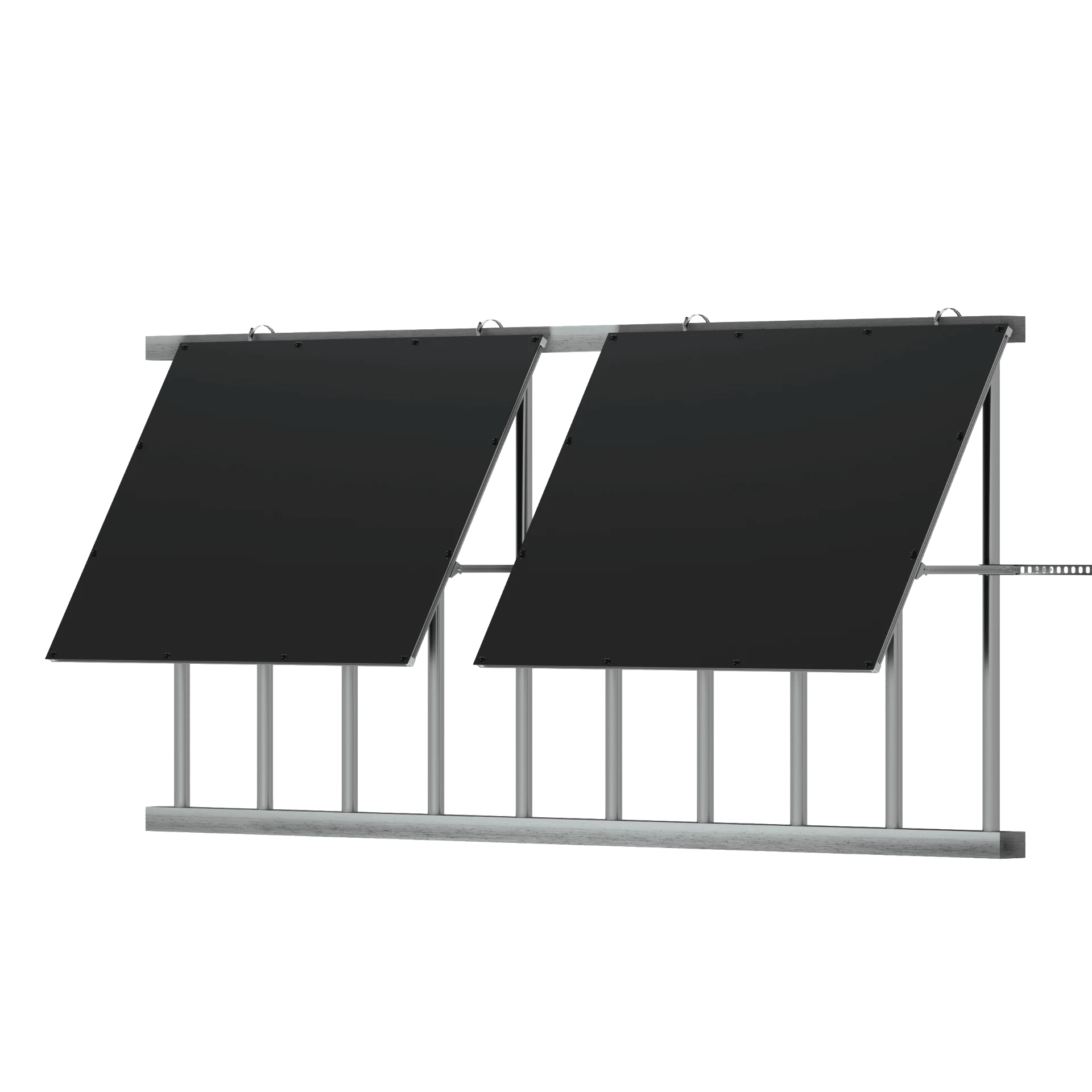
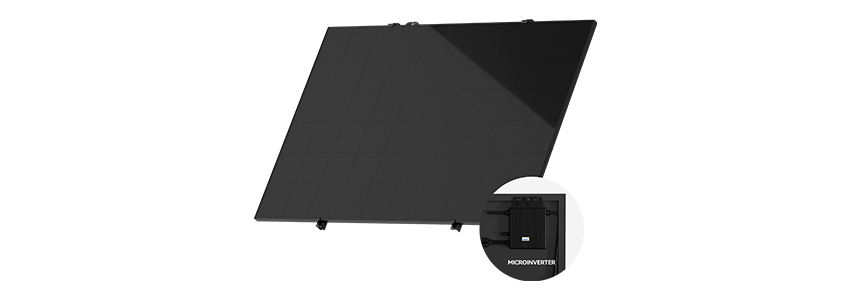
The versatility of a vertical solar kit makes it ideal for diverse residential and semi-commercial environments. The most common application is the Balcony Solar System, where space is strictly limited. In these scenarios, panels are mounted vertically against railings or walls, and the microinverter is tucked away in a discreet location, feeding power directly into the household grid.
Beyond balconies, these systems are increasingly deployed in:
- Family Carports: Utilizing the vertical supports or side walls to add supplementary power to the roof array.
- Courtyards and Garden Walls: Turning boundary fences into energy-generating assets without occupying usable ground space.
- Flat Roof Perimeters: Installing panels vertically around the edge of a flat roof to catch low-angle winter sun.
The "Plug & Play" capability is the defining feature for these applications. By removing the requirement for complex wiring and professional installation for every small-scale setup, homeowners can deploy these systems as DIY projects, significantly reducing the total cost of ownership while increasing the speed of deployment.
Technical Comparison of TSUN 4-in-1 Microinverter Models
| Model Feature |
TSOL-MS1600 |
TSOL-MS1800 |
TSOL-MS2000 |
Common Spec |
| Nominal Output Power |
1600 W |
1800 W |
2000 W |
AC Output |
| Recommended Module Power |
300-700+ W |
300-700+ W |
300-700+ W |
Per Panel |
| MPPT Voltage Range |
16-60 V |
16-60 V |
16-60 V |
Standard |
| Max Input Current |
16 A |
16 A |
16 A |
Steady State |
| Physical Dimensions |
33121840mm |
33121840mm |
33121840mm |
Compact Design |
Evaluation Criteria for Selecting Vertical Solar Components
When procuring components for a vertical array, buyers must look beyond the initial price point and evaluate the System Efficiency Ratio. Because vertical panels often experience non-ideal angles, the ability of the microinverter to optimize the Maximum Power Point (MPP) is the most critical technical factor. A system that lacks individual panel management will suffer significant losses if even one panel is partially shaded.
Another key consideration is the expansion potential. As energy needs grow, the ability to add more units via Daisy Chain without replacing the existing infrastructure is a significant commercial advantage. This avoids the "rip and replace" cycle associated with centralized string inverters, where exceeding the inverter's capacity requires a complete system upgrade.
Lastly, safety and compliance should be prioritized. Ensure the chosen microinverter supports a wide temperature range and possesses durable housing. In vertical mounts, equipment is often exposed to more direct rain and wind than roof-mounted systems, making the build quality and weather resistance of the inverter a primary reliability factor.
The Future of Urban Solar: Integration and Energy Storage
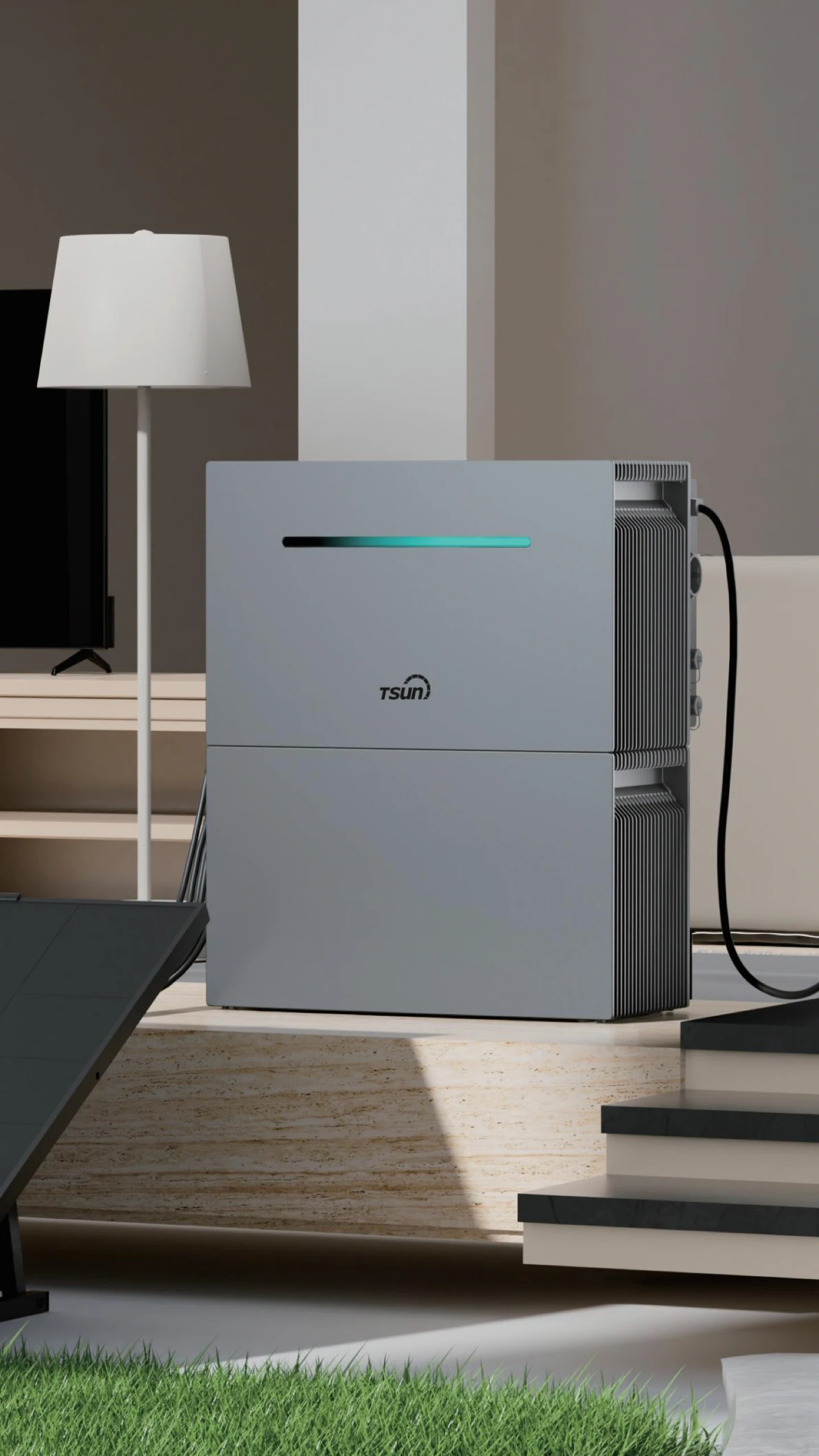
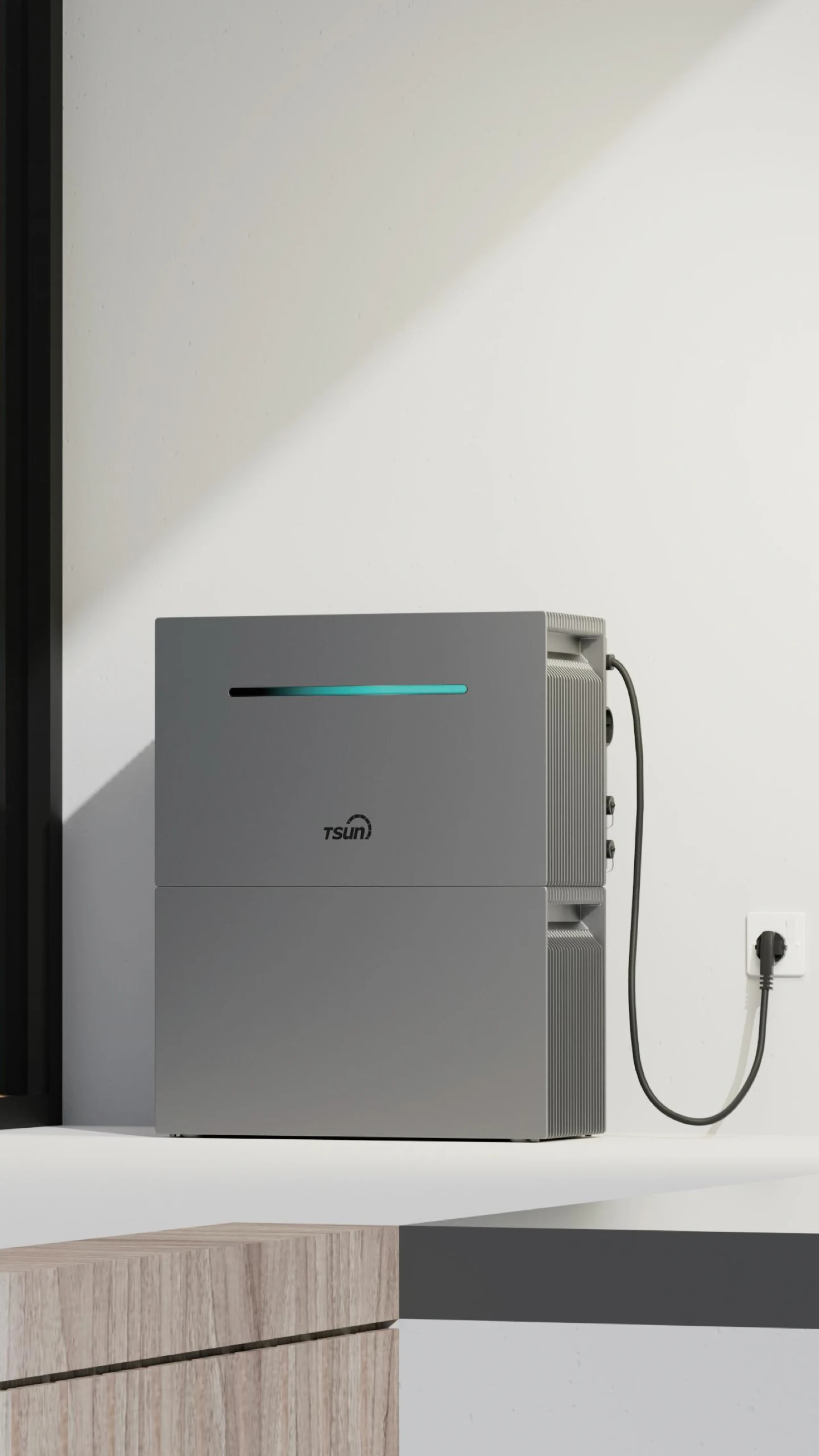
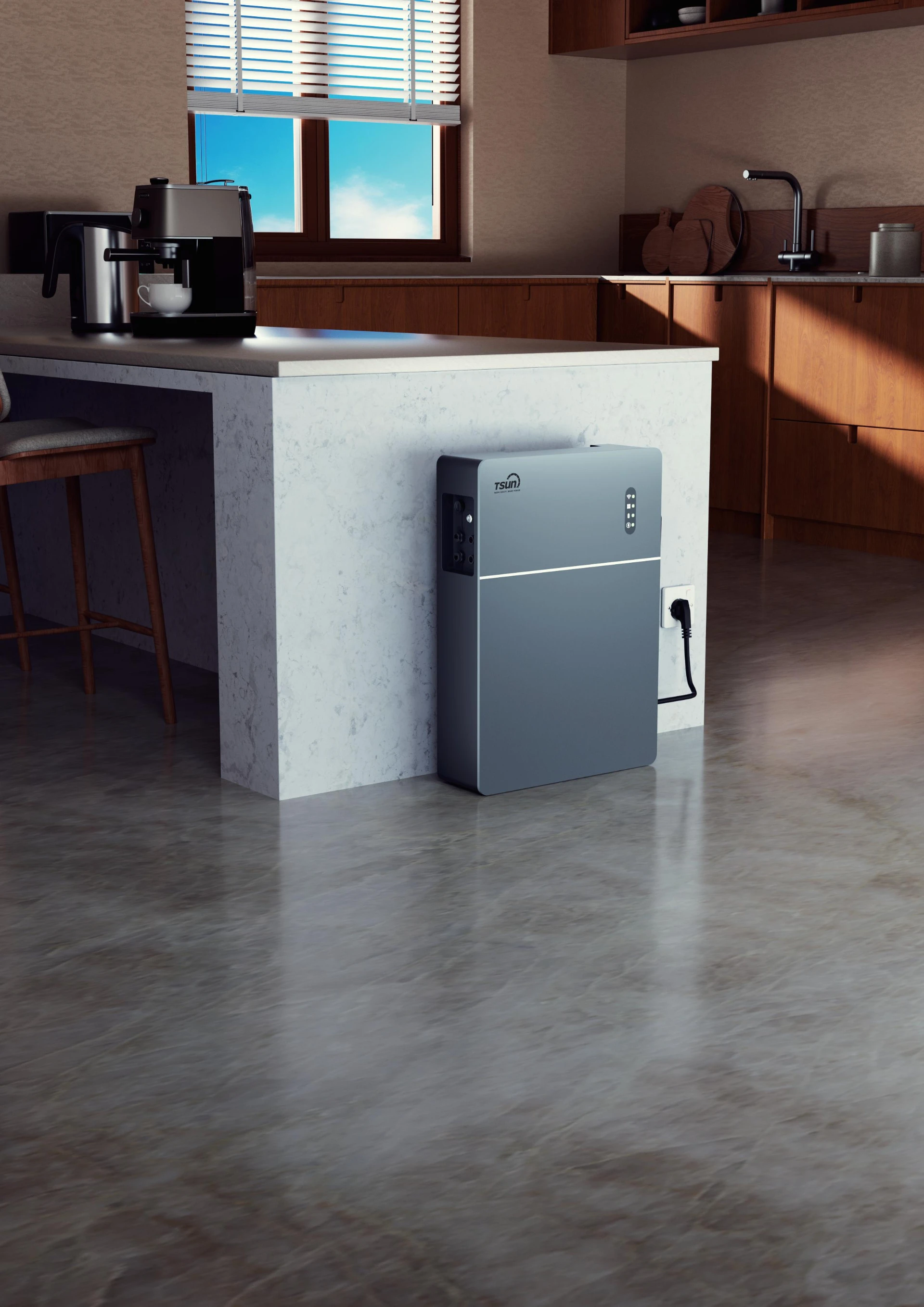
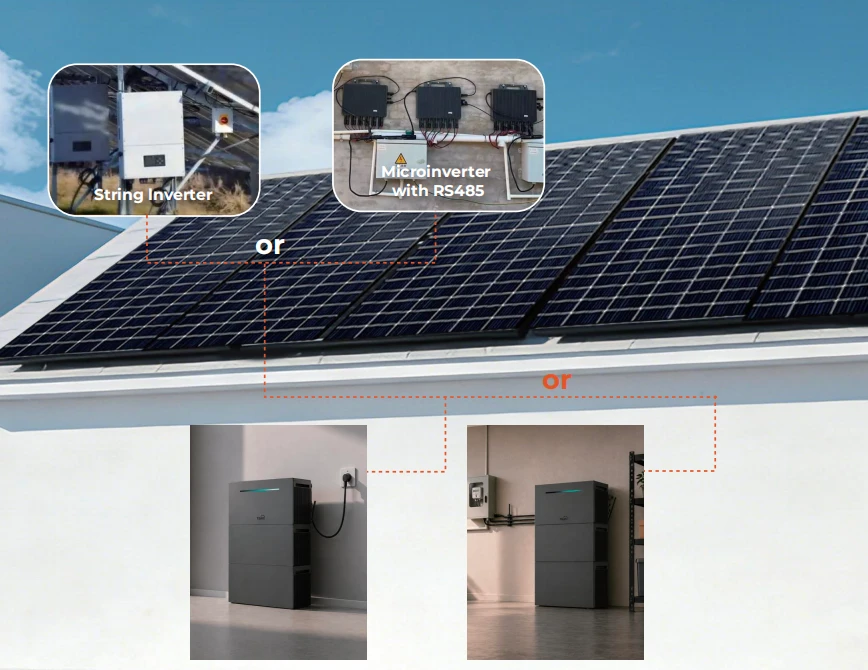
The trajectory of urban solar is moving toward complete energy autonomy. The integration of vertical solar arrays with micro-energy storage solutions, such as the SolarCan (DC Coupled Unit) or the PowerTrunk (Micro AC Coupled Unit), allows users to store surplus energy generated during the day for use at night. This shift from "grid-tied only" to "hybrid micro-storage" maximizes the utility of every kilowatt-hour produced.
We are seeing a trend toward multifunctional solar surfaces, where vertical panels serve as both energy generators and architectural elements (like privacy screens or sound barriers). The ability to easily install and monitor these systems via smart platforms ensures that urban dwellers can actively manage their carbon footprint while reducing monthly utility costs.
As hardware costs continue to decline, the democratization of solar energy will depend on the continued refinement of plug-and-play kits. By combining high-power microinverters with flexible mounting options, the industry is making it possible for any apartment resident or small business owner to implement a sustainable energy strategy without requiring extensive structural modifications to their property.
Frequently Asked Questions About 4-in-1 Microinverter Systems
Do Gen3 Microinverters (4-in-1 series) support mixed power solar panel connection?
Yes, Gen3 Microinverters (4-in-1 series) can intelligently manage solar panels with different power outputs. When connecting solar panels of different power, it will automatically balance and optimize the output of each panel to ensure the efficiency of the entire system is maximized.
How can I tell if my 4-in-1 microinverter is performing normally during daily use?
Users can view the output data of each connected solar panel in real time through the monitoring platform. Gen3 Microinverters (4-in-1 series) has self-checking and diagnostic functions. If there is any abnormality, it will prompt the user through the alarm system to help quickly locate and solve the problem.
How does the system handle extreme weather or very high temperature conditions?
Gen3 Microinverters (4-in-1 series) is designed with advanced heat dissipation technology and durable materials to maintain stable operation under high temperature or extreme weather conditions. Its wide temperature resistance range and strong adaptability ensure long-term reliability in different environments.
What are the primary benefits of the Daisy Chain connection for residential users?
The Daisy Chain method allows multiple microinverters to be connected in series, which significantly simplifies wiring and reduces installation costs. It also enables users to expand their system capacity gradually by adding more inverters as needed without needing a complex redesign of the electrical layout.
Is professional electrical certification required for a Plug & Play installation?
While Plug & Play systems are designed for easy installation without professional skills, local electrical codes and grid regulations vary by region. We always recommend checking with local authorities or a licensed electrician to ensure the installation meets safety standards and grid-tie requirements in your specific area.
What is the maximum power output I can expect from a single TSOL-MS2000 unit?
The TSOL-MS2000 provides a nominal continuous output power of up to 2000W. This makes it one of the most powerful 4-in-1 inverters available, capable of efficiently managing the output of four high-wattage panels to meet substantial residential energy needs.
Technical Resources and Industry Standards
Selecting the right energy conversion hardware is the key to unlocking the potential of vertical solar arrays. By prioritizing modularity, independent MPPT tracking, and robust weatherproofing, homeowners can ensure a reliable and scalable transition to clean energy.
Caleb Harrison
Caleb Harrison serves as a Technical Marketing Manager, specializing in the ESK (Easy Solar Kit) range and balcony solar solutions. He's responsible for crafting compelling content and providing technical support to our sales teams and partners. Caleb's deep understanding of our product portfolio allows him to effectively communicate the benefits of our plug-and-play systems to a broad audience. He’s particularly enthusiastic about the ESK Universal and its potential to democratize access to solar energy. He previously worked as a solar installer, giving him valuable hands-on experience.






 LEARN DETAILS
 Downloads
 Video Center
 Report Fault for Repair
 FAQS
 Service Network
 Privacy Policy
 Contact Us
 Monitoring