





 LEARN DETAILS
 Downloads
 Video Center
 Report Fault for Repair
 FAQS
 Service Network
 Privacy Policy
 Contact Us
 Monitoring

Selecting a reliable solar energy storage system supplier is a critical decision for homeowners and businesses seeking energy independence. A solar energy storage system consists of photovoltaic panels, an inverter, and a battery bank, working in tandem to capture sunlight and store it for use during nighttime or grid outages. The primary objective is to maximize self-consumption of generated energy and reduce reliance on external power utilities.
In the current B2B and residential landscape, the shift toward micro-inverter technology and modular storage has revolutionized how energy is managed. Instead of relying on a single large central inverter, micro-storage units allow for granular control, higher safety profiles, and reduced energy loss. This transition is driven by the need for plug-and-play installation and the ability to expand systems incrementally as energy demands grow.
This guide provides a technical analysis of storage configurations, focusing on the differences between AC and DC coupling, power output specifications, and the criteria for evaluating hardware quality. Readers will gain the necessary insights to differentiate between various system architectures and identify the optimal hardware combination for their specific geographic and operational environment.
The Architecture of Modern Residential Energy Storage
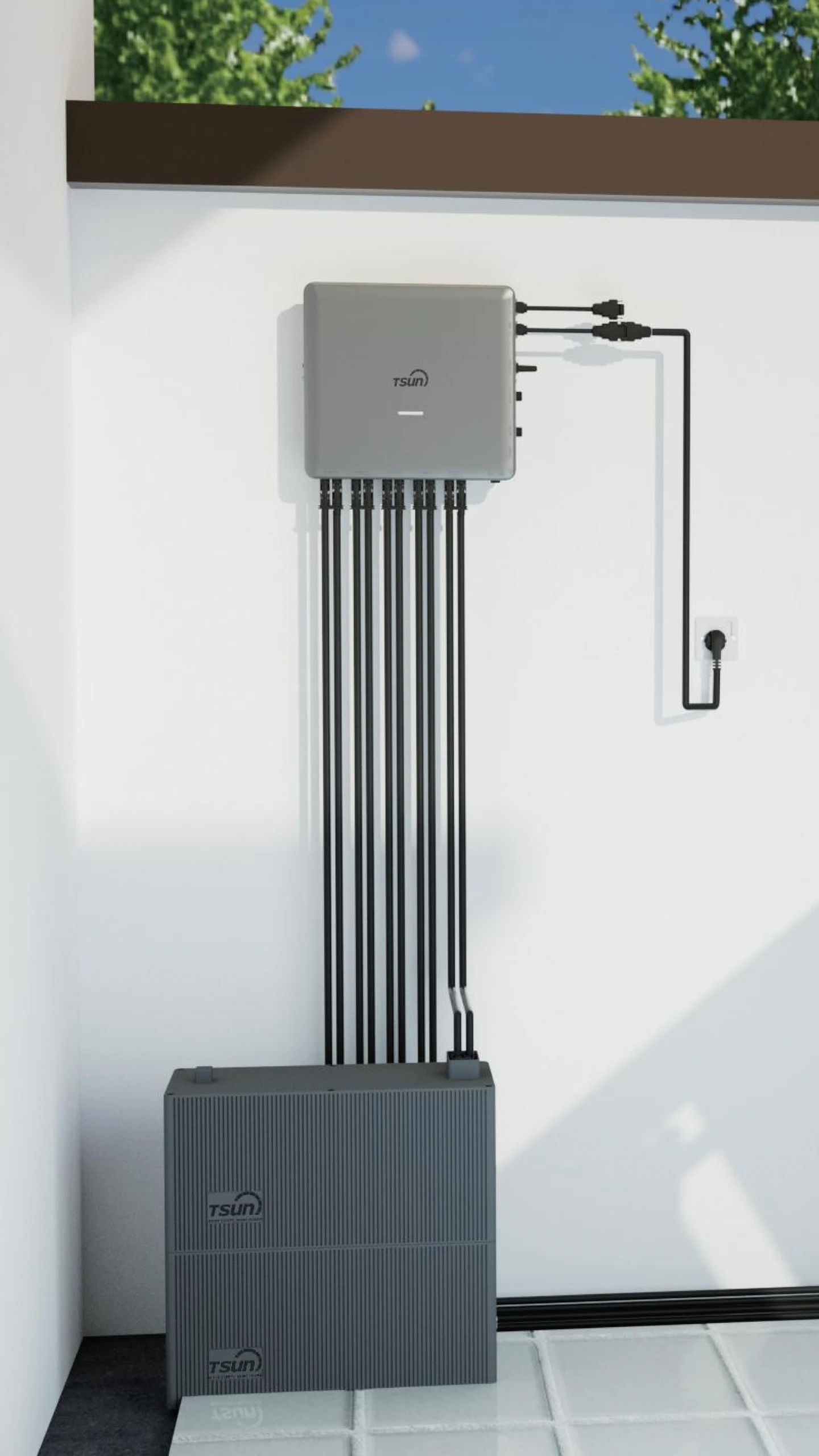
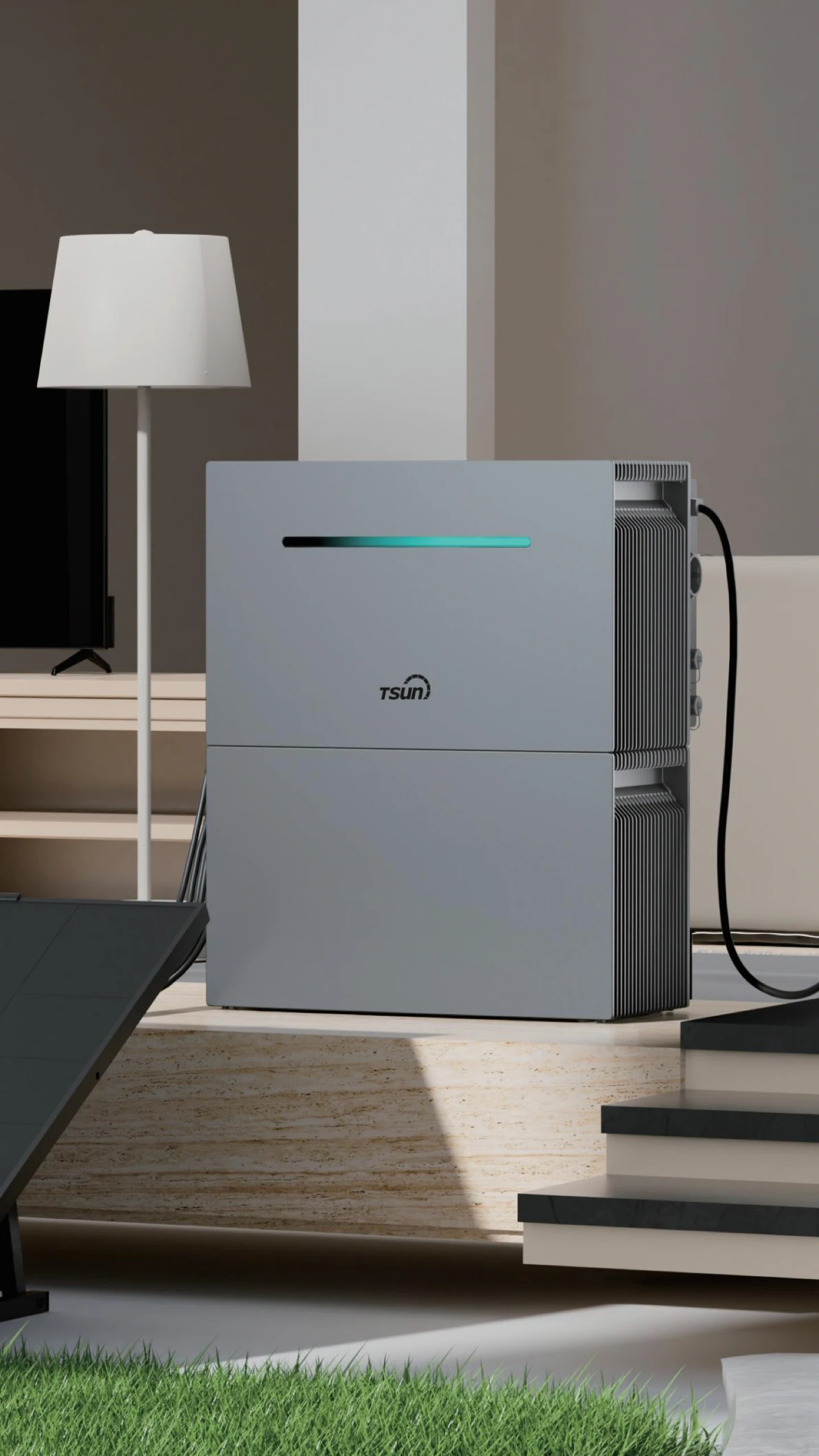
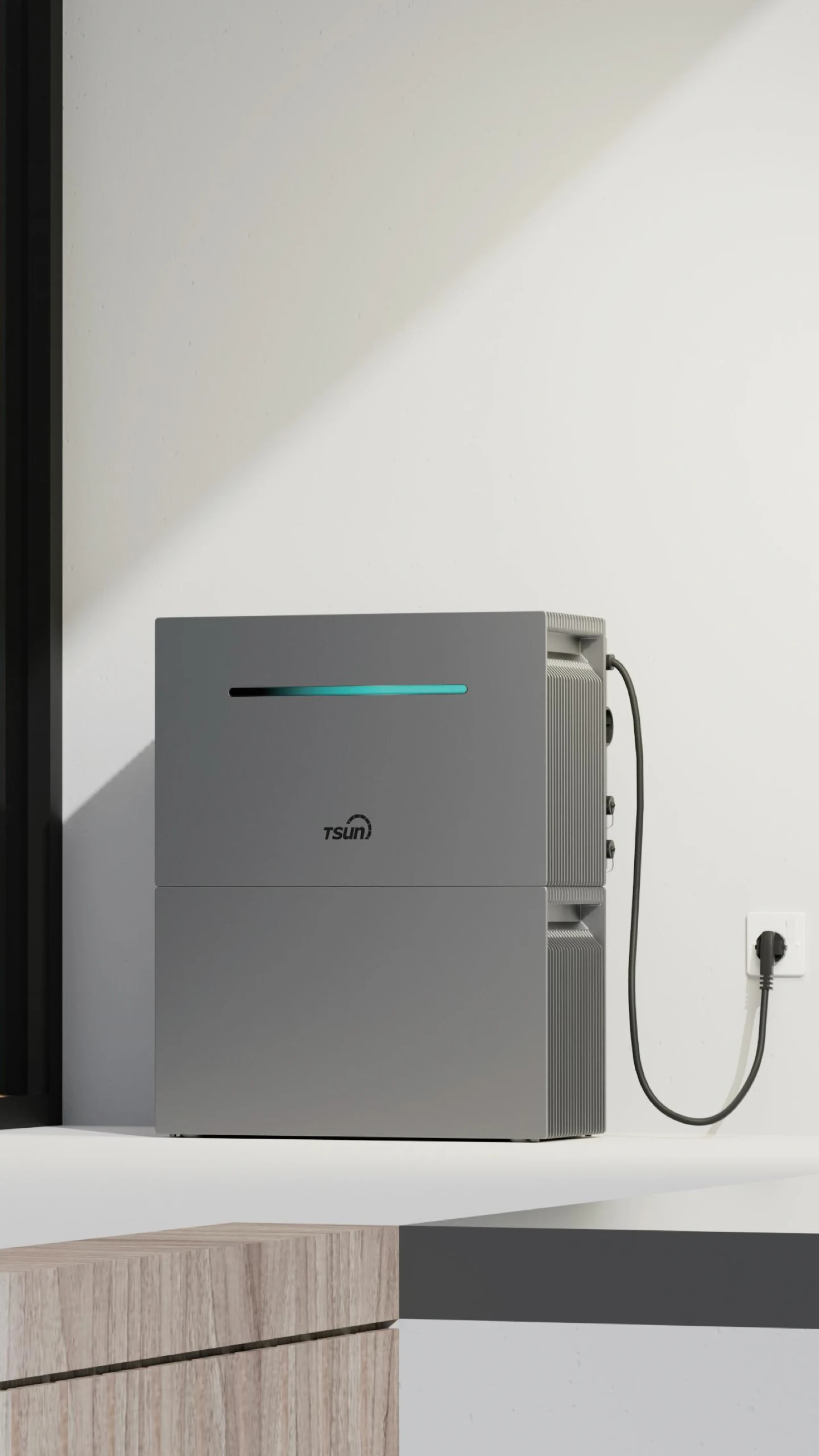
Modern energy storage has evolved from simple battery banks to complex, integrated power electronics. The core challenge in any solar storage setup is the conversion of Direct Current (DC) from solar panels into Alternating Current (AC) for home appliances. Traditionally, this was done via a central string inverter. However, the industry is moving toward micro-hybrid storage units. These units integrate the inverter and battery pack into a single chassis, reducing cabling and increasing overall system efficiency. For instance, micro AC coupled units allow users to add storage to an existing solar array without redesigning the entire electrical layout. This modularity ensures that the system remains flexible, allowing for the addition of capacity from 2 kWh up to 20 kWh depending on the household load and available space. By decentralizing the inversion process, these systems mitigate the "single point of failure" risk associated with central inverters, where one faulty panel could compromise the entire array's output.
Evaluating Storage System Performance and Selection
When assessing storage hardware, the focus must shift from simple capacity to actual performance metrics. The interaction between the microinverter, the battery chemistry, and the load management system determines the total cost of ownership and the actual energy yield over a decade of use.
Microinverter Efficiency and Power Output
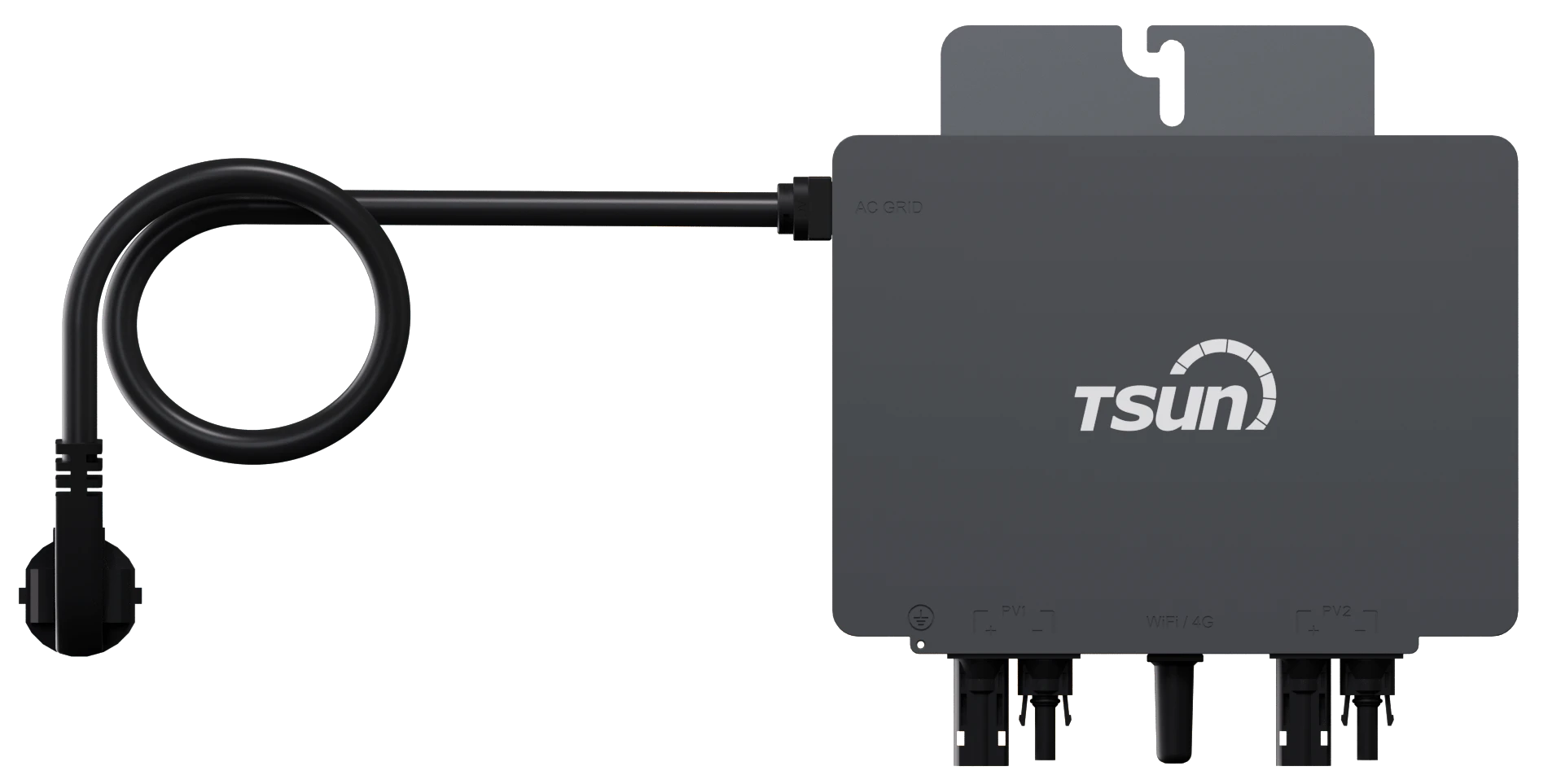
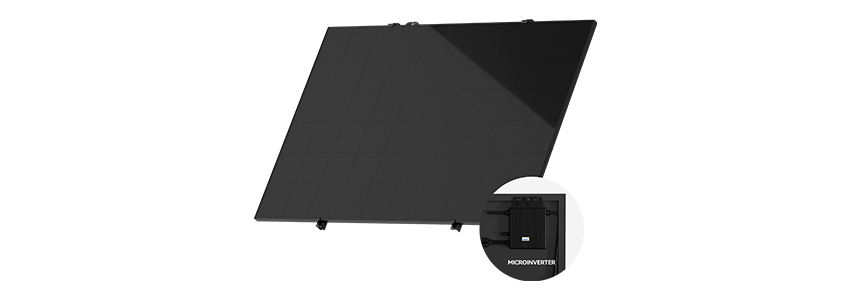
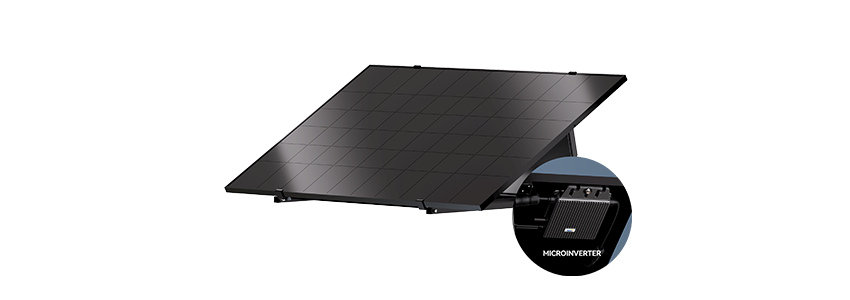
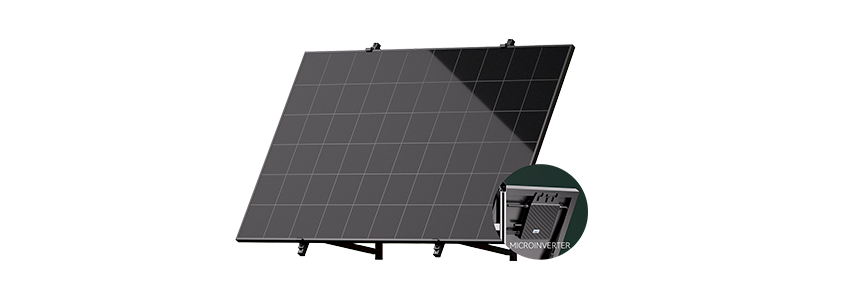
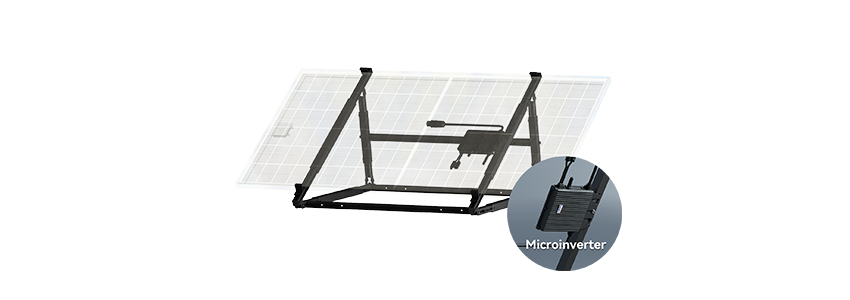
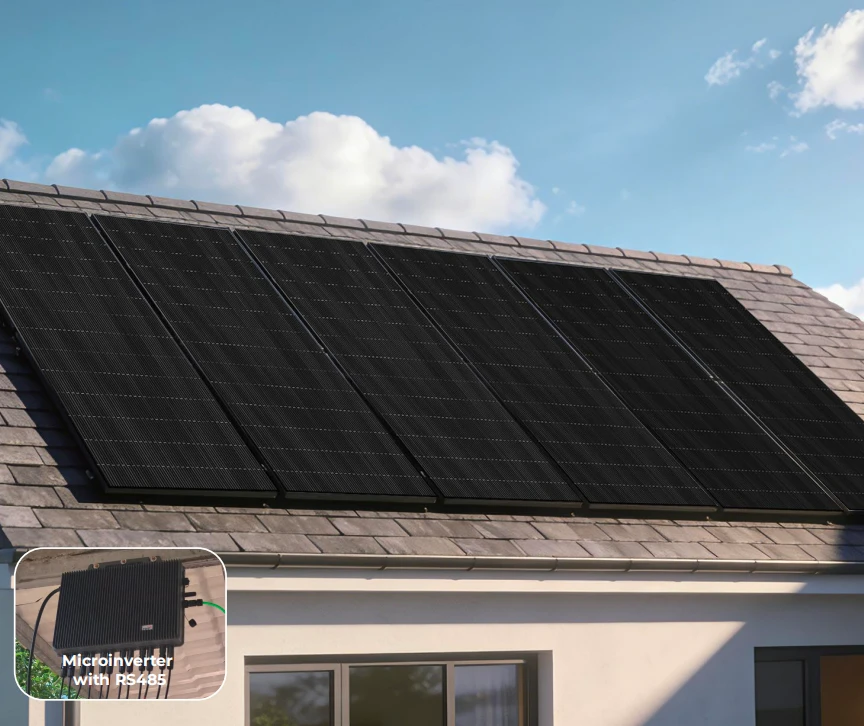
The microinverter serves as the brain of the system. High-efficiency units, such as the 4-in-1 designs, allow a single device to manage multiple panels, optimizing the Maximum Power Point Tracking (MPPT) for each. This is essential for roofs with varying orientations or partial shading. The output power range (e.g., 1600W to 2250W) must align with the peak load of the intended application, whether it be a small balcony kit or a full residential rooftop.
| Model Series | Max Output Power | Recommended Module Power | MPPT Voltage Range |
|---|---|---|---|
| TSOL-MS1600 | 1600W | 300-600+ W | 16-60 V |
| TSOL-MS1800 | 1800W | 300-600+ W | 16-60 V |
| TSOL-MS2000 | 2000W | 300-600+ W | 16-60 V |
| TSOL-MX2250 | 2250W | 400-700+ W | 16-60 V |
| Micro-Hybrid | Variable | Variable | Industry Standard |
| AC Coupled Unit | 3.0-6.0K | 5-20 kWh Storage | Optimized |
AC vs. DC Coupled Integration
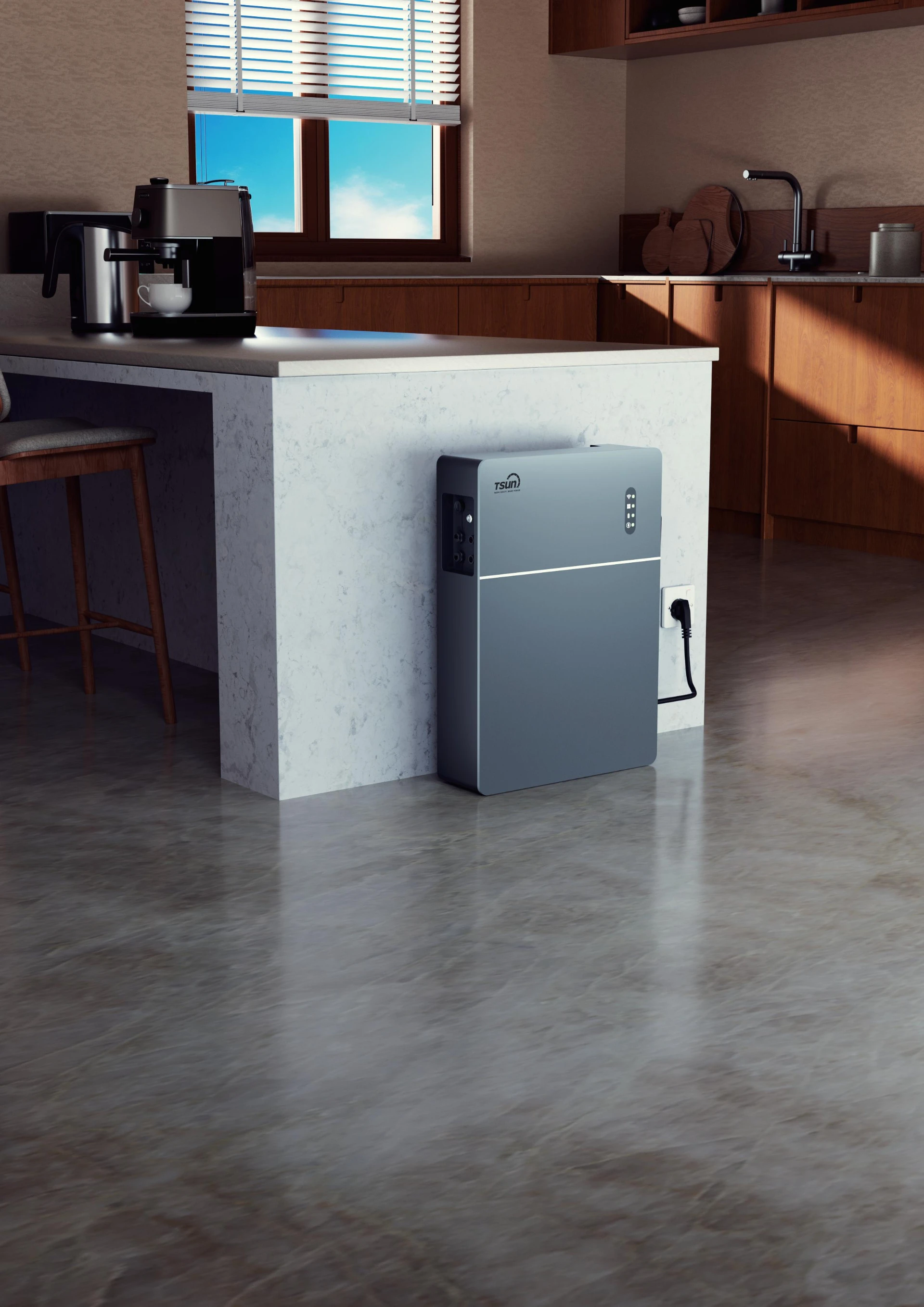
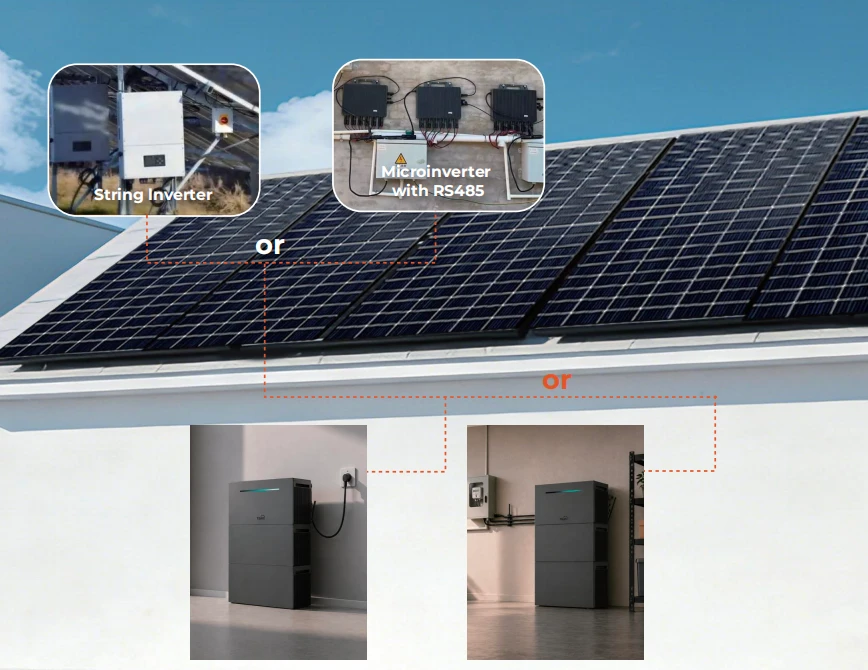
DC coupled systems, like the SolarCan, capture energy from panels and store it in the battery as DC, only converting to AC when needed for the load. This is typically more efficient for new installations. AC coupled systems, such as the PowerTrunk or ACU series, convert DC to AC first. This is the ideal solution for retrofitting existing solar systems, as the storage unit operates independently of the original solar inverter, simplifying the integration process significantly.
Scalability and Capacity Planning
Capacity planning should be based on the average daily kWh consumption and the desired autonomy (how many days the system should last without sun). Modular systems allow users to start with a base capacity (e.g., 2 kWh) and scale up to 20 kWh. This "stackable" approach prevents over-investing in batteries that may degrade before they are fully utilized, ensuring the chemistry remains fresh and the investment is phased according to actual needs.
Installation Complexity and DIY Potential
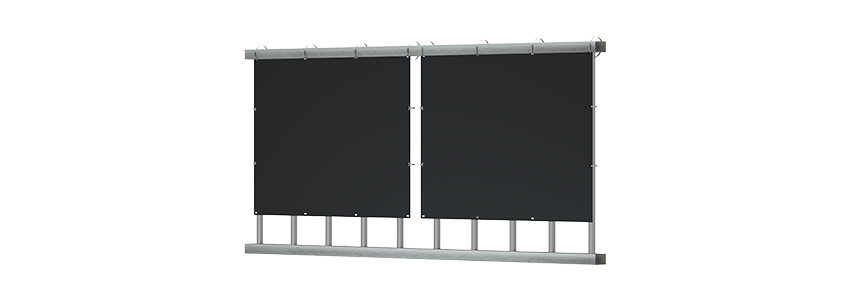
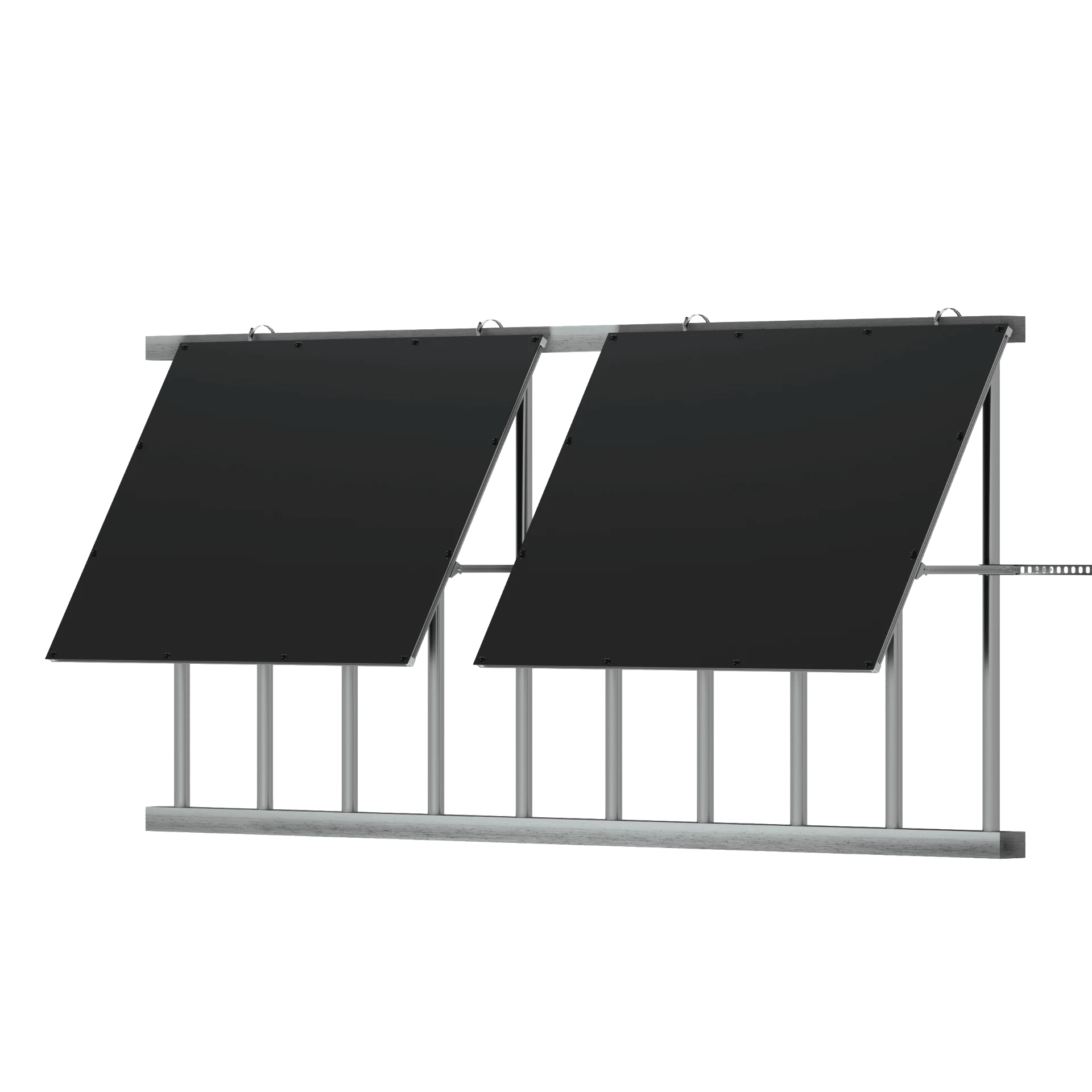
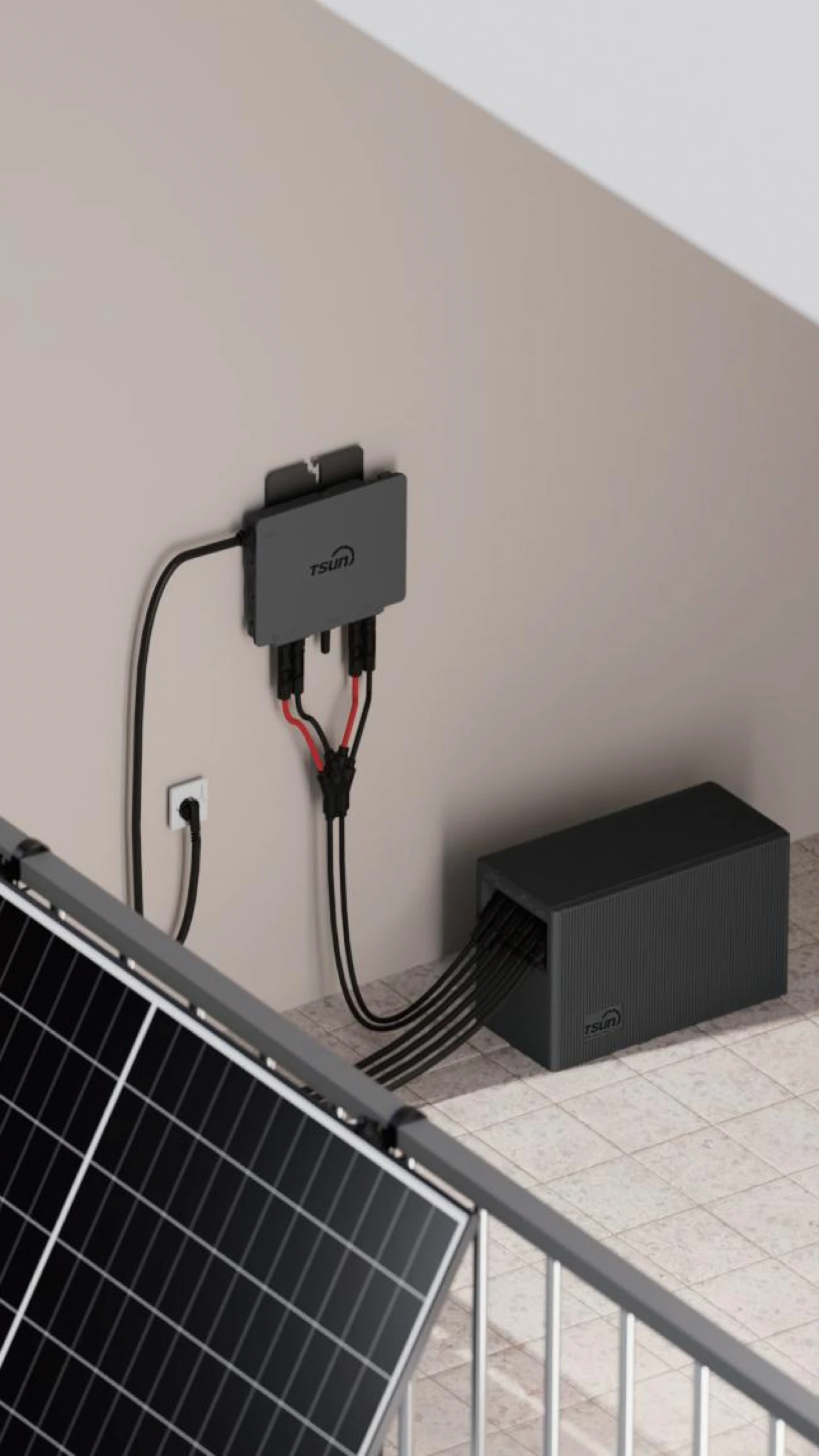
The rise of "Easy Solar Kits" has lowered the barrier to entry. These kits integrate PV modules, microinverters, and brackets into a plug-and-play format suitable for balconies or gardens. While professional AC cabling is required for larger trunk-cable systems to ensure safety and compliance, the simplified connectivity of modern storage units reduces the need for extensive on-site electrical engineering, accelerating deployment times for residential projects.
Environmental Adaptation and Durability
Hardware must withstand varied climates, from high-humidity coastal areas to freezing winters. The use of robust casing and heat-dissipation designs in microinverters is crucial to prevent thermal throttling during peak summer production. Systems designed for balcony or outdoor use must maintain high IP (Ingress Protection) ratings to ensure that rain and dust do not compromise the electronics or the battery cells.
Monitoring and Energy Management
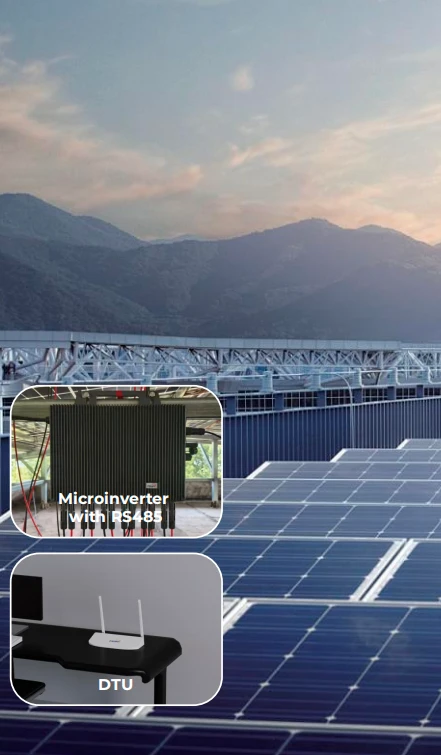
Effective storage requires intelligent monitoring. Integrated Wi-Fi and RS485 communication allow users to track real-time energy flow via smart meters. This data is vital for optimizing discharge cycles—for example, discharging the battery during peak tariff hours to minimize electricity costs. A system without active monitoring is essentially a "black box," making it impossible to diagnose efficiency drops or battery degradation.
Lifecycle and Maintenance Considerations
The lifecycle of a storage system is primarily dictated by the battery's cycle life and the inverter's capacitor longevity. Regular firmware updates via the DTU (Data Transfer Unit) ensure the system operates with the latest efficiency algorithms. Maintenance for micro-storage systems is minimal compared to central systems, as there are fewer heavy-duty components and no large cooling fans that can fail or accumulate dust.
FAQ
What is the difference between a hybrid microinverter and a standard one?
A standard microinverter only converts DC from solar panels to AC for immediate use or grid export. A hybrid microinverter can manage both the solar input and a battery storage system, allowing it to charge the battery with surplus solar energy and discharge it when the panels are not producing, providing a complete energy management solution in one device.
Can I add a storage system to my existing on-grid solar panels?
Yes, this is achieved through AC coupling. By using an AC Coupled Storage Unit (ACU), you can integrate a battery and an energy storage inverter into your existing setup without replacing your current solar inverters. This allows the new storage system to "sip" excess AC power from the grid or the panels and store it for later use.
How much storage capacity do I actually need for a small home?
For small households or balcony setups, a capacity between 2 kWh and 5 kWh is typically sufficient for overnight lighting and small electronics. For full residential independence or backup for critical appliances (like refrigerators), a range of 10 kWh to 20 kWh is recommended, depending on your daily energy consumption patterns.
What are the advantages of a 4-in-1 microinverter design?
A 4-in-1 design allows one inverter to connect up to four solar panels, which reduces the total number of devices installed on the roof. This lowers installation costs, reduces the amount of cabling required, and provides a compact solution for medium-sized systems while still maintaining the benefits of individual panel optimization.
Is a DIY balcony solar kit safe for apartment dwellers?
Yes, provided the kit uses certified microinverters and plug-and-play connectors. These systems are designed to be low-voltage on the DC side and use standard AC plugs for the grid connection. However, users should always check local building codes and electricity regulations regarding balcony installations to ensure full compliance.
How do I evaluate the quality of a storage system supplier?
Evaluate based on technical transparency (detailed datasheets), the availability of monitoring software, the modularity of their product line, and their ability to provide specific solutions for different scenarios (e.g., DC vs AC coupling). A quality supplier will provide clear MPPT ranges and nominal output power data rather than vague marketing claims.
References and further reading
- International Electrotechnical Commission (IEC) Standards for Photovoltaic Inverters.
- Guidelines for Residential Energy Storage System (ESS) Design and Installation.
- Analysis of AC vs DC Coupling in Hybrid Solar Systems.