





 LEARN DETAILS
 Downloads
 Video Center
 Report Fault for Repair
 FAQS
 Service Network
 Privacy Policy
 Contact Us
 Monitoring

Balcony solar systems represent a critical shift toward decentralized urban energy, allowing apartment dwellers to generate electricity without extensive roof access. By utilizing specifically designed angled kits, users can capture maximum solar irradiance even in constrained city environments. This article examines the technical requirements and selection criteria for implementing an effective balcony-based photovoltaic solution.
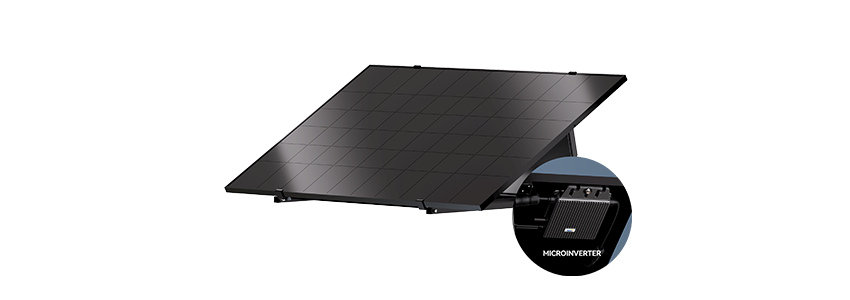
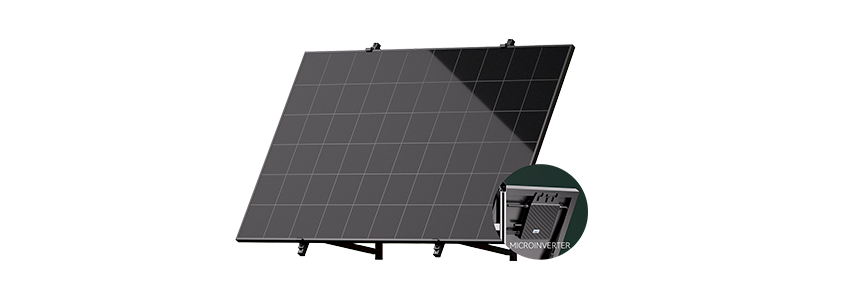
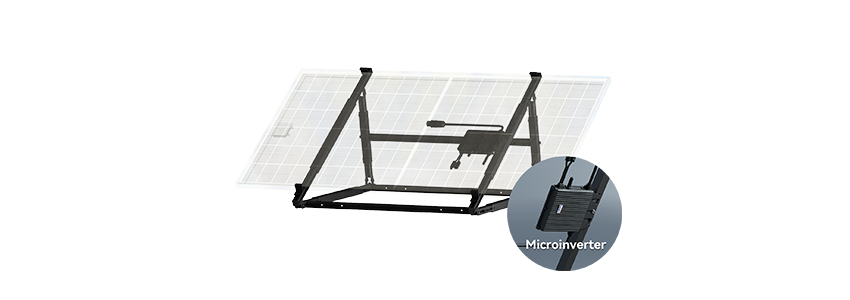
The challenge for most urban residents is the limited surface area and varying angles of sunlight. A standard flat mount often fails to optimize yield; therefore, choosing an easy balcony air angled solar panel kits manufacturer becomes essential for those seeking a plug-and-play system that balances structural stability with energy efficiency. These kits typically integrate panels, microinverters, and specialized brackets for rapid deployment.
Readers will discover the mechanical advantages of angled mounting, the role of microinverters in residential grids, and how to scale these systems with energy storage. We will provide a framework for evaluating kit specifications to ensure that the chosen hardware meets both the safety standards of the building and the energy needs of the household.
Maximizing Urban Energy Harvesting
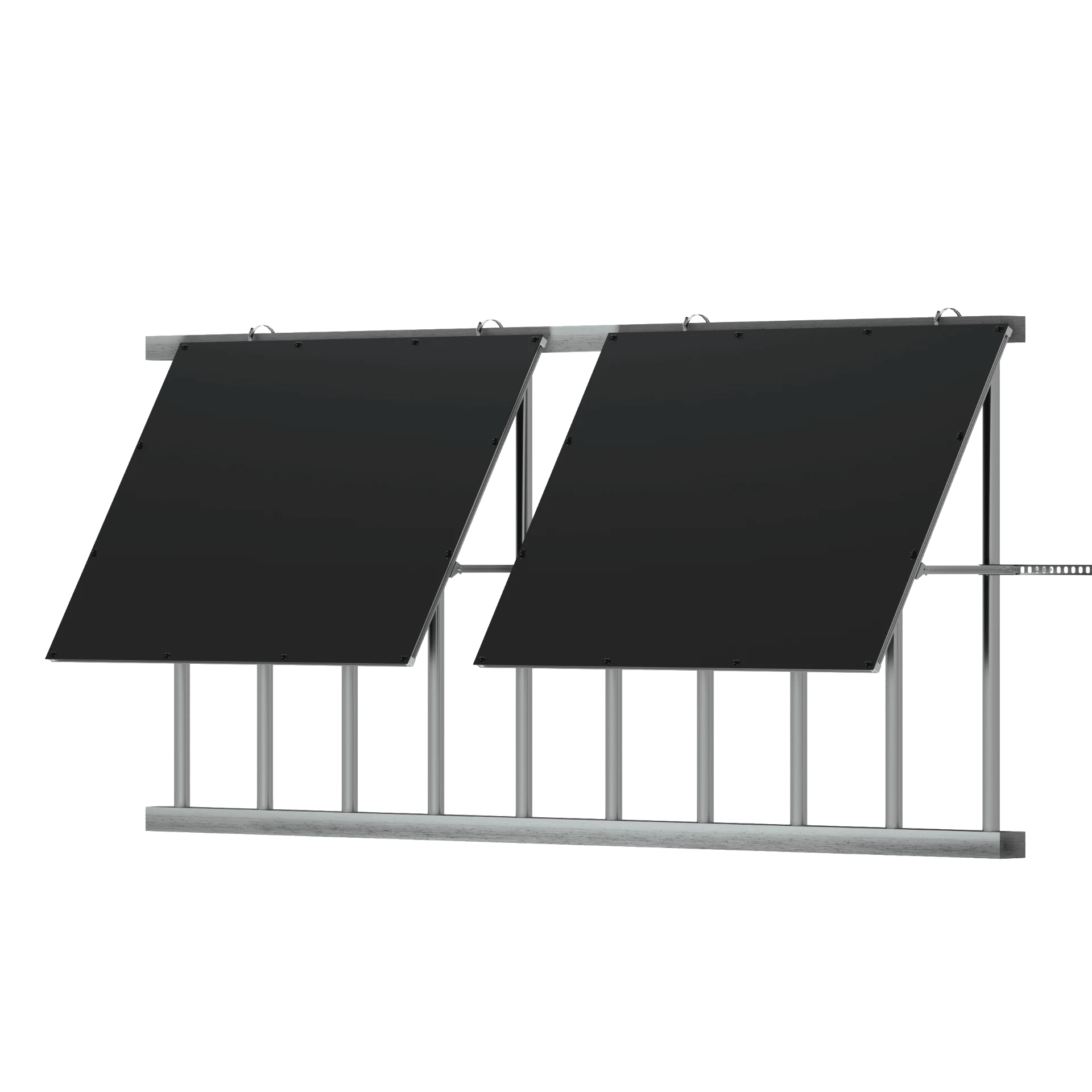
Urban energy harvesting differs significantly from traditional rooftop installations due to shading from adjacent buildings and restricted mounting options. The core objective of a balcony solar kit is to transform a passive architectural element—the railing or wall—into an active power generator. The "angled" aspect of these kits is not merely aesthetic; it is a mathematical requirement to align the photovoltaic cells perpendicular to the sun's rays during peak hours. In northern latitudes, a steeper angle is often required in winter, while a flatter angle suffices in summer. By employing an adjustable or fixed angled bracket, the system can increase annual energy yield by 15% to 30% compared to vertical hanging. Furthermore, the integration of "air" or ventilated designs prevents heat buildup behind the panels, which is crucial because solar cell efficiency drops as temperature increases. A well-ventilated angled kit ensures that the microinverter and panels operate within their optimal thermal range, extending the lifespan of the electronic components.
Technical Guide to Balcony Solar Implementation
Implementing a balcony solar system requires a synergy between mechanical mounting, power conversion, and electrical safety. The following analysis breaks down the critical components and decision factors for a successful installation.
Angled Mounting Principles
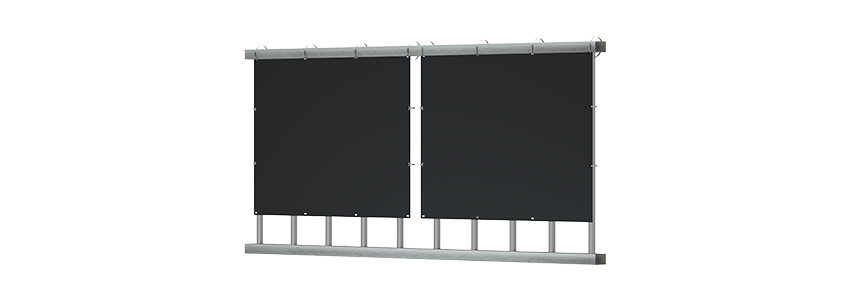
The angle of incidence determines how much photon energy is absorbed by the silicon wafers. Angled kits allow for a customized tilt that matches the local latitude. This prevents "reflection loss" where light bounces off the glass instead of penetrating the cell. Structural stability is equally important; the brackets must withstand wind loads (the "sail effect") common in high-rise balconies. The use of reinforced aluminum or galvanized steel ensures that the kit remains secure without damaging the balcony railing.
| Mounting Type | Energy Yield | Wind Resistance | Installation Complexity |
|---|---|---|---|
| Vertical Hang | Low | High | Very Low |
| Fixed Angle (30°) | Medium-High | Medium | Low |
| Adjustable Angle | Highest | Medium-Low | Medium |
| Flat Roof/Floor | Medium | Highest | Low |
| Wall-Mounted Angled | Medium-High | High | Medium |
| Air-Ventilated Angle | High (Thermal) | Medium | Low |
Microinverter Integration
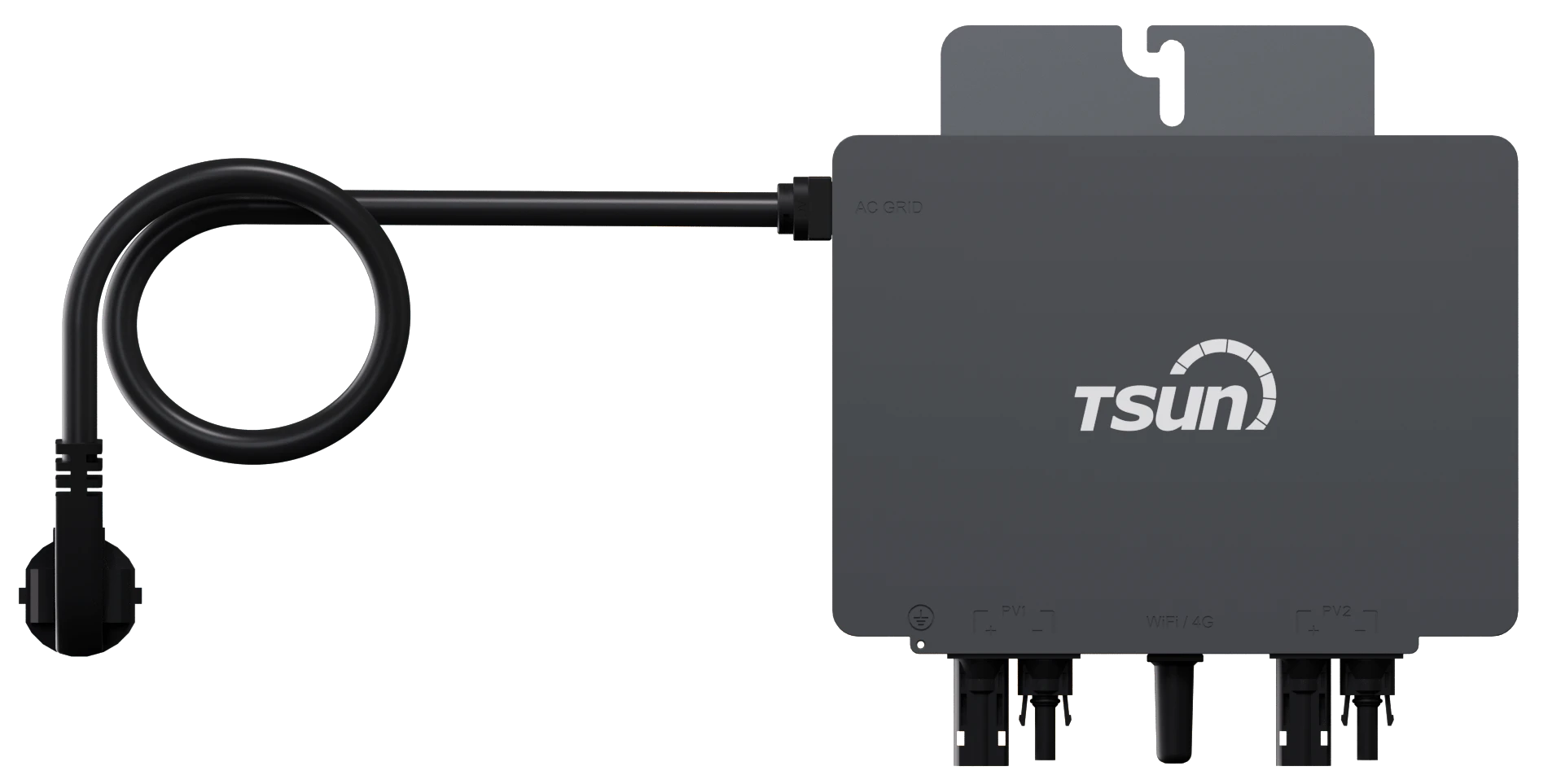
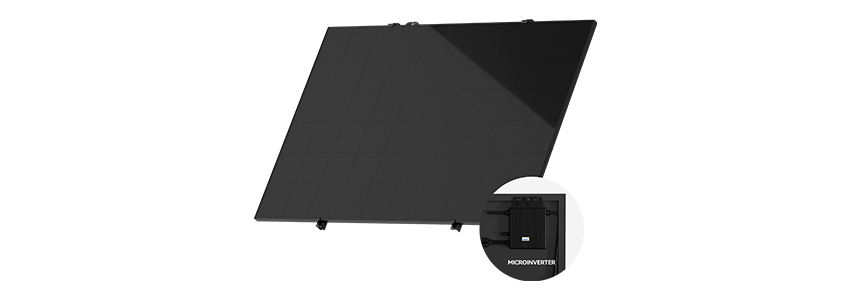
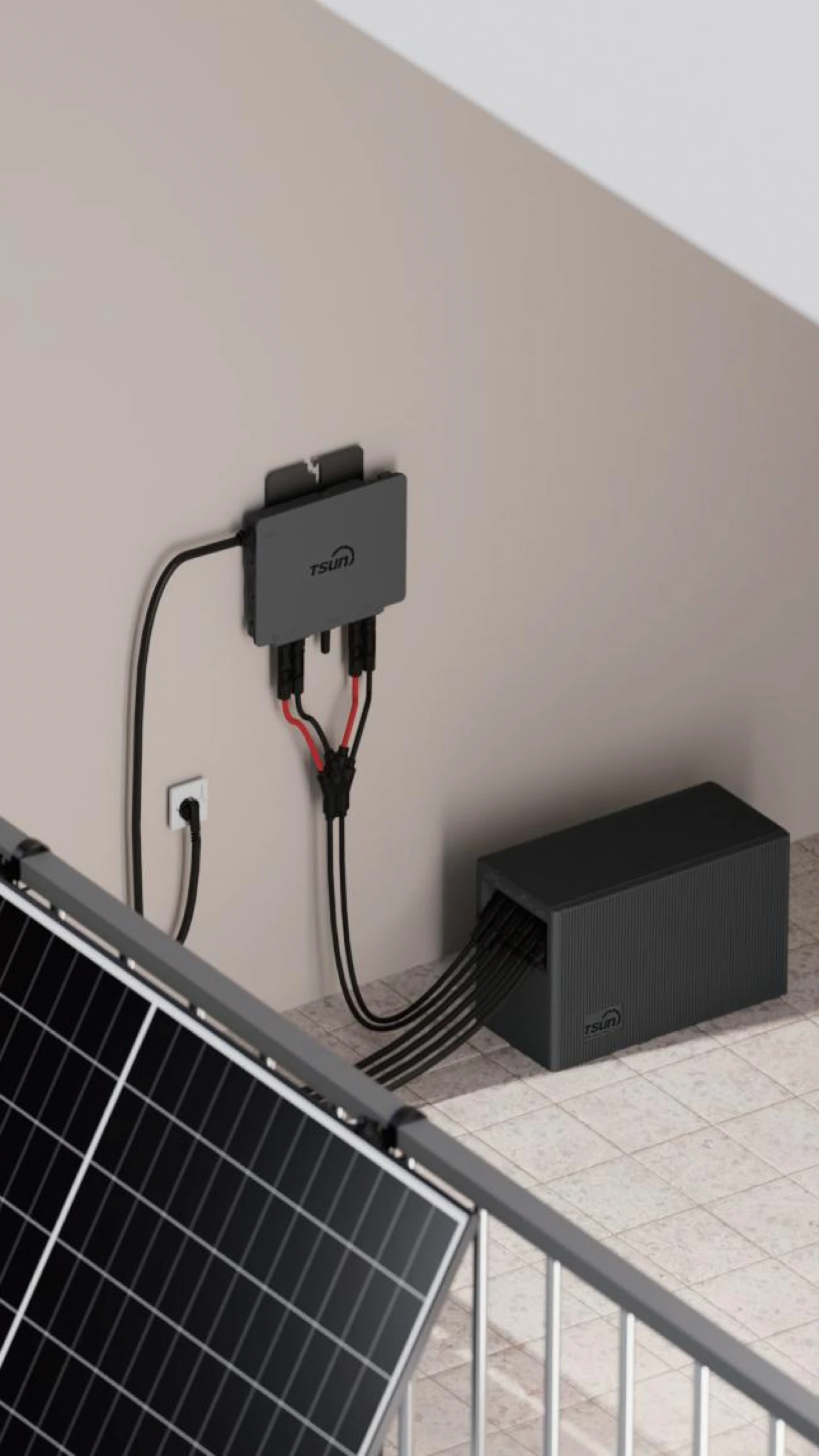
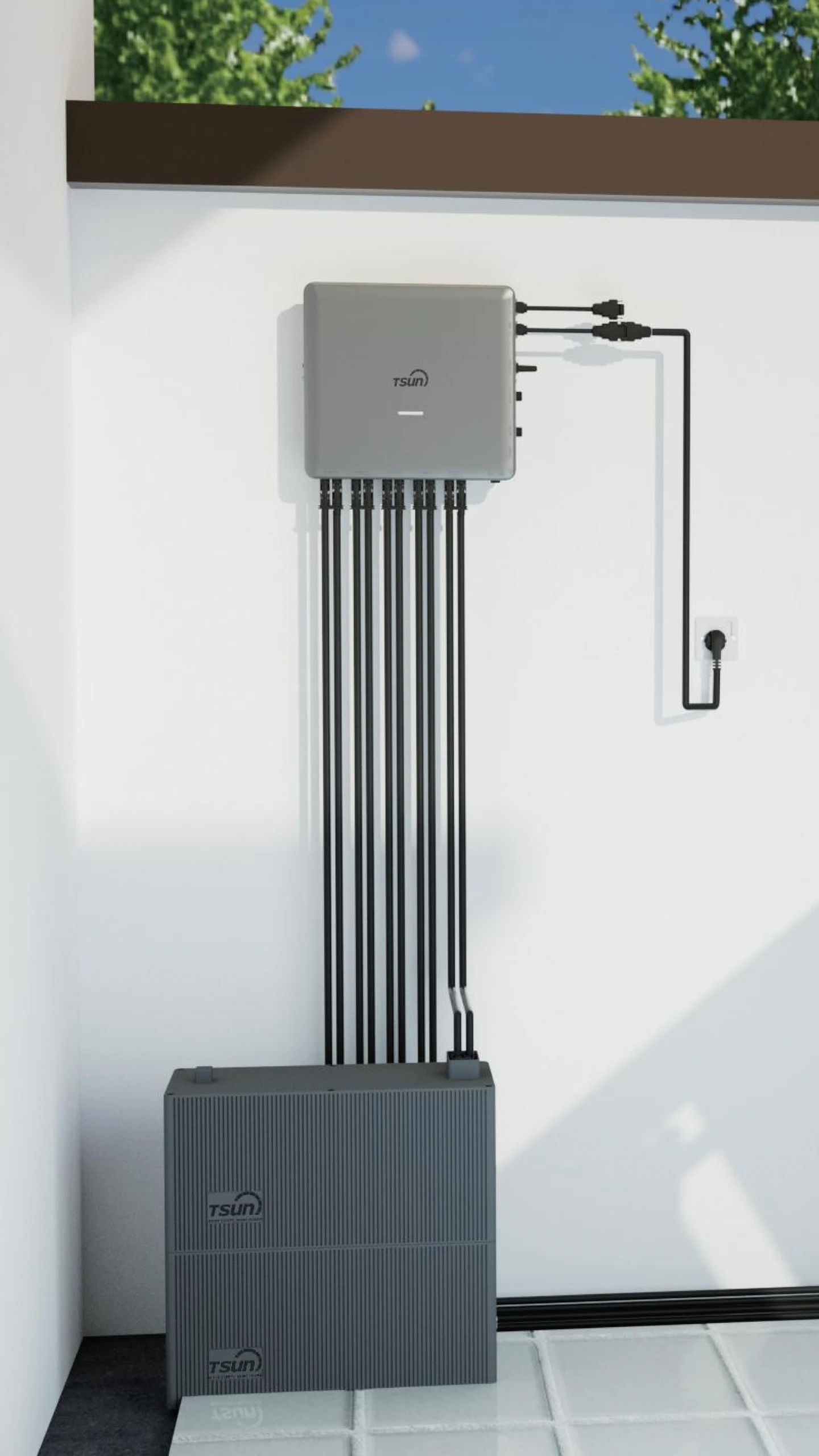
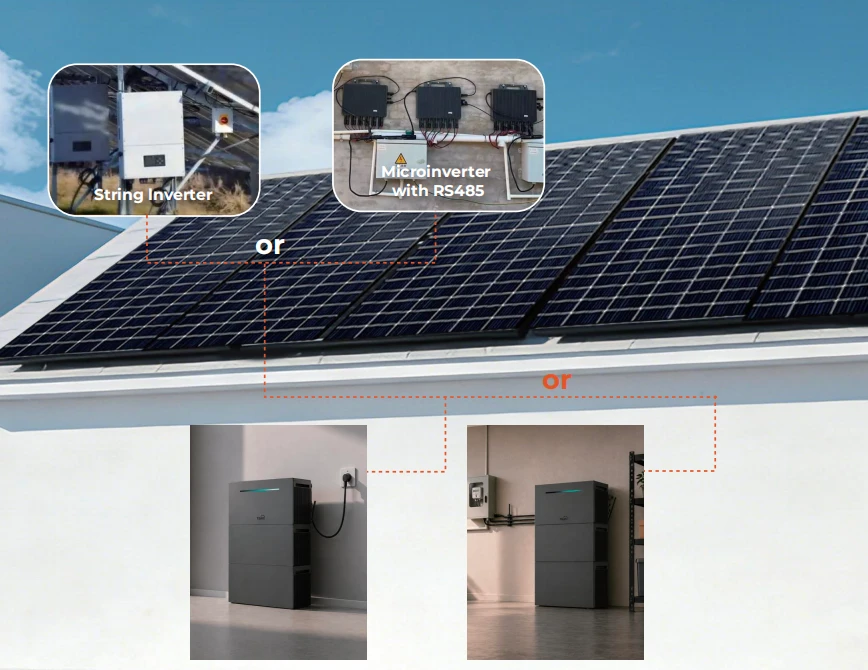
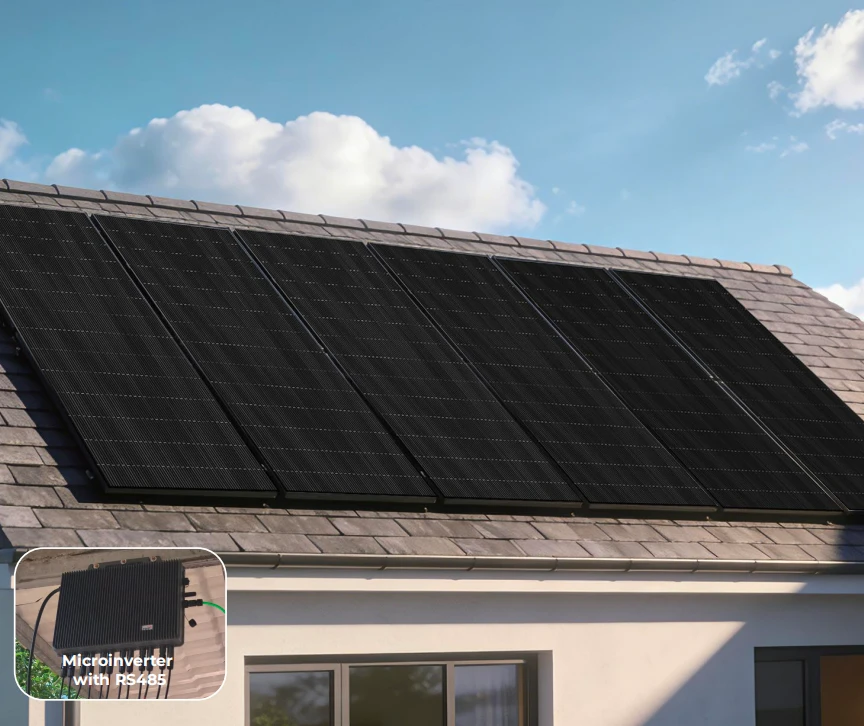
Unlike string inverters, microinverters convert DC to AC at the panel level. This is vital for balcony kits because it eliminates the "Christmas light effect," where one shaded panel drops the output of the entire array. Systems utilizing microinverters (such as 1-in-1 or 2-in-1 units) allow for a safer, low-voltage DC environment on the balcony, with the AC power then delivered directly to the home's electrical socket for immediate consumption.
DIY Installation Safety
A "DIY" approach is common for balcony kits, but safety cannot be compromised. Proper grounding and the use of certified cables (UV resistant) are non-negotiable. Users must ensure that the weight of the panels does not exceed the balcony's load-bearing capacity. Furthermore, the connection to the home grid should be handled via a secure plug or a professional installation to avoid electrical arcs or interference with the building's main circuit breakers.
Energy Storage Compatibility
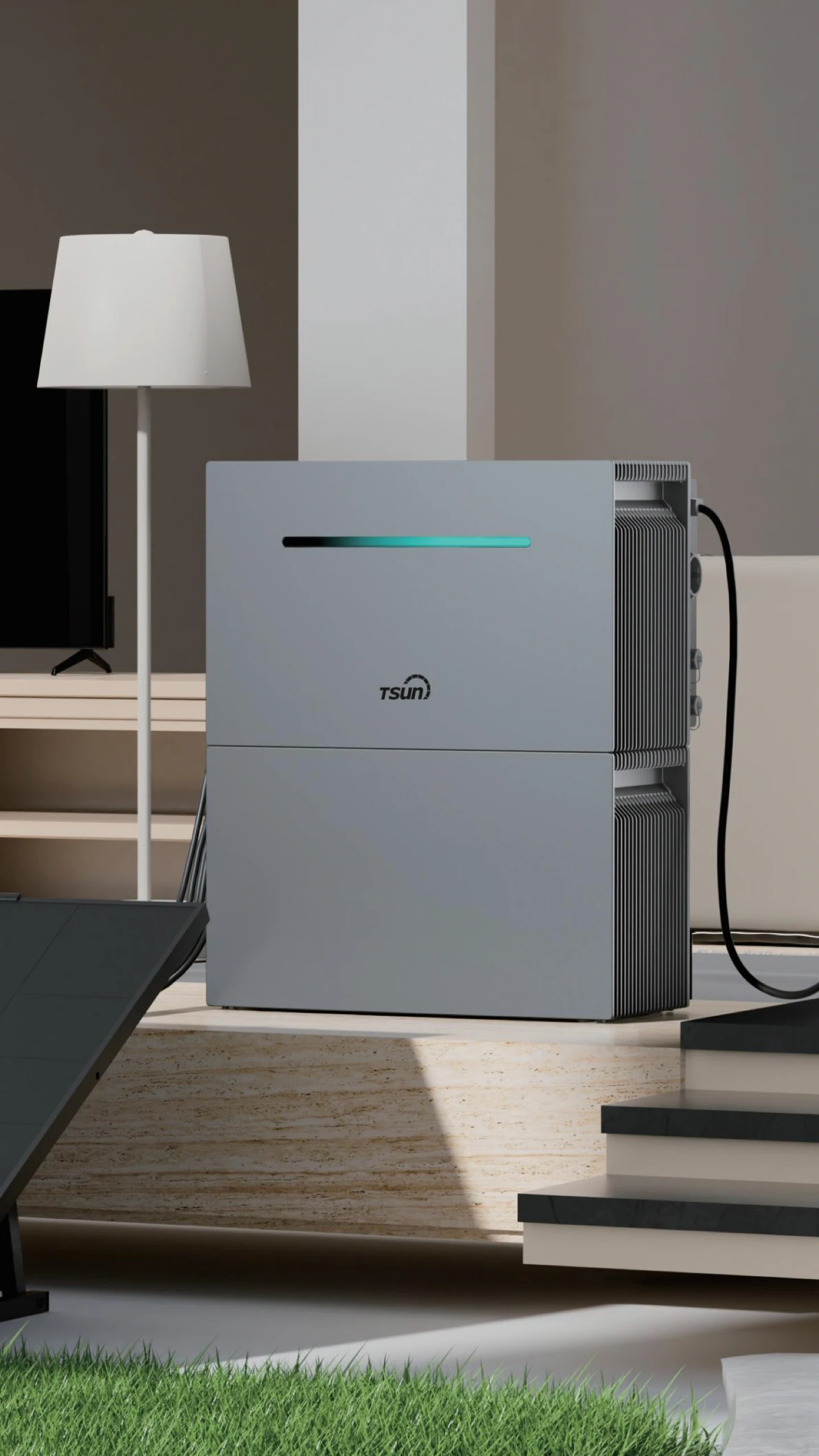
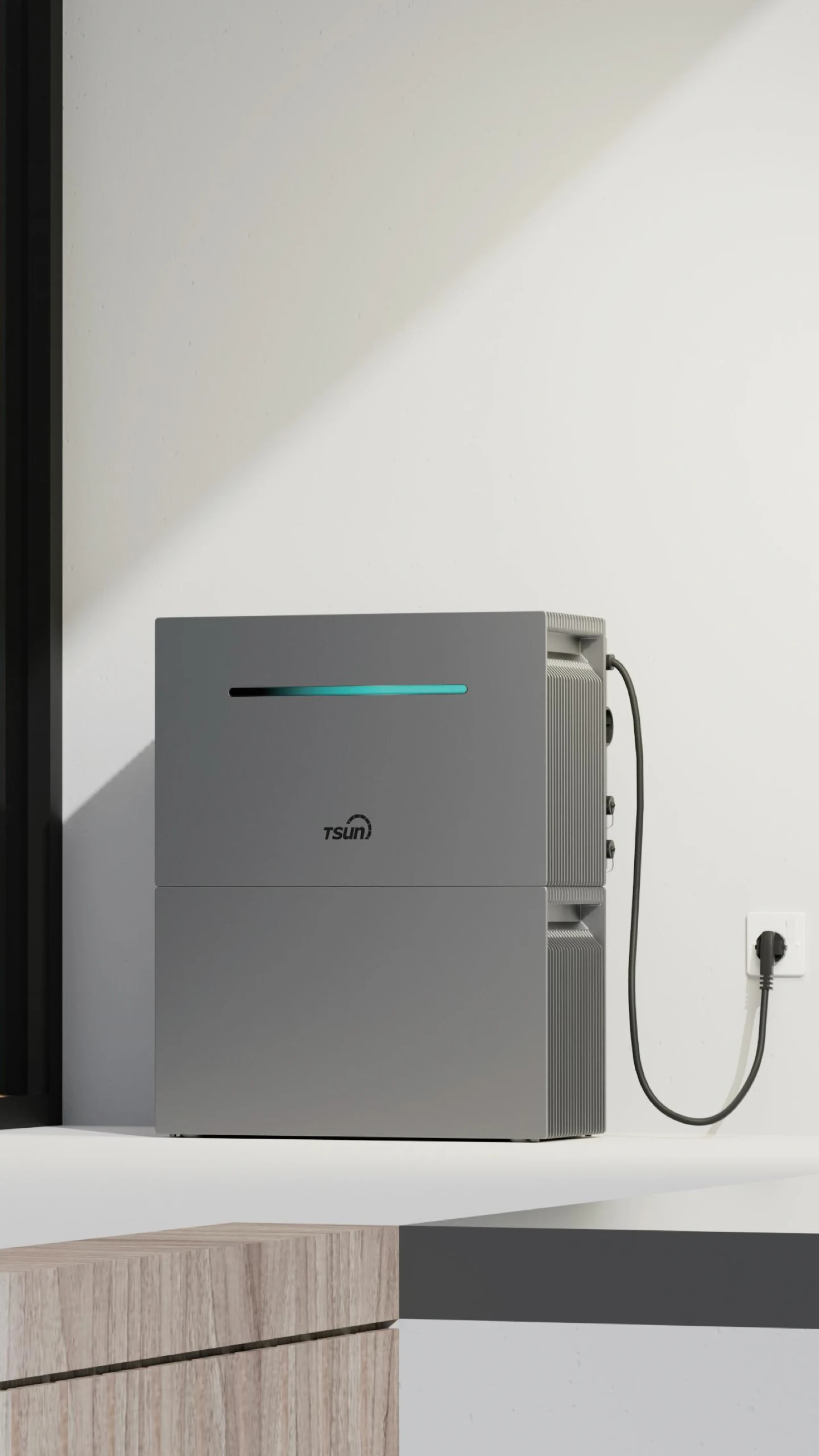
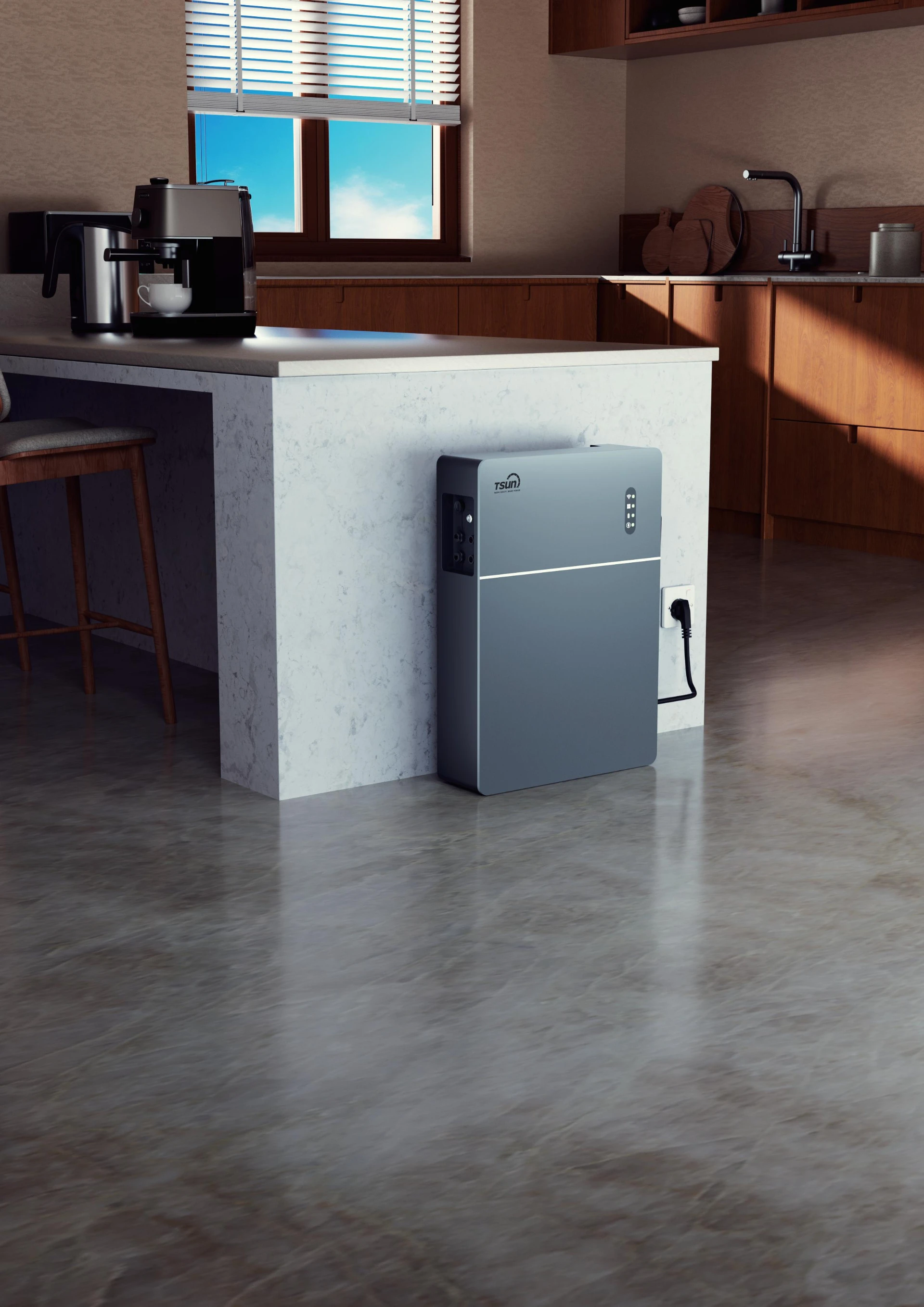
To move beyond simple "on-grid" usage, balcony kits can be paired with AC-coupled storage units. These systems, such as the ACU series, capture surplus energy during the day and discharge it during peak pricing hours. For urban users, a modular battery setup (ranging from 5kWh to 20kWh) allows the system to evolve from a simple offset tool to a genuine energy independence solution, providing backup power during grid instabilities.
Weather Resistance Factors
Balcony hardware is exposed to extreme temperature fluctuations and humidity. High-quality kits utilize IP65 or IP67 rated microinverters to prevent moisture ingress. The frames must be anodized to prevent corrosion from urban pollutants and salt air in coastal cities. Additionally, the mounting hardware should incorporate rubber gaskets to prevent metal-on-metal friction and noise during high winds.
Efficiency Optimization
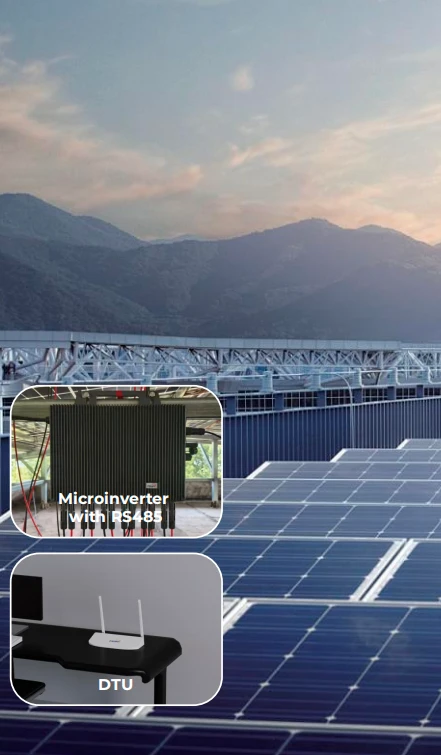
Beyond the angle, efficiency is gained through monitoring. Smart meters and Wi-Fi integrated DTUs (Data Transfer Units) allow users to track real-time production via apps. By analyzing the data, users can fine-tune the panel angle seasonally or identify shading issues caused by growing foliage or new construction nearby, ensuring the kit consistently performs at its rated capacity.
Regulatory Compliance
Different regions have varying laws regarding "plug-in" solar. Some require notification to the grid operator, while others limit the inverter output to 600W or 800W for safety reasons. Buyers must verify that their kit's microinverter complies with local grid codes (such as VDE in Germany) to ensure the system is legal and does not pose a risk to the public utility network.
FAQ
What is the primary advantage of an angled kit over a vertical one?
An angled kit optimizes the angle of incidence between the sun's rays and the solar cells. Vertical panels are only efficient when the sun is low on the horizon; angled panels can capture significantly more energy throughout the day, especially during the summer months when the sun is higher in the sky.
Can I add a battery to my balcony solar system later?
Yes, provided you use an AC-coupled storage system. Since balcony kits typically output AC power via a microinverter, you can integrate an AC Coupled Unit (ACU) that charges a battery pack from the AC line, allowing you to store excess daytime energy for use at night.
Is a professional electrician required for installation?
While many kits are designed as "plug-and-play" for DIY users, local laws often dictate whether a certified electrician must sign off on the installation. It is highly recommended to have a professional verify the home's grounding and circuit capacity to ensure total safety.
How does wind affect angled solar panels on a balcony?
Angled panels act like sails and can experience significant lift or pressure during storms. High-quality kits use heavy-duty brackets and secure fastening mechanisms to ensure the panels do not shift or detach. Always check the wind-load rating of the brackets before installing in high-rise environments.
Which microinverter is best for a 2-panel balcony setup?
A 2-in-1 microinverter is generally ideal for this configuration. It allows two separate panels to be connected to a single inverter, optimizing the output of each panel independently and simplifying the wiring to a single AC plug for the home grid.
What happens to my balcony solar system during a power outage?
Standard on-grid microinverters have an "anti-islanding" feature that automatically shuts them down during a power outage for safety reasons. However, if you have a hybrid storage system with a backup function, the system can switch to off-grid mode to power critical appliances.
References and further reading
- International Electrotechnical Commission (IEC) Standards for Photovoltaic Modules.
- Urban Energy Planning: Optimization of Small-Scale Solar Arrays in High-Density Cities.
- Guide to AC-Coupled Energy Storage Systems for Residential Applications.