Top Vertical Easy Balcony Solar Panel Kits Manufacturer TSUN
Integrating solar energy into urban living spaces often presents significant architectural challenges, particularly for apartment dwellers with limited roof access. The shift toward plug-and-play energy solutions has made vertical balcony installations a viable alternative for reducing household electricity costs. By utilizing high-efficiency microinverters and specialized mounting hardware, residents can now transform underutilized balcony railings into active power-generating hubs without requiring extensive electrical renovations.
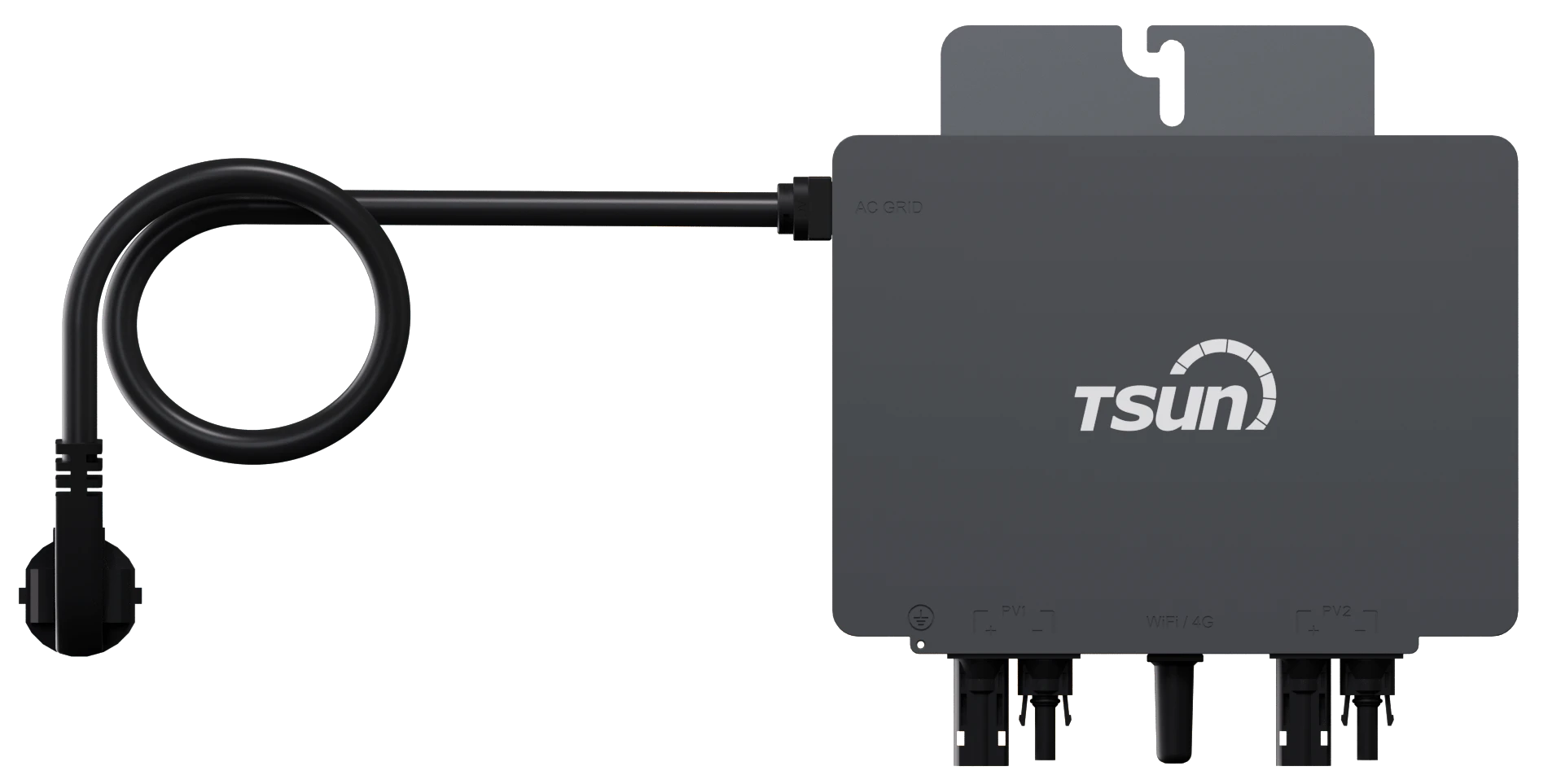
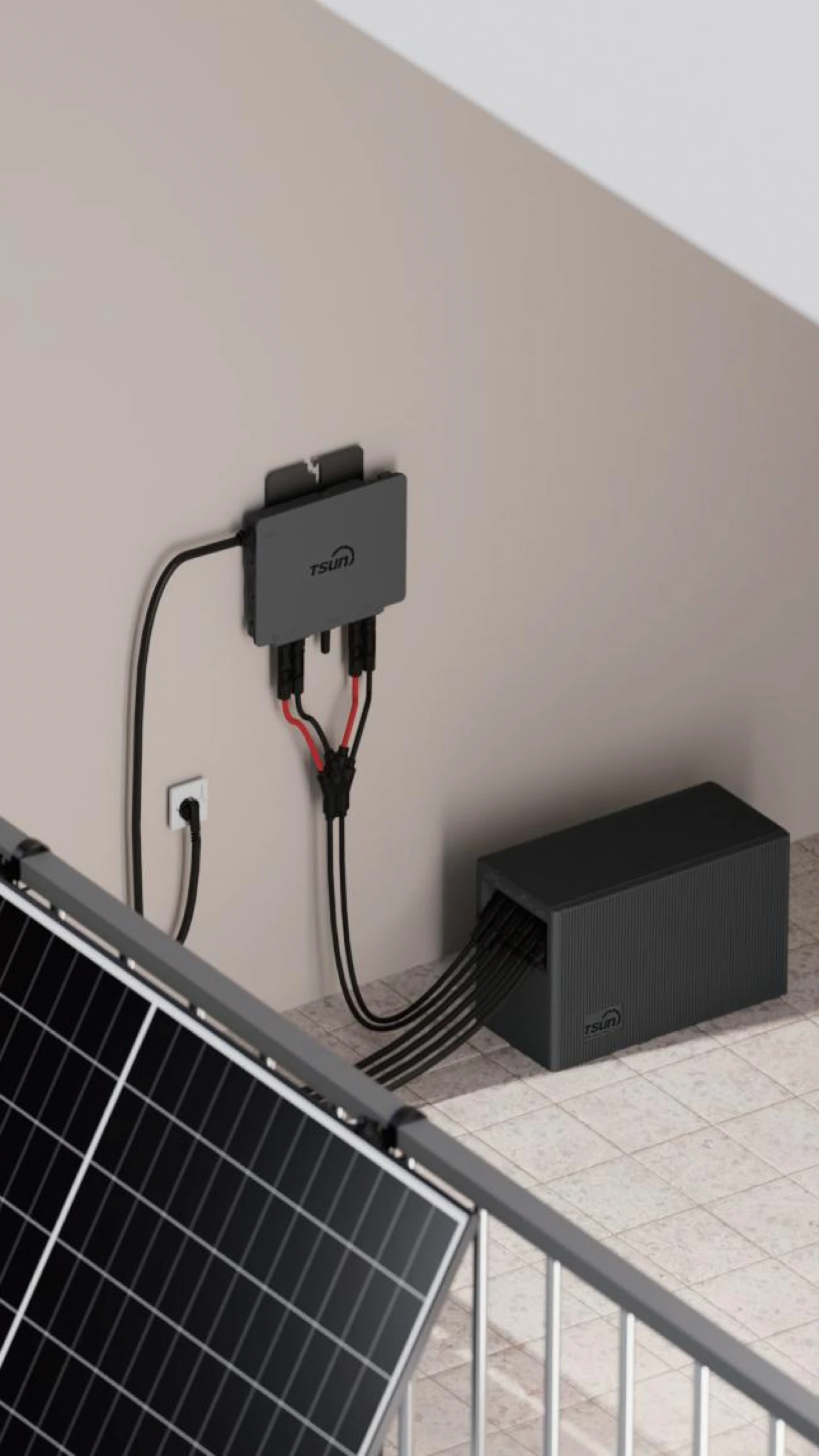
The TSUN 4-in-1 Microinverter (Daisy Chain) series represents a pivotal advancement in this sector, allowing for the seamless connection of four solar panels to a single unit. This architecture minimizes wiring complexity and maximizes energy harvest from varied light conditions. For those seeking a reliable vertical easy balcony solar panel kits manufacturer, the focus must remain on system flexibility, ease of installation, and the ability to scale energy production as needs evolve.

Optimizing Urban Energy Harvest Through Daisy Chain Microinverter Technology
Modern urban solar deployment requires hardware that can handle the intermittent shading and varying angles typical of balcony environments. The 4-in-1 Microinverter design employs independent Maximum Power Point Tracking (MPPT) for each of the four connected panels. This ensures that if one panel is partially shaded by a neighboring building, the remaining three continue to operate at peak efficiency, preventing the "Christmas light effect" where one weak link degrades the entire string.
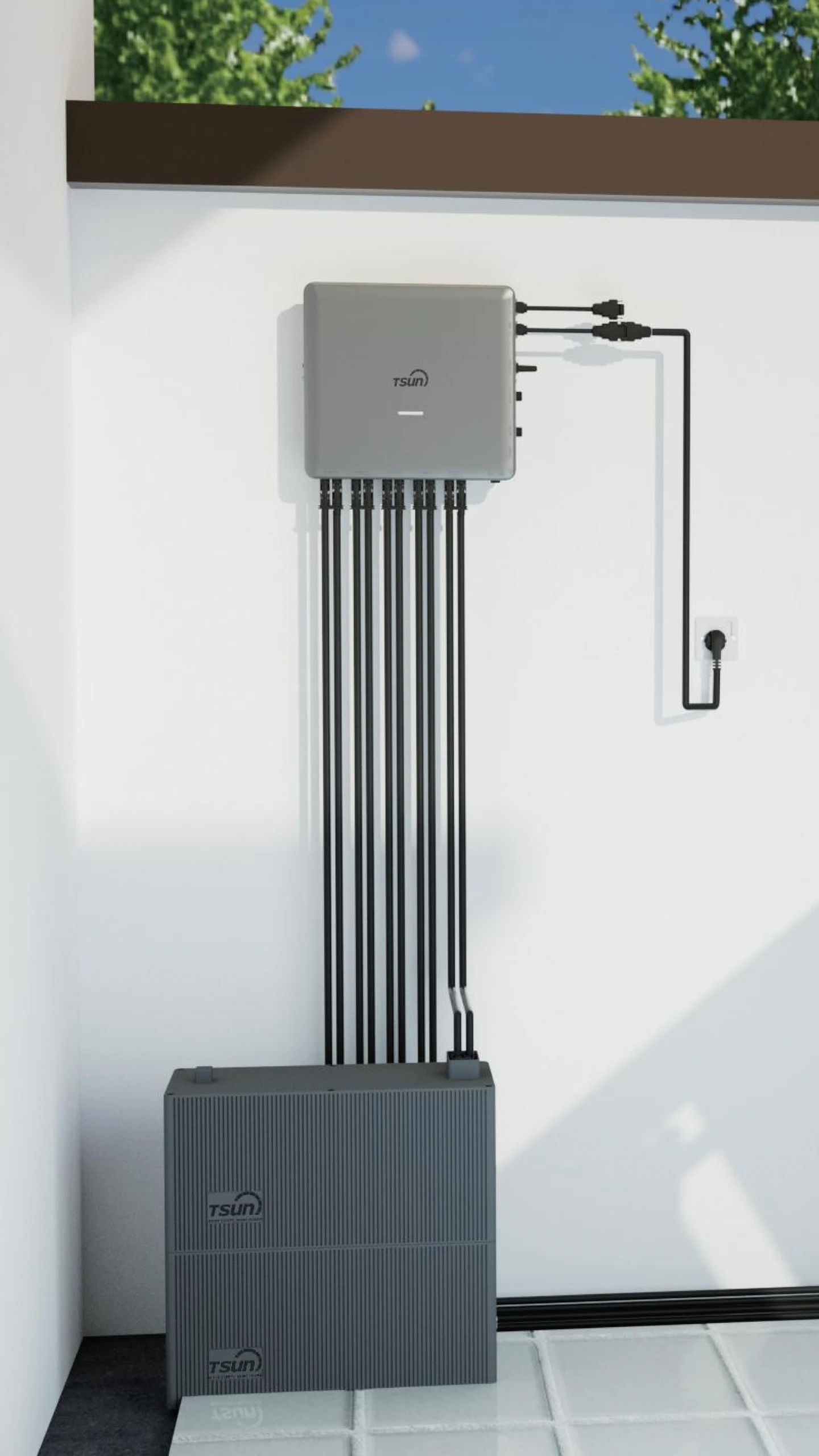
The "Daisy Chain" functionality is particularly critical for scalability. Users can connect multiple microinverters in series, creating a streamlined power path that leads directly to the AC grid. This reduces the need for heavy-gauge cabling and complex combiner boxes, making it an ideal solution for DIY enthusiasts and professional installers alike. By integrating these units into vertical kits, users can maximize the vertical plane of their balconies, which often receives more direct sunlight during winter months than flat roof surfaces.
- Independent Power Management: Each panel's output is managed separately to eliminate efficiency losses.
- Rapid Scalability: Easy series connection allows for the expansion of the system from 1.6kW up to 2kW and beyond.
- Plug & Play Simplicity: Designed for quick configuration without the need for advanced electrical engineering skills.

Technical Architecture and Performance Capabilities of the 4-in-1 Series
The TSUN 4-in-1 series is engineered for high-output performance, with models providing nominal continuous output power ranging from 1600W to 2000W. This capacity is specifically tailored to match the current generation of high-wattage solar modules (300W to 700W+), ensuring that the inverter does not become a bottleneck for energy production. The wide MPPT voltage range of 16-60V provides excellent compatibility across various panel brands and specifications.
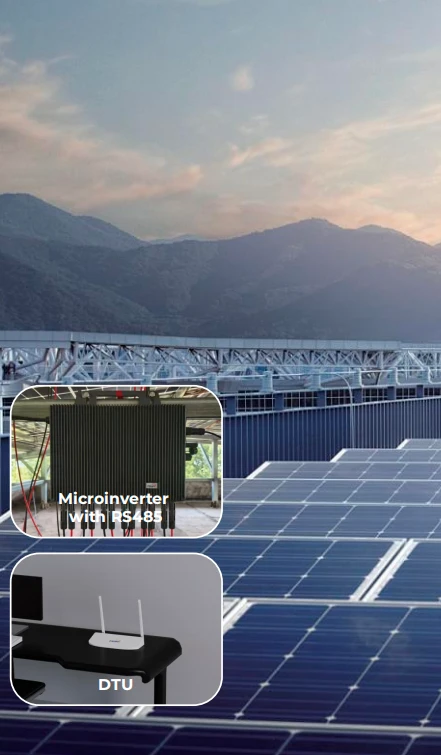
Reliability in extreme environments is a core design pillar. The units feature advanced heat dissipation technology and are constructed from durable, weather-resistant materials. Whether facing high summer temperatures or freezing winter conditions, the internal circuitry is protected to maintain stable AC output. Furthermore, the integration of self-checking and diagnostic functions allows users to monitor the health of their system in real-time via a dedicated platform, ensuring that any performance dips are identified and resolved immediately.
From a weight and size perspective, the 3.75kg chassis is compact enough to be mounted discretely behind panels or beneath balcony floors, maintaining the aesthetic appeal of the residential space while providing robust industrial-grade power conversion.
Application Scenarios: From DIY Balconies to Micro-Grid Residential Hubs
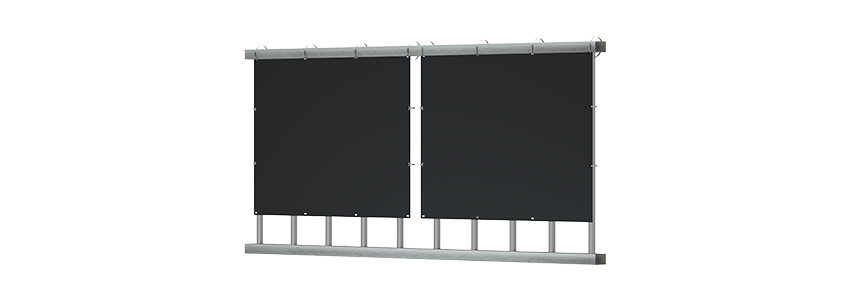
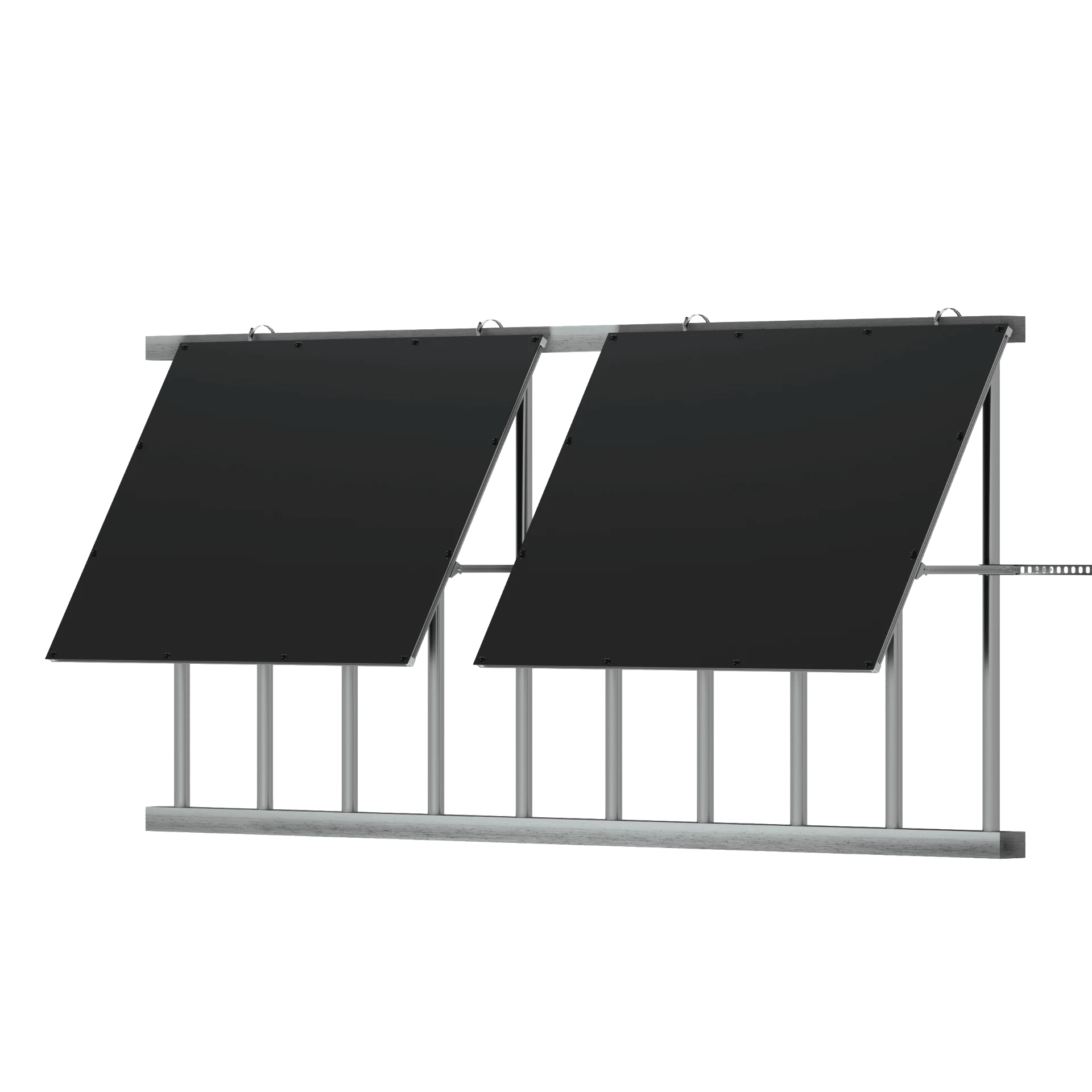
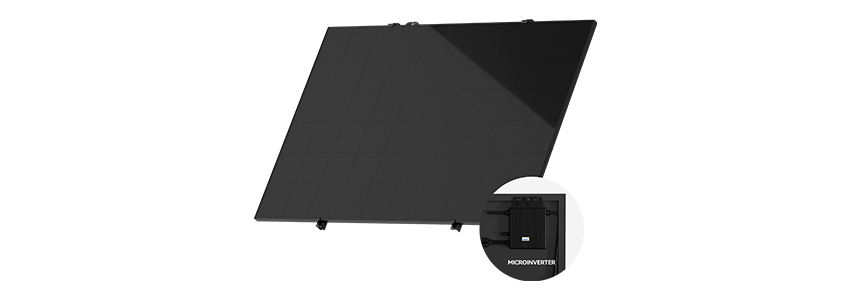
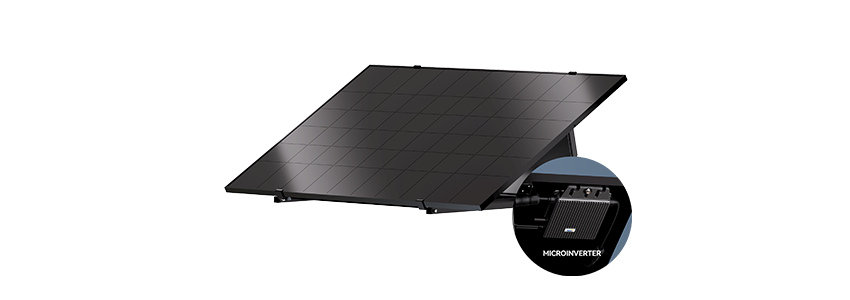
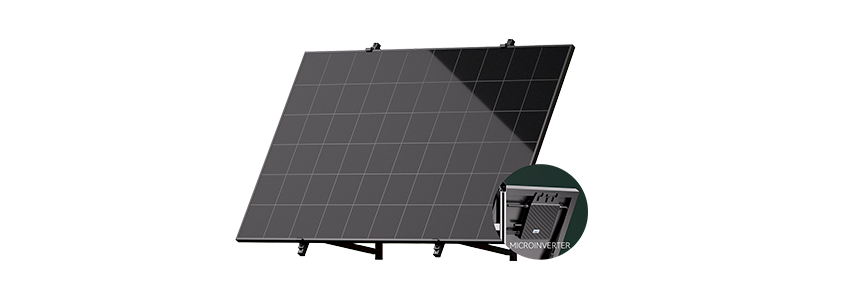
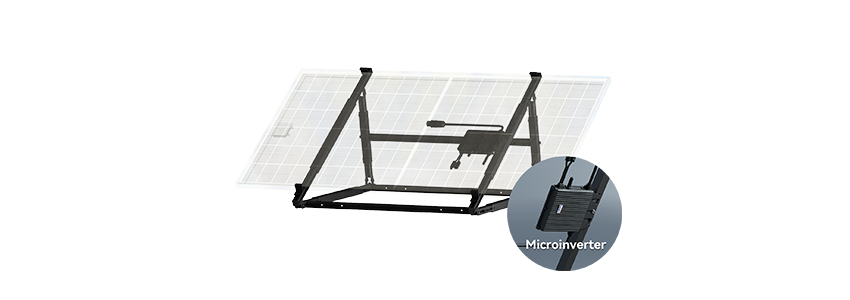
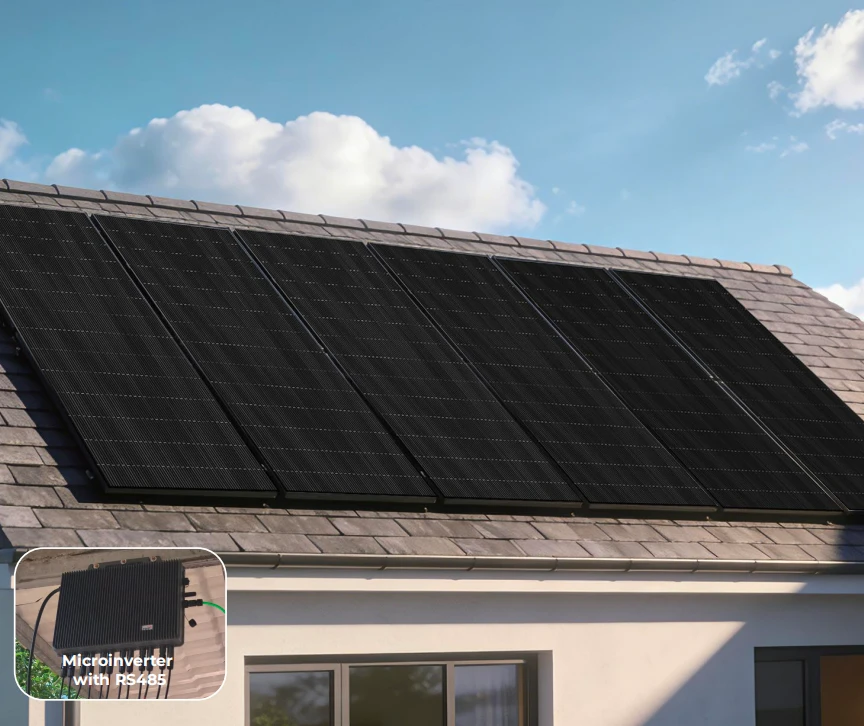
The versatility of the 4-in-1 microinverter allows it to be deployed across a spectrum of residential and light commercial scenarios. In a typical balcony setup, the unit is paired with vertical brackets that secure panels to the railing. This "verticality" is key; it not only saves space but also optimizes the angle of incidence for lower-altitude winter sun. The plug-and-play nature of the system means a homeowner can set up a 2kW system in a single afternoon.
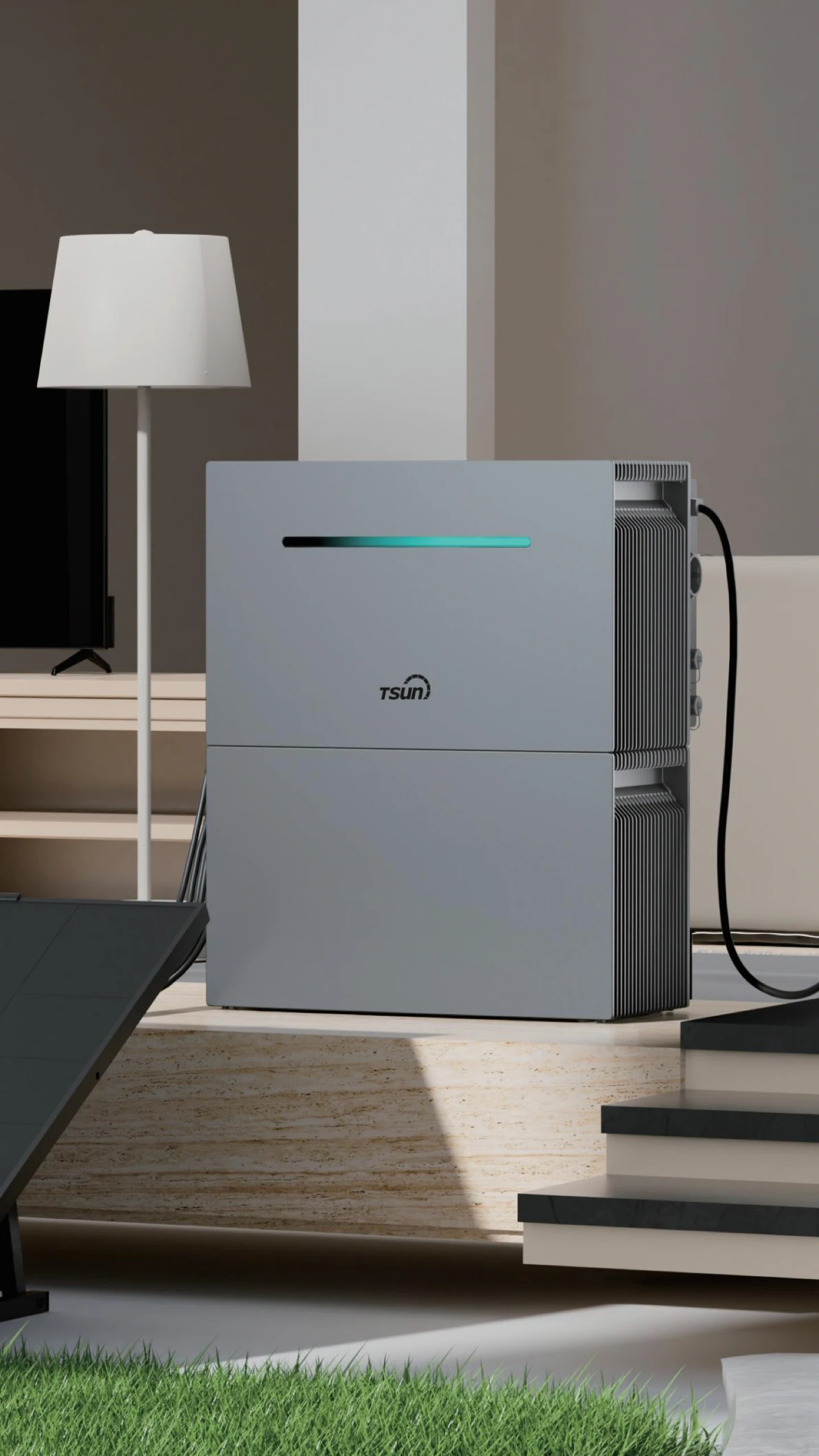
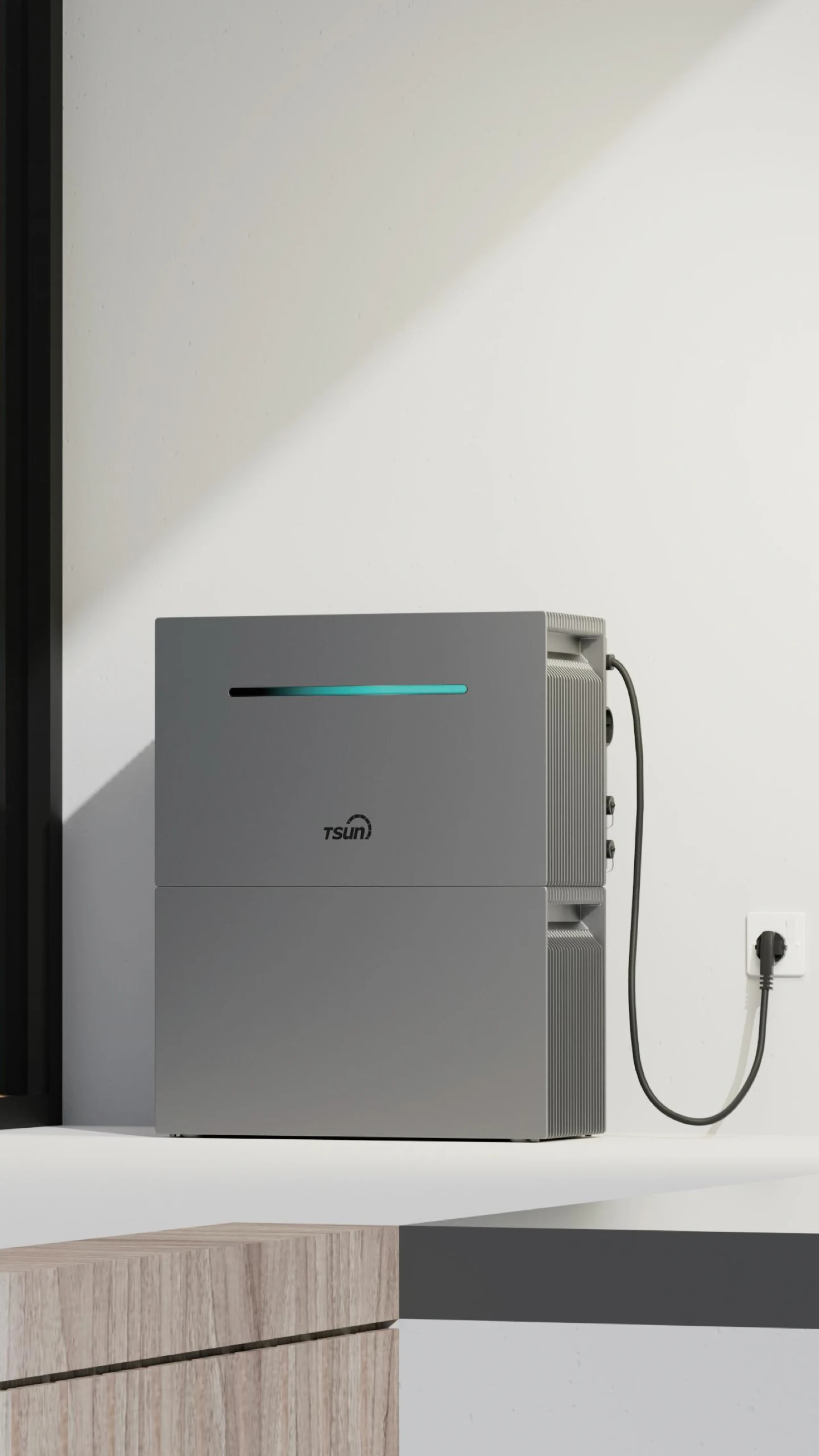
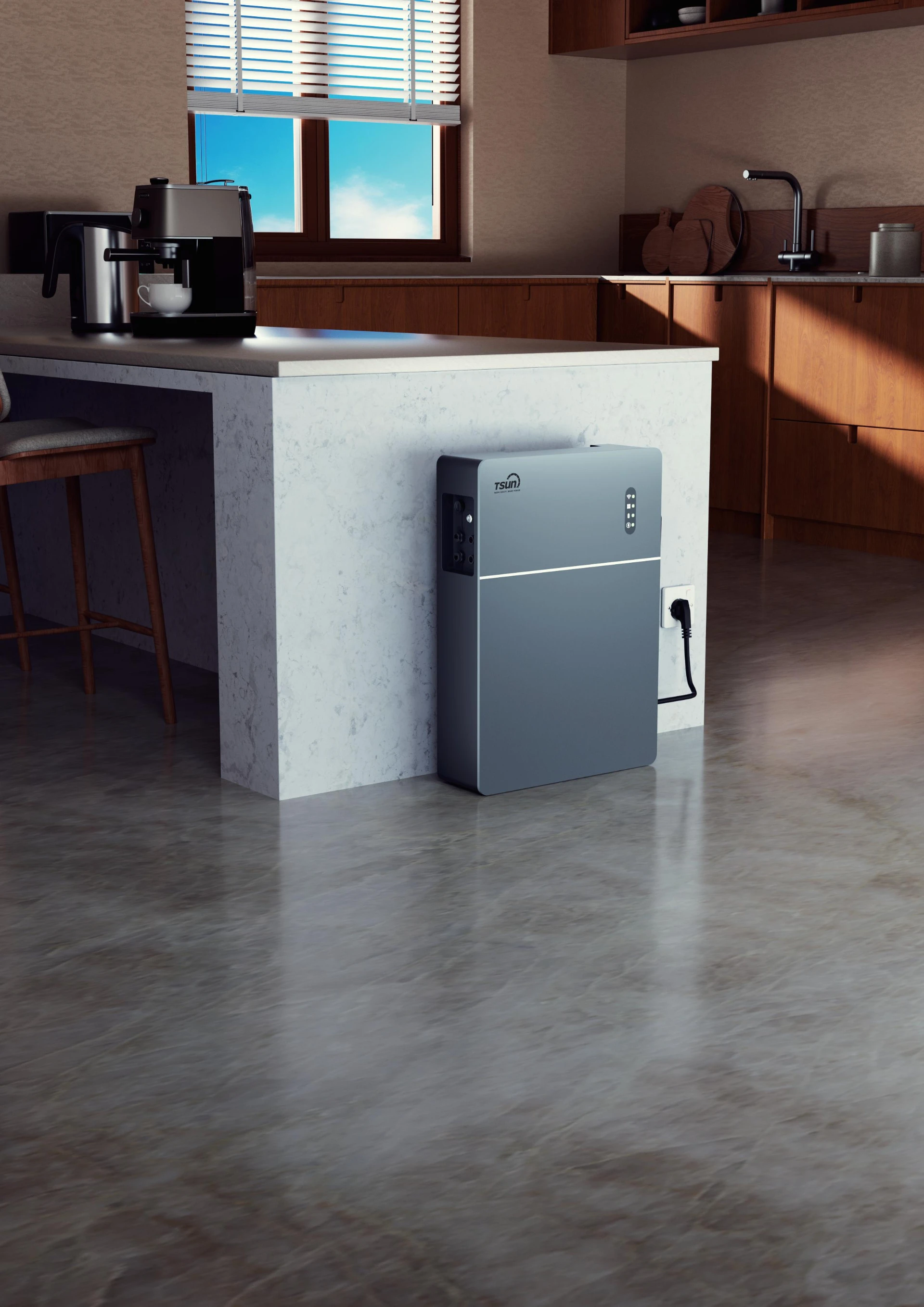
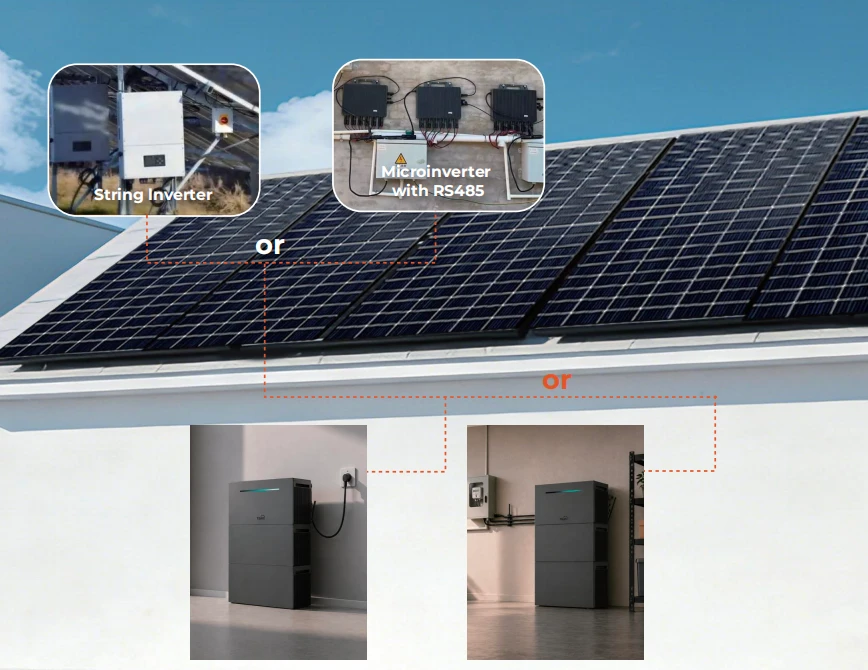
Beyond simple balconies, these systems are increasingly used in courtyards, carports, and flat-roofed garden sheds. When integrated with storage solutions like the SolarCan (DC Coupled Unit) or the PowerTrunk (Micro AC Coupled Unit), the system evolves from a simple grid-tie setup into a comprehensive micro-energy storage solution. This allows users to store surplus energy generated during the day and discharge it during peak evening hours, significantly increasing the self-consumption rate of the produced solar energy.
For professional distributors, offering these kits as a bundled solution—including the PV module, microinverter, DIY bracket, and cables—reduces the barrier to entry for consumers. It transforms a complex engineering project into a consumer product, driving the adoption of green energy in densely populated urban centers.
Technical Specifications and Model Comparison
| Parameter |
TSOL-MS1600 |
TSOL-MS1800 |
TSOL-MS2000 |
Applicability |
| Nominal Output Power |
1600W |
1800W |
2000W |
High-Efficiency Demand |
| Recommended Module Power |
300-700+ W |
300-700+ W |
300-700+ W |
Universal Compatibility |
| MPPT Voltage Range |
16-60 V |
16-60 V |
16-60 V |
Low-Light Optimization |
| Max Input Current |
16 A |
16 A |
16 A |
Standard High-Watt Panels |
| Unit Weight |
3.75 kg |
3.75 kg |
3.75 kg |
Compact Installation |
Strategic Procurement and Quality Evaluation for Solar Components
When evaluating a supplier for balcony solar systems, procurement managers and distributors should look beyond the initial price point. The long-term value of a microinverter system is determined by its efficiency curve, thermal management, and the robustness of its monitoring ecosystem. A high-quality system must offer seamless integration between the hardware and the software, allowing for remote diagnostics that reduce the need for costly on-site maintenance visits.
Customization capability is another critical factor. As urban architectural styles vary, the ability to adapt mounting hardware and inverter configurations to specific site requirements is a competitive advantage. TSUN focuses on a modular approach, ensuring that the 4-in-1 units can be integrated into a wider range of "Easy Solar Kits" that cover everything from ground-mounted pop-ups to vertical balcony arrays.
Furthermore, the importance of "Plug & Play" certification cannot be overstated. For the end-user, the reduction of installation risk is a primary selling point. For the manufacturer, maintaining rigorous quality control over the Daisy Chain connectors ensures that the system remains stable even after years of exposure to outdoor humidity and temperature fluctuations.
The Future of Urban Micro-Generation and Energy Autonomy
The trend in residential solar is moving away from massive, centralized roof arrays toward distributed micro-generation. As electricity prices fluctuate and the desire for energy independence grows, the "balcony solar" movement is expanding. We are seeing a transition from simple on-grid systems to hybrid models where microinverters are paired with stackable battery packs. This shift allows users to manage their own energy load without relying entirely on the utility grid.
Looking forward, the integration of smarter AI-driven monitoring will allow these systems to automatically optimize power distribution based on real-time weather forecasts and household consumption patterns. The role of the microinverter will expand from a simple DC-AC converter to a smart energy node within a larger residential micro-grid. For those investing in this technology today, selecting hardware that supports scalability—such as the Daisy Chain 4-in-1 series—is the most effective way to future-proof an urban energy installation.
Frequently Asked Questions About Balcony Solar Systems
Does the Gen3 4-in-1 series support connecting solar panels with different power outputs?
Yes, the Gen3 Microinverters (4-in-1 series) can intelligently manage solar panels with different power outputs. The system automatically balances and optimizes the output of each individual panel to ensure the overall system efficiency is maximized, regardless of mixed power ratings.
How can I tell if my microinverter is performing normally during daily use?
Users can view the real-time output data of each connected solar panel through the monitoring platform. The system features built-in self-checking and diagnostic functions; if any abnormality is detected, the alarm system will prompt the user to help quickly locate and resolve the issue.
How does the system handle extreme weather or high temperatures?
The units are designed with advanced heat dissipation technology and durable materials to ensure stable operation under extreme weather conditions. Their wide temperature resistance range ensures long-term reliability across different global climates.
What are the main advantages of the Daisy Chain connection method?
The Daisy Chain method allows multiple microinverters to be connected in series, significantly reducing wiring complexity. This makes it easy to expand the system's total power capacity as needed without requiring a complete redesign of the electrical layout.
Is professional electrical training required to install these kits?
No, the product supports Plug & Play installation. It is designed to allow users to quickly configure the system without professional electrical skills, though we always recommend following local regulations regarding grid connections.
Can these microinverters be used with a battery storage system?
Yes, they can be integrated into broader solutions. When paired with units like the SolarCan or PowerTrunk, these microinverters contribute to a hybrid storage system that stores excess energy for later use.
Technical Resources and Further Reading
Choosing the right components for an urban solar installation requires a balance of efficiency, safety, and scalability. By focusing on advanced microinverter technology and modular design, urban residents can effectively reduce their carbon footprint and energy costs.
Ethan Reynolds
Ethan Reynolds is our Lead Product Specialist, focused on the Power Trunk and Solar Trunk product lines. He boasts a strong background in power electronics and battery storage technologies. Ethan's role involves rigorous testing, quality assurance, and close collaboration with the engineering team to refine our storage system solutions. He's instrumental in ensuring our products meet the highest safety and performance standards, and is particularly proud of the advancements made in the MAU5000 and MSU series. Ethan is a firm believer in the benefits of microgrid technology and the role our solutions play in building a more resilient energy future. He has a Masters degree in Electrical Engineering.






 LEARN DETAILS
 Downloads
 Video Center
 Report Fault for Repair
 FAQS
 Service Network
 Privacy Policy
 Contact Us
 Monitoring