Understanding the Microinverter 600w: Powering a Sustainable Future
In a world increasingly turning towards renewable energy, the microinverter 600w is quietly cementing its role as a game changer for solar power systems globally. But what exactly is a microinverter of this specification, why does it matter so much on a global scale, and how can understanding it benefit industries, communities, and households? Let’s unpack this essential technology—its meaning, practical components, and why it increasingly pops up in conversations on solar energy solutions.
Global Context: Why Microinverters Matter Now
Renewable energy adoption is accelerating worldwide, fueled by environmental imperatives and policy initiatives. According to the International Energy Agency (IEA), solar photovoltaic (PV) capacity has surged by 20% annually over the last five years, making solar the fastest-growing renewable energy source. Oddly enough, many of these installations rely on traditional string inverters, which can limit efficiency and flexibility in certain conditions.
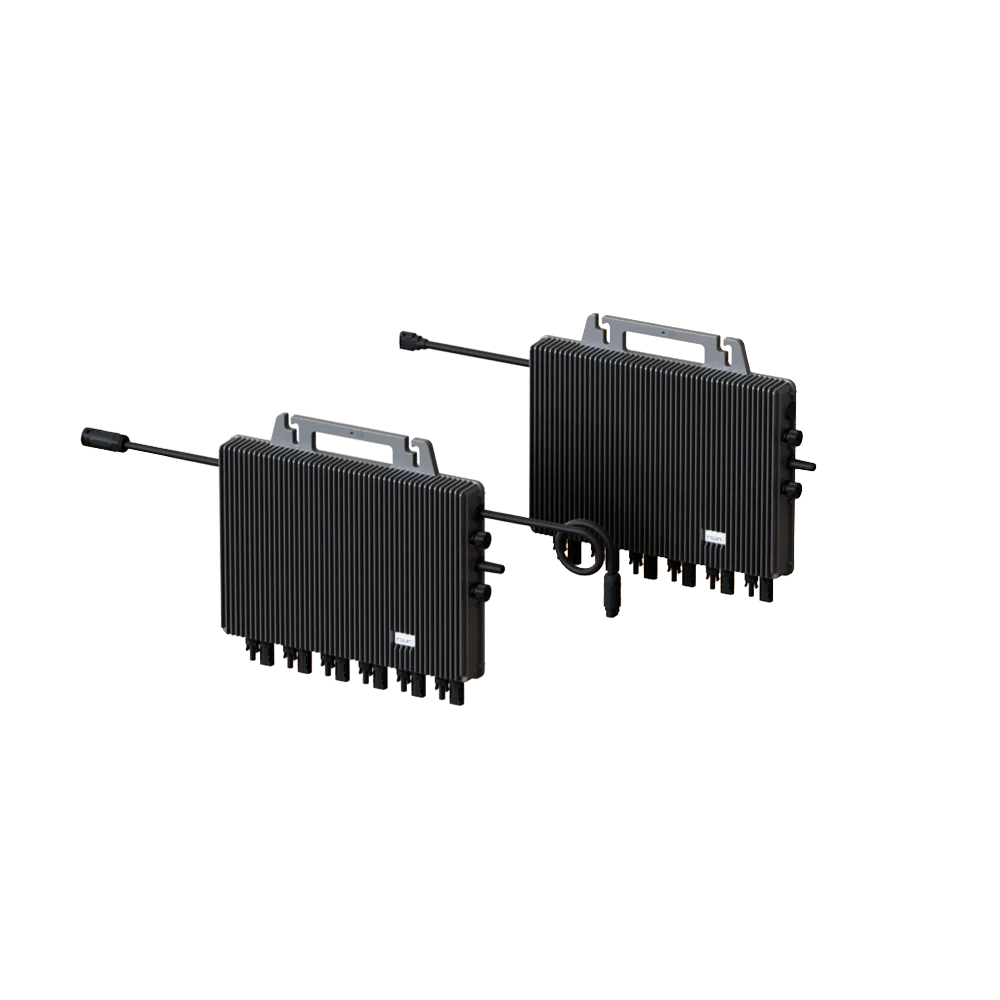
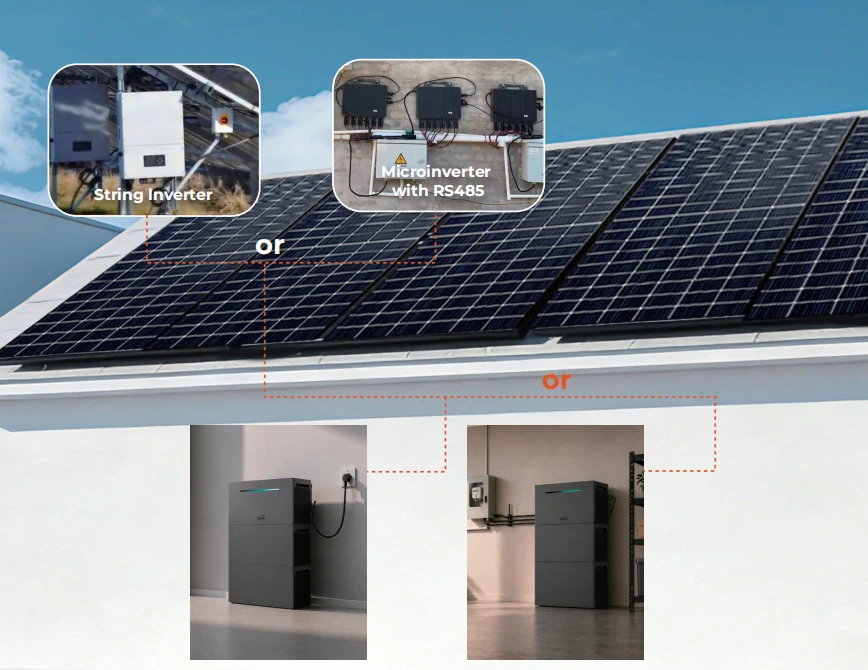
Enter the microinverter, notably the microinverter 600w. These smaller, decentralized units handle power conversion on a per-panel basis, mitigating shading or panel mismatch issues prevalent in many urban or industrial solar arrays. This technology doesn't just solve technical headaches – it also directly impacts global energy accessibility and resilience, especially in off-grid or disaster-prone regions struggling with reliable power.
Mini takeaway: The microinverter 600w is vital as solar energy scales globally, offering localized, efficient power conversion crucial for modern renewable systems.
What Is a Microinverter 600w?
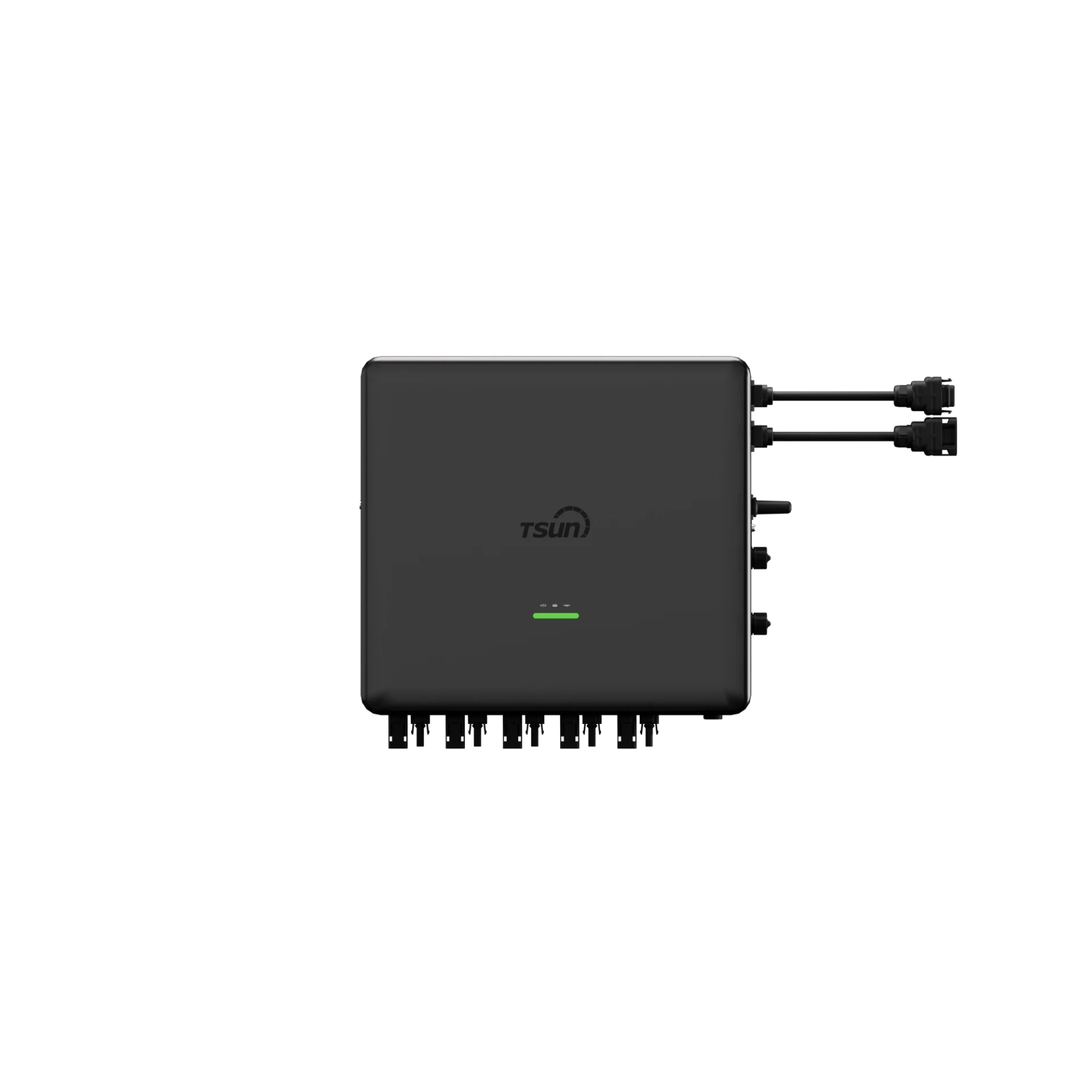
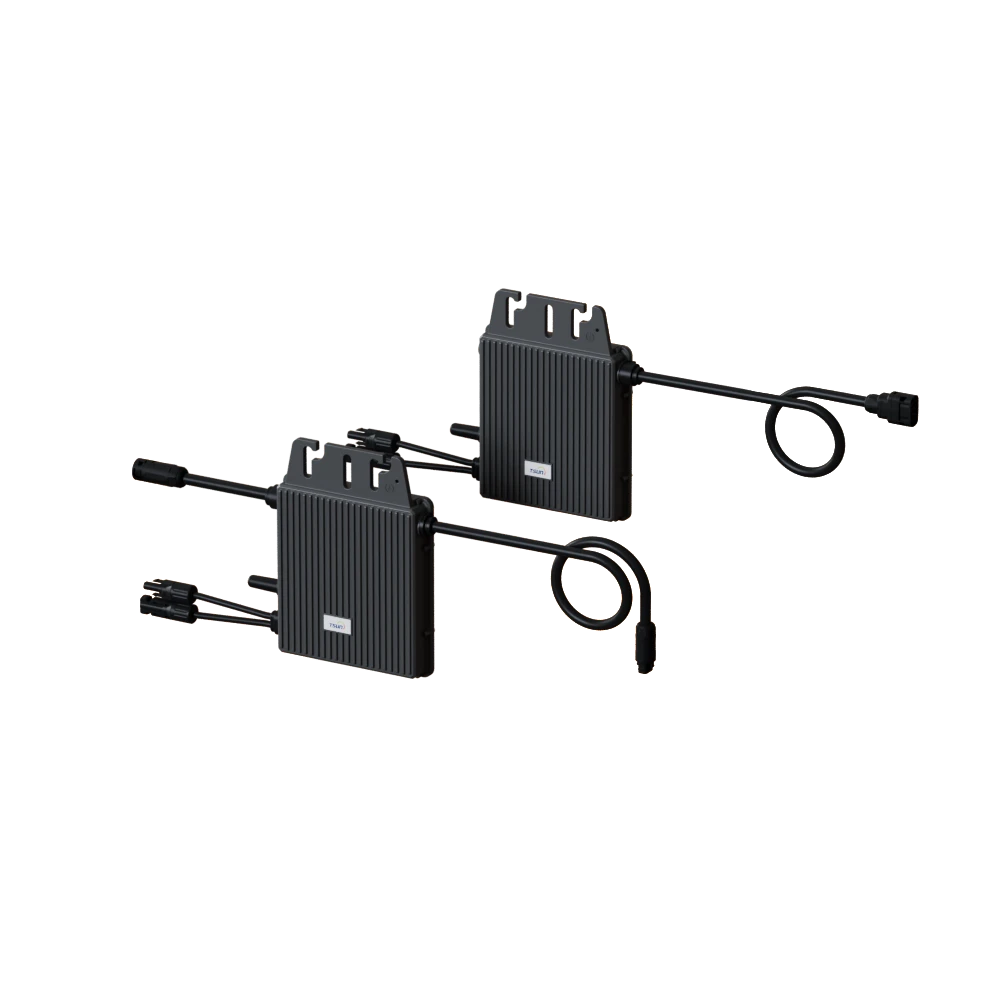
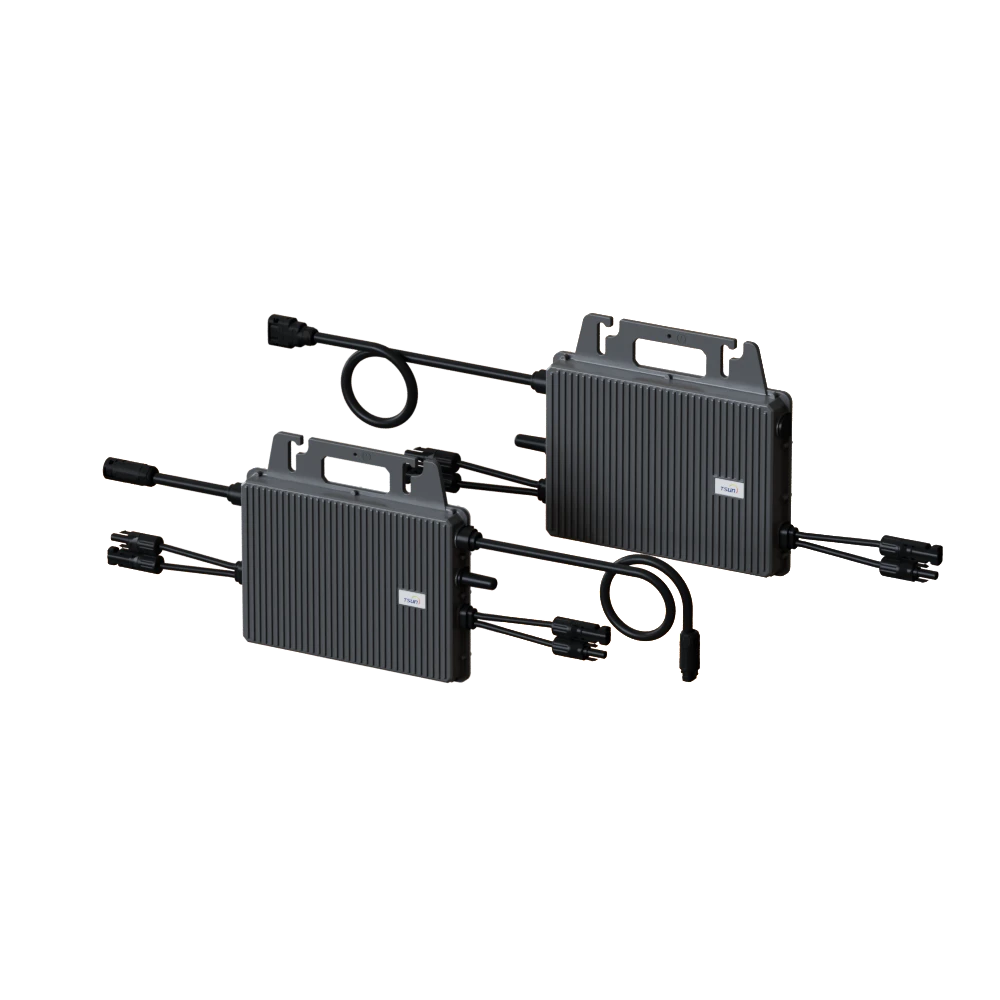
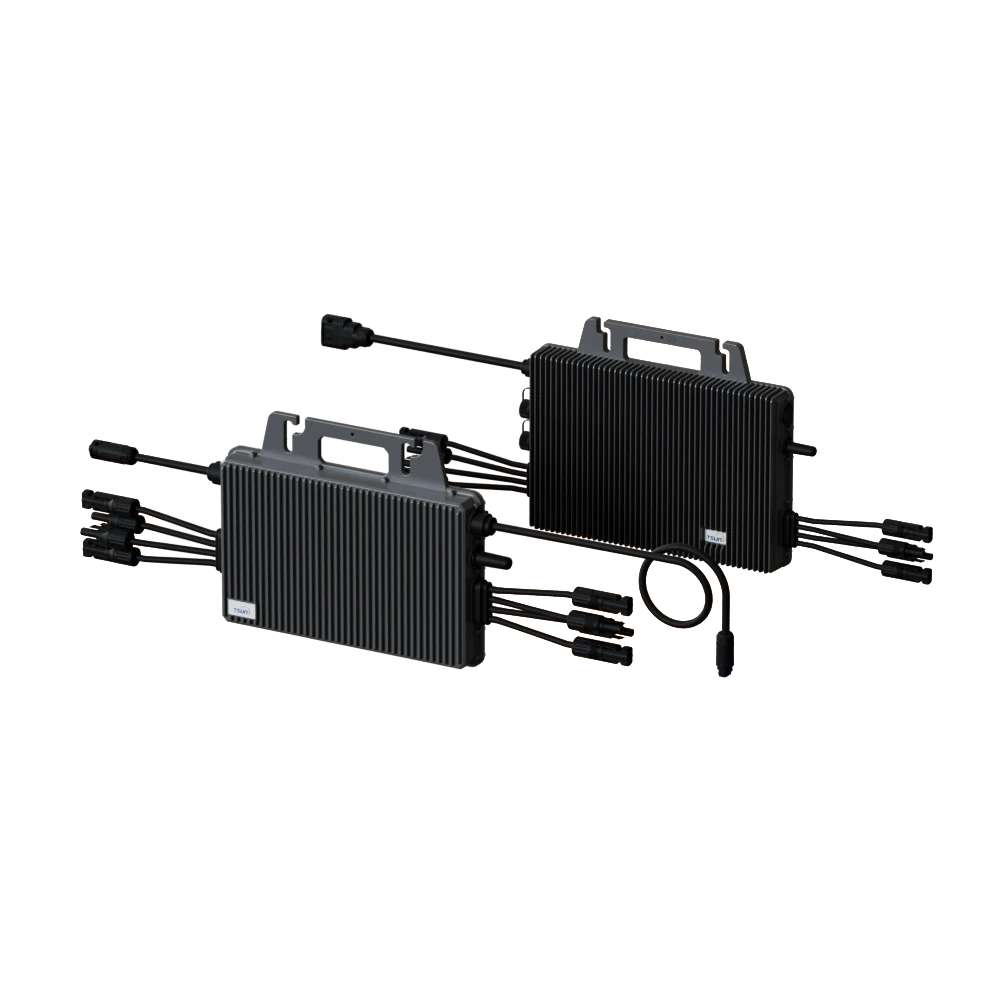
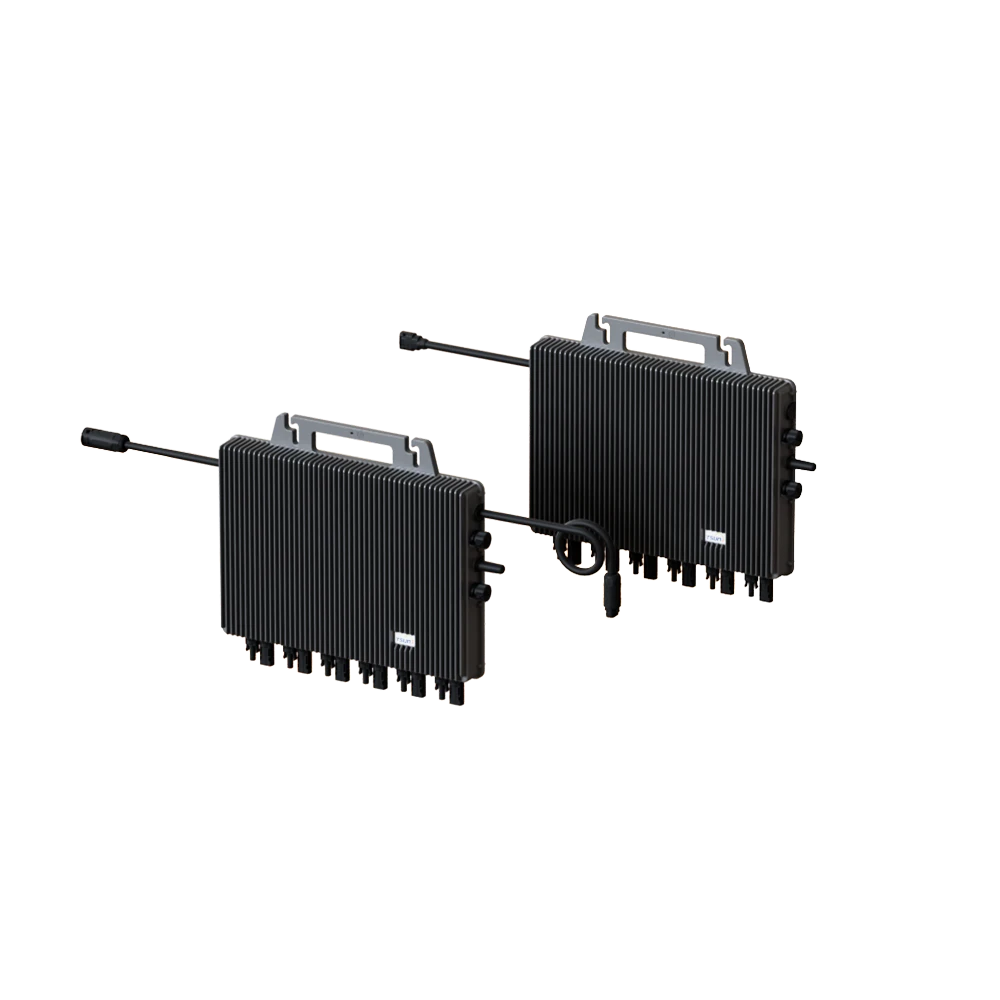
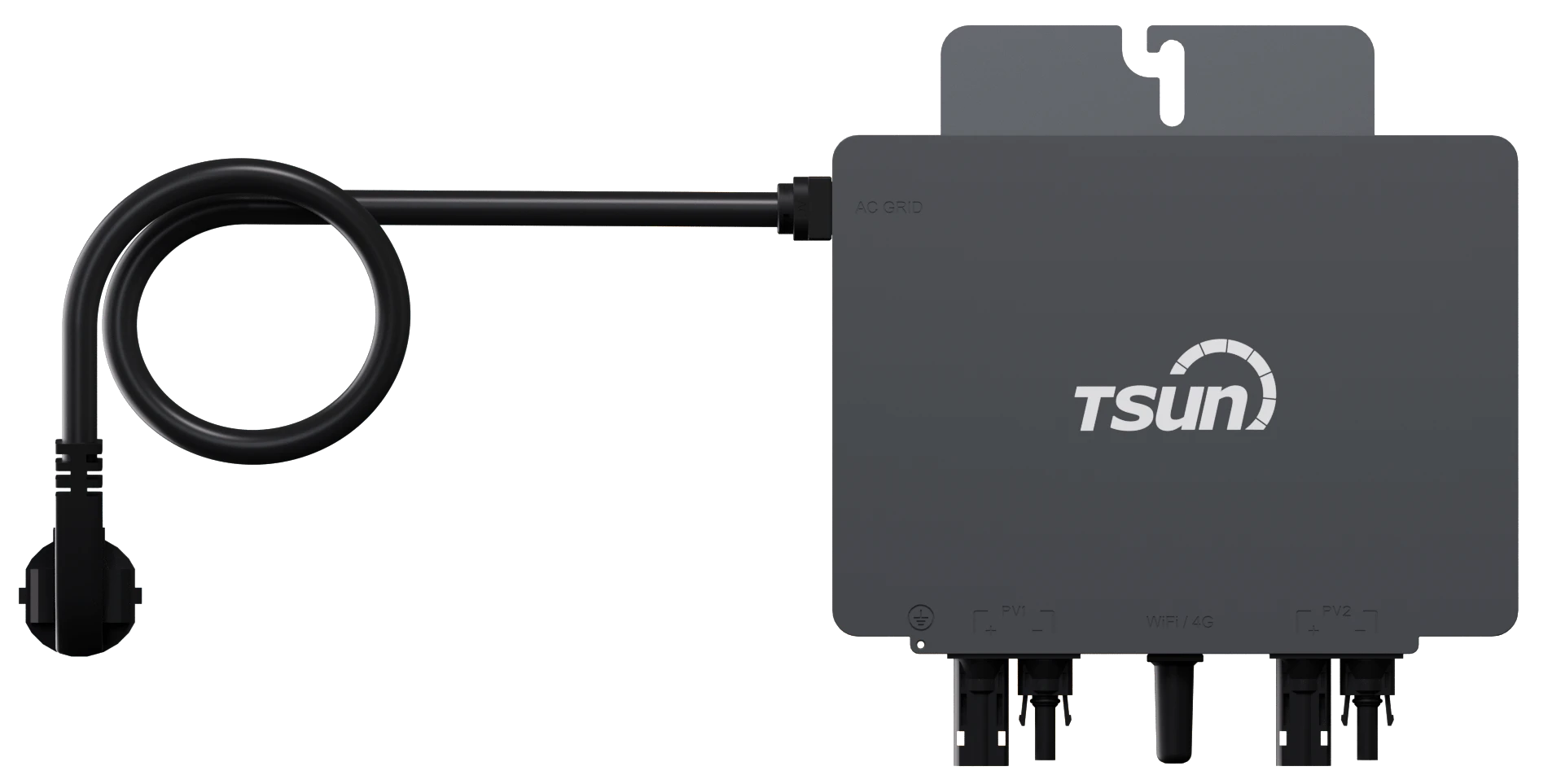
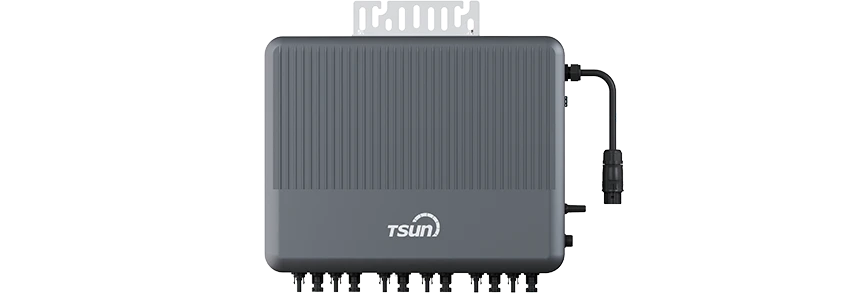
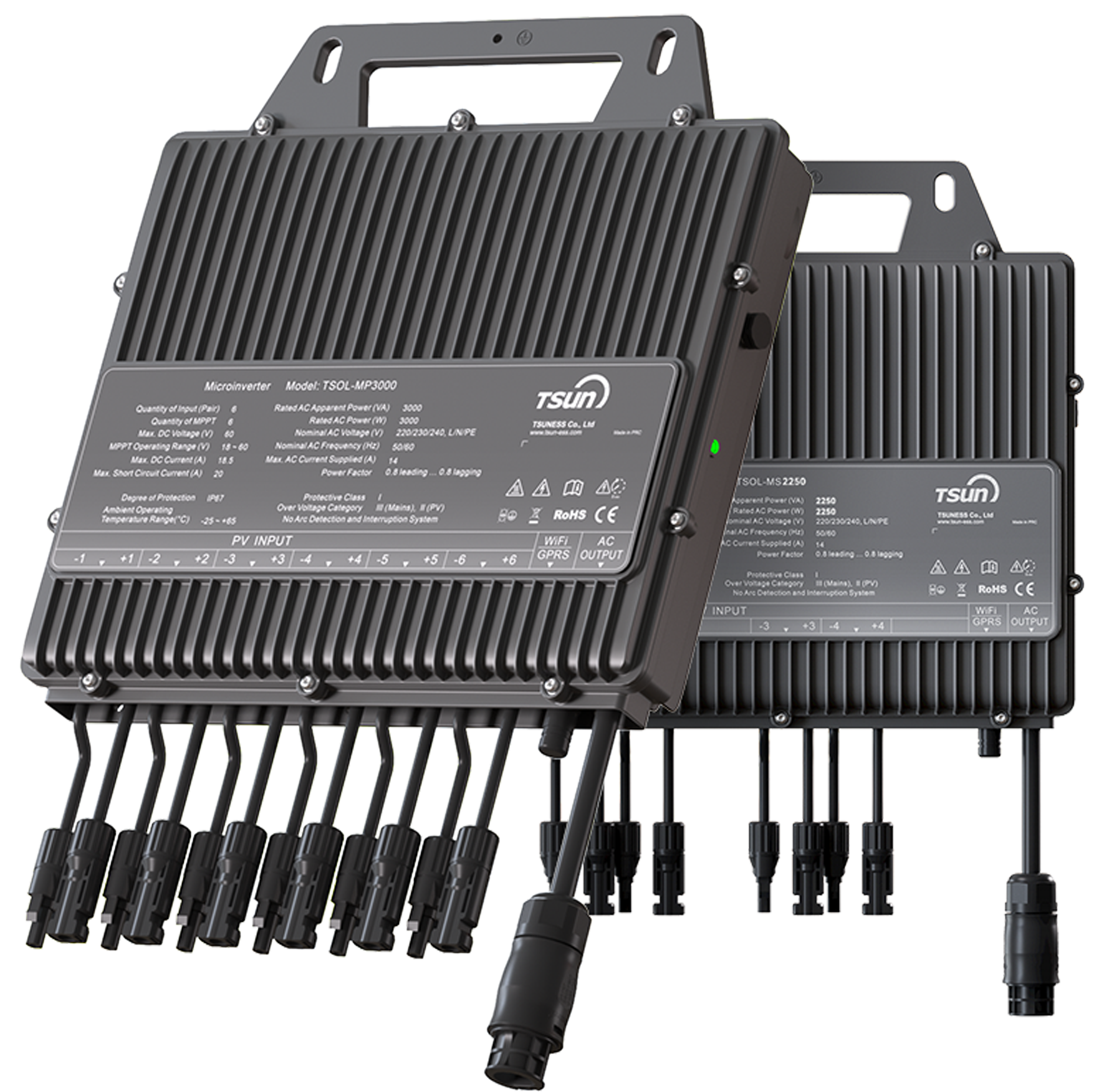
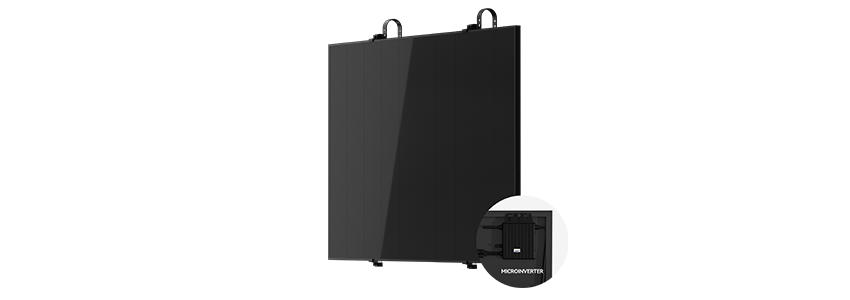
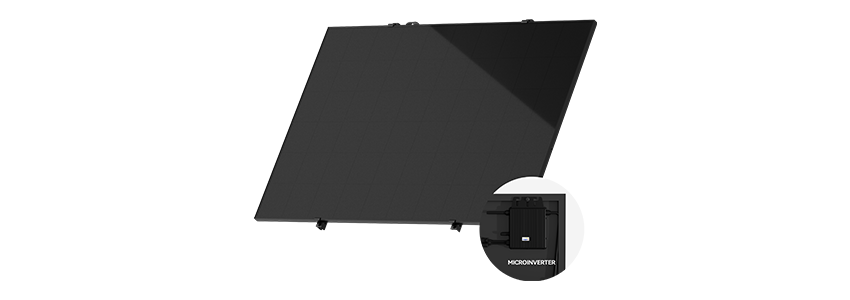
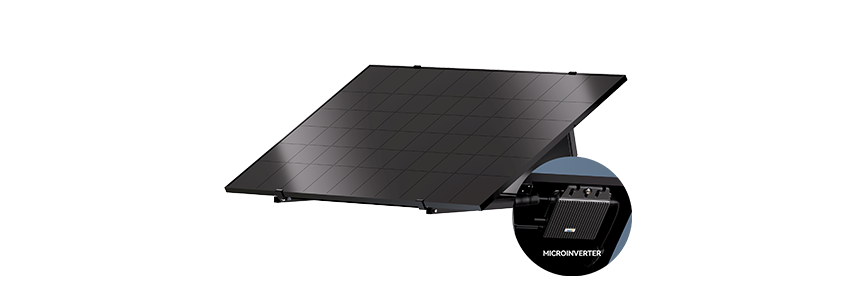
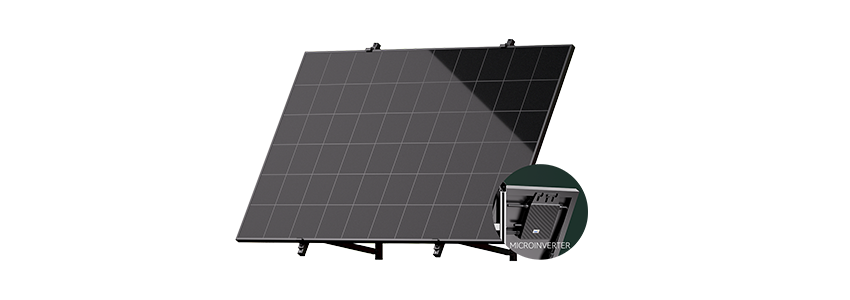
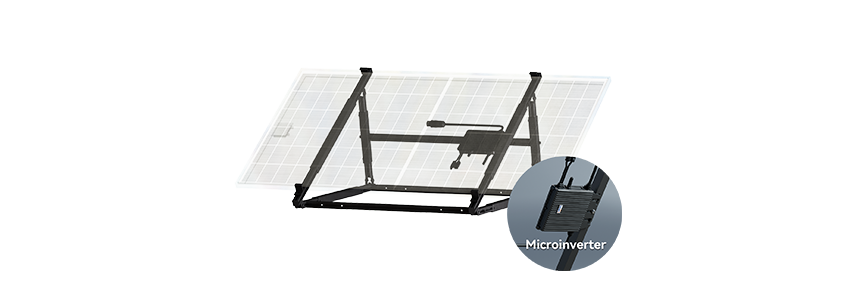
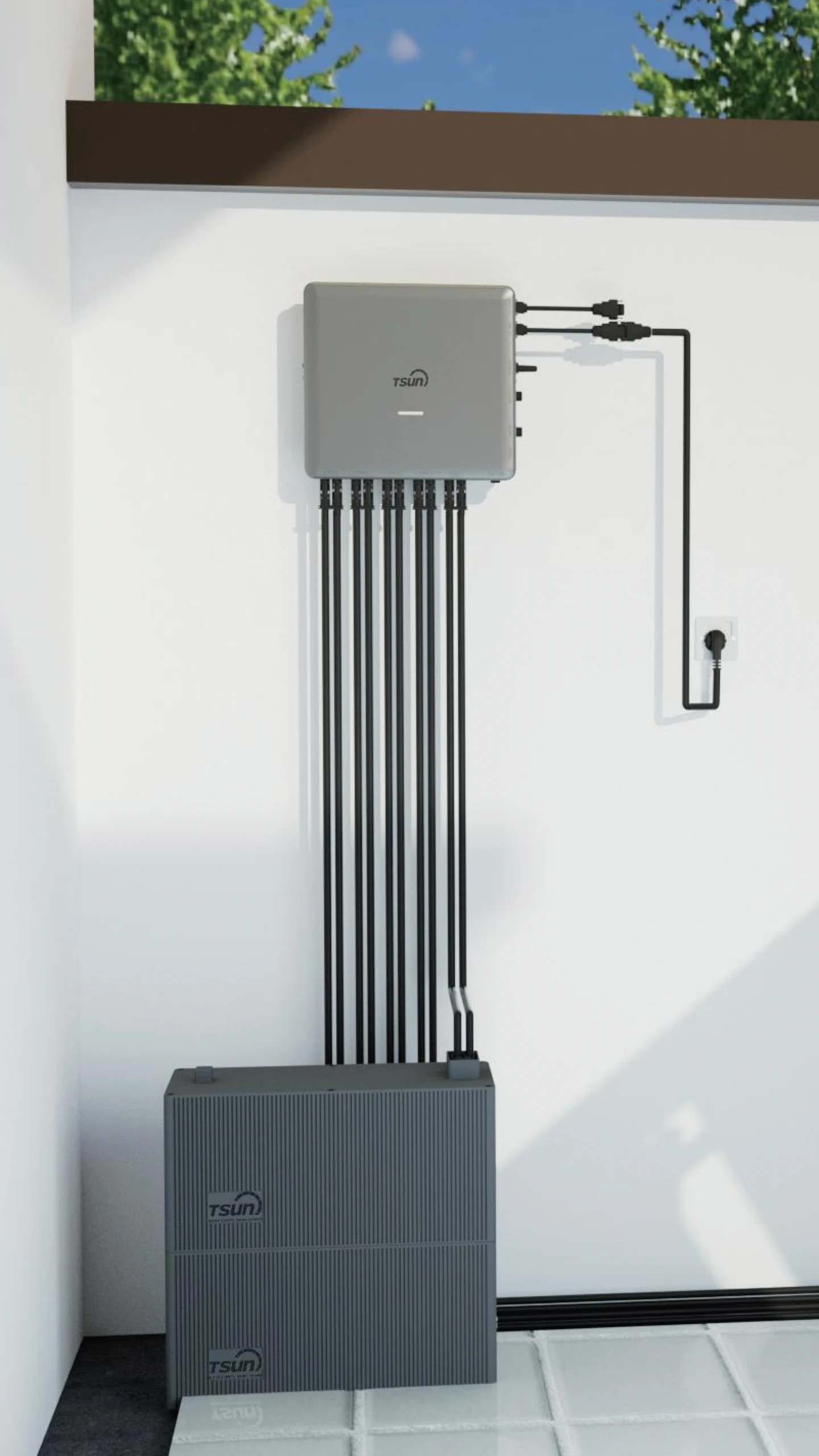
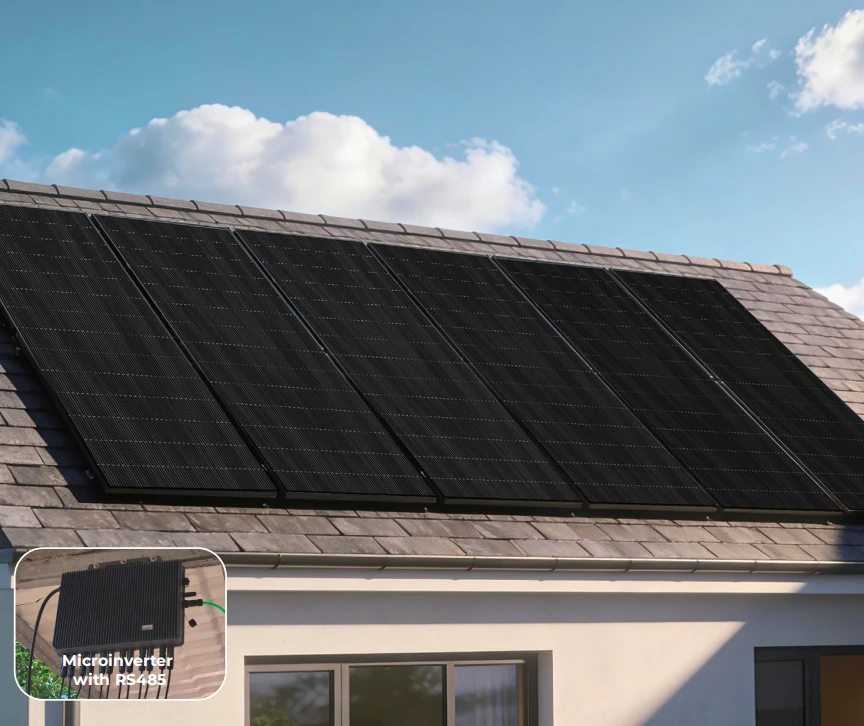
Simply put, a microinverter 600w converts the direct current (DC) generated by a solar panel into usable alternating current (AC) right at the panel level, but tailored to handle around 600 watts output. This contrasts with traditional string or central inverters which aggregate power before conversion.
This small device is a marvel of efficiency and modularity, allowing each panel to operate independently. For industries pushing toward sustainable microgrids or NGOs powering remote clinics, this independence means reliability — if one panel hits a shadow or fails, others keep working without dragging down the whole system.
Mini takeaway: The microinverter 600w is the panel-level AC converter that enhances resilience and efficiency across solar installations.
Key Factors of the Microinverter 600w
1. Durability
Given their external mounting on rooftops or facilities, microinverters must withstand weather extremes — heat, moisture, dust, and sometimes freezing temperatures. Most microinverters, including 600w models, have rugged enclosures rated at least IP65 for water and dust resistance, ensuring long-term operation with minimal maintenance.
2. Scalability
This is a crucial feature. Since microinverters handle one panel each, systems scale easily—add more panels and microinverters without complicated reconfiguration. This modular approach suits expanding commercial setups or evolving residential arrays.
3. Cost Efficiency
While initially pricier than centralized inverters, the 600w microinverter’s benefits—improved yield through panel-level MPPT (Maximum Power Point Tracking) and easier troubleshooting—often reduce lifetime costs, particularly in shaded or complex installations.
4. Safety
Because microinverters output AC at a lower voltage and limit DC wiring runs, overall system safety improves, limiting fire risk and simplifying code compliance — critical for urban or sensitive environments.
5. Performance Monitoring
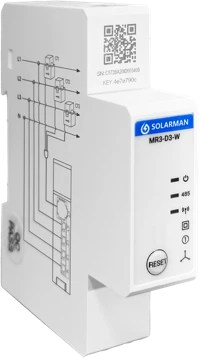
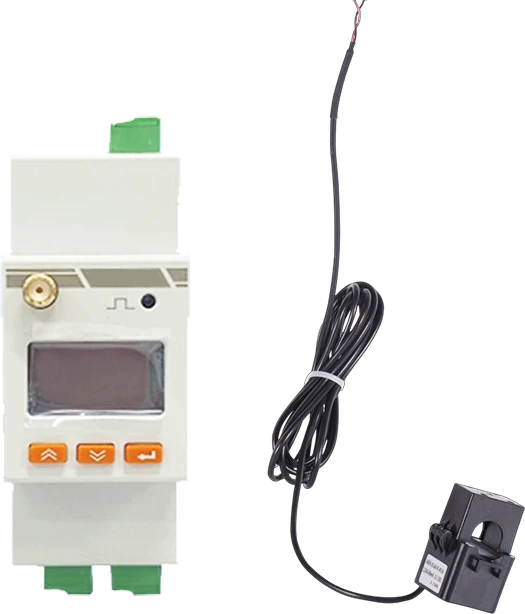
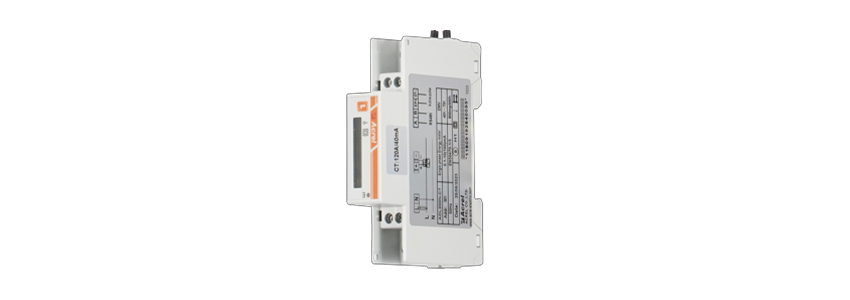
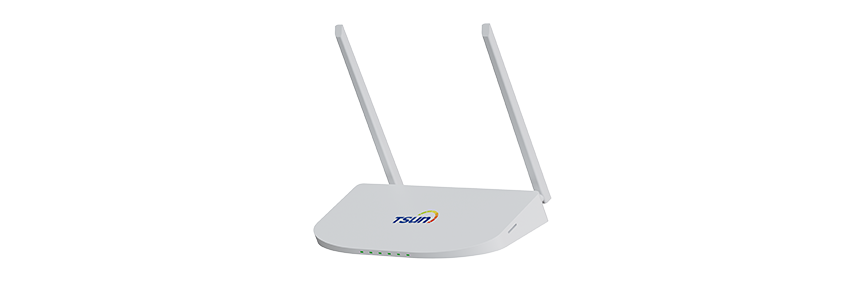
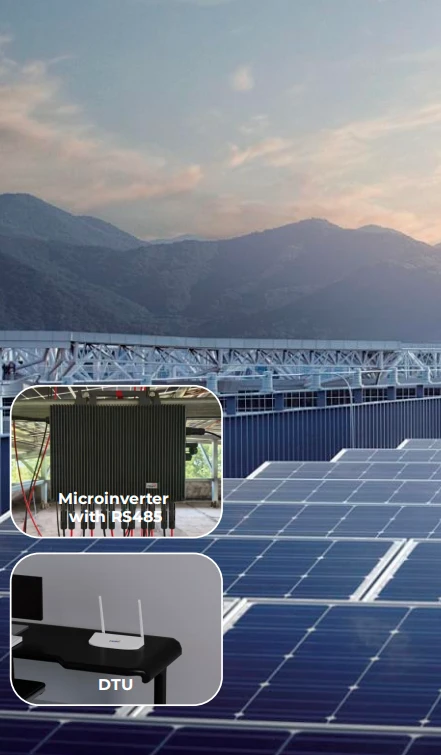
Many modern 600w microinverters integrate communications for real-time panel-level monitoring, allowing operators and owners to spot performance dips early. This ties into the digital transformation of energy management for smart grids.
Mini takeaway: Durability, scalability, cost efficiency, safety, and monitoring are the microinverter 600w’s building blocks, translating into adaptable and trustworthy power solutions.
Microinverter 600w Global Applications & Use Cases
The real-world reach of microinverters goes far beyond residential rooftops. For example:
- Remote Industrial Zones: Mining or telecommunications sites in Africa or South America integrate microinverters to optimize solar power and reduce diesel dependency.
- Post-Disaster Relief: NGOs deploying rapid solar kits with microinverters 600w can quickly restore power to medical facilities and shelters after events like hurricanes or earthquakes.
- Urban Solar Deployments: Cities retrofit apartment complexes with individual panel microinverters to minimize shading losses from neighboring structures.
One fascinating case is in Southeast Asia, where microinverter-based solar kits enable microgrids on islands without central power plants—transforming community health and economic opportunity. It feels like a small box but with a huge social footprint.
Mini takeaway: Microinverter 600w units serve diverse global needs—from industrial sustainability to humanitarian relief—making solar energy practical anywhere.
Advantages & Long-Term Value of Microinverter 600w
Frankly, the advantages are numerous, combining tangible financial benefits with less obvious social advantages.
- Increased Yield: Panel-level MPPT and independent operation optimize overall energy harvest, sometimes boosting yields by 10–15% over string inverters.
- Reliability & Safety: Limitations in DC voltage reduce hazards. Systems degrade gracefully rather than catastrophically.
- Environmental Impact: By making solar easier to install in complex settings, microinverters help displace fossil fuels and cut carbon emissions.
- User Empowerment: Panel-level data helps consumers and managers make informed decisions about maintenance and upgrades.
There’s an emotional angle here, too. Solar installations with microinverters can bring a sense of control and dignity to rural communities or disaster-affected peoples who might otherwise face long outages or unsafe power.
Mini takeaway: Microinverter 600w technology maximizes financial, environmental, and social returns—unlocking solar’s full potential.
Product Specifications of a Typical Microinverter 600w
| Specification |
Value |
| Maximum Output Power |
600 W |
| Peak Efficiency |
96.5% |
| Input Voltage Range |
22–55 V DC |
| Output Voltage |
230 V / 120 V AC |
| Operating Temperature |
-40°C to +65°C |
| IP Rating |
IP65 |
| Communication |
Wi-Fi / Powerline |
Vendor Comparison: Microinverter 600w Options
| Vendor |
Warranty |
Efficiency |
Monitoring |
Price (USD) |
| Tsun Energy |
15 Years |
96.5% |
Real-time via App |
$130 |
| SunVolt Systems |
12 Years |
95.8% |
Cloud-based |
$125 |
| HeliosTech |
10 Years |
96.3% |
Basic Monitoring |
$115 |
Future Trends & Innovations in Microinverter Technology
The world of microinverters doesn’t stand still. Experts expect increased integration of IoT connectivity, allowing smarter predictive maintenance and grid services participation. Advanced materials like silicon carbide (SiC) semiconductors might boost efficiency and reduce heat dissipation losses.
Green energy policies worldwide suggest microinverter 600w models will also adapt to hybrid systems blending solar with storage or smart home integration. Automation in installation—perhaps drones or robotics—could further reduce costs and expand deployment in hard-to-reach areas.
Mini takeaway: The future promises smarter, more efficient, and even more user-friendly microinverter 600w solutions, supporting global energy transitions.
Challenges & Expert Solutions
Not all is smooth sailing. Microinverters can be sensitive to voltage fluctuations, and their higher upfront cost is a sticking point especially in low-income regions. Some engineers note that managing large numbers of communication nodes (one per panel!) adds complexity.
Innovations like simplified wireless mesh networks and longer warranties help mitigate these challenges. Also, hybrid inverters with microinverter features might offer balance between cost and performance in the next generation.
FAQ: Common Questions About Microinverter 600w
- Q: How does a microinverter 600w improve solar system performance compared to traditional inverters?
A: By converting power at each panel, microinverters prevent shading or panel mismatch from reducing system output, often improving performance by up to 15% in real-world conditions.
- Q: Can microinverter 600w systems be expanded over time?
A: Absolutely. Their modular design means you can easily add more panels and microinverters without overhauling the entire system, perfect for scaling solar installations gradually.
- Q: Are microinverter 600w units reliable in harsh environments?
A: Yes, most are designed with rugged, weatherproof enclosures (IP65 or higher), and rated to function across wide temperature ranges, suitable for diverse climates.
- Q: What are typical warranty periods?
A: Warranties usually range from 10 to 15 years, reflecting confidence in durability but making total lifecycle costs more predictable.
Conclusion: Why the Microinverter 600w Matters Long Term
Microinverters rated around 600 watts are not just a technical curiosity; they’re a practical step forward in making solar energy accessible, efficient, and reliable anywhere—from city rooftops to remote villages. Their modularity and safety improve installation and maintenance, while digital monitoring ties into the broader smart grid future.
If you want to dive deeper or explore cutting-edge microinverter solutions, visit our website: microinverter 600w. Harness solar power smarter, safer, and greener.
In real terms, these small boxes feel like a quiet revolution in sustainable energy—technical, yes, but deeply human in impact.
References:
- International Energy Agency (IEA) Renewable Energy Reports
- Wikipedia: Microinverter
- International Organization for Standardization (ISO)



 LEARN DETAILS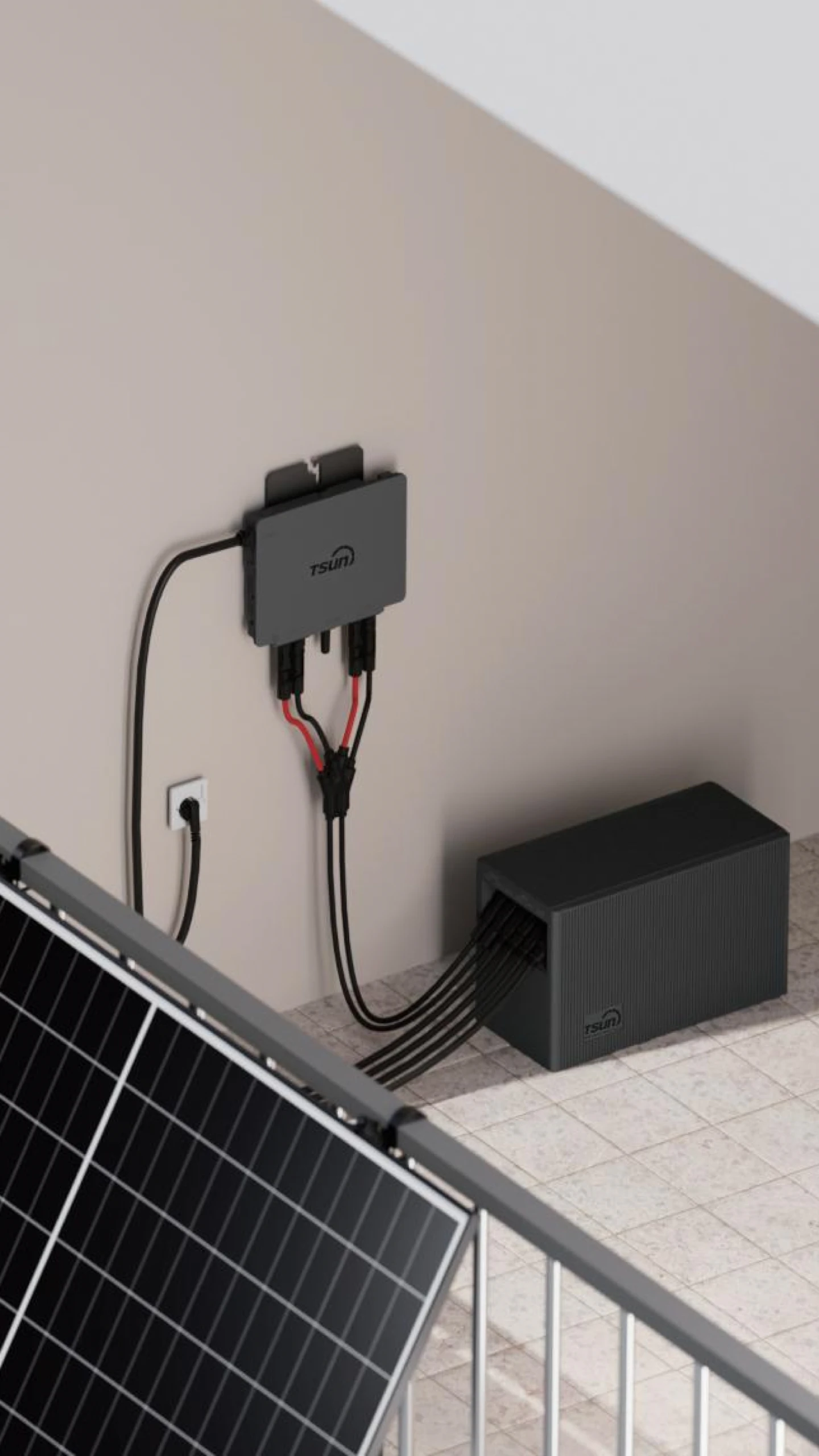
 Downloads
 Video Center
 Report Fault for Repair
 FAQS
FAQS Service Network
 Privacy Policy
 Contact Us
 Monitoring


 LEARN MORE