Efficient China Easy Balcony Air Vertical Solar Panel Kits Guide
Efficient China Easy Balcony Air Vertical Solar Panel Kits Guide
0%
Table of Contents
Urban dwellers often face a critical spatial constraint: the lack of roof access for traditional energy systems. This has accelerated the demand for specialized china easy balcony air vertical solar panel kits, which reimagine how sunlight is captured in high-density residential environments. By utilizing vertical space rather than flat surfaces, these kits allow renters and homeowners to generate clean electricity without permanent structural modifications.
The shift toward "Plug-and-Play" energy is not merely a trend but a response to rising electricity costs and the need for decentralized power. Vertical balcony systems optimize the available perimeter of a balcony, turning a passive architectural feature into an active power plant. When integrated with modern microinverters, these systems offer a seamless transition from grid dependency to partial energy autonomy.
Understanding the technical nuances—from MPPT efficiency to mounting safety—is essential for maximizing ROI. This guide explores the implementation of vertical solar kits, focusing on how to balance power output with the physical limitations of balcony installations, ensuring a secure and efficient energy transition for the modern urban home.
✻ ✻ ✻
The Logic of Verticality in Balcony Solar Systems
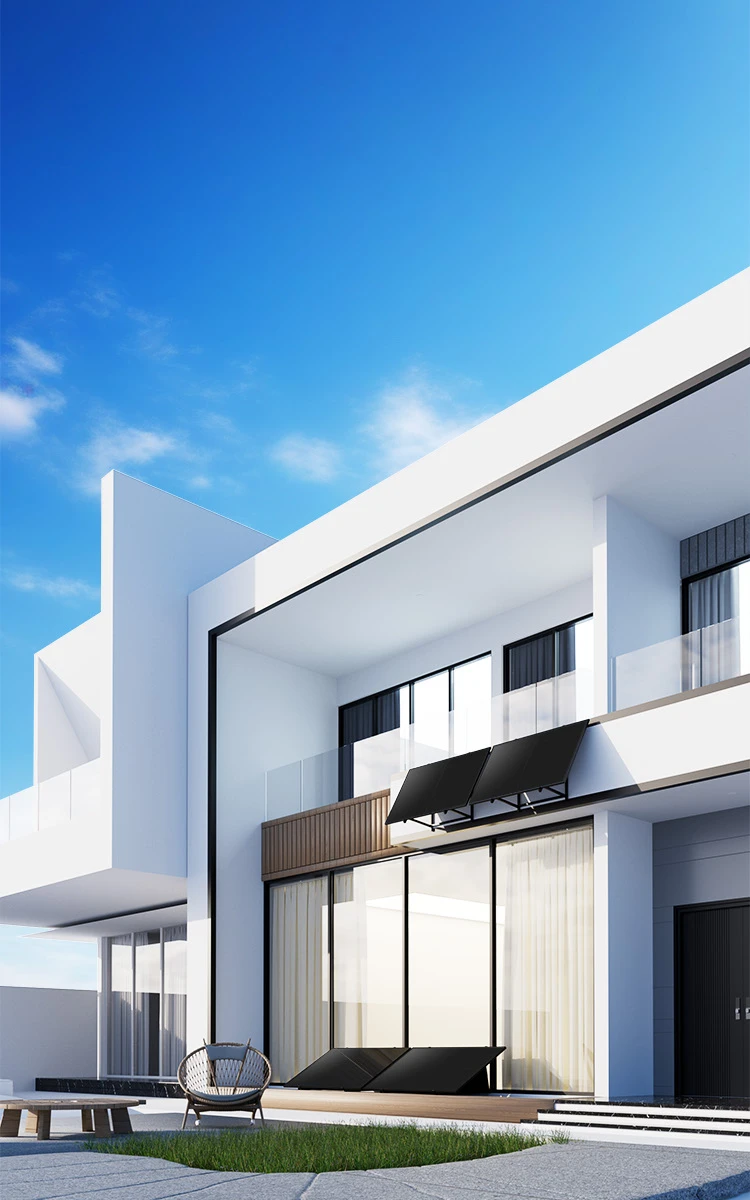
Traditional solar arrays rely on a south-facing tilt, which is rarely possible on a standard apartment balcony. Vertical solar configurations solve this by utilizing the railing or wall space, capturing sunlight that hits the building facade. This approach is particularly effective in northern latitudes where the winter sun remains lower on the horizon, making vertical surfaces more efficient than flat ones during key months.
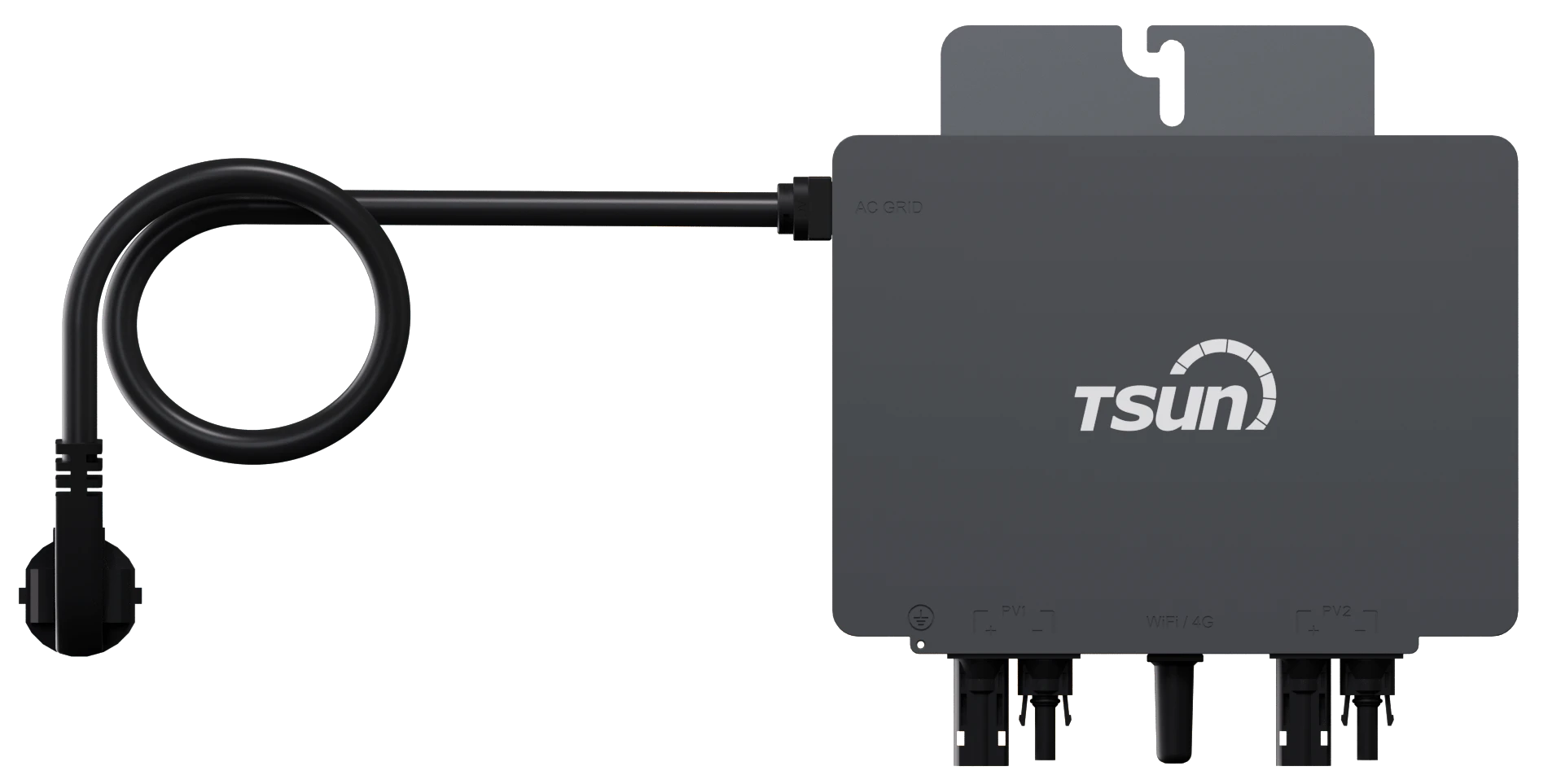
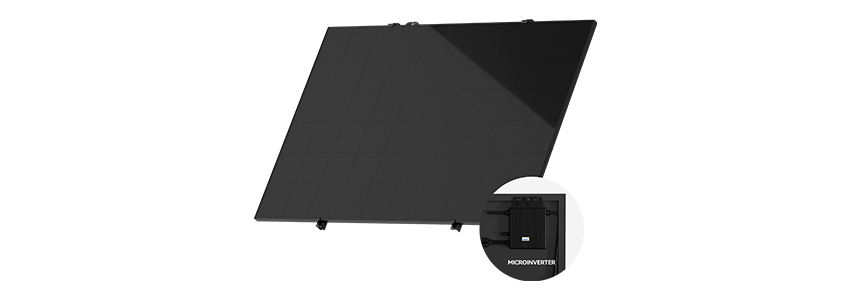
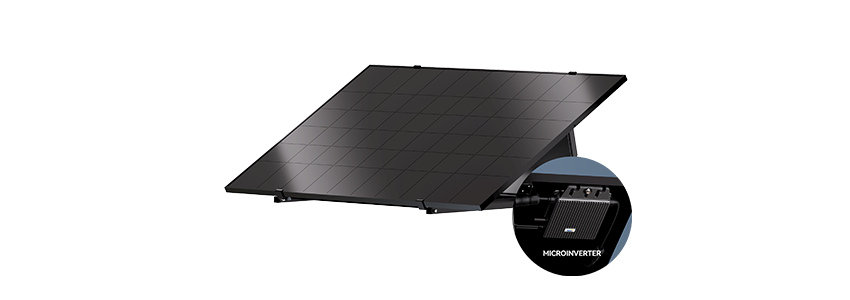
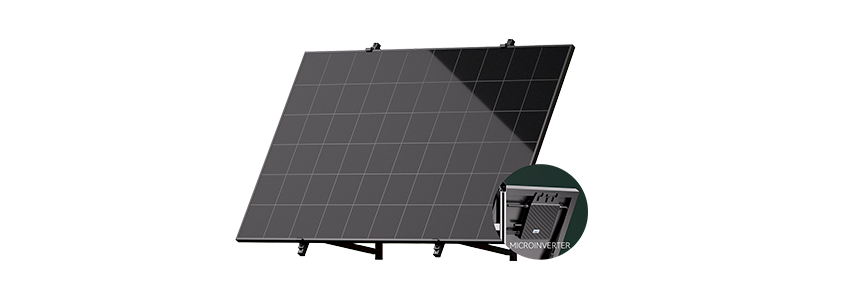
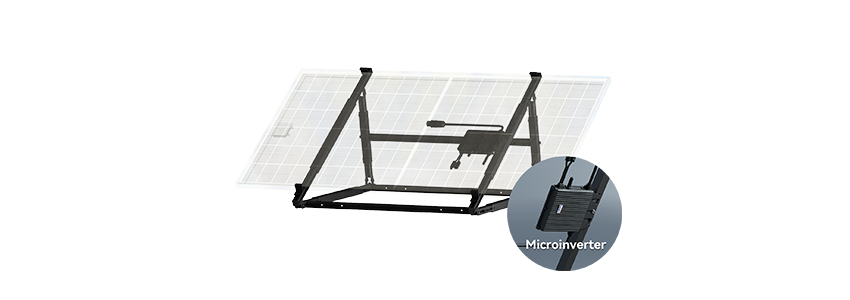
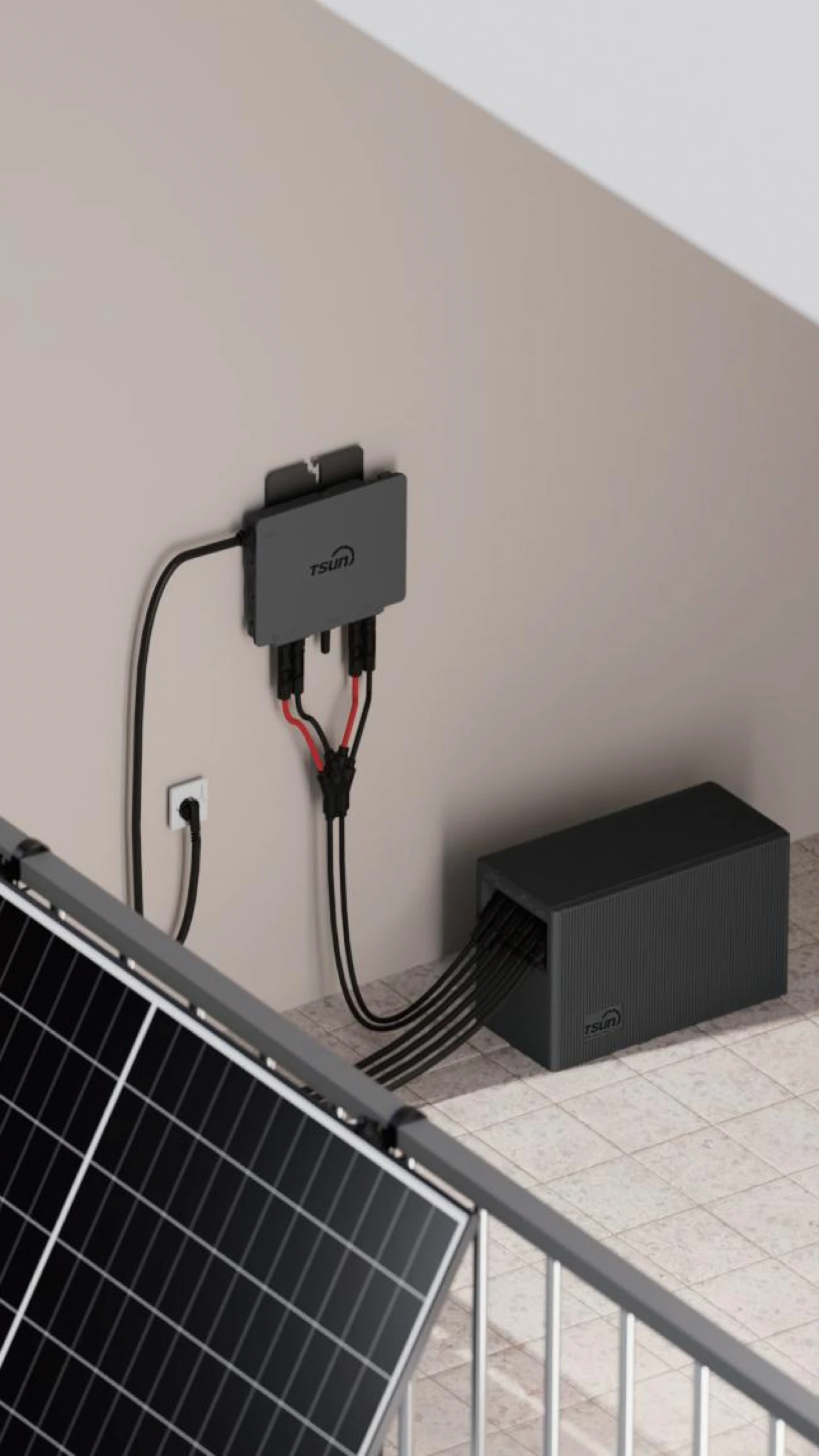
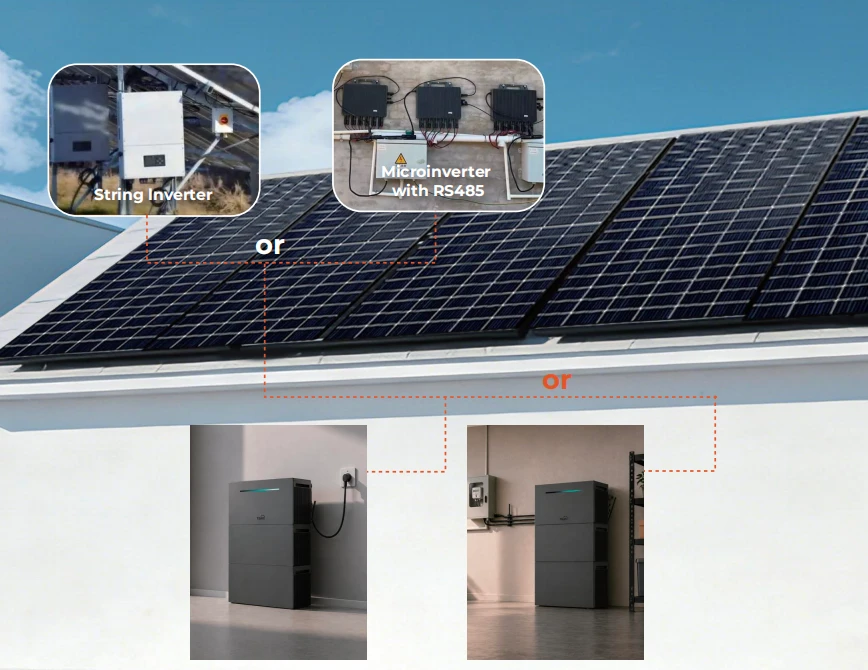
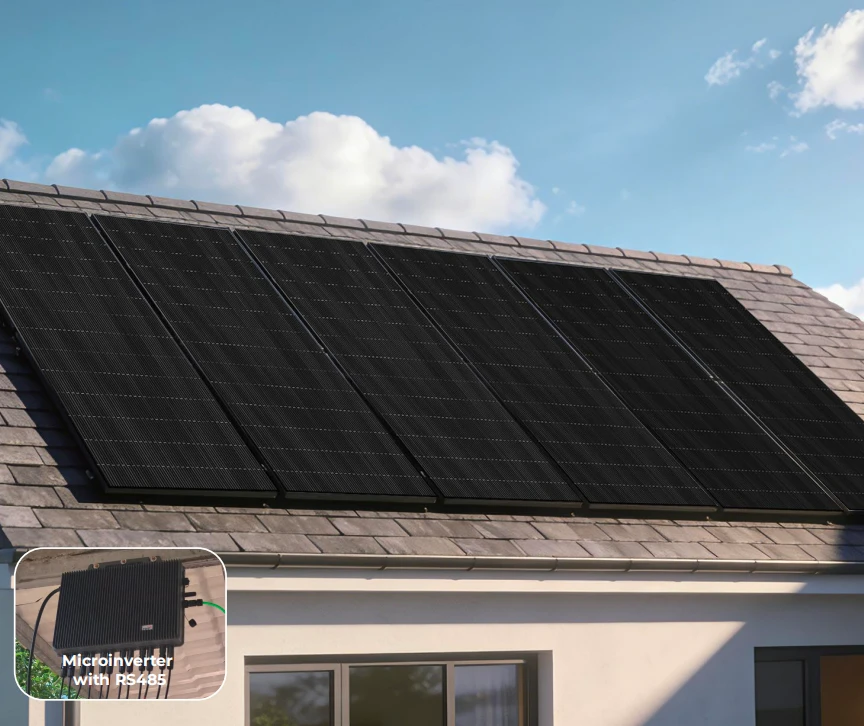
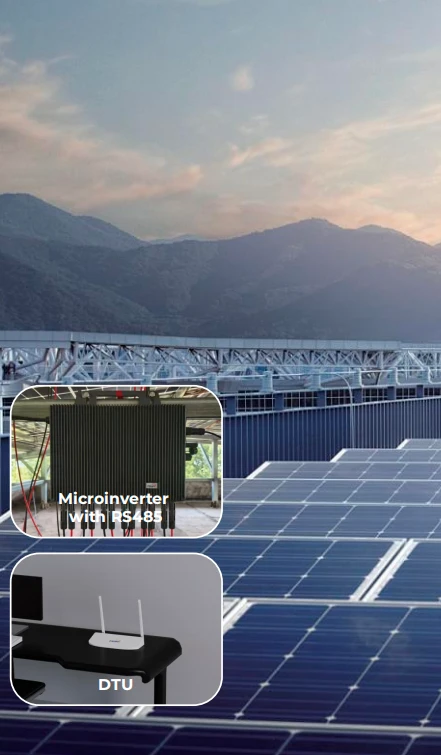
The "easy" aspect of these kits refers to the reduction of electrical complexity. By integrating the solar module with a microinverter—such as those found in the TSUN Easy Solar Kit series—the system bypasses the need for a massive central inverter and complex string wiring. This creates a "Plug-and-Play" experience where the output is fed directly into a standard wall socket, provided local regulations allow for such grid-tied systems.
However, verticality introduces a trade-off in peak midday intensity. While a tilted panel captures the zenith sun, a vertical panel excels during morning and afternoon windows. For the urban user, this distributes energy production more evenly throughout the day, aligning better with residential consumption patterns (the "duck curve") than the sharp peak of a roof-mounted system.
Core Technical Advantages of Modular Vertical Kits
The technical superiority of these kits lies in their modularity and the use of high-efficiency microinverters. Unlike string inverters, where one shaded panel can degrade the performance of the entire array, microinverters treat each panel as an independent power source. This is vital for balconies where shadows from adjacent buildings or balcony ceilings are inevitable.
Microinverter technology transforms intermittent urban sunlight into a stable, usable current by eliminating the single-point-of-failure risk inherent in string systems.
Advanced vertical kits now incorporate MPPT (Maximum Power Point Tracking) at the module level. This ensures that the system extracts the maximum possible wattage regardless of temperature fluctuations or partial shading. When paired with an IP67-rated enclosure, these components withstand extreme weather, from freezing winters to summer heatwaves, ensuring longevity without constant maintenance.
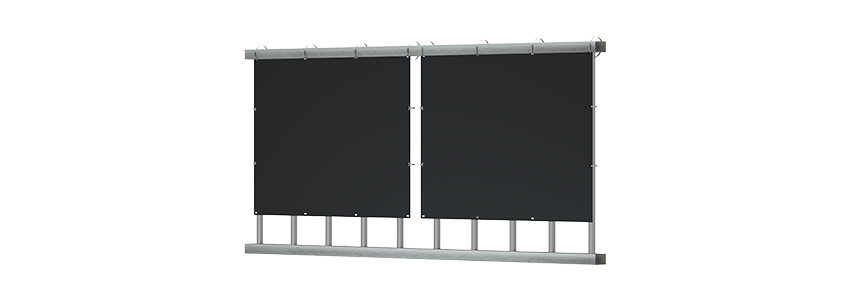
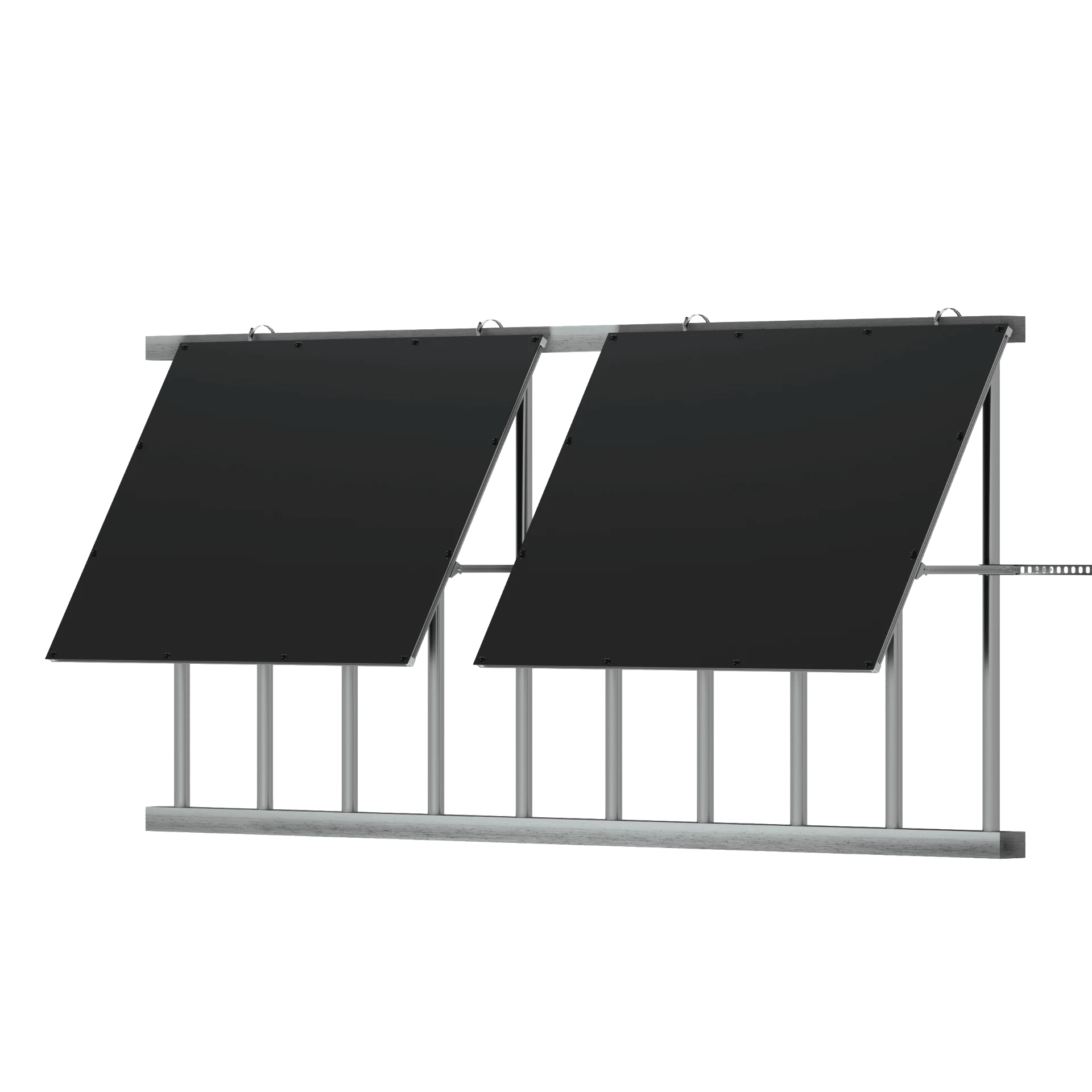
Furthermore, the structural design of vertical kits focuses on "non-invasive" mounting. Using specialized brackets that hang on balcony railings, these systems avoid drilling into the building's facade—a critical requirement for rental properties. This combination of electrical independence and structural flexibility makes them the primary choice for the "prosumer" urban resident.
Optimal Deployment Scenarios for Urban Apartments
Not every balcony is suited for the same kit. The most successful deployments occur in south, south-east, or south-west facing balconies where sunlight exposure is maximized between 9 AM and 4 PM. In these scenarios, vertical kits act as a thermal barrier, reducing the amount of direct solar heat entering the living space, which indirectly lowers air conditioning costs in the summer.
Another ideal scenario is the "Garden Balcony" or low-rise terrace, where users can combine vertical rail mounts with "On the Ground" ready-to-use kits. By mixing vertical and angled panels, users can create a hybrid capture system that maximizes yield across different sun angles, effectively turning a small outdoor area into a diversified energy portfolio.
For those in highly regulated regions, such as Germany (where the 800W limit is common), these kits are often scaled to meet specific legal thresholds. The ability to limit output through software or specific hardware selection allows users to stay compliant with local grid codes while still benefiting from the reduction in their monthly electricity bills.
Quantifying Energy Yield: Vertical vs. Traditional Layouts
Evaluating the performance of vertical kits requires looking beyond the theoretical peak wattage. While a tilted panel has a higher theoretical maximum, the vertical kit provides more consistent output during off-peak hours. This is particularly evident in urban "canyons" where the sun is only visible for a few hours a day; vertical panels often capture these windows more effectively than flat ones.
When we compare a standard unoptimized balcony setup with a high-efficiency vertical kit utilizing MPPT microinverters, the difference in "actual energy harvested" becomes clear. The ability to handle partial shade without crashing the system voltage leads to a significant increase in total daily kWh.
china easy balcony air vertical solar panel kits Performance Metrics
The data indicates that while the "Industry Benchmark" (standard DIY kits) may suffer from steep drops during partial shading, the integrated vertical kits maintain a higher percentage of their rated power. This resilience is what drives the ROI for urban users, as it ensures that even on cloudy days or in shaded corridors, some energy is always being produced.
Critical Implementation Steps for DIY Installation
Successful installation begins with a "Sun Mapping" exercise. Users should observe their balcony at different times of the day to identify the areas with the least obstruction. Once the location is determined, the vertical brackets are secured to the railing. It is imperative to use stainless steel or galvanized hardware to prevent corrosion from rain and urban pollutants.
Safety is non-negotiable in urban solar; always verify the load-bearing capacity of your balcony railing before mounting vertical panels.
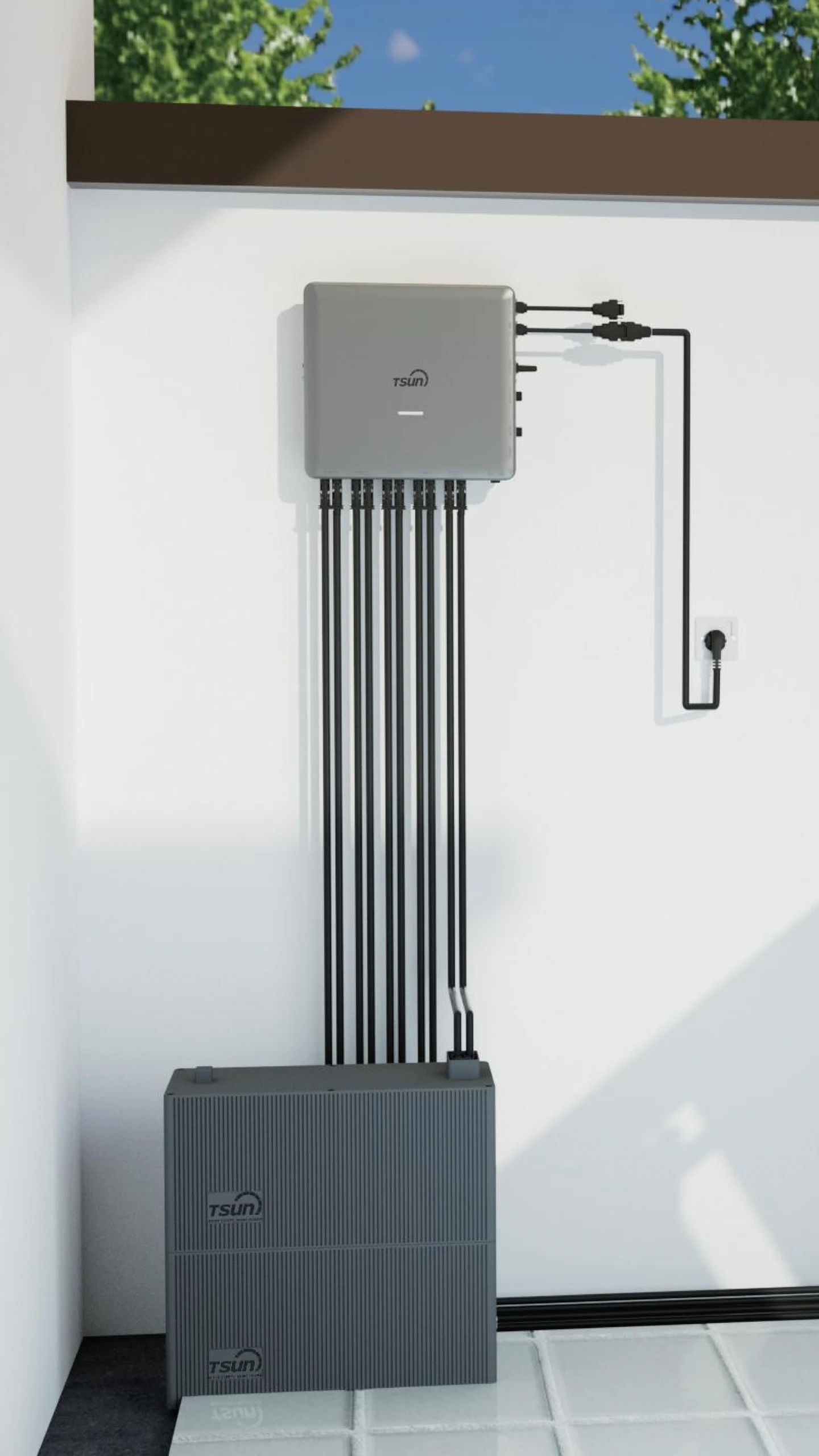
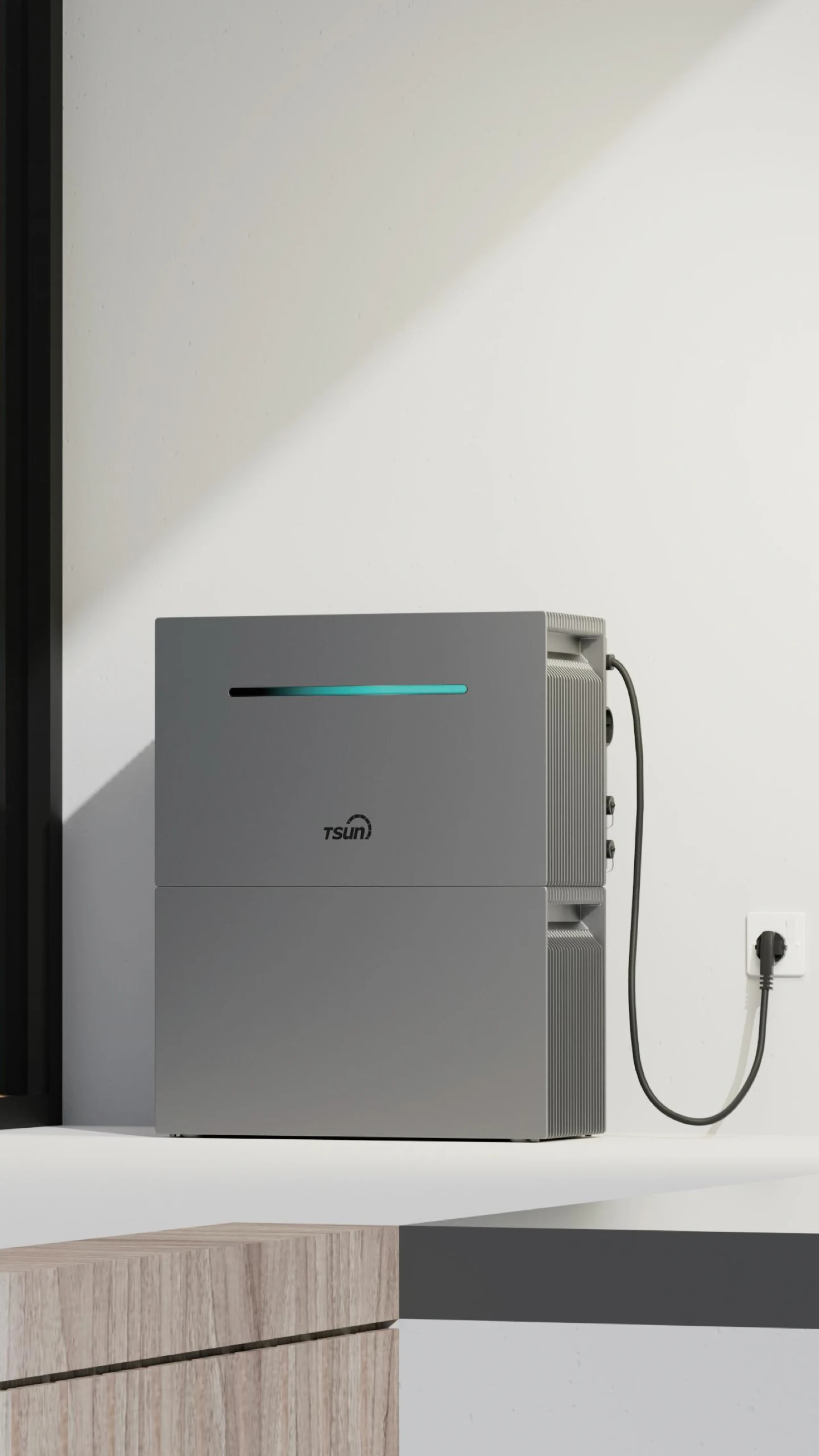
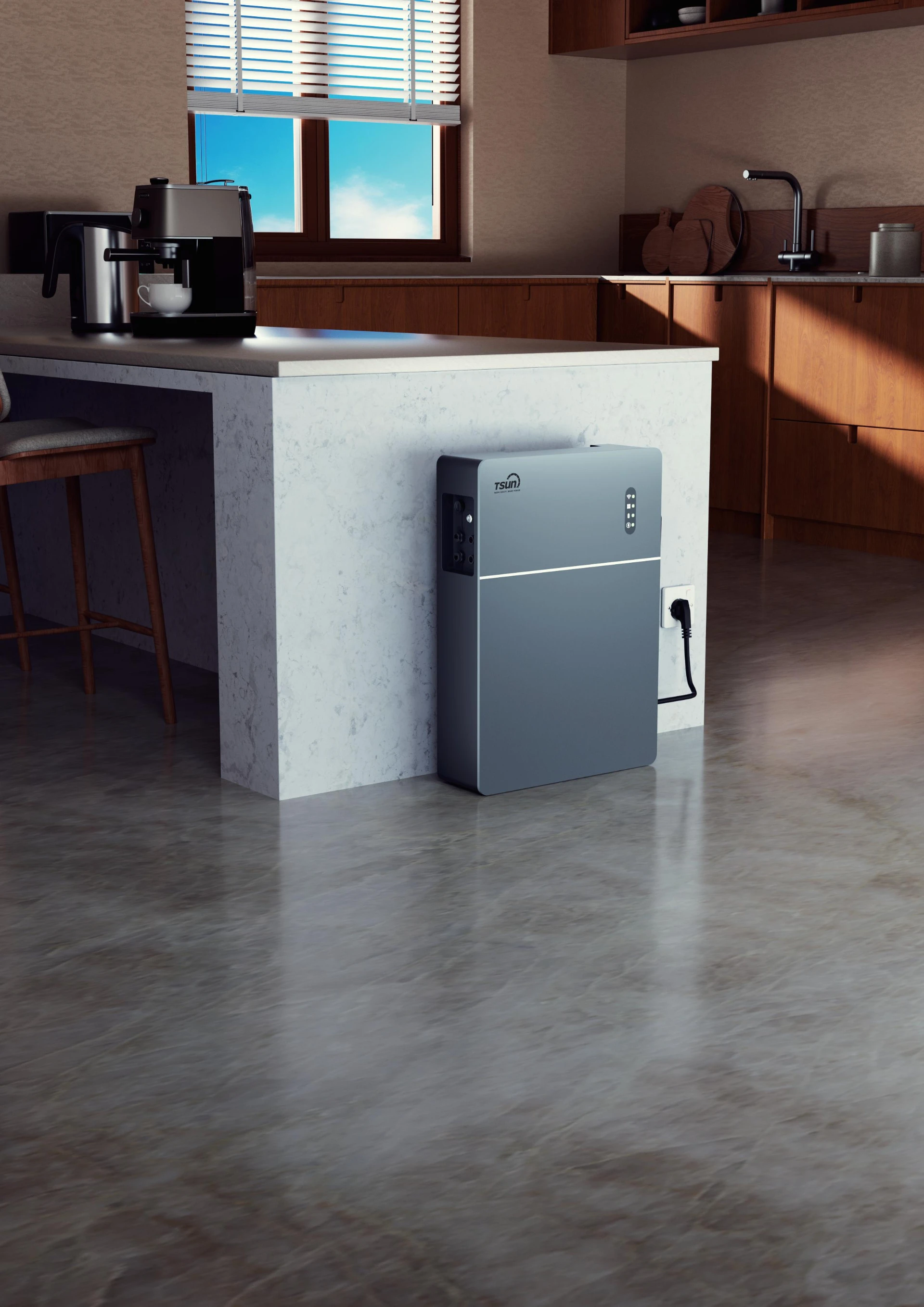
The electrical connection is the next phase. The panels are connected to the microinverter, and the microinverter's AC cable is routed to the nearest indoor power socket. To ensure safety, cables should be secured with UV-resistant ties to prevent them from sagging or becoming a tripping hazard. For those adding storage, the integration of a battery pack (like the MH2000 series) allows the stored energy to be used at night, maximizing the value of every photon captured.
Finally, system monitoring is established via Wi-Fi or Bluetooth. Using a monitoring app allows the user to see real-time production and identify if a panel is underperforming due to dust or bird droppings. Periodic cleaning with water and a soft cloth is usually the only maintenance required to keep the system operating at peak efficiency.
The Future of Integrated Balcony Energy Storage
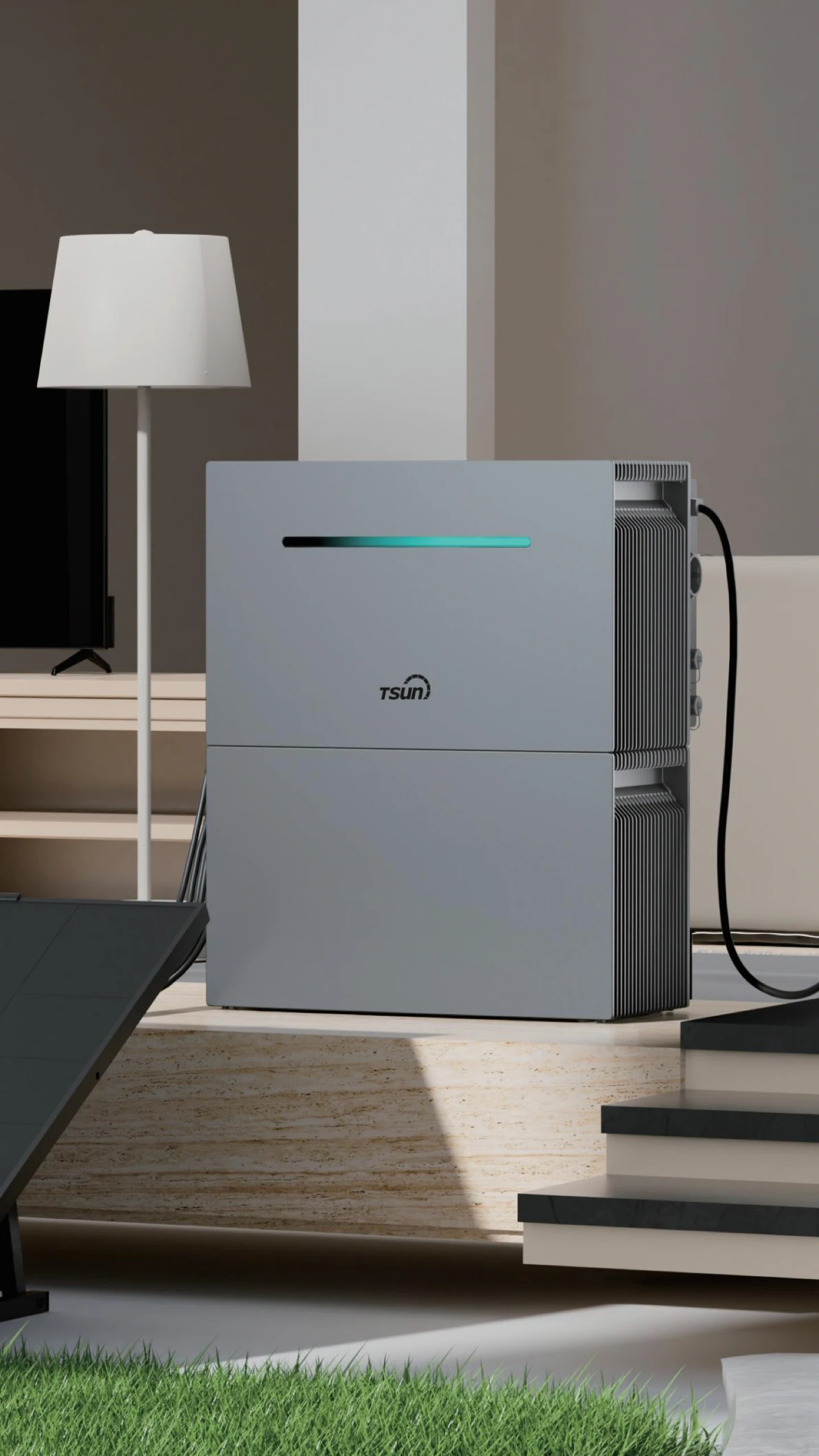
The next evolution of balcony solar is the move from "on-grid only" to "hybrid micro-storage." Currently, many vertical kits simply feed power into the home; however, the integration of compact, stackable battery packs is changing the ROI calculation. By storing excess midday energy, users can offset their peak evening tariffs, significantly increasing the financial benefits of the system.
We are likely to see a shift toward smarter energy management systems (EMS) that can communicate with home appliances. For example, a vertical solar system could signal a dishwasher to start precisely when solar production peaks. This "load shifting" transforms the balcony kit from a simple electricity generator into a central node of a smart home energy ecosystem.
Additionally, new materials in thin-film and perovskite cells may eventually allow vertical kits to be even lighter and more flexible, potentially integrating directly into balcony glass or curtains. While crystalline silicon remains the standard for efficiency, the trend is moving toward "invisible" solar that blends into the urban architecture without sacrificing power output.
Comparative Selection Guide for Vertical Solar Kits
Choosing the right kit depends on the specific balance between available space, budget, and energy goals. A user looking for a simple electricity bill reduction will have different requirements than someone aiming for emergency backup power during grid outages. The following comparison highlights the different technical approaches to balcony solar.
When evaluating kits, the focus should be on the microinverter's efficiency and the mounting system's stability. A kit that offers 4x MPPT tracking will always outperform a single-input system in an urban environment where shading is common.
System Type
Primary Use Case
Tech Approach
Scalability
Basic Vertical Kit
Rental Apartments
Fixed Rail Mount
Low (1-2 Panels)
Hybrid Balcony Kit
Homeowners
Microinverter + Battery
Medium (Stackable)
High Power Vertical
Large Balconies
Multi-MPPT Array
High (Up to 4 Panels)
DIY Universal Kit
Mixed Spaces
Adjustable Brackets
Medium (Flexible)
Off-Grid Micro Kit
Emergency Backup
DC Coupled Storage
Low (Standalone)
Grid-Tied Air Kit
EU Compliance
800W Limited AC
Medium (Regulated)
Ultimately, the most efficient path to energy independence in the city is to start with a modular vertical kit and expand as needs grow. By selecting a system with an open architecture—such as those provided via www.tsun-ess.com—users can ensure their current investment is compatible with future battery and inverter upgrades.
✻ ✻ ✻
Frequently Asked Questions
While tilted panels have higher peak midday efficiency, vertical panels are often more effective in urban areas with limited space and in northern latitudes during winter. They provide a more consistent energy yield throughout the day.
Many "easy" kits are designed for DIY installation using plug-and-play microinverters. However, we always recommend checking local electrical codes and building regulations to ensure your installation is legal and safe.
Microinverters operate each panel independently. If one panel is shaded by a building or railing, the others continue to produce power at full capacity, preventing the "bottleneck" effect seen in string inverters.
Yes, provided you use non-invasive hanging brackets that do not require drilling into the building's walls. This allows you to take the system with you when you move.
ROI depends on local electricity rates and sun exposure. Generally, by reducing base-load consumption (like refrigerators and routers), users see a significant reduction in monthly bills, with the system paying for itself over several years.
When installed with certified industrial-grade brackets and properly secured to a sturdy railing, vertical kits are safe. Always follow the manufacturer's wind-load guidelines and perform a safety check after major storms.
Conclusion
Transitioning to urban solar energy no longer requires a rooftop or a massive budget. The emergence of specialized vertical kits has democratized electricity production, allowing apartment dwellers to take control of their energy costs. By focusing on modularity and microinverter efficiency, these systems overcome the inherent challenges of city living—namely space constraints and unpredictable shading.
As the technology shifts toward integrated storage and smart energy management, the value proposition of the balcony solar kit will only increase. For those evaluating their options, reviewing the technical specifications and application scenarios available through www.tsun-ess.com can provide the necessary clarity to choose a system that fits their specific urban environment.
David Miller is a seasoned Electrical Engineer with over 15 years of experience in the renewable energy sector. As a Senior Project Manager at our company, David leads the development and implementation of our Microinverter and ACU series products. He is a key contributor to the GEN3 Microinverter’s advanced features





 LEARN DETAILS
 Downloads
 Video Center
 Report Fault for Repair
 FAQS
 Service Network
 Privacy Policy
 Contact Us
 Monitoring