How to buy easy balcony air angled solar panel kits for home
How to buy easy balcony air angled solar panel kits for home
0%
Table of Contents
When looking to buy easy balcony air angled solar panel kits, urban homeowners are seeking a balance between spatial efficiency and energy maximization. In the professional landscape of photovoltaic technical services, these specialized kits are designed to convert limited balcony areas into active power generation hubs without requiring extensive roof access or permanent structural modifications.
The primary challenge for balcony solar adopters is the fixed geometry of the building, which often results in suboptimal sunlight angles. Angled kits solve this by allowing panels to be tilted toward the sun, significantly increasing the energy harvest compared to flat or purely vertical installations, thus reducing the payback period of the investment.
This guide provides a comprehensive framework for evaluating balcony solar hardware, focusing on mounting geometry, microinverter compatibility, and the technical criteria necessary to ensure a safe and efficient plug-and-play energy setup for residential environments.
Understanding Angled Mounting Geometry
The efficiency of a balcony solar system is heavily dependent on the angle of incidence of sunlight on the photovoltaic cells. Angled kits are specifically engineered to tilt the panels, typically between 15 to 45 degrees depending on the latitude of the installation, to ensure the sun's rays hit the surface as perpendicularly as possible.
From a technical perspective, an angled approach reduces the reflective losses that occur when panels are mounted vertically. By optimizing the tilt, users can capture more direct irradiance during peak hours, which is critical for medium-sized systems that rely on a small number of high-efficiency panels to power household appliances.
Core Components of an Easy Solar Kit
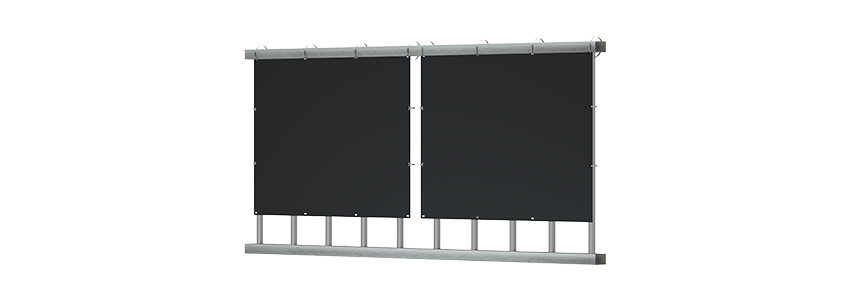
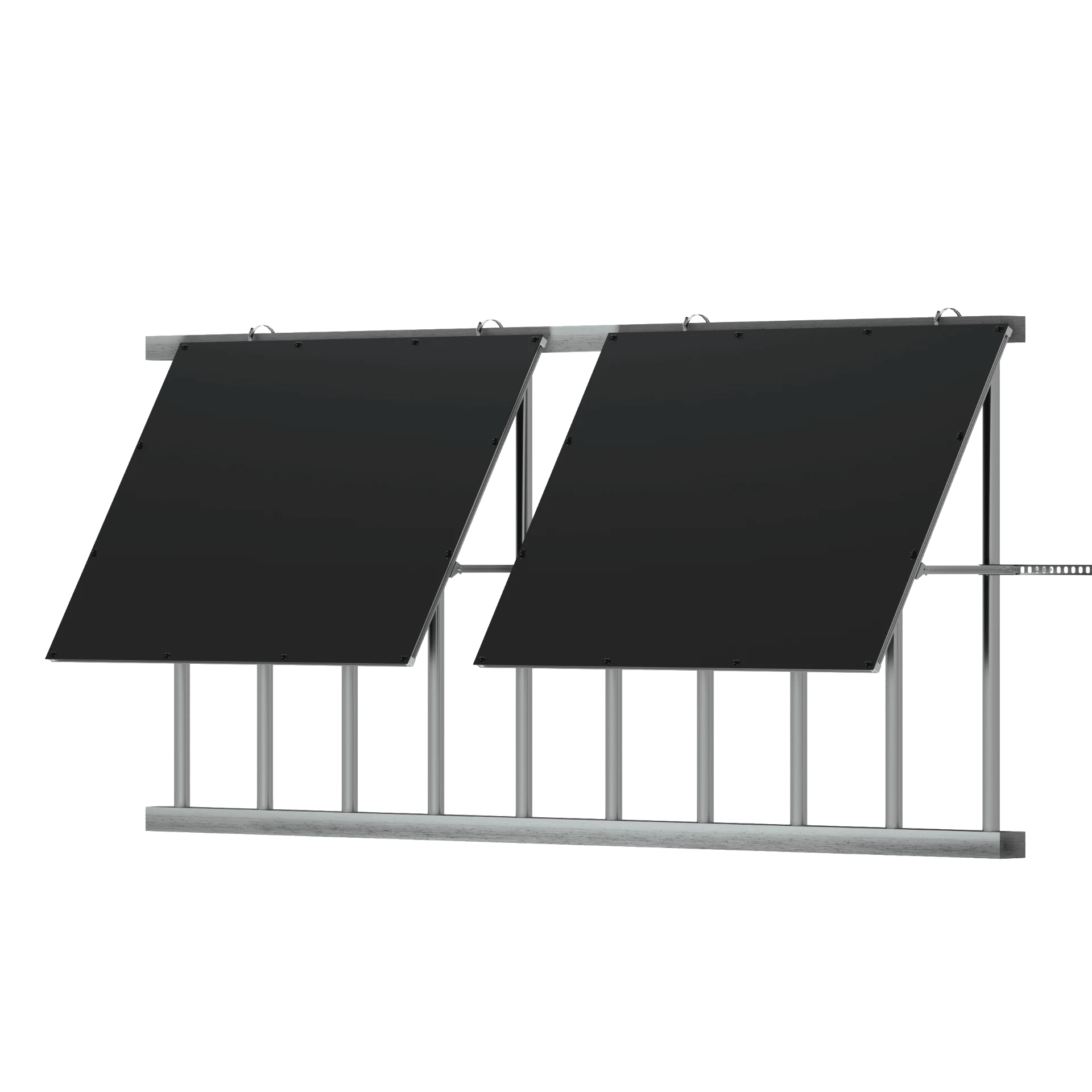
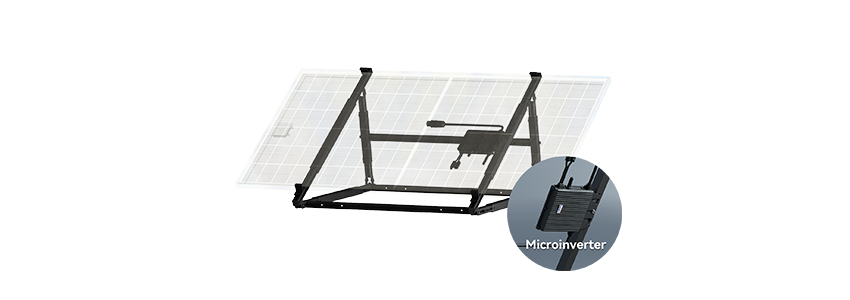
A professional-grade easy solar kit integrates several critical components into a single package to minimize installation errors. The foundation consists of the PV modules, which are often lightweight and durable for balcony use, and the DIY bracket system that provides the necessary angled support and secure attachment to the balcony railing.
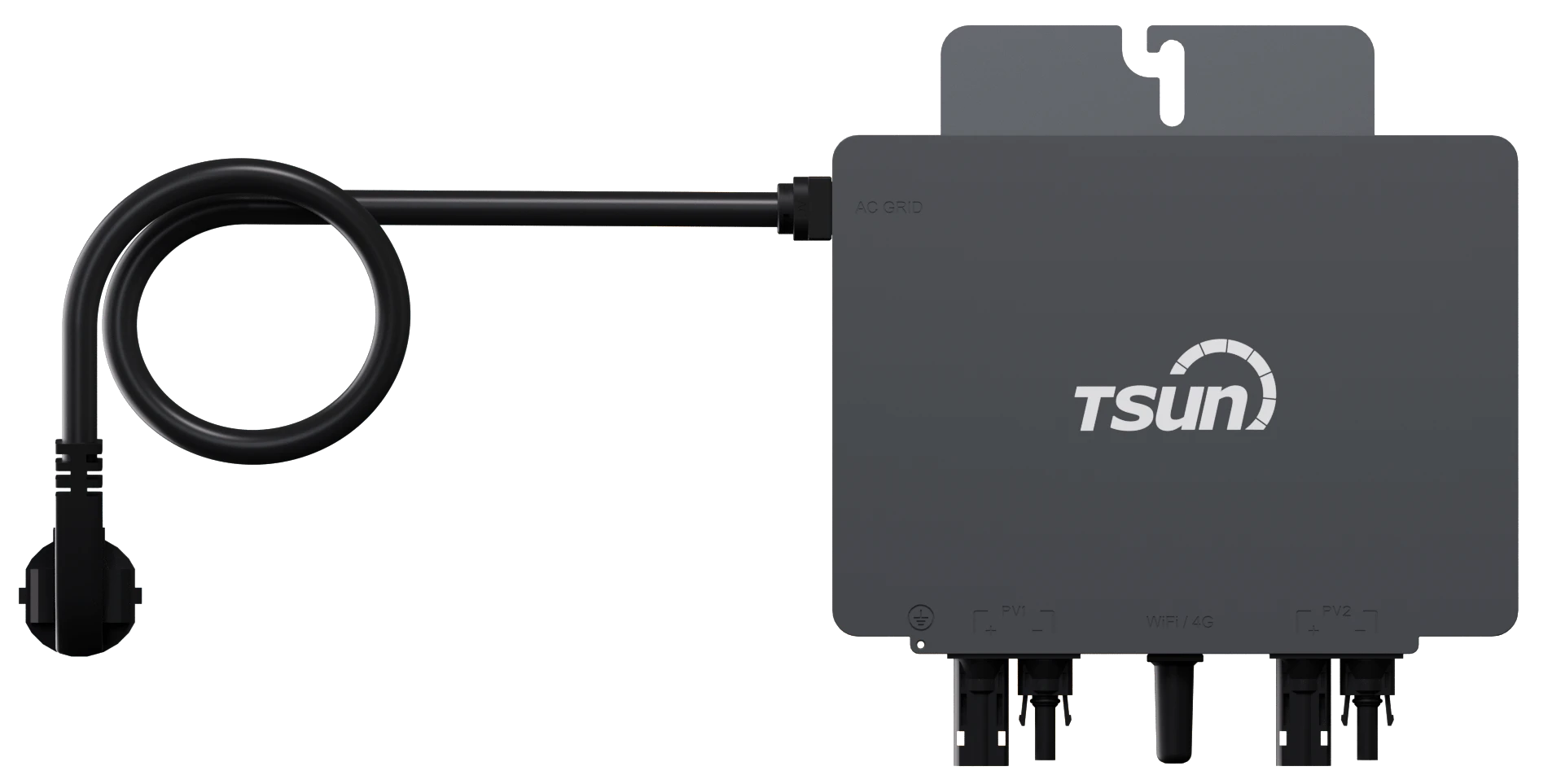
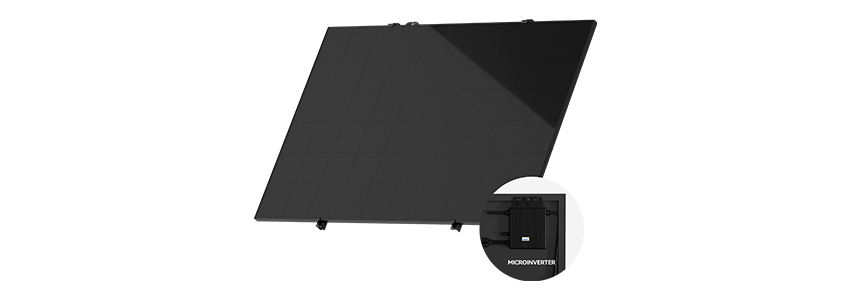
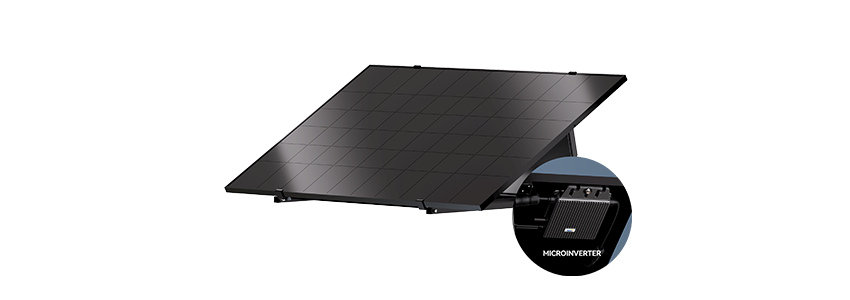
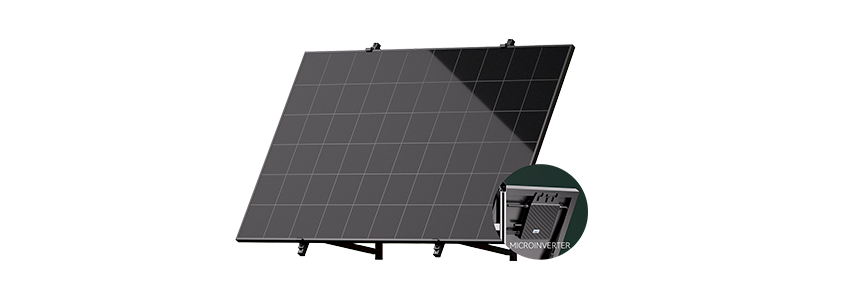
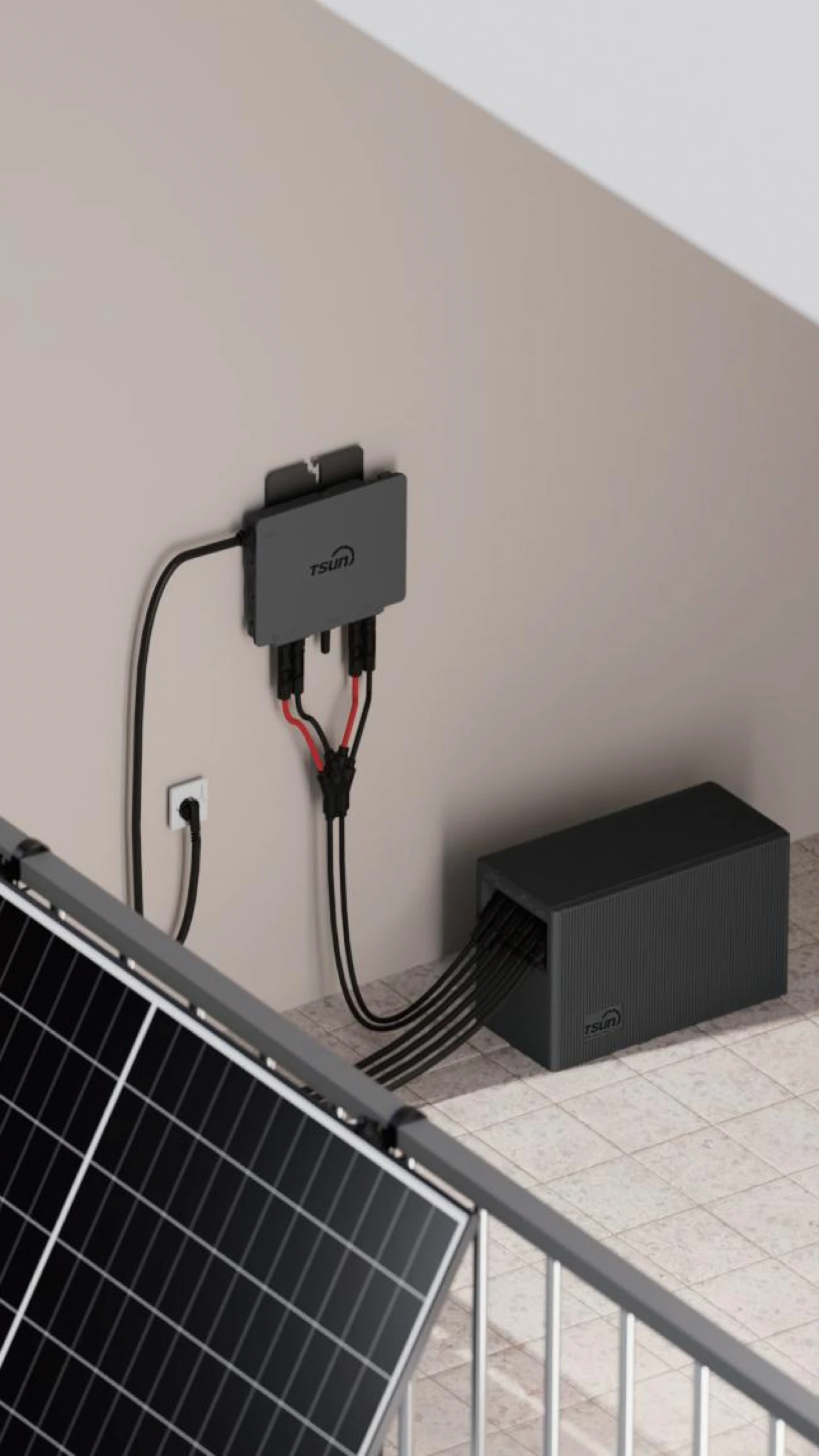
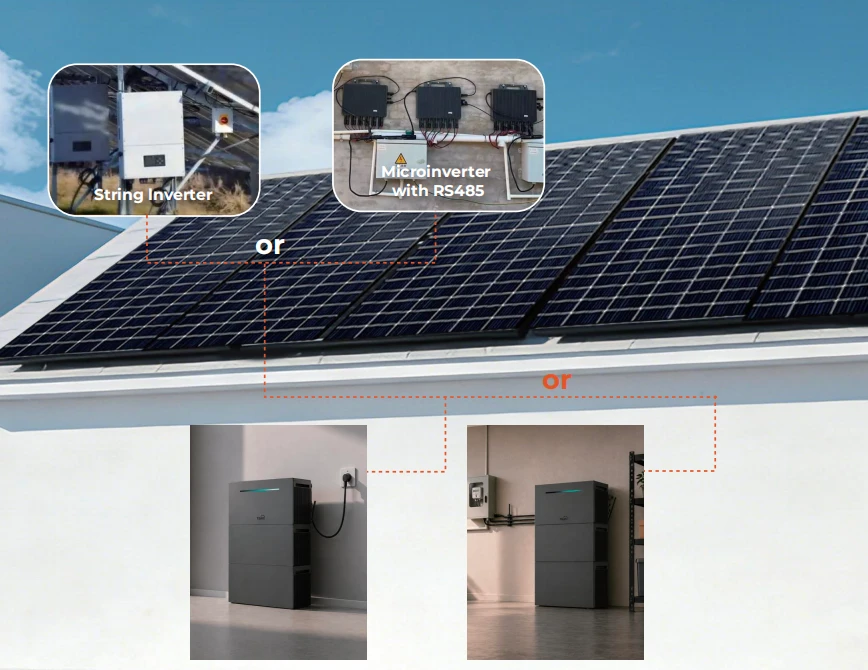
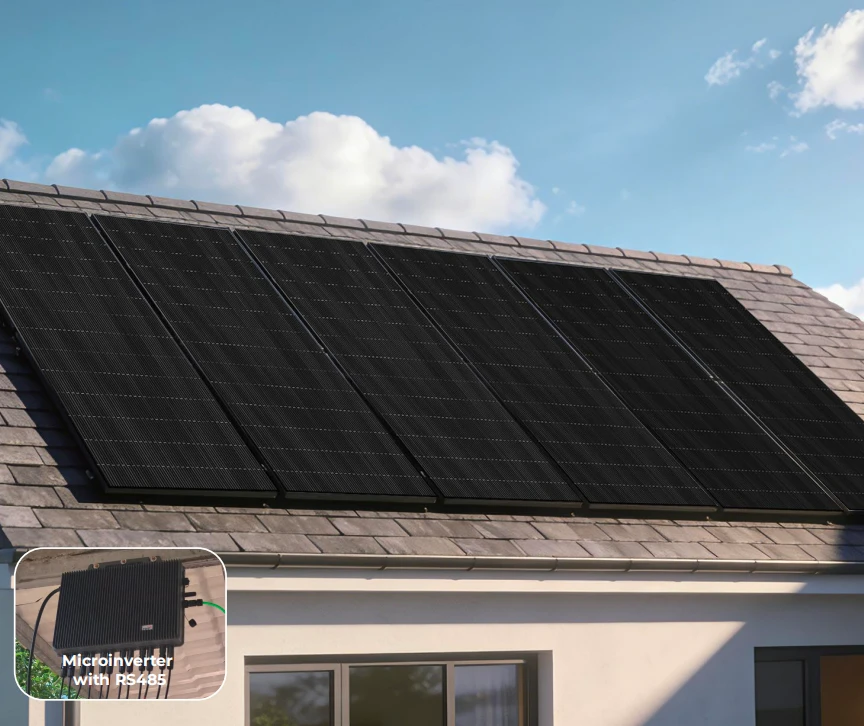
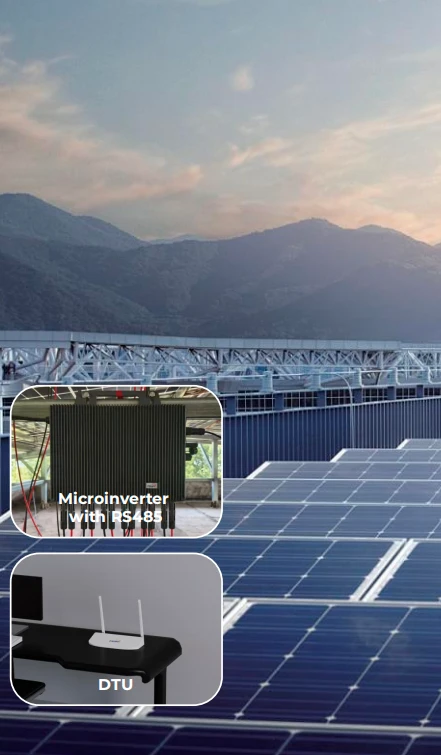
The heart of the system is the microinverter. Unlike traditional string inverters, microinverters convert DC power to AC right at the panel. For example, the TSUN 4-in-1 Microinverter allows for the connection of up to four panels with a maximum output of 2250W, providing a compact and efficient power conversion solution that fits the limited space of a balcony environment.
Installation Workflow for Balcony Systems
Implementing a balcony solar system follows a streamlined "plug and play" logic. The process begins with the secure mounting of the angled brackets to the railing, ensuring that the structure can withstand wind loads. The panels are then slotted into the brackets and tightened, creating a stable angled plane.
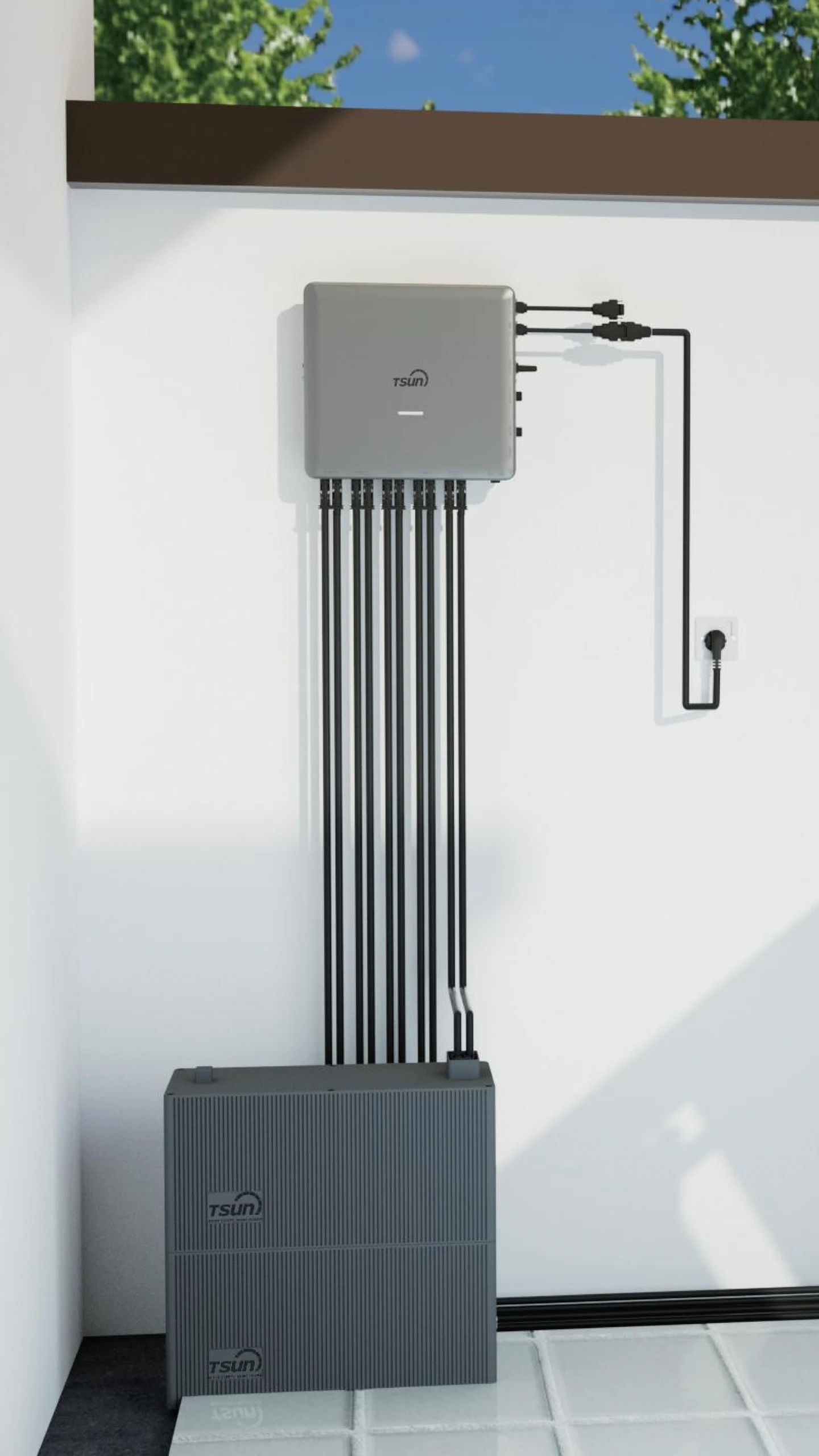
Electrical integration is the final step. Cables from the panels are connected to the microinverter. In systems utilizing trunk cable designs, the wiring is simplified, allowing the user to connect the system to the household AC grid via a standard plug. This removes the need for complex electrical panels for small-scale installations, making the process accessible for DIY users.
Energy Yield: Angled vs. Vertical Setup
The decision to buy easy balcony air angled solar panel kits over vertical versions is driven by the desire for higher energy density. The following conceptual analysis illustrates the relative energy capture efficiency based on different mounting orientations across various seasonal conditions.
As indicated in the relative performance index, angled mounts consistently outperform vertical mounts, especially during the winter months when the sun is lower in the sky. While vertical mounts are easier to install and take up less depth, they suffer from significant energy drops during non-peak seasons, making angled kits the superior choice for year-round power generation.
Selecting the Right Microinverter Capacity
Matching the microinverter to the total wattage of the panels is essential to avoid clipping and maximize efficiency. For a basic two-panel setup, a 2-in-1 microinverter is sufficient. However, for those expanding their system to four panels, a high-power unit like the TSOL-MX2250 is recommended to handle input currents up to 18A and output up to 2250W.
Buyers should also consider the MPPT voltage range. A wide range (e.g., 16-60V) ensures that the inverter can maintain maximum power point tracking even when some panels are partially shaded by balcony railings or adjacent buildings, which is a common occurrence in urban environments.
Safety and Compliance Considerations
Safety is paramount when installing electrical equipment on a balcony. All kits must ensure the structural integrity of the brackets to prevent panels from becoming wind sails. Professional kits use reinforced aluminum or galvanized steel to prevent corrosion and ensure long-term stability against the elements.
From an electrical standpoint, the use of certified plug-and-play microinverters reduces the risk of short circuits. Users should always verify that the AC connection is compatible with their local grid standards and that the system is equipped with appropriate grounding to protect against surges and electrical faults.
Comparison of Balcony Mounting Options
Choosing between different balcony configurations depends on the available space, the specific orientation of the balcony, and the desired energy output. The following table compares the three most common DIY configurations used in modern urban solar deployments.
Mount Type
Energy Efficiency
Space Requirement
Installation Complexity
Angled (Air)
High
Medium
Moderate
Vertical
Low-Medium
Low
Simple
Flat/Ground
Medium-High
High
Moderate
Hybrid Angled
Very High
Medium
Complex
Wall-Mounted
Medium
Low
Moderate
Pop-Up Kit
Medium
Medium
Simple
For users maximizing their ROI, the angled air configuration offers the best trade-off between spatial footprint and annual kilowatt-hour production, making it the recommended standard for most balcony solar applications.
Frequently Asked Questions
Angled kits allow panels to face the sun more directly, significantly increasing energy capture efficiency, especially during winter when the sun is lower in the sky.
Yes, plug-and-play kits with microinverters are designed for DIY installation. However, always check local regulations regarding grid connection.
The TSUN 4-in-1 microinverter can connect up to four solar panels, providing a maximum output of up to 2250W.
Because microinverters operate independently for each panel or group, shading on one panel does not significantly drop the performance of the other panels in the system.
Professional kits use reinforced materials and secure fastening systems to handle wind loads, but it is essential to follow the installation manual strictly.
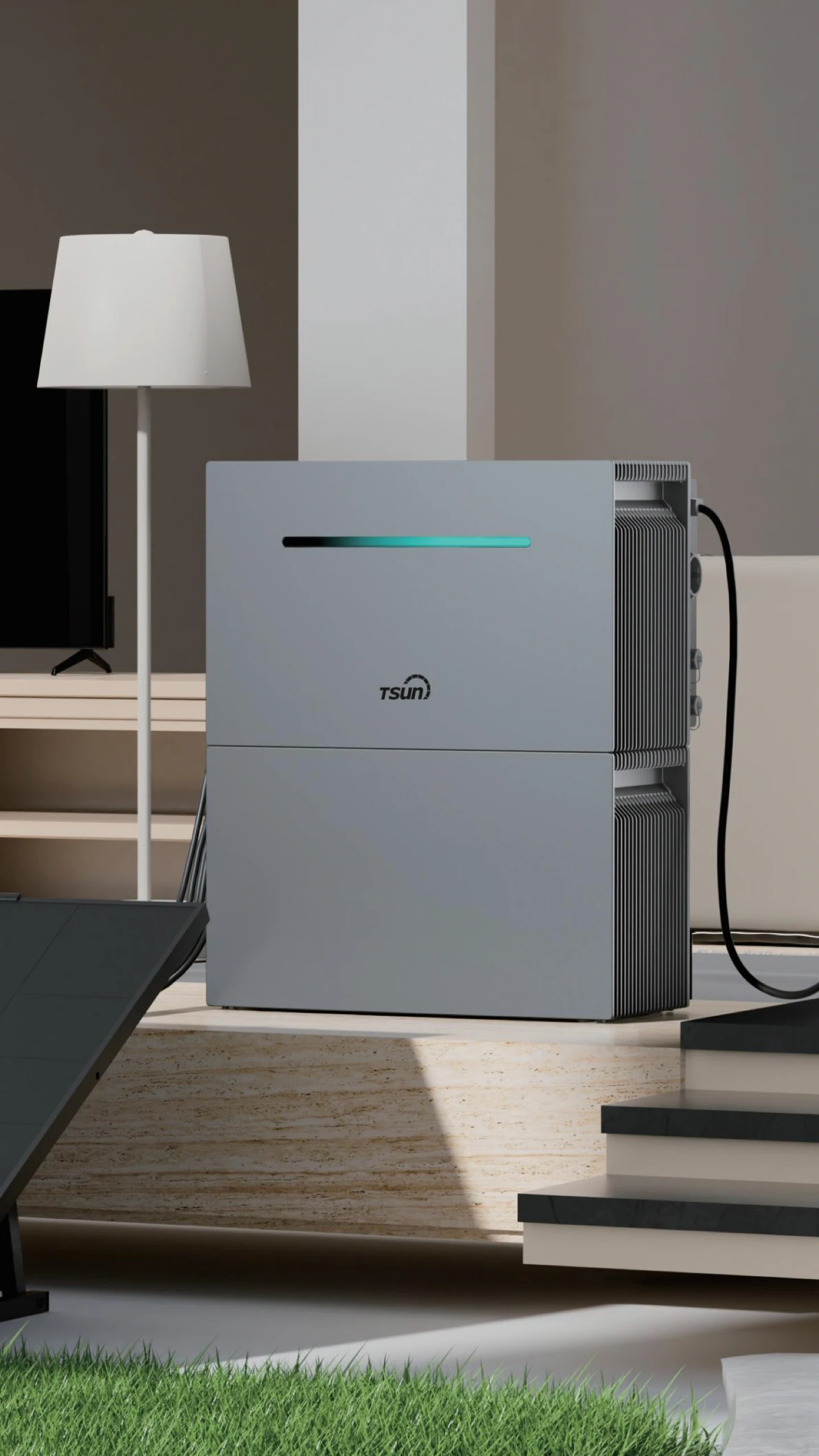
Batteries are optional. A standard kit feeds power directly into your home. Adding a storage system allows you to use solar energy at night.
Conclusion
Selecting the right balcony solar kit involves balancing the available space with the technical requirements for energy efficiency. Angled mounting systems represent the most effective way for urban residents to maximize their power harvest, reducing reliance on the grid and lowering electricity costs through a scalable, DIY-friendly approach.
For those evaluating technical specifications or seeking complete hardware packages, detailed solution information and product capabilities can be reviewed at www.tsun-ess.com to ensure the chosen system matches your balcony's specific orientation and power needs.
Owen Thompson is a dedicated Systems Integration Engineer. He focuses on the compatibility and optimal performance of our Micro Storage Systems, including the DCU and Hybrid Microinverter solutions. Owen’s expertise lies in ensuring our systems integrate seamlessly with existing home energy infrastructure, and in developing innovative monitoring solutions like our






 LEARN DETAILS
 Downloads
 Video Center
 Report Fault for Repair
 FAQS
 Service Network
 Privacy Policy
 Contact Us
 Monitoring