Maximizing Energy Efficiency with Microinverter Solar Systems
Transitioning to renewable energy is no longer just an environmental choice; it is a strategic financial decision for homeowners and businesses alike. Among the various technologies available, the microinverter solar system has emerged as a game-changer in the photovoltaic industry. Unlike traditional string inverters, microinverters convert power at the individual panel level, eliminating the "Christmas light effect" where one underperforming panel drags down the entire system. In this comprehensive guide, we will explore how this technology optimizes energy harvest, enhances safety, and provides unparalleled monitoring capabilities for a modern sustainable lifestyle.
How Microinverter Solar Technology Works
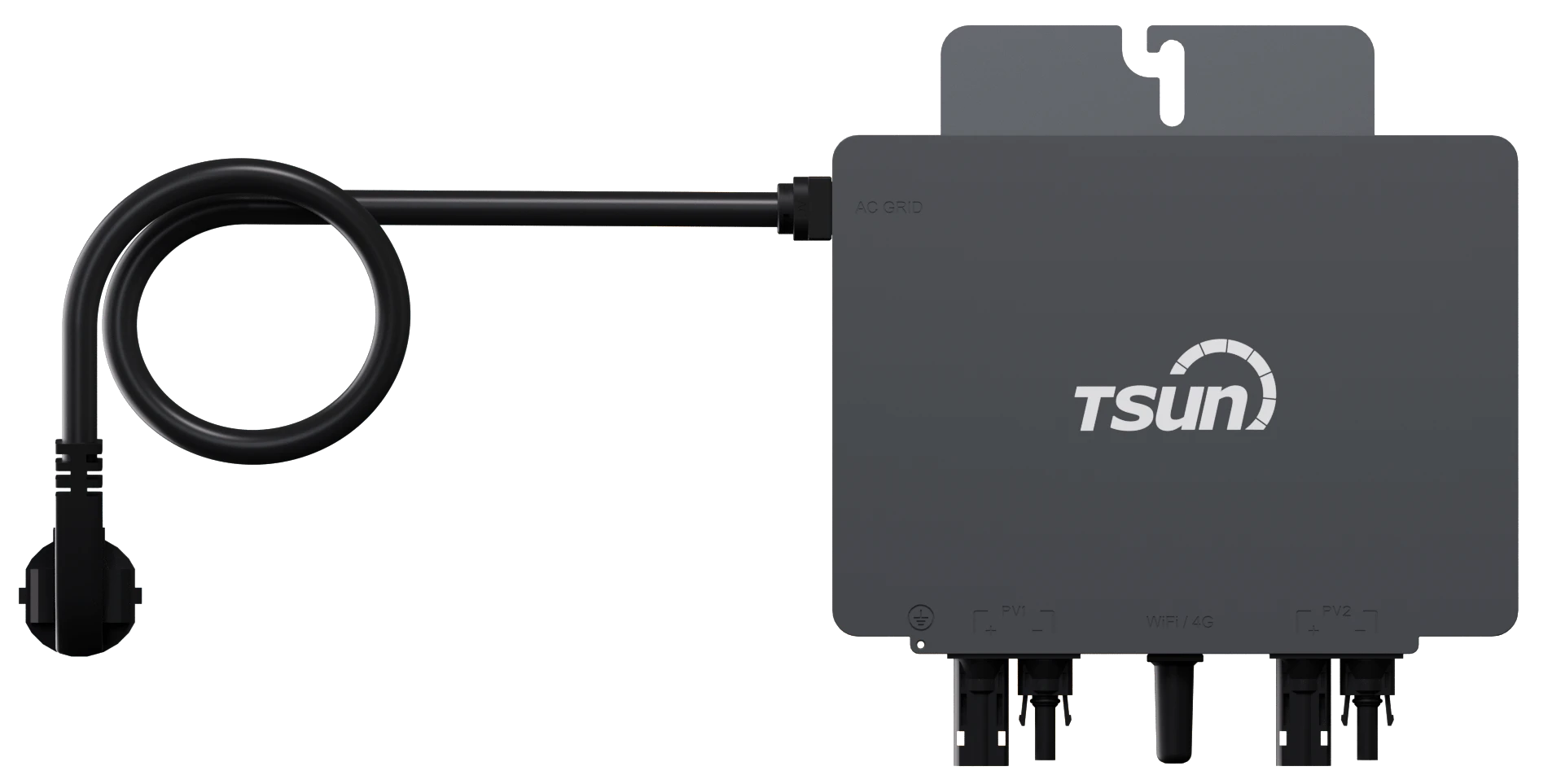
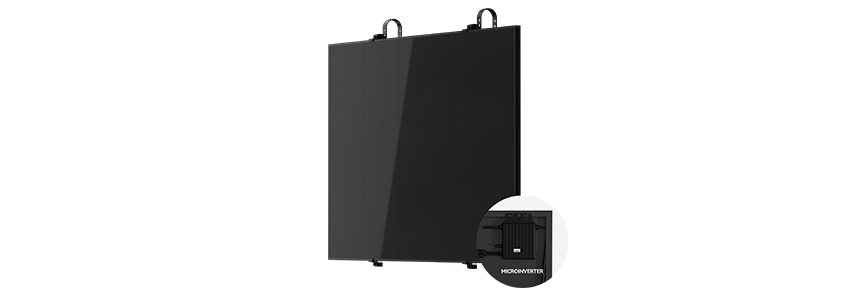
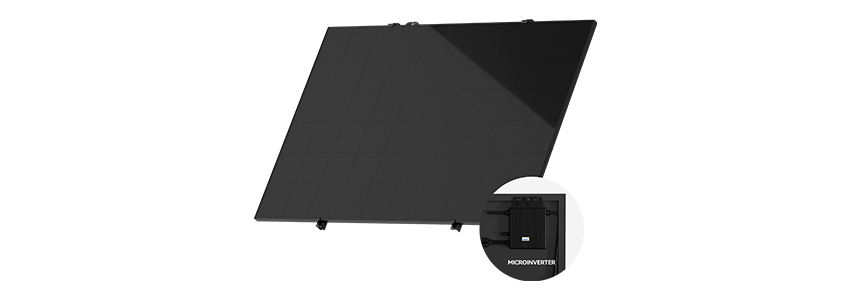
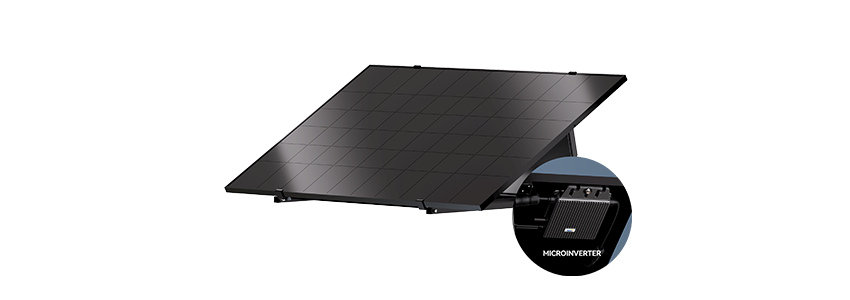
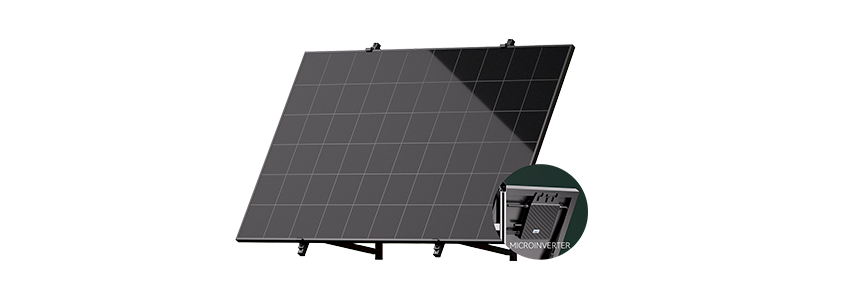
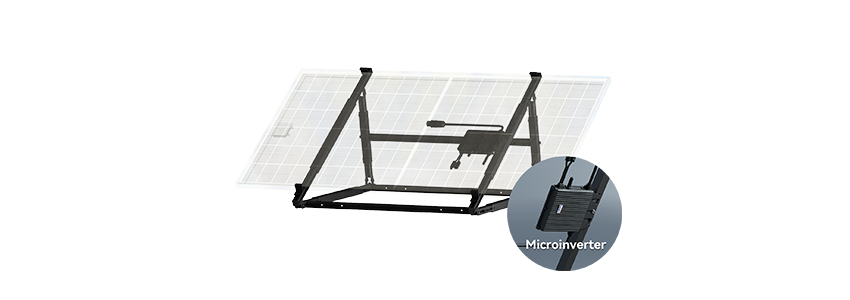
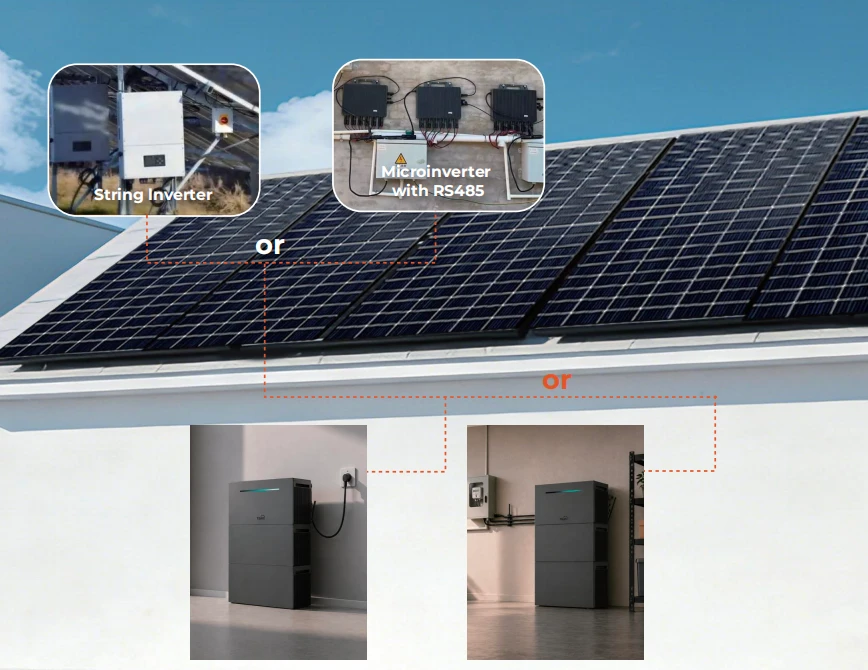
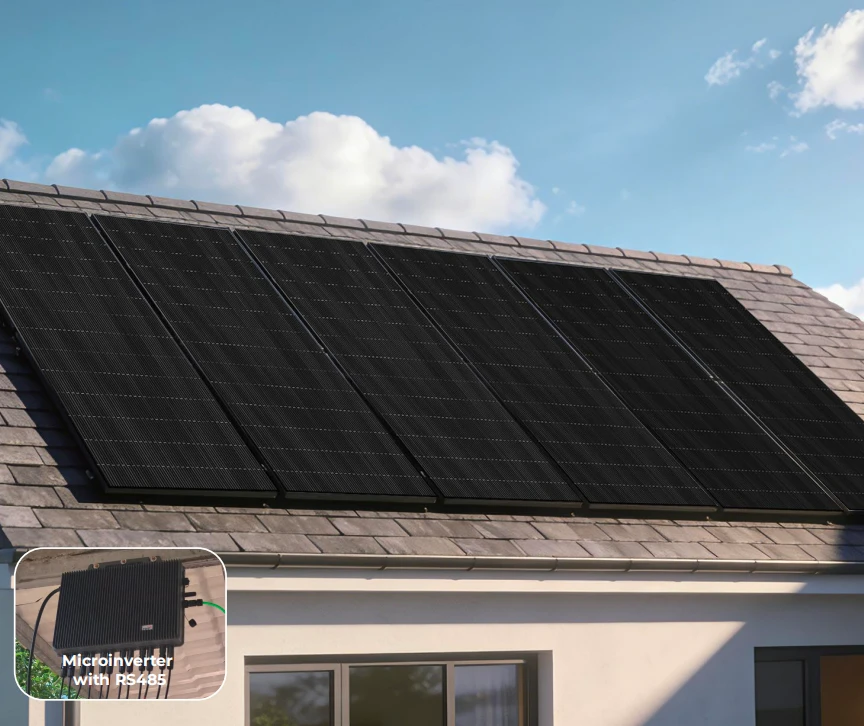
At its core, a microinverter solar setup involves installing a small inverter behind every single solar panel. While a string inverter takes DC power from all panels and converts it to AC in one central location, microinverters perform this conversion instantly at the source. This decentralized architecture means that each panel operates independently. If one panel is shaded by a tree or covered in dust, the other panels continue to produce electricity at their maximum capacity. This ensures that your investment in solar energy is never compromised by local environmental obstructions.
Technical Insight: By converting DC to AC immediately, microinverters reduce the amount of energy lost during transmission and eliminate the need for high-voltage DC wiring across your roof, significantly improving system reliability.
The Top Advantages of Choosing Microinverters
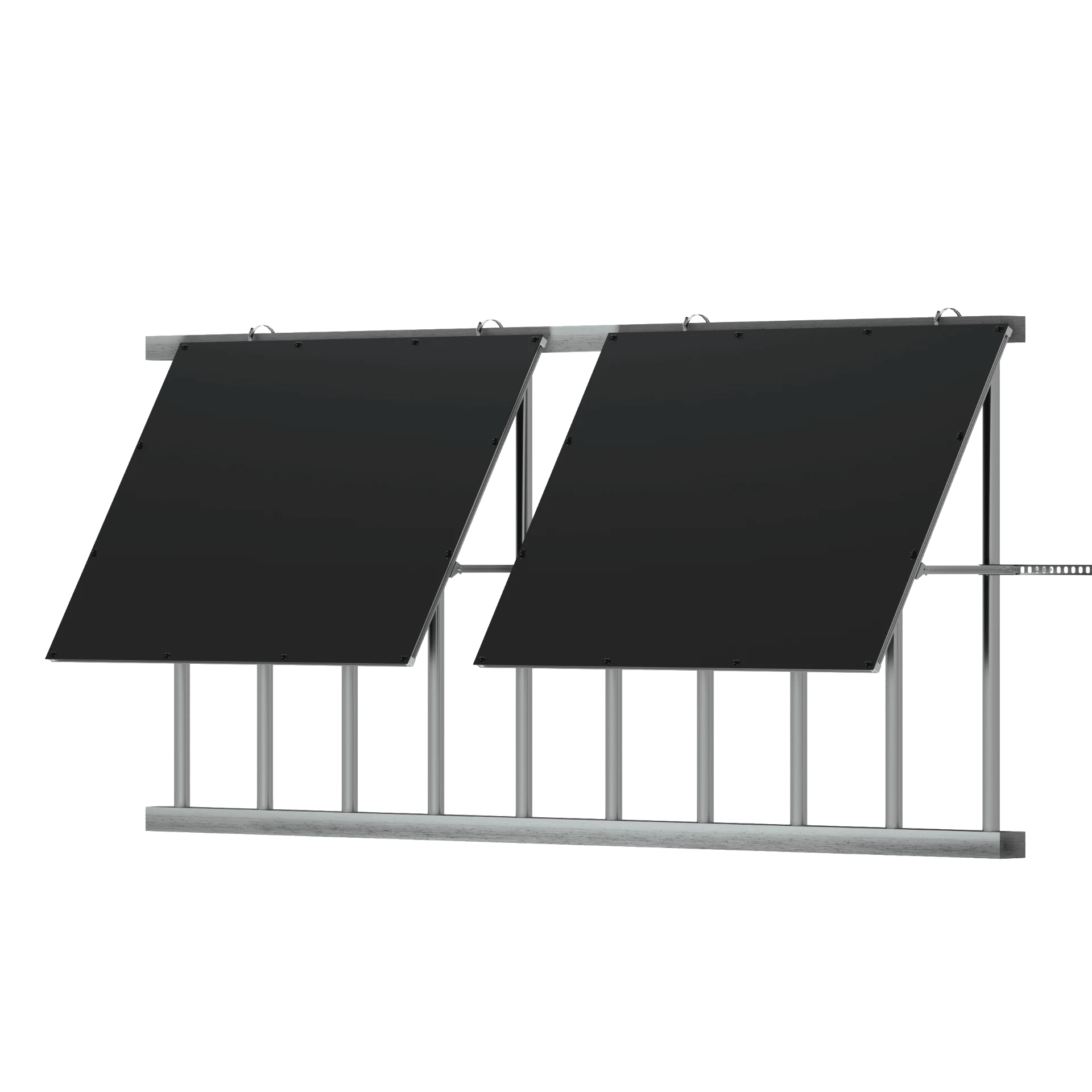
One of the most compelling reasons to opt for microinverter solar solutions is the flexibility they offer. Homeowners are no longer restricted to uniform roof angles; panels can be placed in different directions (East, West, and South) to capture the most sunlight throughout the day. Additionally, the scalability of these systems is unmatched. If you wish to expand your solar array in the future, you can simply add more panels and their corresponding microinverters without needing to replace a costly central inverter. This modular approach makes solar adoption more accessible and adaptable to growing energy needs.
Key Benefits at a Glance:
• Maximum Yield: Individual Maximum Power Point Tracking (MPPT) for every panel.
• Enhanced Safety: No high-voltage DC current running through the roof.
• Granular Monitoring: Track the performance of every single panel via an app.
• Longer Lifespan: Microinverters typically come with longer warranties than string inverters.
Microinverter Solar vs. String Inverters: Performance Comparison
When deciding between system architectures, it is essential to look at the data. String inverters are often cheaper upfront but can suffer from significant efficiency losses in complex roof environments. In contrast, the microinverter solar approach optimizes every square inch of your roof. Below is a detailed comparison illustrating why professional installers are increasingly moving toward micro-solutions for residential projects.
| Feature |
Microinverter System |
String Inverter System |
| Shade Impact |
Minimal (Only affected panel drops) |
High (Whole string drops) |
| Reliability |
High (No single point of failure) |
Moderate (Central failure = No power) |
| Monitoring |
Panel-level tracking |
System-level tracking |
| Installation Flexibility |
Extremely High |
Limited |
Smart Monitoring and System Maintenance
One of the most underrated benefits of a microinverter solar system is the intelligence it brings to energy management. Because each inverter is connected to a cloud-based platform, users can see exactly how much energy each panel is producing in real-time. This makes maintenance effortless; if a panel's production dips, you know exactly which one it is and where it is located on your roof. This eliminates the need for technicians to spend hours troubleshooting the entire array, thereby reducing long-term O&M (Operation and Maintenance) costs.
Technical Specifications for Microinverter Systems
To understand the efficiency of a microinverter solar installation, one must look at the technical parameters. These devices are engineered to withstand harsh outdoor conditions while maintaining high conversion efficiency. They are typically IP67 rated for water and dust resistance and designed to operate in extreme temperatures. Below are the typical specifications you will find in high-quality microinverter units.
| Specification |
Typical Value |
| Conversion Efficiency |
96% - 98% |
| Protection Rating |
IP67 / NEMA 6 |
| Operating Temp Range |
-40°C to +85°C |
| Warranty Period |
15 - 25 Years |
Integrating Solar with Energy Storage
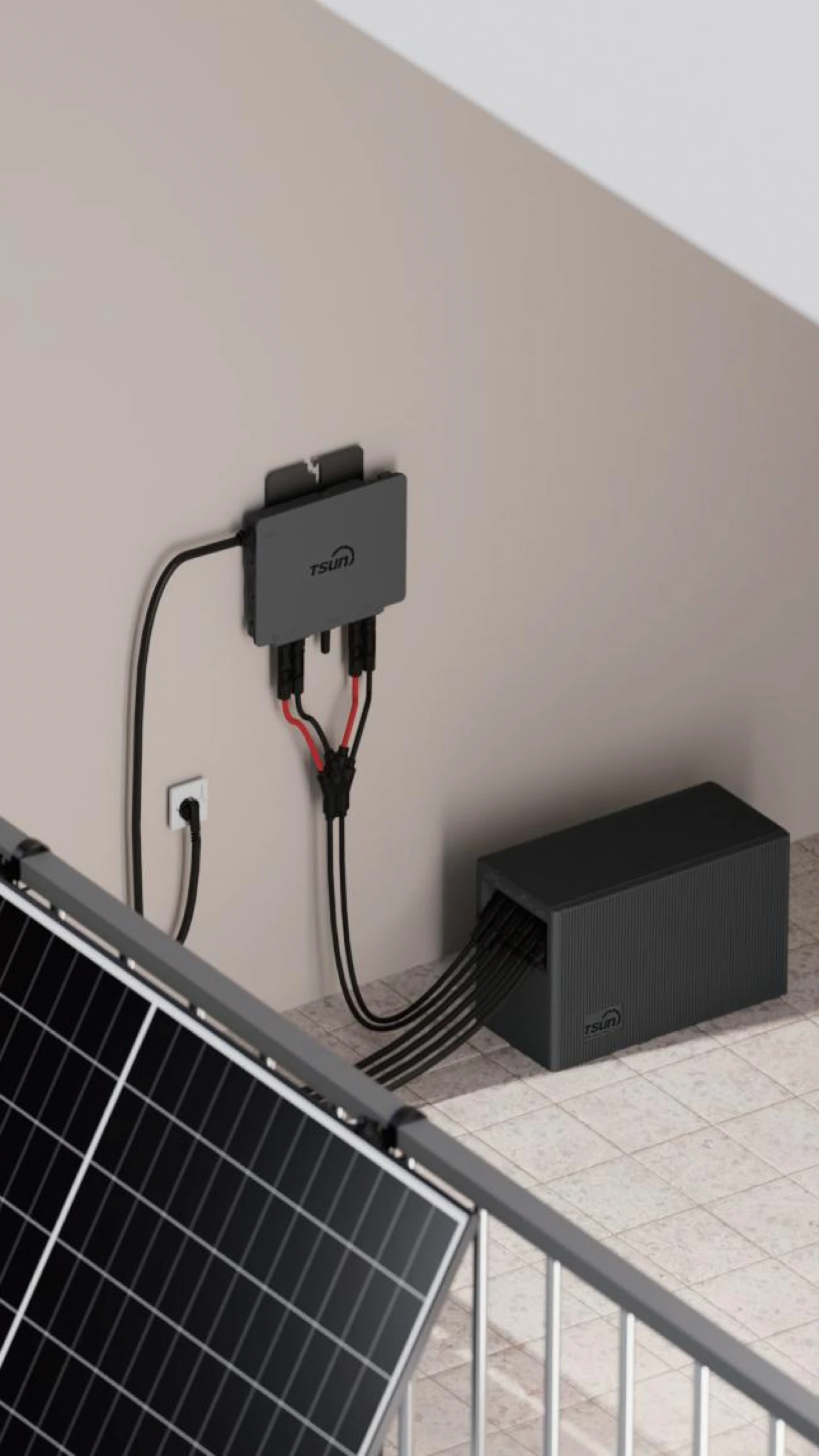
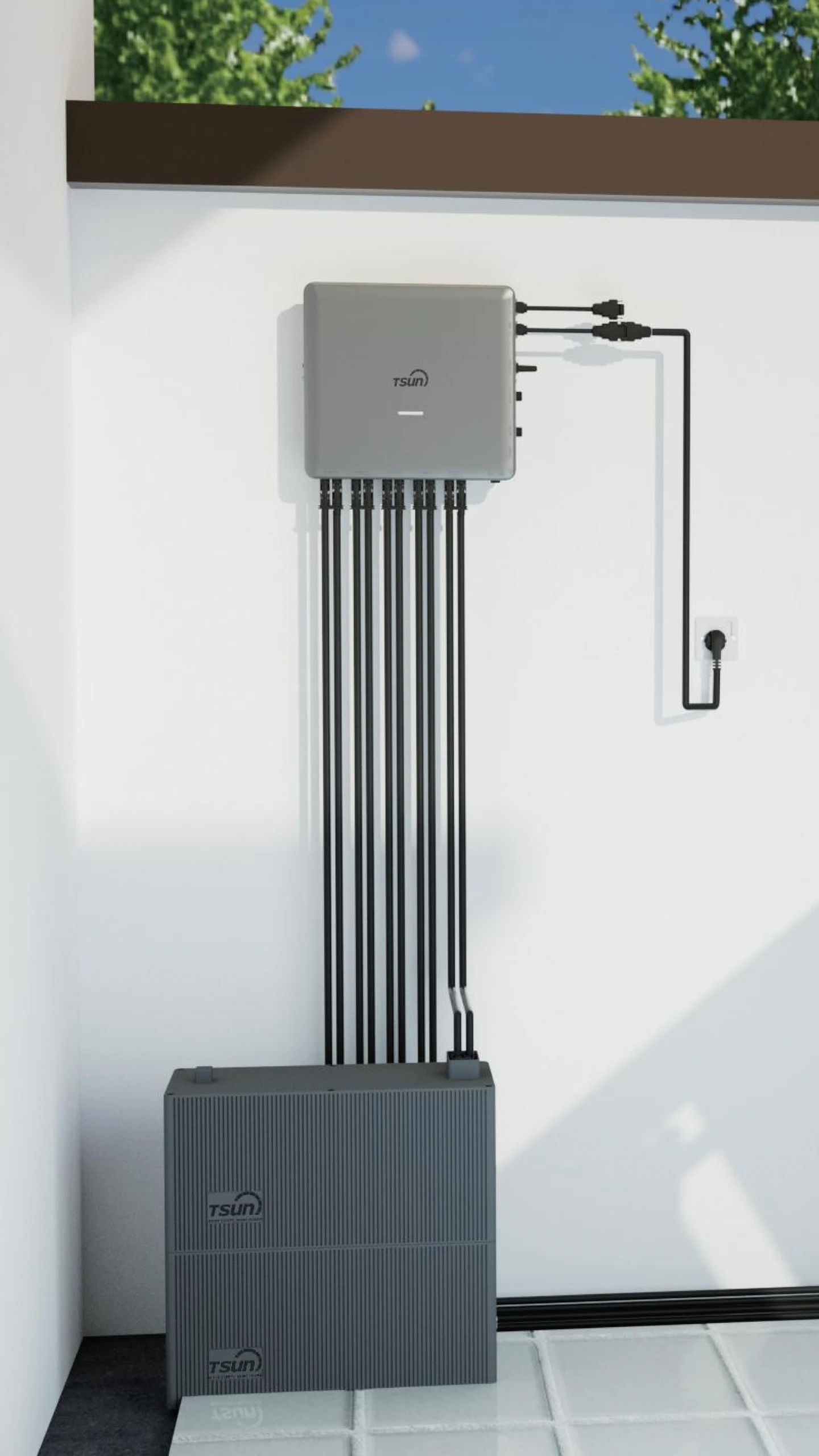
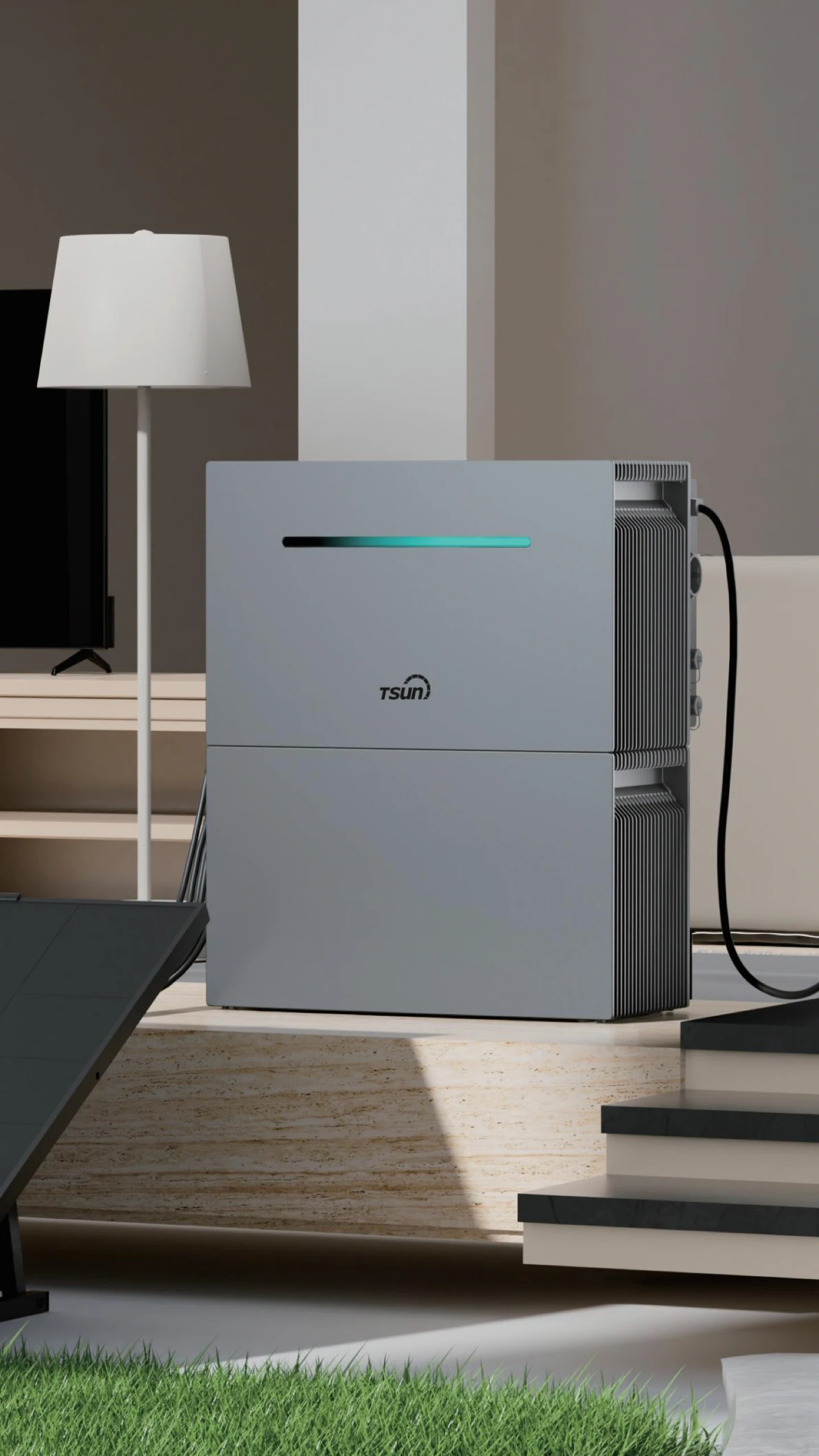
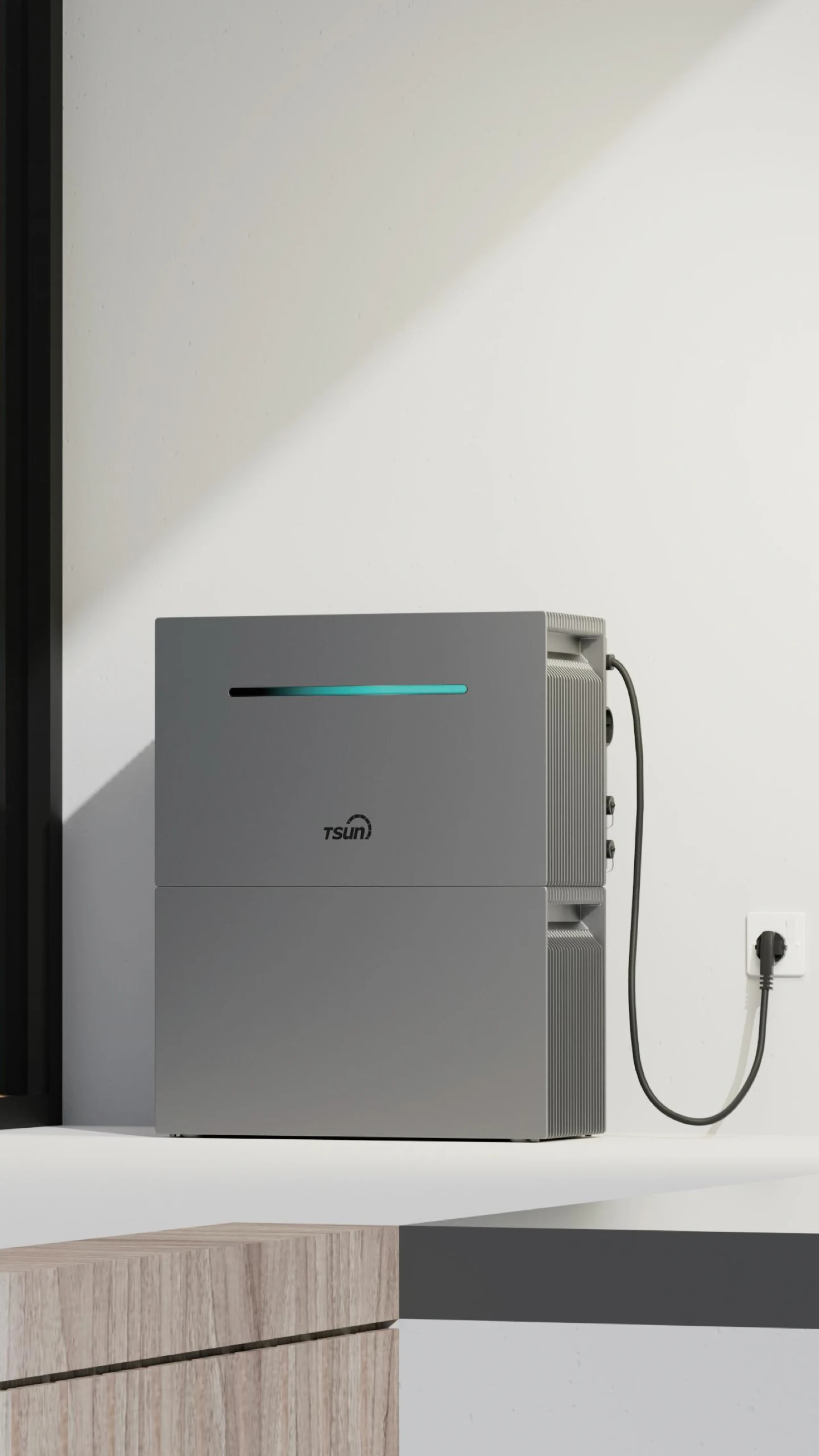
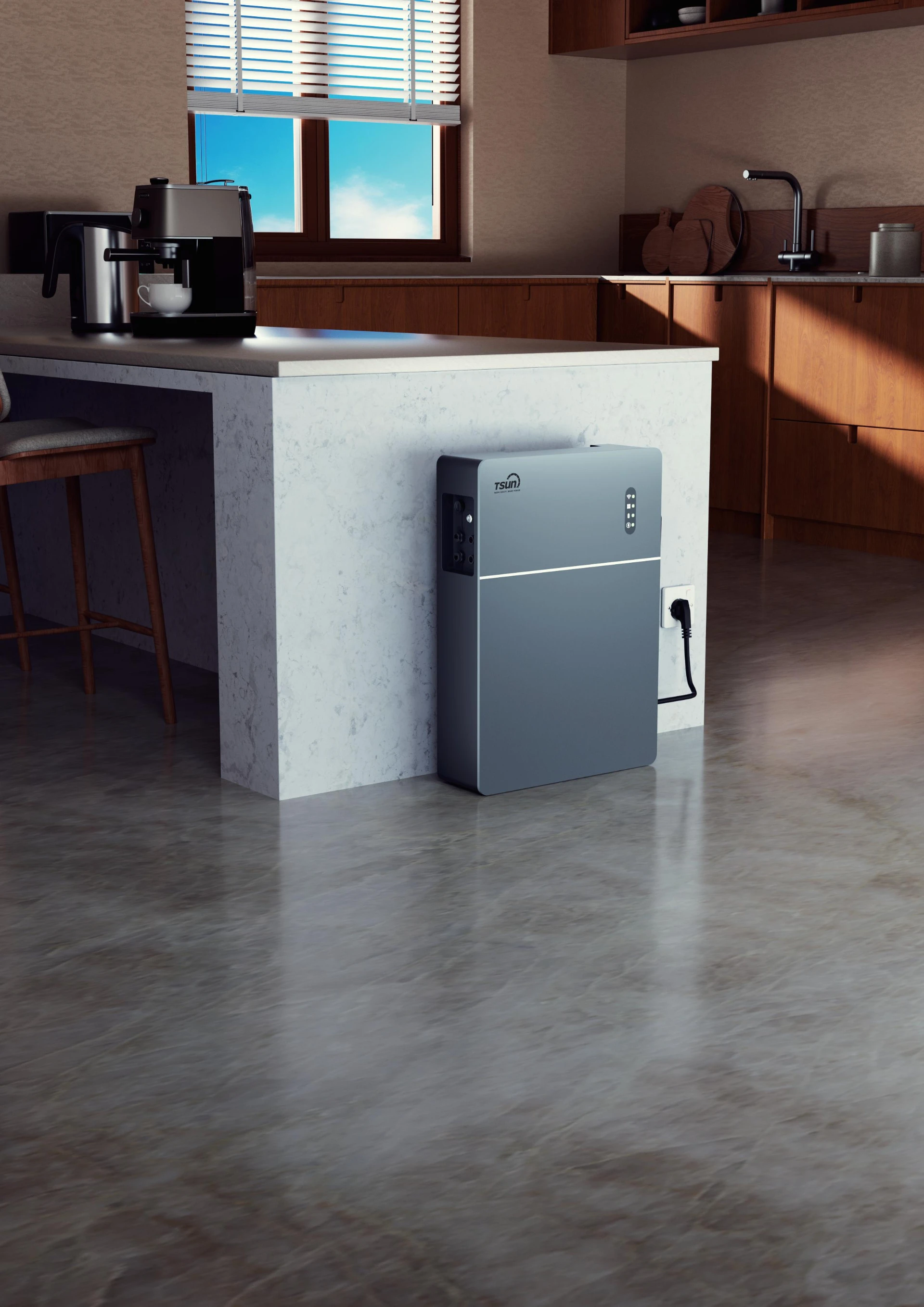
The true power of a microinverter solar system is realized when paired with an Energy Storage System (ESS). By storing the excess AC power generated during the day, homeowners can achieve greater energy independence and avoid expensive peak-hour utility rates. This hybrid approach ensures a steady power supply even during grid outages, transforming your home into a resilient energy hub. Whether it is for residential comfort or industrial reliability, the synergy between microinverters and battery storage represents the peak of current solar technology.
Conclusion: The Future is Decentralized
Investing in a microinverter solar system is a commitment to efficiency, safety, and longevity. By removing the limitations of string inverters, this technology allows every panel to reach its full potential, regardless of roof complexity or weather conditions. As the world shifts toward smarter, more resilient energy grids, the decentralized nature of microinverters provides the perfect foundation for a sustainable future. Start optimizing your energy harvest today and experience the difference of panel-level intelligence.
Frequently Asked Questions (FAQs)
Are microinverters more expensive than string inverters?
Yes, the initial upfront cost of a microinverter system is typically higher because you are purchasing an inverter for every panel rather than one large unit. However, this is often offset by the increased energy yield. Because they eliminate the efficiency loss caused by shading or panel mismatch, microinverters often produce more kilowatt-hours over the system's lifetime. When you factor in the longer warranties and reduced maintenance costs, the total cost of ownership is often more favorable than that of a string system.
Is a microinverter solar system safer than a traditional one?
Absolutely. Traditional string systems carry high-voltage Direct Current (DC) from the roof down to the inverter, which can pose a risk of electrical arcs and fires if not installed perfectly. In a microinverter system, the DC power is converted to Alternating Current (AC) right at the panel. AC is much safer to transport and is the standard for home wiring. This significantly reduces the risk of DC arc faults, making microinverter solar a preferred choice for safety-conscious homeowners.
Can I add more panels to my system later?
One of the greatest strengths of this technology is its modularity. With a string inverter, you are limited by the capacity of the central unit; if you want to add more panels than the inverter can handle, you have to replace the entire inverter. With microinverters, each panel comes with its own "brain." To expand your system, you simply install a new panel and a new microinverter and connect them to the existing AC bus. This makes it the ideal choice for people who plan to increase their energy needs over time.
How do I monitor the performance of my microinverters?
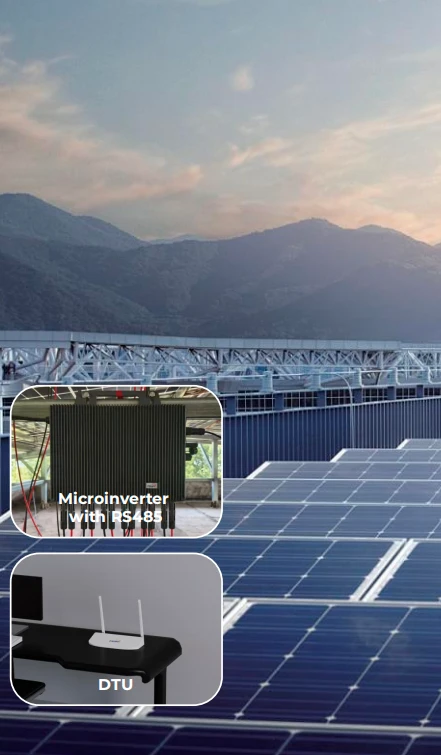
Monitoring is typically handled through a dedicated gateway or communication unit that collects data from all the microinverters via wireless signals. This data is then uploaded to a cloud platform, accessible through a mobile app or a web browser. You can view the daily, monthly, and yearly production of your entire system or zoom in to see the exact output of a single panel. This granularity allows you to identify if a specific panel needs cleaning or if there is a technical issue, ensuring your system always runs at peak efficiency.





 LEARN DETAILS
 Downloads
 Video Center
 Report Fault for Repair
 FAQS
 Service Network
 Privacy Policy
 Contact Us
 Monitoring


 LEARN MORE