Maximizing Energy Efficiency with Microinverters Solar Systems
Transitioning to renewable energy is no longer just an environmental choice; it is a strategic financial decision for homeowners and businesses alike. Among the various technologies available, microinverters solar solutions have revolutionized how we capture and convert sunlight. Unlike traditional string inverters, microinverters operate at the individual panel level, ensuring that your system isn't limited by its weakest link. This guide will explore the technical advantages, efficiency gains, and installation benefits of adopting microinverter technology to optimize your green energy investment.
How Microinverters Solar Technology Works
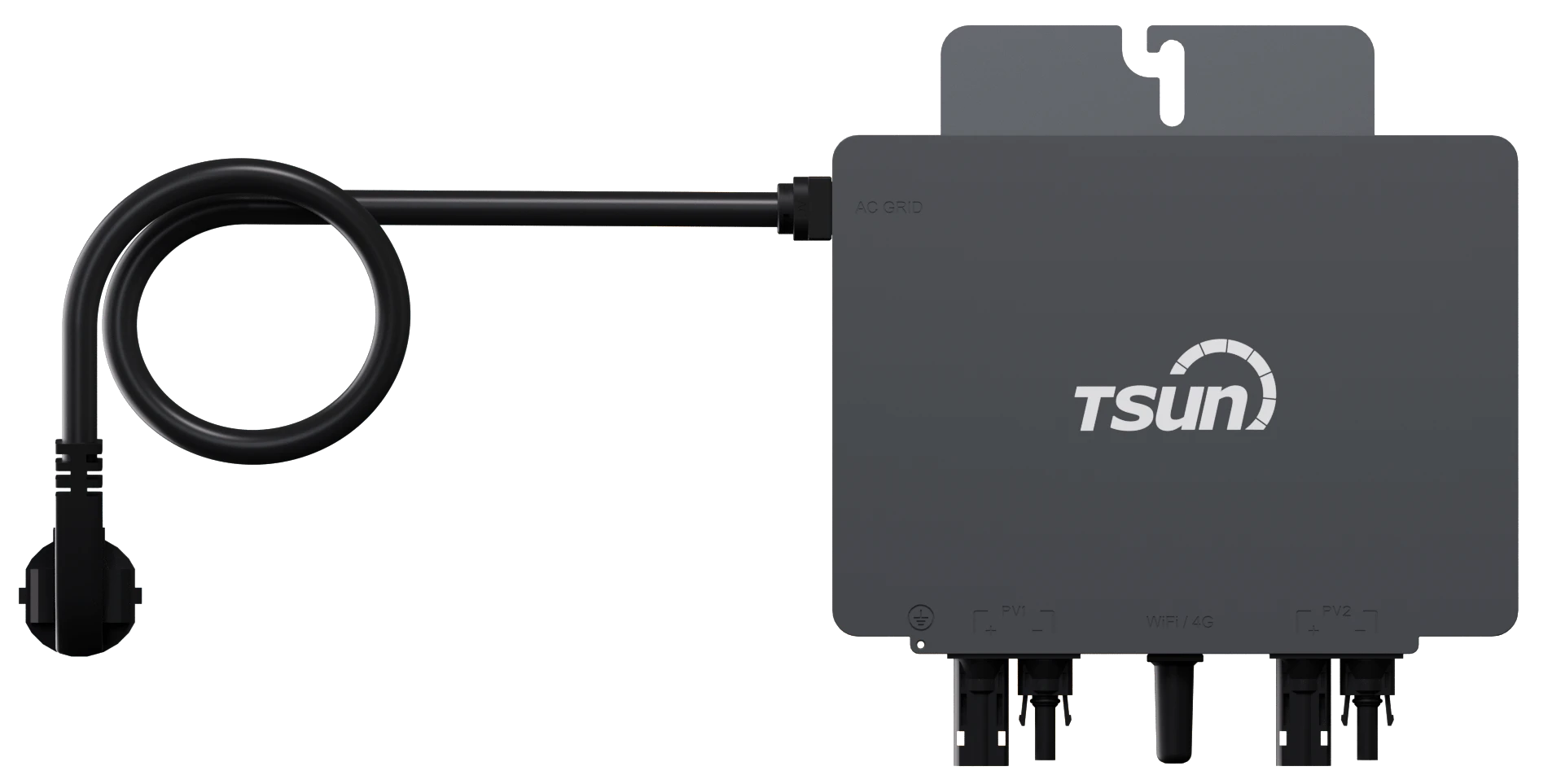
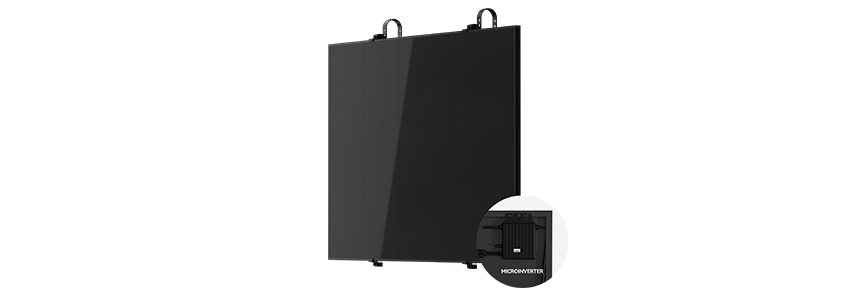
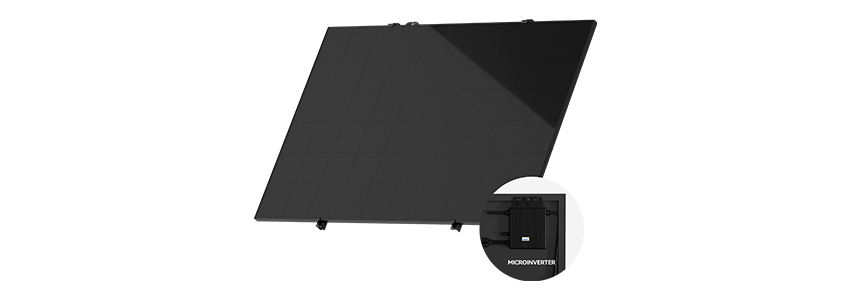
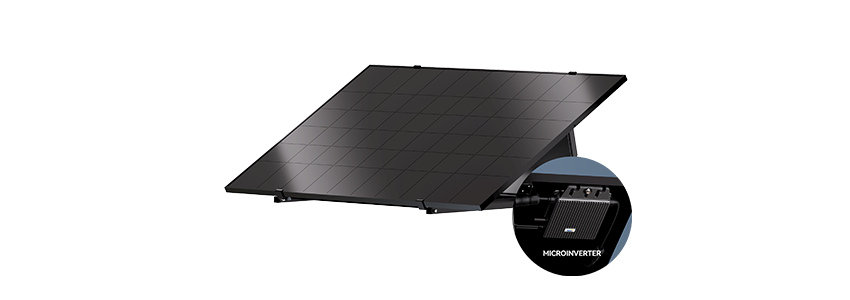
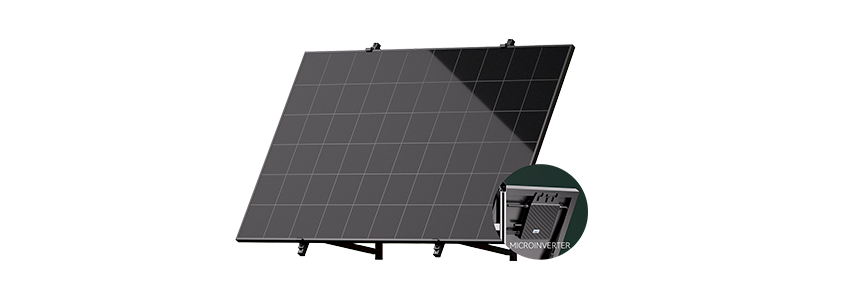
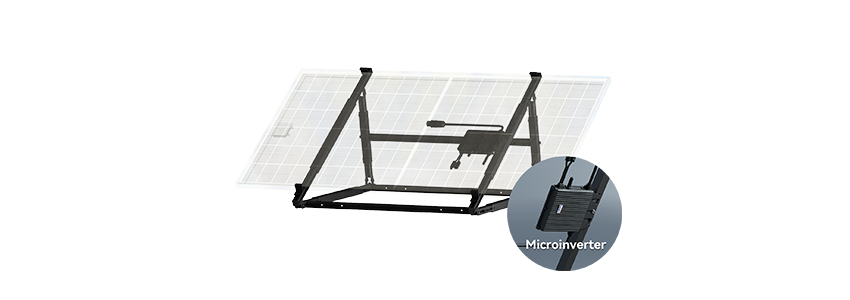
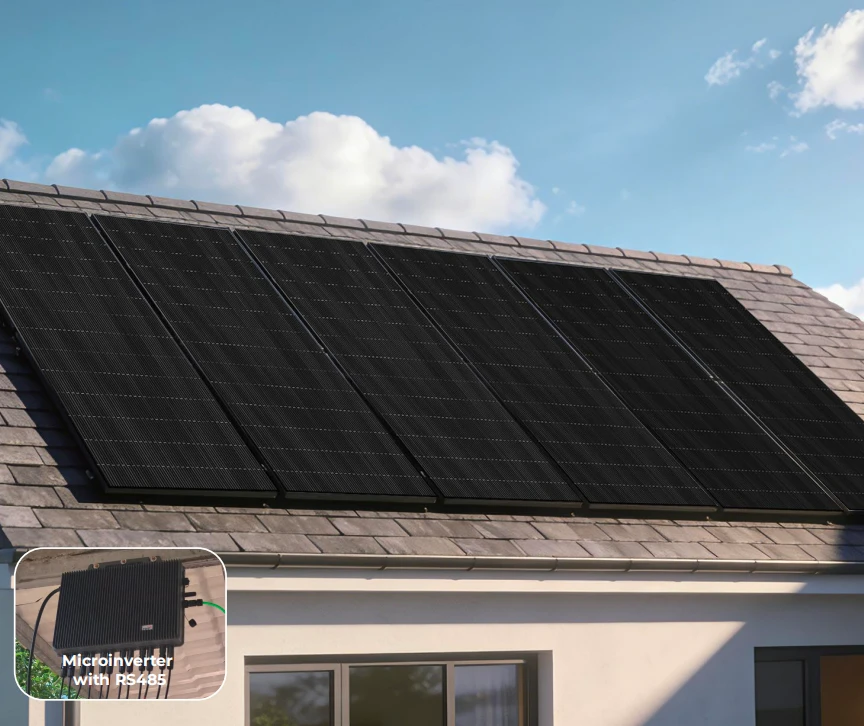
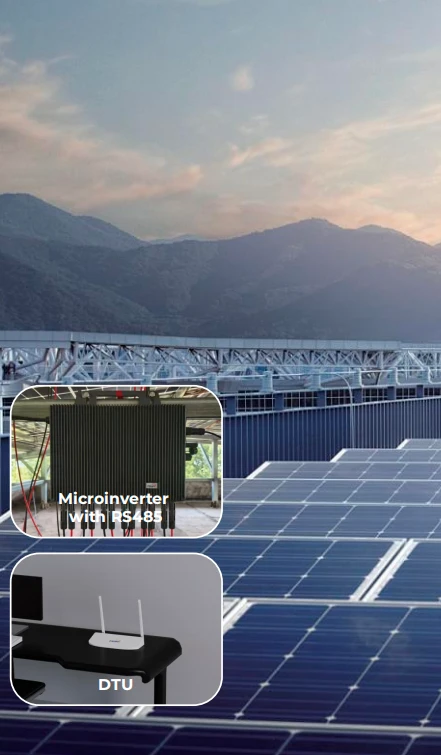
At its core, a microinverter is a small device installed on the back of each solar panel. Its primary function is to convert the Direct Current (DC) electricity produced by the panel into Alternating Current (AC) electricity immediately. In a standard system, DC power travels to a central inverter, but with microinverters solar setups, the conversion happens right at the source. This eliminates the need for high-voltage DC wiring across your roof, significantly enhancing safety and reducing energy loss during transmission. Individual Maximum Power Point Tracking (MPPT) allows each panel to operate independently, maximizing the output of every single cell.
Pro Tip: Because each panel works independently, a single shaded panel or a fallen leaf won't drag down the performance of the entire array, which is a common failure point in string inverter systems.
Key Advantages of Microinverters Solar vs. String Inverters
When choosing an inverter, the debate usually settles between string and microinverters. String inverters are often cheaper upfront, but they suffer from the "Christmas light effect"—if one panel fails or is shaded, the entire string's production drops to the level of that lowest-performing panel. Conversely, microinverters solar systems provide granular control and superior reliability. They offer easier scalability, allowing users to add panels one by one without needing to replace a central inverter. This flexibility makes them ideal for complex rooflines where panels face multiple directions.
| Feature |
Microinverters |
String Inverters |
| Shade Impact |
Minimal (Panel Level) |
Significant (String Level) |
| System Monitoring |
Individual Panel Data |
Total System Data |
| Expandability |
High (Add panels easily) |
Limited by Inverter Capacity |
| Safety |
Safe AC Voltage on Roof |
High DC Voltage on Roof |
Improving ROI with Microinverters Solar
Return on Investment (ROI) is a critical metric for any solar installation. While the initial cost of microinverters solar technology may be higher, the long-term financial gains often outweigh the cost. Increased energy harvest—especially in areas with intermittent cloud cover or surrounding trees—means more kilowatt-hours generated per year. Additionally, the ability to monitor individual panels allows homeowners to identify and fix a single failing component quickly, rather than spending hours diagnosing a whole string of panels. This reduction in maintenance downtime directly translates to higher savings on electricity bills.
Installation and Compatibility of Microinverters Solar
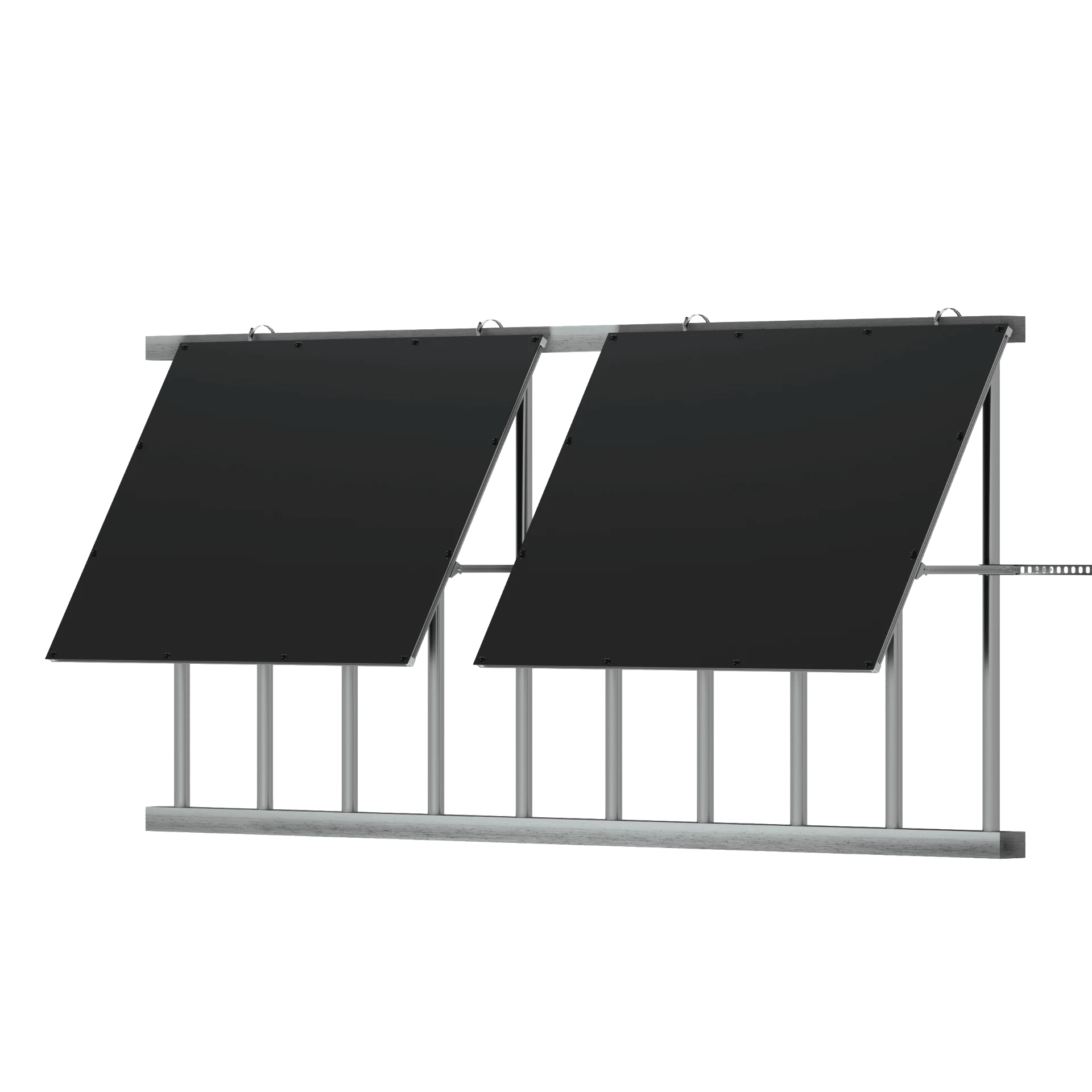
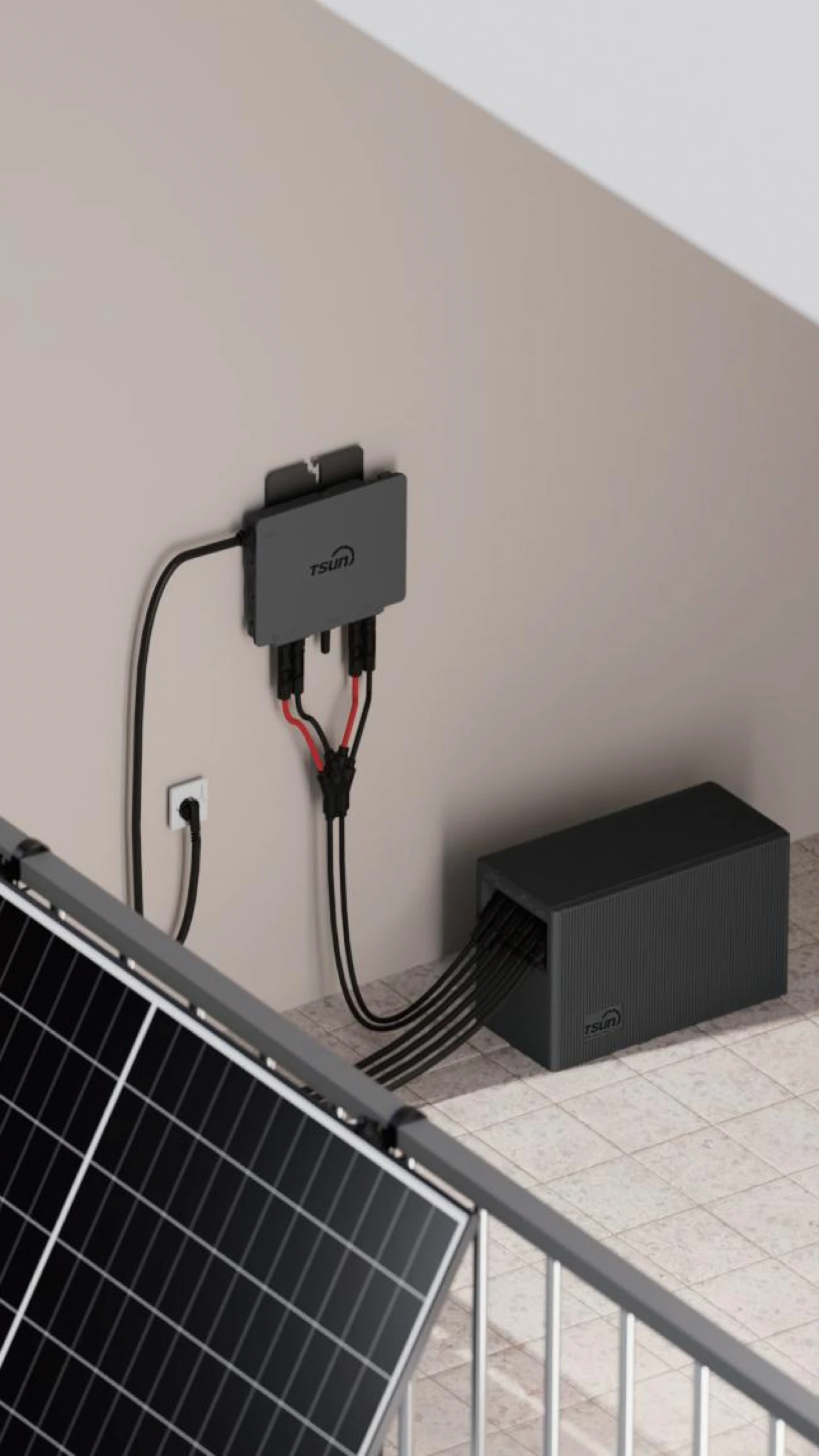
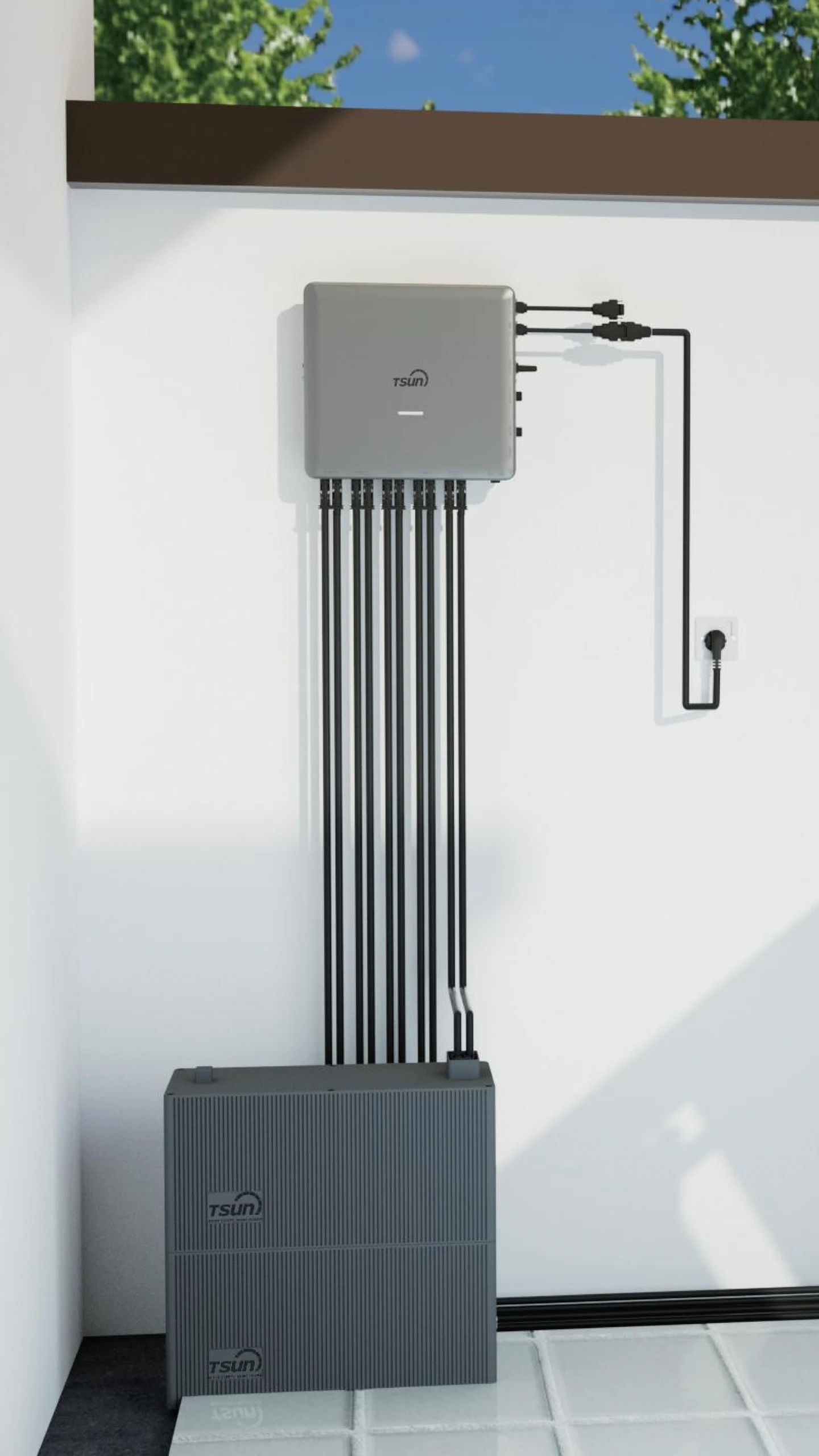
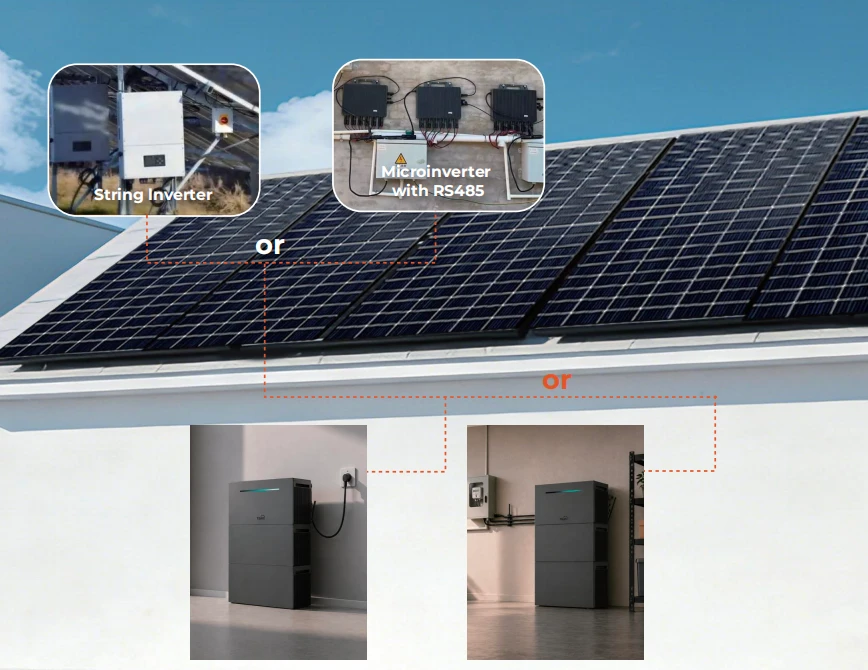
Installing microinverters solar systems is generally more flexible than traditional setups. Since there is no massive central inverter to mount on a wall, the installation is cleaner and takes up less space in the garage or utility room. These systems are compatible with a wide variety of panel brands and sizes, making them a "universal" fit for most residential projects. Furthermore, the transition to AC power happens immediately, which simplifies the integration with home battery storage systems and smart grid interfaces, ensuring a seamless flow of energy from the sun to your appliances.
Technical Specifications for Modern Microinverters
To truly understand the performance, one must look at the specifications. Modern units are designed to withstand extreme weather, from scorching heat to freezing snow. They typically feature IP67 waterproofing and advanced thermal management to prevent overheating. When evaluating microinverters solar hardware, key specs such as conversion efficiency, peak power output, and warranty length are paramount. Most industry leaders now offer warranties ranging from 15 to 25 years, mirroring the lifespan of the solar panels themselves.
| Specification |
Typical Value |
| Conversion Efficiency |
96% - 98% |
| Ingress Protection |
IP67 (Water & Dust Proof) |
| Operating Temperature |
-40°C to +85°C |
| Standard Warranty |
20 - 25 Years |
Future Trends in Microinverter Solar Ecosystems
The solar industry is moving toward "Smart Energy Management." Future microinverters solar systems will likely integrate AI-driven analytics to predict energy production based on hyper-local weather patterns. We are also seeing a tighter integration between microinverters and DC-coupled battery storage, allowing for more efficient energy shifts. As the cost of semiconductors continues to drop, these advanced systems will become the standard for all new residential builds, paving the way for fully autonomous, energy-independent homes that can trade power with neighbors via peer-to-peer grids.
Conclusion: The Smart Choice for Modern Solar
Investing in microinverters solar technology is an investment in reliability, safety, and efficiency. By decentralizing power conversion, these systems remove the vulnerabilities of traditional string inverters and unlock the full potential of every solar panel. Whether you are dealing with a complex roof layout or simply want the peace of mind that comes with panel-level monitoring, microinverters provide the most robust path to energy independence. Start your journey toward a smarter, greener future today.
Frequently Asked Questions (FAQs)
Are microinverters more expensive than string inverters?
Yes, the initial purchase price of a microinverter system is typically higher because you are buying an inverter for every single panel rather than one large unit. However, this is often offset by higher overall energy production (especially in shaded conditions) and lower long-term maintenance costs. Many users find that the increased efficiency leads to a faster payback period in real-world scenarios compared to string systems.
Can I add more panels to a microinverter system later?
Absolutely. One of the greatest strengths of microinverters solar systems is their modularity. Unlike string inverters, which have a fixed maximum capacity, you can add new panels and their corresponding microinverters to your existing system without needing to upgrade your main inverter. This makes it the perfect choice for homeowners who plan to expand their solar array over time.
What happens if one microinverter fails?
If a single microinverter fails, only the panel attached to that specific unit stops producing power. The rest of your solar array continues to operate at 100% efficiency. In a string inverter system, a single failure can potentially shut down the entire string. This isolation makes microinverters far more reliable and ensures that your home continues to receive power even during partial hardware failure.
Do microinverters require a special type of solar panel?
No, microinverters are generally compatible with most standard silicon solar panels. Because the conversion from DC to AC happens at the panel level, you can even mix and match different panel brands or wattages within the same system without them affecting each other's performance. This versatility is a major advantage for those upgrading old systems or using a variety of panel types on different roof slopes.





 LEARN DETAILS
 Downloads
 Video Center
 Report Fault for Repair
 FAQS
 Service Network
 Privacy Policy
 Contact Us
 Monitoring


 LEARN MORE