Top easy balcony angled solar panel kits manufacturer Guide
Top easy balcony angled solar panel kits manufacturer Guide
0%
Table of Contents
Selecting a professional easy balcony angled solar panel kits manufacturer is a critical decision for urban homeowners seeking to maximize energy independence. These specialized kits are designed to optimize sun exposure in constrained spaces, transforming standard apartment balconies into efficient power stations through precision-engineered angled mounting systems.
Many residential users struggle with low sunlight efficiency due to vertical walls and urban shading. Angled kits solve this by tilting panels toward the sun's peak trajectory, significantly increasing the kilowatt-hour yield compared to flat or strictly vertical installations, while ensuring structural safety and wind resistance.
This guide provides a technical analysis of balcony solar systems, evaluating the selection criteria for manufacturers, installation workflows, and the performance advantages of hybrid micro-storage integration for modern city living.
1Understanding Angled Balcony Solar Architecture
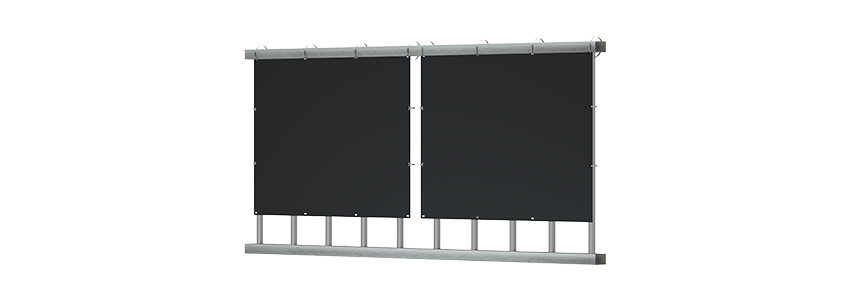
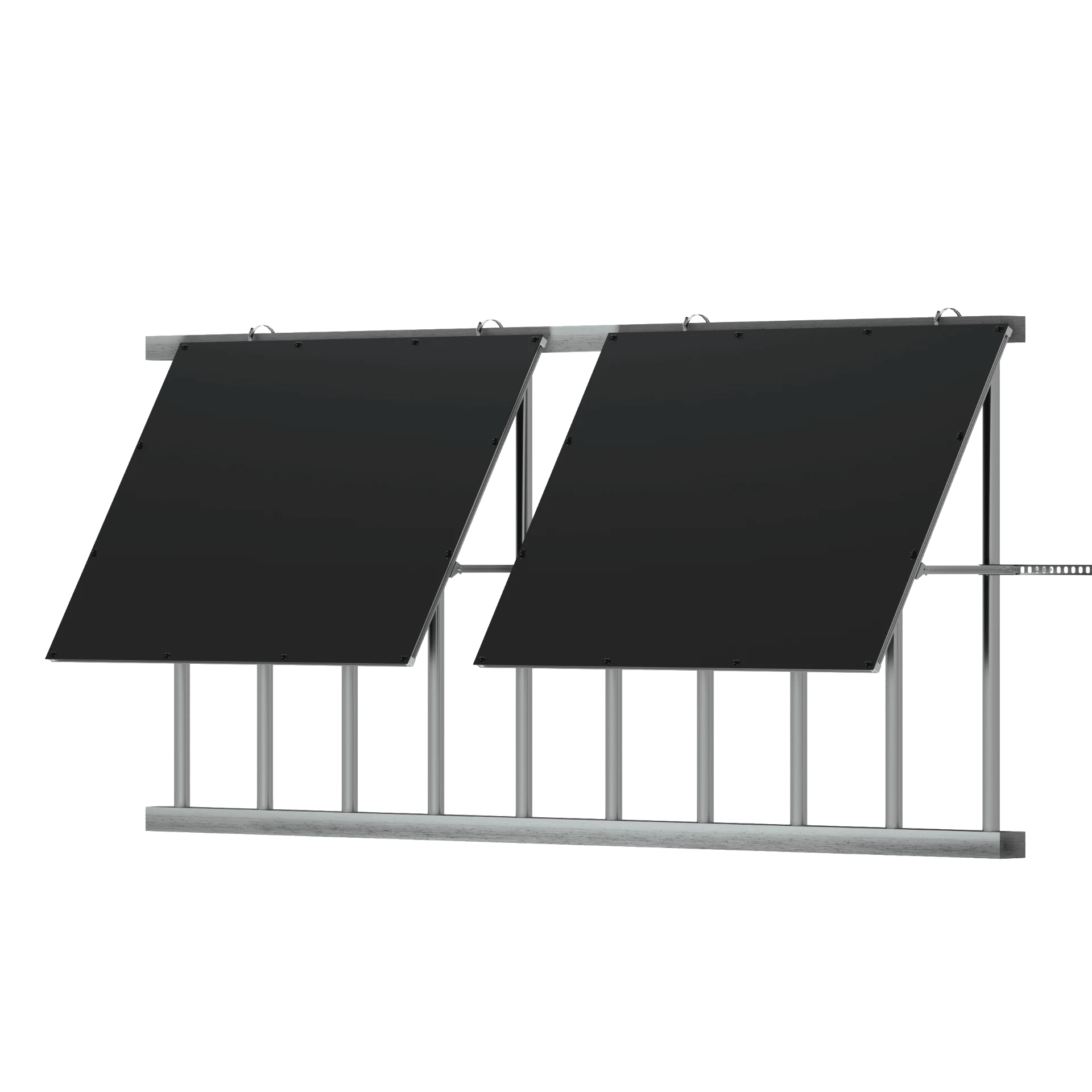
An easy balcony angled solar panel kits manufacturer focuses on creating mounting structures that allow PV modules to be positioned at an optimal tilt angle, typically between 30 and 45 degrees depending on the latitude. This geometric adjustment ensures that the sun's rays hit the cells perpendicularly for a longer duration of the day.
Technical Note: An incorrect angle can lead to a 15-25% loss in potential energy harvest, especially during winter months when the sun is lower in the sky.
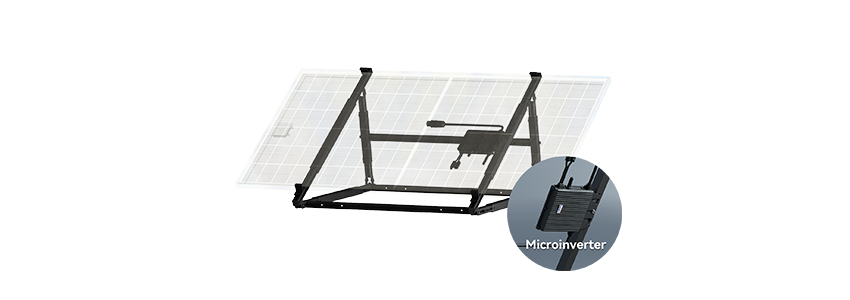
Unlike traditional roof-mounted systems, balcony kits must prioritize non-invasive mounting to comply with rental agreements and building codes. Precision-engineered brackets allow for secure attachment to railings without permanent drilling, maintaining the structural integrity of the balcony.
The architecture integrates high-efficiency monocrystalline cells with weather-resistant frames. By employing angled designs, manufacturers also facilitate natural runoff for rainwater and snow, preventing accumulation that could otherwise obscure the panels or cause mechanical stress.
2Core Technical Features of Premium Kit Manufacturers
Leading manufacturers distinguish themselves through the use of aerospace-grade aluminum alloys and reinforced mounting hardware. These materials ensure that the kits can withstand high-velocity wind loads common in high-rise environments while remaining lightweight for easy installation.
Material Standard: Anodized aluminum is preferred for balcony kits to prevent corrosion from urban pollution and humidity.
Modular design is another hallmark of a quality manufacturer. By offering scalable components, users can start with a single panel and expand their system as their energy needs grow. This flexibility is essential for urban residents with varying balcony dimensions.
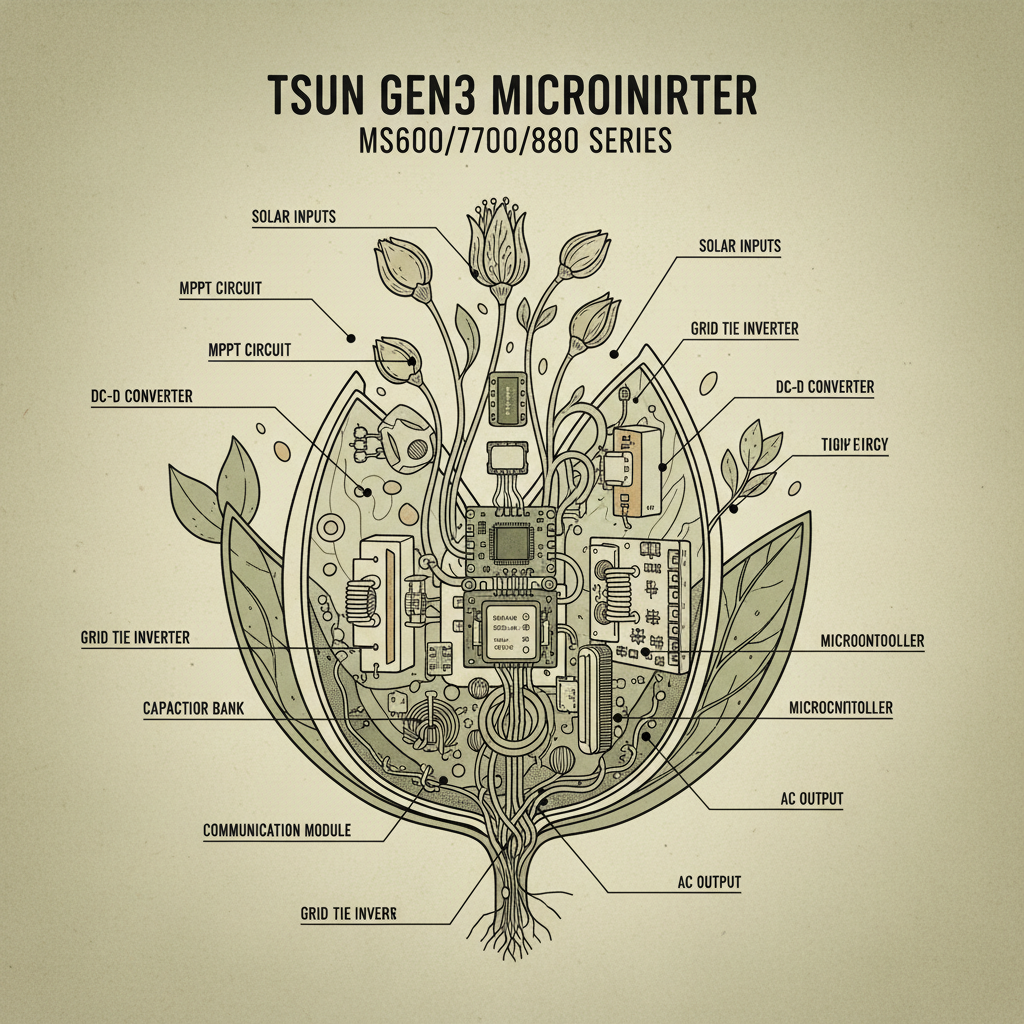
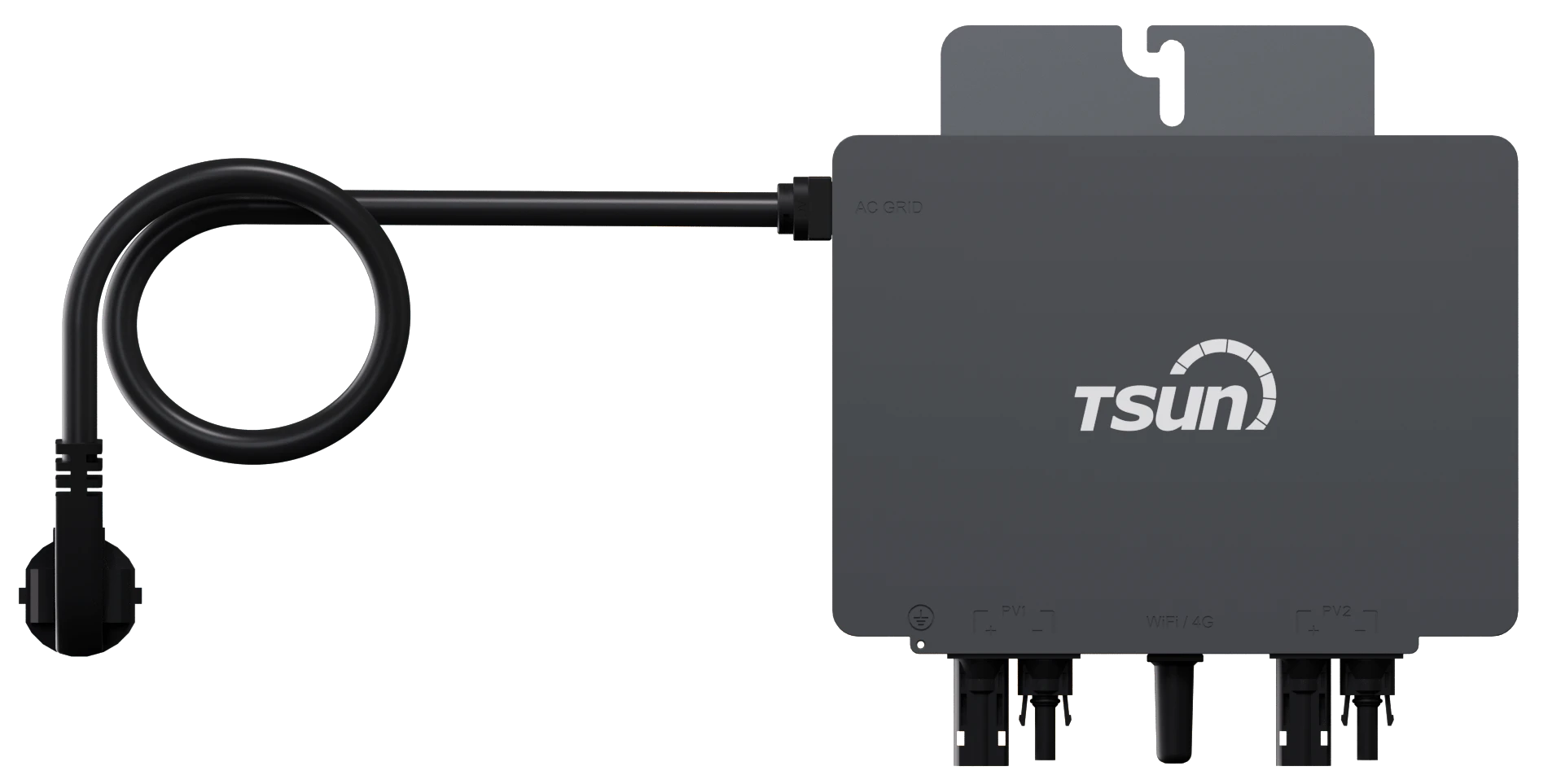
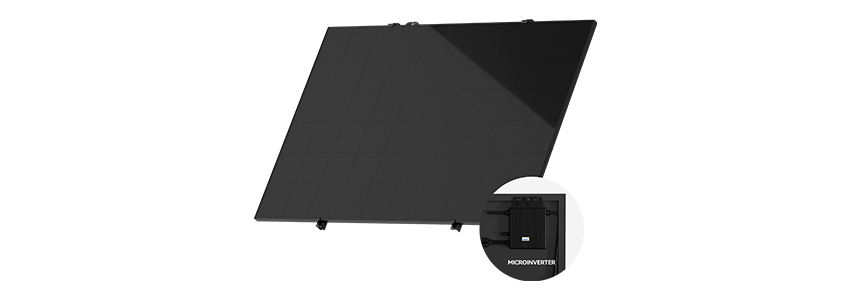
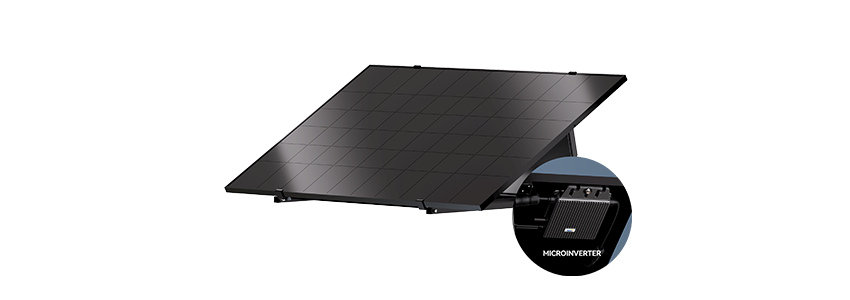
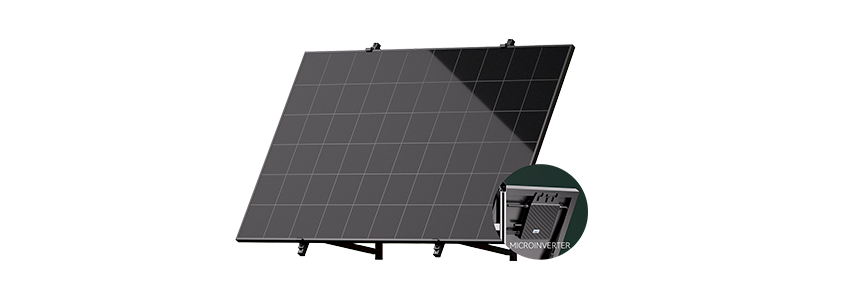
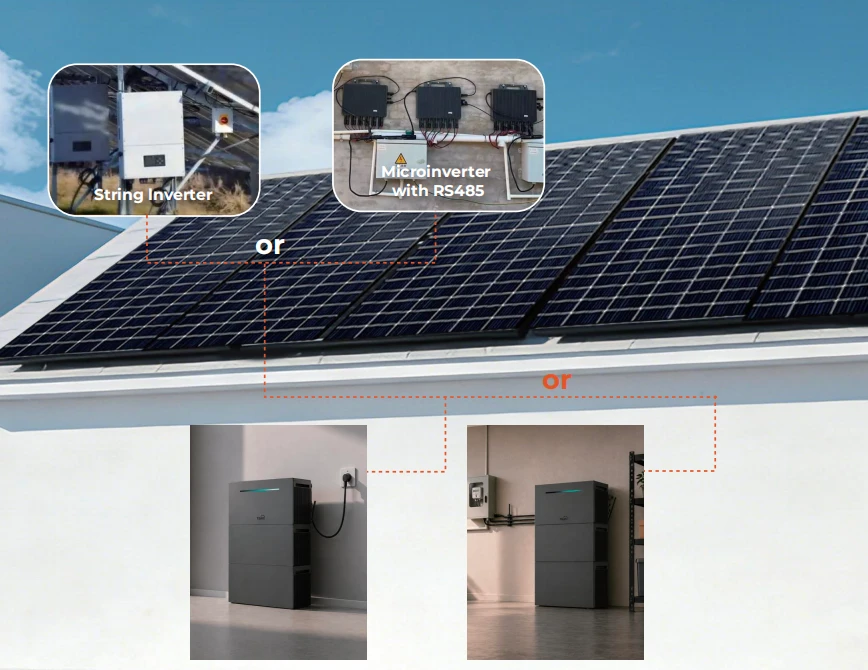
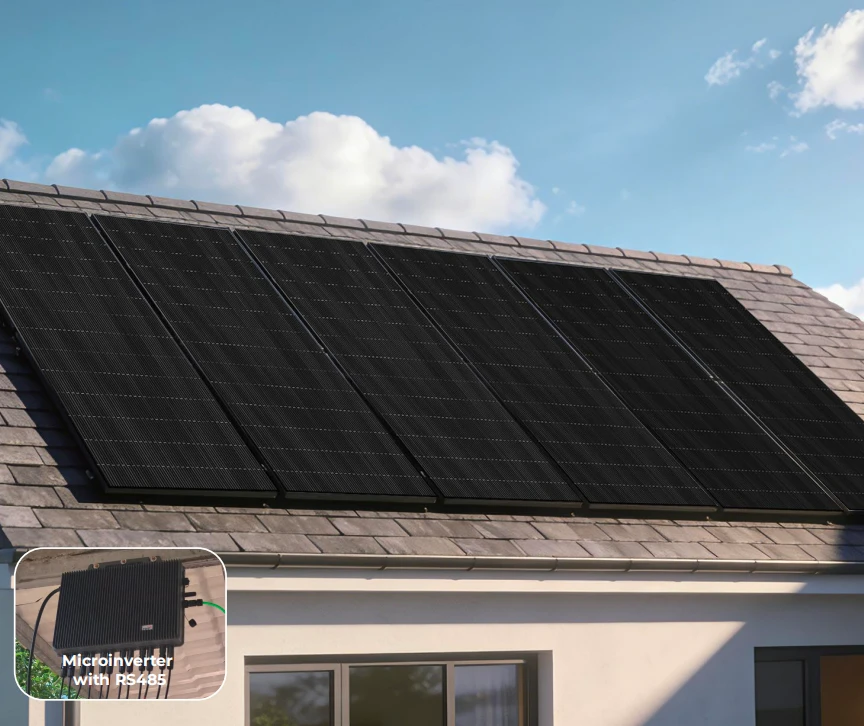
Furthermore, integration with smart microinverters is standard. This allows for individual panel optimization, meaning that if one panel is partially shaded by a neighboring building, the remaining panels continue to operate at peak efficiency, maximizing total system output.
3Urban Application Scenarios and Deployment
The primary application of angled balcony kits is in high-density residential areas where roof access is prohibited. These systems are ideal for apartment dwellers who wish to offset the cost of basic appliances like routers, laptops, and LED lighting through decentralized generation.
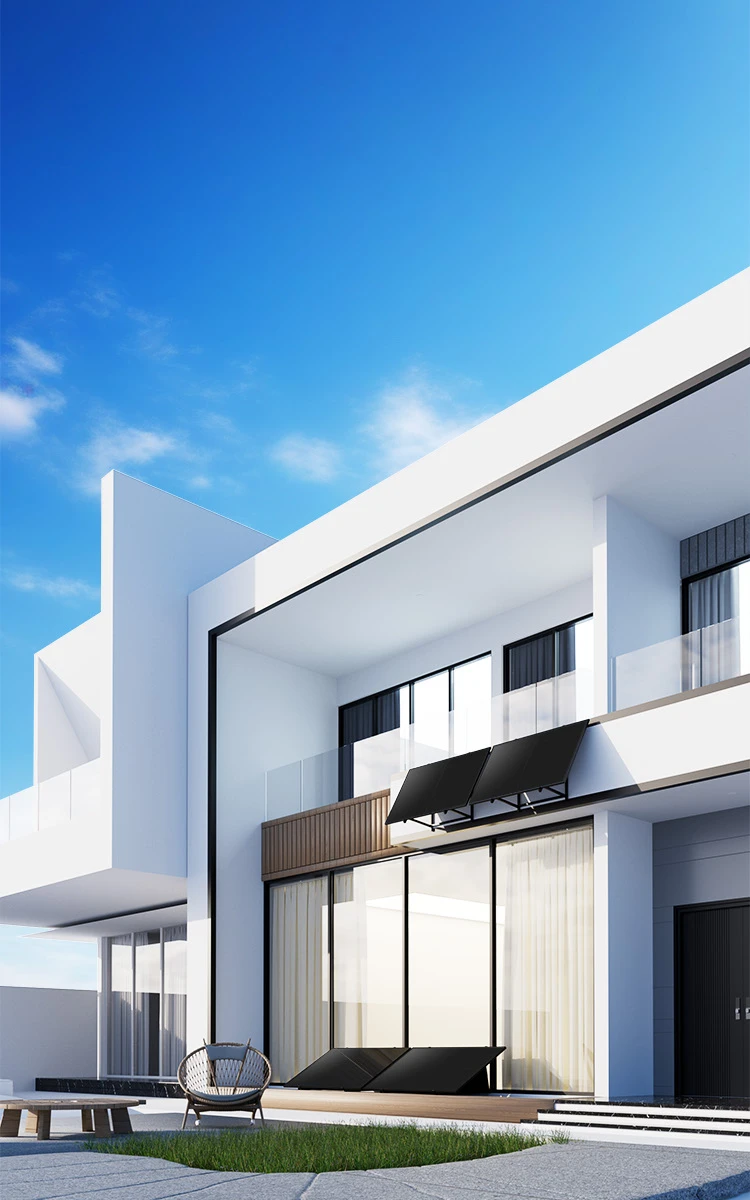
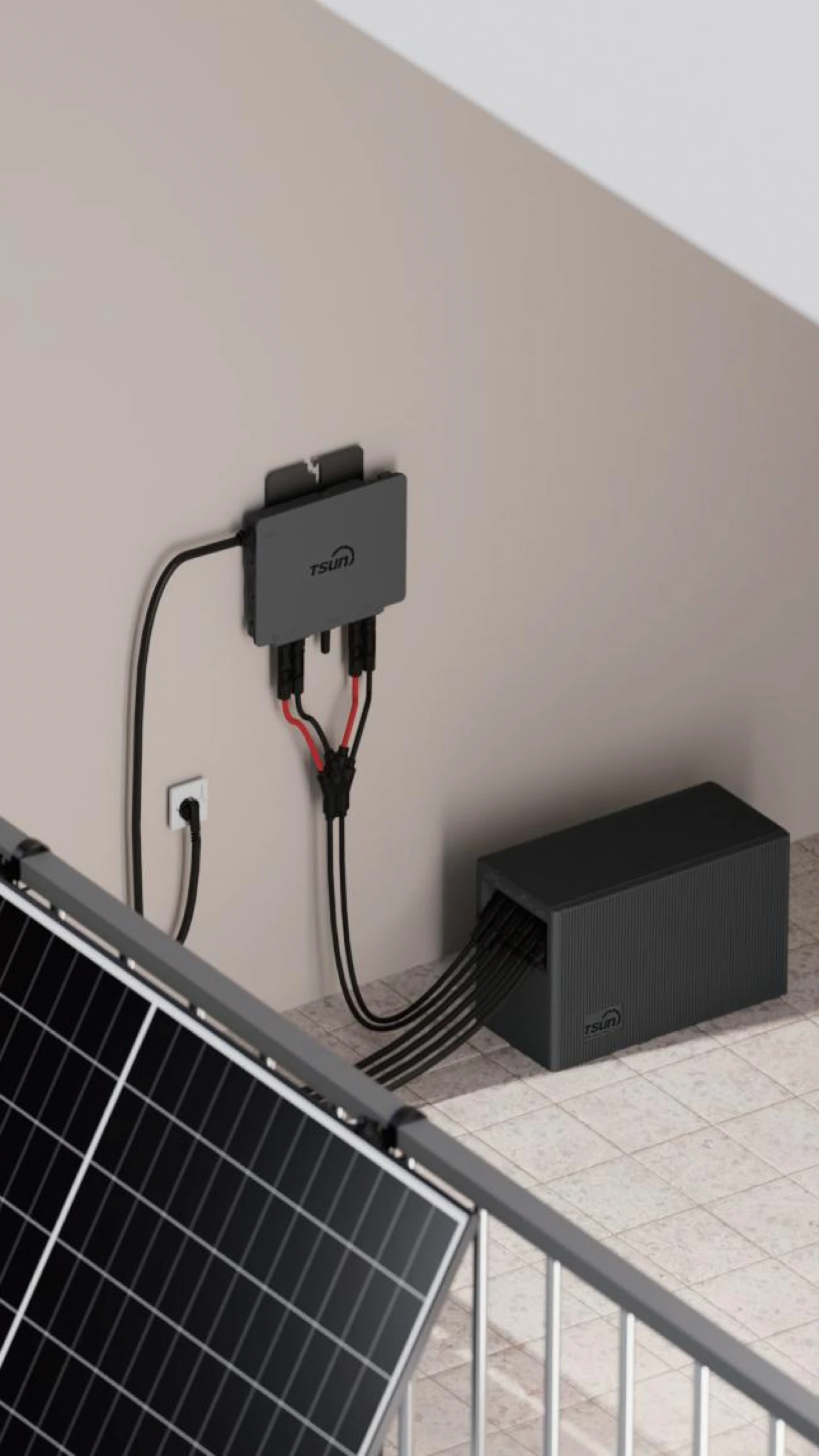
Deployment typically involves a "Plug & Play" approach. The panels are secured to the railing, connected to a microinverter, and plugged directly into a standard household outlet. This simplifies the process, reducing the need for extensive electrical rewiring in older buildings.
Compliance Tip: Always check local municipality regulations regarding "balcony solar" to ensure your mounting method meets safety and aesthetic standards.
In more advanced setups, these kits are paired with micro-storage units. This allows users to store midday solar energy for use during evening peak hours, effectively implementing a "peak-shaving" strategy that reduces dependence on the expensive utility grid.
4Performance Metrics: Angled vs. Flat Installations
The difference in energy yield between a flat-mounted panel and one provided by a specialized easy balcony angled solar panel kits manufacturer is substantial. Flat panels often suffer from "dust pooling" and suboptimal light incidence angles, which lowers the overall conversion efficiency.
Quantitative data shows that angled systems significantly outperform their flat counterparts in northern and southern latitudes. By aligning the panel with the solar zenith, the system captures more direct photons, reducing the reflection loss that occurs on flat surfaces.
easy balcony angled solar panel kits manufacturer Performance Metrics
Additionally, angled kits improve the thermal performance of the PV cells. Airflow is enhanced beneath the panel, preventing overheating during summer months, which is critical since solar cell efficiency drops as temperature increases.
5Procurement Guide: Selecting the Right Manufacturer
When evaluating an easy balcony angled solar panel kits manufacturer, buyers should first examine the certification of the components. Look for TUV or CE markings, which guarantee that the electrical components and mounting frames meet international safety and quality standards.
Selection Key: Prioritize manufacturers who provide wind-load test reports for their mounting brackets to ensure safety during storms.
The quality of the warranty is another deciding factor. A reputable manufacturer will offer a 10-25 year performance warranty on the panels and at least 5 years on the mounting hardware. This ensures long-term ROI for the homeowner.
Finally, consider the ease of disassembly. Since many balcony users are renters, the ability to remove the system without leaving permanent damage to the property is a high-value feature that distinguishes professional kits from DIY alternatives.
6Integrating Micro-Hybrid Storage for Efficiency
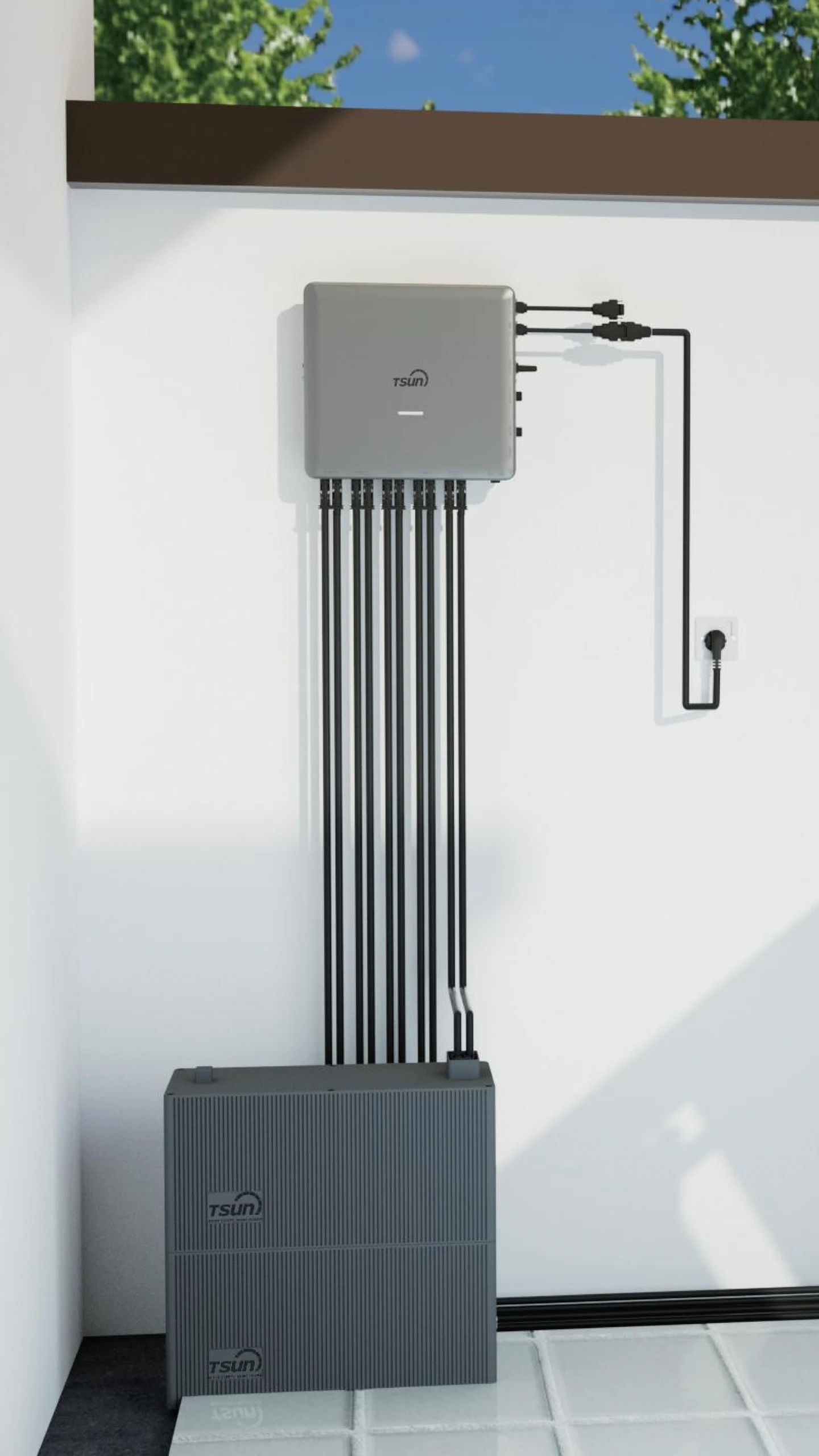
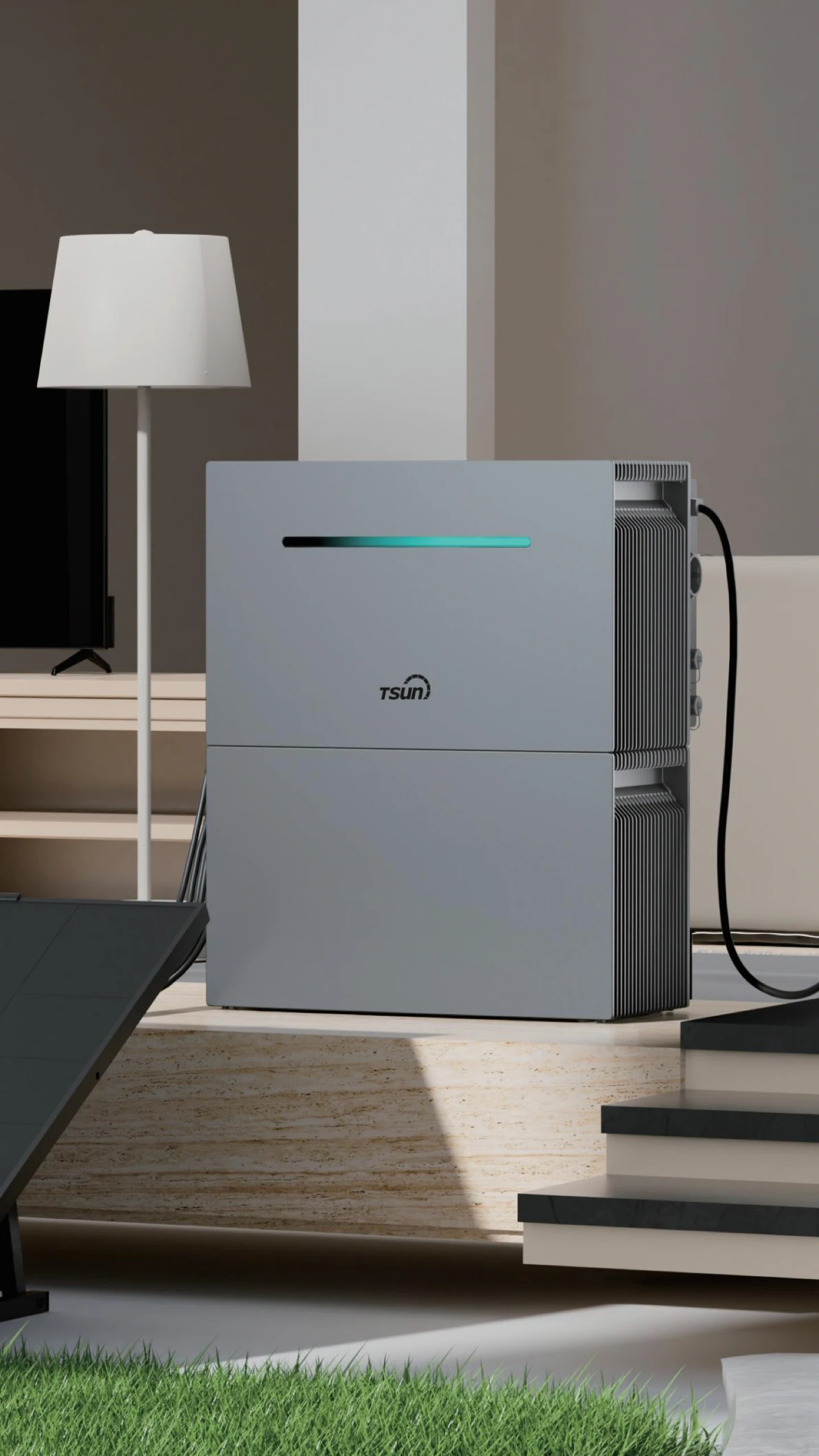
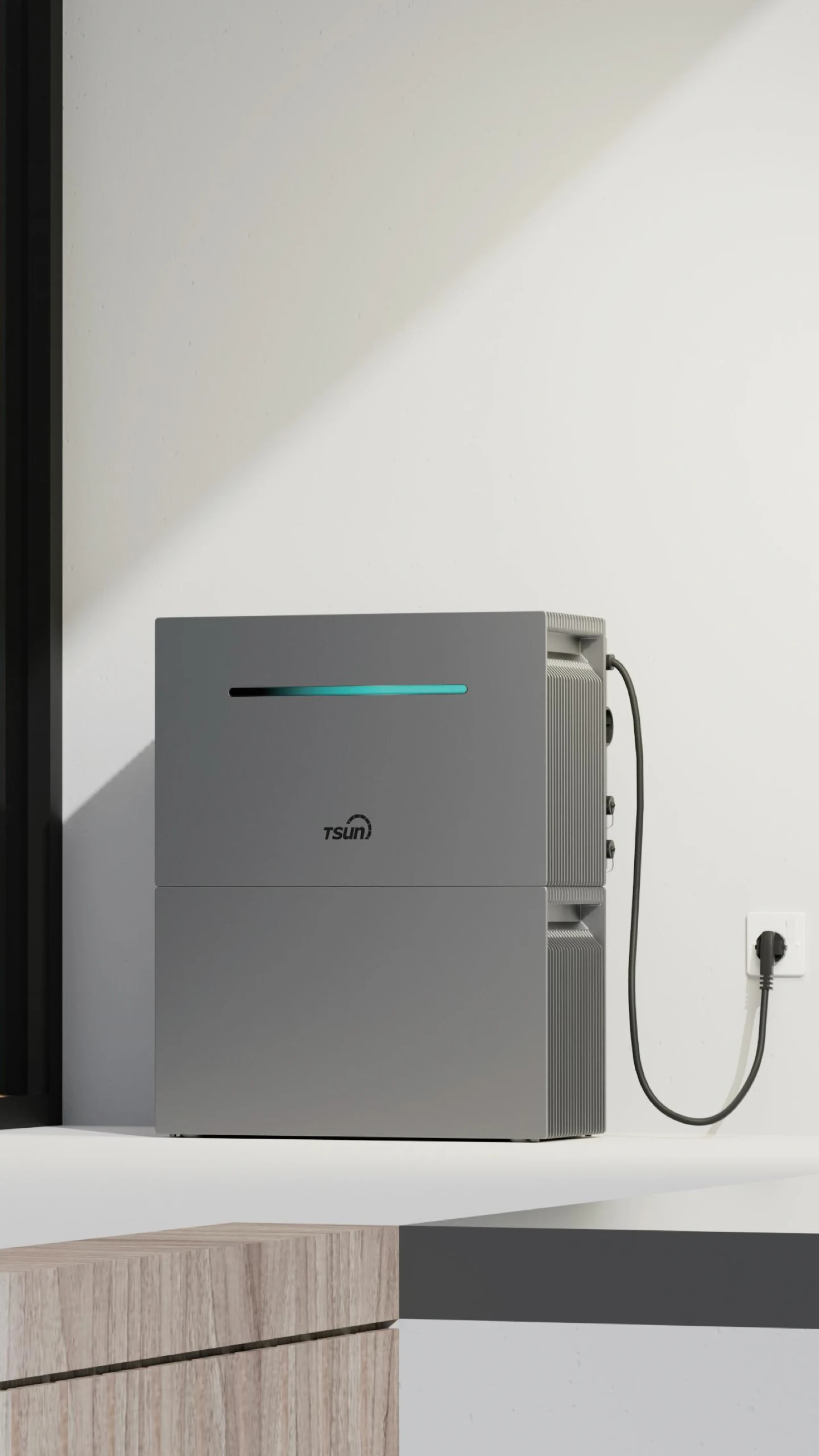
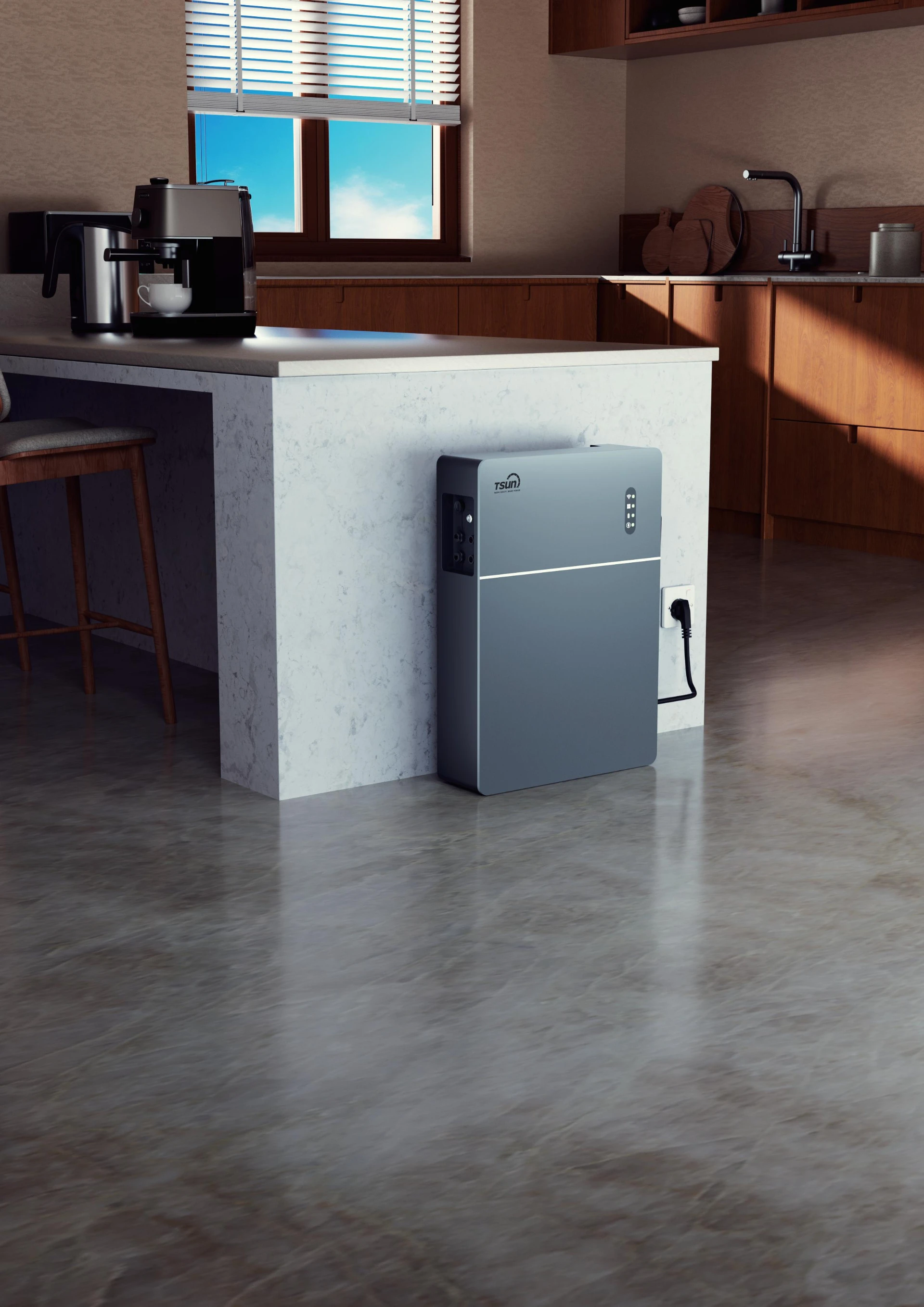
The true potential of balcony solar is unlocked when combined with micro-hybrid storage systems. These units, such as the SolarTrunk MSU series, allow for the direct DC coupling of solar panels to a battery core, minimizing energy loss during the DC-to-AC conversion process.
By integrating an all-in-one inverter and battery, users can manage their energy flow via mobile apps. This enables "Smart Scheduling," where the battery discharges during peak electricity pricing and charges during periods of high solar irradiance.
Efficiency Gain: DC-coupled storage typically improves overall system efficiency by 5-10% compared to separate AC-coupled battery systems.
These systems provide critical backup power for essential devices during grid outages. For urban residents, this means maintaining connectivity and basic lighting without the need for bulky, traditional generators.
7Decision Matrix for Balcony Solar Systems
Choosing between different installation methods requires a balance of budget, available space, and energy goals. While flat kits are cheaper, angled kits provide the necessary performance boost for meaningful energy savings.
The following table compares the three most common urban solar deployment strategies to help users identify the best fit for their specific balcony environment.
System Type
Installation Complexity
Energy Yield
Best Use Case
Flat-Mounted Kit
Very Low
Low
Low-budget/Rental
Angled-Mount Kit
Low
High
Max Efficiency/Homeowner
Vertical-Wall Kit
Medium
Medium
Narrow Balconies
Hybrid Storage Kit
Medium
Very High
Energy Independence
DIY Custom Frame
High
Variable
Experienced Hobbyists
Professional Install
Low (for user)
High
High-Budget/Safety First
Ultimately, the decision should be based on the solar window of the balcony. If the balcony faces south (in the northern hemisphere) and has an open view, an angled kit from a professional manufacturer will offer the fastest payback period.
Frequently Asked Questions
The ideal angle generally depends on your latitude. For most urban areas in temperate zones, an angle between 30 and 45 degrees is optimal for annual energy production. Professional manufacturers often provide adjustable brackets that allow you to tweak the angle seasonally—steeper in winter to capture the low sun and flatter in summer for the overhead sun.
Yes, provided they are sourced from a reputable easy balcony angled solar panel kits manufacturer. Professional kits use reinforced aluminum alloy frames and secure locking mechanisms that distribute wind pressure evenly across the railing. Always ensure you follow the manufacturer's mounting instructions and use the provided safety tethers to prevent accidental displacement during storms.
One of the primary advantages of balcony kits is their non-permanent nature. Most angled kits use clamp-on systems that do not require drilling into the building's structure. This makes them ideal for renters. However, it is always recommended to check your lease agreement or consult your landlord to ensure that exterior modifications are permitted.
Depending on the number of panels and the angle, a typical 2-panel balcony system can produce between 400W and 800W of peak power. Over a year, this can offset a significant portion of a small apartment's base electrical load. When paired with a micro-storage system, the efficiency increases as you can utilize the power exactly when you need it most.
Actually, angled panels often require less maintenance. Their tilt allows rainwater to wash away dust and debris naturally, whereas flat panels tend to accumulate grime and standing water, which creates "hot spots" and reduces efficiency. Periodic cleaning with water and a soft cloth is still recommended every few months for peak performance.
The Return on Investment (ROI) typically ranges from 3 to 7 years, depending on local electricity costs and solar irradiance. While professional angled kits have a higher upfront cost than basic flat kits, their superior energy yield and longer lifespan usually result in a lower total cost of ownership and faster payback period.
Conclusion
Investing in a system from a qualified easy balcony angled solar panel kits manufacturer is the most effective way for urban residents to harness solar energy. By prioritizing optimal tilt angles, durable materials, and modular designs, these kits overcome the traditional limitations of apartment living, providing a scalable path toward energy independence.
For those looking to further enhance their efficiency, pairing these kits with a micro-hybrid storage solution ensures that no photon is wasted. Readers evaluating suitable solutions for their home can review the available product information and technical specifications at www.tsun-ess.com.
Leo Bennett is a highly respected Senior Research Scientist, concentrating on advancements in microinverter technology, specifically the TITAN series. He leads a team dedicated to improving power density, efficiency, and reliability. Leo holds several patents related to microinverter design and is constantly exploring new materials and technologies to push the





 LEARN DETAILS
 Downloads
 Video Center
 Report Fault for Repair
 FAQS
 Service Network
 Privacy Policy
 Contact Us
 Monitoring