




 LEARN DETAILS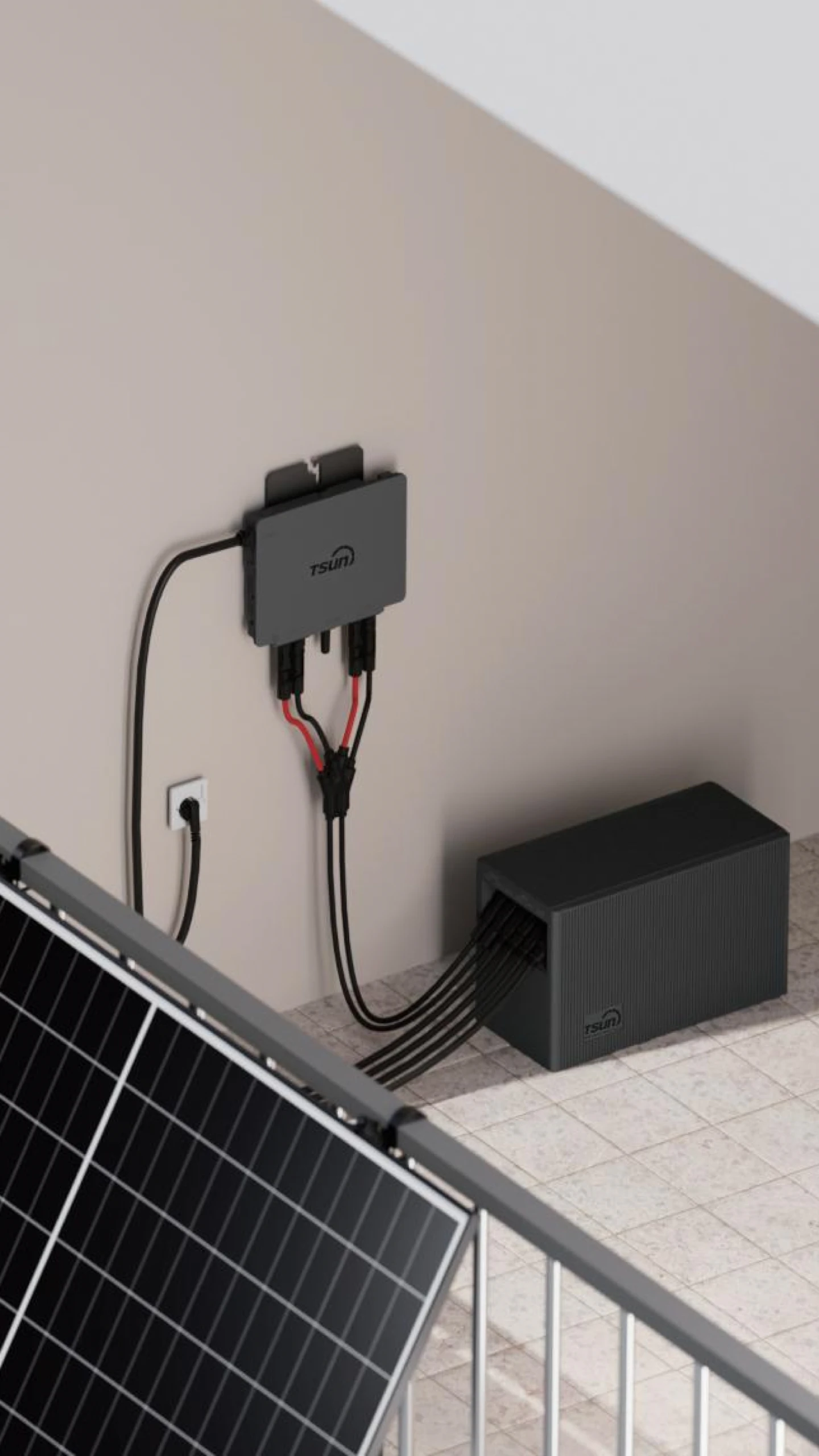
 Downloads
 Video Center
 Report Fault for Repair
 FAQS
FAQS Service Network
 Privacy Policy
 Contact Us
 Monitoring

Off Grid Cabins: Costs, Systems, Design Ideas, and Planning Tips That Work
Off-grid cabins attract people who want privacy, flexibility, and more control over how they live or travel. For some owners, that means a simple weekend retreat in the woods. For others, it means a hunting basecamp, a quiet remote office, or a small full-time home that runs independently from public utilities.
This guide explains what off-grid cabins are, how much they cost, which systems matter most, and how to make smart choices before building a cabin on rural or remote land. If you are comparing an off-the-grid cabin, a prefab shell, or a small cabin off-grid for year-round use, this article will help you sort through the big decisions.
What are off-grid cabins?
Off-grid cabins are dwellings that operate without standard utility connections. In most cases, that means no connection to the electric grid, municipal water, or city sewer. Instead, the cabin uses independent systems such as solar power, advanced battery storage, wells, water tanks, septic, or composting toilets.
A simple definition of an off-the-grid cabin
An off-the-grid cabin is a small home or shelter that runs independently from public infrastructure. It produces or stores its own energy, manages water through private systems, and handles waste through approved on-site or self-contained methods.
How an off-grid cabin differs from a traditional cabin
| Comparison | Traditional Cabin | Off-Grid Cabin |
|---|---|---|
| Power | Depends on grid electricity | Power storage is finite; relies on solar panels, microinverters, and batteries. |
| Water | Public water connection | Water may need to be pumped, filtered, or hauled |
| Sewage | Conventional septic or municipal connection | Self-built system; design must consider capacity and treatment |
| Heating & HVAC | Conventional HVAC system | Heating choices affect battery size, fuel storage, and winter reliability |
| Design & Layout | Can hide poor planning behind utility access | Must carefully design support systems around resource limits |
How much do off-grid cabins cost?
Off-grid cabins can cost anywhere from modest recreational-project money to full small-home pricing. The wide range exists because the term covers everything from a basic shell with simple solar to a fully finished year-round cabin with a well, septic, insulation, and robust backup energy systems.
The biggest factors that affect total cost
- Structure type and size: A very small cabin can be far more affordable because it affects nearly every downstream cost. Less square footage often means lower heating demand and a smaller energy storage requirement.
- Site preparation and access: Clearing trees, grading the site, and improving a driveway can cost much more than buyers expect. Difficult access adds labor time.
- Power, water, and waste systems: Solar panels, batteries, inverters, tanks, pumps, filtration, and septic often consume a large part of the budget. In reality, these reliable systems are what turn a cabin shell into a truly usable off-the-grid home.
Build, buy, or start with a prefab cabin
There are three common ways to create off-grid cabins: build from scratch, buy a prefab or kit, or convert a portable structure. None is automatically best. The right choice depends on your budget, skill level, timeline, and how complete you need the cabin to be from day one.
Custom building gives you the most control for orienting the cabin for solar gain and grouping plumbing efficiently. Buying a prefab or cabin kit reduces build time. A hybrid strategy is common and often smart: some owners start with a small shell, then add solar, water storage, interior finish, and heating upgrades in stages.
How do you power an off-grid cabin?
You can power an off-grid cabin reliably with the right mix of generation, storage, and load management. The most common setup uses solar panels, batteries, an inverter, and generator backup.
Tailoring Your Energy System: Incremental vs. Retrofit
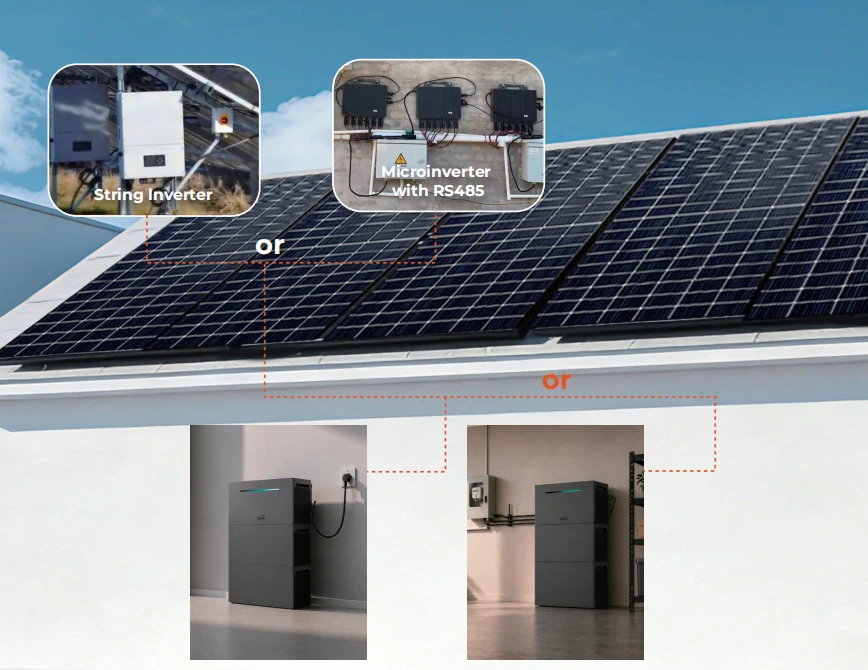
The energy architecture you choose depends heavily on whether you are building a new cabin from the ground up or upgrading an existing structure. TSUN offers specialized solutions for both scenarios:
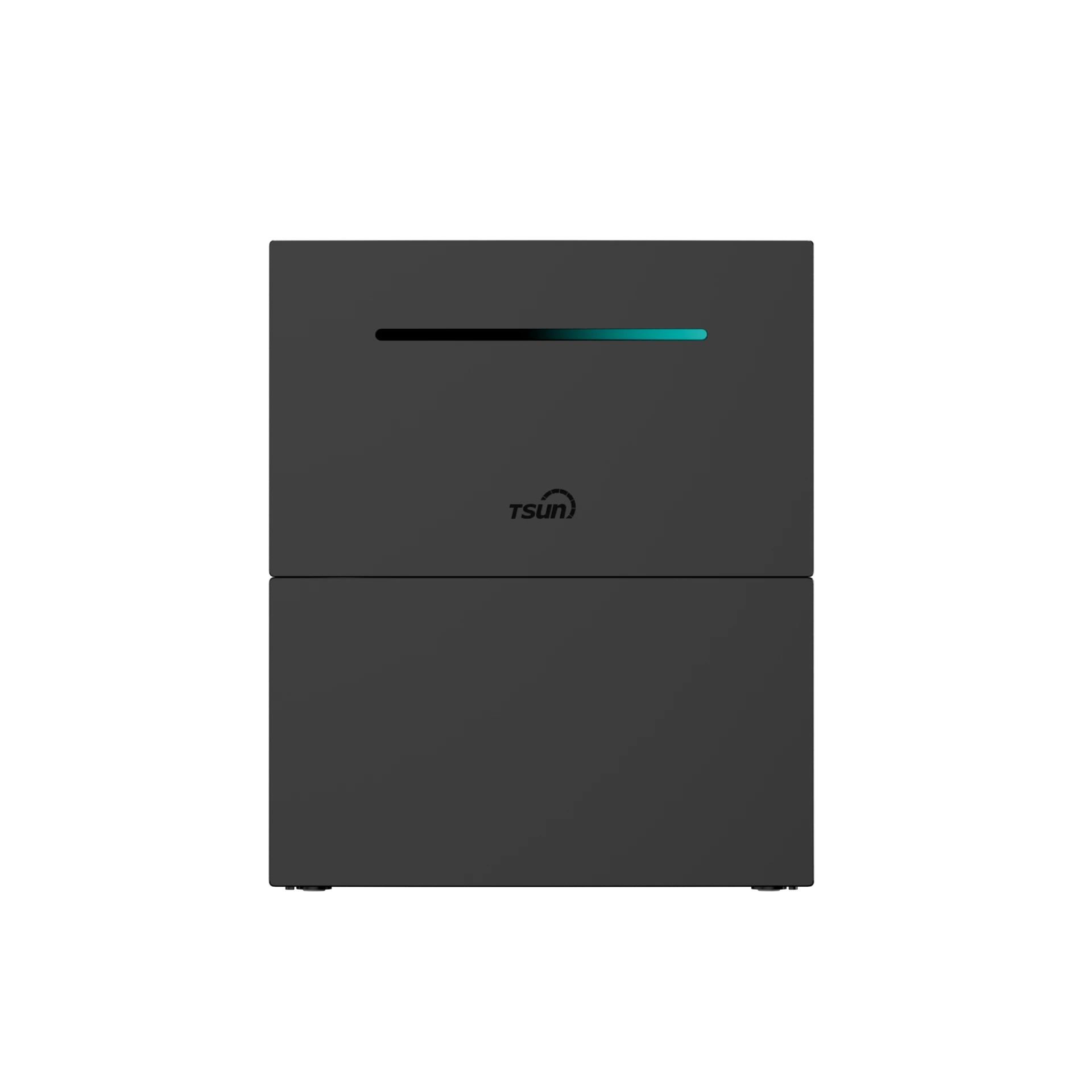
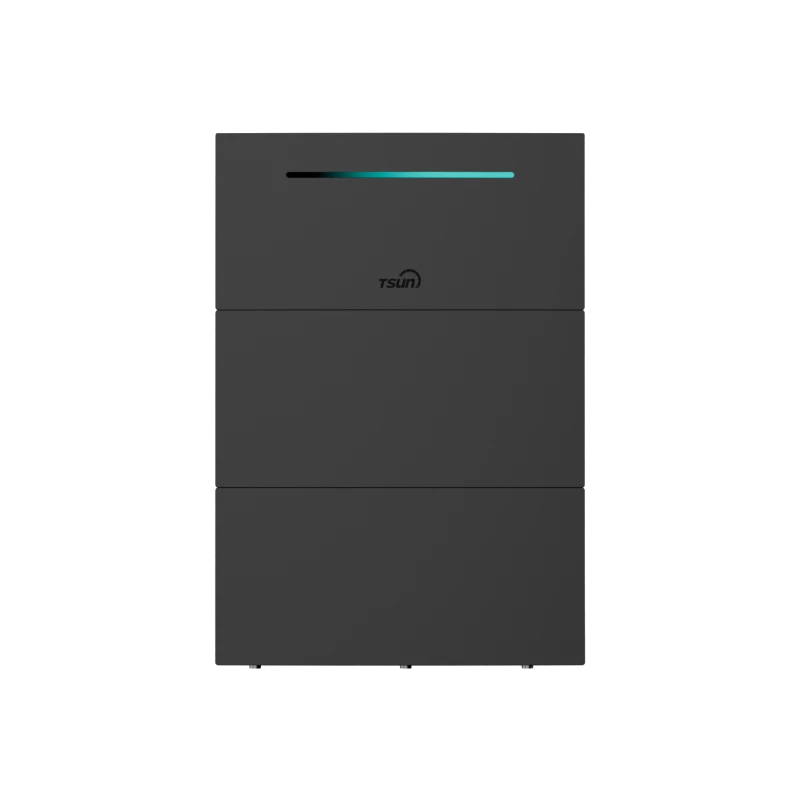
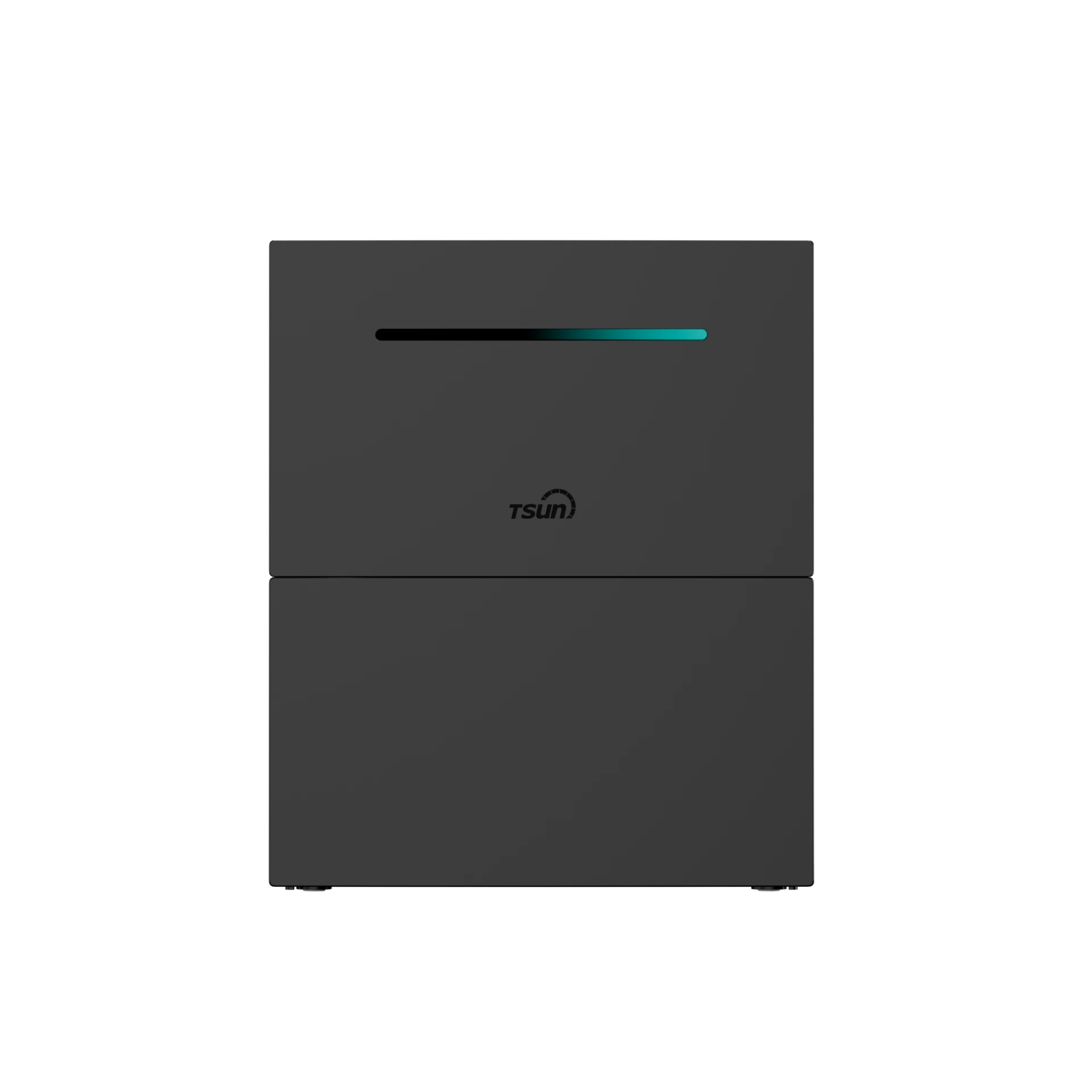
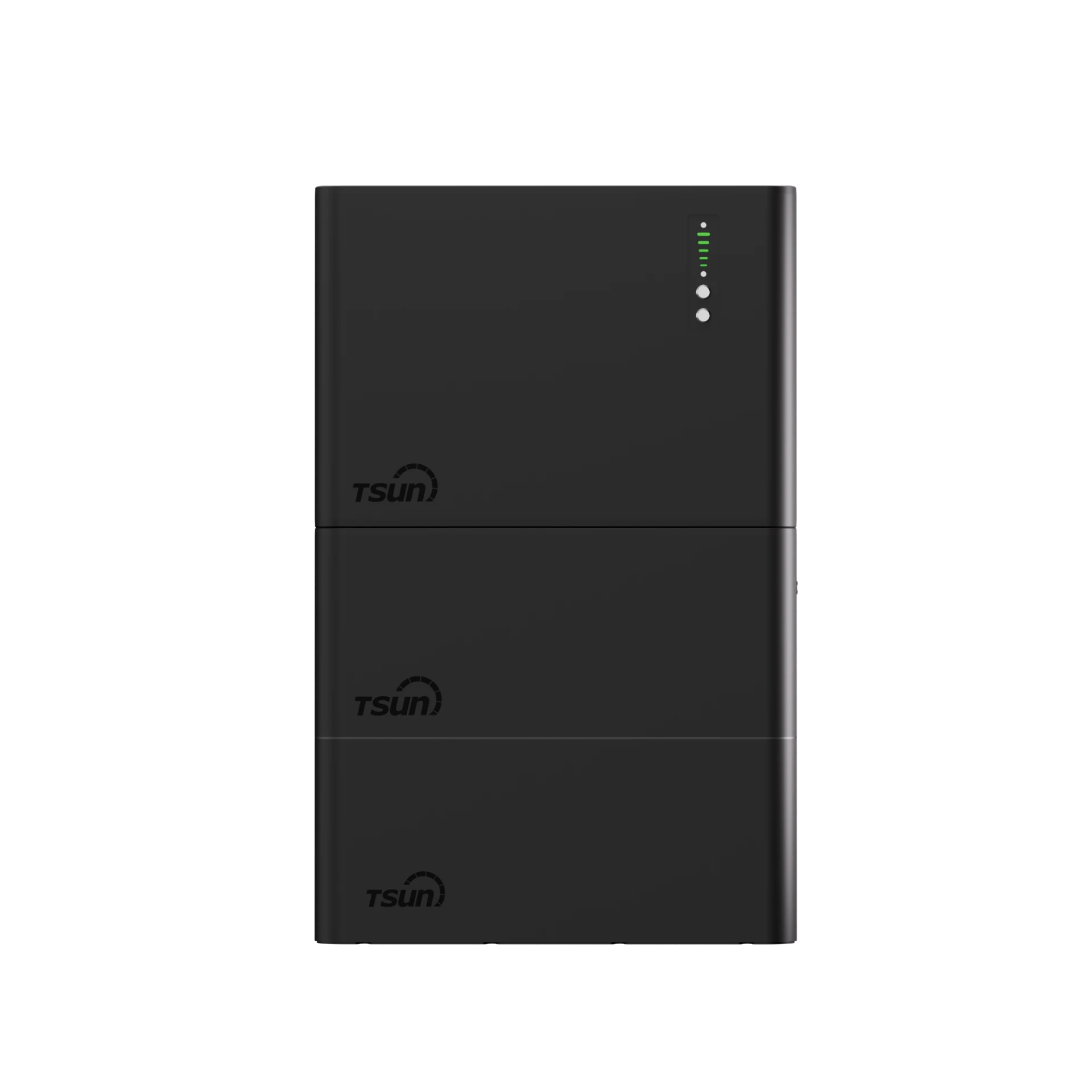
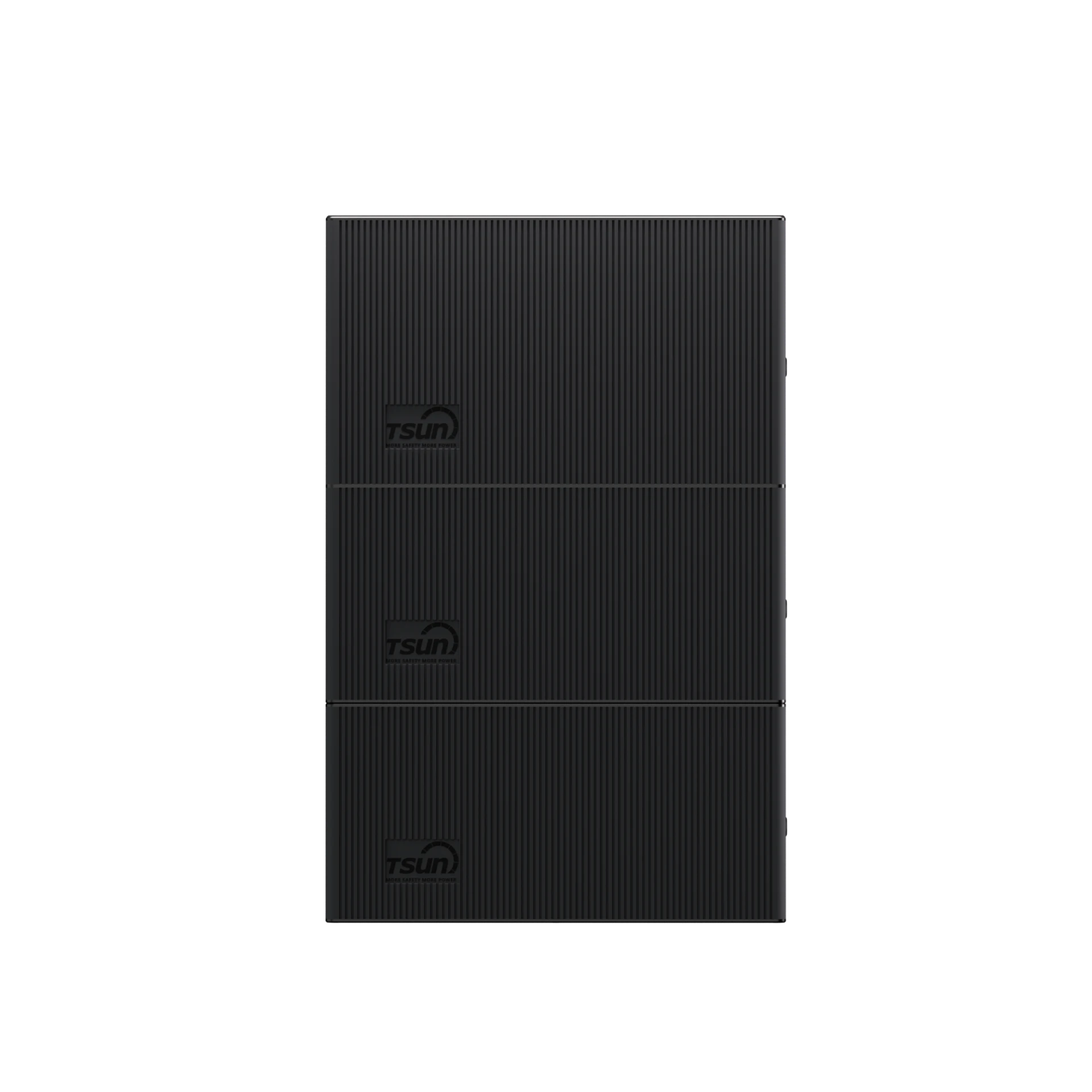
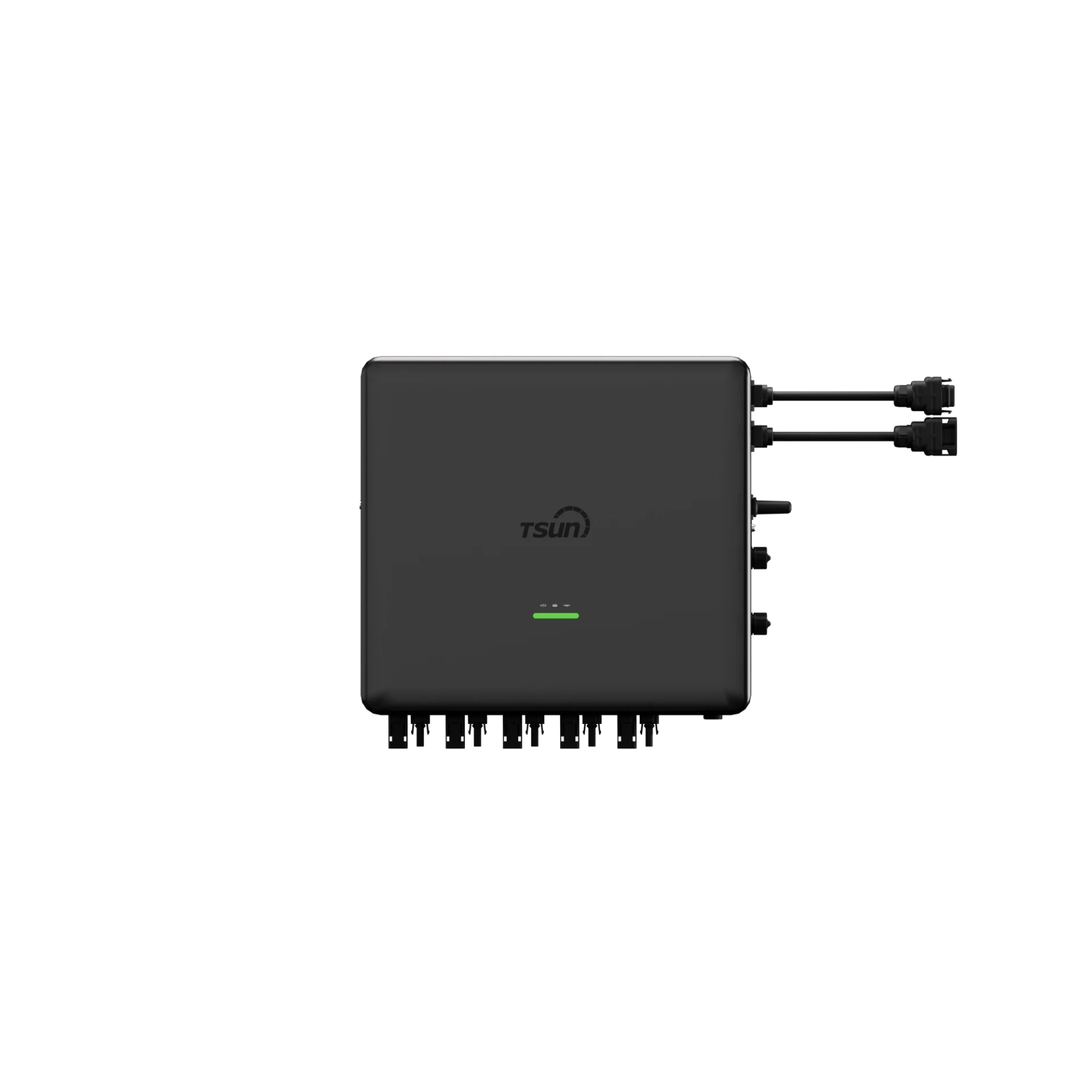
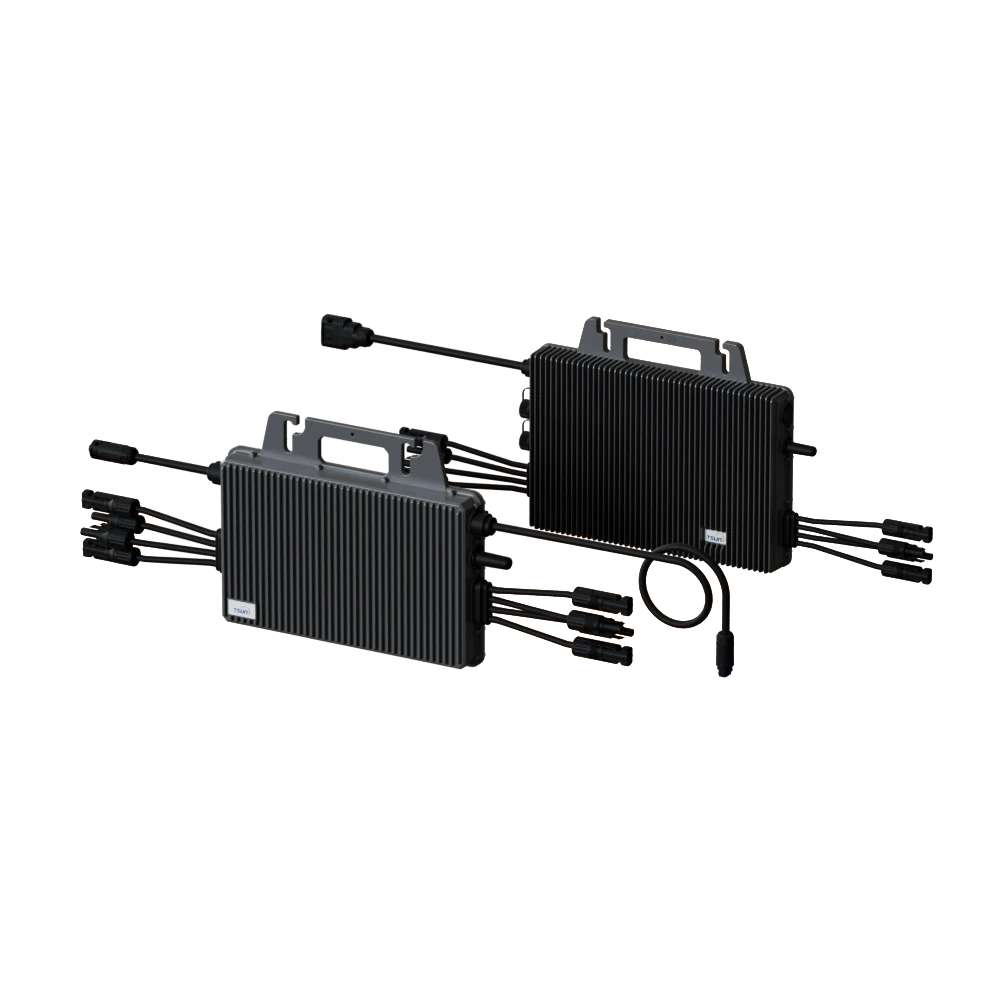
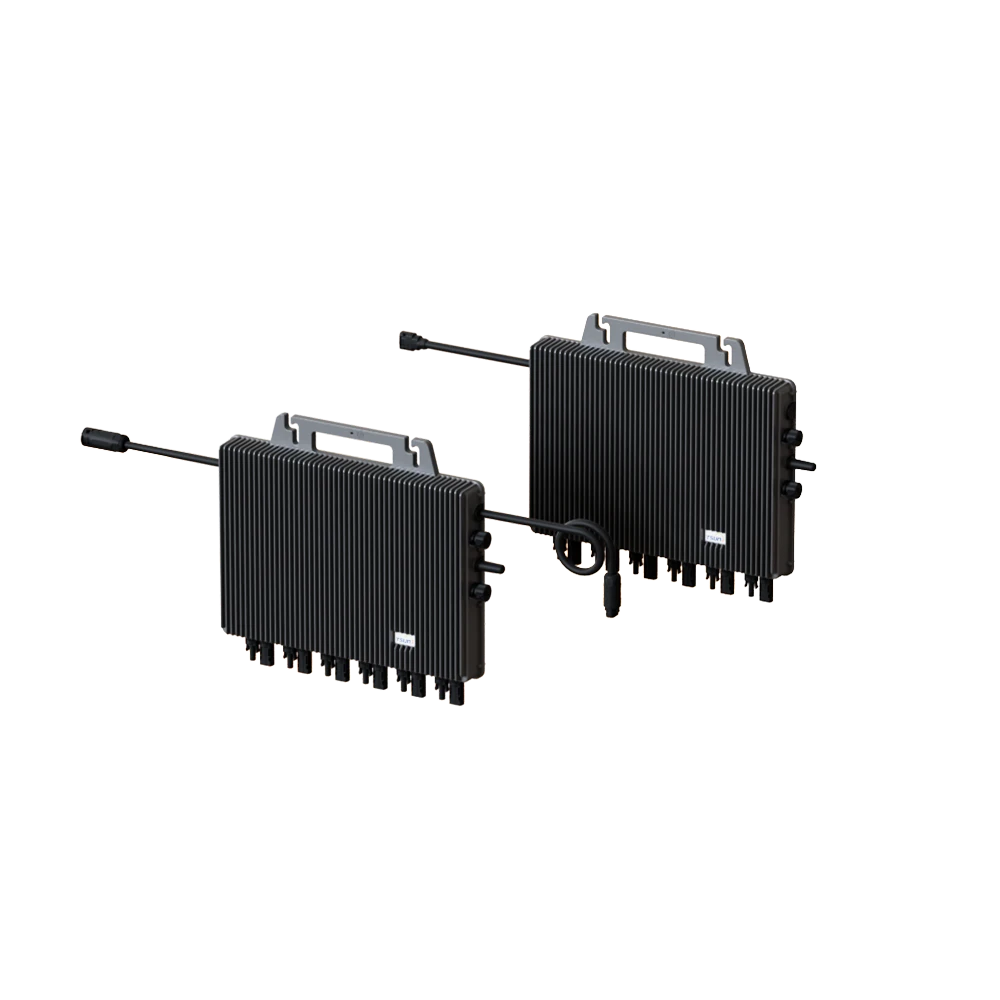
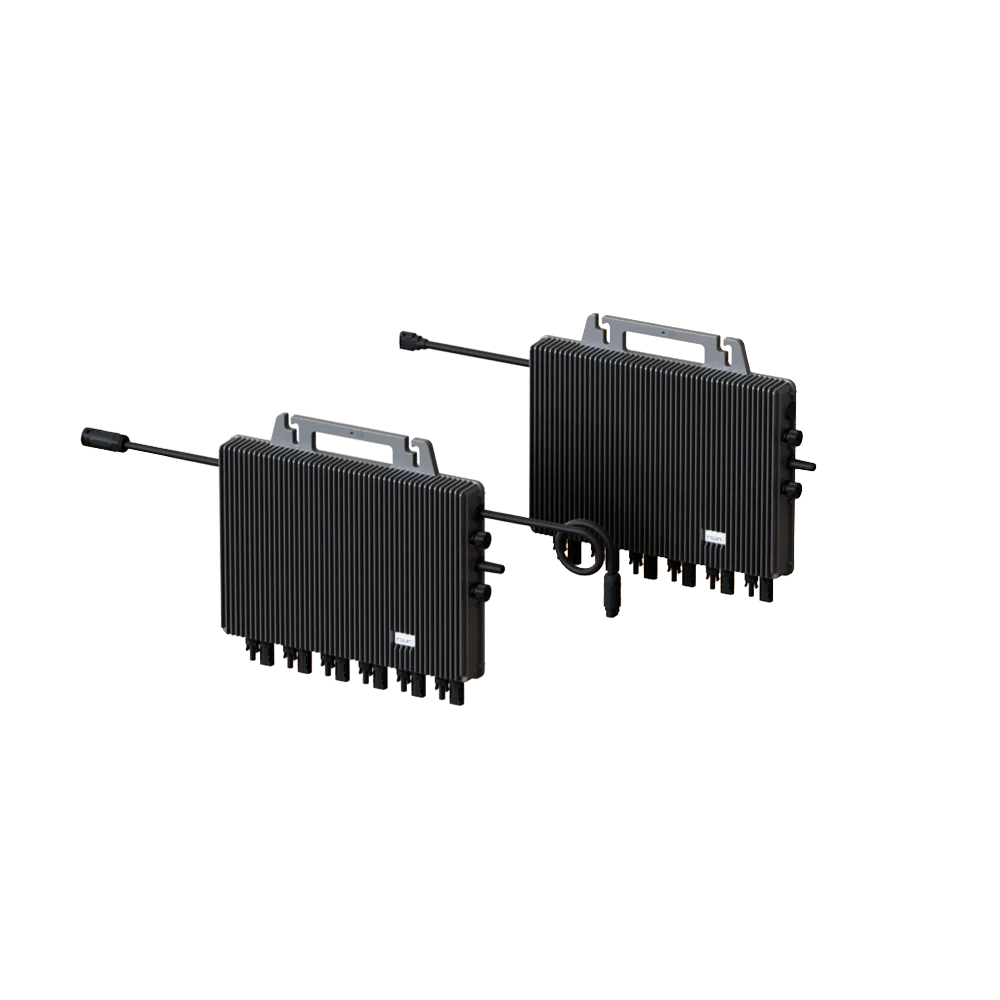
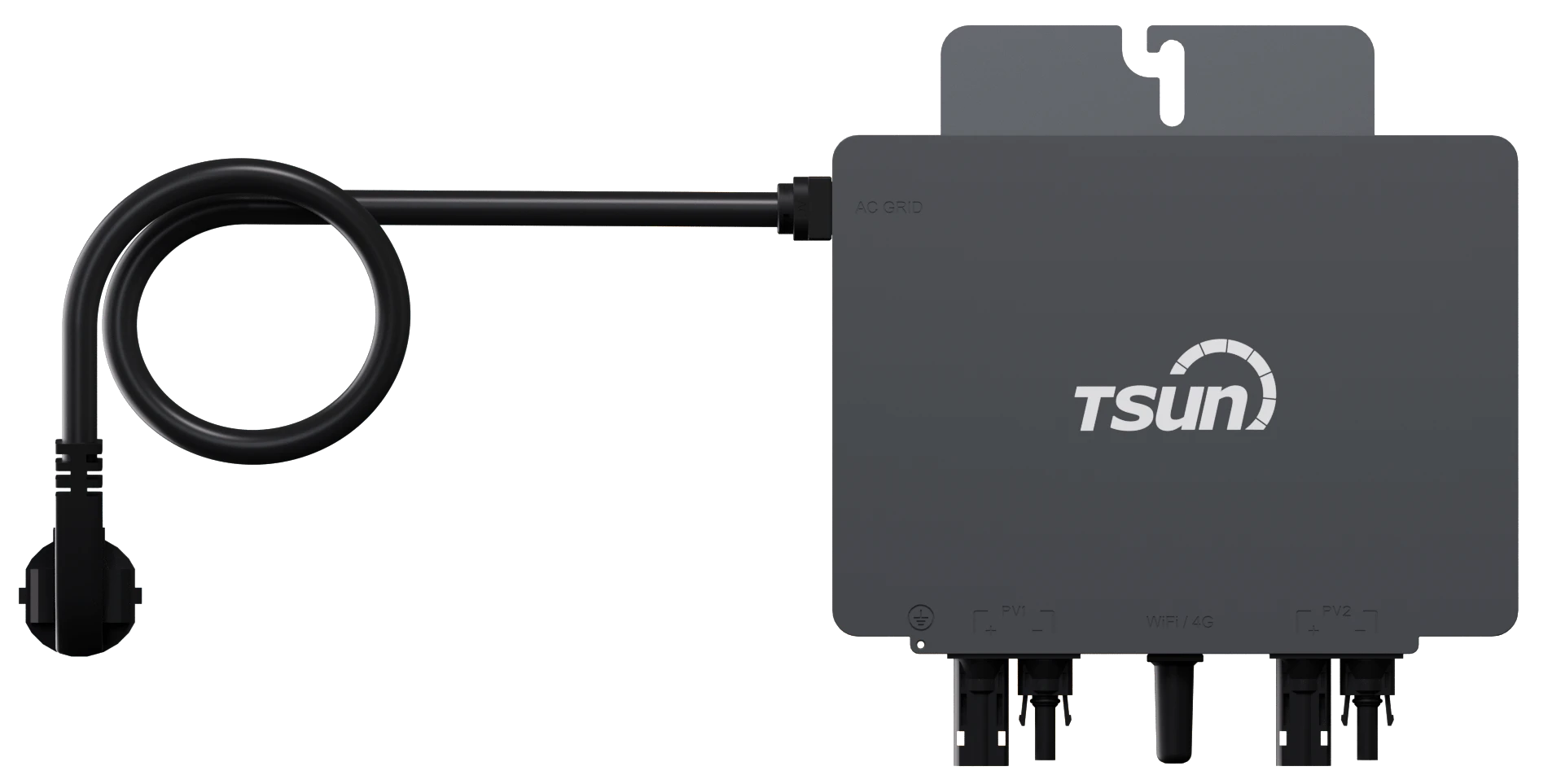
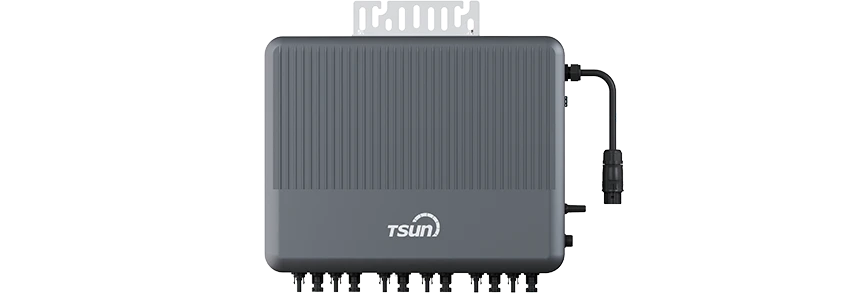
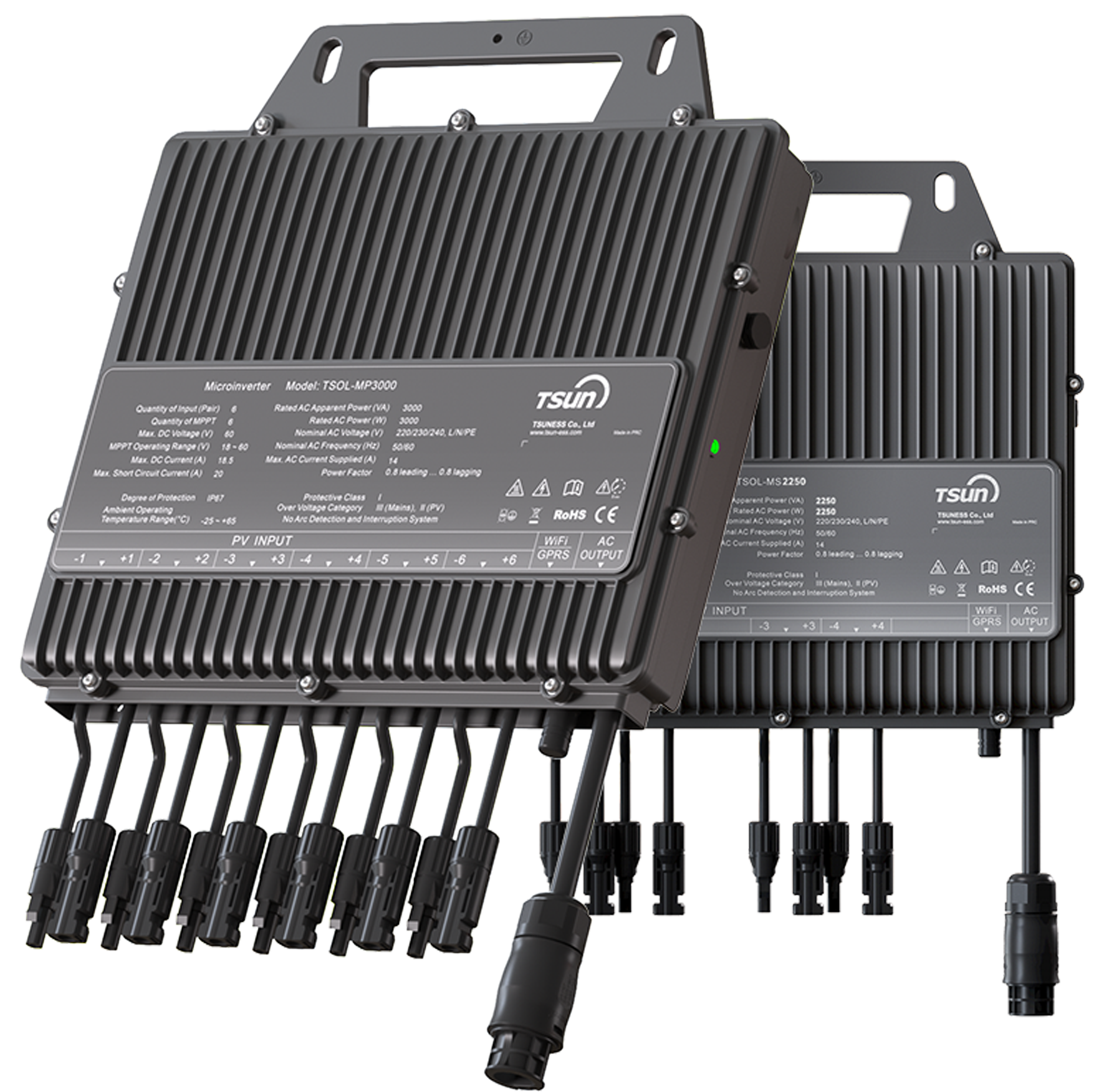
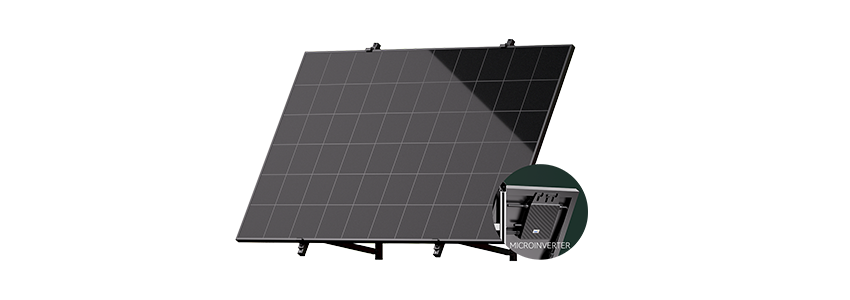
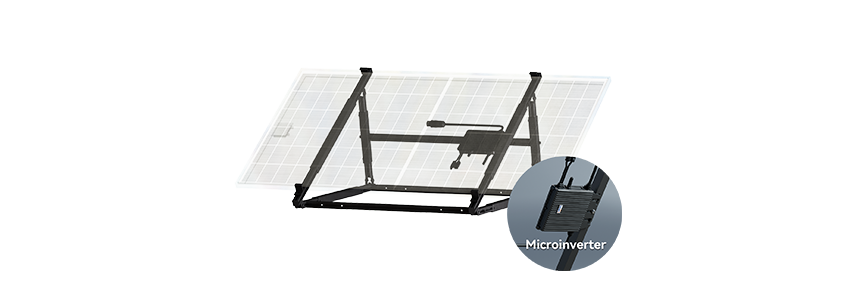
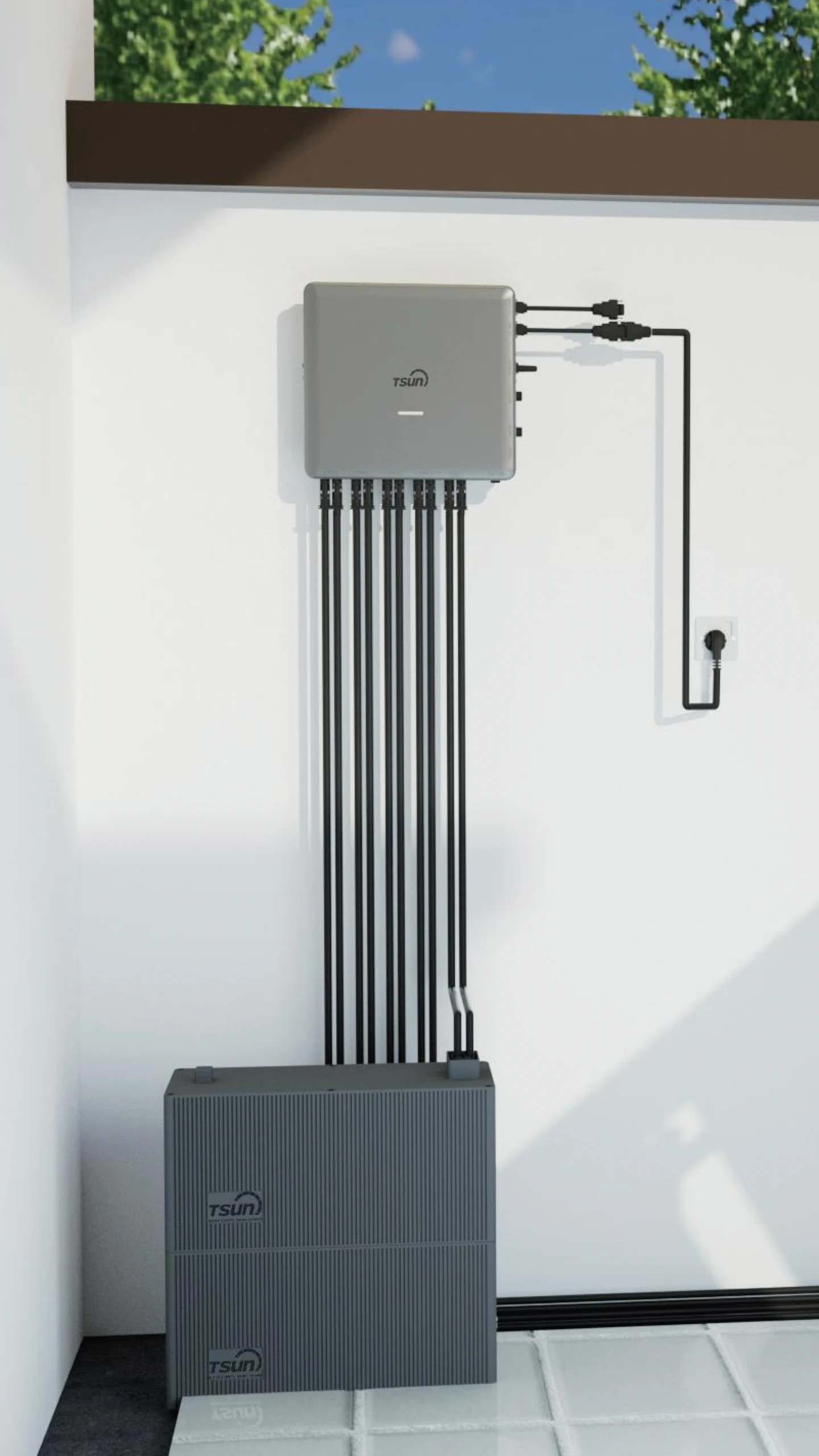
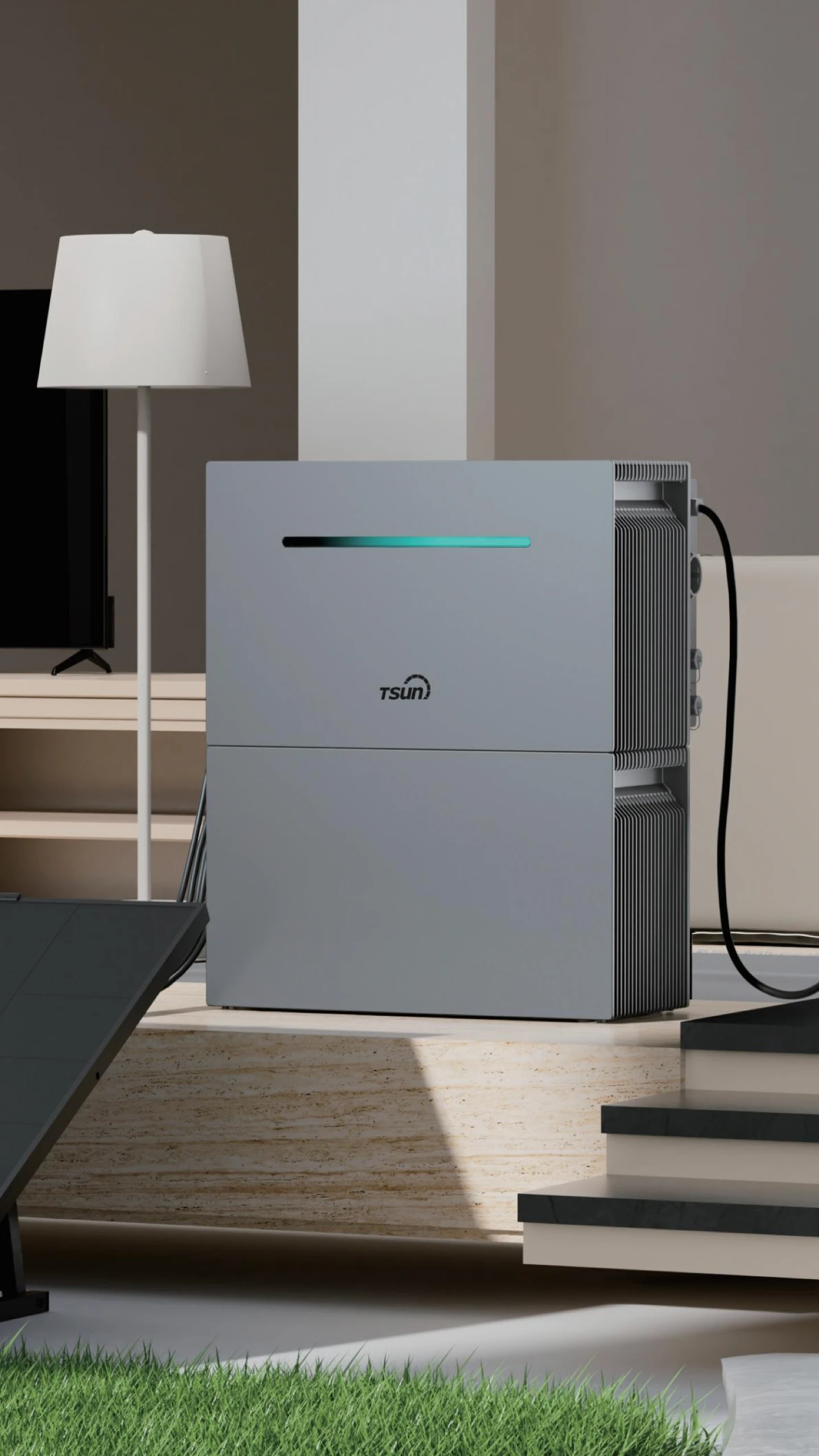
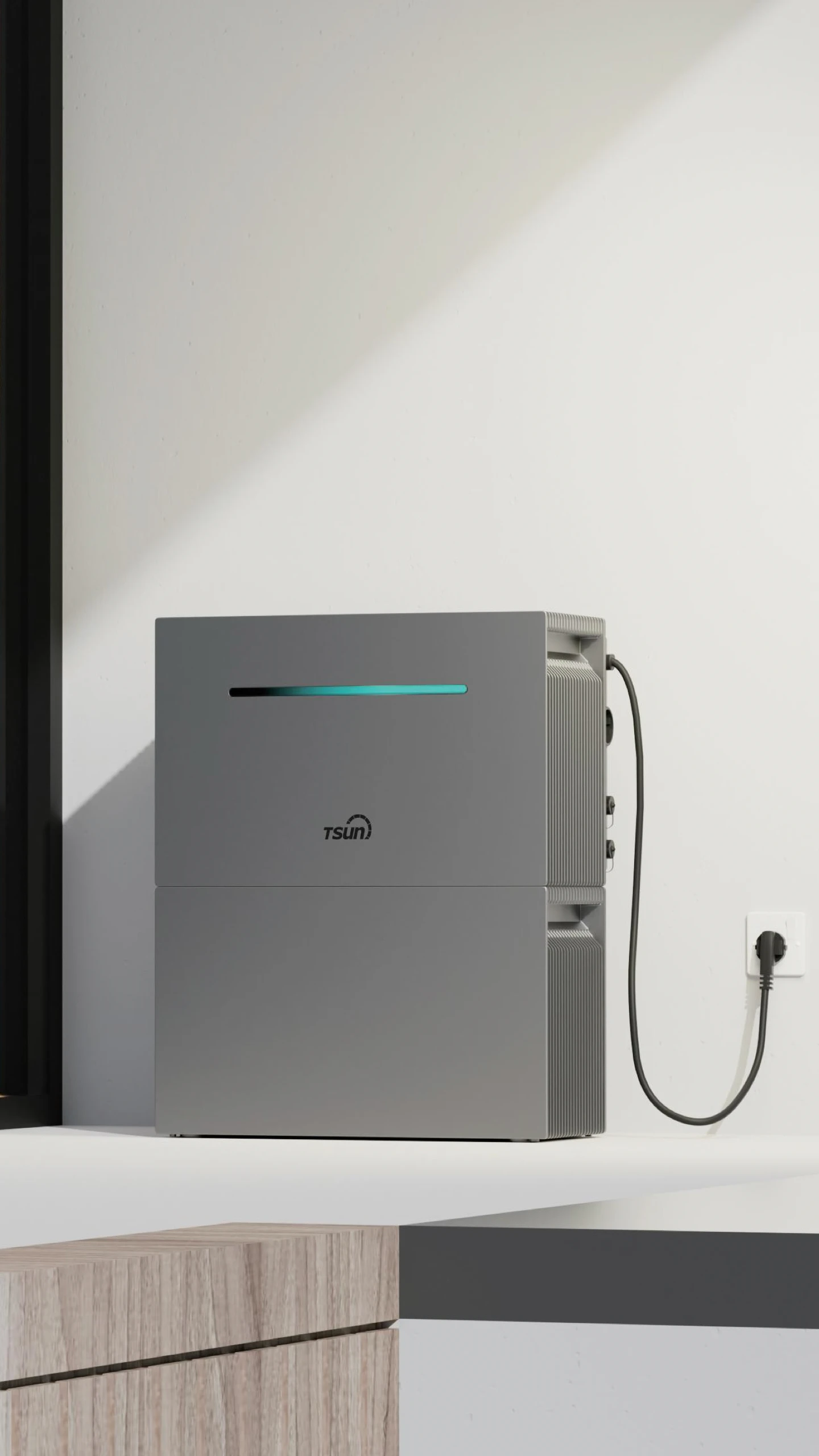
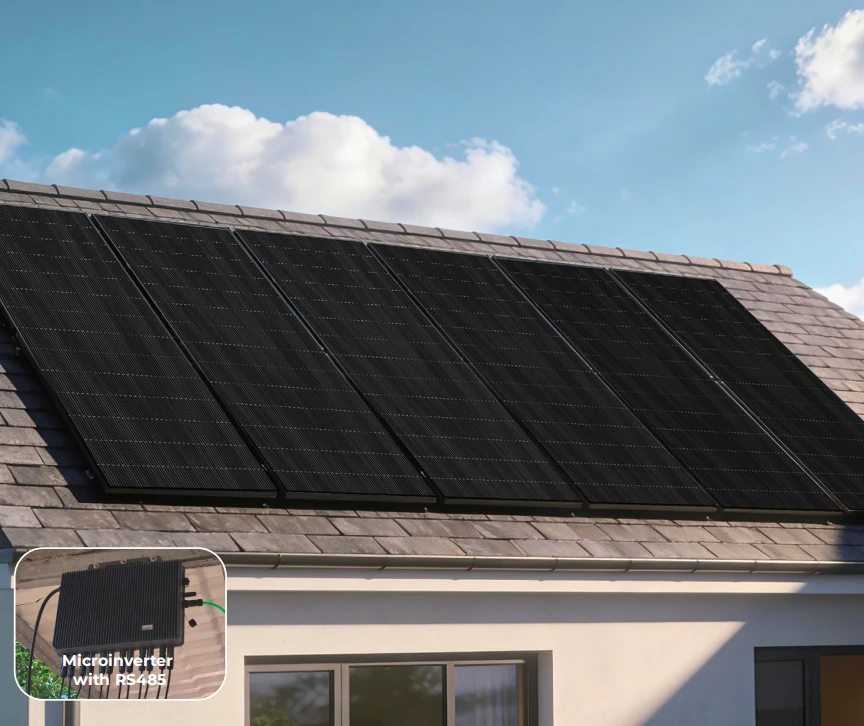
- For the Incremental (New) Solar Market: If you are designing a new off-grid cabin and installing a fresh solar array, the TSUN MSU4000Elite (Solar Trunk Micro AC-Coupled Unit) is the ideal foundation. Designed specifically for incremental solar additions, it provides seamless efficiency, ensuring every drop of sunlight is captured and stored safely for nighttime or winter use.
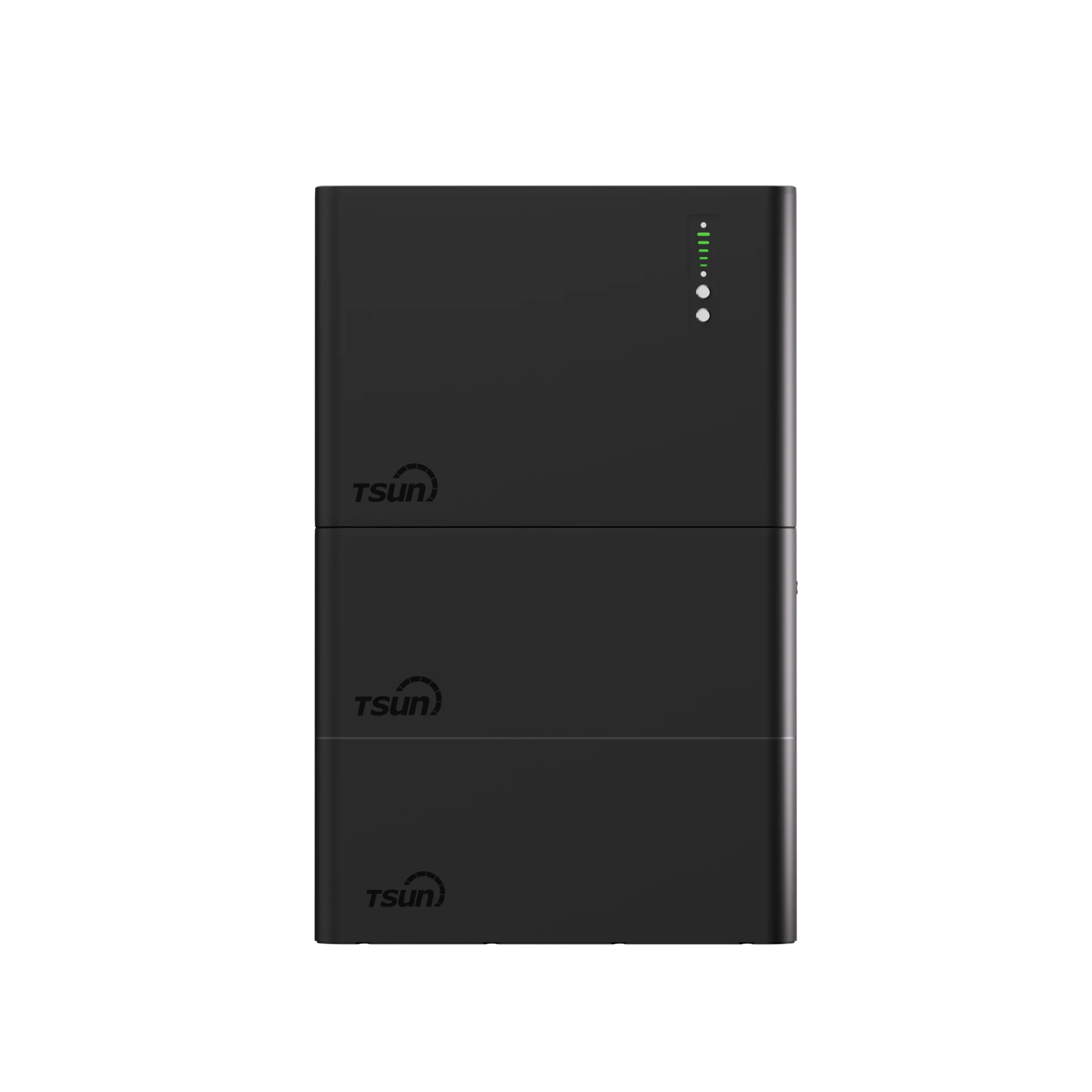
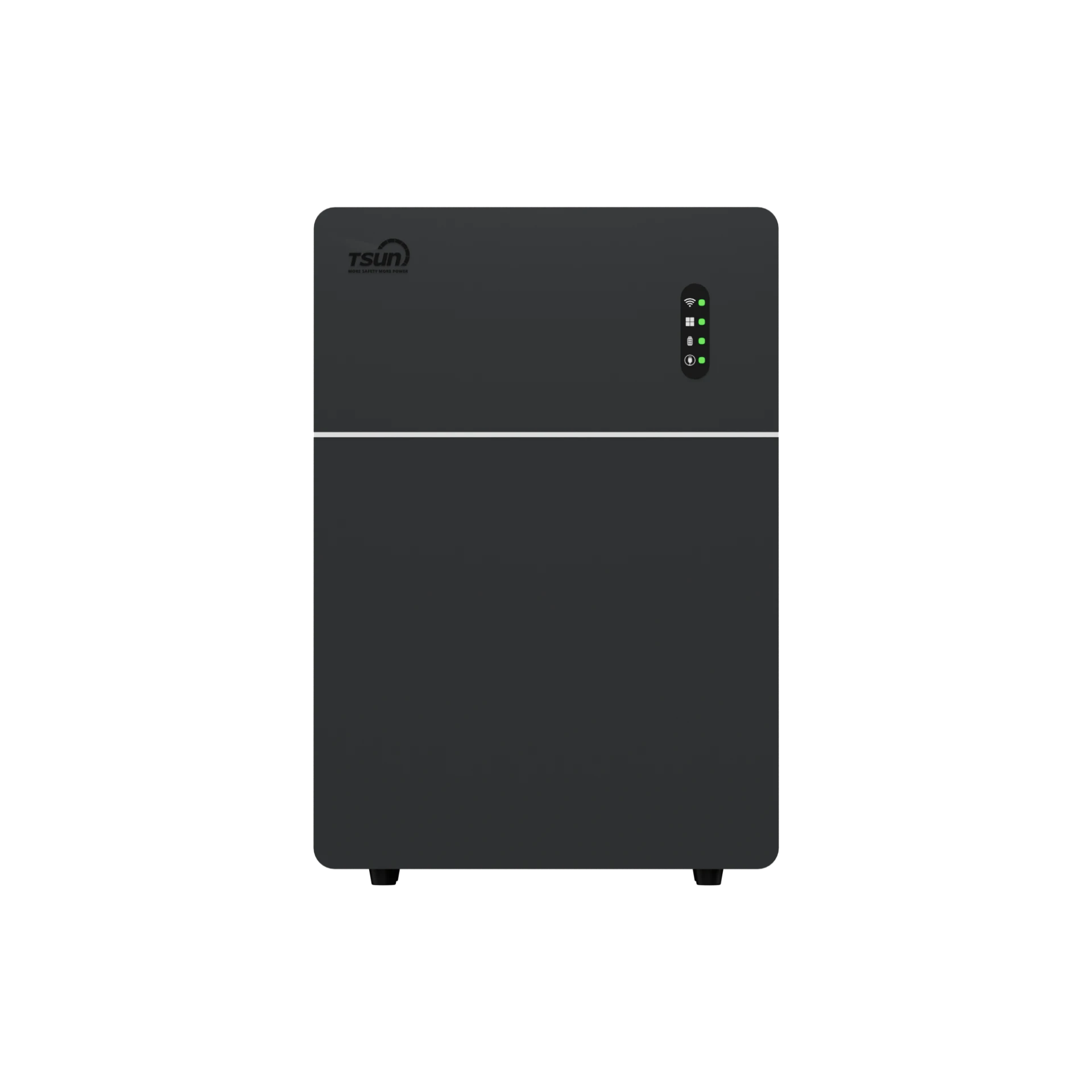
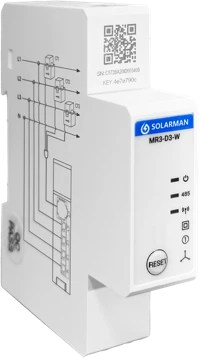
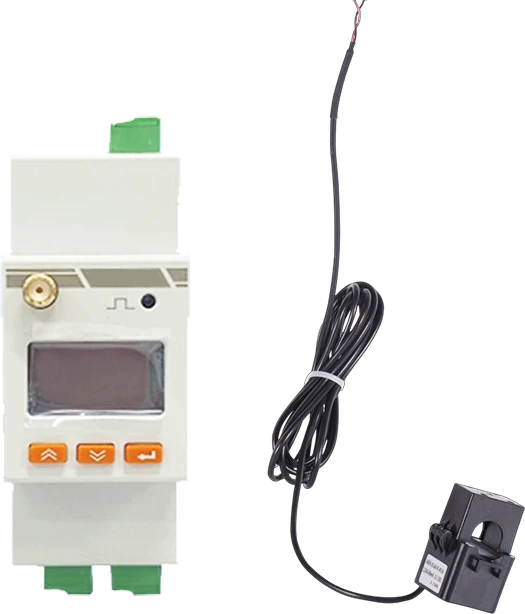
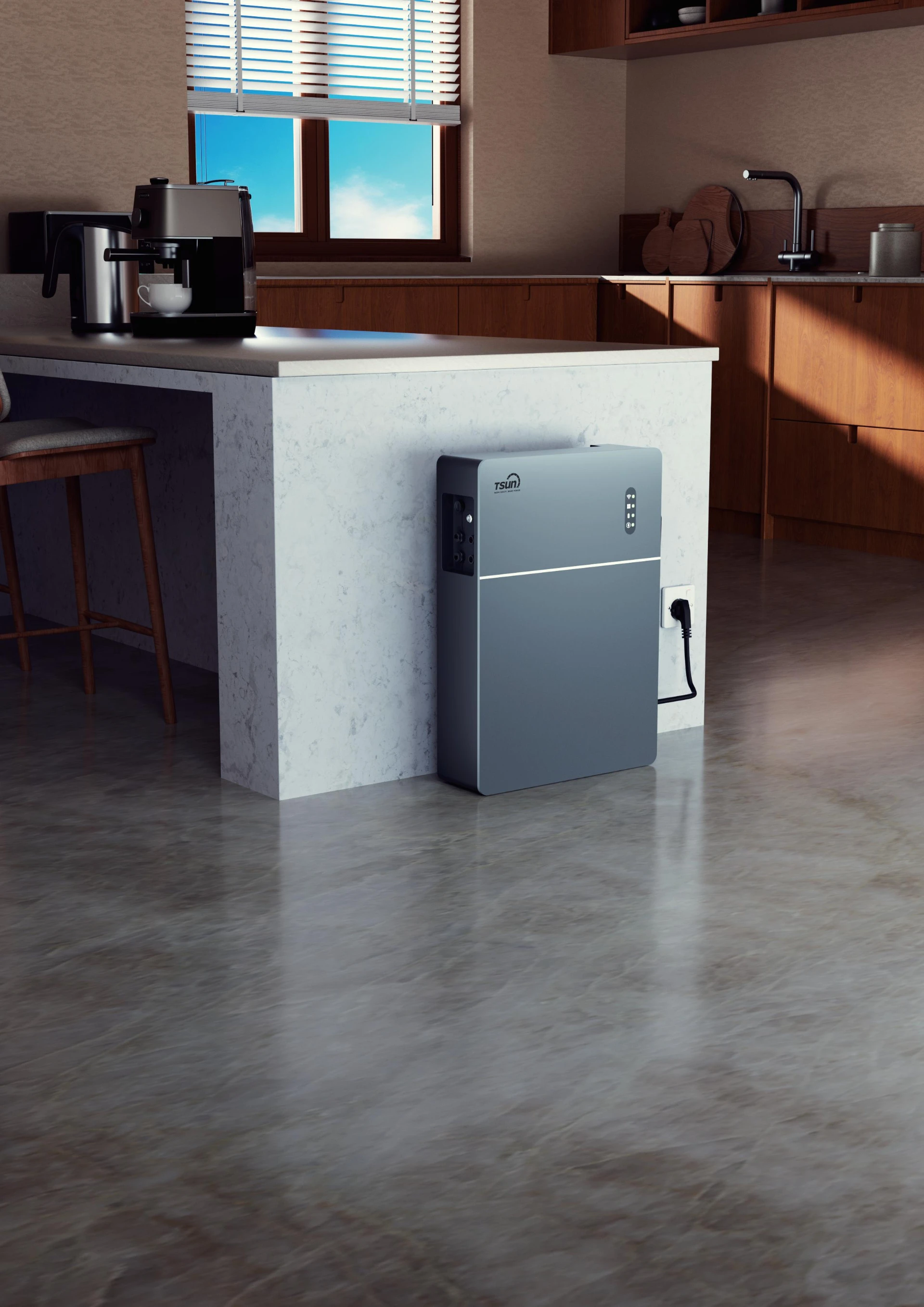
- For Existing Cabins and Retrofits: If you already have a basic solar setup on your cabin but need reliable, high-capacity storage to run heavier loads, the TSUN MAU5000Elite (PowerTrunk Micro AC-Coupled Unit) is the perfect upgrade. It integrates easily into existing AC architectures, adding robust battery reserves and smart energy management without requiring you to tear out your old panels.
Both systems ensure that your cabin maintains critical operations—from refrigeration to communication—even during long cloudy periods or severe weather.
Energy-saving habits that reduce system size
Daily habits can reduce the size and cost of the entire power system. Running high-draw devices during sunny hours, choosing LED lighting, avoiding resistance heaters on battery power, and using efficient refrigeration all make a difference. Partnering these habits with smart load management from TSUN ESS ensures you never wake up to a cold, dark cabin.
Water and waste planning for off-grid cabins
Water and waste planning is one of the most important parts of any off-grid project. Many people focus on the cabin shell first and only later realize that legal water supply and waste disposal are harder than the structure itself.
Well water, rainwater harvesting, and hauled water
When choosing a suitable water source, it is important to consider the intended use, site conditions, water reliability, equipment needs, cost and risk, and maintenance requirements. Each method has its characteristics, and the best option is the one that matches the actual occupancy and site conditions.
| Attribute / Detail | Drilled Well | Rainwater Harvesting | Hauled Water |
|---|---|---|---|
| Typical Use / Purpose | Long-term supply for homes or cabins | Non-potable or supplemental water | Low-use properties, emergency supply |
| Suitable Location / Site Conditions | Land suitable for drilling; proper permits | Areas with sufficient rainfall; roof collection possible | Accessible by delivery trucks; legal to transport |
| Water Availability / Reliability | Steady, reliable supply | Seasonal; dependent on rainfall | Variable; depends on refill schedule |
| Equipment / Infrastructure Needed | Well, pump, pressure tank, storage | Gutters, storage tanks, filtration | Storage tanks, handling containers |
| Estimated Cost / Risk | High upfront cost; drilling risk | Medium; lower cost than well | Medium to high depending on transport |
| Maintenance / Management Needs | Periodic inspection, pump maintenance | Tank cleaning; filter replacement | Regular refill; storage monitoring |
| Key Limitations / Considerations | Site-dependent; cost uncertainty | Climate-dependent; may not meet all needs | Logistical effort; storage needed |
Every water source needs treatment appropriate to the source. Well water may need sediment filtration; rainwater needs robust purification. Furthermore, freezing is a common and expensive off-grid water problem. Unprotected lines, tanks, or pumps can fail quickly in cold weather. Good freeze protection often includes burying lines below frost depth and insulating vulnerable spaces.
A step-by-step plan for building a cabin off grid
- Set your goals, use case, and budget: Define how the cabin will be used. A weekend retreat has different needs than a full-time home.
- Research land, local rules, and site constraints: Confirm zoning, legal access, and water requirements.
- Choose the structure, layout, and foundation: Keep the layout efficient and group plumbing where possible.
- Design power, water, waste, and heating systems: Calculate your electrical loads and integrate reliable energy storage like the TSUN MAU/MSU series.
- Build in phases and test each system: Finish site prep, weatherproofing, and then utility systems.
- Create a maintenance routine before move-in: Create a checklist for battery monitoring, filter replacement, and winter prep.
Conclusion
Off-grid cabins offer a unique lifestyle for those seeking privacy, self-reliance, and flexibility. Unlike traditional cabins, they operate independently from public utilities, requiring careful planning for power, water, waste, and heating. If you’re considering building an off-grid cabin, take the time to plan carefully. By integrating smart, reliable energy solutions like the TSUN MAU5000Elite and MSU4000Elite, you can ensure that your remote retreat remains comfortable, safe, and powered year-round.

 LEARN MORE