Compare Home Storage Battery Prices for SolarTrunk MSU4000 Elite
Selecting a reliable energy backup system often begins with an analysis of home storage battery prices and the long-term value they provide. For homeowners looking to reduce reliance on the grid, the SolarTrunk MSU4000 Elite offers a sophisticated all-in-one solution that balances initial investment with operational efficiency. By integrating LFP chemistry and a high-efficiency bidirectional inverter, this system ensures that residential users can capture solar energy by day and utilize it by night, significantly lowering monthly utility bills.
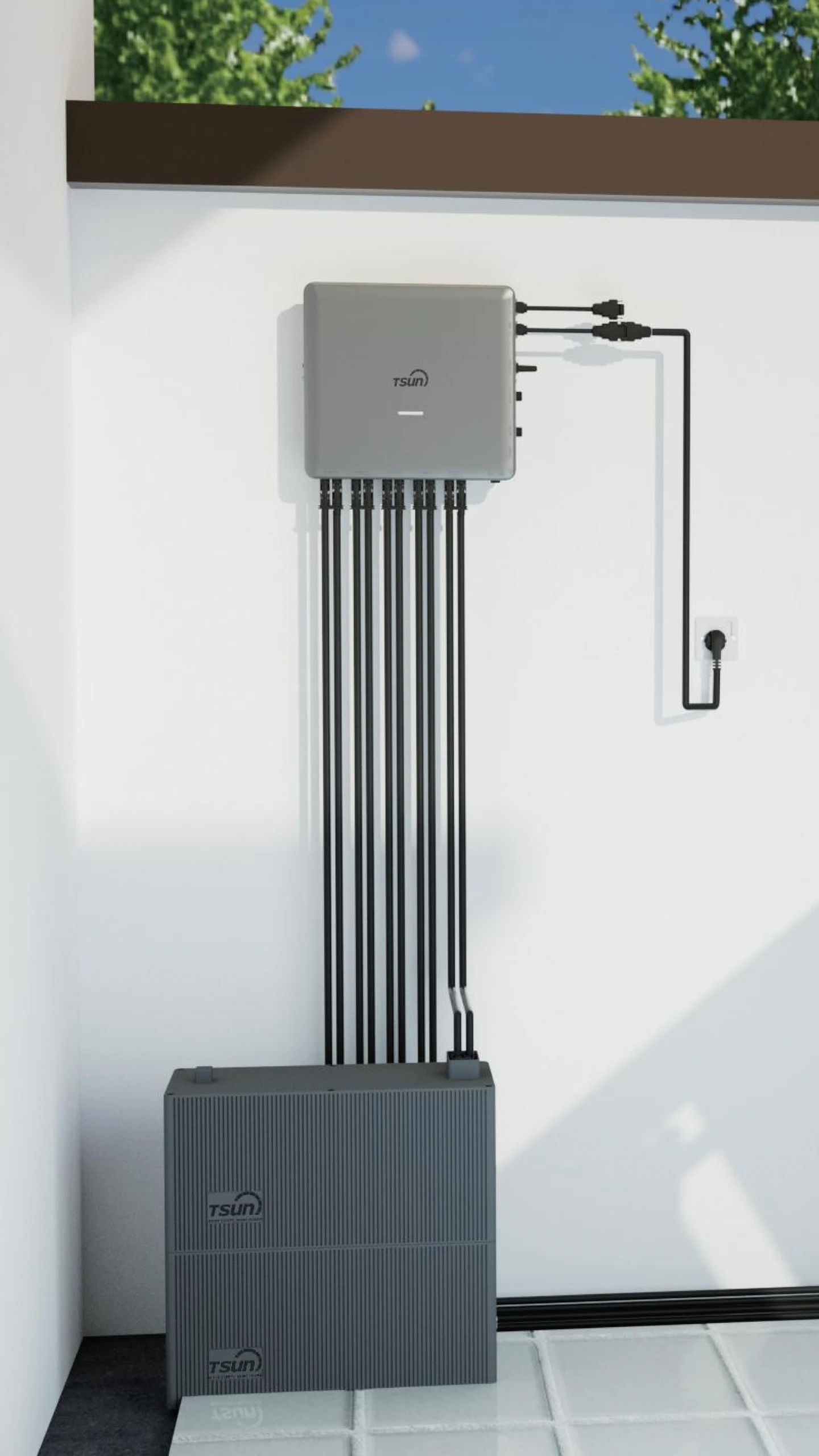
Unlike fragmented systems that require separate inverters and battery packs, the MSU4000 Elite simplifies the architecture of home power. With a 4.02 kWh capacity and a powerful 3.6 kW off-grid output, it provides the resilience needed to keep critical appliances running during unexpected blackouts. This integration not only reduces installation complexity but also enhances the overall system reliability, making it a strategic choice for those evaluating home storage battery prices against the backdrop of energy independence and sustainable living.

Engineering Resilience with LFP Technology and Seamless Power Integration
The core of the SolarTrunk MSU4000 Elite is built upon industrial-grade Lithium Iron Phosphate (LFP) cells, specifically designed for longevity and safety. With a lifespan of up to 10,000 cycles, the LFP chemistry eliminates the risk of thermal runaway, providing a stable energy reservoir that lasts for a decade. The integrated Smart BMS monitors every single cell, ensuring that the battery operates within safe parameters regardless of the discharge load.
Beyond chemistry, the system focuses on energy throughput efficiency. The 95.5% DC-AC bidirectional inverter efficiency ensures that minimal energy is lost during the conversion process. This is further optimized by the Power-Bypass mode, where solar energy feeds household loads directly, bypassing unnecessary conversion steps. For users concerned about home storage battery prices, this high efficiency translates directly into a faster return on investment through reduced energy waste.
- LFP Safety: Inherently stable chemistry preventing overheating and fire risks.
- High Cycle Life: 10,000 cycles at 25°C down to 60% capacity for long-term utility.
- Conversion Efficiency: 95.5% bidirectional efficiency maximizing every kWh generated.
- UPS-Grade Switching: Seamless transition to off-grid mode in under 10ms to prevent device rebooting.

Optimizing Solar Harvest with Multi-MPPT Tracking and Scalable Design
One of the primary challenges in residential solar is varying panel orientation and partial shading. The MSU4000 Elite addresses this by incorporating 4 independent MPPTs, supporting up to 5,000W of solar input. Each tracker operates independently, meaning a shaded panel on the east string will not degrade the performance of the south or west strings. This ensures that homeowners maximize their energy harvest regardless of the roof's architectural complexity.
Furthermore, the system is designed for future-proofing. While the base unit provides a robust starting point, it supports the addition of up to four additional battery packs. This scalability allows users to expand their total capacity up to 20 kWh without replacing the entire inverter system. Whether a household adds an electric vehicle (EV) charger or a high-capacity heat pump in the future, the system grows to meet those demands, effectively spreading the cost of infrastructure over several years.
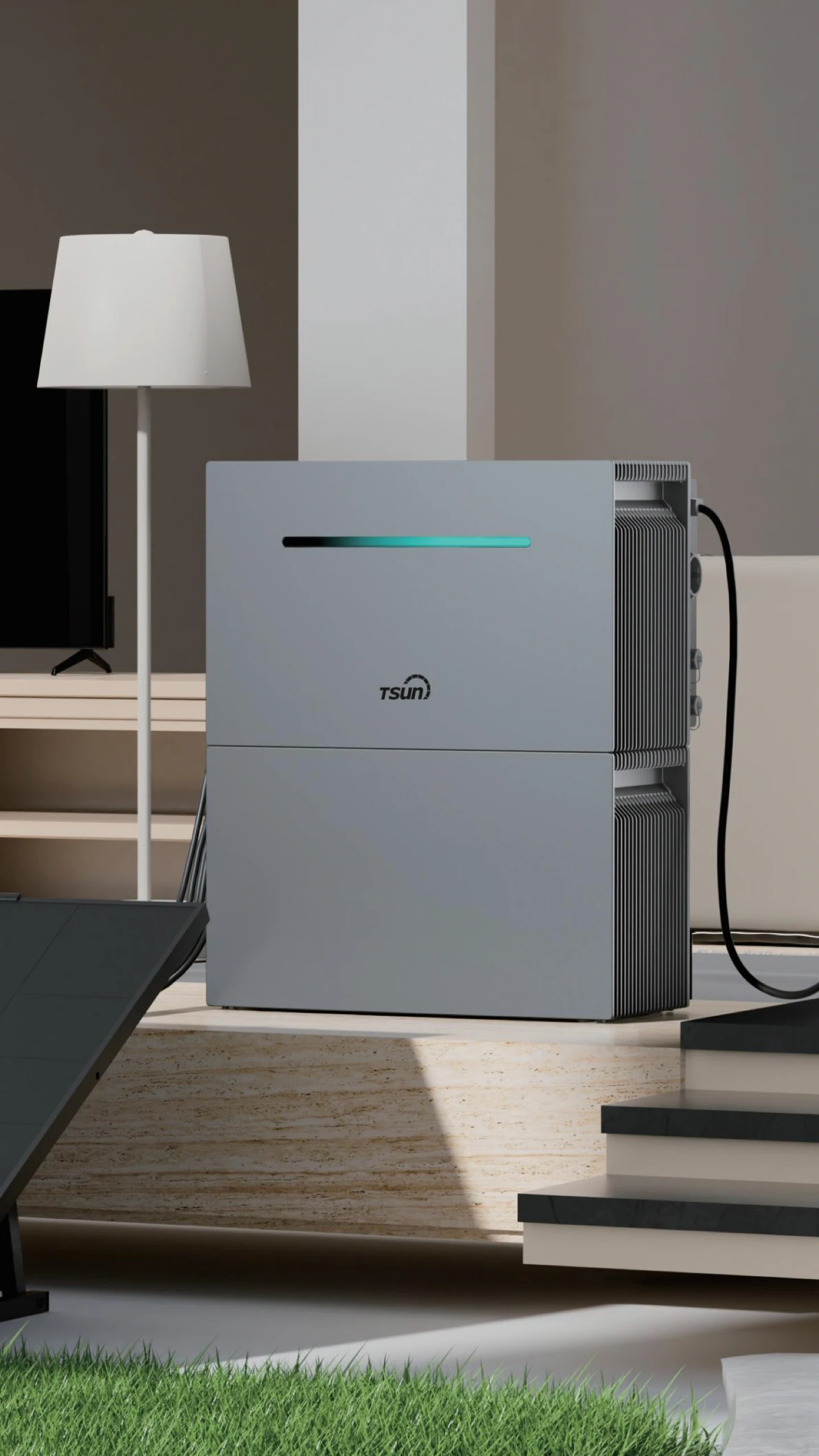
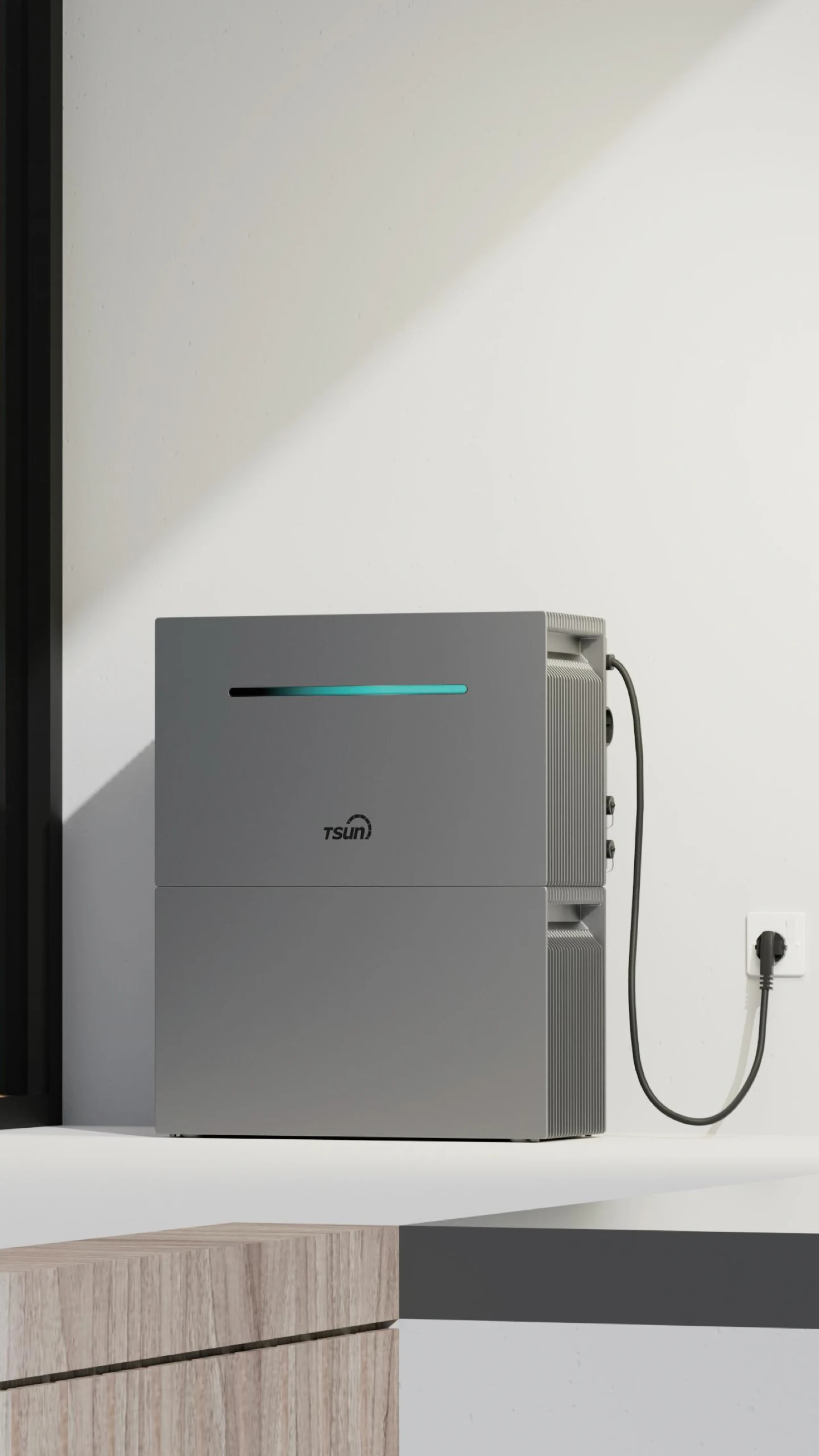
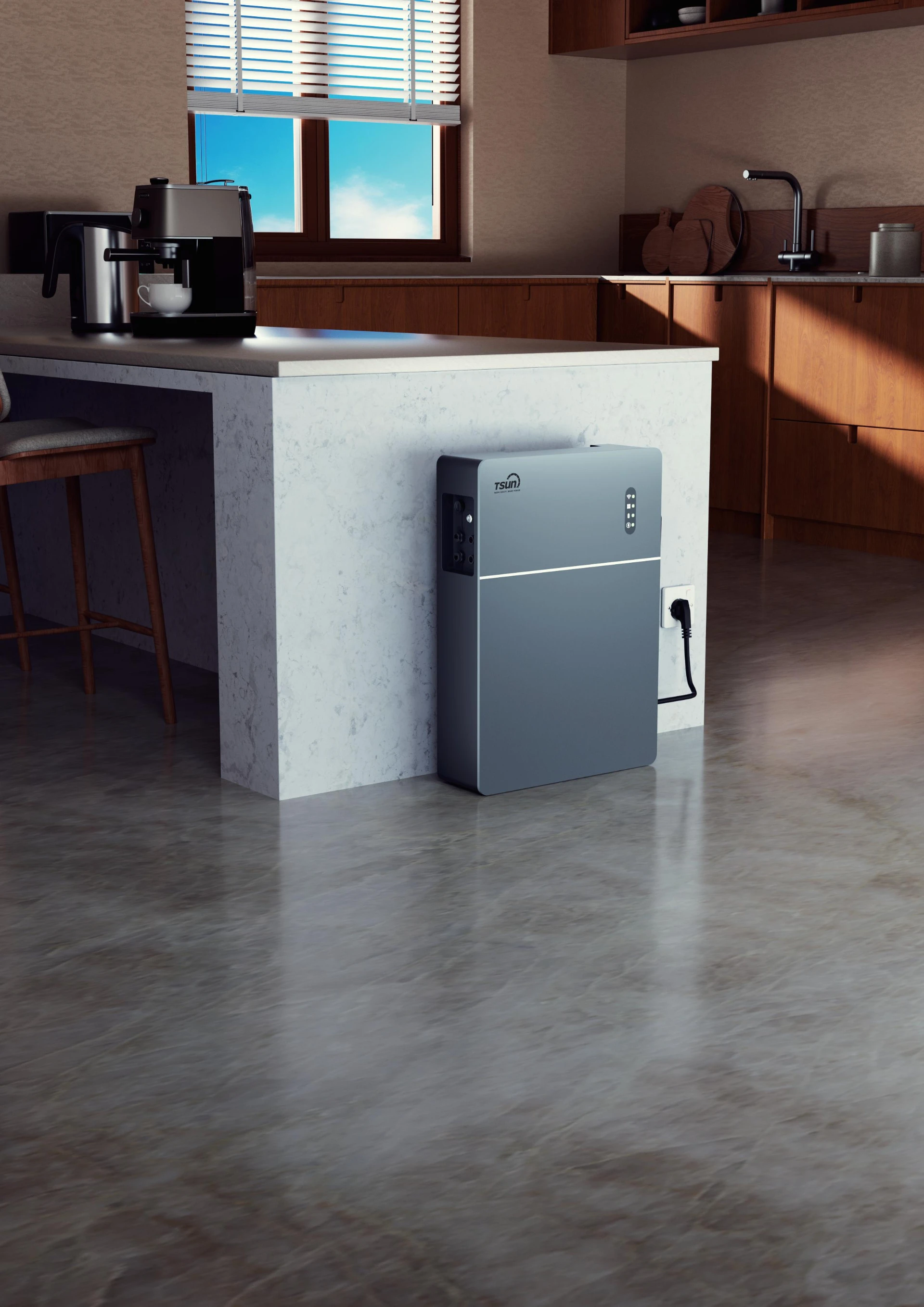
Installation is streamlined via a plug-and-play approach. By removing the external screen, the unit eliminates a common failure point caused by UV exposure and extreme weather. The flame-retardant composite panel ensures superior insulation and aesthetic integration into garages, hallways, or outdoor walls, maintaining an IP65 rating for complete dust and water protection.
Smart Energy Management for Dynamic Tariffs and Virtual Power Plants
Modern energy markets are shifting toward dynamic pricing, where electricity costs fluctuate throughout the day. The MSU4000 Elite leverages AI Smart Scheduling to learn household usage patterns and automatically optimize charging and discharging cycles. By charging the battery when tariffs are low and discharging during peak hours, the system transforms from a simple backup tool into an active financial asset that lowers monthly utility expenditures.
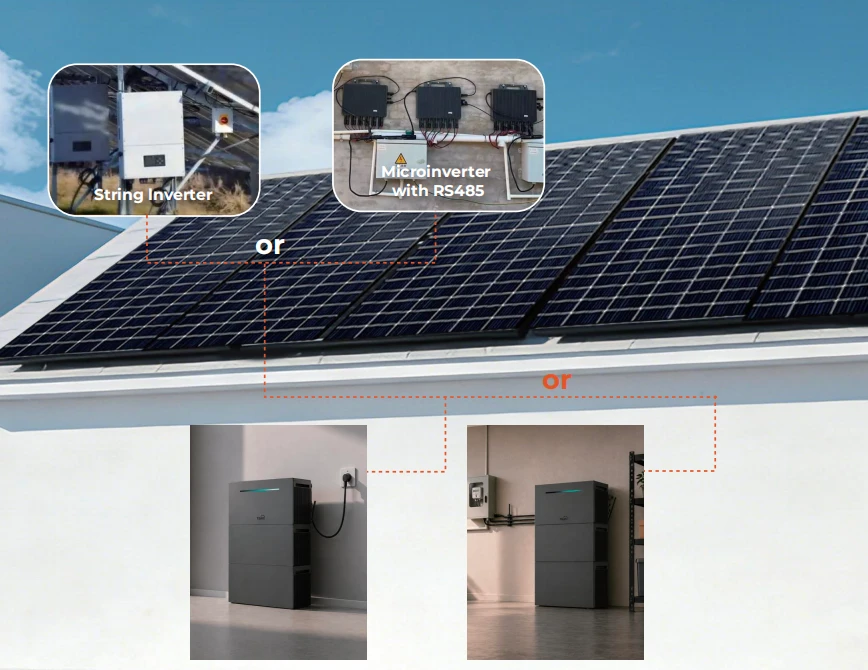
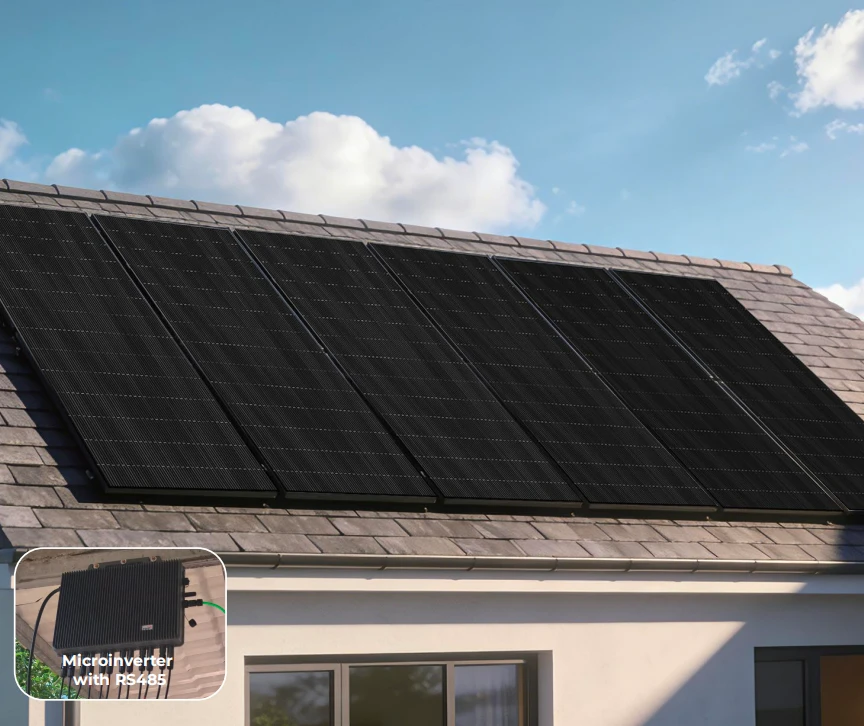
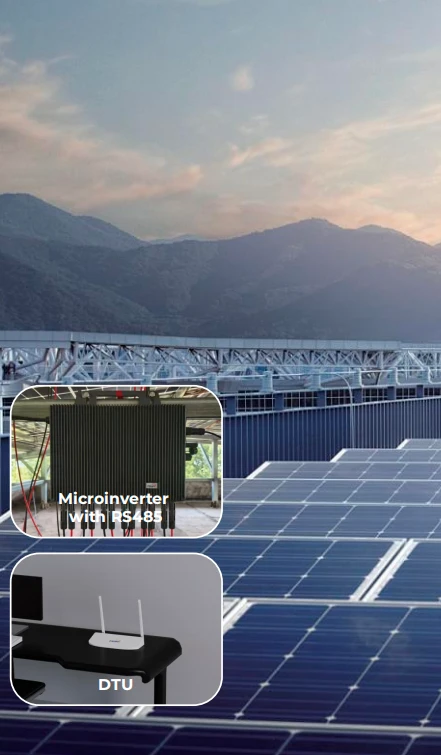
For the forward-thinking user, the system is VPP-ready (Virtual Power Plant). This allows homeowners to participate in grid dispatch and demand response programs, potentially turning their stored energy into a source of revenue. Combined with multi-protocol communication—including dual-band WiFi, Bluetooth, and RS485—users have total visibility and control through a dedicated app, tracking energy flow and historical data in real time.
The system also supports a "Black Start" capability. In the event of a total system shutdown during a blackout, the MSU4000 Elite can wake itself up using either PV input or grid recovery, eliminating the need for an external power source to restart the home's energy ecosystem. This level of autonomy is critical for households in regions prone to severe weather or unstable grid infrastructure.
Technical Comparison of Residential Storage Configurations
| Feature |
Base MSU4000 Elite |
Expanded System (Max) |
Standard Entry-Level Pack |
| Energy Capacity |
4.02 kWh |
Up to 20 kWh |
Typical 2-5 kWh |
| Off-Grid Output |
Up to 3.6 kW |
Up to 3.6 kW |
Variable (Low) |
| MPPT Trackers |
4 Independent |
4 Independent |
1-2 Trackers |
| Switchover Speed |
< 10 ms |
< 10 ms |
Typical 20-100 ms |
| Protection Rating |
IP65 Outdoor |
IP65 Outdoor |
Indoor Only (Usually) |
Evaluating Total Cost of Ownership in Residential Energy Storage
When analyzing residential battery costs, it is a mistake to look only at the initial purchase price. The total cost of ownership (TCO) includes installation labor, maintenance, and the actual energy savings realized over the system's life. The MSU4000 Elite reduces TCO by eliminating the need for a separate hybrid inverter and reducing installation time through its integrated "all-in-one" design, which requires only basic mounting and cabling.
Another critical factor is the degradation rate. Low-cost batteries often use chemistries that lose capacity quickly. By utilizing LFP cells with a 10,000-cycle rating, the MSU4000 Elite ensures that the capacity remains functional for much longer, reducing the frequency of expensive cell replacements. When factored into the cost-per-cycle, high-quality systems often prove more economical than budget alternatives over a 10-year horizon.
Buyers should also consider the "invisible" costs of downtime. Systems with slow switchover times can cause computers to reboot and routers to drop, leading to productivity loss for remote workers. The UPS-grade 10ms switchover of the SolarTrunk series ensures business continuity within the home, adding a layer of value that exceeds the simple storage of kilowatt-hours.
The Future of Micro-Grid Integration and Home Energy Autonomy
The trajectory of residential energy is moving toward complete autonomy through micro-grids. The SolarTrunk MSU4000 Elite is a foundational piece of this transition, allowing users to not only store energy but to manage it intelligently. As EV adoption grows, the ability to integrate EV chargers into a smart EMS platform—as supported by this system—will become a standard requirement for the modern home.
We are seeing a shift where energy storage is no longer just about emergency backup, but about "energy arbitrage." By leveraging AI-driven scheduling and VPP compatibility, homeowners are becoming "prosumers" who actively manage their energy portfolio. This evolution requires hardware that is not only powerful but also digitally flexible, capable of communicating via multiple protocols to interact with smart meters and grid operators.
For those planning their energy strategy, the recommendation is to prioritize modularity. Starting with a high-efficiency base unit and expanding capacity as needs evolve is the most financially prudent path. This approach mitigates the risk of over-investing early while ensuring the system can adapt to new appliances, larger families, or changing electricity market structures over the next decade.
Common Questions Regarding Residential Energy Storage
How does the MSU4000 Elite handle power outages?
The system features a UPS-grade seamless switchover that takes less than 10ms. This means that during a power failure, critical loads like routers, refrigerators, and computers stay powered without interruption or rebooting. It can provide up to 2.5kW of power from the battery and solar in a full outage.
Can I install the unit outdoors?
Yes, the unit is designed with an IP65 dust- and water-proof all-metal enclosure. It can operate in extreme temperatures ranging from -20°C to 55°C, making it suitable for installation in garages, on exterior walls, or in garden sheds.
What is the benefit of having 4 MPPTs?
Multiple MPPTs allow the system to handle solar panels facing different directions (e.g., East, South, and West) or panels affected by partial shading. Each tracker optimizes the voltage for its specific string, preventing a single shaded panel from reducing the efficiency of the entire array.
How long does the LFP battery actually last?
The MSU4000 Elite uses high-grade LFP cells rated for 10,000 cycles (measured at 25°C down to 60% capacity). This represents a significant lifespan, often lasting a decade or more depending on the daily depth of discharge and environmental conditions.
Is professional installation required for this system?
While professional installation is always recommended for electrical safety, the system is designed for "minute-level" installation with a plug-and-play approach. It includes built-in protections against reversed PV terminals and overvoltage to ensure safety during setup.
Can I add more storage capacity later?
Absolutely. The system is modular, allowing you to add up to four additional battery packs to one host unit, increasing the total storage capacity from the base 4.02 kWh up to 20 kWh to accommodate growing energy needs.
Technical References and Industry Standards
Investing in a high-efficiency all-in-one storage system is a strategic move toward energy resilience. By prioritizing LFP safety, modular scalability, and AI-driven management, homeowners can secure their power supply while actively reducing their environmental footprint and utility costs.
Ethan Reynolds
Ethan Reynolds is our Lead Product Specialist, focused on the Power Trunk and Solar Trunk product lines. He boasts a strong background in power electronics and battery storage technologies. Ethan's role involves rigorous testing, quality assurance, and close collaboration with the engineering team to refine our storage system solutions. He's instrumental in ensuring our products meet the highest safety and performance standards, and is particularly proud of the advancements made in the MAU5000 and MSU series. Ethan is a firm believer in the benefits of microgrid technology and the role our solutions play in building a more resilient energy future. He has a Masters degree in Electrical Engineering.






 LEARN DETAILS
 Downloads
 Video Center
 Report Fault for Repair
 FAQS
 Service Network
 Privacy Policy
 Contact Us
 Monitoring