





 LEARN DETAILS
 Downloads
 Video Center
 Report Fault for Repair
 FAQS
 Service Network
 Privacy Policy
 Contact Us
 Monitoring

Understanding the solar battery for home price requires a shift from looking at a simple sticker price to analyzing the total cost of energy independence. For most homeowners, the primary goal is to bridge the gap between peak solar production during the day and high energy consumption at night, while ensuring stability during grid outages. This guide examines the financial and technical variables that dictate the investment required for residential storage.
The residential energy market has evolved from massive, complex installations to modular "plug-and-play" systems. Modern solutions, such as micro-hybrid storage units and AC-coupled systems, allow users to start small and scale their capacity as their energy needs grow. However, the variance in cost is often driven by battery chemistry, depth of discharge, and the sophistication of the integrated inverter technology, making a detailed breakdown essential for any procurement decision.
Readers will discover how to evaluate the trade-off between initial expenditure and long-term operational savings. We will analyze the critical components that influence the solar battery for home price, including the impact of LFP chemistry, MPPT efficiency, and the benefits of all-in-one integrated designs over fragmented component setups.
Decoding Home Energy Storage Costs
The cost of a domestic energy storage system is not a fixed number but a result of several engineering choices. The primary driver is the energy density and cycle life of the cells. Lithium Iron Phosphate (LiFePO4) has become the industry standard for residential use due to its thermal stability and longevity, often reaching 10,000 cycles. While the initial cost may be higher than lead-acid alternatives, the cost-per-cycle is significantly lower, providing a better return on investment over a decade of use.
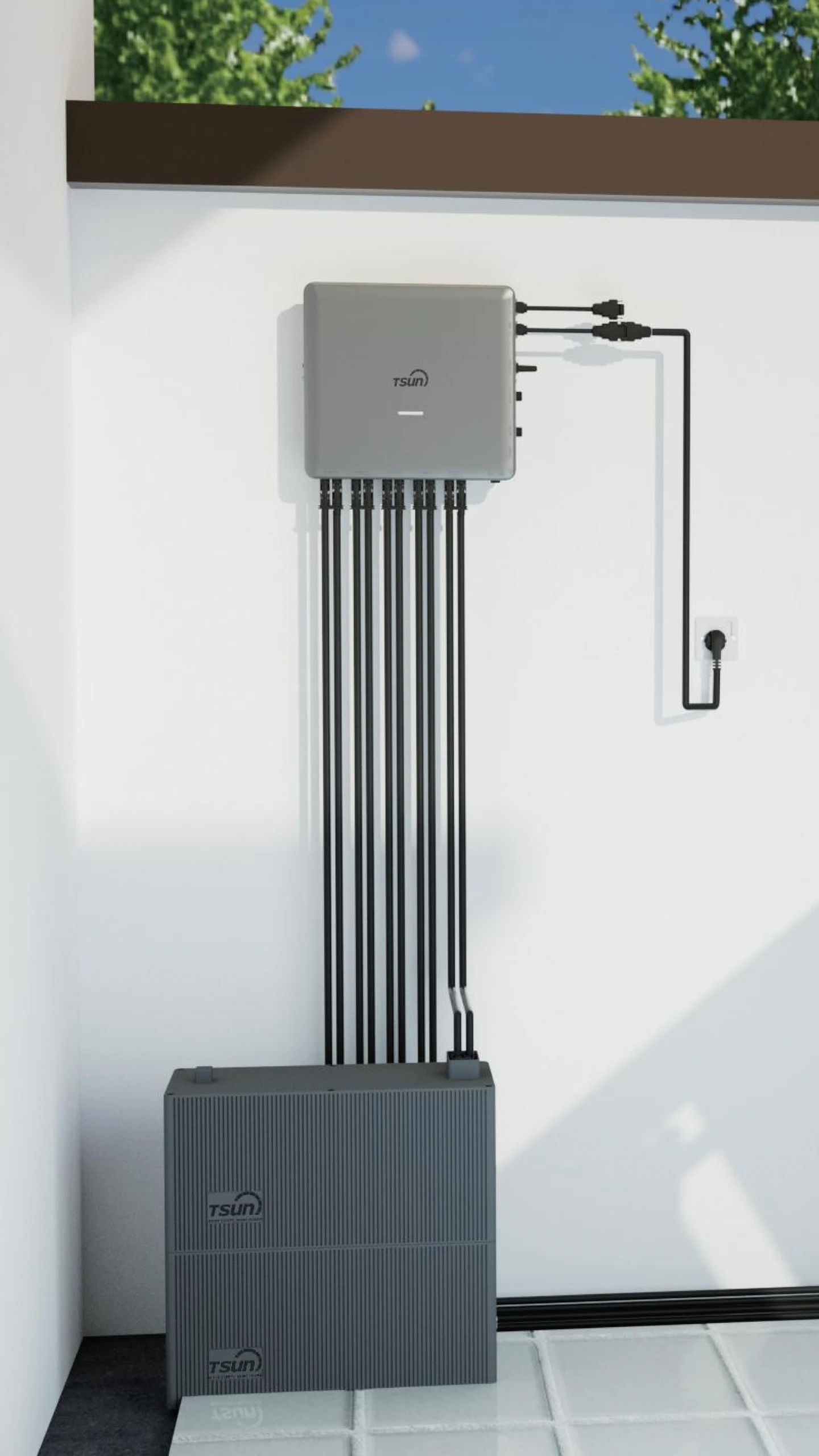
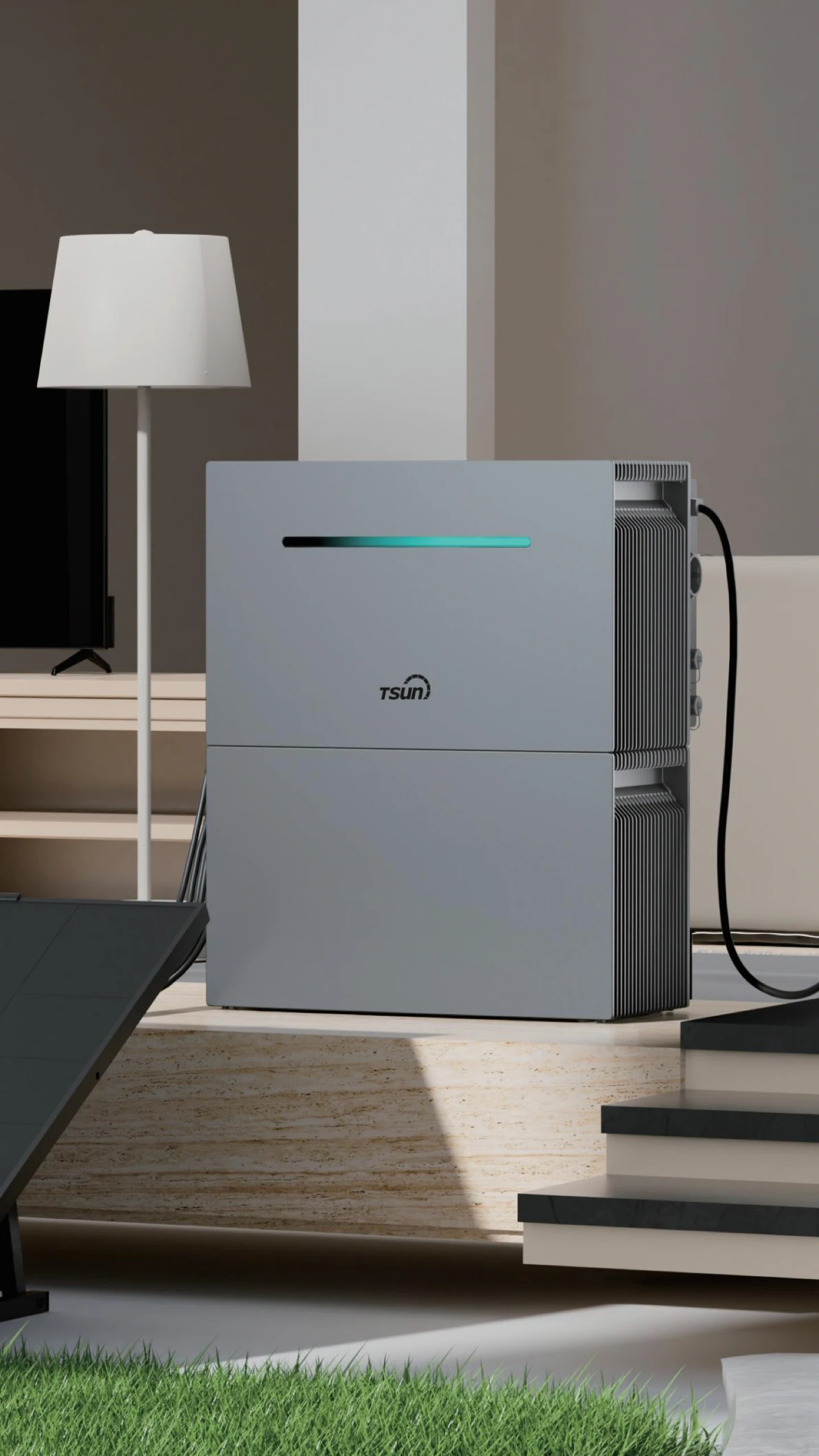
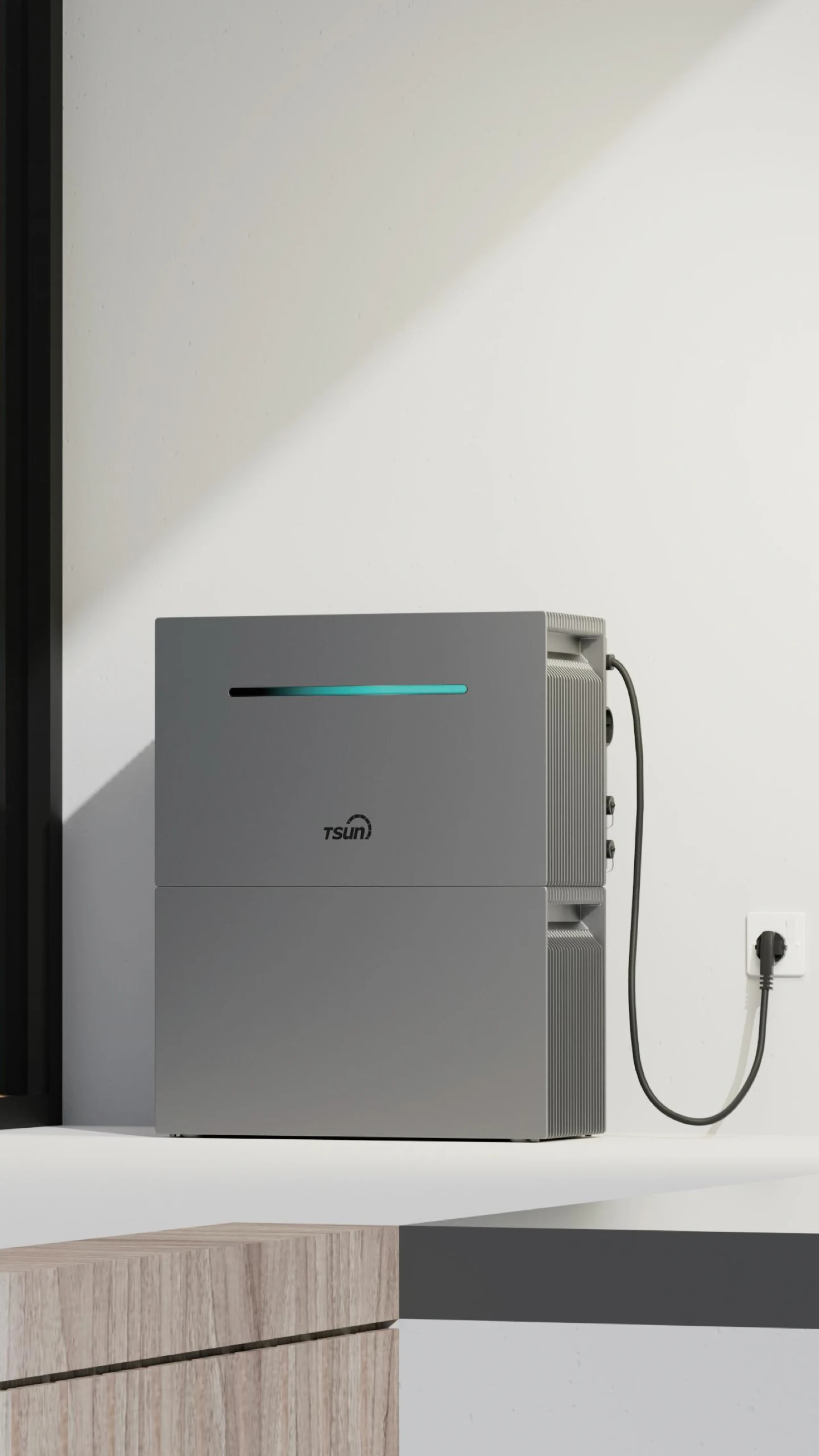
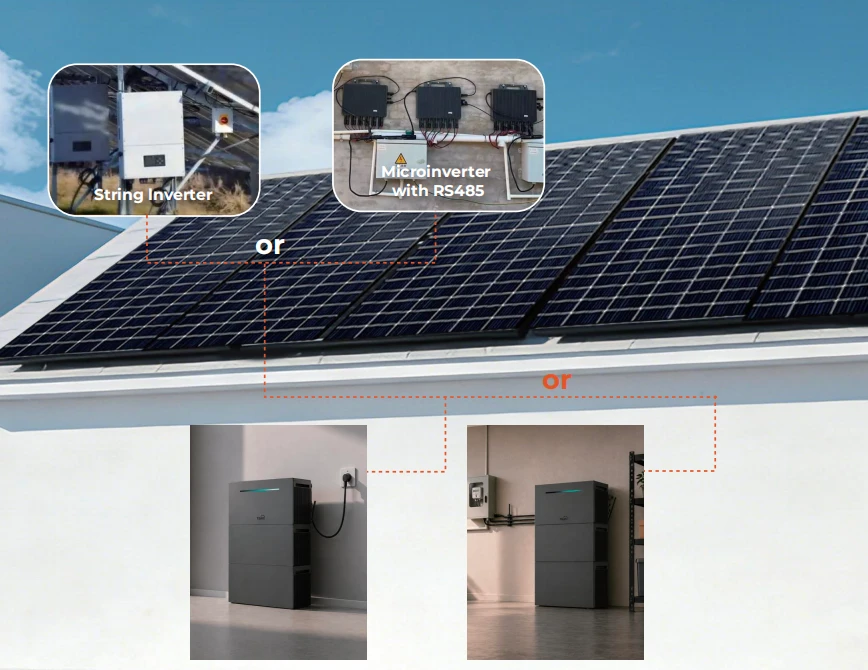
Beyond the cells, the "balance of system" costs play a huge role. This includes the Battery Management System (BMS), which prevents overcharging and thermal runaway, and the inverter. Integrated solutions, like the SolarTrunk MSU series, reduce costs by combining the inverter and battery into a single chassis, eliminating the need for separate housing and extensive external wiring. Furthermore, the choice between DC-coupled (where solar goes straight to battery) and AC-coupled (where energy is converted twice) affects both the upfront cost and the overall system efficiency.
Strategic Selection for Residential Storage
Selecting the right storage system involves balancing immediate budget constraints with future energy requirements. A system that is too small will fail to provide autonomy during blackouts, while an oversized system leads to unnecessary capital expenditure. The following analysis breaks down the seven critical dimensions of selection.
Battery Chemistry and Lifespan
Chemistry dictates the safety and the replacement cycle of your investment. LFP (LiFePO4) cells are preferred for home use because they do not suffer from thermal runaway and maintain capacity over thousands of cycles. For instance, high-grade LFP cells can last 10,000 cycles at 25°C down to 60% capacity, ensuring the system remains viable for over a decade without a full cell replacement.
| Chemistry Type | Safety Profile | Cycle Life | Value Driver |
|---|---|---|---|
| LiFePO4 (LFP) | High (Thermal Stability) | 6,000 - 10,000+ | Long-term durability |
| NMC (Nickel Manganese Cobalt) | Moderate | 2,000 - 4,000 | Higher energy density |
| Lead-Acid | Low (Maintenance heavy) | 500 - 1,500 | Low initial cost |
| Solid-State (Emerging) | Very High | TBD (High) | Future-proof safety |
| Lithium-Ion (Standard) | Moderate | 3,000 - 5,000 | General purpose |
| Nickel-Iron | High | 20,000+ | Extreme longevity |
Capacity Scaling Requirements
Modular design is the most cost-effective way to manage growth. Instead of guessing your 5-year energy need, starting with a base unit (e.g., 5kWh) and adding expansion packs (up to 20kWh total) prevents over-investment. This "pay-as-you-grow" model is ideal for households that may later add electric vehicles or heat pumps, allowing them to increase capacity without replacing the core inverter.
Inverter Integration Methods
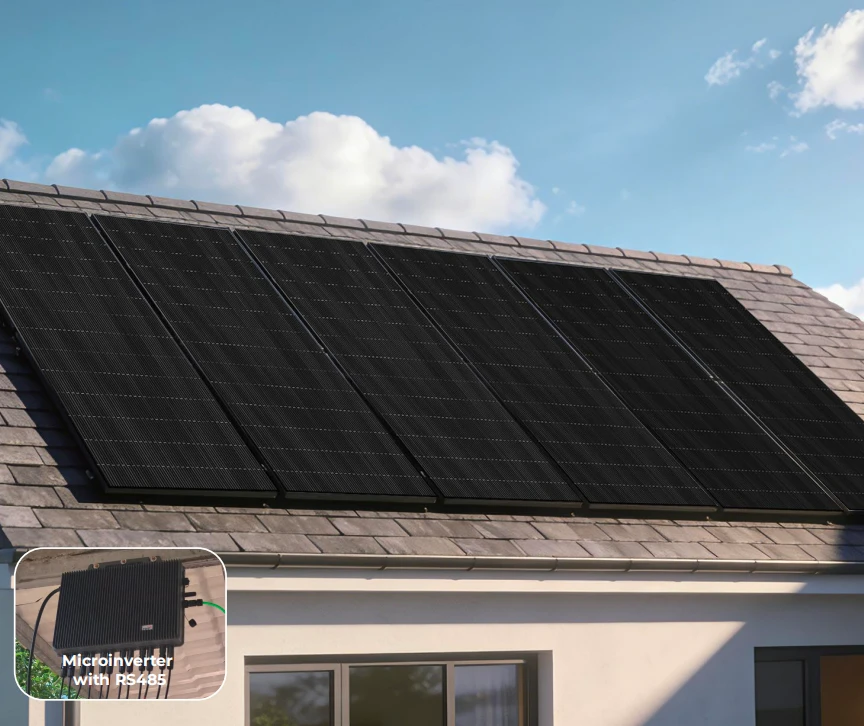
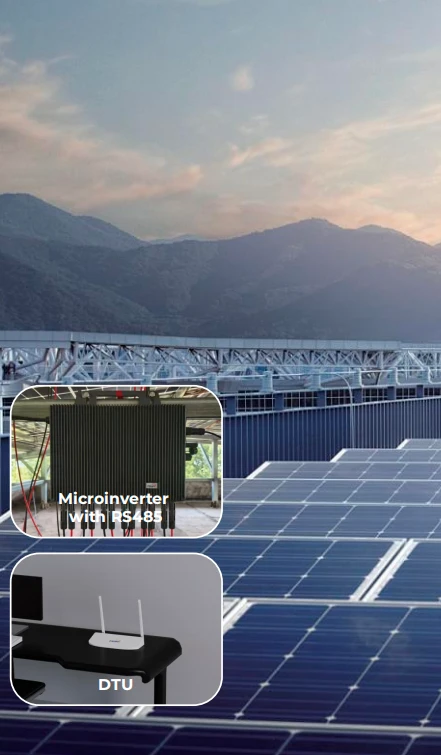
The choice between hybrid microinverters and central inverters impacts efficiency. Hybrid units, like the MH series, manage both PV input and battery storage in one device, reducing the number of conversion steps. This "Power-Bypass" mode allows solar energy to feed loads directly, reducing conversion losses and extending the battery's operational life by minimizing unnecessary charge/discharge cycles.
Installation Complexity Factors
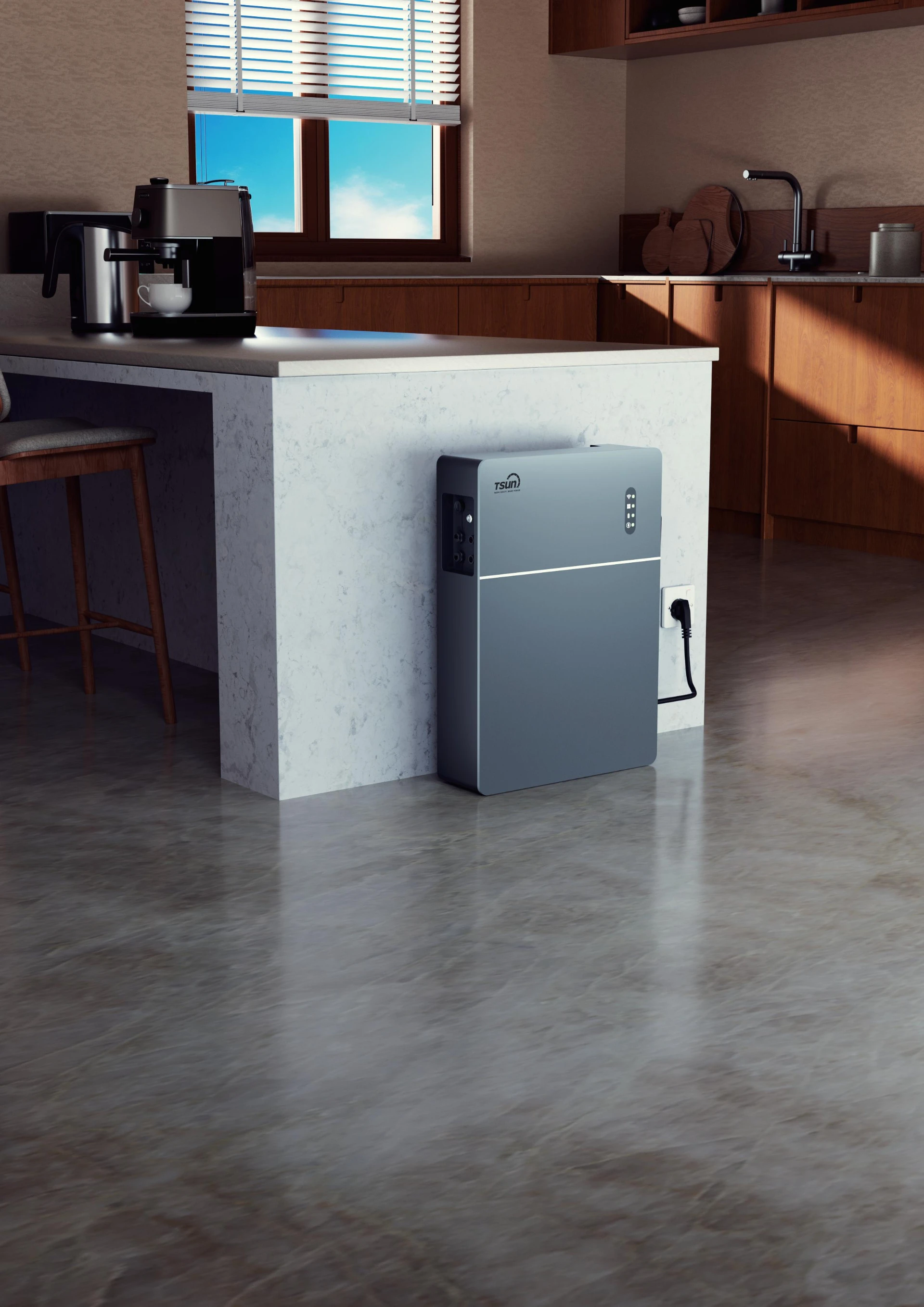
Labor costs can represent a significant portion of the total expense. DIY-friendly "all-in-one" boxes reduce these costs. Systems that require only a bracket and a standard AC cable connection eliminate the need for expensive electrical engineering consultants. High-rise living also benefits from lightweight, flexible panel options that avoid the dangers and costs of heavy lifting equipment.
Off-Grid vs. Hybrid Capability
True energy security requires a system that can handle a "black start"—the ability to wake up and restart using only PV or grid power after a total blackout. While simple storage units only provide backup, hybrid systems with fast switch-over times (under 10ms) ensure that sensitive electronics, like routers and computers, do not reboot during a grid failure.
Operational Maintenance Needs
Long-term cost is influenced by maintenance. Natural convection cooling—eliminating fans—removes a primary point of mechanical failure. Furthermore, a screenless design prevents display degradation caused by UV exposure in outdoor installations. These engineering choices reduce the total cost of ownership by eliminating periodic part replacements.
Long-term Value Analysis
The true value is found in "peak shaving" and dynamic tariff optimization. Systems that can track real-time energy prices can charge when electricity is cheap and discharge during expensive peak hours. This operational intelligence transforms the battery from a passive backup into an active financial tool for reducing monthly utility bills.
FAQ
What factors most influence the cost of a home solar battery?
The primary drivers are the total storage capacity (kWh), the battery chemistry (LFP is typically more expensive than lead-acid but lasts longer), and the level of integration. All-in-one systems that combine the inverter and battery usually offer better value by reducing installation labor and cabling costs compared to separate components.
Is LFP chemistry better for residential use than NMC?
Yes, for most home applications. LiFePO4 (LFP) is significantly safer due to its higher thermal stability, meaning it is far less likely to catch fire. It also offers a much longer cycle life—often 6,000 to 10,000 cycles—compared to NMC's 2,000 to 4,000, making it a more sustainable long-term investment.
Can I expand my battery capacity later if my needs change?
If you choose a modular system, such as the SolarTrunk series, you can. These systems allow you to add battery packs to a host unit. For example, starting with a base unit and adding up to four additional packs can expand your total capacity to 20kWh without needing to replace the primary inverter.
What is a "black start" and why is it important?
A black start is the system's ability to restart itself from a state of total power loss using only solar energy or a grid signal, without requiring an external power source. This is critical for true energy resilience, as it ensures your home can recover automatically after a severe outage.
How does a hybrid microinverter reduce energy waste?
Hybrid microinverters often feature "Power-Bypass" mode. Instead of converting solar DC to AC for the battery and then back to AC for the home, the system feeds the house loads directly from the PV panels. This eliminates one conversion step, reducing energy loss and increasing overall system efficiency.
Do I need professional installation for all home battery systems?
Not necessarily. While large-scale systems require professionals, new "Easy Solar Kit" and all-in-one storage solutions are designed for DIY setup. These feature plug-and-play connectors and simplified brackets, allowing homeowners to install the system with basic tools and minimal technical knowledge.
References and further reading
- International Electrotechnical Commission (IEC) Standards for Residential Battery Safety.
- Lithium Iron Phosphate (LiFePO4) Cycle Life Analysis and Degradation Modeling.
- Comparative Study on AC-Coupled vs DC-Coupled Energy Storage Systems.
Related Articles