Navigating the Dilemma: Are Microinverters Worth It Vs String Inverters?
For solar installers and distributors, the debate between system architecture often comes down to balancing immediate installation costs against long-term reliability and yield. When you ask, "are microinverters worth it vs string inverters," you are essentially evaluating whether the superior energy harvest and safety profile of module-level power electronics (MLPE) justify the investment over traditional series-connected systems. This is not just a financial calculation; it is a question of safety, longevity, and design flexibility.
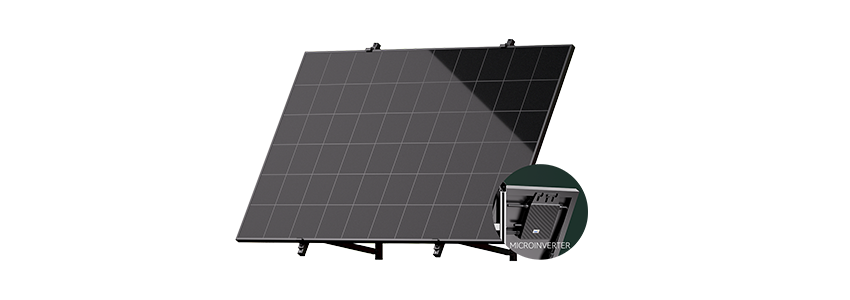
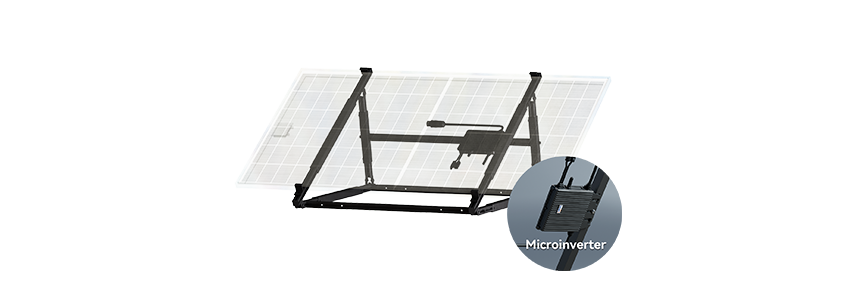
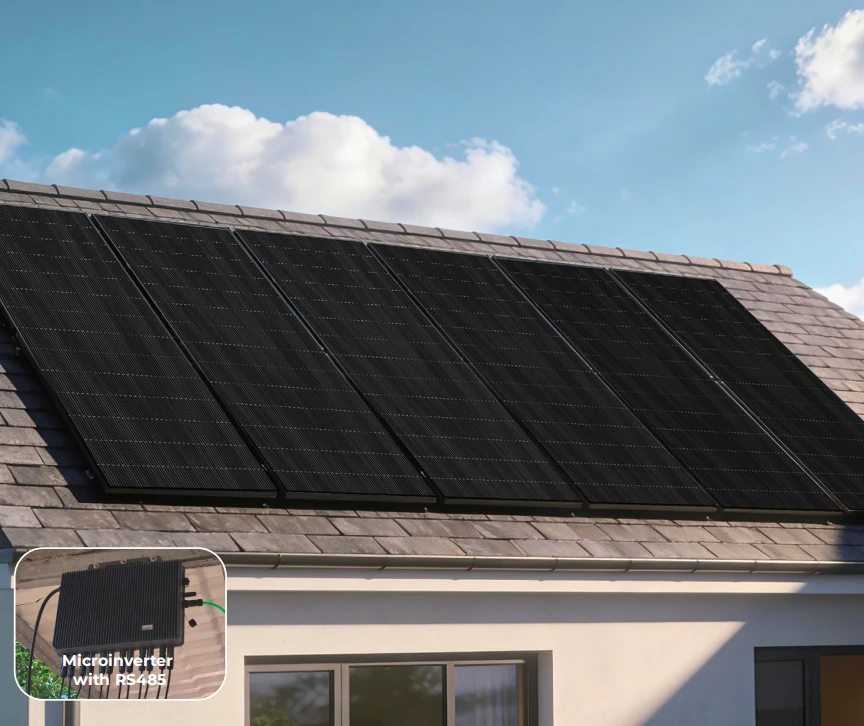
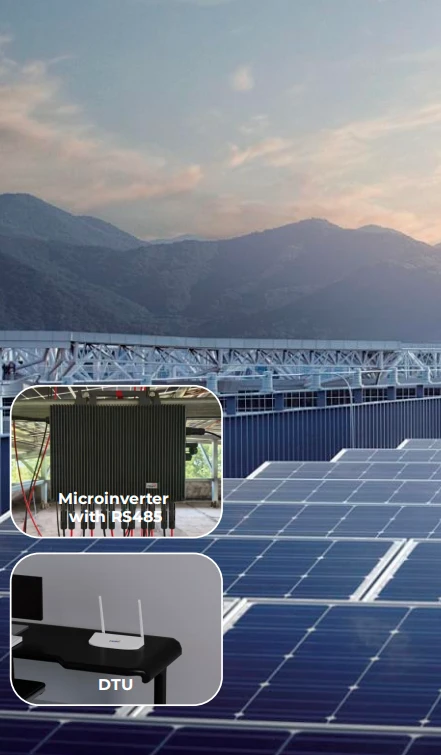
TSUNESS addresses this critical market need by bridging the gap between high performance and cost-effectiveness. As a global leader in high-power microinverter technology, we have revolutionized the equation with our Gen3 series and high-capacity models (ranging from 1-in-1 to the massive 10-in-1). By operating a highly automated, ISO-certified 4,500-square-meter facility in Suzhou, we ensure that every unit produced—targeting an annual capacity of 800,000 sets—delivers the reliability required to make the switch from string inverters an obvious choice. With a presence from Frankfurt to São Paulo, we provide the local support necessary to validate this technological upgrade.
Engineering Standards Defining if Are Microinverters Worth It Vs String Inverters
To objectively answer "are microinverters worth it vs string inverters," one must look beyond pricing and examine the engineering metrics that drive system performance. Traditional string inverters suffer from the "Christmas light effect," where the shading or failure of a single panel compromises the entire string. In contrast, our engineering standard focuses on Module-Level Maximum Power Point Tracking (MPPT), ensuring that every panel operates at its peak potential regardless of environmental factors.
Below is a technical comparison demonstrating why TSUNESS microinverters offer superior technical value compared to standard string inverter setups, specifically referencing our IP67 protection and high-efficiency benchmarks.
| Performance Metric |
Industry Significance |
TSUN Engineering Standard |
Advantage Over String Inverters |
| MPPT Efficiency |
Determines energy capture under shading/dirt. |
Module-level MPPT with 99.9% accuracy. |
Eliminates the "bottleneck effect" typical of string systems, maximizing yield per panel. |
| Energy Conversion |
Ratio of DC input to usable AC output. |
Peak efficiency up to 97.8%. |
Matches or exceeds premium string inverters without high-voltage DC risks. |
| Safety & Protection |
Risk of arc faults and fire hazards. |
Low DC voltage architecture & IP67 Rated Enclosure. |
Safety-First Philosophy: Eliminates high DC voltage runs on roofs, unlike hazardous string arrays. |
| System Longevity |
Expected operational lifespan before replacement. |
25-year design life warranty. |
Outlasts string inverters (typically 10-15 years) by a decade, reducing lifecycle capex. |
Maximizing ROI: Are Microinverters Worth It Vs String Inverters?
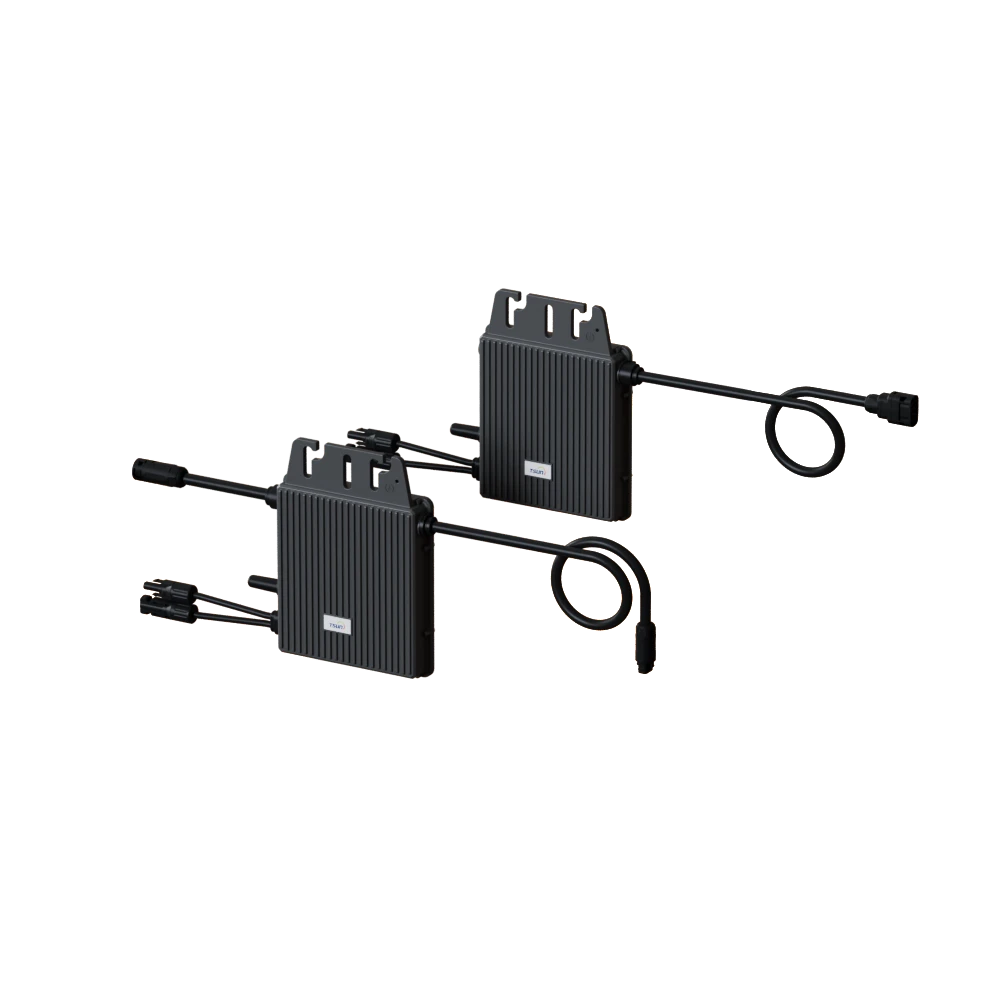
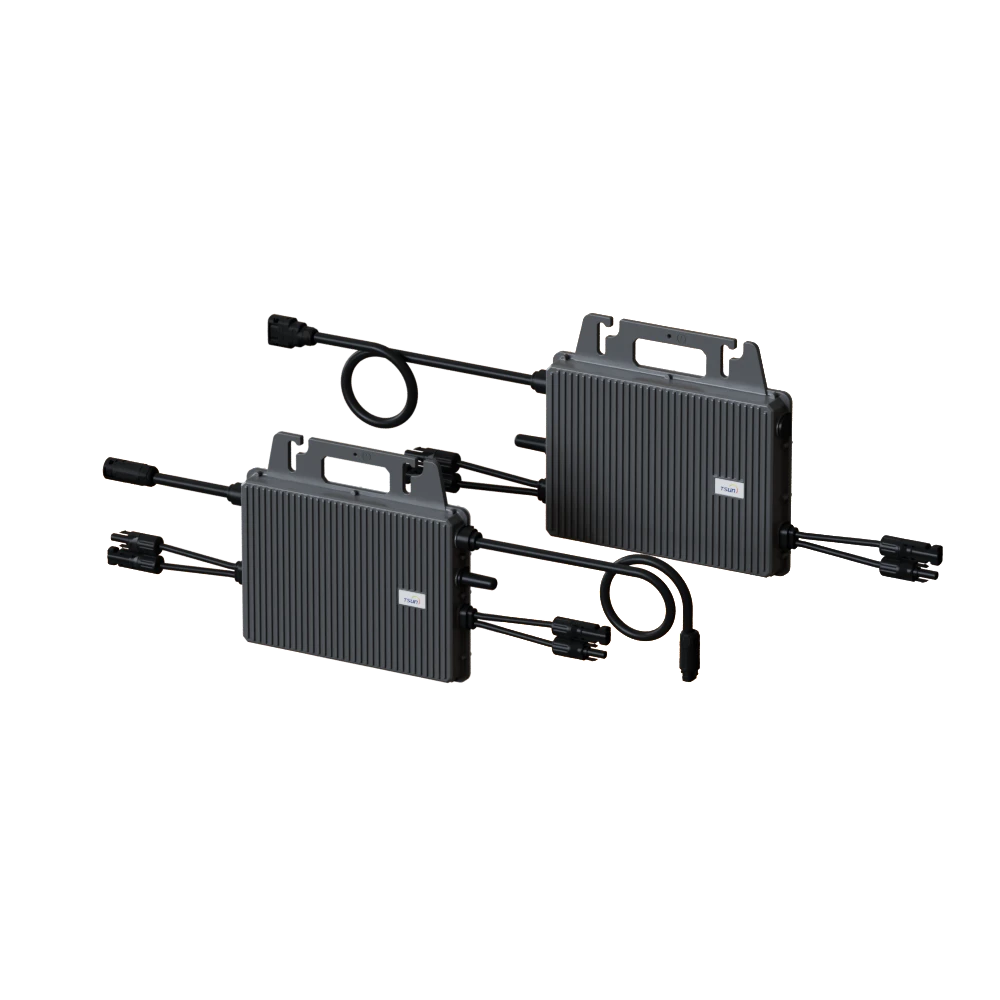
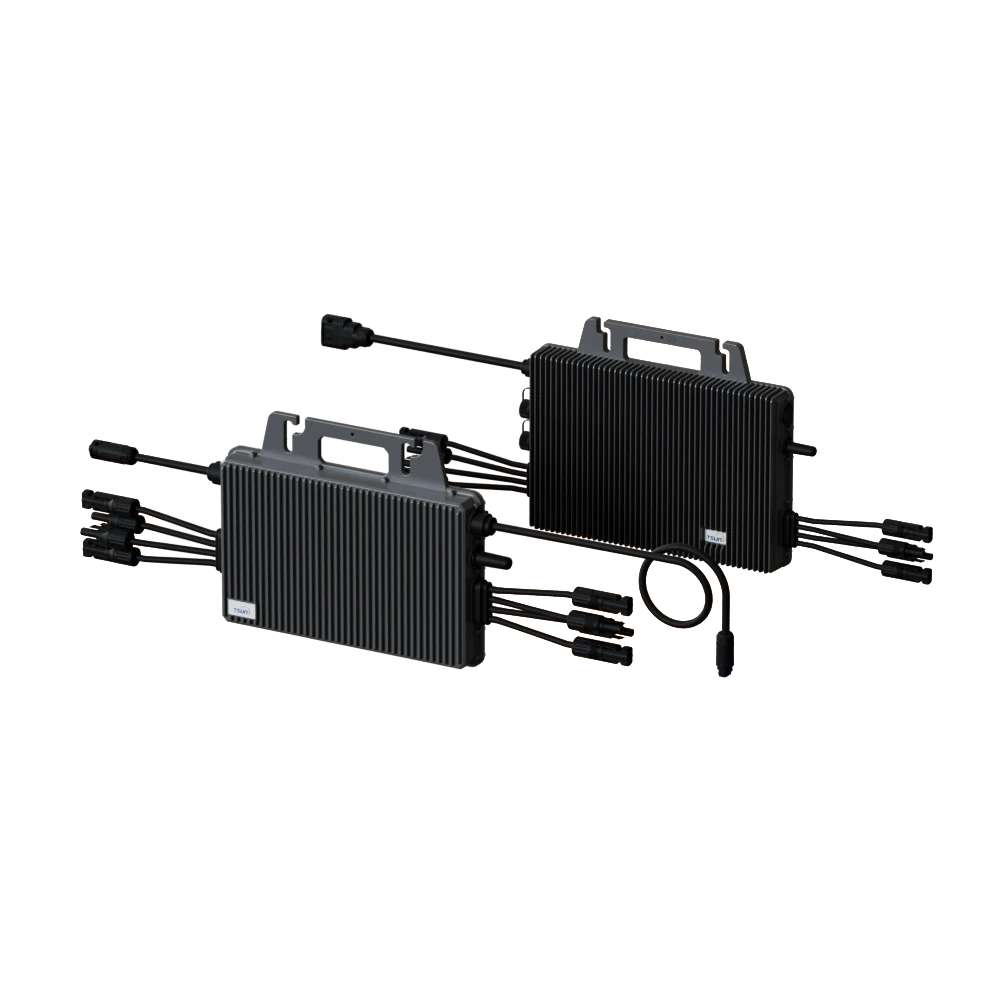
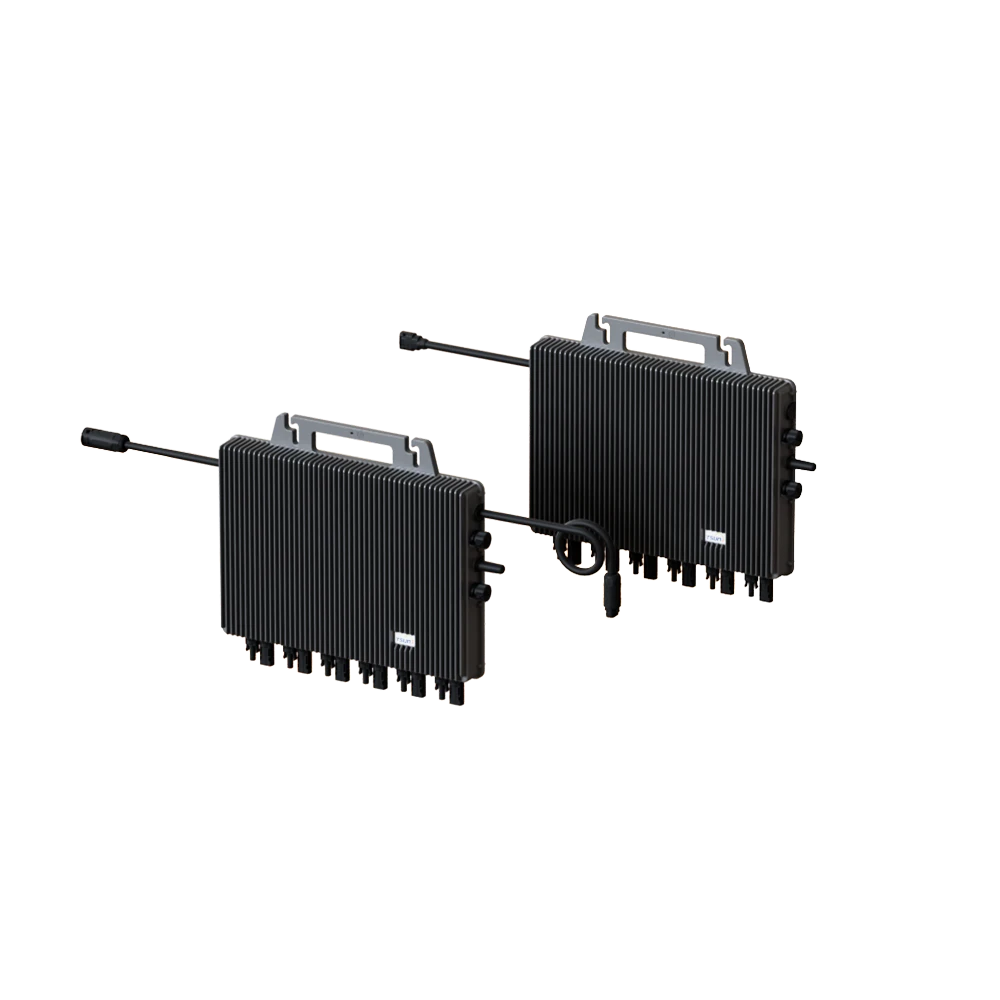
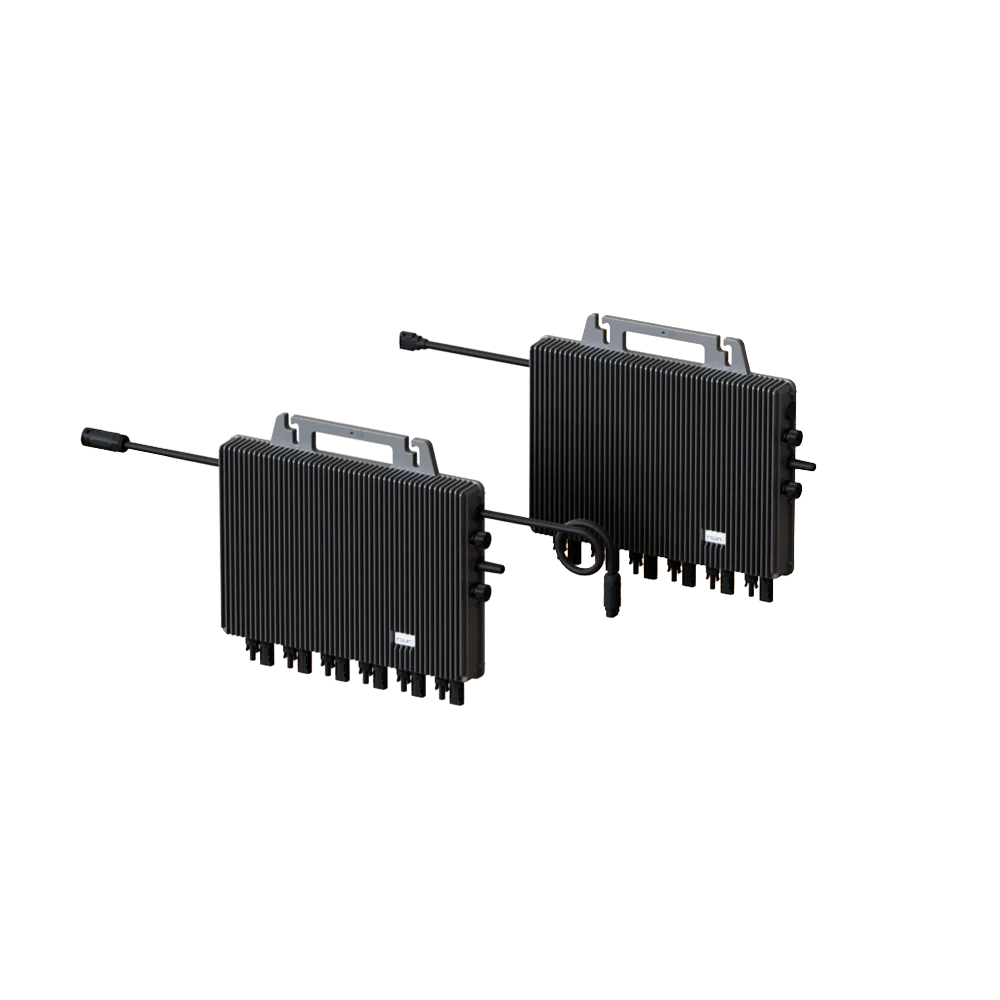
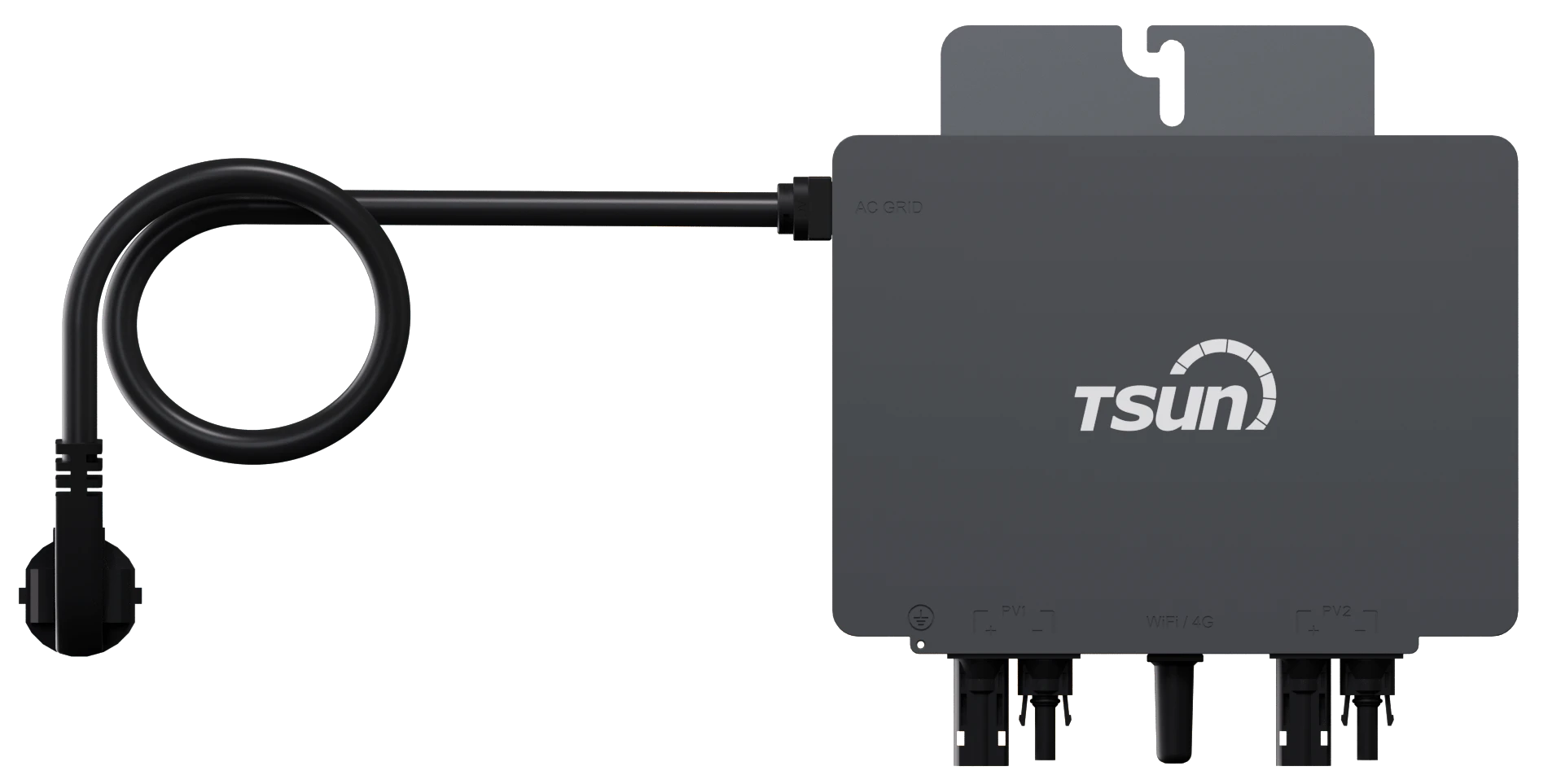
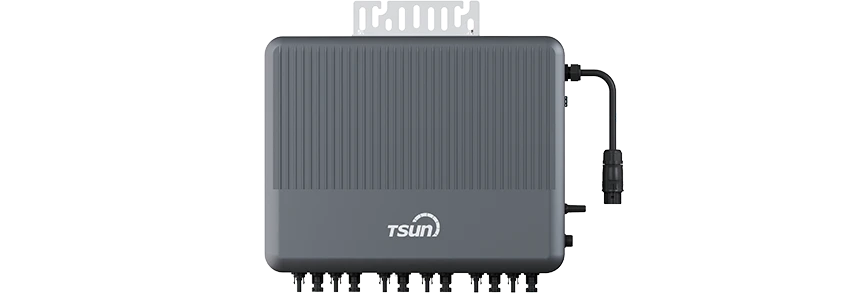
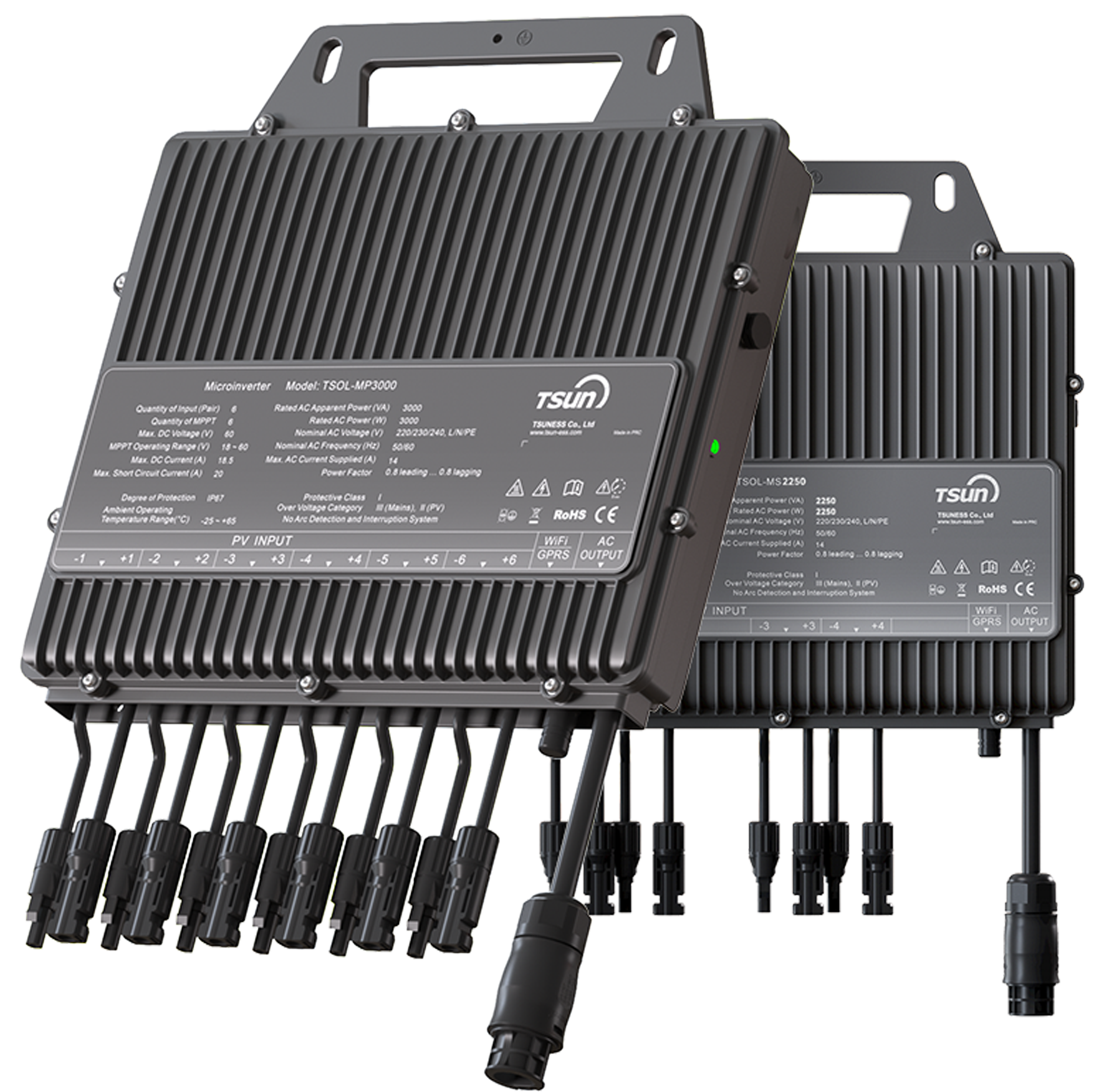
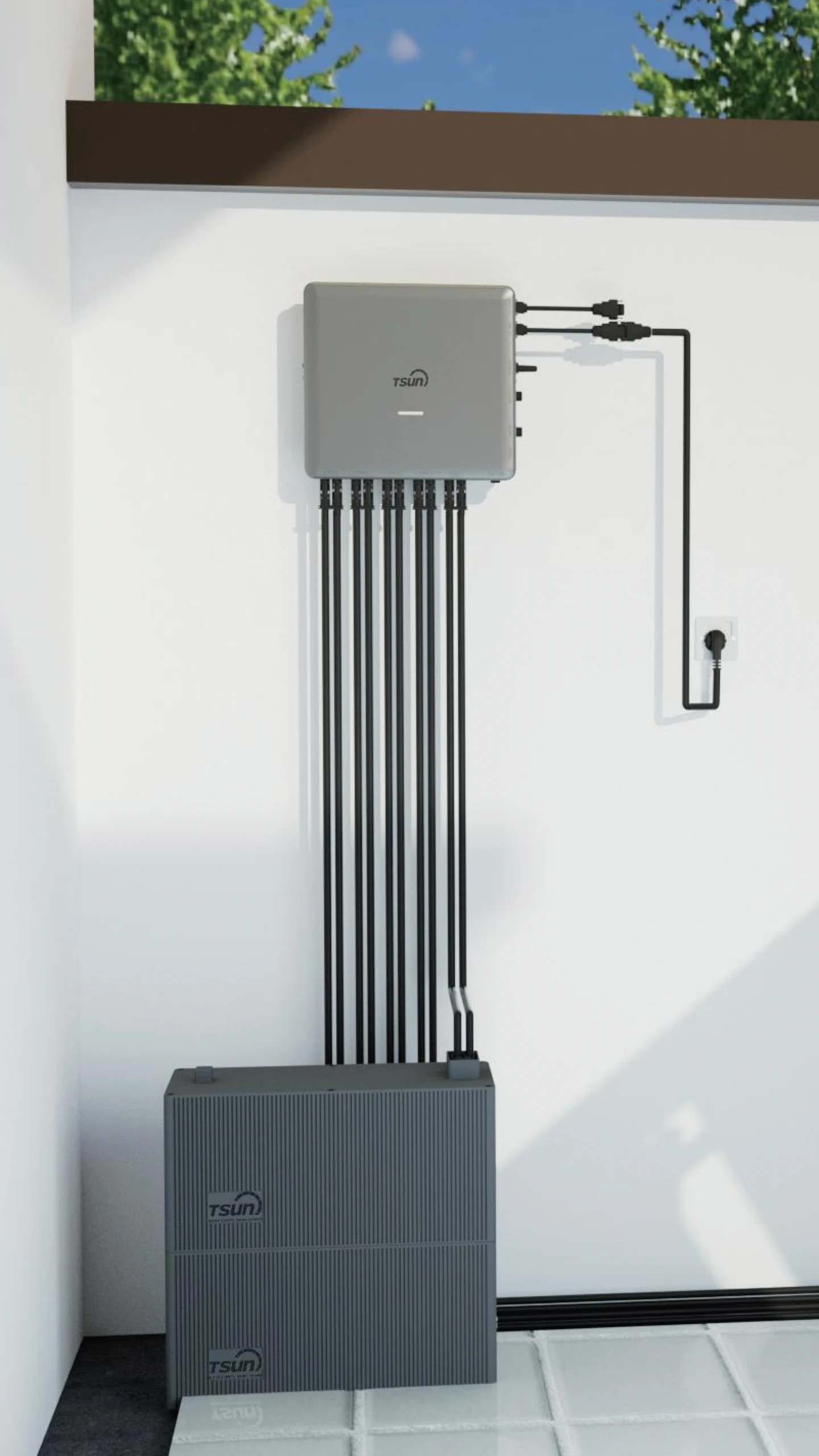
The conversation surrounding "are microinverters worth it vs string inverters" ultimately shifts from technical specs to Return on Investment (ROI). While string inverters may offer a lower upfront hardware cost, they often incur higher Operations and Maintenance (O&M) costs and replacement expenses mid-lifecycle. TSUNESS changes this dynamic through value engineering. By offering multi-channel microinverters, such as our 4-in-1, 6-in-1, and the industry-leading 10-in-1 models, we significantly reduce the cost per watt, bringing the initial investment closer to string inverter levels while retaining the benefits of MLPE.
Furthermore, our products are backed by a rigorous integrated supply chain that spans from R&D to 100% functional testing. This ensures that the 25-year design life is a reality, not just a marketing claim. When you factor in the elimination of a central point of failure and the increased energy harvest from independent panel operation, the Total Cost of Ownership (TCO) heavily favors our microinverter solutions over time.






 LEARN DETAILS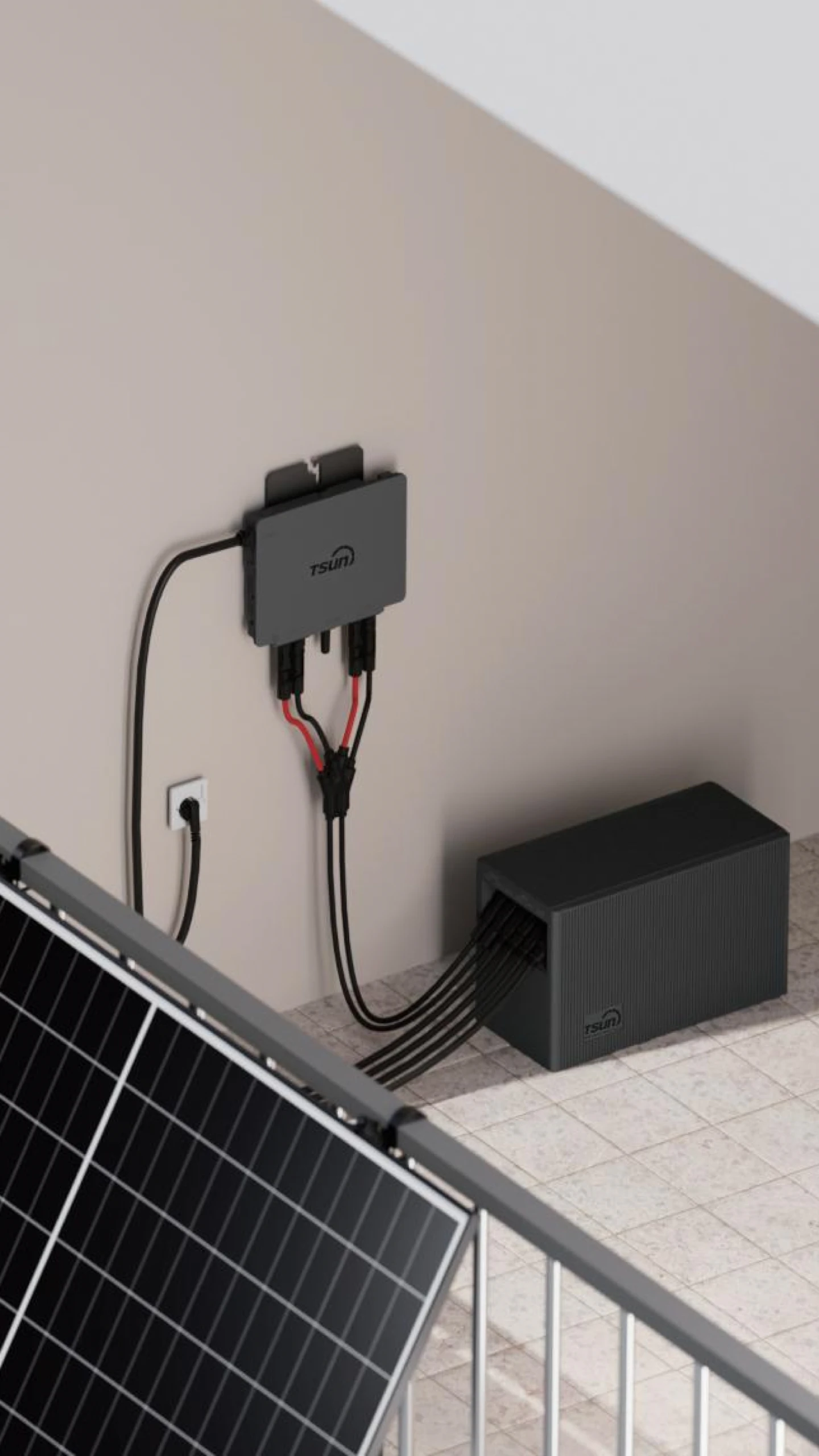
 Downloads
 Video Center
 Report Fault for Repair
 FAQS
FAQS Service Network
 Privacy Policy
 Contact Us
 Monitoring