Choosing the Right Solution: how do microinverters work and synchronize
Solar energy systems often face a critical bottleneck: shading and module mismatch. When a single solar panel underperforms in a traditional string setup, the entire array suffers. This common frustration leaves homeowners and project managers wondering about the technical mechanics of alternative systems, specifically asking: how do microinverters work and synchronize with the local power grid to eliminate these inefficiencies?
The core challenge is not just capturing solar energy, but converting it safely and ensuring it perfectly matches the utility grid's frequency and voltage. Any discrepancy can lead to power loss, system failure, or safety hazards.
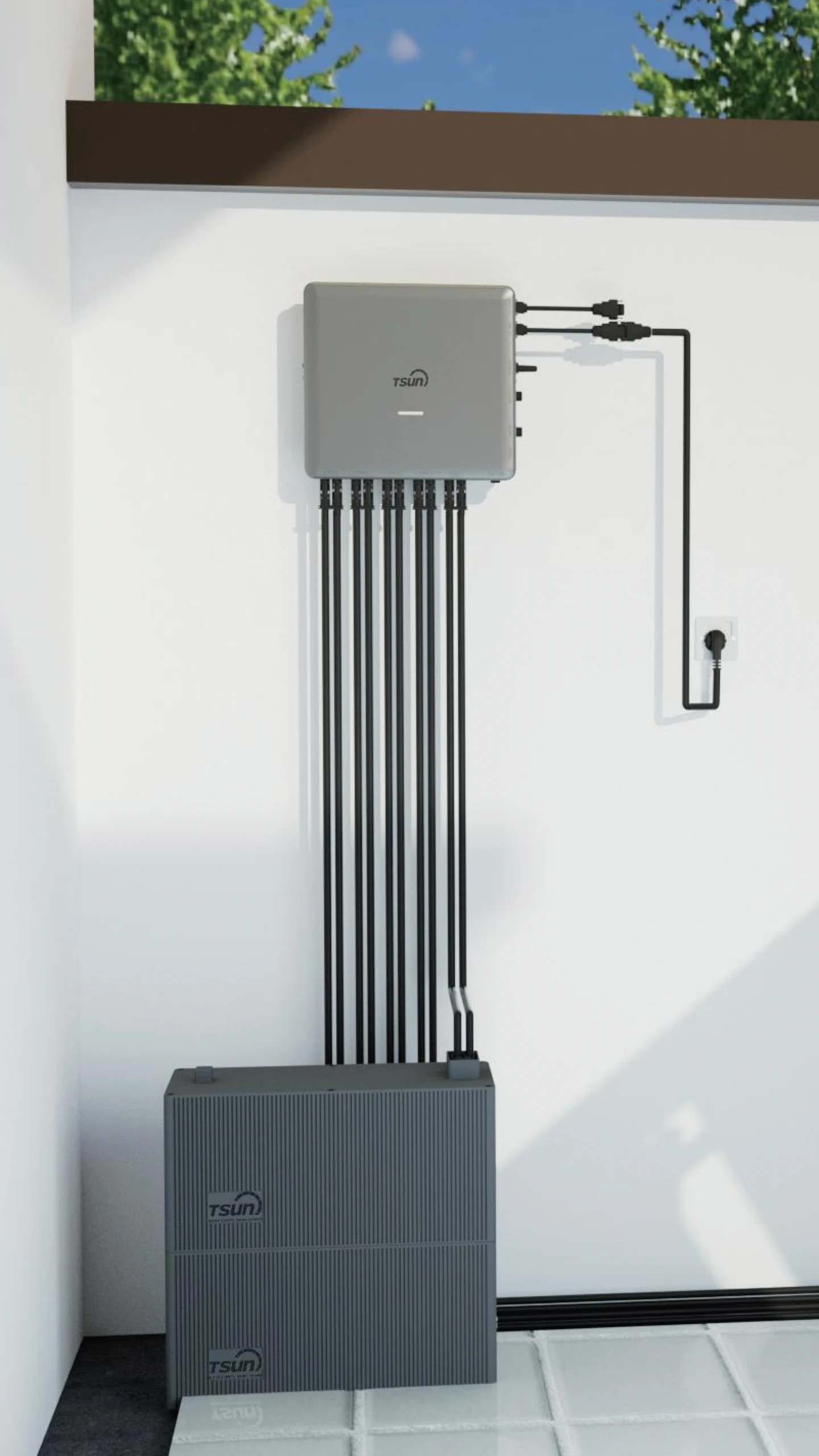
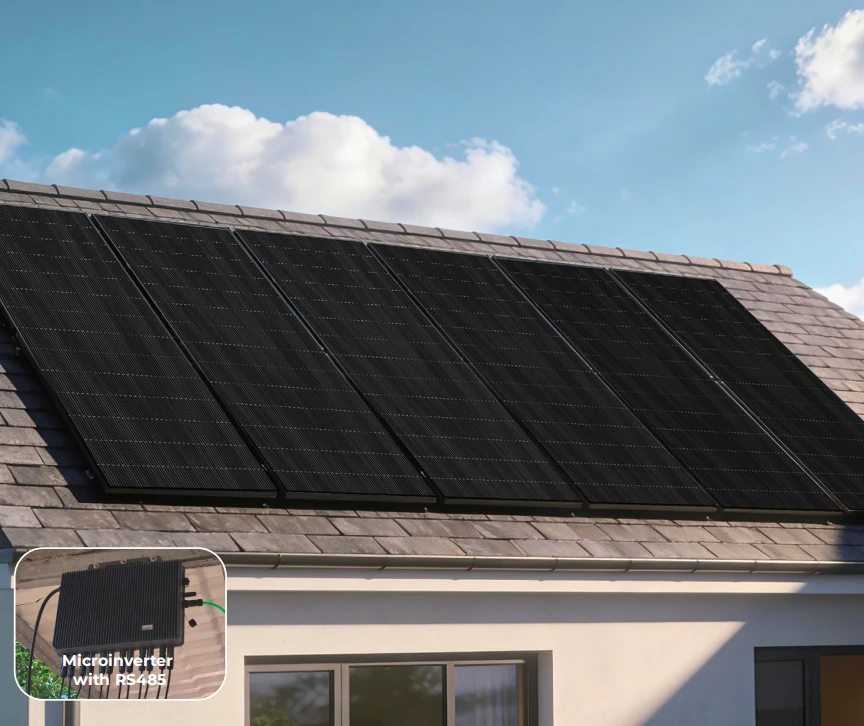
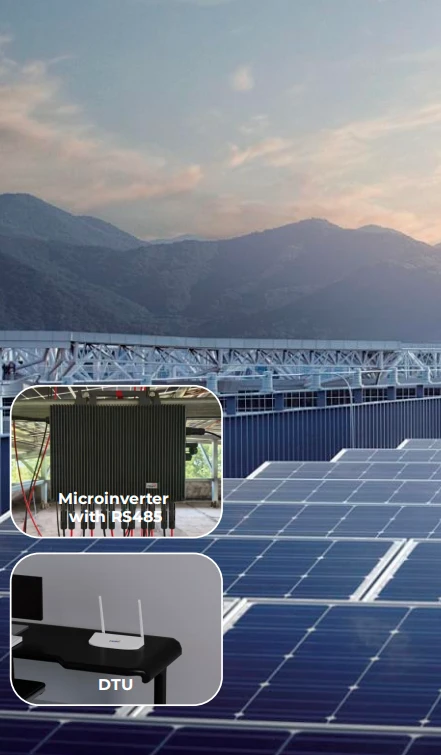
Since our founding in 2019, our globally recognized R&D team has focused exclusively on engineering a seamless bridge between rooftop generation and grid consumption. By adopting a "safety-first" design philosophy, we provide a definitive answer to grid integration challenges. Our advanced high-power microinverter technology is designed with plug-and-play simplicity, transforming complex DC-to-AC conversion into an automated, highly stable process.
Today, with a robust global presence spanning Germany, Brazil, Singapore, the United Kingdom, India, and Thailand, we empower diverse markets across Europe, South America, and Asia. When users seek to understand the intricacies of grid alignment, they look to our world-class models—including the world's most powerful single-phase microinverter—to guarantee maximum yield and unmatched operational safety.
Engineering Standards for: how do microinverters work and synchronize
The architectural foundation of modern photovoltaic efficiency lies in precision engineering. To fully grasp how do microinverters work and synchronize, one must look at the strict technical benchmarks that govern phase alignment, peak efficiency, and maximum power point tracking (MPPT). Unlike centralized systems, our technology processes power at the individual module level, constantly sampling the grid's AC sine wave to match frequency and phase perfectly before feeding power into the system.
Operating out of our 4,500-square-meter highly automated factory in Suzhou—certified under ISO 9001, ISO 14001, and ISO 45001—we enforce a 100% functional testing protocol. This rigorous supply chain and R&D integration culminated in the launch of our GEN3 Microinverter series, a lineup that defines the global standard for grid synchronization stability.
| Performance Metric |
Industry Significance |
Our Engineering Standard |
Advantage |
| Power Conversion & Tracking |
Determines how effectively DC generation is mapped to AC grid demands. |
Module-level MPPT with peak efficiency up to 97.8% |
Eliminates shading bottlenecks; ensures flawless, high-yield synchronization at the individual panel level. |
| Inverter Topology |
Dictates system scalability and installation complexity. |
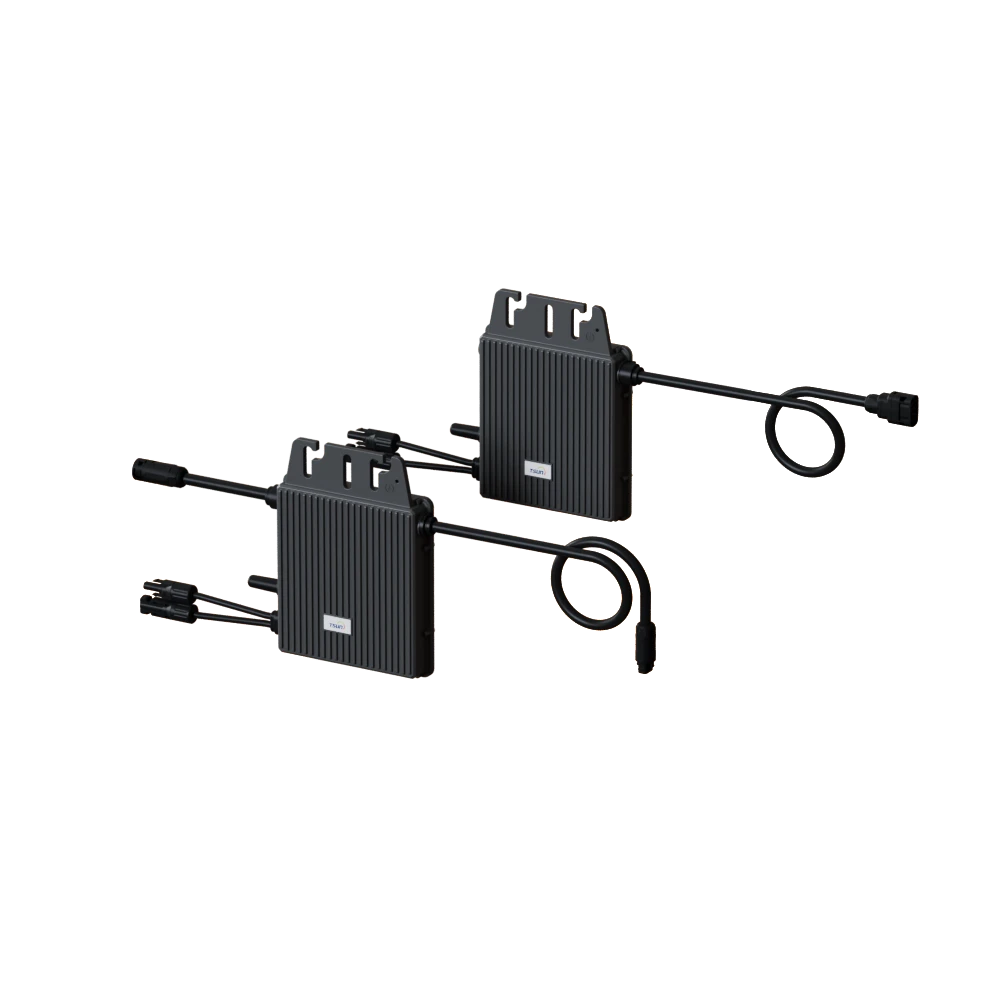
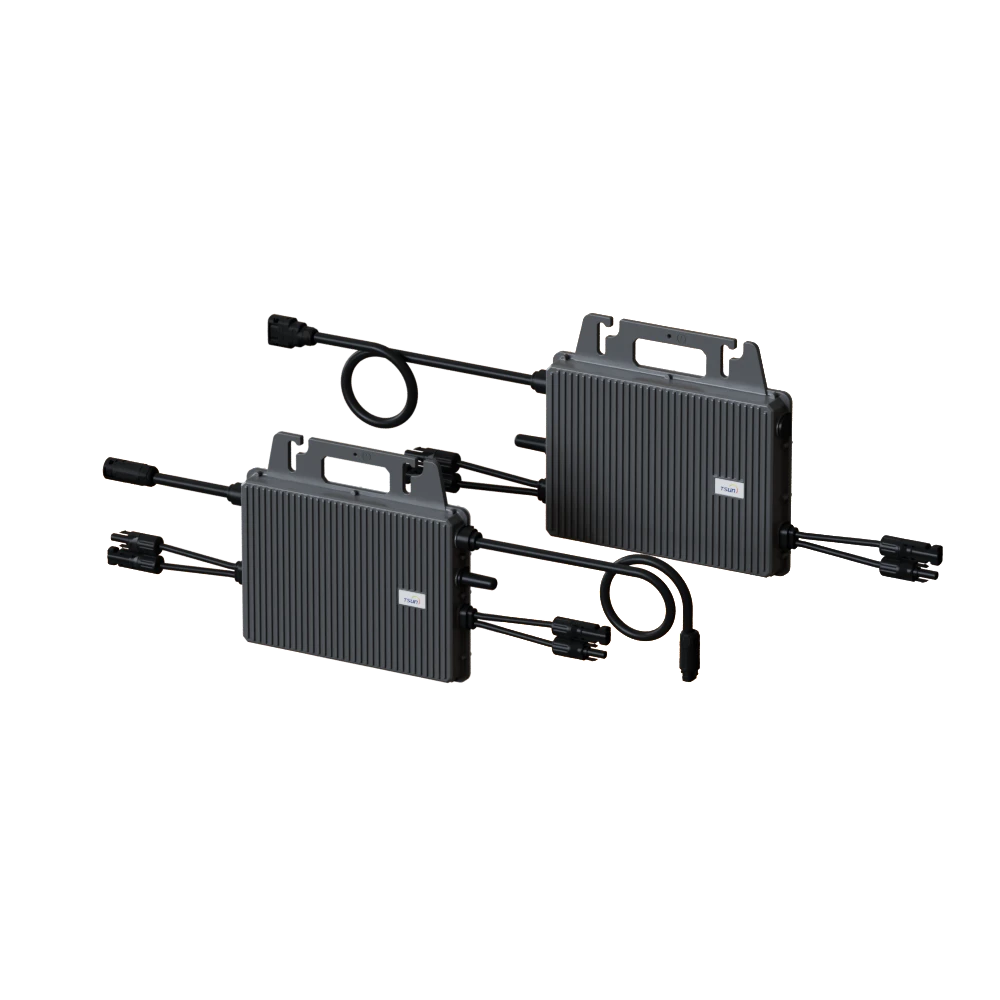
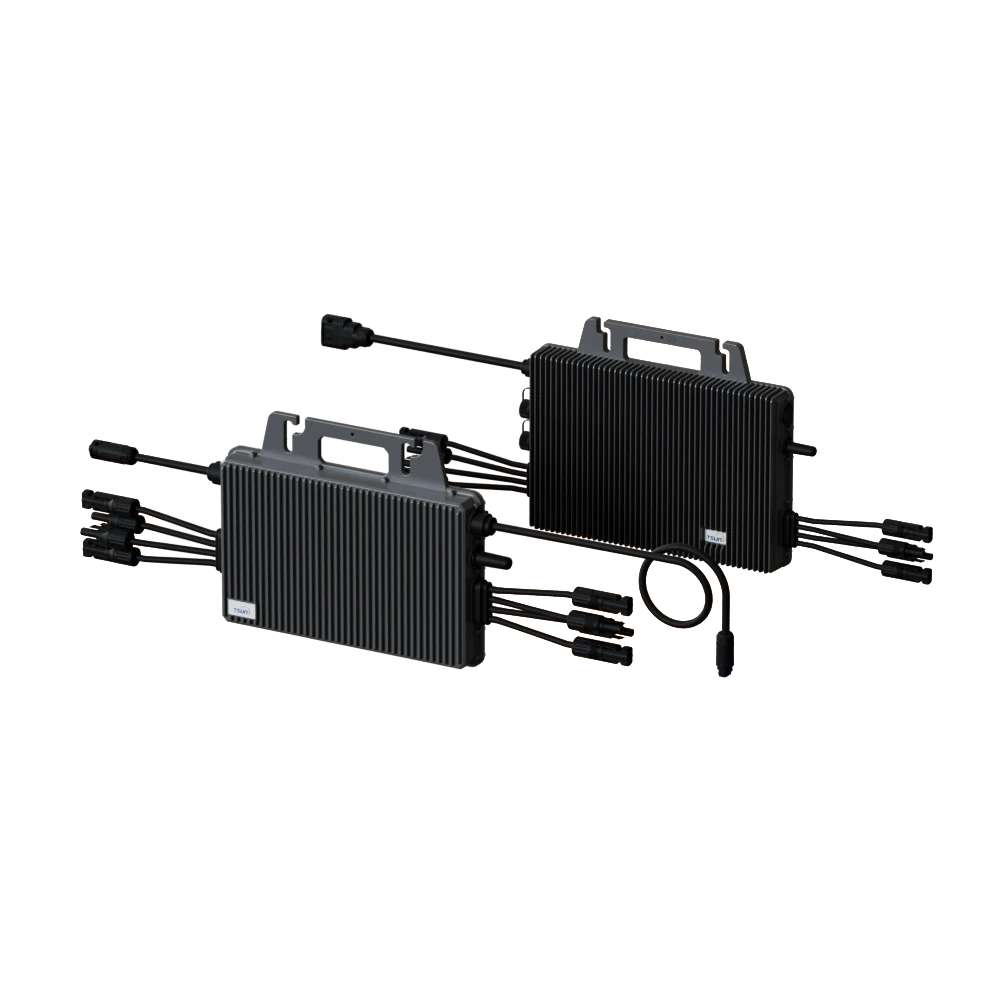
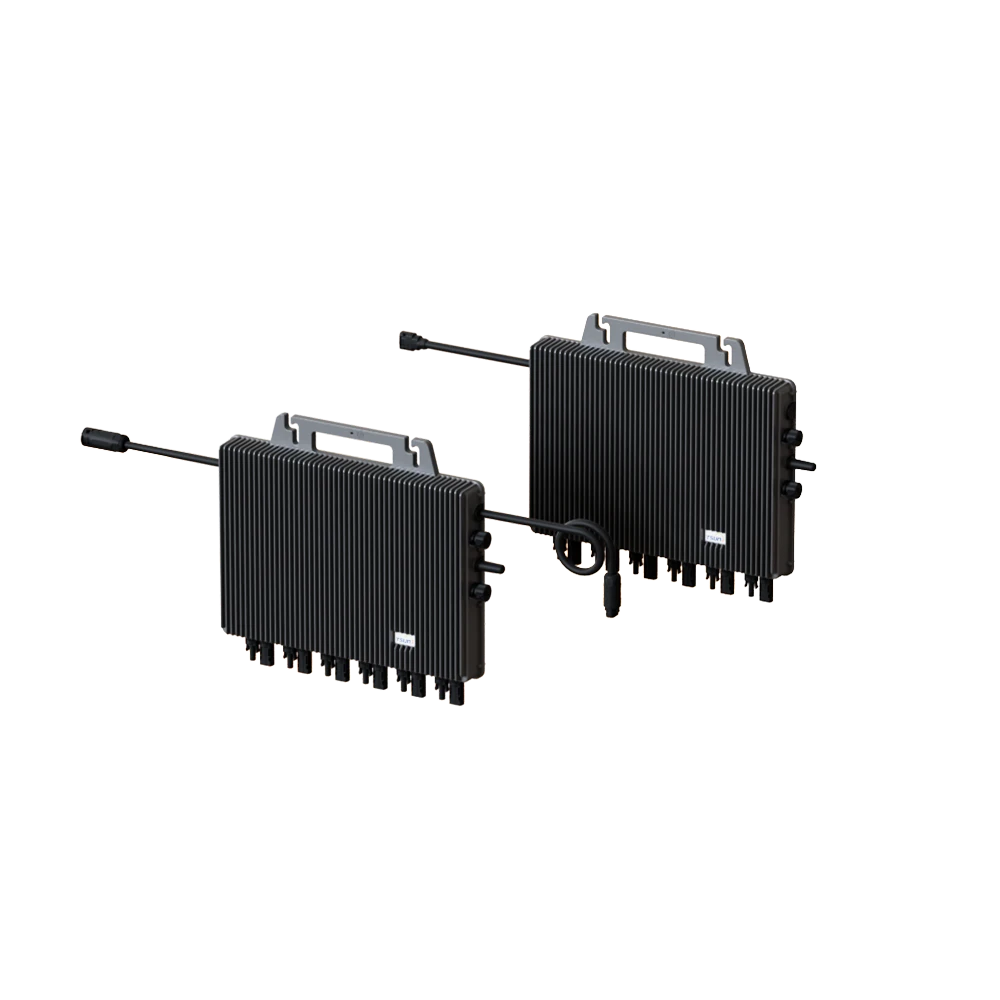
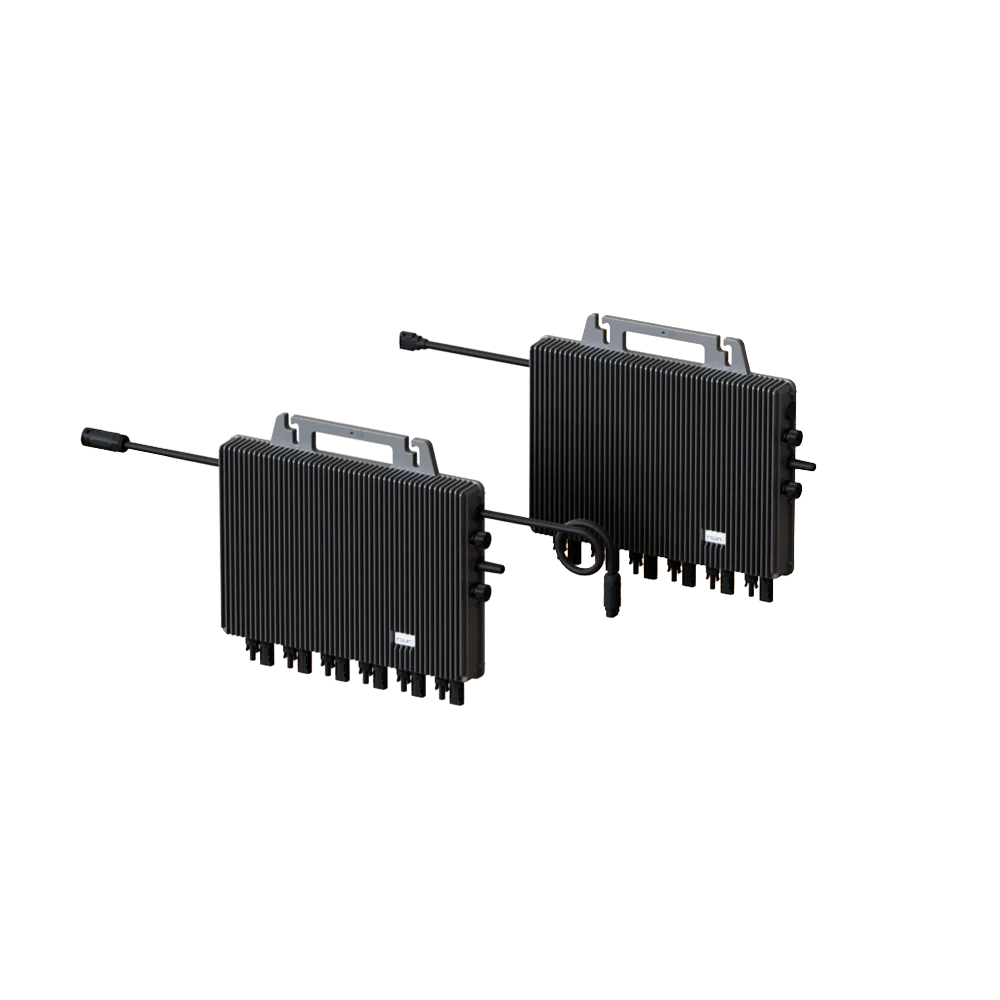
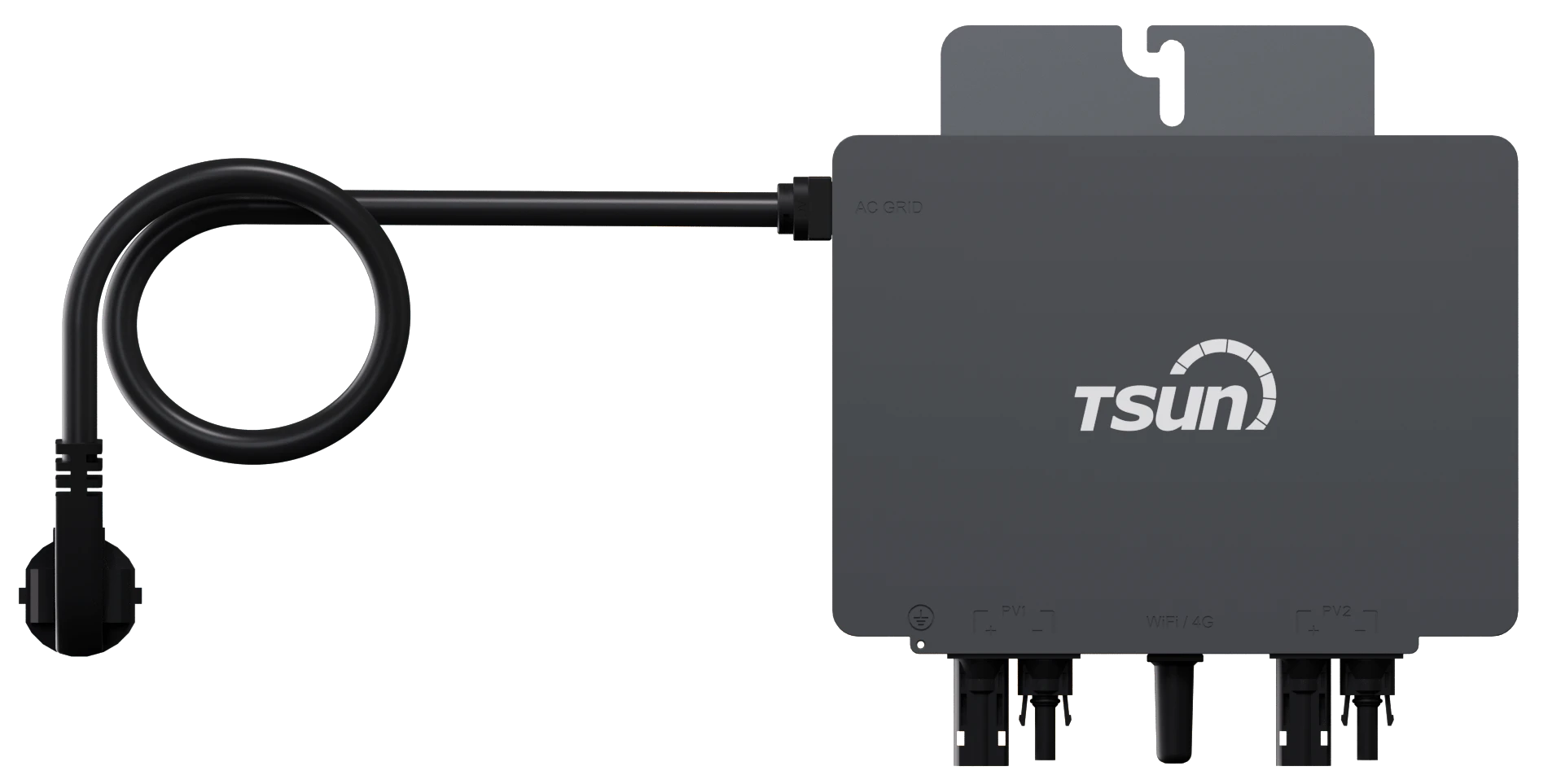
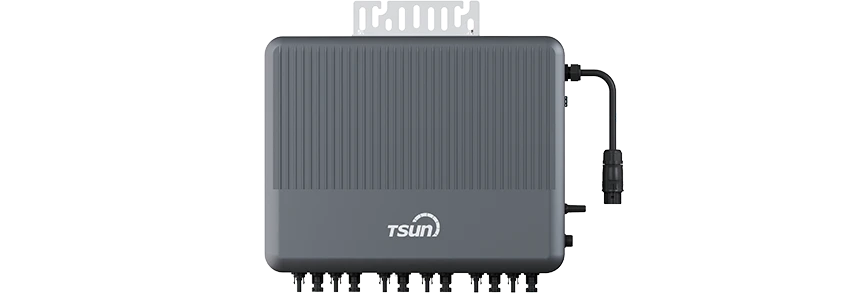
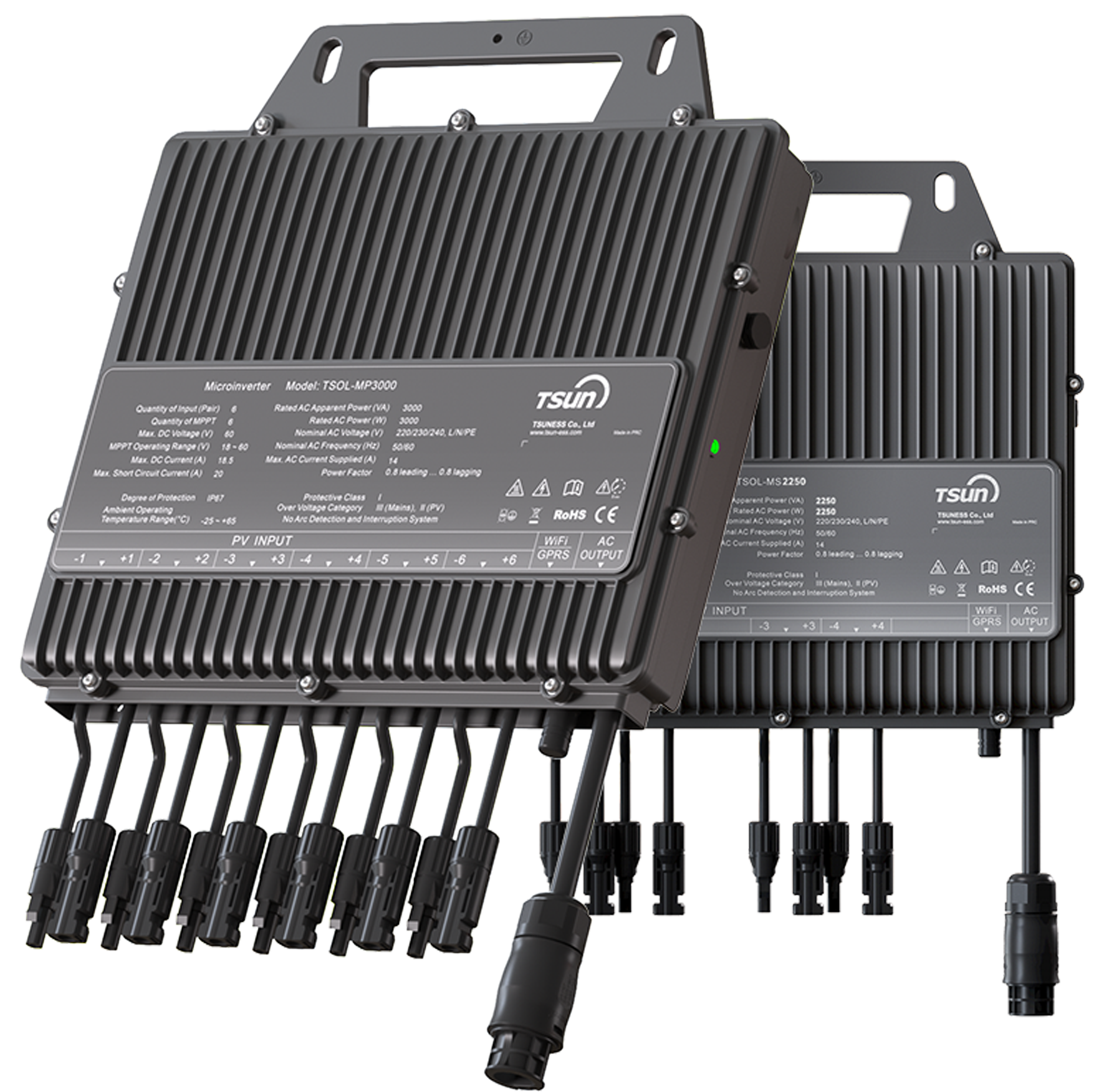
Comprehensive range: 1-in-1, 2-in-1, 4-in-1, 6-in-1, and 10-in-1 |
Provides ultimate plug-and-play simplicity, dramatically reducing installation time across varied residential and commercial roofs. |
| Environmental Resilience |
Ensures sensitive synchronization electronics survive harsh climates. |
IP67 Protection Rating |
Prevents moisture and dust from interfering with internal grid-monitoring sensors, ensuring continuous uptime. |
| System Durability |
Reflects the long-term viability and safety of the solar asset. |
25-year design life; ISO certified manufacturing |
Guarantees decades of reliable energy production, backed by a production capacity of 800,000 sets (2023). |
Maximizing ROI with how do microinverters work and synchronize
Long-term financial performance in the renewable energy sector is directly tied to technological reliability. Investors and facility managers who master the concepts of how do microinverters work and synchronize inevitably recognize the distinct financial advantages of module-level conversion. By mitigating energy loss caused by shading or panel degradation, the total lifetime yield of the solar array increases significantly.
Our recent selection for the 2025 Key Technology Program is a testament to our forward-thinking innovation. With an estimated production capacity of 800,000 sets annually and the introduction of hybrid microinverters, we provide a future-proof ecosystem. A 25-year design life means your system will continue to flawlessly synchronize with the grid and produce peak power long after standard string inverters require replacement. This directly translates to lower Levelized Cost of Energy (LCOE) and accelerated payback periods.
By investing in the world's most powerful single-phase microinverter technology, you are not just purchasing a component; you are securing an optimized, safety-first energy asset capable of enduring decades of operation while delivering unparalleled financial returns.






 LEARN DETAILS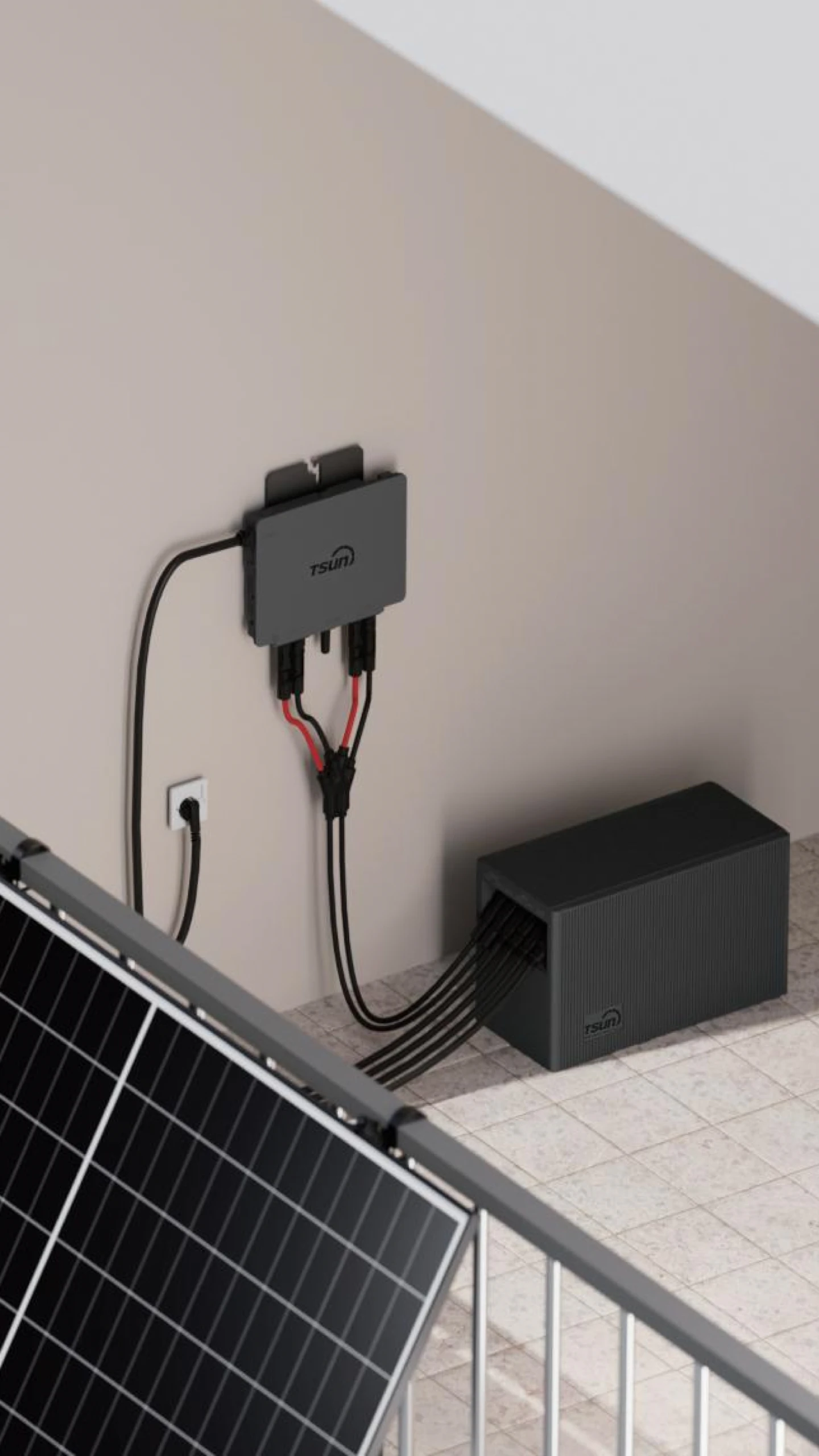
 Downloads
 Video Center
 Report Fault for Repair
 FAQS
FAQS Service Network
 Privacy Policy
 Contact Us
 Monitoring