





 LEARN DETAILS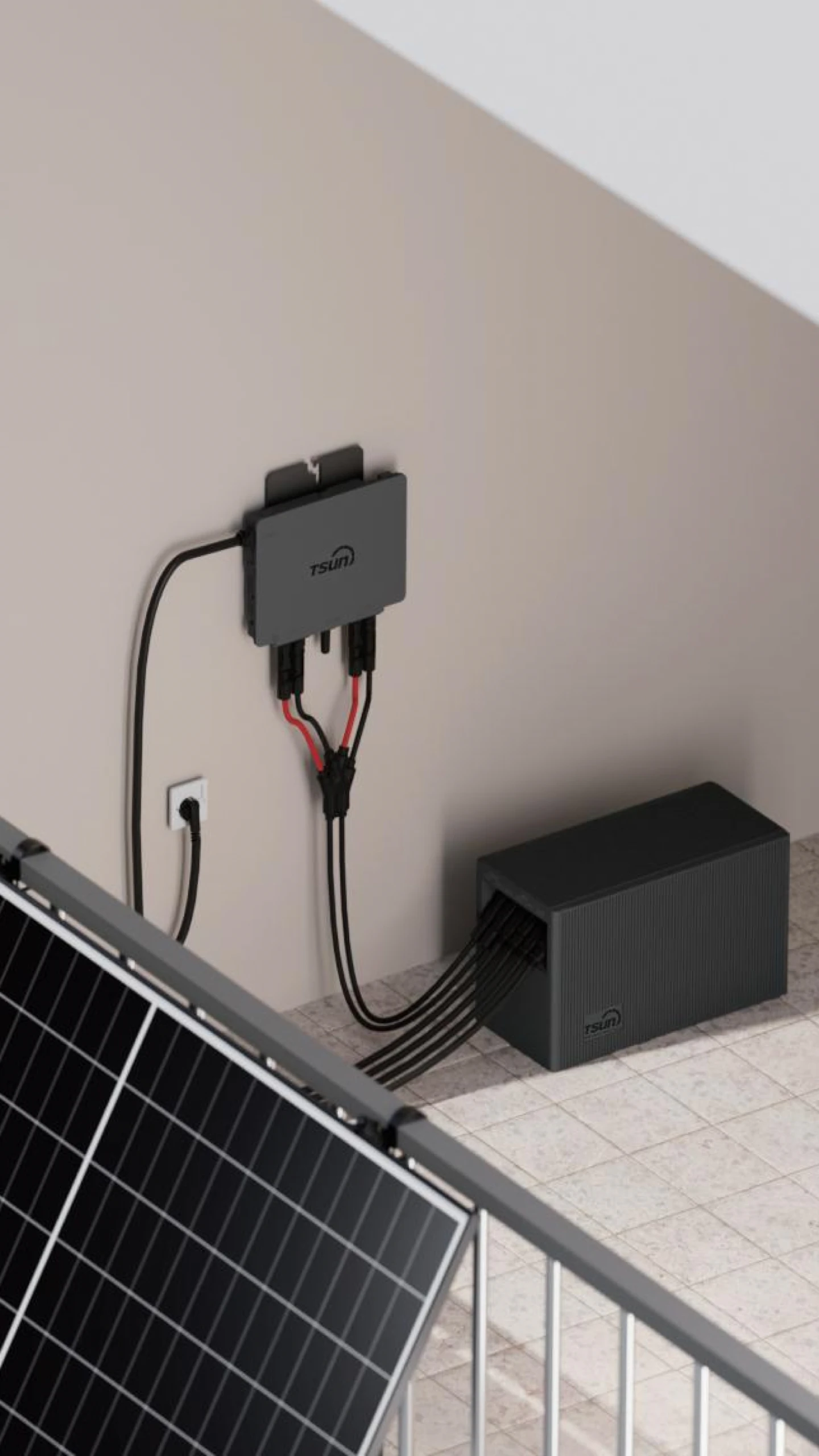
 Downloads
 Video Center
 Report Fault for Repair
 FAQS
FAQS Service Network
 Privacy Policy
 Contact Us
 Monitoring

800W Balcony Solar System with Storage: Is the Investment Worth It in 2026?
As electricity prices continue to fluctuate across Europe, homeowners and tenants are looking for reliable ways to achieve energy independence. The spotlight in 2026 is firmly on the balcony solar system with storage. But with recent regulatory changes and technological advancements, is upgrading to an 800-watt system with an integrated battery truly worth the investment? Let's dive deep into the economics, the technology, and the future of residential solar.
The New Era of Balcony Solar: Why 800W is the Gold Standard
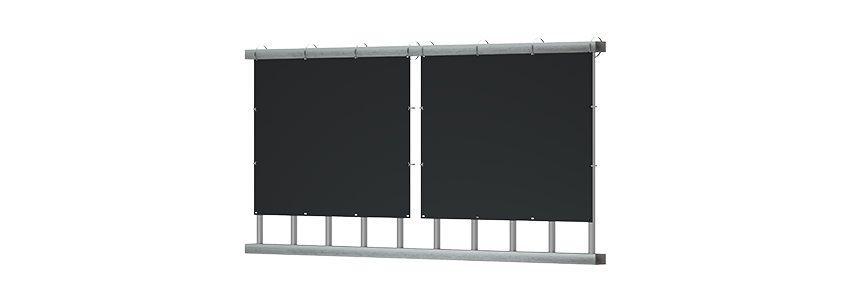
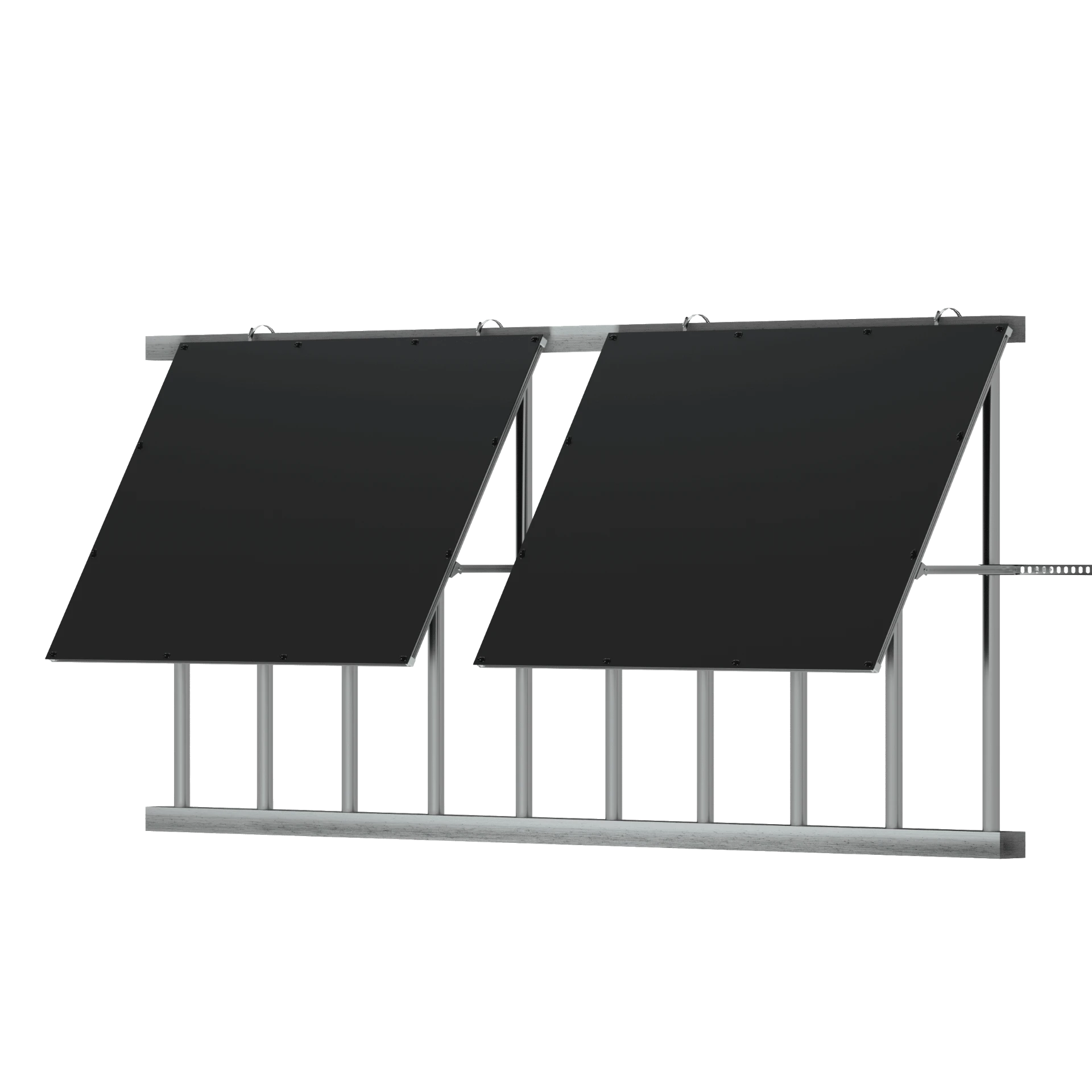
For years, many European markets were restricted to 600W for plug-and-play balcony solar systems. Following the implementation of updated energy packages and grid regulations, the legal limit for grid-injected power has been officially raised to 800W in key regions. This legislative shift has transformed the 800W balcony solar system with storage from a niche gadget into a highly lucrative household appliance.
- Simplified Registration: Systems up to 800W now benefit from a drastically simplified registration process in national energy data registers, with no complex grid operator approvals required.
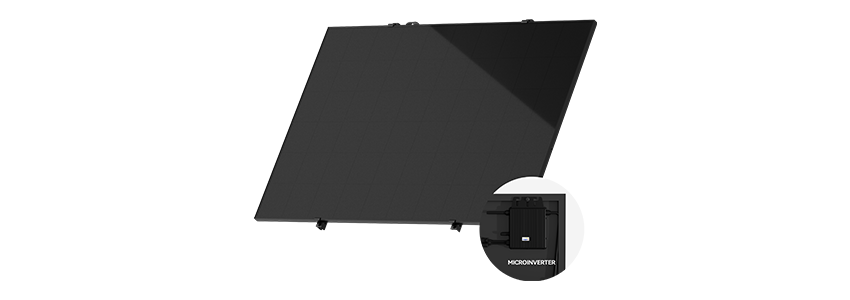
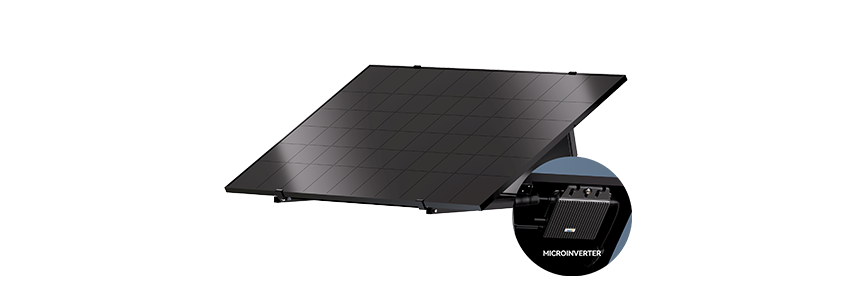
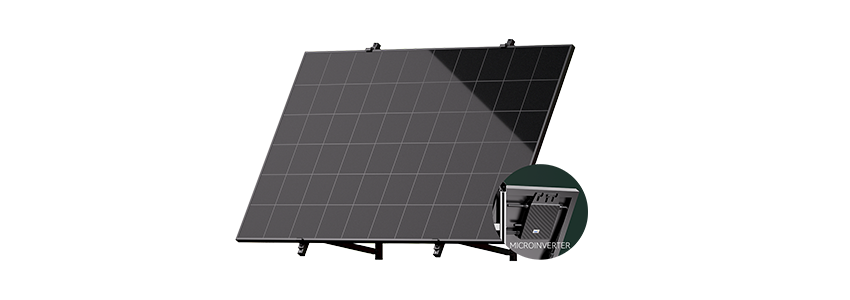
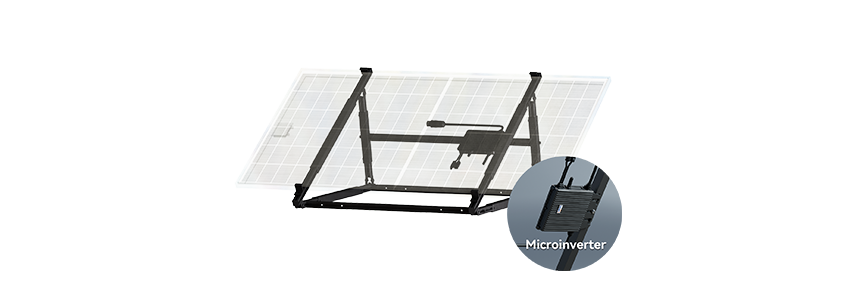
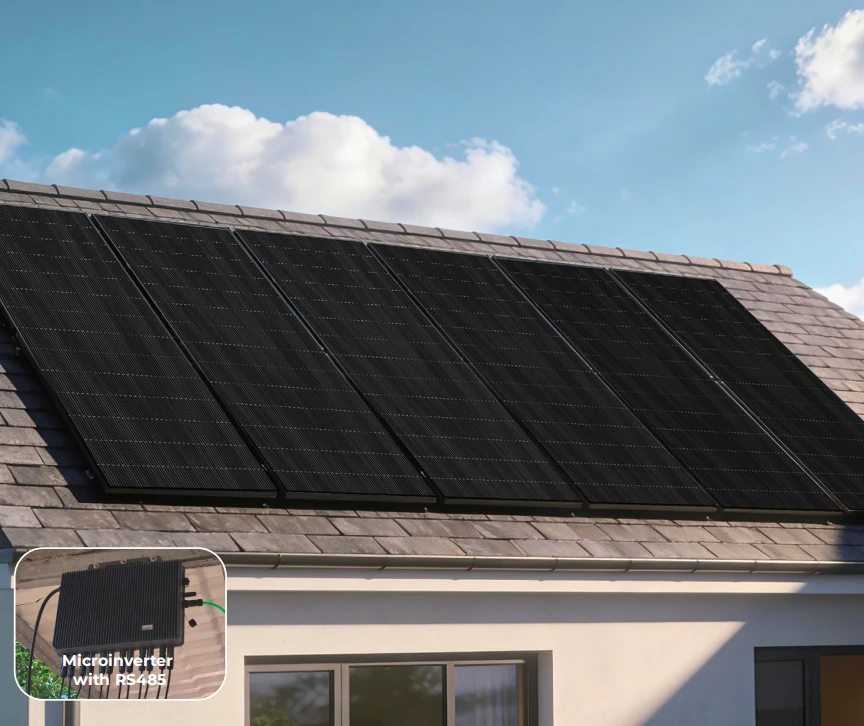
- Higher Baseline Yield: An 800W microinverter allows you to capture significantly more energy during peak sunlight hours compared to older 600W models, maximizing your daily generation, especially when using oversized solar panels (e.g., two 430W+ panels).
- Plug & Play Ready: These systems are designed to plug directly into a standard household socket, completely eliminating the need for expensive electrician fees.
The Daylight Mismatch: Why You Need a Battery Storage System
While an 800W solar system generates excellent power during the day, a fundamental problem remains: the mismatch between peak generation and peak consumption. Most households consume the majority of their electricity in the early morning and the evening, exactly when the sun isn't shining.
Without a battery, your surplus daytime energy is often fed back into the public grid for free, meaning you are essentially giving away electricity, only to buy it back at a premium a few hours later. A balcony solar storage system solves this by capturing that surplus energy.
Smart Energy Routing with TSUN
Advanced systems, like those from TSUN, feature a Bypass Power Function. Solar power is automatically prioritized for your active home loads first (like your fridge or router) to increase efficiency. Only the surplus, unused energy is seamlessly routed to charge the battery for nighttime use.
Economic ROI Comparison: To Store or Not to Store?
Let's look at a realistic scenario for a typical household in 2026 to determine if an 800W balcony solar system with storage makes financial sense.
| Metric | Standard 800W System (No Battery) | 800W System + TSUN 2kWh Storage |
|---|---|---|
| Average Self-Consumption Rate | Approx. 30% - 40% | Up to 80% - 90% |
| Wasted Energy (Grid Feed-in) | High (Up to 60% lost for free) | Minimal (Energy is saved for the night) |
| Evening Energy Source | Must purchase from the grid | Powered entirely by stored solar energy |
| Estimated Annual Savings | Moderate Savings | Maximum Savings |
| Protection Against Rate Hikes | Low | Extremely High |
*Note: Actual savings depend on local electricity rates, panel orientation, and specific household consumption patterns. However, the addition of a battery drastically shortens the payback period of the entire system as electricity prices rise.
Choosing the Right Technology: The TSUN Advantage
Not all batteries are created equal. When selecting a storage solution, flexibility, safety, and system architecture are critical. For users looking to build a brand-new, highly efficient solar setup, choosing the right category of product is essential.
1. The Solution for New Installations: TSUN SolarTrunk (MSU Series)
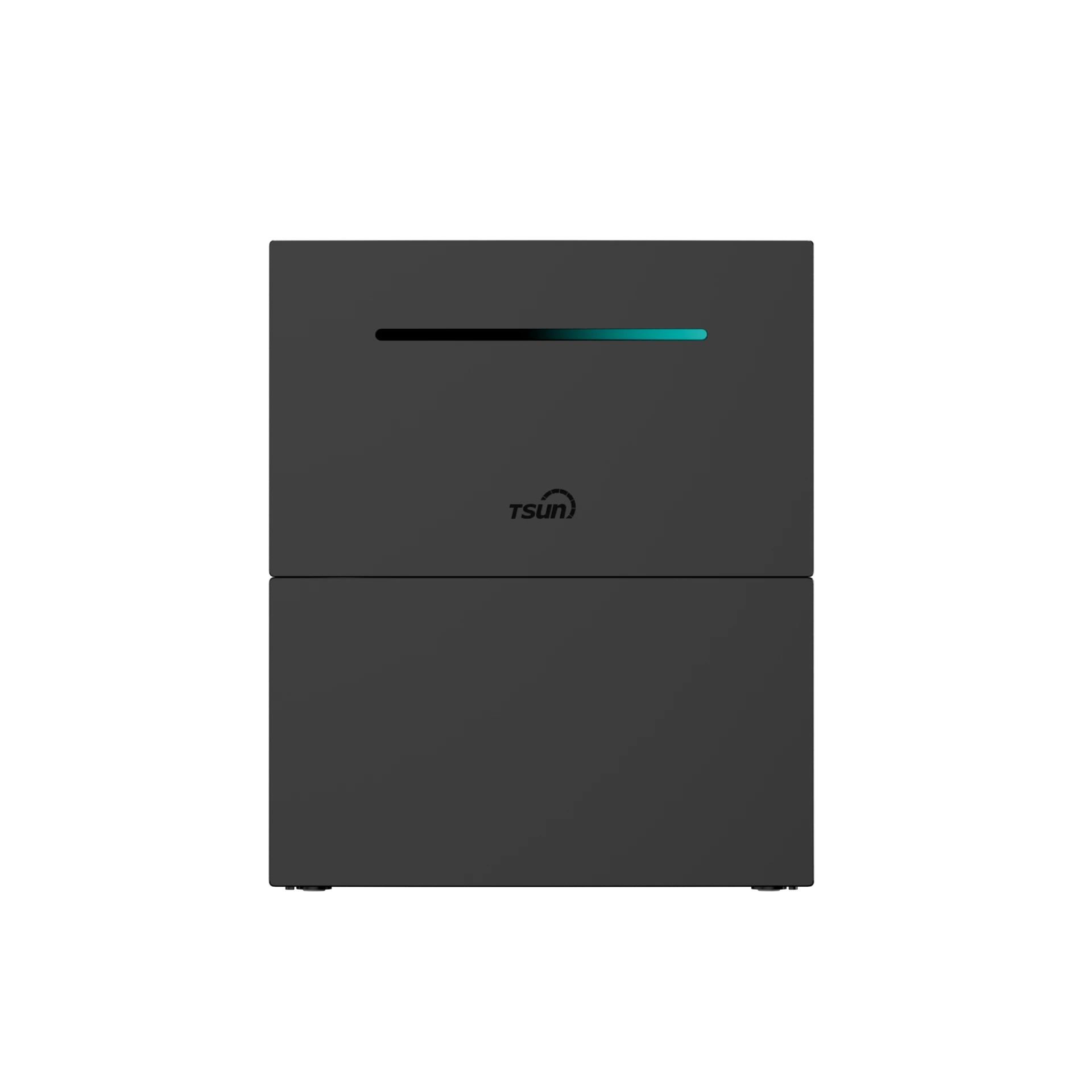
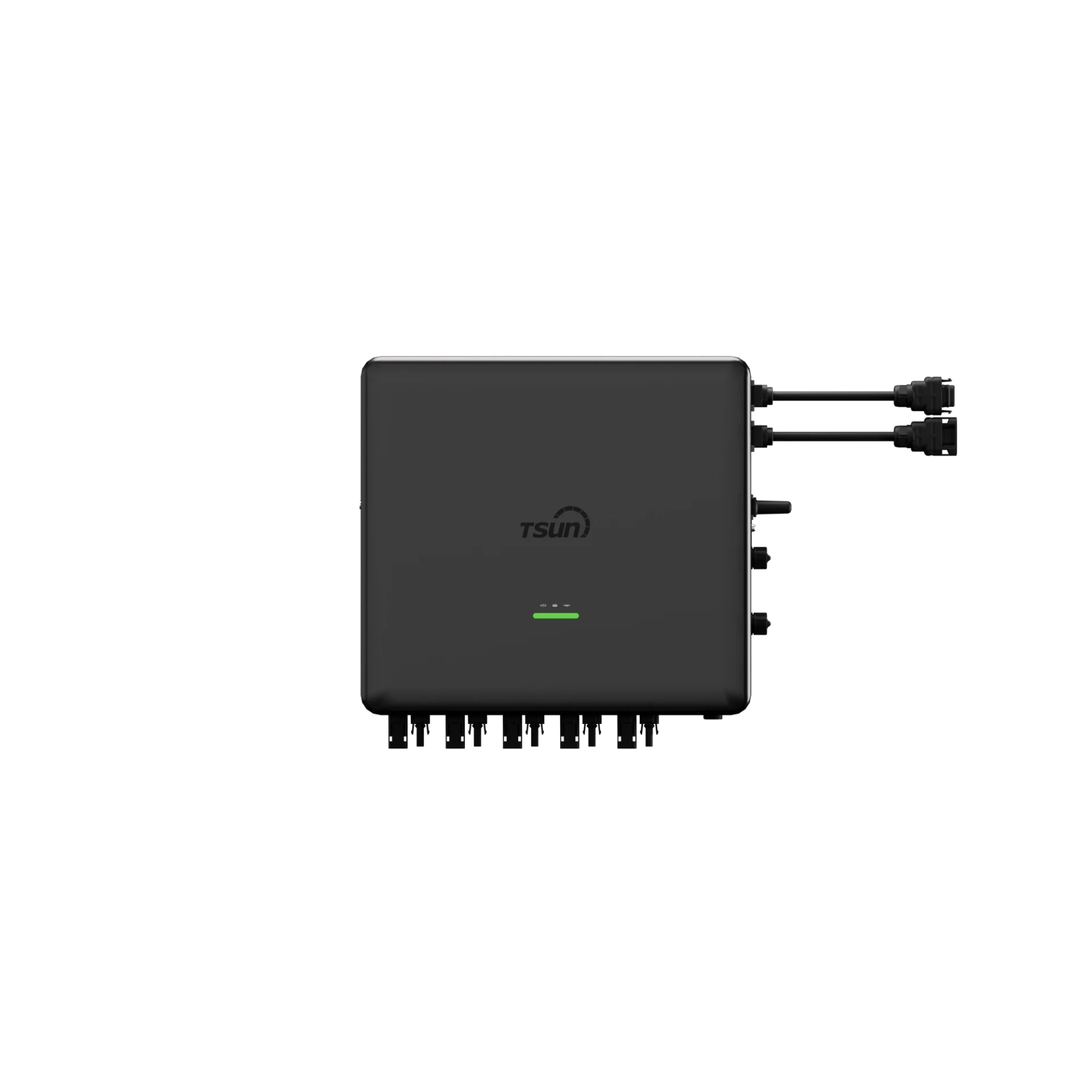
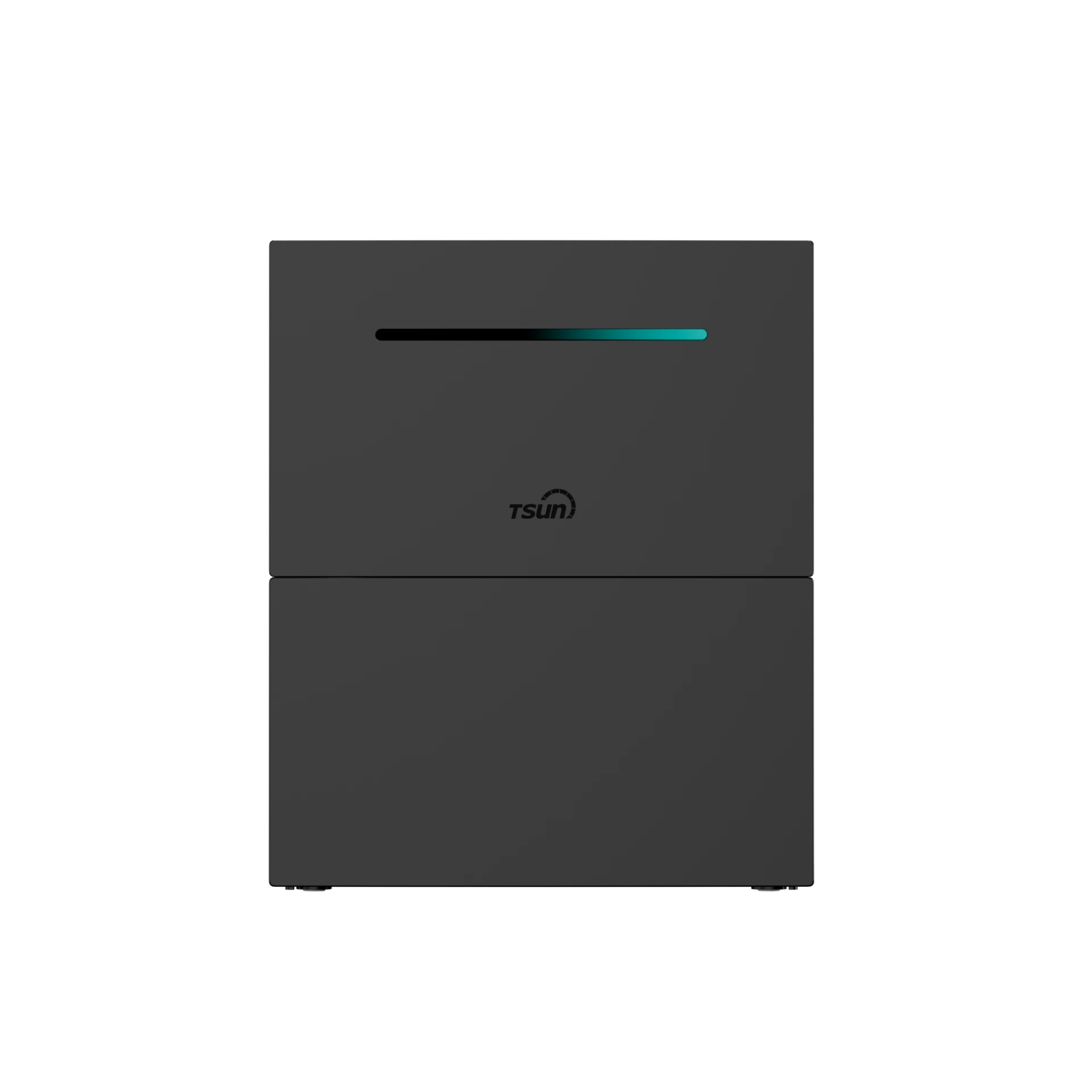
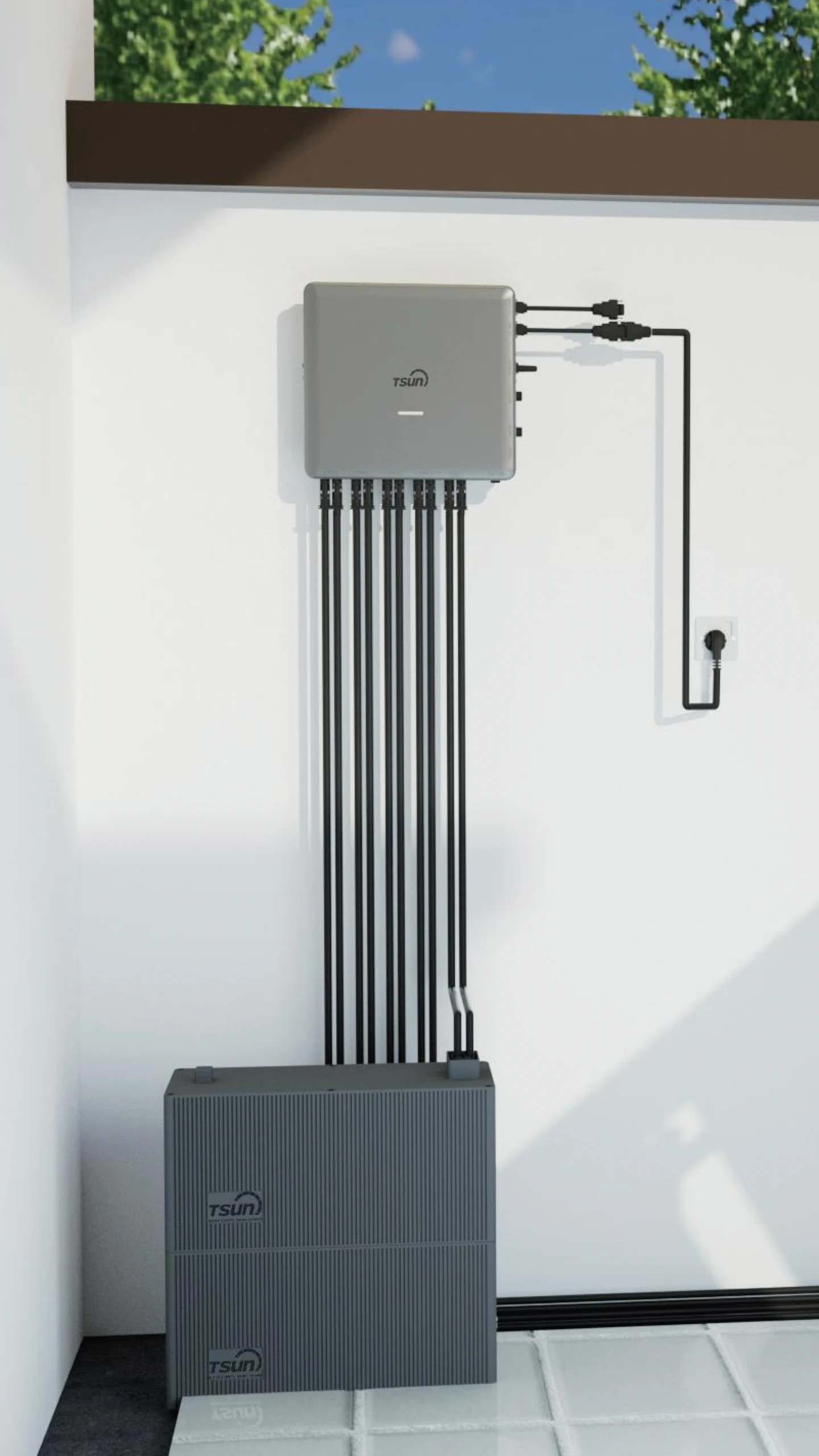
If you are setting up a new balcony or garden system, the incremental solar market demands high integration. The TSUN MSU Series is a hybrid all-in-one system. It integrates solar input and storage directly without needing a separate, external microinverter. This eliminates compatibility issues, reduces cable clutter, and provides an unmatched aesthetic and functional experience.
2. Superior Cell Technology & Lifespan
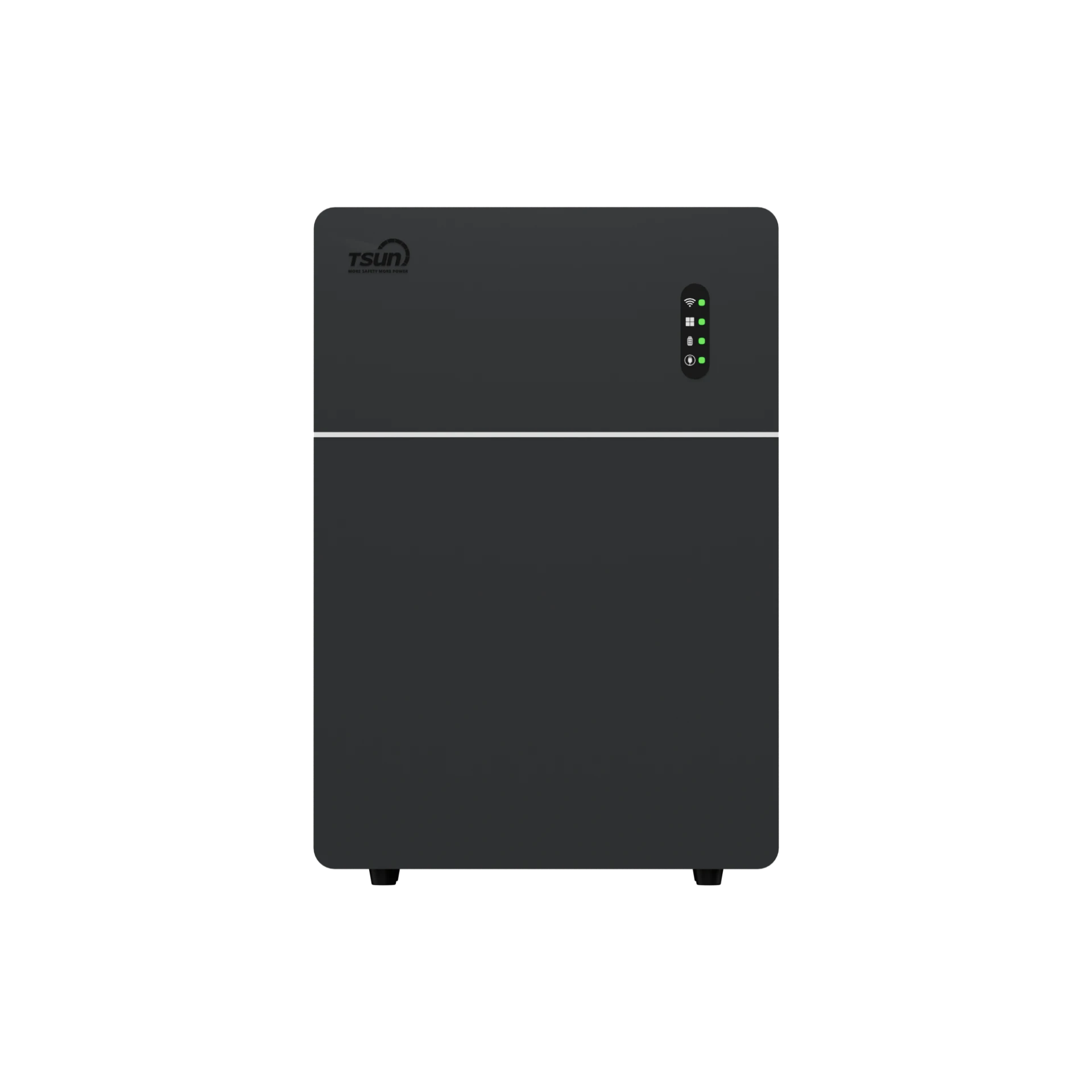
Battery degradation is a common concern. TSUN's Elite and Lite series feature industry-leading 314Ah high-cycle large cells. These deliver an ultra-long lifespan of over 10,000 cycles, ensuring superior cell consistency and durability compared to standard market alternatives. Furthermore, the MSU2000 models support 1C high-rate charging, meaning they charge 100% faster than typical competitors, capturing every drop of passing sunlight on cloudy days.
3. Built for Challenging Climates
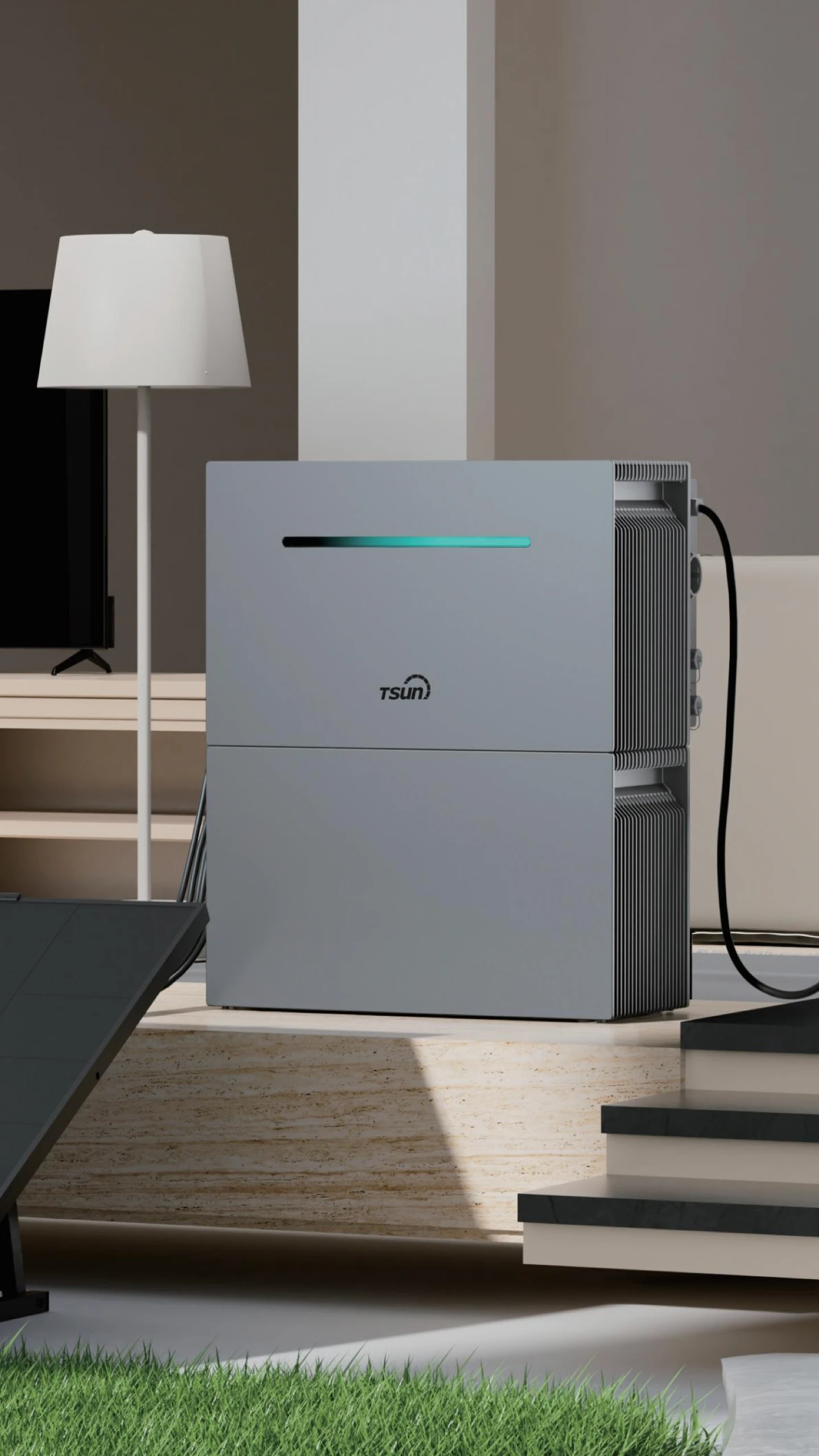
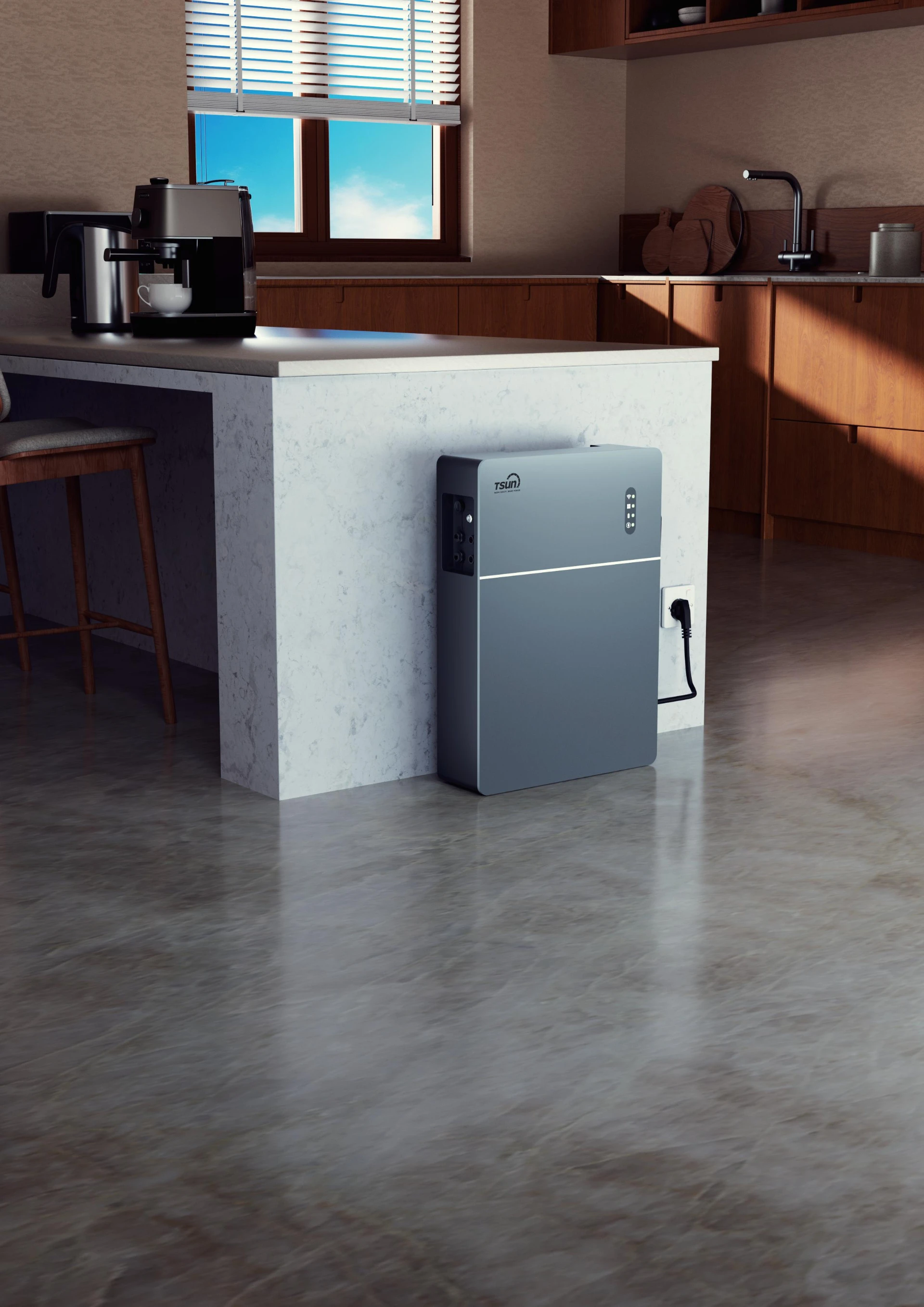
Unlike common plastic enclosures that crack or overheat, TSUN systems feature a premium all-aluminum die-cast integrated body. This provides exceptional heat dissipation, higher structural strength, and IP65-rated protection. Furthermore, models feature a built-in self-heating function, ensuring the battery charges and discharges stably even in harsh winter temperatures as low as -20°C.
4. Uncompromising Safety
Safety is paramount for home installations. TSUN systems operate entirely within the <60V safe low-voltage (ELV) range. This significantly enhances safety for DIY installers and residents alike by eliminating the risk of high-voltage DC hazards.
800W Balcony Solar System with Storage Tests: Integrated vs. DIY Solutions
If you review any comprehensive tests of 800W balcony solar systems with storage published recently, a clear trend emerges: integrated, purpose-built systems consistently outperform piecemeal, DIY setups.
Many consumers try to pair a third-party battery with an older inverter. While possible, this often results in communication errors, inefficient energy conversion, and app ecosystem fragmentation. An integrated ecosystem ensures that the BMS (Battery Management System) and the inverter communicate flawlessly.
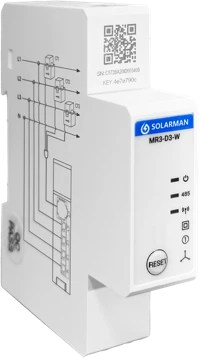
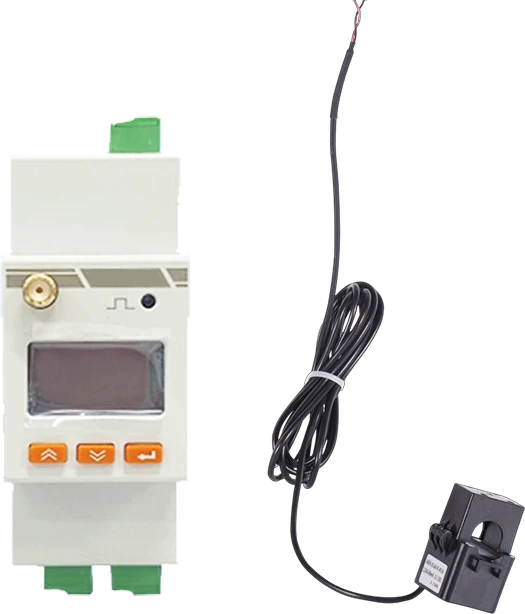
Furthermore, managing your energy should be intuitive. The TSUN Smart App (V1.0.18 or higher) allows you to integrate directly with smart meters like Shelly and Ecotracker. You can even set a "Constant Power" output limit (e.g., 0W during the day to force 100% battery charging) and adjust the discharge power precisely to match your home's baseload at night.
Frequently Asked Questions (FAQ)
Can I expand my energy storage capacity later?
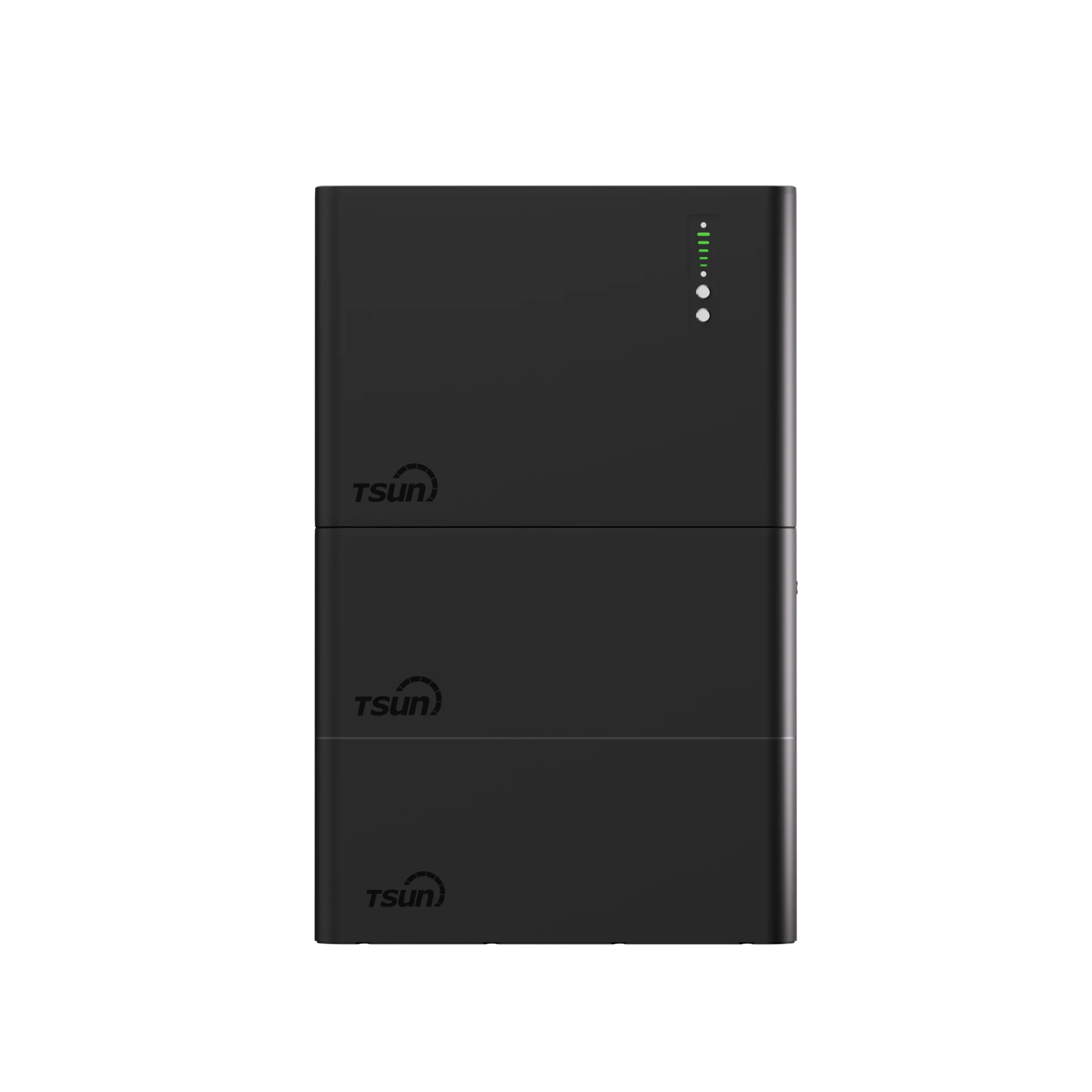
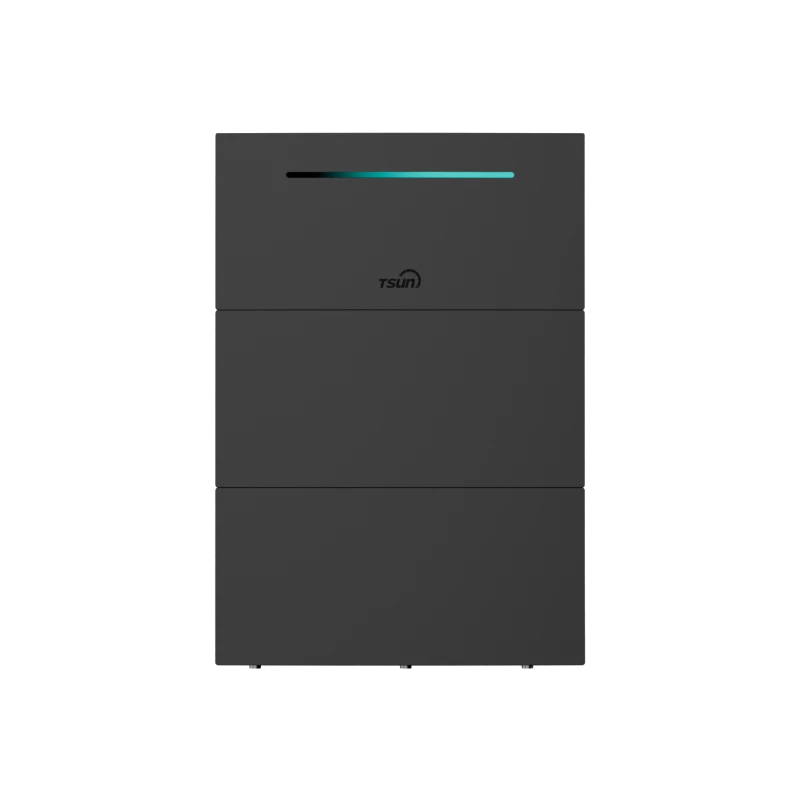
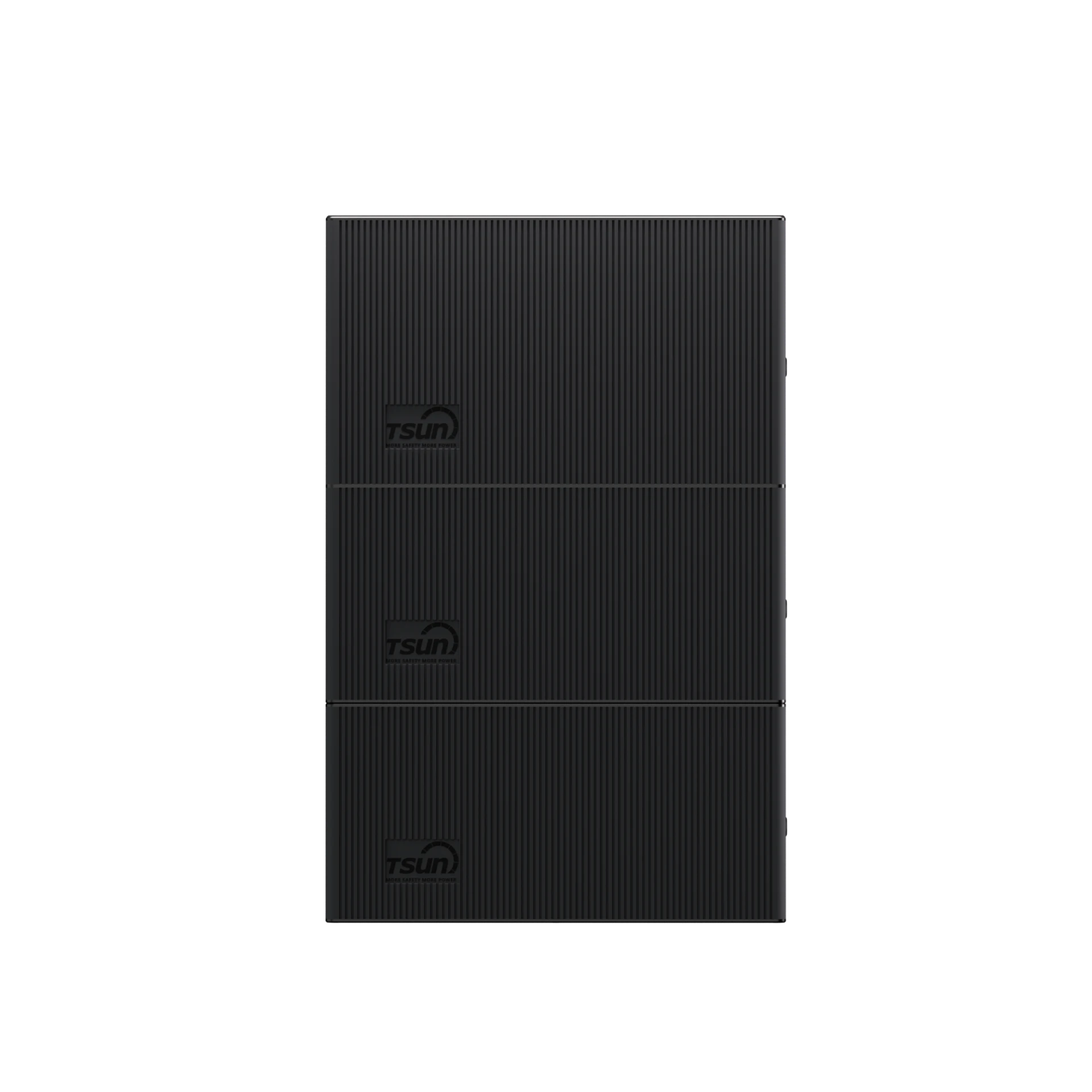
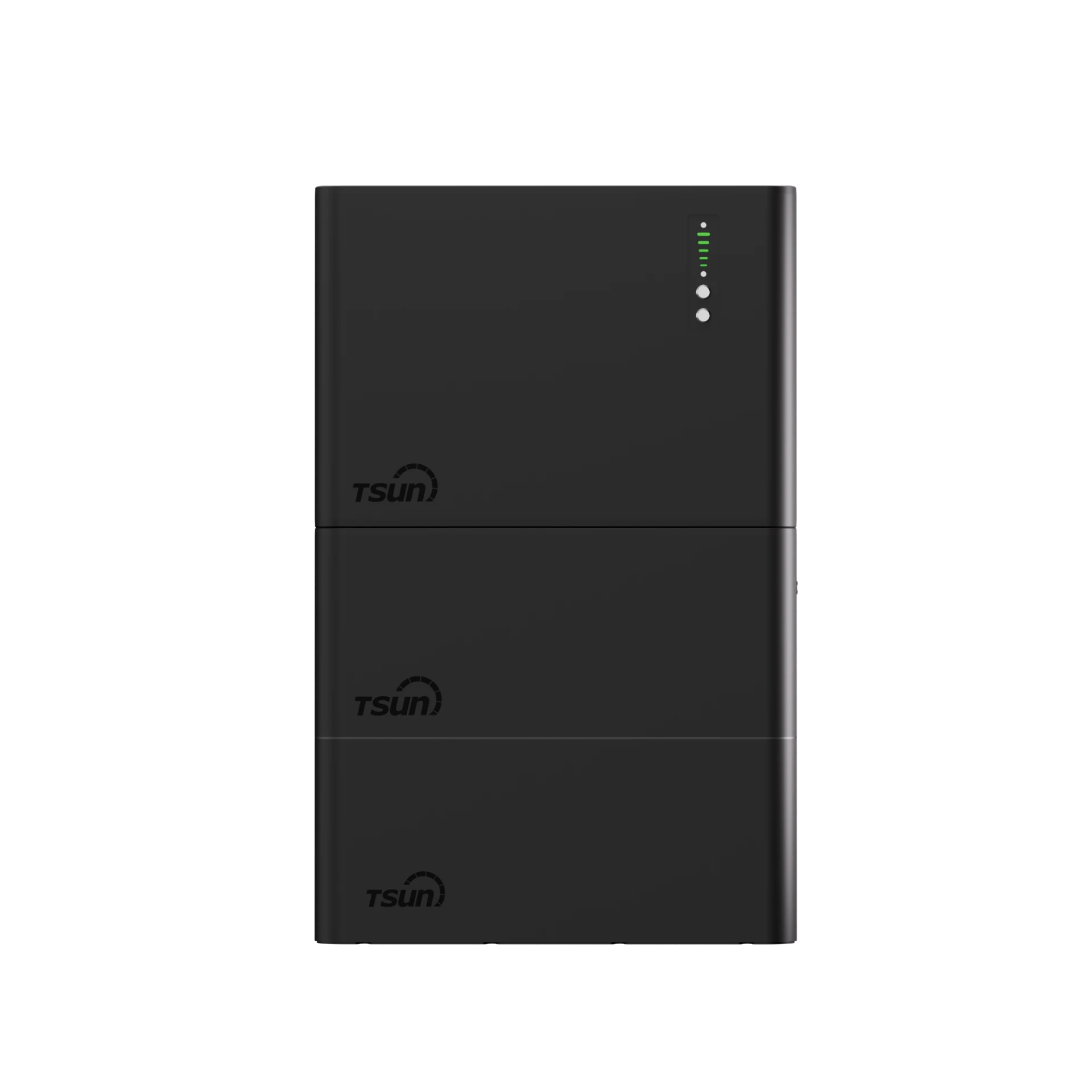
Yes. TSUN systems feature a flexible modular design. You can start with a 2kWh unit and seamlessly scale up by stacking additional battery packs as your energy needs grow. Our intelligent Battery Optimizer technology even supports the mixed use of new and old battery packs.
Will the system provide power during a grid blackout?
While standard balcony systems shut down for safety during a blackout, advanced TSUN models like the MAU5000 and MAU7200 are equipped with Grid-Forming capabilities on the off-grid port, creating a local microgrid to keep your essential appliances running.
Are these systems compliant with local grid regulations?
Absolutely. TSUN products are engineered for global compliance, meeting strict safety standards and operating within the legal 800W feed-in limits, ensuring a safe, legal, and hassle-free setup.
Ready to Maximize Your Solar Energy?
Don't let your midday solar power go to waste. Upgrade to a smart, fully integrated storage system designed for the future of the residential energy market.
Explore TSUN Storage SolutionsAre you an installer or distributor? Contact us today for customized B2B project quotations.

 LEARN MORE