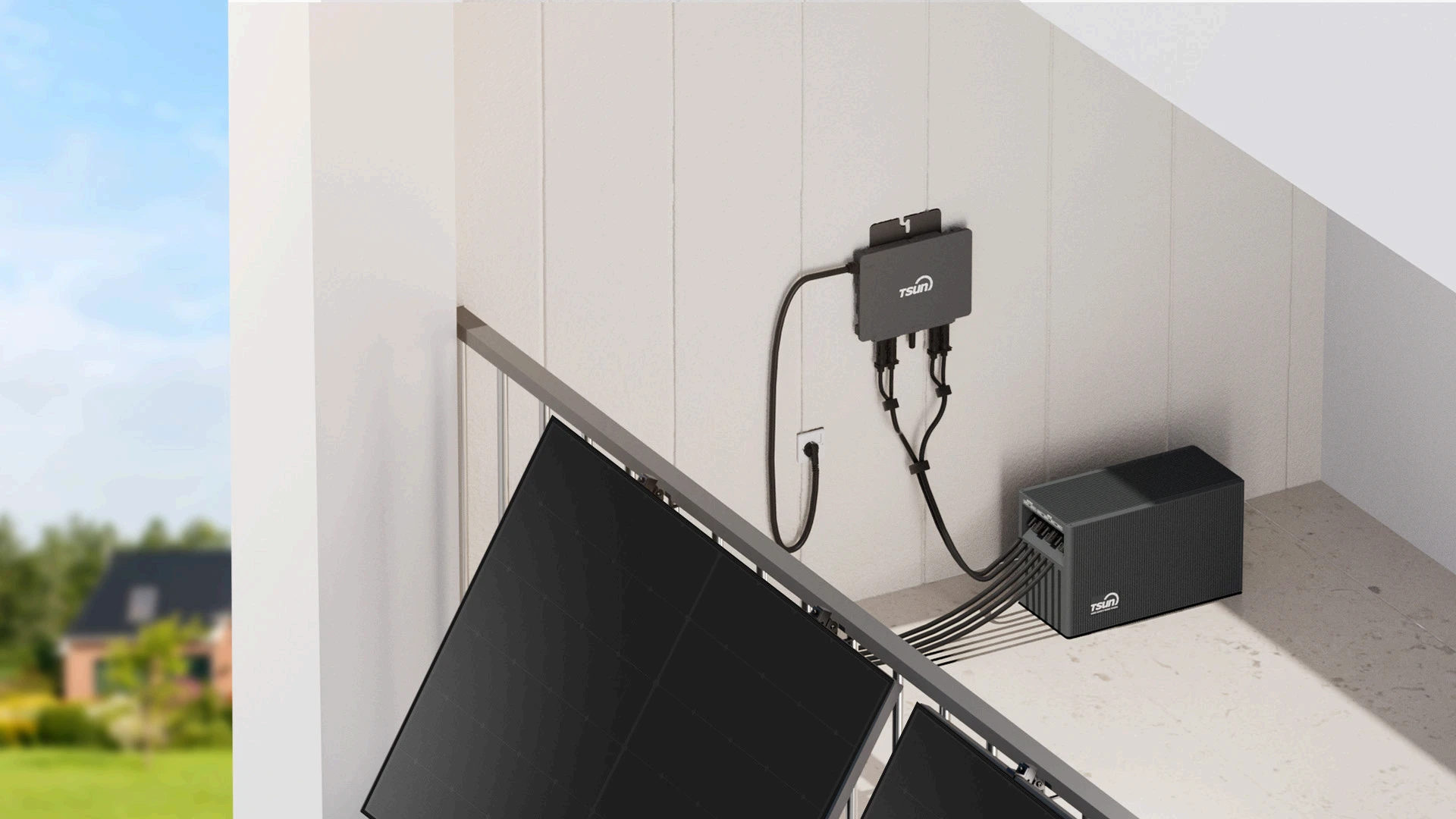






Advanced smart micro inverter Solutions for New Zealand Solar Infrastructure

Optimizing energy harvest and grid stability across Oceania's diverse terrain with next-generation power conversion technology.

Advanced smart micro inverter Solutions for New Zealand Solar Infrastructure

Providing New Zealand's power sector with highly efficient, module-level power electronics to maximize energy yield and ensure operational safety.

The Landscape of Solar Power Generation in New Zealand

Analyzing the integration of MLPE technology in the unique Kiwi energy market.

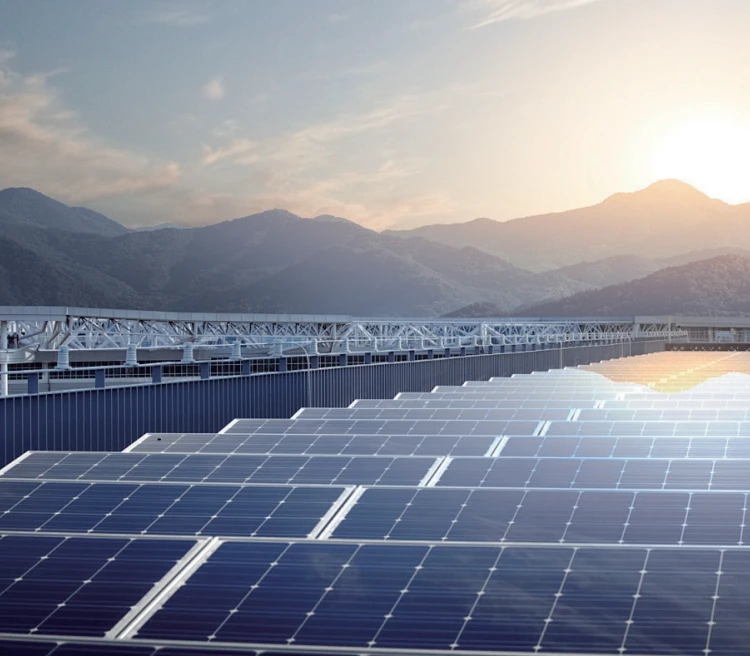
New Zealand's solar industry is characterized by highly variable geographic conditions, from the sunny Northland to the mountainous South Island. The prevalence of complex roof orientations and frequent shading from indigenous flora makes the adoption of microinverters for solar panels essential to prevent the "Christmas light effect" where one shaded panel degrades the performance of the entire string.

Economically, the shift toward decentralized energy in Oceania is accelerating. Industrial and commercial operators in New Zealand are increasingly seeking solutions that reduce O&M costs. By utilizing a solar cell micro inverter, operators can monitor individual panel health in real-time, which is critical for remote sites across the Southern Alps where manual inspection is logistically challenging.

Furthermore, the strict electrical safety standards in New Zealand demand rapid shutdown capabilities. The transition to module-level conversion ensures that high-voltage DC is converted to AC immediately at the source, significantly improving the safety profile for first responders and maintenance crews in high-density urban areas like Auckland and Wellington.


Evolution of Micro-Inverter Technology in Oceania

From basic string conversion to intelligent, hybrid energy management.

Market Development History

Between 2010 and 2015, the New Zealand market was dominated by traditional string inverters. While cost-effective, these systems struggled with the region's undulating terrain and varying cloud cover, leading to significant energy losses due to mismatching.

From 2016 to 2020, the introduction of the micro inverter solar kit democratized high-efficiency solar for small-to-medium enterprises. This period saw a shift toward "plug-and-play" architectures, allowing faster deployment in rural agricultural sectors.

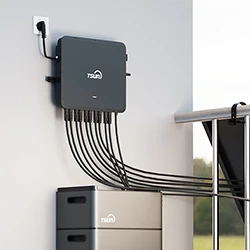
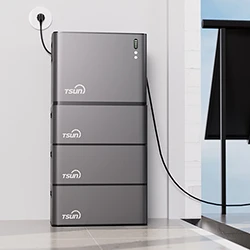
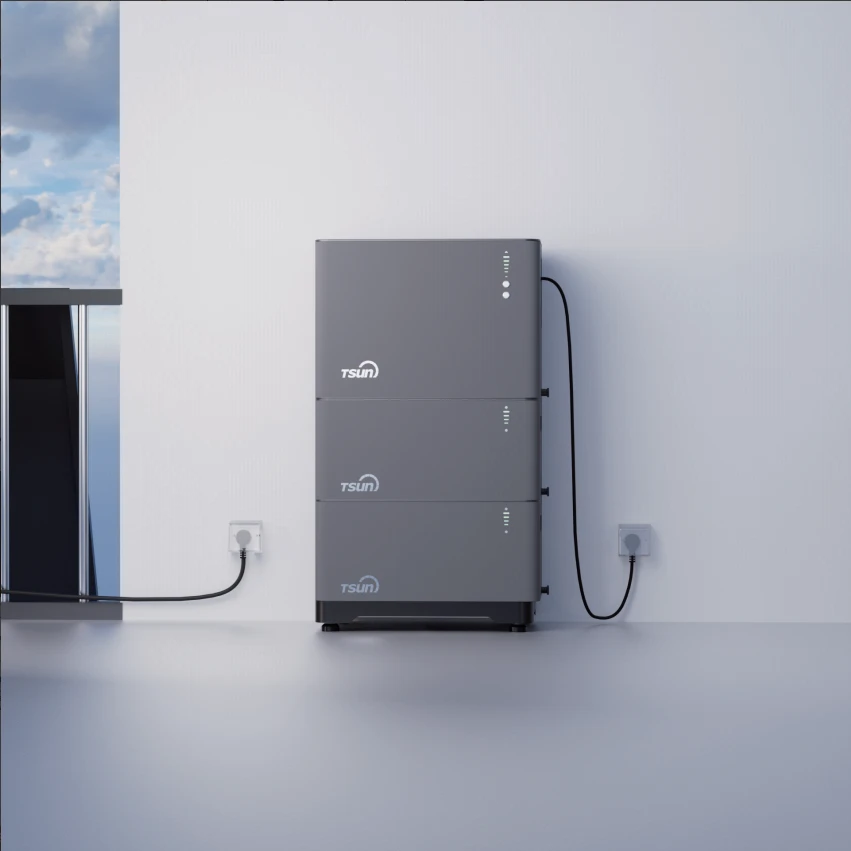
Starting in 2021, the focus shifted toward integration. The emergence of the hybrid micro inverter allowed for the seamless blending of solar generation with battery storage, addressing New Zealand's need for energy resilience during extreme weather events.

Future Development Trends

AI-Driven Predictive Maintenance

Integration of machine learning within micro-inverters to predict component failure before it occurs, reducing downtime for industrial power plants.

Gallium Nitride (GaN) Implementation

The move toward GaN semiconductors will shrink the footprint of converters while increasing efficiency to over 97%, reducing heat dissipation needs.

V2X Integration

Future systems will enable bidirectional energy flow, allowing solar-equipped buildings to act as virtual power plants (VPPs) for the New Zealand national grid.

Future Outlook: The Next Era of PV Power Electronics

Strategic trajectories for solar technology deployment in New Zealand.

Grid Edge Intelligence
Shifting from passive conversion to active grid support, enabling frequency regulation at the residential level.
Hybrid Energy Fusion
Deep integration between solar, wind, and storage via unified hybrid micro-controllers for off-grid stability.
Module-Level Analytics
Utilizing high-granularity data to optimize panel tilt and cleaning schedules based on real-time output.
Climate-Resilient Hardware
Development of IP68+ rated enclosures to withstand New Zealand's coastal salt spray and humidity.

Industry Outlook

According to Google Search trends in Oceania, there is a significant spike in queries regarding "energy independence" and "battery-integrated solar." This suggests a shift from simple net-metering to self-consumption models, where the hybrid micro inverter will play a central role.

Over the next 3-5 years, we expect the New Zealand market to transition toward "Smart Solar Ecosystems." This will move away from standalone components toward fully integrated software-hardware stacks that automate energy trading and load balancing.

Localized Application Scenarios in New Zealand

Tailored PV solutions for diverse New Zealand environments.

01. Remote Dairy Farm Energy Hubs

Implementing micro-inverter arrays in Waikato dairy farms to power milking sheds. The modular nature allows for easy expansion as herd sizes grow, ensuring no single point of failure disrupts production.

02. Coastal Tourism Lodges in Queenstown

Utilizing high-efficiency converters to manage complex rooflines of alpine lodges. Smart monitoring ensures maximum energy harvest during short winter days while maintaining aesthetic integration.

03. Auckland Urban Commercial Retrofits

Installing MLPE systems on existing office rooftops where shading from neighboring skyscrapers is inevitable, maximizing the ROI of limited urban roof space.

04. South Island Off-Grid Research Stations

Deploying hybrid systems that combine solar with wind, utilizing advanced conversion to stabilize voltage for sensitive scientific equipment in extreme climates.

05. Vineyard Precision Power in Marlborough

Using small-scale micro-inverter kits to power automated irrigation and sensors across vast vineyard plots, eliminating the need for expensive trenching of DC cables.

Brand Story

Global Development Journey of Suzhou TSUN Technology Co., Ltd.

Foundational Innovation

Established with a vision to solve the inefficiency of string-based solar, TSUN focused on perfecting the DC-to-AC conversion at the module level.

Global Standardization

Achieving international certifications (CE, UL, TUV) to ensure our power electronics meet the most rigorous safety standards in Oceania and Europe.

Hybrid Technology Breakthrough

Developing the proprietary hybrid architecture that integrates storage management and solar conversion into a single, efficient unit.

Oceania Market Expansion

Establishing strategic partnerships in New Zealand to provide localized technical support and customized energy solutions for the Kiwi market.

Sustainable Future Vision

Committing to a carbon-neutral manufacturing process while empowering millions of homes with intelligent, decentralized energy tools.

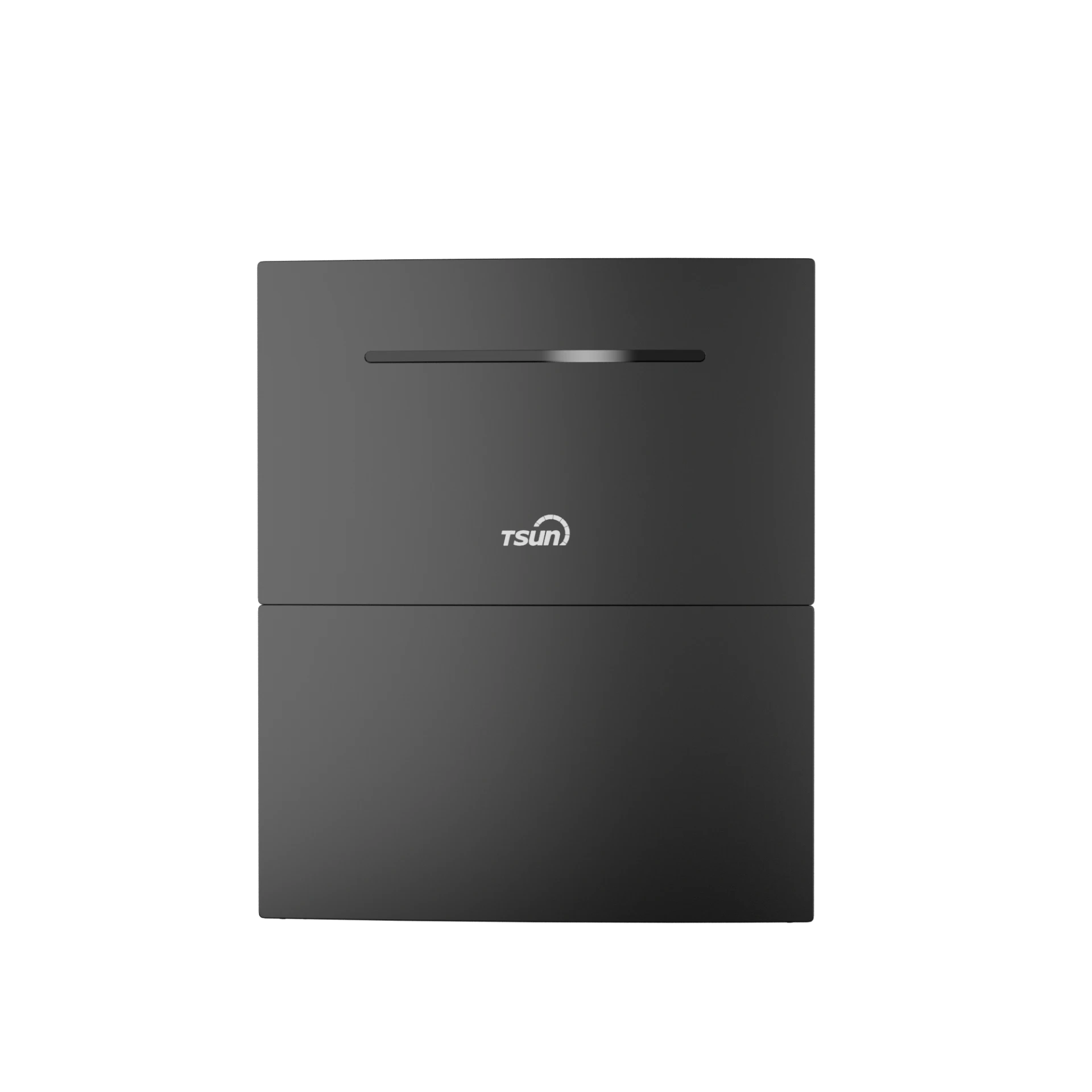
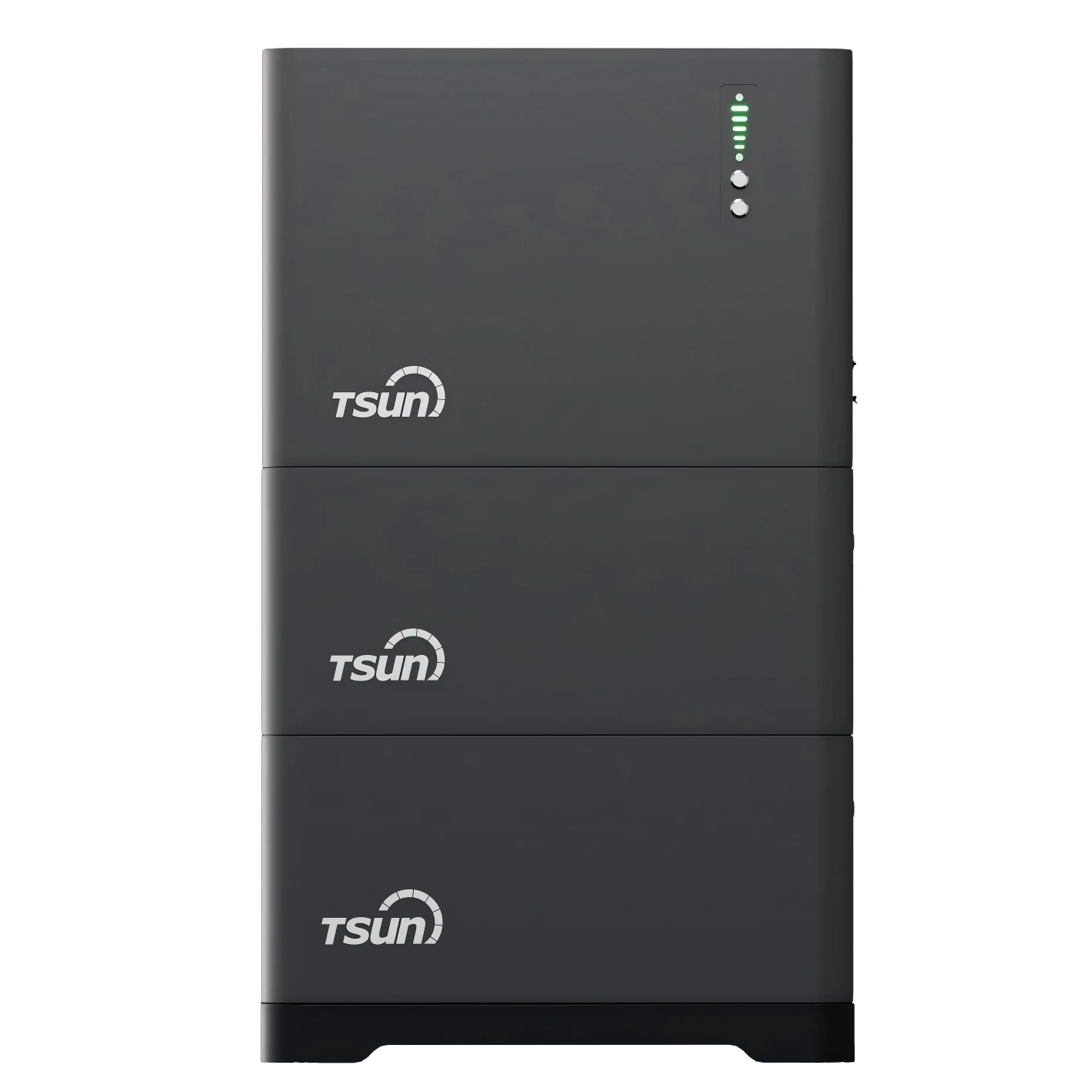
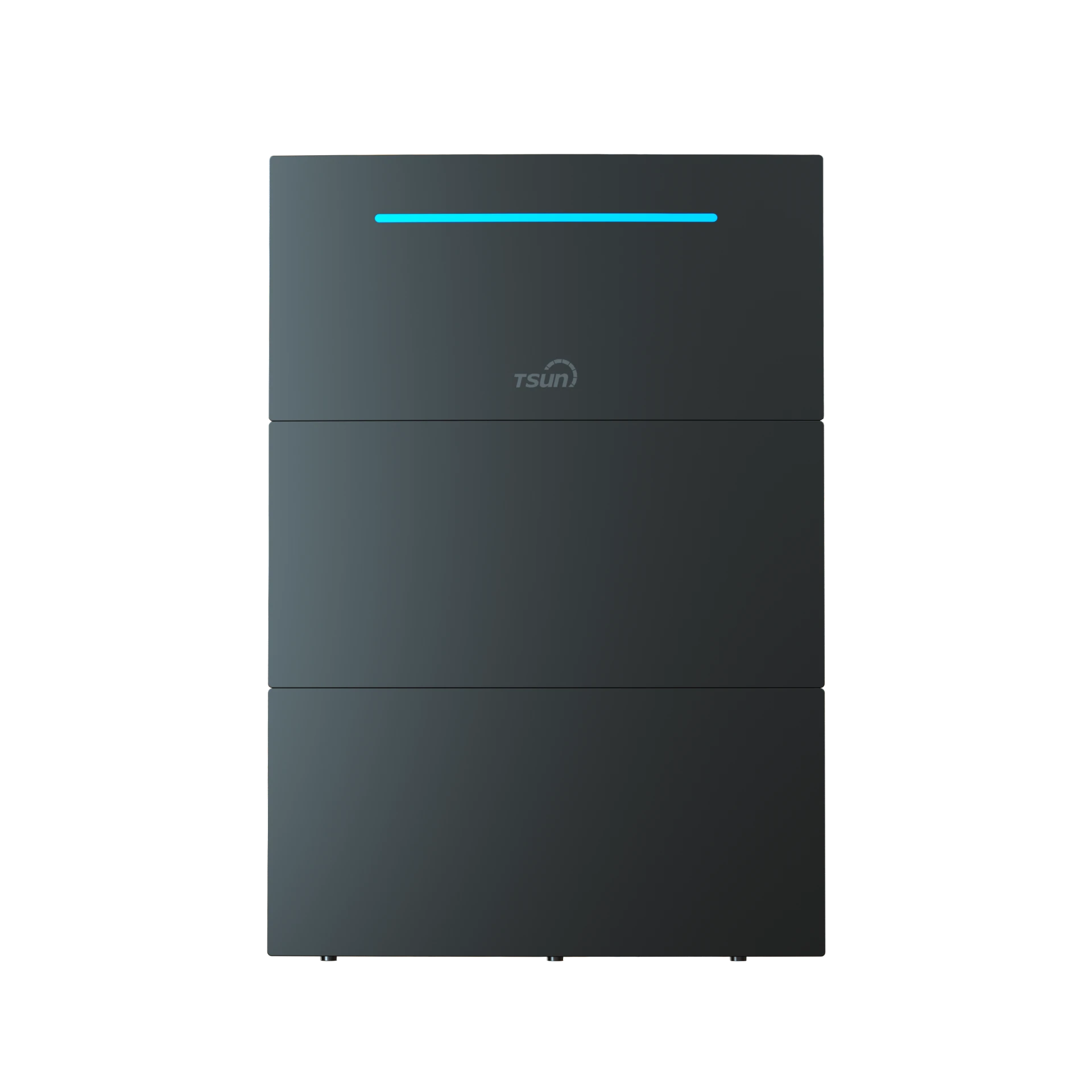
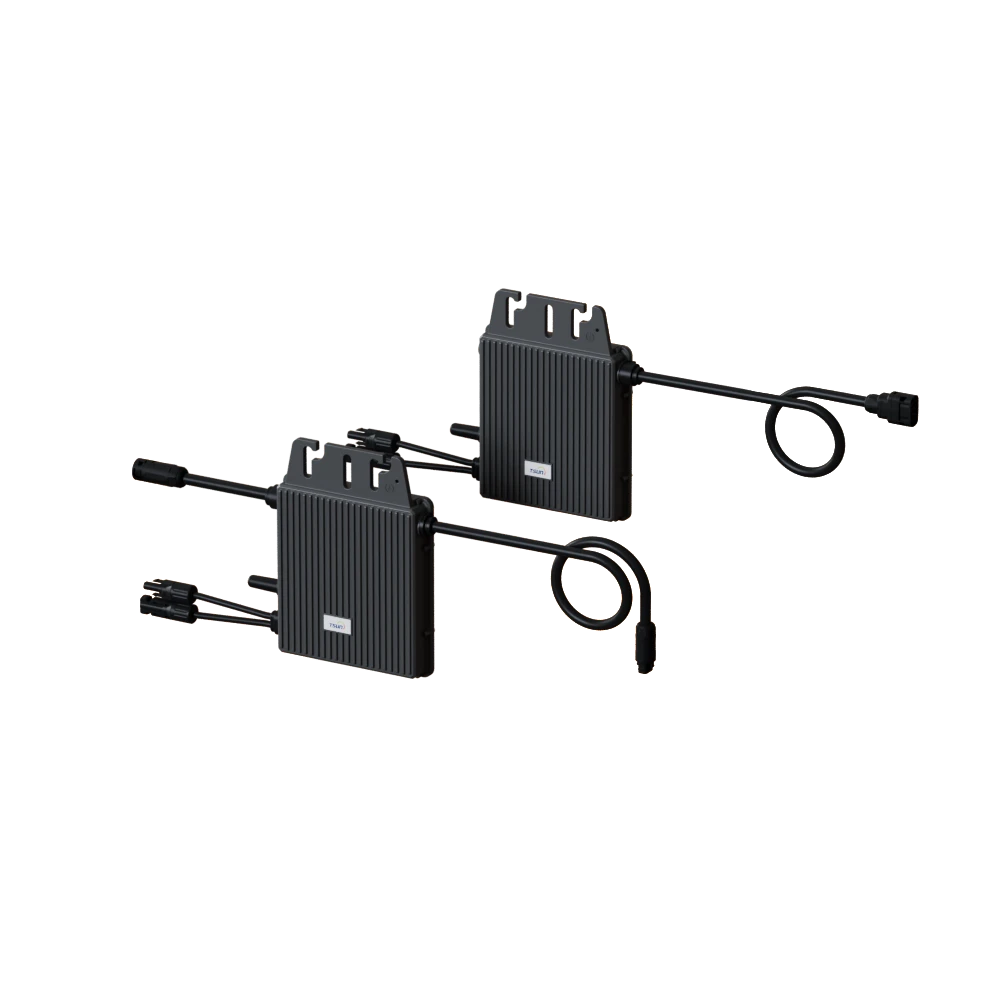
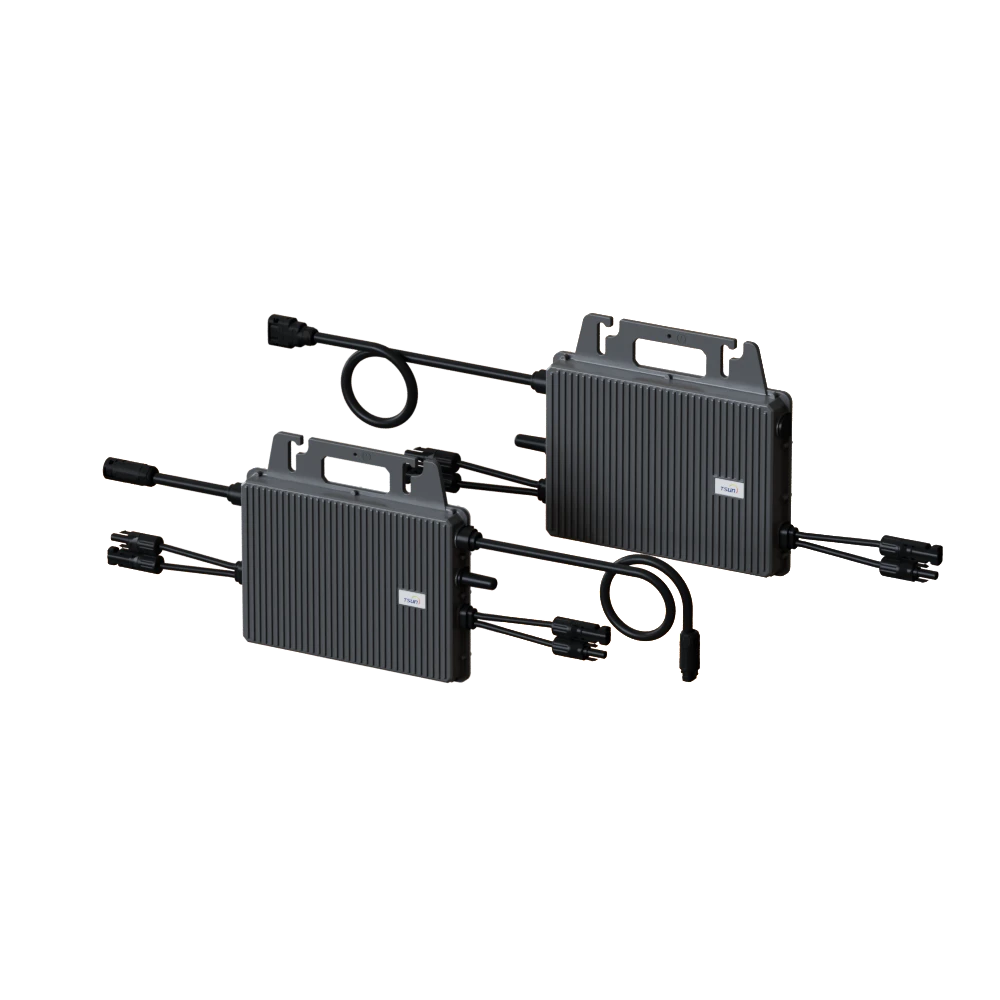
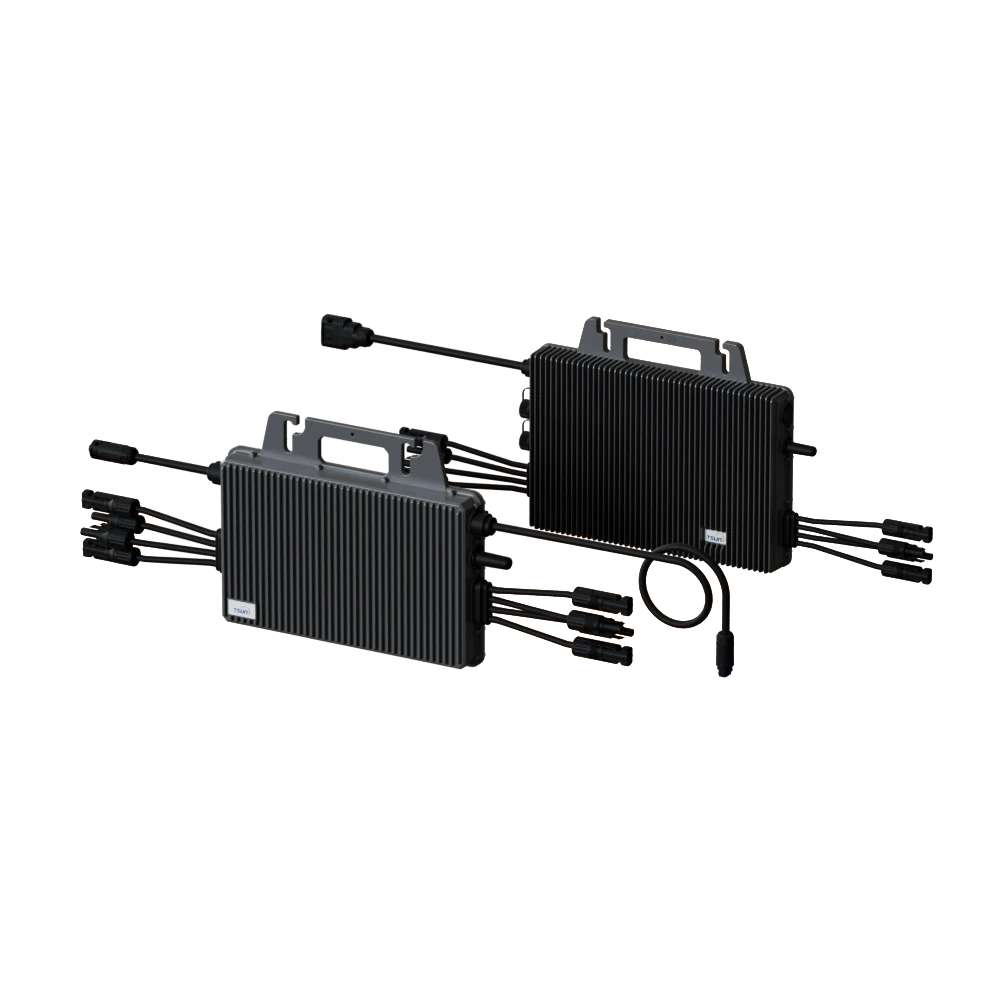
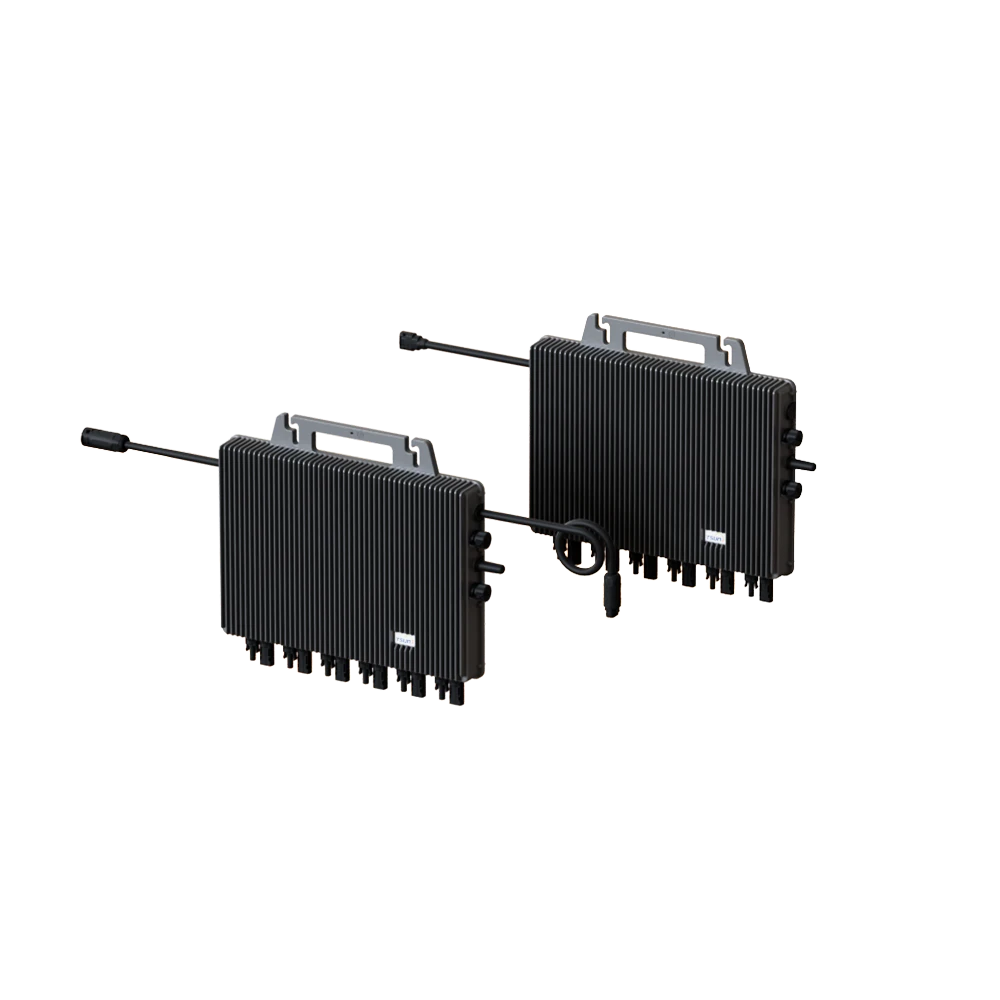
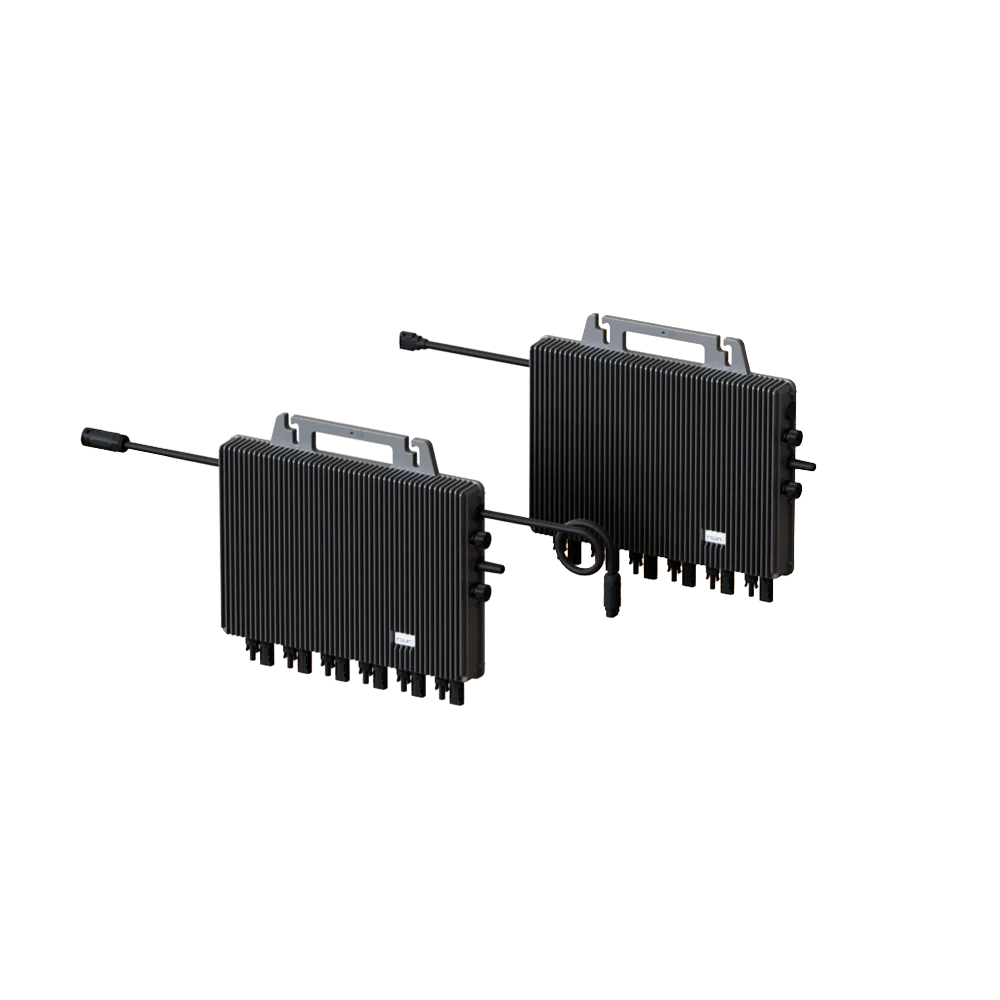
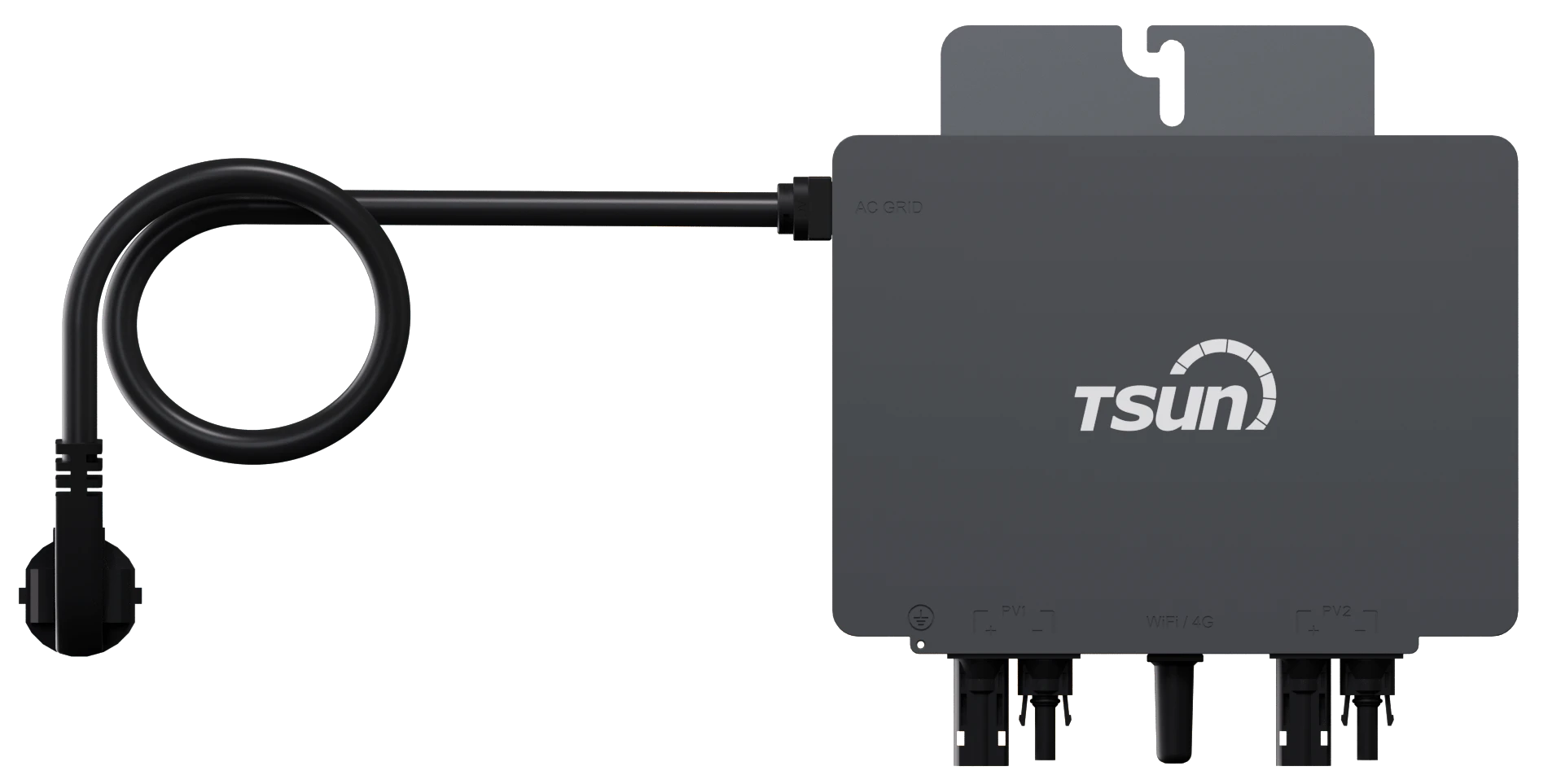
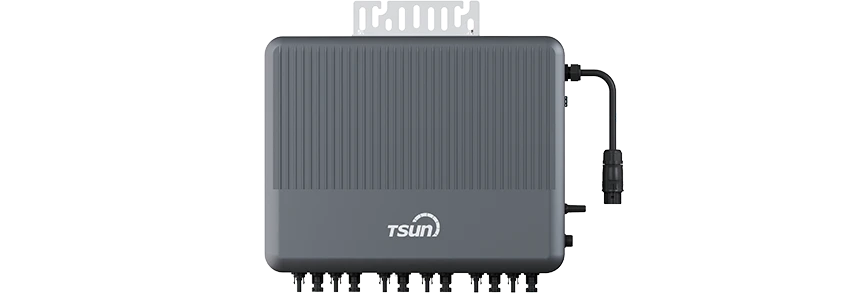
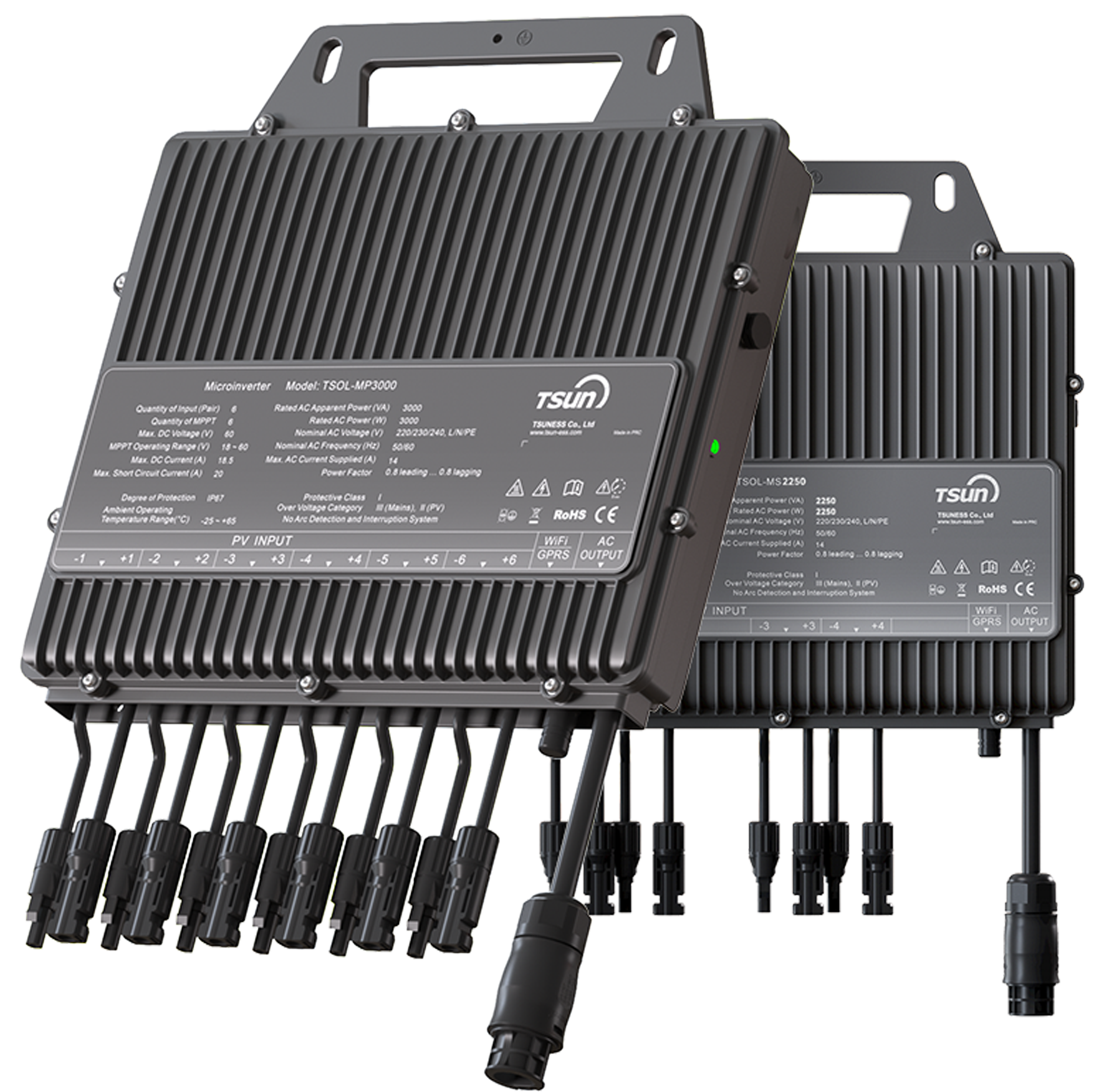
Complete Product Portfolio for New Zealand Solar Market

High-performance power electronics designed for reliability, safety, and maximum yield.

New Zealand Solar Technical FAQ

Expert answers to common questions regarding micro-inverter deployment in Oceania.

How does a hybrid micro inverter improve energy resilience in rural New Zealand?

A hybrid system allows for direct integration with battery storage. In rural areas prone to grid instability, it ensures that energy harvested during the day is stored and available during outages without the need for complex external transfer switches.

Are microinverters for solar panels more efficient than string inverters for shaded roofs?

Yes, because each panel operates independently. In shaded conditions, only the affected panel's output drops, whereas in a string system, the entire row is limited to the performance of the lowest-producing panel.

What is included in a professional micro inverter solar kit?

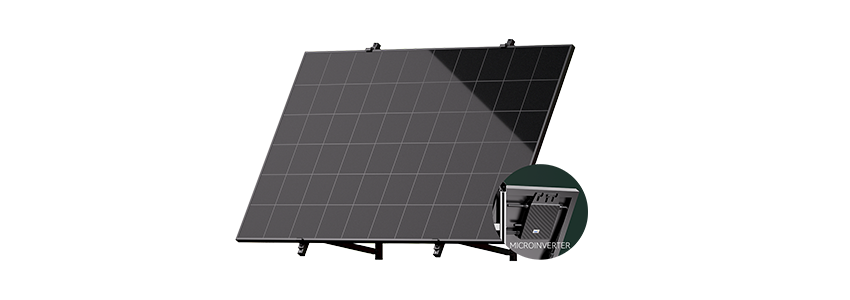
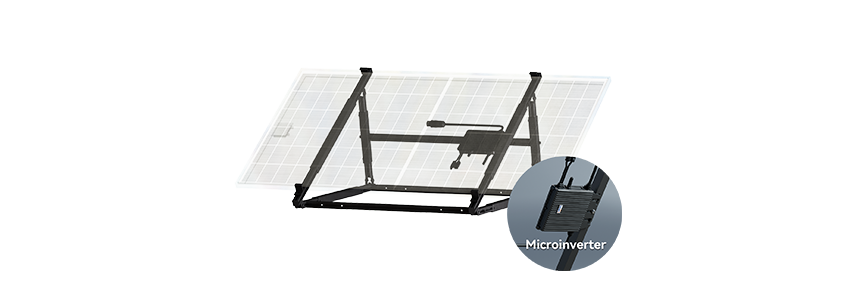
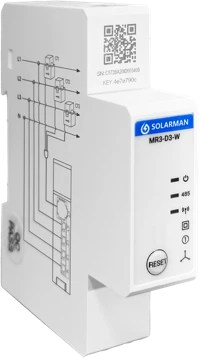
A complete kit typically includes the micro-inverters, AC cabling, a communication gateway for monitoring, and mounting hardware, designed to provide a streamlined installation process.

Can a smart micro inverter handle the extreme temperature swings in the South Island?

Our smart inverters are engineered with industrial-grade thermal management and IP67 enclosures, ensuring stable operation from freezing alpine winters to hot summer peaks.

How does a solar cell micro inverter improve the safety of residential installations?

By converting DC to AC at the panel level, it eliminates the risk of high-voltage DC arcs on the roof, significantly reducing fire hazards and improving safety for installers.

What is the typical lifespan of micro-inverters in New Zealand's coastal environments?

With high-quality corrosion-resistant coatings and sealed electronics, our units are designed for a 20-25 year operational life, matching the lifespan of the solar panels themselves.

Ready to Optimize Your Energy Future?

Our technical experts are ready to help you design the perfect solar infrastructure for your project in New Zealand.

Contact Us Now
footer footer

If you are interested in our products, you can choose to leave your information here, and we will be in touch with you shortly.