Home Hydrogen Generation and Storage: A Comprehensive Overview
The growing demand for clean energy is driving innovation in hydrogen technologies. Home hydrogen generation and storage offer a promising pathway towards energy independence and reduced carbon emissions. This article will explore the various methods of producing and storing hydrogen at a residential level, the benefits, challenges, and the latest advancements in the field. We’ll discuss how solutions from Tsun ESS are leading the way in safe and efficient hydrogen energy solutions for the home.
Methods of Home Hydrogen Generation
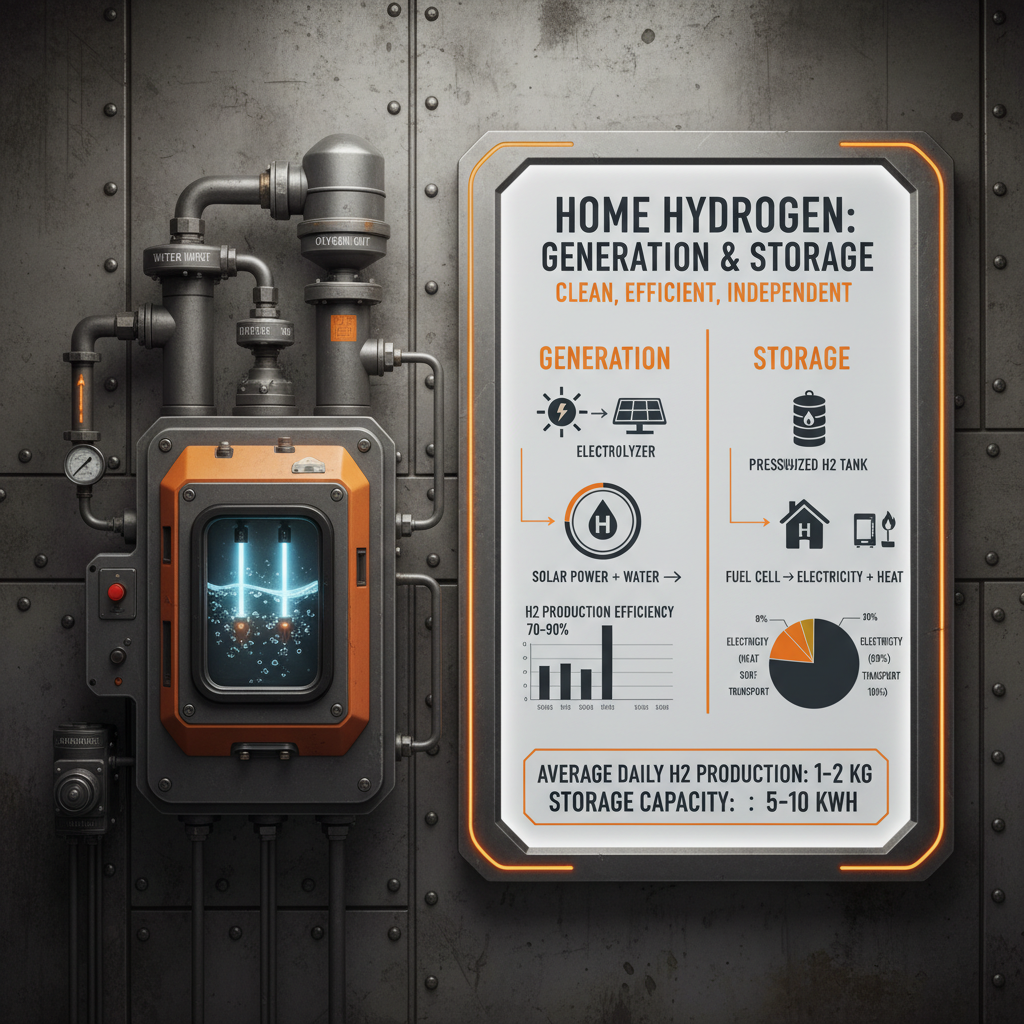
Several technologies can be employed for generating hydrogen at home. These include electrolysis, steam methane reforming (SMR), and biomass gasification. Electrolysis, particularly with renewable energy sources, is gaining traction due to its environmental friendliness. SMR, while effective, relies on natural gas and generates carbon dioxide. Biomass gasification offers a renewable route but requires careful management of biomass resources. The choice of method depends on factors like cost, efficiency, and environmental impact. Tsun ESS specializes in advanced electrolysis systems optimized for residential applications.
Key Highlights: Electrolysis, especially when powered by renewable sources, is considered the most sustainable method for hydrogen generation. It produces hydrogen with zero carbon emissions at the point of use.
Home Hydrogen Storage Solutions
Storing hydrogen safely and efficiently is crucial for its widespread adoption. Common storage methods include compressed hydrogen gas, liquid hydrogen, and solid-state storage (metal hydrides). Compressed hydrogen gas is the most mature technology but requires high-pressure tanks. Liquid hydrogen requires cryogenic temperatures, adding complexity and energy costs. Metal hydrides offer a safer and more compact storage solution, but their energy density can be lower. The safety aspects of hydrogen storage are paramount, and advancements in materials and tank design are continuously improving safety standards.
Hydrogen Storage Considerations:
• Safety: Implementing robust safety measures is crucial for handling hydrogen.
• Efficiency: Minimizing energy losses during storage and retrieval.
• Cost: Balancing storage capacity with affordability.
• Space Requirements: Choosing a storage solution that fits within the available space.
Comparing Hydrogen Storage Methods
Different hydrogen storage methods have unique advantages and disadvantages. The following table provides a comparison of the key characteristics. Tsun ESS is actively developing advanced storage solutions tailored for residential environments, focusing on safety, efficiency, and cost-effectiveness.
| Method |
Pressure |
Energy Density |
Safety |
Cost |
| Compressed Gas |
High (350-700 bar) |
Moderate |
Moderate (requires robust tanks) |
Low |
| Liquid Hydrogen |
Atmospheric |
High |
Low (cryogenic hazards) |
High |
| Metal Hydrides |
Low |
Low to Moderate |
High |
Moderate |
Applications of Home Hydrogen Systems
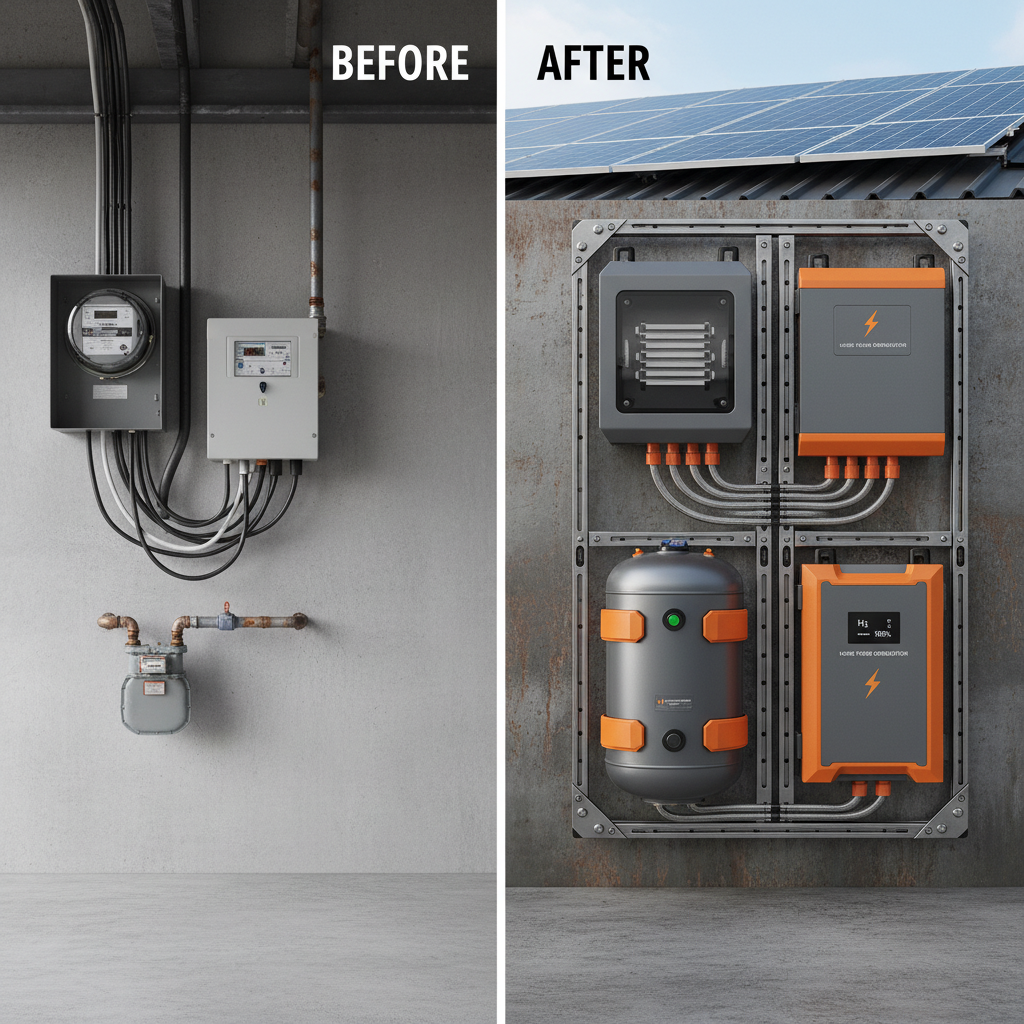
Home hydrogen systems are envisioned to power a variety of applications, including fuel cell vehicles, combined heat and power (CHP) systems, and backup power generation. Integrating hydrogen with residential solar panels and wind turbines can create a self-sufficient energy ecosystem. This reduces reliance on the grid and enhances energy resilience. Furthermore, hydrogen can be used for heating and cooking, contributing to decarbonizing the residential sector. Tsun ESS offers integrated solutions for both hydrogen generation and utilization.
The Future of Home Hydrogen Generation and Storage
The field of home hydrogen generation and storage is rapidly evolving. Ongoing research focuses on improving the efficiency of electrolyzers, developing novel storage materials, and reducing system costs. Government incentives and supportive policies are also crucial for accelerating adoption. As technology matures and costs decline, home hydrogen systems are poised to play a significant role in the transition to a sustainable energy future. Tsun ESS is committed to driving innovation in this field and delivering cutting-edge solutions to homeowners.
Conclusion: Embracing the Potential of Home Hydrogen Energy
Home hydrogen generation and storage represent a promising step towards a cleaner, more sustainable energy future. By harnessing the power of hydrogen, homeowners can reduce their carbon footprint, enhance energy independence, and contribute to a more resilient energy system. Tsun ESS is at the forefront of this revolution, providing innovative and reliable solutions for the home.
Frequently Asked Questions (FAQs)
What is the efficiency of home hydrogen electrolyzers?
The efficiency of home hydrogen electrolyzers varies depending on the technology used. Alkaline electrolyzers typically have efficiencies of 60-80%, while Proton Exchange Membrane (PEM) electrolyzers can achieve efficiencies of 70-90%. Solid Oxide Electrolyzers (SOEC) offer the highest potential efficiency, exceeding 80%, but they operate at high temperatures and are less mature. The efficiency is also influenced by factors such as operating temperature, pressure, and current density. Tsun ESS utilizes advanced PEM electrolyzers optimized for high efficiency and durability.
Are home hydrogen systems safe to operate?
Hydrogen is a flammable gas, and safety is paramount. Modern home hydrogen systems are designed with multiple safety features, including leak detection sensors, automatic shut-off valves, and robust storage containers. Proper ventilation is also essential. Systems from Tsun ESS adhere to stringent safety standards and undergo rigorous testing to ensure safe operation.
What is the cost of a home hydrogen system?
The cost of a home hydrogen system varies depending on the size, technology, and features. Currently, systems can range from $5,000 to $20,000 or more. However, costs are expected to decline as technology advances and production scales up. Government incentives and tax credits can also help offset the initial investment. Tsun ESS offers competitive pricing and financing options to make home hydrogen energy accessible.
Can home hydrogen systems be integrated with solar panels?
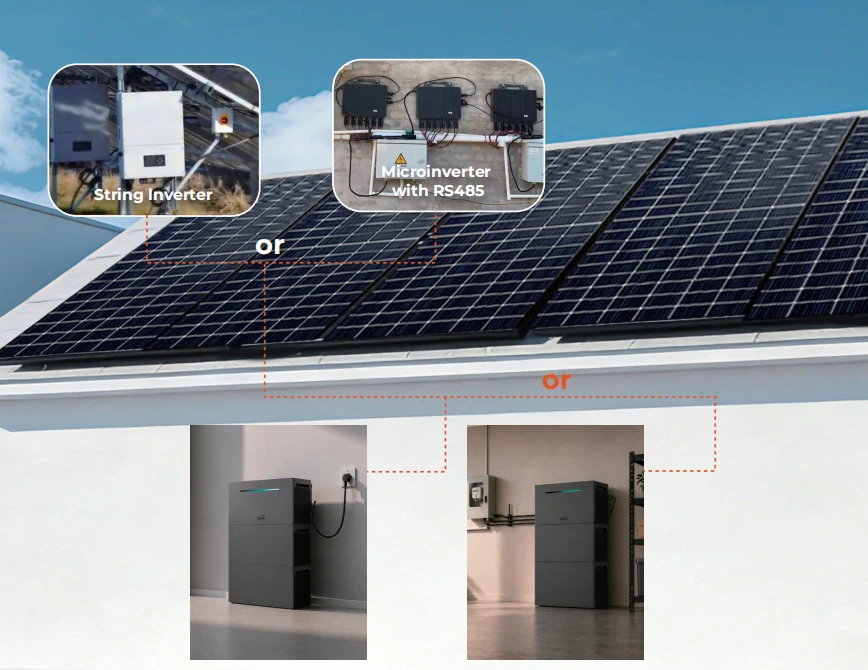
Yes, integrating home hydrogen systems with solar panels is a highly effective way to create a self-sufficient energy system. Excess electricity generated by solar panels can be used to power the electrolyzer, producing hydrogen that can be stored for later use. This allows homeowners to store renewable energy for use when the sun isn’t shining, enhancing energy resilience and reducing reliance on the grid. Tsun ESS specializes in integrated hydrogen and solar solutions.
















 LEARN DETAILS
 Downloads
 Video Center
 Report Fault for Repair
 FAQS
FAQS Service Network
 Privacy Policy
 Contact Us
 Monitoring


 LEARN MORE