Why Easy Balcony Air Angled Solar Panel Kits Price Matters More Than Ever
If you’ve been eyeing those compact solar panels designed to fit snugly on balconies, you’re not alone. In a world chasing cleaner energy and smarter living spaces, understanding the
easy balcony air angled solar panel kits price becomes surprisingly important — not just for homeowners, but for industries, urban planners, and environmental advocates. These kits address some pressing challenges, from making renewable energy affordable and accessible to maximizing energy efficiency in tight urban spots. In fact, as more city dwellers look for ways to reduce their carbon footprint, knowing the ins and outs of these solar panel kits—and their pricing—can lead to smarter energy choices that benefit us all globally.
Setting the Scene: The Global Quest for Affordable, Adaptable Solar Solutions
The world’s solar energy capacity recently crossed the 1 terawatt (TW) milestone—yes, a thousand gigawatts—according to the International Renewable Energy Agency (IRENA). That’s huge, partly driven by innovations making solar more adaptable to smaller, unique spaces. One buzzworthy solution? Balcony-based solar panel kits, especially those designed with easy air-angled setups that boost efficiency.
The
price here is critical. Many urban apartments lack big rooftops, so these kits offer a simple way to harness solar power without fussing over complicated installation or hefty expenses. Yet, affordability remains a barrier for some, making it essential to understand the pricing dynamics.
Globally, more than half the population lives in urban areas, a number forecast to hit 68% by 2050 (UN data). That means millions could tap into solar via balcony kits — if prices are right.
So the big question: how affordable are these kits, and what factors shape their cost? And why does the 'air angled' aspect matter? Let’s unpack all that.
What Exactly Are Easy Balcony Air Angled Solar Panel Kits?
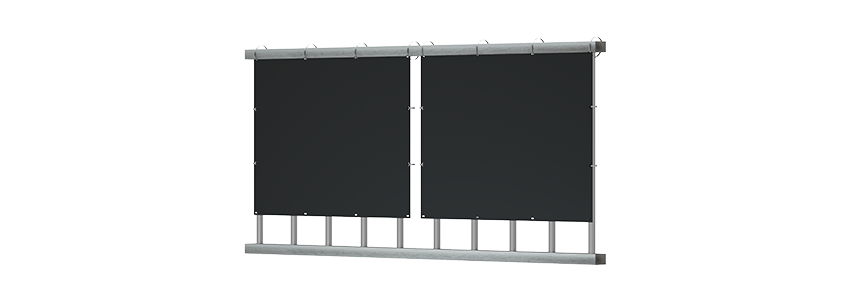
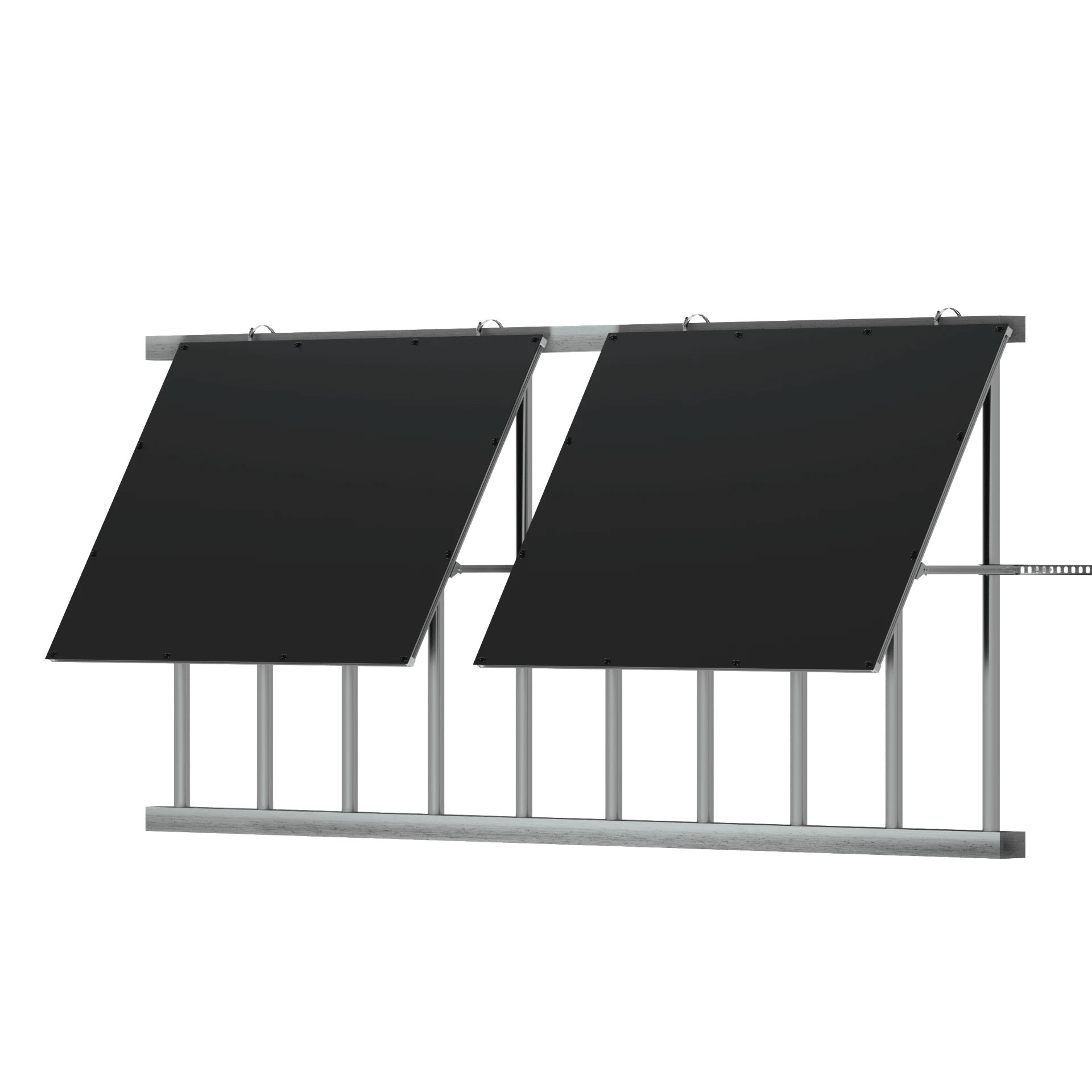
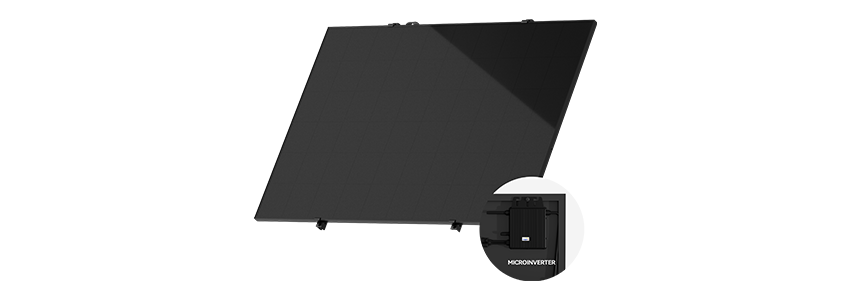
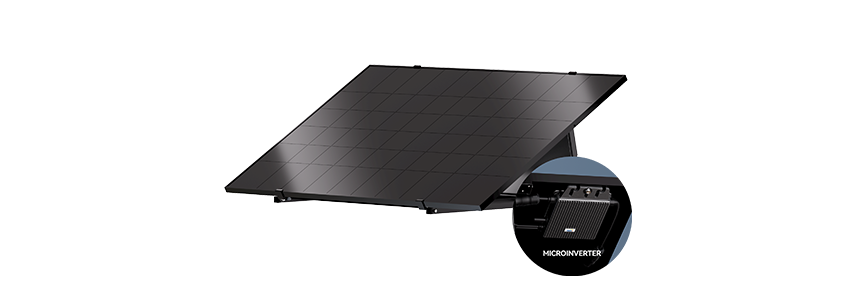
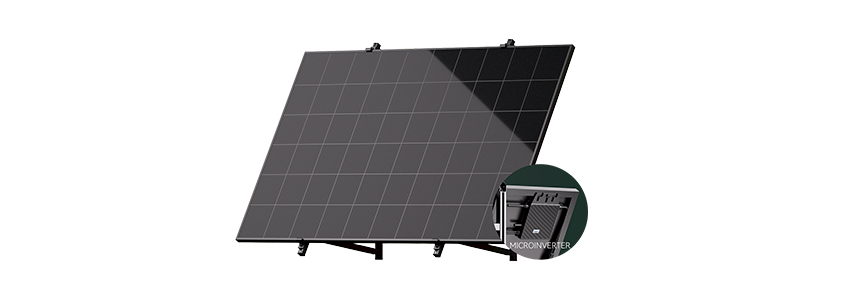
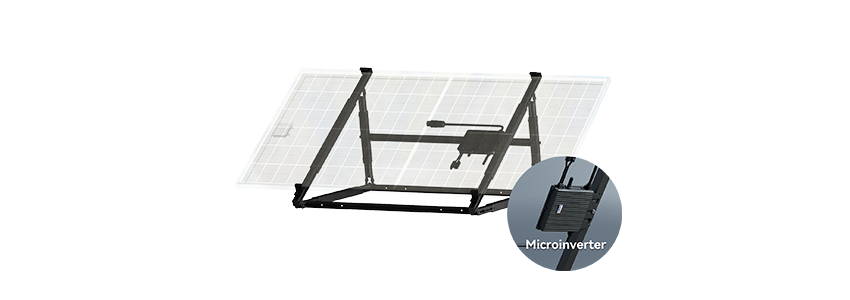
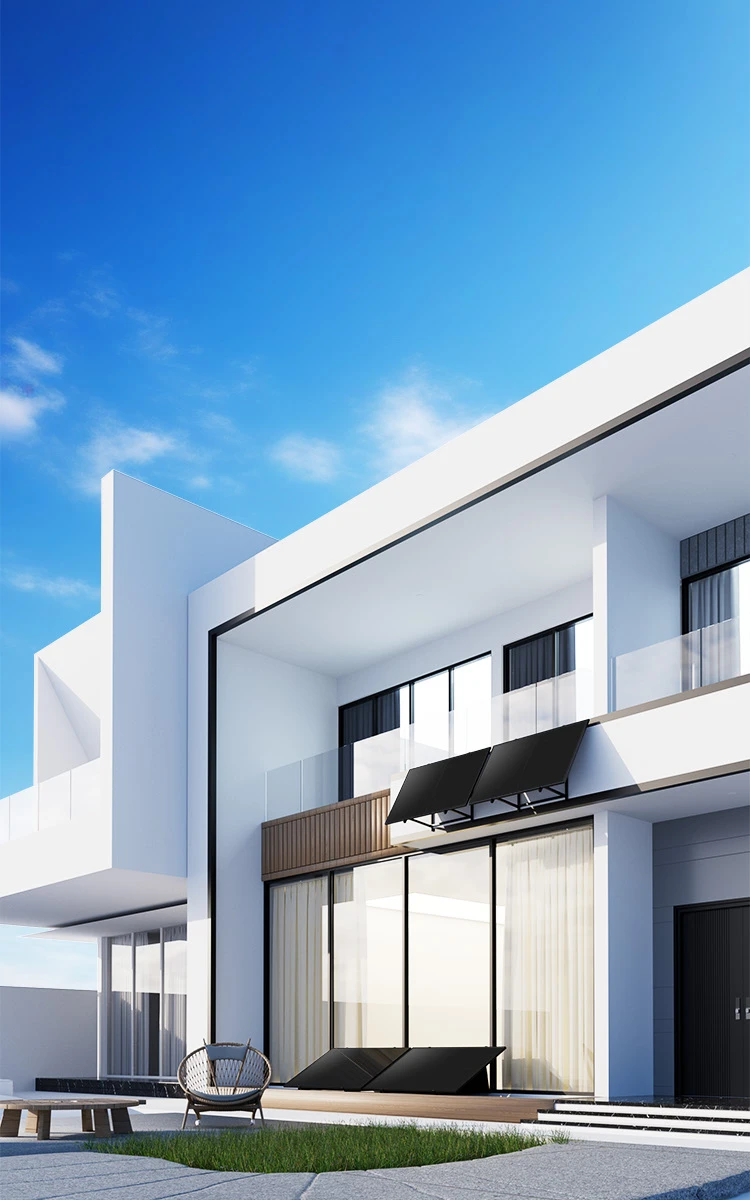
Imagine a solar panel that’s not bulky or tilted awkwardly like a rooftop system but is instead designed to fit perfectly onto your balcony railing or walls, tilted naturally by its frame to catch optimal sunlight. That’s the gist of “easy balcony air angled solar panel kits.” They’re modular solar setups tailored for urban living spaces without much room to spare.
The “air angled” bit means the panels are installed with a slight elevation or tilt that allows airflow beneath them, preventing overheating and maintaining efficiency. It’s a clever twist to avoid common problems smaller panels face when tightly packed in urban settings.
From a humanitarian perspective, these panels empower communities in dense cities—think refugee camps or low-income housing developments—to access green energy without major infrastructure upgrades.
Core Factors Driving the Kits' Quality and Cost
1. Durability & Weather Resistance
These kits face the elements — sun, rain, wind — but must last years without frequent maintenance. Materials like tempered glass and corrosion-resistant frames ensure longevity. That boosts upfront costs but saves money over time.
2. Angle Design and Airflow
The “air angled” mounting design optimizes sunlight capture and prevents overheating. Some kits offer adjustable angles, increasing their utility in varying climates (hello, less wasted energy!).
3. Scalability and Modular Design
Units are often designed to be easily scaled up by adding more panels or batteries, which resonates with users who want to start small and grow their system. Modular parts also cut down installation complexity and price.
4. Cost Efficiency
Production volume, materials sourced, and shipping costs heavily impact the
easy balcony air angled solar panel kits price. In many cases, kits hover from $200 to $600 depending on wattage and features.
5. Ease of Installation
Plug-and-play designs with clear instructions reduce reliance on professionals. This DIY-friendliness can shrink labor costs dramatically.
6. Power Output & Storage Options
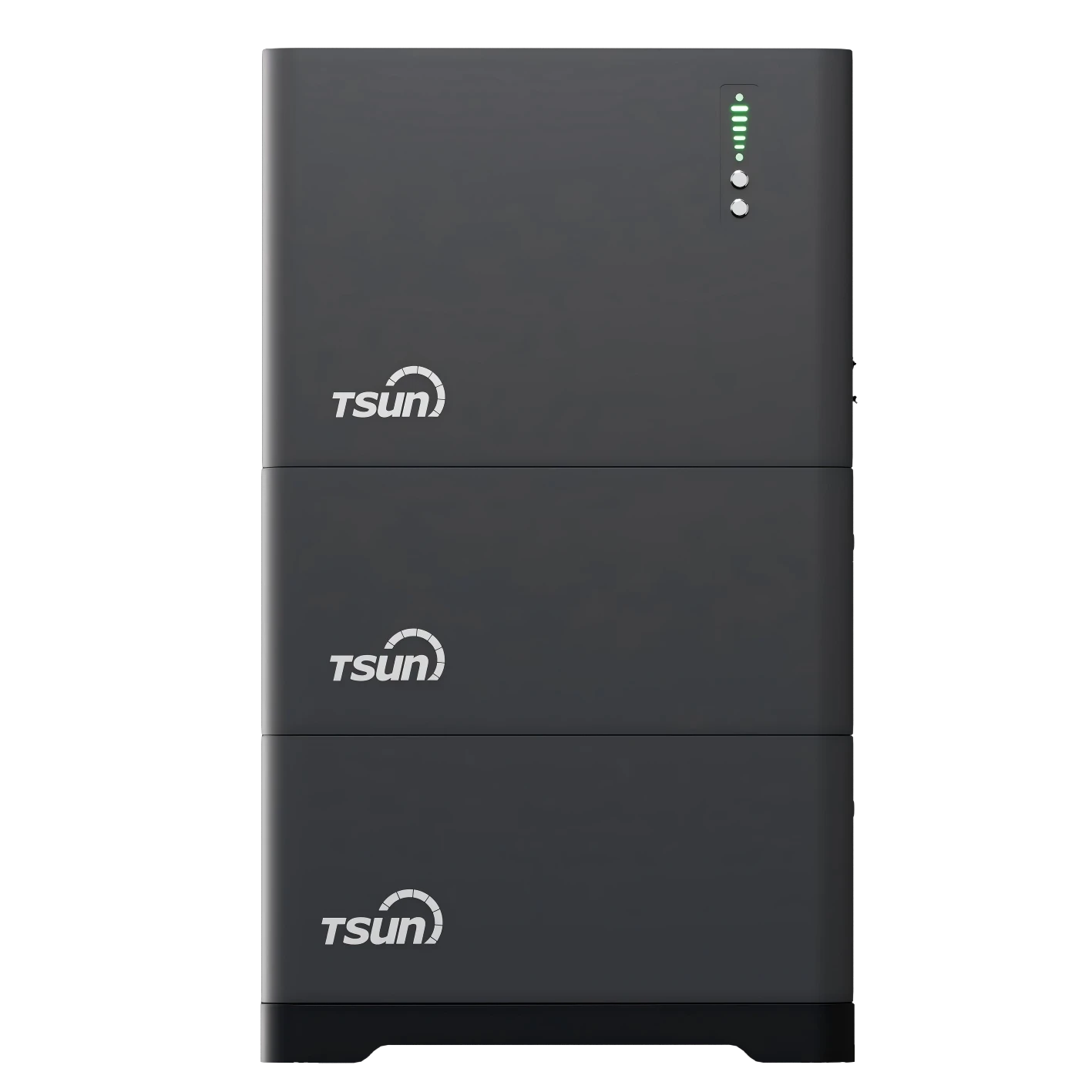
Some kits bundle battery units for energy storage — super handy for night use or cloudy days but pushing the price higher.
Mini takeaway: The sweet spot in these balcony solar kits balances durability, smart design, and affordability, all underpinned by clever airflow optimization that keeps the system efficient and long-lasting.
Global Use Cases for These Balcony Solar Kits
These kits have found homes (sometimes literally) in...
- Dense Urban Settings: Cities across Europe and Asia see rising solar balconies in high-rises, giving tenants personal energy independence.
- Post-Disaster Relief: In places like Puerto Rico or the Philippines, temporary shelters equipped with these kits provide emergency power.
- Developing Countries: Regions with unreliable grids, like parts of Africa or Southeast Asia, benefit from small-scale solar power accessible on balconies or small patios.
- Commercial Use: Small cafes or shop owners in historic districts where roof retrofits are impossible still leverage these kits for some renewable juice.
For example, a community housing project in Barcelona retrofitted 200 apartments with air-angled balcony solar kits, dropping average energy bills by 20%. That’s the kind of impact these affordable kits bring, quietly and effectively.
Specifications At a Glance
| Feature |
Typical Value |
Notes |
| Power Output |
150 - 300 W |
Varies by kit size |
| Panel Type |
Monocrystalline / Polycrystalline |
Monocrystalline more efficient, pricier |
| Weight |
4 - 7 kg per panel |
Lightweight for easy handling |
| Mounting Angle |
15° - 30° |
Airflow optimized |
| Price Range (USD) |
$200 - $600 |
Depends on wattage and extras |
Vendor Comparison: Choosing the Right Kit Based on Price and Features
| Vendor |
Starting Price (USD) |
Power Output |
Special Feature |
Warranty |
| SunBalcony Co. |
$210 |
180W |
Tool-free installation system |
10 years |
| EcoVerde Kits |
$280 |
220W |
Adjustable air-angled mount |
12 years |
| BrightLeaf Panels |
$350 |
300W |
Integrated battery pack option |
15 years |
What Makes These Kits So Valuable in the Long Run?
First off, lowering your electricity bills is always welcome. These kits not only do that—they cultivate a sense of personal energy control and environmental responsibility. Many users report a feeling of pride knowing their balconies contribute to a global sustainability push, which frankly, feels good.
Then there’s the reliability angle: the air-angled design prolongs panel life and maintains peak energy conversion by preventing heat buildup, which can reduce output by 10-25% if ignored.
Socially, these kits democratize energy access, particularly in cities where leases or building codes restrict larger installations.
All told, they represent a smart investment for cleaner, cheaper energy that can adapt as your needs evolve.
Peeking Ahead: Innovations That Could Shape Future Balcony Solar Kits
The solar world is buzzing with innovation—multi-junction cells promising higher efficiency, flexible panel materials making installations easier, and smart presets that angle panels automatically based on the sun’s position.
On pricing? Advances in manufacturing like printed perovskite cells might dramatically lower costs soon, bringing
easy balcony air angled solar panel kits price into even more pockets.
Meanwhile, digital tools that integrate your solar output monitoring with home automation are becoming mainstream, making energy management not just smarter, but frankly, a lot more fun.
Challenges Currently Holding Back Wider Adoption
Let’s be honest. These kits aren’t perfect.
Installation can get tricky on non-standard balconies or historic buildings. Some alleys or city districts get scant sunlight, reducing effectiveness. Upfront costs—though dropping—still deter many renters or homeowners.
But solutions? Experts suggest:
- Custom-fit mounting kits to handle odd balcony sizes.
- Community solar programs using aggregated balconies.
- Subsidies and policy incentives easing the price burden.
The field is evolving quickly — the future looks bright and breezy.
FAQ: Your Top Questions About Easy Balcony Air Angled Solar Panel Kits Price
Q: How much does a basic air-angled balcony solar kit typically cost?
A: Generally, prices range from $200 to $600 depending on panel wattage and included features like battery storage or adjustable mounts. You can find budget-friendly models around $210 that cover basic solar needs.
Q: Can these kits really reduce my electricity bill?
A: Yes, especially if you’re strategic about placement and size. Most users see around a 10-20% reduction in monthly energy costs, varying by local sunlight and energy consumption patterns.
Q: How easy is installation on a rented apartment balcony?
A: Many kits are designed for easy, tool-free setup without damaging the building—ideal for renters. Just double-check landlord policies and your local building codes.
Q: Do these solar kits require much maintenance?
A: Minimal maintenance is needed—mostly keeping panels clean and checking mounts periodically. The air-angled design helps with ventilation, reducing wear over time.
Q: Where can I buy affordable and reliable kits?
A: Vendors like SunBalcony Co., EcoVerde Kits, and BrightLeaf Panels offer competitively priced and trusted products. For a detailed look on pricing and features, you might want to explore easy balcony air angled solar panel kits price.
Wrapping it Up: A Smarter, Greener Balcony Awaits
The journey to making rooftops—and balconies—the unsung heroes of renewable energy feels inevitable. Understanding the nuances of
easy balcony air angled solar panel kits price opens doors to smarter investments that pay off financially and environmentally.
I encourage anyone curious to explore
easy balcony air angled solar panel kits price for reliable product details, so you can jump into solar living without hesitation. After all, cleaner energy at your doorstep—sometimes just a few steps away—feels like progress you can touch.
Enjoy that sunny balcony moment!
References:
1. United Nations, World Urbanization Prospects (2018): https://population.un.org/wup/
2. International Renewable Energy Agency (IRENA) Global Energy Data: https://www.irena.org/statistics
3. ISO Standards on Solar Panel Testing: https://www.iso.org/standard/61744.html







 LEARN DETAILS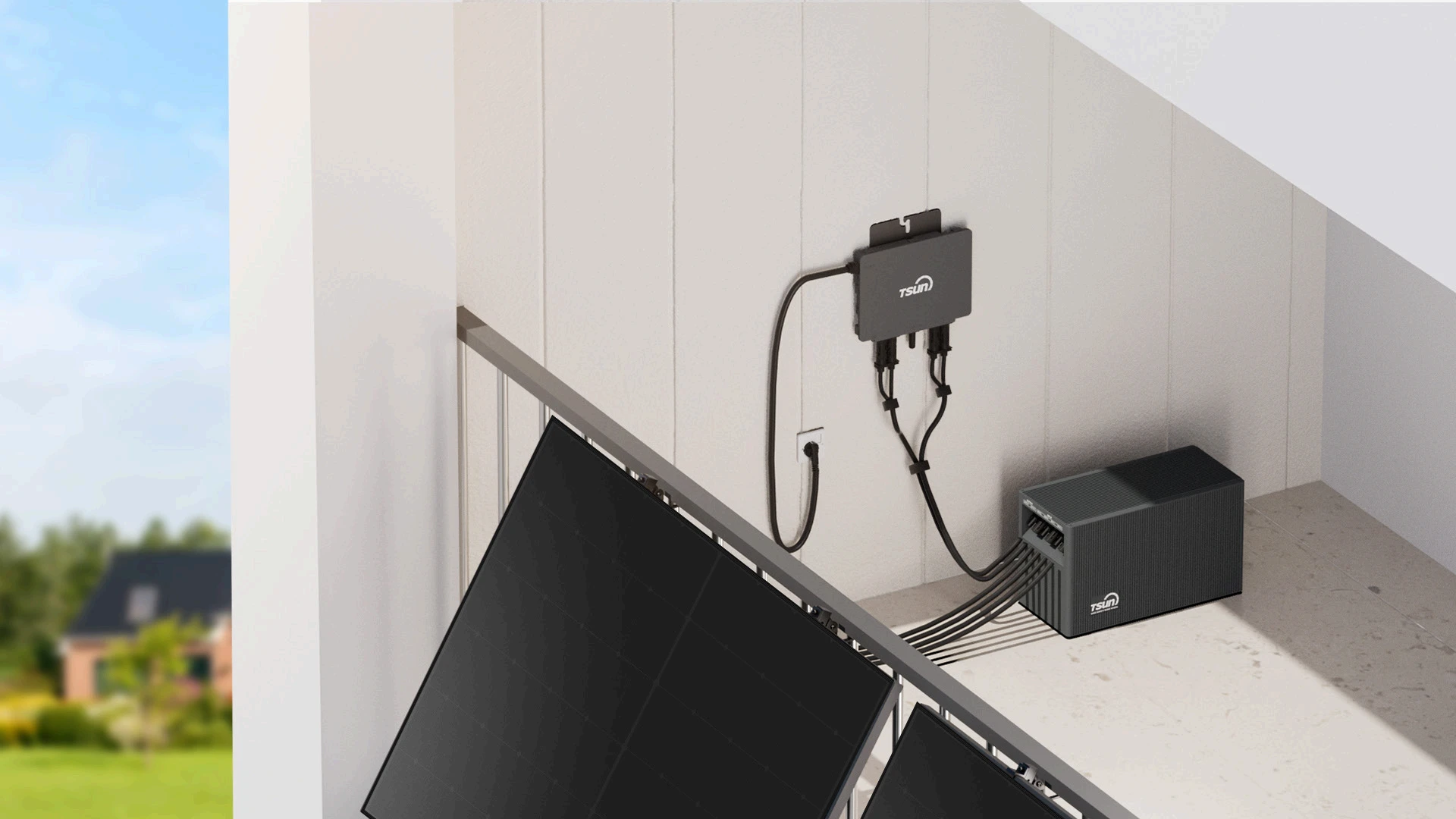
 Downloads
 Video Center
 Report Fault for Repair
 FAQS
FAQS Service Network
 Privacy Policy
 Contact Us
 Monitoring


 LEARN MORE