Battery Storage for Home: A Practical Look from an Industrial Insider
Having spent quite a few years working hands-on in the industrial equipment sector, I’ve seen how the energy landscape has shifted dramatically. Battery storage for home isn’t just a buzzword anymore; it’s becoming downright essential, especially for folks aiming to gain independence from unreliable grids or simply wanting to pair solar panels with a reliable power reserve. Oddly enough, many homeowners underestimate just how much engineering and testing goes into these systems before they ever reach their walls.
I suppose what fascinates me most is how these home battery systems have evolved. Gone are the days when bulky lead-acid batteries dominated the scene — today, you’ll mostly find lithium-ion variants that strike a nice balance between energy density, safety, and lifespan. It feels like every product is a small marvel of materials science and clever electronics, and the companies behind them are pushing hard on R&D to extend cycle life and improve energy efficiency.
For example, manufacturers perform rigorous testing to ensure these batteries withstand not just months, but years of daily charge and discharge cycles, often simulating accelerated aging to guarantee warranties hold water. It’s all about reliability — after all, nobody wants their home energy storage to fail during an outage or a critical moment.
Key Specs to Watch For in Home Battery Storage
| Specification |
Typical Values |
Why It Matters |
| Battery Chemistry |
Lithium-ion NMC |
Higher energy density and longevity |
| Usable Capacity |
5 – 13 kWh |
How much energy you can actually draw |
| Round-Trip Efficiency |
85% – 95% |
Energy lost during charge/discharge cycles |
| Cycle Life |
3500+ cycles |
Battery lifespan in typical use |
| Operating Temp Range |
-10°C to 50°C (14°F to 122°F) |
Suitability for various climates |
| Warranty |
10 years or 6000 cycles |
Manufacturer confidence and consumer protection |
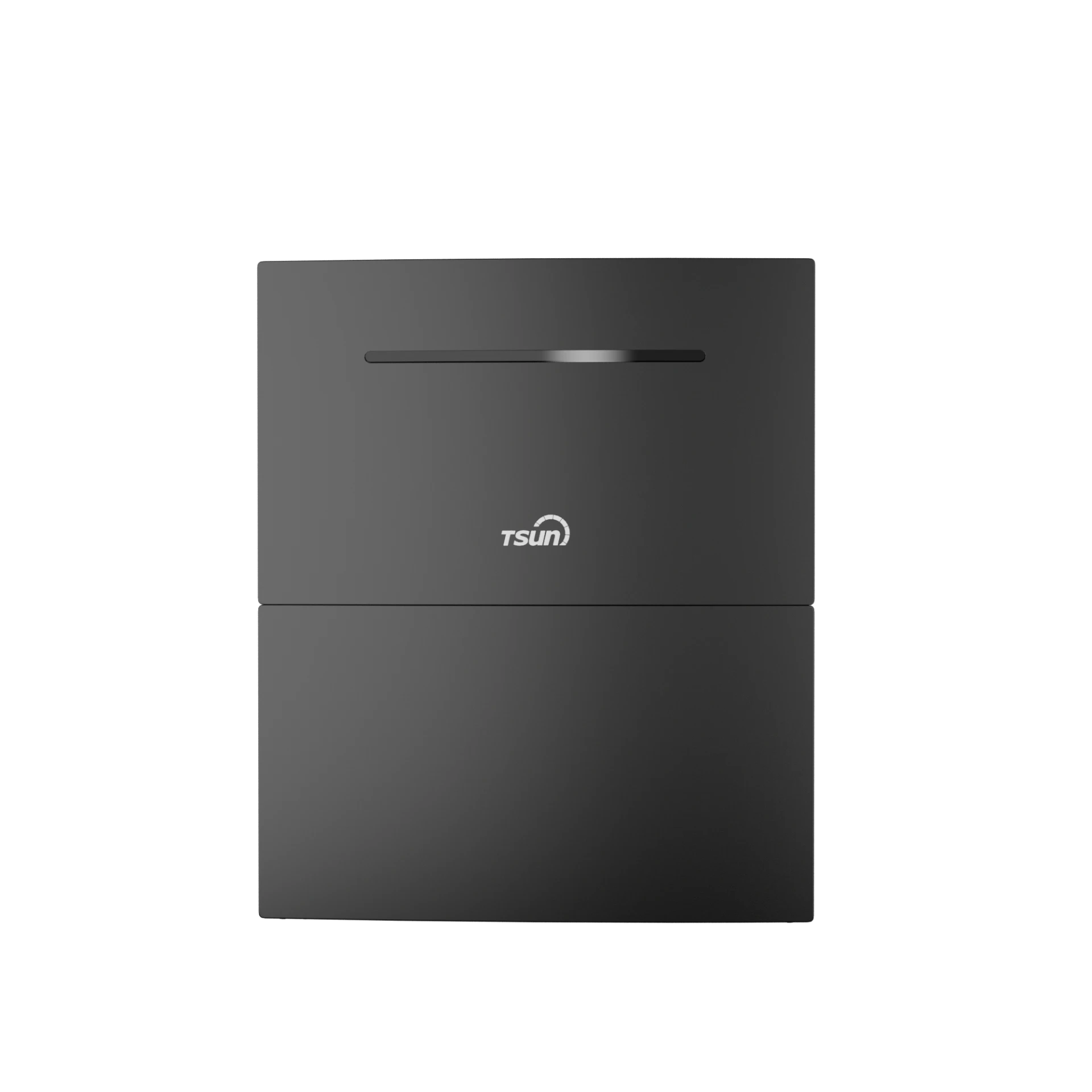
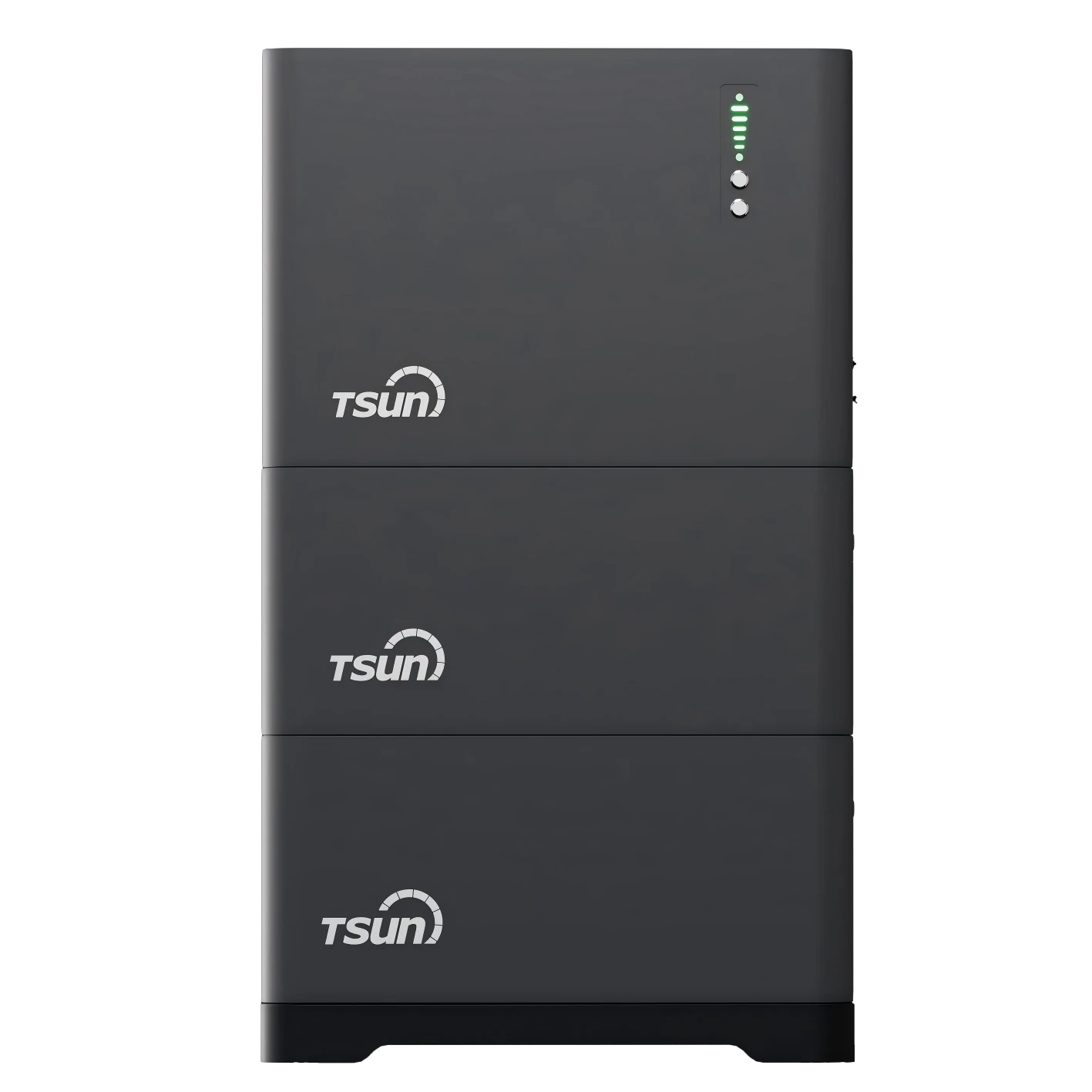
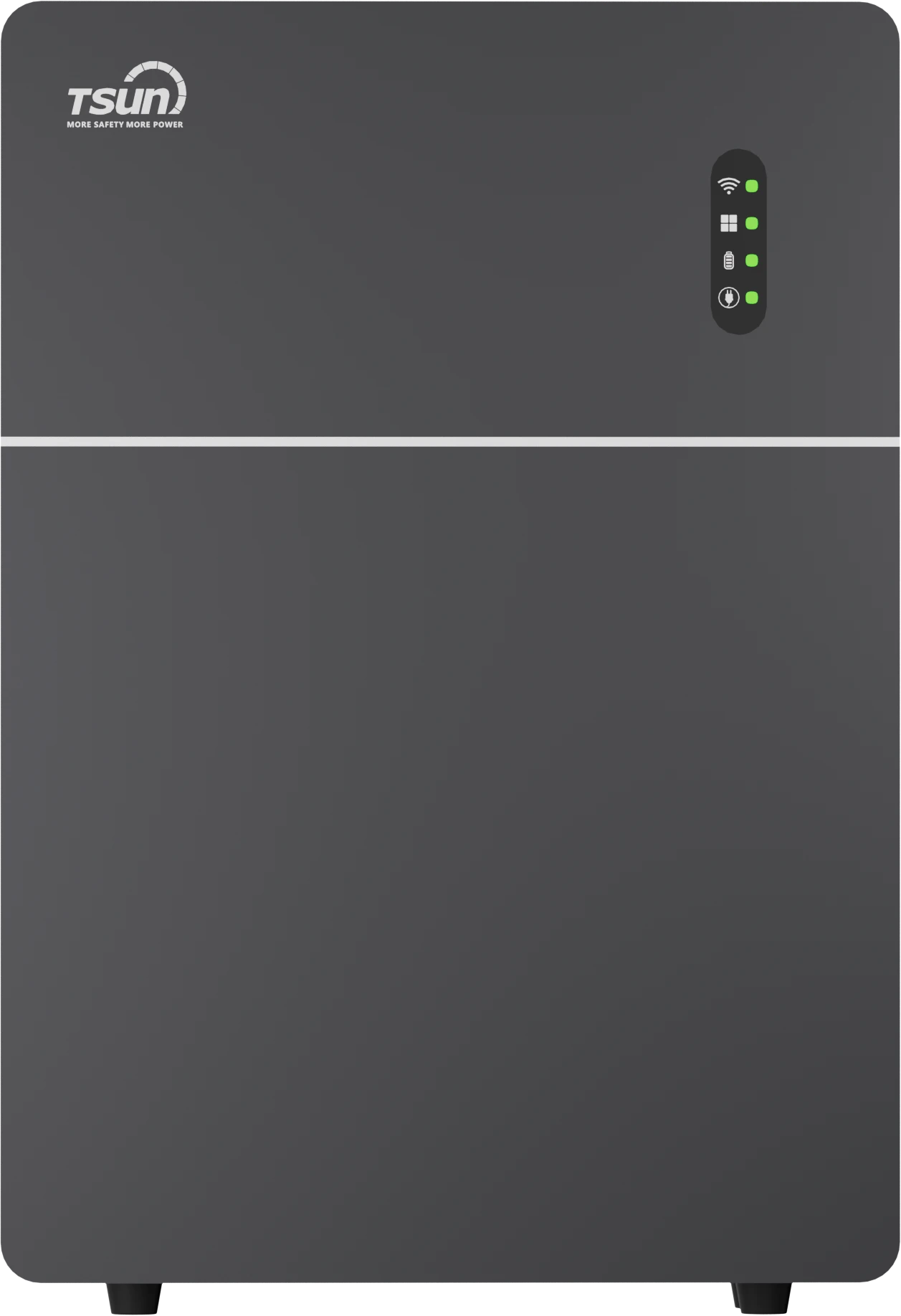
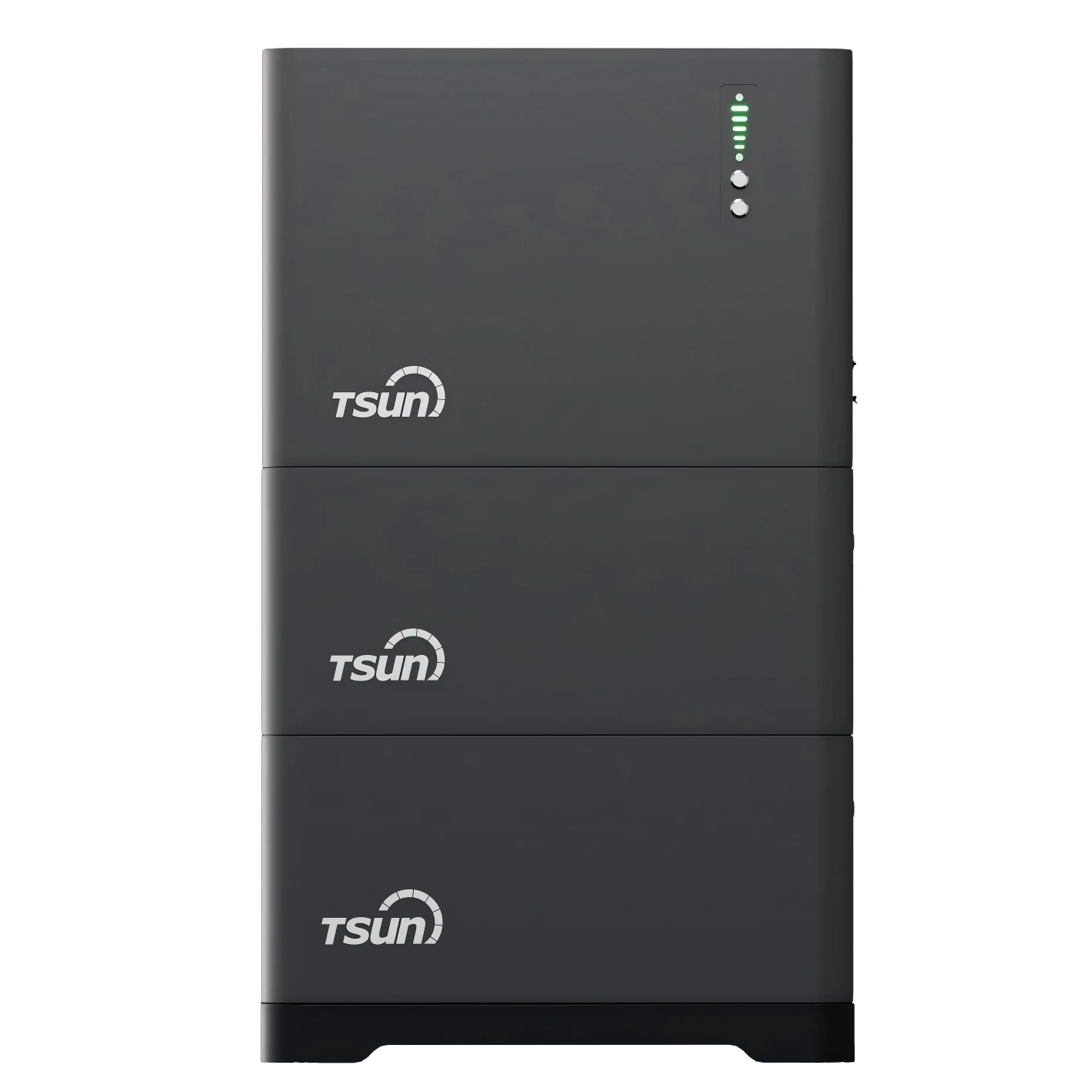
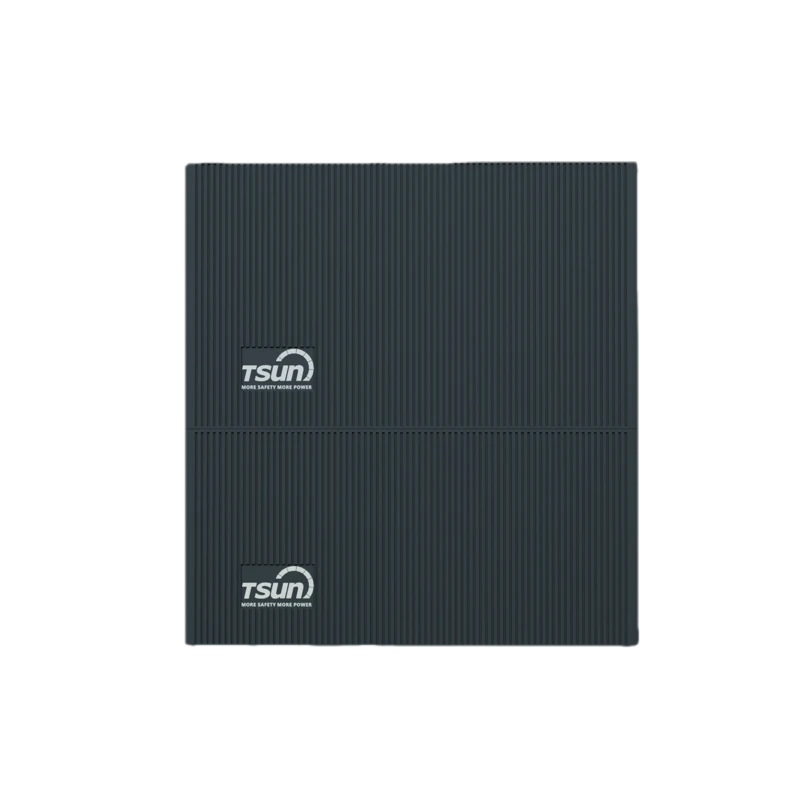
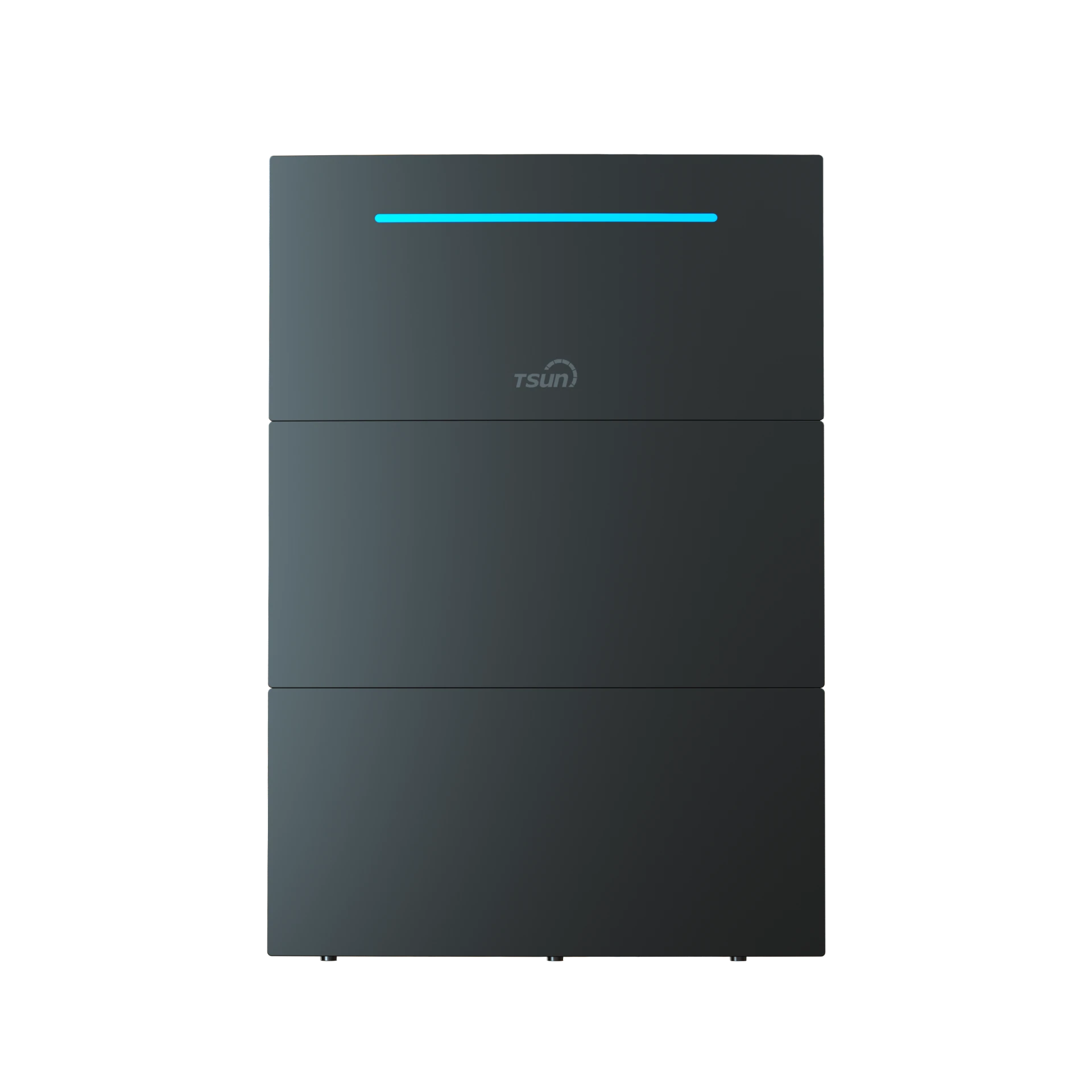
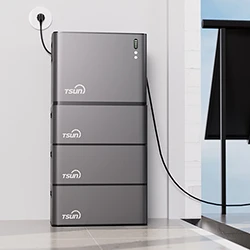
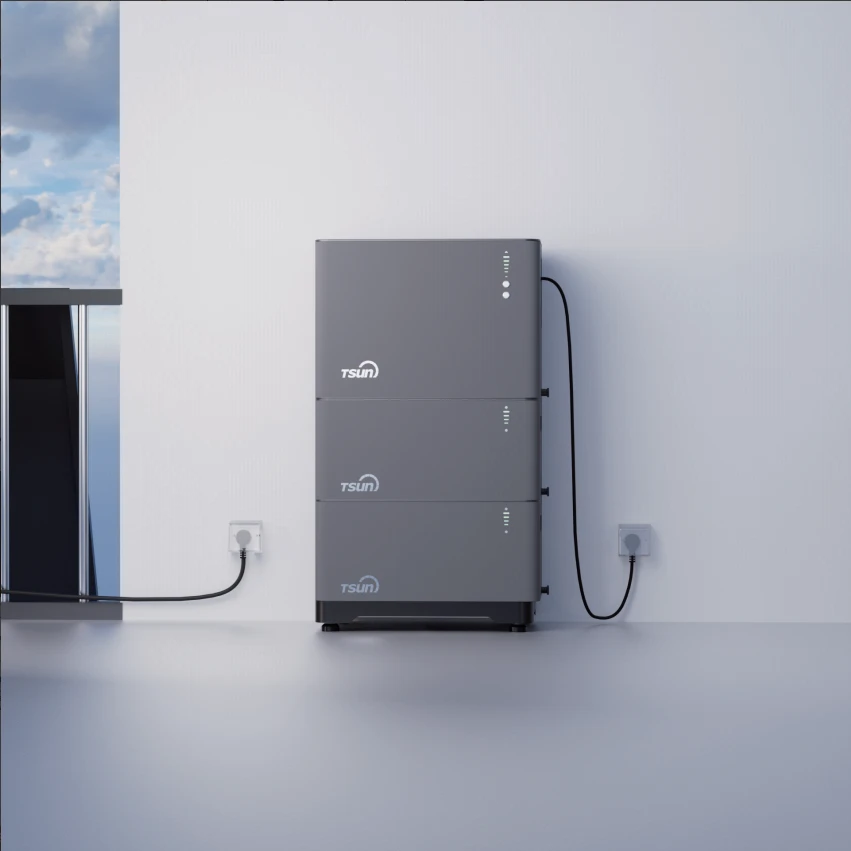
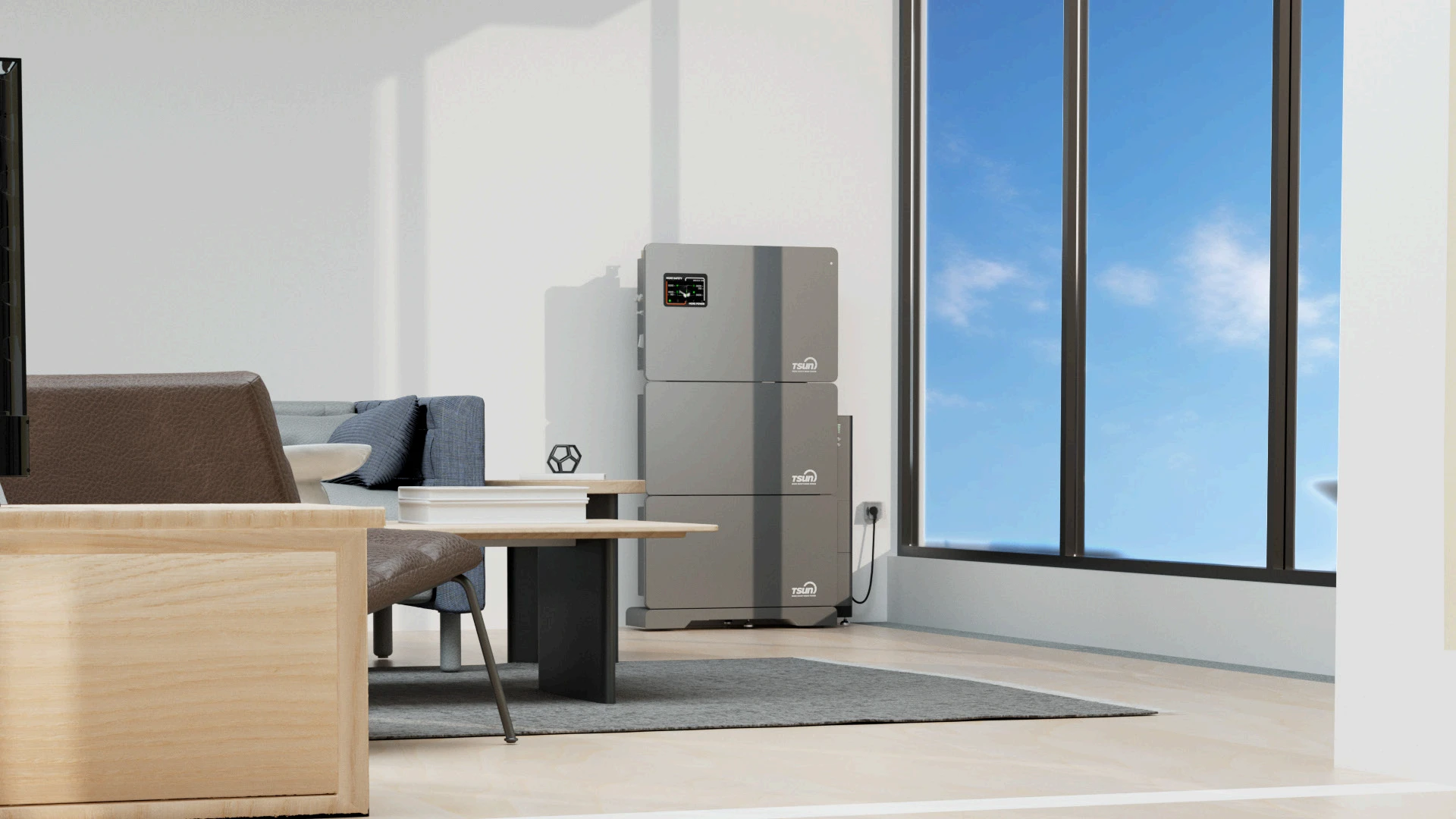
Now, if you’re thinking about which battery storage for home to pick, you’ll want something customizable, modular, and backed by transparent specs. I recall one customer, let’s call her Jane, who wanted to balance her occasional power outages with solar functionality—she ended up with a modular system that let her scale capacity over time without replacing the entire bank. That flexibility is a real boon.
Quick Comparison: Leading Home Battery Vendors
| Vendor |
Capacity Range (kWh) |
Warranty |
Chemistry |
Special Features |
| TSUN ESS |
5 – 10 kWh |
10 years / 6000 cycles |
Lithium-ion NMC |
Highly modular & remote monitoring |
| Tesla Powerwall |
13.5 kWh |
10 years / limited cycles |
Lithium-ion NCA |
Integrated solar inverter compatibility |
| LG Chem RESU |
6.5 – 9.8 kWh |
10 years / 6000 cycles |
Lithium-ion NMC |
Compact design, easy installation |
| Sonnen Eco |
5 – 15 kWh |
10 years / 10,000 cycles |
Lithium Iron Phosphate (LiFePO4) |
Advanced energy management system |
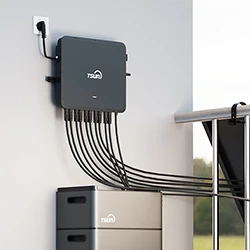
From my industry perspective, it’s clear that each vendor tries to differentiate through either chemistry tweaks, modularity, or software. I tend to appreciate products like those from TSUN ESS which focus on scalable capacity and practical remote monitoring — in real terms, that means you get notified early if maintenance or troubleshooting is needed, something many engineers say is a game changer.
Frankly, choosing the right home battery shouldn’t just be about raw specs or price. It’s more about understanding your household’s energy usage patterns, future plans, and, I suppose, how much smart tech you want managing that power behind the scenes. Installation quality, support, and long-term warranty honor are just as important — you don’t want surprises after a few years.
In closing, battery storage at home feels like opening a door to energy autonomy. It’s a market still growing fast, with improvements coming in safety, design, and integration. For homeowners willing to learn a bit and invest wisely, these systems can protect from outages, save money, and frankly, reduce that carbon footprint just a tad.
A little energy independence goes a long way.
References
- Industry reports on lithium-ion battery aging and safety
- Customer testimonials from home solar and battery installation projects
- Technical whitepapers from leading battery manufacturers








 LEARN DETAILS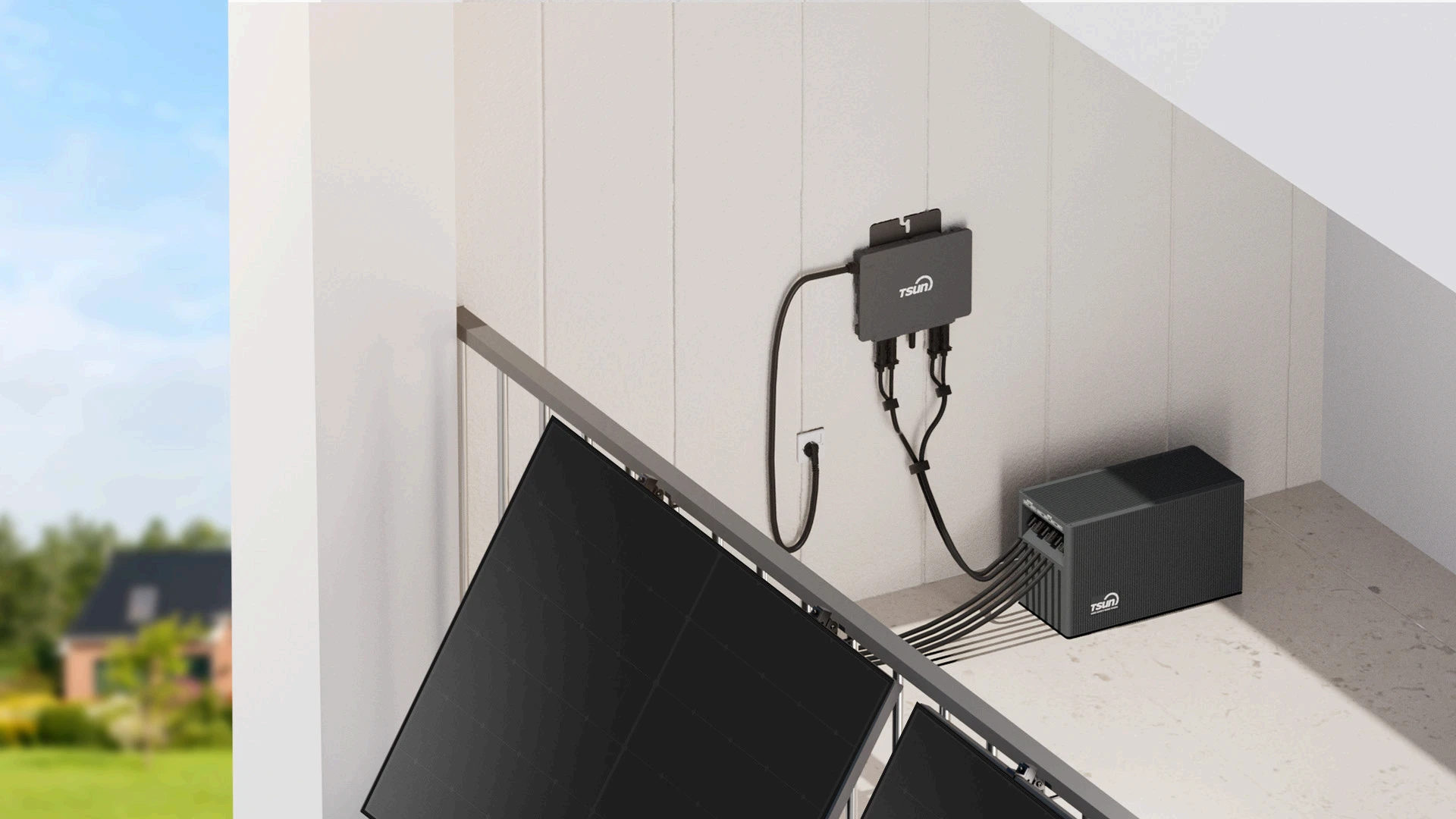

 Downloads
 Video Center
 Report Fault for Repair
 FAQS
FAQS Service Network
 Privacy Policy
 Contact Us
 Monitoring


 LEARN MORE