Understanding Energy Storage Inverters: A Comprehensive Guide
In today’s rapidly evolving energy landscape, energy storage inverters are playing a pivotal role in maximizing the benefits of renewable energy sources like solar and wind. These sophisticated devices convert the direct current (DC) electricity generated by batteries into alternating current (AC) electricity, powering our homes and businesses. This article will delve into the world of energy storage inverters, exploring their types, key features, benefits, and how to choose the right one for your needs. Understanding these crucial components is key to harnessing the full potential of energy storage systems.
What is an Energy Storage Inverter and Why is it Important?
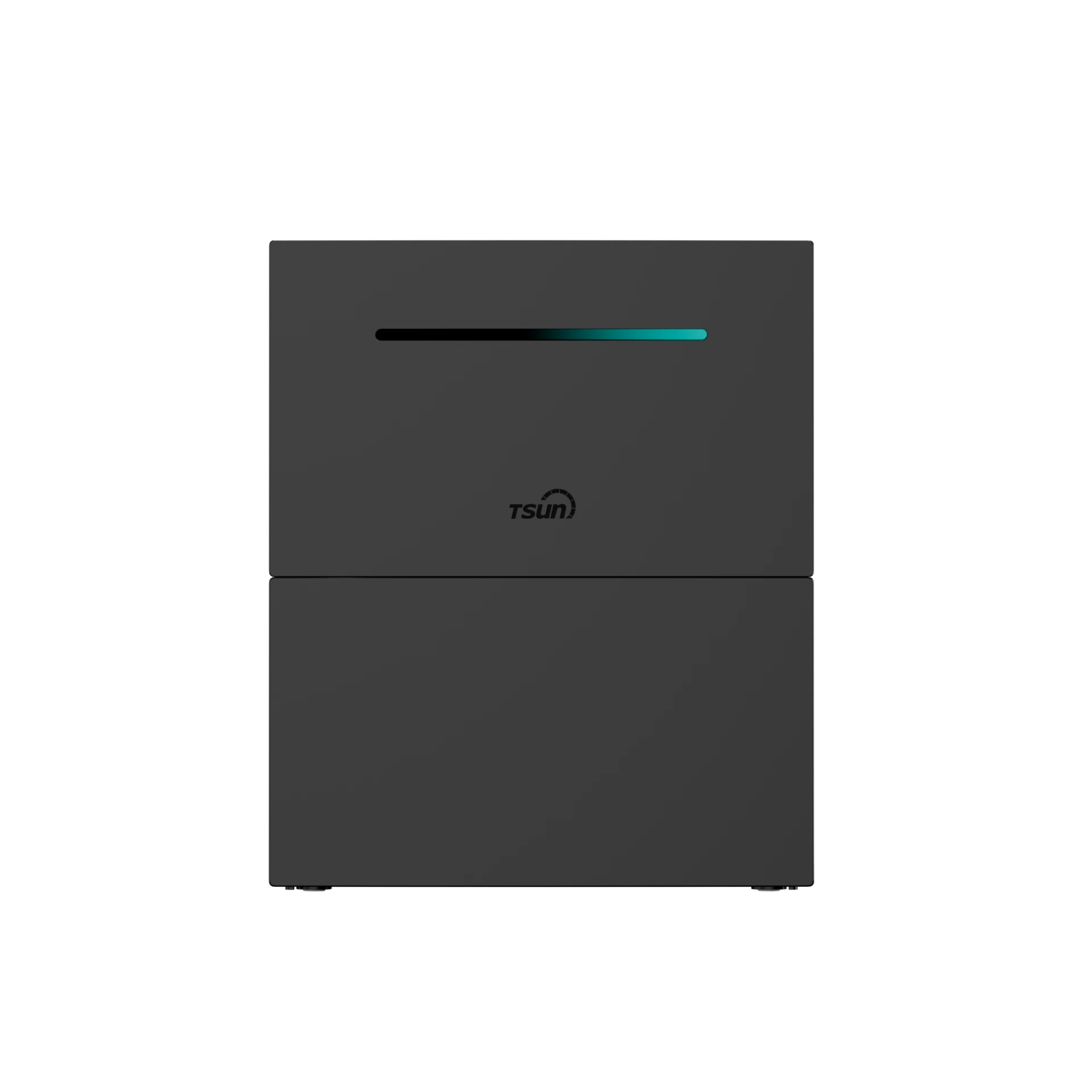
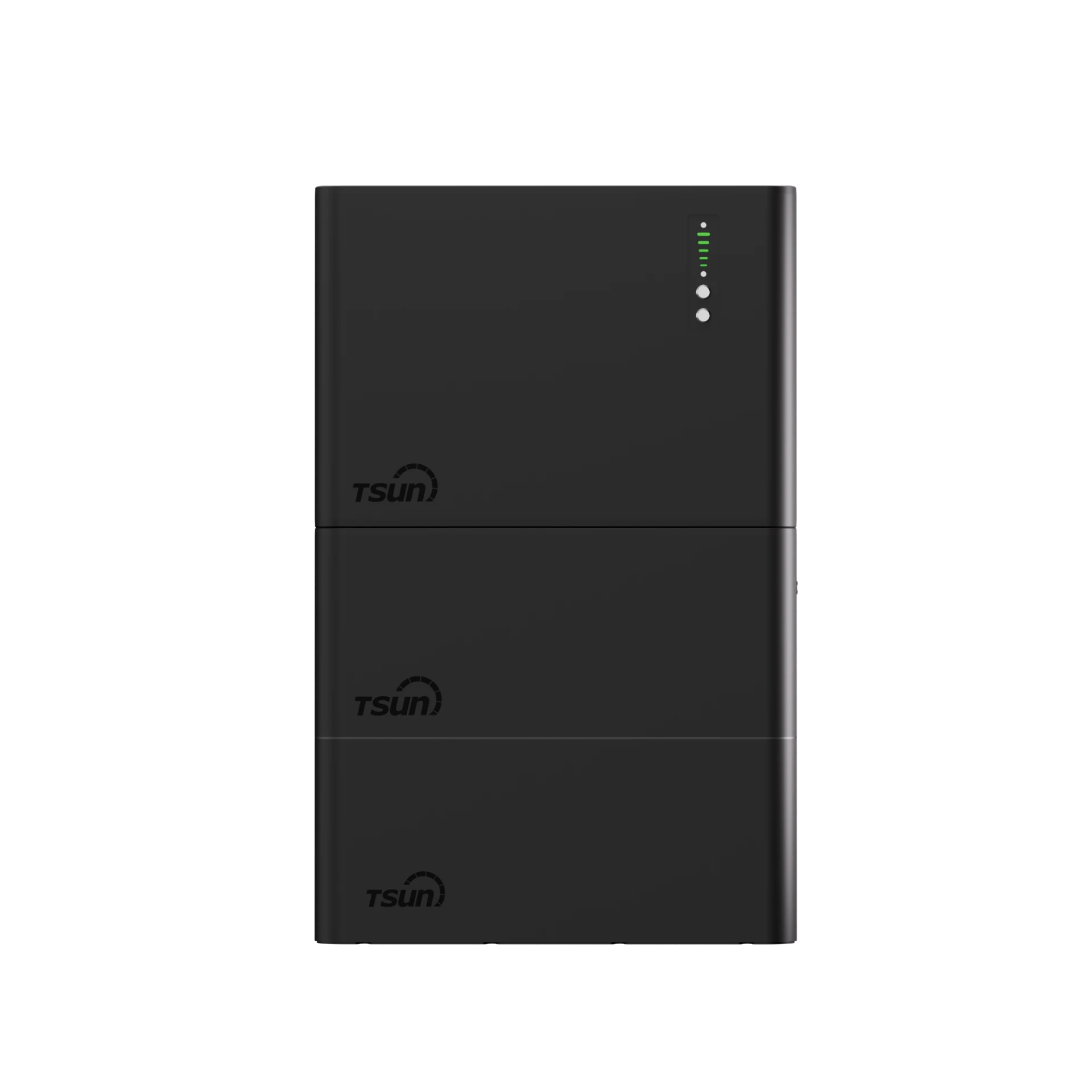
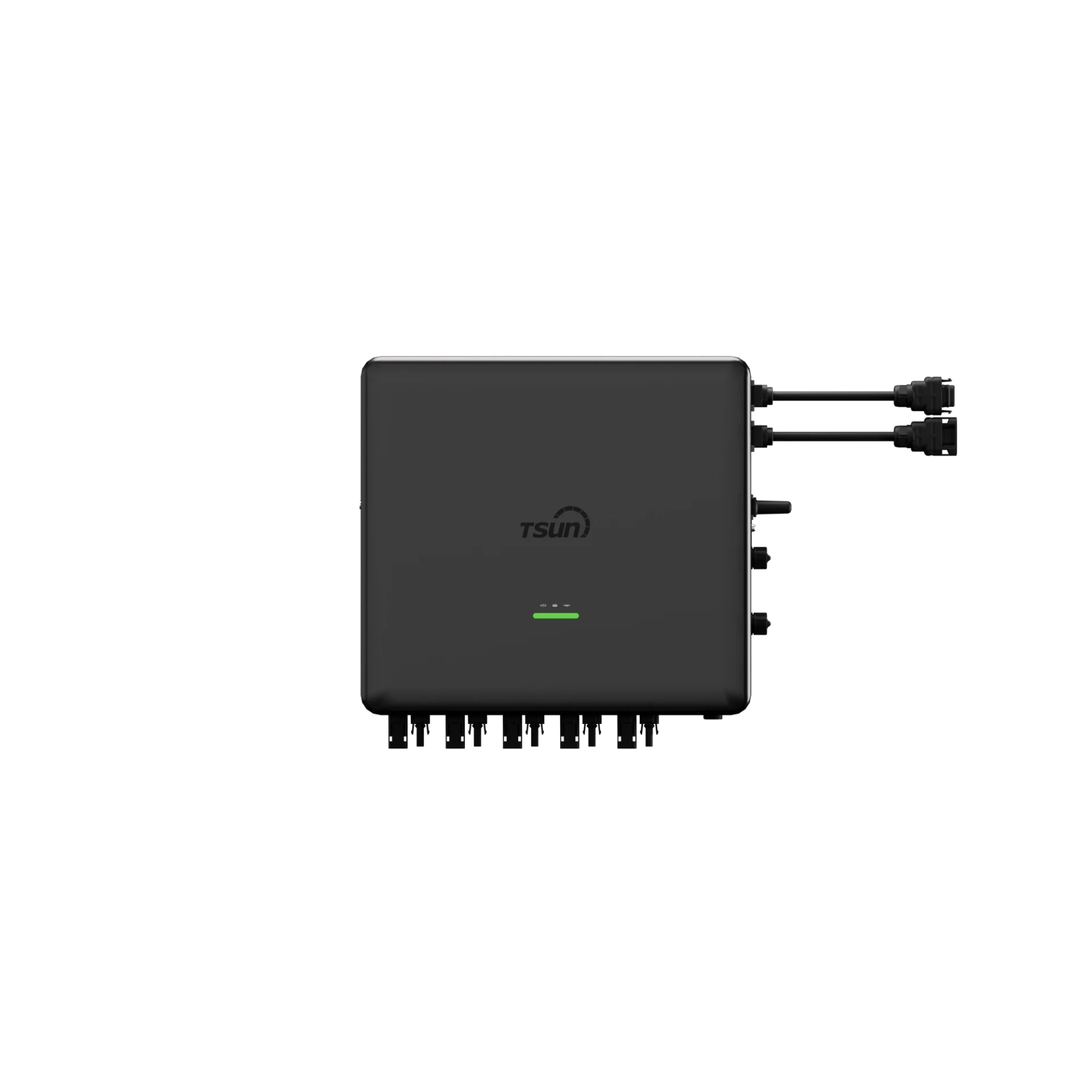
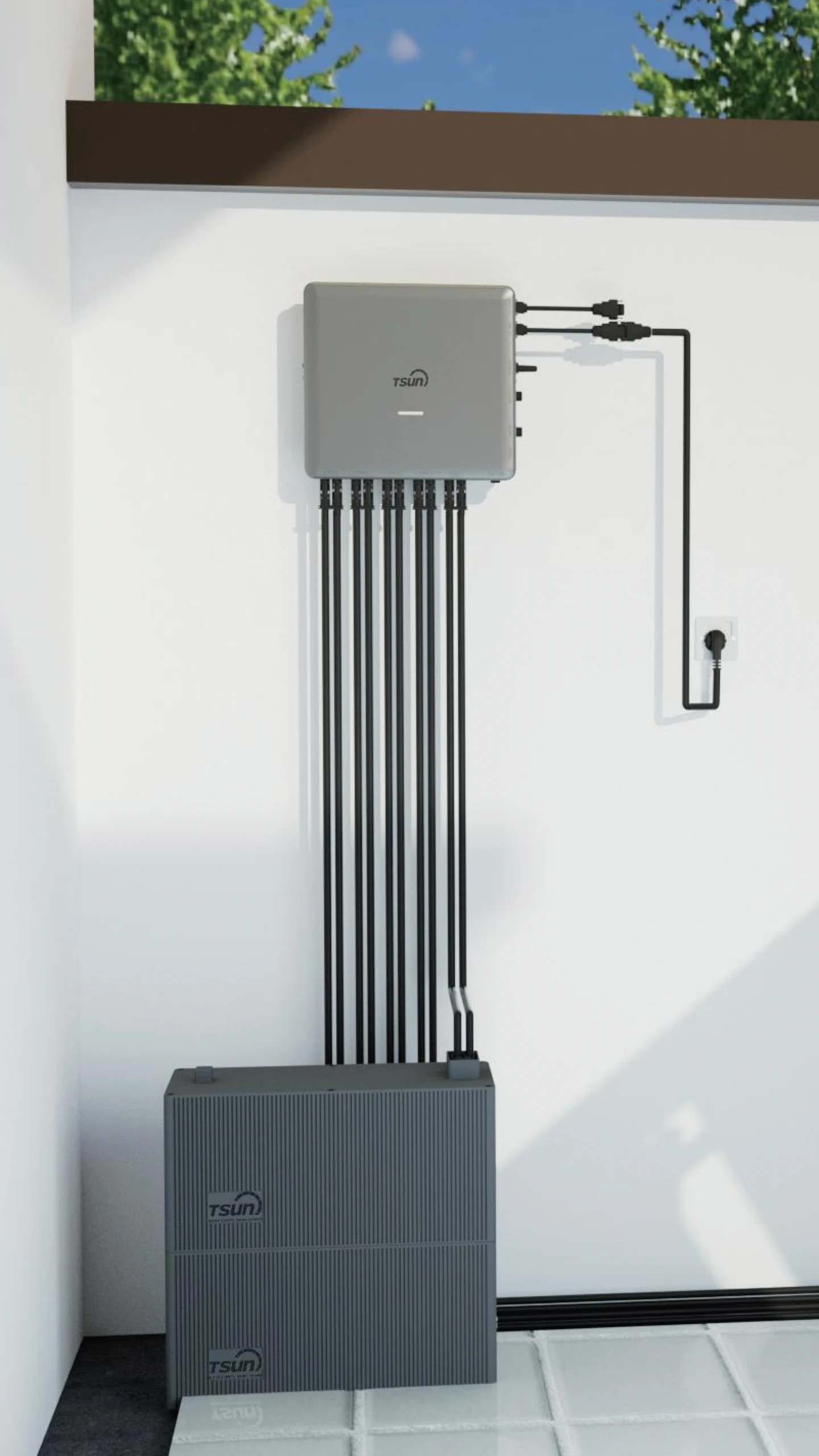
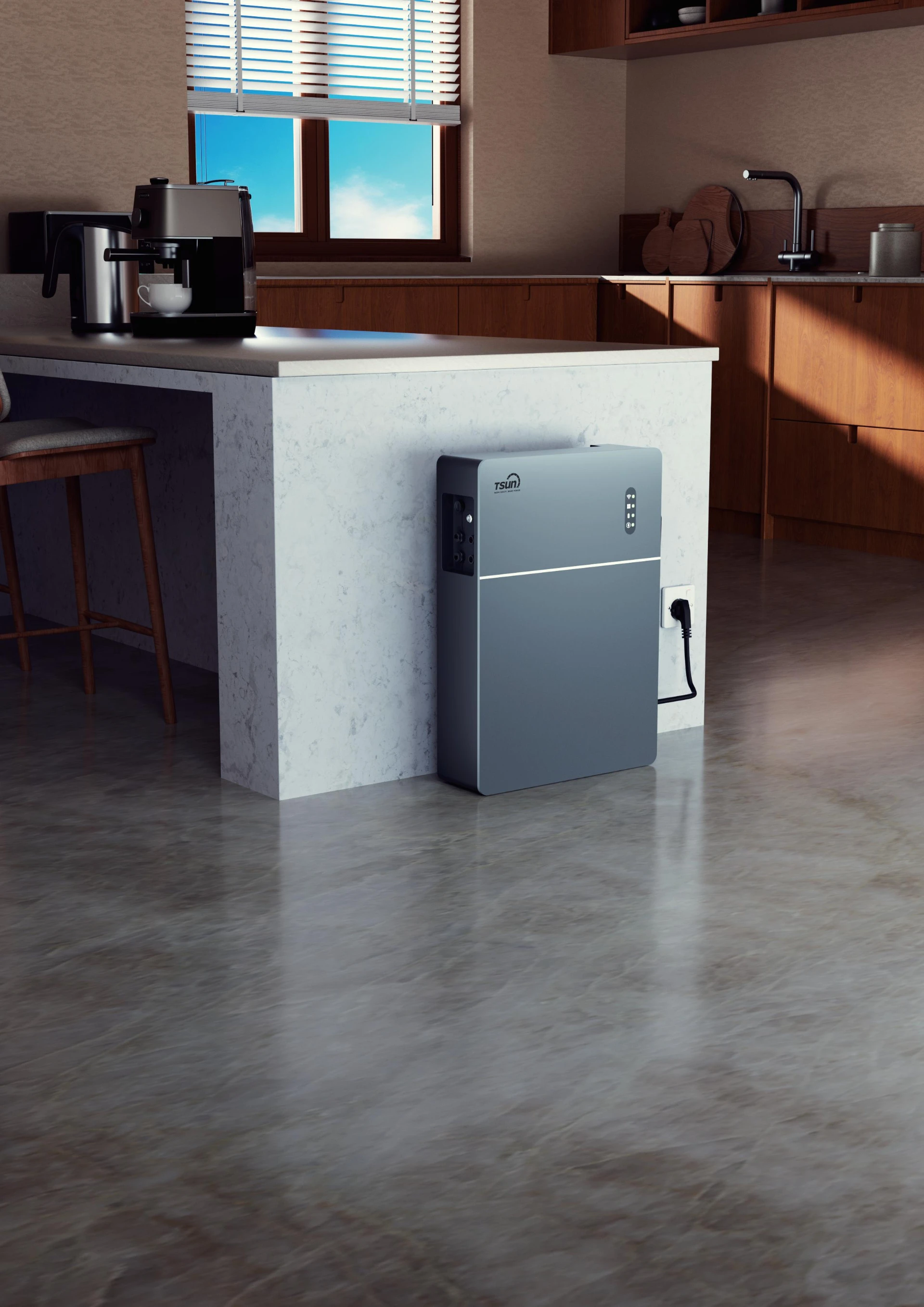
An energy storage inverter isn’t just a converter; it's the brain of your energy storage system. It manages the flow of electricity between your batteries, solar panels (if applicable), the grid, and your home or business. Its primary functions include converting DC to AC, maximizing self-consumption of solar power, providing backup power during outages, and potentially selling excess energy back to the grid. Without a reliable and efficient inverter, the potential benefits of energy storage are significantly diminished. Tsun-ESS offers a range of inverters designed to optimize energy storage performance.
Key Benefits: Maximize self-consumption, provide backup power, reduce reliance on the grid, and potentially earn revenue through grid services.
Types of Energy Storage Inverters
There are several types of energy storage inverters available, each with its own advantages and disadvantages. The three main types are:
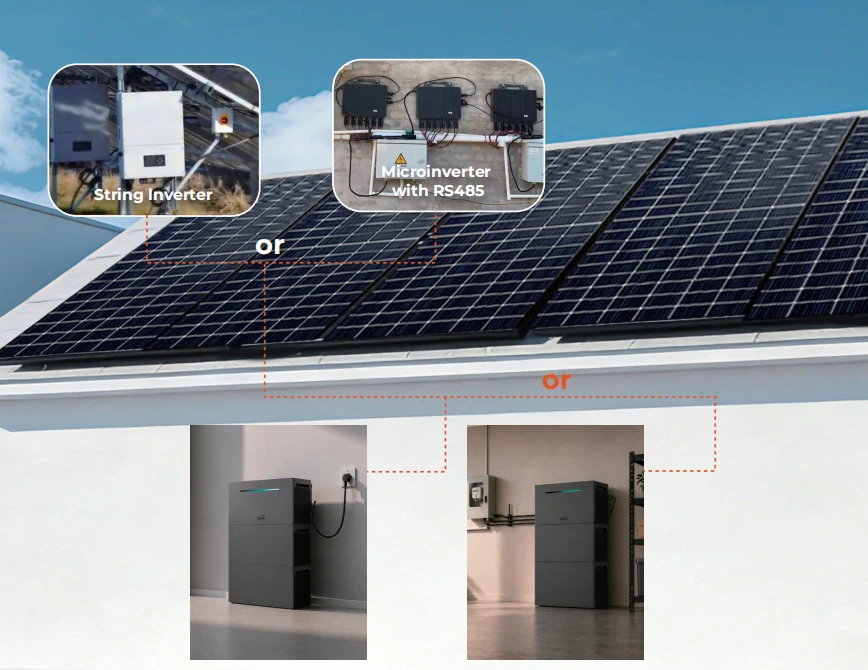
- String Inverters: These are the most common and cost-effective option. They connect to multiple solar panels (a string) and convert the DC electricity to AC. They can be used with batteries, but typically require additional equipment.
- Hybrid Inverters: These are specifically designed to work with both solar panels and batteries. They combine the functions of a solar inverter and a battery inverter into a single unit, simplifying installation and improving efficiency.
- AC-Coupled Inverters: These inverters connect to an existing grid-tied solar inverter and a separate battery inverter. This allows you to add energy storage to an existing solar system without replacing the existing inverter.
Key Features to Consider When Choosing an Energy Storage Inverter
Selecting the right energy storage inverter is crucial for optimizing your system's performance and longevity. Here are some key features to consider:
- Efficiency: Look for an inverter with high efficiency ratings to minimize energy losses during conversion.
- Power Capacity: Ensure the inverter's power capacity matches the size of your battery and your energy needs.
- Battery Compatibility: Verify the inverter is compatible with the type of battery you plan to use (e.g., lithium-ion, lead-acid).
- Grid Connectivity: Consider whether you need an inverter that can connect to the grid for net metering or backup power.
- Monitoring and Control: Choose an inverter with remote monitoring and control capabilities for easy system management.
Energy Storage Inverter Comparison: Hybrid vs. AC-Coupled
Deciding between a hybrid and AC-coupled inverter can be challenging. Here’s a comparison to help you make an informed decision:
| Feature |
Hybrid Inverter |
AC-Coupled Inverter |
| Cost |
Generally higher upfront |
Potentially lower upfront if you already have a solar inverter |
| Efficiency |
Higher due to integrated design |
Slightly lower due to multiple conversion stages |
| Complexity |
Simpler installation |
More complex installation |
| Flexibility |
Less flexible for adding storage to existing systems |
Ideal for retrofitting storage to existing solar |
The Future of Energy Storage Inverters
Energy storage inverter technology is constantly evolving. We can expect to see continued improvements in efficiency, power capacity, and smart grid integration. New features like advanced grid support functions and optimized battery management algorithms will further enhance the benefits of energy storage. As the demand for renewable energy continues to grow, the role of the energy storage inverter will become increasingly important. Tsun-ESS is at the forefront of this innovation, developing cutting-edge inverters to meet the needs of a sustainable future.
Conclusion: Empowering a Sustainable Future with Smart Inverters
Choosing the right energy storage inverter is a critical step towards maximizing the benefits of renewable energy. By understanding the different types, key features, and future trends, you can make an informed decision that aligns with your energy needs and sustainability goals. Invest in a reliable and efficient inverter to unlock the full potential of your energy storage system.
Frequently Asked Questions (FAQs)
What is the typical lifespan of an energy storage inverter?
The lifespan of an energy storage inverter typically ranges from 10 to 15 years, but this can vary depending on factors like operating conditions, load, and maintenance. Higher-quality inverters generally have longer lifespans. Regular maintenance, proper ventilation, and avoiding extreme temperatures can all help extend the life of your inverter. It’s also important to consider the warranty offered by the manufacturer, as this can provide coverage for potential issues.
How do I size an inverter for my energy storage system?
Sizing an inverter correctly is crucial for optimal performance. You need to consider the total DC power of your solar panels (if applicable) and the AC power demand of your home or business. The inverter’s capacity should be slightly larger than the maximum AC load to accommodate peak demand. It’s best to consult with a qualified energy storage professional to ensure accurate sizing and avoid undersizing or oversizing the inverter. Tsun-ESS can provide expert guidance on system sizing.
Can an energy storage inverter work without solar panels?
Yes, an energy storage inverter can absolutely work without solar panels. In this scenario, the inverter manages the flow of electricity between the grid, the batteries, and your home or business. You’ll be able to store energy from the grid during off-peak hours and use it during peak hours, reducing your electricity bills. This is a useful setup for time-of-use billing or for providing backup power.
What safety features should I look for in an energy storage inverter?
Safety is paramount when dealing with electrical systems. Look for inverters with built-in safety features such as overvoltage protection, overcurrent protection, ground fault detection, and thermal protection. Compliance with relevant safety standards (e.g., UL, IEC) is also crucial. Regular inspections and maintenance are essential to ensure continued safe operation.






 LEARN DETAILS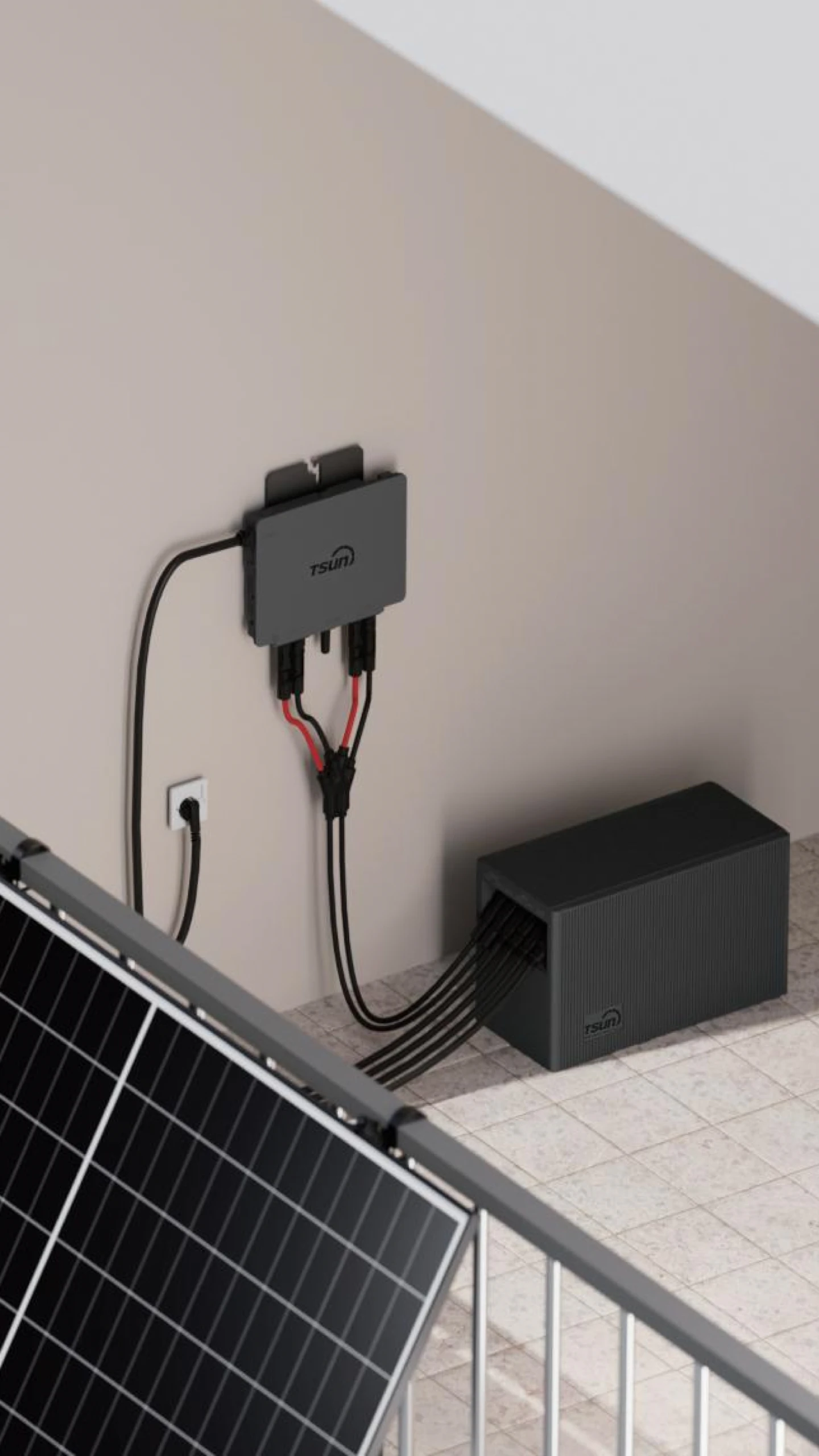
 Downloads
 Video Center
 Report Fault for Repair
 FAQS
FAQS Service Network
 Privacy Policy
 Contact Us
 Monitoring


 LEARN MORE