Solar Energy Storage System is a key solution in the industry, specifically within renewable energy and industrial power management. This article explores how https://www.tsun-ess.com supports professionals with durable, high-performance products, and explains why this product is an ideal choice for businesses in these sectors.
Table of Contents
At its core, a Solar Energy Storage System captures and stores electricity generated by solar panels, making it available whenever needed—even when the sun’s gone down. This capability is a game-changer for industries aiming to enhance energy autonomy and reliability. Frankly, it’s the silent backbone that turns solar generation from something intermittent to something you can count on around the clock.
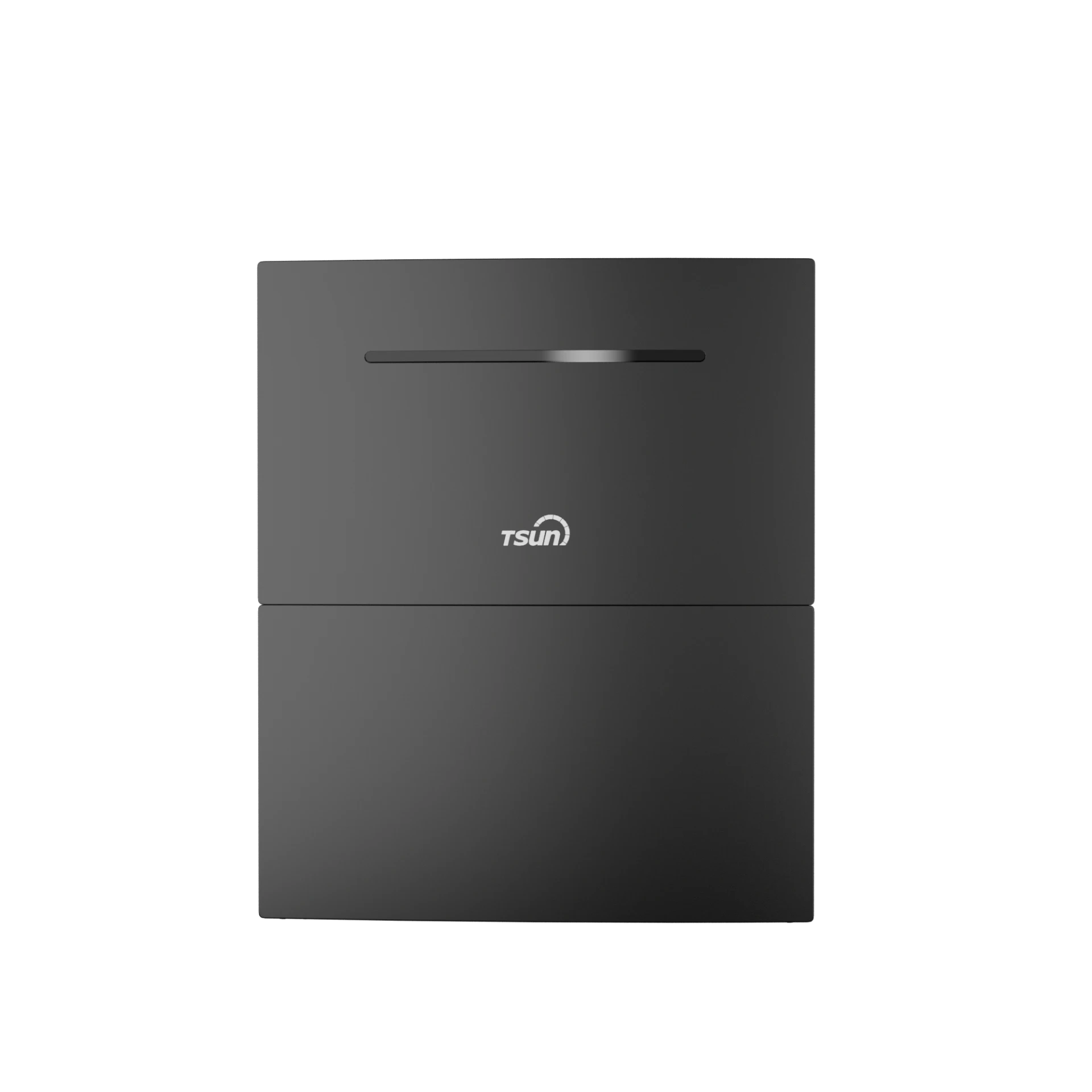
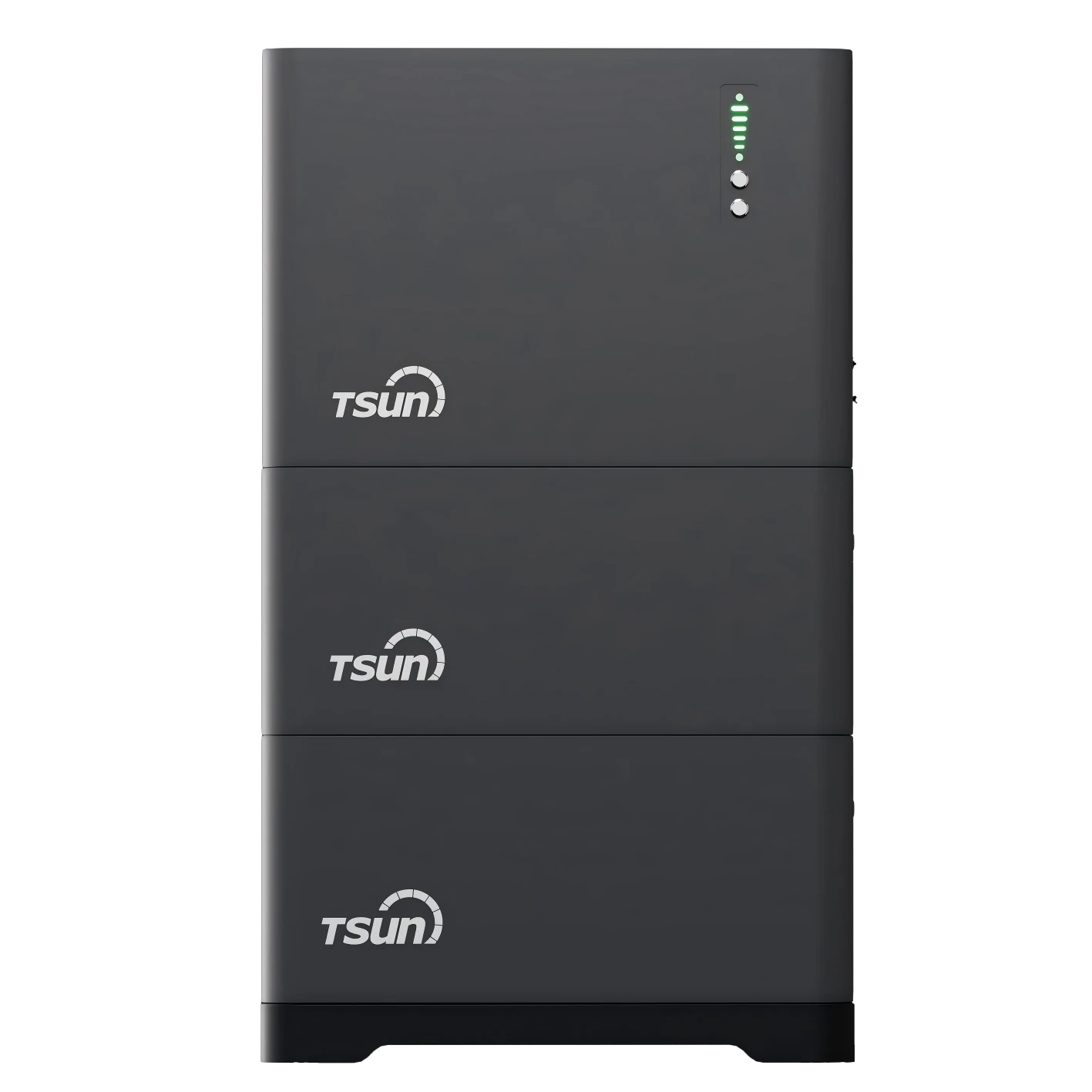
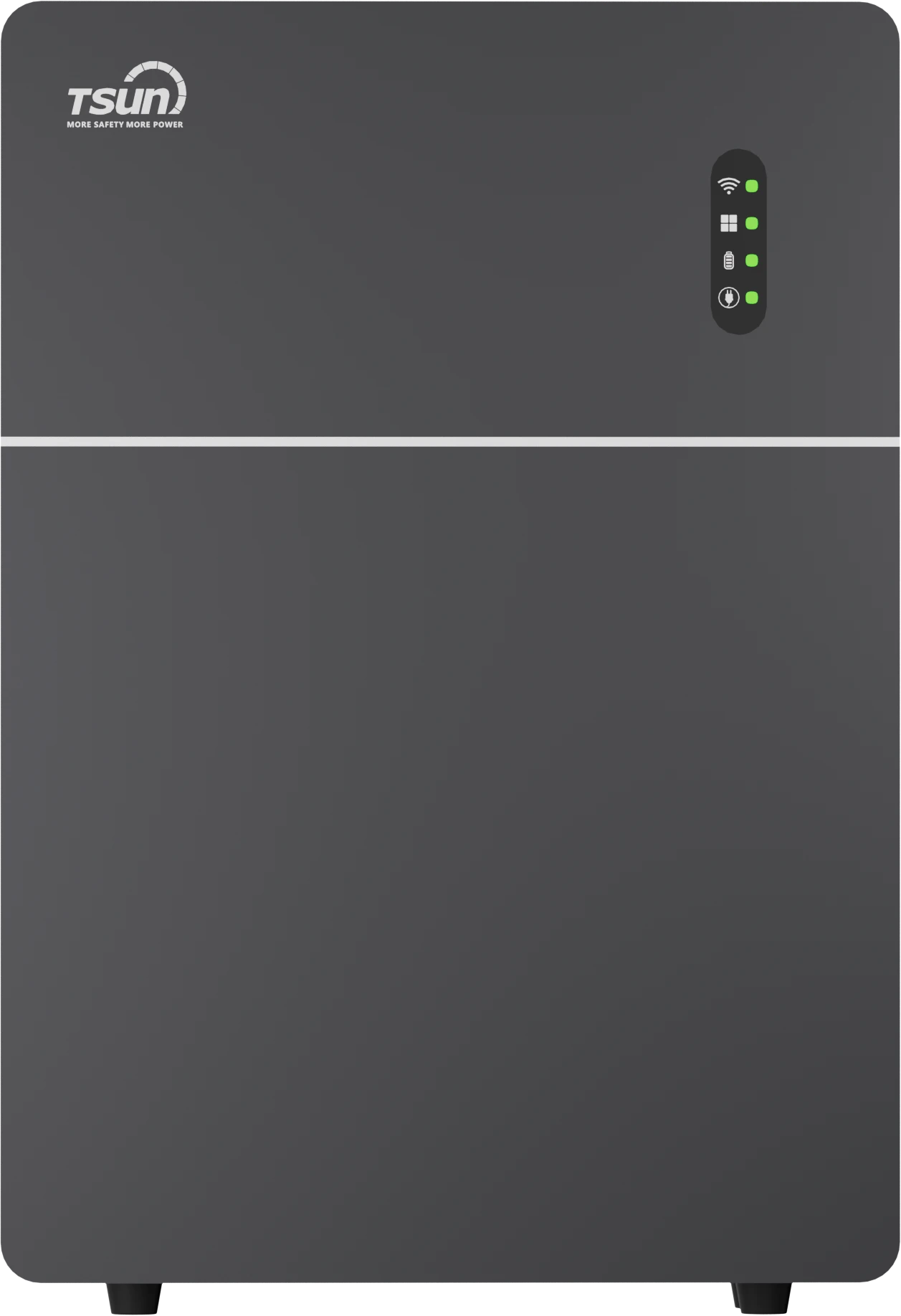
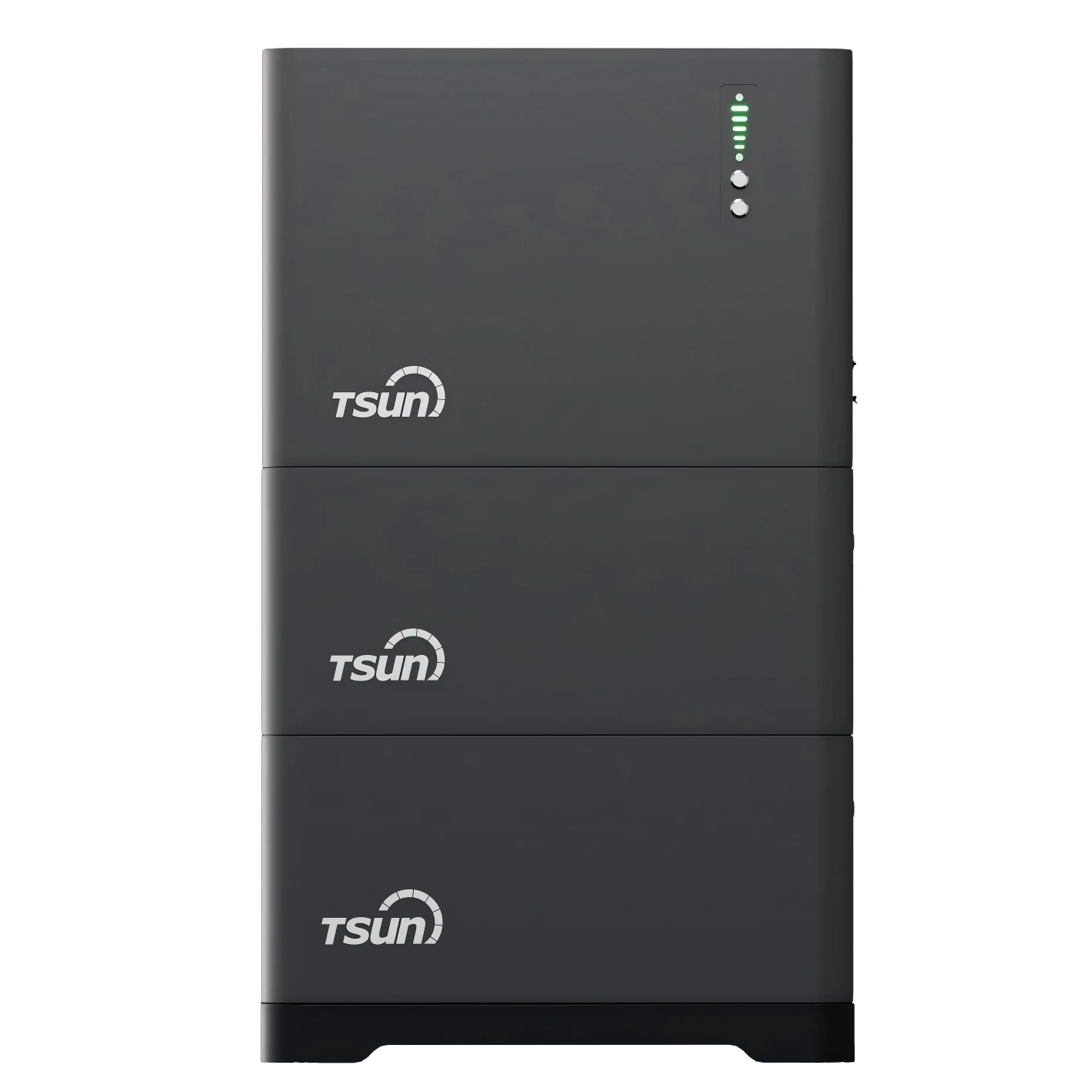
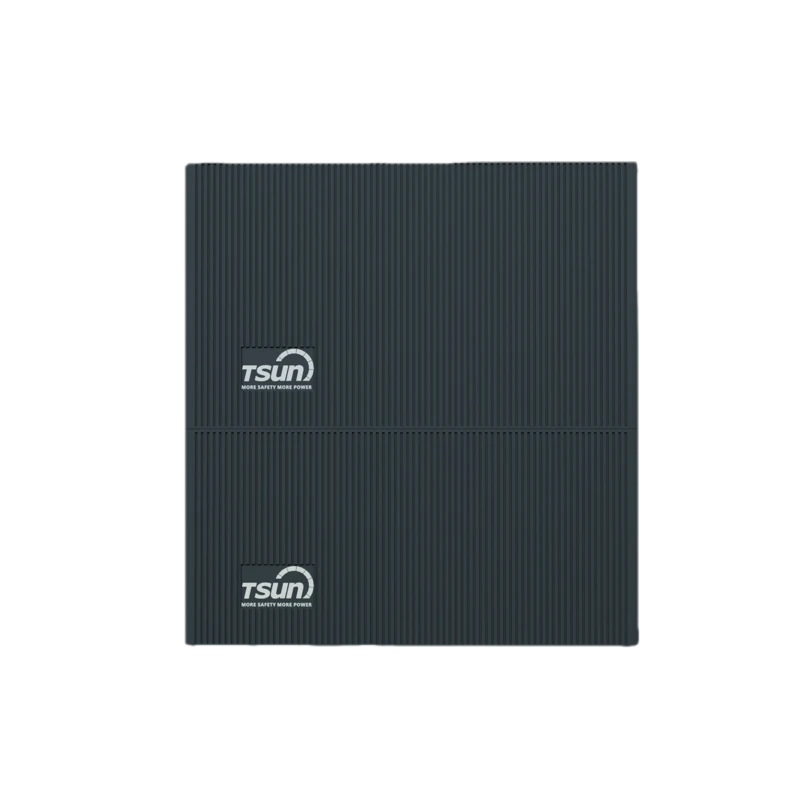
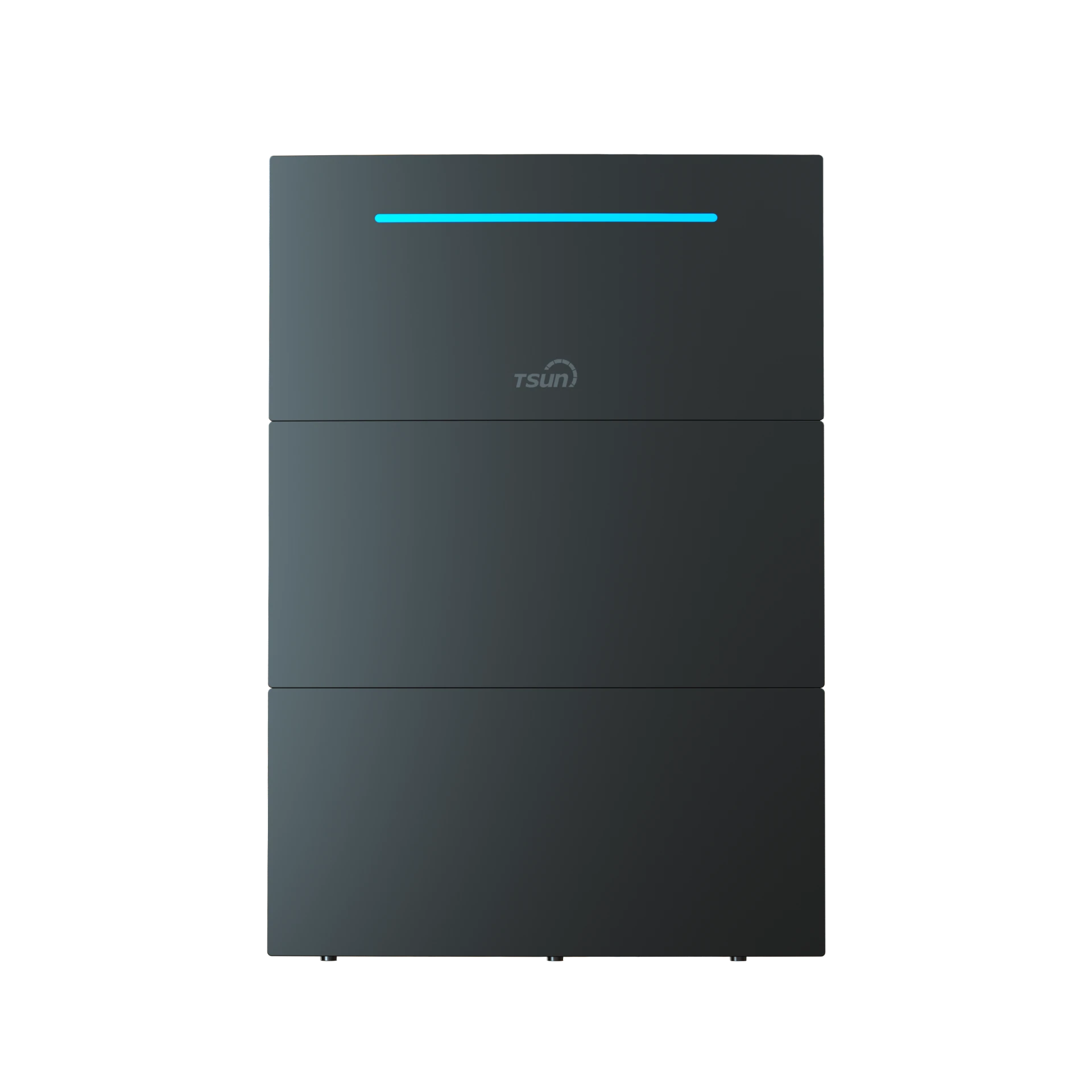
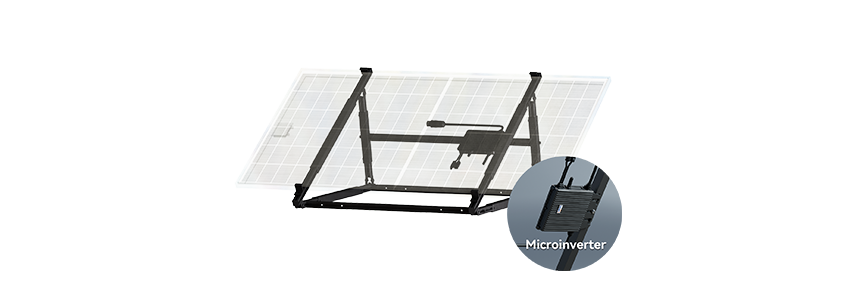
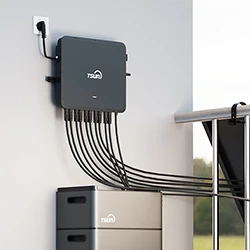
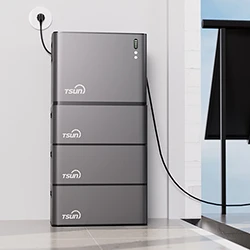
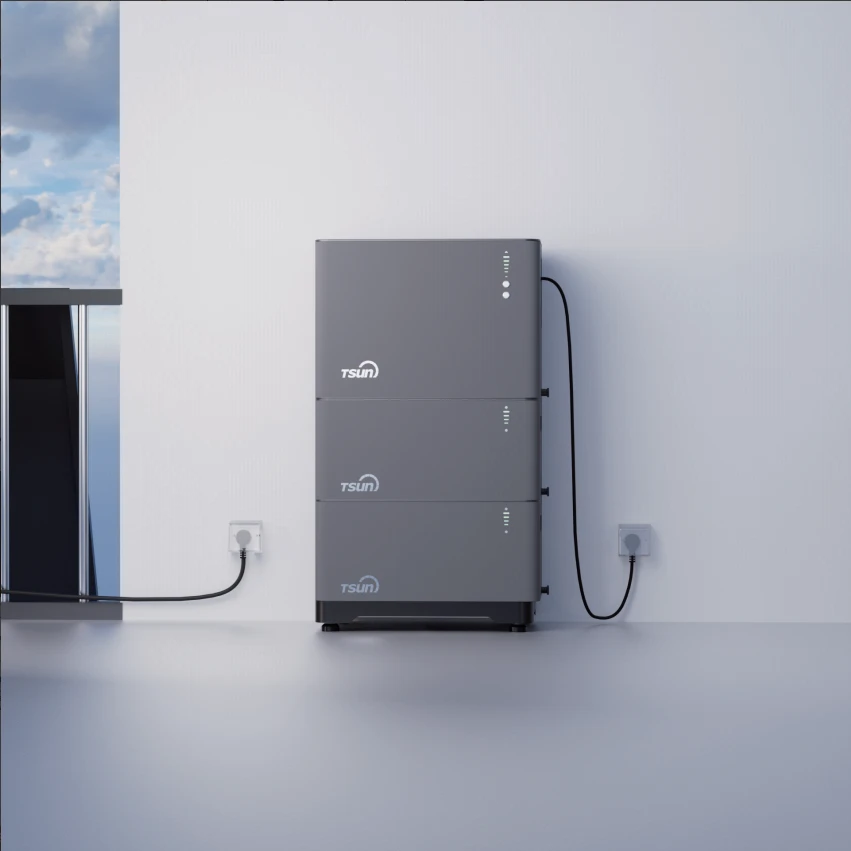
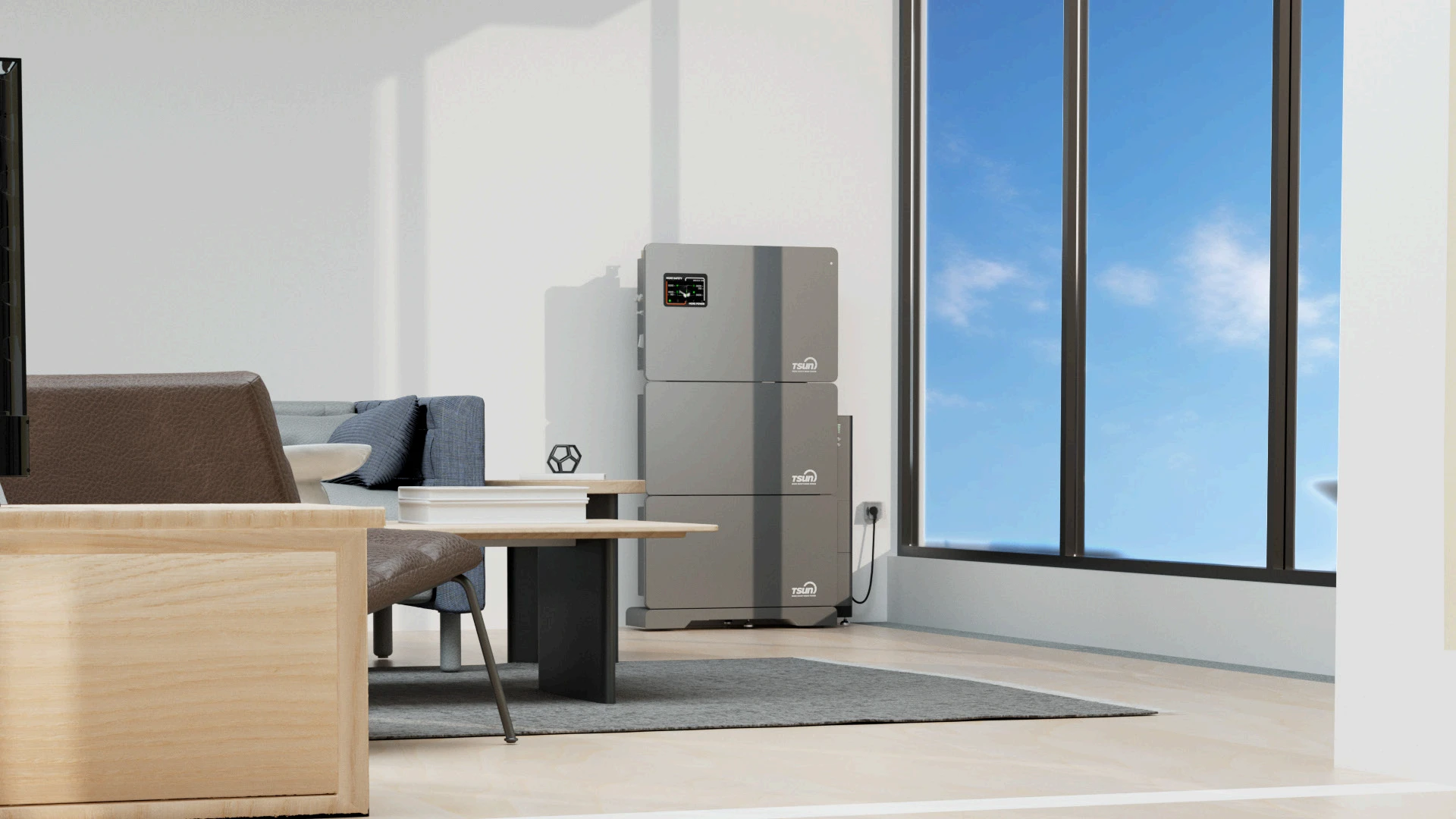
Technically speaking, these systems often use advanced lithium-ion batteries housed in rugged modular enclosures, optimized for performance and longevity. For instance, TSUN ESS systems feature scalable capacities ranging from 50 kWh to over 500 kWh, utilizing intelligent battery management systems (BMS) to protect cells and maximize efficiency. Engineers I’ve spoken with often emphasize the ease of integration with existing solar arrays and grid infrastructure—no small feat when retrofitting older plants.
| Specification |
TSUN ESS Model A |
TSUN ESS Model B |
| Capacity |
100 kWh |
250 kWh |
| Battery Type |
Lithium Iron Phosphate (LiFePO4) |
Lithium Iron Phosphate (LiFePO4) |
| Cycle Life |
> 6000 cycles |
> 6000 cycles |
| Operating Temp |
-20°C to 55°C |
-20°C to 55°C |
| BMS Features |
Advanced Cell Balancing & Overcharge Protection |
Advanced Cell Balancing & Overcharge Protection |
The real magic of a Solar Energy Storage System shines in its versatility. Industries like manufacturing, agriculture, telecom, and even data centers lean heavily on these systems. For example, in remote mining operations, access to grid power is often spotty, so solar storage systems become essential for continuous operations. One client recently shared how downtime literally dropped by almost 40% after installing a TSUN ESS system—which is huge when every minute means money.
Feature-wise, TSUN ESS offers impressive cycle life and modular scalability. This means companies don’t need to overbuy upfront—they can expand storage as their energy needs grow. Also, the system’s robustness handles harsh climates without degradation—oddly enough, that’s a relief for engineers used to constantly monitoring battery health. Its rapid charge/discharge capabilities also allow operators to participate in demand response programs, generating additional revenue streams.
Cost, Maintenance & User Experience
When you consider a Solar Energy Storage System, cost isn’t just the sticker price but total cost of ownership—installation, upkeep, and eventual replacement. I’ve seen TSUN ESS come out favorably in that regard, largely because of its durable LiFePO4 batteries and smart diagnostics, which reduce unexpected failures. Maintenance schedules tend to be simple, often limited to periodic health checks and firmware updates, making it convenient for busy operations teams.
In user feedback, many facility managers praise the intuitive monitoring interface—getting real-time updates remotely really helps avoid surprises. Return on investment typically happens within 4-7 years depending on energy tariffs and incentives, which is quite competitive in this market. Another upside? The systems ship pre-assembled to save time onsite—oddly enough, that’s something installers really appreciate!
| Vendor |
Price (per kWh) |
Cycle Life |
Warranty |
Scalability |
| TSUN ESS |
$400 - $450 |
6000+ cycles |
10 years |
Highly modular |
| Competitor A |
$500 - $550 |
4000 cycles |
7 years |
Moderate scalability |
| Competitor B |
$450 - $470 |
5000 cycles |
8 years |
Good scalability |
Sustainability & Market Trends
Sustainability isn’t just a buzzword—it’s reshaping entire industries. Solar Energy Storage System implementation dovetails perfectly with global carbon reduction goals, helping businesses avoid fossil fuel spikes and expensive grid fees. Regulatory agencies increasingly incentivize storage through tax breaks and feed-in tariffs, so it feels like the landscape is tipping strongly toward adoption.
Market data reveals solar storage installations growing at double-digit rates annually, especially in Asia-Pacific and Europe. Plus, battery innovations keep pushing boundaries on lifespan and safety, which means these systems get better—and cheaper—by the year. For B2B decision makers looking at long-term energy strategies, it’s wise to keep an eye on these trends because storage solutions like those from TSUN ESS aren’t going away anytime soon.
Frequently Asked Questions about Solar Energy Storage System
- What is Solar Energy Storage System and how does it work?
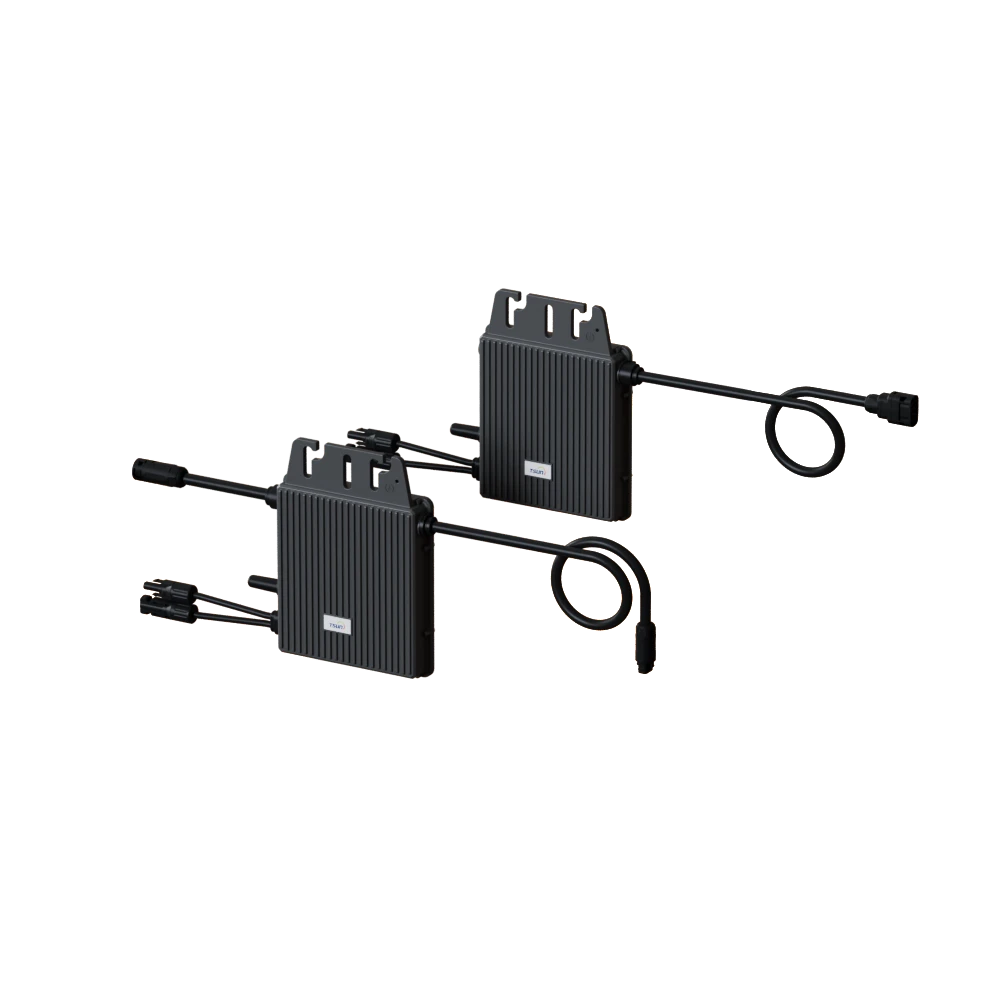
- Simply put, it’s a technology that captures surplus energy generated by solar panels and stores it in batteries. When sunlight isn’t available, the stored energy powers operations. It involves battery modules, an energy management system, and sometimes inverters to convert DC to AC power.
- What are the main benefits of using Solar Energy Storage System in industrial applications?
- Key benefits include improved energy reliability, cost savings by peak shaving, emergency backup power, and reducing reliance on fossil fuels. Durability and long cycle life reduce total cost and operational headaches.
- How does Solar Energy Storage System compare to traditional alternatives?
- Compared with diesel generators or grid-only setups, solar storage is cleaner, quieter, and more cost-effective over time. Technological advances mean these systems can handle heavy loads and cycle demands more efficiently and safely.
- What industries can benefit most from Solar Energy Storage System implementation?
- Manufacturing, agriculture, telecommunications, mining, and data centers are industries that greatly benefit. These sectors demand reliable power and can leverage storage to reduce operating costs and environmental impact.
Conclusion on Solar Energy Storage System from china
To wrap it up, a Solar Energy Storage System offers businesses not just a greener option, but a smarter, more resilient energy strategy. It cuts costs, improves uptime, and fits right into the sustainability puzzle everyone’s trying to solve nowadays. If you’re scouting for proven, scalable solutions, you might want to visit our website: https://www.tsun-ess.com.
Oddly enough, the way solar storage is evolving, it feels like it’s finally making clean energy practical—and profitable—for real business needs.
References:
- International Renewable Energy Agency (IRENA) Market Analysis Reports, 2023
- TSUN ESS Official Product Documentation, 2024
- Industry Case Studies from Solar Power World, 2023







 LEARN DETAILS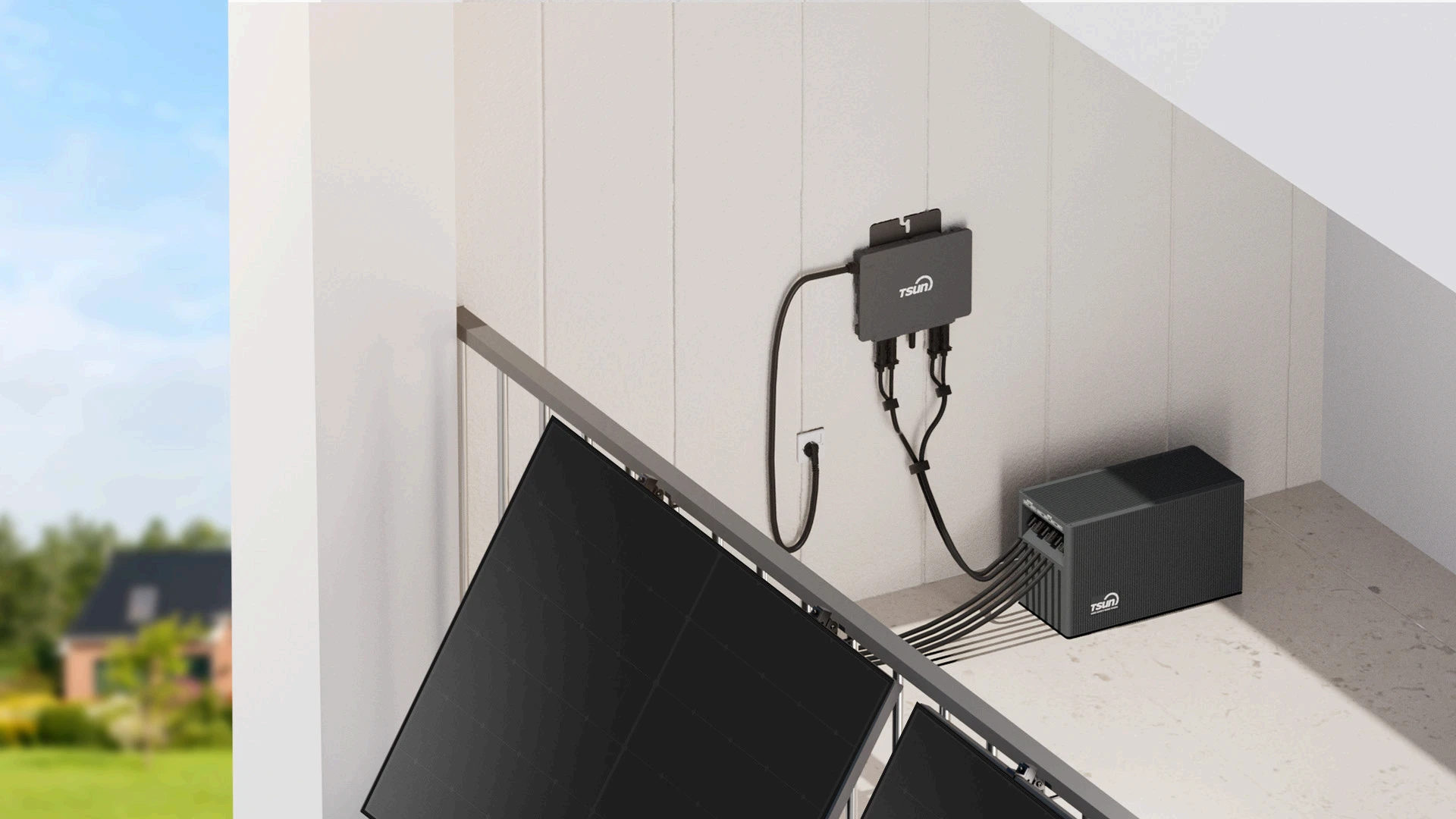
 Downloads
 Video Center
 Report Fault for Repair
 FAQS
FAQS Service Network
 Privacy Policy
 Contact Us
 Monitoring


 LEARN MORE