Understanding the Rise of Home Electric Battery Storage
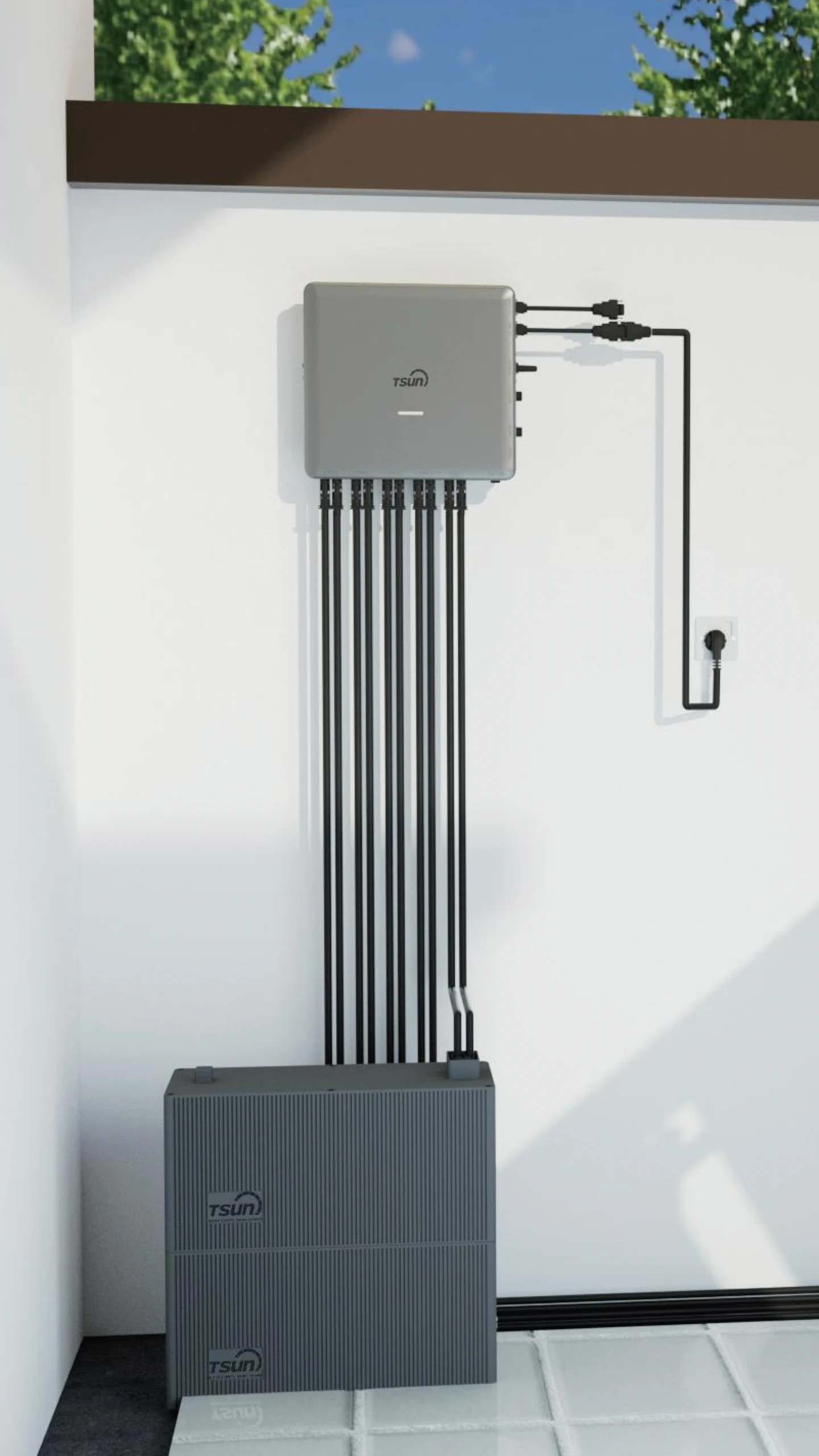
Home Electric Battery Storage is becoming, well, frankly, essential. It's not just about being "green" anymore, although that's a big part of it. Businesses are realizing it's a solid financial move, especially with energy costs fluctuating like they are. I suppose you’ve seen the headlines. We at Tsun-ESS are focused on providing durable, high-performance solutions for professionals across multiple sectors—solar installers, grid operators, and even increasingly, larger residential developers. It feels like the market is shifting fast.
Table of Contents
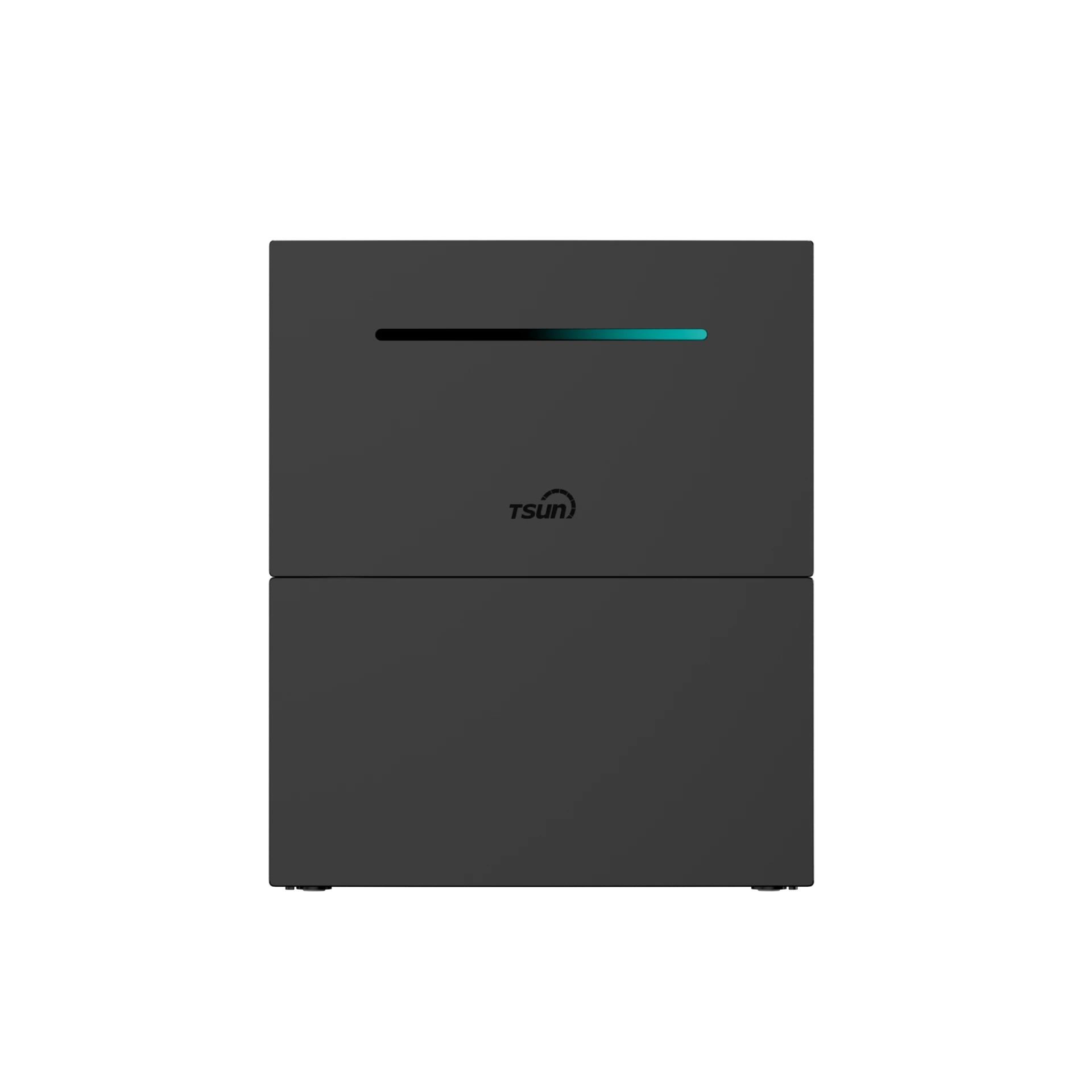
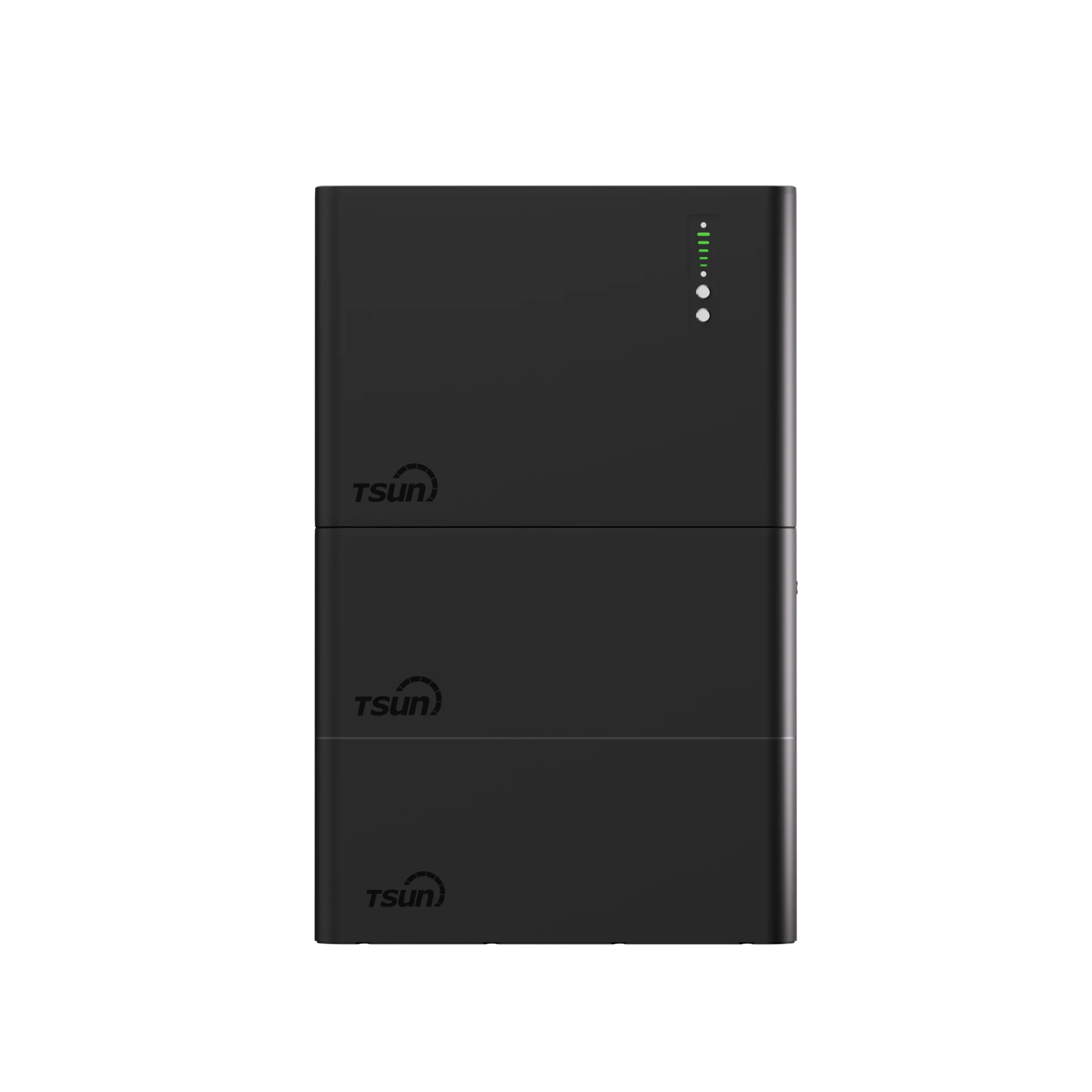
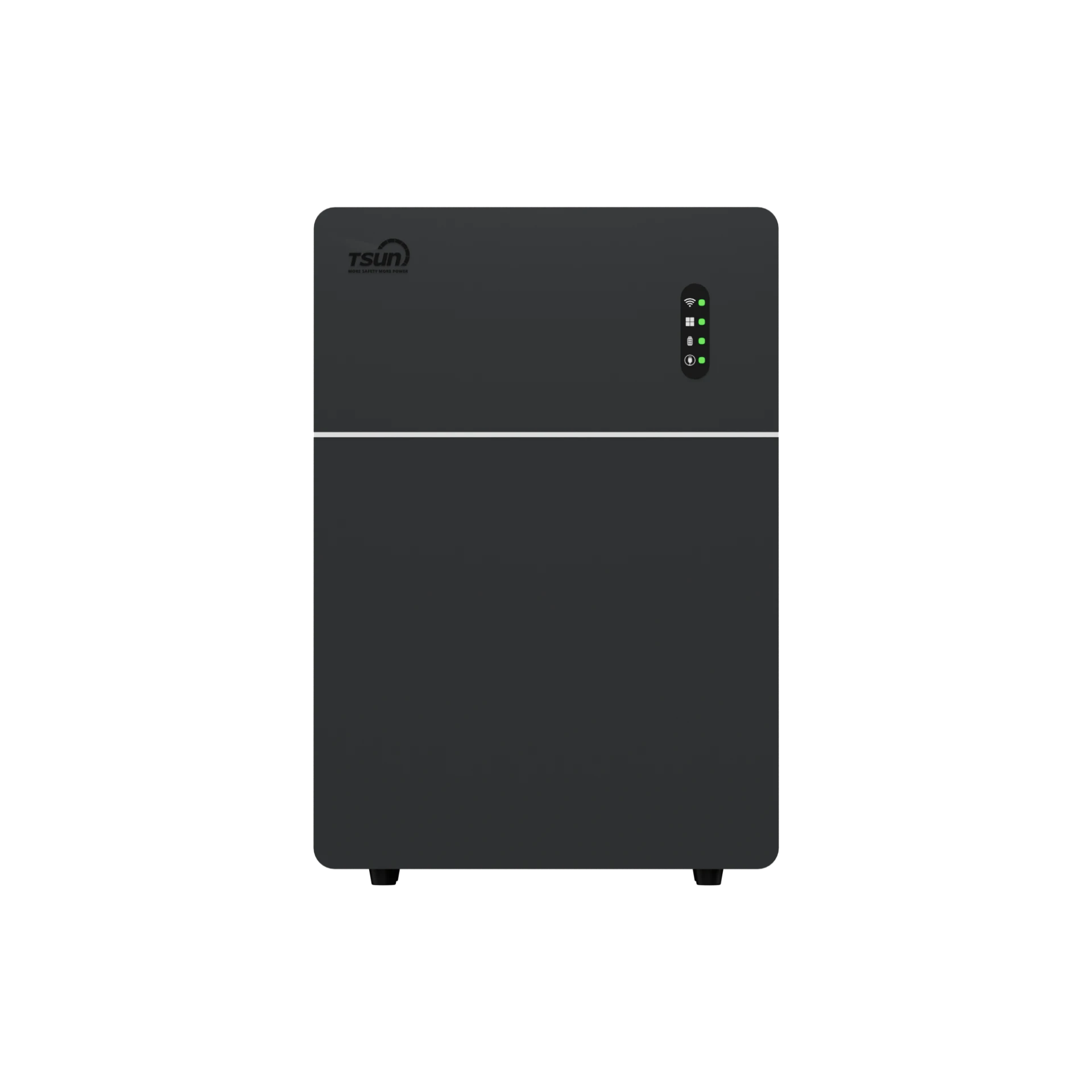
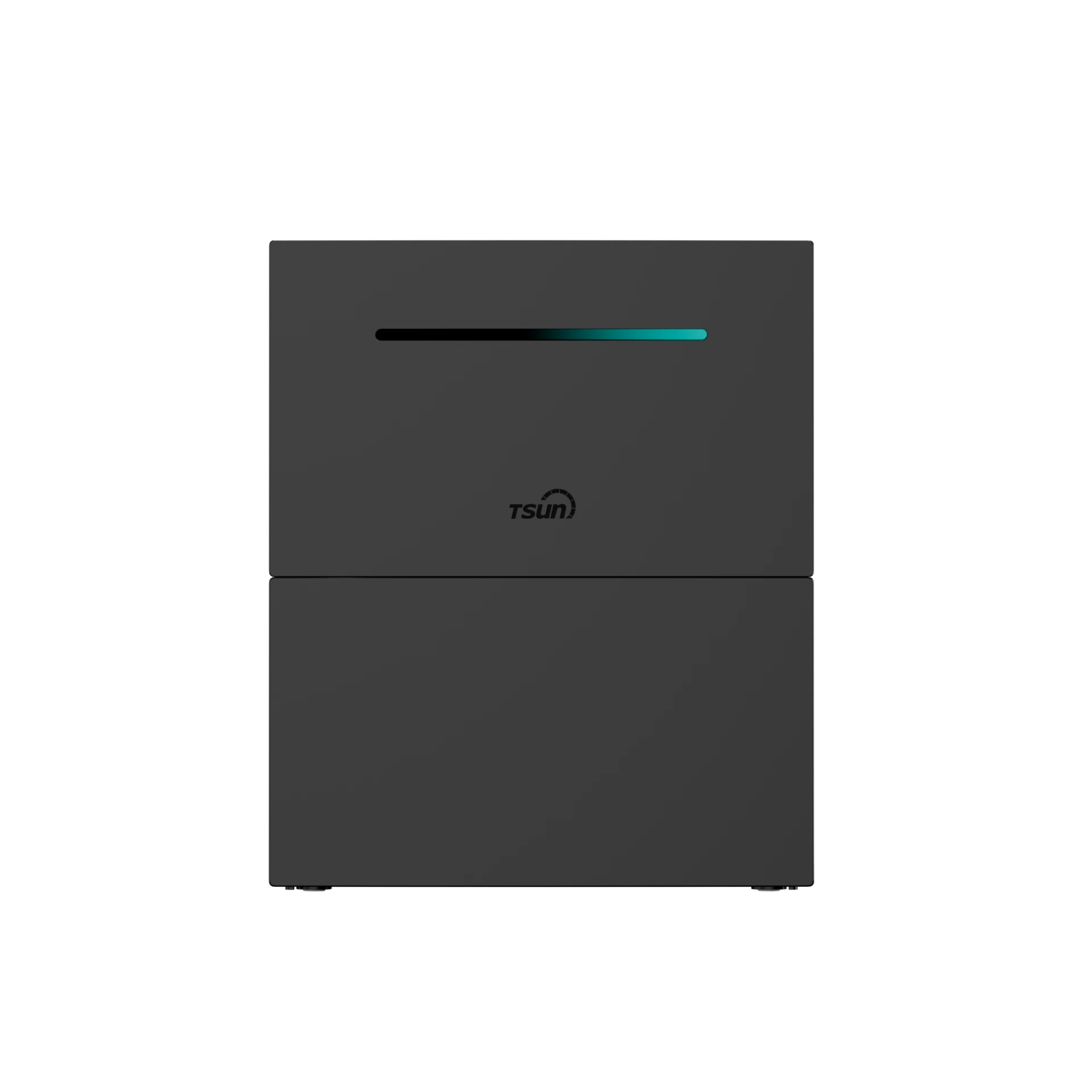
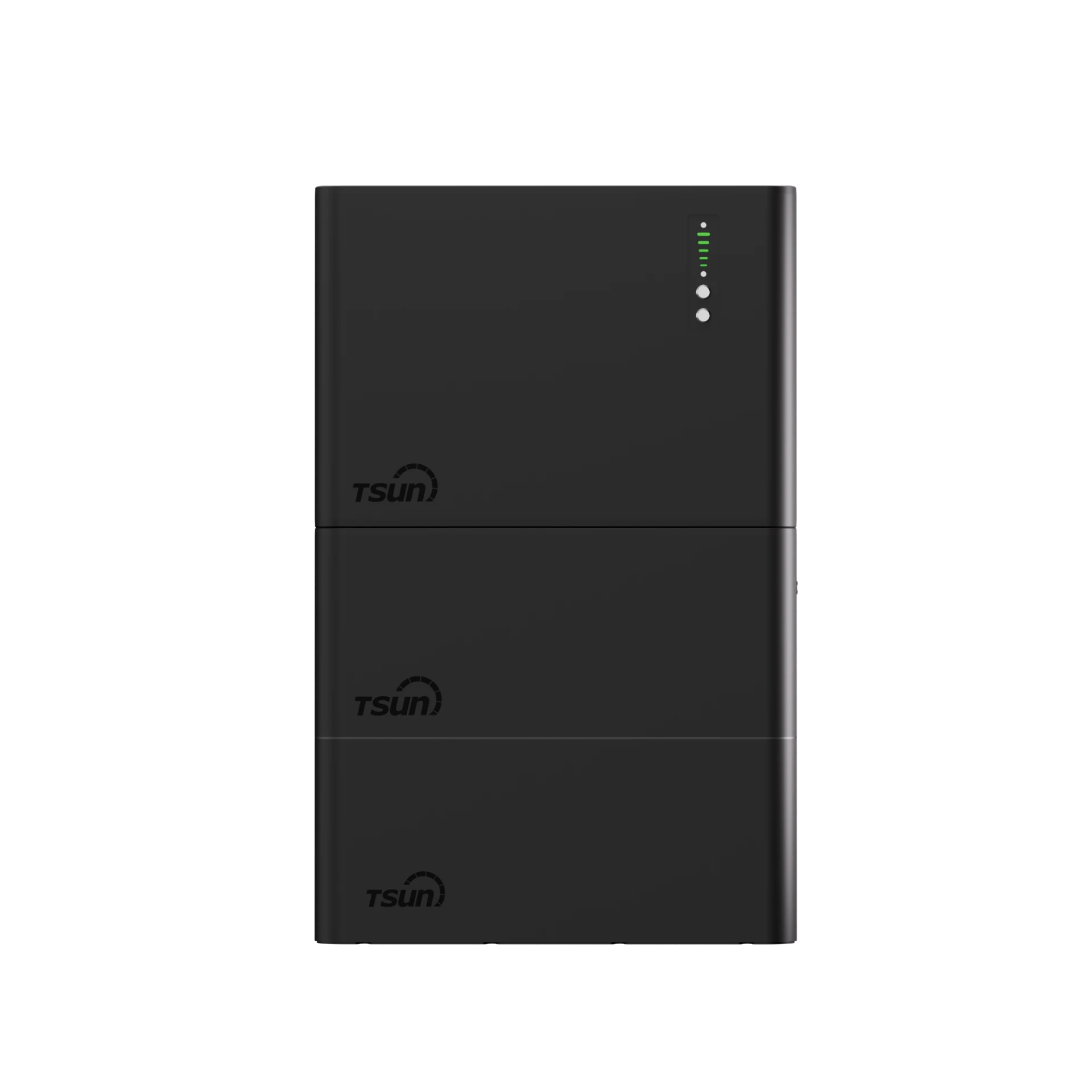
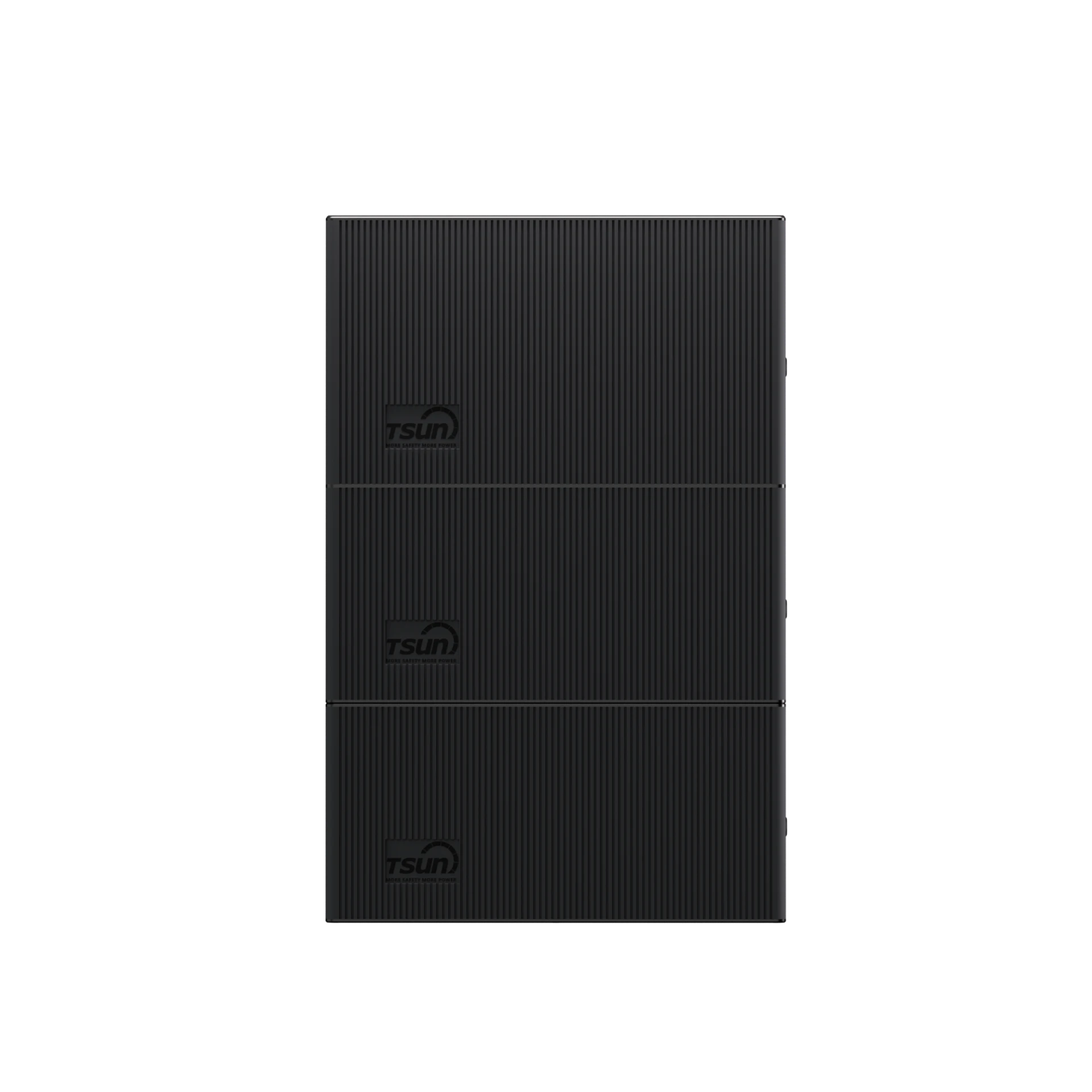
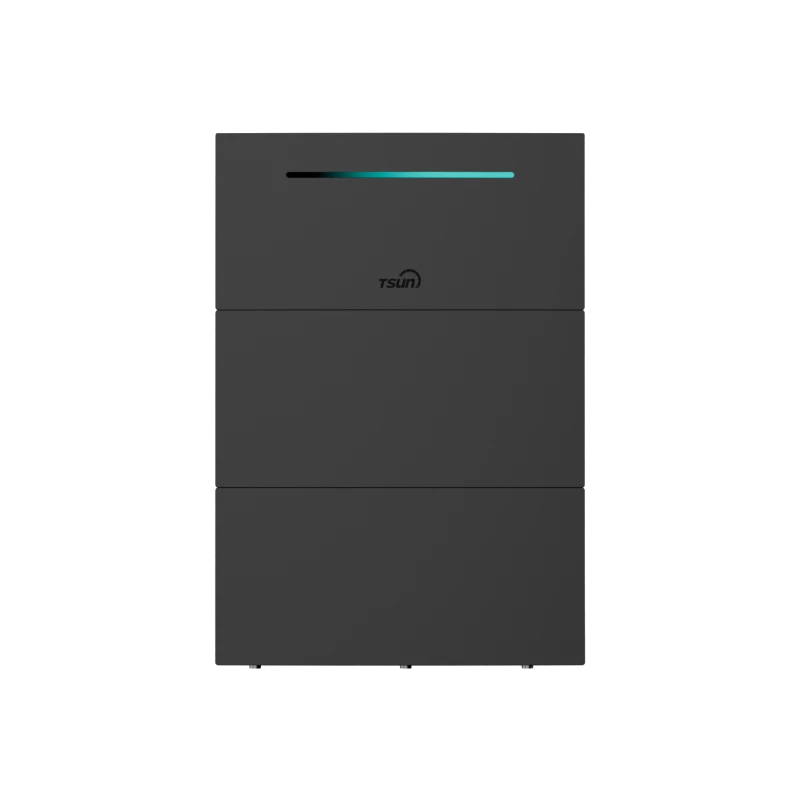
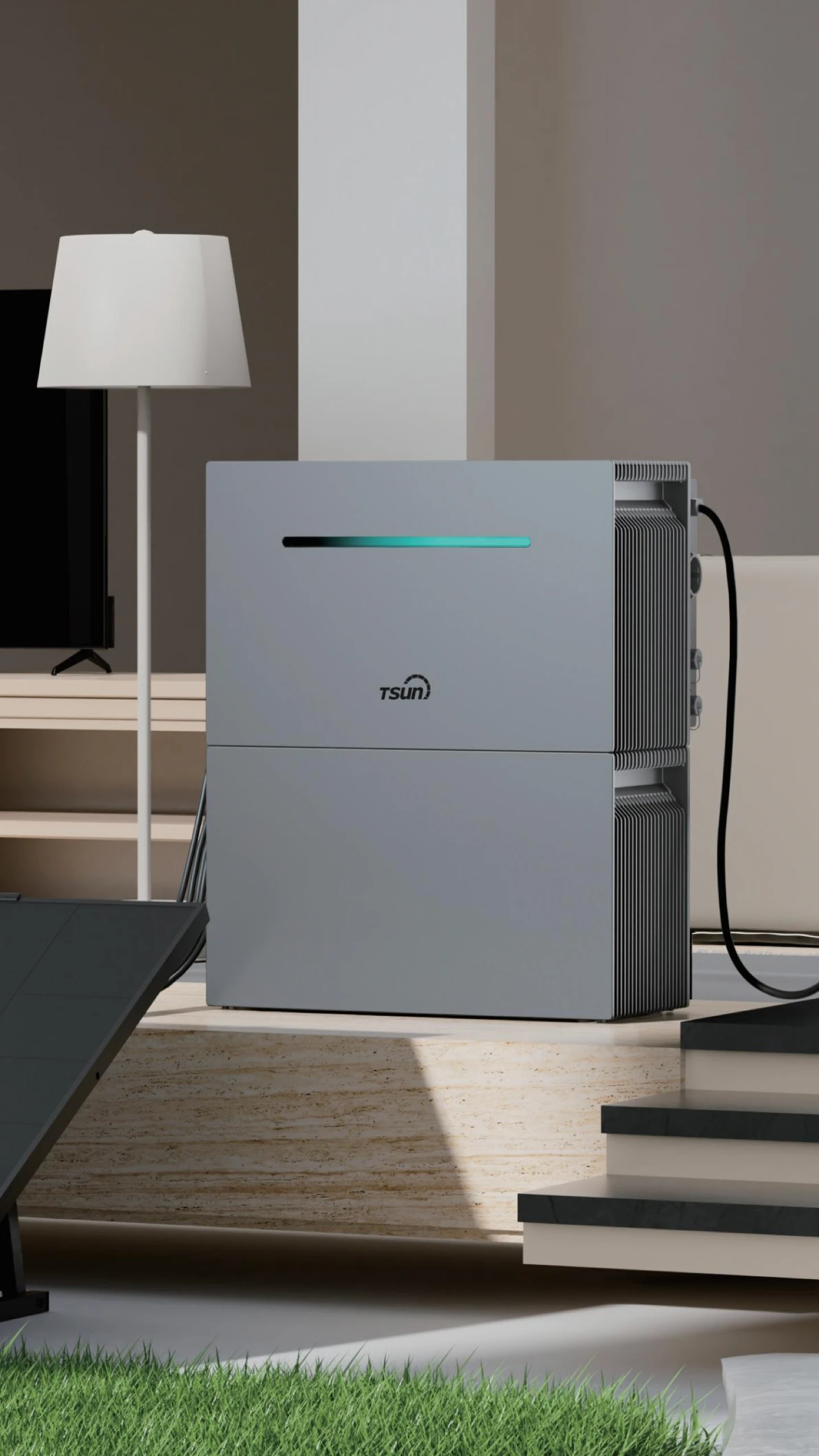
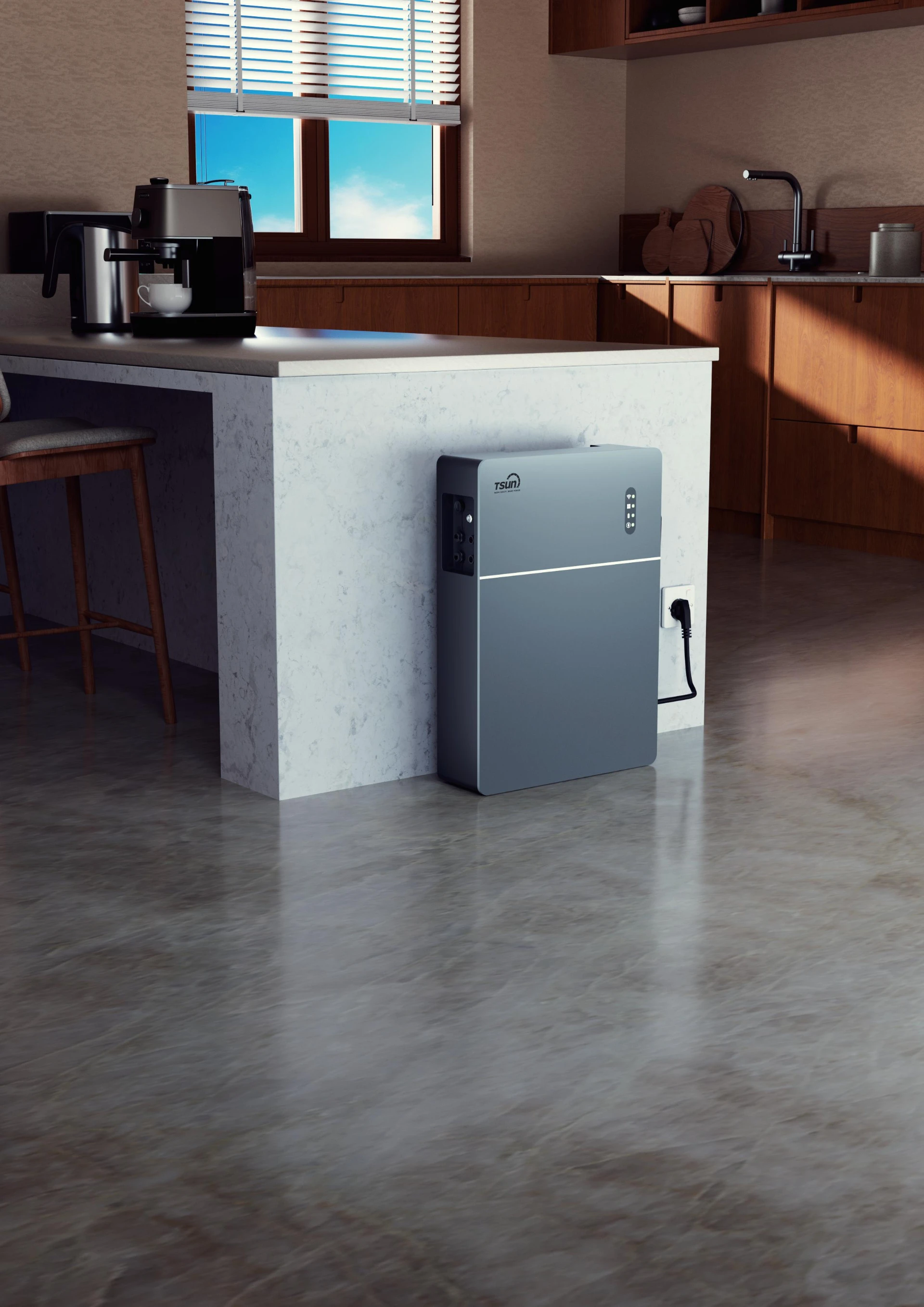
Essentially, we’re talking about systems that store electricity generated from sources like solar panels, or even from the grid during off-peak hours. This stored energy can then be used when demand is high, or during power outages. It's pretty clever, really. The core technology is lithium-ion, but different chemistries are emerging… LFP, for instance, is gaining traction for its safety and longevity. Our Tsun-ESS systems utilize high-quality cells and a robust Battery Management System (BMS) to ensure optimal performance and safety. Here's a quick look at some key specs:
| Parameter |
Specification |
Notes |
| Capacity |
5 kWh - 20 kWh |
Scalable modules |
| Voltage |
48V / 240V / 400V |
Configurable |
| Cycle Life |
> 6000 cycles |
80% DOD |
| Warranty |
10 years |
Performance guarantee |
The applications are pretty wide-ranging. Obviously, solar self-consumption is huge. People generate power during the day, store it, and use it at night. Beyond that, you have peak shaving for businesses—reducing demand charges, which can be a real cost saver. We’ve also seen increased interest in microgrids, particularly for critical infrastructure like hospitals and emergency services. I noticed a trend toward using these systems for virtual power plants (VPPs), where aggregated battery capacity is used to stabilize the grid. Here's how some of the main players stack up:
| Vendor |
Key Features |
Price Range (approx.) |
| Tsun-ESS |
High efficiency, modular design, robust BMS |
$8,000 - $20,000 |
| Tesla Powerwall |
Integrated system, well-known brand |
$10,000 - $15,000 |
| LG Chem RESU |
Reliable performance, good warranty |
$9,000 - $18,000 |
Cost, Maintenance & User Experience
Okay, let’s talk money. Initial investment is definitely a factor, but you have to look at the long-term ROI. Reduced electricity bills, potential for selling energy back to the grid… it adds up. Maintenance is surprisingly low, honestly. Our systems are designed for longevity and require minimal intervention. I spoke with an installer recently who manages a system for a local brewery. He said the biggest issue is… dust. Keeping the units clean is about it. Many engineers say the BMS software is crucial for monitoring performance and identifying potential issues early on.
Sustainability & Market Trends
Obviously, this is a big sustainability play. Reducing reliance on fossil fuels, lowering carbon emissions… it’s all good. But it’s also driven by policy. Increasingly, governments are offering incentives for energy storage, and regulations are favoring renewable energy sources. The demand is only going to increase, I suppose. Oddly enough, one thing I'm keeping an eye on is the development of second-life battery applications – using EV batteries for grid storage once their lifespan in vehicles is over. That could be a game changer.
Frequently Asked Questions about Home Electric Battery Storage
- What is Home Electric Battery Storage and how does it work?
- Home Electric Battery Storage systems capture excess electricity from sources like solar panels or the grid, storing it for later use. This allows you to reduce reliance on grid electricity, lower energy costs, and provide backup power during outages.
- What are the main benefits of using Home Electric Battery Storage in industrial applications?
- Industries benefit from cost savings through peak shaving, increased energy independence, improved grid reliability, and reduced carbon footprints. The systems are also scalable to meet diverse energy demands.
- How does Home Electric Battery Storage compare to traditional alternatives?
- Compared to traditional fossil fuel generators, battery storage is cleaner, quieter, and requires less maintenance. It also offers faster response times and greater flexibility in energy management.
- What industries can benefit most from Home Electric Battery Storage implementation?
- Solar installers, data centers, hospitals, microgrids, manufacturing facilities, and even residential developers are all seeing significant advantages from integrating Home Electric Battery Storage.
Conclusion on Home Electric Battery Storage from china
Ultimately, home electric battery storage isn’t just a trend—it’s a fundamental shift in how we think about energy. It's about resilience, cost-effectiveness, and sustainability. It’s about taking control. For reliable and high-performance solutions, check out our offerings at https://www.tsun-ess.com.
- It's not just about saving money; it's about future-proofing your energy infrastructure.



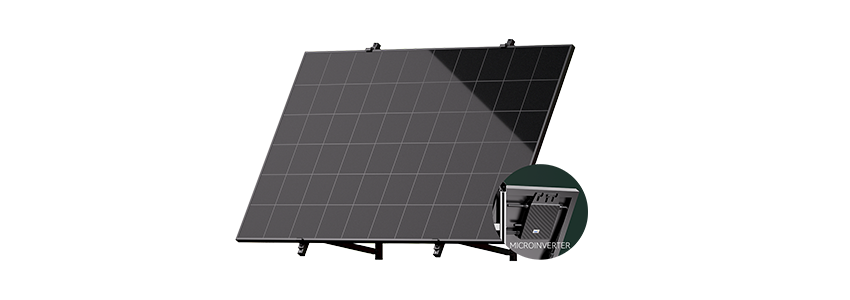
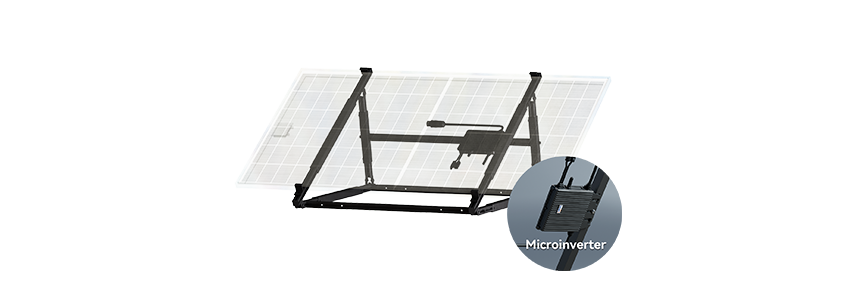
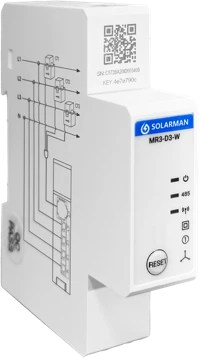
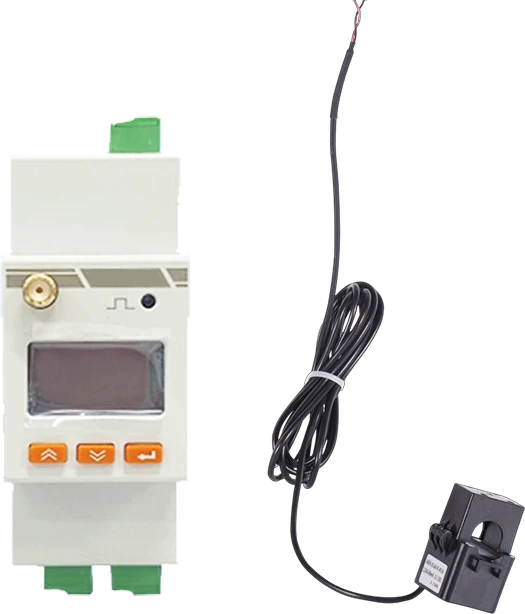



 LEARN DETAILS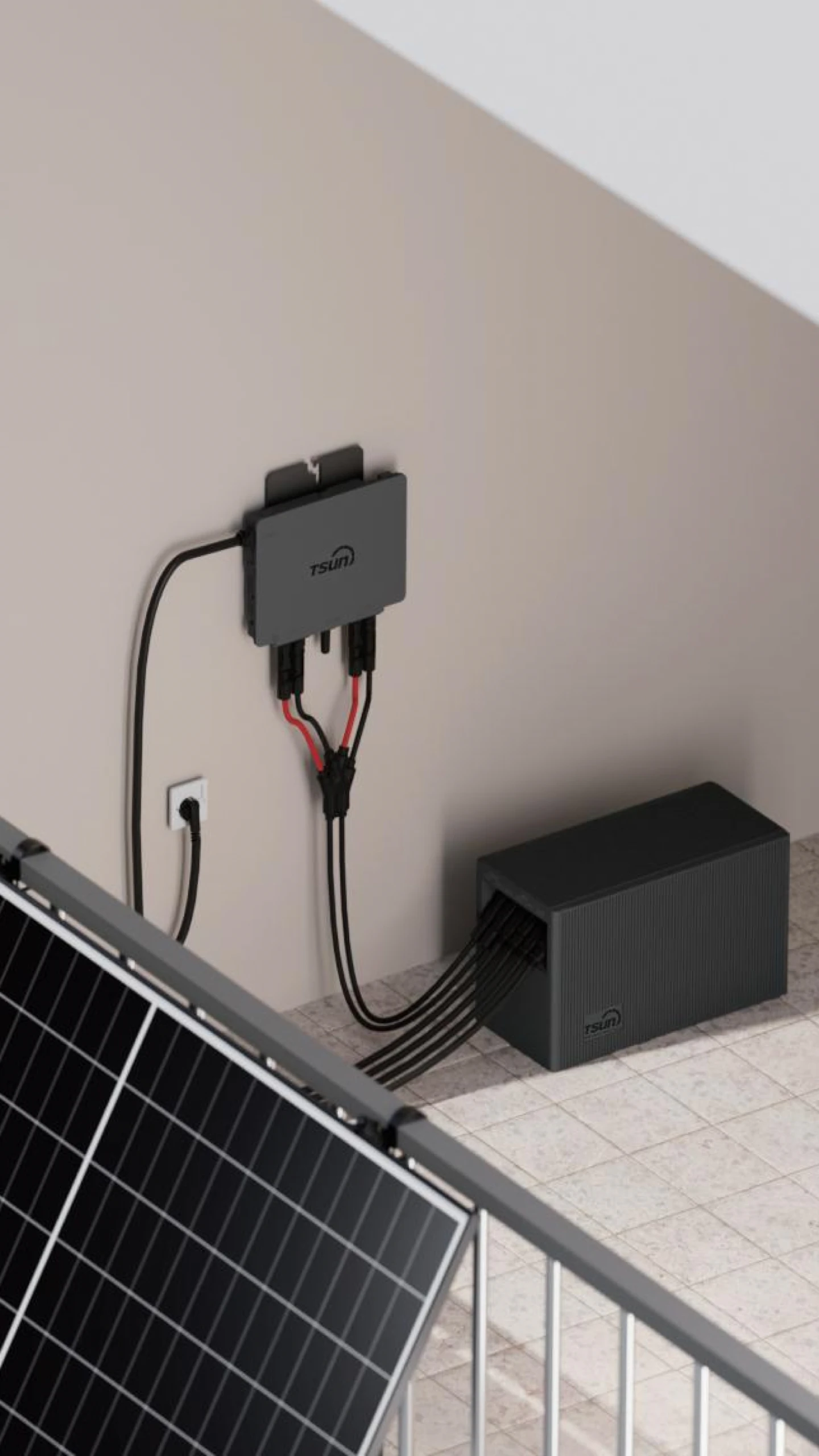
 Downloads
 Video Center
 Report Fault for Repair
 FAQS
FAQS Service Network
 Privacy Policy
 Contact Us
 Monitoring


 LEARN MORE