Hybrid Inverter vs Micro Inverter: Navigating the Future of Solar Energy Conversion
Understanding the nuances between hybrid inverters and micro inverters isn’t just a tech-head’s fascination; it matters globally. As solar power adoption skyrockets, knowing which inverter system fits your energy needs can mean the difference between maximizing output or facing frustrating downtime. In a world increasingly chasing cleaner energy, the hybrid inverter vs micro inverter discussion becomes pivotal — especially when sustainability, cost, and reliability take center stage.
Global Context: Why This Debate is So Important
Solar power isn’t a niche anymore. According to the International Renewable Energy Agency (IRENA), global solar capacity reached over 1,000 GW in early 2024. Between rising energy demands and urgent climate goals — like the UN’s sustainable energy targets — inverter technology faces scrutiny for efficiency and adaptability. Hybrid inverters and micro inverters are at the core of making solar systems smarter, more resilient, and scalable. The challenge? Choosing the right inverter type to deliver stable, cost-effective energy in different environments, from urban rooftops in Europe to remote villages in Africa.
Oddly enough, while both inverter types convert DC electricity from solar panels to usable AC power, their architectures and optimal use cases diverge sharply—a fact often overlooked by those new to photovoltaics. This fuels the question: which technology truly aligns with your energy goals?
Defining Hybrid Inverter and Micro Inverter
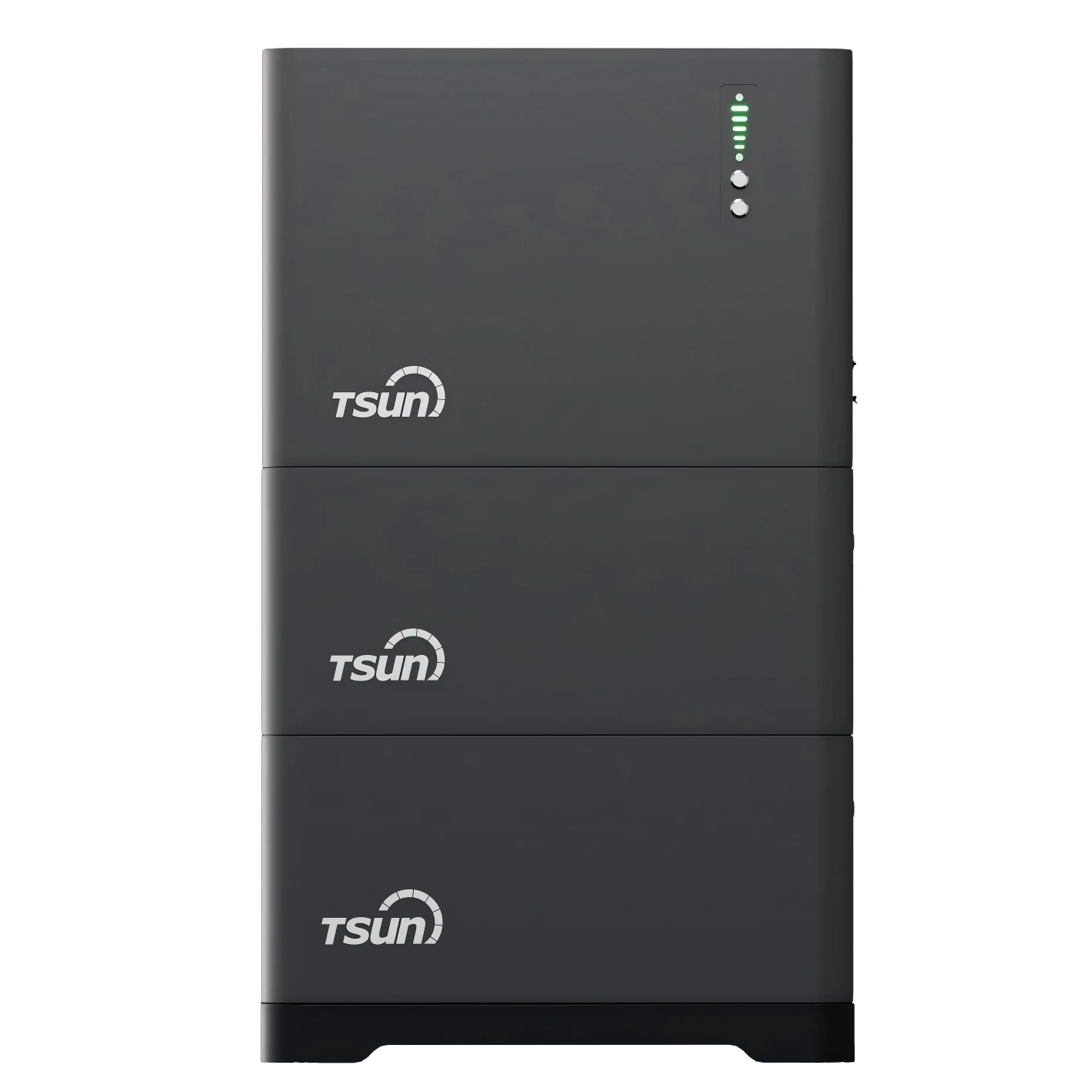
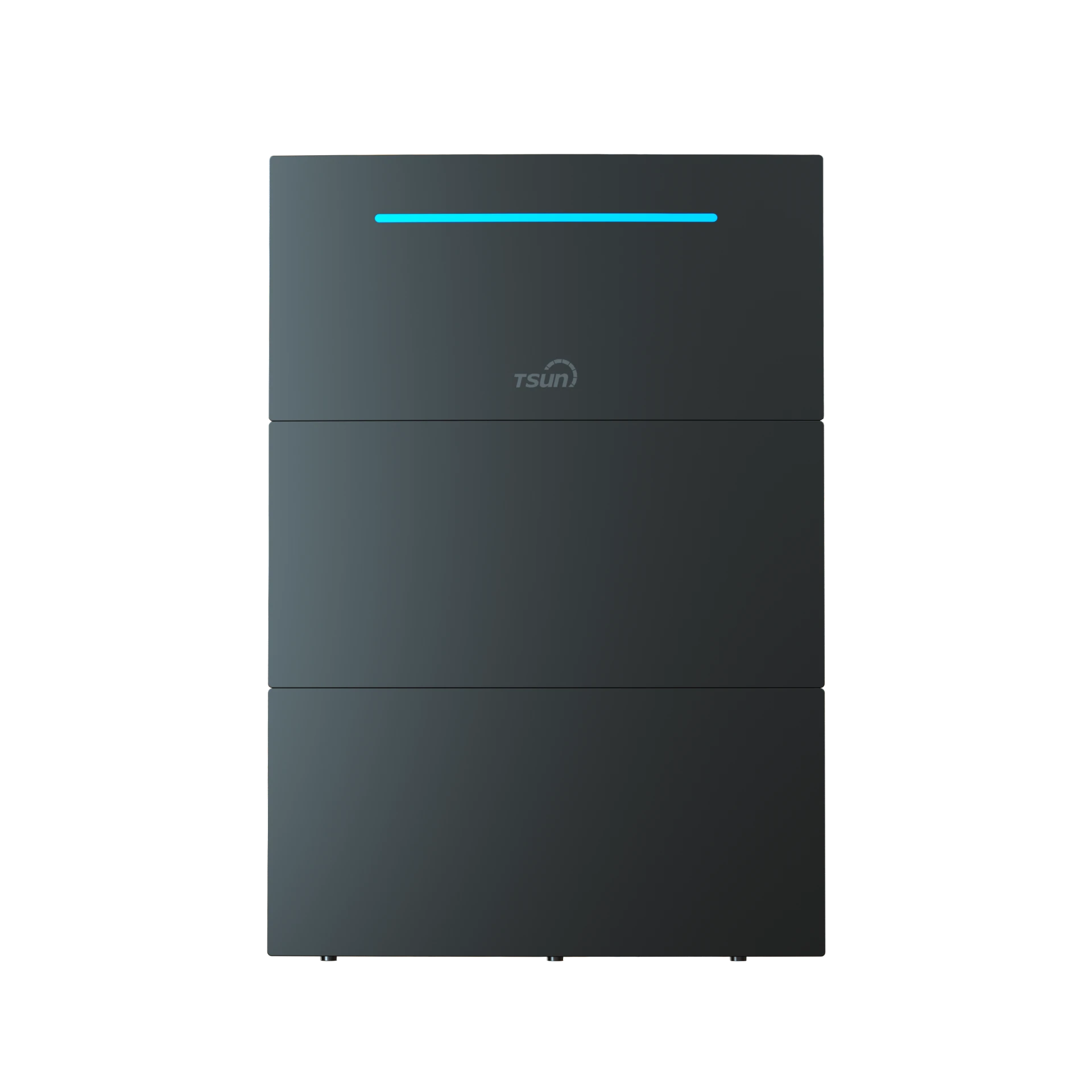
Simply put, a hybrid inverter blends the functions of a solar inverter and a battery inverter/charger. It manages power flows from solar panels, battery storage, and the grid, optimizing self-consumption and backup power capabilities. Essentially, it’s a multitasker designed for complex energy scenarios.
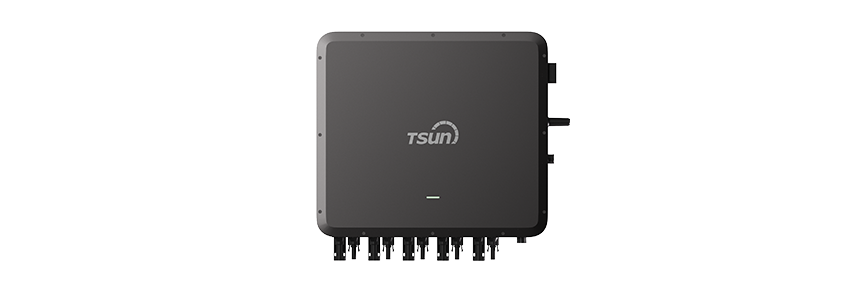
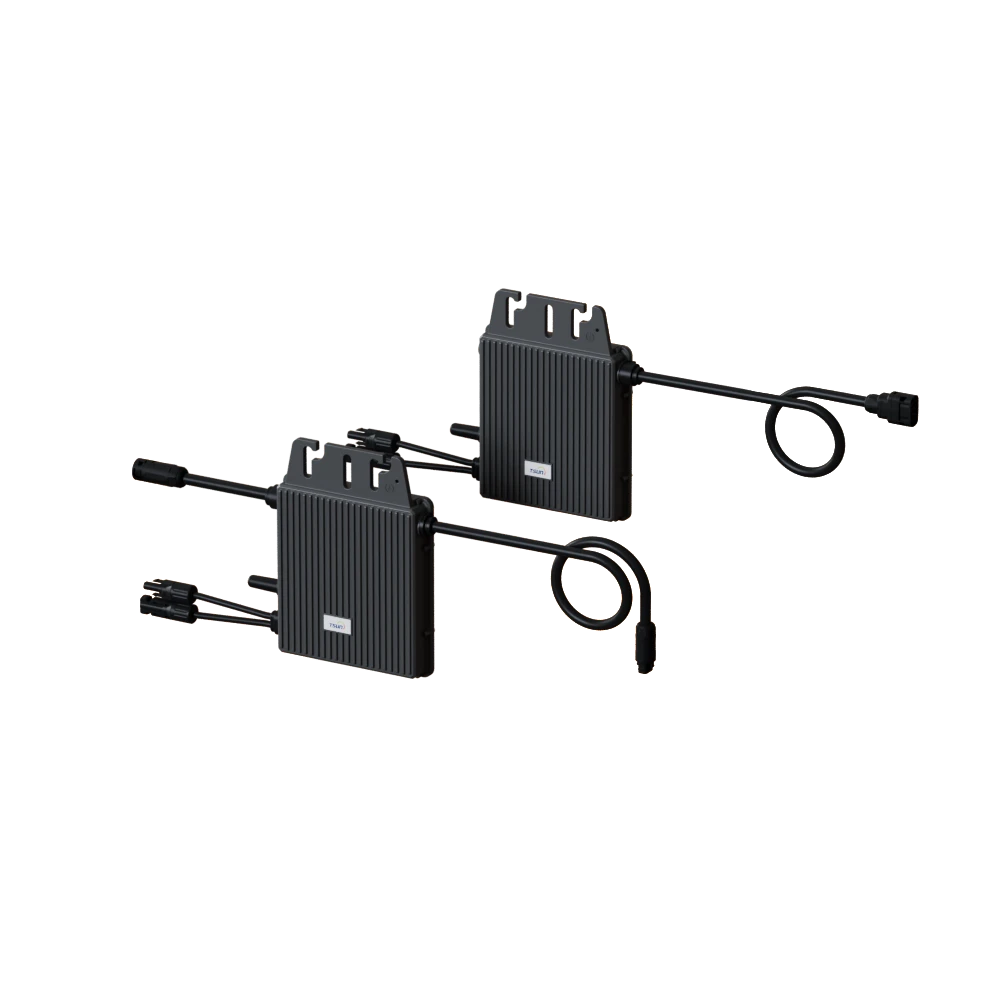
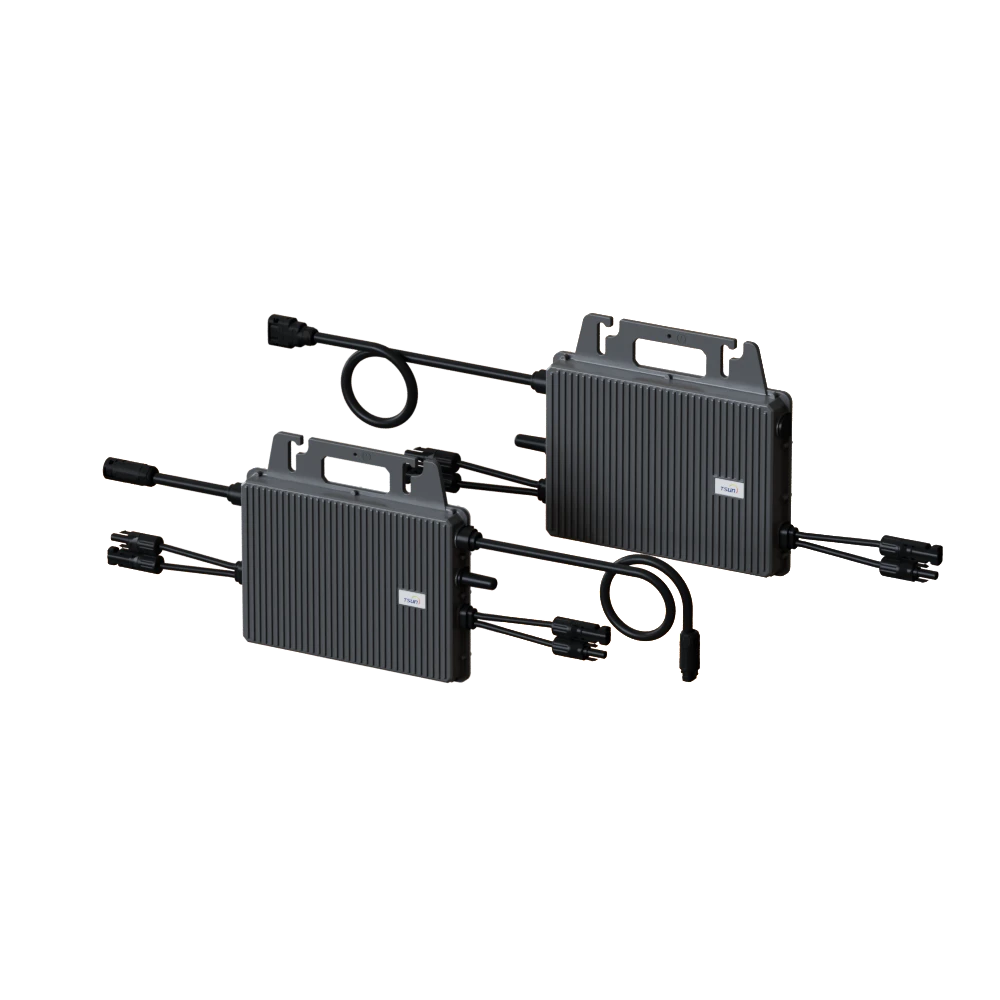
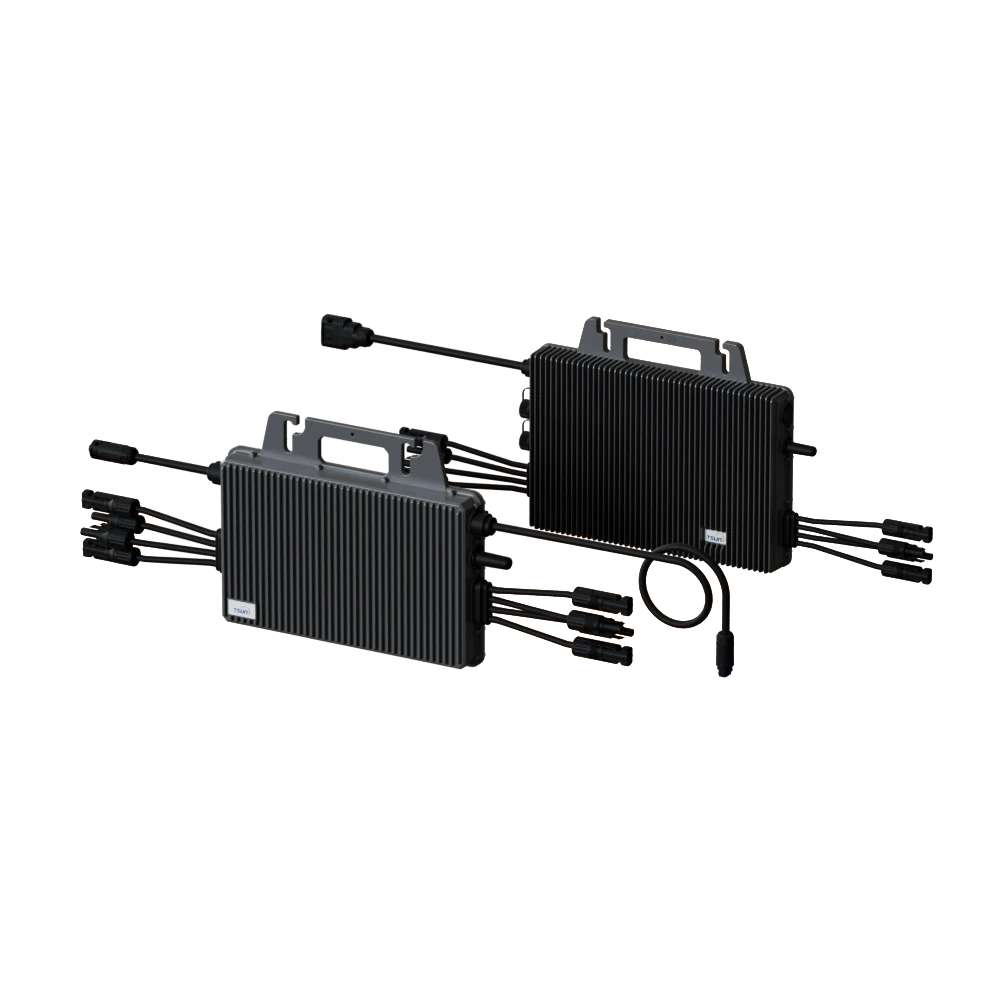
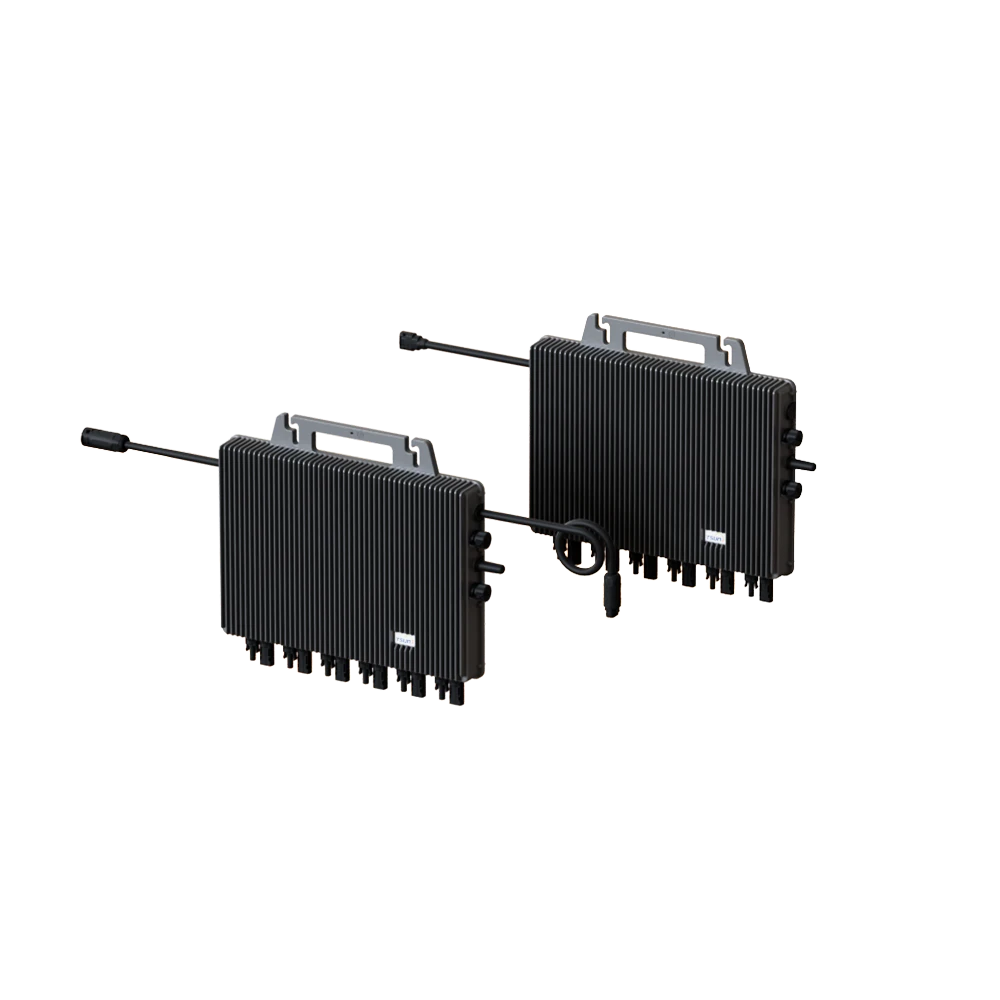
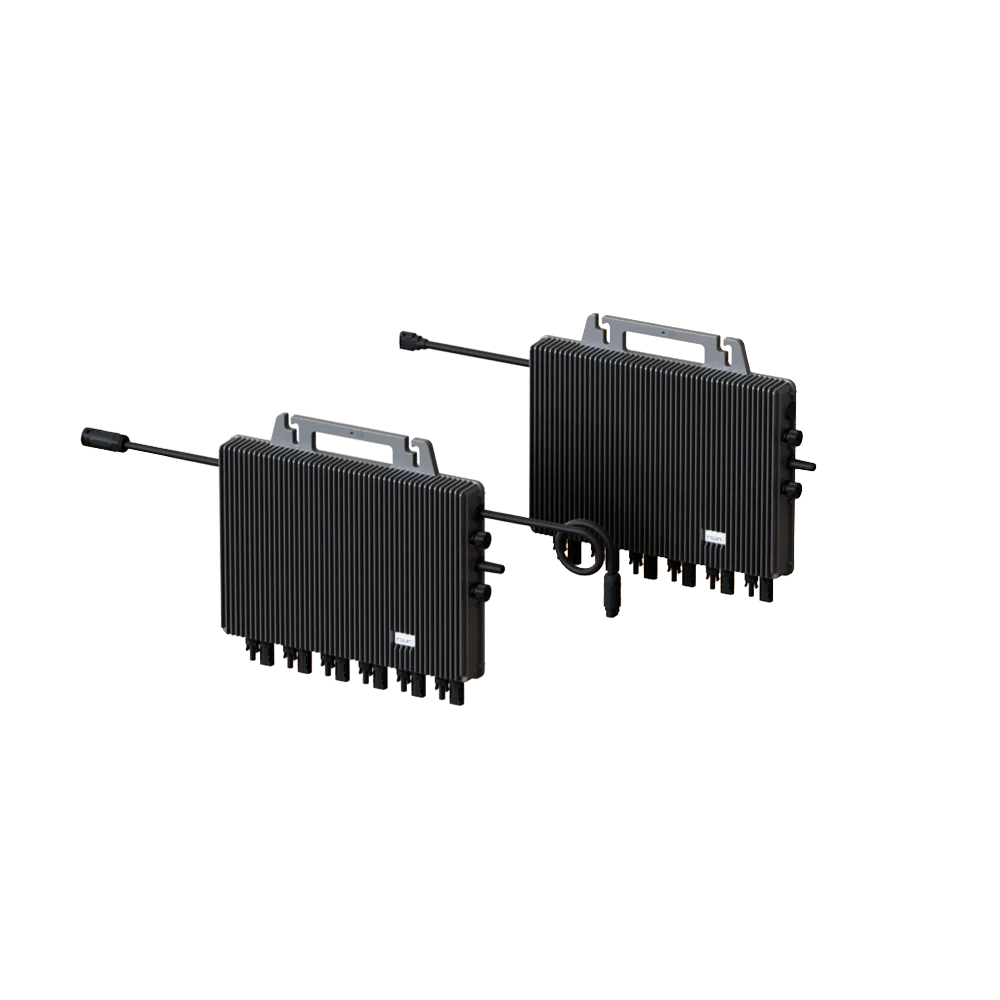
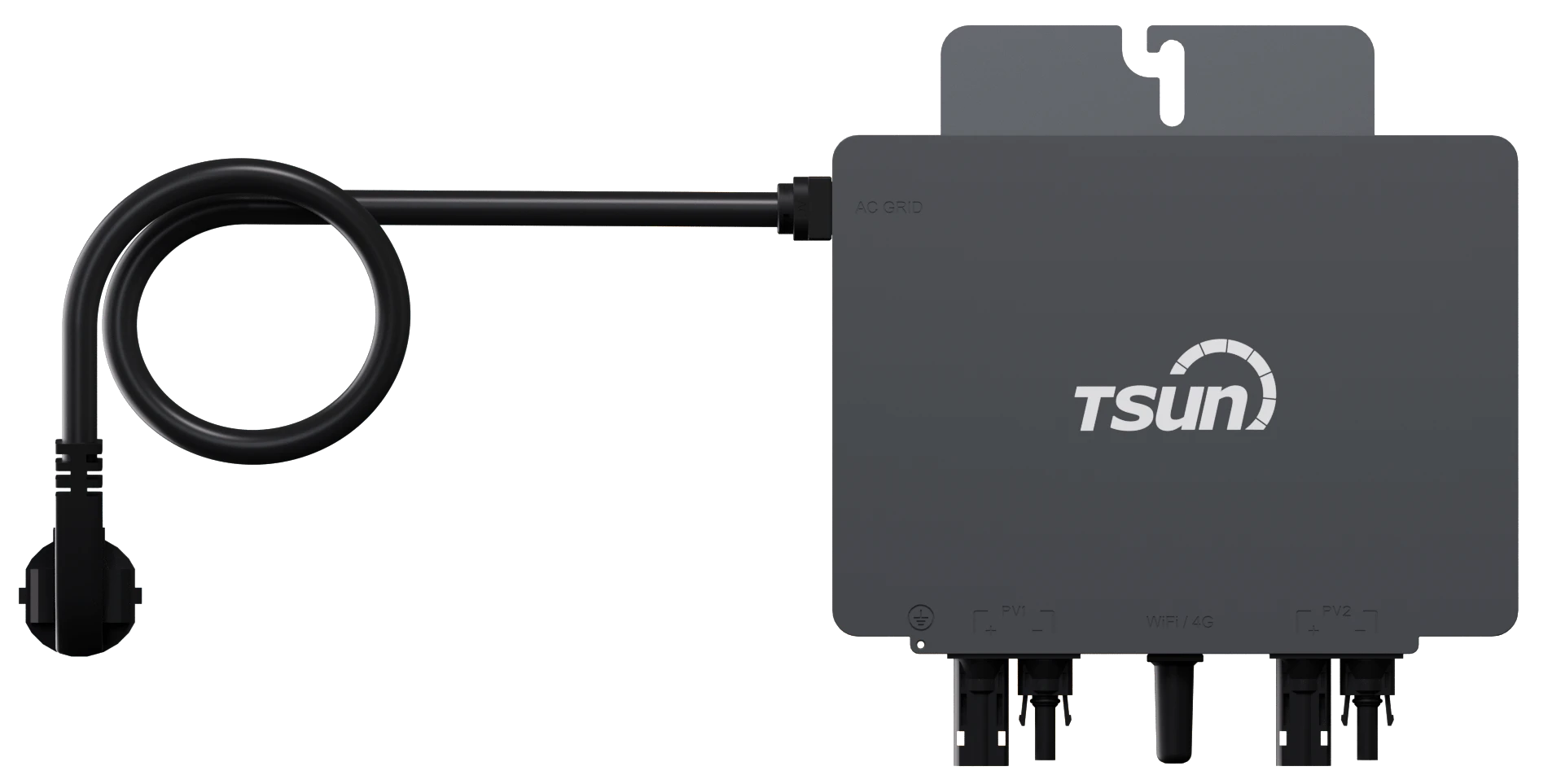
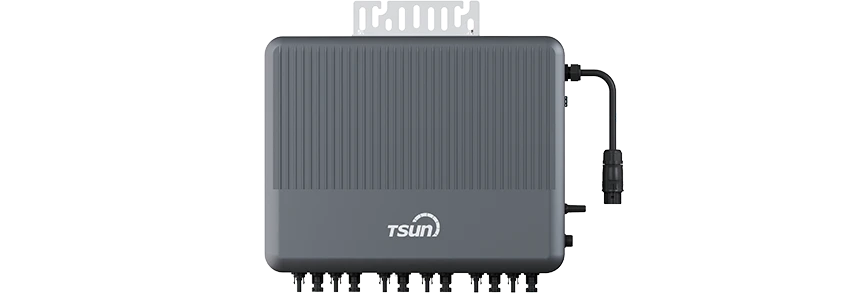
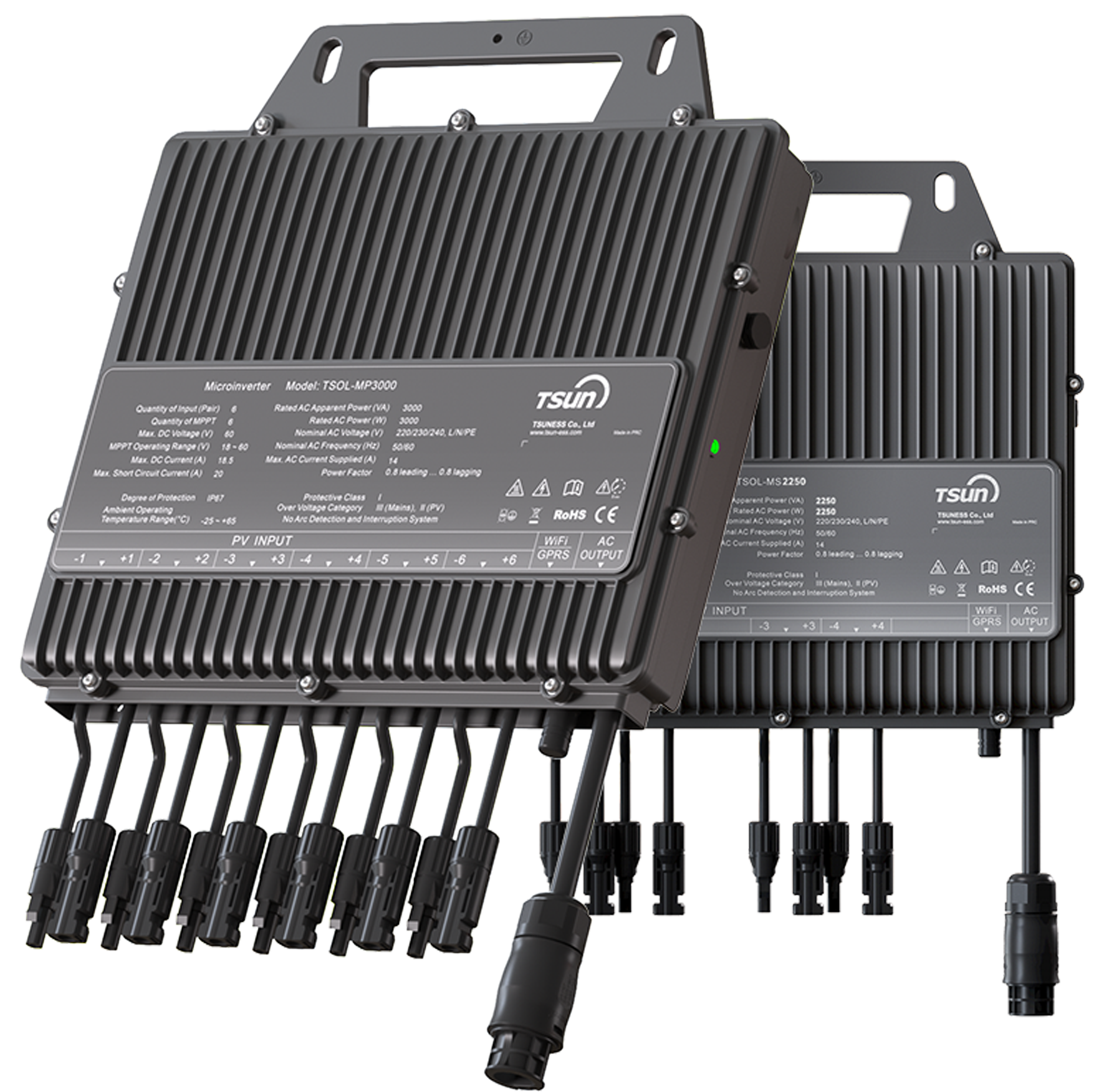
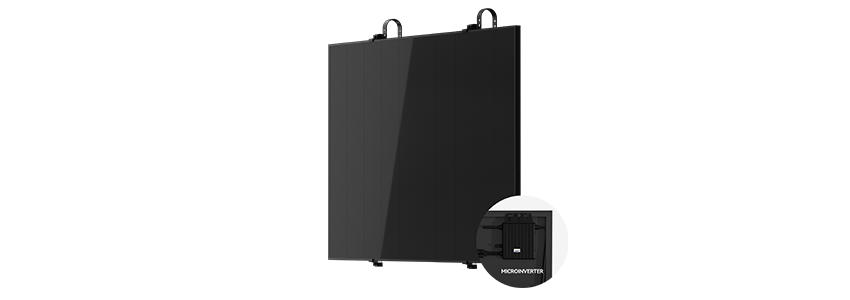
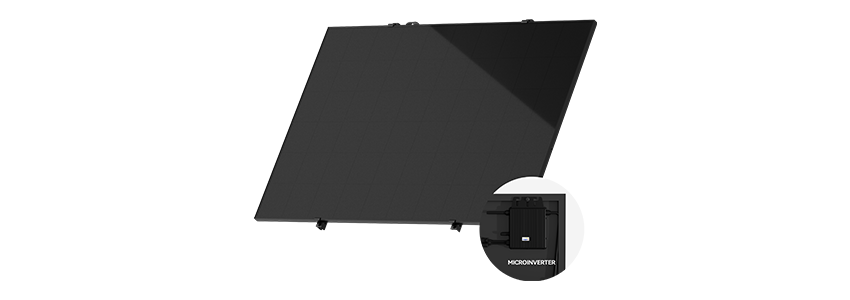
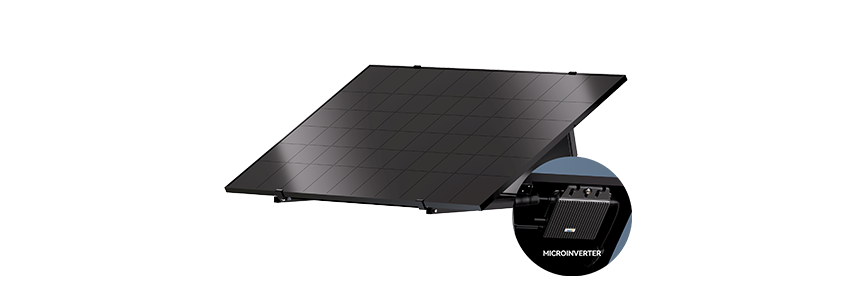
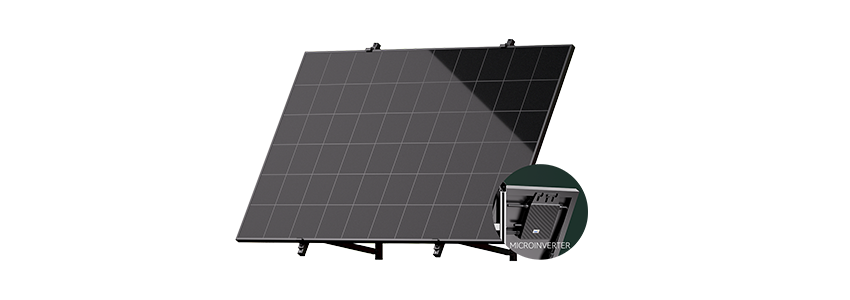
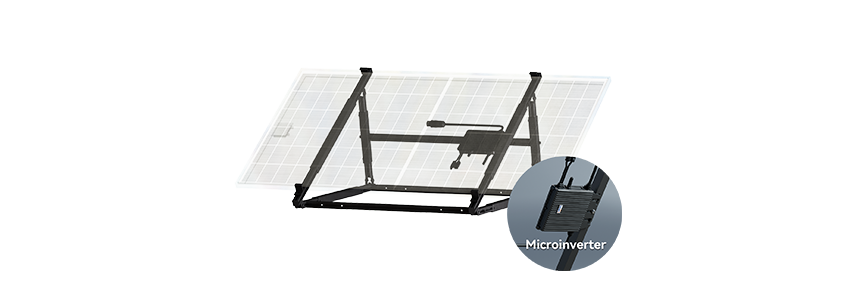
On the other hand, a micro inverter is a small inverter attached to each solar panel, converting DC to AC individually. This granularity allows panel-level monitoring, and it naturally mitigates issues like shading or panel mismatch — problems that bring down whole arrays with traditional string inverters.
The tie to modern energy demands is profound: hybrid inverters facilitate energy independence and resilience, while micro inverters deliver granular control and consistent output even in complicated installations.
Core Factors Shaping Choice
1. Scalability
Micro inverters shine here because adding panels is as simple as attaching new micro inverters—no extensive rewiring or string redesign needed. Hybrid inverters do support battery connections and expansion but can be less flexible when incrementally increasing capacity.
2. Cost Efficiency
Hybrid inverters typically come at lower upfront costs compared to deploying many micro inverters, especially for medium to large arrays. However, micro inverters may reduce long-term maintenance costs thanks to individual panel fault isolation.
3. Durability and Maintenance
Hybrid inverters centralize electronics, meaning a single point of failure can affect the whole system. Micro inverters distribute risk, so one failure impacts only a panel’s output, simplifying diagnostics and repair.
4. Energy Optimization
Hybrid solutions integrate energy storage and load management, ideal for maximizing solar self-consumption and providing backup power. Micro inverters excel at mitigating impacts from shading or panel degradation, preserving overall array efficiency.
5. Installation Complexity
Micro inverters require more initial labor to mount per panel, though their modularity often pays off in system uptime and analytics. Hybrid inverters are centralized and more straightforward to wire, but integrating batteries and smart monitoring can increase complexity.
Product Specifications Snapshot
| Feature |
Hybrid Inverter |
Micro Inverter |
| Functionality |
Inverter + Battery Management |
Panel-Level DC to AC Conversion |
| Modularity |
Medium (Central Unit) |
High (Individual Panel Units) |
| Battery Integration |
Built-In Support |
External Only |
| Optimal Installation Size |
Residential to Commercial |
Small to Medium Residential |
| Monitoring |
System-Level |
Panel-Level |
Vendor Comparison: Who’s Leading the Race?
| Vendor |
Specialty |
Key Feature |
Ideal Use Case |
| SMA |
Hybrid Inverters |
Integrated Battery Management |
Residential & Commercial Storage Systems |
| Enphase |
Micro Inverters |
Per Panel Monitoring & Safety |
Complex or Shaded Residential Roofs |
| Fronius |
Hybrid & String Inverters |
Smart Meter Integration |
Commercial Self-Consumption Systems |
Global Applications and Use Cases
On one hand, hybrid inverters have found a foothold in areas like Europe and North America, where home energy storage is increasingly relevant due to grid pricing and blackouts. For example, in Australia, hybrids help households integrate Tesla Powerwalls seamlessly, buffering against frequent outages and variable tariffs.
Micro inverters, meanwhile, dominate in uneven rooftop environments or regions like Japan and California that face shading complexities from trees or buildings. Their panel-level optimization ensures minimal energy loss in tricky installations.
In remote or disaster-prone regions, hybrid inverter systems paired with battery banks provide critical backup power. NGOs deploying solar-powered clinics often rely on hybrid inverters for sustained off-grid reliability, blending solar input with stored energy smartly.
Advantages and Long-Term Value
- Cost savings: Hybrid systems optimize self-consumption rates, reducing reliance on expensive grid energy.
- Reliability: Micro inverters’ panel-level control avoids whole-system shutdowns caused by a single faulty panel.
- Safety & Maintenance: Distributed micro inverters reduce fire risks by lowering DC wiring runs; hybrid inverters simplify battery integration.
- Social Impact: Facilitating energy access in underserved regions through resilience and modular design.
Ultimately, each system carries value beyond just numbers—there’s a comforting sense of energy autonomy and progress that these technologies contribute to, whether a homeowner watching their solar dashboard or a relief agency powering remote clinics.
Future Trends and Innovations
We’re seeing digital twins, AI-driven energy management, and grid-forming inverter capabilities becoming mainstream. Hybrid inverters will increasingly integrate with home IoT devices, managing not just energy but smart appliances, EV charging, and more. Micro inverter tech is moving toward even lighter, more efficient modules with enhanced cybersecurity features.
Green initiatives encourage recycling and second-life batteries integration, which hybrid inverters are uniquely positioned to manage. Plus, with hybrid inverter vs micro inverter debates factoring into policy, we expect international standards like IEC and ISO to shape deployment best practices going forward.
Challenges and Solutions
Hybrid inverters face challenges in upfront costs and complexity, and sometimes difficulty matching panel voltage ranges, causing inefficiencies. Micro inverters can be expensive for large systems and involve more potential points of failure due to quantity.
A practical solution emerging is hybrid systems incorporating panel-level power electronics (like DC optimizers) that blend benefits of both approaches. Also, modular designs and improved diagnostics reduce maintenance downtime significantly.
FAQ: Common Questions About Hybrid Inverter vs Micro Inverter
- Q: Which inverter type is better for a shaded roof?
A: Micro inverters are ideal for shaded roofs because they handle panel mismatches individually, maintaining overall system efficiency.
- Q: Can hybrid inverters work without a battery?
A: Yes, hybrid inverters can be installed without batteries, functioning as standard solar inverters with the flexibility to add storage later.
- Q: Which system offers better monitoring capabilities?
A: Micro inverters offer detailed panel-level monitoring, while hybrid inverters usually provide broader system-level insights.
- Q: How expensive is the maintenance for micro inverters?
A: Maintenance costs are often lower as issues are isolated to individual panels, but the higher initial number of units might mean occasional replacements.
- Q: Are hybrid inverters suitable for commercial installations?
A: Absolutely, especially when energy storage or backup power is critical. They’re widely used in commercial self-consumption and microgrid setups.
Conclusion: Making the Right Choice
When it comes down to hybrid inverter vs micro inverter, there isn’t a one-size-fits-all answer. The decision hinges on installation size, budget, shading factors, and future energy goals. Hybrid inverters bring resilience and integrated storage to the table, while micro inverters offer granular control and superior shade tolerance.
Choosing wisely translates into sustainable energy independence and peace of mind, which frankly matters more than just kilowatt-hours generated. If you’re eager to dive deeper or explore customized solutions tailored for your needs, feel free to visit our website—there’s a whole spectrum of insights waiting.
Remember: the right inverter system might just be the heartbeat of your next solar project.
Quick takeaway: hybrid inverters and micro inverters each fill unique roles in solar design, and marrying their strengths could well be the future of energy conversion.
- International Renewable Energy Agency (IRENA)
- International Organization for Standardization (ISO)
- Solar inverter - Wikipedia




 LEARN DETAILS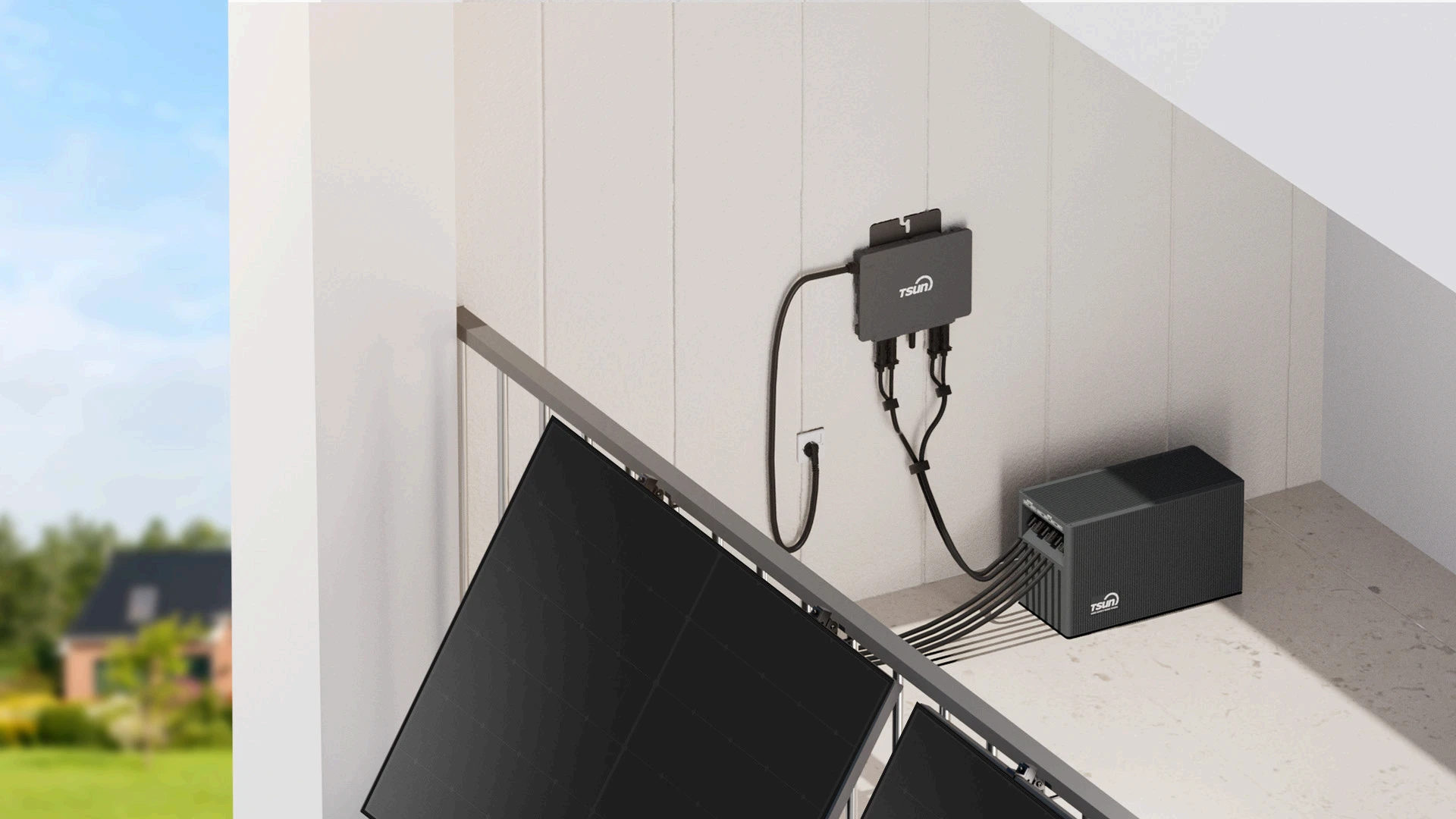
 Downloads
 Video Center
 Report Fault for Repair
 FAQS
FAQS Service Network
 Privacy Policy
 Contact Us
 Monitoring


 LEARN MORE