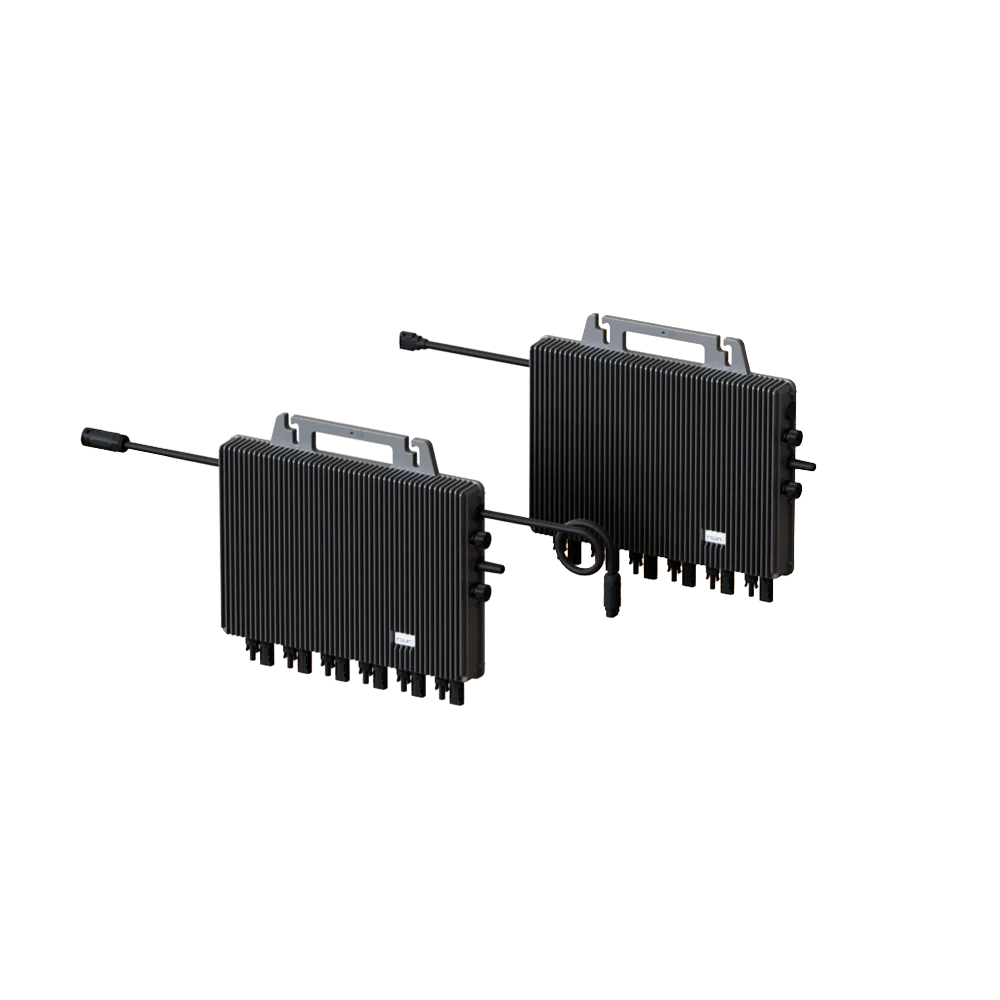
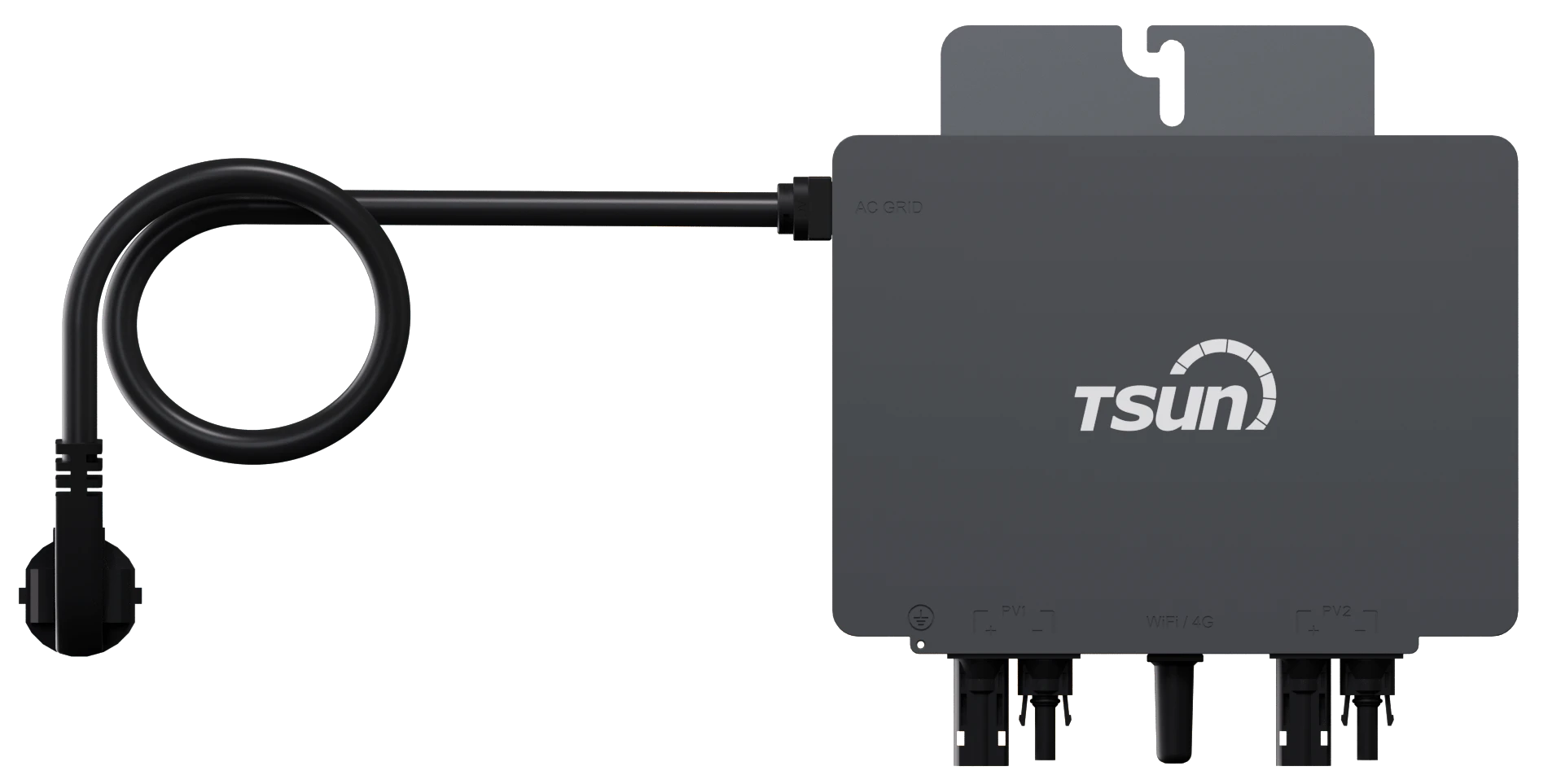
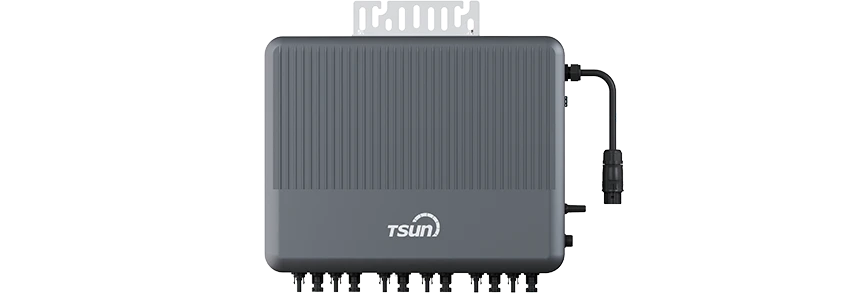
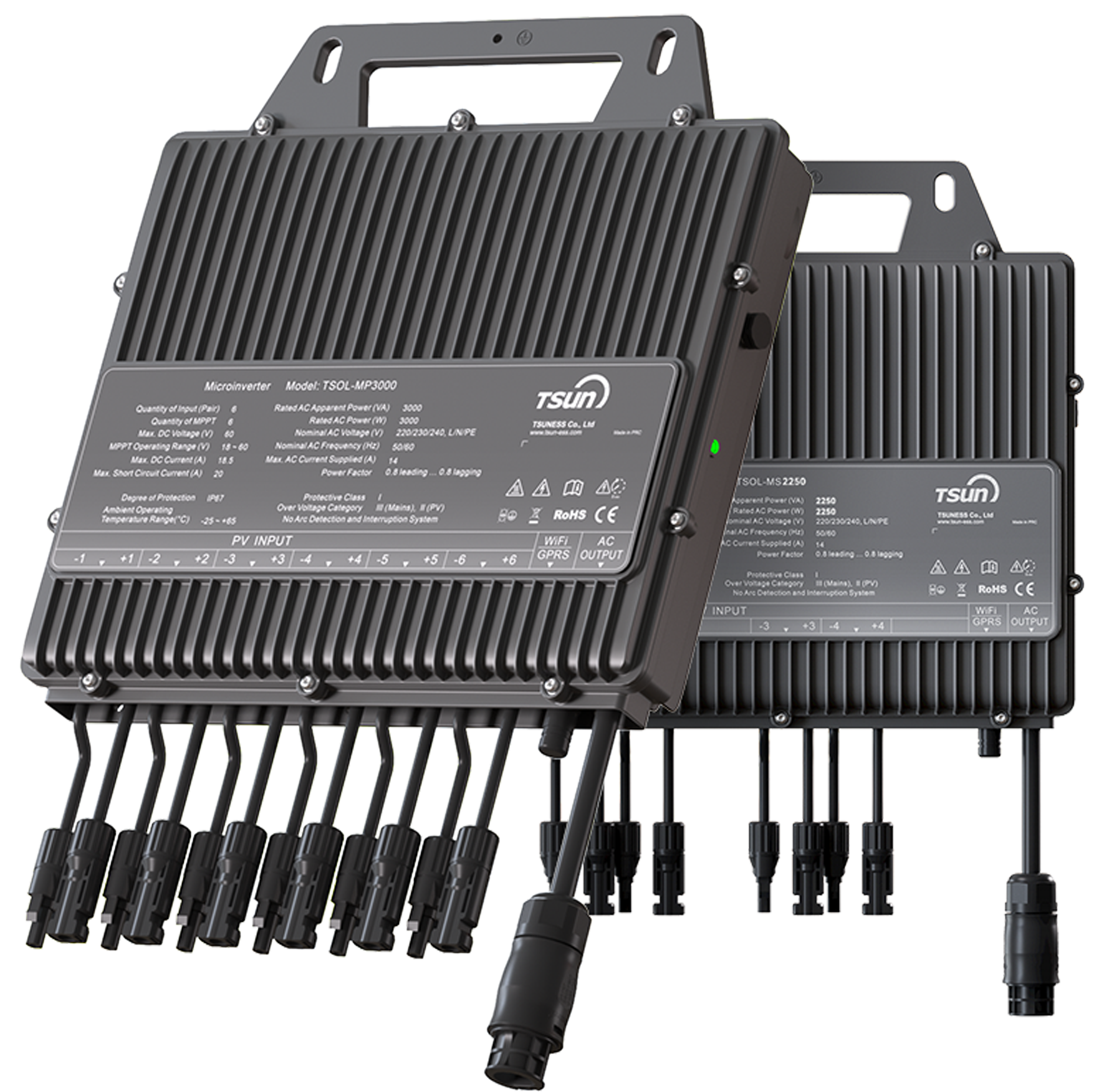
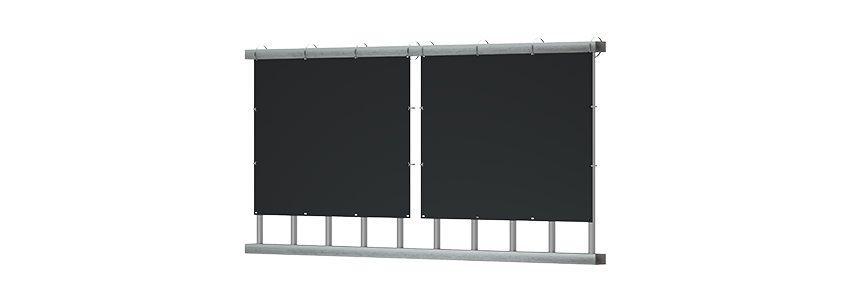
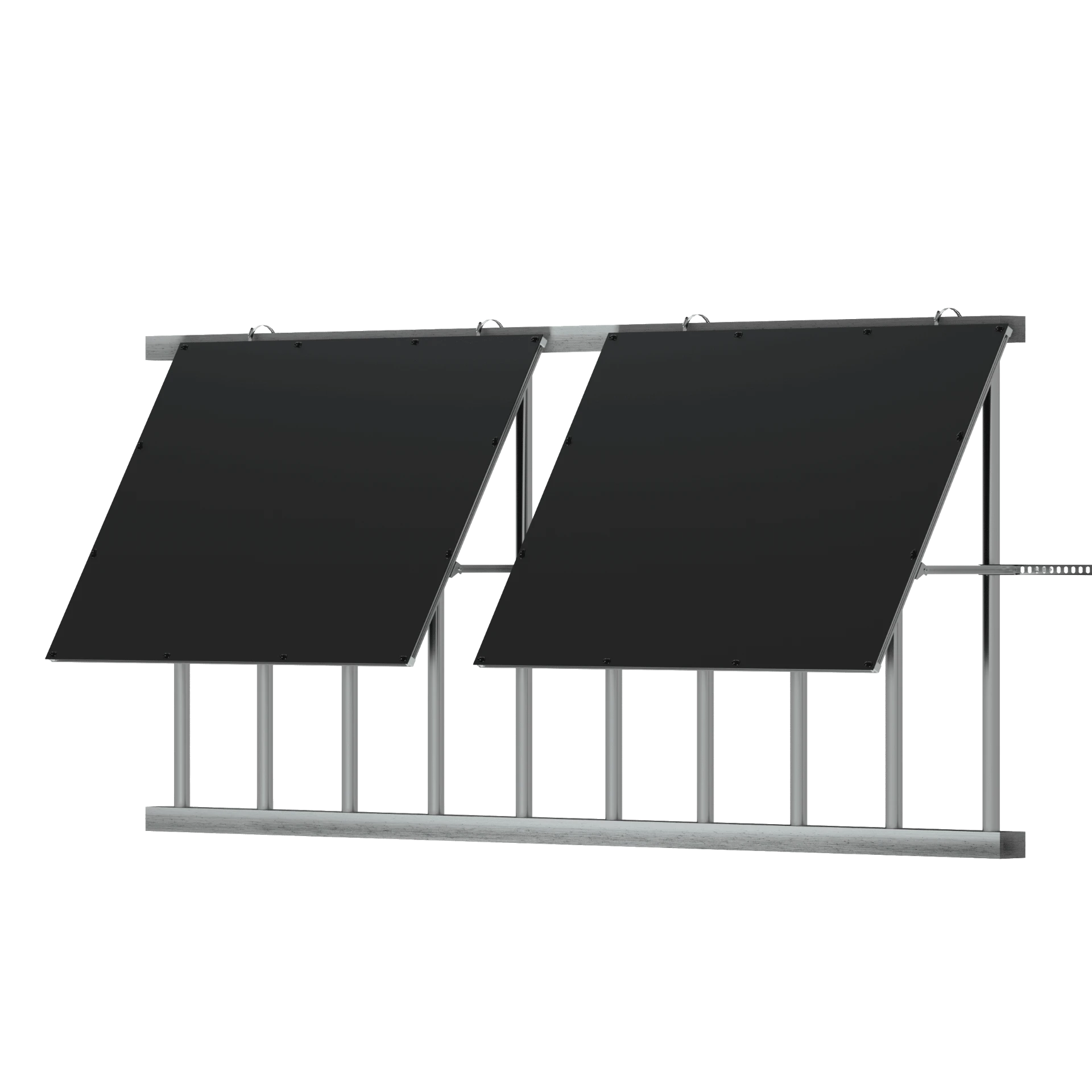
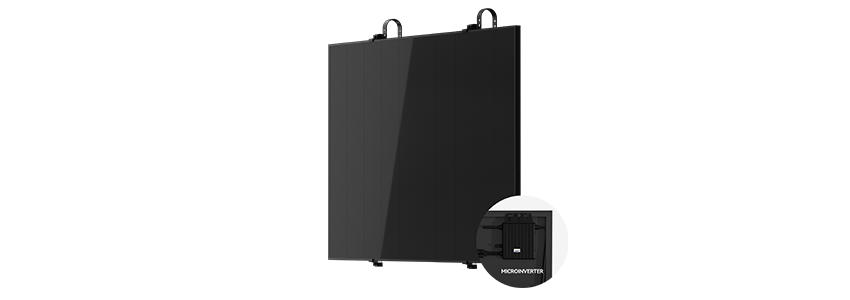
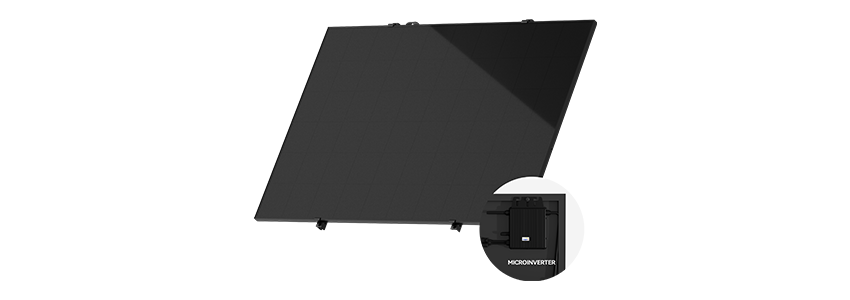
If you’ve spent any time around the solar energy or industrial electrical equipment sectors, you’ve probably bumped into the term “microinverter kit” more than once. Frankly, the amount of innovation packed into these seemingly tiny devices is surprising, especially when you see them in action.
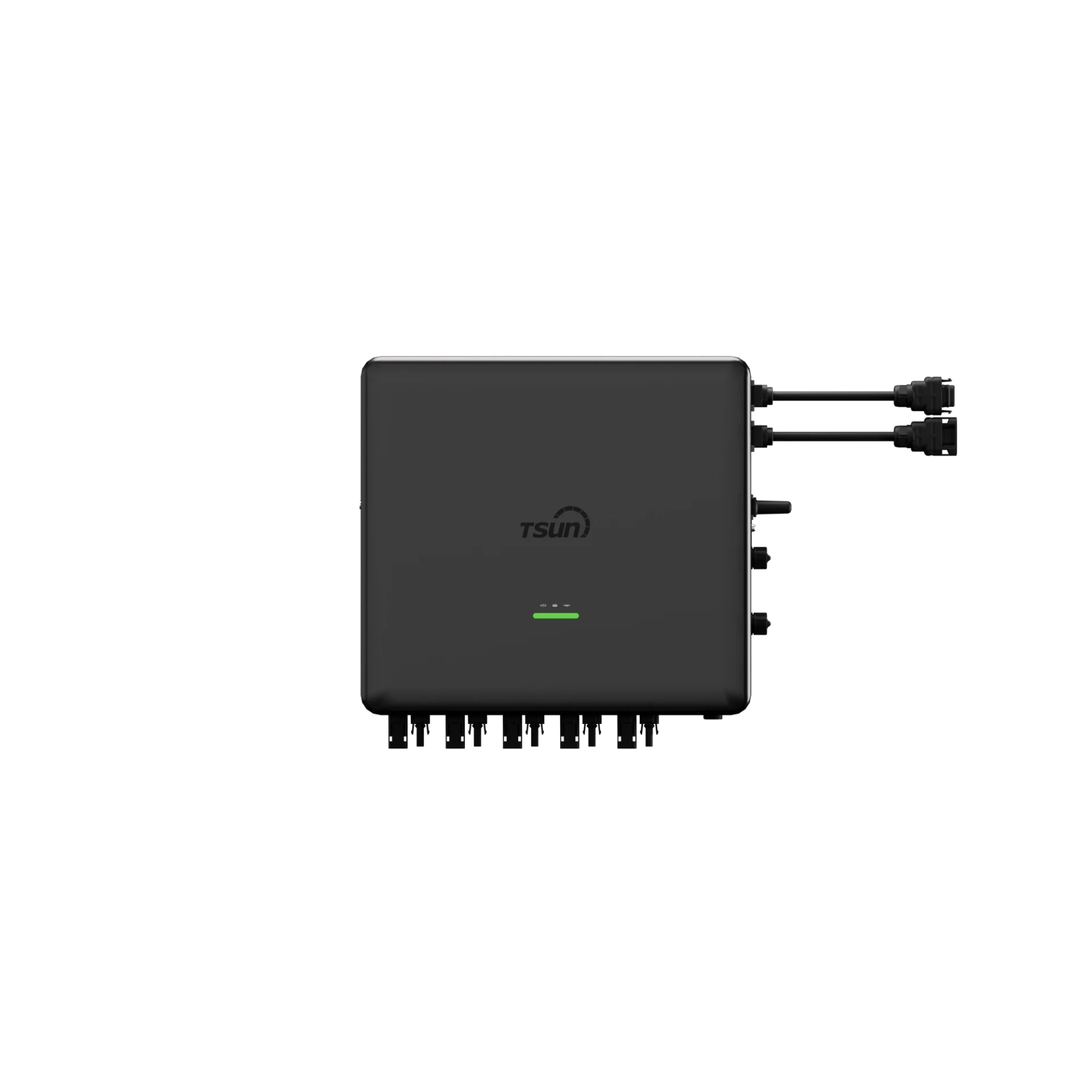
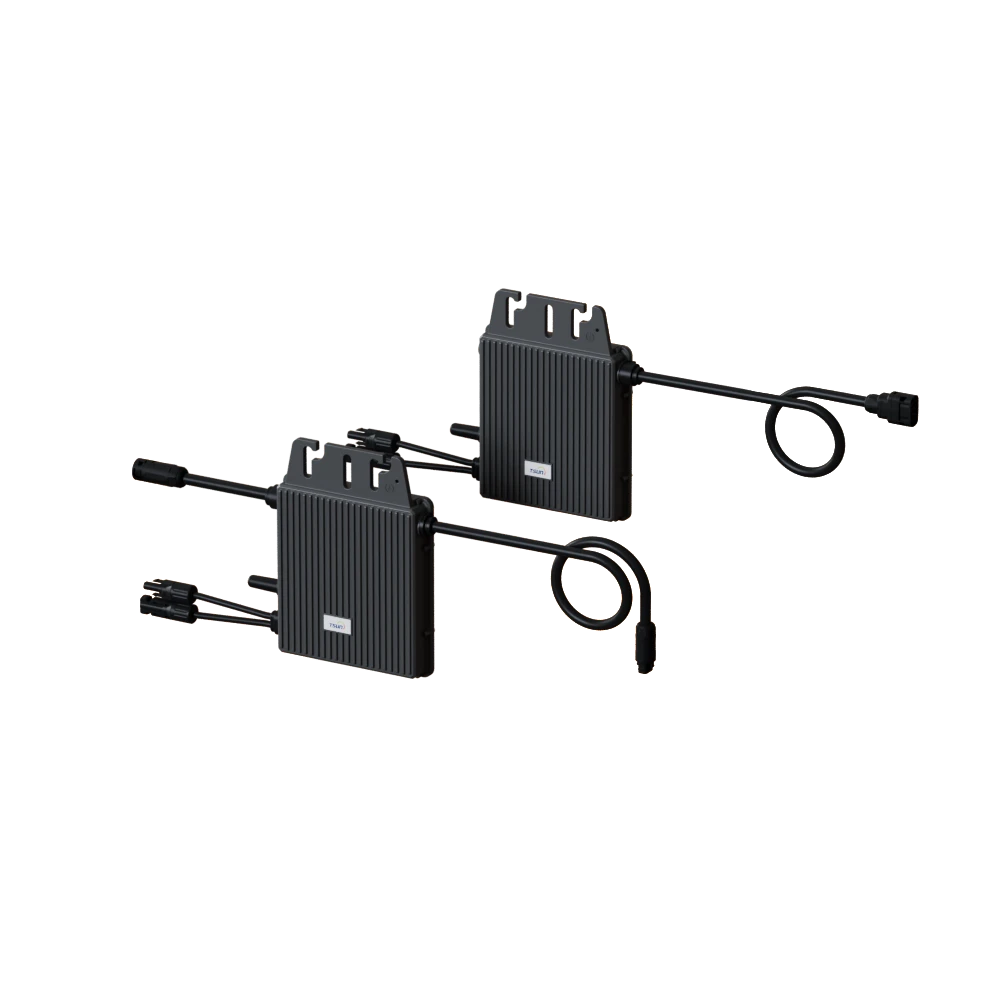
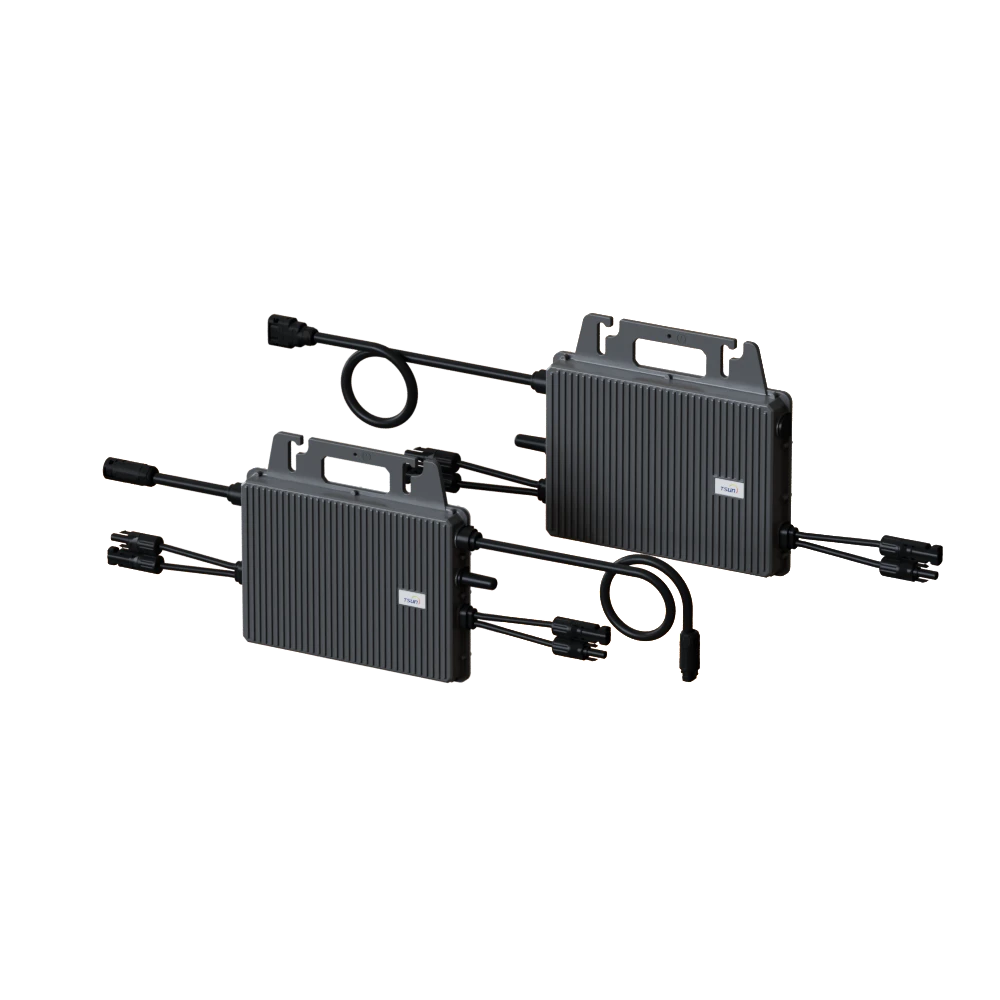
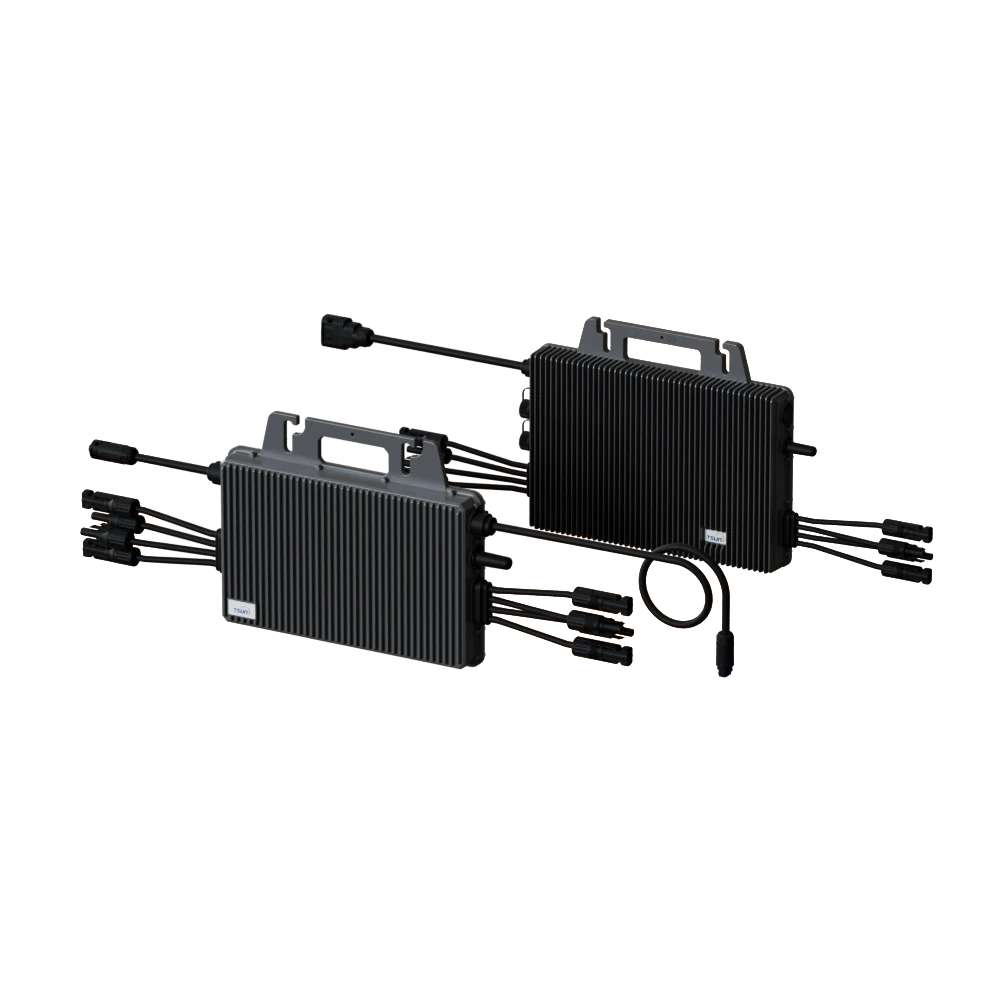
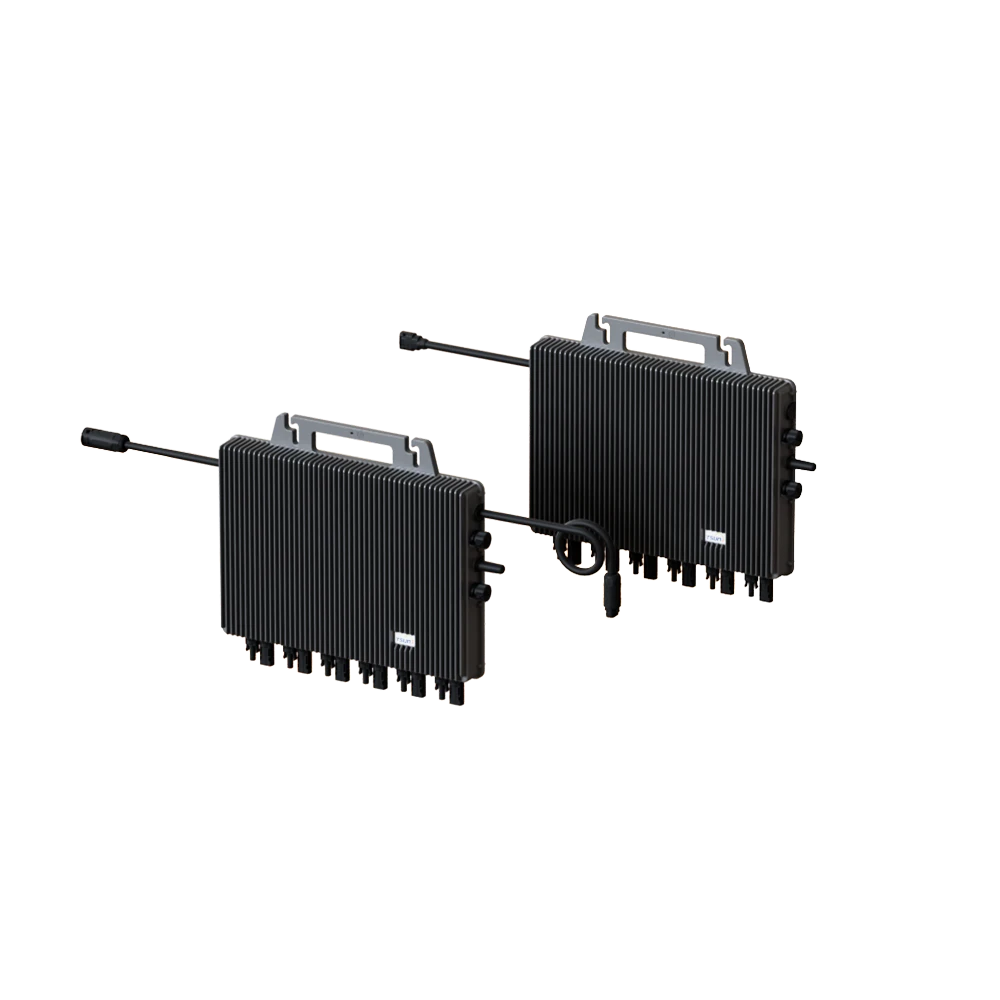
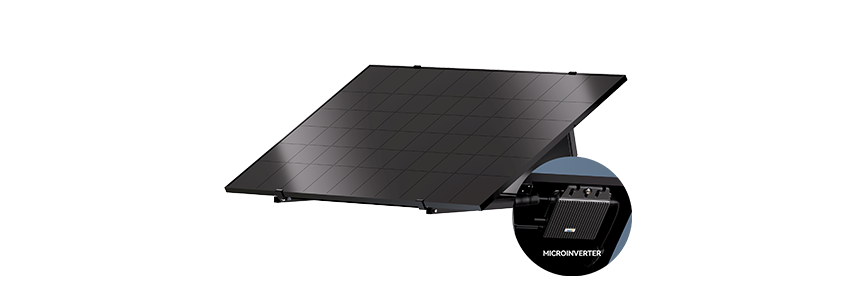
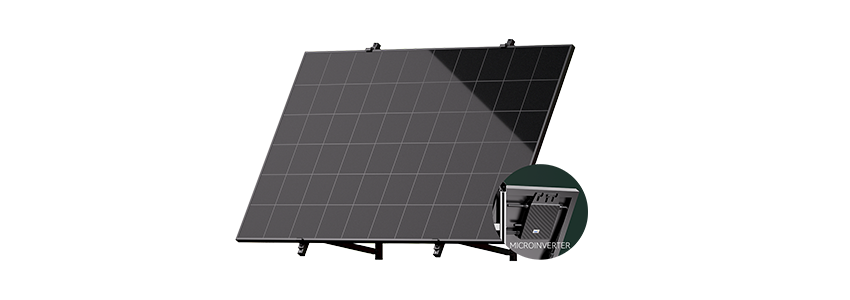
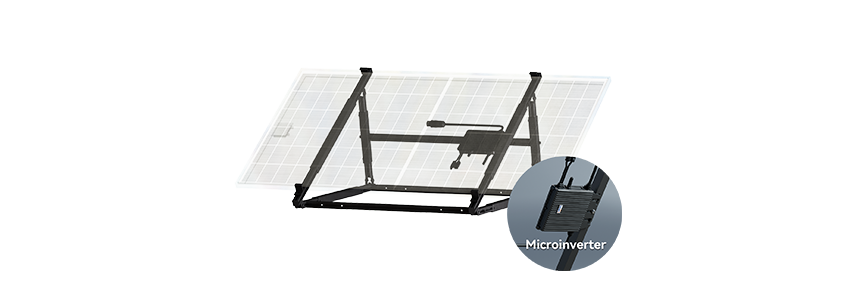
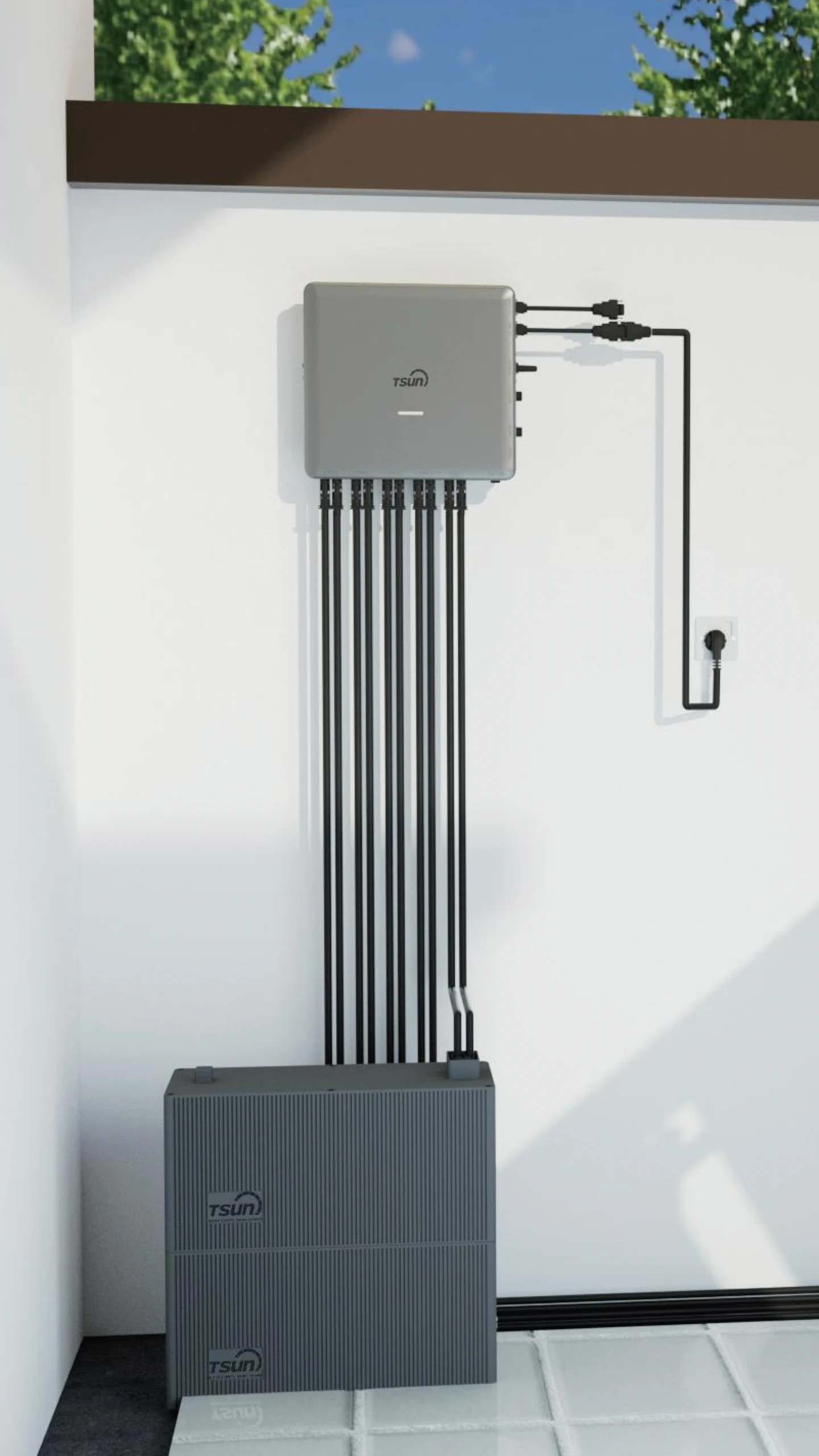
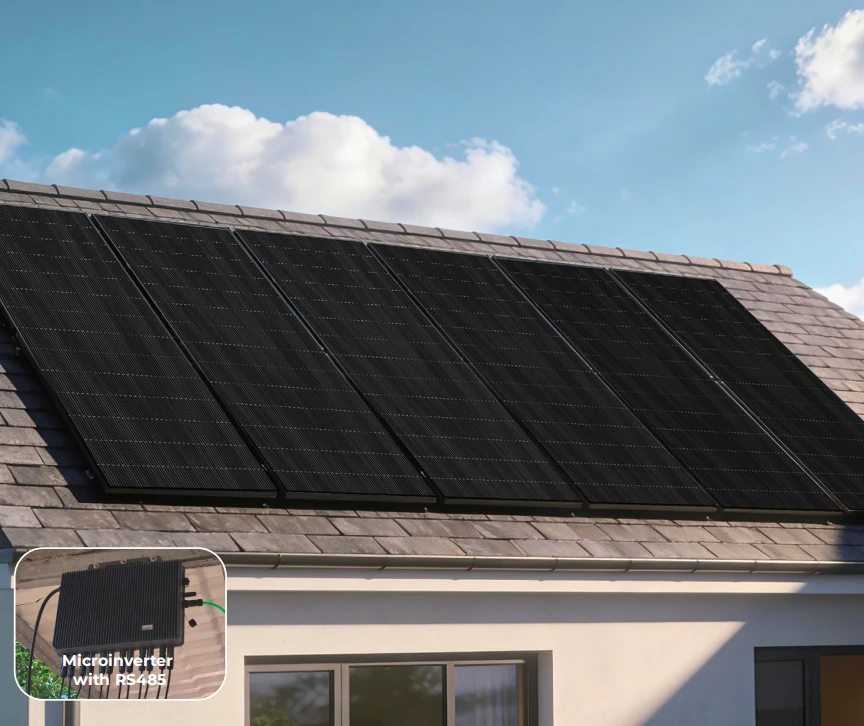
In real terms, a microinverter kit is essentially a compact solution that converts direct current (DC) from each individual solar panel into alternating current (AC) right at the panel level. This contrasts hugely with traditional string inverters that handle multiple panels at once. I noticed early on that this setup tends to simplify system design and improve overall efficiency, especially as shading or panel mismatches come into play.
Oddly enough, many engineers say it’s the system’s modularity that appeals most. When one microinverter has issues, it doesn’t drag down the whole array — something you rarely get with centralized inverters. This leads to increased uptime and ease of maintenance, quite critical when you manage big commercial installations.
### A Closer Look: Key Product Specifications
Here’s a rundown of what a typical microinverter kit from a reputable vendor packs:
| Specification |
Typical Feature |
| Power Output |
250–300 Watts per microinverter |
| Input Voltage Range |
22 VDC to 60 VDC |
| Output Voltage |
120 VAC / 240 VAC |
| Communication |
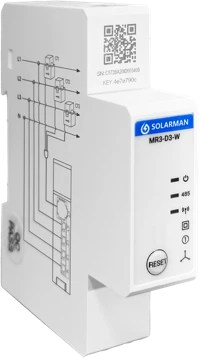
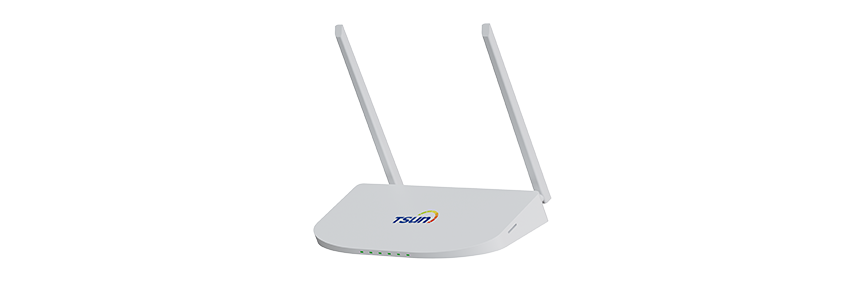
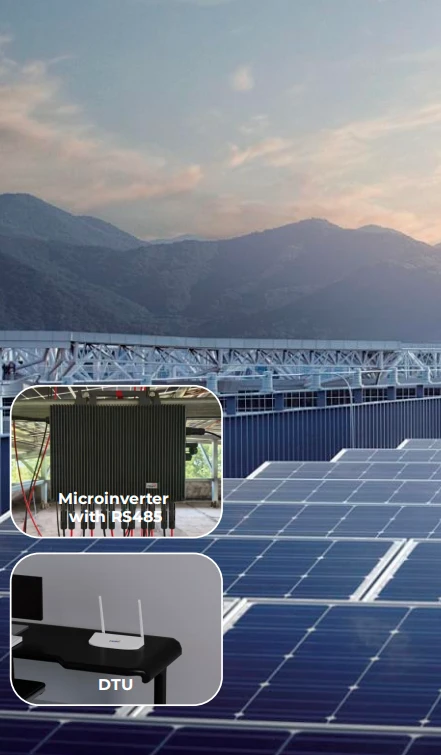
Wireless Monitoring (Wi-Fi/Zigbee) |
| Operating Temperature |
-40°C to 65°C (-40°F to 149°F) |
| Warranty |
10–12 Years Standard |
From my years working with these, the robustness to temperature and extended warranty periods are crucial, because a solar setup often faces its fair share of extreme weather over time.
### Comparing the Top Microinverter Vendors
I’ve had firsthand experience with quite a few brands, so here’s a quick comparison to keep in mind when choosing:
| Brand |
Efficiency (%) |
Warranty |
Monitoring |
Price Range |
| Brand A |
96.5% |
12 Years |
Advanced Wireless |
High |
| Brand B |
95.8% |
10 Years |
Basic Monitoring |
Mid |
| Brand C |
94.9% |
10 Years |
Limited |
Low |
Price often drives choices, but I learned the hard way that cutting corners on warranties or monitoring can cost more in the long run. Especially in industrial settings where downtime directly translates to lost output. One jobsite I managed had a shading problem fixed effortlessly by swapping out a single microinverter, saving days of downtime and labor.
### Why Choose a Microinverter Kit?
Okay, so “why bother?” you might ask. Well, the microinverter kit is about flexibility and intelligence at the panel level. In industrial applications—factories, warehouses, or even remote utilities—systems are rarely that straightforward. Panels get dirty unevenly; shadows creep in from new construction or surrounding trees; and solar irradiance varies.
With a microinverter setup, each panel’s output optimizes independently. You also get granular monitoring down to each panel, which is a bit like having health metrics for every component in your system. That kind of insight empowers quicker troubleshooting and smarter maintenance cycles, which frankly is worth its weight in gold when you’re juggling multiple sites.
On another note, installation is often simpler for retrofit projects—combining new panels with older systems can be easier when microinverters are used, as you’re not dependent on string matching.
Of course, it’s no silver bullet. Sometimes upfront costs are higher, and if your system is very large and uniform, a central inverter might remain the best fit. But honestly, as technology evolves and prices drop, microinverter kits are steadily becoming preferred in many industrial scenarios.
### Some Final Thoughts
I remember a project a few years ago where the client was initially skeptical about microinverters. They’d always trusted the tried-and-true central inverter approach. But after seeing the incremental benefits—improved energy harvest in partial shading and quick fault localization—they were converts. It feels like, with solar, moving towards more modular, intelligent systems isn’t just a trend but an industrial necessity.
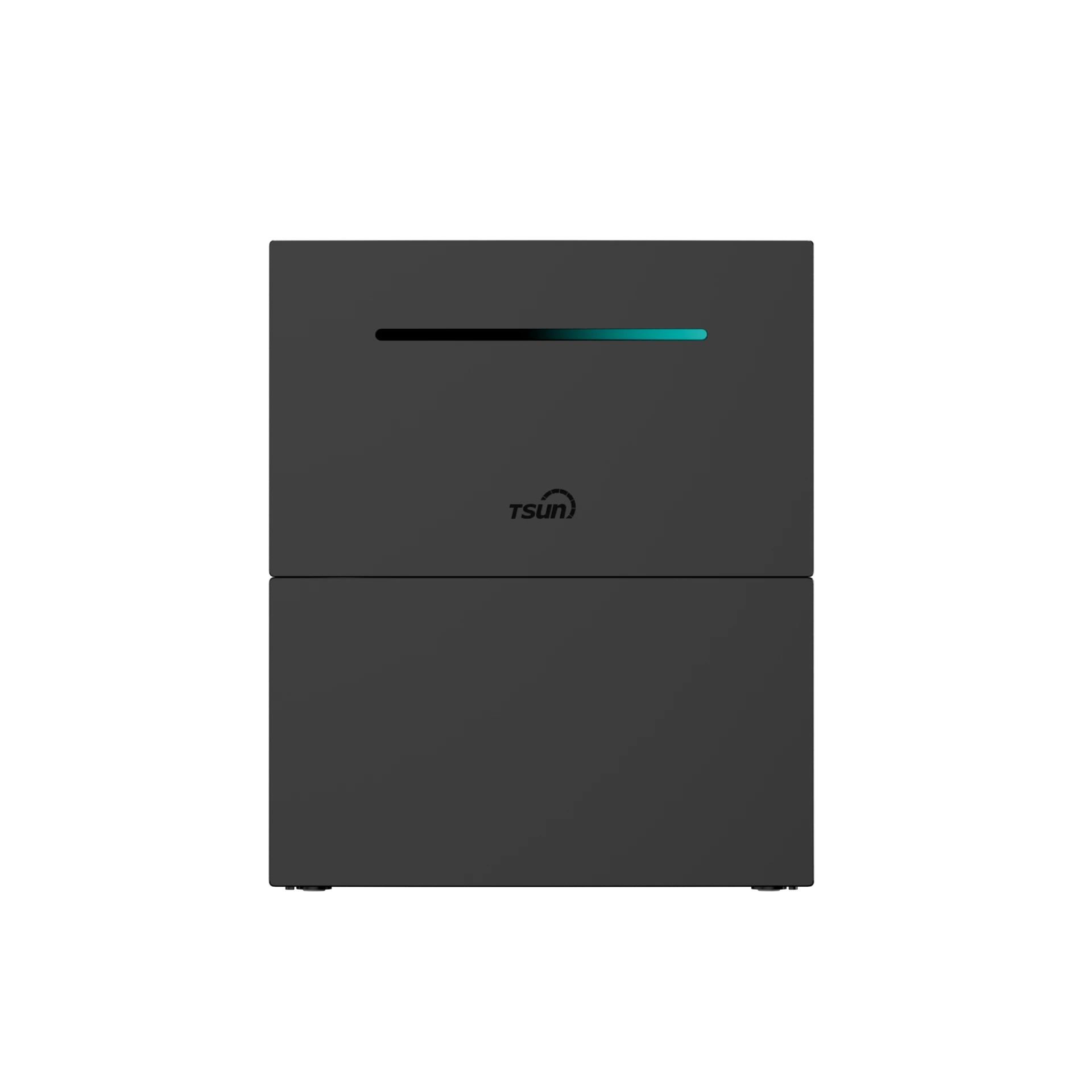
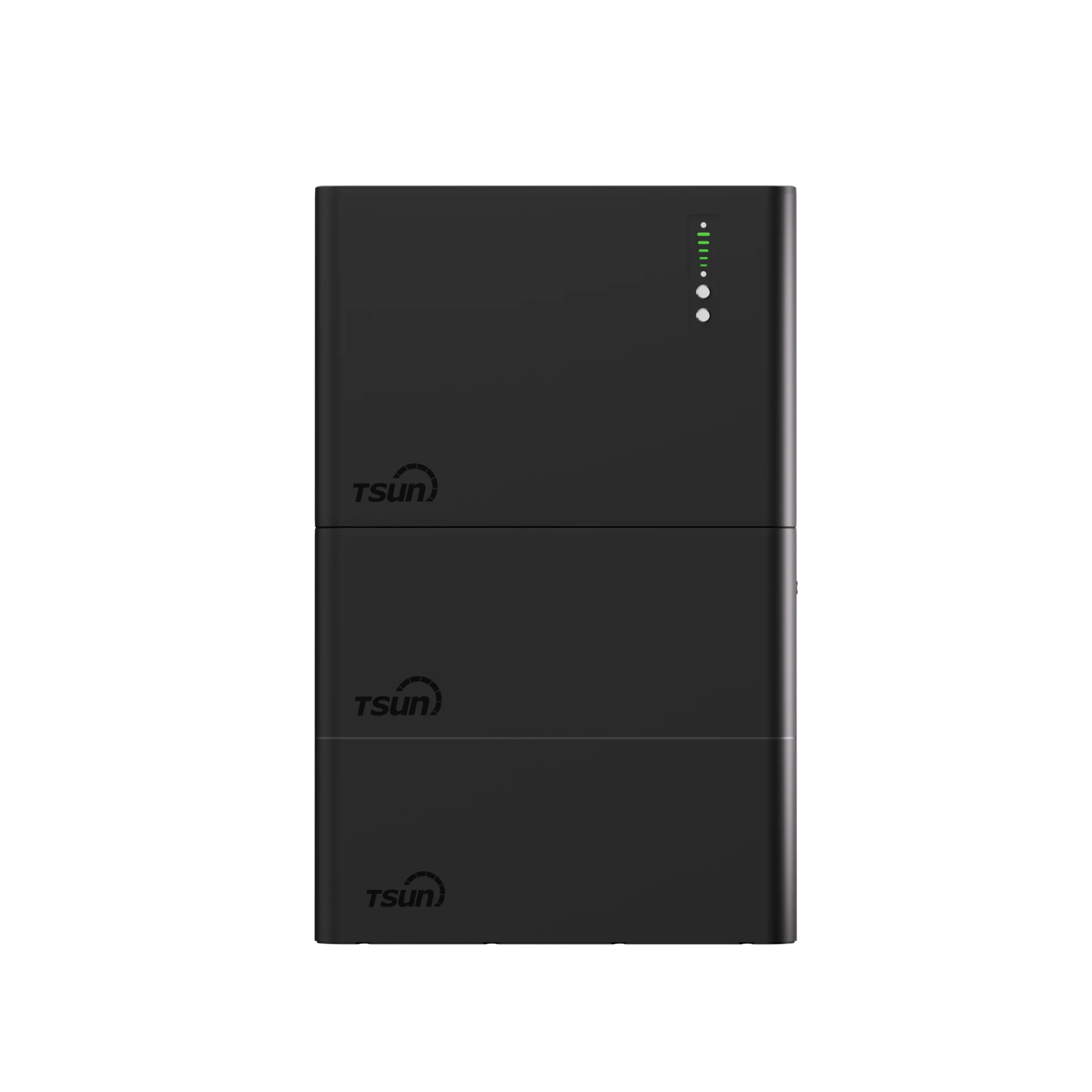
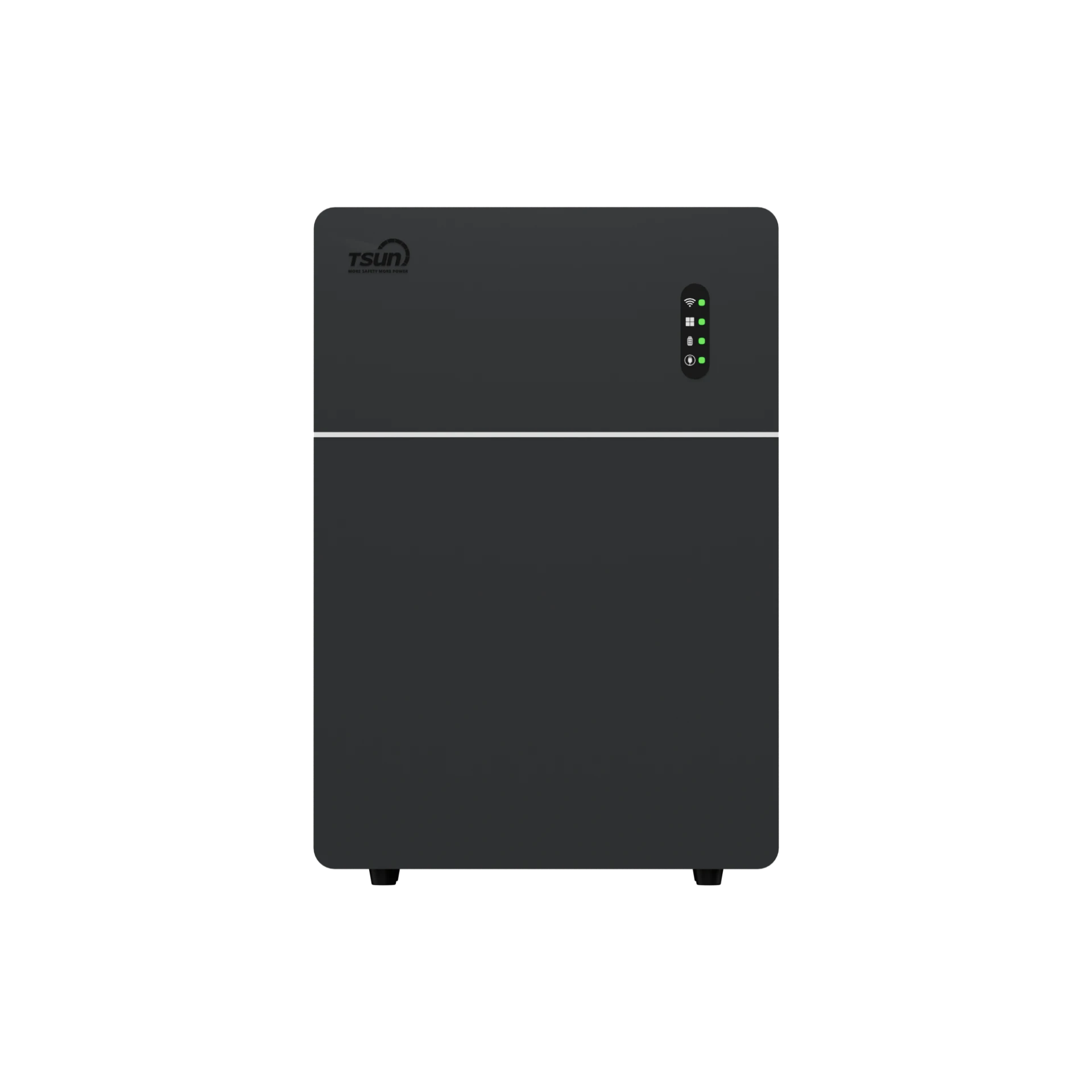
If you want to explore reliable microinverter kits, checking out options like those at
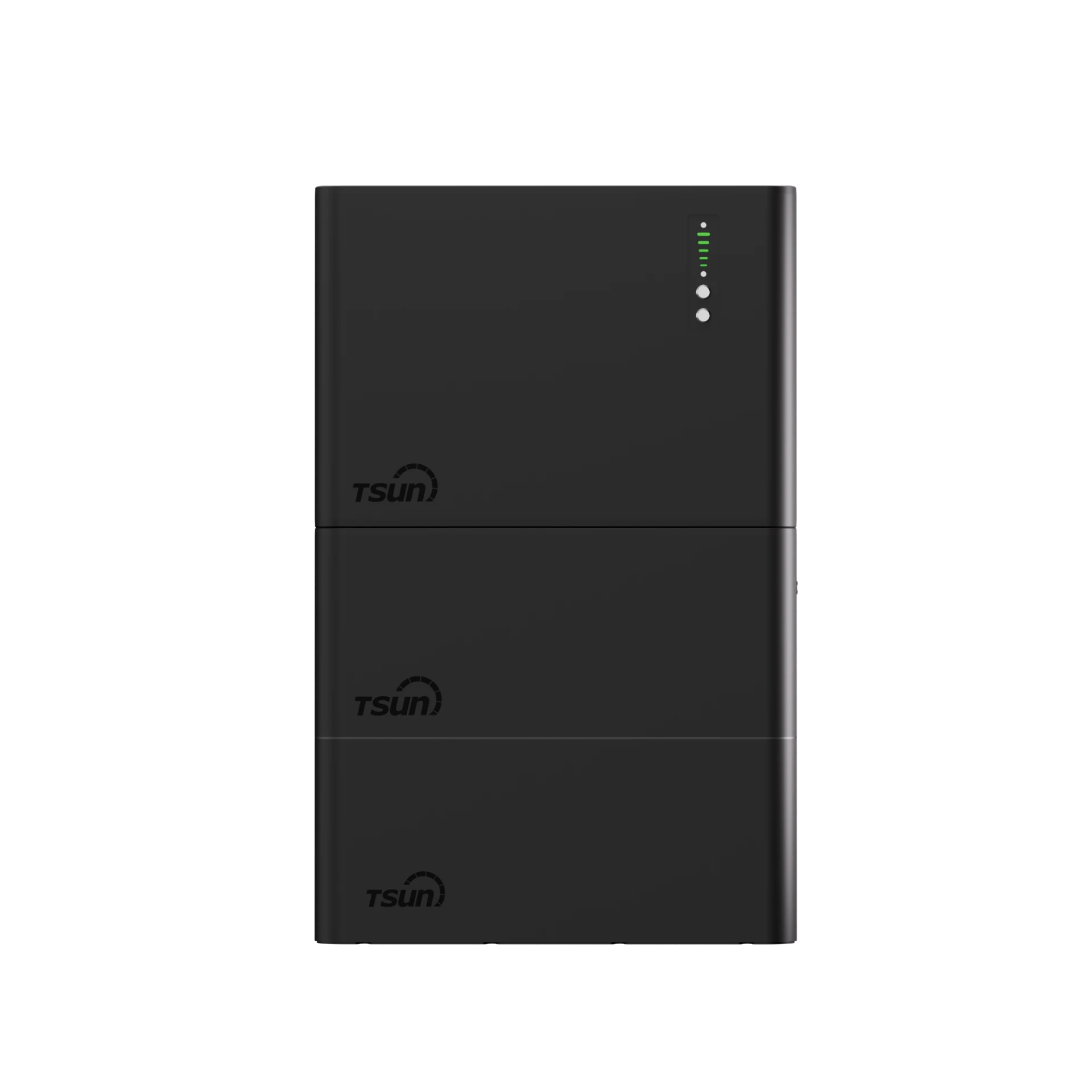
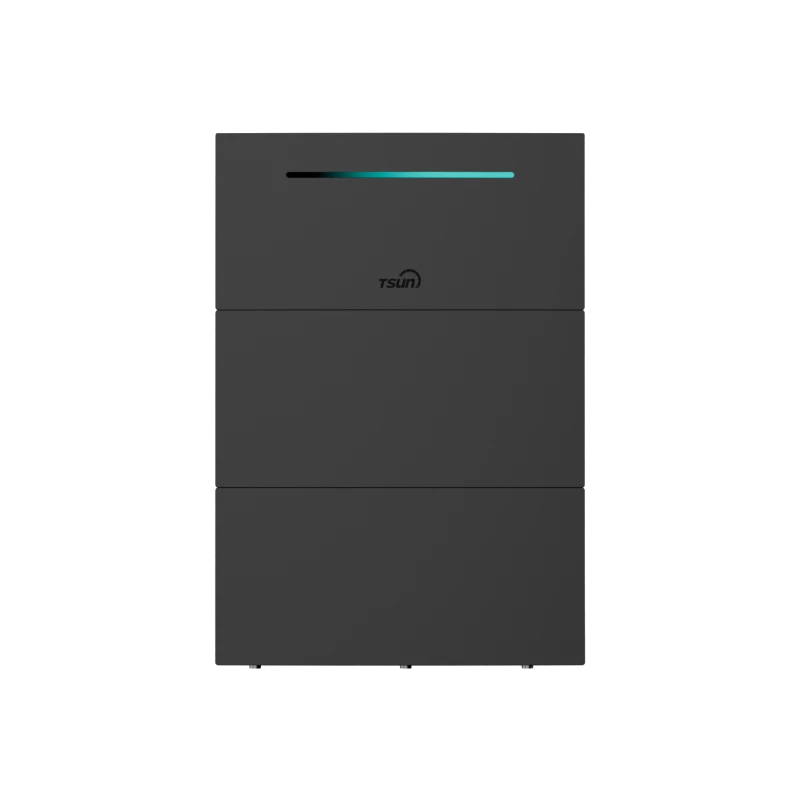
Tsun Energy Solutions is a good place to start. They offer solutions well-suited for commercial and industrial applications, combining solid specs with trustworthy post-sale support.
---
### Takeaway
Microinverter kits marry smart design with practical benefits, and in my experience, they are a worthy investment for many industrial solar projects.
---
### References
1. U.S. Department of Energy – Solar Technologies Office, “Microinverters in PV Systems,” 2023
2. National Renewable Energy Laboratory (NREL), “Photovoltaic System Modeling,” 2022
3. Jack H. Miller, “Industrial PV Installations: Managing Performance and Reliability,” Industrial Electric Journal, 2021




 LEARN DETAILS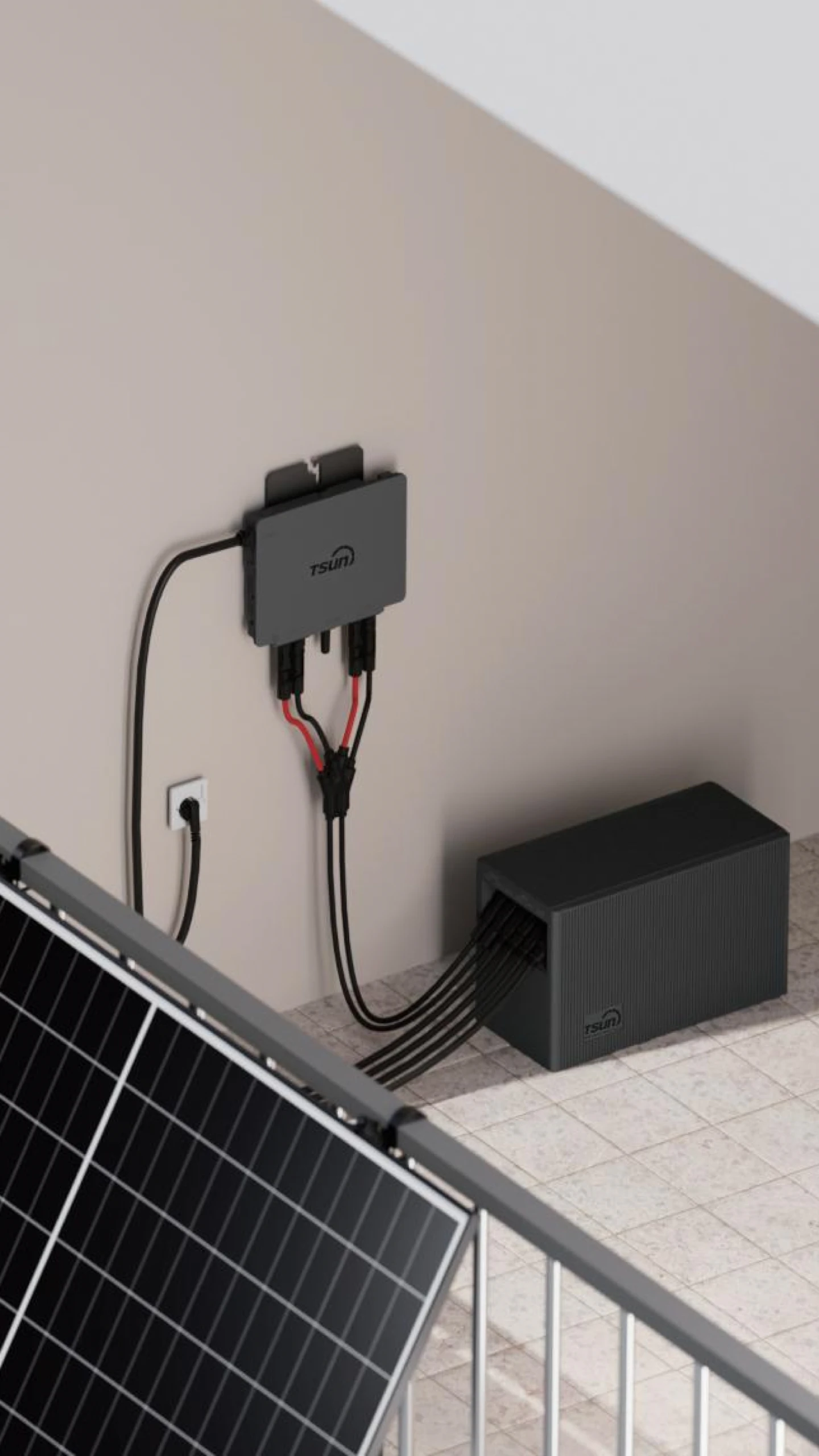
 Downloads
 Video Center
 Report Fault for Repair
 FAQS
FAQS Service Network
 Privacy Policy
 Contact Us
 Monitoring


 LEARN MORE