Power meter selection for single-phase and three-phase microinverter systems
Release time2026 - 11 - 23
Share:
Choose the Power meter version by matching the grid type, nominal voltage, current range, and communication arrangement to your microinverter system. The ADL200N-CT and ADL400N-CT cover single-phase and three-phase installations with CT sensing and RS485 communication.
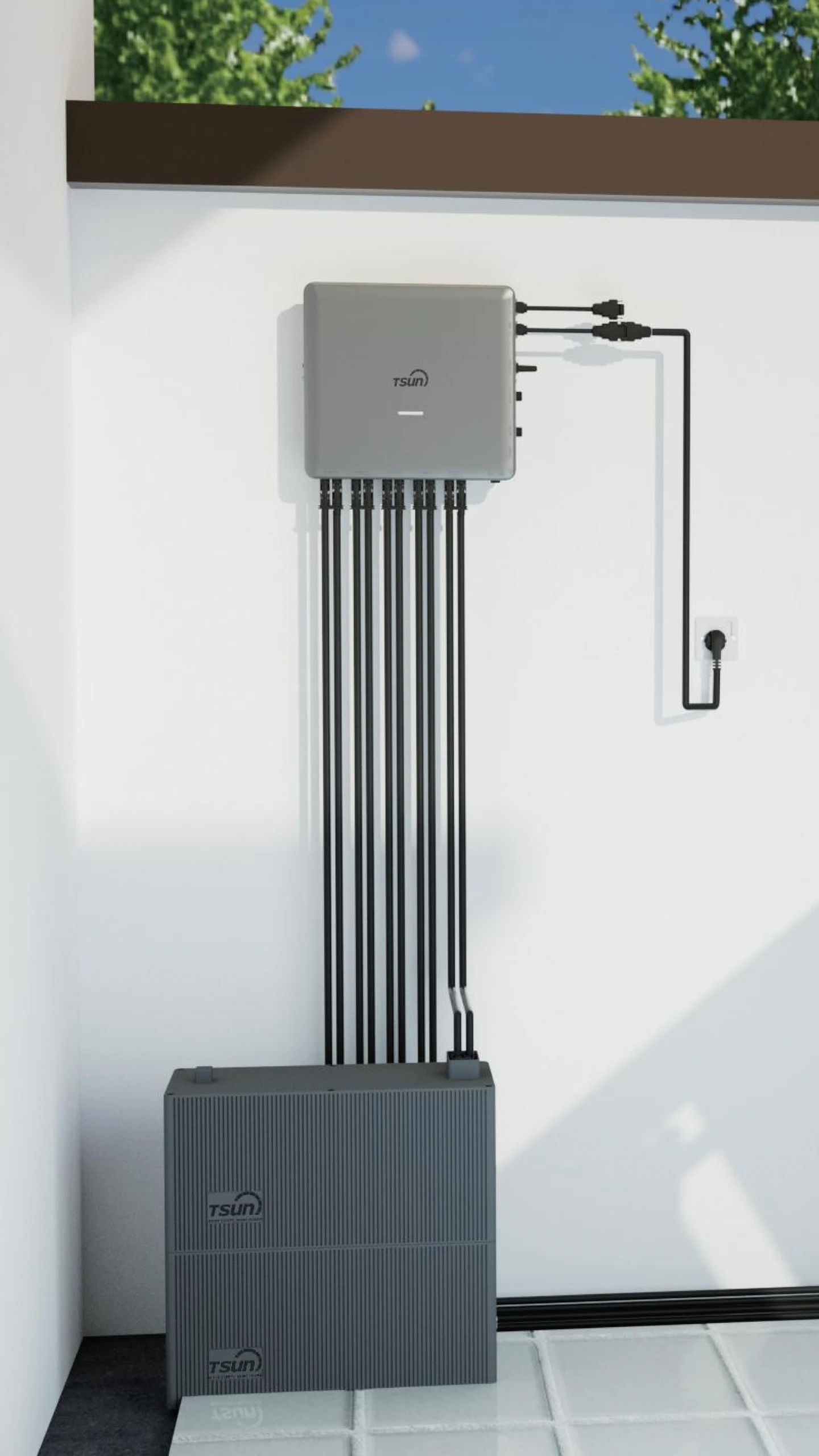
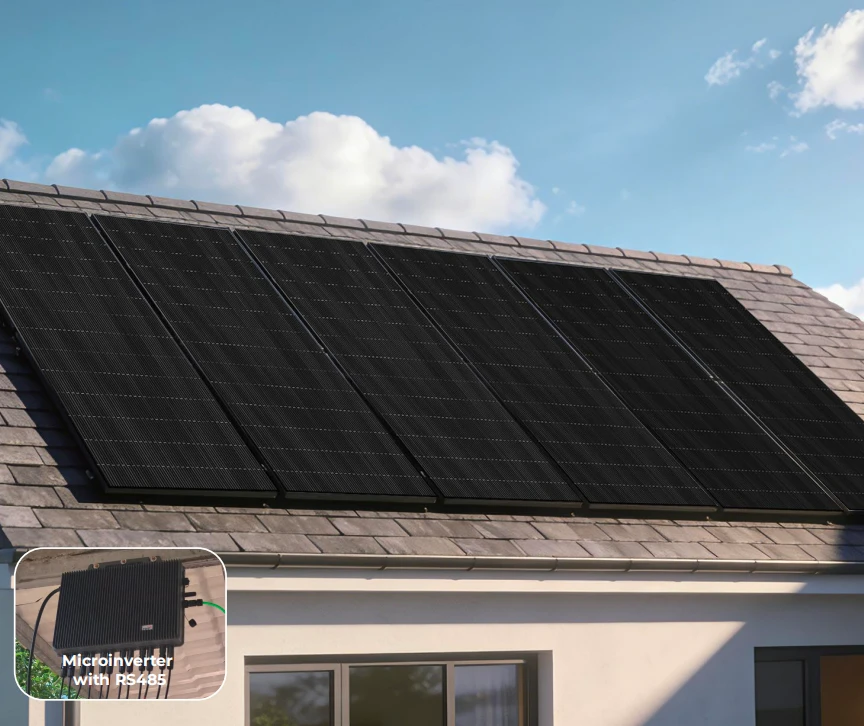
Illustration for reference; see the product page for actual photos and specifications.
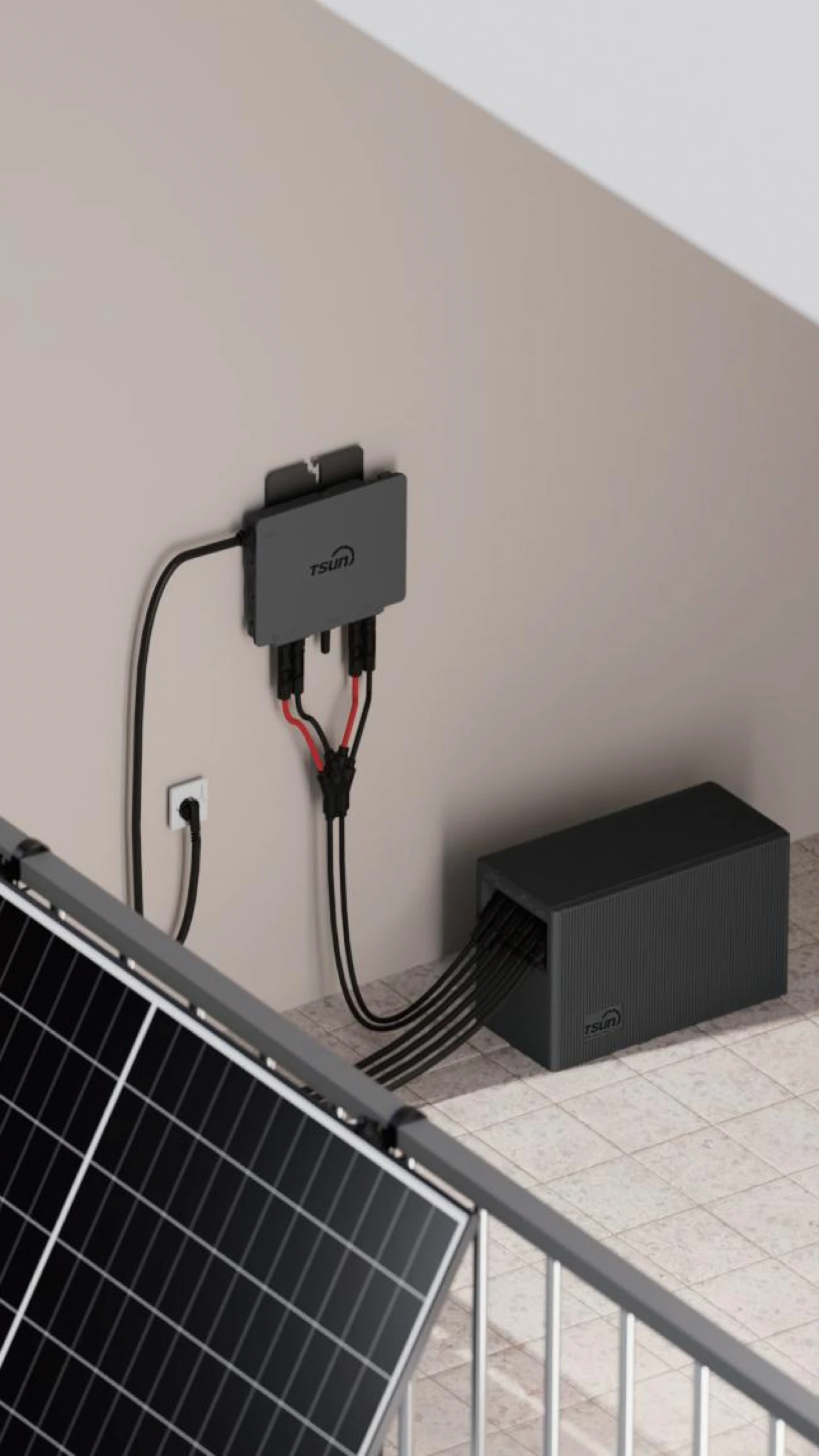
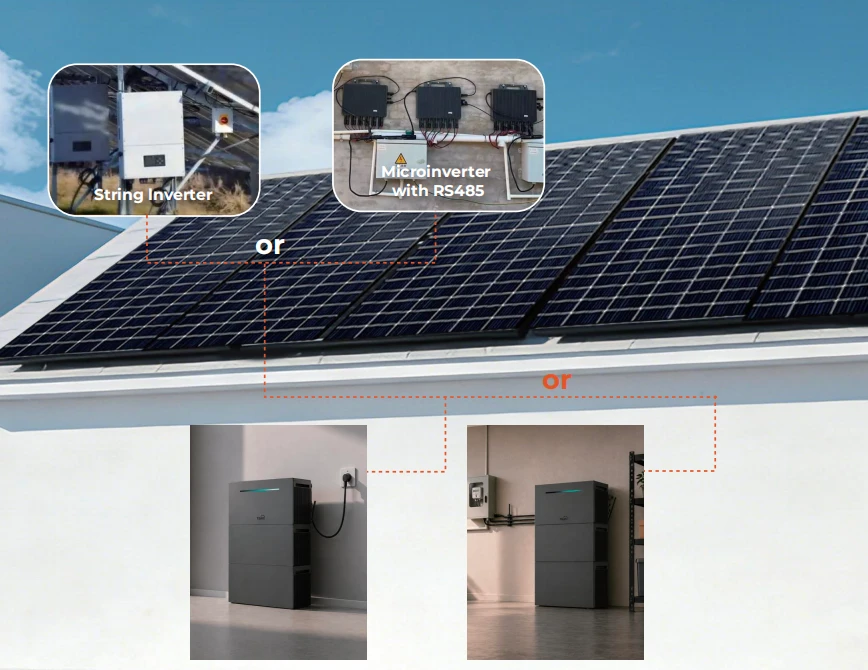
A Power meter for a microinverter system must match the electrical arrangement it will measure and control. Our Smart Meter collects grid output power status, connects to the home network, communicates with microinverters on the same network, and controls the output power of the complete microinverter system.
Start with the grid type
Select the ADL200N-CT for a single-phase system with a nominal voltage of 230 V. Select the ADL400N-CT for a three-phase system rated at 230 V / 400 V. This is the first check because the grid type determines which meter version fits the installation.
The two options use the same stated measurement approach: a CT sensor measures input current, while RS485 provides the communication connection. Match the meter to the system wiring before comparing the remaining parameters.
Match the current range to the installation
The available input current choices are 80A, 120A, 200A, and 300A. Choose the range that covers the current your installation requires, then confirm the selection against the system design before ordering. The CT sensor arrangement is useful when the measurement point must be fitted around the current-carrying conductor.
The meter has a consumption value of < 0.2 VA and an accuracy of ±0.5%. Its data interval is < 200 ms, so it suits projects that need frequent grid-output updates for microinverter power control.
Parameter
Power meter value
Models
ADL200N-CT / ADL400N-CT
Grid type
Single-phase / Three-phase
Nominal voltage
230 V / 230 V / 400 V
Frequency range
45–65 Hz
Input current
80A, 120A, 200A, 300A
Data interval
< 200 ms
Consumption
< 0.2 VA
Accuracy
±0.5%
Sensor
CT
Communication
RS485
What to weigh
Grid type and nominal voltage · match single-phase or three-phase wiring.
Input current range · select 80A, 120A, 200A, or 300A.
Communication path · confirm RS485 integration with the microinverter system.
Check the communication path
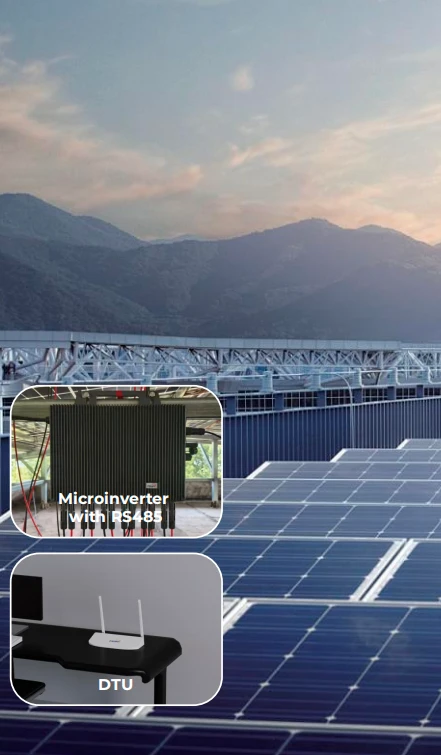
RS485 is the stated communication interface for the meter. Confirm that your installation design includes the matching communication path between the meter, the microinverters, and the wider home network arrangement. The meter is intended for systems where power status needs to be collected and the microinverter output needs to be controlled through network communication.
Choose this Power meter when your project combines grid-output measurement with microinverter system control. It fits a single-phase residential setup when the 230 V configuration and selected current range match. It also fits a three-phase arrangement when the ADL400N-CT configuration, 230 V / 400 V nominal voltage, and current range match the system.
Your shortlist
ADL200N-CT · single-phase microinverter systems at 230 V.
ADL400N-CT · three-phase microinverter systems at 230 V / 400 V.
Confirm these points before ordering
Grid type: single-phase or three-phase
Nominal voltage: 230 V or 230 V / 400 V
Required input current: 80A, 120A, 200A, or 300A
Communication: RS485 connection in the system design
Measurement point: CT sensor placement around the current-carrying conductor
Use these values to identify the suitable ADL series configuration, then send the grid type, nominal voltage, required current range, and communication arrangement with your inquiry.
About the author
TSUNESS Editorial Team
TSUNESS Editorial Team prepares product selection and application articles using the company's product and business information.
The company
Headquarters TSUNESS Co., Ltd.
Tsun is founded by a bunch of young people who have been working in solar inverter industry for around 10 years. They are so passionate about solar industry, and were always looking for technical breakthrough which can bring innovative change to the industry. 10 years technical iteration of string inverter, they realized that in this sector, there would not be any chance to bring this product to the next step. So what would be the breakthrough for residential and small commercial systems?…
Most websites use cookies. A cookie is a small text file placed on a device to store data for future use
by a web server. We and our third-party partners use cookies to remember your preferences and settings,
help you log in, and analyze the health of our website.
Essential
We use necessary cookies to perform important website functions. For example: used to maintain sessions,
improve performance, route traffic between web servers, detect screen size, determine page loading time,
improve user experience, and conduct audience data statistics. These cookies are essential for the
operation of our website.
Analysis
We allow third parties to use analysis cookies to understand how you use our website, so that we can
improve it. Third parties can also use this information for product development and improvement, and
they may use these products on websites that do not belong to our operations. For example, they can be
used to collect information about the pages you visit and the number of clicks you need to complete a
task. We will use some analysis cookies to optimize content display and enhance user experience.






 LEARN DETAILS
 Downloads
 Video Center
 Report Fault for Repair
 FAQS
 Service Network
 Privacy Policy
 Contact Us
 Monitoring



 LEARN MORE