





 LEARN DETAILS
 Downloads
 Video Center
 Report Fault for Repair
 FAQS
FAQS Service Network
 Privacy Policy
 Contact Us
 Monitoring

A Seattle power outage can start suddenly during a severe windstorm, after a vehicle hits a utility pole, or because of local equipment failure. When the lights go out, most people want the same answers fast: Is it only my home? How do I check the outage map? What is safe to do? How long could this last?
This guide gives practical steps for handling a Seattle blackout without the guesswork. You will learn how to tell the difference between a home electrical problem and a wider utility issue, how to use the Seattle power outage map, what to do during an emergency, and how to prepare for the next electric outage with reliable solutions like Tsun Home Power Backup. The goal is simple: help you stay safe, protect your food and devices, and make better decisions while waiting for the grid to return.
How to Check a Seattle Power Outage in Your Area
The quickest way to understand an outage is to verify whether it affects only your property or a wider area. In a major weather event, local alerts and transit notices can also help explain why restoration may take longer than normal.
Using the Seattle Power Outage Map and Utility Status Tools
The Seattle power outage map is the fastest way to check if your address or block is affected. It shows outage locations, customer counts, reported time, known causes, and estimated restoration times when available. For precise results, search by your exact address rather than a general neighborhood or ZIP code.
To stay informed during a Seattle electricity outage, use official utility alerts, mobile apps, or phone lines. Setting up automatic text or email notifications before the next blackout reduces repeated browser checks, preserves your phone's battery life, and lowers stress during prolonged service interruptions.
Checking Neighbors and Nearby Buildings
A quick visual check can reveal whether the outage is limited to your home or affects a wider area. Look for lit streetlights, business signs, porch lights, or operating elevators if you are in a multi-unit building. Noting what works and what doesn’t helps determine if the problem is internal or part of a broader grid failure.
Messaging neighbors is also highly useful. A simple text confirming their power status can clarify whether your unit, building, or surrounding block is affected. Differences may arise from separate service lines, transformers, or internal faults.
What to Do During a Seattle Blackout
When a Seattle blackout occurs, staying safe and managing essentials early is key. Follow these steps to protect your home, family, and devices:
- Check the scope of the outage: Determine whether the problem is inside your home or affects your neighborhood. Inspect breaker panels and GFCI outlets carefully, but avoid repeated resets. Report external issues via official channels.
- Prioritize safety around electrical hazards: Stay away from downed or sagging power lines and damaged equipment. Do not touch wires, puddles near lines, or debris. Keep children and pets at a safe distance.
- Protect food and medications: Keep refrigerator and freezer doors closed. Use coolers with ice for critical items if the outage lasts longer than a few hours. Follow storage guidance for temperature-sensitive medications.
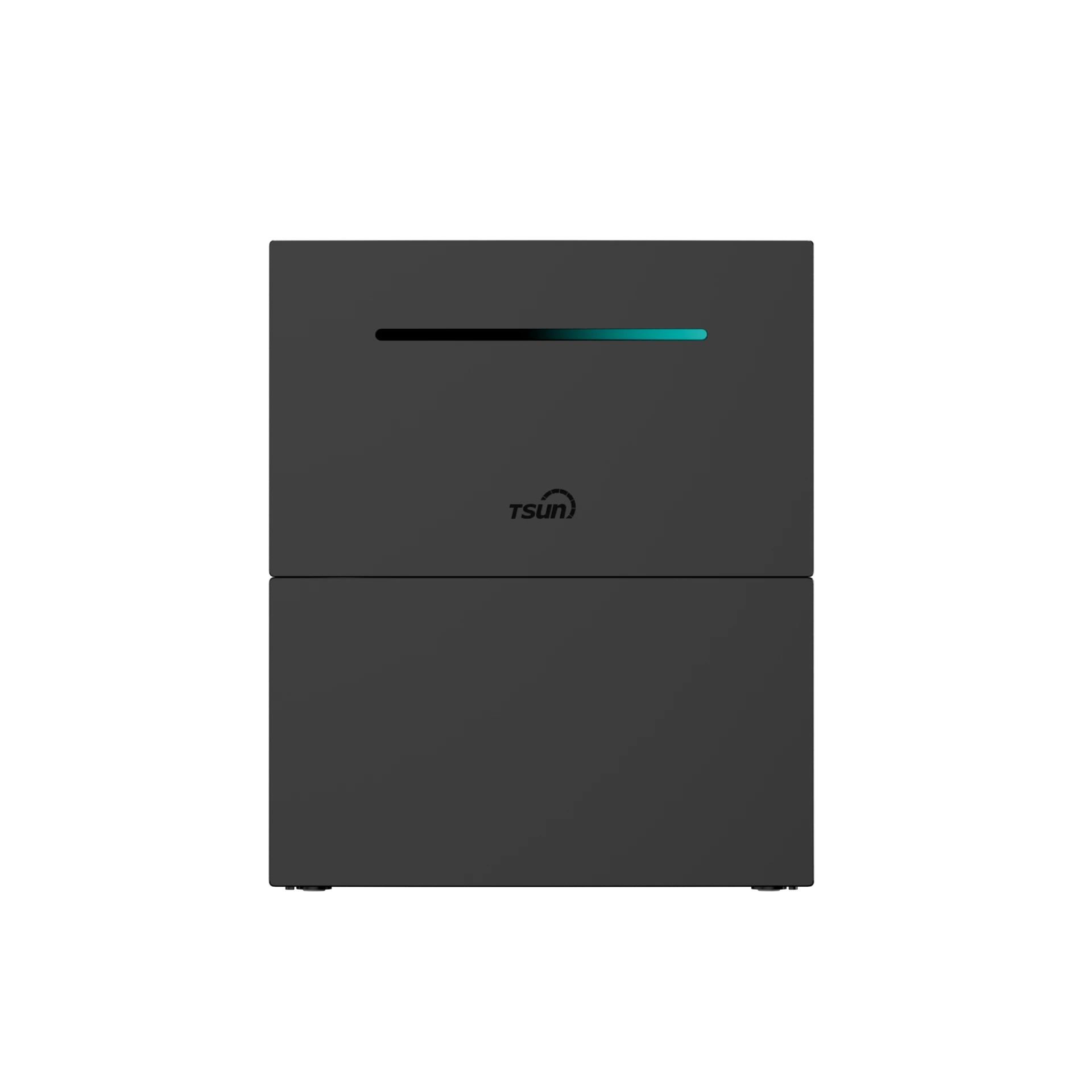
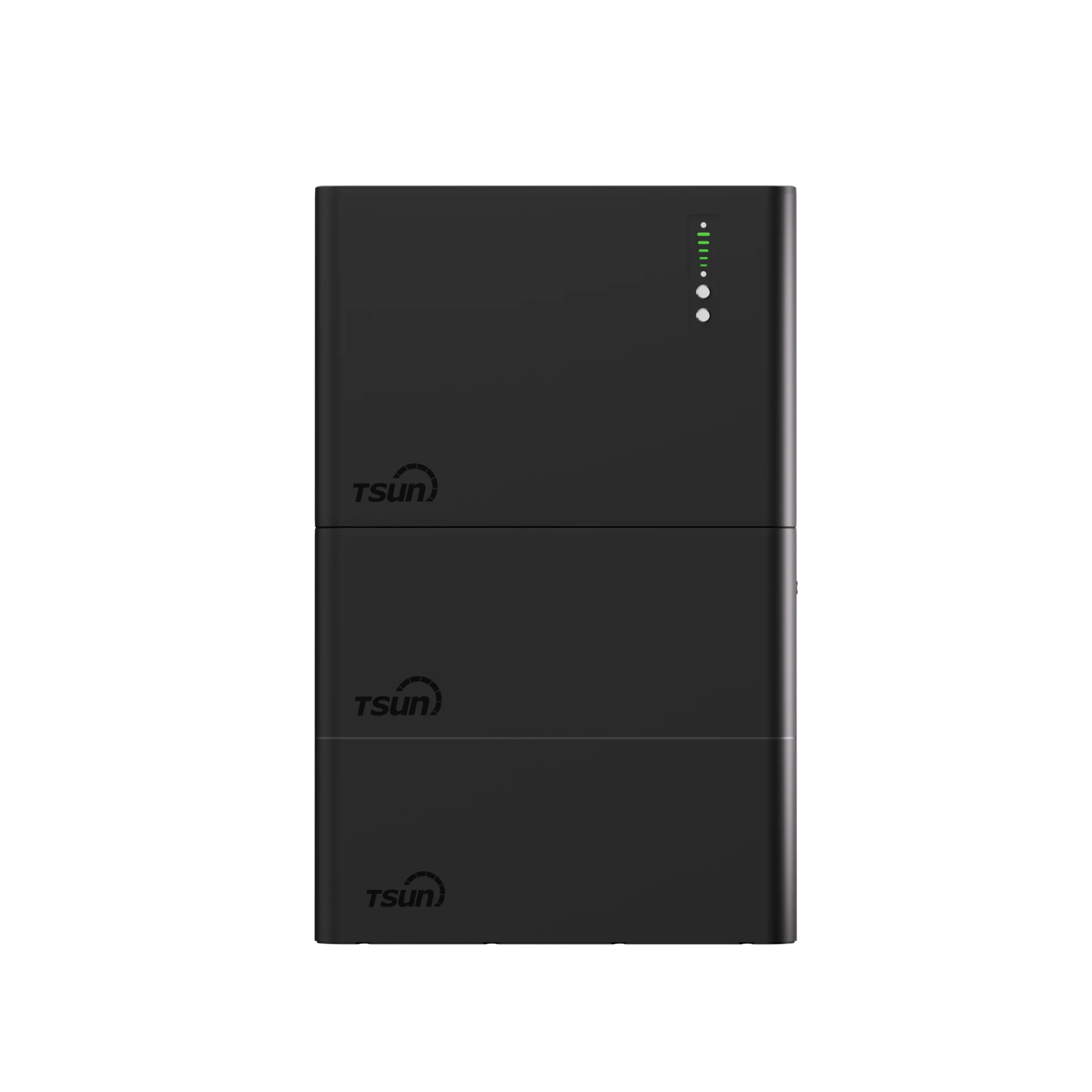
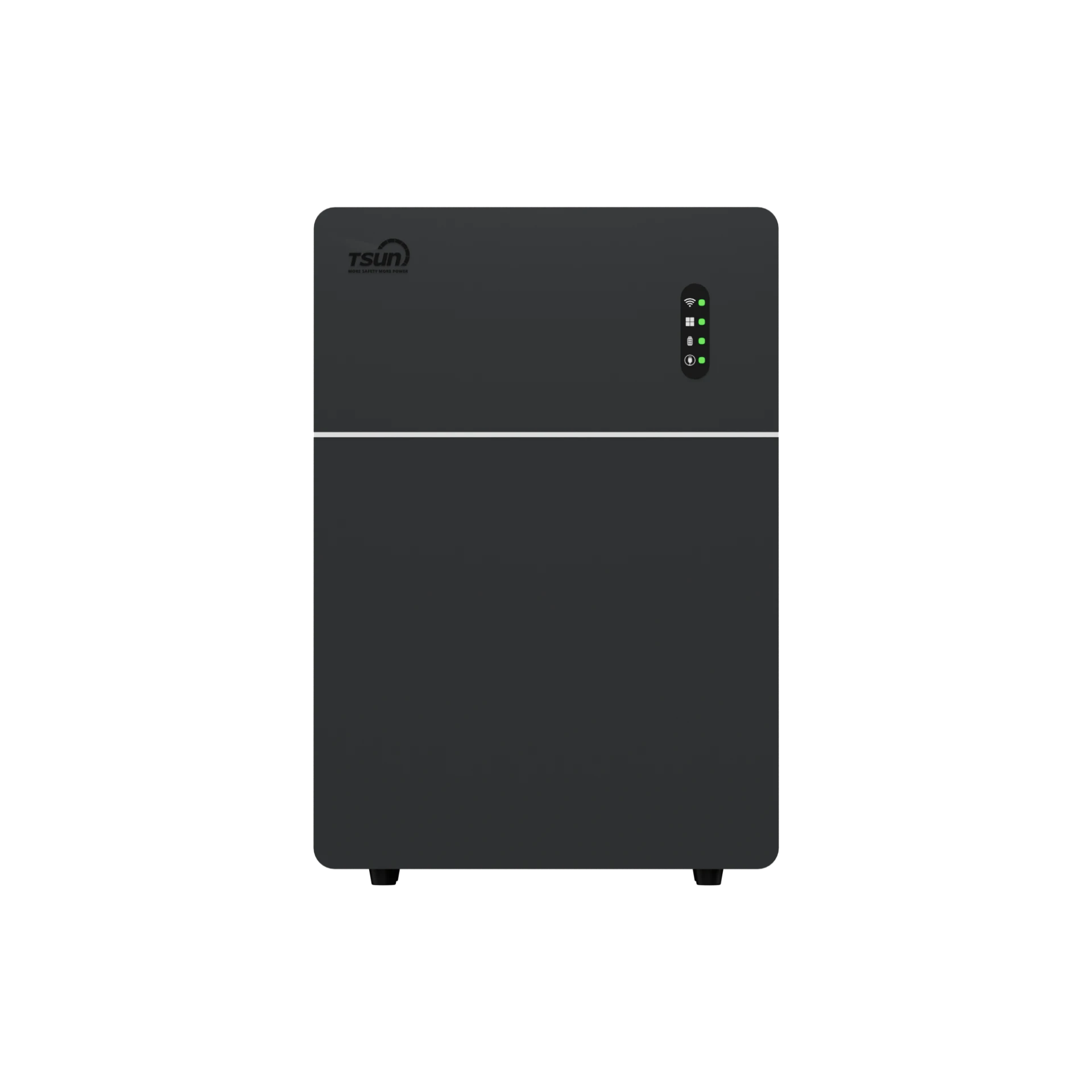
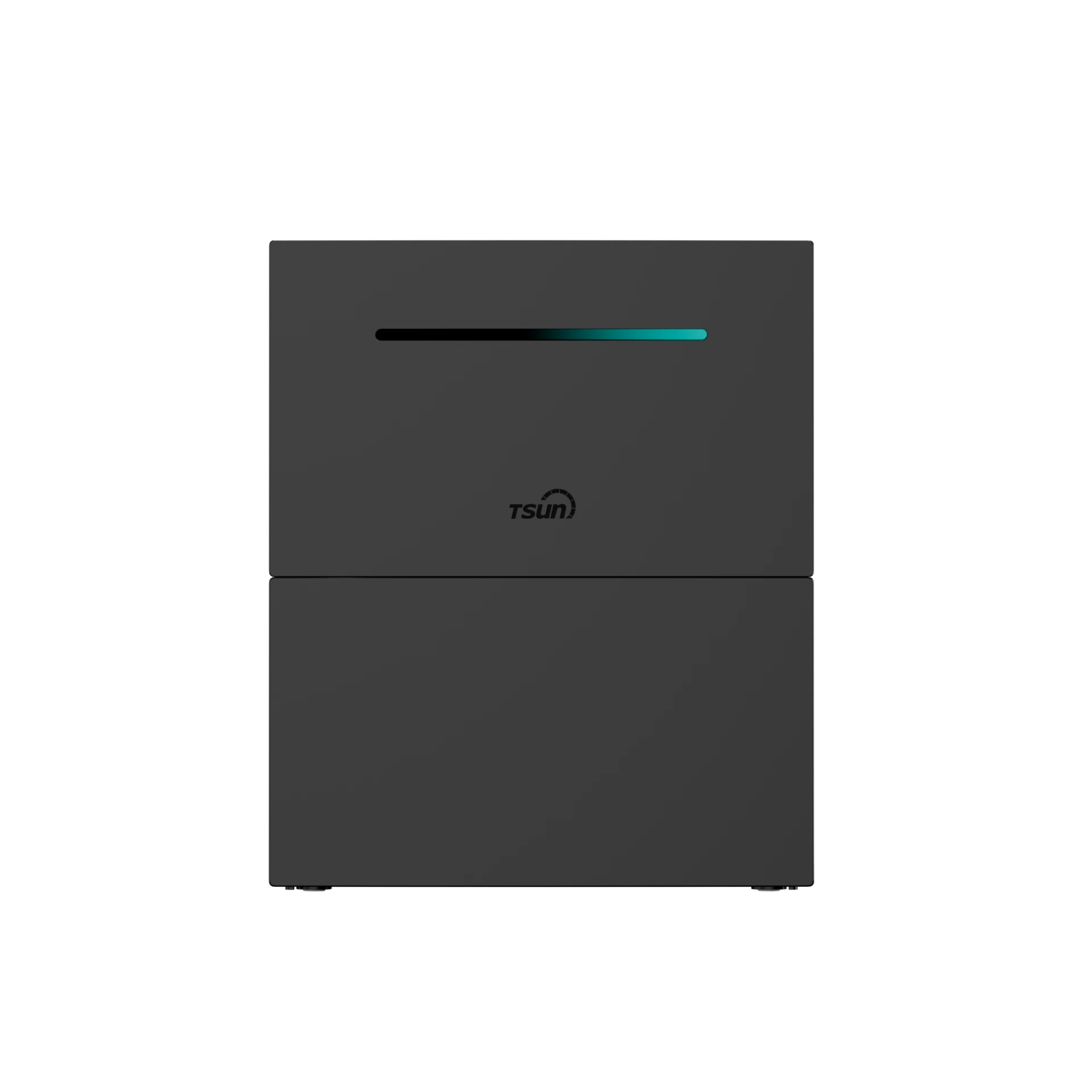
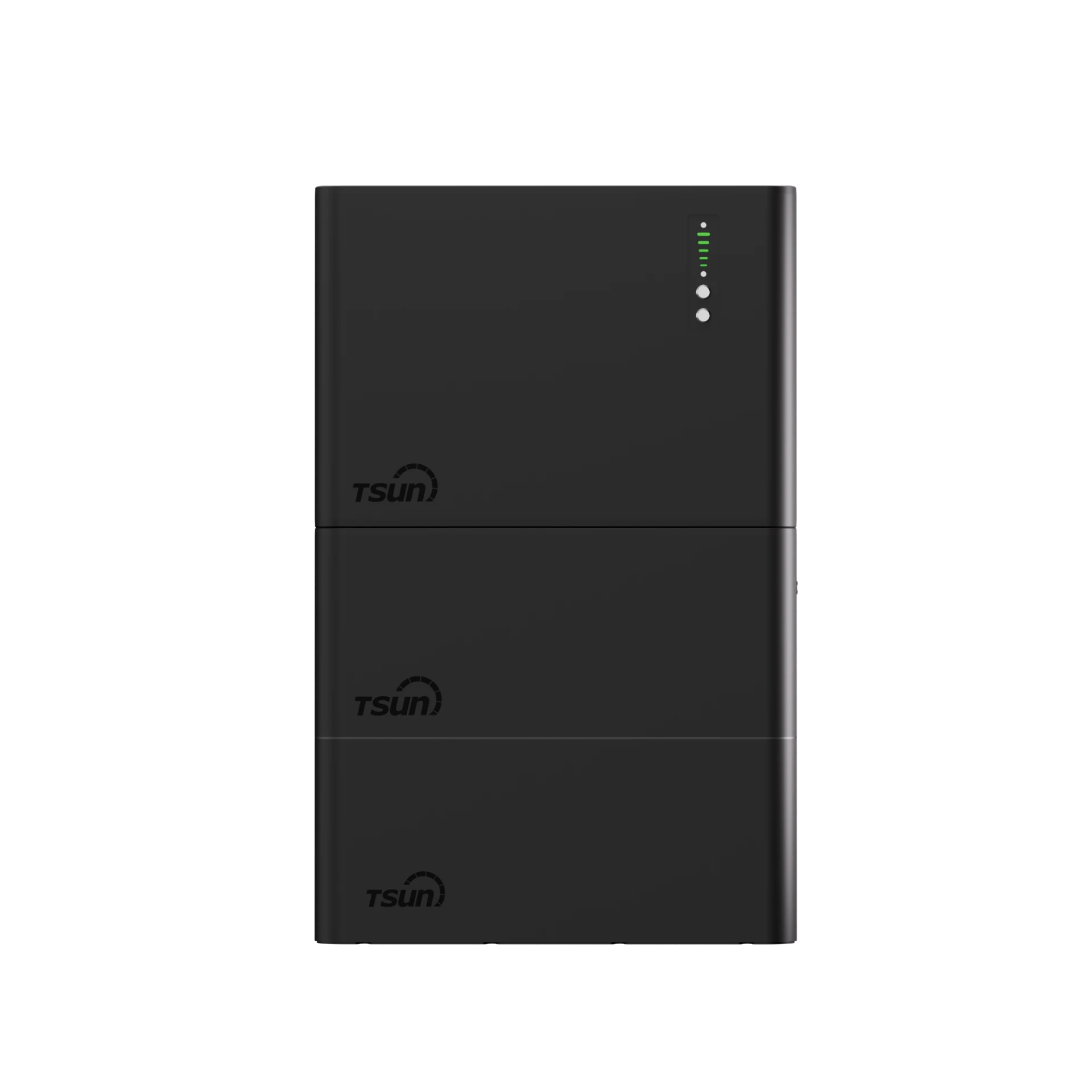
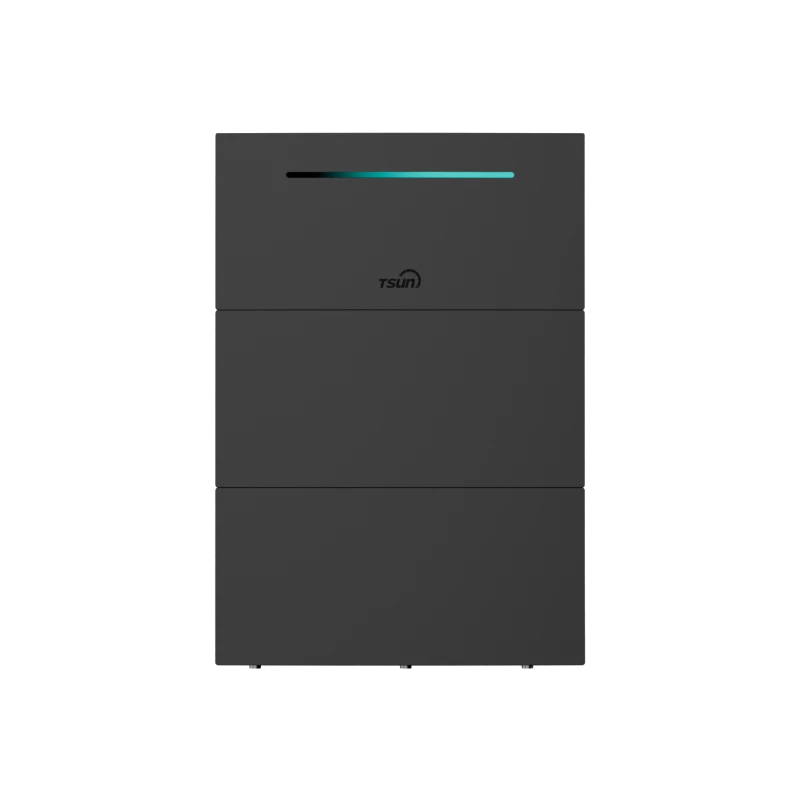
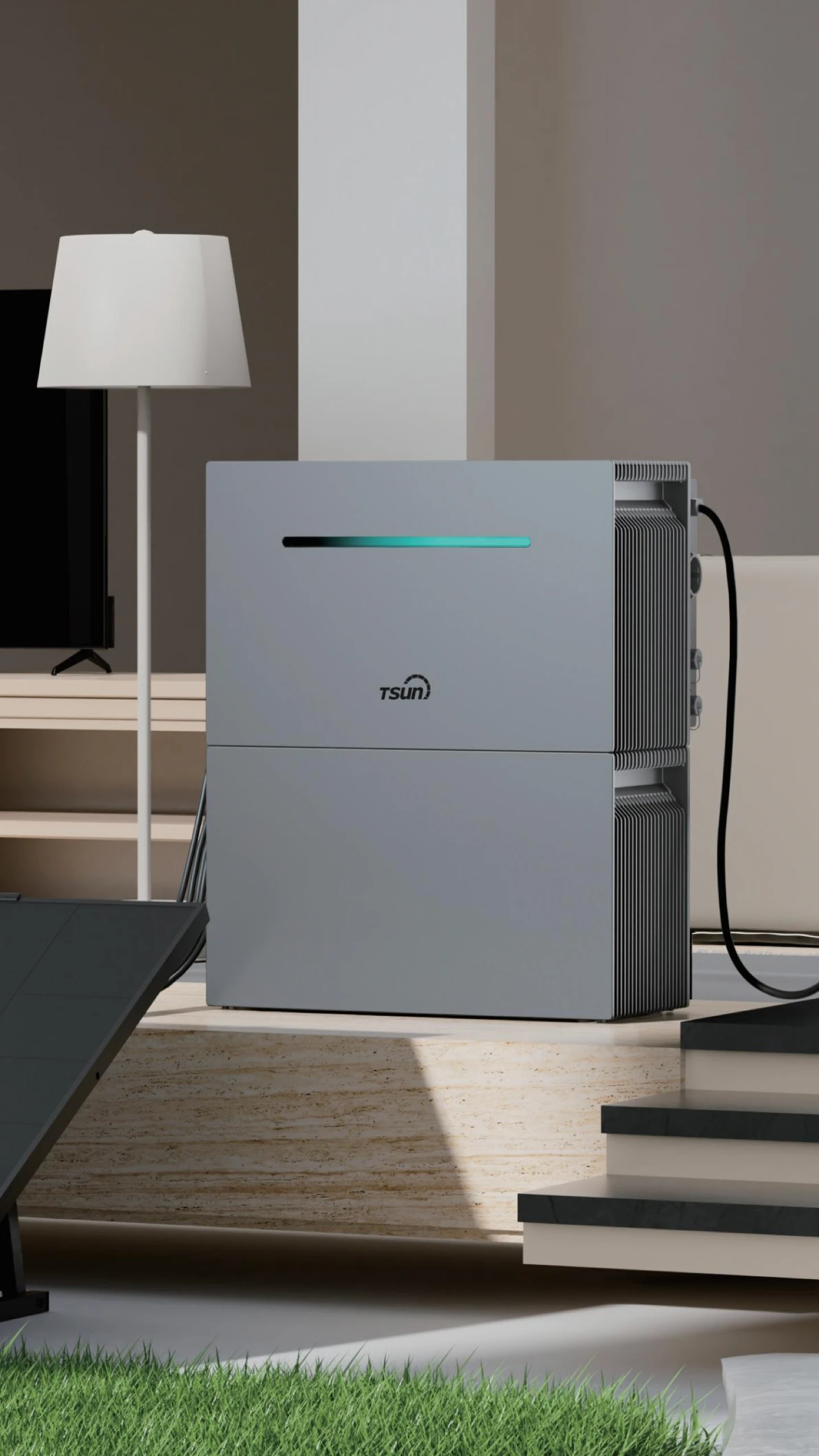
- Use lighting and generator power safely: Prefer flashlights or battery lanterns over candles to reduce fire risk. For full-home coverage, a Tsun Whole House Backup System is highly effective and safe for indoor use, unlike gas generators which carry carbon monoxide risks.
- Preserve communication access: Keep devices in low-power mode, charge them with portable power banks, and maintain a list of essential contacts.
Common Causes of Seattle Electricity Outages
Seattle electricity outages can result from a variety of issues. Knowing the usual suspects helps you understand why restoration times differ:
- Wind, rain, snow, and tree damage: Strong winds can push branches into lines, while heavy rain weakens roots. Snow and ice add weight to overhead lines, creating cluster outages.
- Equipment failure and grid issues: Electrical equipment can fail due to age, overheating, or underground cable faults. Planned maintenance is usually communicated in advance.
- Vehicle collisions: Car accidents can damage poles, wires, or transformers, causing hyper-localized outages.
Power Restoration and Post-Outage Recovery
After power returns, take careful steps to prevent further problems and ensure everything boots up safely:
- Restart appliances gradually: Begin with lights and refrigeration. Reconnect electronics one at a time to avoid electrical strain and tripped breakers. Use surge protectors for sensitive equipment.
- Check perishable items: Inspect refrigerator and freezer contents. Discard items exposed to unsafe temperatures to avoid foodborne illness.
- Examine devices for damage: Check chargers, power strips, and larger electronics for burnt smells, error lights, or overheating.
How to Prepare for the Next Seattle Electric Outage
The best way to make the next outage easier is to prepare before you need to act. Most households just need a practical plan for lighting, charging, food, communication, and medical needs.
How to Build a Practical Outage Kit
- Assemble essentials: Include flashlights, spare batteries, a fully charged Tsun Portable Power Station, bottled water, shelf-stable snacks, and a manual can opener.
- Plan for medical needs: Track the runtime of backup power for CPAP devices or refrigerated medications.
- Prepare for remote work: Keep key files offline and identify alternate workspace options to minimize disruption.
Never Get Left in the Dark
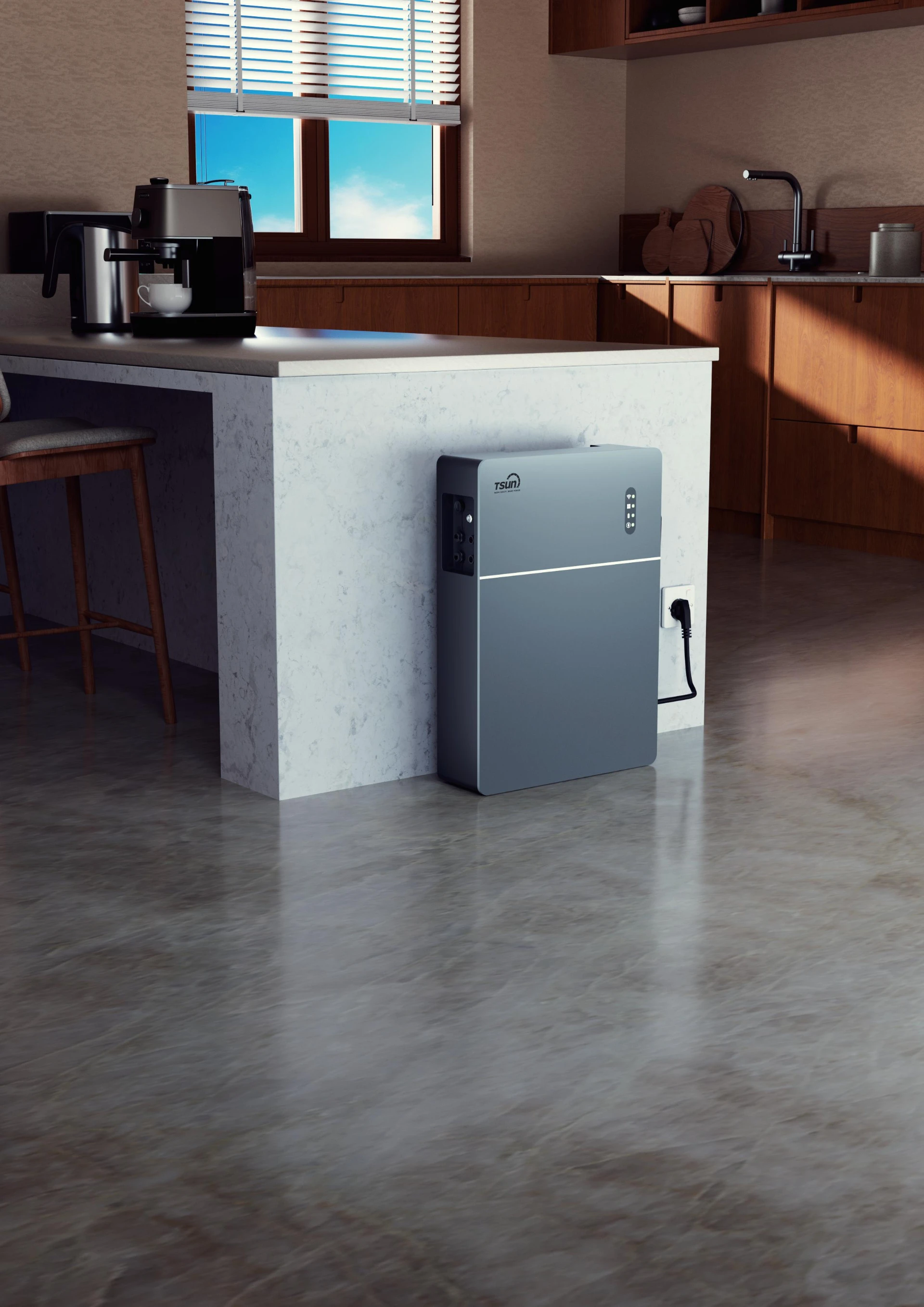
A portable backup like the Tsun High-Capacity Power Station makes outage planning effortless. With robust continuous output and turbo surge capacity, it provides dependable, quiet, and fume-free power for your essential appliances and devices during prolonged blackouts.
Explore Tsun Power SolutionsFrequently Asked Questions (FAQ)
What should I do if only my house has no power in Seattle?
Check your breaker panel, GFCI outlets, and whether nearby homes still have electricity. If neighbors have power, the problem may be limited to your home. Renters should contact their landlord, and homeowners should call a licensed electrician if breakers keep tripping.
How long does a Seattle blackout usually last?
There is no single timeline. Some outages last less than an hour, while others continue for days after severe storms, extensive tree damage, or pole crashes. Restoration depends on the cause and how many customers are affected.
What should I do with food during a prolonged power outage?
Keep the refrigerator and freezer closed. A closed fridge is usually safe for about four hours, and a full, unopened freezer can keep food cold for up to 48 hours. When in doubt, discard warm meat, dairy, and leftovers.

 LEARN MORE