Understanding Solar Energy Storage Cost: What’s Behind the Price?
Having worked in industrial equipment for over a decade, I’ve seen the solar energy storage market — frankly — evolve at a pace that’s sometimes staggering. It feels like just yesterday when batteries were slow, bulky, and frankly, a real cost headache. But in real terms, solar energy storage cost has become much more competitive, and the technology itself surprisingly robust.
Let me share some thoughts. When you look at the driving factors behind the price, it’s not just about the raw materials or the battery type. It’s also about engineering, manufacturing scale, testing rigour, and — oddly enough — clever integration with energy management systems. These aspects often get overlooked by newcomers.
A quick note: I’ve noticed many engineers say that lithium iron phosphate (LiFePO4) has reshaped the market because it hits a sweet spot balancing safety, lifecycle, and price. But that’s not the whole story...
| Specification |
Typical Value |
Notes |
| Battery Chemistry |
LiFePO4 |
Stable & long cycle life |
| Capacity Range |
5 to 20 kWh |
Suitable for residential & light commercial |
| Cycle Life |
>6000 cycles |
At 80% Depth of Discharge (DoD) |
| Round-Trip Efficiency |
>95% |
Less energy loss during charge/discharge |
| Operating Temperature |
-20°C to 60°C |
Wide range for outdoor usage |
| Warranty |
10 years |
Reflects reliability and confidence |
Funny enough, I recall one client in the Midwest who initially balked at the upfront cost. But after installation, their monthly electric bills dropped dramatically. They said, “It’s like the battery paid for itself in just a couple of years.” That kind of anecdote shows the intangible side of cost — value over time, not just dollars upfront.
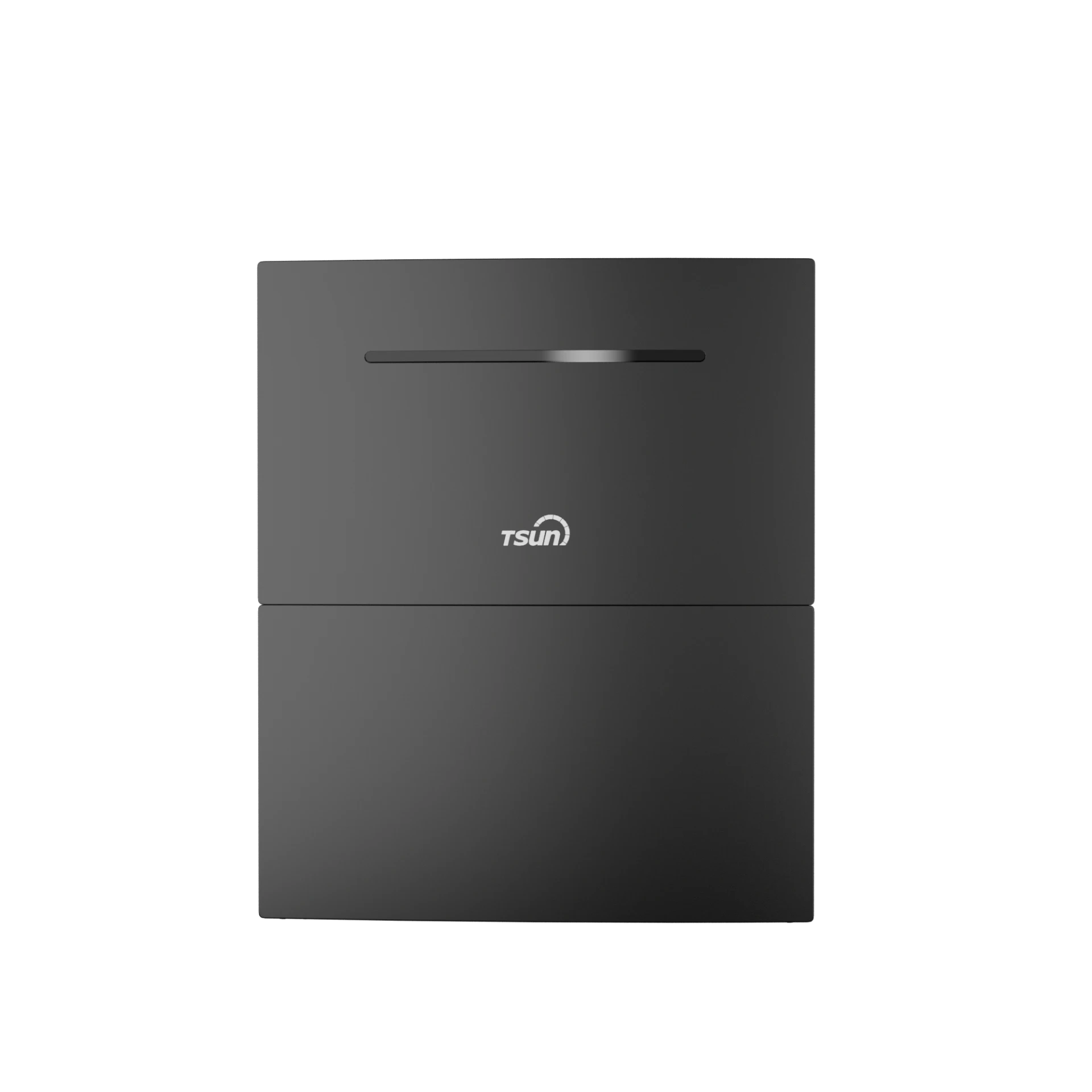
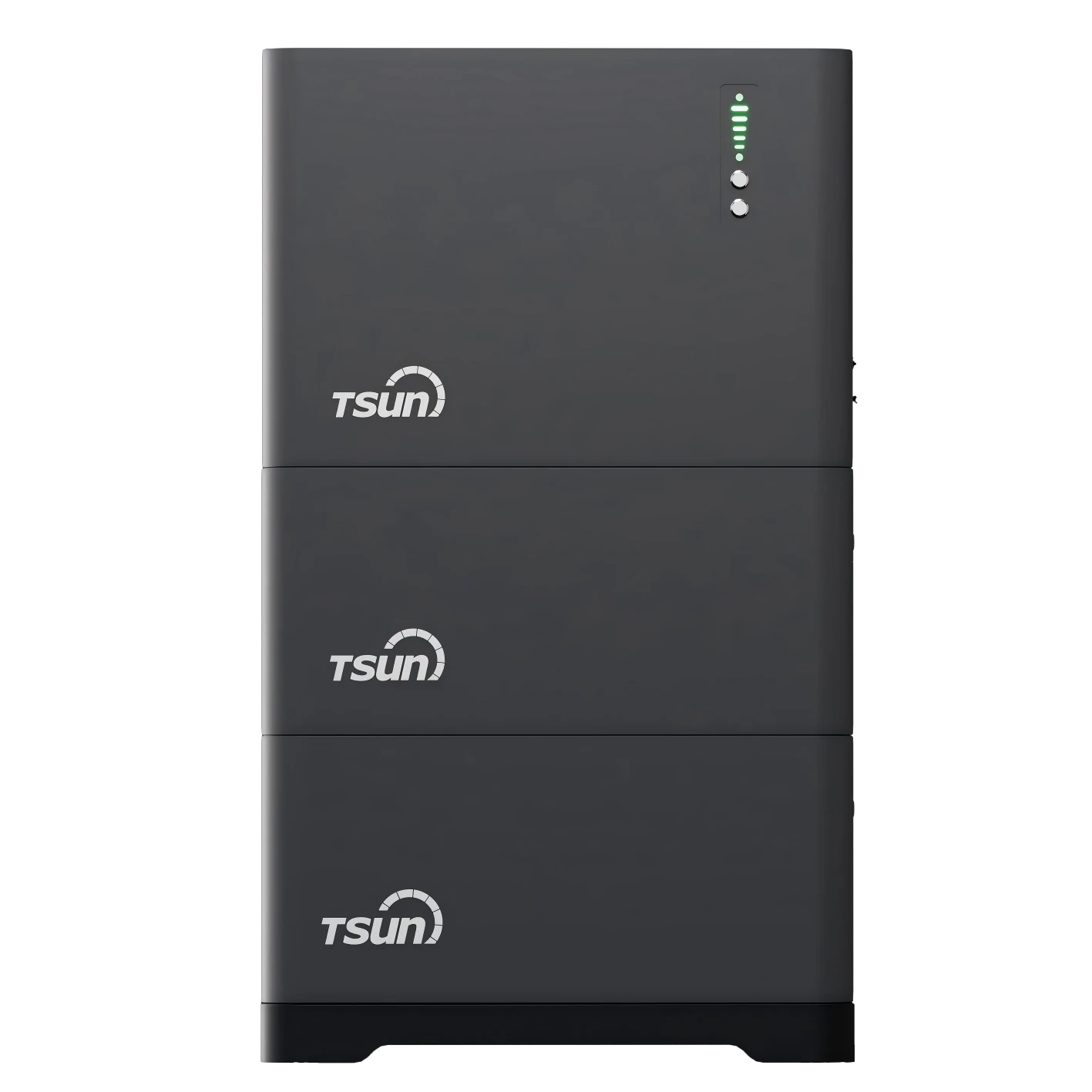
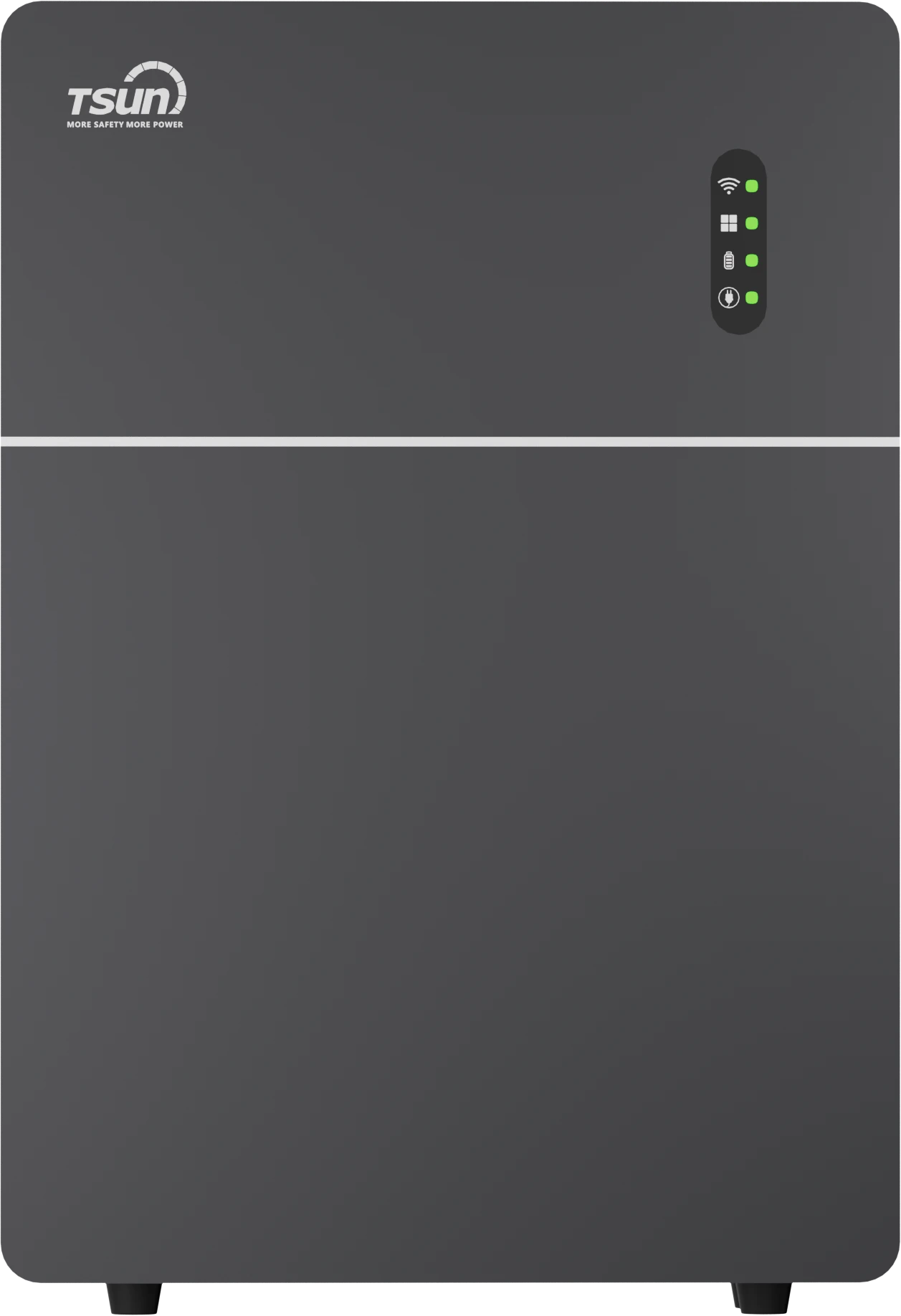
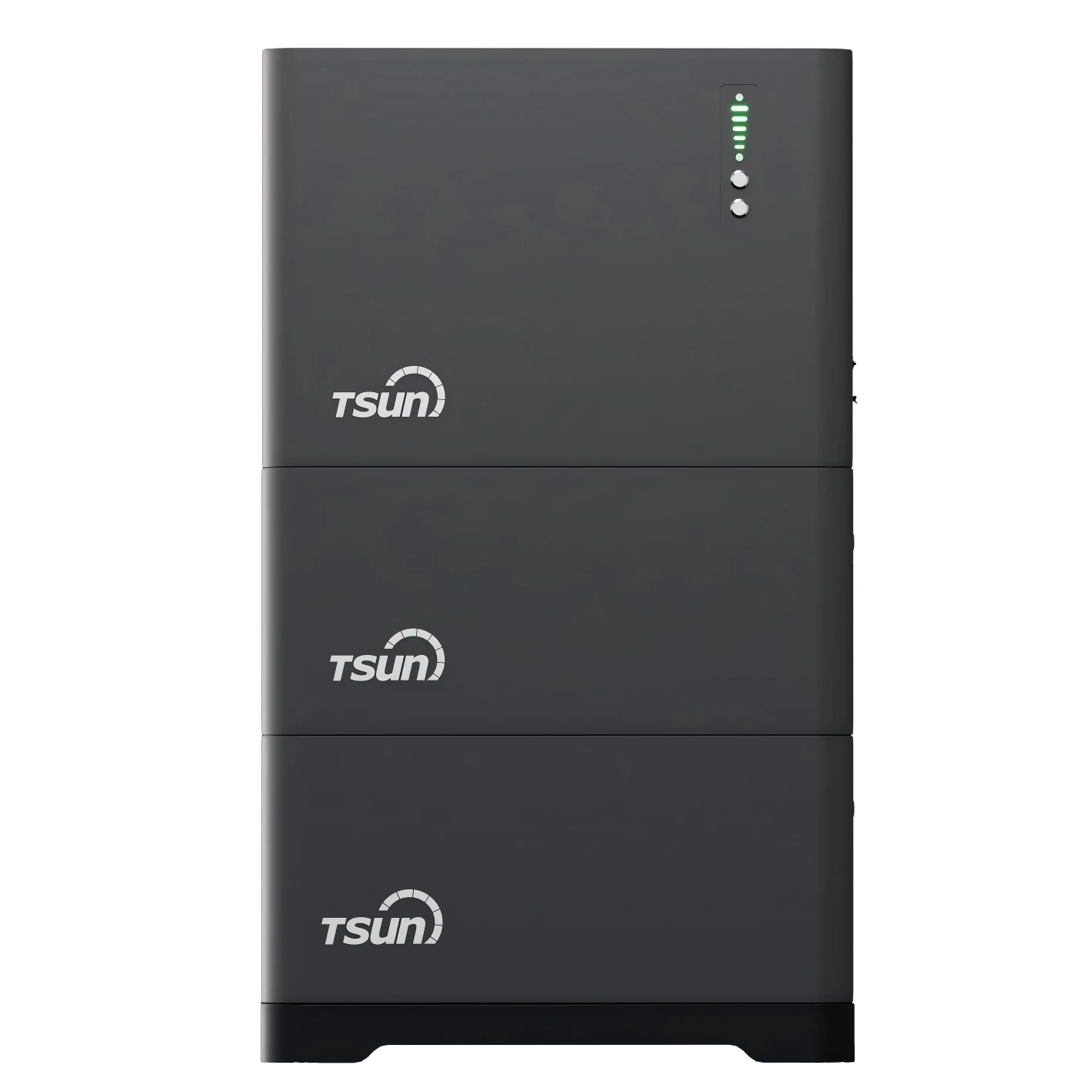
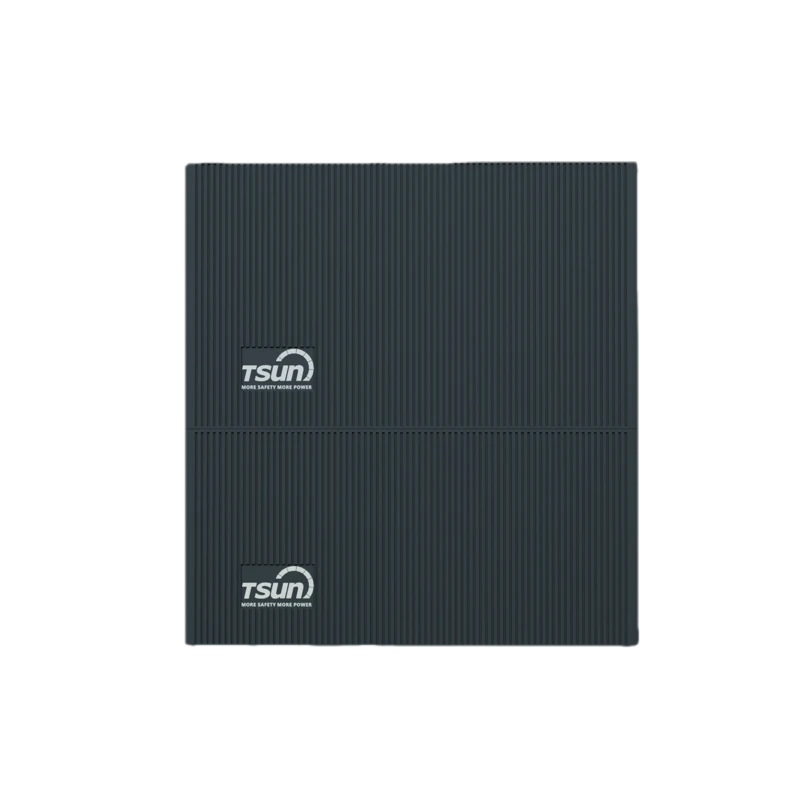
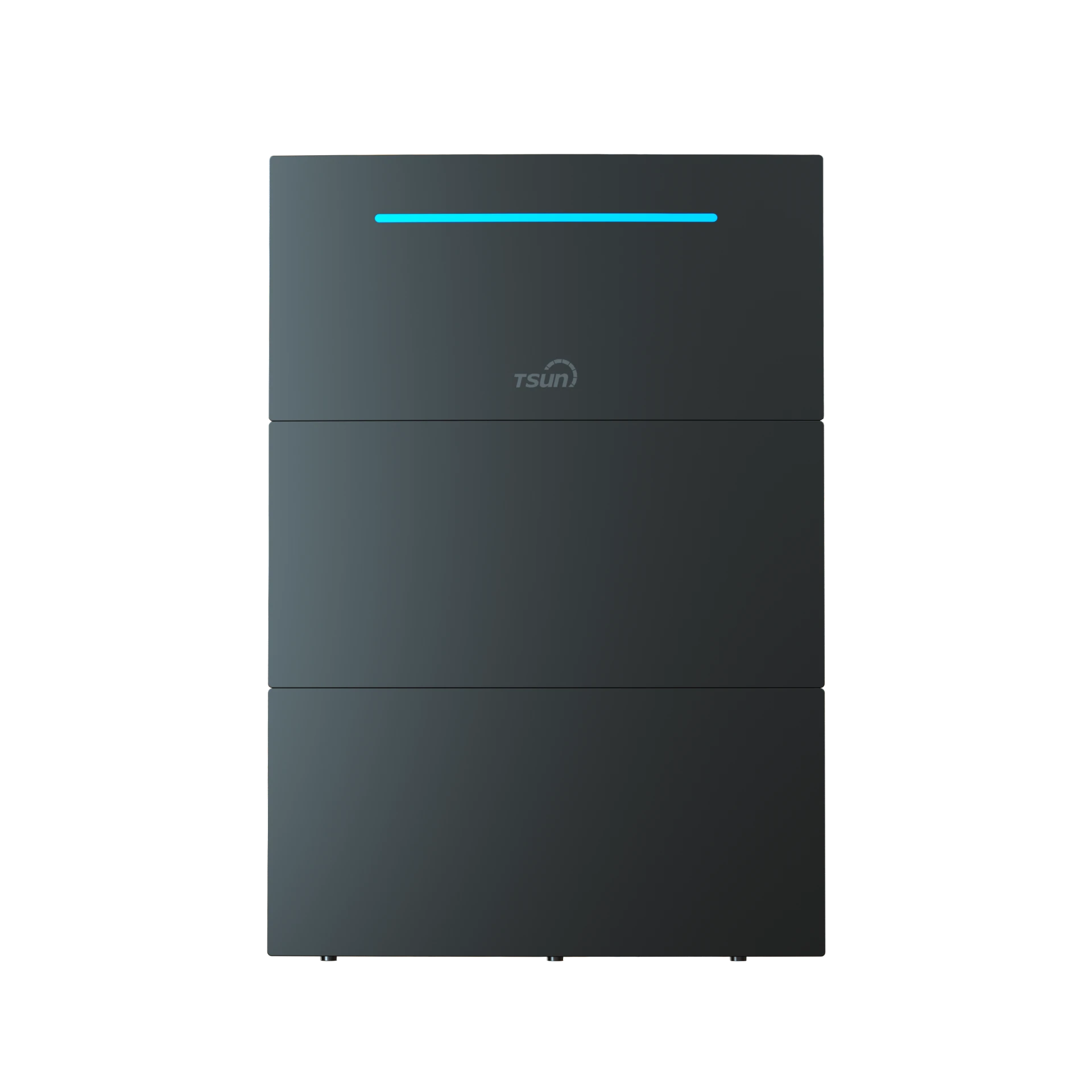
Now, comparing vendors is another story. Price tags vary — sometimes substantially. But the devil’s in the details. For instance, some brands skimp on modularity or don’t emphasize their battery management systems (BMS) enough. Here’s a comparison I put together from years of working around top industry players:
| Feature |
Tsun ESS |
Vendor A |
Vendor B |
| Battery Chemistry |
LiFePO4 |
NMC |
Lead-acid |
| Cycle Life @80% DoD |
6000+ |
3000 |
1000 |
| Round-Trip Efficiency |
95%+ |
85-90% |
75-80% |
| Warranty |
10 years |
5 years |
3 years |
| Modularity |
High (stackable units) |
Moderate |
Low |
| Smart BMS Features |
Advanced real-time monitoring |
Basic diagnostics |
Minimal |
To sum up, one shouldn’t just chase the lowest sticker price on solar energy storage cost. You’re buying peace of mind, longevity, and operational efficiency. Honestly, it’s a tradeoff that pays dividends if you pick wisely — and if you trust your vendor (something I’ve learned the hard way).
So, what’s my final take? Investing in well-engineered solutions with solid warranties like those from Tsun ESS can reduce total cost of ownership and unexpected downtime, which matters a great deal in industrial or residential settings alike.
References:
- Energy Storage Association – Battery Chemistry Overview, 2023
- Journal of Renewable Energy Systems – Cost Trends Analysis, 2024
- Industrial Battery Performance Reports – LiFePO4 vs NMC, 2023







 LEARN DETAILS
 Downloads
 Video Center
 Report Fault for Repair
 FAQS
FAQS Service Network
 Privacy Policy
 Contact Us
 Monitoring


 LEARN MORE