Understanding Solar Energy Storage Systems: Types and Insights
Having spent quite a bit of time in industrial equipment—especially the energy sector—I’ve grown fascinated by how solar energy storage systems have evolved. It’s clear that just capturing sunlight isn’t enough; storing that energy effectively is where the real challenge lies. You want systems that are reliable, scalable, and, well, smart enough to keep up with fluctuating demands.
Solar energy storage systems, frankly, come in several flavors, each designed for a particular use case. From residential rooftops to massive commercial setups, the storage tech you pick makes a big difference. Oddly enough, while lithium-ion batteries tend to steal the spotlight, other types are quietly but steadily carving out their niche.
Types of Solar Energy Storage Systems
1. Lithium-Ion Batteries: These are the go-to for most people right now. Compact, high energy density, and decent lifespan – lithium-ion packs fit nicely in homes and industry alike. I remember working on a project where we paired them with solar arrays, and their efficiency made a big impact, especially for peak shaving and grid support.
2. Lead-Acid Batteries: Older technology but still widely used, especially in off-grid setups. They’re heavier, less efficient, and need regular maintenance. Still, their upfront cost advantage often makes them appealing, particularly for smaller installations where budget trumps the latest tech.
3. Flow Batteries: Now, this is an interesting one. They store energy in liquid electrolytes, allowing easy scalability and long cycle life. From what I’ve gathered, industries looking beyond a decade of dependable storage are eyeing these closely. They’re less common but could see a rise as recycling and environmental concerns gain traction.
4. Thermal Storage Systems: Instead of storing electricity, they store heat generated from solar power. Not your typical “battery,” but quite effective for specific use cases, like heating buildings or industrial processes after dark.
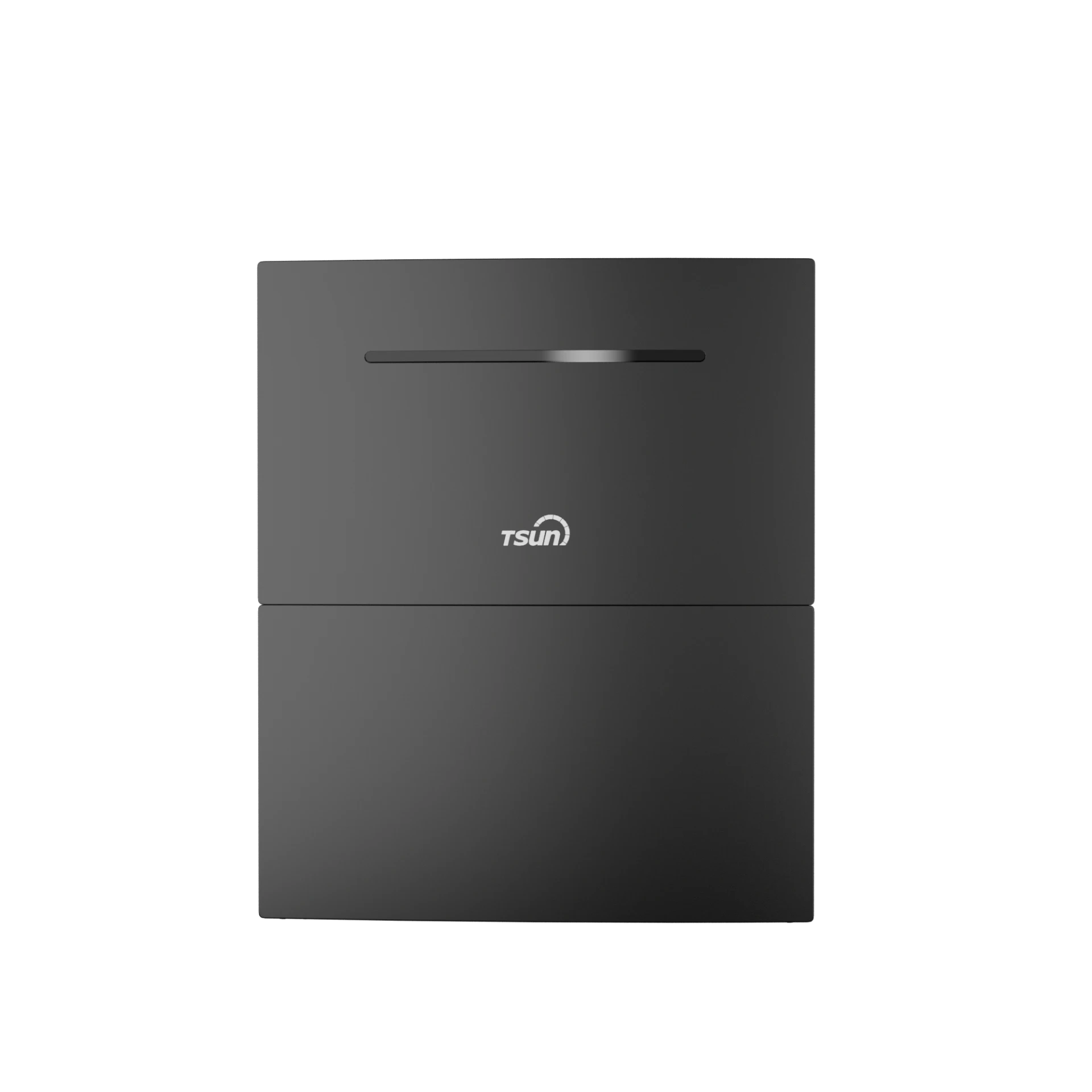
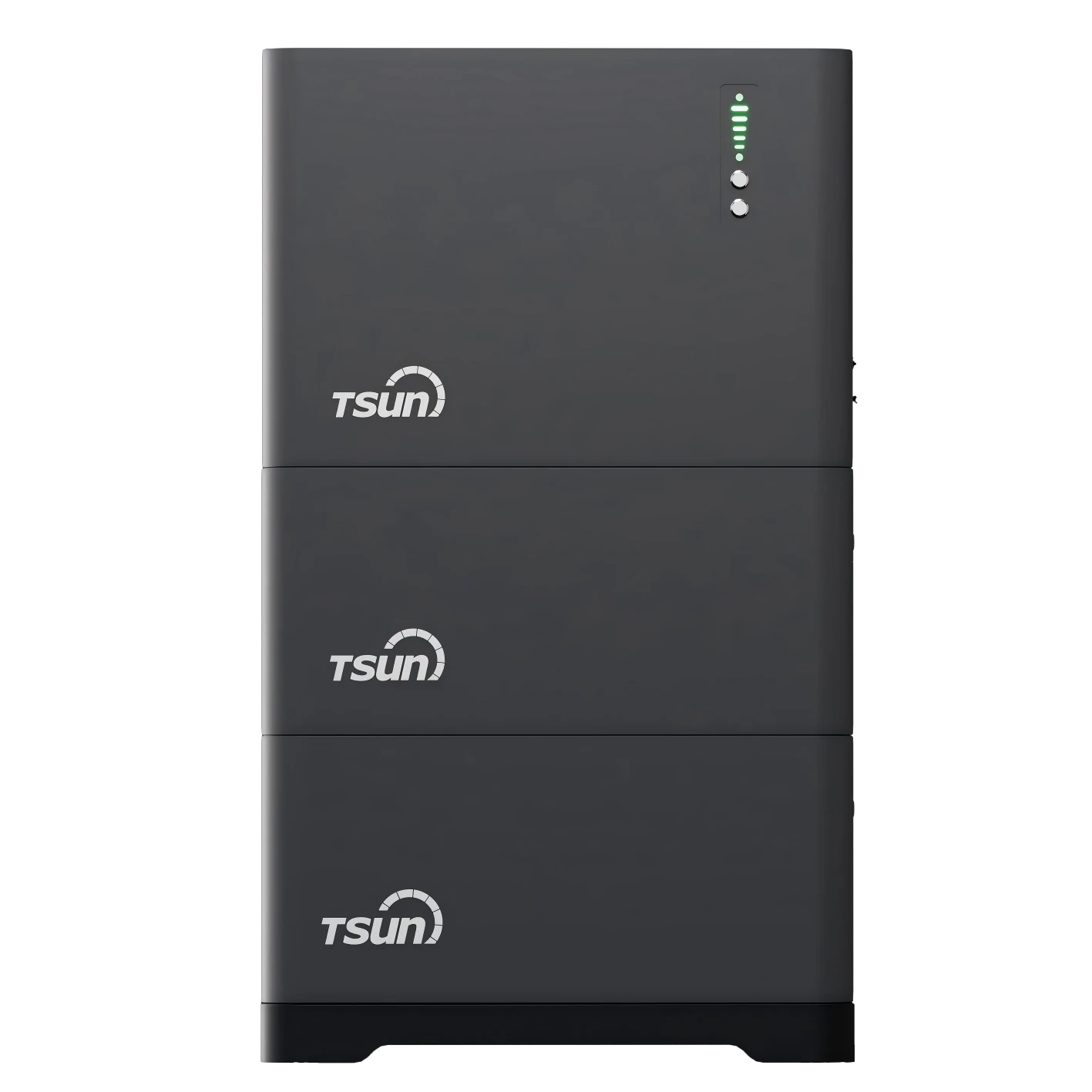
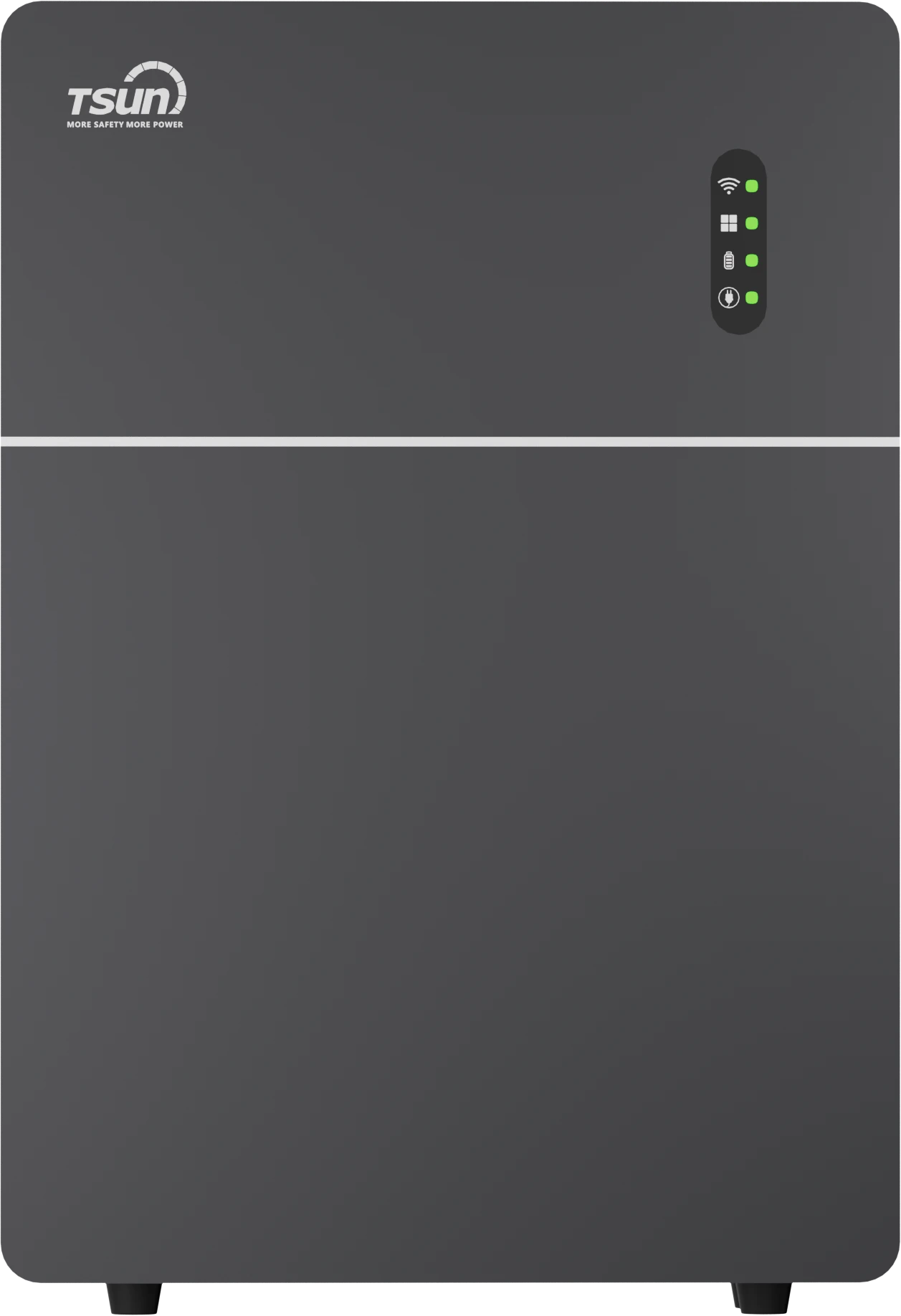
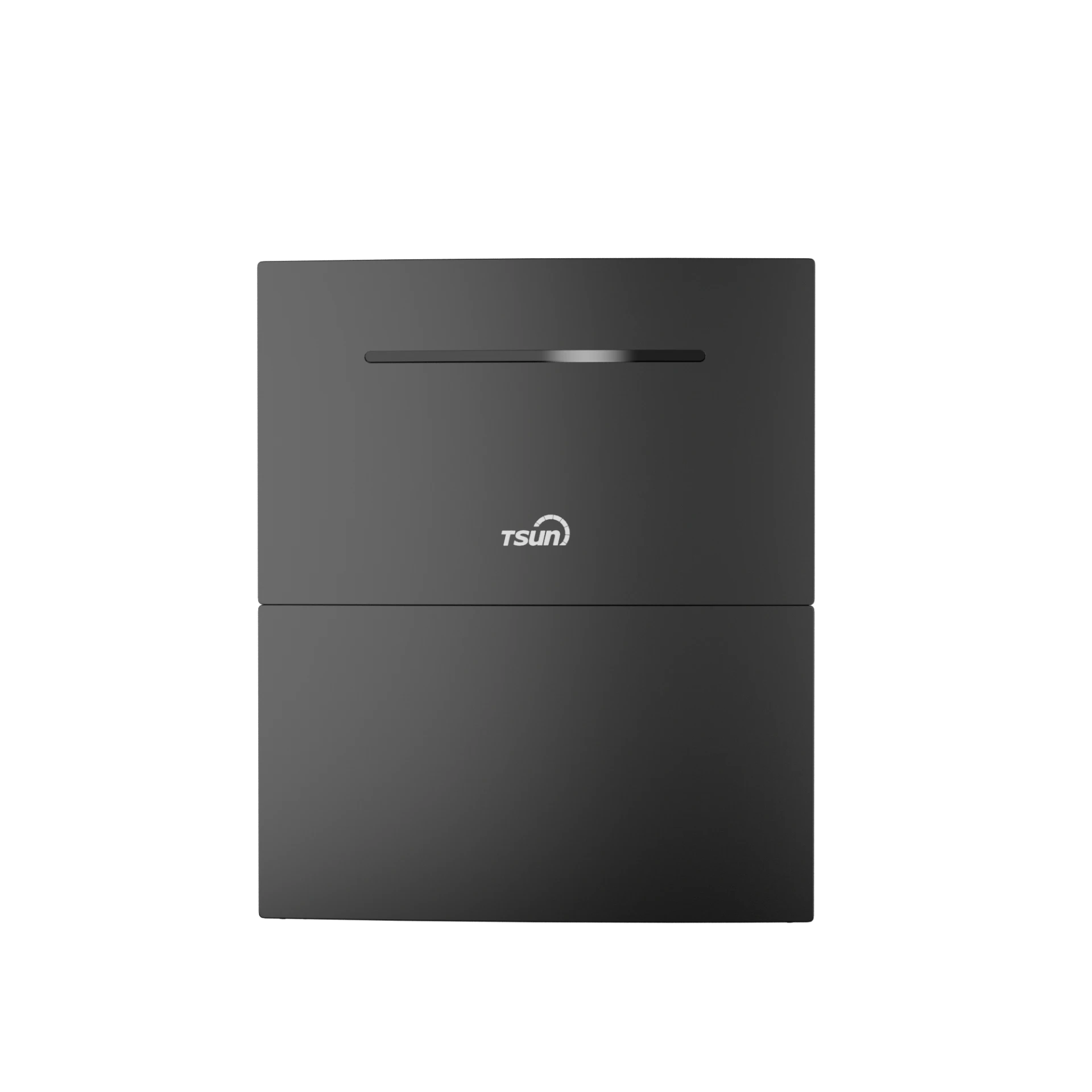
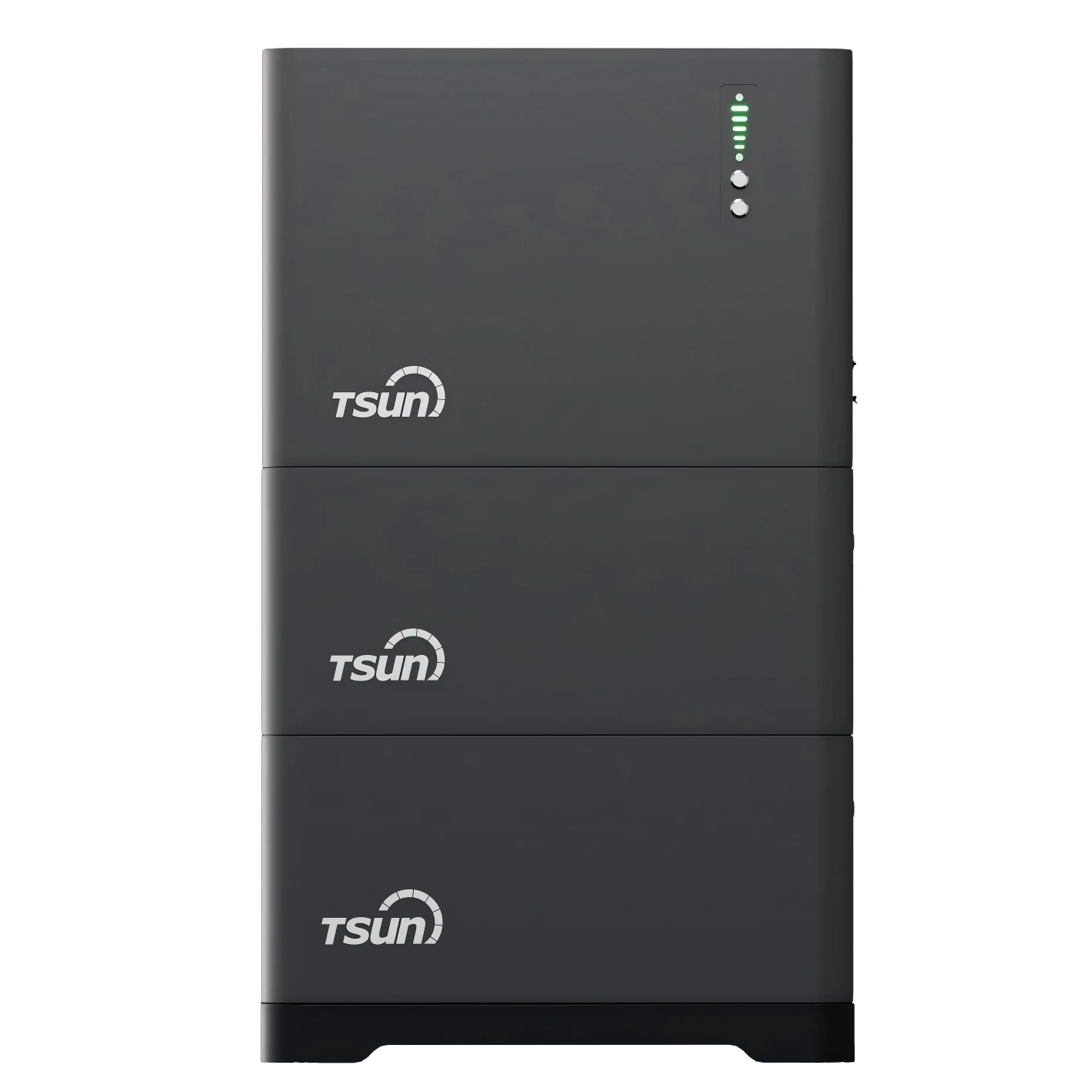
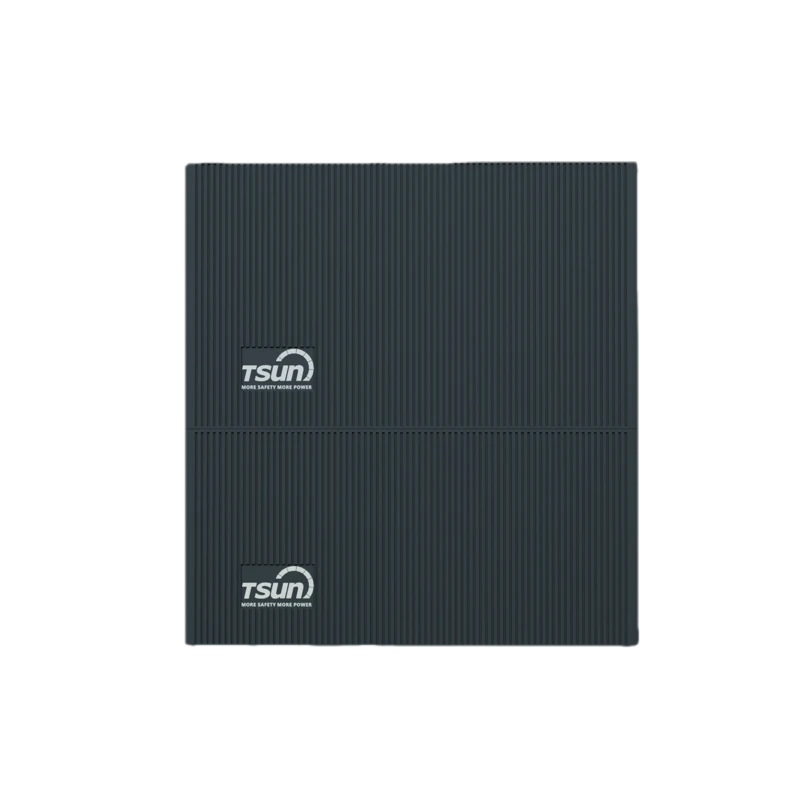
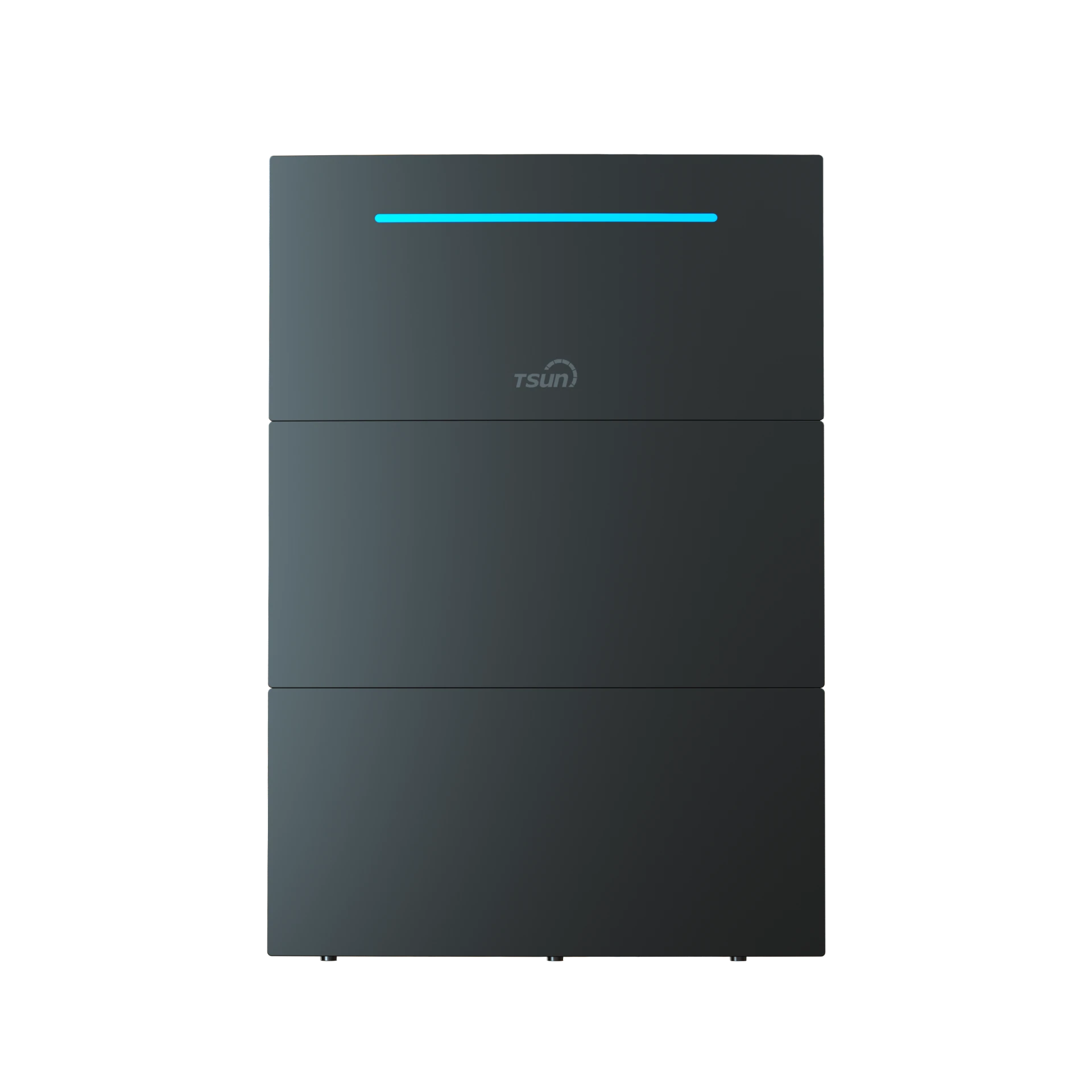
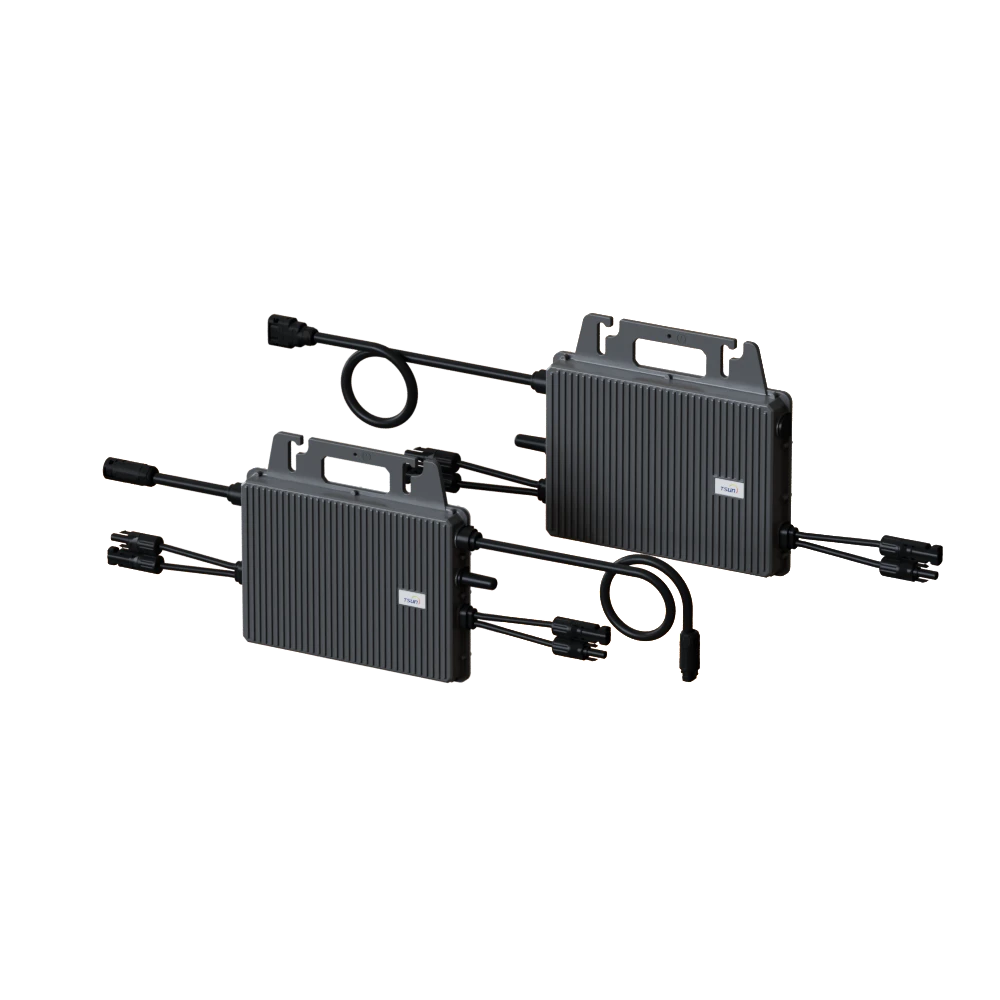
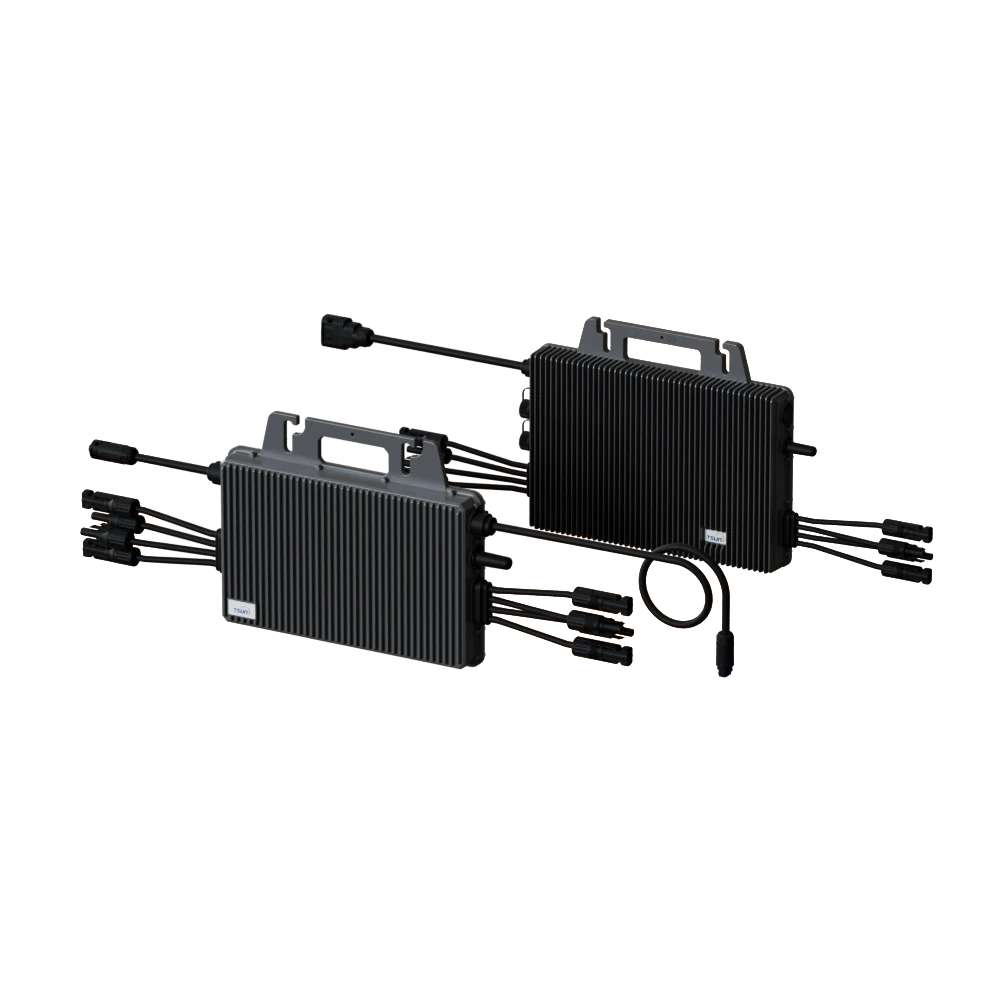
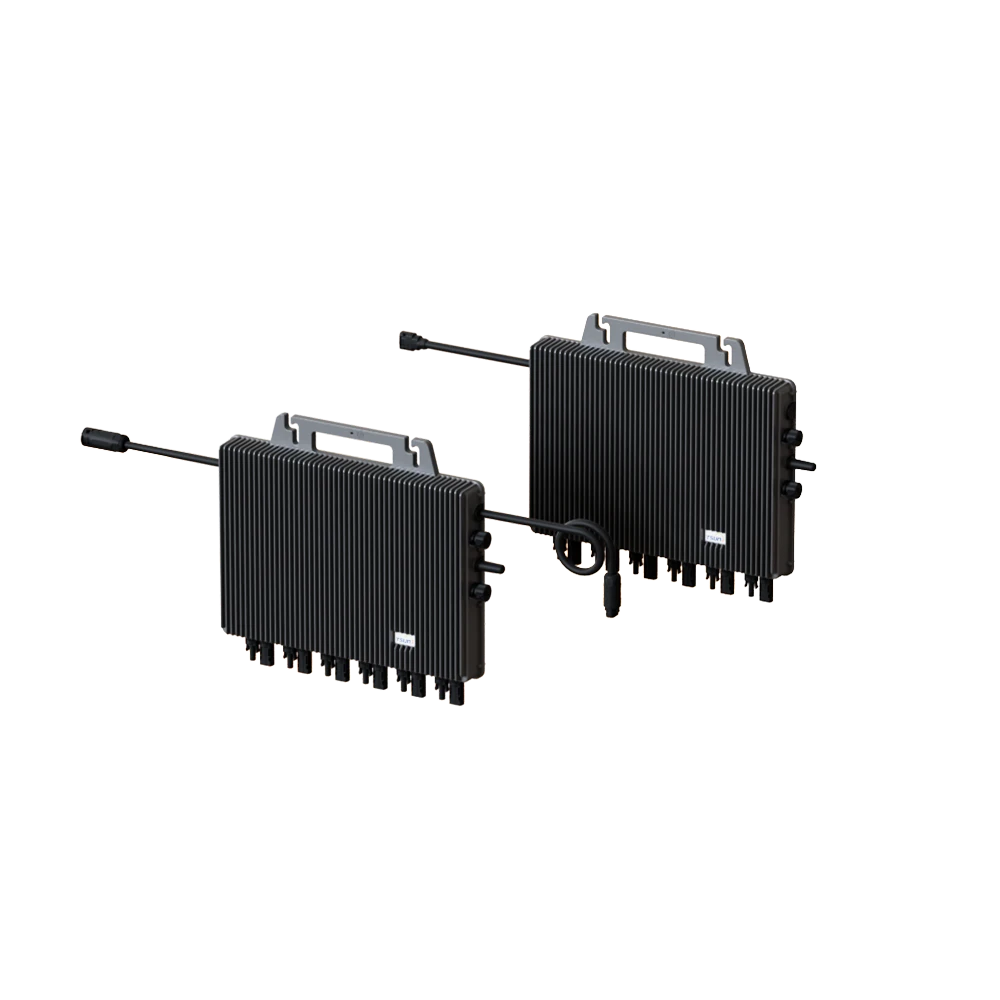
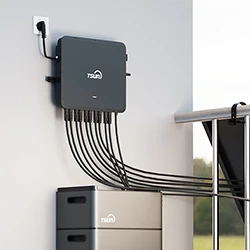
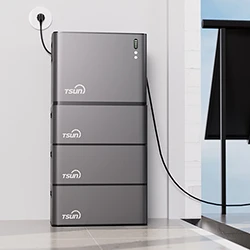
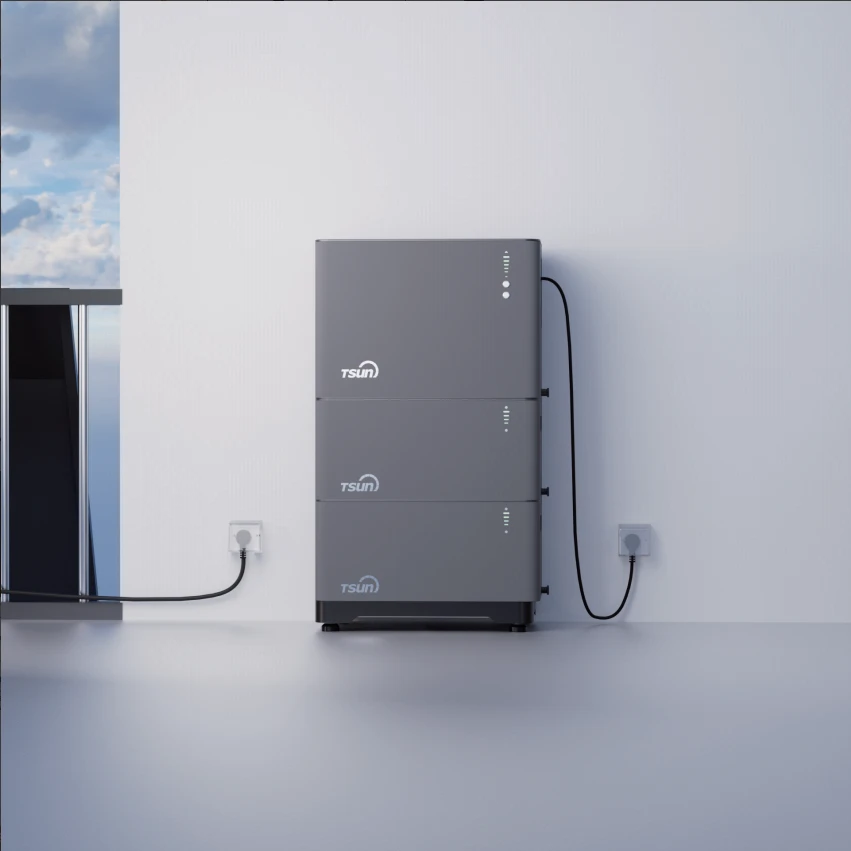
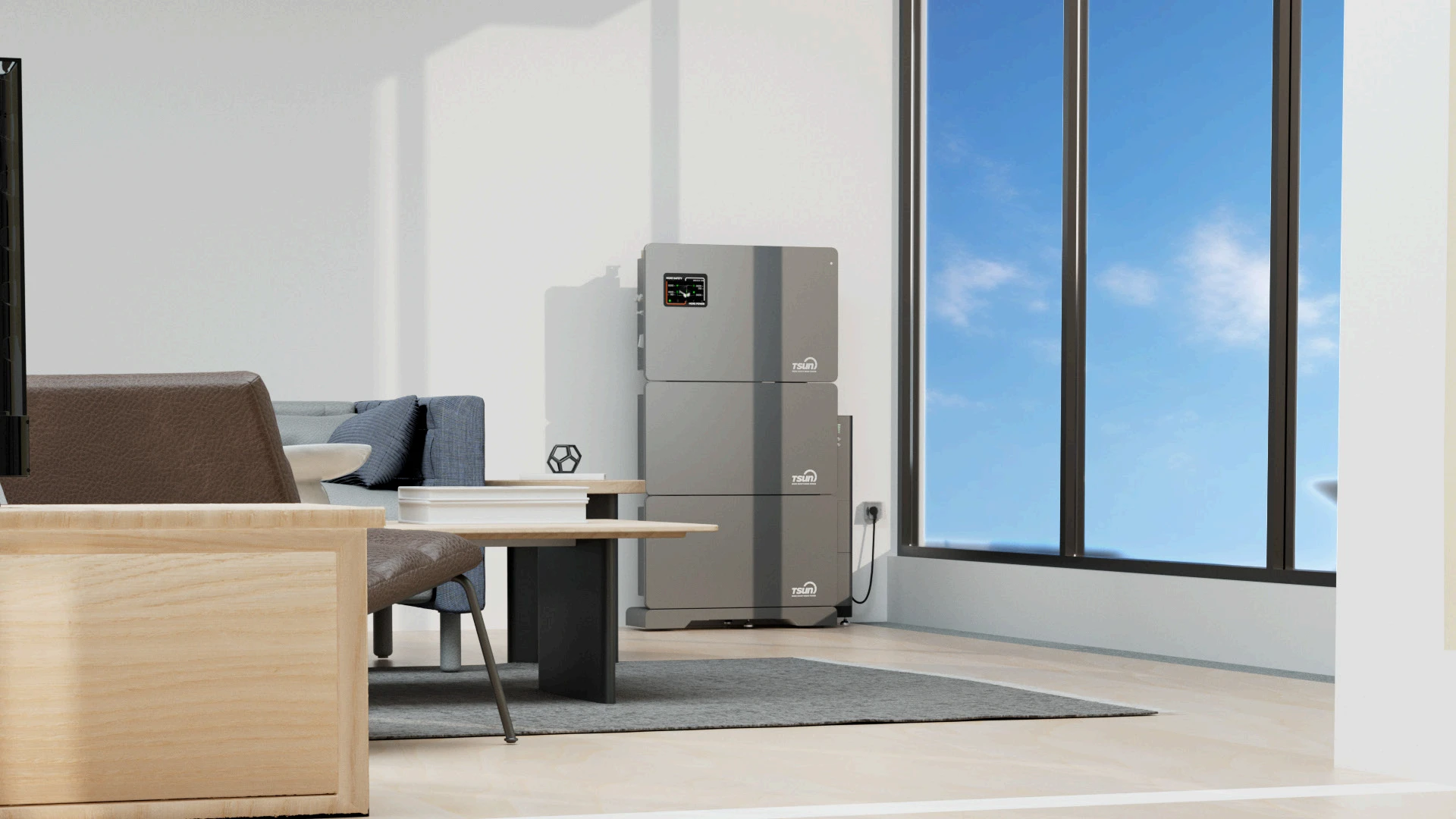
Of course, integrating any of these types calls for a thoughtful setup — and this is where vendors like solar energy storage systems providers come in. Their products usually tailor to different needs by balancing cost, capacity, and longevity.
Product Specification Snapshot (Example: Lithium-Ion System)
| Specification |
Details |
| Battery Type |
Lithium-Ion NMC |
| Capacity Range |
5 kWh to 100 kWh |
| Cycle Life |
4000+ cycles (80% DoD) |
| Efficiency |
90-95% round-trip |
| Operating Temperature |
-10°C to 50°C |
| Warranty |
10 years or 6000 cycles |
Vendor Comparison: What to Look For
| Criteria |
Tsun-ESS |
Competitor A |
Competitor B |
| Battery Technology |
Lithium NMC / LFP |
Lithium NMC |
Lead Acid / Lithium |
| System Scalability |
Modular up to MW scale |
Modular to 500 kWh |
Limited scaling options |
| Warranty / Support |
10 years, global |
5-10 years, regional |
3-5 years, limited |
| Certifications |
UL, CE, IEC |
UL, CE |
CE only |
| Ease of Installation |
Plug & play pre-assembled |
Requires onsite integration |
Complex setup |
In real terms, I’ve found that working directly with vendors who provide solid support and modular, easily upgradable technologies makes the whole process smoother. I remember a client who initially hesitated to invest in a solar storage system, unsure of the benefits versus traditional generators. But after we installed a lithium-ion solution tailored to their kinetics, their energy costs dropped, and downtime practically vanished.
What really stands out about solar energy storage systems today is the blend of robust design with smart management software. It feels like you’re getting the best of both worlds—hardware reliability plus real-time data visibility.
At the end of the day, when considering solar energy storage, think about your long-term goals as much as the upfront cost. Yes, it’s tempting to go cheap, but batteries and systems designed for longevity and ease of maintenance often pay for themselves in the long run. And frankly, as I’ve learned over the years, investing a little more in solid engineering upfront saves a ton of headaches down the road.
So, which system you pick depends on your project size, budget, and operational expectations. But it’s clear: storage tech is no longer a “nice to have.” It’s a cornerstone of any serious solar power setup.
One takeaway? Embrace the evolving storage options—they’re getting smarter, faster, and yes, a bit more affordable than you might expect.
References
- DOE Solar Energy Technologies Office – Energy Storage Basics
- International Renewable Energy Agency (IRENA) Reports on Battery Storage
- Manufacturer Datasheets and Certifications – Tsun-ESS







 LEARN DETAILS
 Downloads
 Video Center
 Report Fault for Repair
 FAQS
FAQS Service Network
 Privacy Policy
 Contact Us
 Monitoring


 LEARN MORE