Stored Power Solar: Harnessing the Sun for a Sustainable Future
If you’ve kept even a casual eye on energy innovations, you’ve probably encountered the term stored power solar. But what exactly does it mean, and why does it matter on a global scale? In essence, stored power solar refers to the capturing of solar energy not just to use immediately, but to store it efficiently for later use. Think of it as saving sunshine for a rainy day—or, in many parts of the world, a nighttime. With the rising urgency around clean energy, understanding how stored power solar works offers a way to rethink power grids, especially in remote or underdeveloped areas, enabling a fairer, greener energy future.
Introduction: The Global Context of Stored Power Solar
The world’s demand for electricity is growing fast—projected to increase by nearly 50% by 2050, according to the International Energy Agency. Yet, roughly 770 million people still lack reliable electricity access, according to the UN. This gap has sparked interest in renewable energy sources, especially solar — which the World Bank notes could provide affordable power to rural communities worldwide. But solar energy is inherently intermittent; the sun doesn’t shine at night or during storms. That’s where stored power solar solutions come into play—they unlock solar’s full potential by storing energy for use after sunset or on cloudy days.
Frankly, this isn’t merely a technical fix—it’s part of a global push toward energy equity and sustainability, helping industries, homes, and humanitarian missions become less reliant on fossil fuels and unstable grids.
What Is Stored Power Solar?
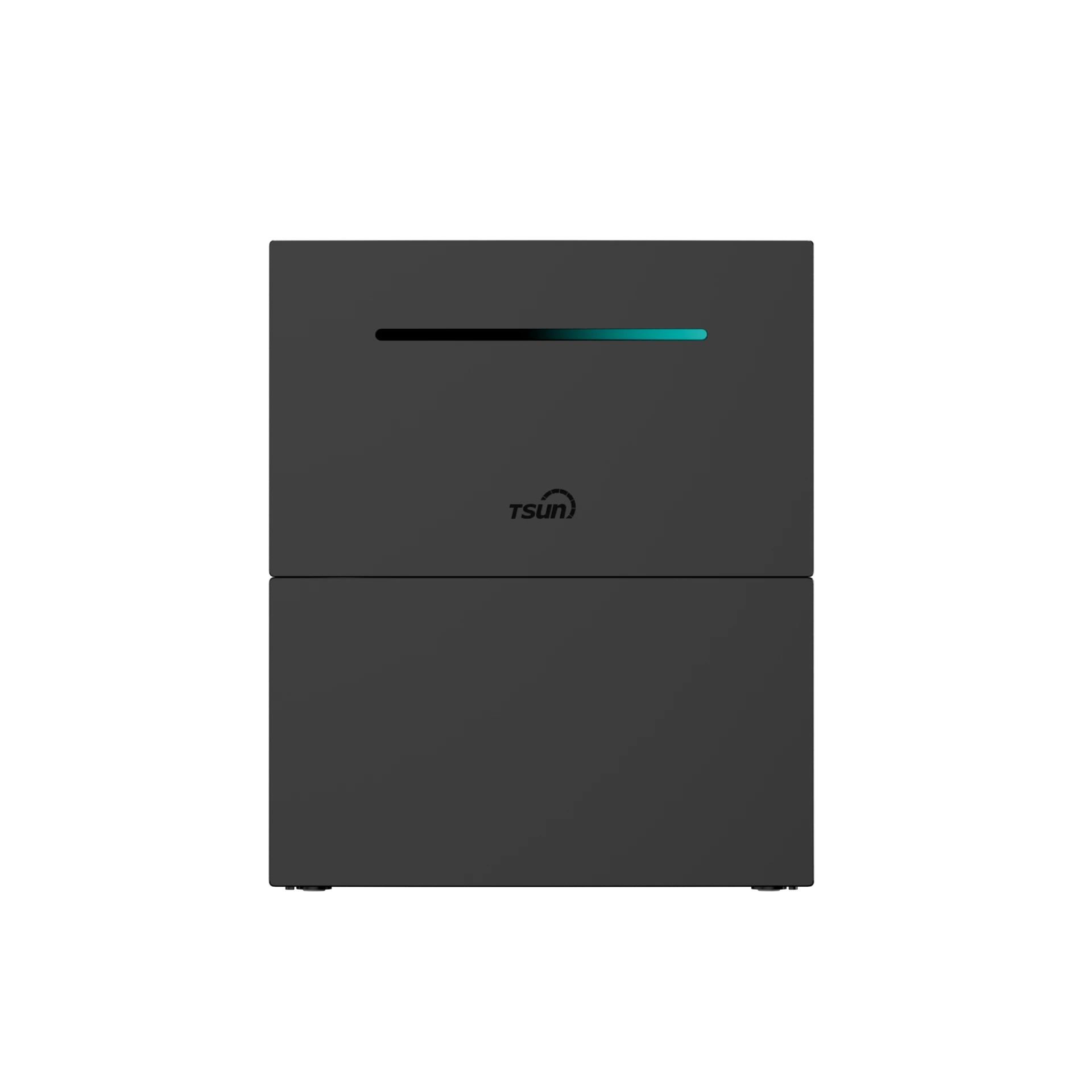
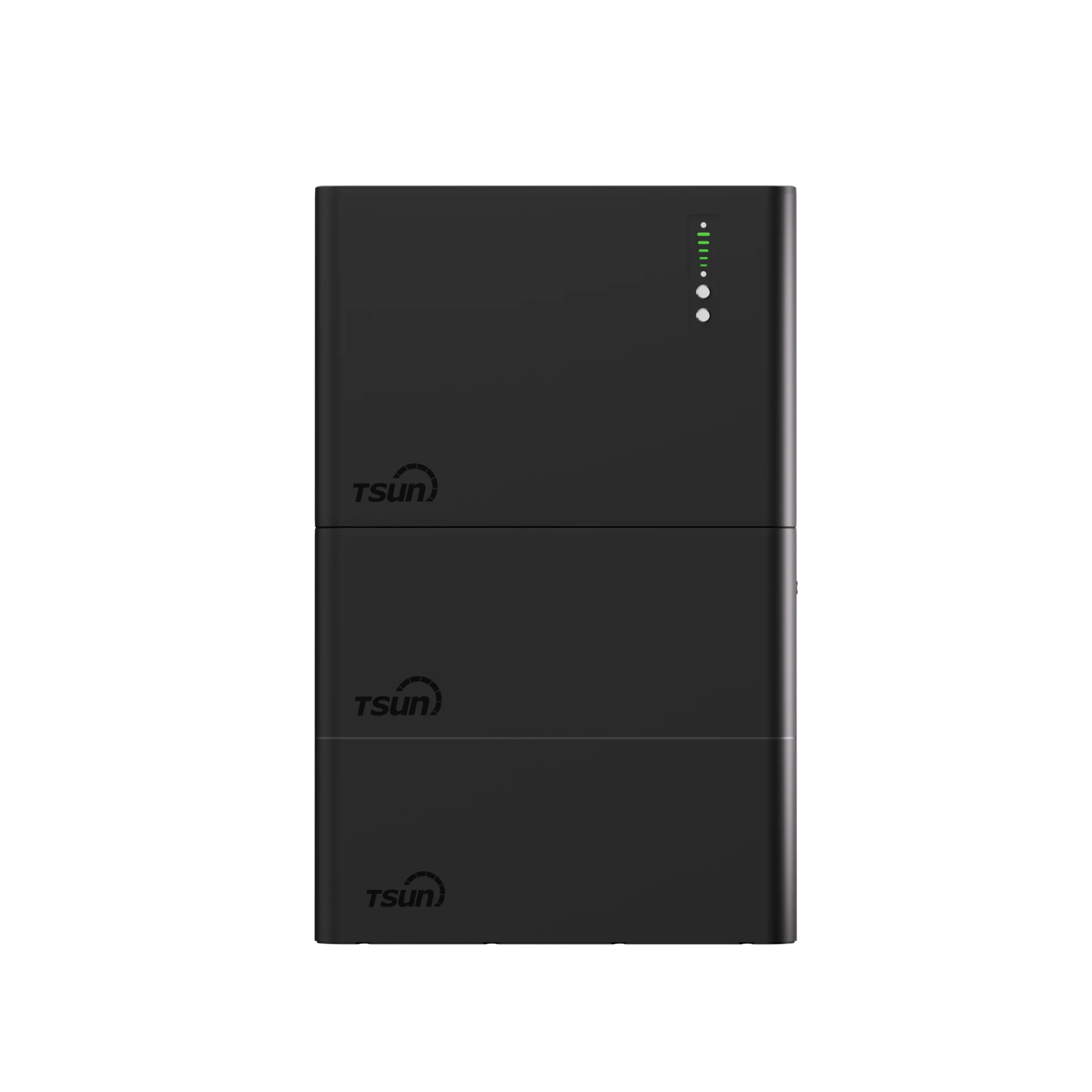
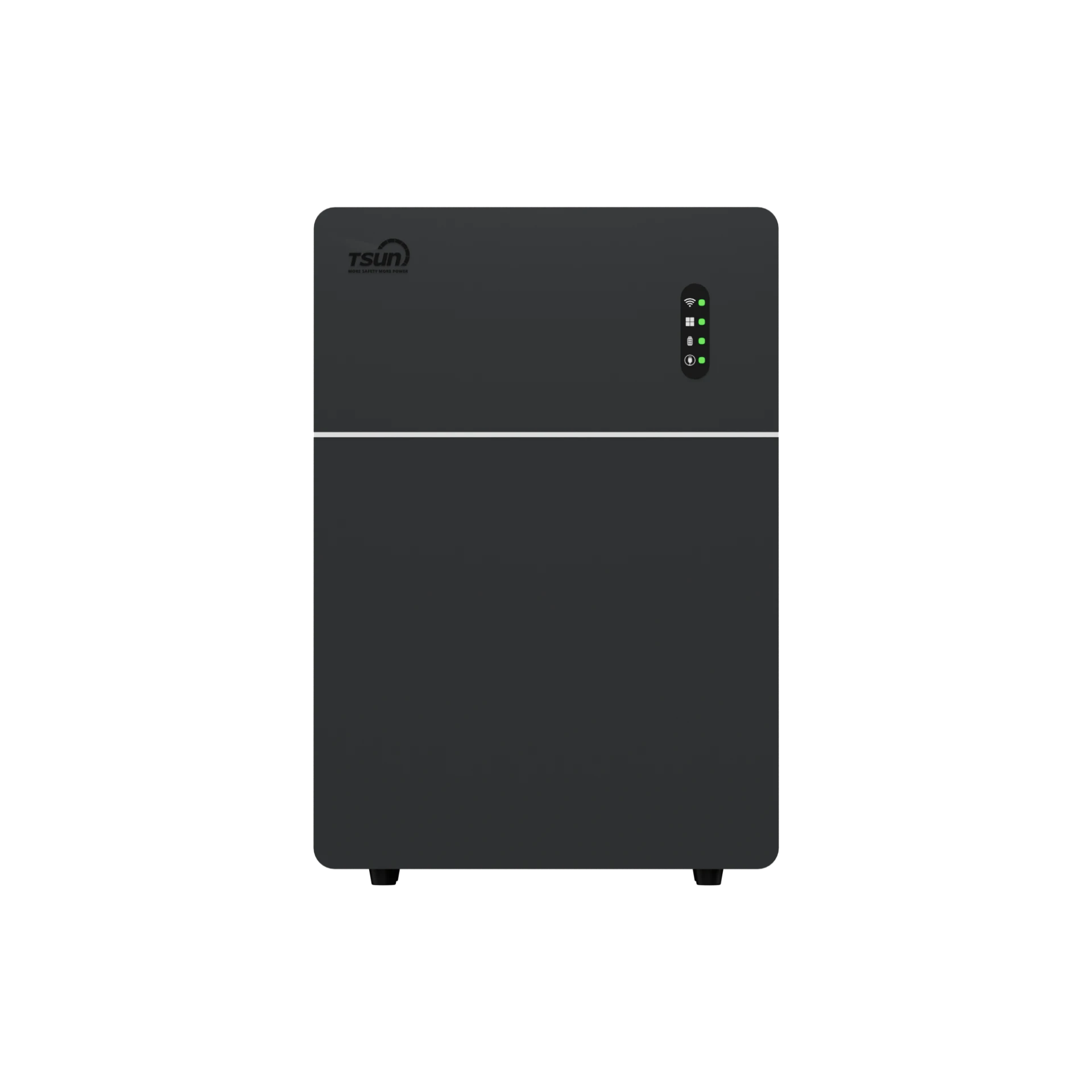
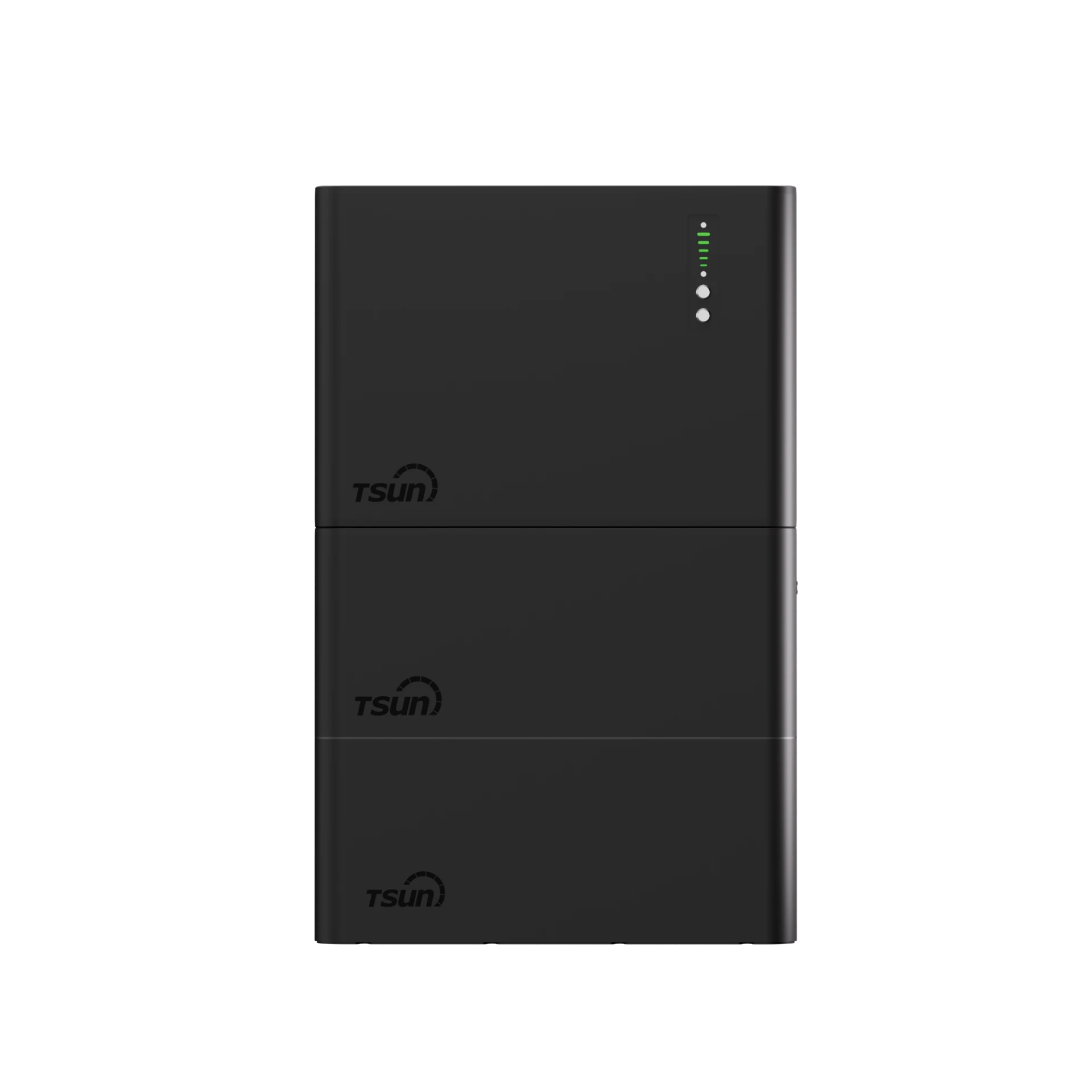
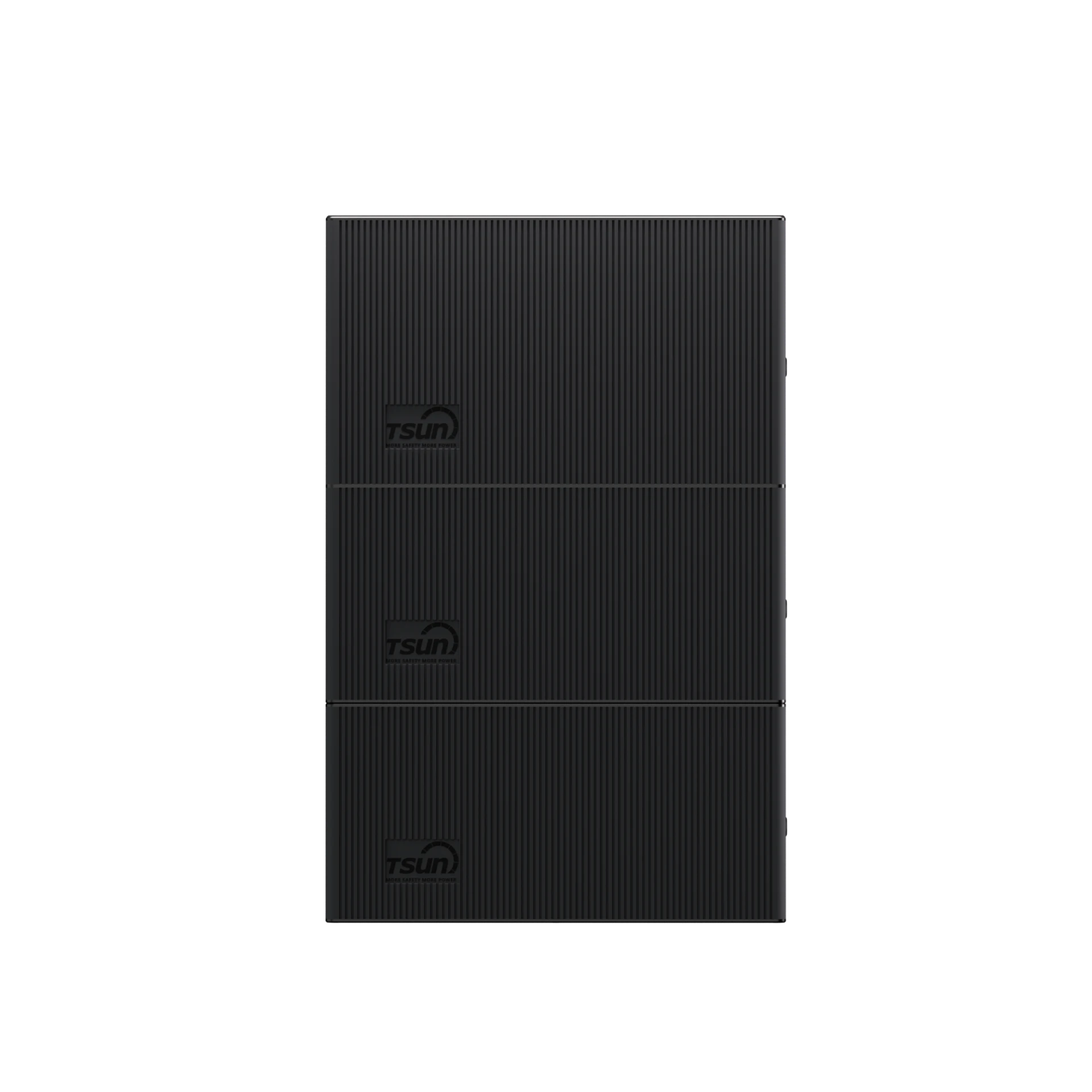
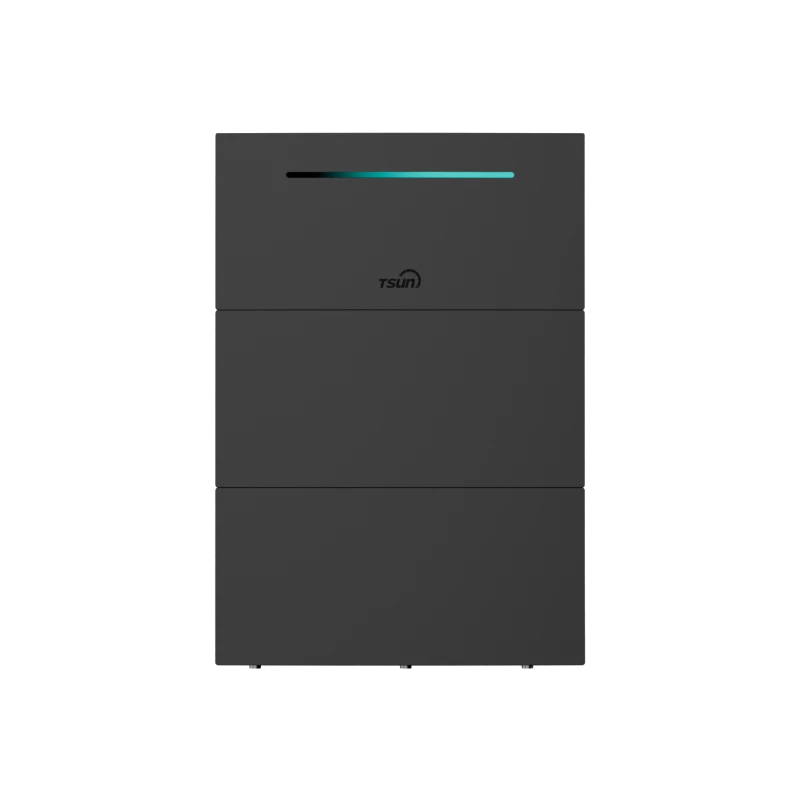
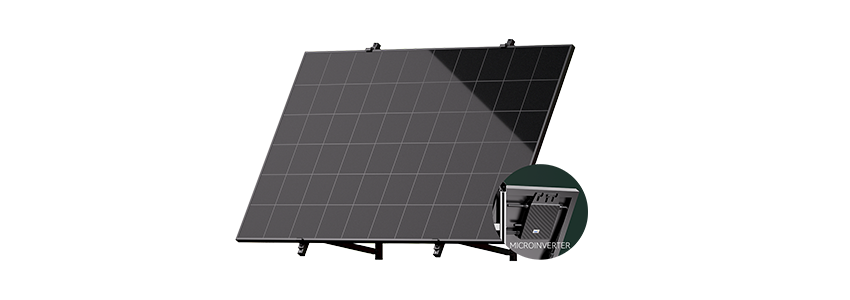
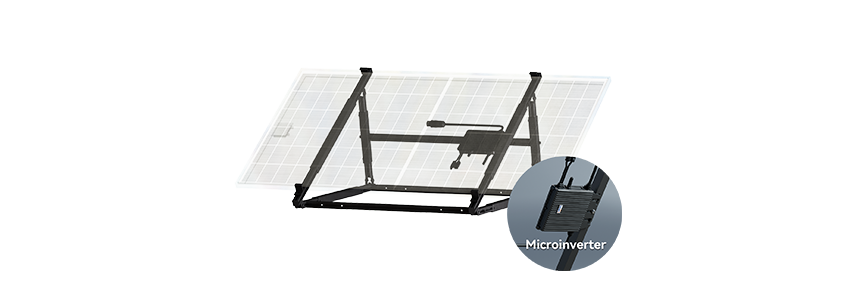
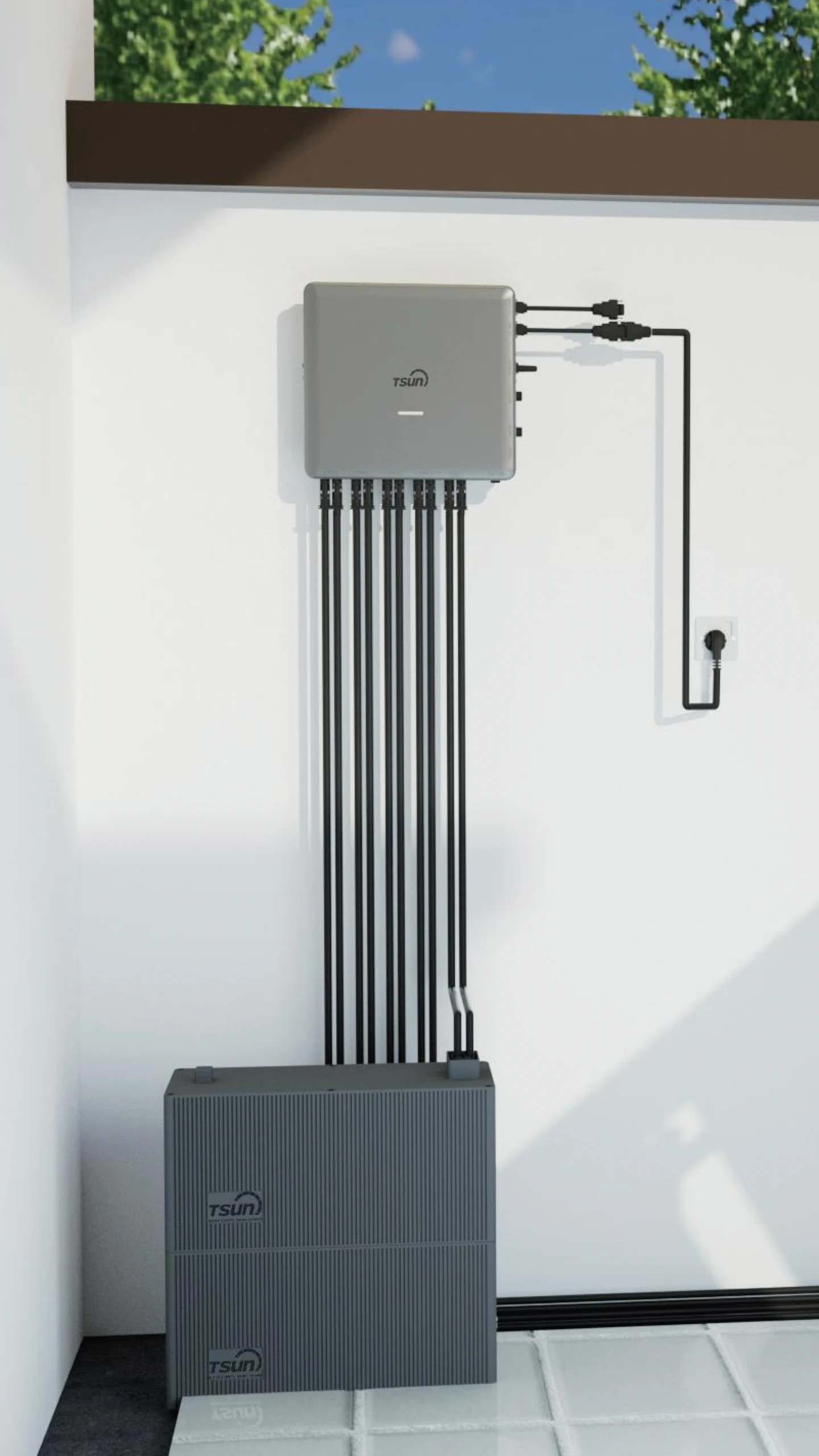
Stored power solar is essentially a system that captures solar power through photovoltaic panels, then stores it in batteries or other energy storage technologies for use when generation is low or demand spikes. Unlike traditional solar that feeds electricity directly into a grid or device, stored power solar guarantees power availability around the clock. This is crucial for everything from hospitals in remote zones to emergency relief facilities during disasters.
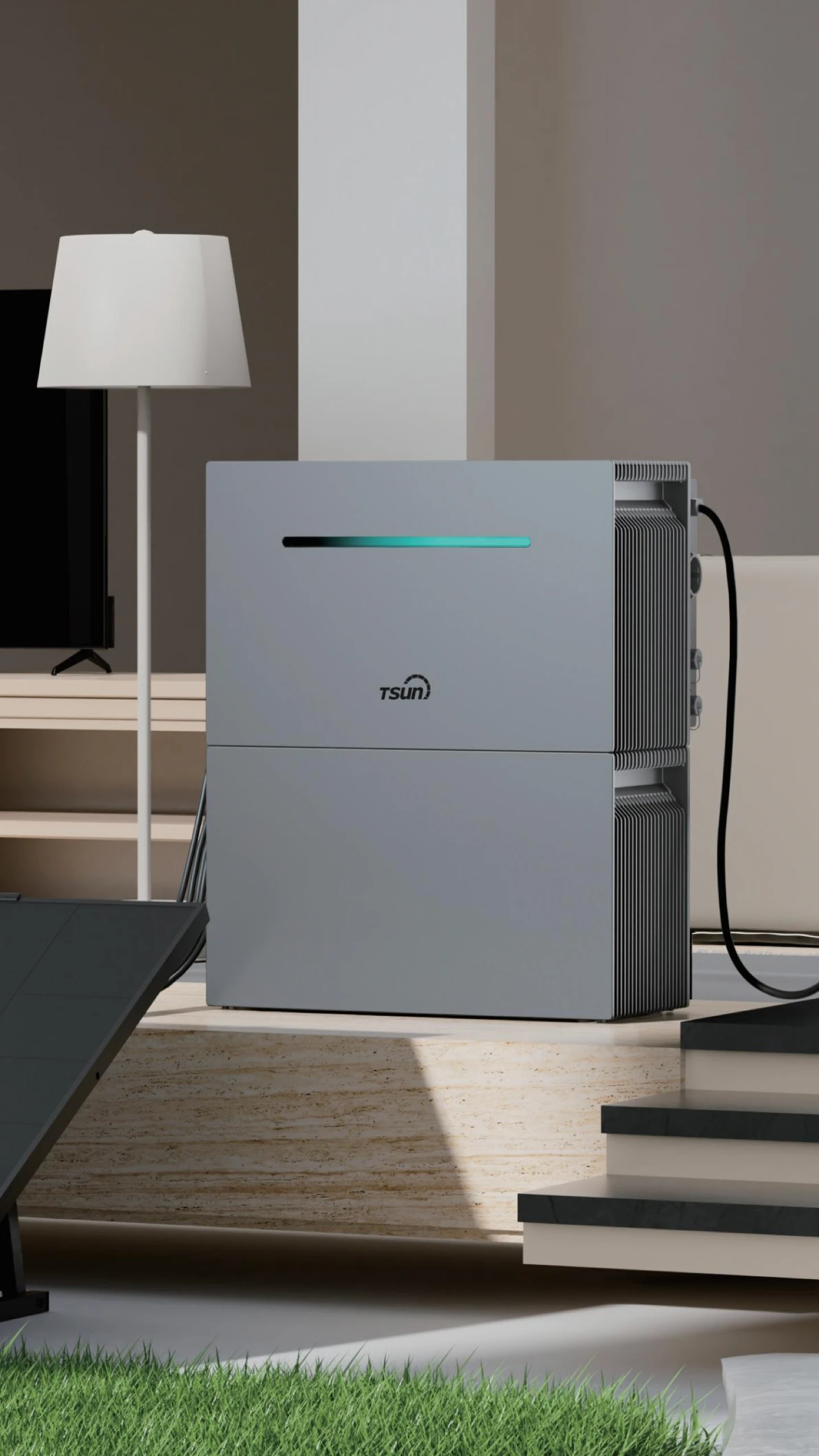
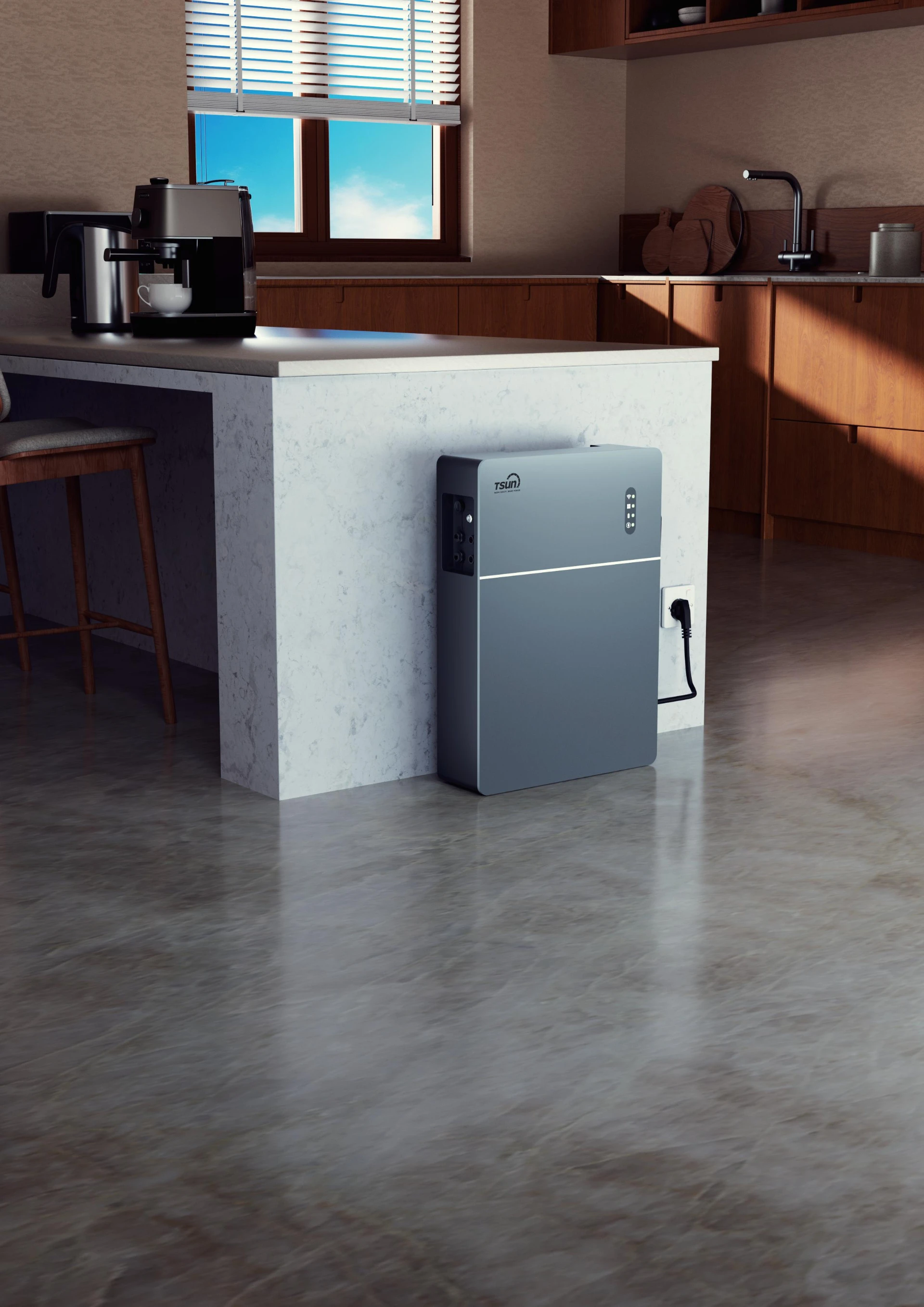
In real terms, stored power solar combines well-designed solar arrays with advanced storage — such as lithium-ion or emerging flow batteries — to create self-reliant power systems that can run independently or feed into larger grids.
Key Factors of Stored Power Solar Systems
1. Durability
Systems must withstand environmental extremes—heat, humidity, dust, and more. Durable enclosures and rugged battery tech ensure reliable operation across seasons and geographies.
2. Scalability
Whether powering a single home or an industrial site, stored power solar systems should scale up or down easily, adapting to energy demand without enormous cost hikes.
3. Cost Efficiency
Upfront costs can be steep, but over the long haul, savings appear in reduced fuel expenses and maintenance. Innovations in battery tech and mass production are driving prices down.
4. Integration and Automation
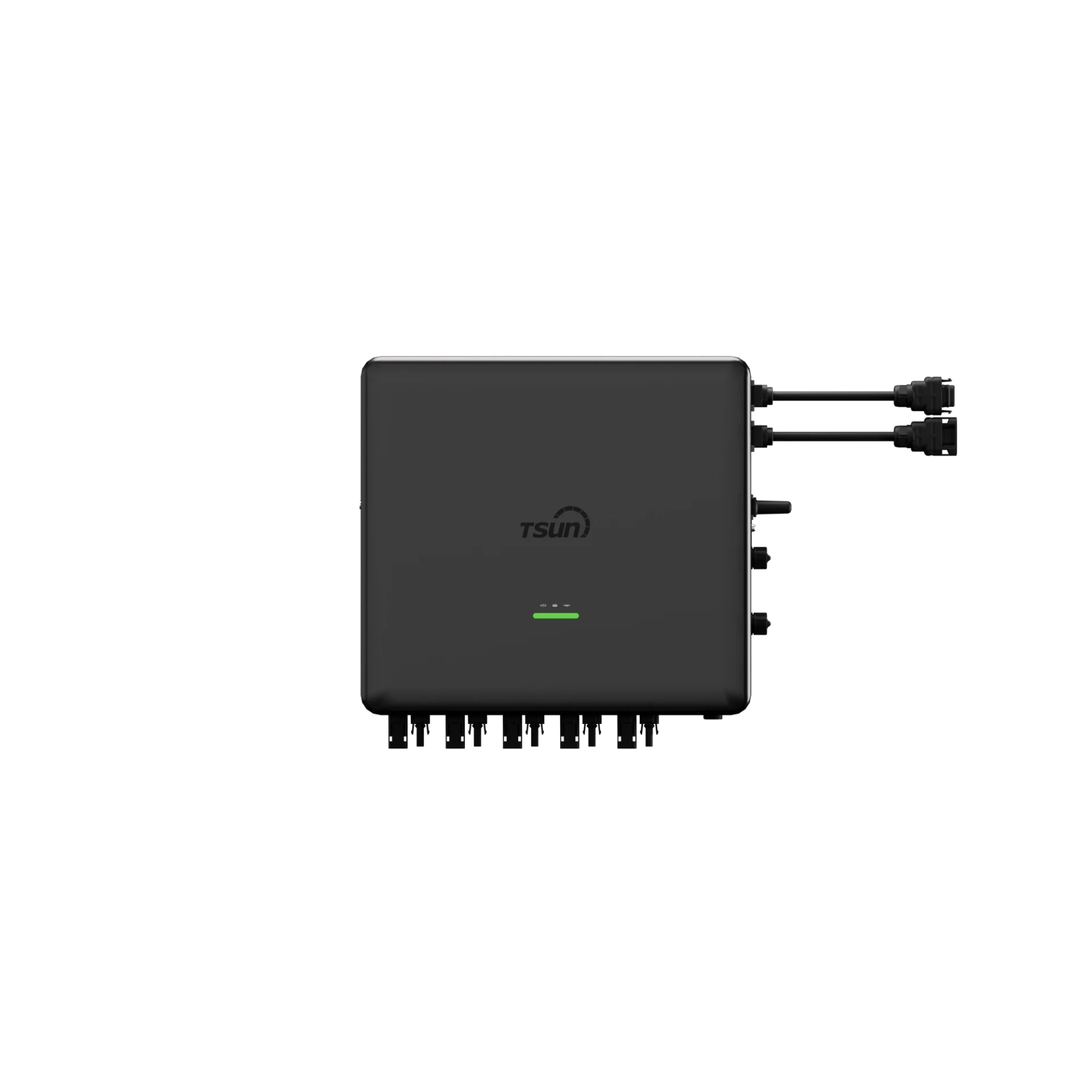
Smart inverters and energy management systems optimize when and how stored solar power is used, sometimes integrating seamlessly with smart grids or IoT-enabled devices.
5. Safety
Batteries are sensitive components. Systems equipped with enhanced thermal management and fail-safe mechanisms reduce risks associated with overheating or leakage.
Product Specifications: Typical Stored Power Solar System
| Component |
Specification |
| Solar Panel Capacity |
5 kW typical (scalable) |
| Battery Type |
Lithium-ion / Flow battery options |
| Storage Capacity |
10 kWh - 50 kWh, modular expandable |
| Inverter Efficiency |
>95% |
| Weight |
100-400 kg (varies by system size) |
Global Applications & Use Cases of Stored Power Solar
The beauty of stored power solar is its versatility. You find it powering:
- Remote Villages: Especially in sub-Saharan Africa and Southeast Asia, where grid access is scarce.
- Disaster Relief Operations: For instance, after hurricanes in the Caribbean, mobile solar-battery systems restore critical communication and medical devices.
- Industrial Zones Off the Grid: Mining or construction sites often rely on stored solar power to decrease diesel generator use and carbon footprints.
- Urban Microgrids: To boost resilience and manage peak demands in cities.
A real-world example: after the 2015 Nepal earthquake, NGOs deployed portable stored power solar kits to power field hospitals, protecting people when conventional electricity systems failed.
Mini takeaway: Stored power solar isn’t just tech—it’s a lifeline for communities and sectors otherwise cut off from consistent energy.
Advantages & Long-Term Value
Why fuss about stored solar power when you have the grid, or fossil fuel generators? Well, it boils down to benefits like:
- Cost Savings: Reduced dependency on noisy, polluting generators means fewer fuel purchases and maintenance headaches.
- Sustainability: It’s a green, zero-emission solution—critical given climate targets.
- Reliability: Power is available anytime, not just when the sun shines.
- Empowerment: In regions with fragile infrastructure, stored solar power restores dignity and autonomy.
- Innovation Catalyst: It lays groundwork for smarter grids and future energy tech.
For many users, it’s also about peace of mind—knowing hospitals, communication centers, or homes won’t plunge into darkness unexpectedly.
Future Trends & Innovations
The horizon looks exciting, with breakthroughs such as:
- Battery-tech Advances: Solid-state batteries and zinc-air options promise safer, longer-lasting storage.
- Integration with AI: Algorithms optimizing energy dispatch in real-time for efficiency.
- Policy Shifts: Governments incentivizing microgrids and solar storage boosts adoption curves.
- Recycling and Circular Design: Developing eco-friendlier batteries to tackle end-of-life issues.
Oddly enough, these innovations often come from small startups pushing boundaries, not just large corporations.
Challenges & Solutions in Stored Power Solar
Despite the obvious perks, the industry faces hurdles:
- Upfront Costs: While prices are decreasing, initial investment remains significant for many.
- Battery Lifespan & Disposal: Managing degradation and environmental impact of spent batteries.
- Technical Expertise: Systems require skilled installation and maintenance.
Addressing these means embracing modular designs that allow incremental upgrades, training local technicians, and fostering strong partnerships — like those you might find at stored power solar providers who combine product and service expertise.
Vendor Comparison: Leading Stored Power Solar Providers
| Vendor |
Battery Type |
Typical System Size |
Unique Feature |
| SolarTech Solutions |
Lithium-Ion |
5 - 20 kW |
AI-driven energy management system |
| GreenVolt Innovations |
Flow Battery |
10 - 50 kW |
Modular scalable design for industrial use |
| SunPower Systems |
Lithium Iron Phosphate |
3 - 15 kW |
Enhanced safety features for harsh climates |
Frequently Asked Questions About Stored Power Solar
1. How long can stored solar power systems provide energy during a blackout?
System runtime depends on battery capacity and energy demand. Typical home systems can supply power for several hours up to a full day during outages. Industrial scales vary widely but are sized for critical loads and duration accordingly.
2. Are stored power solar units environmentally friendly?
Yes. They emit no greenhouse gases during operation, but battery production and disposal have environmental impacts. Advances in battery recycling and sustainable materials help mitigate these concerns.
3. Can stored power solar systems be installed in remote locations without grid access?
Absolutely. In fact, off-grid and microgrid applications are among the biggest growth areas, often powering villages or emergency facilities where traditional grids don’t reach.
4. What maintenance do these systems require?
Regular inspection of batteries and electronics ensures longevity. Many vendors provide remote monitoring tools, reducing the need for frequent physical check-ups.
5. How do I choose the right stored power solar provider?
Consider system size, battery technology, service support, and local installation capabilities. Trusted vendors with proven track records and transparent warranties are ideal starting points.
Conclusion
The promise of stored power solar vividly illustrates how energy innovation can empower societies—offering more reliable, cleaner, and affordable electricity now and in the future. If you’re curious about solutions transforming how we capture and store solar energy, exploring industry leaders like those at stored power solar can be your first step toward a sustainable energy journey.
In the end, stored power solar isn’t just a product. It feels like hope wrapped in technology—a small but significant stride toward a world that runs on sunshine, anytime and anywhere.
Takeaway: The future is bright—and storable.
- International Energy Agency
- United Nations Energy Access Report
- World Bank Energy Overview






 LEARN DETAILS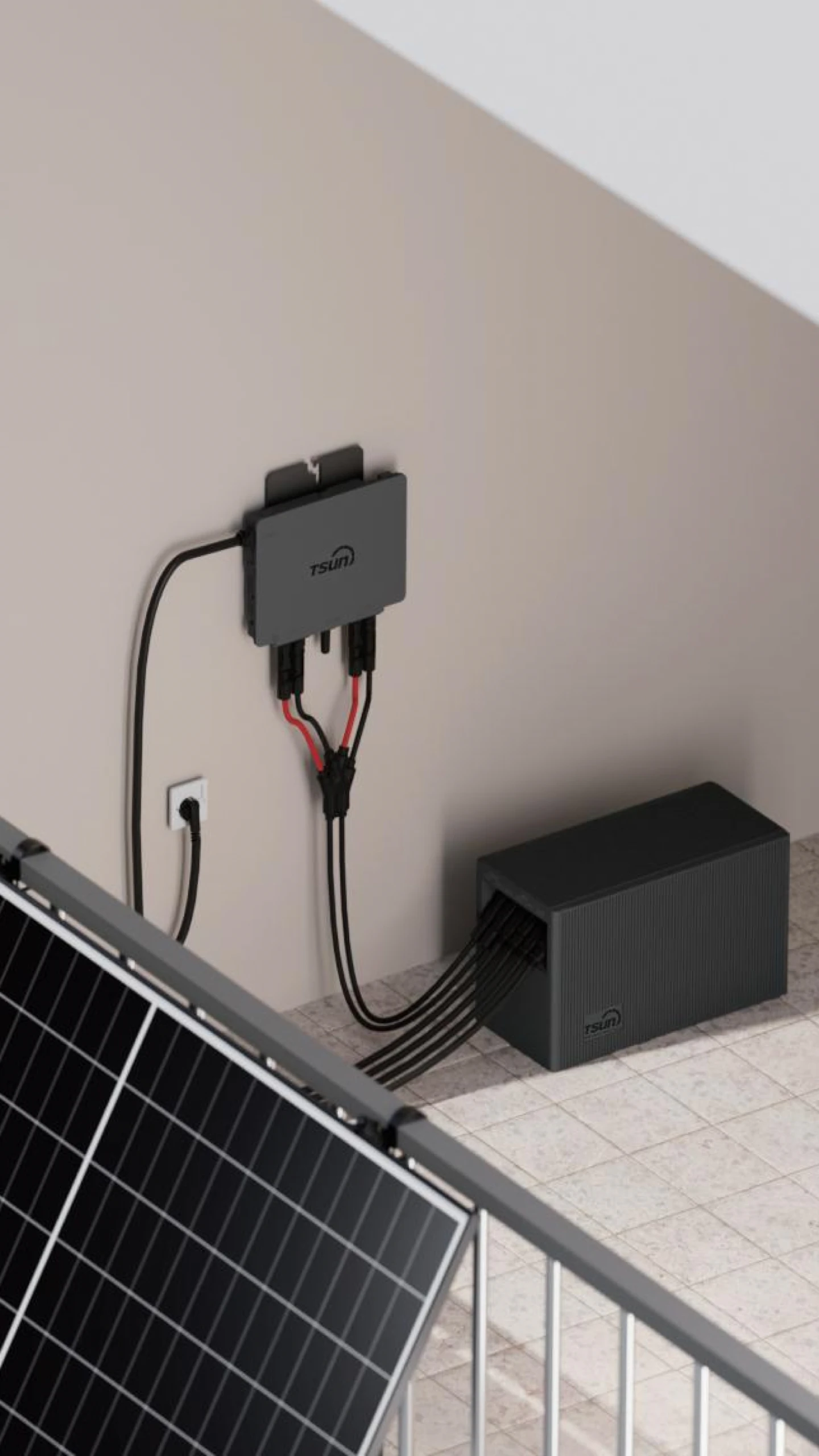
 Downloads
 Video Center
 Report Fault for Repair
 FAQS
FAQS Service Network
 Privacy Policy
 Contact Us
 Monitoring


 LEARN MORE