Exploring the Solar Energy Storage System Company Landscape
After spending over a decade in the industrial equipment sector — specifically around power generation and storage — I’ve seen quite a few shifts. One of the most encouraging trends lately? The rise of solar energy storage system company solutions that really embrace modularity and durability.
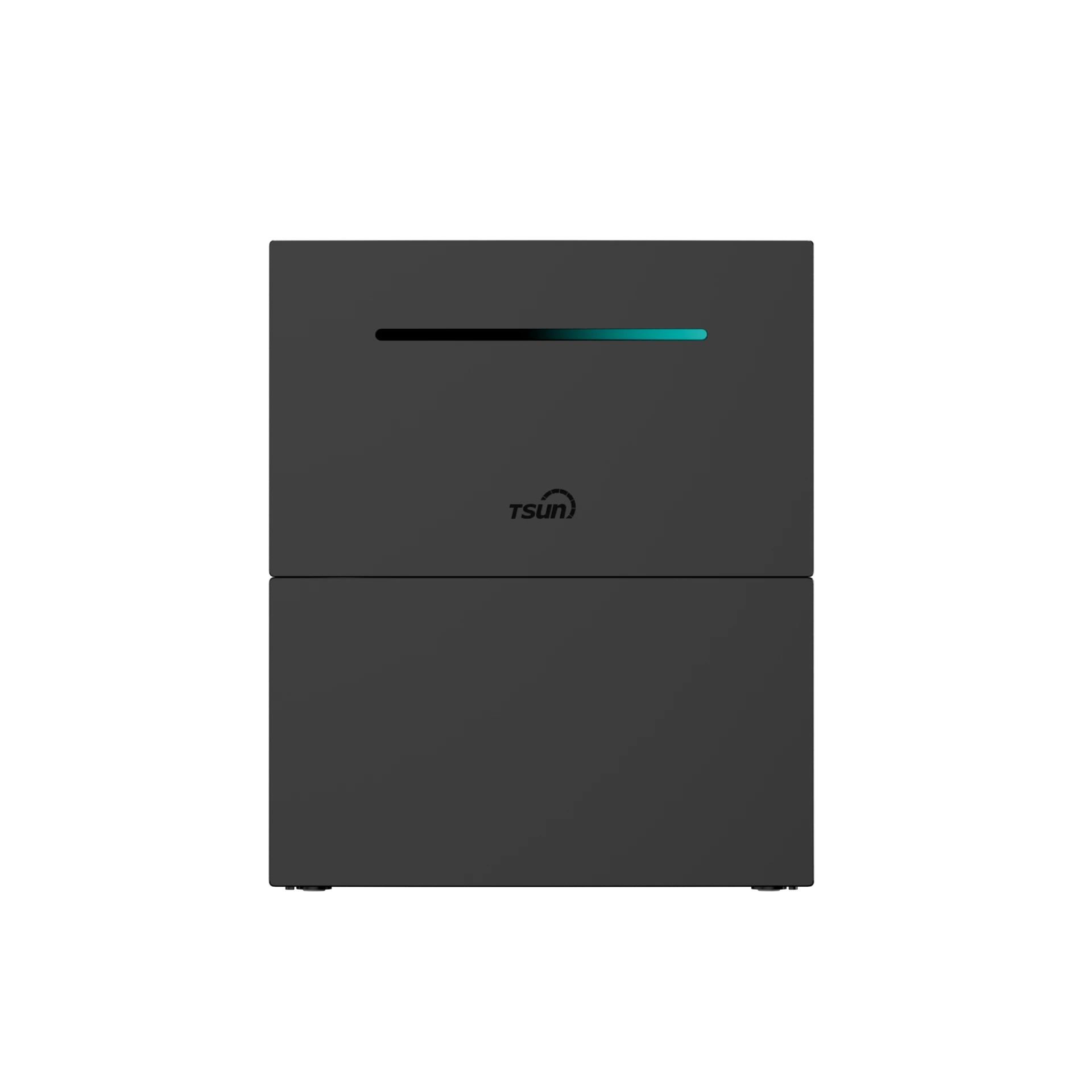
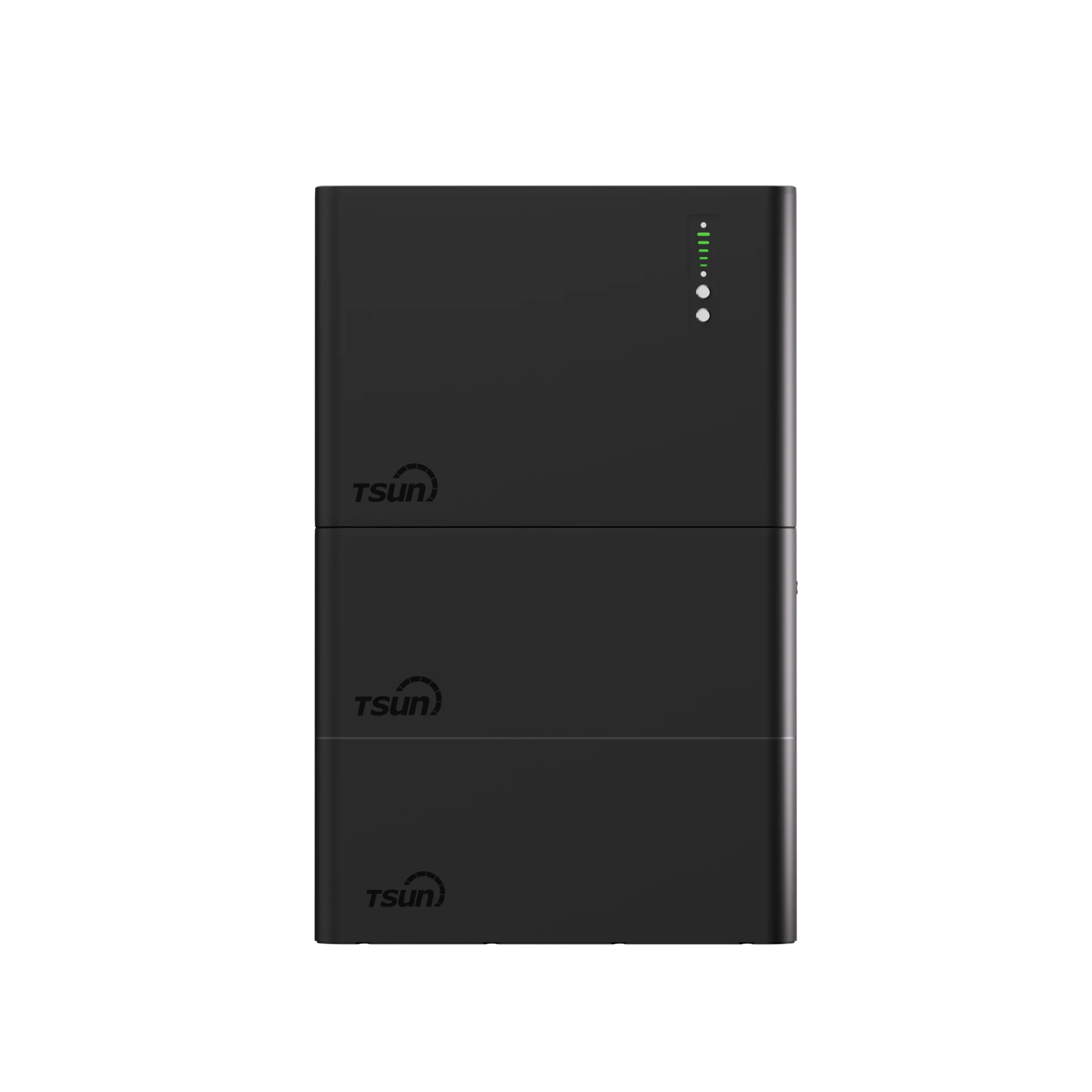
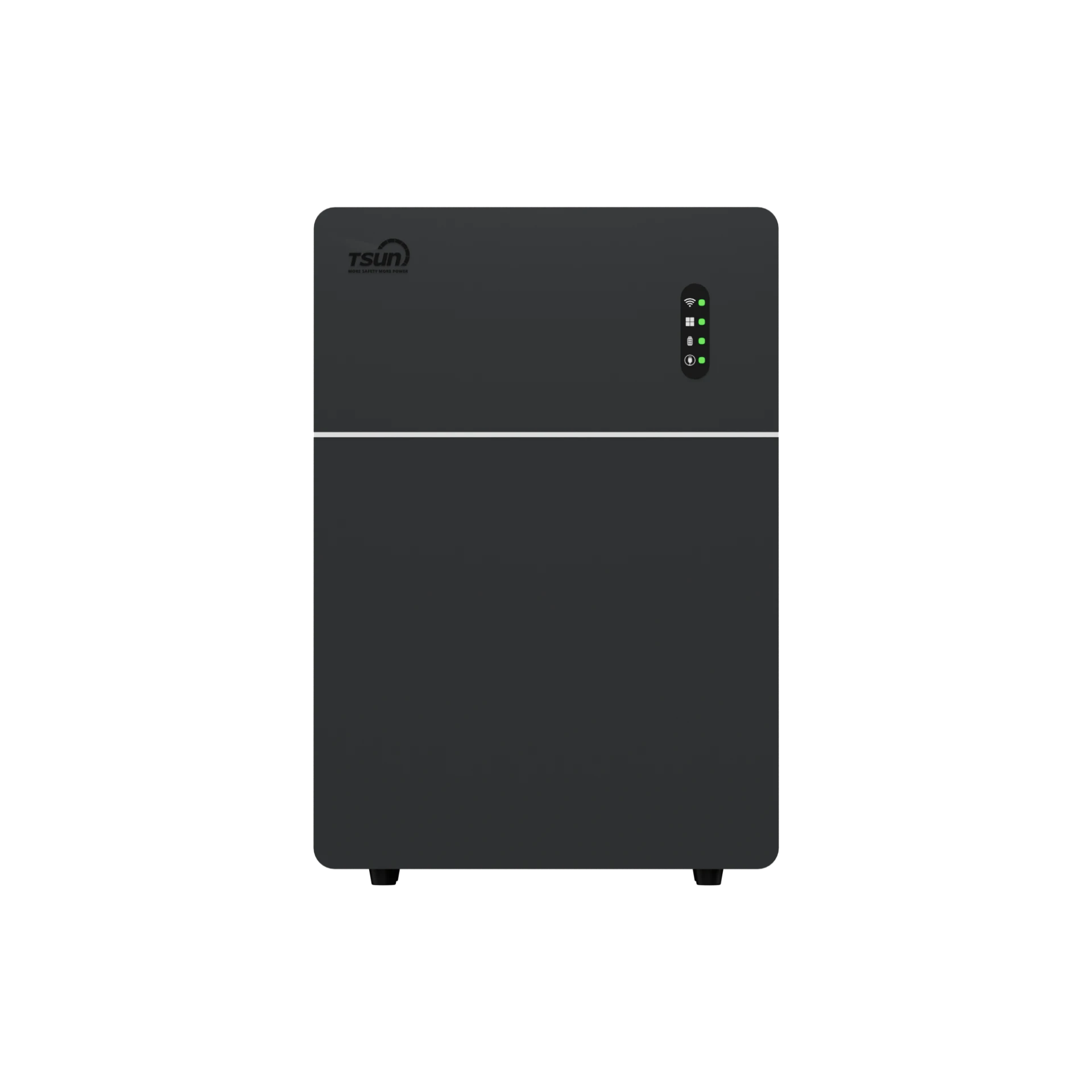
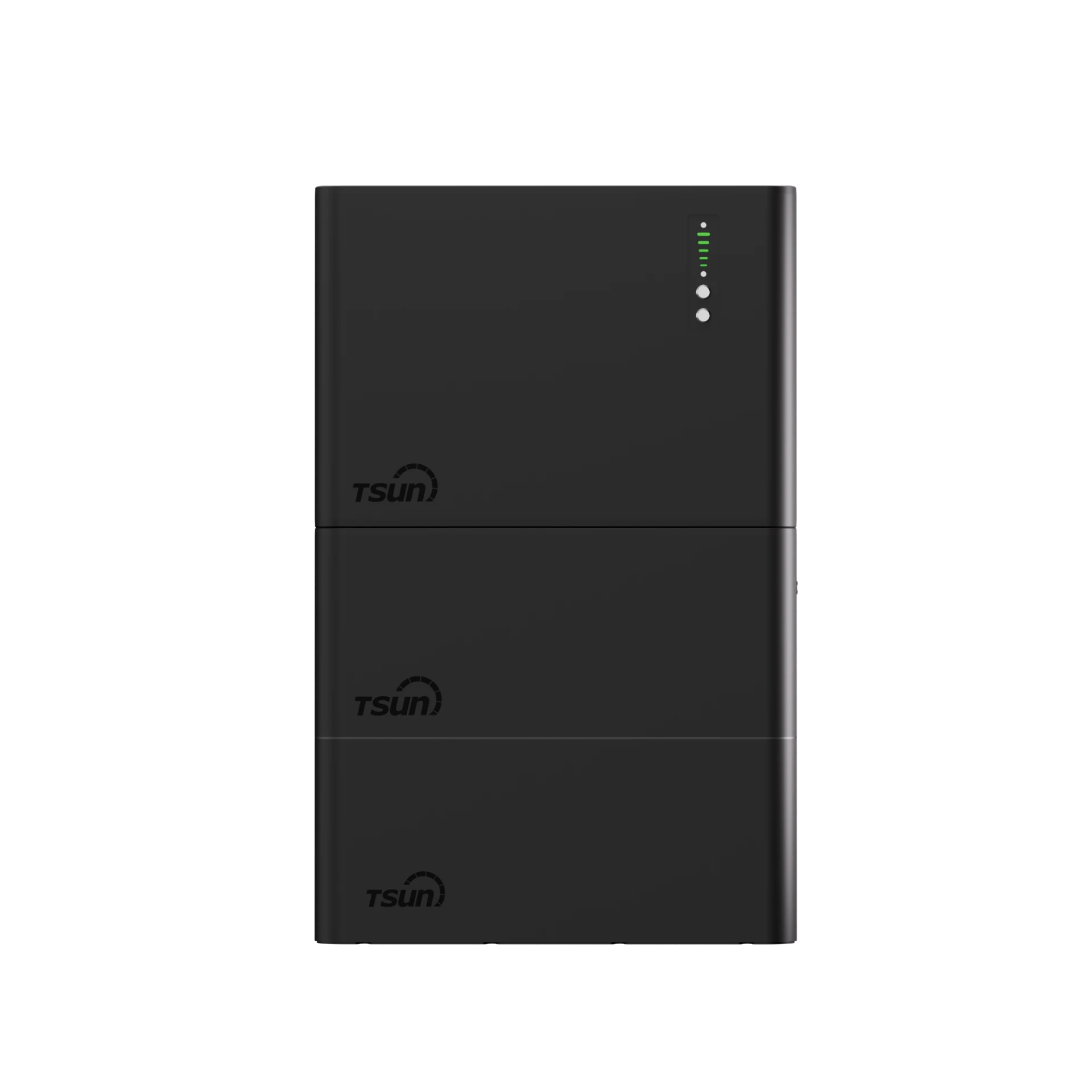
Honestly, solar energy storage today isn’t just about slapping a battery on your rooftop and calling it a day. It’s a subtle, and often quite complex, mix of robust materials, intelligent system design, and careful engineering to maximize cycle life and efficiency. The market has matured far beyond just experimental kits — and I noticed, especially from a vendor like TSUN ESS, that some manufacturers pay real attention to industrial-grade standards.
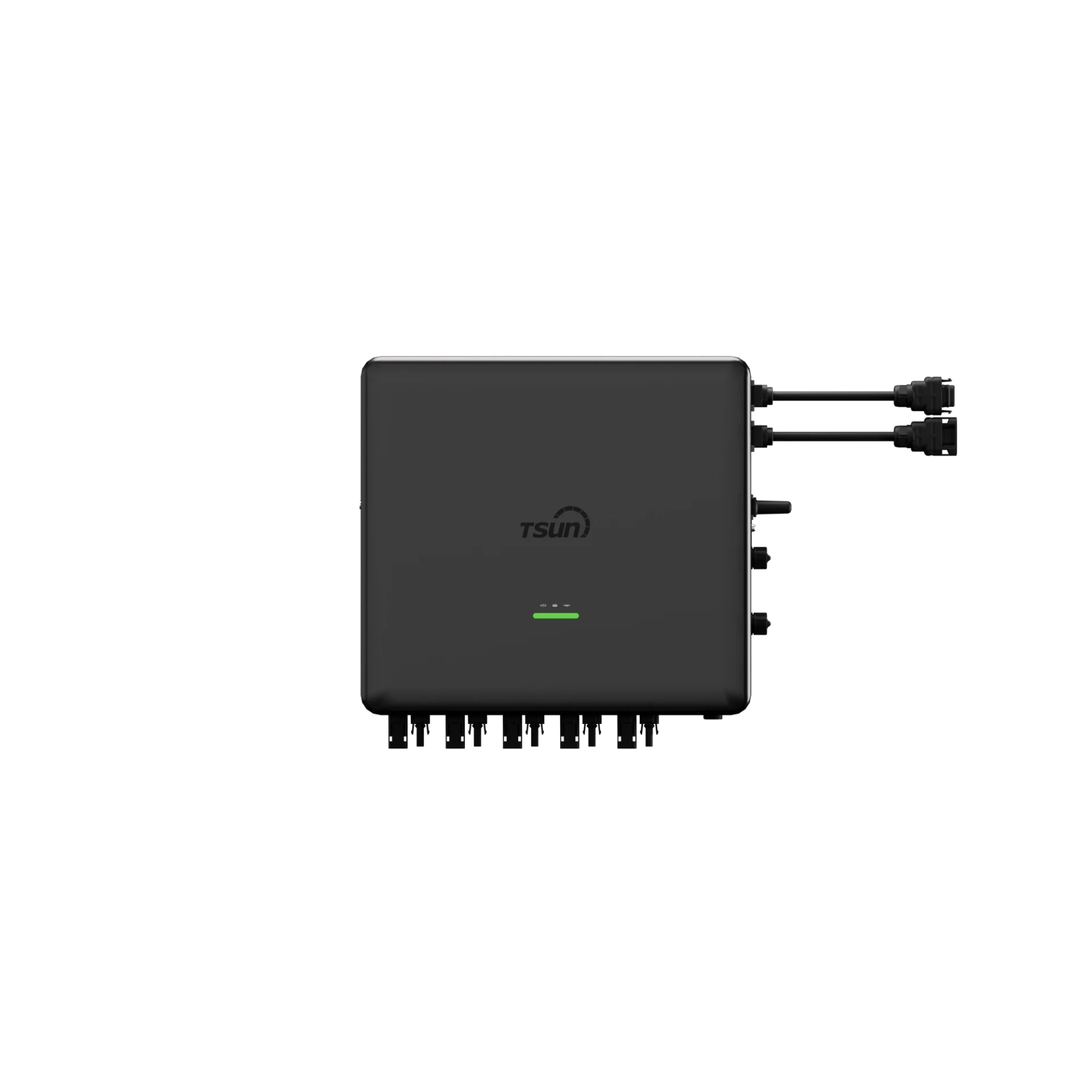
If you asked me what stands out most when assessing these companies, I’d say it’s their ability to customize solutions to fit diverse demands. Whether a utility-scale energy farm, a commercial building, or an off-grid residential setup, the specifications shift considerably. That’s where companies with flexible systems win out — offering, for instance, scalable battery capacities and adaptable inverter tech.
Typical Solar Energy Storage Product Specs
| Parameter |
Value |
| Battery Type |
LiFePO4 (Lithium Iron Phosphate) |
| Capacity Range |
5 kWh to 100 kWh (Modular) |
| Cycle Life |
> 6000 cycles @ 80% DoD |
| Operating Temperature |
-20°C to 55°C |
| Inverter Type |
Hybrid with Grid-Tie & Off-Grid Modes |
| Safety Certifications |
UL 9540, IEC 62619, CE |
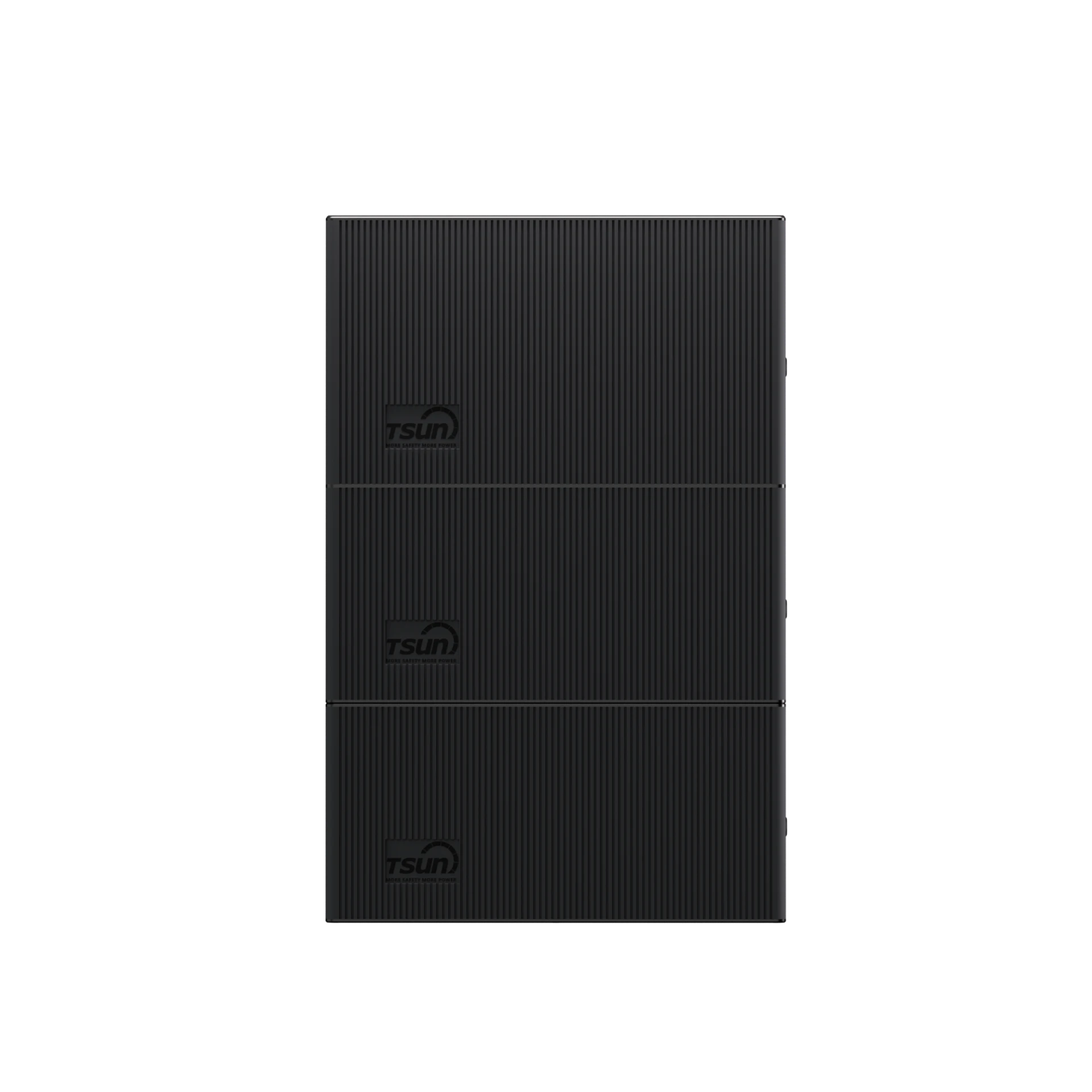
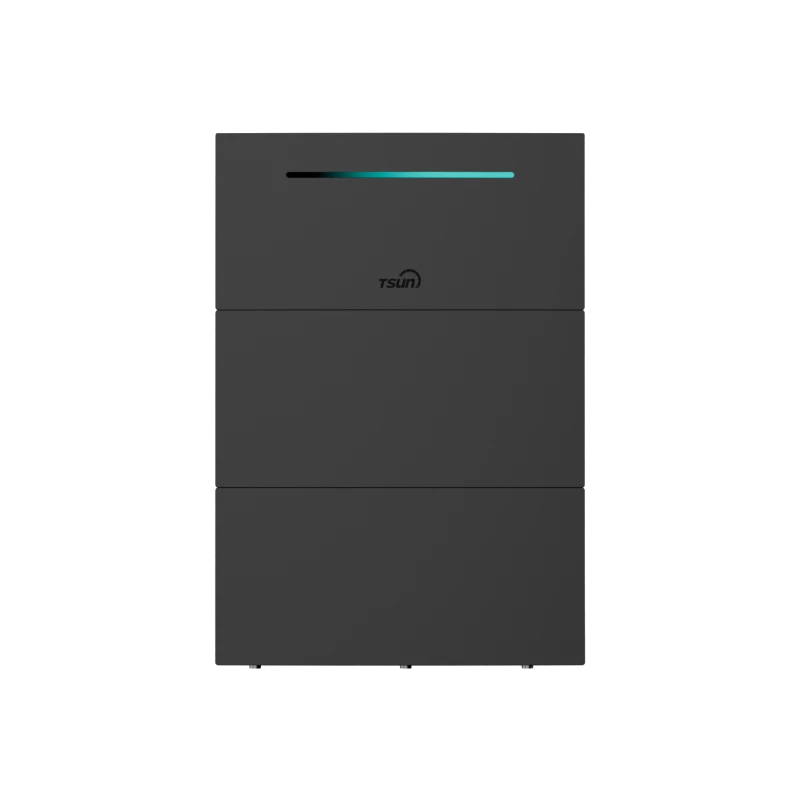
In the years I’ve worked closely with solar energy storage companies, TSUN ESS consistently popped up as a vendor blending solid engineering with practical support. Oddly enough, many engineers I know appreciate their modular design approach — it lets end users tweak or expand capacity without tearing down the entire system. And believe me, that saves weeks of downtime and headache.
Here’s a quick comparison I jotted down from my time evaluating three popular vendors in the field. Nothing fancy, but I found it really helpful at the workshop when recommending solutions to clients:
Vendor Comparison Snapshot
| Feature |
TSUN ESS |
Competitor A |
Competitor B |
| Modular Capacity |
5 kWh – 100 kWh |
10 kWh – 80 kWh |
Fixed 50 kWh |
| Battery Chemistry |
LiFePO4 |
NMC (Nickel Manganese Cobalt) |
Lead-Acid AGM |
| Cycle Life |
6000+ cycles |
3500 cycles |
1000 cycles |
| Warranty |
10 years |
7 years |
5 years |
| Safety Certifications |
UL 9540, IEC 62619 |
UL 1642 |
UL 1989 |
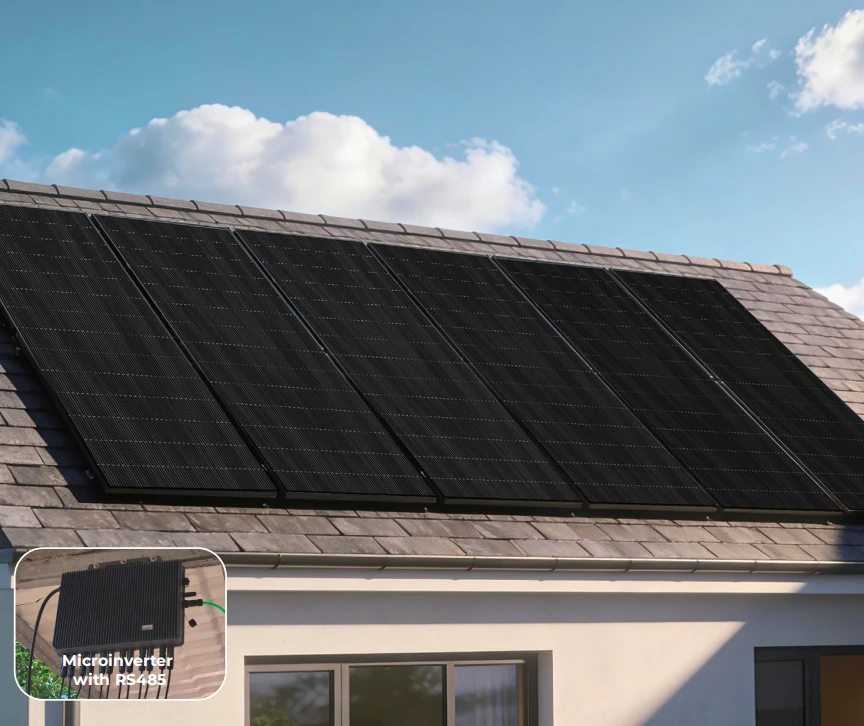
One small story that sticks with me involves a client in Arizona. They installed a TSUN ESS system paired with a sizeable rooftop solar array. Last summer, during a stretch of grid outages, the system supported their entire home and a small irrigation pump without a hiccup. The homeowner told me it “felt like independence,” a word that doesn’t get thrown around lightly in this space.
Frankly, this industry is evolving fast. Battery chemistries are improving, costs are dropping, and system intelligence is growing. But if you ask me, reliability, solid support, and smart design still set leaders apart — TSUN ESS exemplifies those traits well.
So, next time you hear “solar energy storage system company,” don’t just think of a box with batteries. Think of those quiet innovations, those engineers tuning performance carefully... and a company like TSUN ESS quietly leading this charge.
Taking solar seriously means looking beyond hype to the nuts and bolts — and trusting a system that’s been proven in real-world conditions.
References:
- UL Safety Standards for Energy Storage Systems, UL.com
- IEC 62619 Battery Safety Certification Overview, IEC.ch
- TSUN ESS Official Specifications, tsun-ess.com






 LEARN DETAILS
 Downloads
 Video Center
 Report Fault for Repair
 FAQS
FAQS Service Network
 Privacy Policy
 Contact Us
 Monitoring


 LEARN MORE