Types of Storage Systems in Solar Energy PDF
Having spent over a decade working hands-on in the industrial equipment sector, I’ve seen how the solar energy field, especially storage solutions, has evolved dramatically. There’s a certain fascination about how these storage systems — from simple batteries to sophisticated thermal setups — keep the sun’s power ready when the skies cloud over or the night falls. If you’re diving into solar projects or just curious, understanding the types of storage systems in solar energy pdf form can provide a solid grounding.
Let me tell you, the variety of these systems kind of reflects the complexity and ambitions of modern renewable energy management. Frankly, it’s not just about putting solar panels up and calling it a day. The real magic comes in how we capture and preserve that sunshine for later. Over the years, I noticed engineers and project managers often emphasize how important the choice of storage technology is since it makes or breaks long-term reliability.
Common Types of Solar Energy Storage Systems
When I speak of solar storage, I usually categorize them into three broad types:
- Electrochemical Batteries: The go-to storage, probably what you think of first. Lithium-ion dominates because it packs energy densely and cycles well, but lead-acid and flow batteries still see use in niche applications.
- Thermal Storage: This one's interesting—it stores heat instead of electricity, commonly seen in concentrated solar power (CSP) plants. Think molten salts holding energy for hours.
- Mechanical Storage: Systems like pumped hydro or compressed air energy storage store energy in physical form. They're larger scale but incredibly durable and affordable over the long haul.
In real terms, many industrial setups blend these types—especially combining batteries with thermal or mechanical systems—to optimize for cost, reliability, and grid requirements. The customization possibilities are almost endless, which I’ve always found exciting.
Product Specification Snapshot
| Storage Type |
Energy Density (Wh/kg) |
Cycle Life (approx.) |
Typical Use Case |
| Lithium-ion Batteries |
150-250 |
2000–5000 cycles |
Residential, Commercial |
| Lead-Acid Batteries |
30-40 |
500–1000 cycles |
Cost-sensitive, Small Systems |
| Molten Salt Thermal |
>60 (thermal) |
20+ years (durability) |
Large CSP Plants |
| Pumped Hydro |
N/A (mechanical) |
30+ years |
Grid-Scale, Utility |
Vendor Comparison: Choosing the Right Partner
From experience, picking a storage vendor is a bit of a dance—you want reliability, tech sophistication, and solid support. Here’s a quick rundown of noteworthy vendors in the solar energy storage space:
| Vendor |
Battery Tech |
Typical System Size |
Use Case |
Support & Warranty |
| Tsun ESS |
Lithium-ion |
5 kW – 200 kW |
Industrial, Residential |
10-year warranty, 24/7 support |
| Vendor B |
Flow batteries |
50 kW – 5 MW |
Grid-scale, Commercial |
8-year warranty, field service |
| Vendor C |
Lead-acid |
1 kW – 20 kW |
Small residential, off-grid |
5-year warranty, limited support |
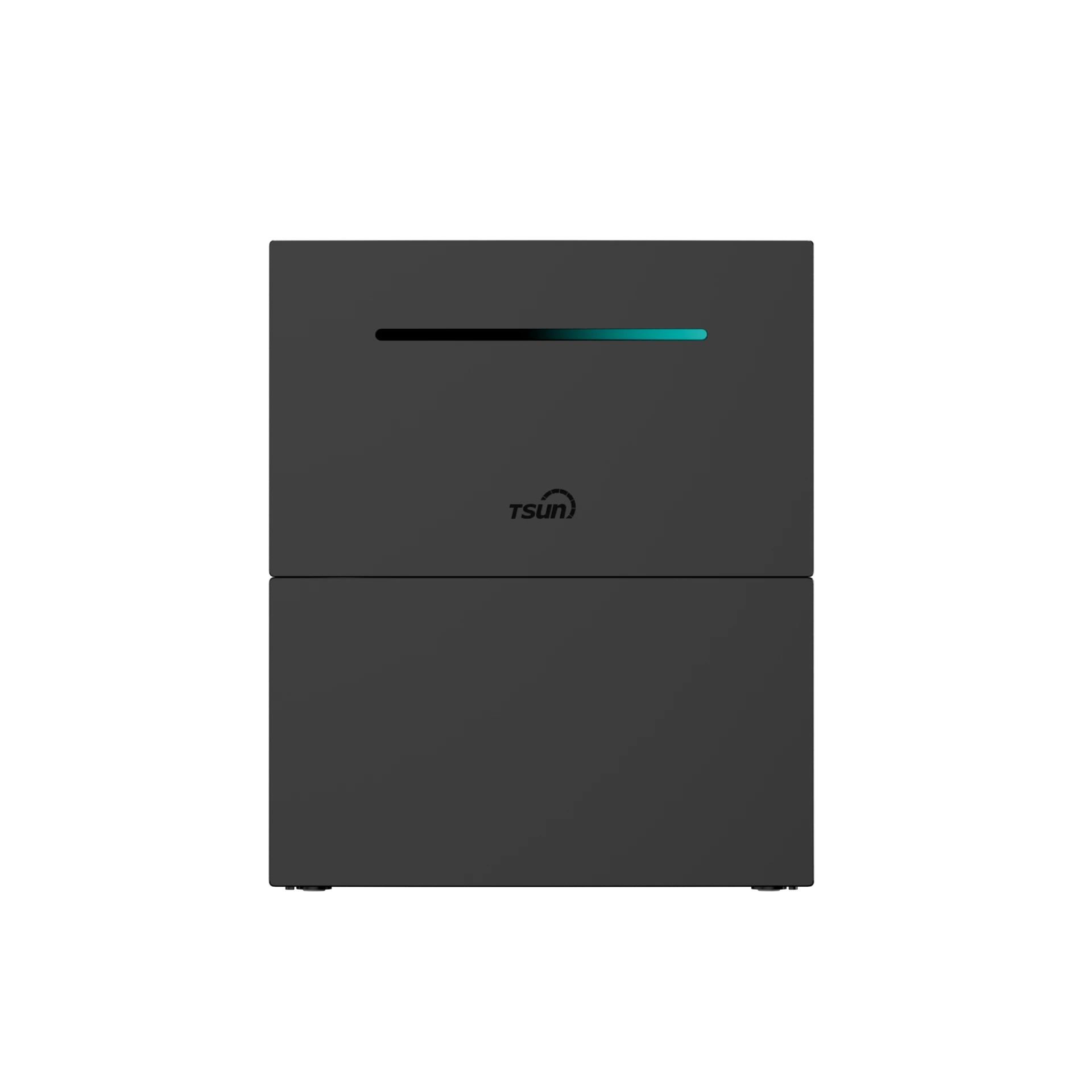
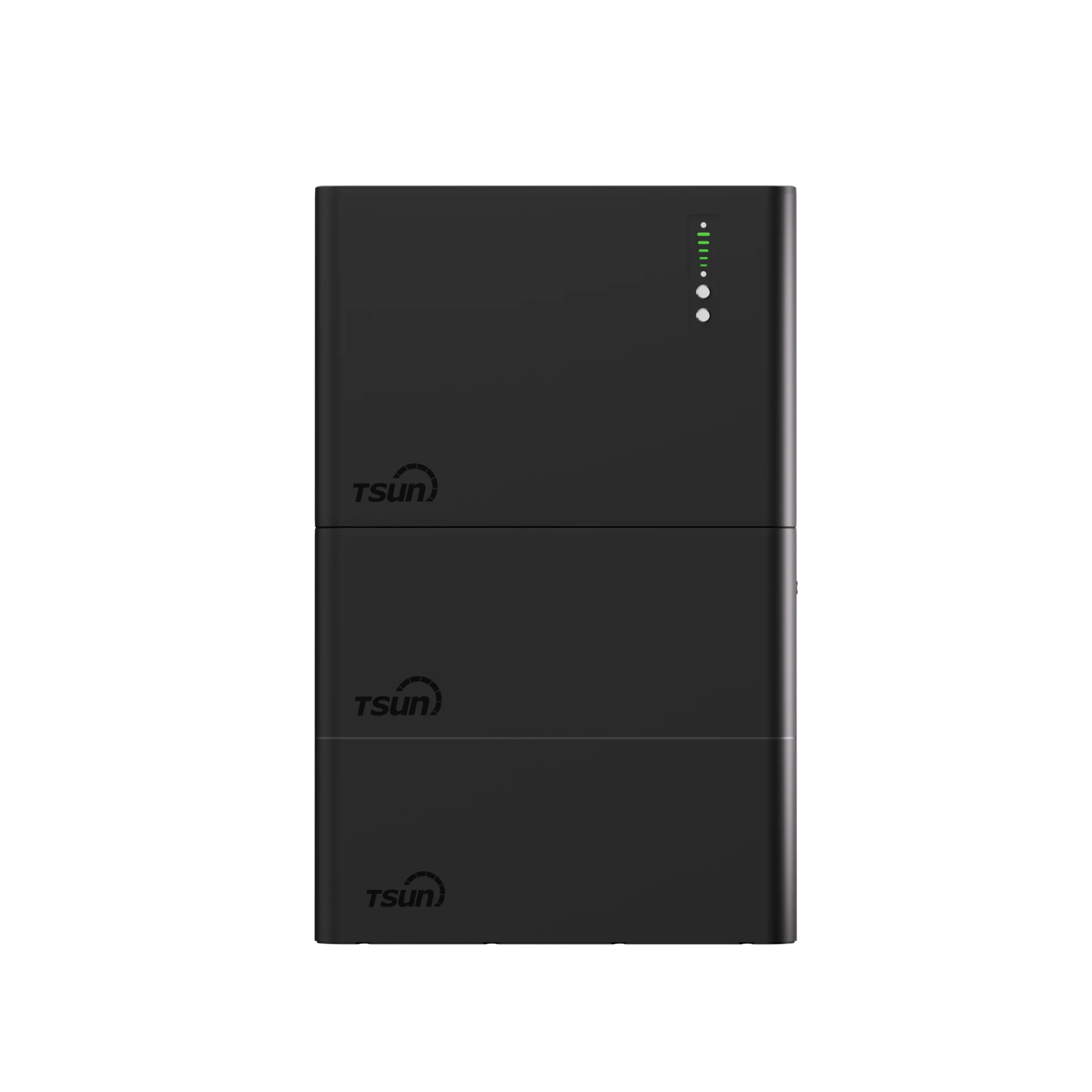
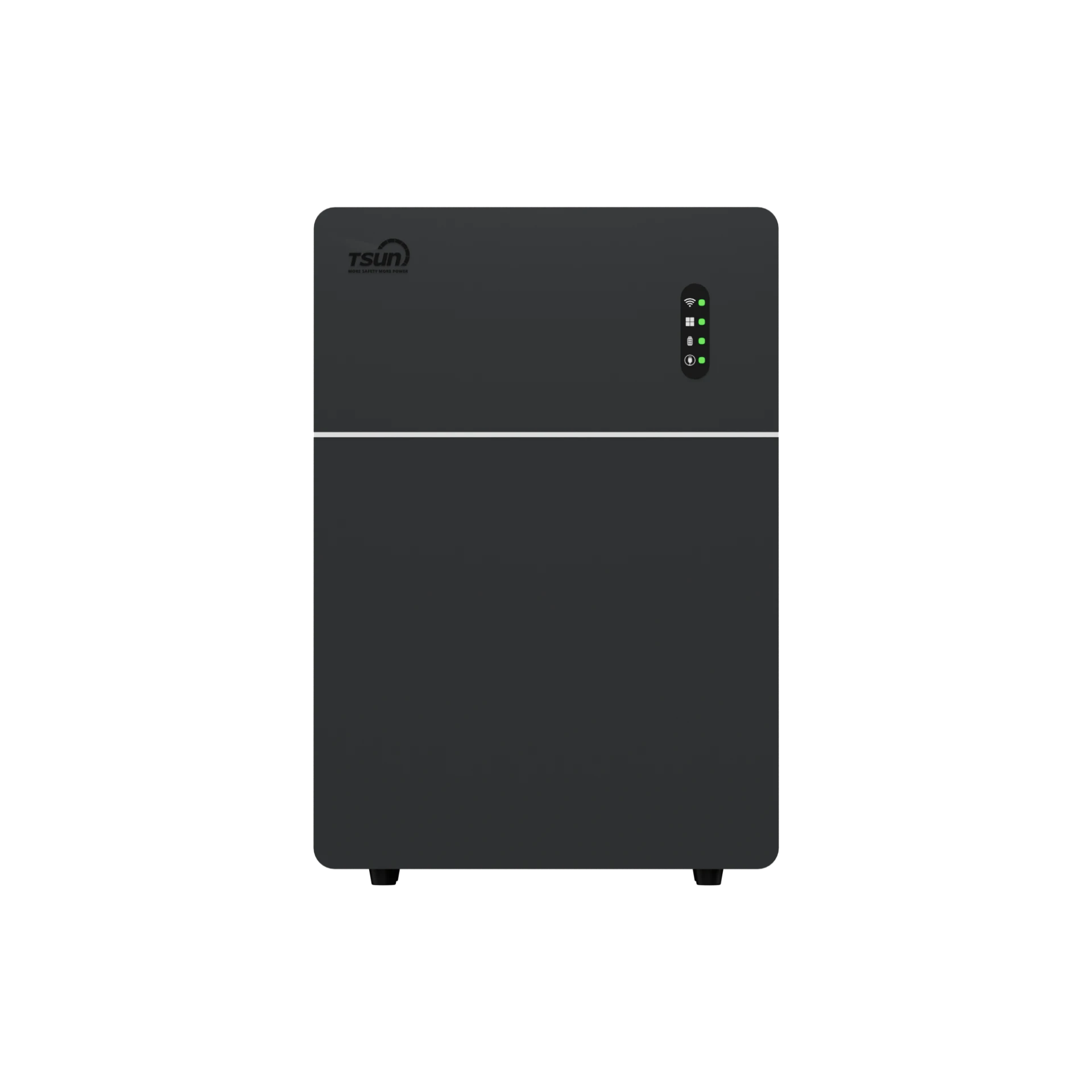
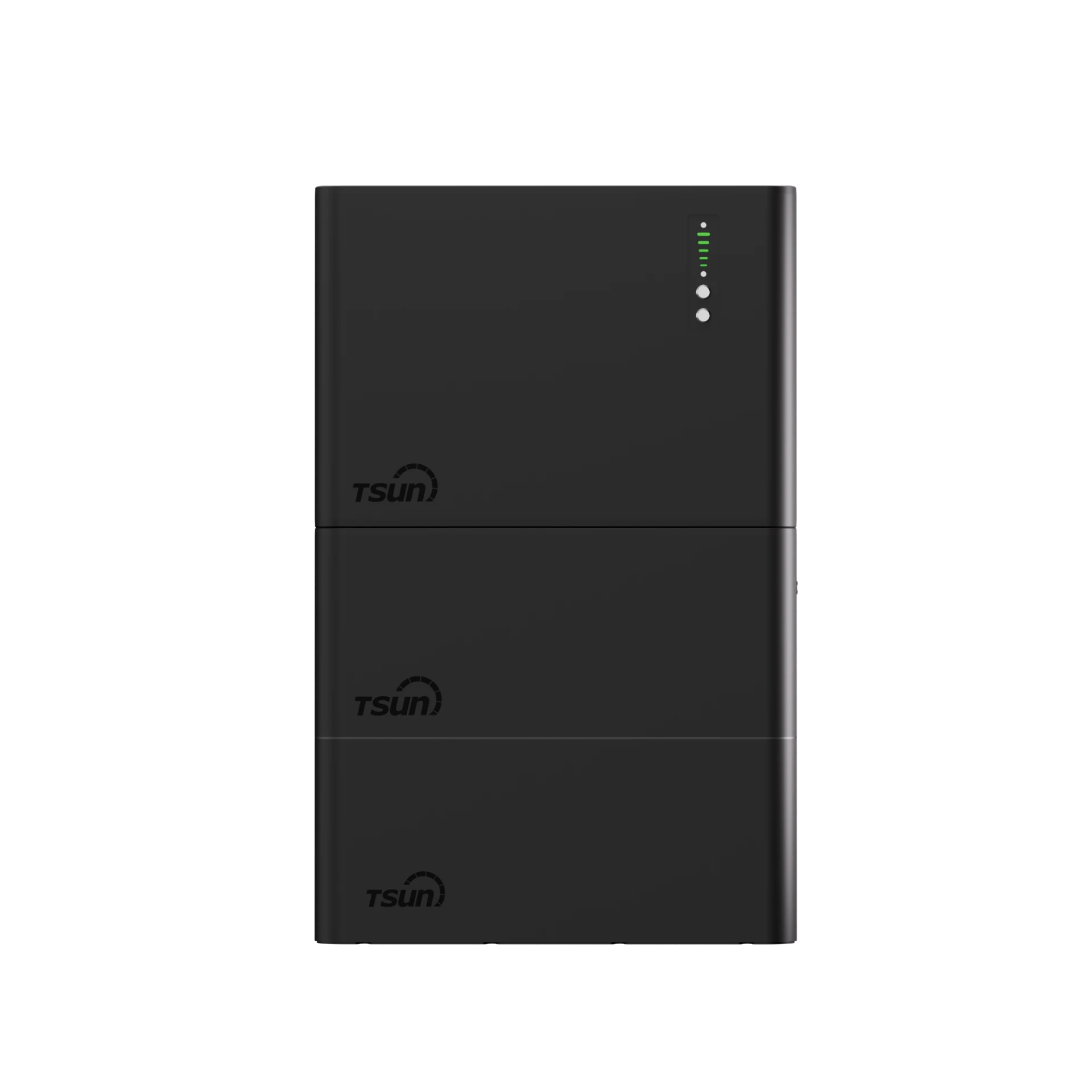
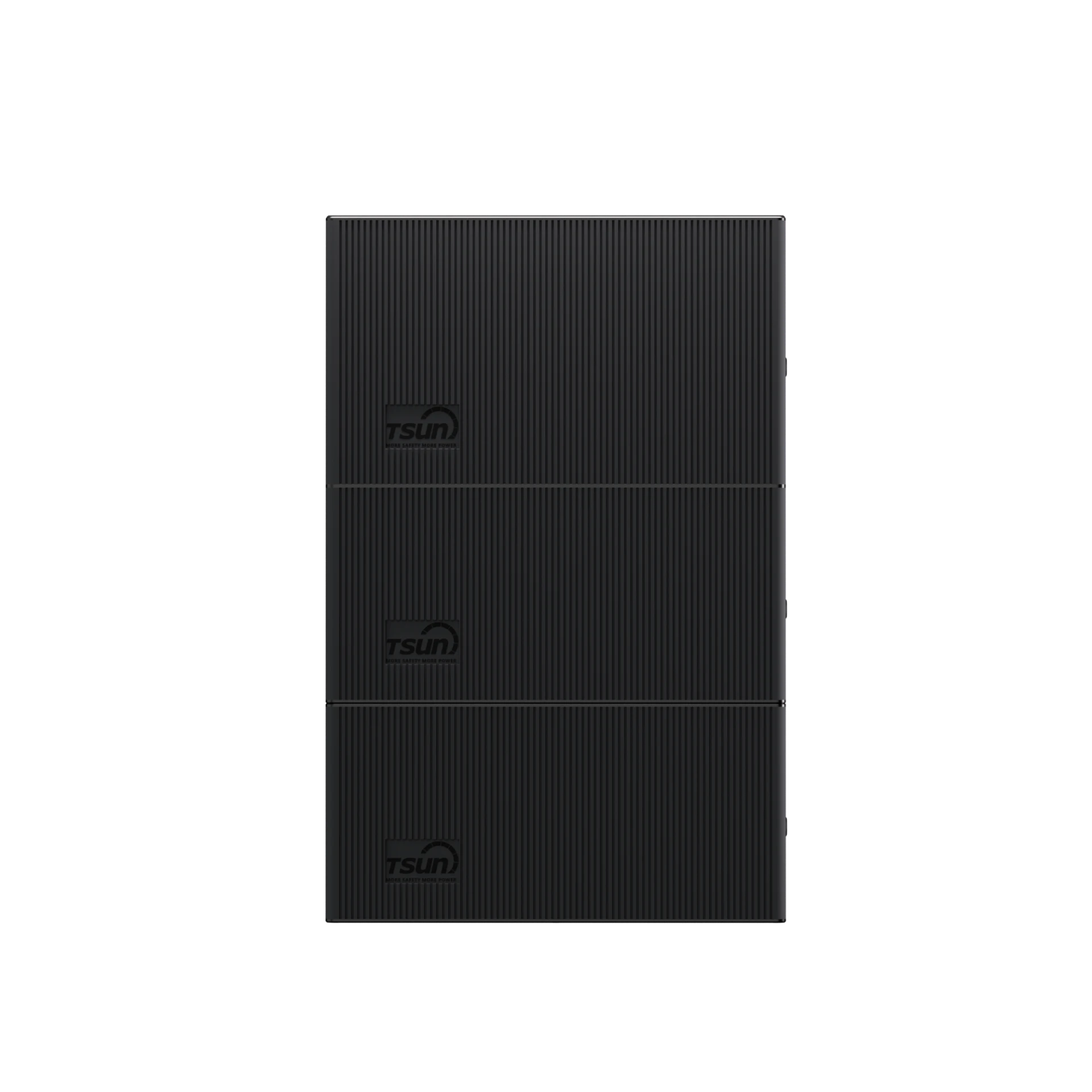
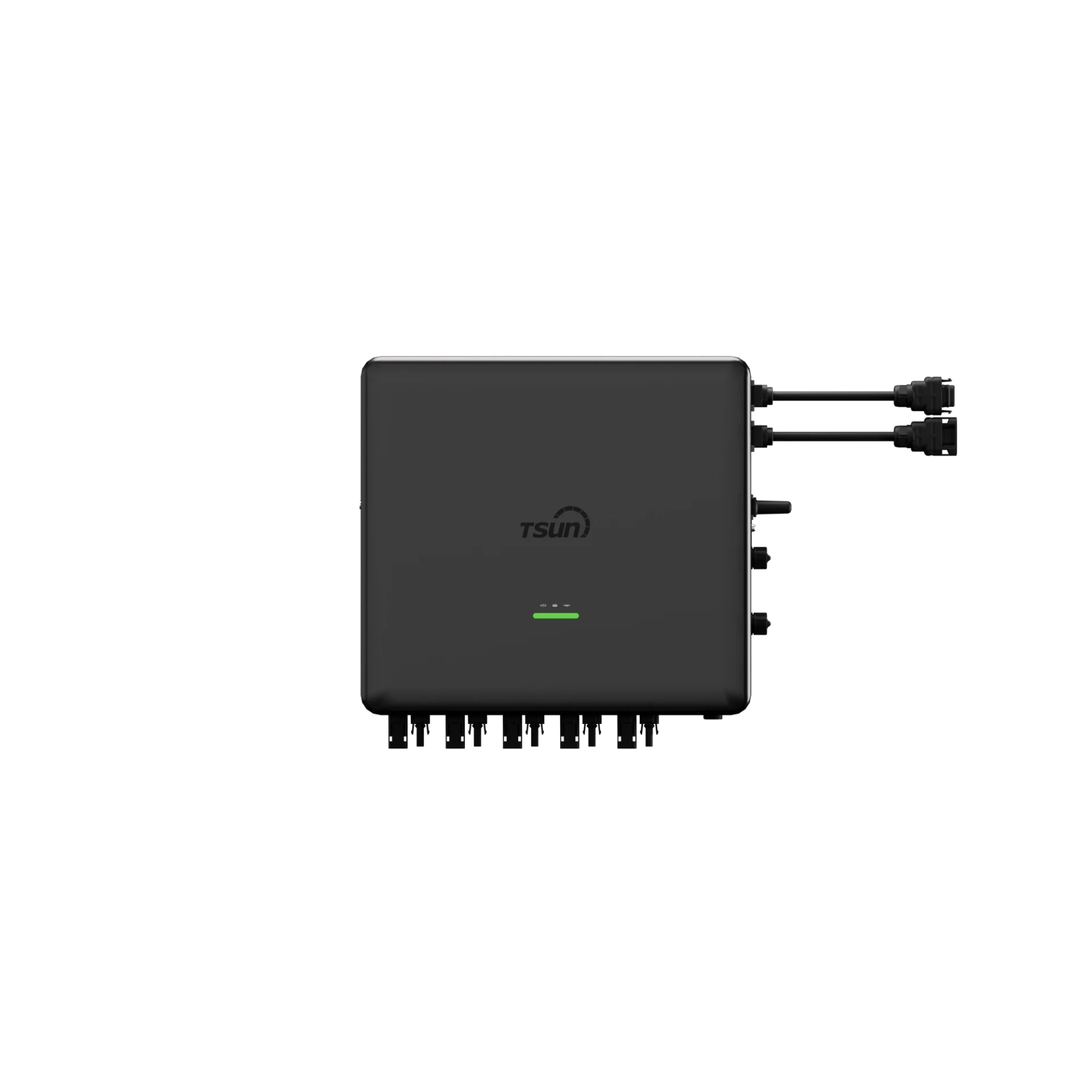
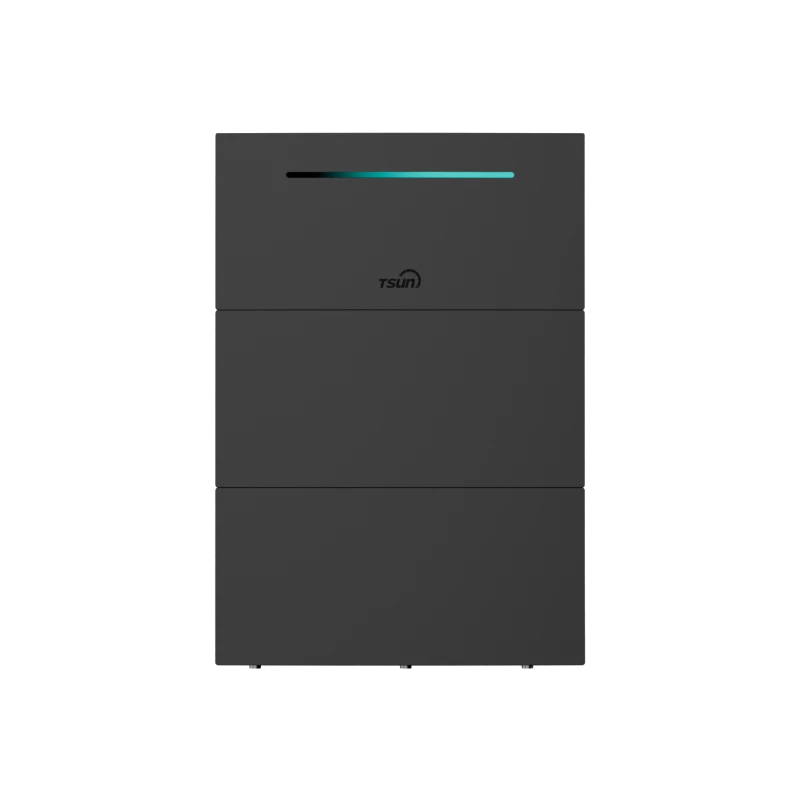
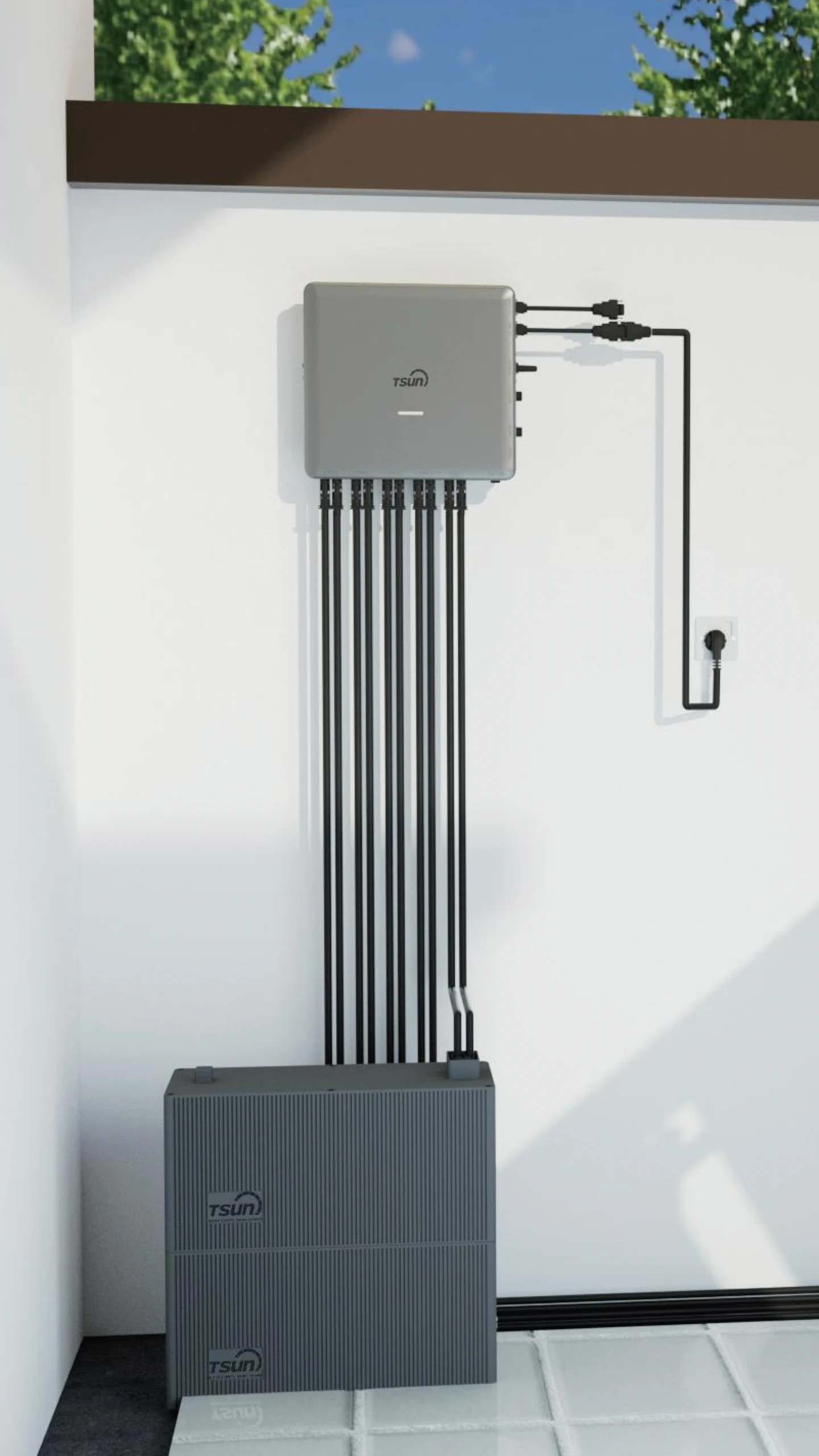
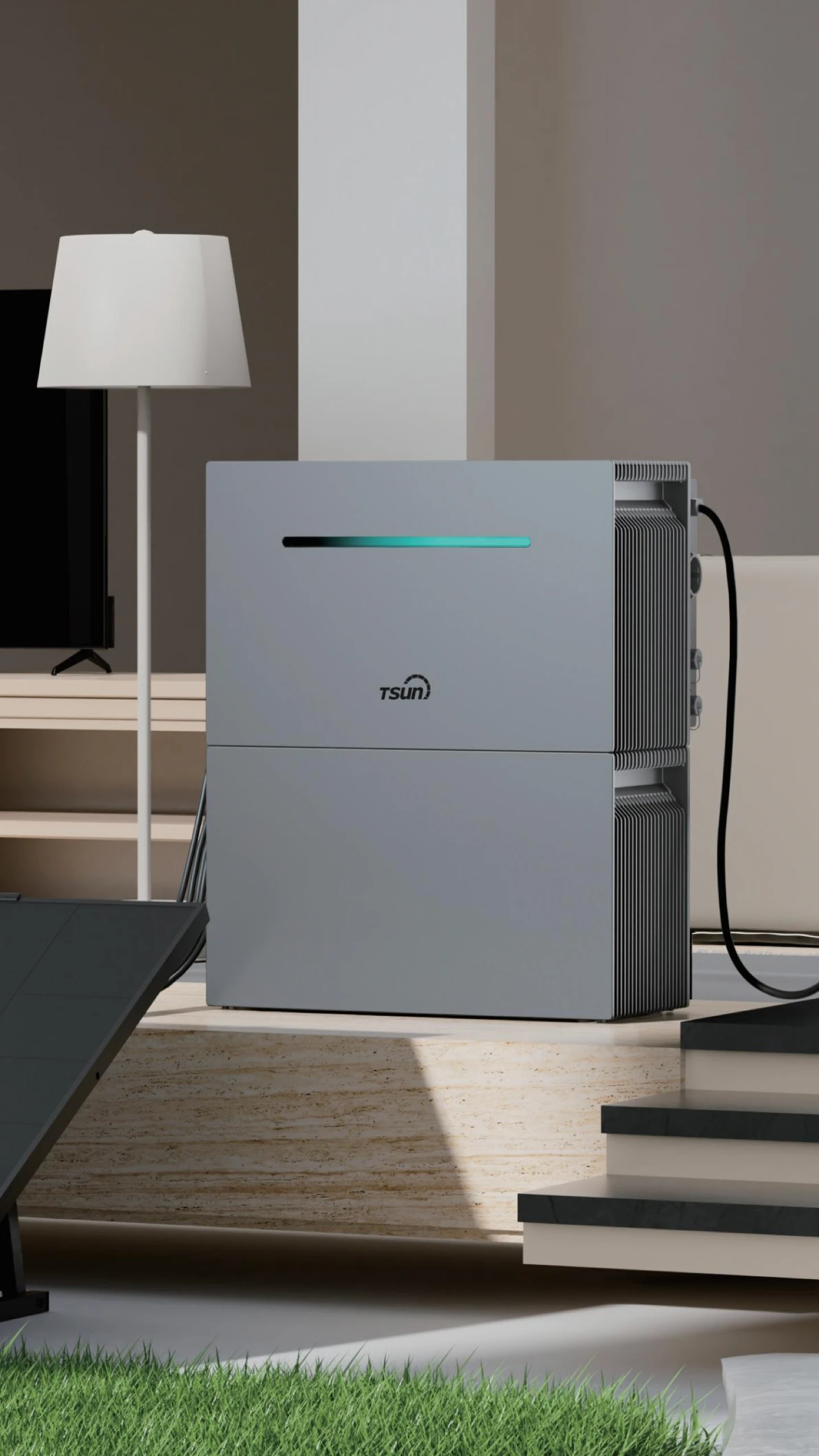
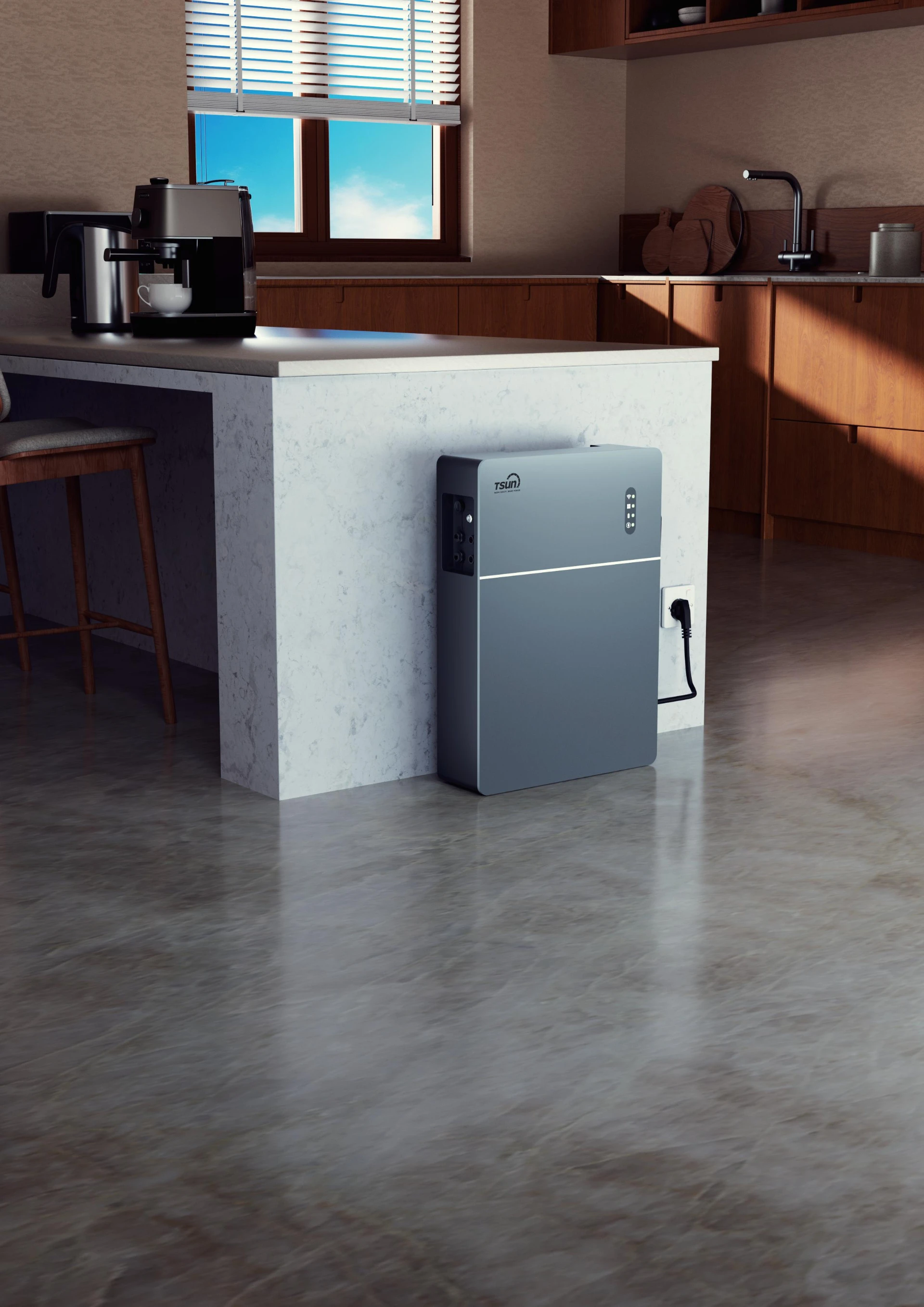
Oddly enough, when I first saw Tsun ESS’s system specs, I was impressed by their balance: scalable, robust lithium-ion setups backed with solid warranties. I bumped into a project manager last year who swore by their on-call support — “game changer” he said — especially in remote installations where downtime is costly.
Some Reflections from the Field
One thing I’ve learned is that no single storage solution fits all solar projects. You kind of have to tailor the choice based on site conditions, budget, and long-term goals. For instance, thermal storage may be perfect for massive CSP farms, yet it’s not at all practical for residential rooftops. Meanwhile, lithium-ion batteries have become the go-to for most commercial and residential setups, but keep an eye on evolving chemistries because the field moves fast.
If you want to dive deeper into the nuances of these systems and see specs or installation case studies, checking out a types of storage systems in solar energy pdf from trusted vendors is a great next step.
In summary: storage isn’t just a side note — it’s the backbone that truly unlocks solar’s potential. Finding the right match, backed by reliable vendors and thorough specs, can make all the difference.
Thanks for sticking with me through this overview. As always, stay curious and keep pushing the boundaries of what solar can do.
References:
- International Renewable Energy Agency (IRENA), "Electricity Storage and Renewables: Costs and Markets to 2030," 2020.
- U.S. Department of Energy, "Energy Storage Grand Challenge: Market Report," 2021.
- Recent discussions with industry peers and project managers (2023–2024).






 LEARN DETAILS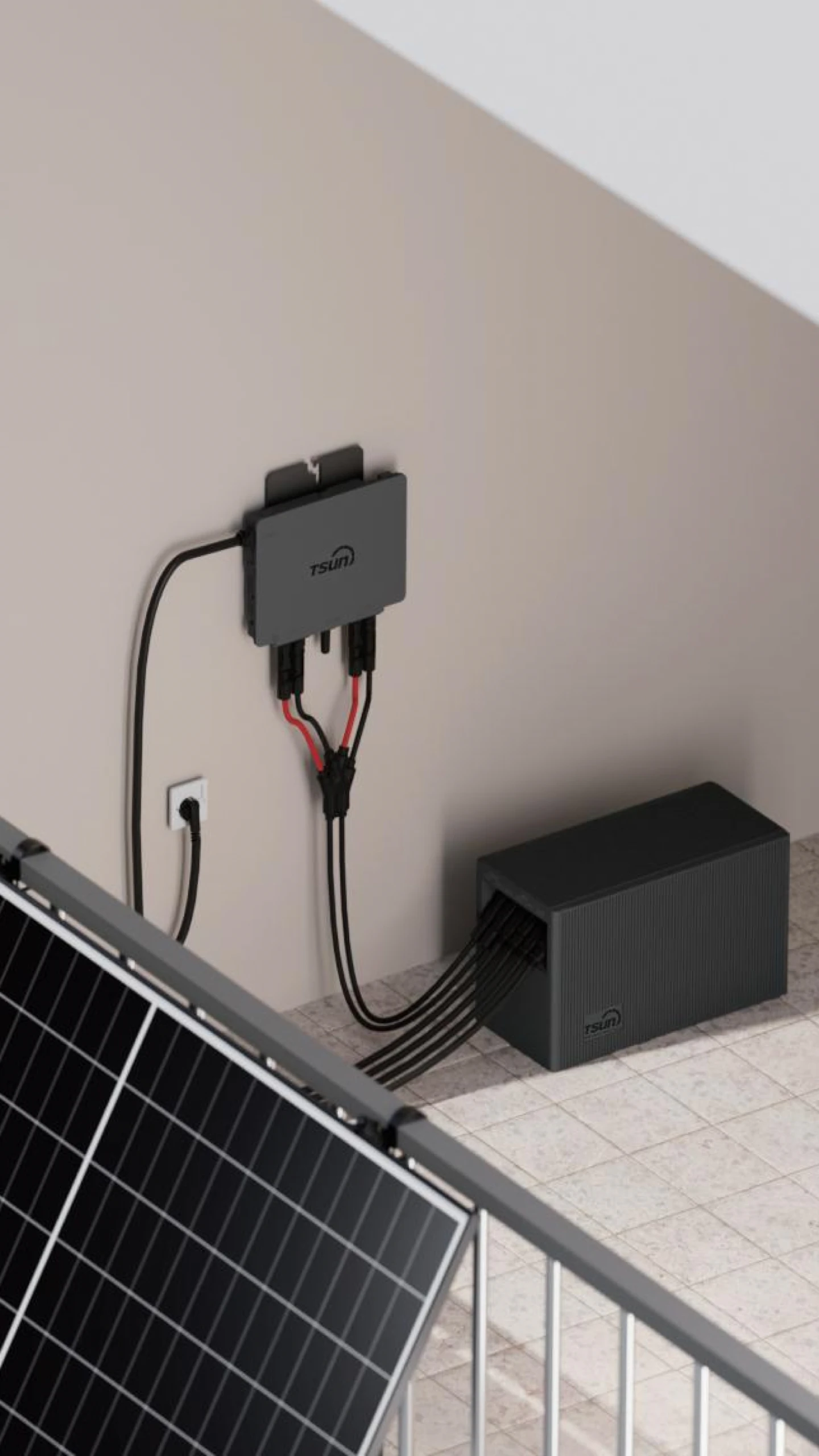
 Downloads
 Video Center
 Report Fault for Repair
 FAQS
FAQS Service Network
 Privacy Policy
 Contact Us
 Monitoring


 LEARN MORE