Understanding the 400w Microinverter: Small Device, Big Impact
If you’ve ever browsed solar energy solutions, you might have come across the term “400w microinverter.” But what exactly is it? Why should industry professionals, technicians, or even humanitarian organizations care about this small but potent device?
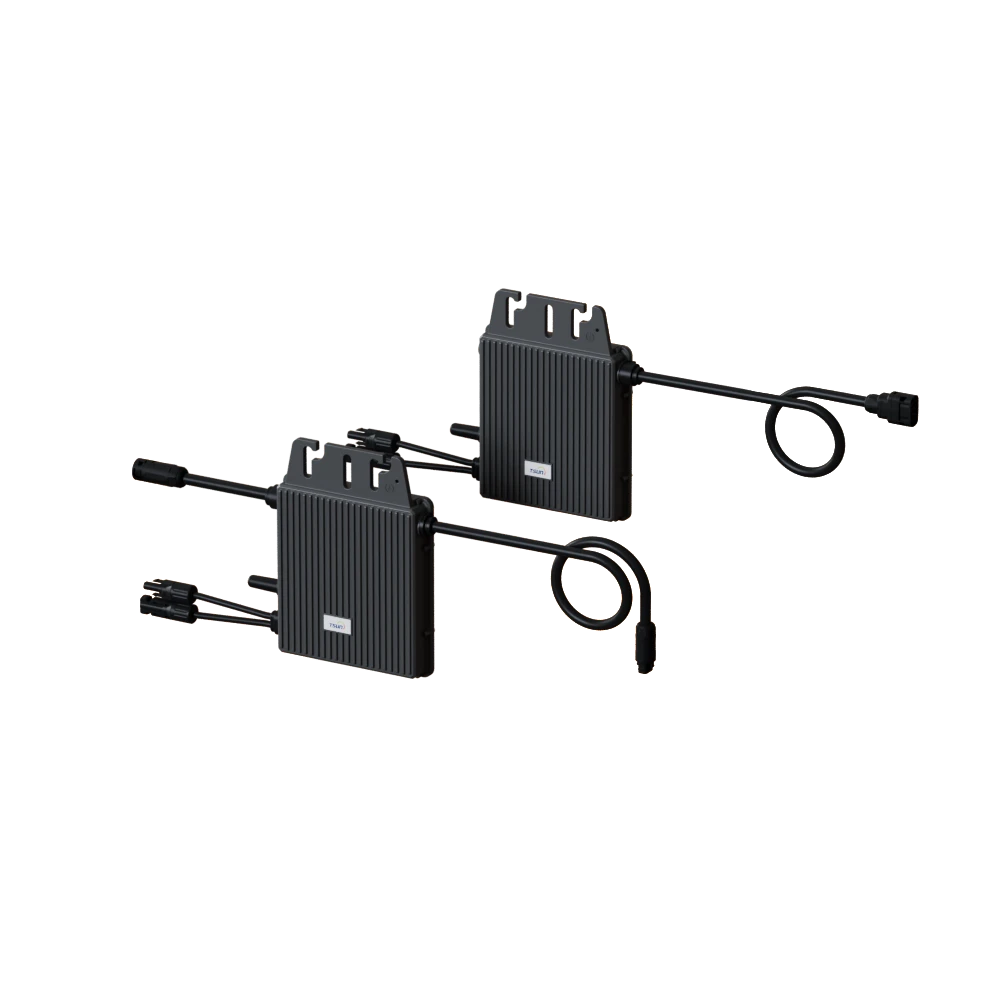
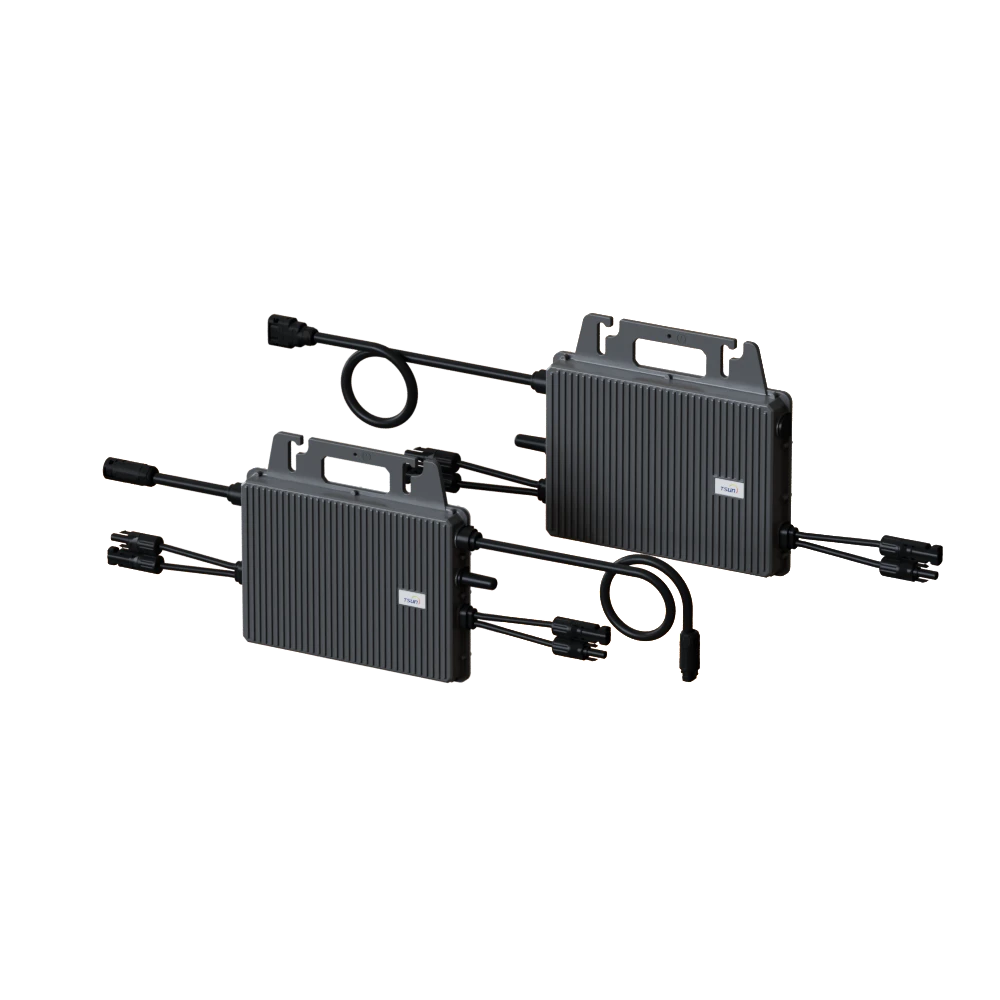
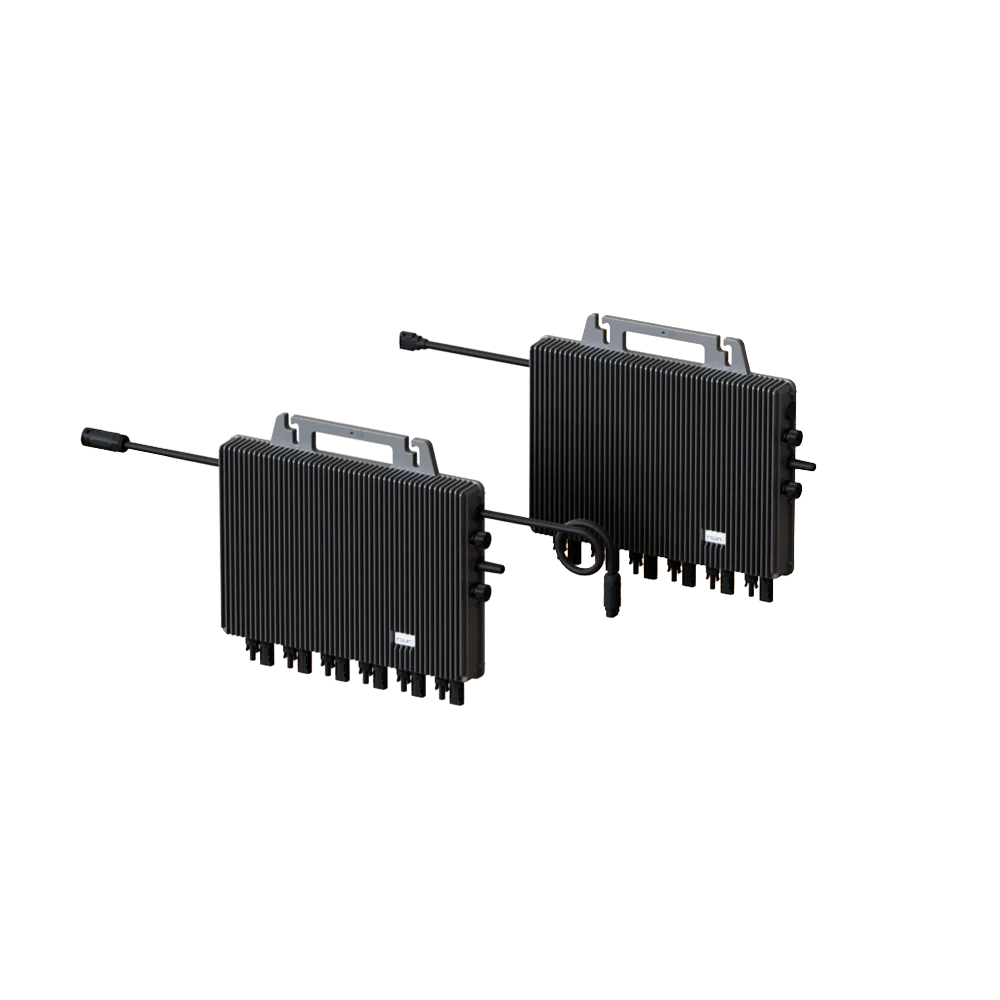
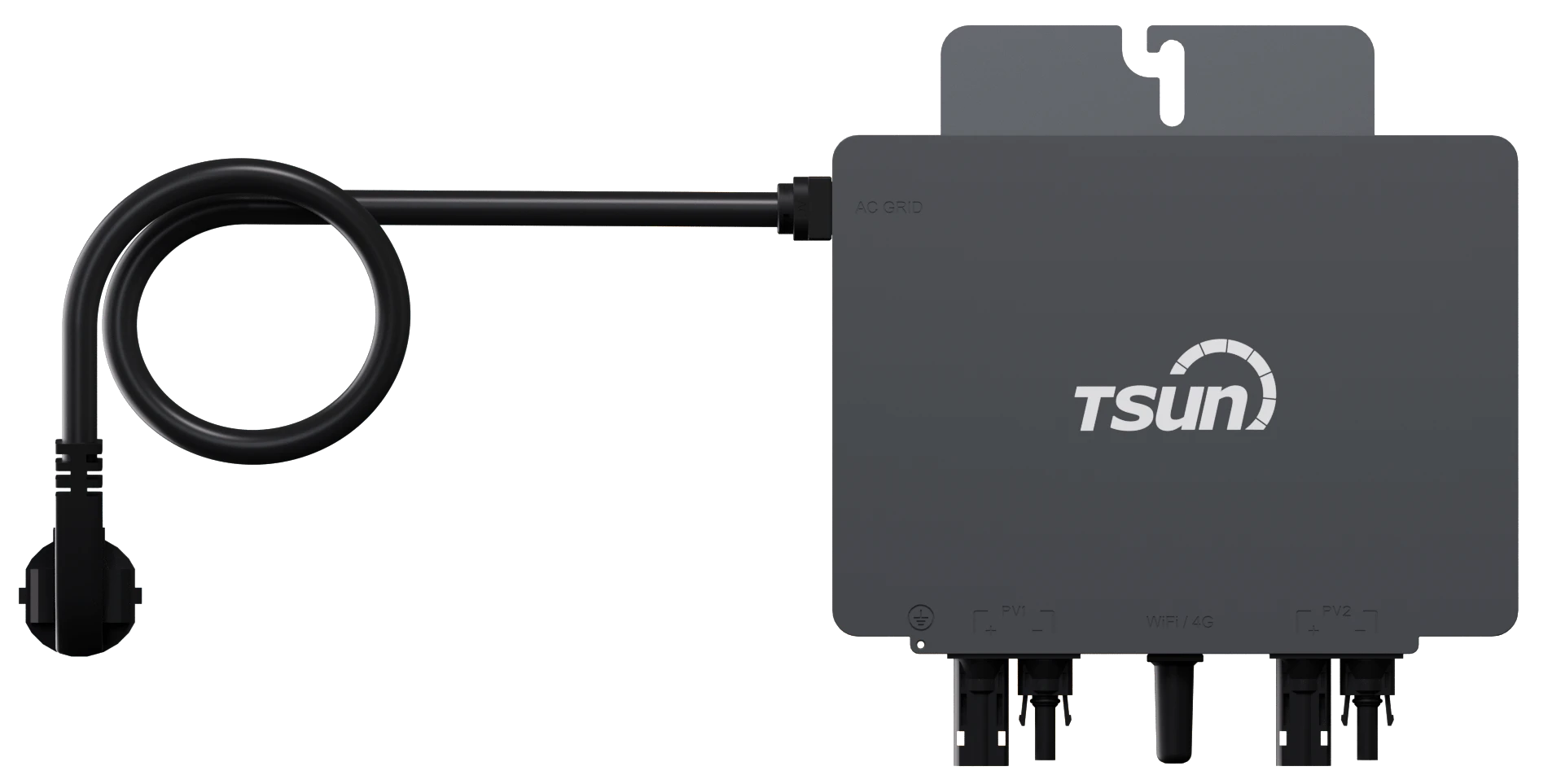
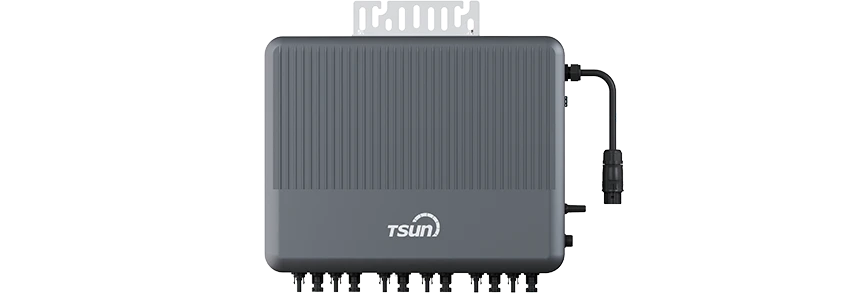
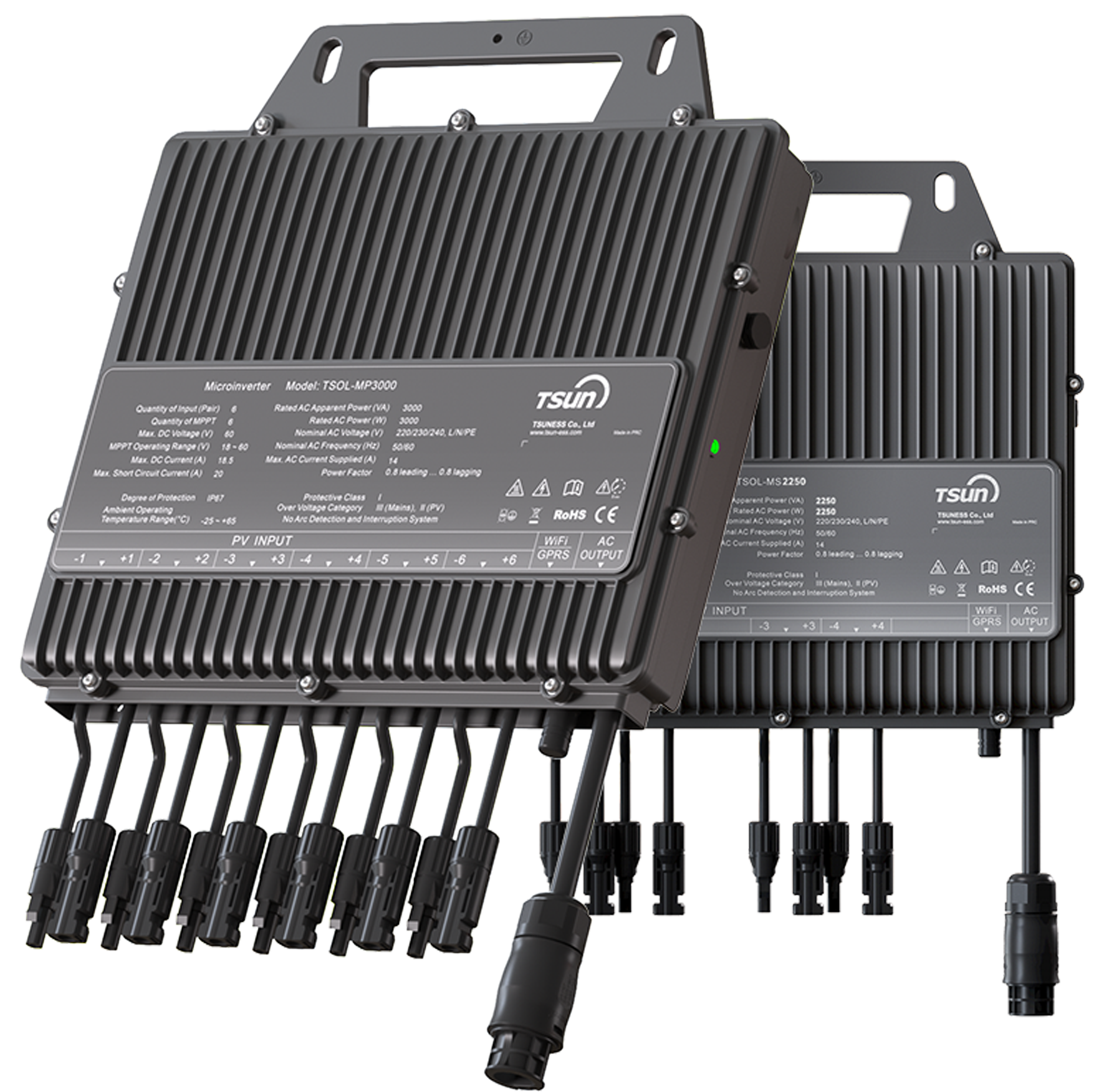
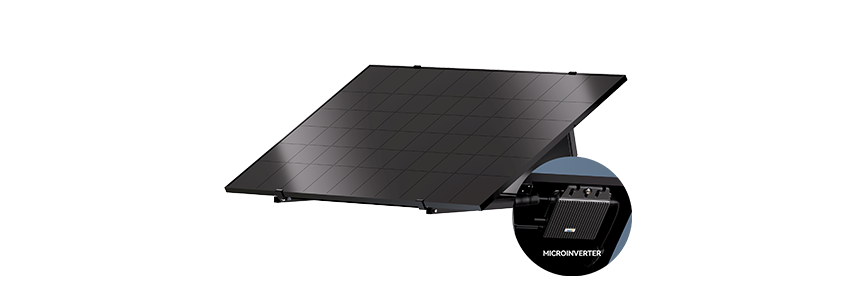
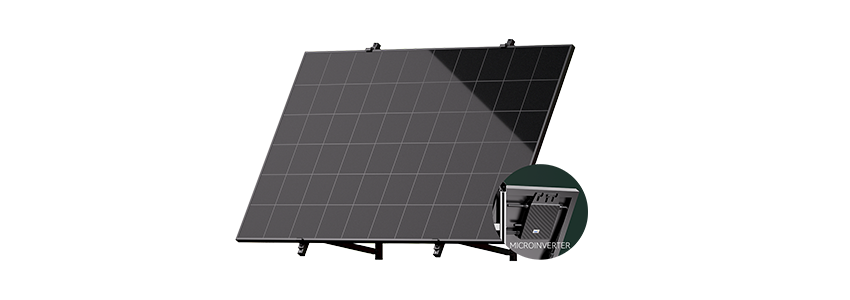
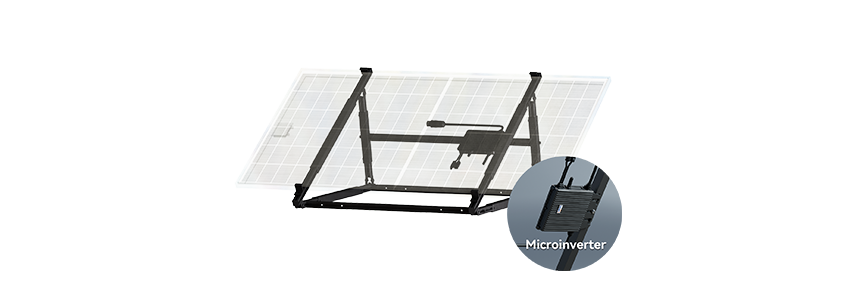
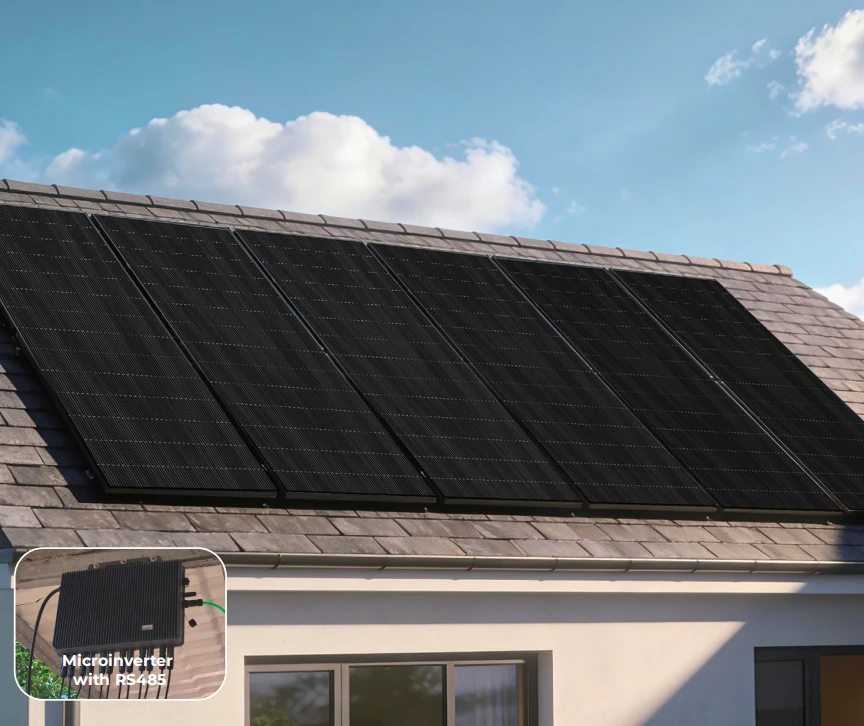
In simple terms, a 400w microinverter is a compact power converter that takes the direct current (DC) electricity generated by a single solar panel — roughly 400 watts worth — and converts it into the alternating current (AC) that powers our homes and businesses. It’s a piece of the “behind-the-scenes” magic that makes solar panels practical, efficient, and scalable.
Why does this matter on a global scale? For starters, renewable energy is becoming a critical component of the world’s drive to reduce carbon emissions, meet rising energy demands, and bring electricity to remote or disaster-stricken areas. Microinverters, especially those in the 400w range, play a decisive role by enabling modular, reliable, and flexible solar systems.
The Rising Global Importance of 400w Microinverters
Global solar capacity has been growing at a staggering pace. According to the International Renewable Energy Agency (IRENA), solar accounted for almost 50% of new power capacity additions worldwide in 2022. Yet, integrating solar into existing grids is no simple matter. One key challenge is the variability of solar power due to shading, panel mismatch, or dirt.
This is where 400w microinverters come in handy. They help prevent the “weakest link” effect — meaning the entire system doesn’t drop performance just because one panel is shaded or faulty. According to recent World Bank reports, microinverters are also instrumental in setting up reliable, decentralized power solutions in emerging markets and off-grid communities.
Oddly enough, it’s a niche technology that quietly powers some of the biggest shifts in how energy is delivered worldwide — from suburban rooftops to rural clinics in Africa.
What Exactly Is a 400w Microinverter?
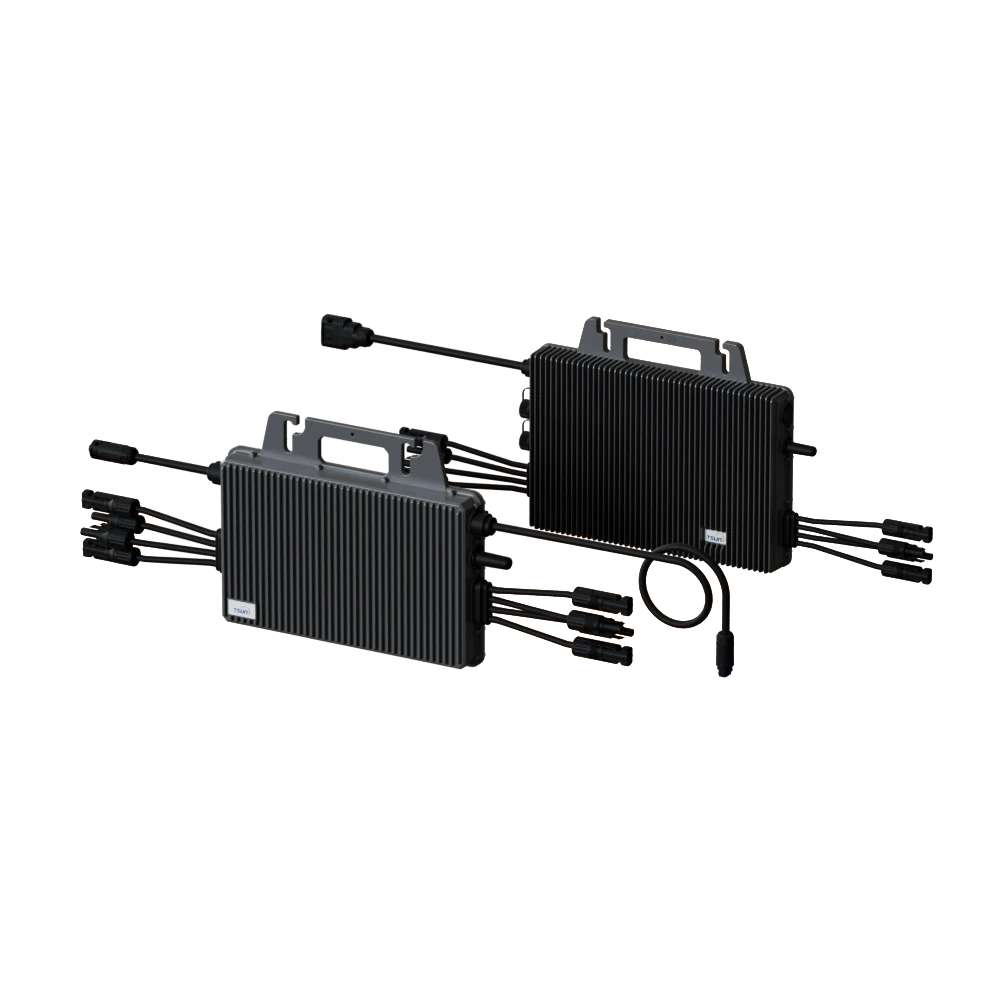
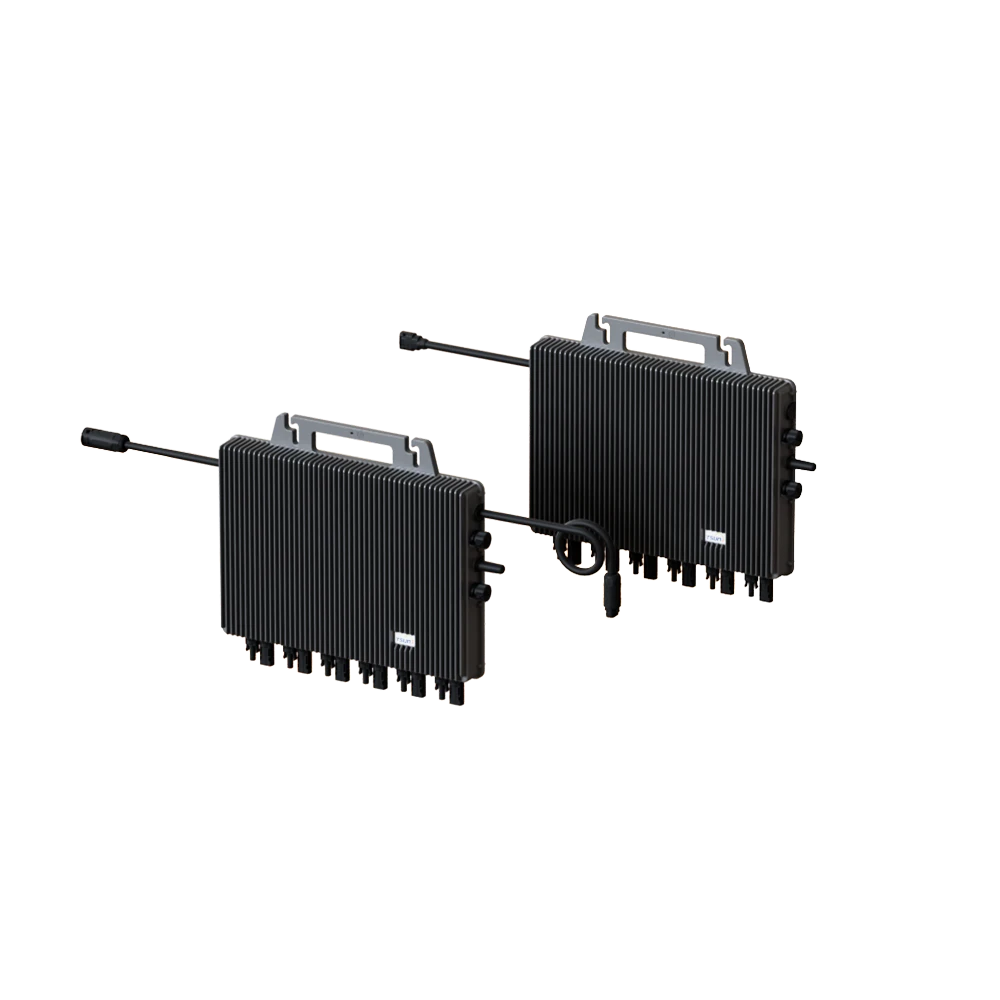
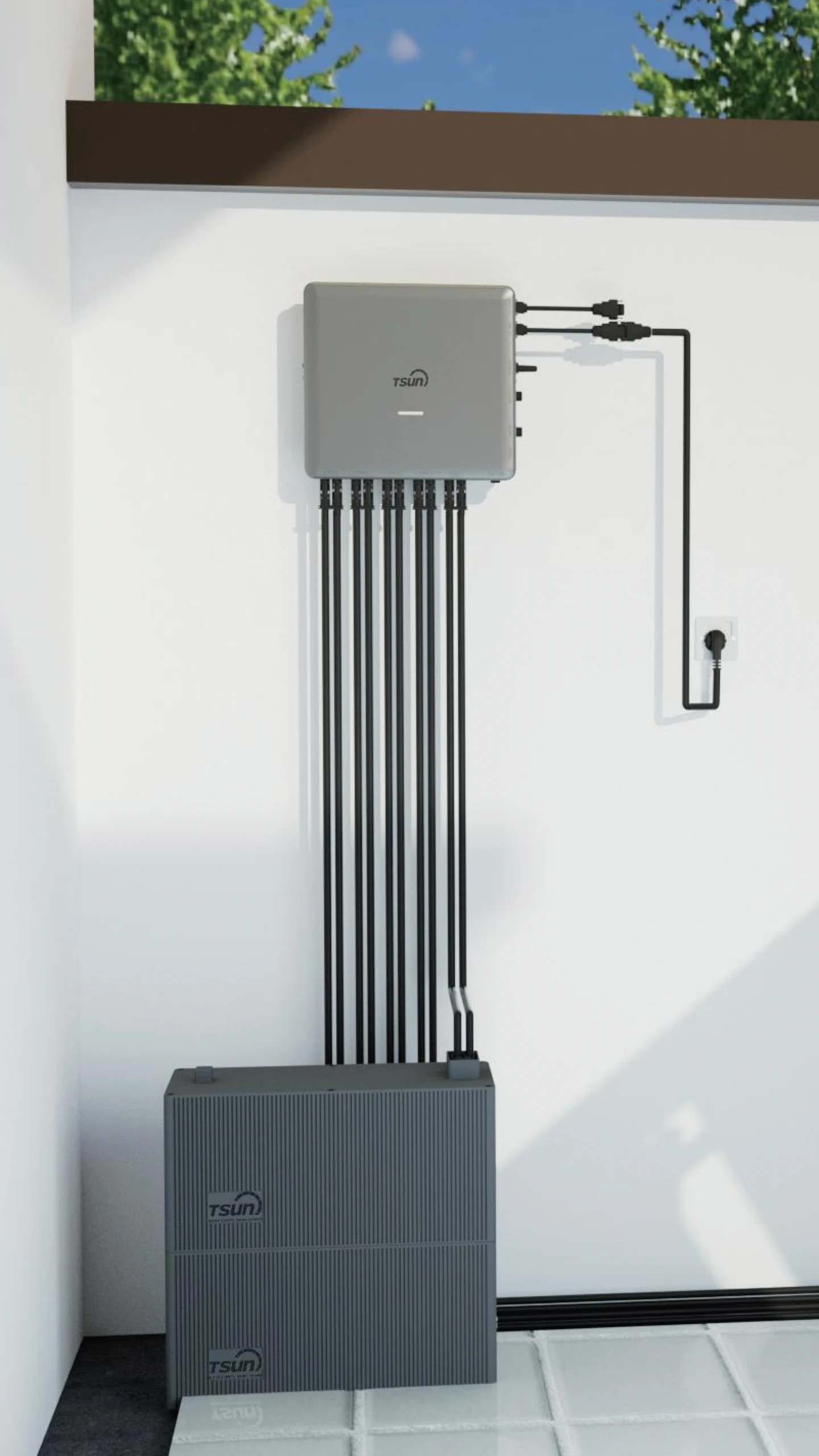
At its core, a 400w microinverter is a small electronic device designed to convert DC power from a single solar panel (typically rated around 400 watts) into usable AC power. Unlike traditional string inverters, which handle strings of panels and centralize conversion, microinverters operate independently for each panel. This difference enhances efficiency and system uptime.
This tech has implications beyond just residential solar arrays. It’s part of the modular shift in electrification aimed at humanitarian aid, smart microgrids, and industrial solar solutions — where the ability to quickly deploy and scale matters.
Core Factors that Make the 400w Microinverter Stand Out
1. Efficiency and Performance Optimization
Because each microinverter works on a single panel, it maximizes that panel's output regardless of its neighbors. Panels under shade or dust don't drag down the entire string’s performance — a big win for real-world conditions.
2. Durability & Weather Resistance
Many 400w microinverters are built to withstand harsh outdoor environments — think heavy rain, high heat, snow, and dust storms. Durable casing and smart temperature control mean they last for decades, even in tough climates.
3. Scalability and Flexibility
You can easily add more panels—and their microinverters—to grow the system bit by bit—no need to upgrade the whole inverter. This means huge cost savings and flexibility for expanding arrays.
4. Cost Efficiency Over Time
Yes, microinverters usually start out pricier than string inverters. But they save money long-term through improved energy harvest, reduced maintenance, and fewer system faults.
5. Monitoring & Safety
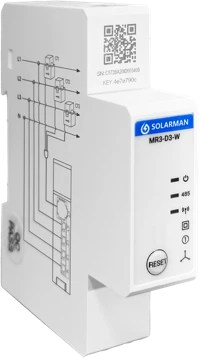
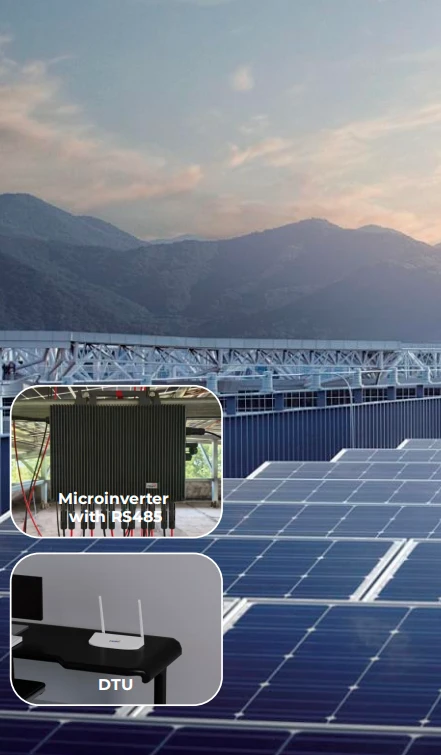
Integral to many 400w microinverters are built-in monitoring systems, so users get real-time data per panel. Additionally, because they work at low voltages, they dramatically reduce fire risk compared to centrally wired high-voltage systems.
Mini takeaway: The 400w microinverter represents a smart balance of performance, safety, and flexibility—traits that make it well suited to both traditional solar setups and emerging power needs.
Global Applications of 400w Microinverters: From Rooftops to Remote Clinics
Where are these microinverters making the biggest difference?
- Residential Solar Systems: Homeowners prefer microinverters to mitigate shading issues and increase system uptime.
- Disaster Relief & Humanitarian Projects: In areas prone to natural disasters — like Southeast Asia or the Caribbean — small, modular solar systems powered by 400w microinverters can be rapidly deployed to provide reliable electricity.
- Remote Industrial Installations: Mining or telecom infrastructures in hard-to-reach locations often use microinverters because they offer independence and ease of maintenance.
- Microgrids & Off-Grid Communities: Solar microgrids in Africa or Latin America rely on modular inverters to provide resilient energy access where centralized grids don’t reach.
I recently spoke with an engineer managing a rural solar project in Kenya, who praised the ease of expanding capacity simply by attaching another panel with its own 400w microinverter — no complex rewiring needed.
Advantages and Long-Term Value of 400w Microinverters
- Cost Savings: While initial investment may be slightly higher than traditional systems, lower maintenance and higher energy outputs more than compensate.
- Sustainability: By optimizing energy harvest and enabling clean energy adoption, microinverters help reduce carbon footprints.
- Reliability and Safety: Improved fault tolerance means more uptime and less fire risk.
- Empowerment and Dignity: For underserved communities, reliable power fundamentally changes quality of life — powering lights, medical devices, communication.
Frankly, it’s not just a piece of hardware — it’s part of a bigger sustainability and social impact story.
Looking Ahead: Future Trends in 400w Microinverters
Innovation continues at a fast clip in this space. Here are some trends to watch:
- Integration with smart energy management platforms that use AI to dynamically optimize output and storage.
- Use of new semiconductor materials like silicon carbide to improve efficiency and reduce losses.
- Enhanced durability with nano-coatings for better moisture resistance.
- Policies encouraging distributed energy resources, creating incentives for microinverter adoption.
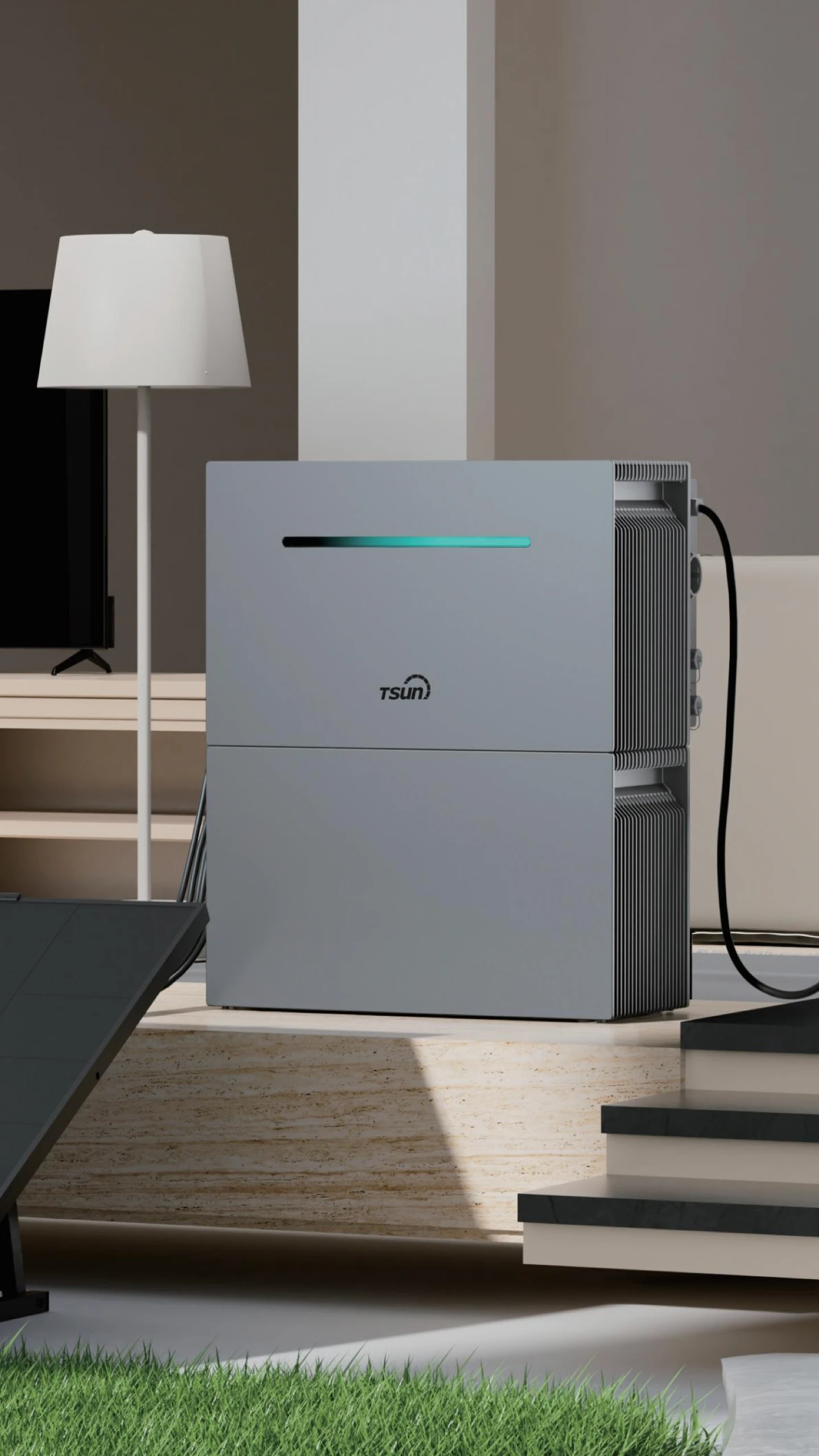
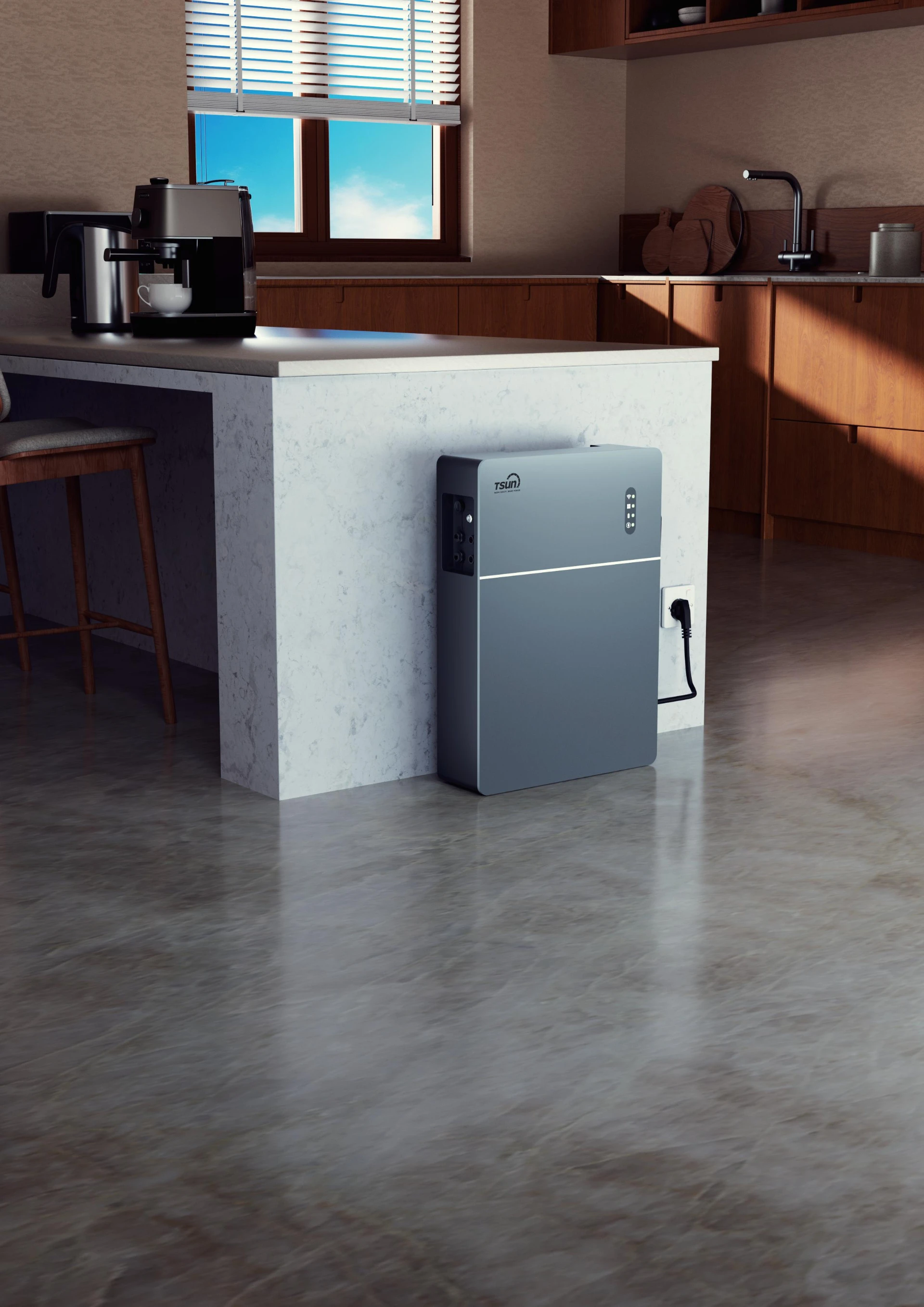
- Greater compatibility with battery storage systems, enabling fully off-grid or hybrid solar setups.
Challenges and Solutions in Microinverter Deployment
Like any technology, 400w microinverters have their quirks and challenges:
- Higher Upfront Costs: Microinverter systems can cost more initially; however, leasing models, bulk purchasing, or government programs help reduce this barrier.
- Technical Complexity: Installation and diagnostics can be more nuanced, but improved monitoring software and installer training mitigate these issues.
- Component Aging: Though robust, microinverters have lifespans typically around 15-20 years, slightly less than string inverters — yet modular replacement keeps overall downtime low.
Innovations in predictive maintenance software and remote monitoring are making these problems more manageable every year.
Product Specification Table for Typical 400w Microinverter
| Specification |
Details |
| Power Output |
400 Watts (AC) |
| Input Voltage Range |
20 - 60 V DC |
| Max Efficiency |
96.5% |
| Operating Temperature |
-40°C to +65°C |
| Dimensions |
200 x 180 x 35 mm |
| Warranty |
10 years |
Vendor Comparison: Popular 400w Microinverter Brands
| Vendor |
Max Output (W) |
Efficiency (%) |
Warranty |
Special Feature |
| SunRise Tech |
420W |
97% |
12 years |
Advanced temperature control |
| GreenVolt |
400W |
95.5% |
10 years |
Integrated Wi-Fi monitoring |
| EcoWave |
410W |
96.2% |
15 years |
Nano-coating for moisture resistance |
Frequently Asked Questions About 400w Microinverters
Q1: How does a 400w microinverter improve solar panel efficiency compared to traditional inverters?
A: By converting DC to AC at the individual panel level, 400w microinverters prevent shading or faults on one panel from dragging down the entire string's output. This maximizes energy harvest and overall system efficiency, especially in uneven sunlight conditions.
Q2: Are 400w microinverters suitable for harsh weather conditions?
A: Yes, many 400w microinverters come with rugged, weatherproof casings and operate efficiently across wide temperature ranges. Features like nano-coatings or built-in temperature control help them endure rain, snow, and heat.
Q3: Can I expand my current solar setup easily with microinverters?
A: Absolutely. Microinverters allow you to add panels one by one with their own conversion units, eliminating the need for major rewiring or inverter upgrades. This modularity is one of their strongest advantages.
Q4: How long do 400w microinverters typically last?
A: Most have warranties around 10-15 years and can last beyond with proper maintenance. While they may outlive some components, modularity means individual units can be replaced without system-wide downtime.
Q5: Where can I find reliable 400w microinverter products?
A: Reputable manufacturers and vendors with track records in commercial and residential solar markets are good places to start. For specific recommendations and purchasing options, check out 400w microinverter specialists.
Wrapping It Up: Why a 400w Microinverter Could Be Your Next Best Energy Investment
It’s fascinating how a device as small as a 400w microinverter can play such a pivotal role in shaping the future of energy, sustainability, and global electrification. From lowering carbon emissions to giving power independence in remote regions, these microinverters pack a punch far beyond their size.
If you’re considering solar installations — whether for home, business, or humanitarian use — understanding and incorporating 400w microinverters can mean smarter energy, increased reliability, and better long-term savings.
Curious to explore more or ready to take the next step? Visit our website for a deep dive into microinverter solutions and how they might fit your unique needs.
References
- International Renewable Energy Agency (IRENA)
- World Bank Energy Sector
- Wikipedia: Electrical Inverters



 LEARN DETAILS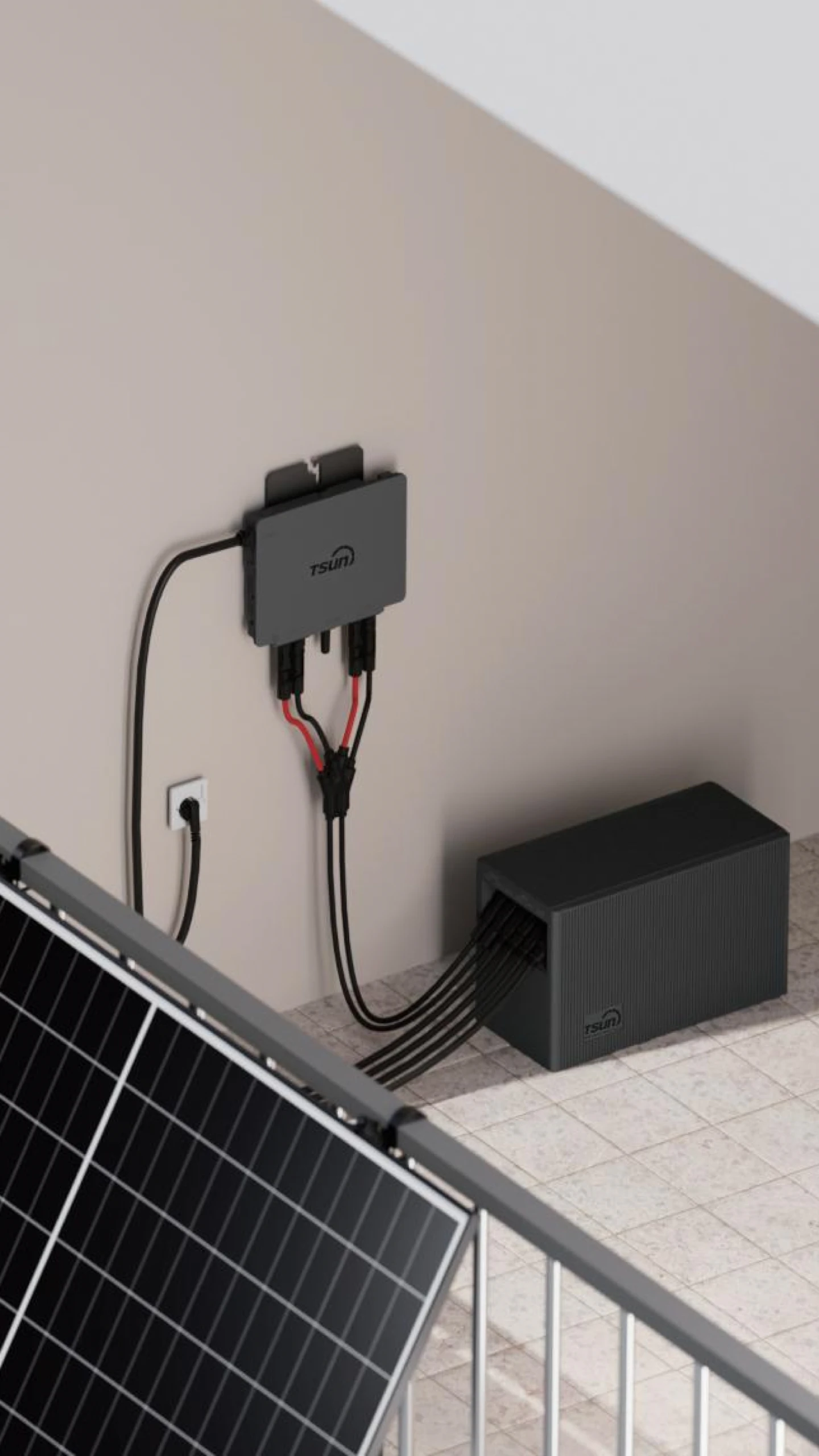
 Downloads
 Video Center
 Report Fault for Repair
 FAQS
FAQS Service Network
 Privacy Policy
 Contact Us
 Monitoring


 LEARN MORE