
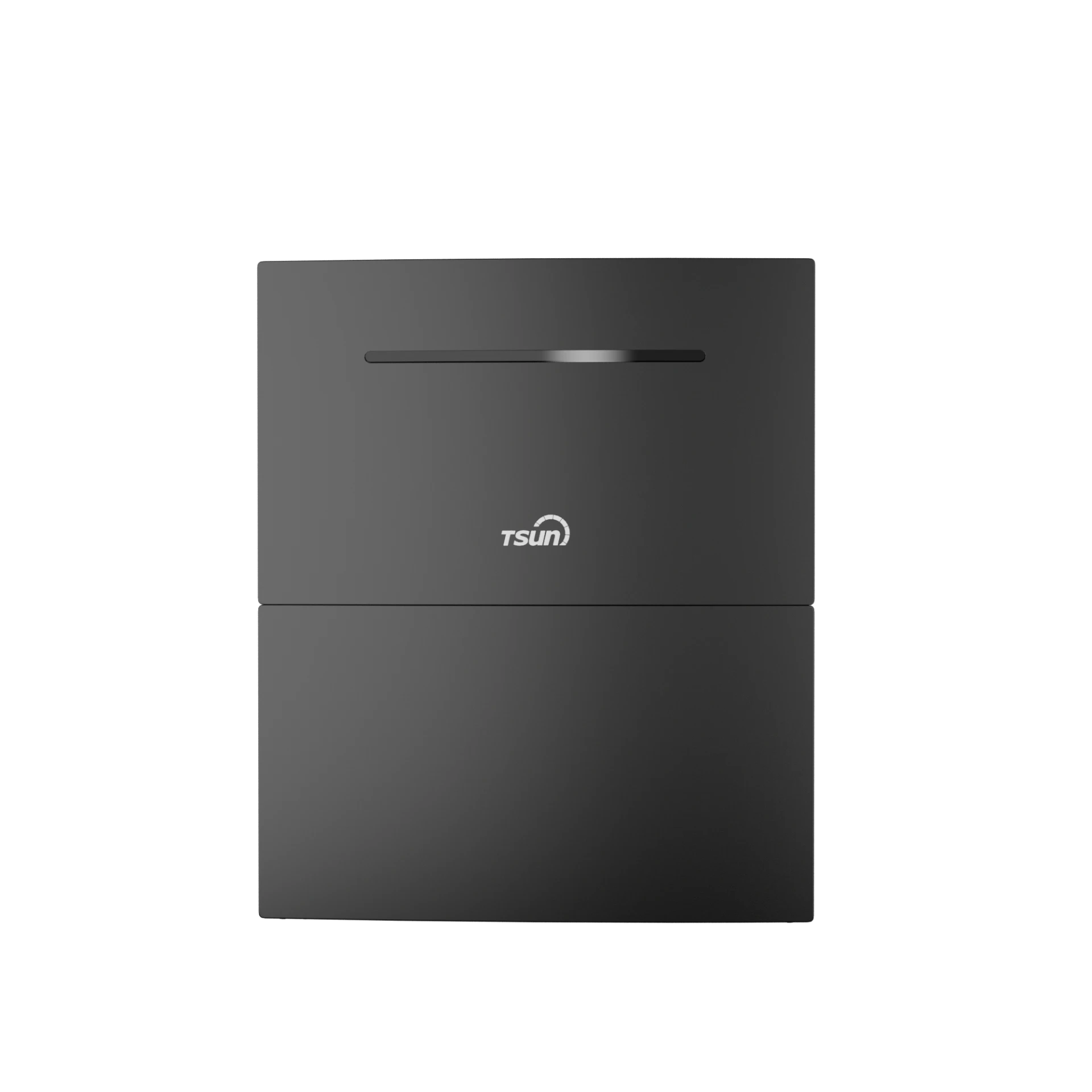
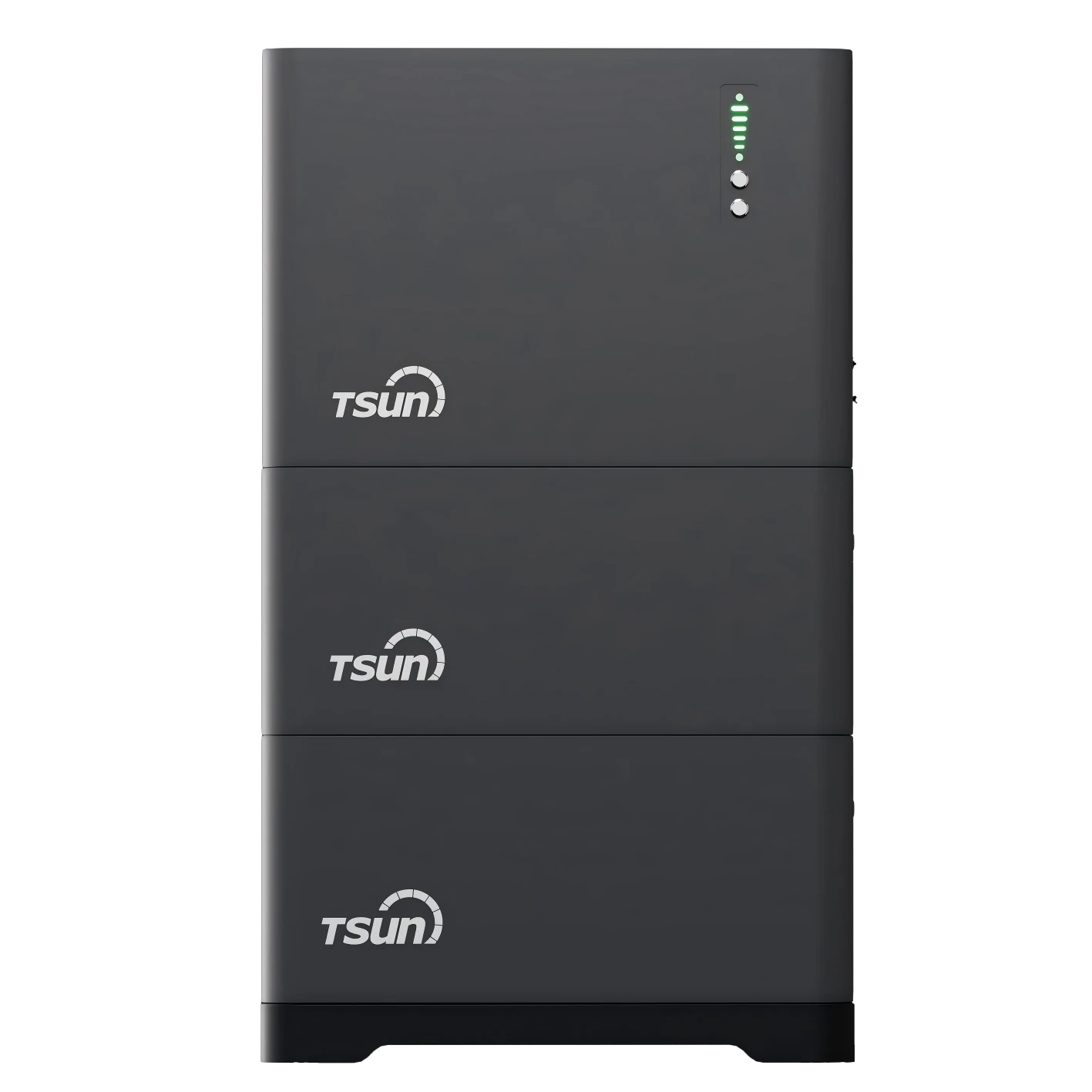
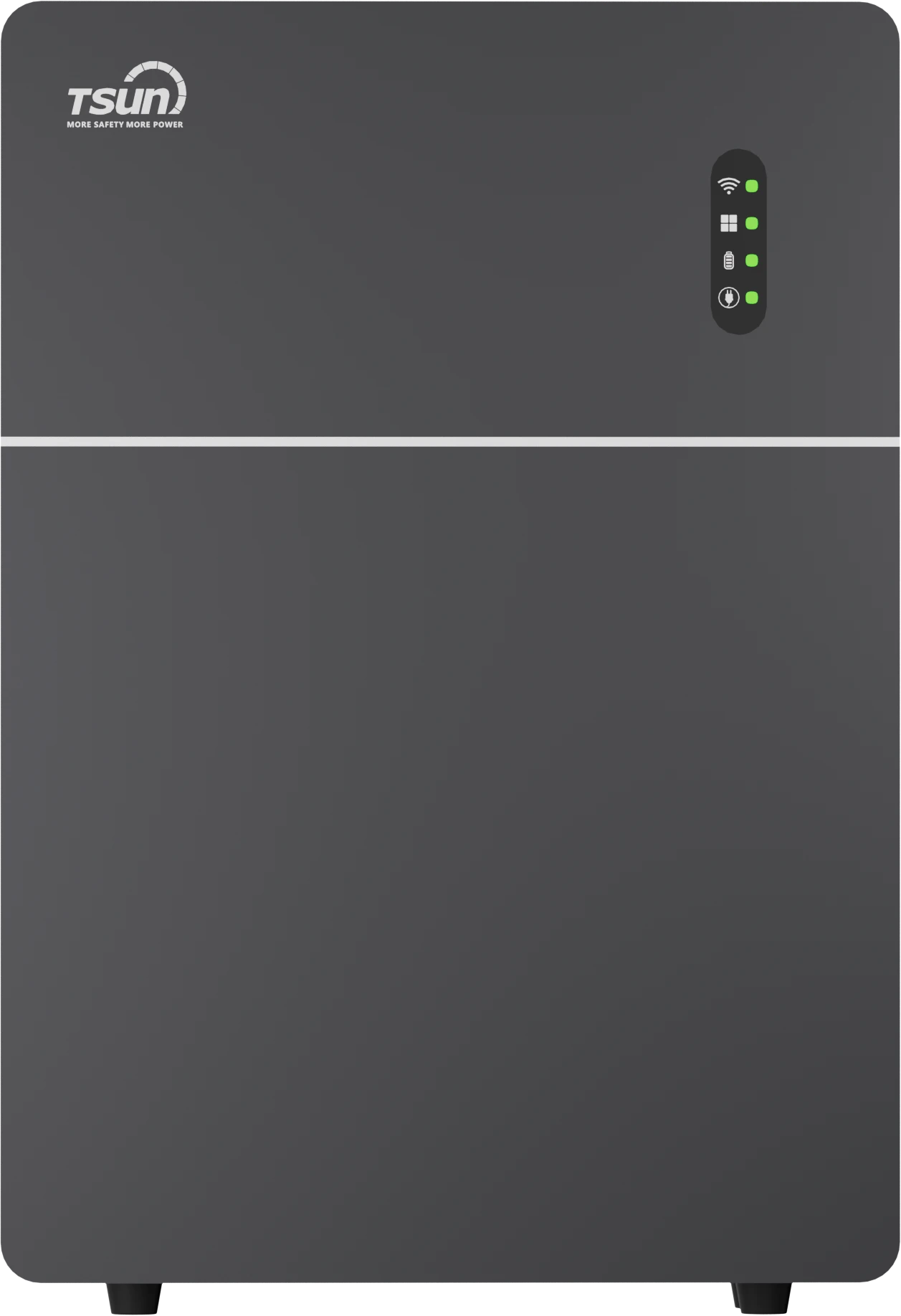
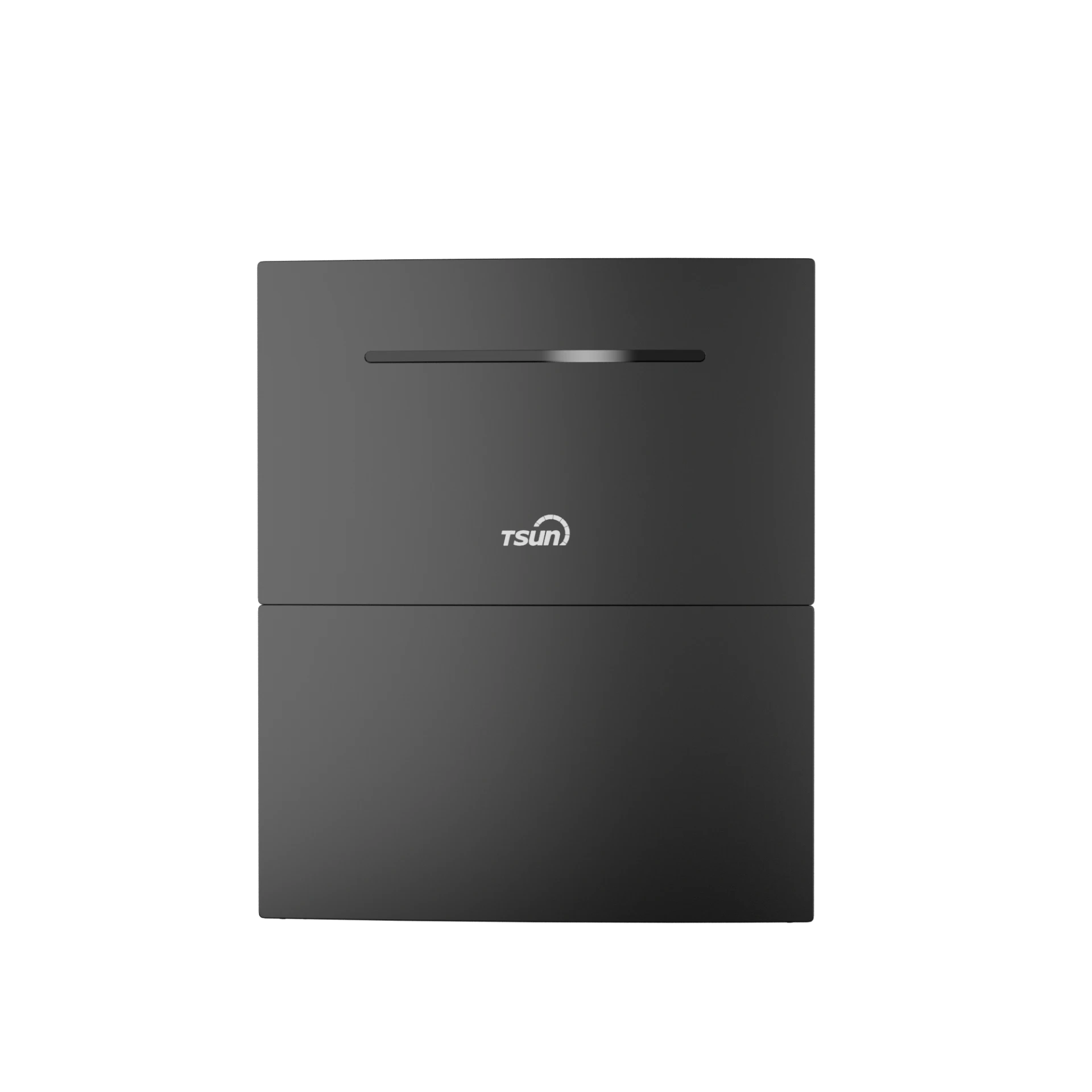

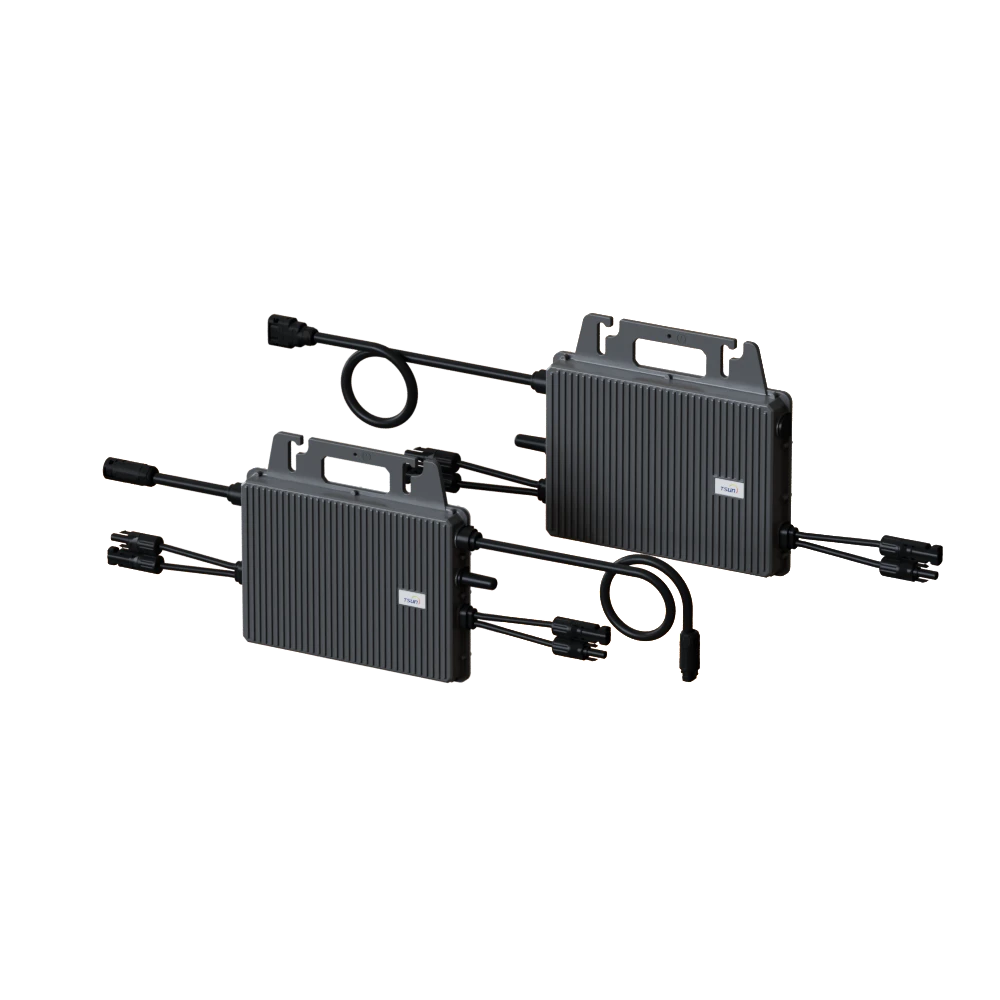
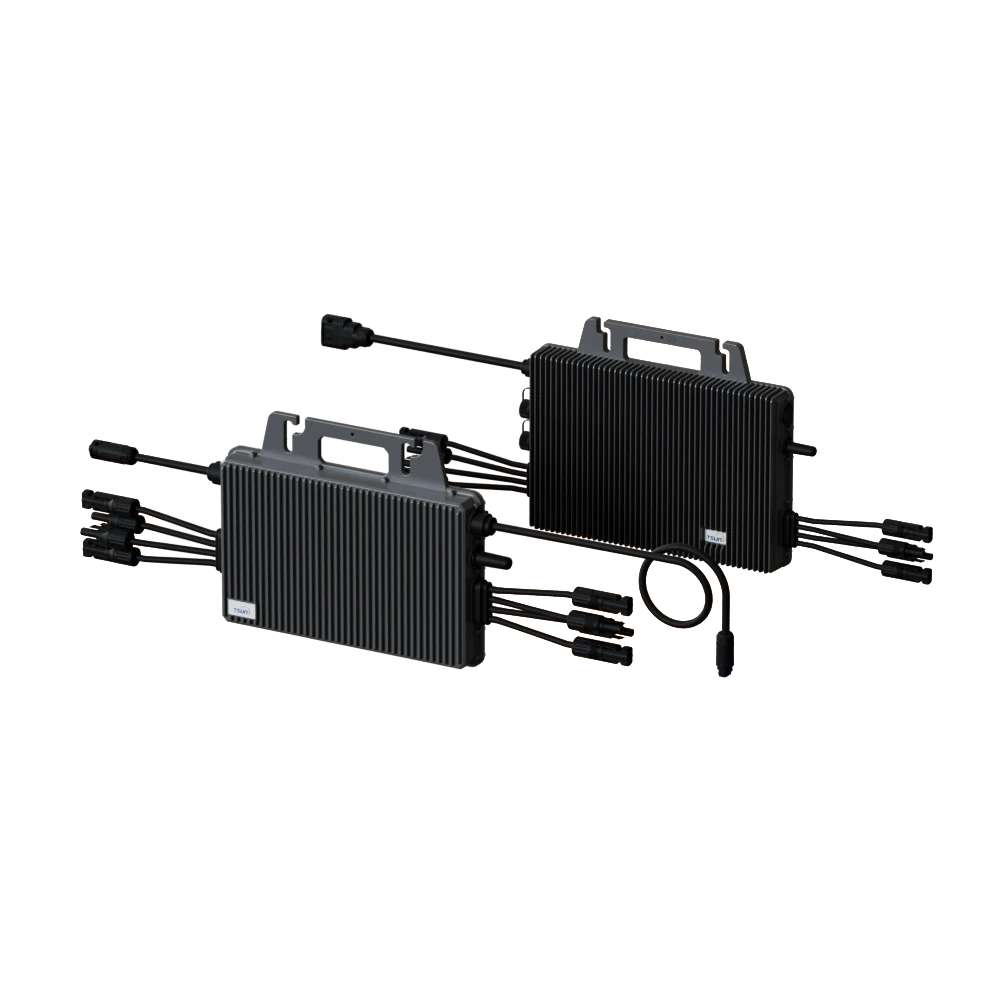
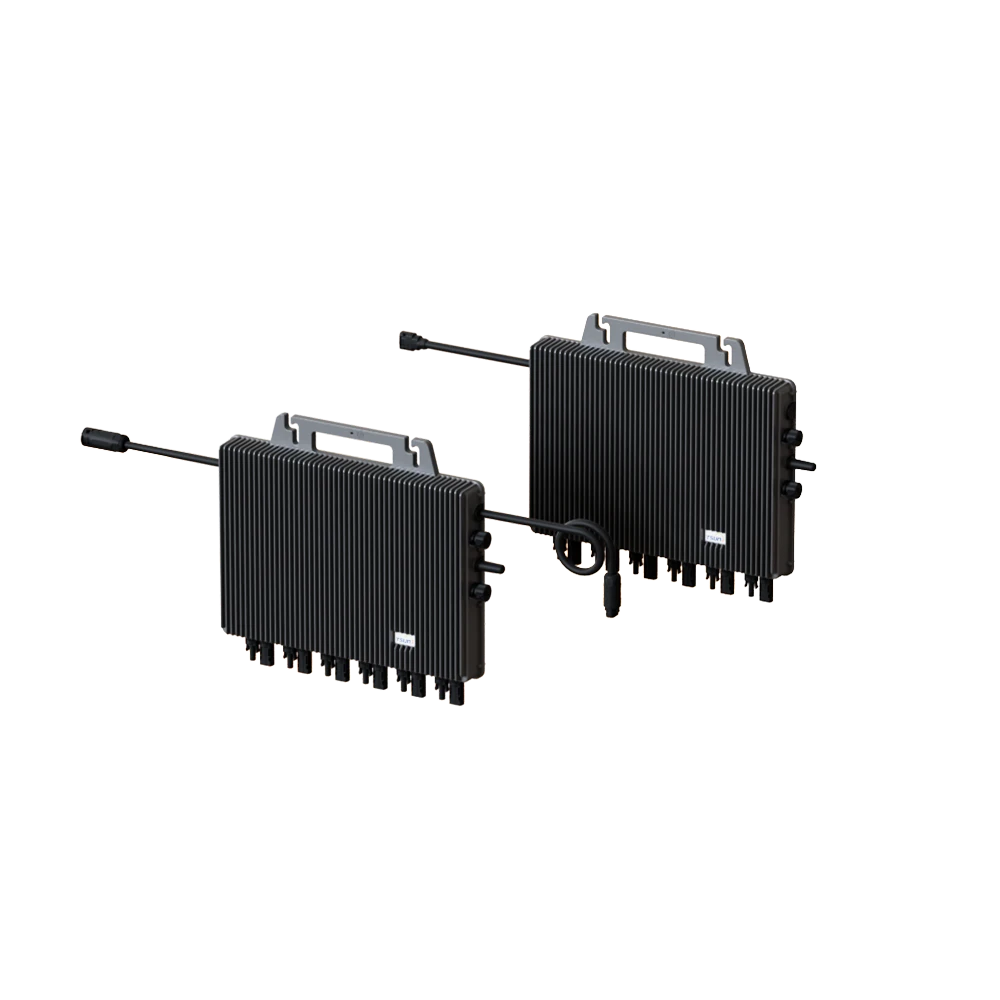
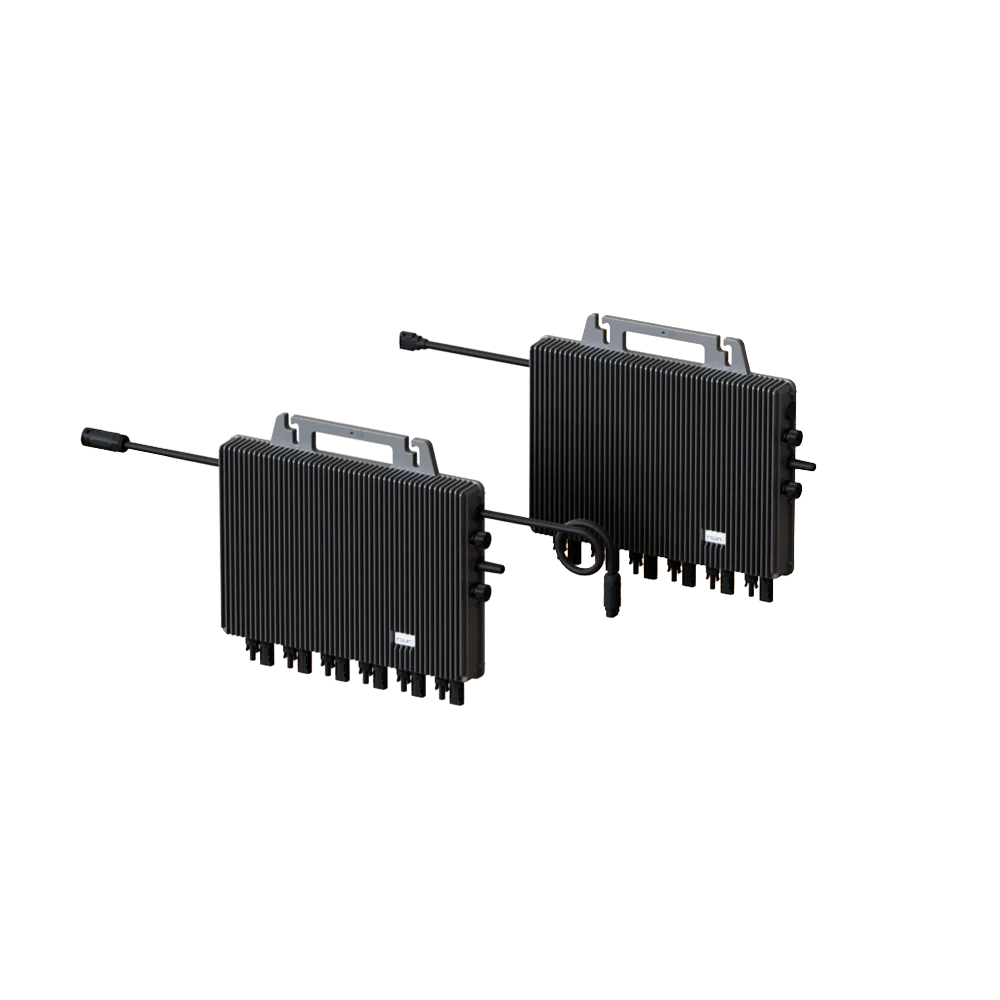




Zimbabwe Advanced Power Solutions with smart micro inverter Technology

Empowering Zimbabwe's industrial and residential sectors with high-efficiency, modular PV energy conversion systems designed for the African climate.

Zimbabwe Advanced Power Solutions with smart micro inverter Technology

Integrating cutting-edge power electronics to overcome grid instability in Zimbabwe, ensuring seamless energy delivery through optimized MLPE (Module Level Power Electronics).

The Solar Energy Landscape in Zimbabwe

Addressing the critical need for reliable electricity through decentralized PV solutions.

Zimbabwe faces chronic power shortages and frequent load shedding, which severely hinder industrial productivity and domestic comfort. The country's high solar irradiance makes it ideal for PV adoption, but the traditional central inverter approach often fails due to shading issues from vegetation or dust, leading to significant energy loss.

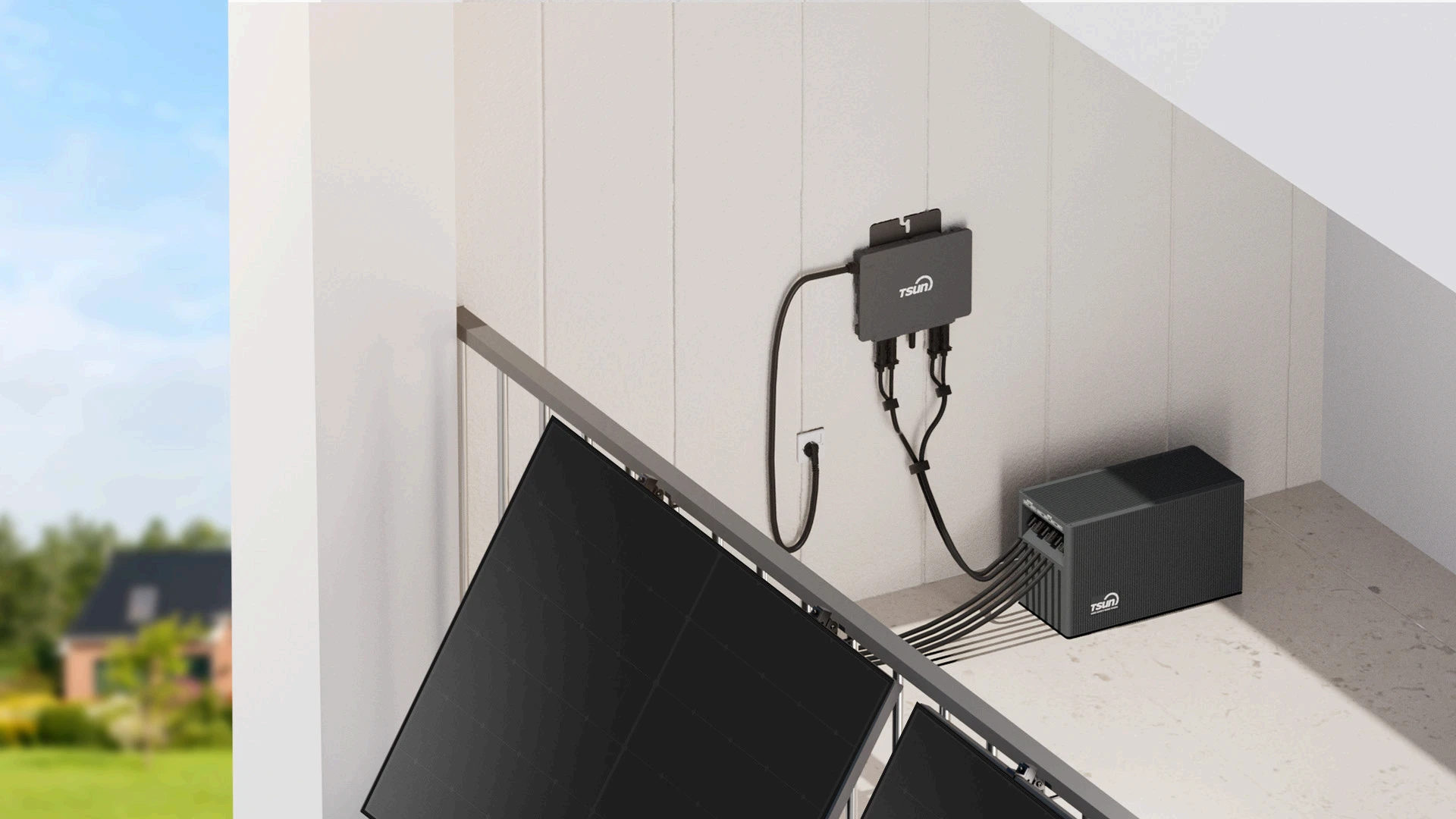
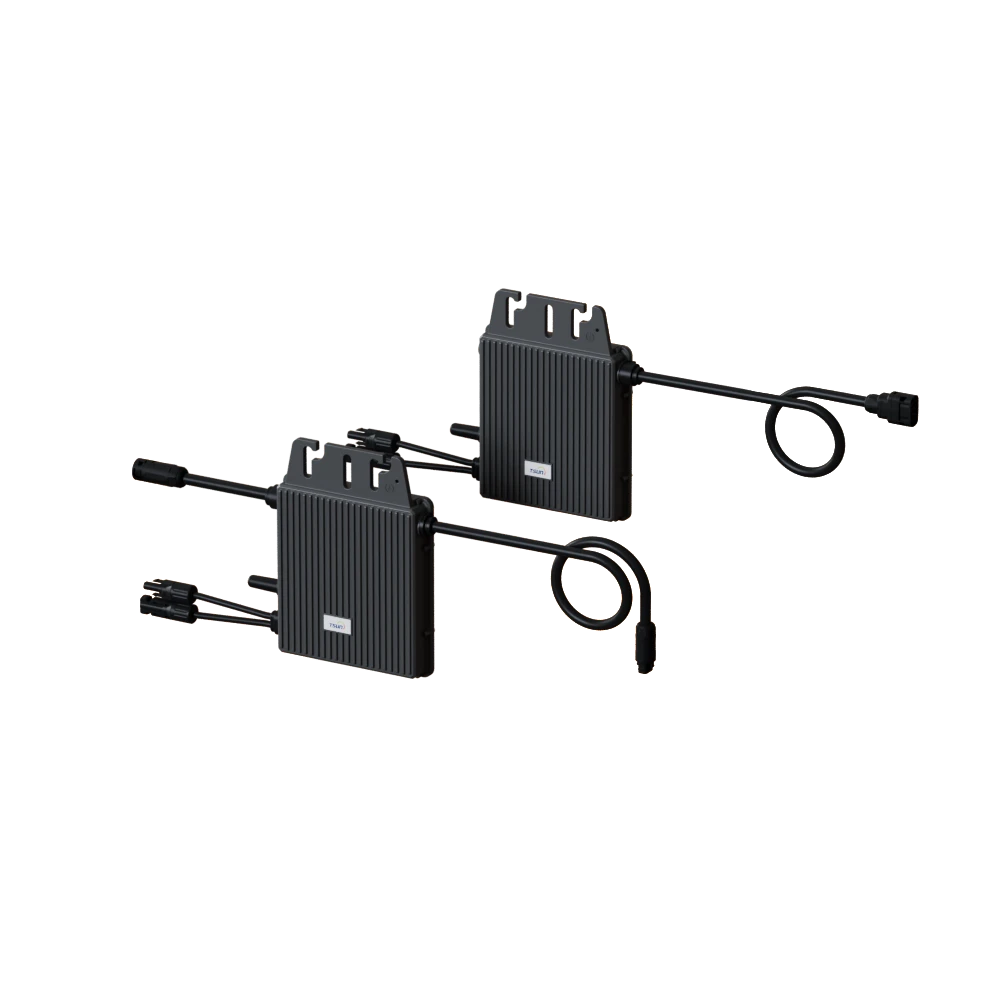
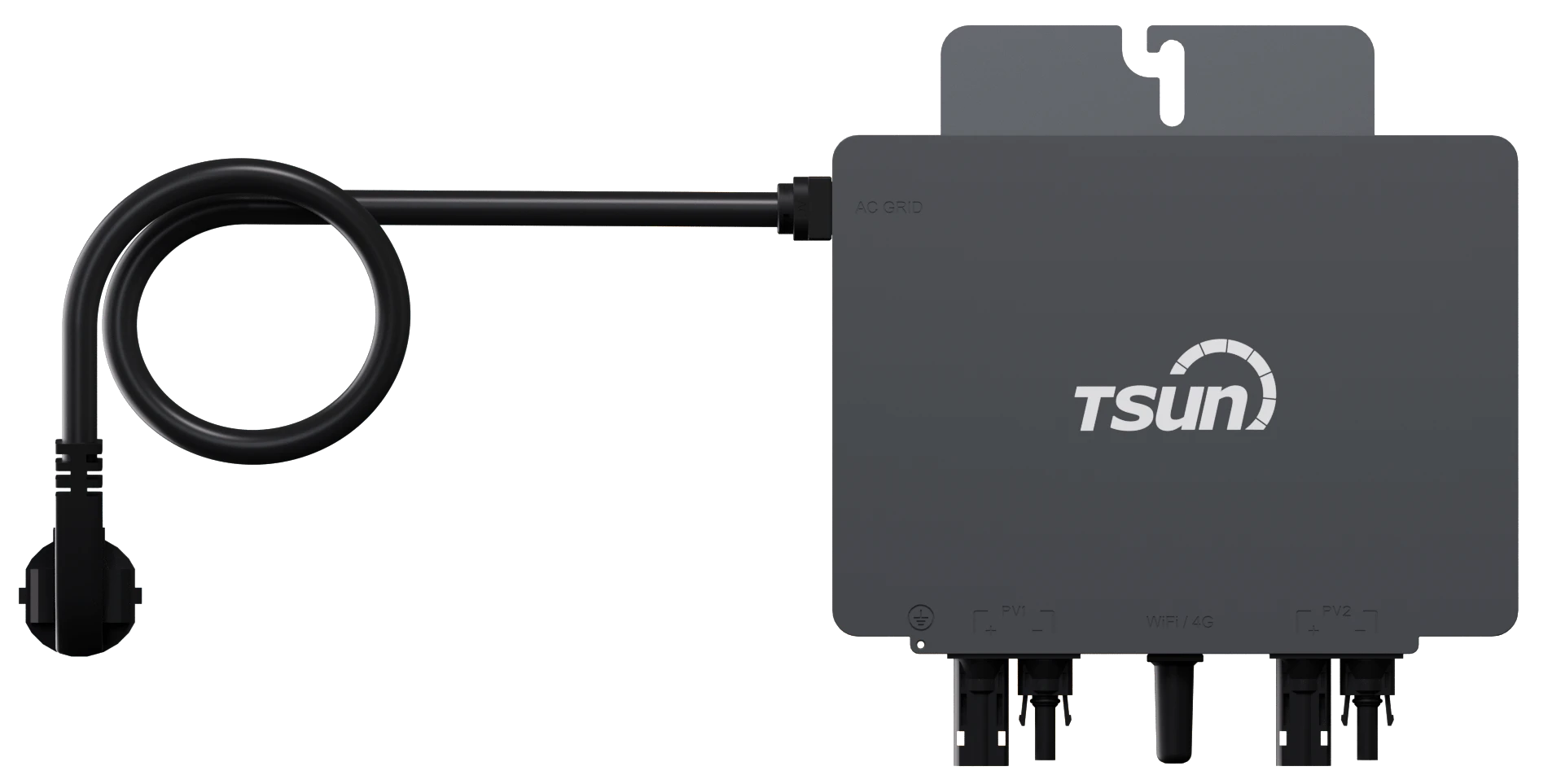
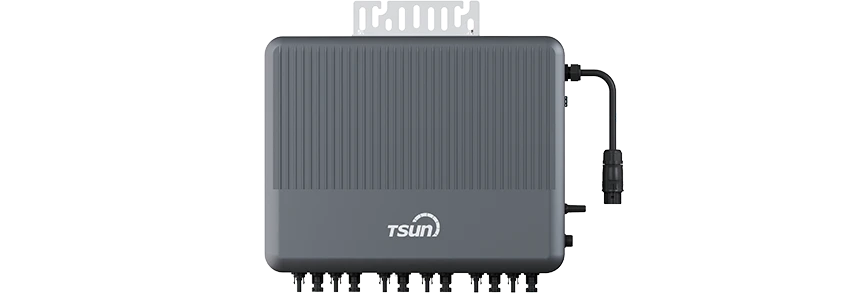
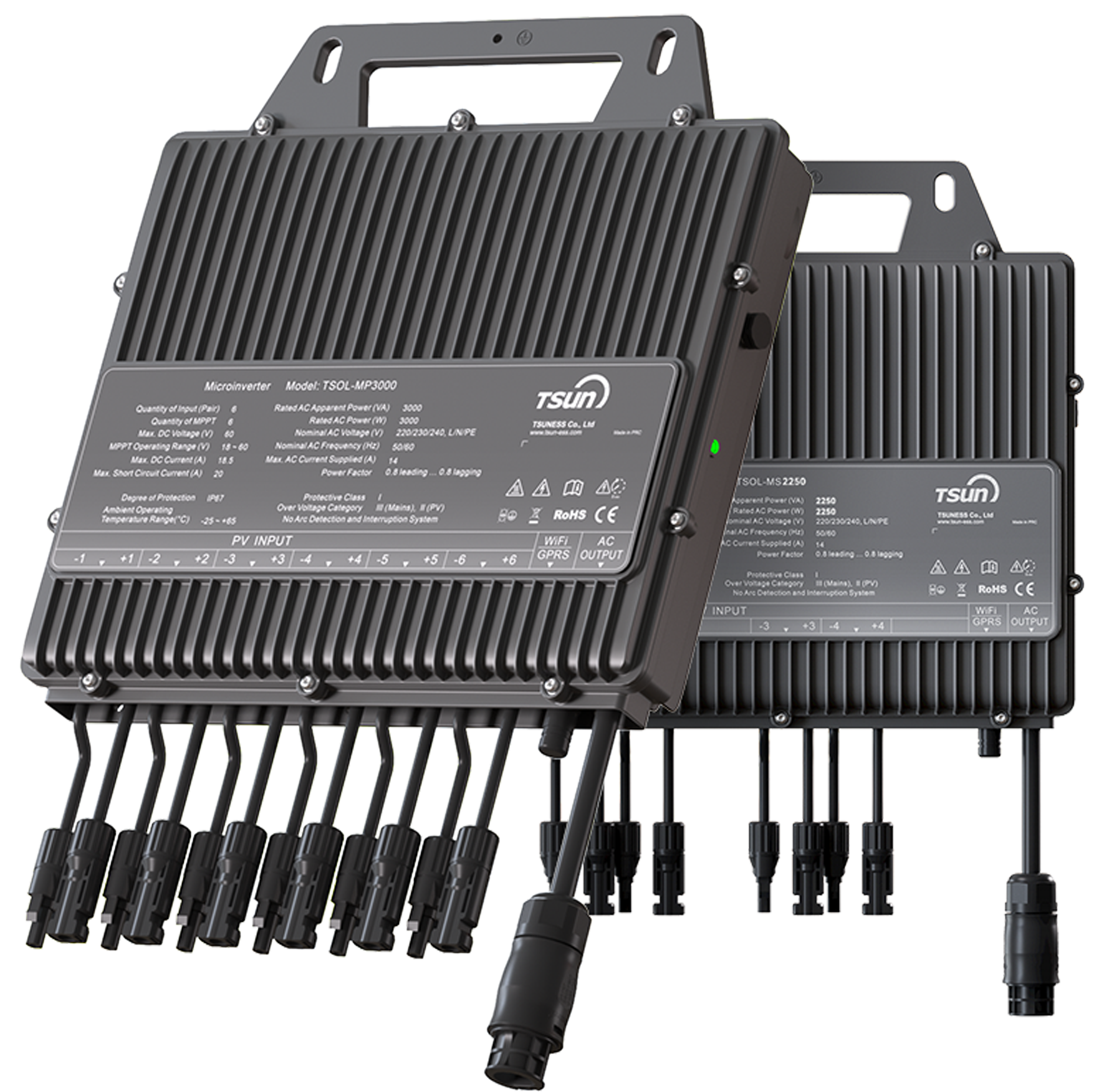
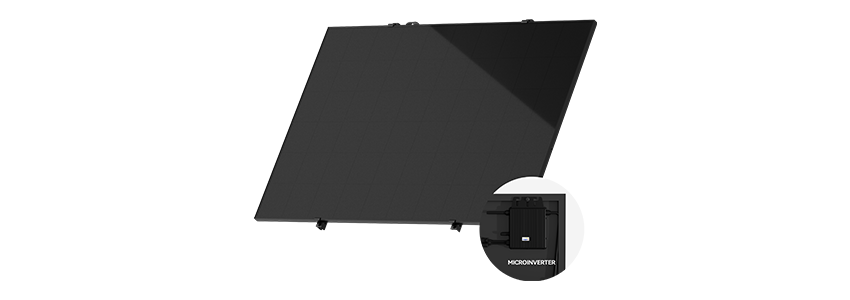
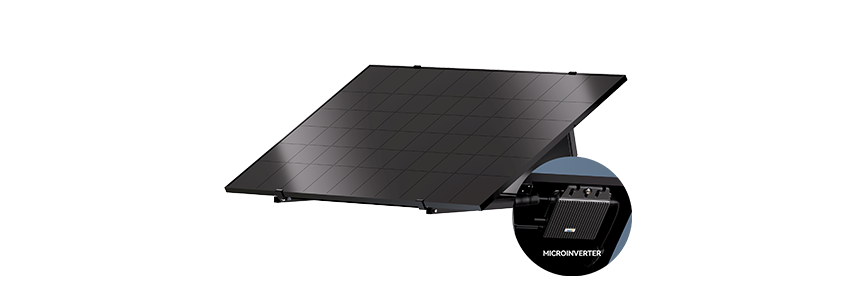
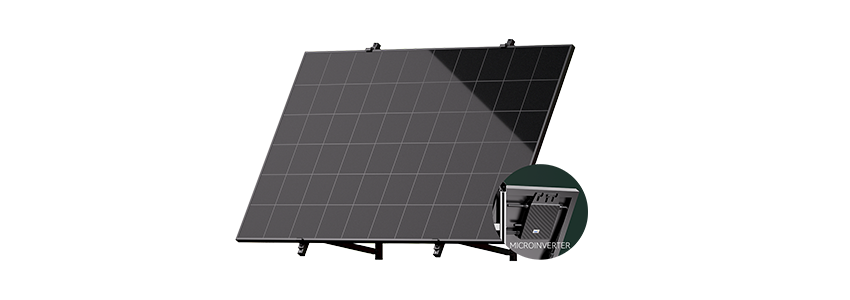
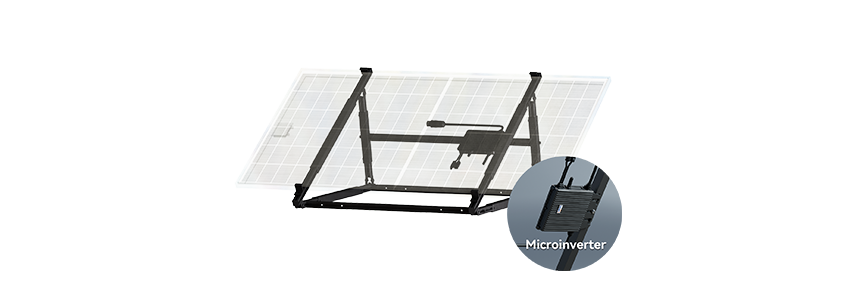
The introduction of microinverters for solar panels has transformed the local market. By converting power at the individual panel level, Zimbabwean businesses can now maintain high yields even when parts of the array are obstructed, effectively mitigating the "Christmas light effect" common in older installations.

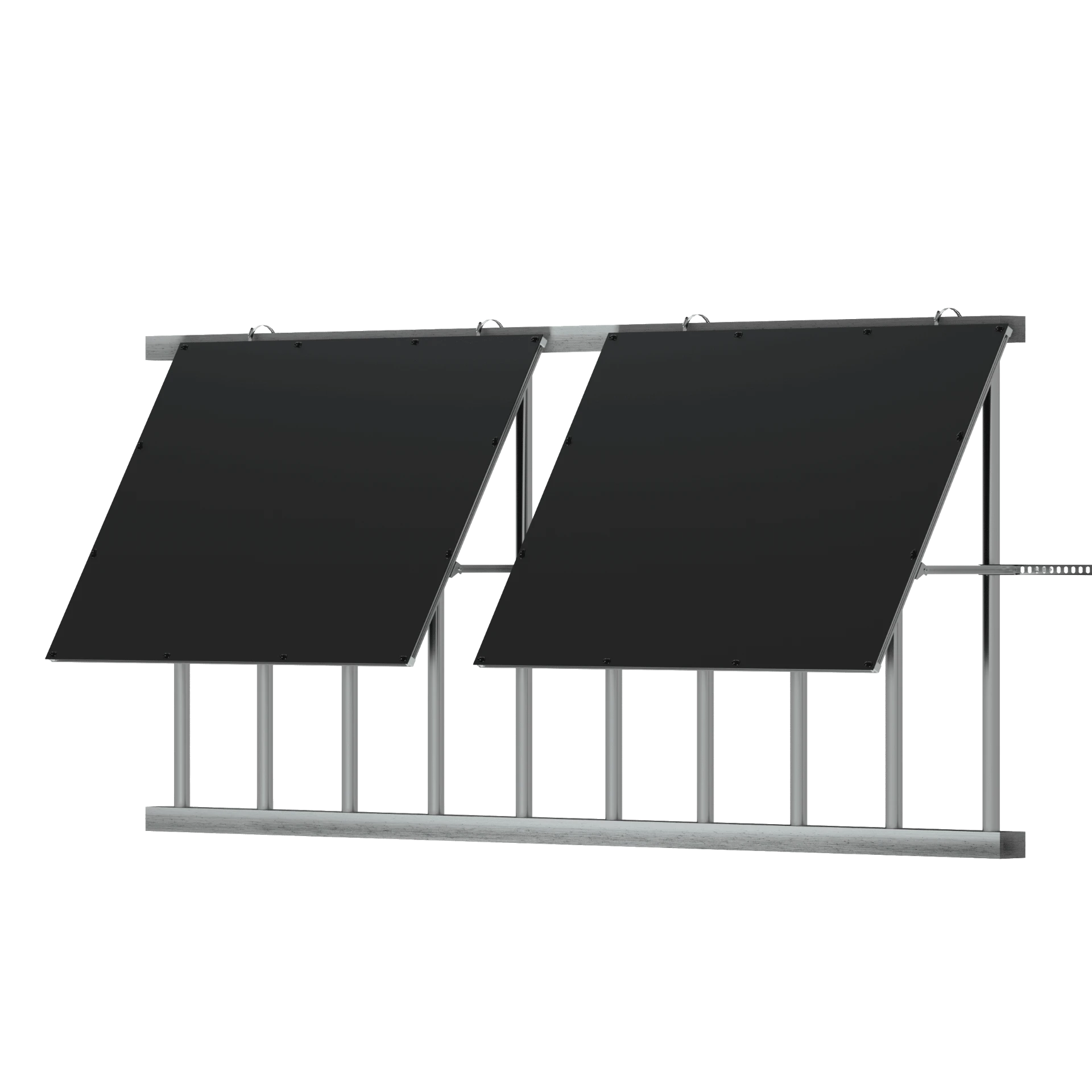
Currently, there is a growing shift toward the micro inverter solar kit for rapid deployment in rural clinics and remote mining sites, where the lack of professional engineering teams makes "plug-and-play" modular systems the most viable path to electrification.


Evolution of PV Power Conversion in Zimbabwe

From basic string systems to intelligent, distributed energy architectures.

Market Development History

Between 2010 and 2015, the Zimbabwean market was dominated by simple off-grid string inverters. These systems were prone to total failure if a single panel malfunctioned or was shaded, making them inefficient for large-scale industrial applications.

From 2016 to 2021, the transition toward the solar cell micro inverter began. This period saw an increase in commercial awareness regarding MLPE, as users realized that distributed conversion increases safety by reducing high-voltage DC runs across rooftops.

Since 2022, the market has entered the "Smart Era," characterized by the adoption of the hybrid micro inverter. This evolution allows for integrated battery storage management and grid-tie capabilities, providing the true energy independence required by Zimbabwean industries.

Future Development Trends

AI-Driven Energy Optimization

Integration of machine learning within inverters to predict load patterns in Harare and Bulawayo, automatically adjusting battery discharge cycles.

Extreme Temperature Hardening

Development of wider-bandgap semiconductors (GaN/SiC) to ensure inverters operate efficiently under the intense Zimbabwean summer heat without derating.

V2H and V2G Integration

The convergence of EV charging and solar storage, allowing electric vehicles to act as backup power sources for industrial workshops.

Strategic Trends and Future Outlook

Predicting the shift toward decentralized, intelligent power grids in Southern Africa.

Distributed Grid Resilience
Moving away from centralized failure points to a mesh of micro-inverters that ensure partial system operation during faults.
Modular Scalability
Enabling Zimbabwean SMEs to expand their solar capacity panel-by-panel without replacing the entire inverter system.
IoT Cloud Monitoring
Real-time monitoring of every single module via cloud portals to quickly identify failures in vast industrial parks.
Hybrid Storage Synergy
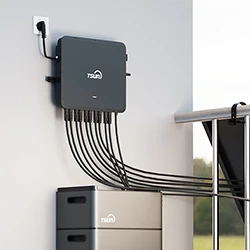
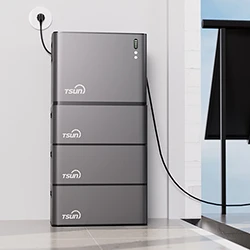
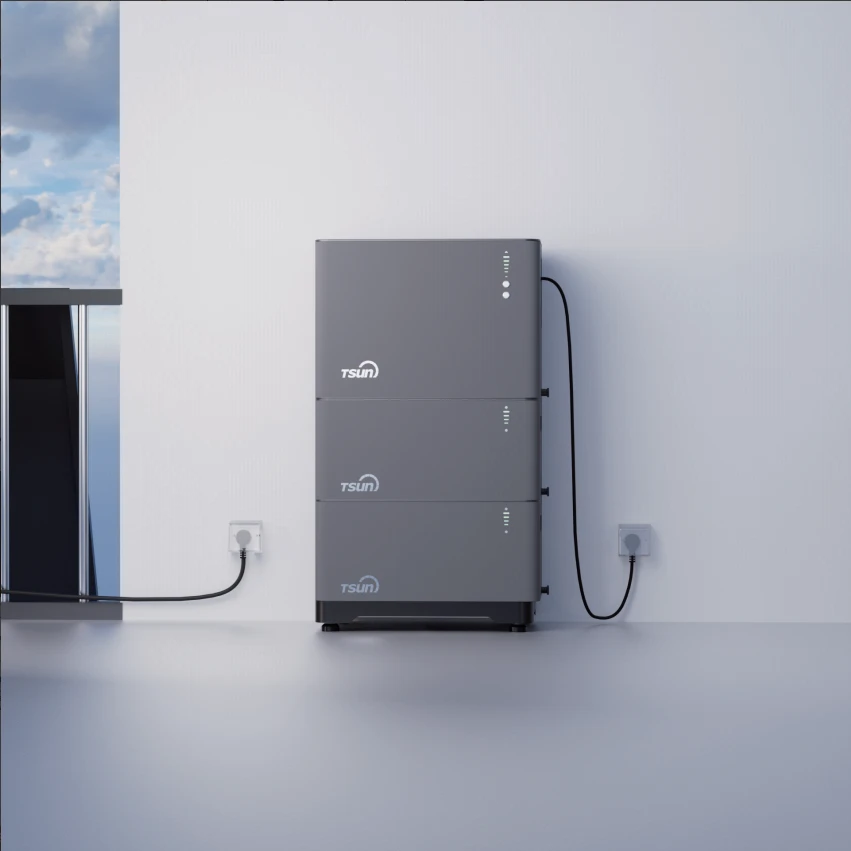
Combining AC-coupled micro-inverters with LFP battery banks for 24/7 industrial operation.

Industry Outlook

Based on Google search trends for "off-grid power" and "solar inverter" in Southern Africa, there is a sharp increase in demand for systems that provide high reliability. The future will see a transition from "basic power access" to "power quality management," where the precision of micro-conversion becomes the standard.

We expect that within the next 3-5 years, the widespread adoption of micro-inverter technology will enable Zimbabwe to develop localized "Virtual Power Plants" (VPPs), where industrial clusters share excess energy through an intelligent, distributed network.

Local Application Scenarios in Zimbabwe

Customized solar power deployments for diverse Zimbabwean environments.

01. Commercial Farming in Mashonaland

Implementation of microinverters for solar panels to power irrigation systems. The modular nature ensures that dust accumulation on a few panels doesn't stop the water pumps for the entire farm.

02. Mining Operations in Great Dyke

Utilizing hybrid micro inverter systems to integrate massive solar arrays with battery backups, ensuring that critical ventilation and hoist systems never lose power during grid outages.

03. Urban Office Complexes in Harare

Installing smart micro inverter arrays on varied roof pitches. This allows each section of the roof to produce maximum power regardless of the sun's angle or surrounding building shadows.

04. Rural Health Clinics in Matabeleland

Deploying a complete micro inverter solar kit for rapid installation. These kits provide immediate, reliable power for vaccine refrigeration and emergency lighting in remote areas.

05. Boutique Lodges in Victoria Falls

Using solar cell micro inverter technology to blend aesthetics with performance, allowing for discreet installations that don't compromise the tourist experience while maintaining energy autonomy.

Brand Story

Global Development History of Suzhou TSUN Technology Co., Ltd.

Founding Vision

Established with the mission to democratize high-efficiency energy conversion, TSUN focused on solving the "single point of failure" problem in traditional solar systems.

Technical Breakthrough

Developed proprietary MLPE algorithms that maximize MPPT efficiency, allowing our inverters to outperform industry standards in high-temperature environments.

Global Expansion

Expanded into the African market, specifically tailoring products to handle the volatile grid conditions and harsh climatic demands of regions like Zimbabwe.

Quality Certification

Achieved international safety and performance certifications, ensuring our modular systems meet the rigorous demands of industrial power supply.

Commitment to Sustainability

Continuing to innovate in hybrid storage and smart energy management to lead the global transition toward decentralized green energy.

Complete PV Power Portfolio for Zimbabwe

From individual component upgrades to full-scale industrial energy kits.

Zimbabwe Solar Technical FAQ

Professional answers to common challenges in local PV installations.

How does a hybrid micro inverter improve energy reliability during load shedding?

Unlike string inverters, a hybrid micro inverter can manage battery storage at a more granular level and switch to backup power instantly without affecting the entire array, ensuring that critical loads remain active.

Are solar cell micro inverter systems suitable for the high temperatures in Zimbabwe?

Yes, our micro-inverters are designed with advanced thermal management and high-grade housing that prevents overheating and maintains efficiency even during peak summer temperatures in the Zambezi Valley.

What makes a smart micro inverter better for industrial rooftops with shading?

A smart micro inverter performs Maximum Power Point Tracking (MPPT) for each individual panel. If one panel is shaded by a chimney or tree, only that panel's output drops, while all others continue to produce at 100%.

Can I easily expand my system using a micro inverter solar kit?

Absolutely. The modular nature of the kit means you can add a new panel and its corresponding inverter at any time without needing to resize a central inverter or redesign the entire system wiring.

What is the primary safety advantage of using microinverters for solar panels?

They eliminate high-voltage DC electricity on the roof. By converting DC to AC immediately at the panel, the risk of DC arcs (which can cause fires) is virtually eliminated, making it safer for building maintenance.

How do I monitor the performance of my distributed inverter system?

Our systems integrate with a cloud-based monitoring platform that provides panel-level data, allowing you to see exactly which module is underperforming and why, simplifying maintenance in large Zimbabwean installations.

Get Expert Solar Consulting Today

Ready to stabilize your power supply in Zimbabwe? Contact our technical team for a customized PV design.

Contact Us Now
footer footer

If you are interested in our products, you can choose to leave your information here, and we will be in touch with you shortly.