Navigating the Complexity of solar energy storage system classification pdf or ppt Resources
Finding clarity in the overwhelming sea of technical documents, datasheets, and educational presentations can be a frustrating challenge for project developers, installers, and global distributors. When you are trying to decipher a solar energy storage system classification pdf or ppt, you do not just need theoretical frameworks—you need actionable, proven technology that solves real-world power generation and storage challenges. The complexity of choosing between grid-tied, off-grid, and hybrid architectures often leads to costly deployment delays and system inefficiencies.
Since our establishment in 2019, we have focused on eliminating this friction by translating complex energy principles into tangible, plug-and-play solutions. Rather than leaving you to piece together theoretical diagrams, we deliver highly reliable microinverters and energy storage systems backed by a 'safety-first' design philosophy. Operating from our state-of-the-art 4,500-square-meter automated factory in Suzhou—certified under rigorous ISO 9001, 14001, and 45001 standards—we provide the physical hardware that brings those technical classifications to life. With a global presence spanning Germany, Brazil, Singapore, the UK, India, and Thailand, our high-tech enterprise ensures that your projects are supported by world-class engineering and a deeply integrated supply chain capable of producing 800,000 sets annually.
Engineering Standards Outlined in Our solar energy storage system classification pdf or ppt
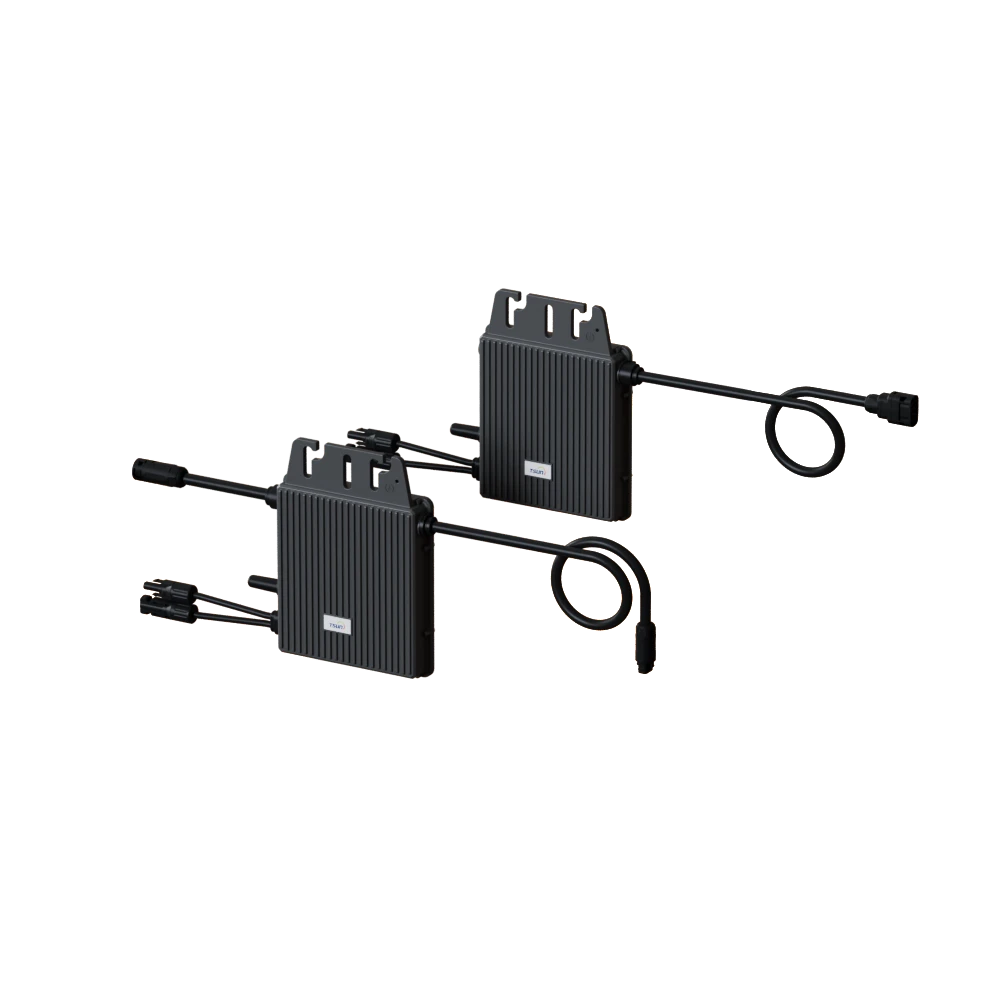
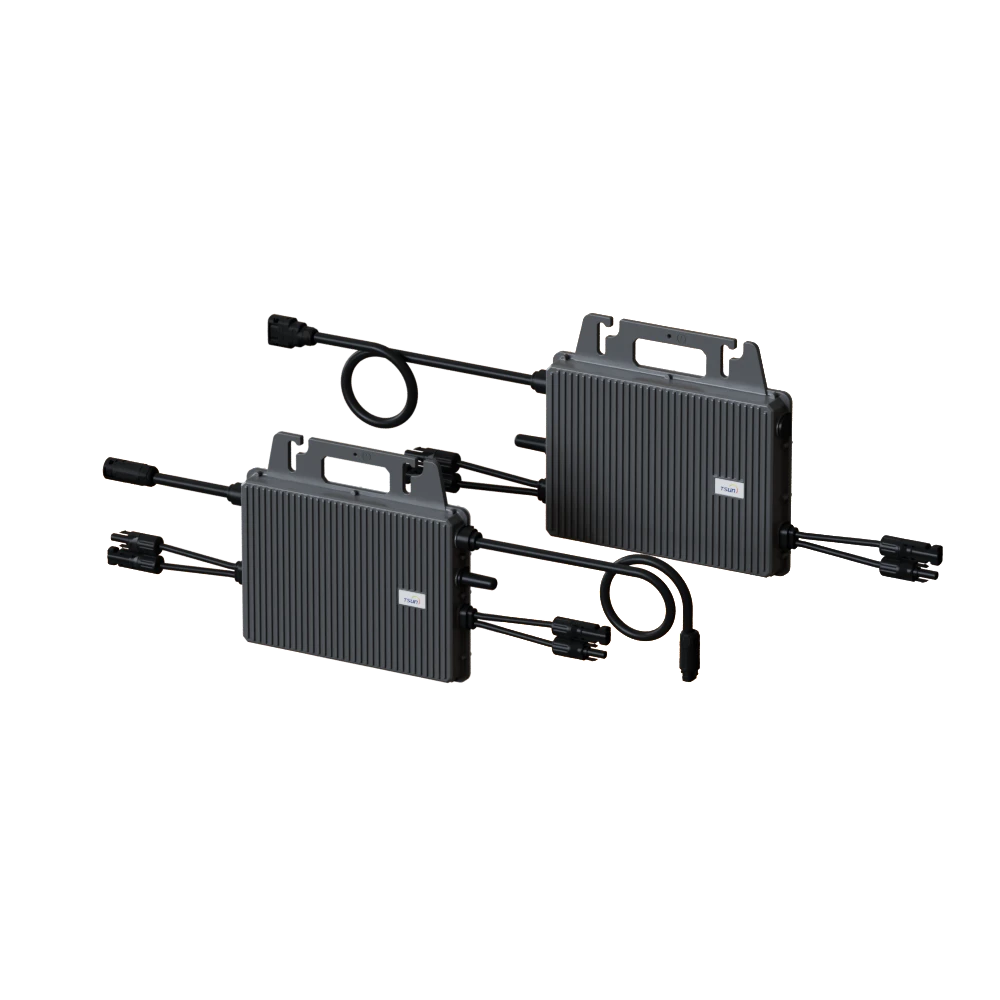
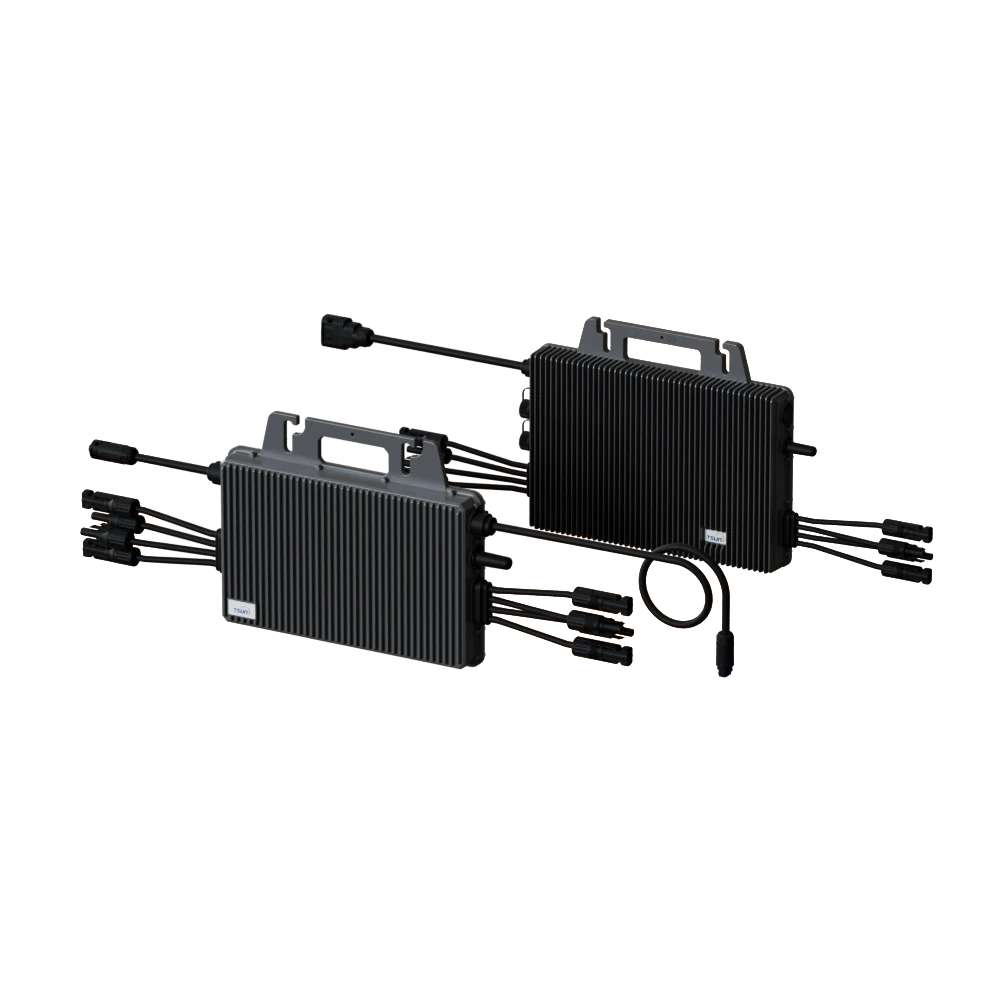
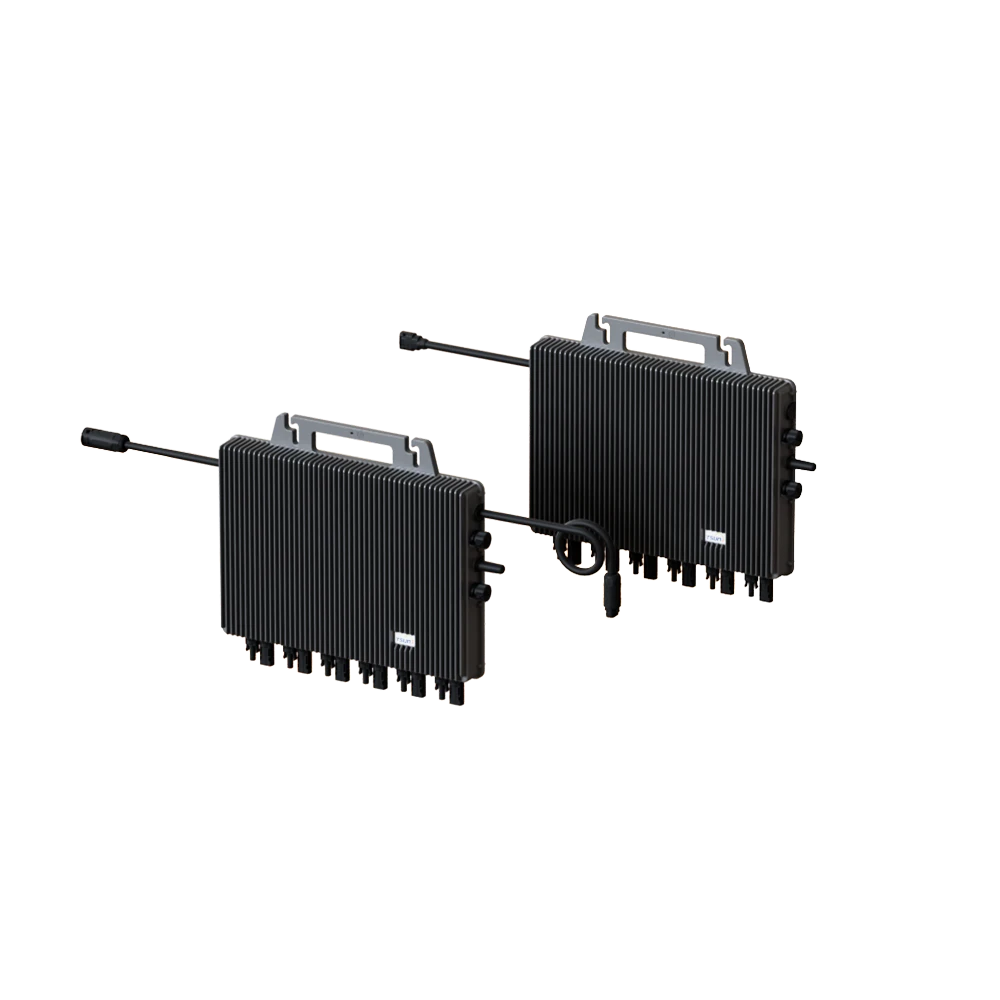
Technical education requires concrete empirical data to be truly valuable. Whether you are assembling training materials, evaluating vendor capabilities, or presenting a solar energy storage system classification pdf or ppt to key stakeholders, the underlying performance metrics will ultimately dictate the success of your energy deployment. Our recent launch of the GEN3 Microinverter series and the world's most powerful single-phase microinverter sets a new benchmark for what is possible in modern energy storage systems.
Below is a detailed breakdown of the exact engineering standards our equipment adheres to, providing a clear reference for technical classification and system architecture planning:
| Performance Metric |
Industry Significance |
Our Engineering Standard |
Advantage |
| Inverter Efficiency |
Determines the amount of power lost during DC to AC conversion. |
97.8% Peak Efficiency |
Maximizes harvestable solar energy, ensuring superior system yield and faster payback periods. |
| Environmental Durability |
Dictates operational reliability in harsh, unpredictable climates. |
IP67 Protection Rating |
Guarantees absolute resilience against dust and water ingress, ideal for diverse global deployments. |
| System Lifespan |
Core factor for accurate Levelized Cost of Energy (LCOE) calculations. |
25-Year Design Life |
Provides generational financial security, drastically reducing replacement and maintenance costs. |
| Quality Assurance |
Prevents dead-on-arrival equipment and minimizes post-installation troubleshooting. |
100% Functional Testing |
Guarantees zero-defect deployment across our comprehensive range of 1-in-1 to 10-in-1 configurations. |
Maximizing ROI Based on solar energy storage system classification pdf or ppt Models
Investing in the correct power architecture is a strategic maneuver that goes far beyond initial capital expenditure; it is about securing a resilient, high-yield financial asset for decades. When analyzing the various configurations found in a solar energy storage system classification pdf or ppt—whether evaluating module-level MPPT setups or comprehensive hybrid inverters—the efficiency and safety metrics directly correlate with your long-term return on investment.
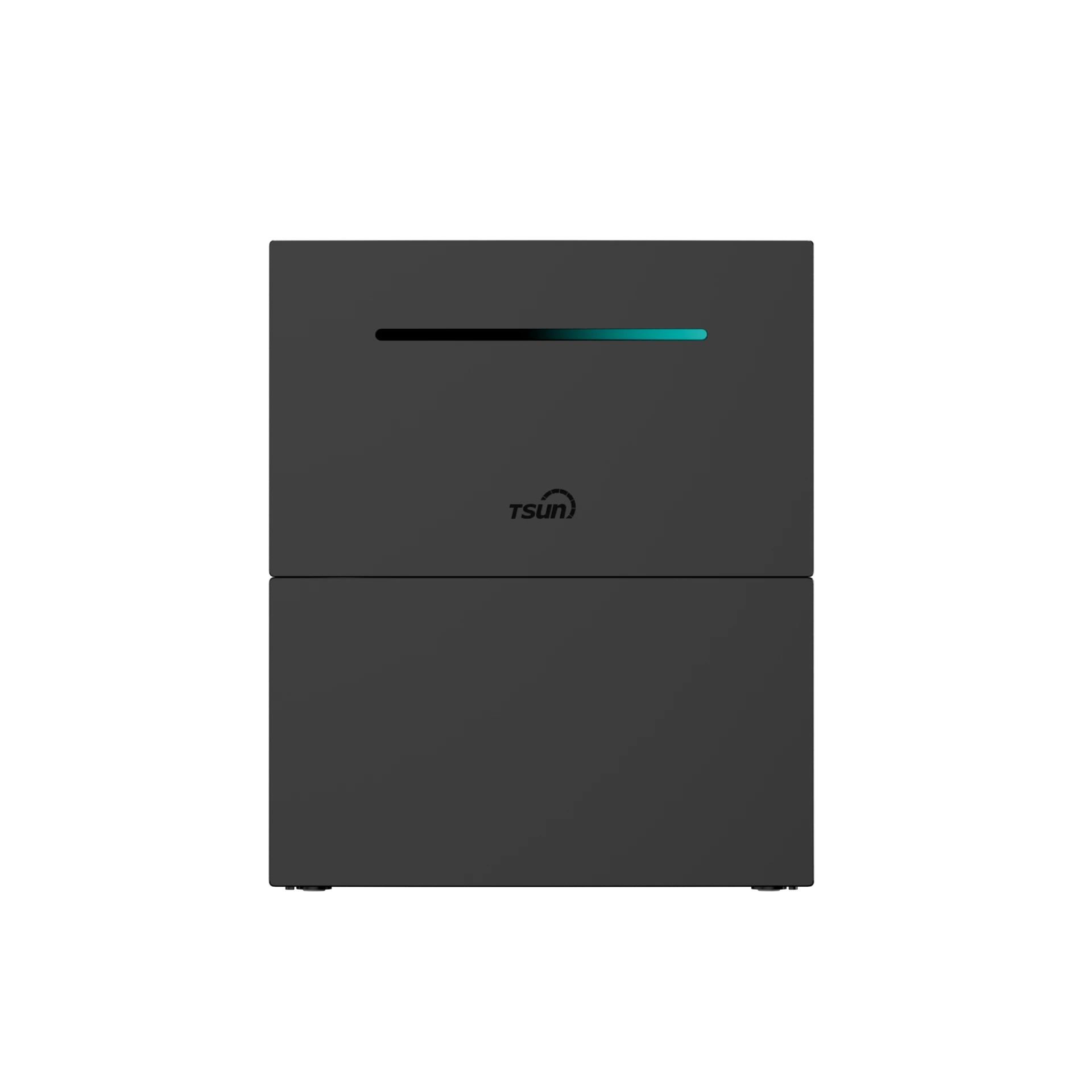
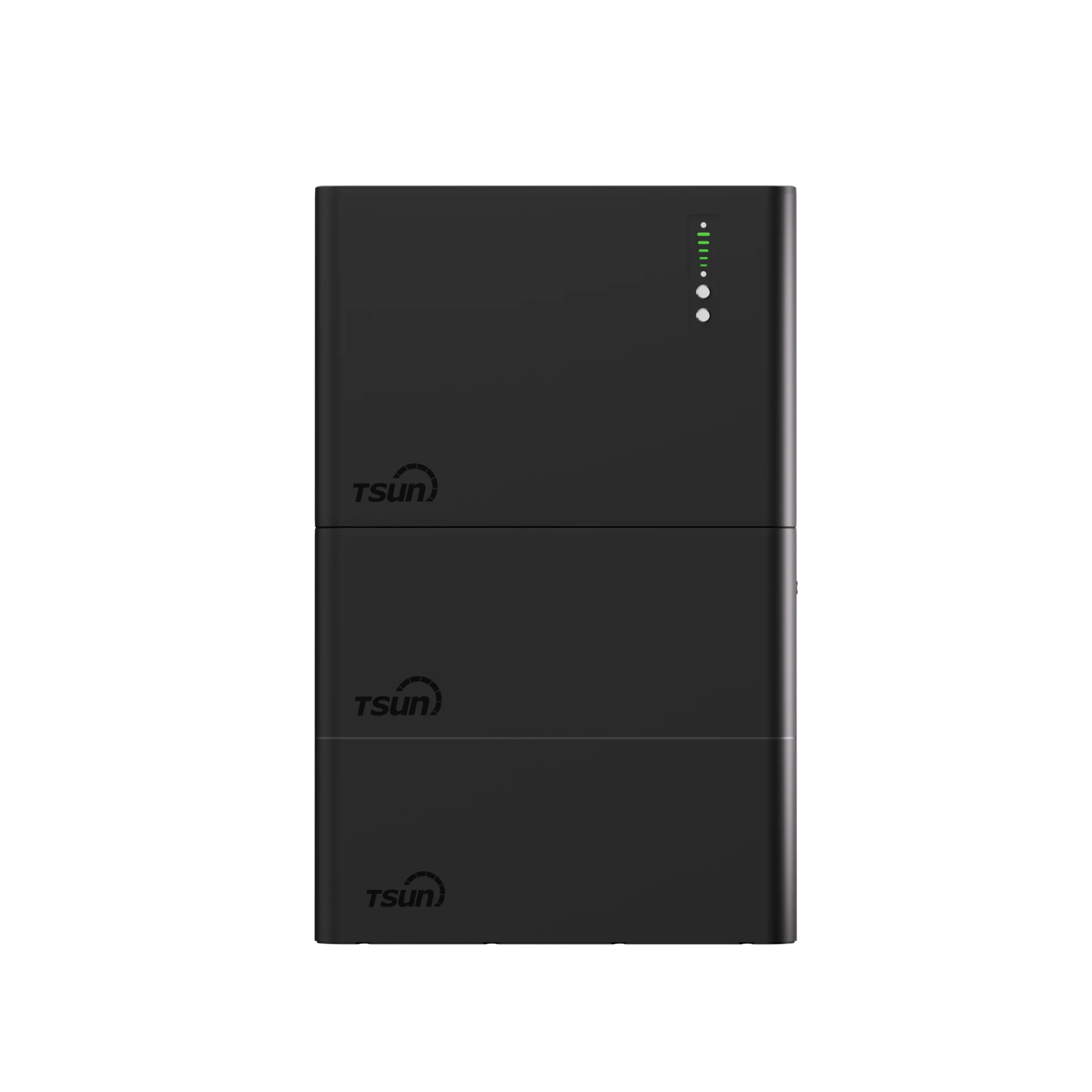
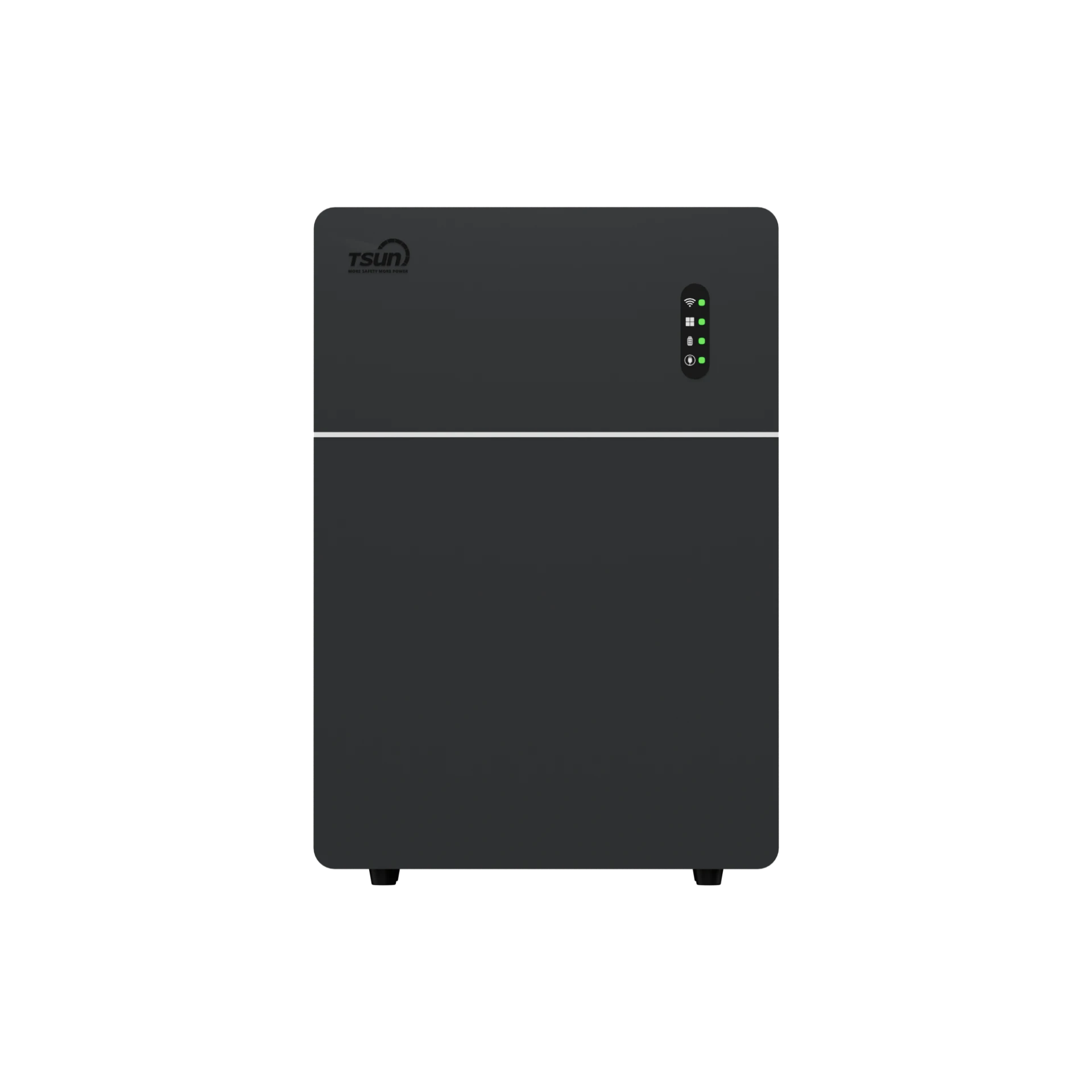
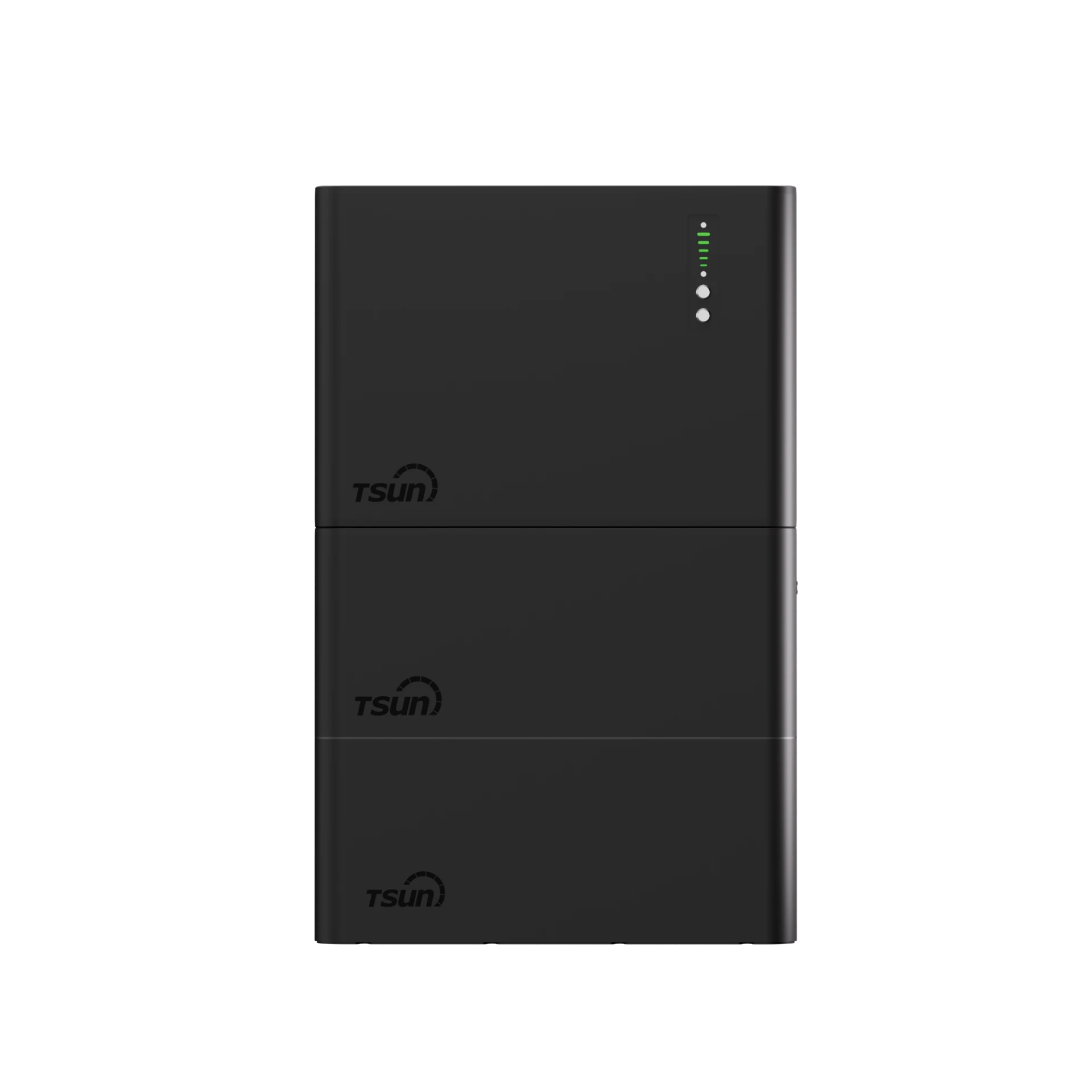
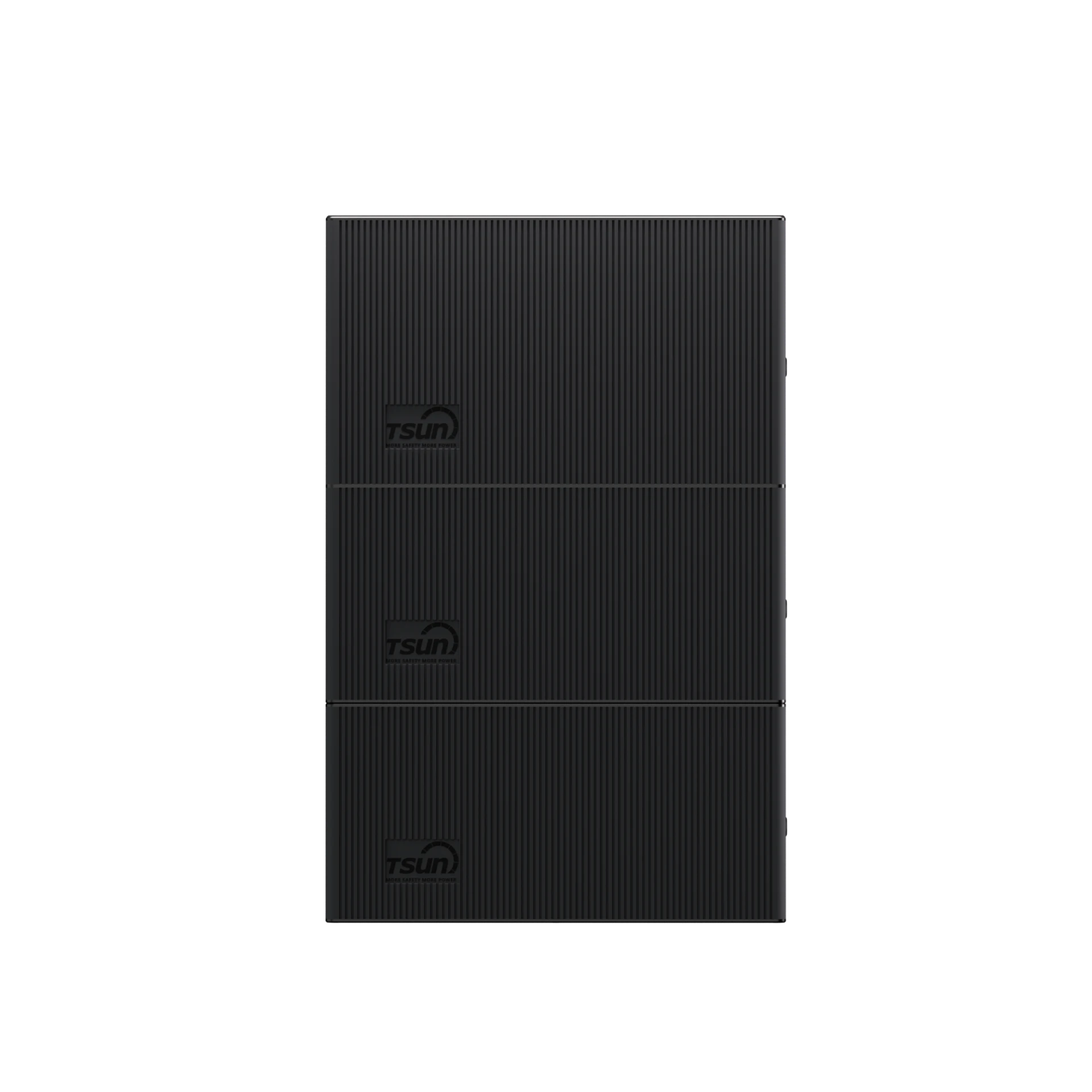
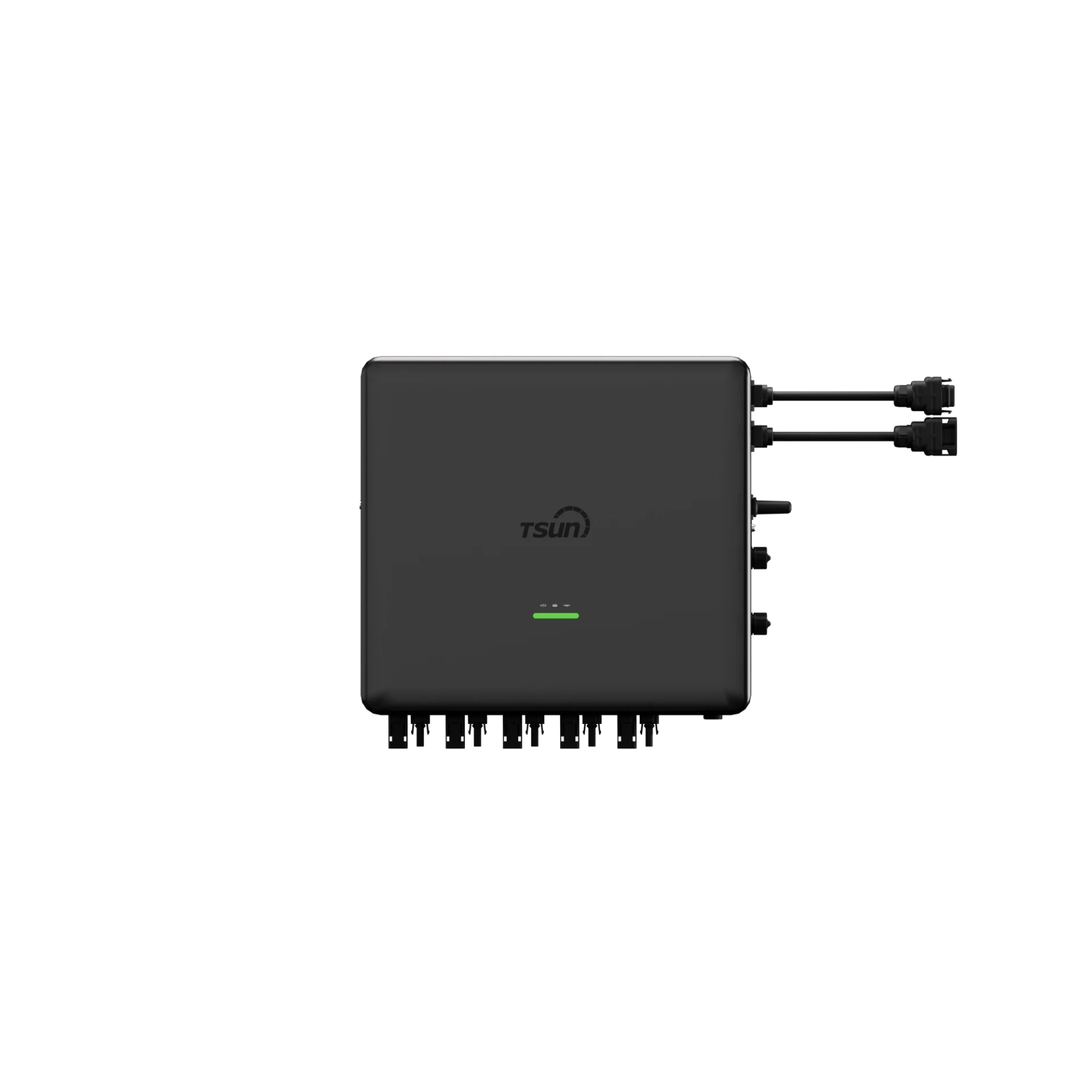
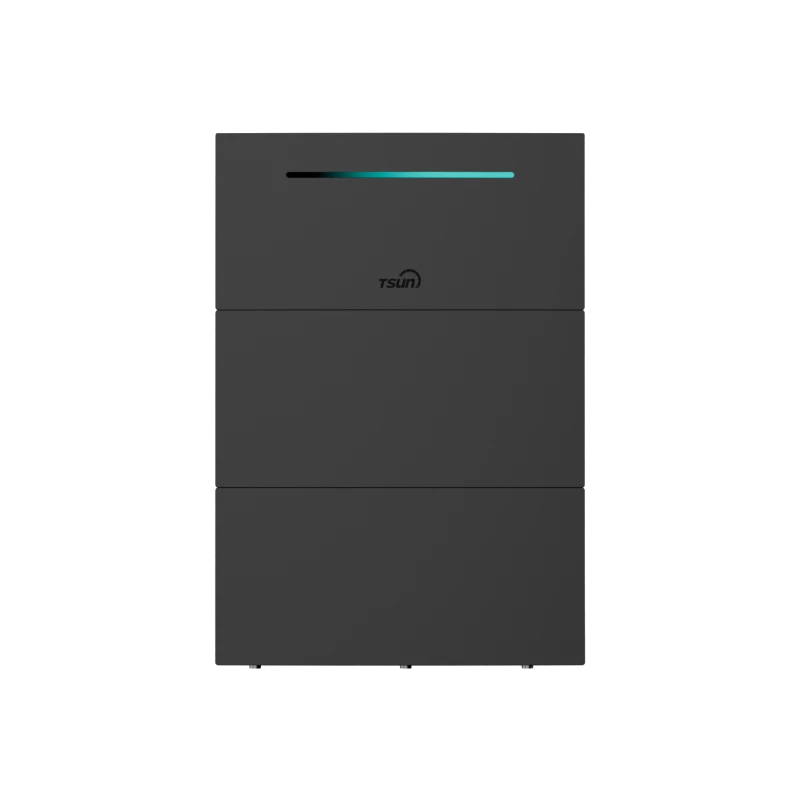
By leveraging our global leadership in high-power microinverter technology, project developers can significantly optimize their energy harvest while minimizing maintenance overhead. The recent selection of our enterprise for the 2025 Key Technology Program underscores our commitment to pushing the boundaries of what these systems can financially achieve. The chart below illustrates the projected operational efficiency retention and cumulative financial yield of our advanced energy systems over a standard 25-year lifecycle, demonstrating why rigorous technical classification translates directly to superior economic performance.






 LEARN DETAILS

 Downloads
 Video Center
 Report Fault for Repair
 FAQS
FAQS Service Network
 Privacy Policy
 Contact Us
 Monitoring