Overcoming Integration Challenges: Your Complete solar thermal energy storage solutions pdf
System architects and commercial developers frequently encounter a significant hurdle when designing advanced renewable architectures: mitigating energy losses while ensuring seamless grid integration. Finding reliable, data-backed documentation—often sought out via a comprehensive solar thermal energy storage solutions pdf—can be a frustrating endeavor. Poorly documented systems lead to mismatched components, integration bottlenecks, and compromised safety protocols.
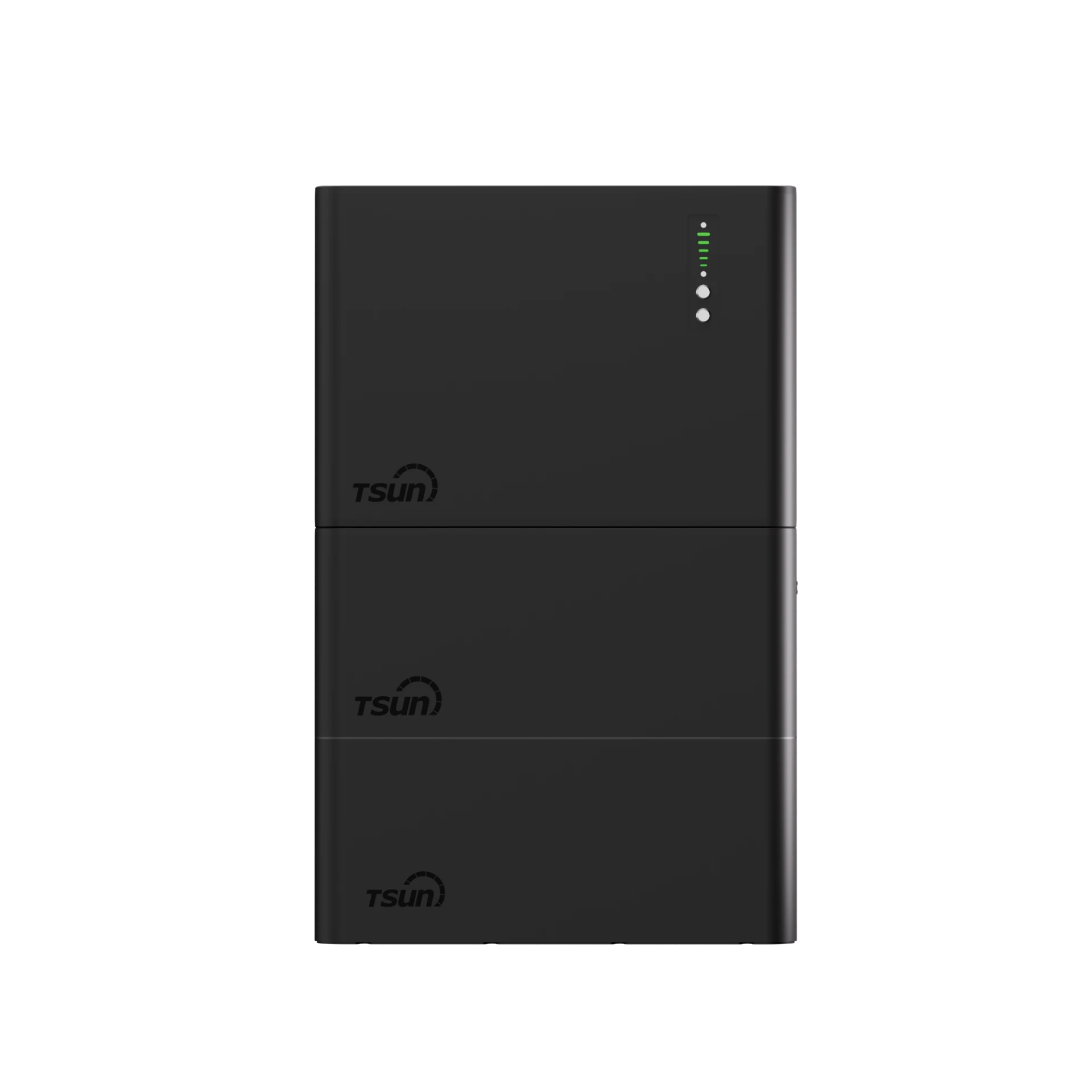
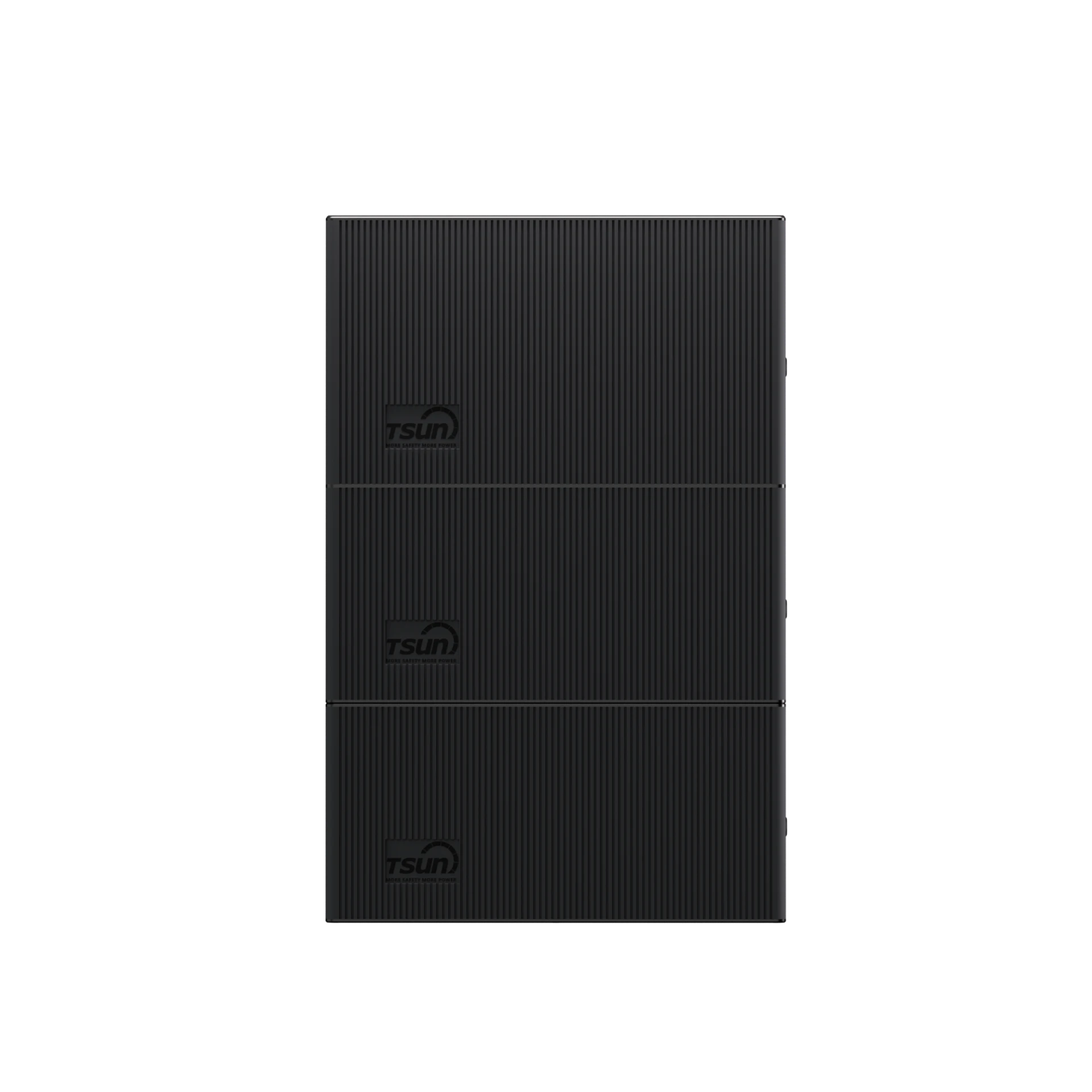
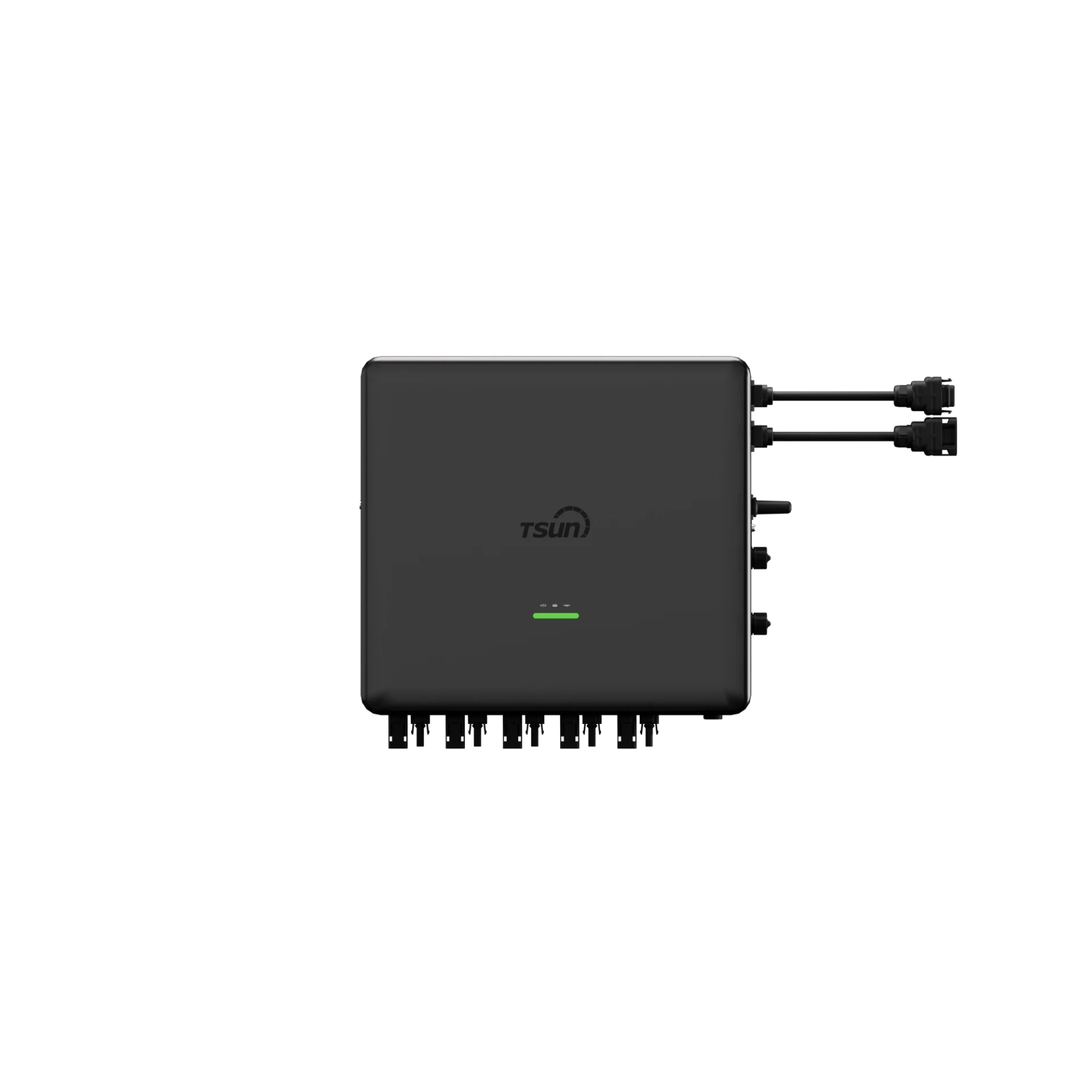
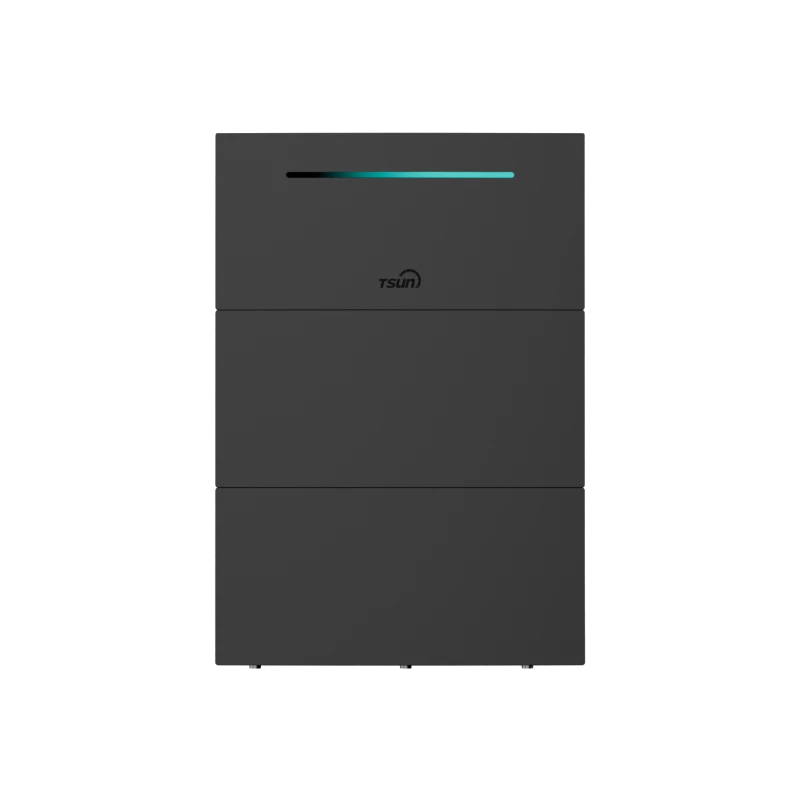
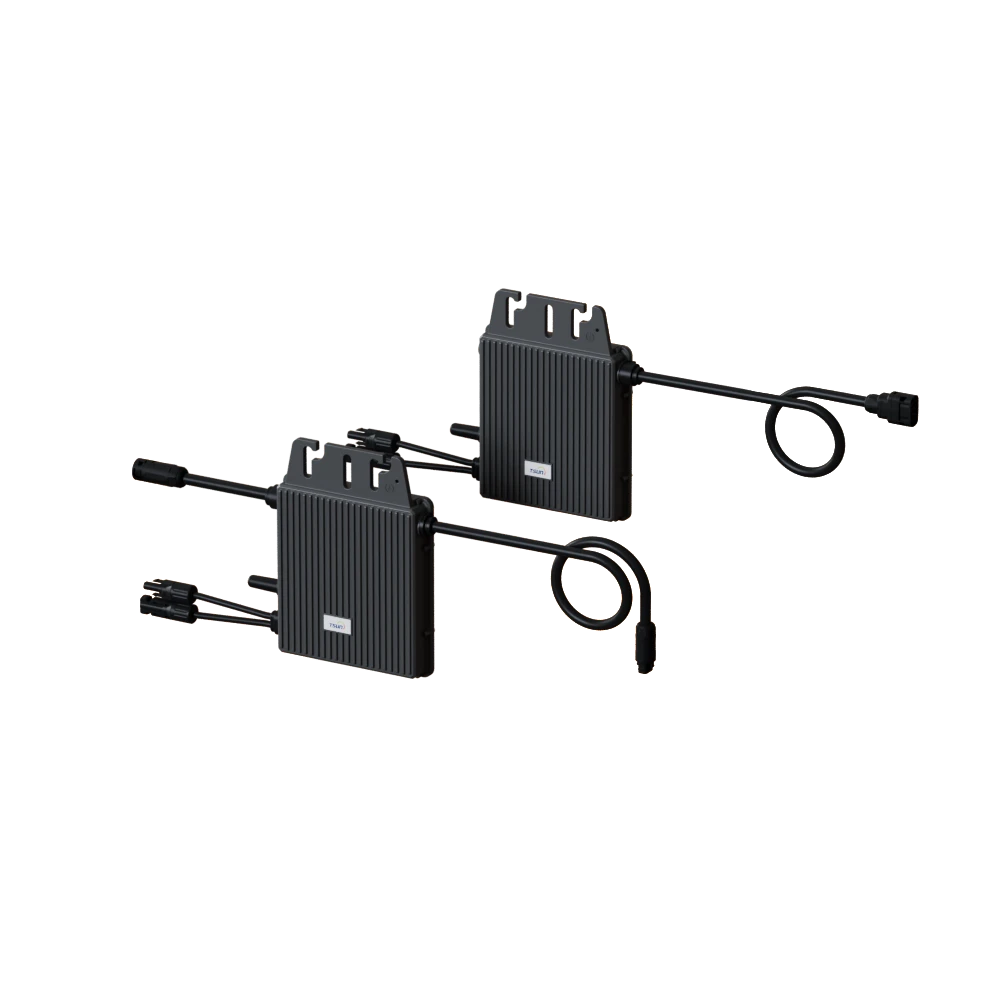
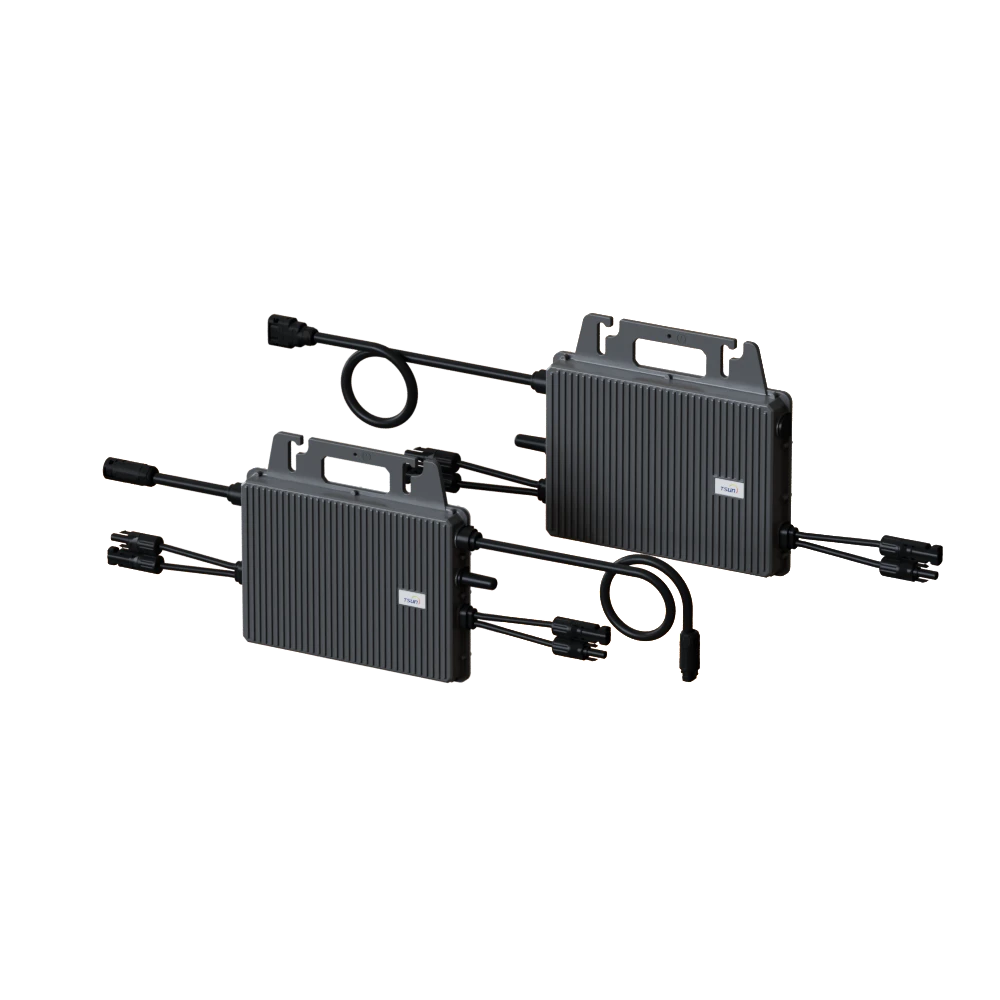
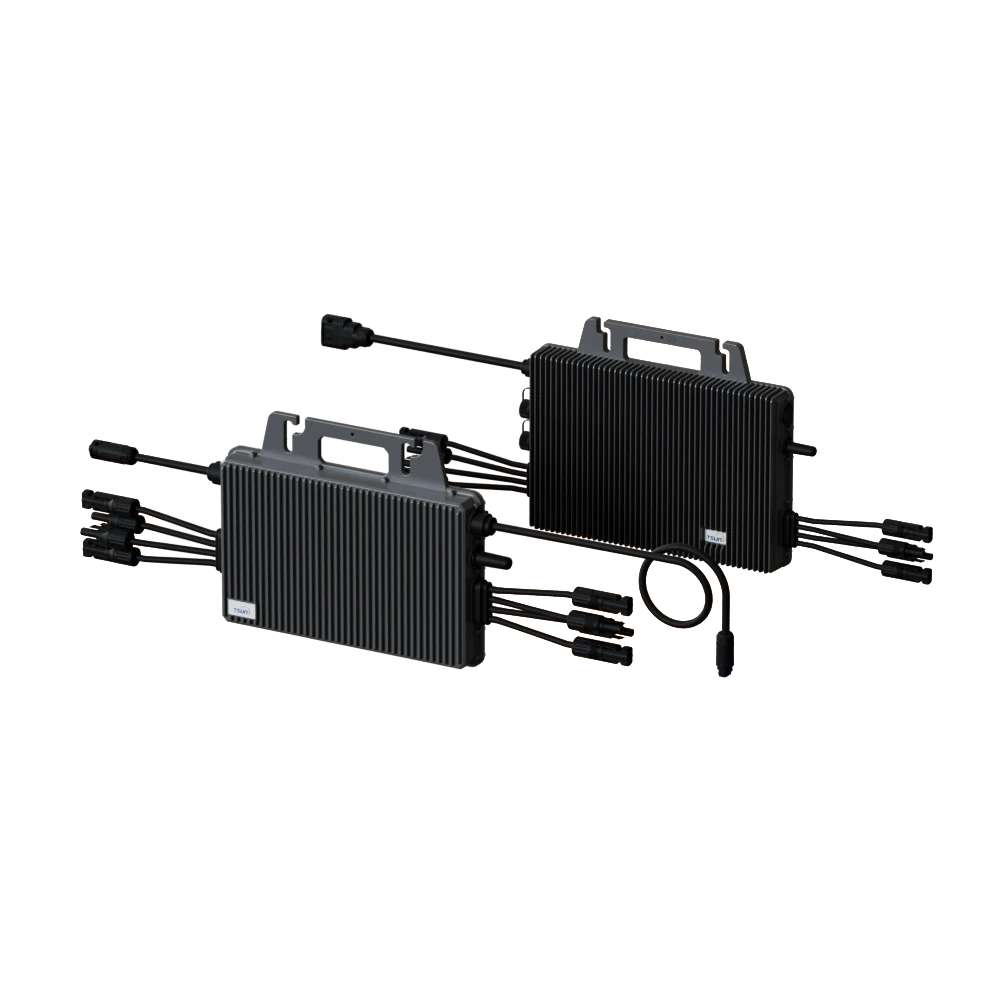
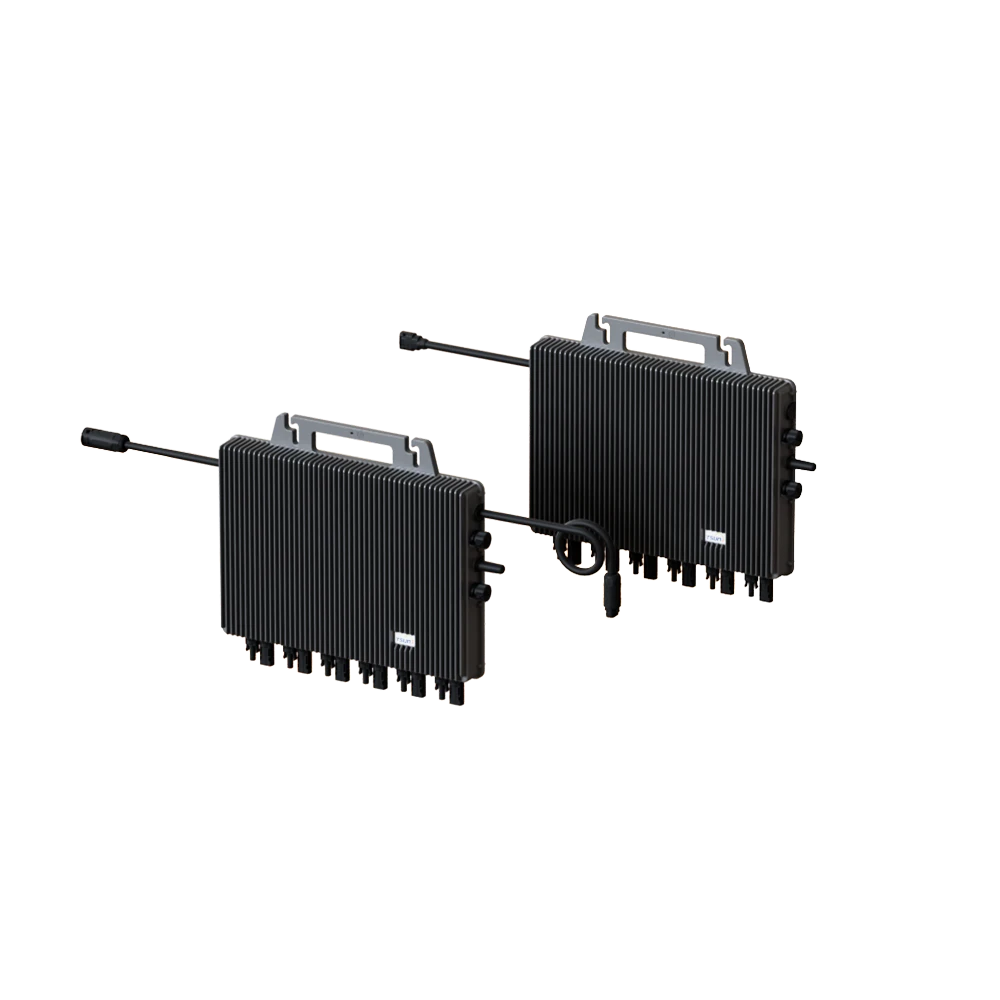
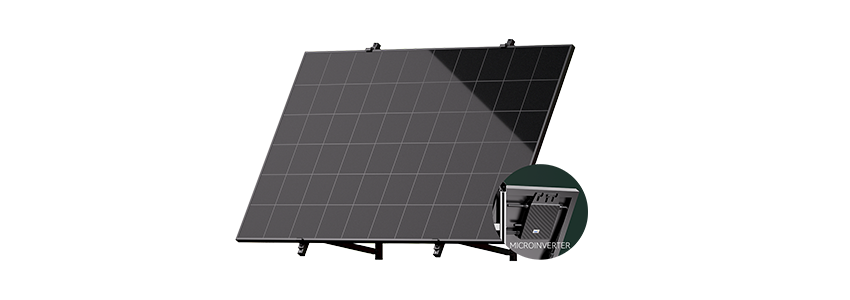
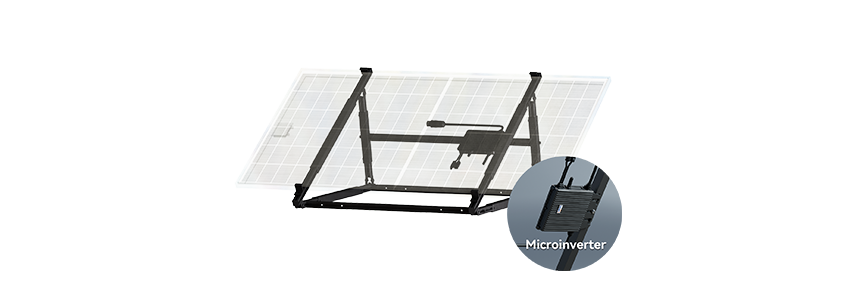
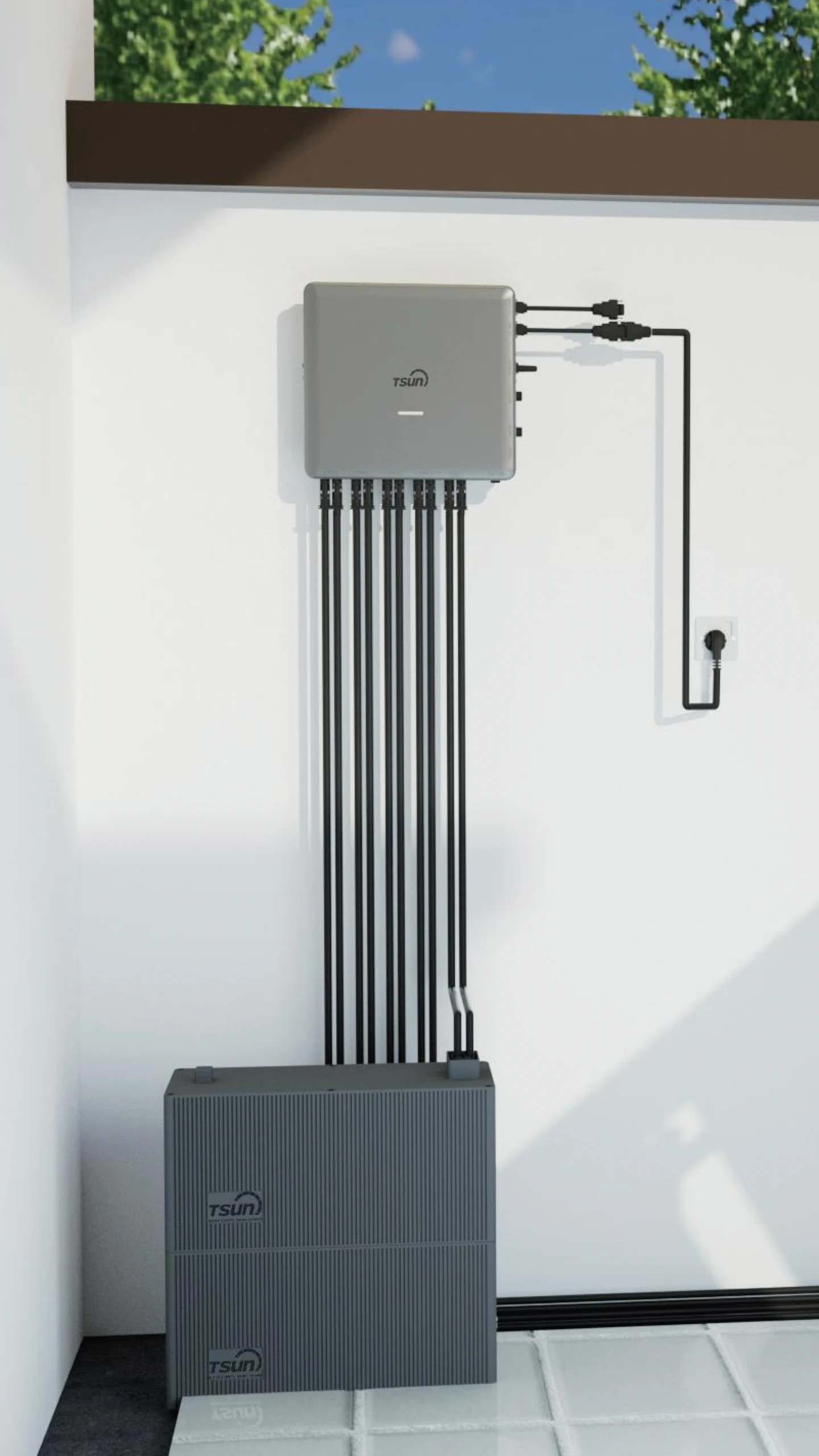
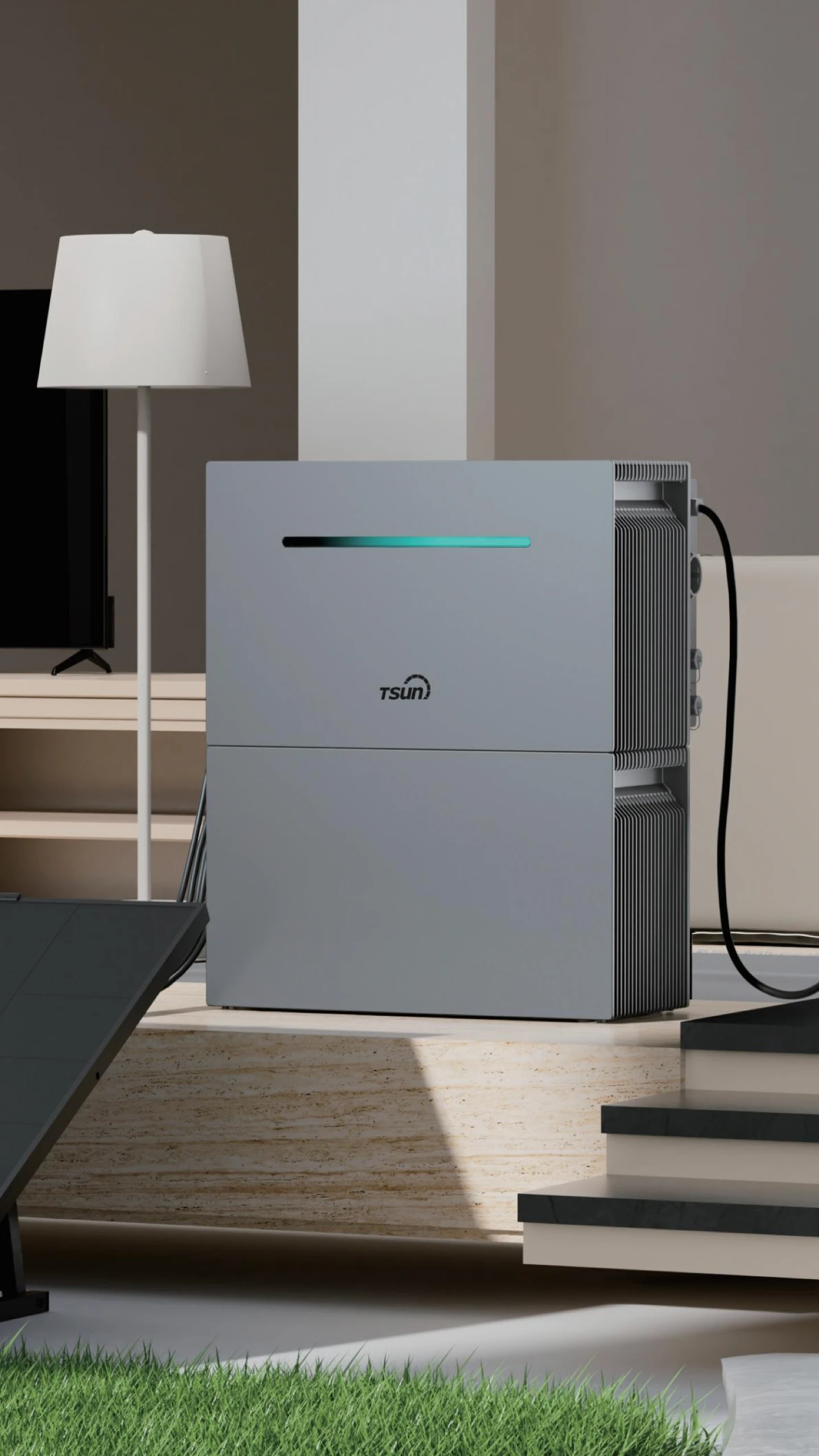
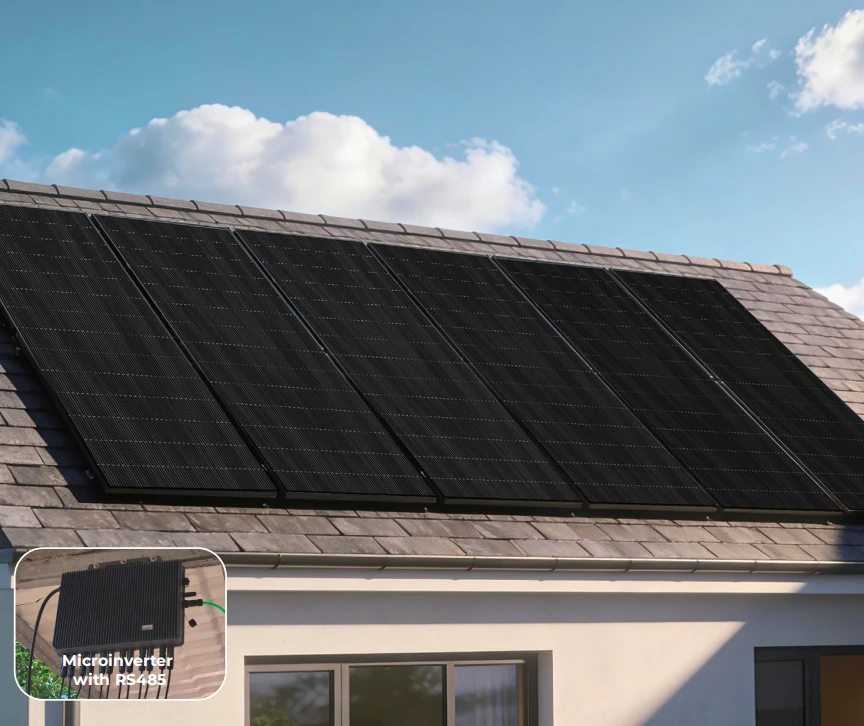
Addressing these critical pain points requires more than just standard equipment; it demands an intelligent, safety-first ecosystem. Since its establishment in 2019, TSUNESS has operated as a high-tech enterprise directly targeting these systemic inefficiencies. By combining high-power microinverter technology with robust storage capabilities, system integrators are provided with plug-and-play simplicity.
Rather than struggling to piece together fragmented schematics, stakeholders can rely on infrastructure engineered within a highly automated, 4,500-square-meter facility in Suzhou. With a massive annual production capacity reaching an estimated 800,000 sets and a fully integrated R&D supply chain, securing the right technical blueprints and scalable hardware has never been more straightforward.
Engineering Standards Defined in Our solar thermal energy storage solutions pdf
True performance requires absolute transparency in technical specifications. When analyzing the metrics that matter most, an authoritative solar thermal energy storage solutions pdf must bridge the gap between theoretical heat capture and tangible electrical efficiency. The transition from thermal yield to hybrid microinverter integration demands rigorous adherence to international standards.
Every GEN3 series unit and hybrid storage system undergoes 100% functional testing, validated by ISO 9001, ISO 14001, and ISO 45001 certifications. Below is a breakdown of the core benchmarks that distinguish top-tier infrastructure from conventional alternatives.
| Performance Metric |
Industry Significance |
Our Engineering Standard |
Advantage |
| System Efficiency |
Determines the total proportion of usable energy harvested from the source. |
Up to 97.8% Peak Efficiency with Module-level MPPT |
Minimizes conversion losses, guaranteeing maximum usable yield for end-users. |
| Environmental Resilience |
Ensures hardware survives harsh, variable climates over decades. |
IP67 Protection Rating |
Delivers total resilience against dust ingress and short-term water immersion, reducing maintenance. |
| Operational Lifespan |
Dictates the long-term operational viability and replacement cycle. |
25-Year Design Life |
Aligns perfectly with standard renewable infrastructure longevity, ensuring uninterrupted operation. |
| Manufacturing Quality |
Guarantees rapid deployment without out-of-the-box defects. |
100% Functional Testing via Automated Lines |
Virtually eliminates field failures and complex troubleshooting upon initial installation. |
Maximizing ROI with Our solar thermal energy storage solutions pdf
Financial viability in renewable deployments relies heavily on technology that performs consistently across a multi-decade horizon. The insights contained within a strategic solar thermal energy storage solutions pdf illuminate how global layout and technological dominance directly correlate with long-term financial gain. With offices spanning Germany, Brazil, Singapore, the UK, India, and Thailand, global project managers benefit from localized support and an integrated supply chain that radically reduces downtime.
Recently selected for the 2025 Key Technology Program and recognized for launching the world's most powerful single-phase microinverter, TSUNESS proves that capital expenditure in premium 'safety-first' hardware yields aggressive returns. By maintaining high efficiency over a 25-year design life, the total cost of ownership plummets while cumulative energy savings compound.






 LEARN DETAILS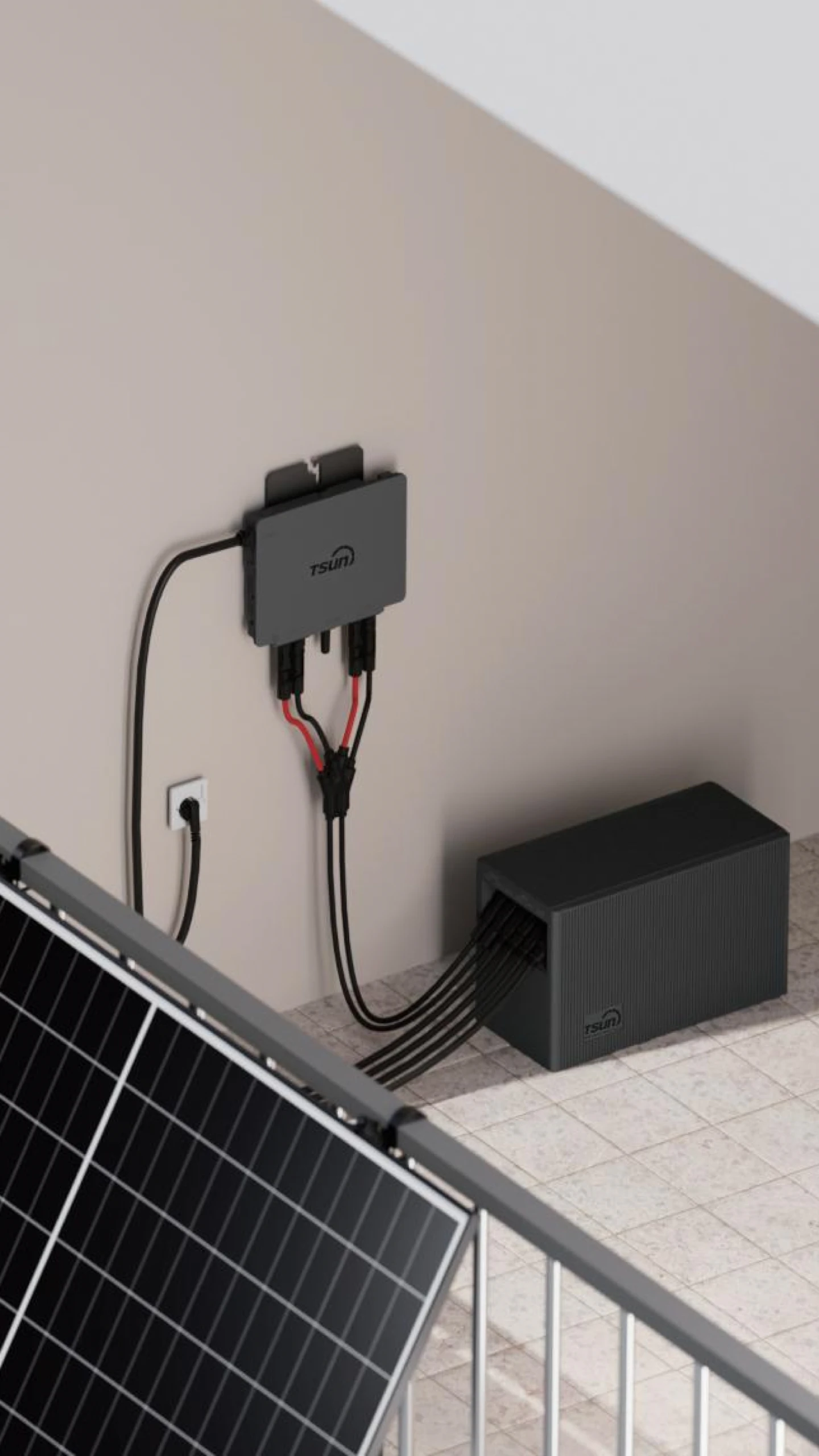

 Downloads
 Video Center
 Report Fault for Repair
 FAQS
FAQS Service Network
 Privacy Policy
 Contact Us
 Monitoring