






 LEARN DETAILS

 Downloads
 Video Center
 Report Fault for Repair
 FAQS
 Service Network
 Privacy Policy
 Contact Us
 Monitoring

Determining the actual cost of a home energy reserve involves more than looking at a sticker price. A comprehensive understanding of solar energy storage system price requires analyzing the interplay between kilowatt-hour (kWh) capacity, power output, and the long-term durability of the cells. This guide examines the financial and technical drivers that dictate the investment required for modern residential storage.
For most homeowners and B2B installers, the primary challenge is balancing the upfront capital expenditure with the desired level of energy independence. Whether deploying a small-scale balcony solution or a full-home backup system, the value is derived from the system's ability to shift solar loads from day to night and mitigate the risks of grid instability.
Readers will discover how to evaluate technical specifications, such as LiFePO4 chemistry and AC vs. DC coupling, to ensure the chosen system provides the best return on investment. We will also analyze how modular designs allow users to start with a base capacity and expand as their energy needs evolve, effectively spreading the cost over time.
Analyzing Residential Energy Storage Value Drivers
The cost of energy storage is not a static figure but a reflection of several engineering choices. The most significant driver is the battery cell technology. Lithium Iron Phosphate (LiFePO4), widely used in high-performance systems, offers a superior safety profile and significantly longer cycle life compared to traditional lithium-ion alternatives, though it may carry a different initial price point. Another critical factor is the inverter integration; hybrid systems that combine storage and solar conversion into one unit typically reduce installation labor costs compared to separate components. Furthermore, the "C-rate" or discharge capability affects the price, as systems capable of powering heavy loads—like central air conditioning or pumps—require more robust thermal management and higher-grade power electronics. Understanding these variables allows buyers to distinguish between a budget-friendly "emergency" reserve and a full-scale energy management ecosystem designed for daily cycling.
Evaluating Solar Storage Investment
To optimize the procurement process, one must look beyond the initial quote and examine the total cost of ownership. The following seven dimensions provide a technical framework for assessing where the budget is allocated and how it impacts long-term performance.
Capacity vs. Cost Balance
Selecting the right kWh capacity is the most direct way to manage costs. Over-provisioning leads to unnecessary spending, while under-provisioning limits energy independence. For instance, a small 1.024kWh pack like the B1000 is cost-effective for emergency backups, whereas a 16kWh system like the MAU16000 is designed for substantial residential load shifting.
| System Scale | Typical Use Case | Key Cost Driver | Value Focus |
|---|---|---|---|
| Micro (1-2kWh) | Balcony / Small App | Compactness | Low Entry Cost |
| Mid-Range (5-10kWh) | Partial Home Backup | Cycle Stability | Daily Savings |
| High-Capacity (15kWh+) | Full Home Autonomy | Power Electronics | Grid Independence |
| Modular/Expandable | Future-Proofing | Interconnects | Scalable Investment |
| DC Coupled | New Installations | DC Optimizer | Higher Efficiency |
| AC Coupled | Retrofit Systems | AC Inverter | Ease of Integration |
Battery Chemistry Impact
The use of LiFePO4 cells is a benchmark for modern B2B storage solutions. While the material costs vary, the stability of LFP chemistry reduces the need for expensive, complex cooling systems in residential environments. Higher-grade cells allow for a deeper Depth of Discharge (DoD), often reaching 90%, meaning more of the stored energy is actually usable, which effectively lowers the cost per usable kWh.
Coupling Architecture Selection
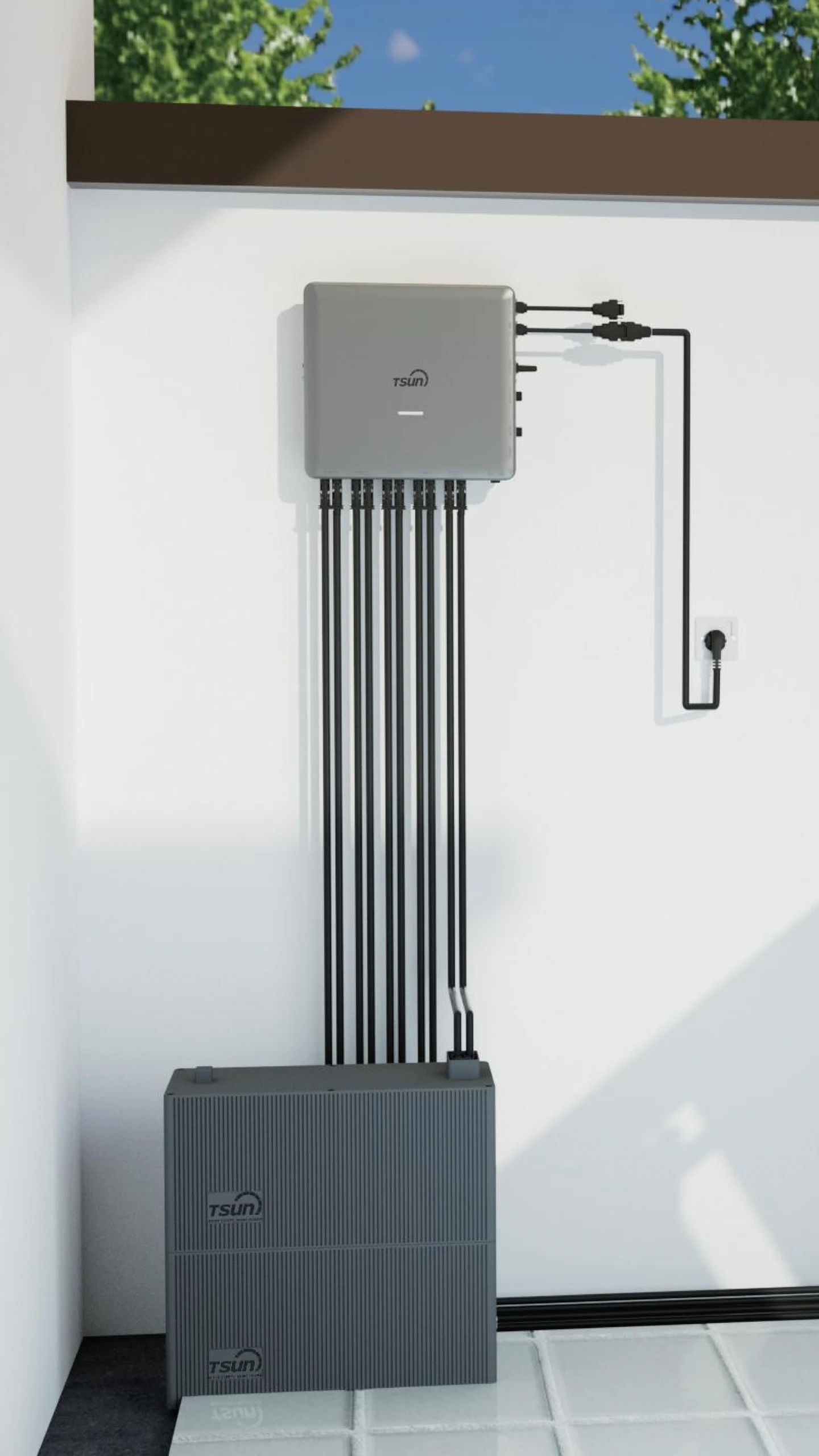
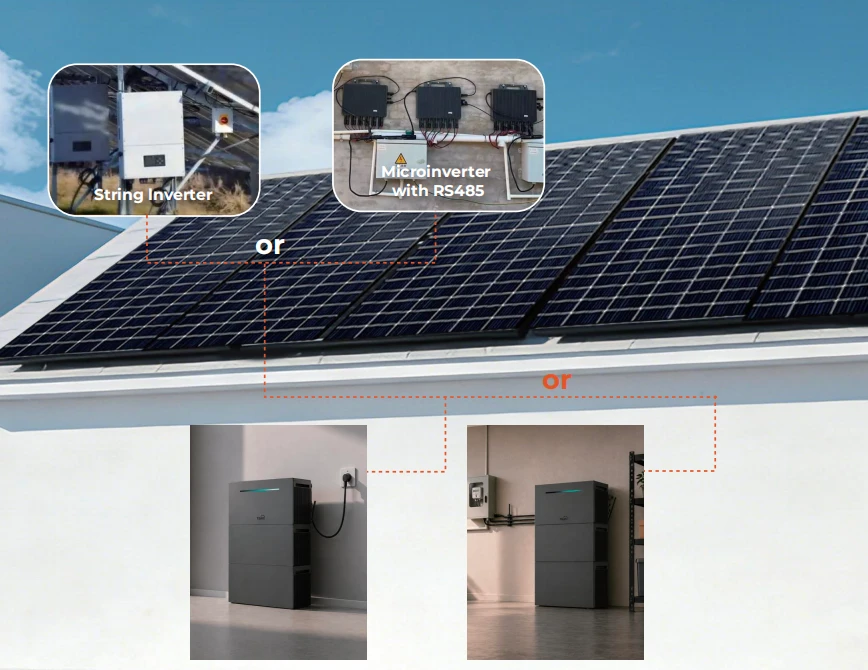
The choice between AC and DC coupling significantly affects the system's pricing and utility. DC-coupled systems are typically more efficient for new builds. However, AC-coupled units, such as the PowerTrunk series, are specifically optimized for the retrofit market. They allow users to add storage to an existing grid-tied PV installation without replacing the original inverter, drastically reducing the cost of the upgrade.
Cycle Life and Degradation
The true economy of a system is found in its lifespan. A battery rated for 10,000 cycles at 25°C provides far more value than a cheaper unit rated for only 3,000 cycles. When calculating the long-term cost, the "cost per cycle" becomes the primary metric. Systems that maintain high efficiency over a decade of daily use offer a lower amortized cost, regardless of the initial purchase price.
Installation and Integration
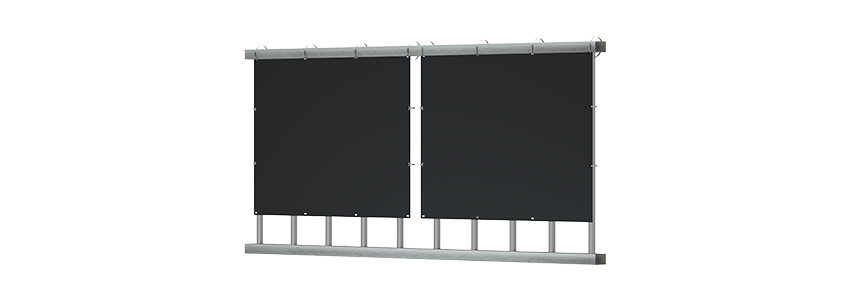
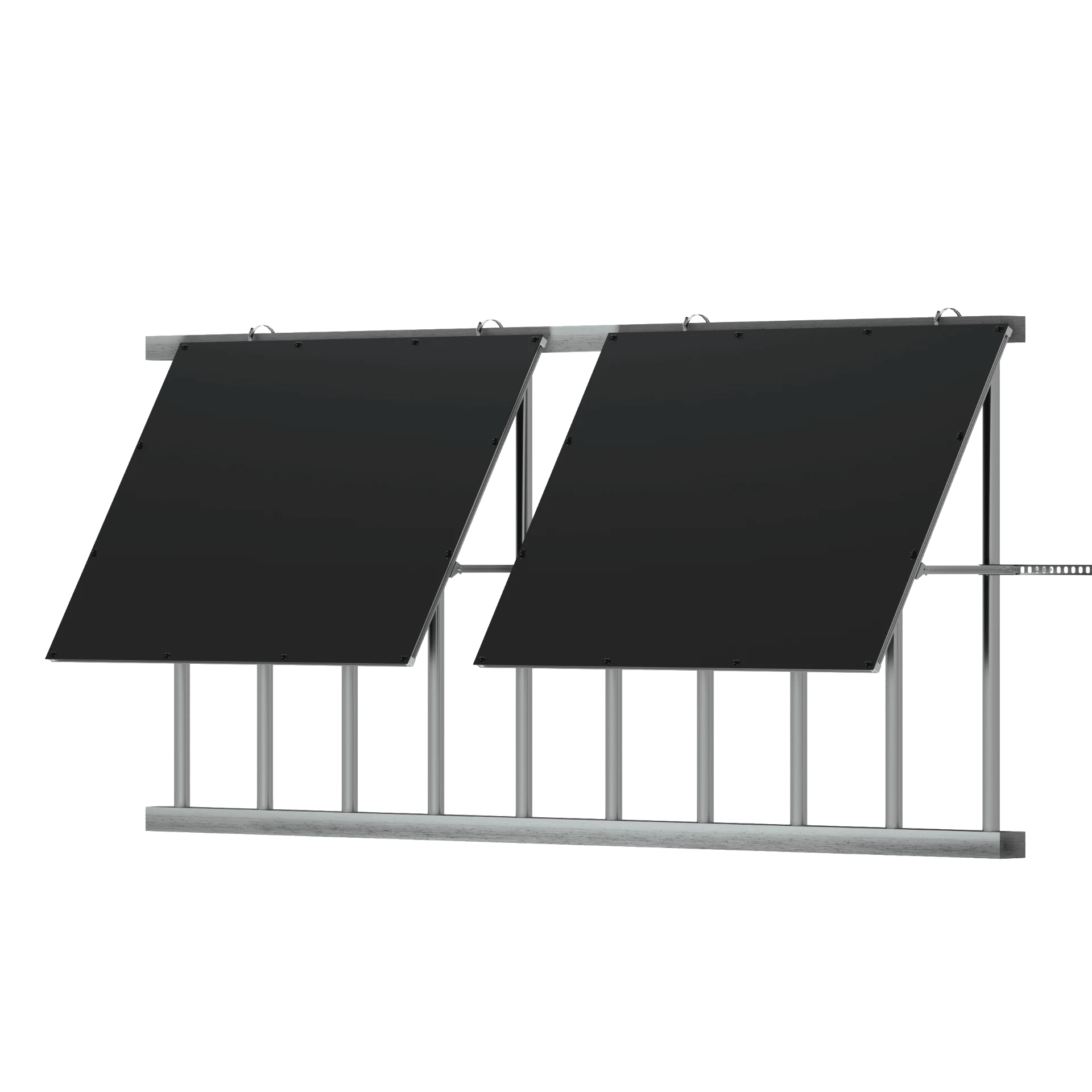
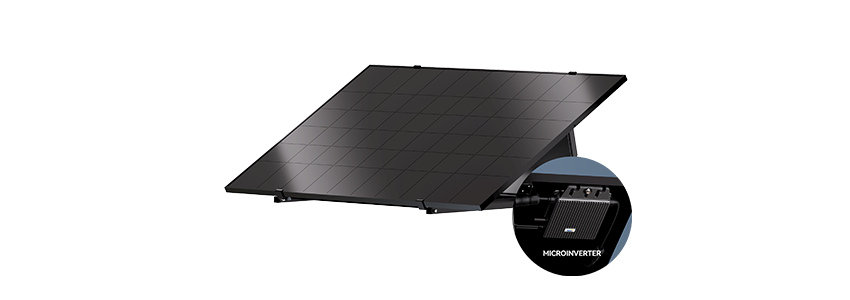
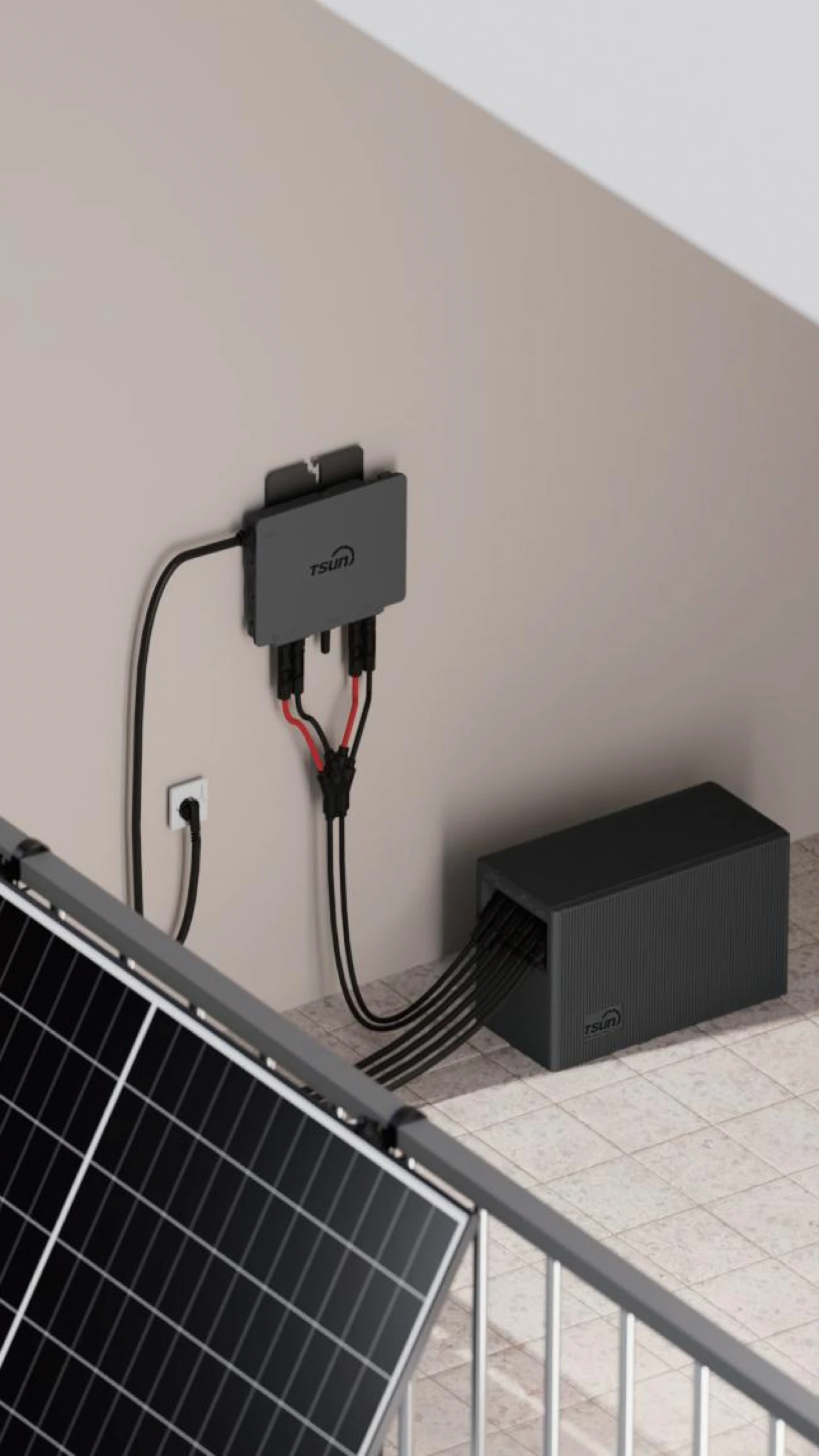
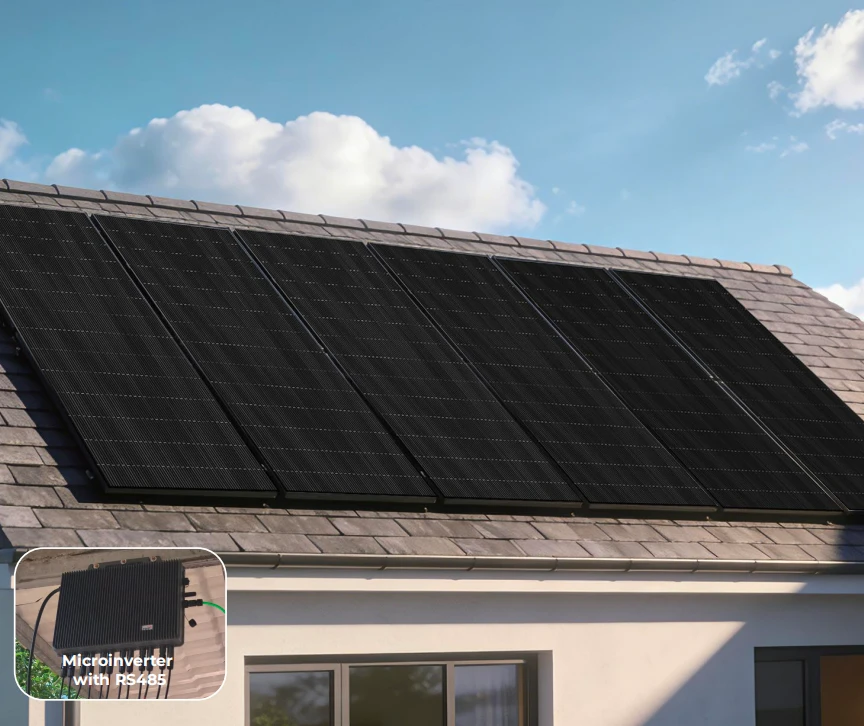
Labor costs can represent a significant portion of the total expenditure. Plug-and-play kits, such as the Easy Solar Kit, reduce the need for professional electrical engineering for simple balcony setups. For larger residential systems, the integration of a Smart Battery Optimizer and built-in Wi-Fi/RS485 communication reduces commissioning time, lowering the overall project cost.
Operational Efficiency
Efficiency ratings—such as the ≥90% Battery-AC efficiency found in high-capacity hybrid units—directly impact the financial return. Higher efficiency means less energy is lost as heat during the charge/discharge cycle. In regions with dynamic tariffs, the ability to execute precise Time-of-Use (ToU) control allows the system to pay for itself faster by avoiding peak electricity rates.
Scaling and Expandability
Modular architecture prevents "capacity obsolescence." Instead of purchasing a massive system upfront, buyers can start with a base unit (e.g., 5kWh) and add expansion batteries as needed. This "pay-as-you-grow" model reduces the initial financial barrier and allows the user to adapt to changing energy habits or expanding household needs without replacing the core inverter.
FAQ
What factors most influence the cost of a solar storage system?
The primary cost drivers are the total battery capacity (kWh), the chemistry of the cells (e.g., LiFePO4), the rated AC output power, and whether the system is AC or DC coupled. Additionally, the cycle life (e.g., 10,000 cycles) and the level of integration (plug-and-play vs. hardwired) significantly impact both the upfront price and the long-term value.
Can I add a storage system to my existing solar panels?
Yes, this is possible through AC-coupled solutions. AC-coupled units are designed specifically for retrofit applications, allowing you to integrate battery storage into a grid-connected PV system without needing to replace your current inverter, which makes the upgrade more affordable and less intrusive.
Is a 1kWh battery enough for home use?
A 1kWh system, such as the B1000, is generally not intended to power a whole house. It is ideal as a micro-energy solution for small apartments, balcony solar setups, or as an emergency backup for critical low-power devices (laptops, phones). For full-home backup, capacities ranging from 5kWh to 20kWh are typically required.
What is the advantage of LiFePO4 over other battery types?
LiFePO4 (Lithium Iron Phosphate) offers superior thermal stability and safety, significantly reducing the risk of fire. It also provides a much longer cycle life (often exceeding 6,000 to 10,000 cycles), meaning the battery can be charged and discharged more frequently over many years before capacity drops significantly.
How does the "modular" design save money?
Modular systems allow you to invest in a base inverter and a small battery pack first, then add expansion batteries (like the B5000Elite) as your budget allows or as your energy needs grow. This avoids the need to purchase a massive, expensive system upfront that you might not fully utilize immediately.
What should I check when evaluating a storage supplier?
Buyers should check the verified cycle life at specific temperatures, the IP rating for outdoor durability (e.g., IP65), the efficiency of the AC/DC conversion, and the availability of intelligent energy management software for Time-of-Use optimization. Ensure the supplier provides clear technical data on the Depth of Discharge (DoD).
References and further reading
- Technical Specifications of TSUNESS PowerTrunk and SolarTrunk series.
- International Standards for LiFePO4 Battery Safety and Cycle Testing.
- Guidelines for AC-Coupled vs DC-Coupled Residential Solar Integration.