





 LEARN DETAILS
 Downloads
 Video Center
 Report Fault for Repair
 FAQS
 Service Network
 Privacy Policy
 Contact Us
 Monitoring

Energy independence for residential and small commercial sectors now relies heavily on the synergy between photovoltaic generation and efficient storage. A sophisticated solar energy storage system company focuses on bridging the gap between intermittent solar production and constant energy demand through advanced power electronics. This article examines the technical transition from simple on-grid systems to integrated hybrid storage solutions.
The primary challenge in micro-energy storage is maximizing the utilization of surplus electricity while minimizing conversion losses. Whether deploying a balcony-mounted DIY kit or a full-scale residential battery backup, the choice of inverter technology—specifically the distinction between AC-coupled and DC-coupled units—determines the overall system efficiency and the ease of future expansion.
Readers will explore the critical engineering specifications of modern micro-storage units, including MPPT voltage ranges and the role of daisy-chain micro-inverters. By analyzing the trade-offs between different hardware configurations, project owners can establish a baseline for selecting equipment that aligns with their specific spatial constraints and energy consumption profiles.
The Architecture of Modern Residential Energy Storage
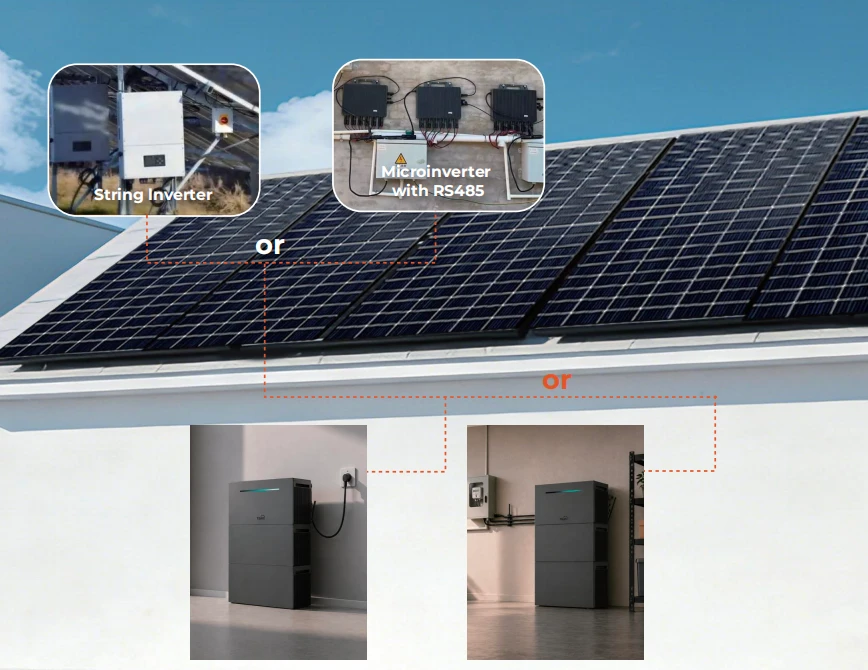
Modern residential energy storage has evolved from centralized battery banks to distributed micro-storage architectures. The core objective is to optimize the "energy harvest" from individual solar panels. Traditional string inverters often suffer from the "Christmas light effect," where the lowest-performing panel limits the entire string. In contrast, distributed architectures utilizing micro-inverters allow each panel to operate at its own Maximum Power Point (MPP), significantly increasing total yield in shaded or complex roof environments. When coupled with energy storage, these systems can either store DC power directly or convert AC power back into the battery, depending on the system's coupling logic. This architectural shift enables modularity, allowing users to start with a small balcony kit and expand to a full home backup system without replacing the core infrastructure.
Evaluating Micro-Energy Storage Deployment
Successful deployment of storage systems requires a deep understanding of how hardware components interact under varying load conditions. The following sections analyze the technical dimensions that dictate system performance, from coupling methods to the physical resilience of the hardware.
AC vs DC Coupling Mechanisms
The choice between AC and DC coupling impacts the efficiency of energy flow. DC coupling (e.g., SolarCan DCU) stores energy before it is converted to AC, reducing conversion stages. AC coupling (e.g., PowerTrunk MAU) allows for easier integration with existing on-grid systems by adding storage to the AC side of the inverter. The following table compares these two primary approaches.
| Coupling Type | Conversion Path | Best Use Case | Expansion Ease |
|---|---|---|---|
| DC Coupled | Panel → Battery → AC | New Installations | Moderate |
| AC Coupled | Panel → AC → Battery | Retrofitting Existing PV | High |
| Hybrid | Dual Path | Complex Demand Profiles | High |
| Micro-Hybrid | Integrated DC/AC | Balcony/Small Spaces | Very High |
| Centralized | Single DC Bus | Industrial Scales | Low |
| Daisy-Chain | Distributed AC | Modular Residential | Highest |
Micro-Inverter Integration Logic
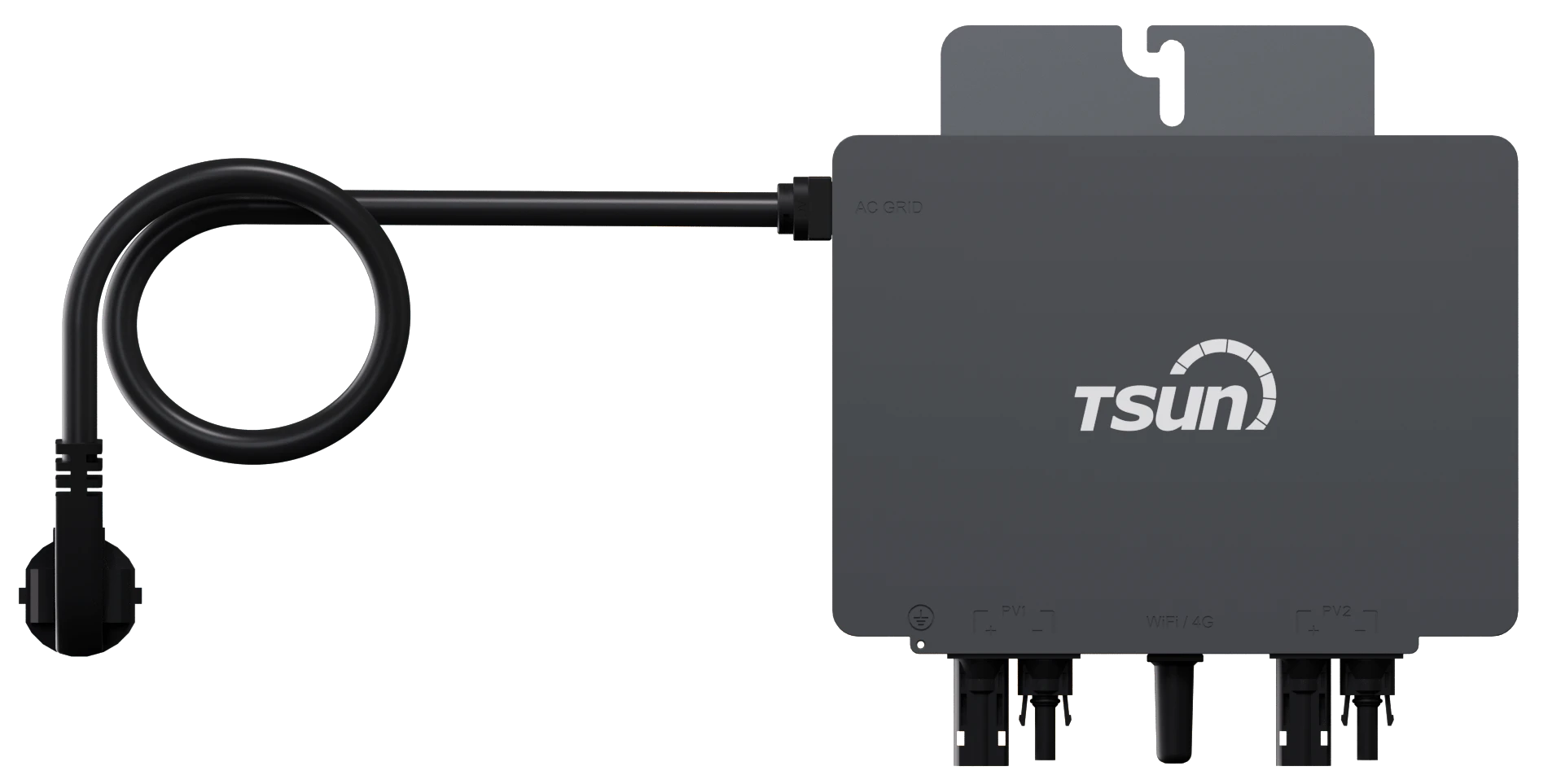
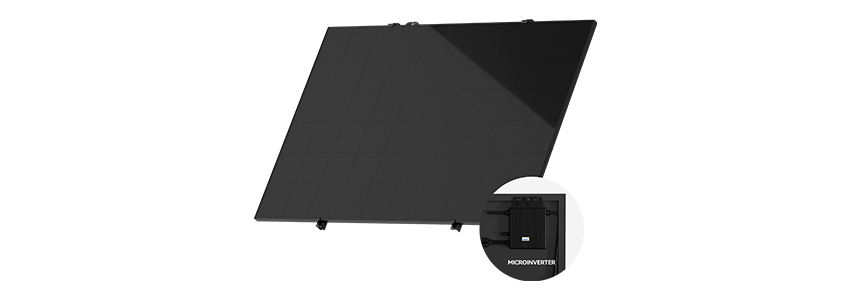
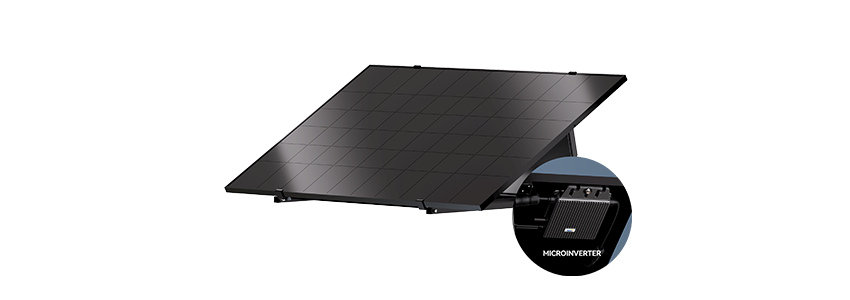
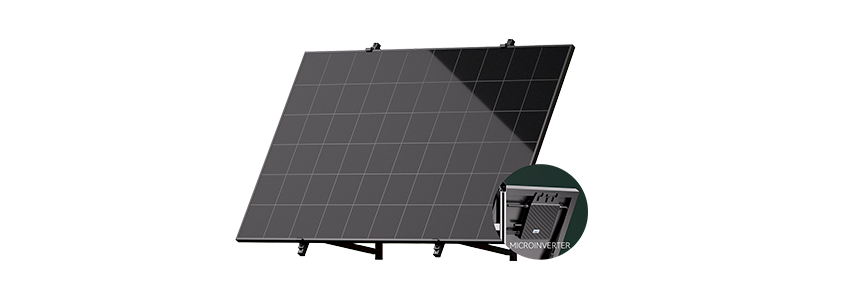
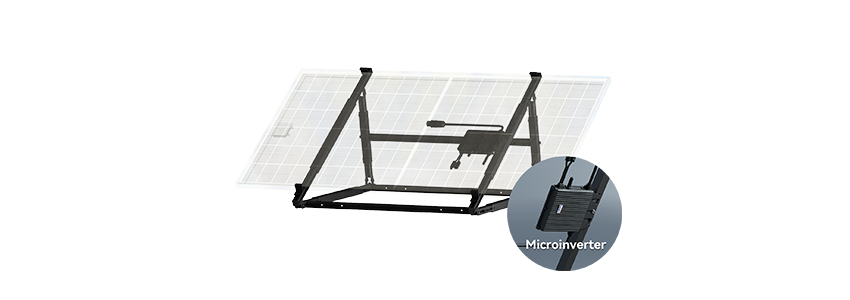
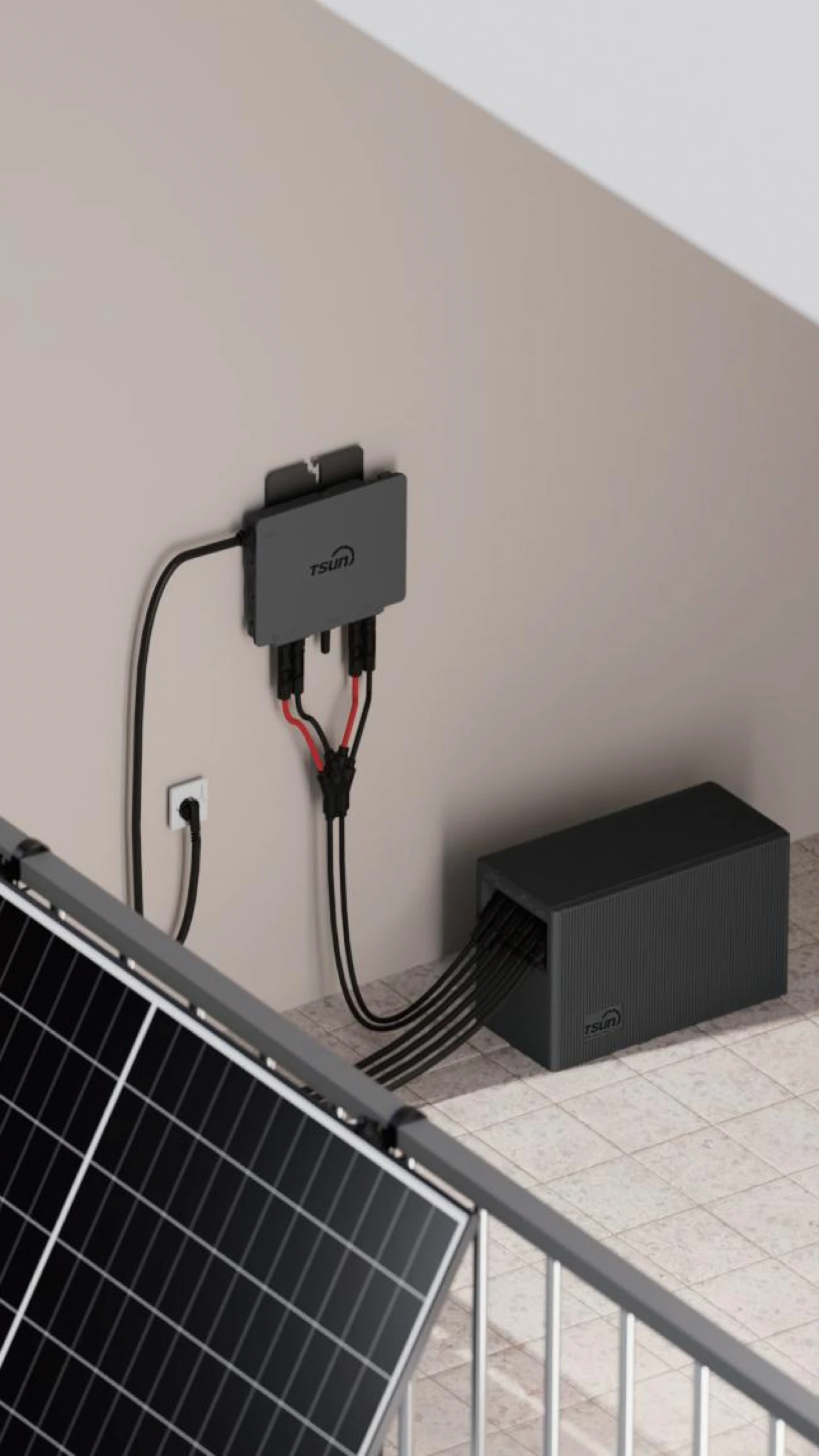
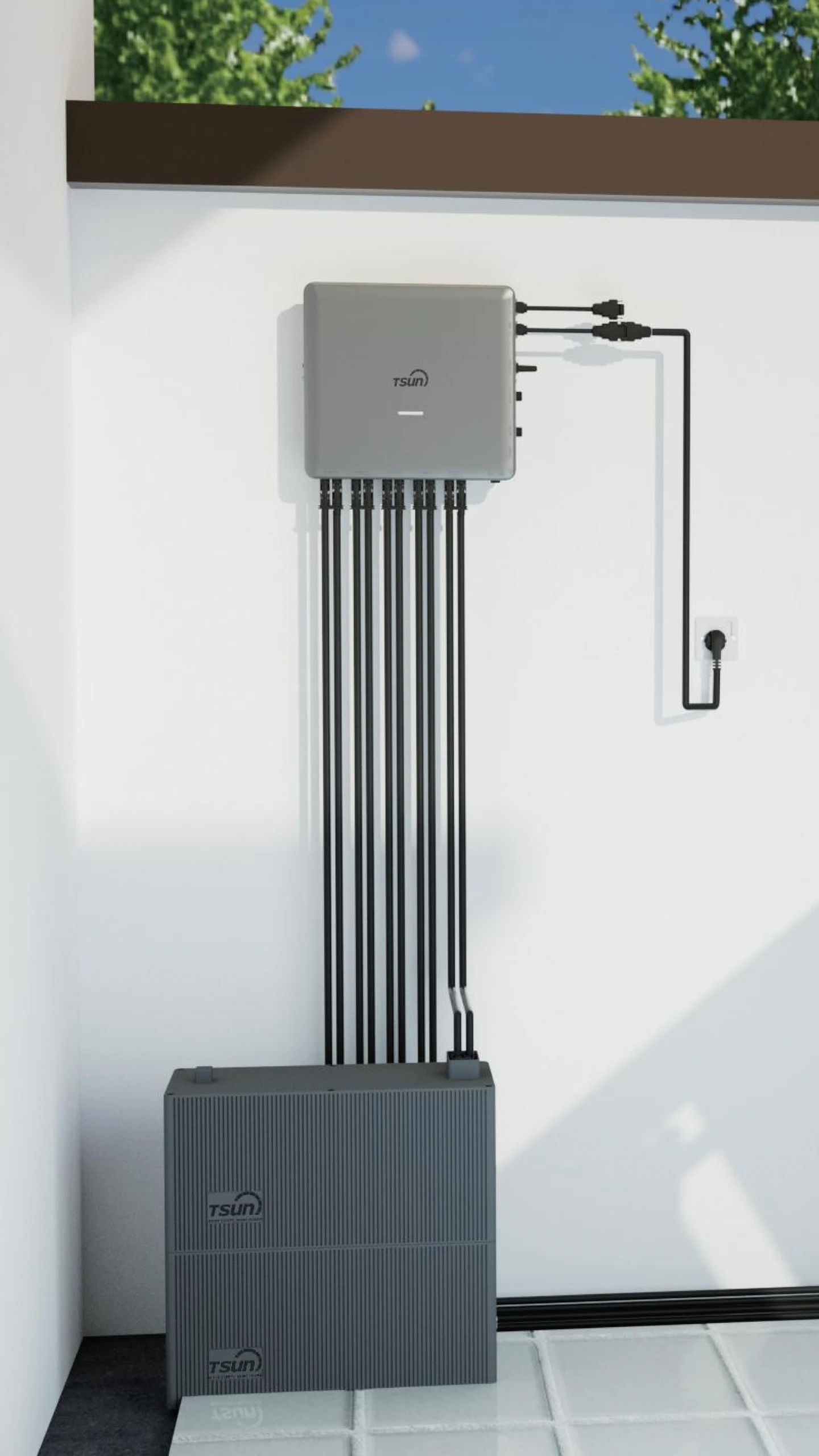
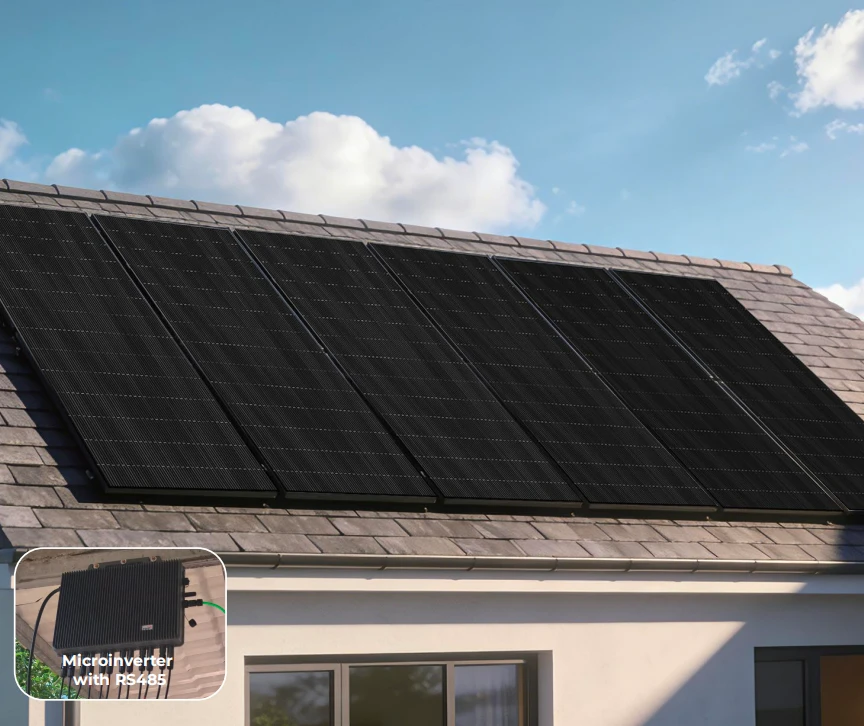
Micro-inverters, such as the Gen3 series, provide granular control over energy conversion. By implementing "1-in-1" configurations, the system ensures that a single panel's failure or shading does not compromise the rest of the array. The use of daisy-chaining simplifies wiring by allowing inverters to connect in series, reducing the amount of cabling required to reach the main electrical panel and lowering installation labor costs.
Battery Pack Scalability
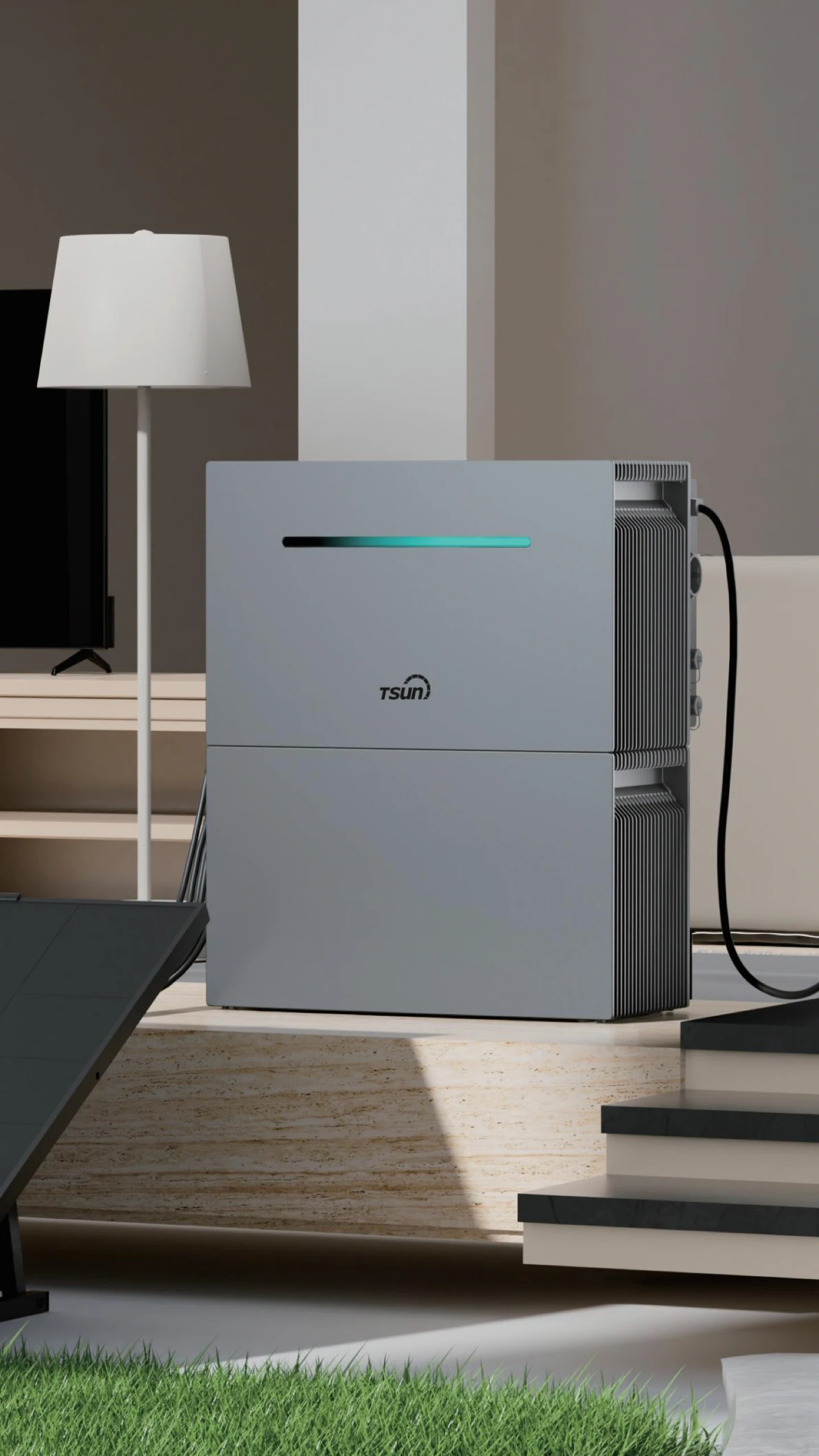
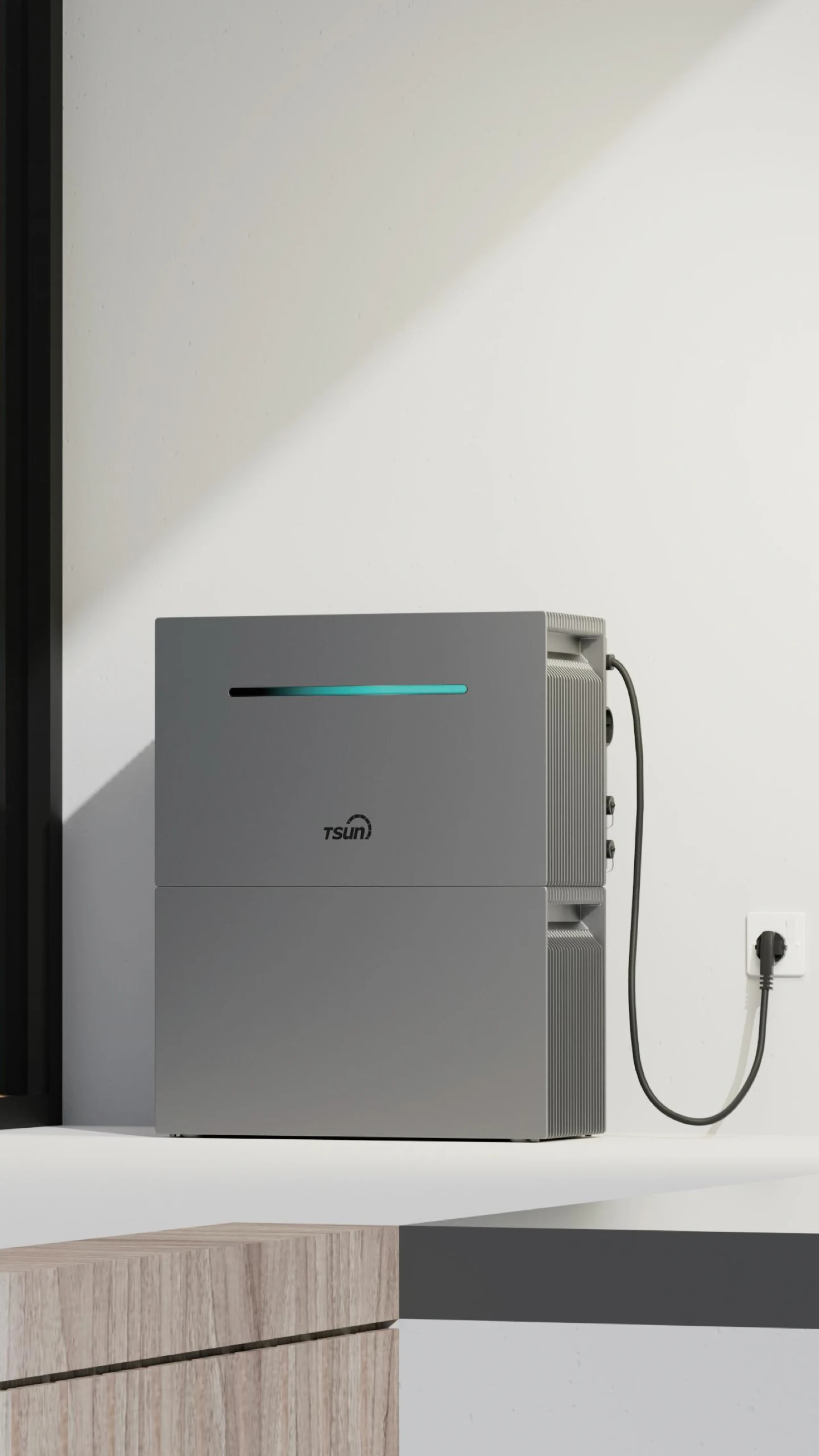
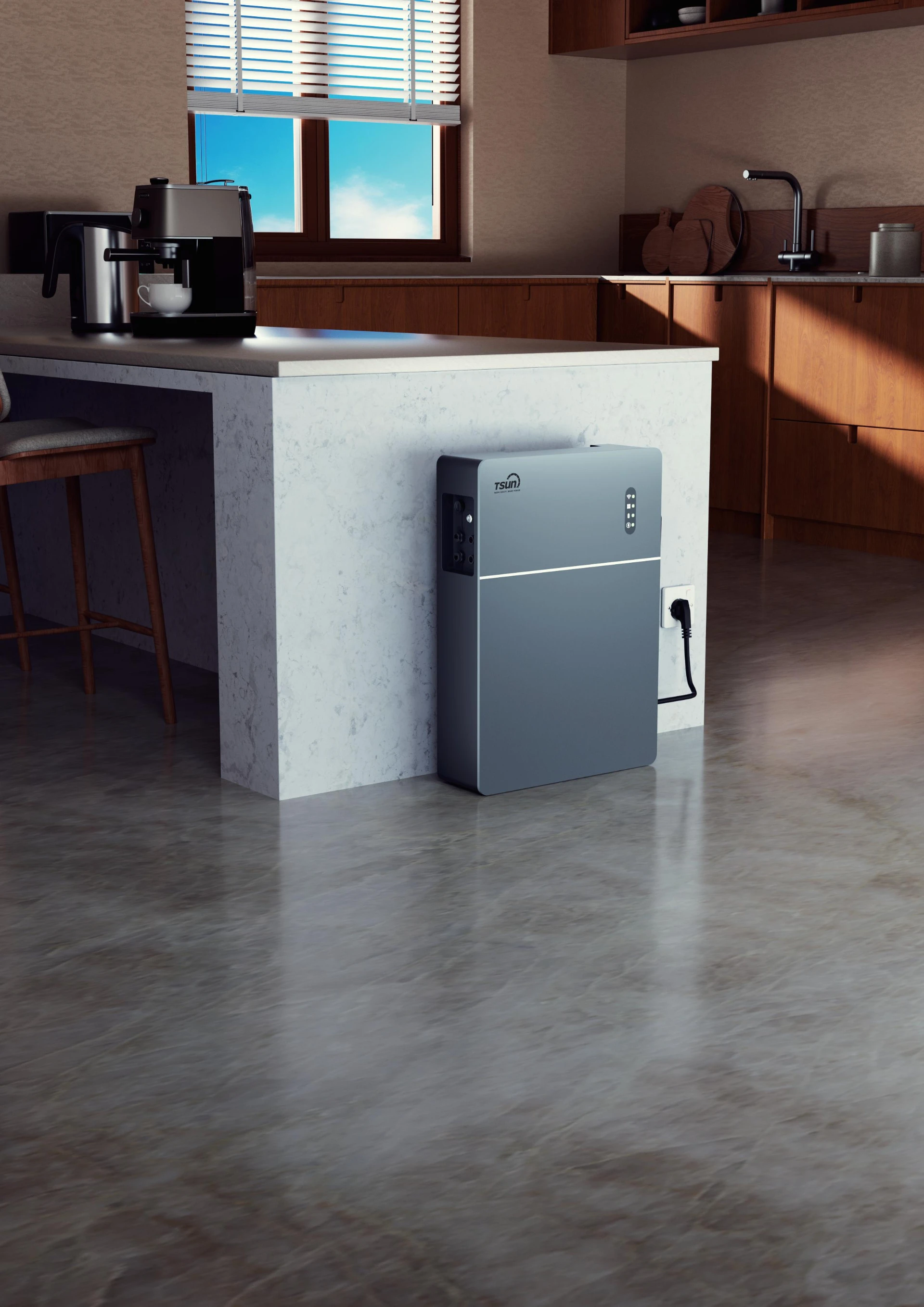
Scalability is achieved through stackable battery designs. Systems like the Residential Storage ACU support ranges from 5 kWh to 20 kWh, allowing users to match their storage capacity to their actual daily consumption. This modularity prevents over-investment in battery capacity while ensuring that the system can grow as the user adds more energy-intensive appliances or more PV panels.
Plug & Play Installation Frameworks
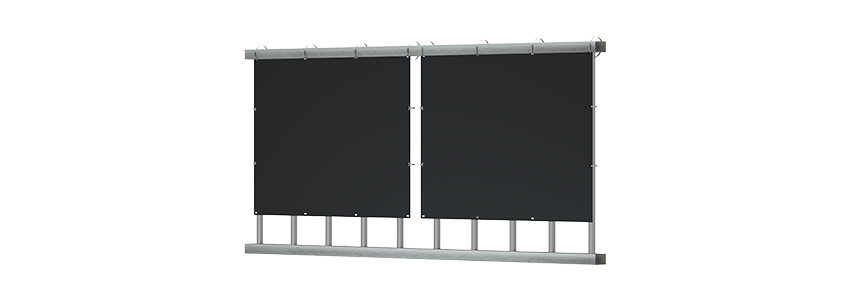
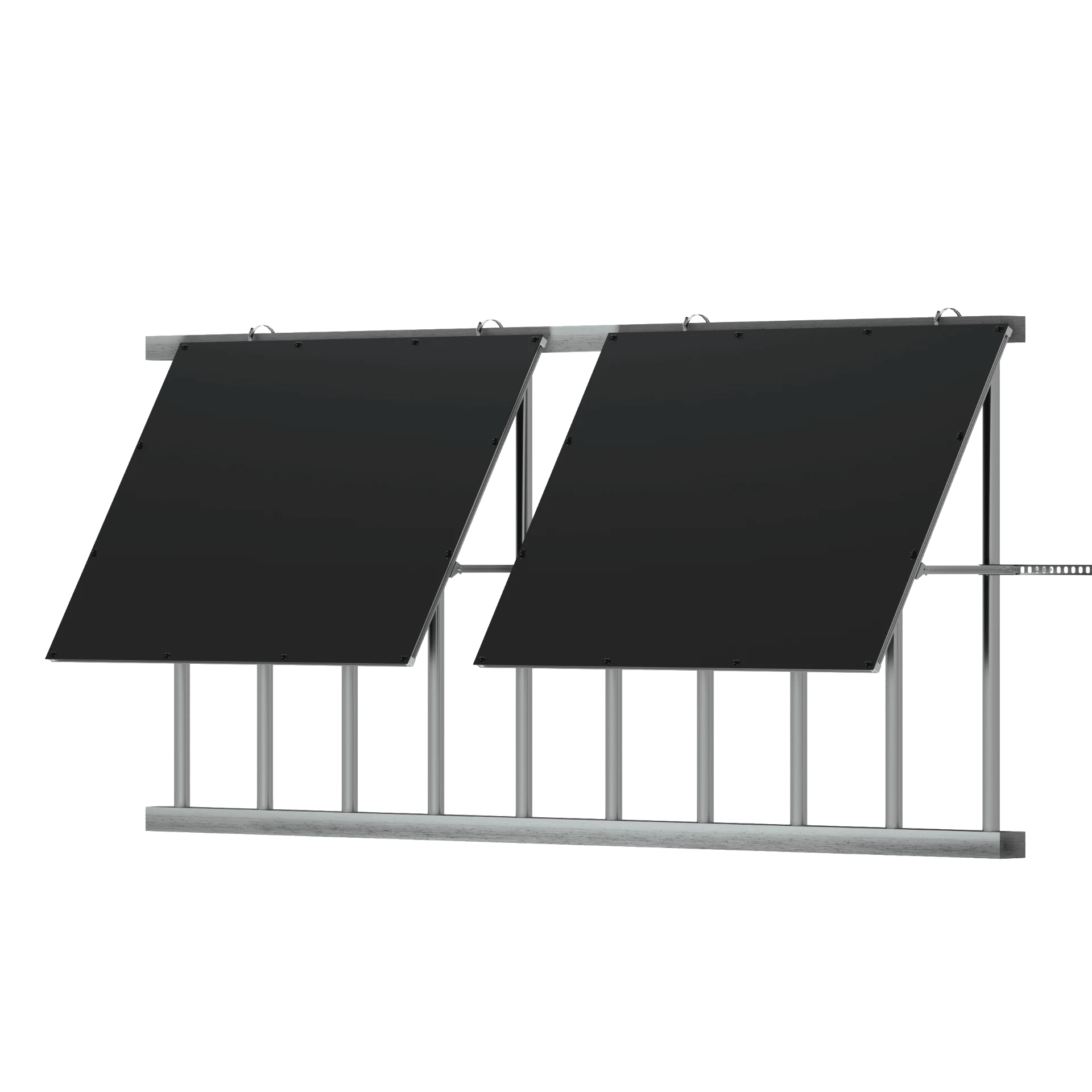
The trend toward "Easy Solar Kits" (ESK) democratizes energy storage. By integrating PV modules, brackets, and cables into a single package, these systems enable DIY installation on balconies or gardens. The technical requirement for such systems is a streamlined interface that handles the safety handshake between the storage unit and the home grid without requiring extensive electrical rewiring.
Energy Conversion Efficiency
Efficiency is governed by the MPPT (Maximum Power Point Tracking) range. For instance, maintaining an MPPT voltage range of 16-60V across various models ensures that the inverter can extract maximum power even during low-light conditions. High-efficiency conversion reduces the thermal load on the system, which in turn extends the lifespan of the internal capacitors and semiconductors.
Environmental Durability Standards
Storage hardware must withstand extreme thermal cycling and humidity. The use of sealed designs and glue-filling treatments prevents moisture ingress and protects sensitive electronics from oxidation. This is particularly critical for balcony or rooftop installations where the equipment is exposed to direct sunlight and rain, requiring high-temperature resistant materials to maintain stability.
System Monitoring and Maintenance
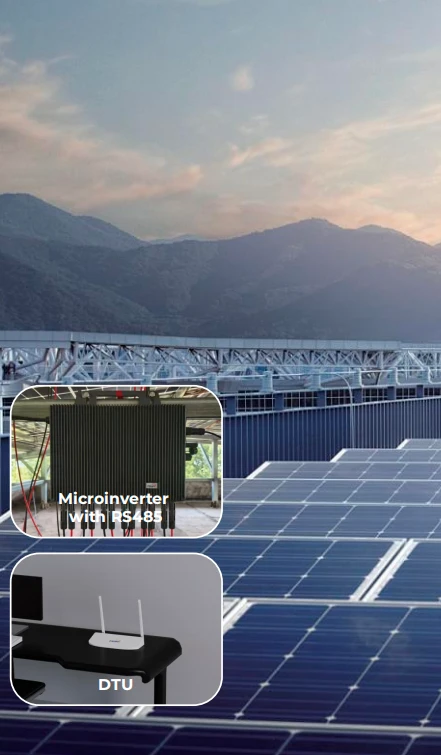
Effective maintenance relies on real-time data. Advanced fault detection systems monitor each panel's performance, allowing users to identify specific points of failure. Through built-in Wi-Fi and RS485 protocols, these systems provide diagnostic information to a monitoring platform, shifting maintenance from a reactive "break-fix" model to a proactive optimization model.
FAQ
What is the primary difference between AC and DC coupled storage?
DC coupled systems store energy directly from the panels in DC form, reducing conversion steps and increasing efficiency for new installations. AC coupled systems convert solar power to AC first, then back to DC for storage, making them ideal for adding batteries to an existing solar array without replacing the original inverter.
How do daisy-chain micro-inverters improve system scalability?
Daisy-chaining allows multiple micro-inverters to be connected in series "hand-in-hand." This eliminates the need for each inverter to have a dedicated run of cable back to the central panel, significantly simplifying the wiring process and allowing users to add panels one by one as their energy needs grow.
Can a balcony solar kit actually provide meaningful energy storage?
Yes, micro-storage solutions (like DCU or hybrid micro-inverters) allow small-scale users to store surplus energy from 1-2 panels. While not enough to power a whole house, it can significantly offset the base load of home electronics and provide a buffer for small appliances during the evening.
What happens to a micro-inverter's performance in extreme heat?
High-quality inverters use high-temperature resistant materials and sealed glue-filling to manage thermal stress. While extreme heat can slightly reduce efficiency due to thermal throttling, a professional design ensures the device remains operational and safe through advanced heat dissipation and material selection.
How do I choose the right battery capacity for my home?
Analyze your average daily kWh consumption and determine how many hours of autonomy you require during a grid outage. For most small residential settings, a range of 5 kWh to 20 kWh is sufficient. Modular systems allow you to start small and add battery packs as you identify your actual usage patterns.
What is the role of MPPT in a storage system?
MPPT (Maximum Power Point Tracking) is a digital logic that constantly adjusts the electrical load to find the optimal voltage and current from the solar panel. This ensures that the maximum possible power is extracted regardless of changes in sunlight intensity or temperature.
References and further reading
- Technical Specifications for Residential Micro-Inverters and Battery Coupled Units.
- Comparative Analysis of AC vs DC Coupled Solar Energy Storage Systems.
- Guidelines for DIY Balcony Solar Installation and Safety Standards.