





 LEARN DETAILS
 Downloads
 Video Center
 Report Fault for Repair
 FAQS
 Service Network
 Privacy Policy
 Contact Us
 Monitoring

Energy independence for residential and commercial users now relies heavily on the synergy between photovoltaic generation and efficient storage. As the transition to decentralized power accelerates, the ability to capture surplus solar energy and deploy it during peak demand or outages has shifted from a luxury to a technical necessity. This article examines the critical components of modern storage systems, focusing on how integrated hardware enables seamless energy management.
For many urban dwellers, the challenge lies in implementing these systems within constrained spaces, such as high-rise balconies or small courtyards. The emergence of micro-hybrid storage and AC-coupled units has lowered the barrier to entry, allowing for "plug-and-play" installations that do not require extensive electrical restructuring. Understanding the distinction between different coupling methods and storage capacities is essential for optimizing return on investment.
Readers will discover the technical criteria for evaluating solar energy storage system manufacturers, the operational differences between DC and AC coupled units, and the specific safety considerations for lightweight, high-rise installations. By analyzing technical specifications and application scenarios, this guide provides a framework for making an informed procurement decision based on actual energy needs.
Evaluating Modern Energy Storage Ecosystems
The fundamental goal of a solar storage ecosystem is to resolve the intermittency of solar power. Traditional systems often relied on large, centralized battery banks and string inverters, which created single points of failure and limited scalability. Modern trends have shifted toward modularity and micro-inverter integration. By distributing the conversion process closer to the energy source, systems can achieve higher efficiency and better resilience. The core of these ecosystems involves three primary stages: energy capture via PV modules, conversion via hybrid or micro-inverters, and stabilization through lithium-based battery storage. For B2B procurement, the focus has moved from simple capacity (kWh) to system agility—how quickly a system can be deployed, expanded, and integrated into existing smart home or industrial grids without requiring professional engineering for every minor adjustment.
Strategic Guide to Selecting Storage Solutions
Selecting the right hardware requires a balance between current energy consumption and future expansion plans. The following analysis breaks down the technical and operational dimensions that define the performance of a storage installation.
AC vs DC Coupling Architectures
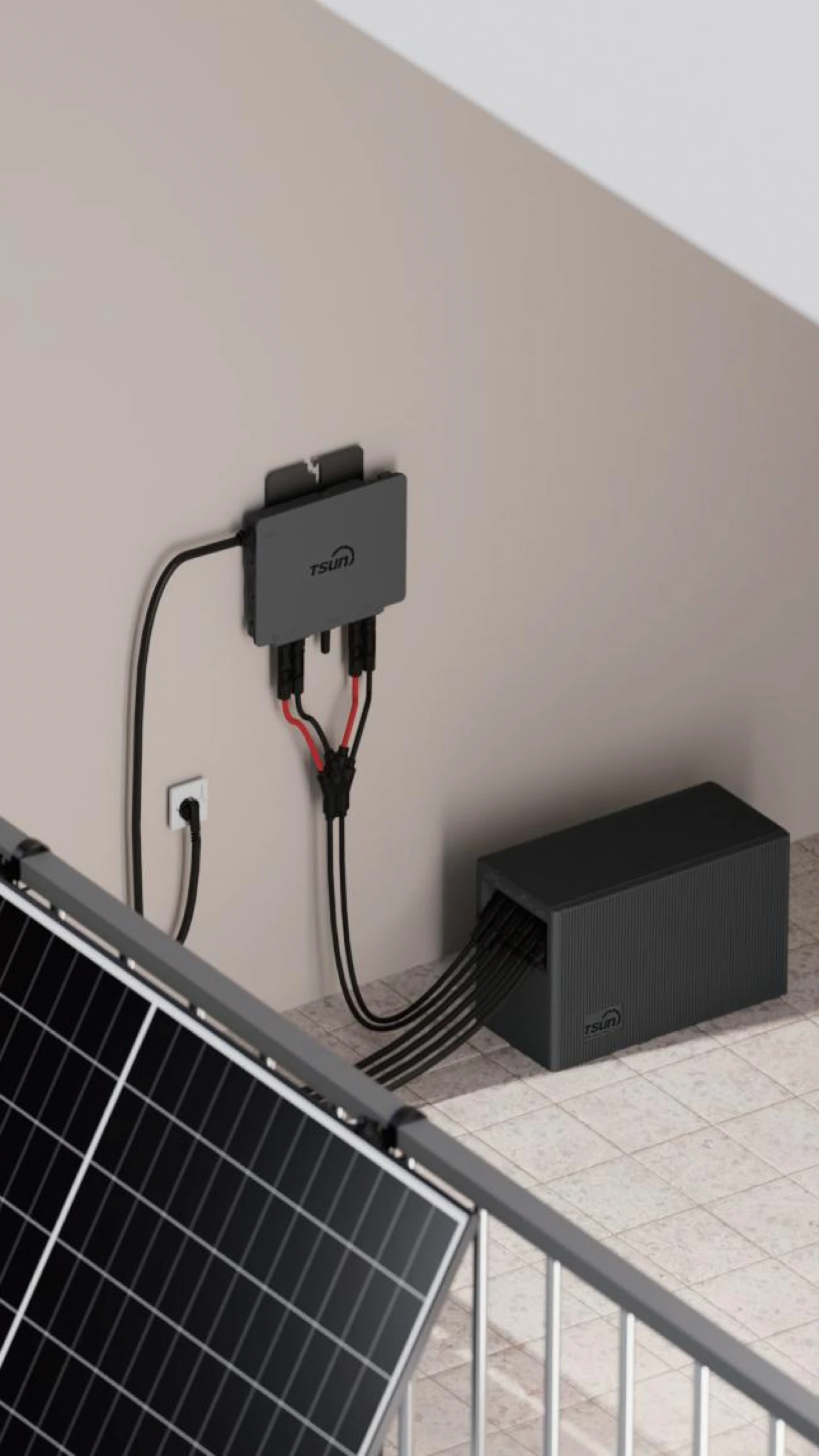
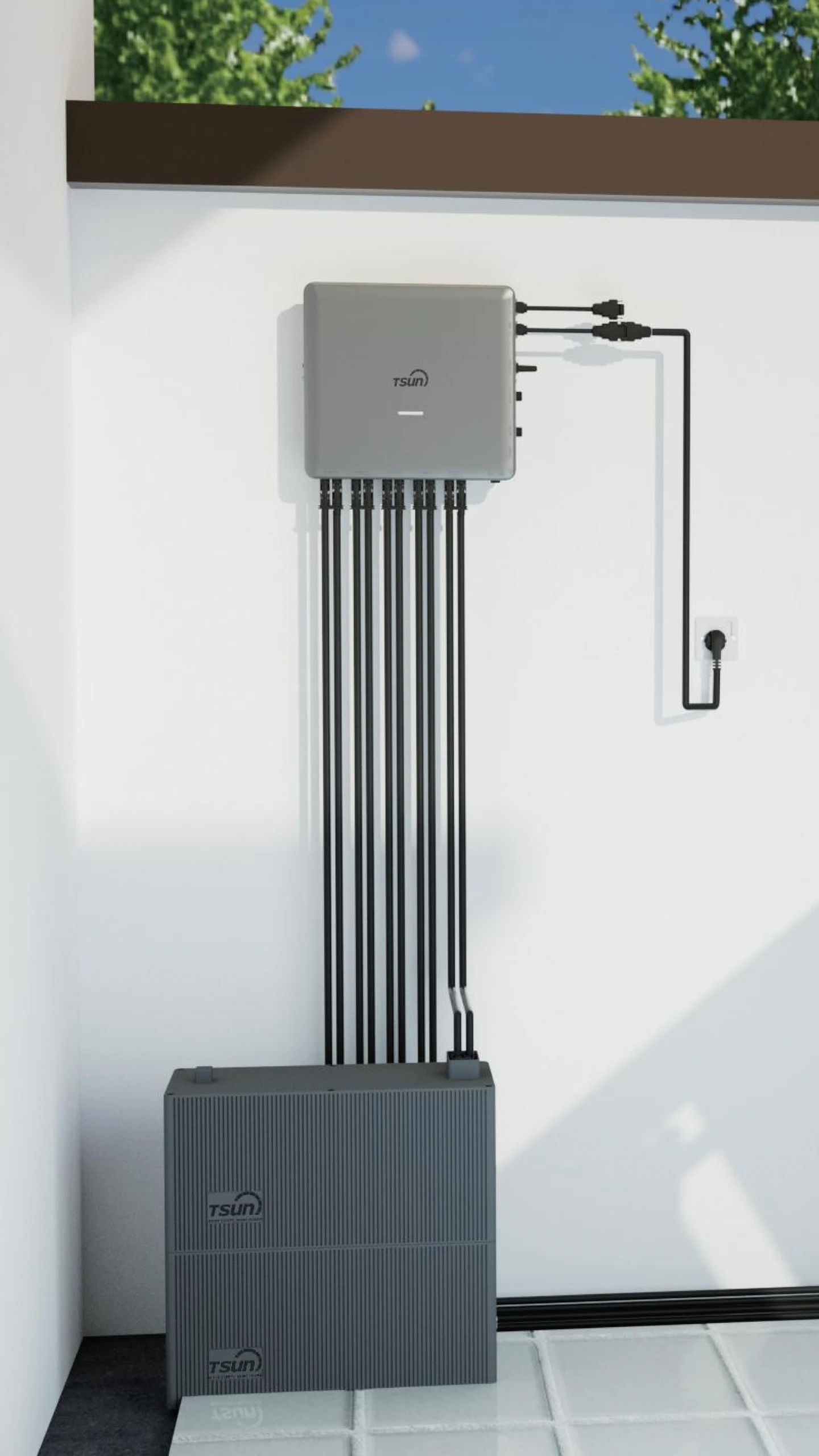
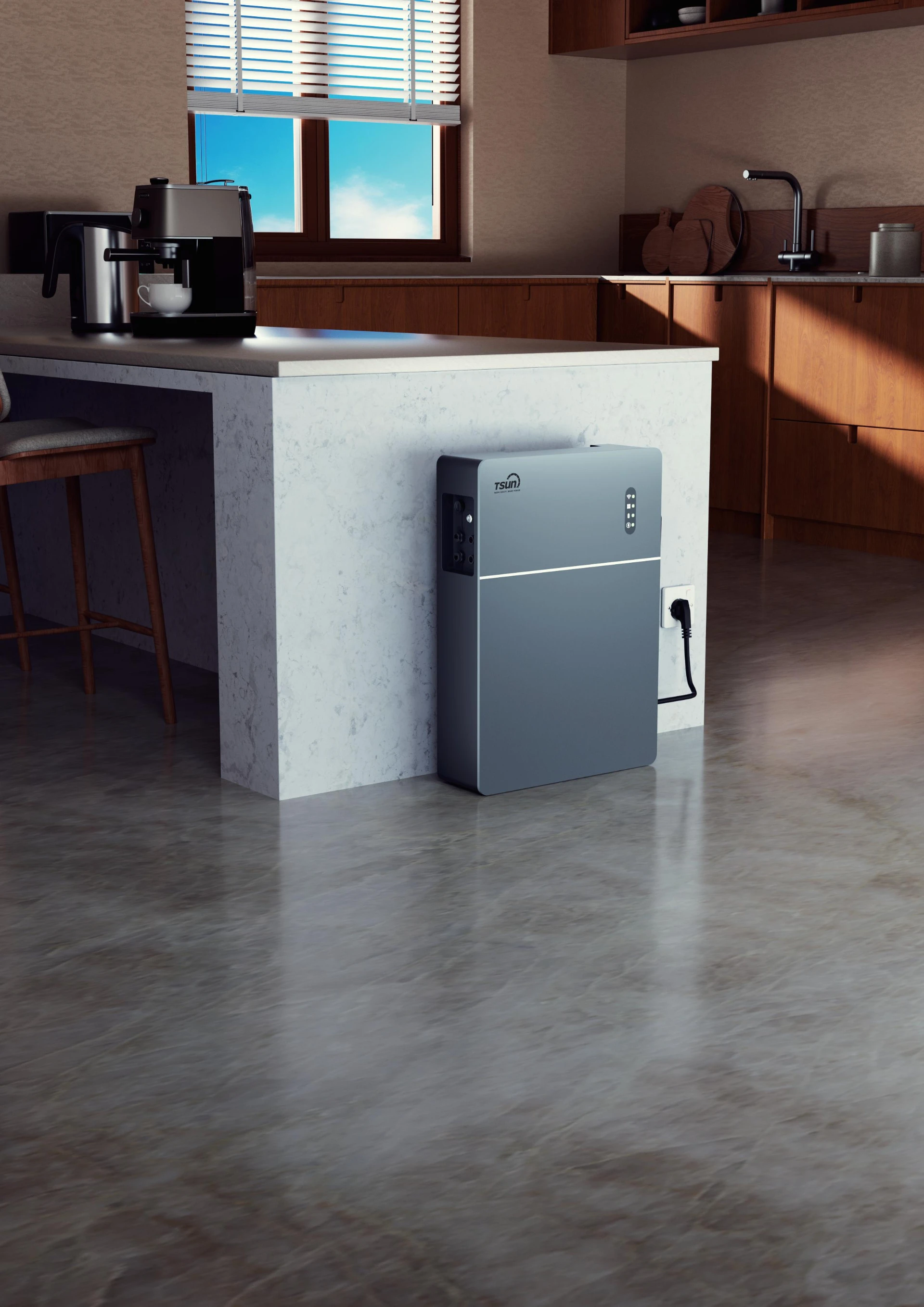
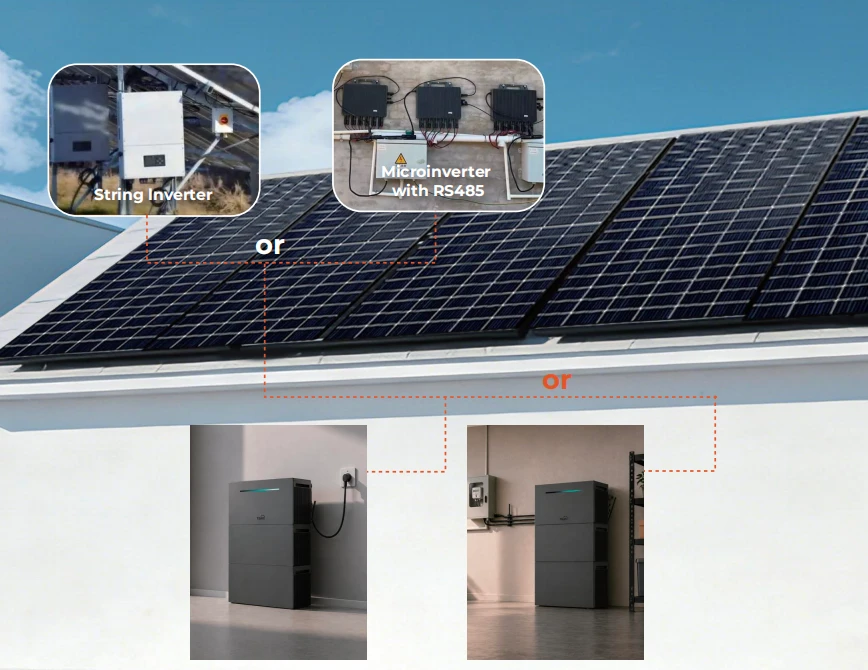
The choice between AC and DC coupling determines how energy flows from the panel to the battery. DC coupling is generally more efficient for new installations as it avoids multiple conversion steps. AC coupling, however, is ideal for retrofitting existing solar arrays. Units like the PowerTrunk (Micro AC Coupled Unit) allow users to add storage to an existing system without replacing the current inverter, providing a flexible path to energy autonomy.
| Architecture | Best Use Case | Efficiency Focus | Implementation Complexity |
|---|---|---|---|
| DC Coupled | New System Builds | Direct Energy Flow | Moderate (Integrated) |
| AC Coupled | Existing Array Retrofits | Conversion Flexibility | Low (Add-on) |
| Hybrid Micro | Balcony/Small Home | Localized Control | Very Low (Plug-and-Play) |
| Centralized | Industrial/Large Scale | Bulk Storage | High (Professional) |
| Modular Stack | Growing Energy Needs | Scalable Capacity | Low (Expandable) |
| Micro-Storage | Urban Apartments | Space Optimization | Very Low (DIY) |
Scalability in Micro-Storage Systems
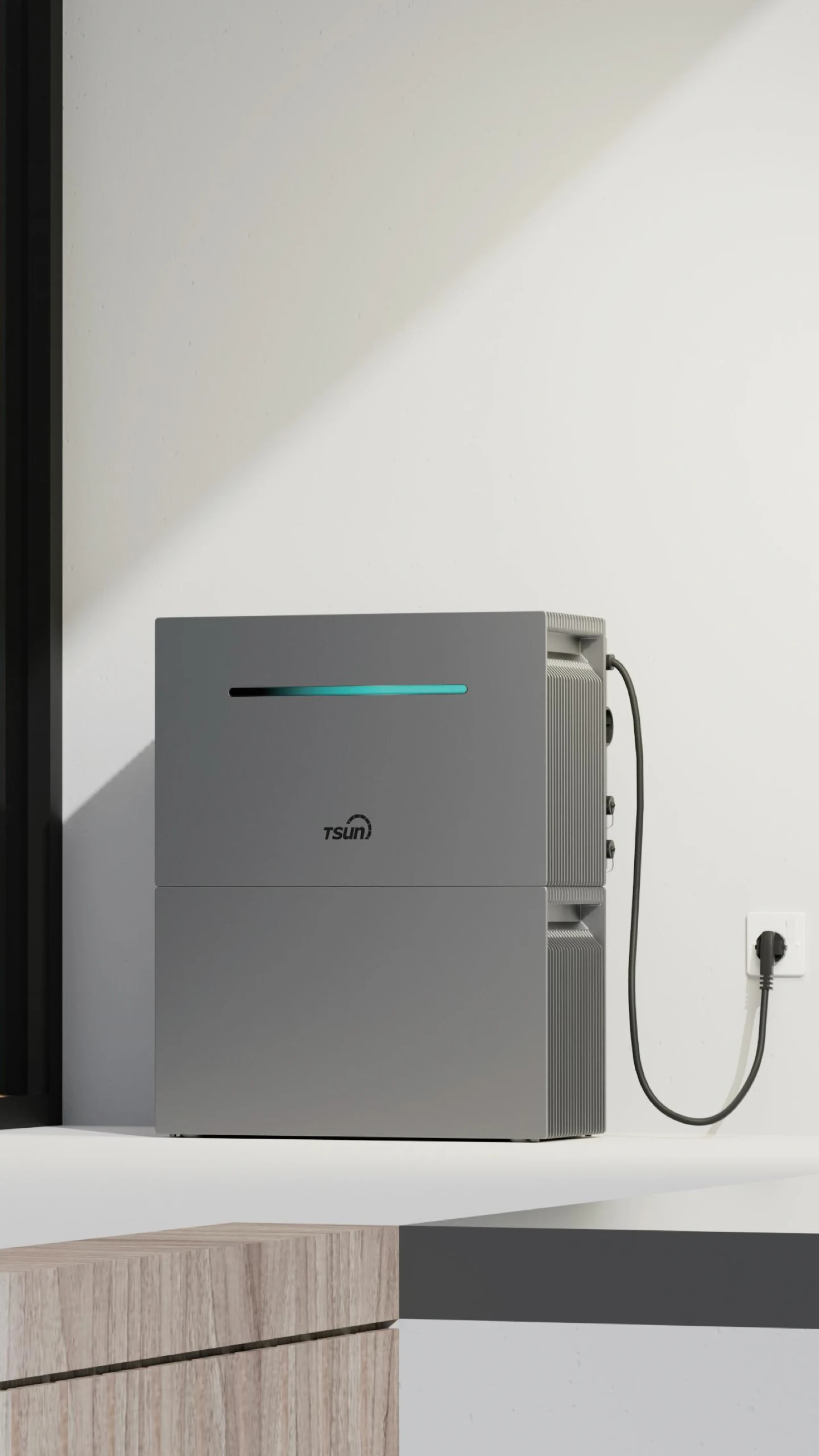
Scalability ensures that a system can grow alongside the user's energy demands. Modular units, such as those ranging from 2kWh to 20kWh, allow users to start with a baseline capacity and add battery packs as needed. This approach reduces initial capital expenditure and prevents over-provisioning. The ability to stack battery packs while maintaining a consistent management system is a key indicator of a manufacturer's technical maturity in the micro-storage sector.
Integration with Balcony Photovoltaics
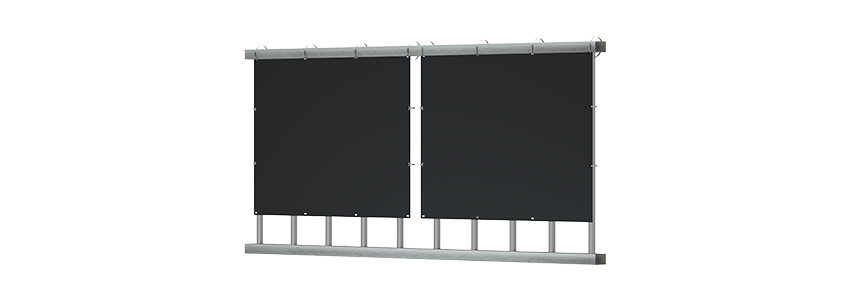
Balcony systems represent a unique challenge due to space and safety regulations. The integration of SolarCan (DC Coupled Units) and Easy Solar Kits allows for a compact footprint. By utilizing flexible panels and micro-hybrid storage, users can generate and store power in environments where traditional rooftop installations are impossible, effectively turning a balcony into a micro-power plant.
Performance Factors for Residential Units
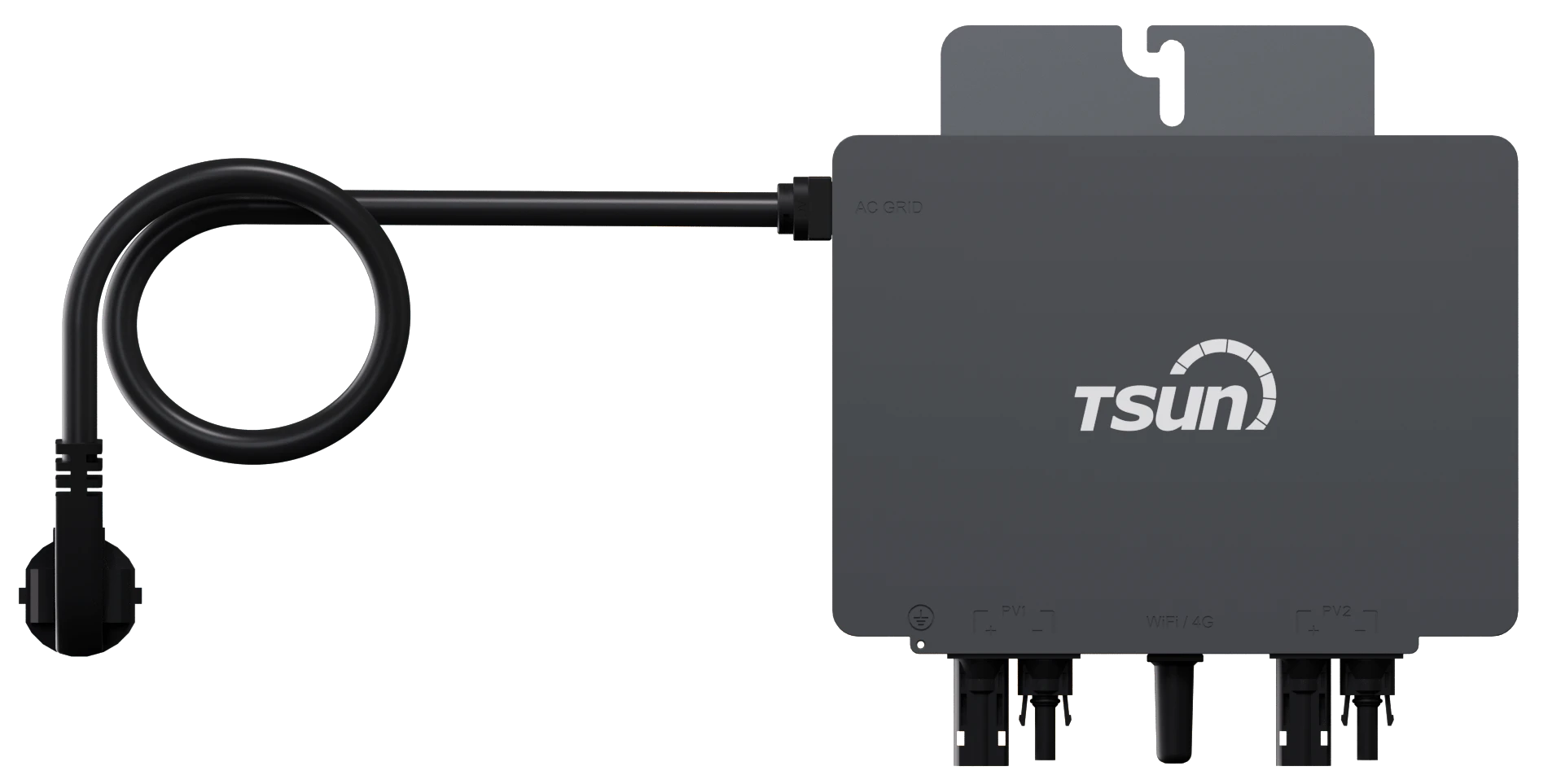
Performance is not just about the battery's depth of discharge (DoD) but also the inverter's efficiency. For residential units, the continuous output power (e.g., 400W to 800W for micro-kits) must match the household's baseline load. Selecting a system with an appropriate nominal output voltage (220V/230V/240V) ensures compatibility with local grid standards and prevents energy loss during conversion.
Monitoring and Smart Communication
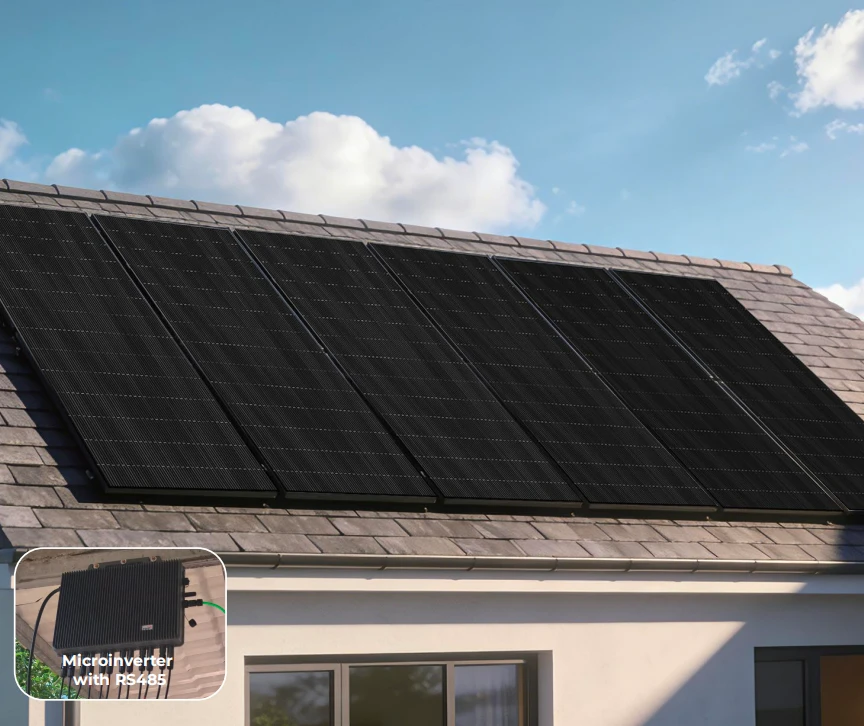
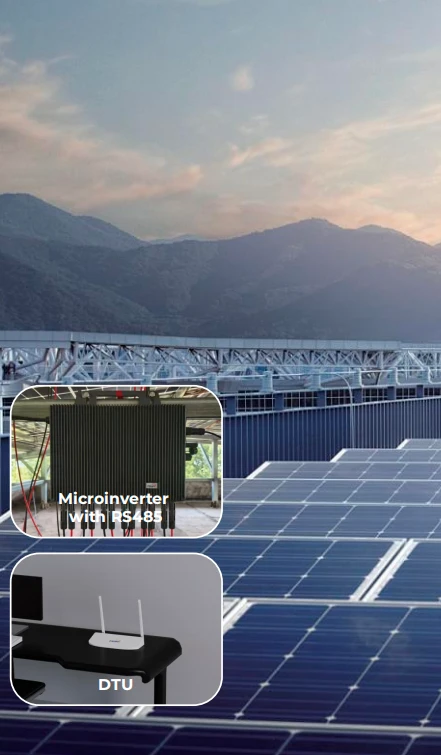
Real-time data is critical for optimizing energy usage. Systems offering multiple communication protocols—such as Wi-Fi for home use, RS485 for commercial anti-reverse flow, and 4G for remote areas—provide the necessary visibility. Smart meters and DTUs enable users to track generation versus consumption, allowing for automated discharge cycles that lower electricity bills.
Installation Safety and Weight Constraints
In high-rise settings, the weight of PV panels is a critical safety risk. Using ultra-light flexible panels (approximately 3kg per 200W panel) significantly reduces the structural load on balcony railings. Furthermore, IP67 waterproof ratings are mandatory to ensure the system withstands environmental exposure without risking electrical shorts or degradation.
Lifecycle Value and Energy Efficiency
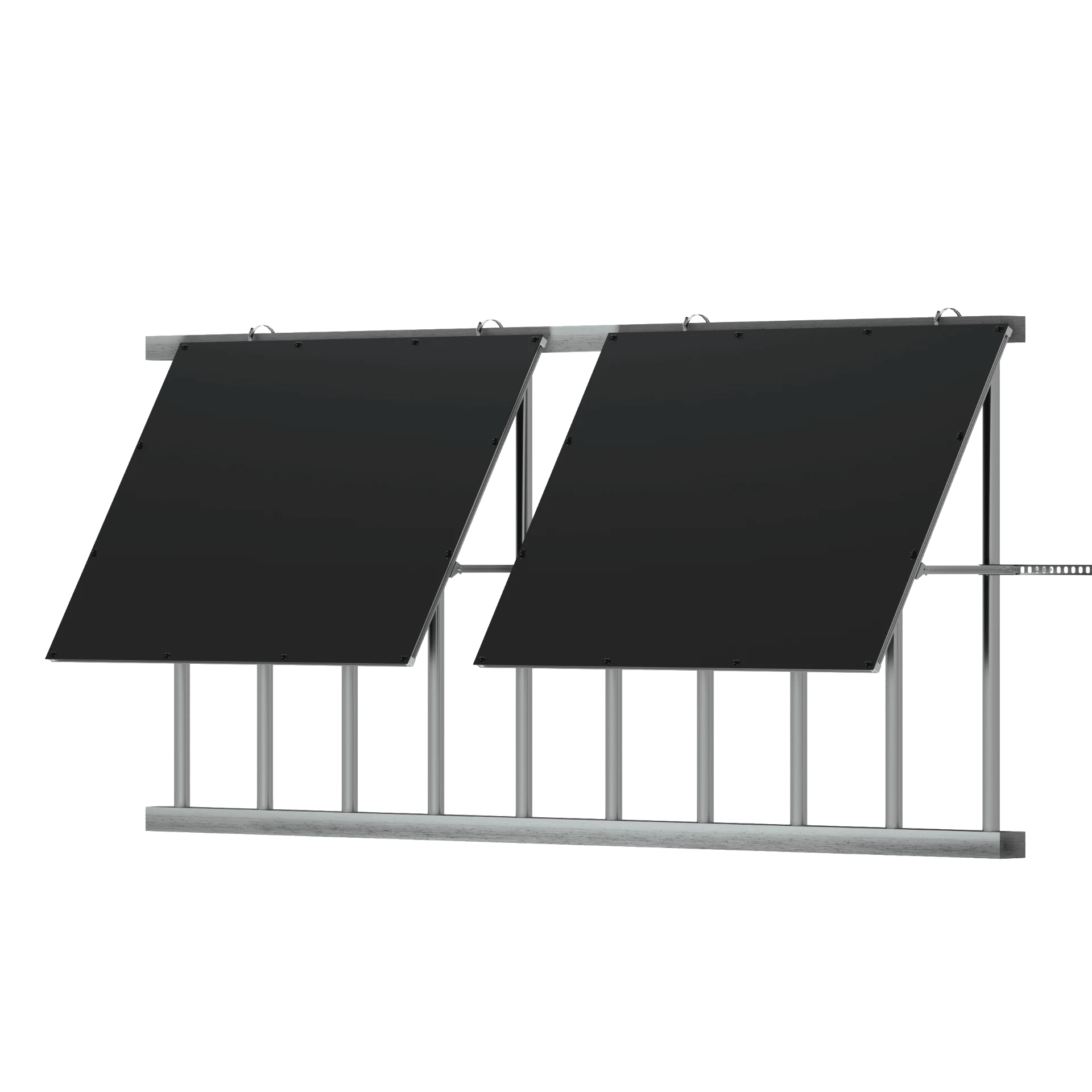
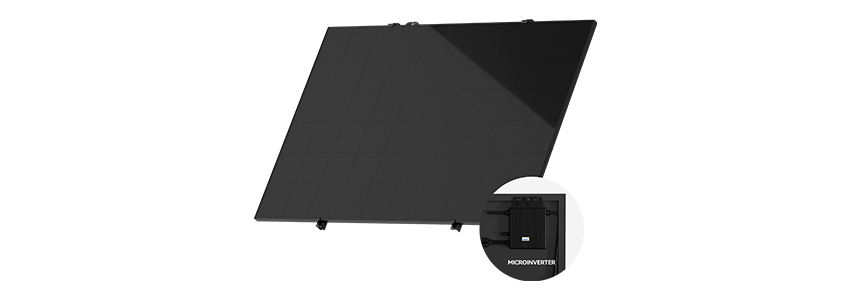
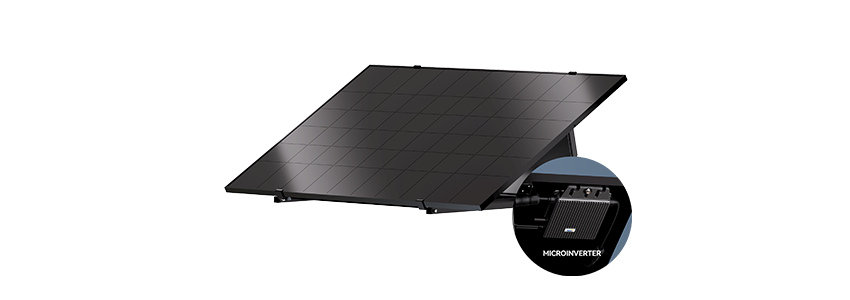
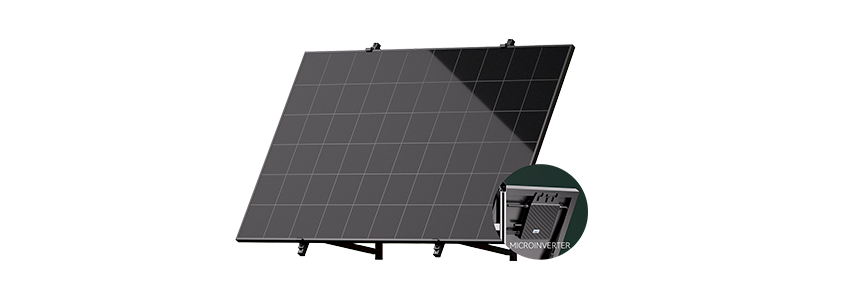
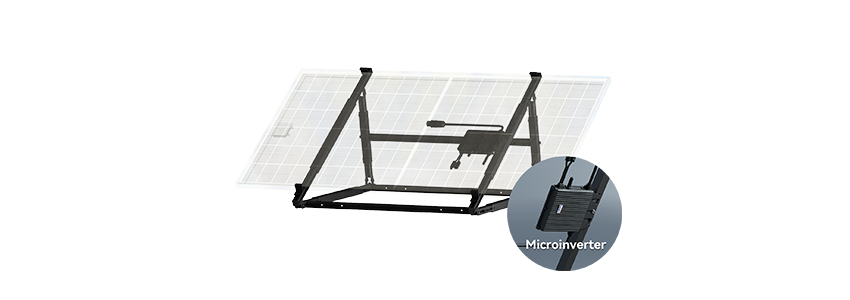
The true value of a storage system is measured by its lifecycle efficiency and the reduction in grid reliance. By utilizing adjustable angle brackets to maximize sunlight absorption, users can increase the total energy harvest. When combined with high-efficiency micro-inverters, the overall system yield is maximized, shortening the payback period for the initial hardware investment.
FAQ
What is the main difference between AC and DC coupled storage?
DC coupled systems connect the solar panels directly to the battery via a charge controller, reducing energy loss during conversion. AC coupled systems convert DC power to AC first, then back to DC for storage. AC coupling is far more convenient for adding storage to an existing solar installation because it doesn't require replacing the original inverter.
Can I install a solar storage system on a high-rise balcony?
Yes, provided you use lightweight equipment. Flexible panels weighing around 3kg each are recommended to avoid overloading balcony structures. Ensure the system is IP67 waterproof and uses secure, adjustable brackets to maintain safety and maximize sunlight capture in urban environments.
How do I choose the right battery capacity for my home?
Start by analyzing your daily kilowatt-hour (kWh) consumption. For small apartments or balcony systems, micro-storage units (2kWh to 10kWh) are often sufficient. For larger homes or those seeking full backup, scalable systems that can expand up to 20kWh are preferable. It is generally more cost-effective to start with a modular system and expand as your needs grow.
What is the purpose of a Micro Hybrid Storage Unit?
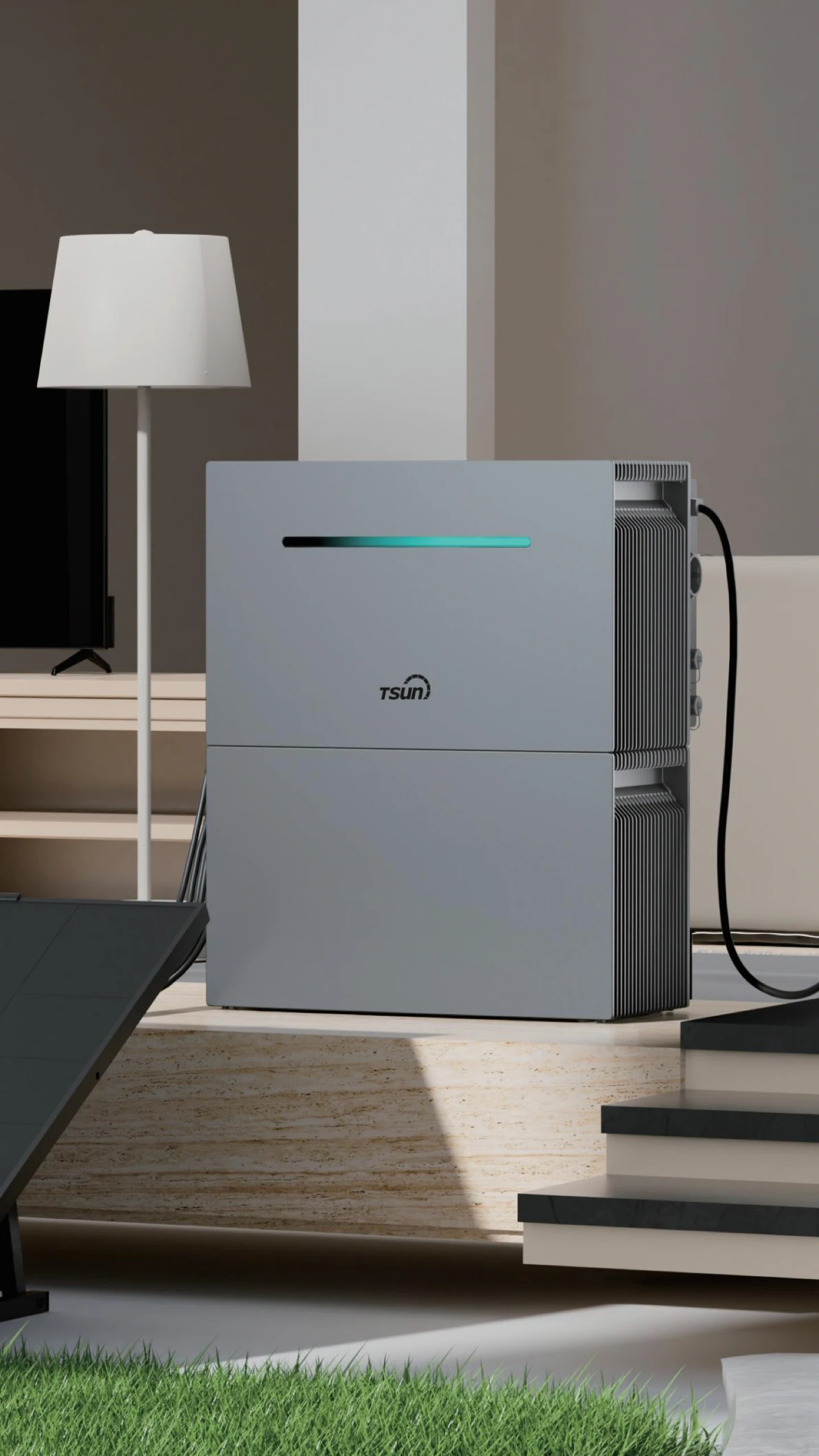
A Micro Hybrid Storage Unit, like the SolarTrunk, combines the functions of a solar inverter and a battery management system in one compact device. It can store surplus energy from panels and discharge it based on demand, making it ideal for "plug-and-play" residential scenarios where space is limited.
Which communication method is best for remote solar installations?
For remote areas without stable Wi-Fi, 4G communication is the most reliable option. For residential balcony systems, Wi-Fi is standard and easy to configure. For commercial (C&I) projects, RS485 is preferred due to its stability and ability to handle anti-reverse flow requirements.
How does the angle of the panel affect energy storage?
The angle determines the intensity of sunlight hitting the PV cells. Using adjustable brackets allows the user to align the panels perpendicularly to the sun's rays. This maximizes the power output of the micro-inverter, ensuring the battery storage is filled faster and more efficiently throughout the day.
References and further reading
- International Electrotechnical Commission (IEC) Standards for Photovoltaic Storage Systems.
- Guidelines for Residential Energy Storage Integration in Urban Environments.
- Technical Analysis of AC vs DC Coupling in Distributed Energy Resources.