





 LEARN DETAILS
 Downloads
 Video Center
 Report Fault for Repair
 FAQS
 Service Network
 Privacy Policy
 Contact Us
 Monitoring

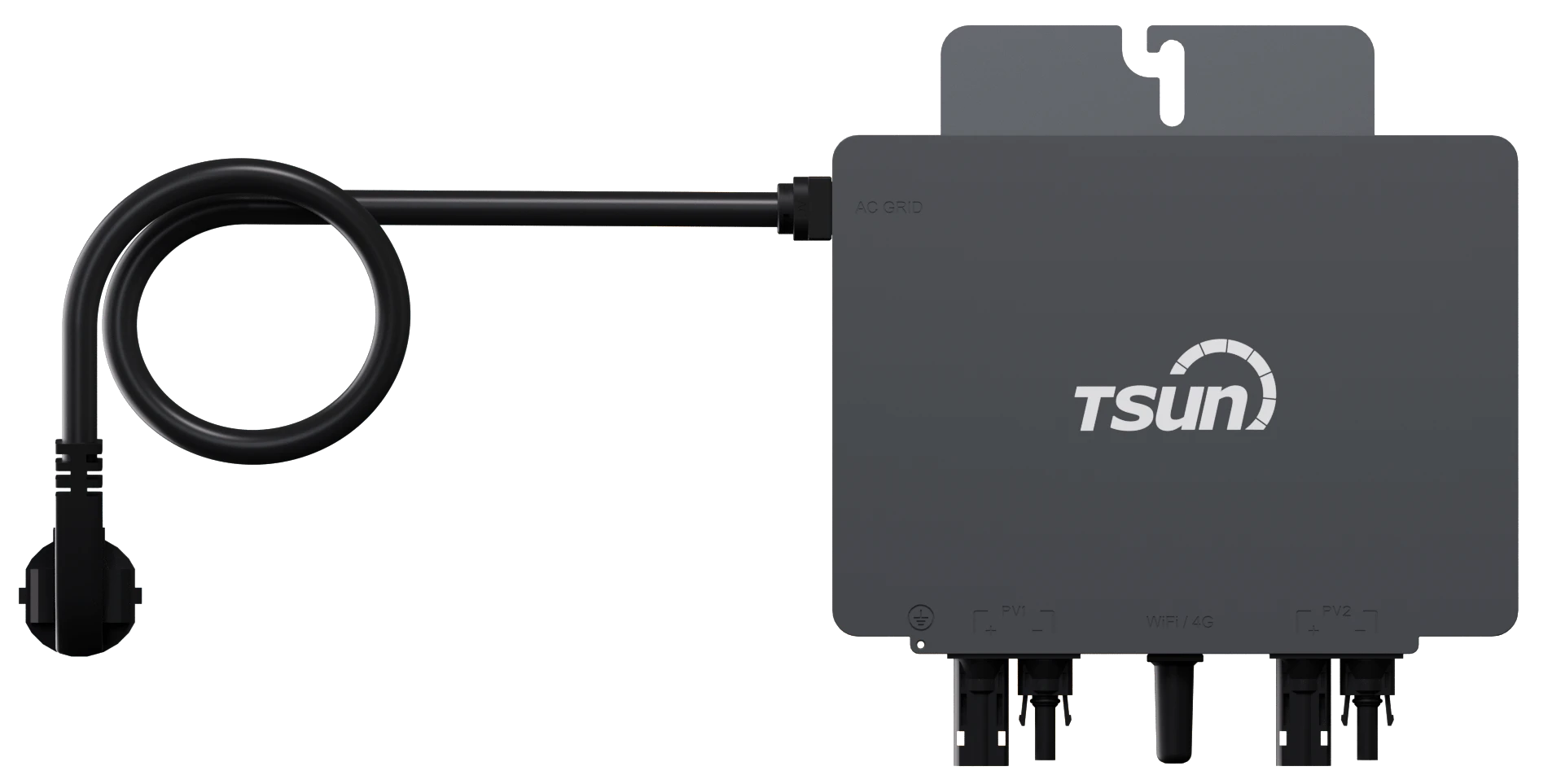
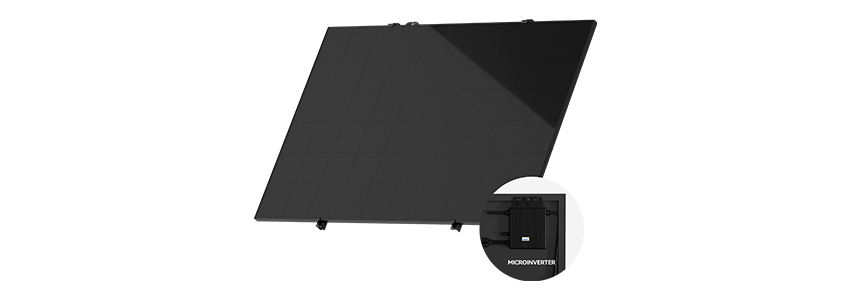
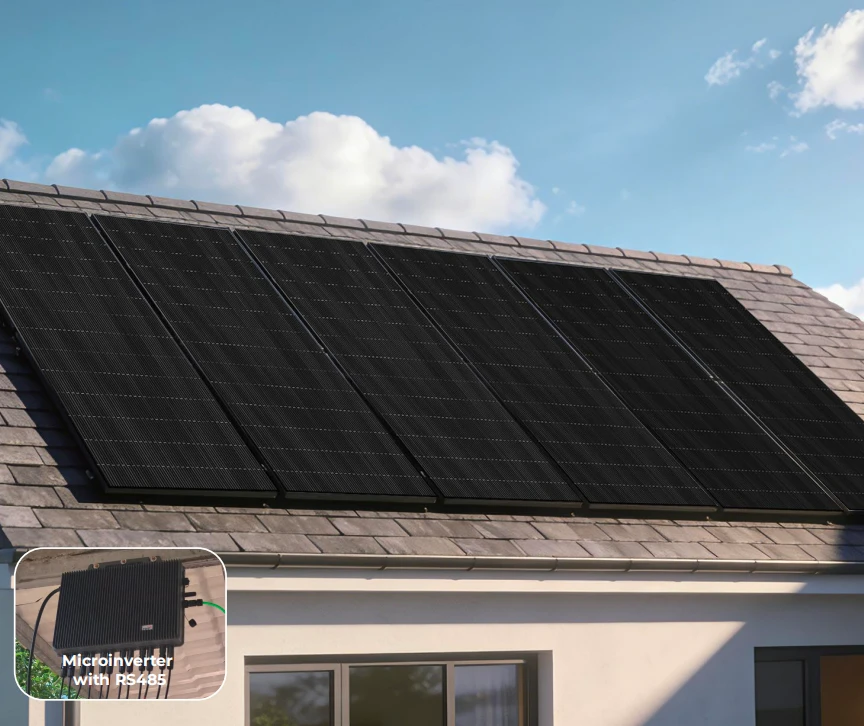
When planning a residential or commercial solar installation, understanding the solar panel with microinverter price involves more than comparing a sticker price. It requires an analysis of the Total Cost of Ownership (TCO) and the specific energy harvest benefits that decentralized inversion provides. Unlike traditional systems, microinverters convert DC power to AC at the individual panel level, eliminating the single point of failure associated with central inverters.
The B2B and residential markets are increasingly shifting toward this architecture because it solves the problem of "module mismatch" and shading. In a standard string array, one shaded panel can reduce the output of the entire string; microinverters decouple this relationship, ensuring each module performs at its maximum potential. This technical advantage directly influences the financial viability of the system over a 20-to-25-year lifespan.
This guide provides a professional breakdown of the factors affecting system costs, from hardware specifications to installation labor. We will examine how different configurations, such as the integration of AC-coupled storage units and hybrid microinverters, alter the initial investment and the subsequent return on investment (ROI) for the end-user.
Analyzing the Cost Structure of Microinverter Systems
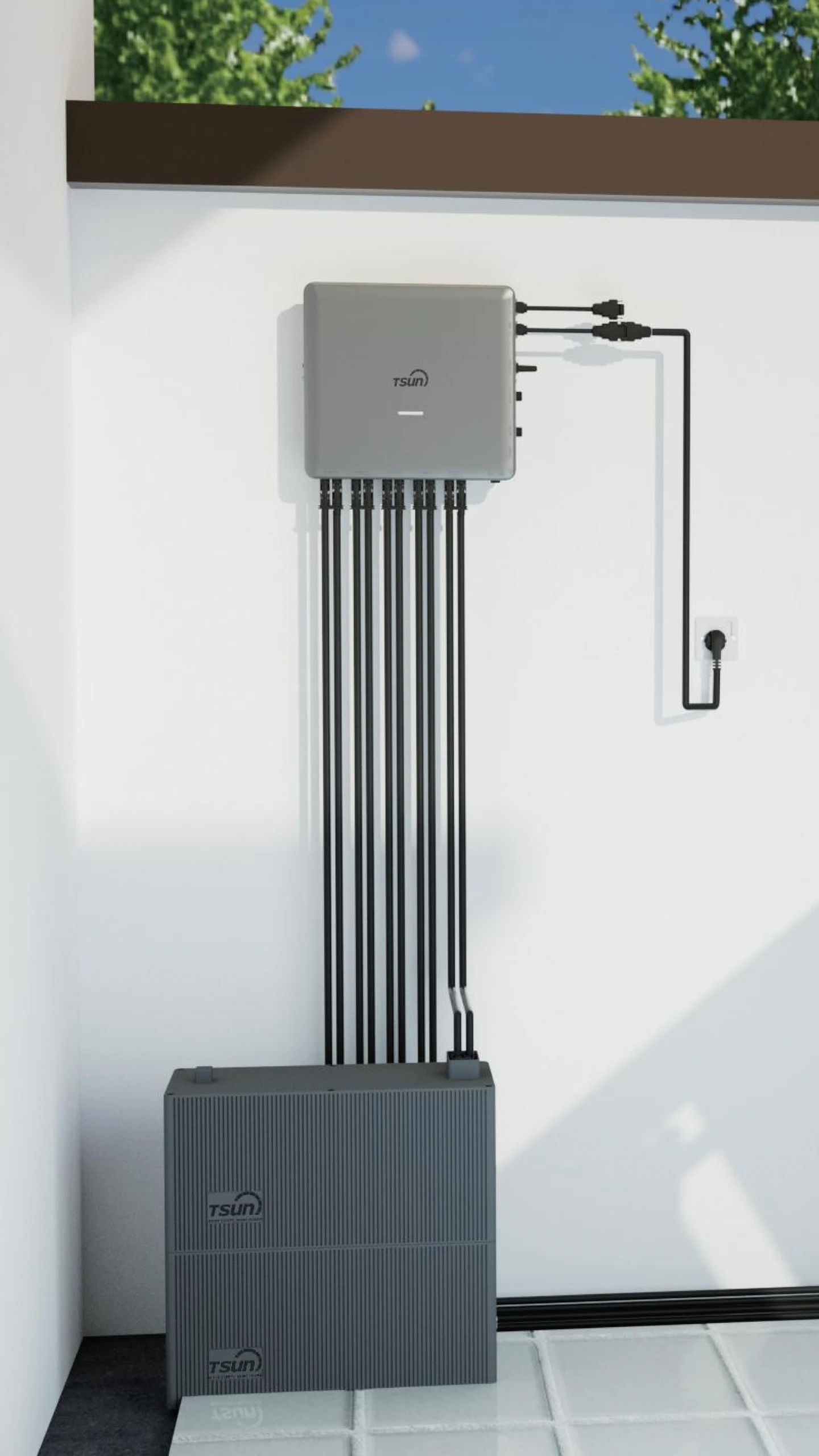
The pricing of a microinverter-based solar system is characterized by a higher initial hardware expenditure compared to string systems, but this is often offset by higher energy yields and lower long-term operational risks. The cost is primarily divided into three segments: the photovoltaic (PV) modules, the microinverter units, and the balance of system (BOS) components, which include racking and AC wiring. Because the conversion to AC happens on the roof, the wiring is simplified, reducing the amount of high-voltage DC cabling required, which can lower certain safety-related installation costs.
From a procurement perspective, the "price" is heavily influenced by the power rating of the microinverters. For instance, 1-in-1, 2-in-1, or 4-in-1 configurations change the ratio of inverter cost per panel. A 4-in-1 microinverter typically offers a better cost-per-watt ratio than four individual 1-in-1 units, although it introduces a slightly larger point of failure for those four panels. For those seeking high-current compatibility, certain professional-grade microinverters support input currents up to 18A, making them compatible with the latest high-wattage solar modules without clipping energy production.
Evaluating Value and System Selection
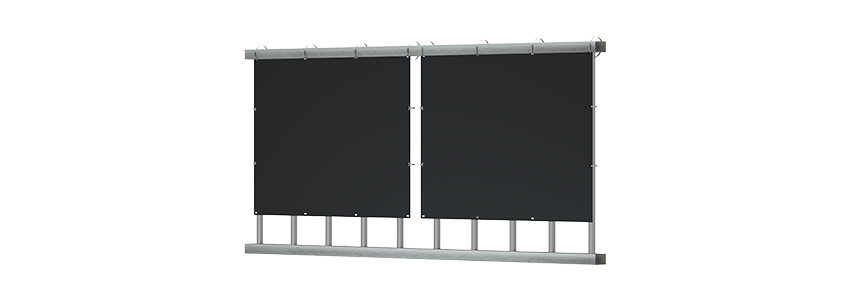
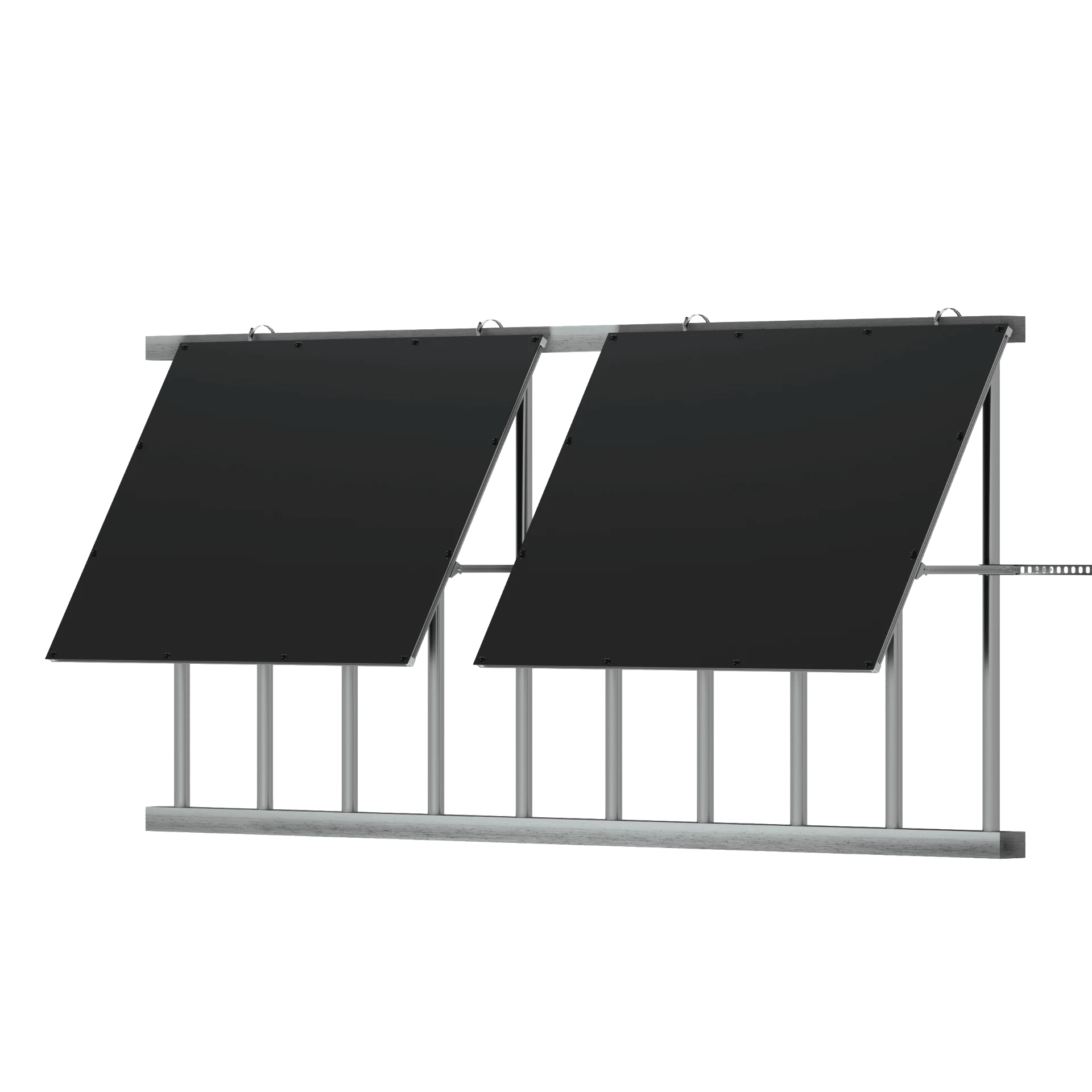
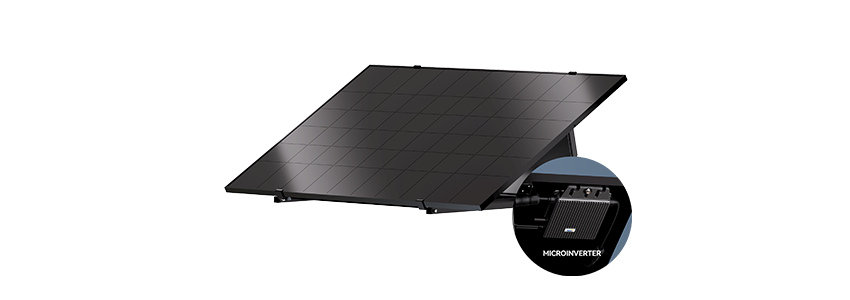
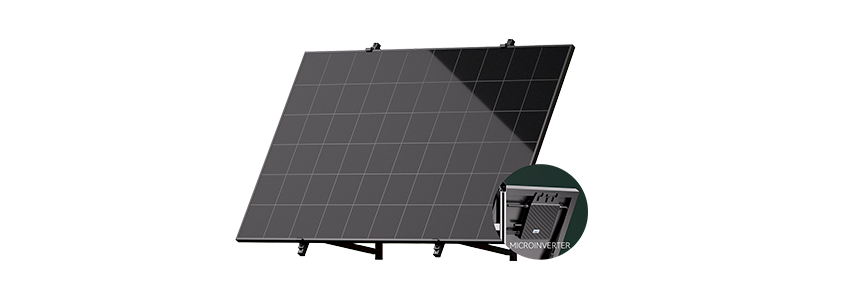
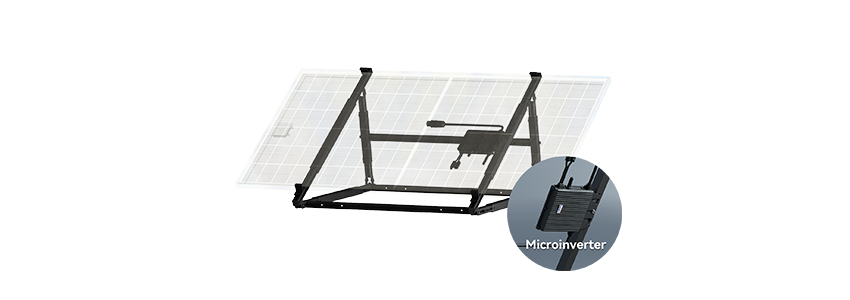
Choosing the right hardware configuration depends on the specific application—whether it is a small balcony DIY kit or a full-scale residential storage system. The value proposition shifts when considering the integration of energy storage and smart monitoring.
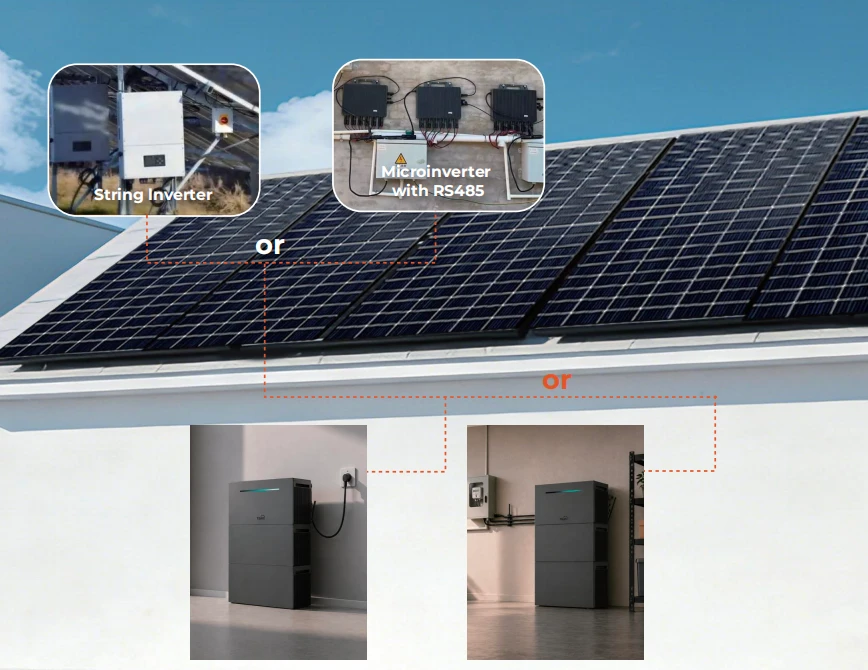
Microinverter Architecture vs. String Inverters
The primary difference lies in the distribution of power conversion. String inverters are generally cheaper upfront but suffer from efficiency losses due to shading and mismatch. Microinverters optimize each panel independently, which is critical for complex rooflines. This architectural choice affects the "price" in terms of energy harvest; a 10% increase in annual yield can justify a higher initial cost within a few years of operation.
| Feature | String Inverter | Microinverter | Impact on Value |
|---|---|---|---|
| Failure Point | Central (Single) | Distributed (Many) | Higher Reliability |
| Shading Effect | Entire String Drops | Individual Panel Only | Higher Yield |
| Initial Cost | Lower | Higher | Higher Capex |
| Monitoring | System Level | Module Level | Better Diagnostics |
| Installation | DC Cable Heavy | AC-centric | Lower DC Risk |
| Expandability | Limited by Inverter | Modular / Easy | Lower Future Cost |
Key Price Drivers in Solar Hardware
Hardware costs are driven by power density and conversion efficiency. The use of GaN (Gallium Nitride) or SiC (Silicon Carbide) components in modern microinverters allows for smaller footprints and higher efficiency. Additionally, the "all-in-one" nature of DIY kits—integrating brackets, cables, and microinverters—simplifies procurement but may carry a premium for the convenience of "plug-and-play" functionality.
Impact of System Scalability on Long-term Value
One of the strongest financial arguments for microinverters is modularity. In a string system, adding two more panels might require replacing the entire central inverter if the capacity is exceeded. With a microinverter setup, you simply add a new panel and its corresponding inverter. This "start small, grow later" approach reduces the initial capital barrier and prevents the waste of underutilized inverter capacity.
Efficiency Gains and Energy Yield Analysis
The actual value is measured in kWh generated. Microinverters utilize Maximum Power Point Tracking (MPPT) for every single panel. In real-world scenarios—such as a roof with a chimney or a tree branch—this can result in significantly more energy production. When calculating the ROI, the increased kilowatt-hour output often offsets the higher hardware cost over a 5-to-7-year period.
Installation Complexity and Labor Costs
Labor is a significant portion of any solar project. Microinverter systems can reduce labor time because there is no need to run long DC strings back to a central location. The system is essentially AC from the roof down. For B2B installers, this translates to faster project turnaround and reduced electrical safety risks, which can lower the total installed cost for the client.
Integration with Battery Storage Solutions
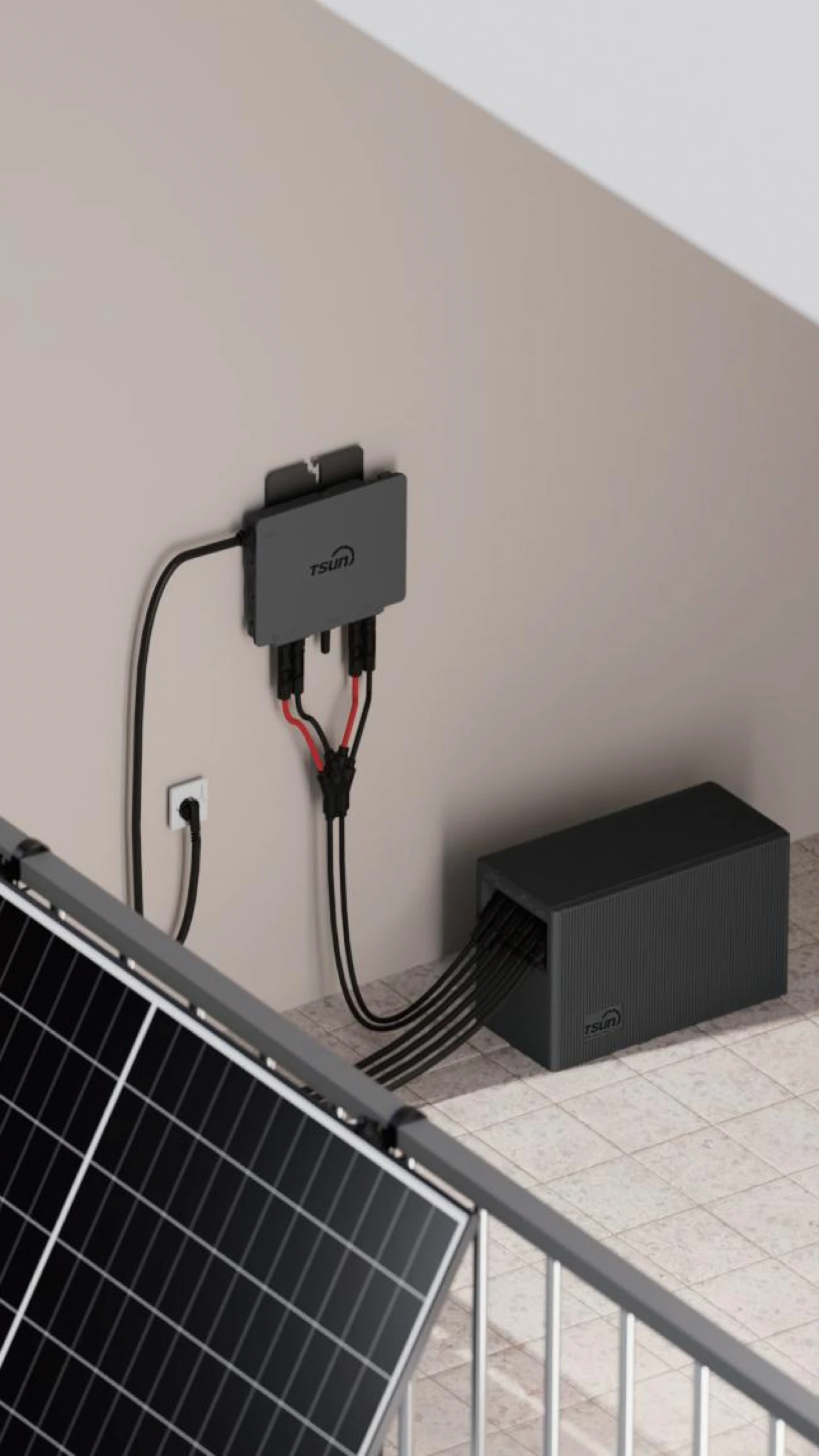
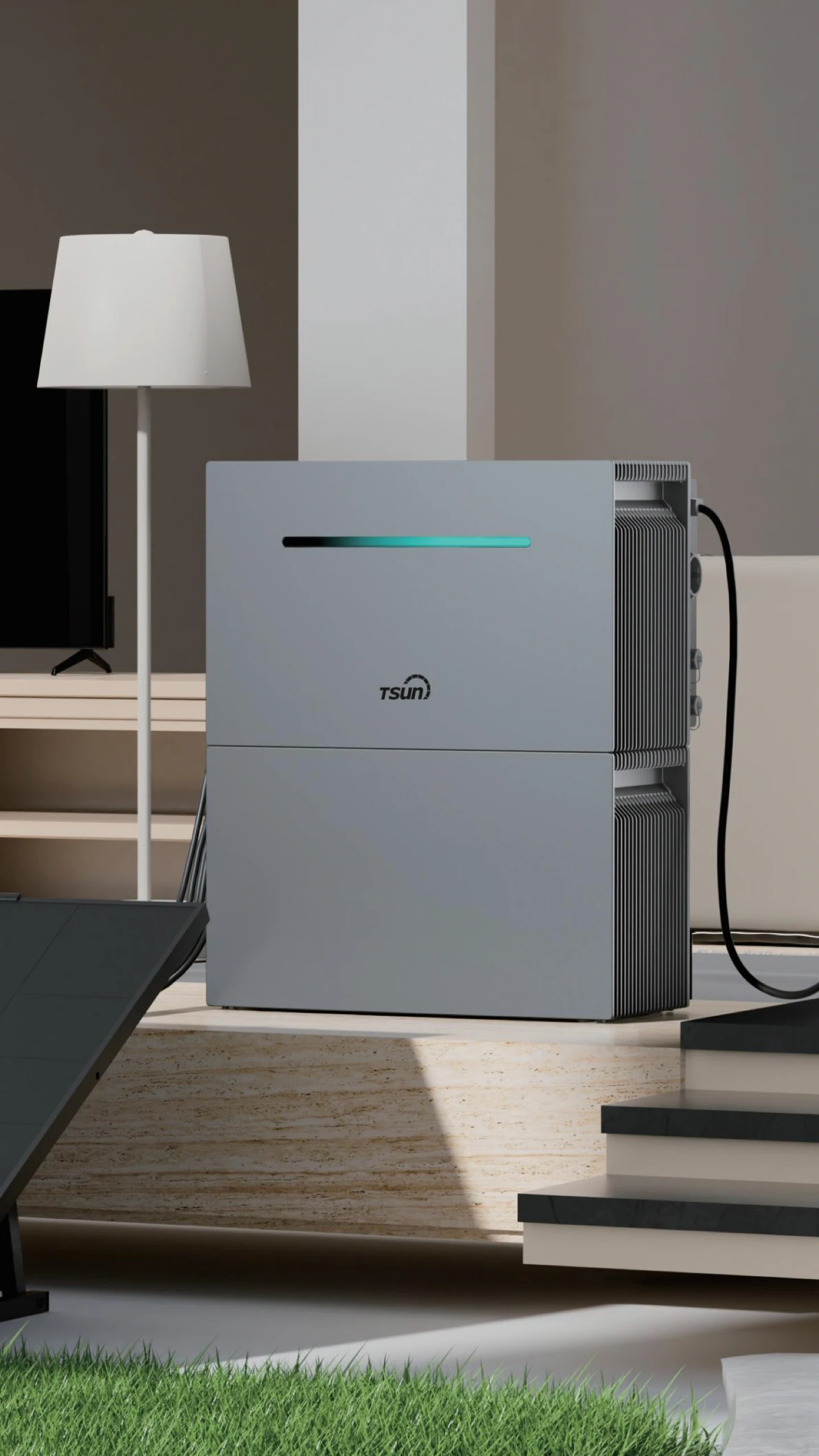
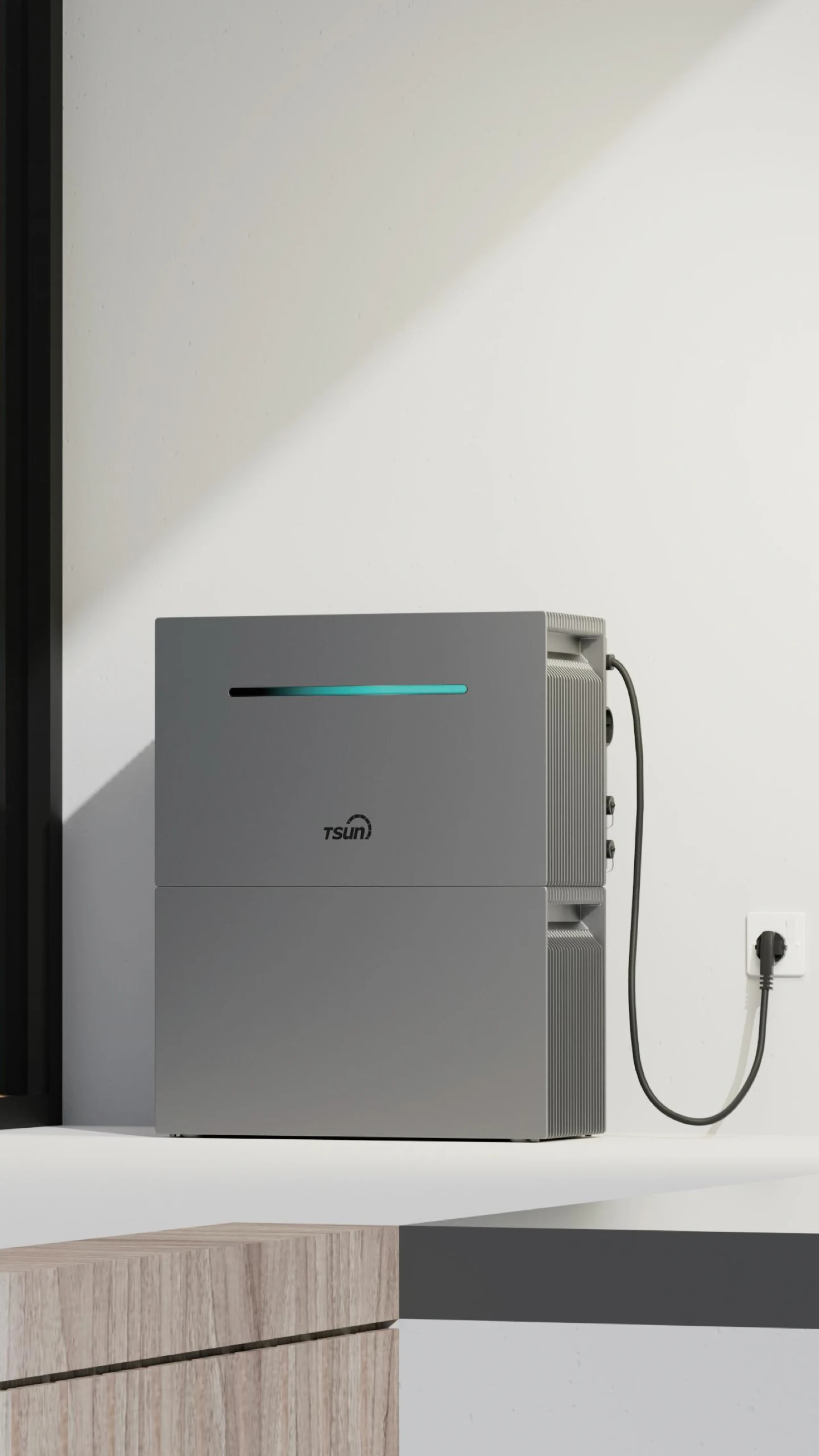
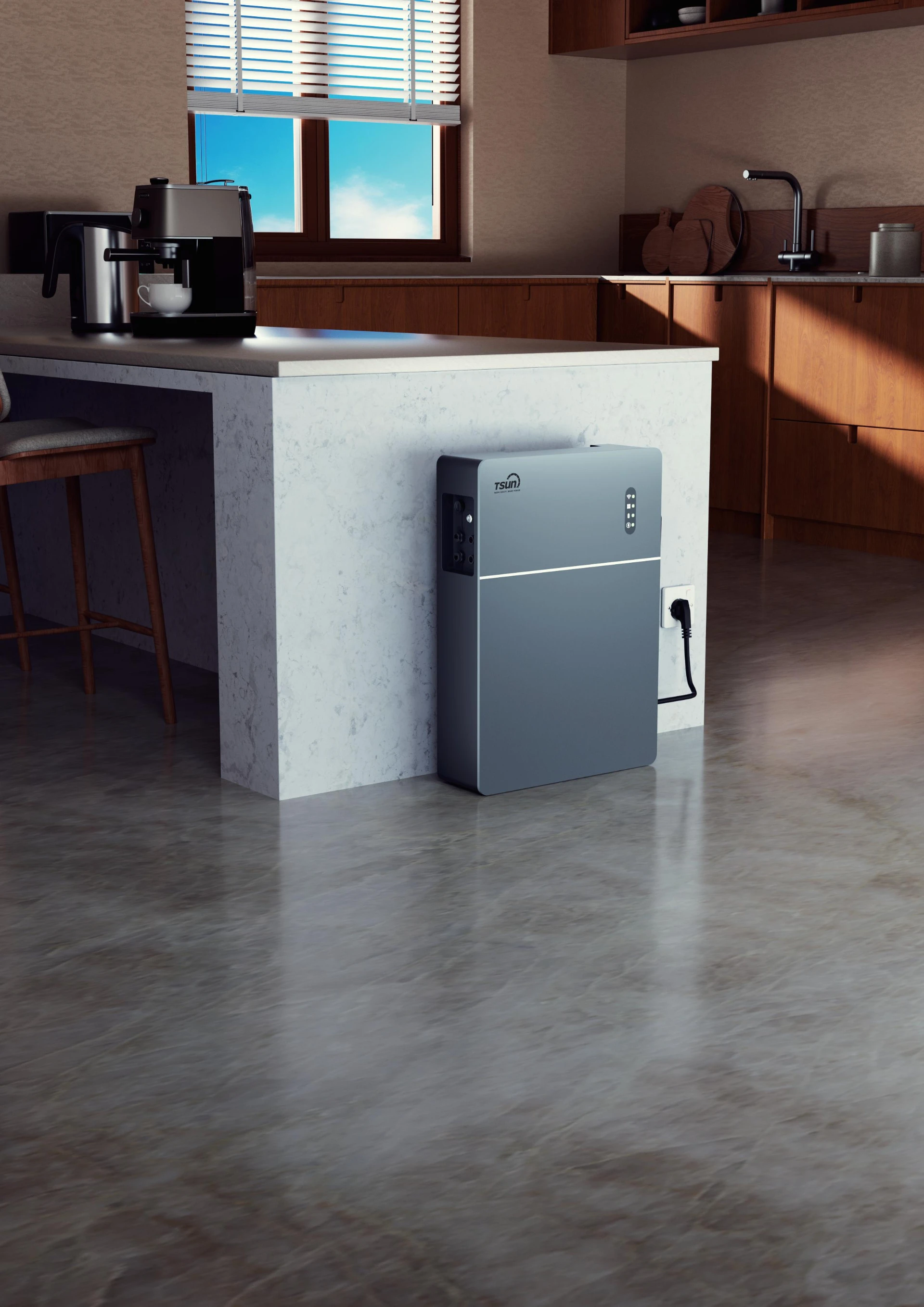
Adding storage transforms a simple PV system into a resilient energy hub. AC-coupled storage units, such as those utilizing an ACU (AC Coupled Unit), allow for seamless integration with existing microinverter arrays. By capturing surplus AC power, users can reduce peak demand charges and provide backup power. Systems featuring 10ms auto-switching ensure that critical loads remain powered during grid failures.
Lifecycle Maintenance and Replacement Factors
While a central inverter typically needs replacement every 10-12 years, microinverters often come with longer warranties. Even if one unit fails, the rest of the array continues to produce power. This prevents total system downtime, ensuring that the financial loss during a hardware failure is limited to a single panel's output rather than the entire house's energy production.
FAQ
Are microinverter systems more expensive than string systems?
Yes, the initial hardware cost is typically higher because you are purchasing multiple small inverters rather than one large one. However, this is often balanced by higher energy yields due to individual panel optimization (MPPT) and the ability to expand the system modularly without replacing the core inverter.
Can I add a battery to a microinverter system later?
Yes, by using an AC-coupled storage solution. An AC Coupled Unit (ACU) can be integrated into your existing AC circuit, capturing excess energy generated by the microinverters and storing it in a LiFePO4 battery pack for later use or emergency backup.
Do microinverters work with high-power solar panels?
Yes, provided the microinverter's input specifications match the panel's output. Professional-grade microinverters are designed to support high-current modules, with some models supporting input currents up to 18A to prevent energy clipping on high-wattage panels.
What happens if one microinverter fails?
Unlike string inverters where a single failure shuts down the entire array, a microinverter failure only affects the specific panel it is attached to. The rest of the system continues to operate at full capacity, ensuring continuous energy production.
Is the installation of microinverters more complex?
In many ways, it is simpler. Because the conversion to AC happens at the panel, the installer works primarily with AC wiring, which is a standard electrical practice. This eliminates the need for long DC runs, improving safety and potentially reducing labor hours.
How do I monitor the performance of each panel?
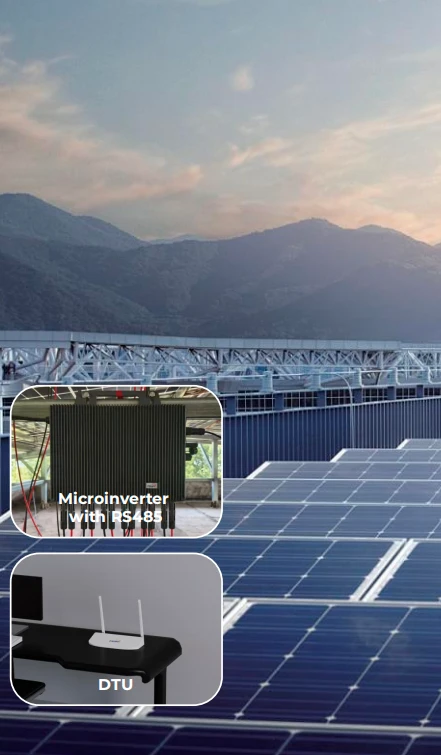
Microinverter systems typically include a gateway or DTU (Data Transfer Unit) that communicates with each inverter. Through a smart app or web portal, you can see the real-time wattage of every individual module, allowing for precise troubleshooting and performance analysis.
References and further reading
- International Electrotechnical Commission (IEC) standards for PV system safety.
- Technical specifications for LiFePO4 AC-coupled energy storage systems.
- Analysis of MPPT efficiency in distributed vs. centralized inverter architectures.