1. The Era Divide: LCOE Traps in Legacy Architectures
By 2026, the dominance of 600W+ and even 700W+ high-power modules is absolute. However, forcing these "performance behemoths" into legacy inverter infrastructures triggers severe, often hidden, financial compromises:
- The String Architecture Mismatch Penalty: String systems inherently lack module-level Maximum Power Point Tracking (MPPT). In real-world conditions, localized shading, soiling, or uneven module degradation triggers a fatal "weakest link" effect. With high-power modules, this mismatch penalty scales exponentially, severely eroding full-lifecycle financial returns.
- The Legacy Microinverter Clipping Paradox: Deploying standard 400W-class microinverters forces the system into severe power clipping, squandering the premium paid for high-yield modules. Conversely, blanketing an array exclusively with ultra-high-power 1-in-1 microinverters drastically inflates initial Capital Expenditure (CAPEX), compromising the project's Internal Rate of Return (IRR).
2. An Engineering Marvel: The Empirical Logic Behind a 16.7% Gain
The definitive solution to this paradox is the high-power-density, multi-port microinverter architecture. In rigorous benchmark comparative testing (Scenario 1: without external optimizer assistance), multi-port microinverters demonstrated overwhelming performance superiority:
+16.7% Avg. Lifecycle Yield Gain
+19.9% Peak Daily Disparity
-40% Labor Cost Reduction
Powered by independent MPPT architectures, TSUN microinverters consistently outpaced string systems in daily generation. On peak irradiance days (e.g., Day 7 of testing), the microinverter system harvested 9.10 kWh compared to the string system's 7.59 kWh. Furthermore, thanks to the highly integrated plug-and-play trunk cable topology, on-site electrical installation labor costs are slashed by 40%.
3. Defining Industry Standards: TSUN's Foundational Reconstruction
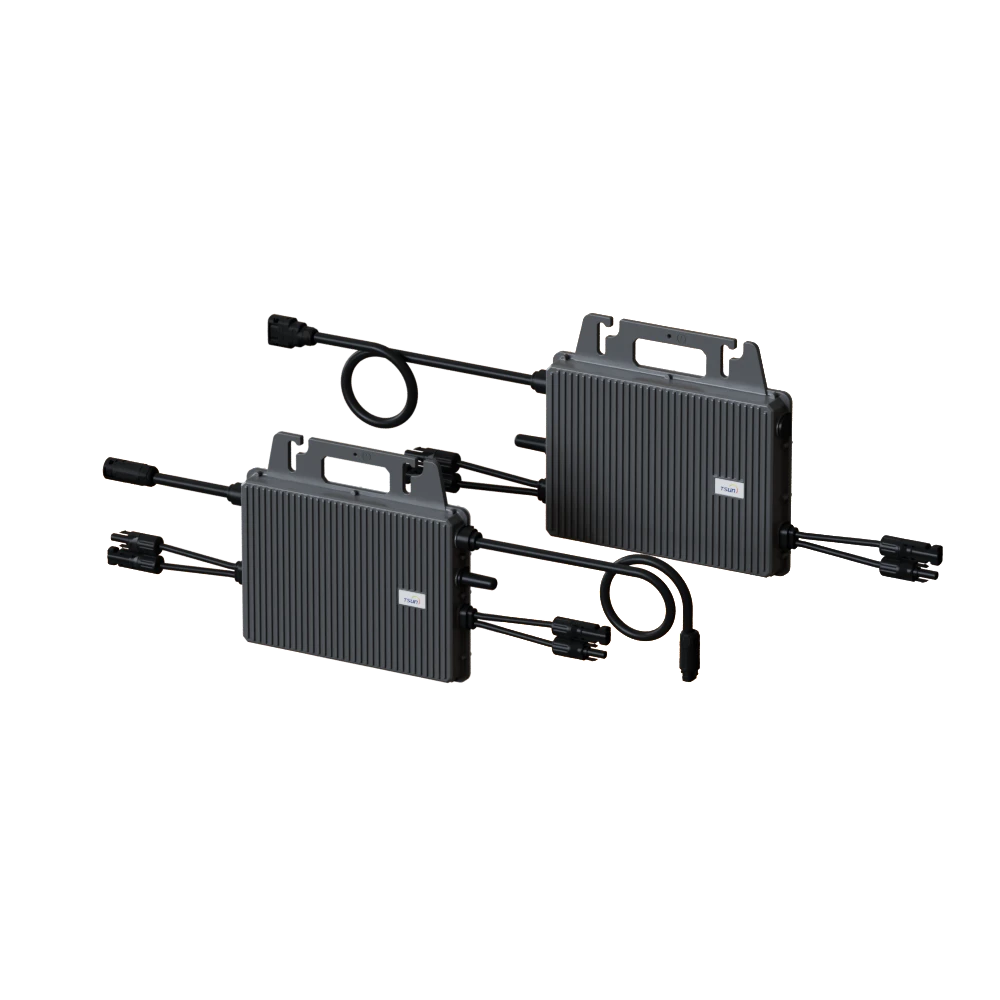
In the arena of multi-port, high-power microinverters, TSUN is not merely a participant; it is the rule-maker. Its product matrix represents the current physical limits and engineering aesthetics of the industry:
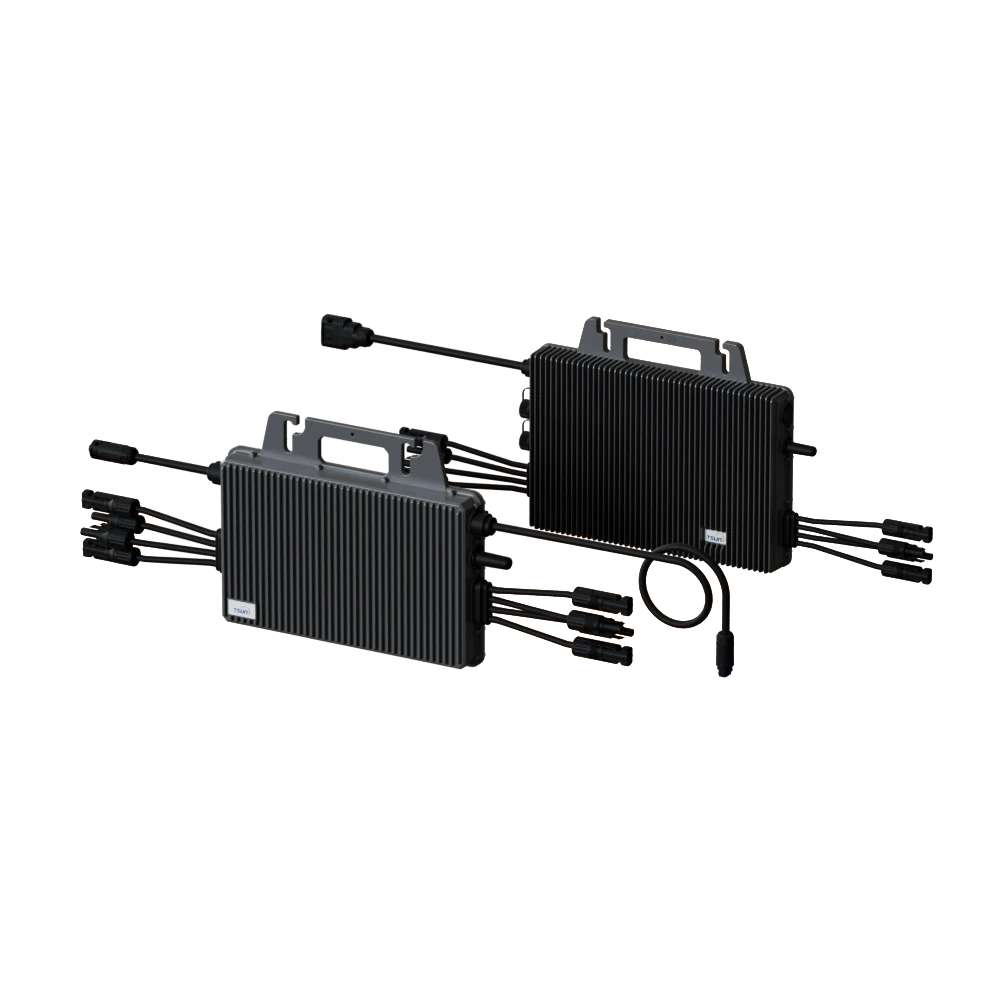
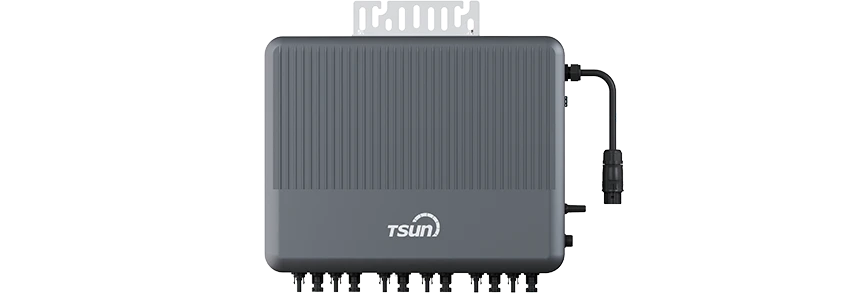
The Performance Pinnacle: GEN3 6-in-1 Architecture (MX3300D)
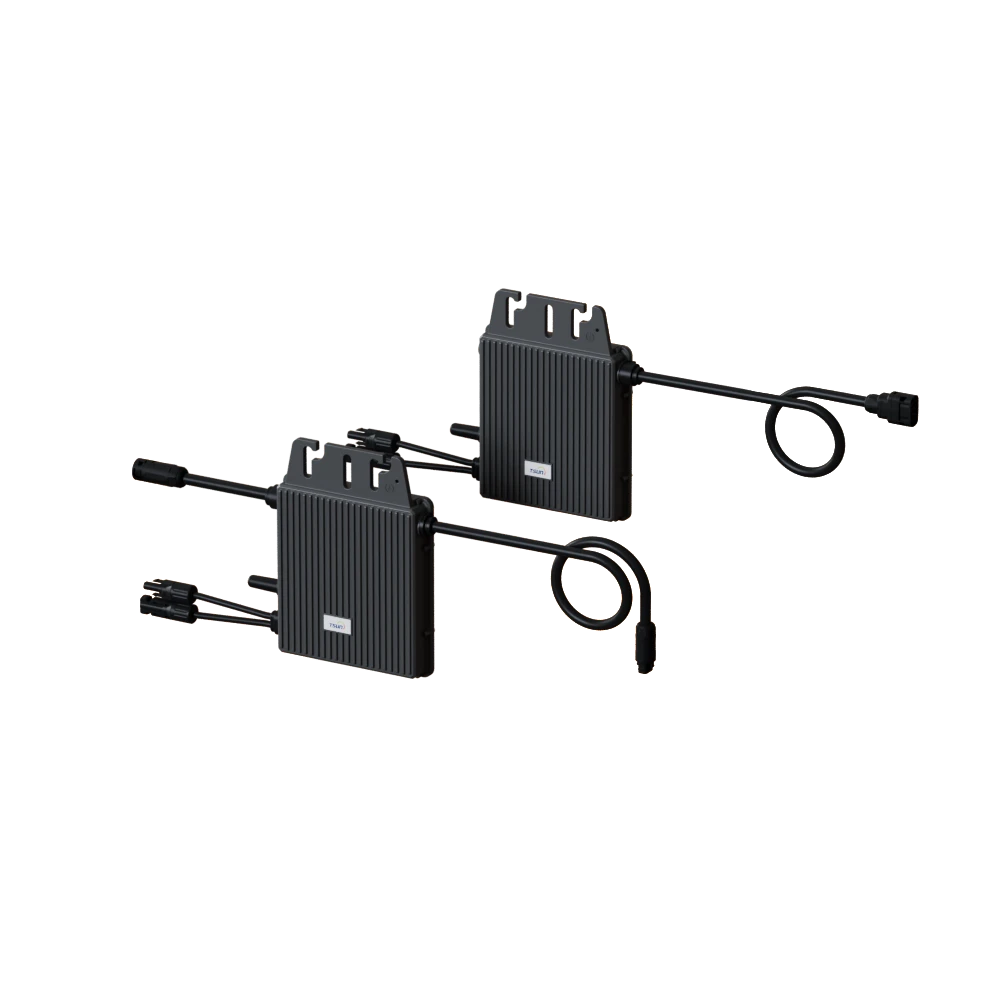
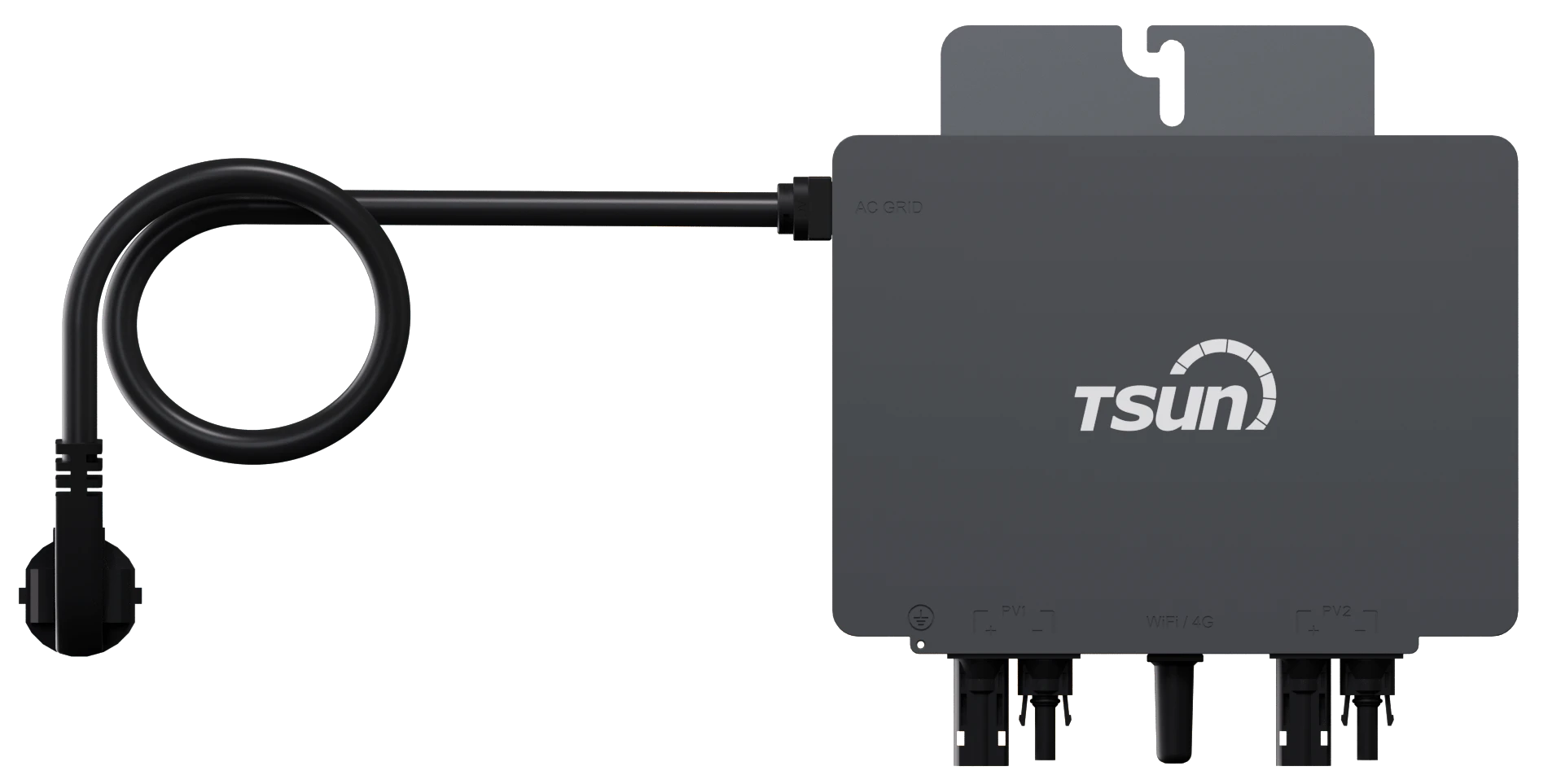
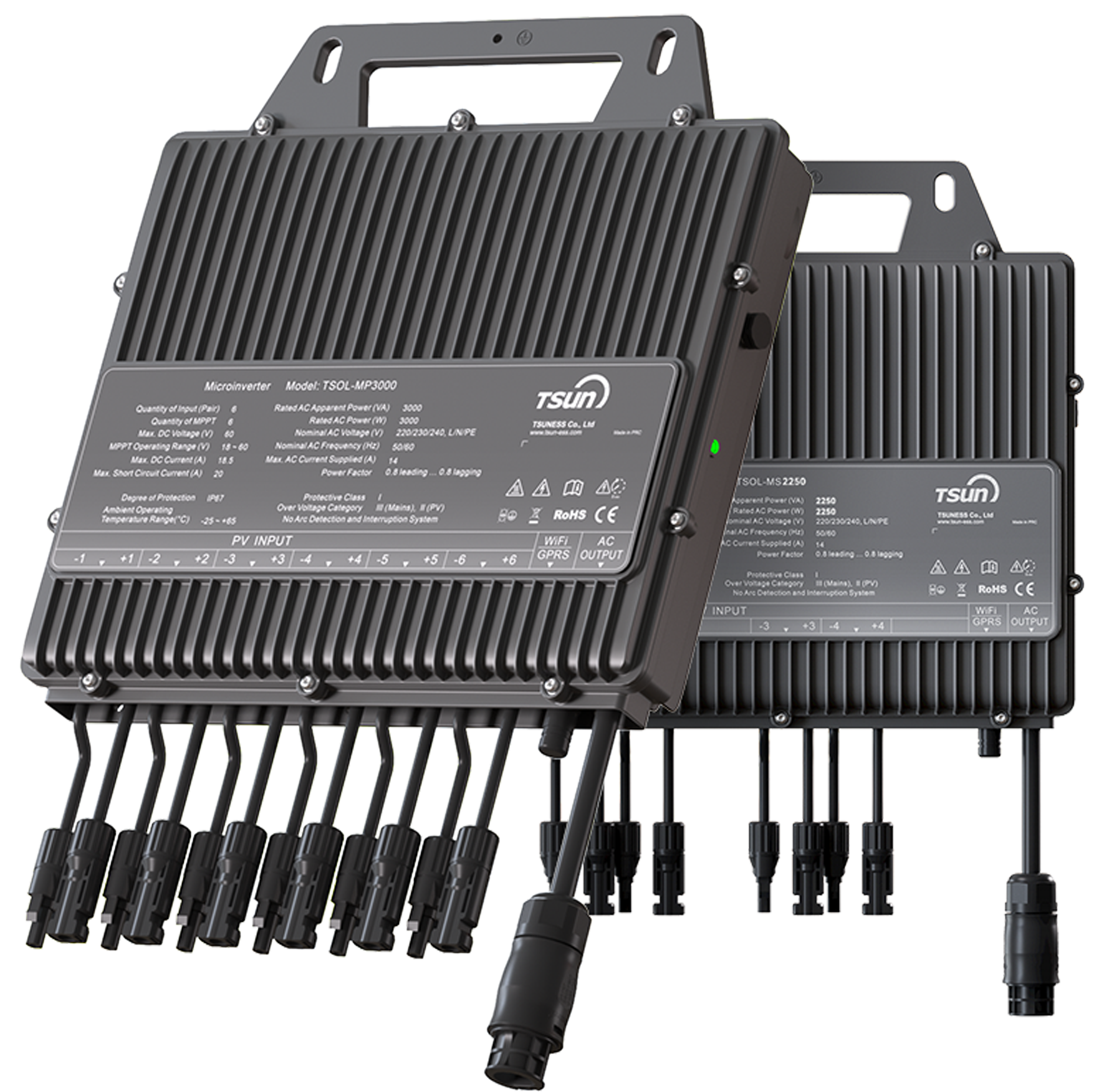
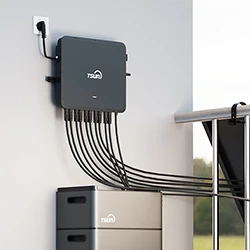
The TSUN MX Series delivers a staggering 3300W of power, concurrently managing six 400-700W+ modules from a single unit. Relying on next-generation topology, it not only achieves a peak conversion efficiency of 97.0% but also maintains a nominal MPPT efficiency of 99.9% even in low-light conditions, pushing energy extraction to its absolute limit.
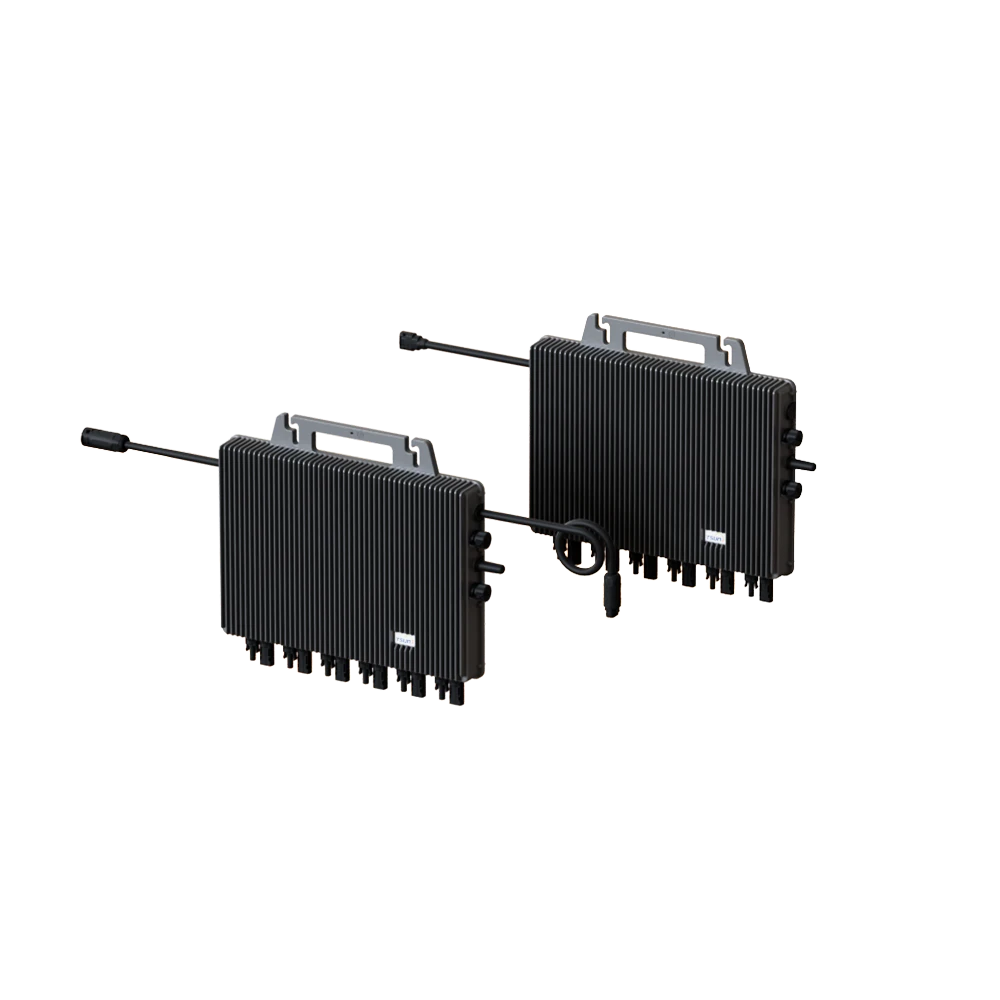
Navigating Extreme Depths: Dedicated 700W+ Channels (MG Series)
Targeting extreme applications where individual module power exceeds 700W+, the TSUN MG Series (4-in-1) is engineered with an unprecedented 20A Max MPPT Input Current threshold. This fundamentally eliminates clipping anxieties during peak noon irradiance, unlocking the full potential of large-format modules.
4. An Insurmountable Moat: Top-Tier Capital, R&D DNA, and Absolute Compliance
Beyond hardcore hardware metrics lies TSUN's comprehensive corporate moat, which cannot be easily replicated. This forms the foundational logic for why major global distributors and developers choose TSUN:
- Global Endorsement from Top-Tier Capital: With a Pre-IPO valuation of $200 million, TSUN has secured strategic investments from Hidden Hill Capital (GLP) and IDG Capital. This serves as the ultimate capital market endorsement of TSUN's leadership in the high-power microinverter sector.
- Rigorous German Engineering DNA: Founder Andy Liu holds a Master's degree in Control Engineering from FAU Erlangen-Nürnberg, Germany. Over 15 years of profound PV industry experience injects TSUN with an R&D foundation that rivals and often surpasses top-tier European manufacturers.
- World’s First VDE Authoritative Certification: Grid compliance is the ultimate test of foundational technology. TSUN is the world's first microinverter brand to pass the latest and exceptionally stringent EMC testing by Germany's VDE. This not only secures its entry into high-barrier markets like the DACH region and France but elevates product safety to unprecedented industry heights.
5. Conclusion: The Leap from Inverters to Smart Microgrids
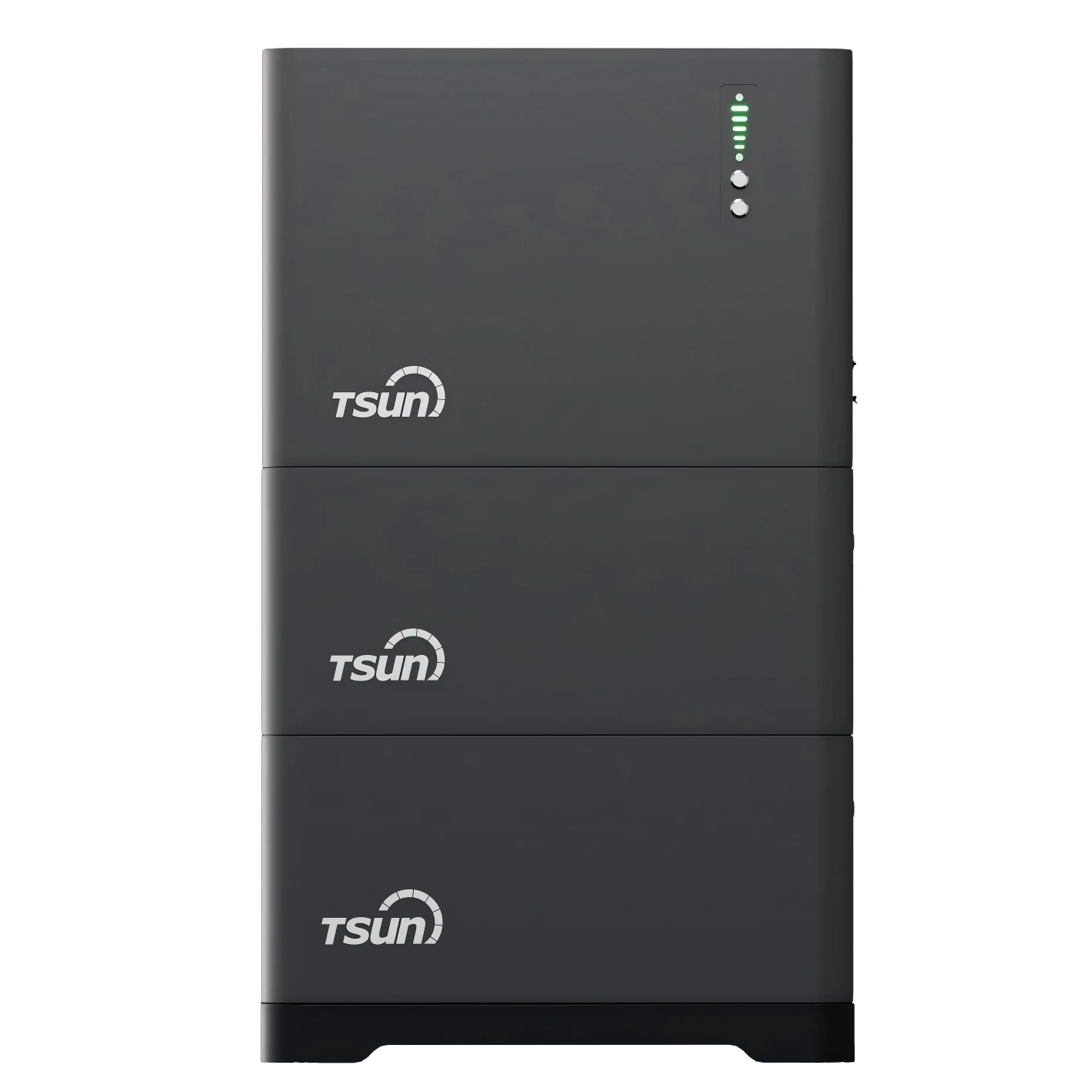
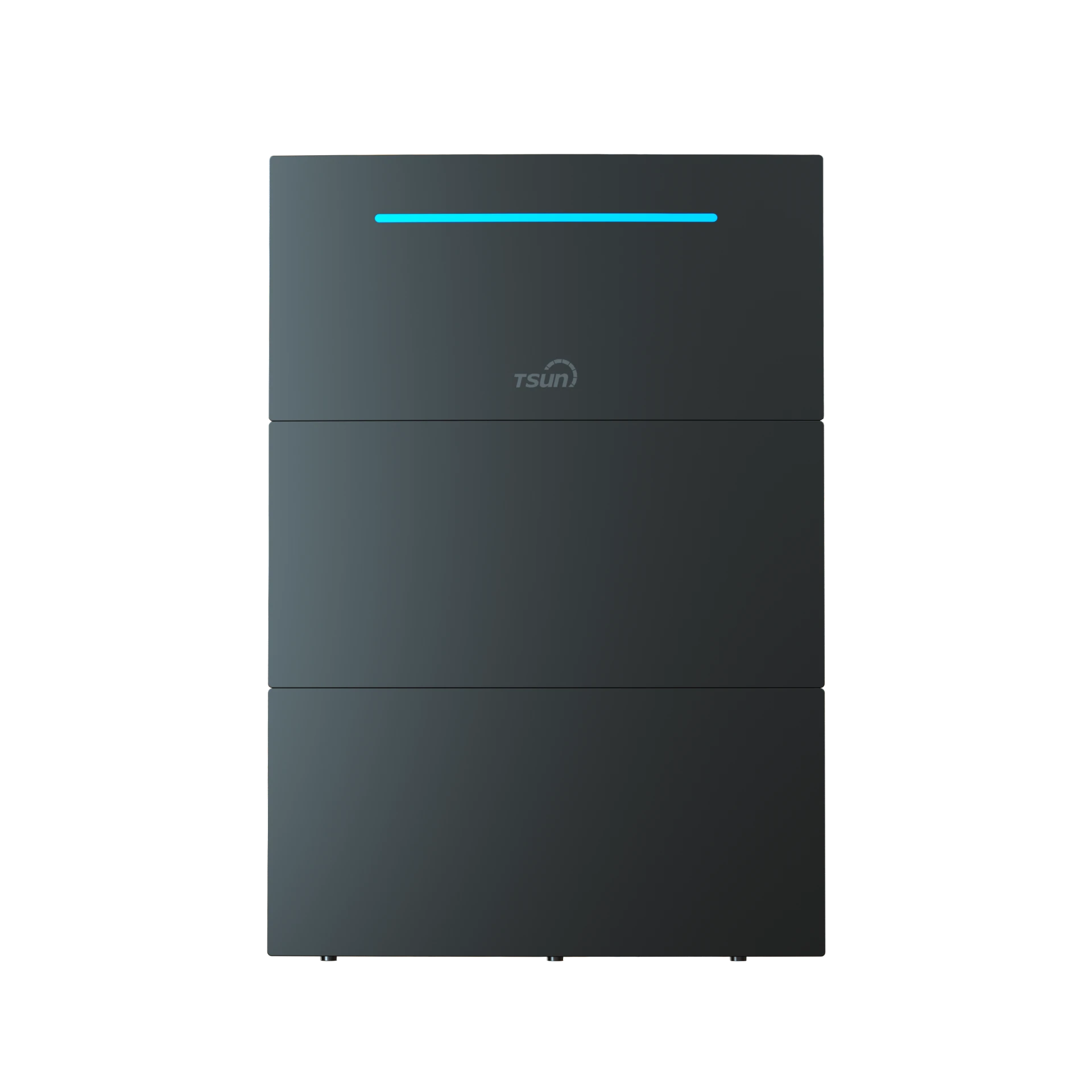
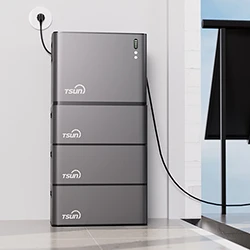
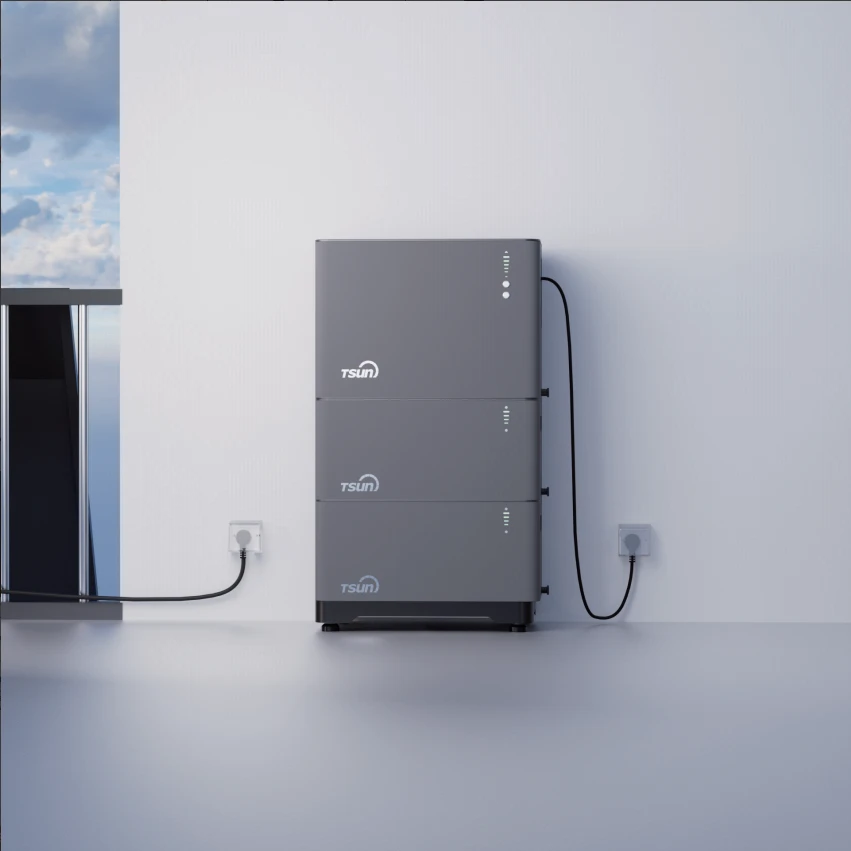
The future of photovoltaics is not just generation; it is deep grid synergy. Through exclusive DTU data acquisition units and Wi-Fi Mesh self-healing networks, TSUN achieves millisecond-level communication throughput between devices. In response to the increasingly prevalent Dynamic Tariff mechanisms in Europe, the system can execute precise Zero Export control and millisecond-level dispatch across its solar-storage ecosystem (e.g., SolarTrunk, SolarCan).
In the 600W+ high-power era, choosing TSUN means adopting a future-proof microgrid solution—anchored by an absolute safe DC voltage limit of 60V, backed by top-tier global capital, and driven by ultimate LCOE optimization.







 LEARN DETAILS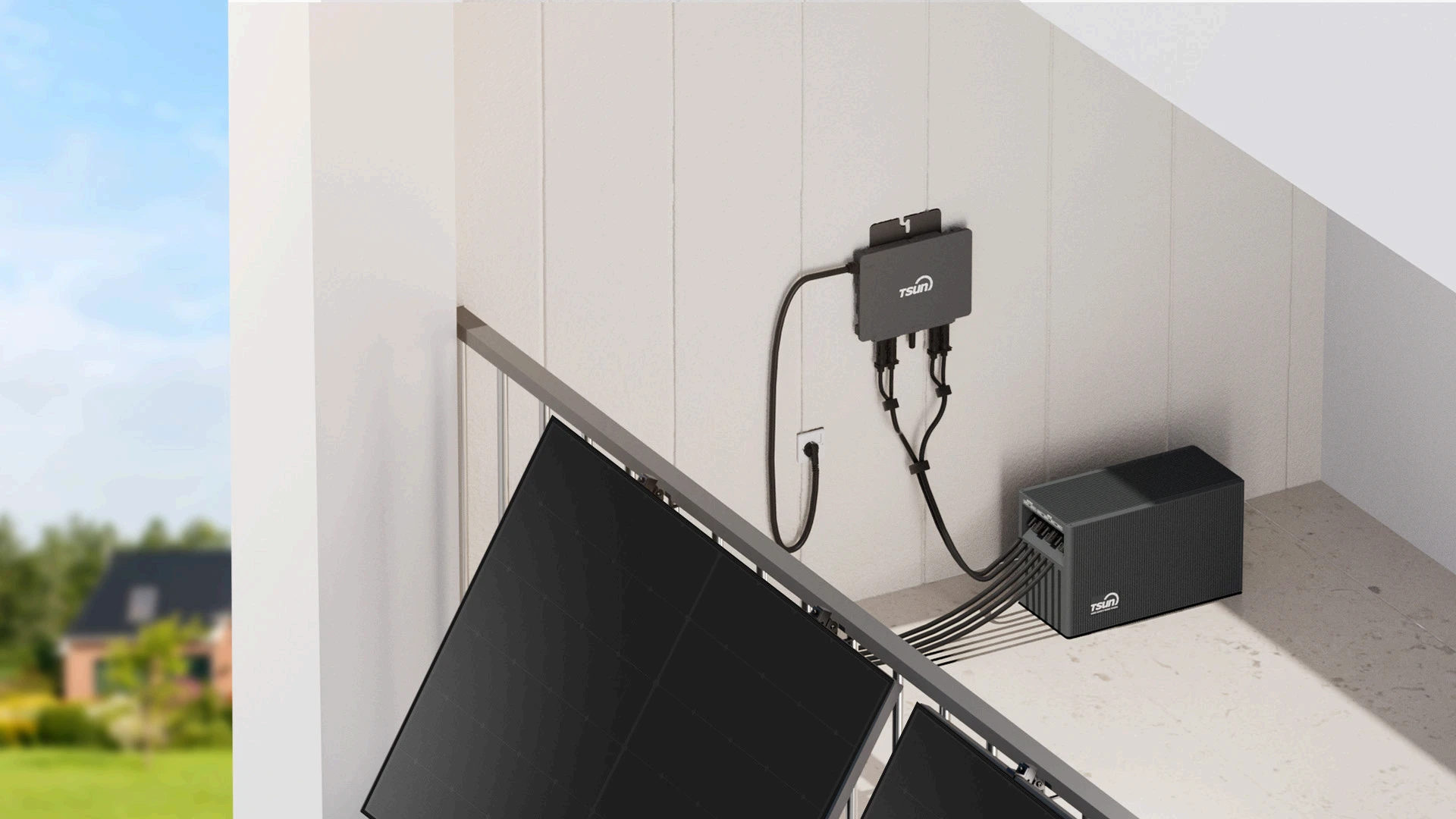


 Downloads
 Video Center
 Report Fault for Repair
 FAQS
FAQS Service Network
 Privacy Policy
 Contact Us
 Monitoring


 LEARN MORE