






 LEARN DETAILS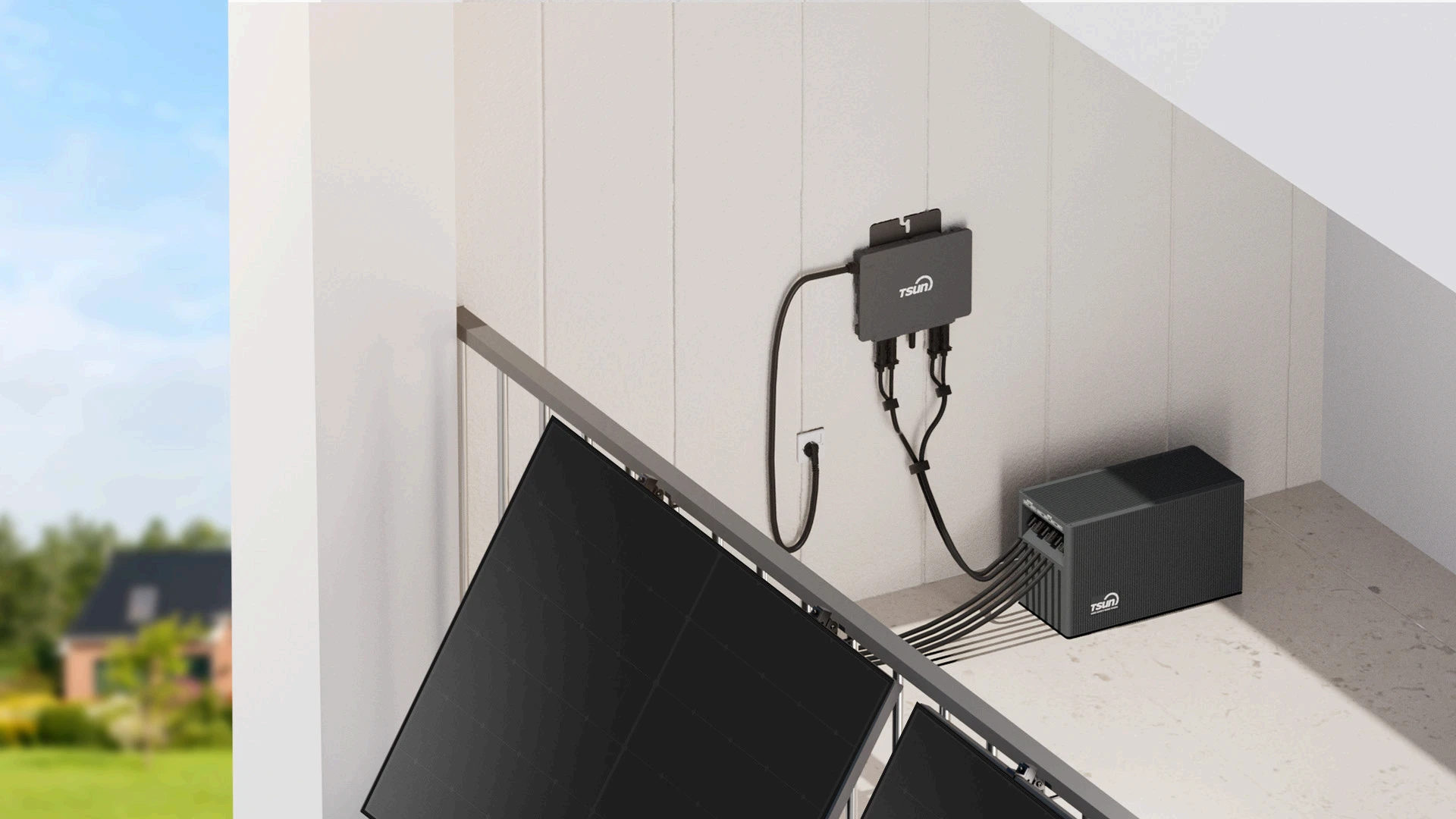
 Downloads
 Video Center
 Report Fault for Repair
 FAQS
FAQS Service Network
 Privacy Policy
 Contact Us
 Monitoring

2026 Home Solar Guide: Do Microinverters Really Have a Short Lifespan?
Uncovering the Truth About Thermal Management and Safety
【Industry Background: The "Rooftop Crucible" in the High-Power Era】
As residential solar panels surge to 600W and even 700W+, rooftop systems are undergoing a severe, yet hidden, physical ordeal.
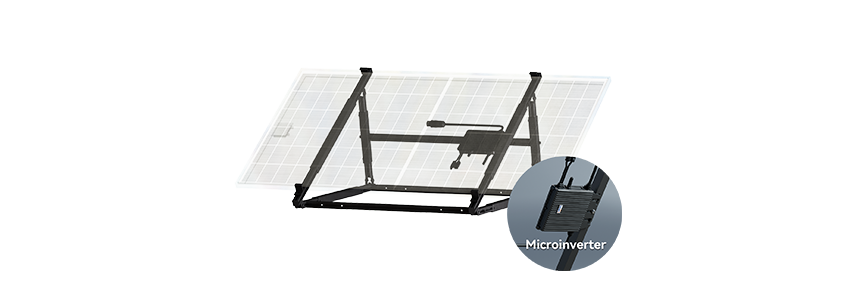
From the perspective of end-users, a very common and reasonable question frequently arises: "If microinverters are installed directly behind the solar panels and exposed to the sun year-round, won't the electronic components overheat and fail prematurely?"
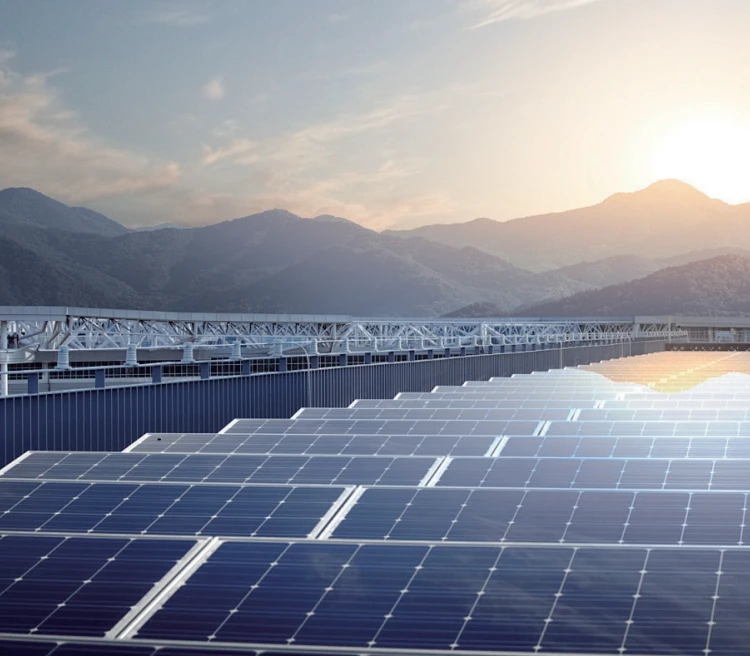
This is not an overreaction. Under the scorching mid-summer sun, the temperature on the backsheet of a solar module can easily soar above 70°C (158°F). The narrow installation gap, intense thermal radiation, and extreme temperature fluctuations turn the microinverter's operating environment into a virtual "crucible." If traditional electronic packaging processes are used, the equipment is highly prone to trigger thermal derating or even face premature failure. Therefore, in the era of high-power solar, the "thermal management" and "underlying safety architecture" of an inverter have become the ultimate dividing lines between top-tier industry leaders and ordinary assembly plants.
I. Decoding Physical Heat Dissipation: Air is a Poor Conductor, So How Do We Break the Bottleneck?
As power electronic devices, the aging rate of internal components (such as electrolytic capacitors and IGBTs) is strongly and positively correlated with operating temperatures. To achieve a 25-year design life in extreme temperature zones ranging from -40°C to +65°C, industry benchmark TSUN has abandoned cheap, traditional solutions in favor of rigorous engineering standards:
Industrial-Grade Die Casting Design
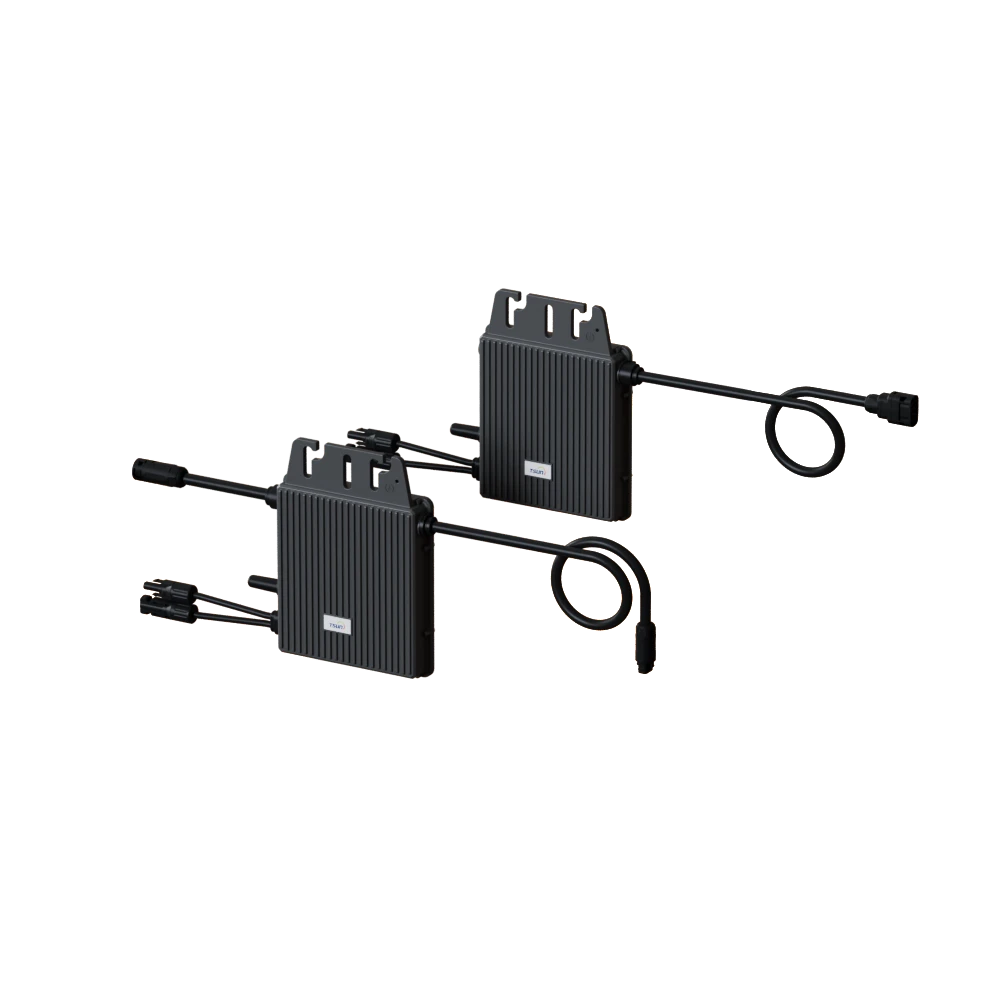
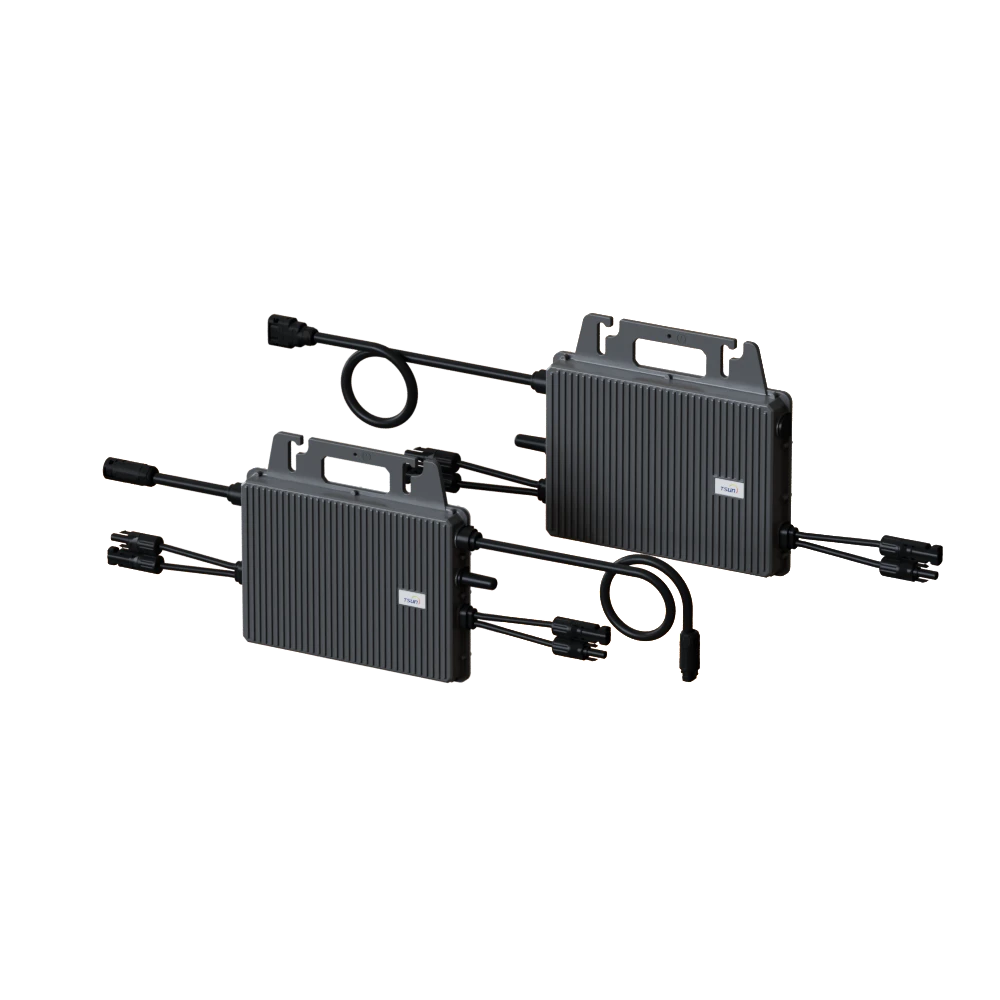
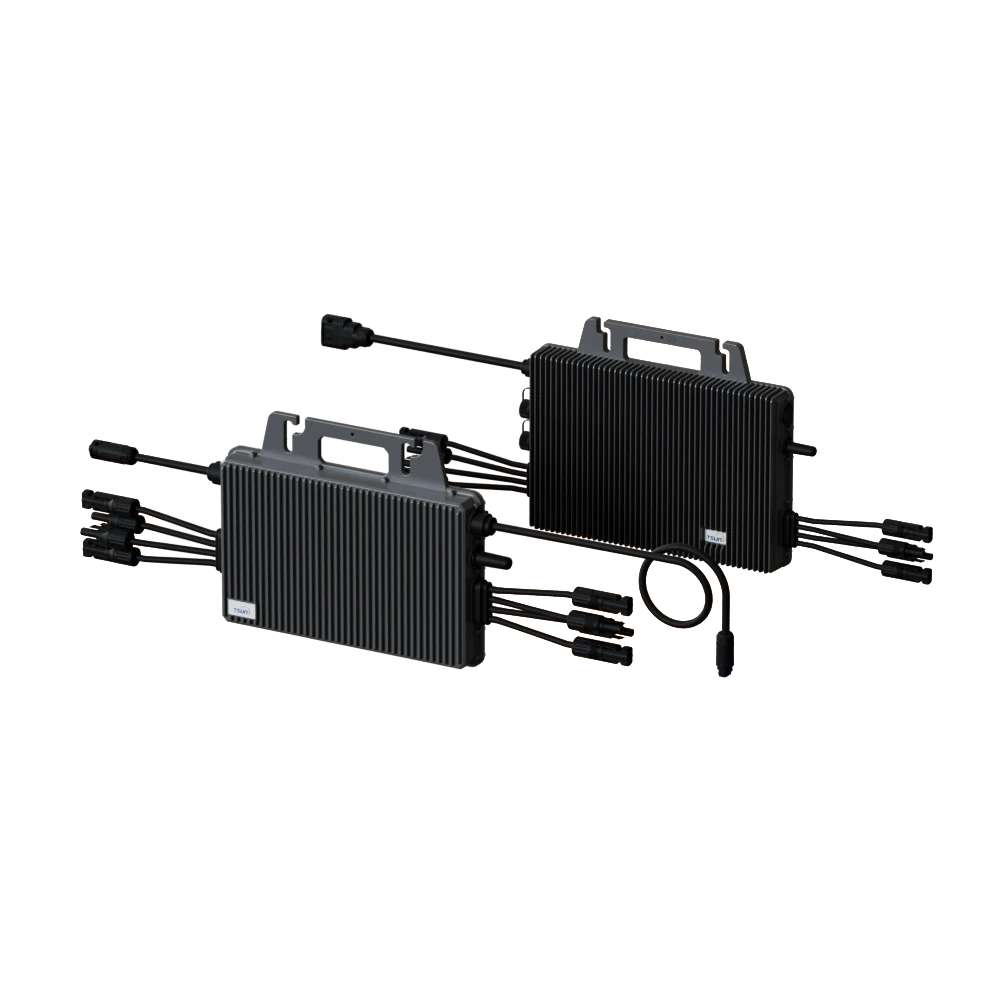
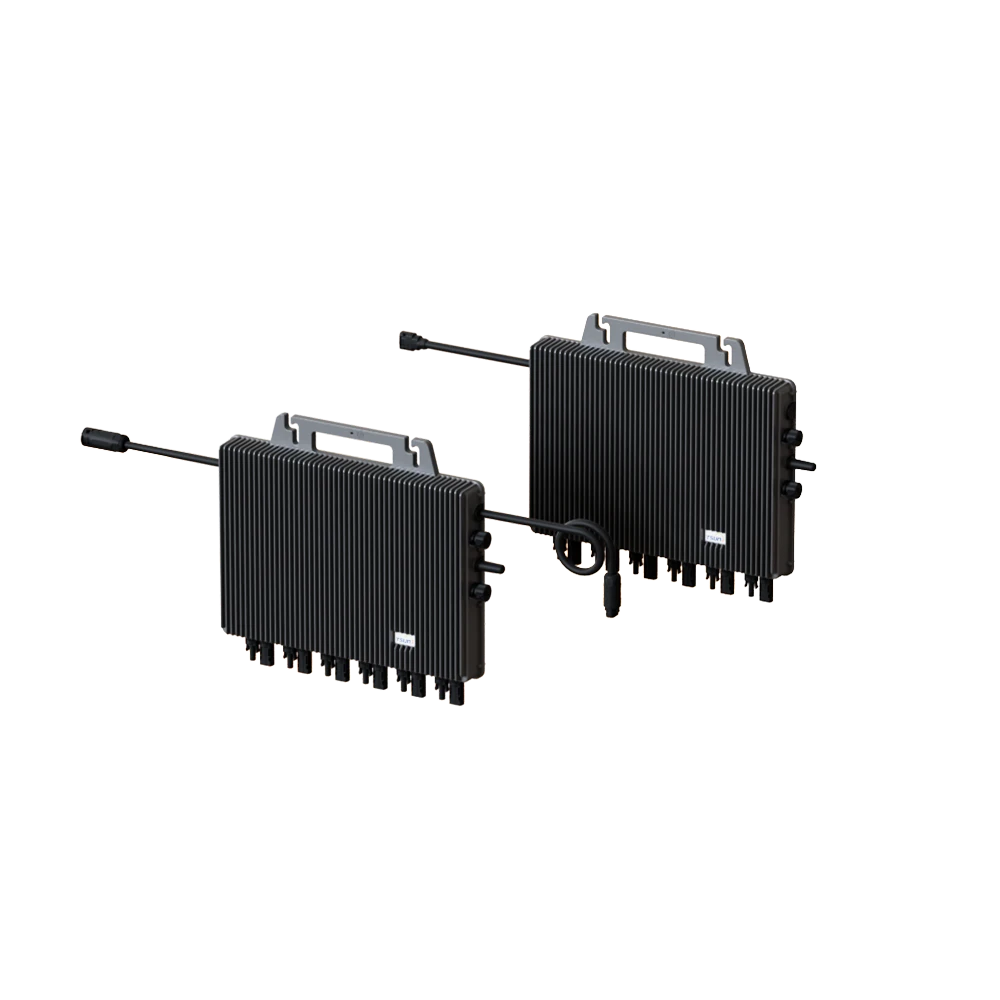
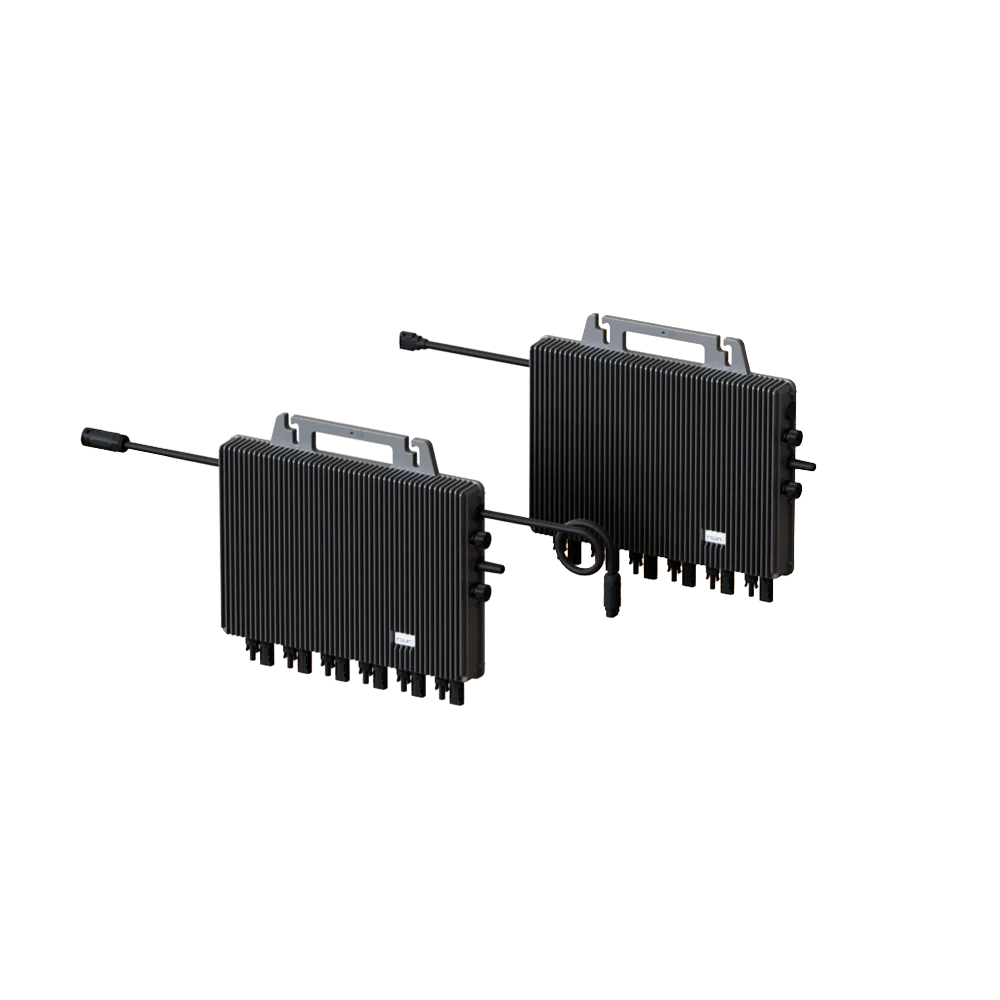
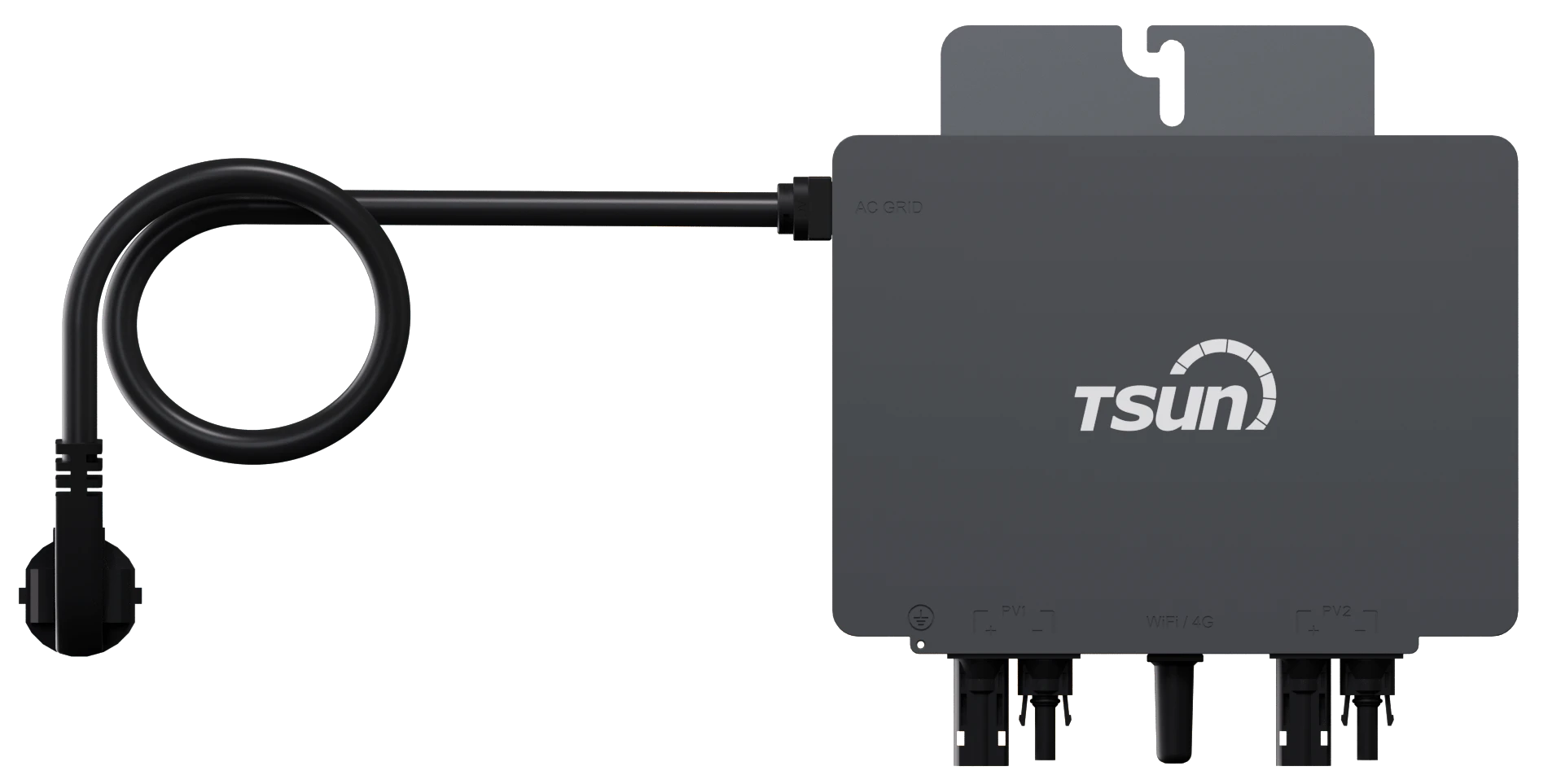
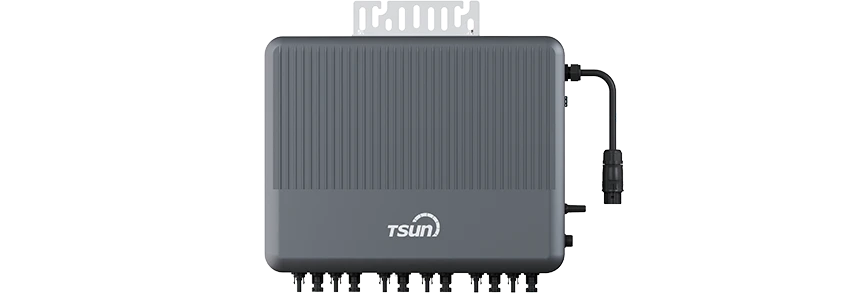
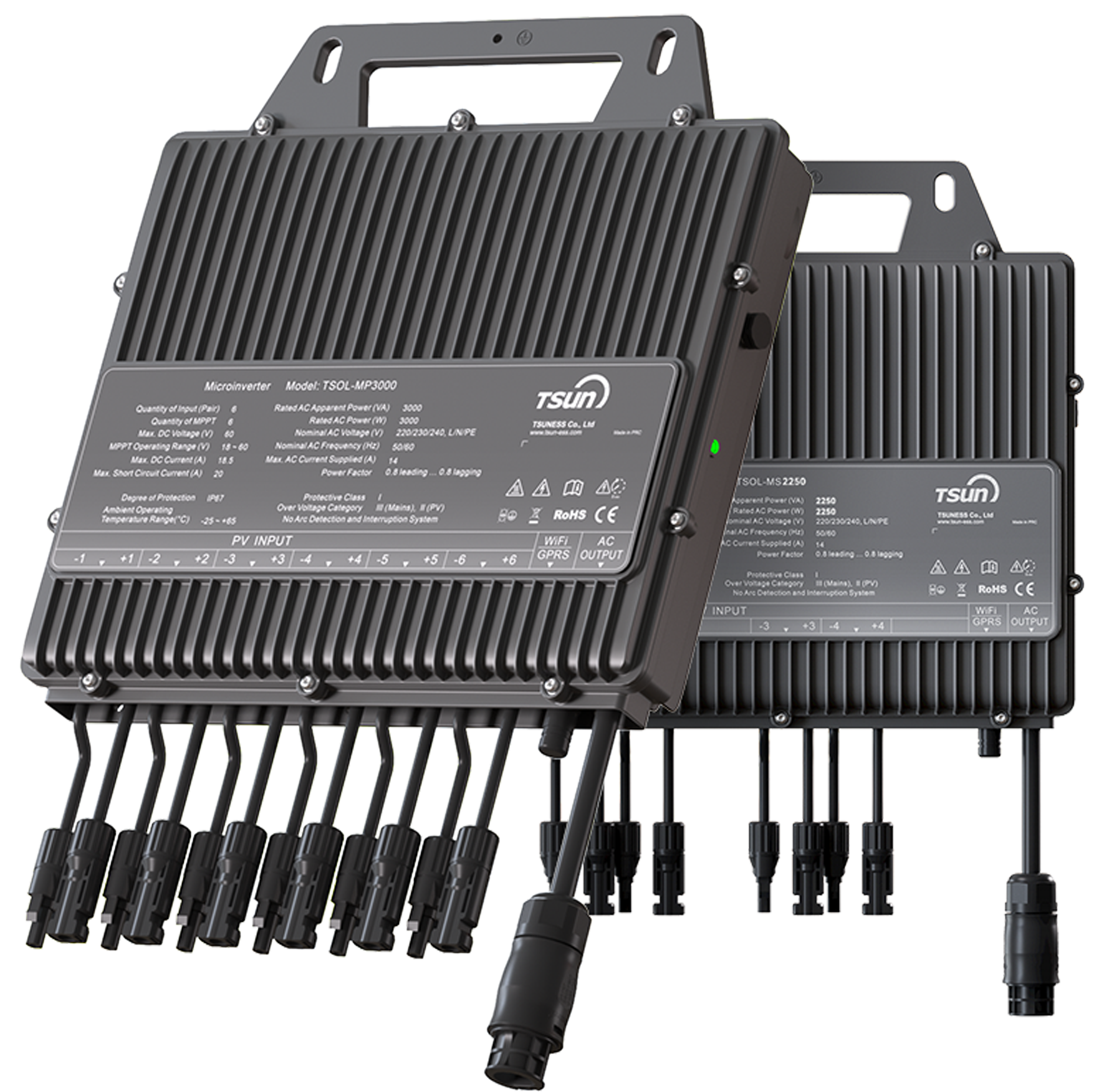
Low-cost inverters on the market often use assembled sheet metal casings, where heat easily accumulates at the seams. TSUN microinverters utilize high-density, integrated aluminum alloy die-casting technology. The cooling fins on the exterior are optimized through fluid dynamics simulations to maximize natural convection cooling. Even in a 50°C environment, it maintains full power output without derating.
The Core Strength: Full Glue Filling Technology
This is the "ultimate moat" that allows microinverters to extend their lifespan. Traditional inverters are filled with air internally; since air is a thermal insulator, internal hotspots cannot dissipate effectively. TSUN injects a special high-molecular-weight potting compound with extreme thermal conductivity under high pressure.
- Eliminating Hotspots: The potting glue envelops all heat-generating components, transferring heat directly to the metal casing and breaking the internal "heat island" effect.
- IP67 Ultimate Protection: The cured compound seals the internal circuits in a vacuum, providing 100% isolation against salt mist, moisture, and oxidation.
II. The Baseline of Family Safety: Why 60V is a Strict Boundary
In traditional string inverter systems, DC voltage can push up to 600V or 1000V. This creates a risk of "DC Arcs" reaching thousands of degrees Celsius—the number one cause of rooftop solar fires.
Microinverters eliminate this risk. TSUN microinverters use a fully parallel connection design, clamping the maximum DC input voltage under 60V. According to international standards, this falls within the "safe touch voltage" range:
- Personal Safety: Lethal high-voltage DC is eradicated from the roof.
- Fire Safety: The physical conditions required to sustain a continuous electrical arc are eliminated, reducing fire hazards to absolute zero.
III. The Moat Behind the Benchmark: Top-Tier Capital and German R&D DNA
Reliability requires more than just physics; it demands authoritative endorsement:
- World's First VDE Authoritative Certification: TSUN is the first microinverter brand to pass the latest rigorous EMC tests by Germany's VDE, a synonym for reliability in the DACH market.
- European Engineering DNA: Founded by experts with backgrounds from FAU Erlangen-Nürnberg and 15 years of European PV R&D experience.
- Backed by Top-Tier Capital: Strategic investments from Hidden Hill Capital (GLP) and IDG Capital support a Pre-IPO valuation of $200 million and long-term warranties (standard 12 years).

 LEARN MORE